Art Basel Paris 2025, Paris Internationale and Off Screen
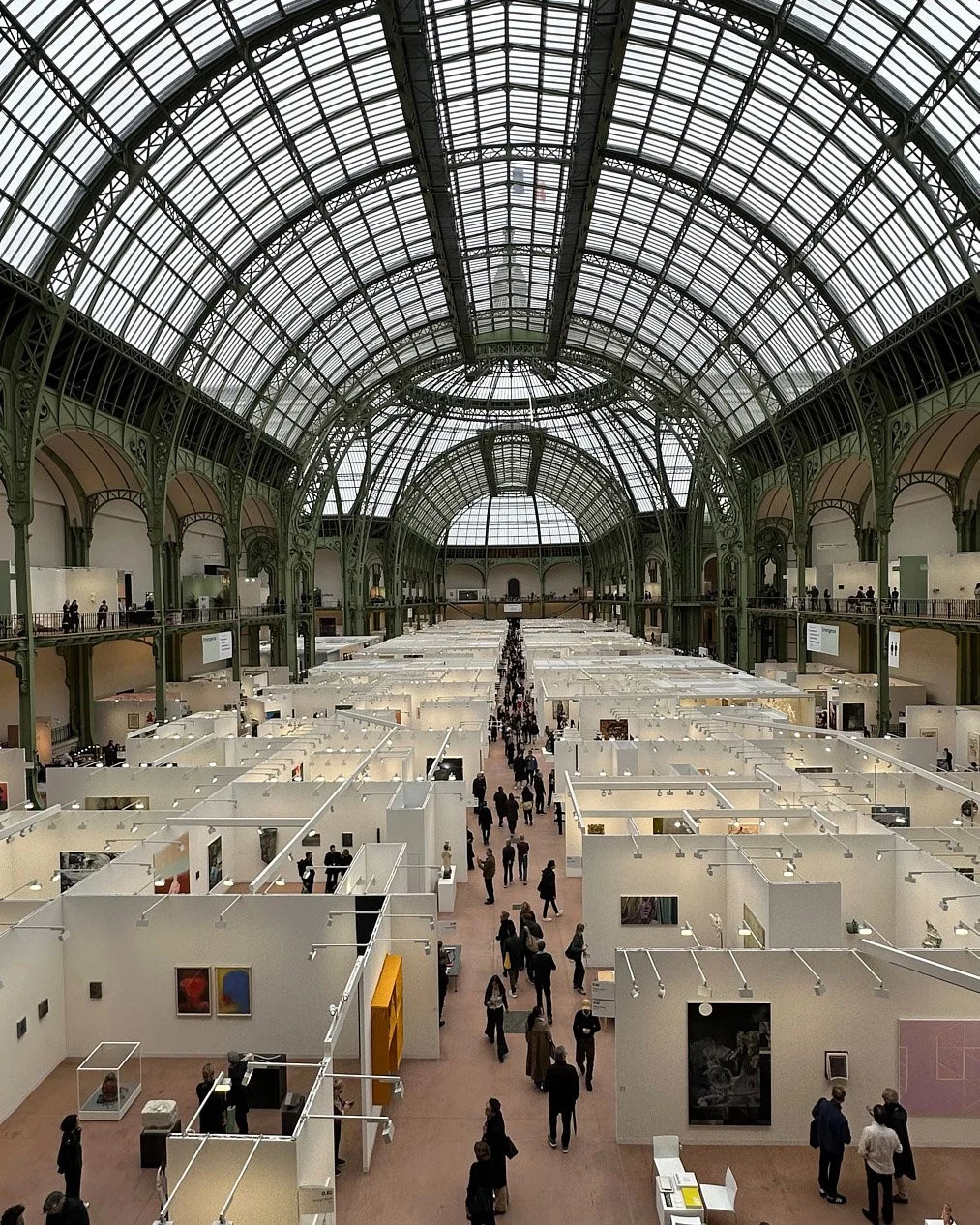
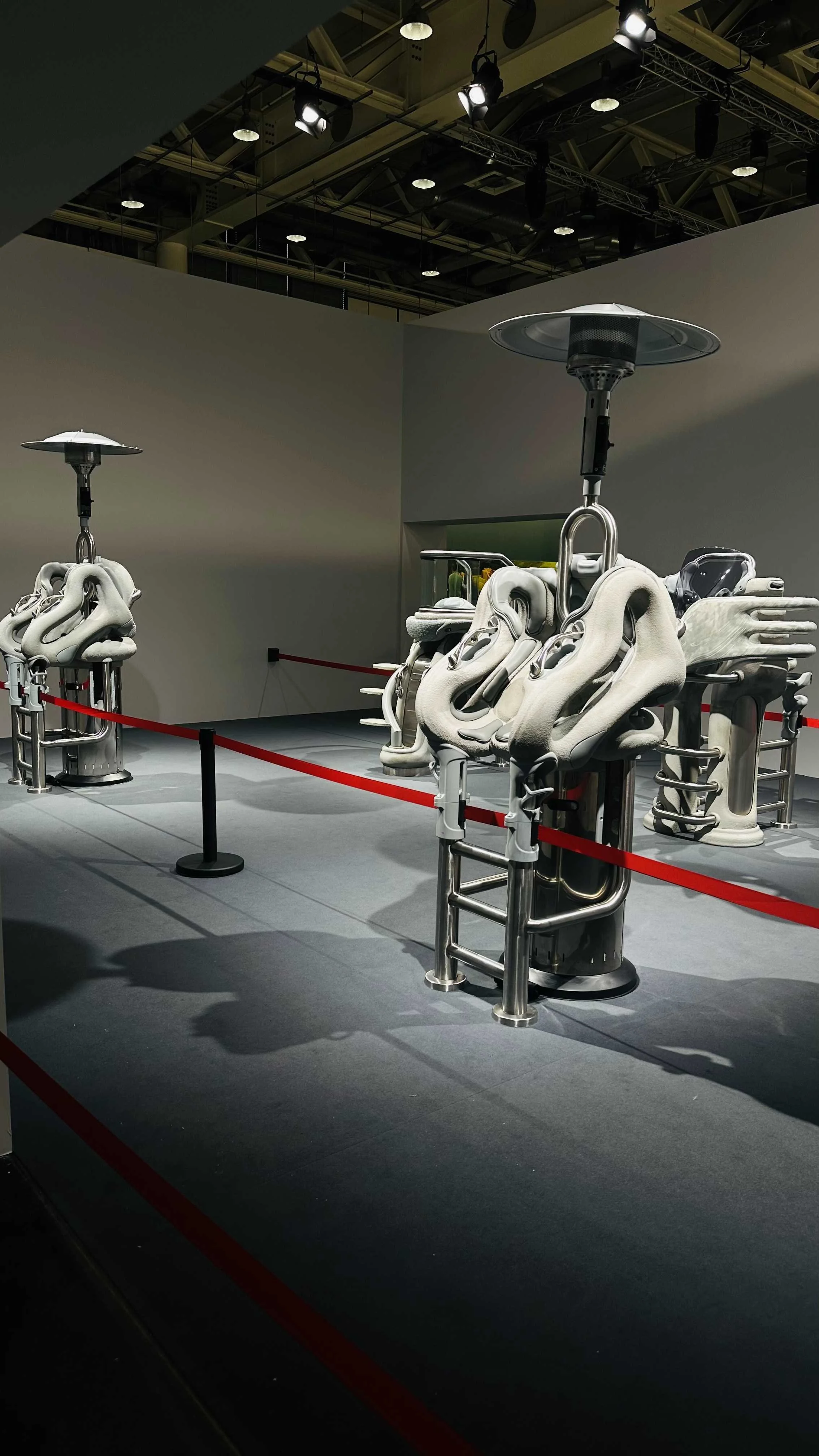
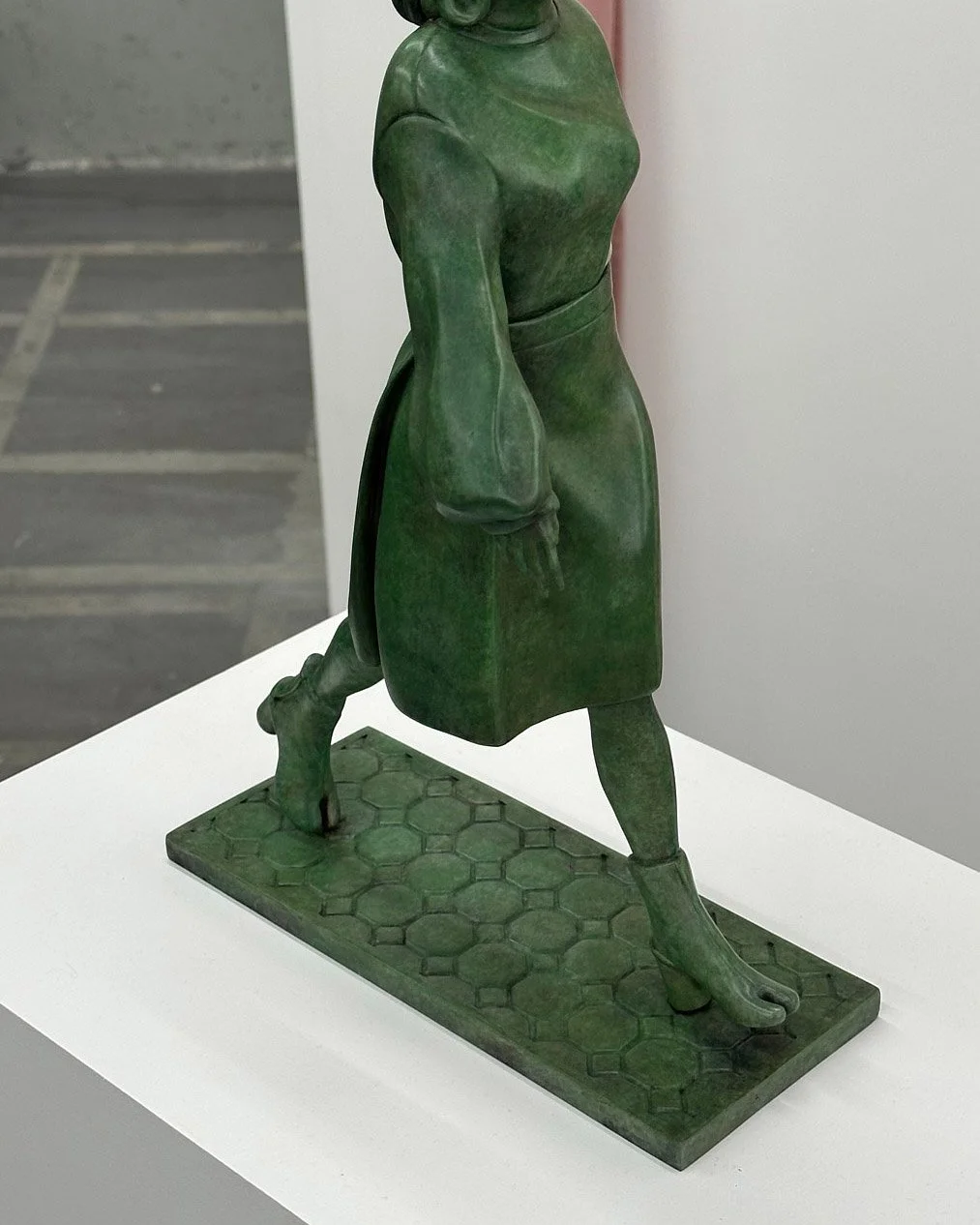
Art Basel Paris 2025 confirmed a shift in the global art environment. The fair’s installation programme marched along avenue Winston-Churchill between the Petit Palais and the Grand Palais. Here, works by Houseago, Ikemura, Kovařík, Shechet, and Rinck presented distinct approaches to form and presence in the public realm. Sculpture assumed civic scale without theatricality, asking visitors to reckon with material heft and gesture in Parisian light.
ART BASEL PARIS 2025
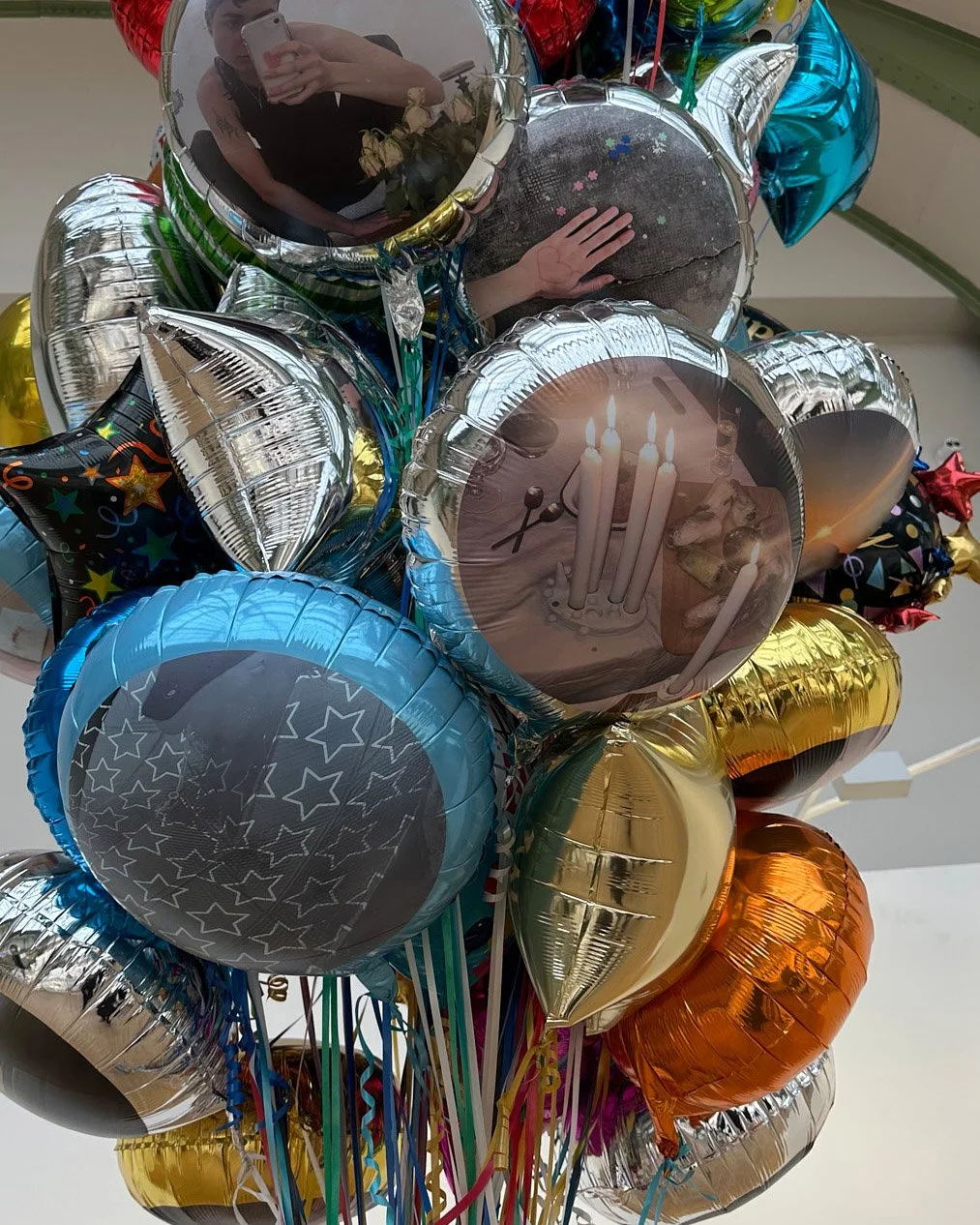
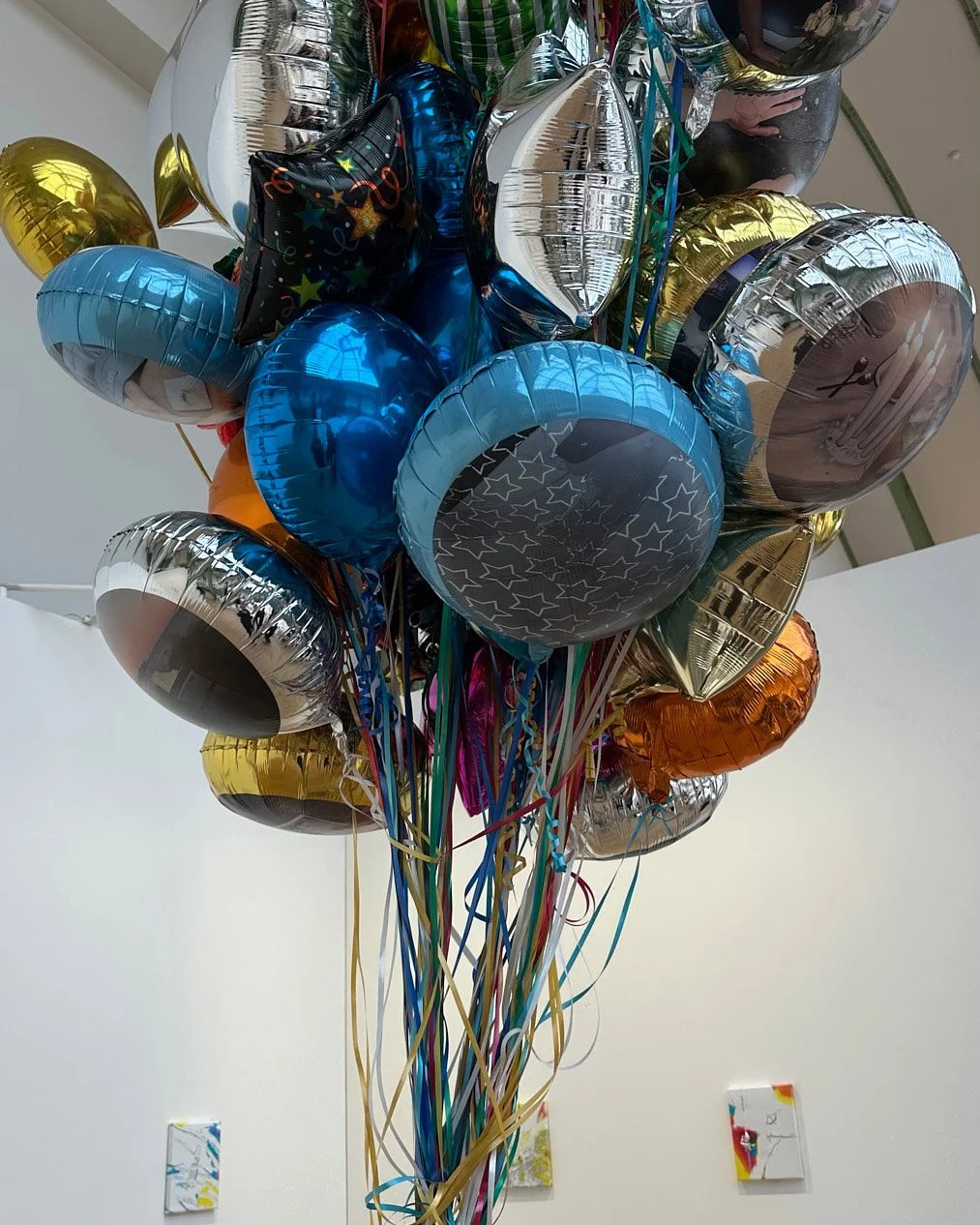
Ash Love - Exo Exo Paris
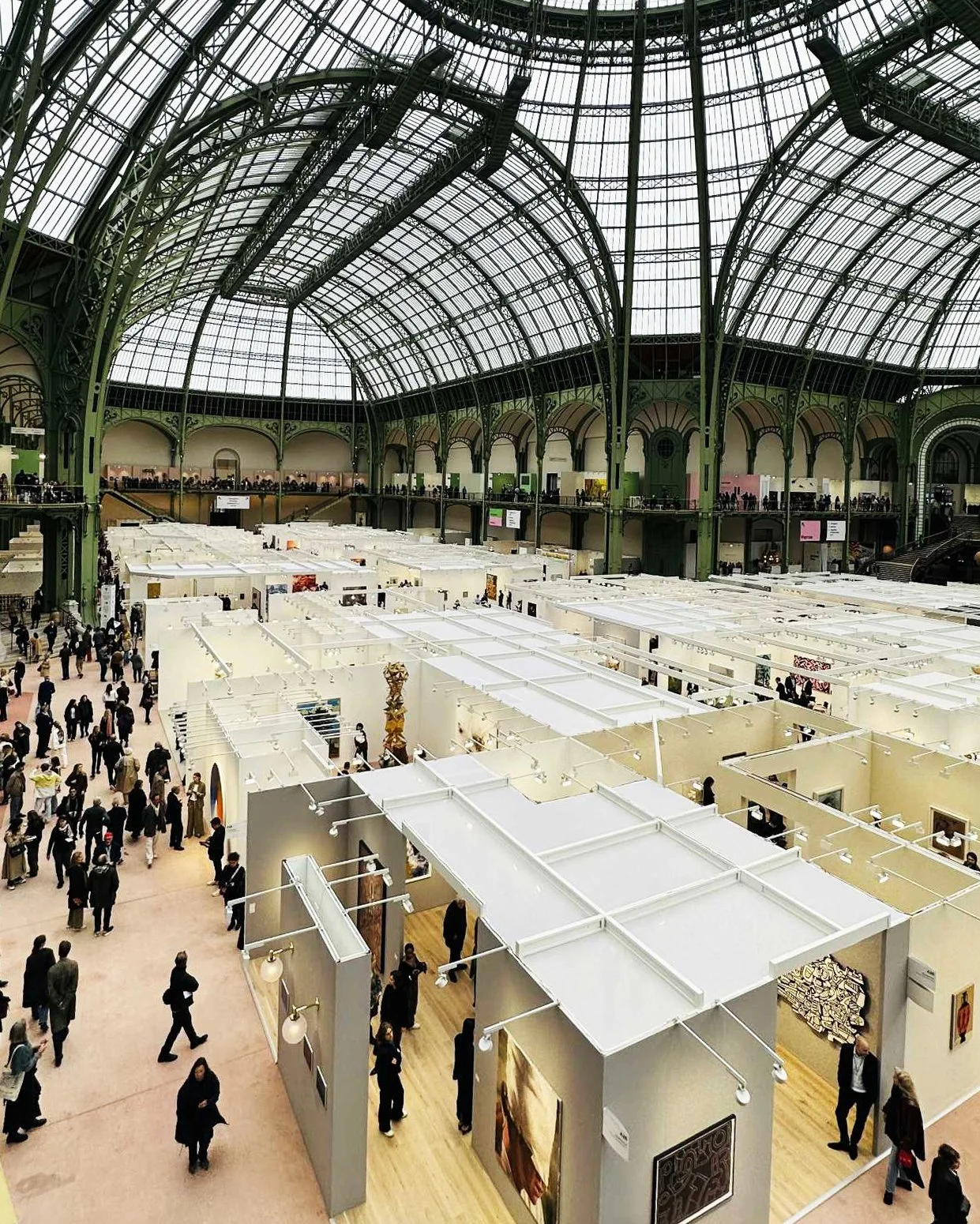
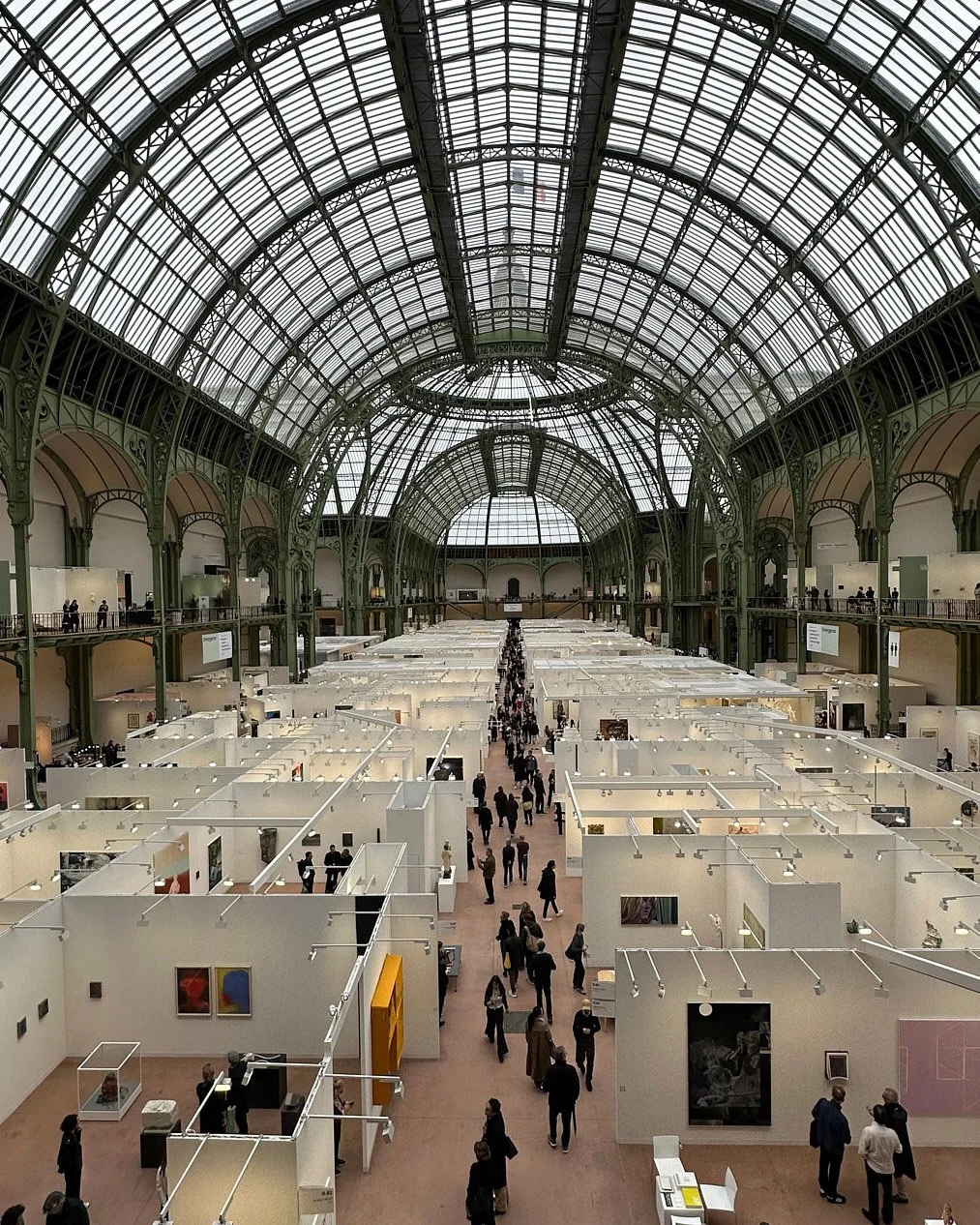
Inside the Grand Palais, galleries delivered presentations that balanced historical weight and the urgency of now. At Hauser & Wirth, a Richter from 1987 entered critical dialogue with works by Rashid Johnson and Bruce Nauman; this interplay of post-war rigor and present concerns underscored the seriousness of the fair’s curatorial logic. A Modigliani at Pace reminded the room of the lineage that Paris carries, while emerging talents such as Djabril Boukhenaïssi charted new vectors of introspection and reminiscence.
Paris’s role in this moment felt precise rather than capricious. The fair convened longstanding collectors and younger patrons, bridging galleries from New York to Tokyo, all while reaffirming the city’s cultural force. This edition did not depend on spectacle; it presented works that asked for sustained attention and thought, and that insist on a view of art as a form of public and private reckoning.
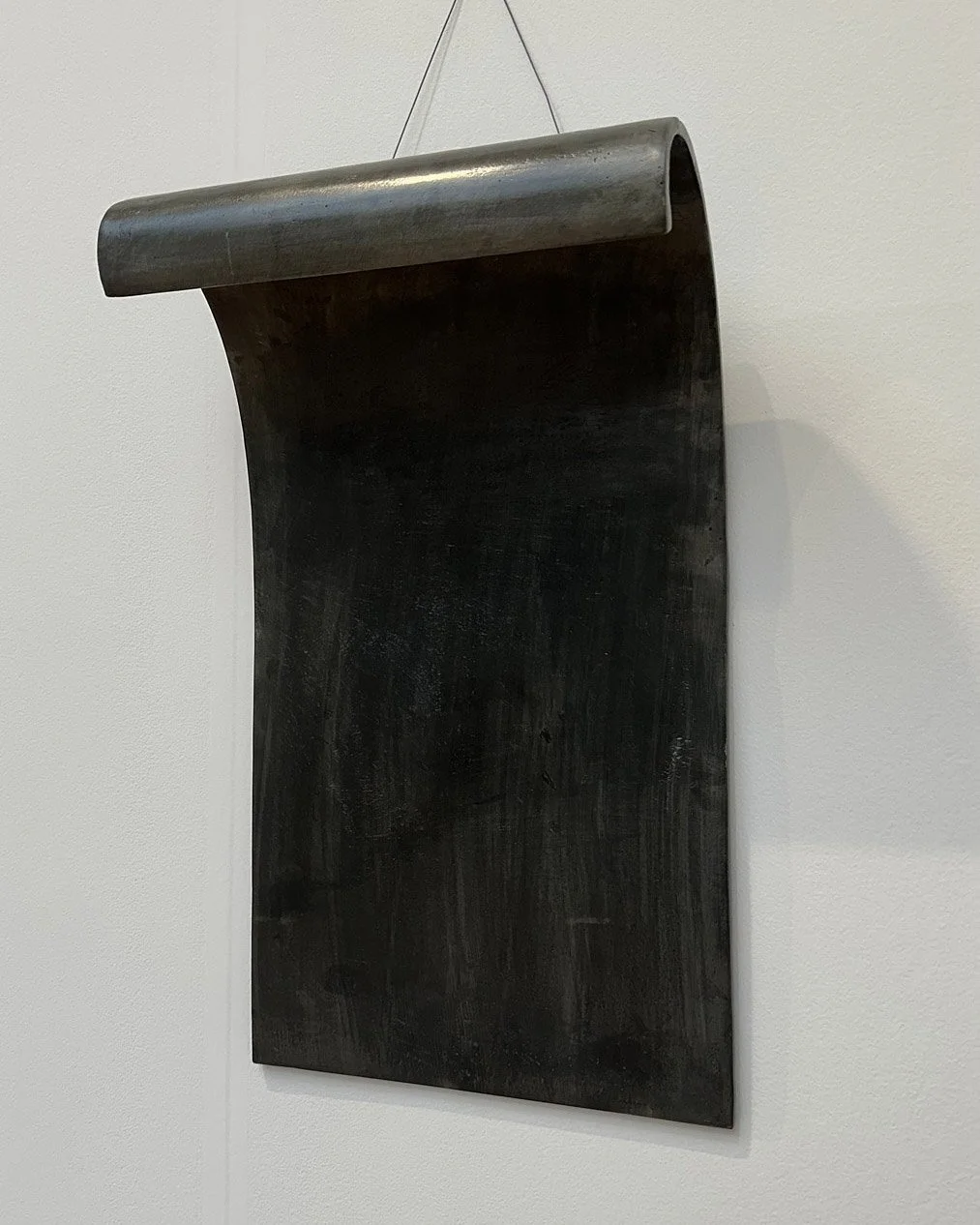
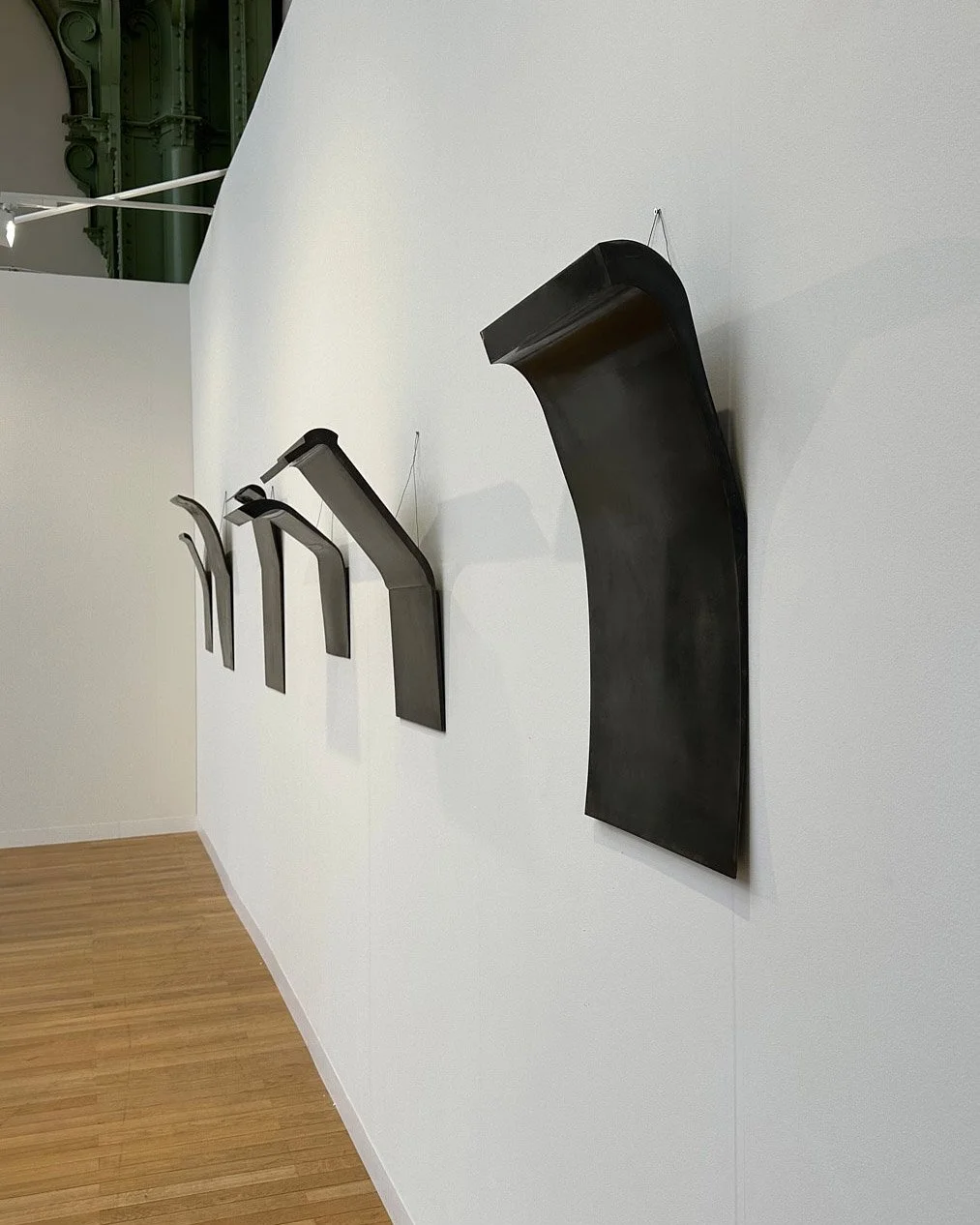
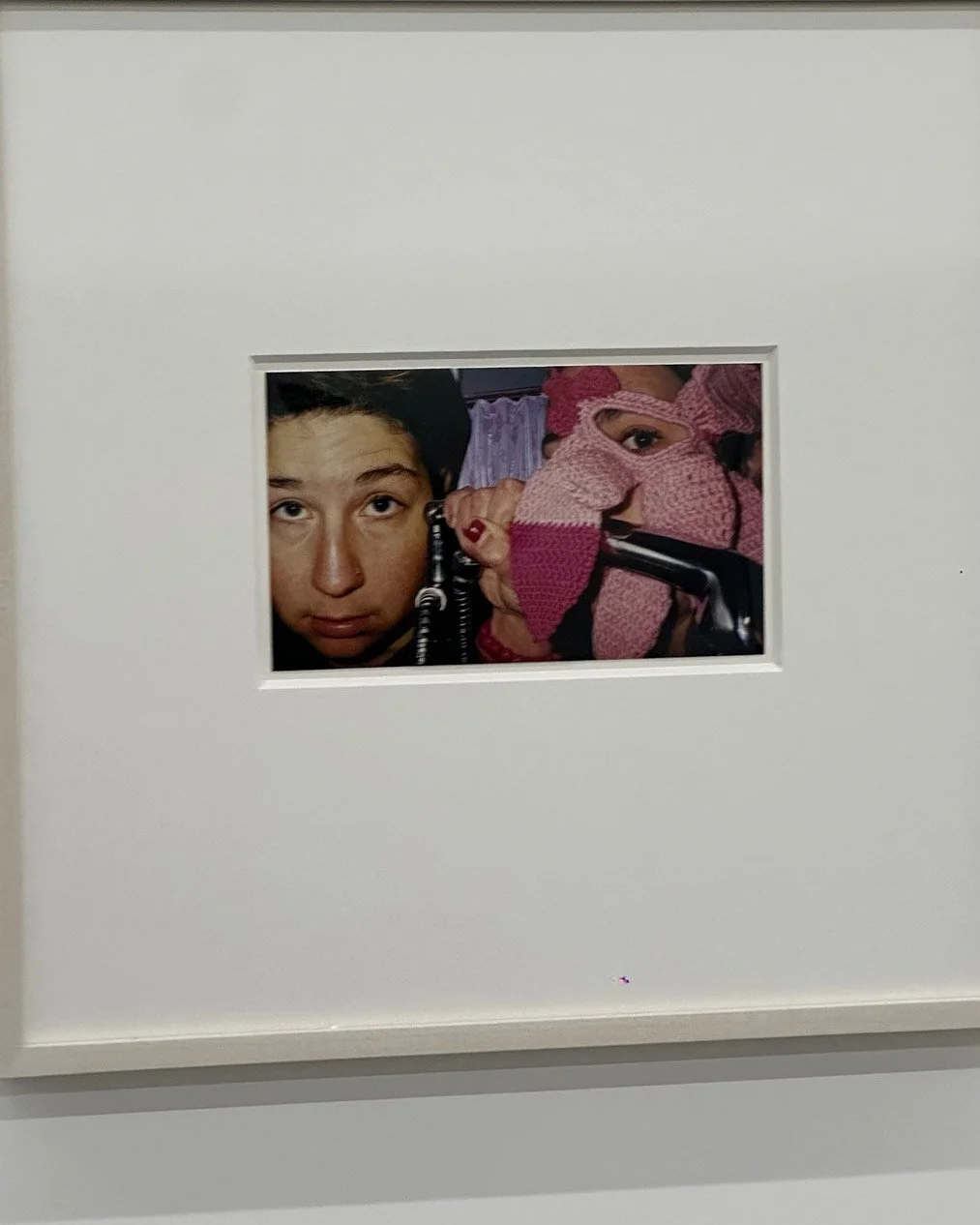
Sydney Schrader - Lars Friedrich
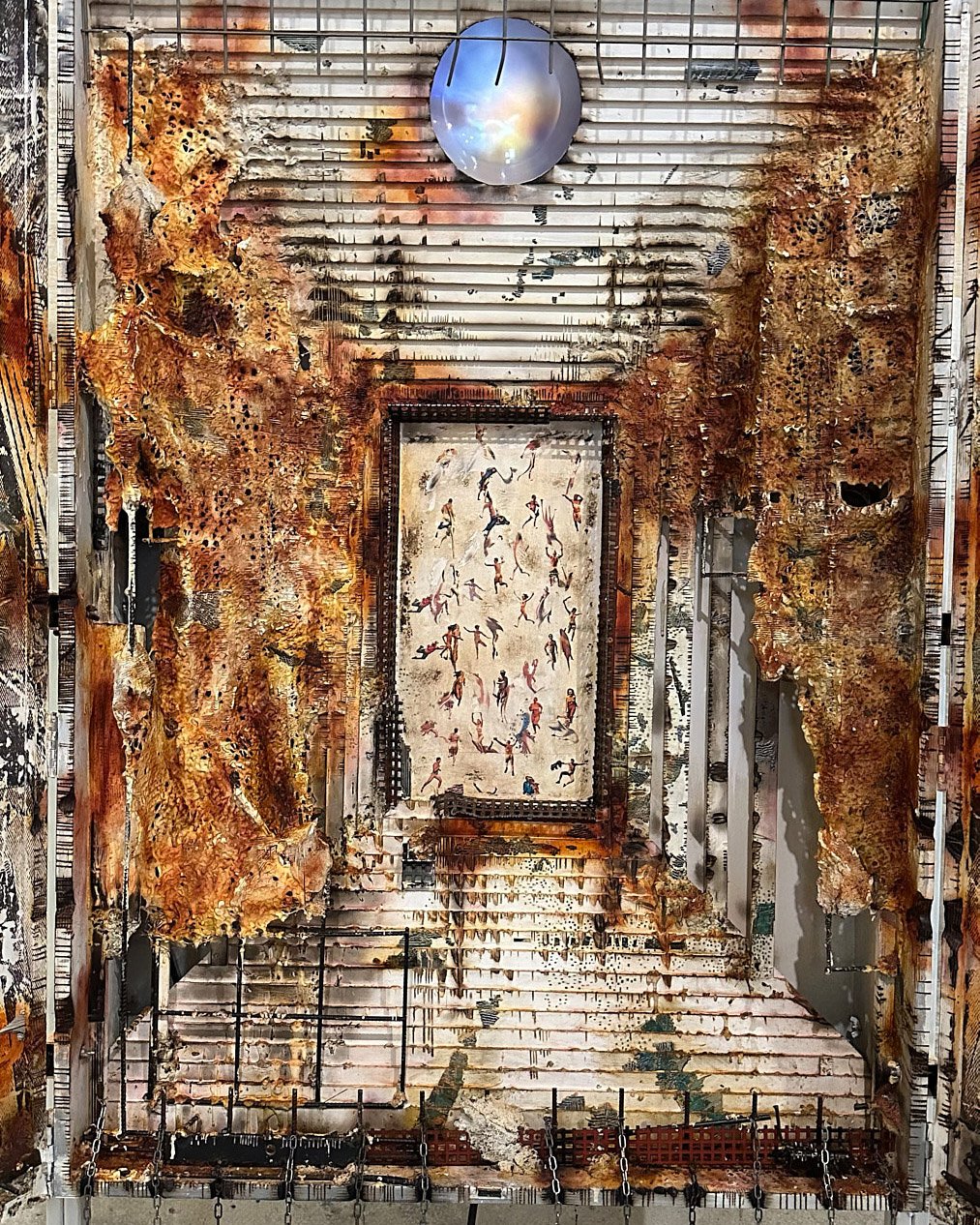
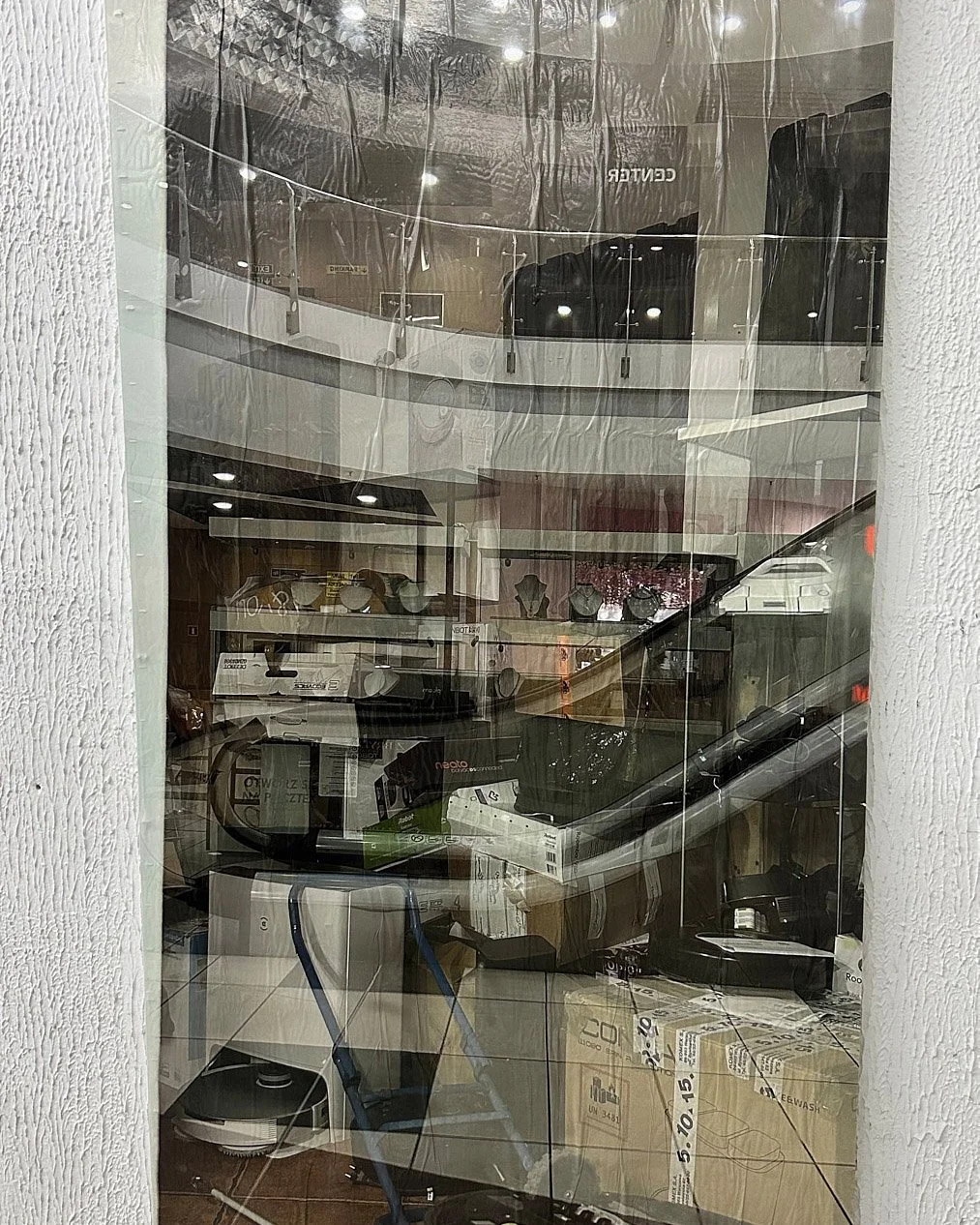
Forget the clean, carpeted floors of the big fairs, this was all about brutalist, industrial backdrops that brought the scene to life.
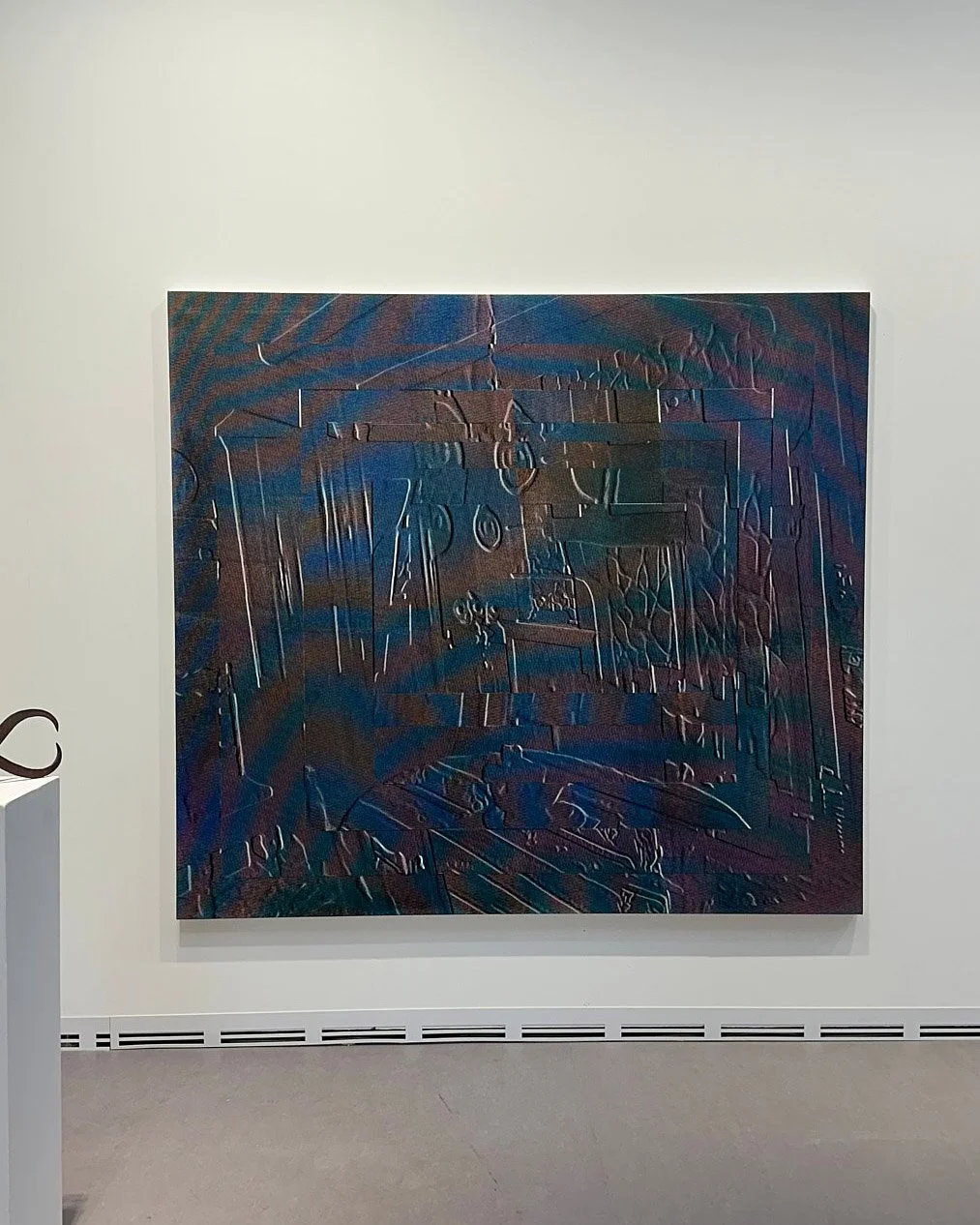
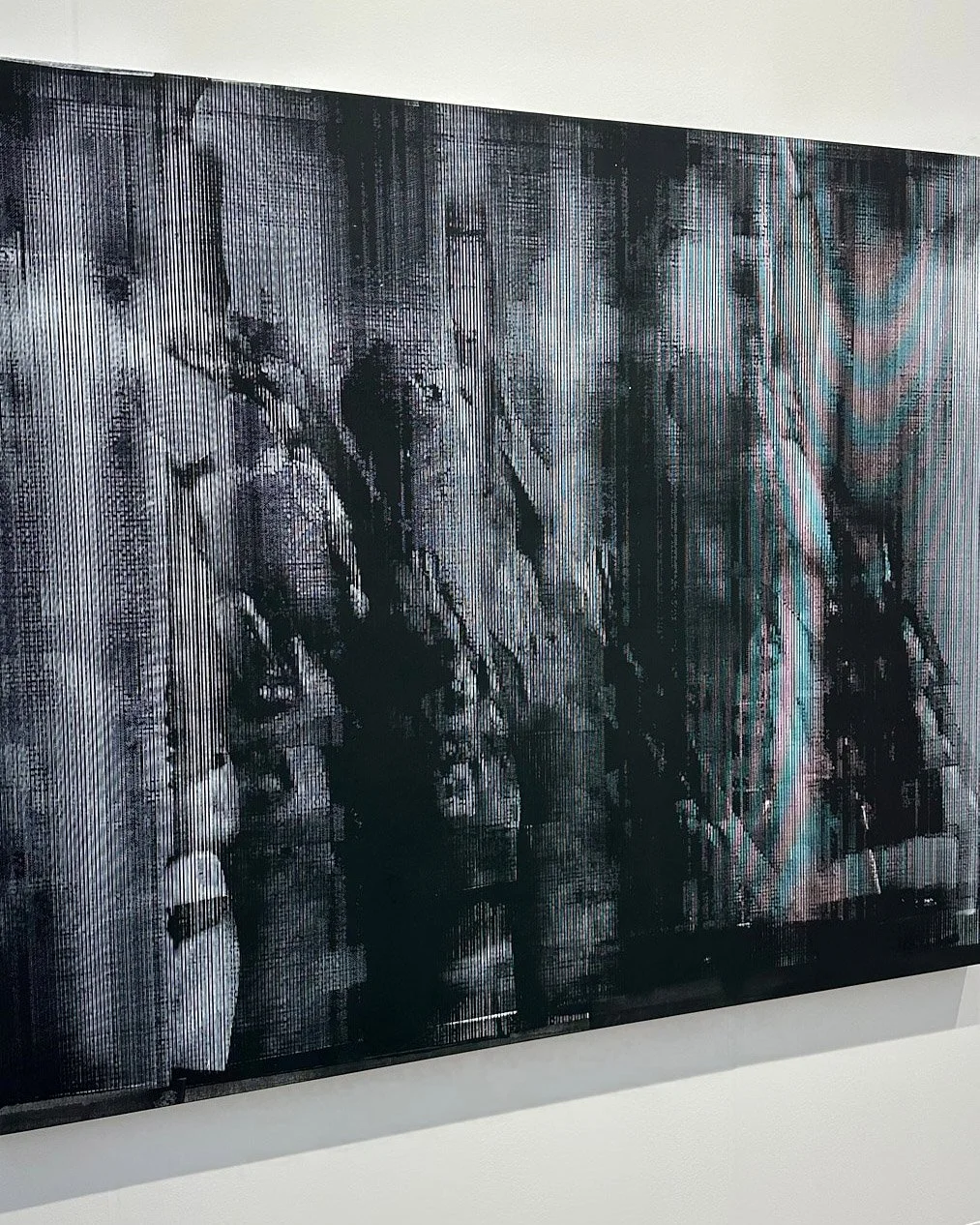
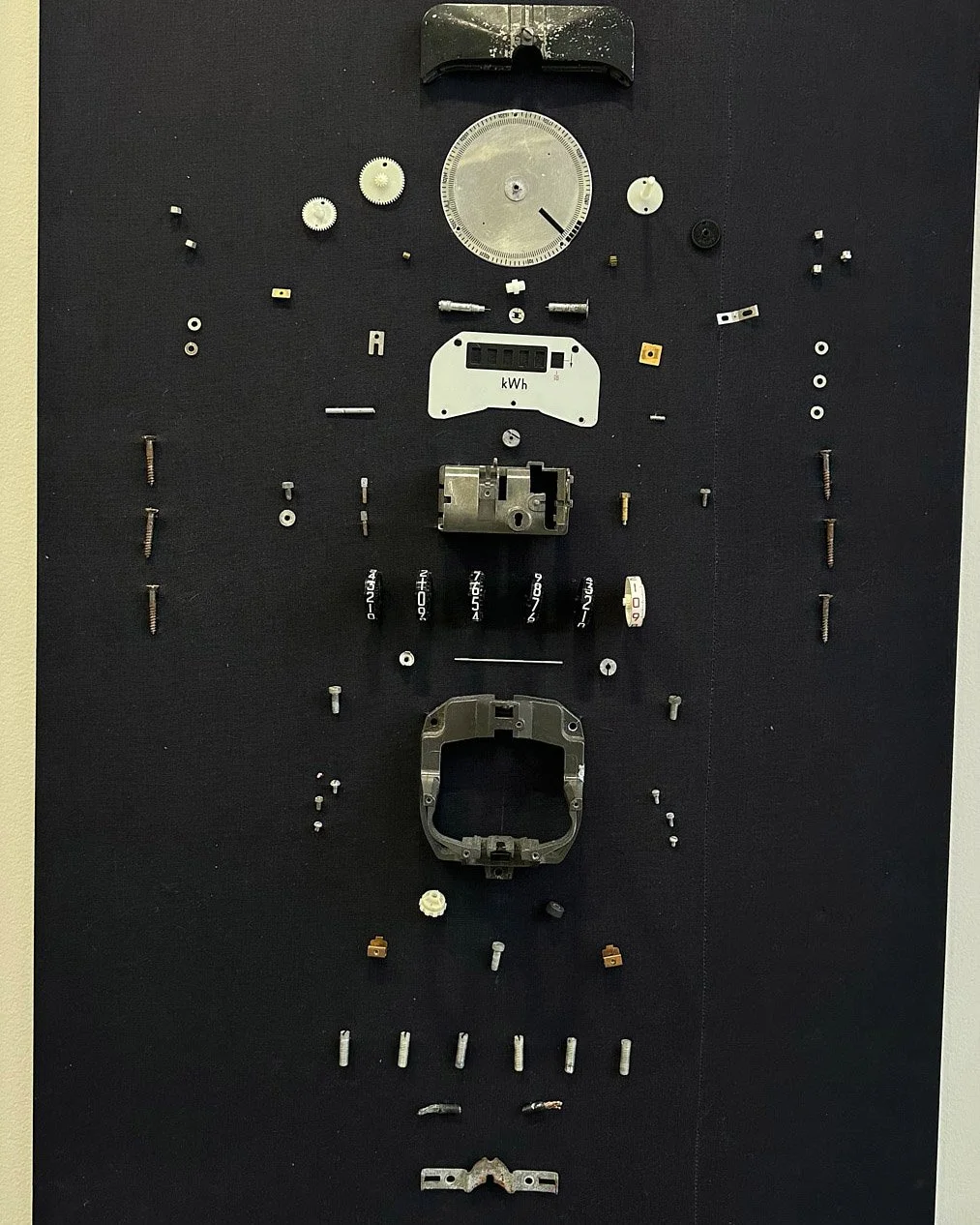
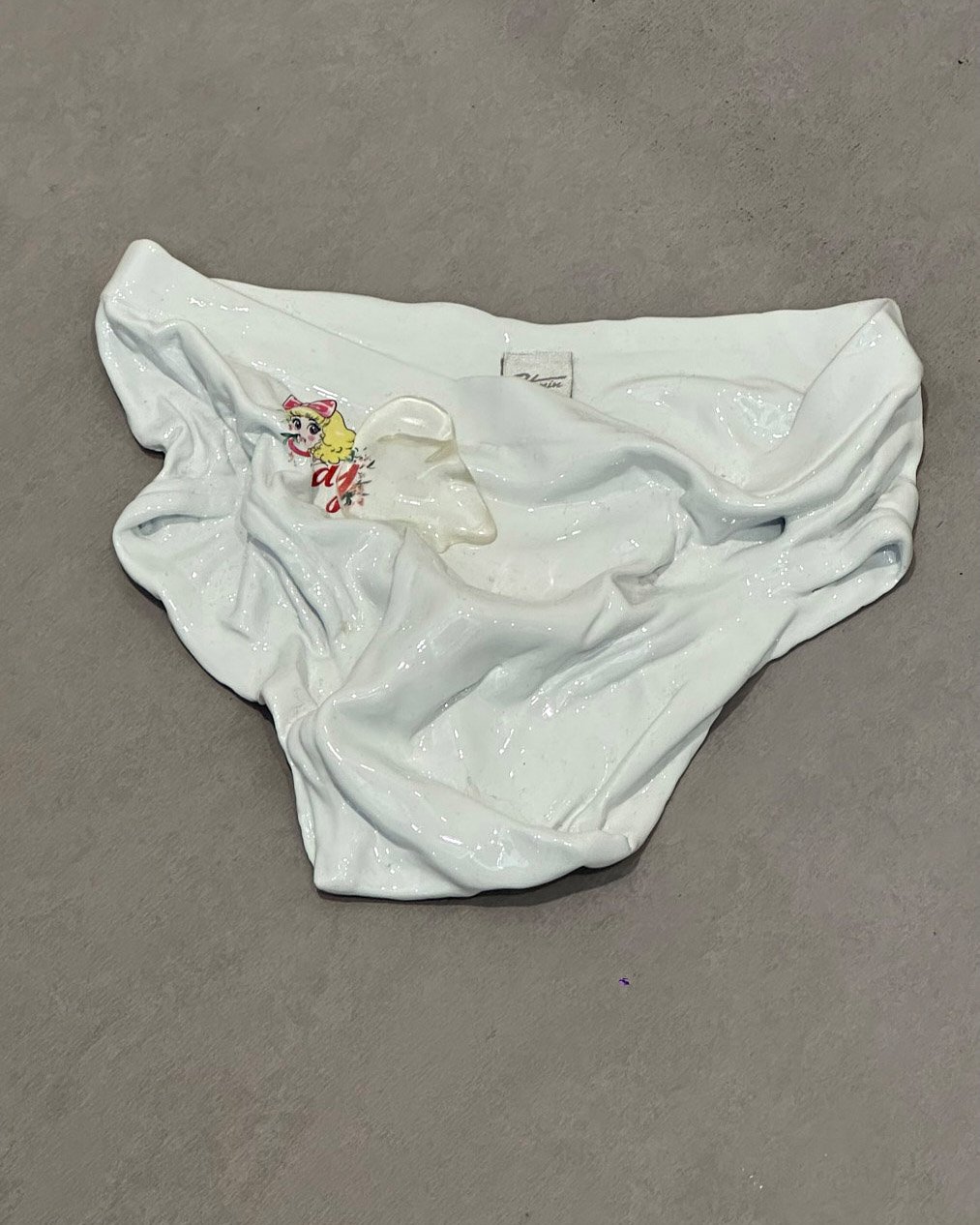
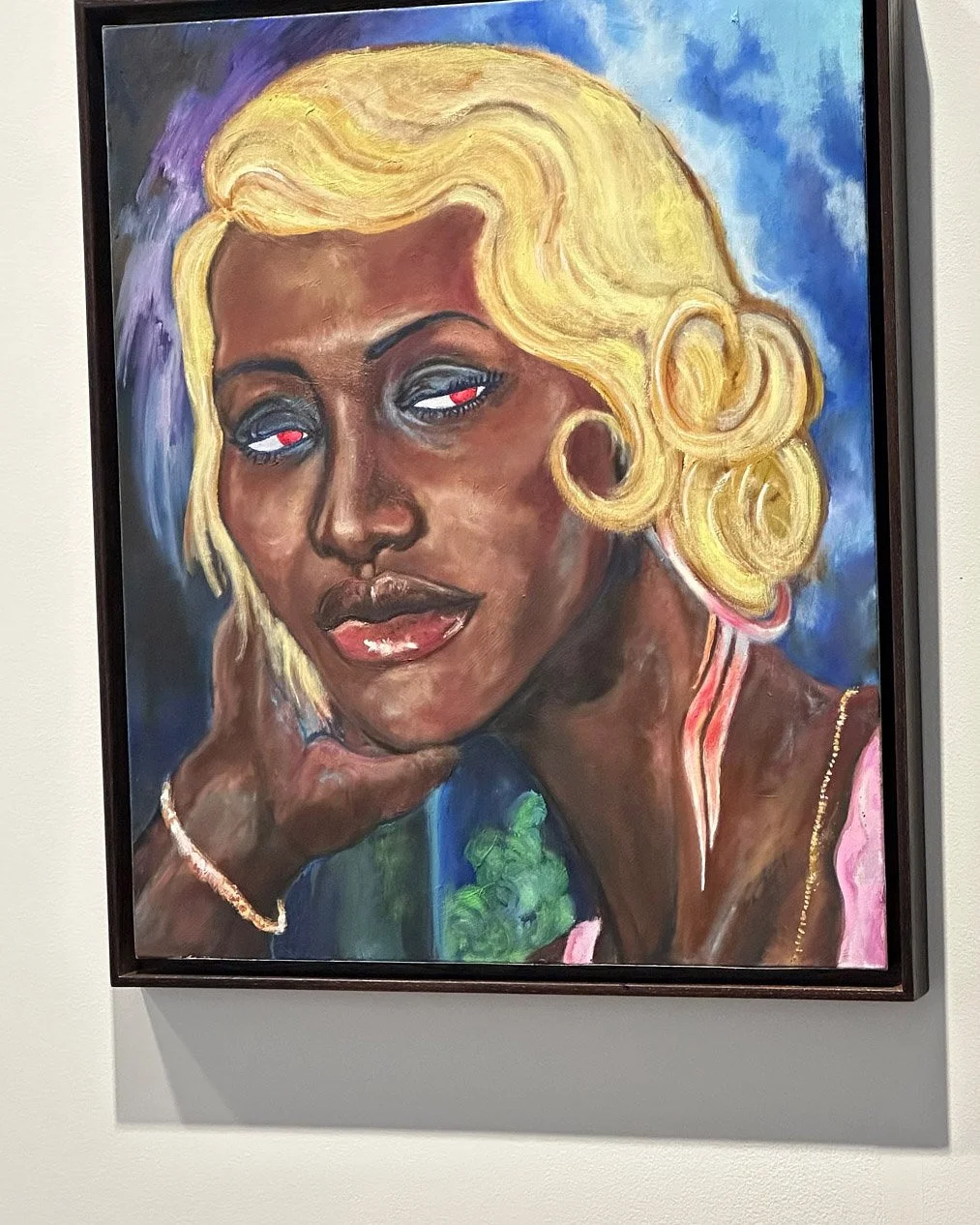
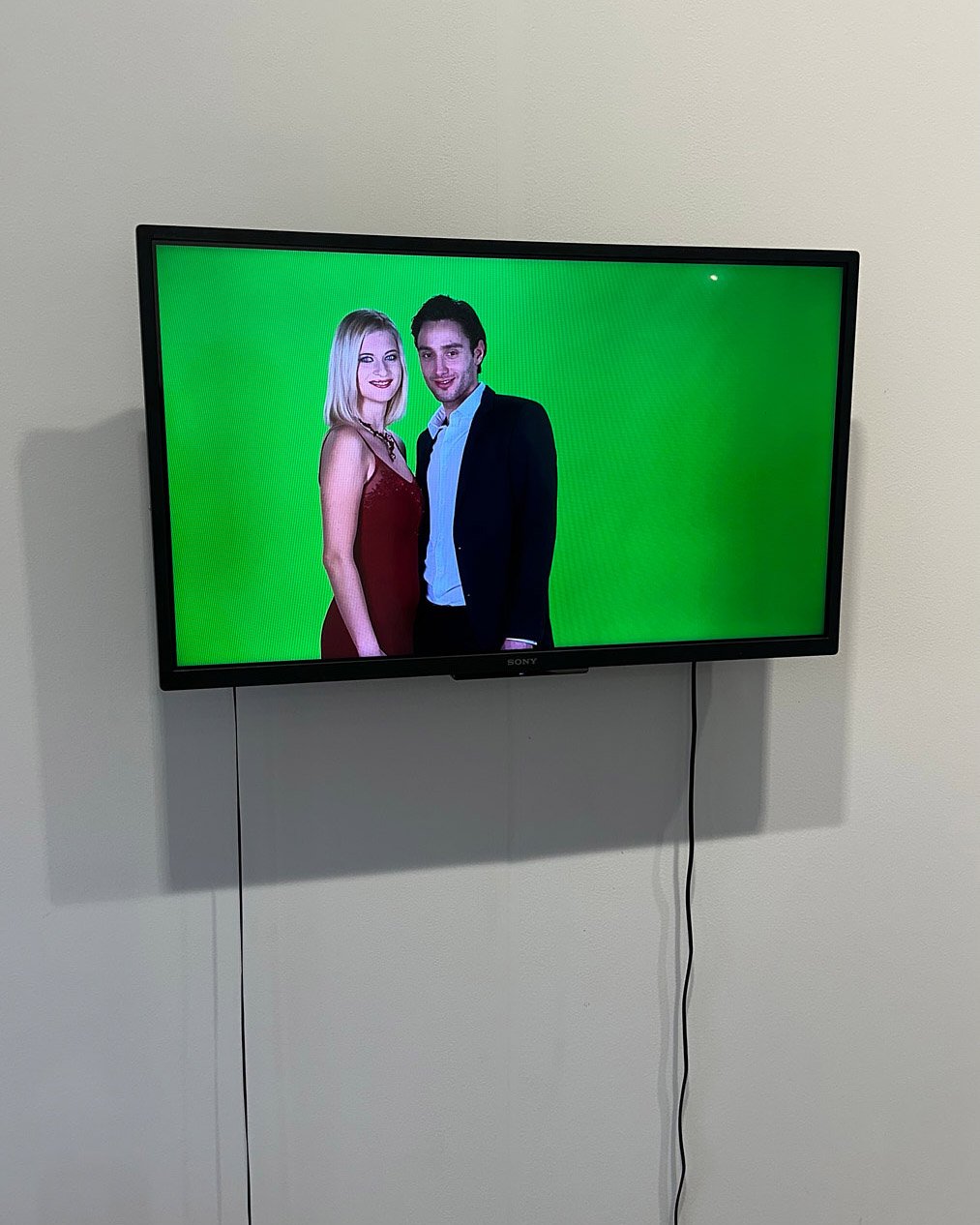
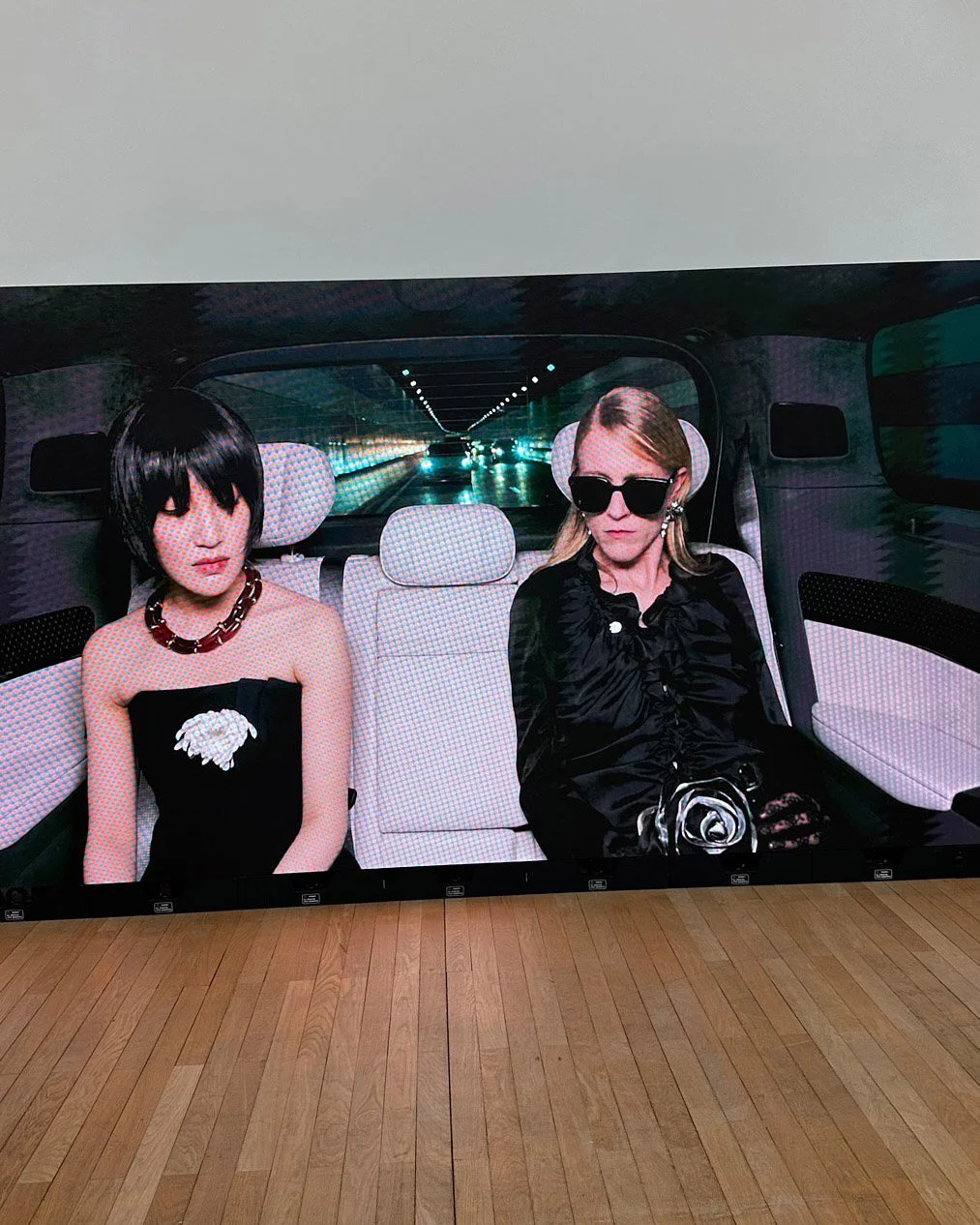
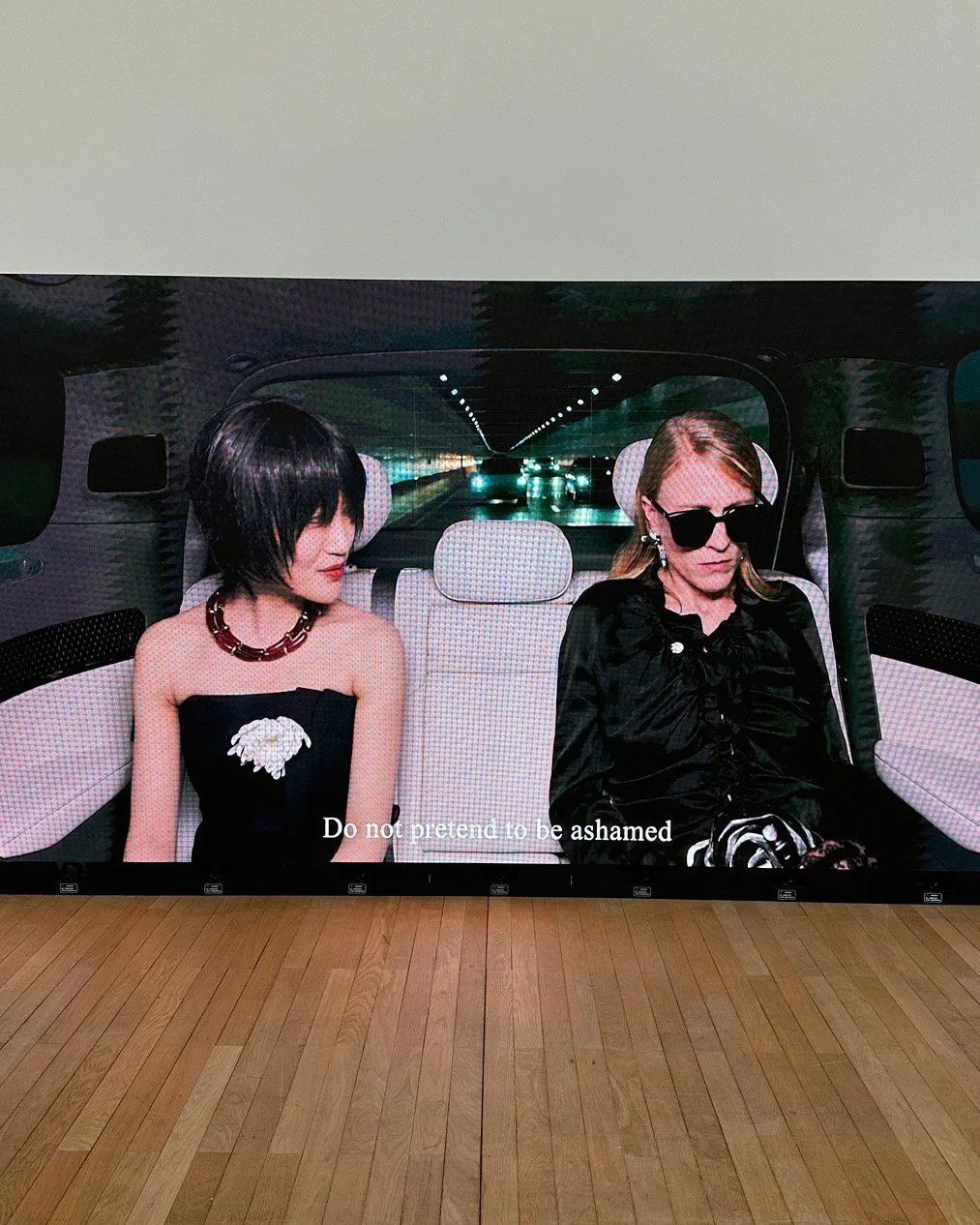
Siyi Li - Cibrián San Sebastián
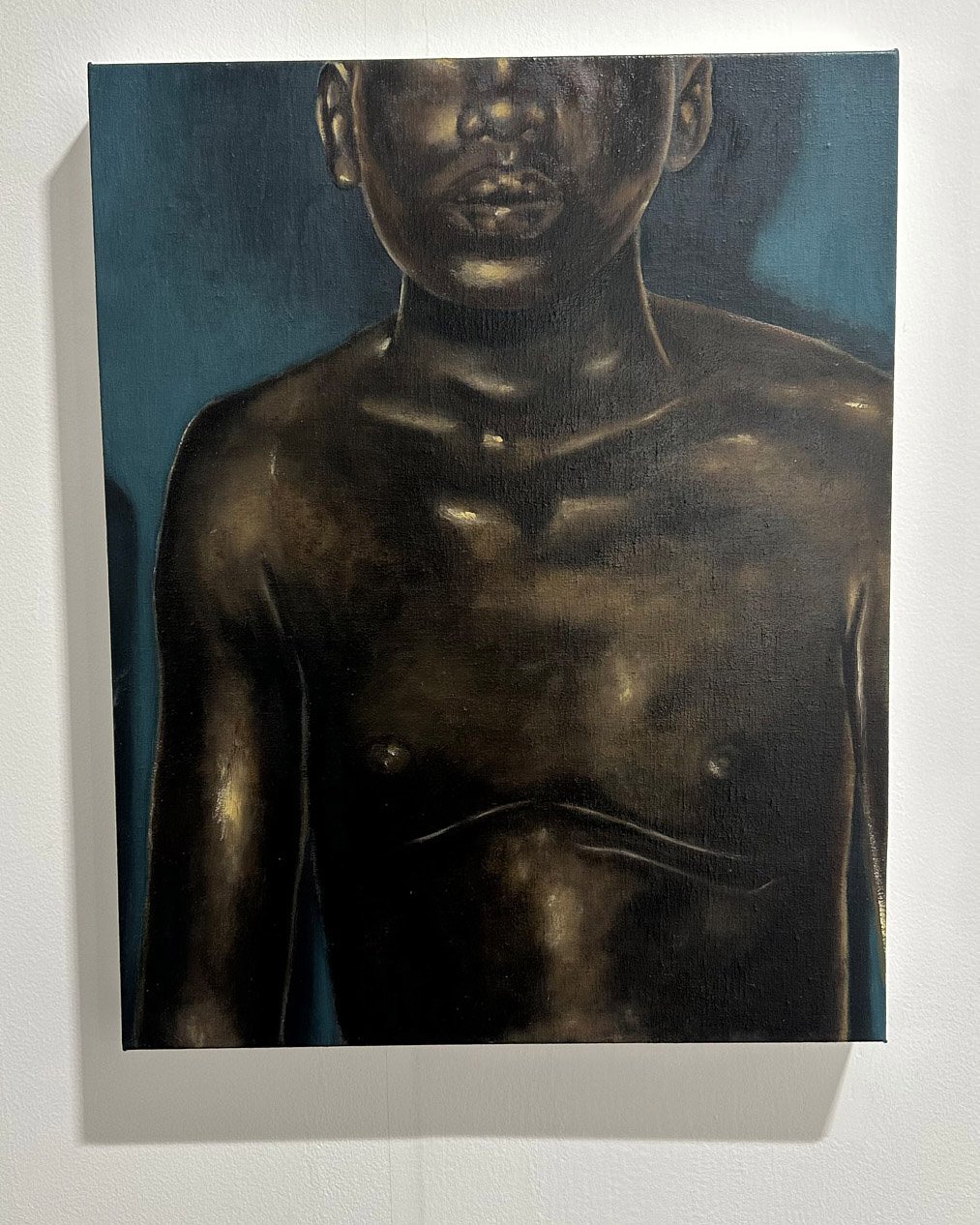
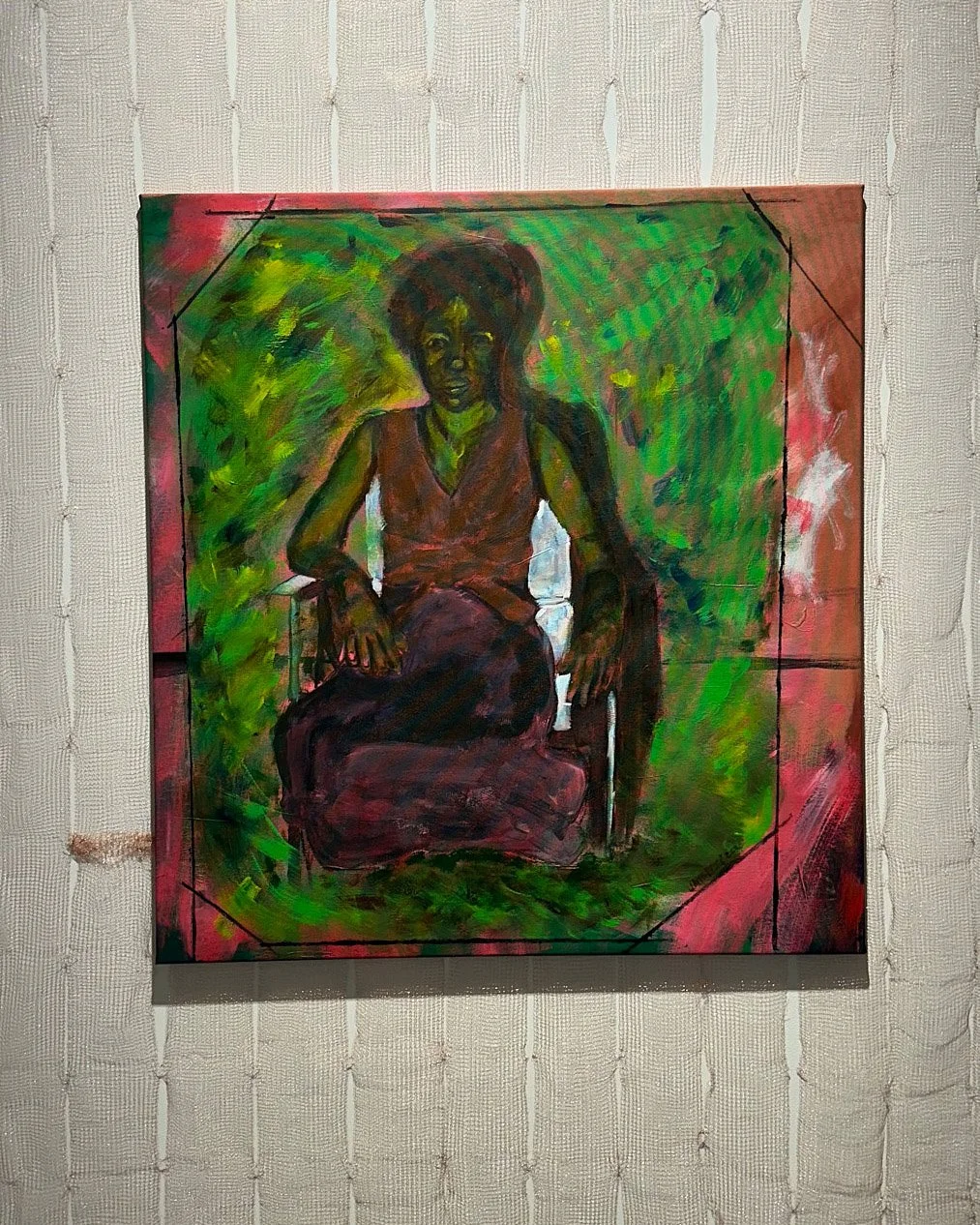
Helena Uambembe - Jan Kaps
Art Basel Paris
OFFSCREEN PARIS
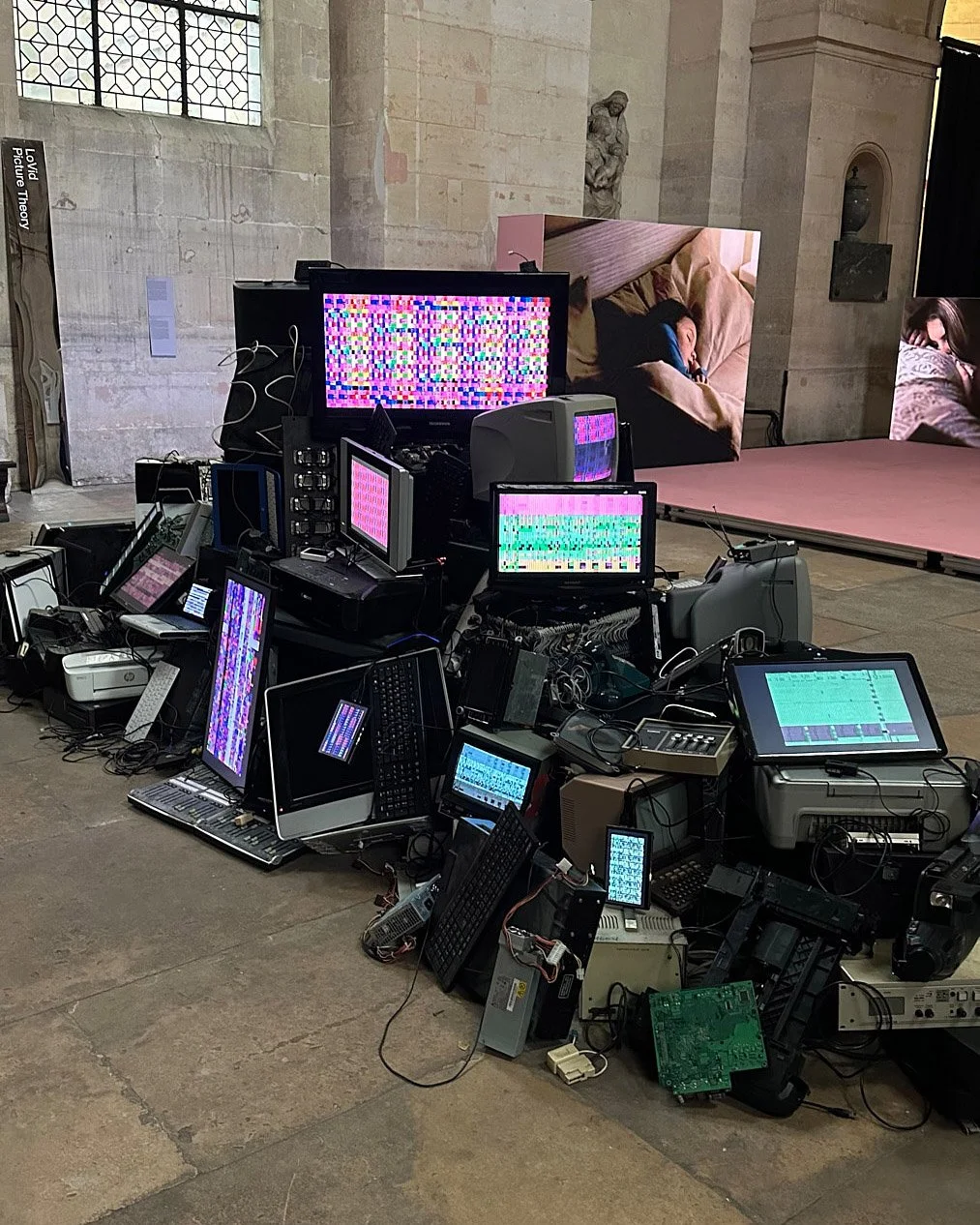
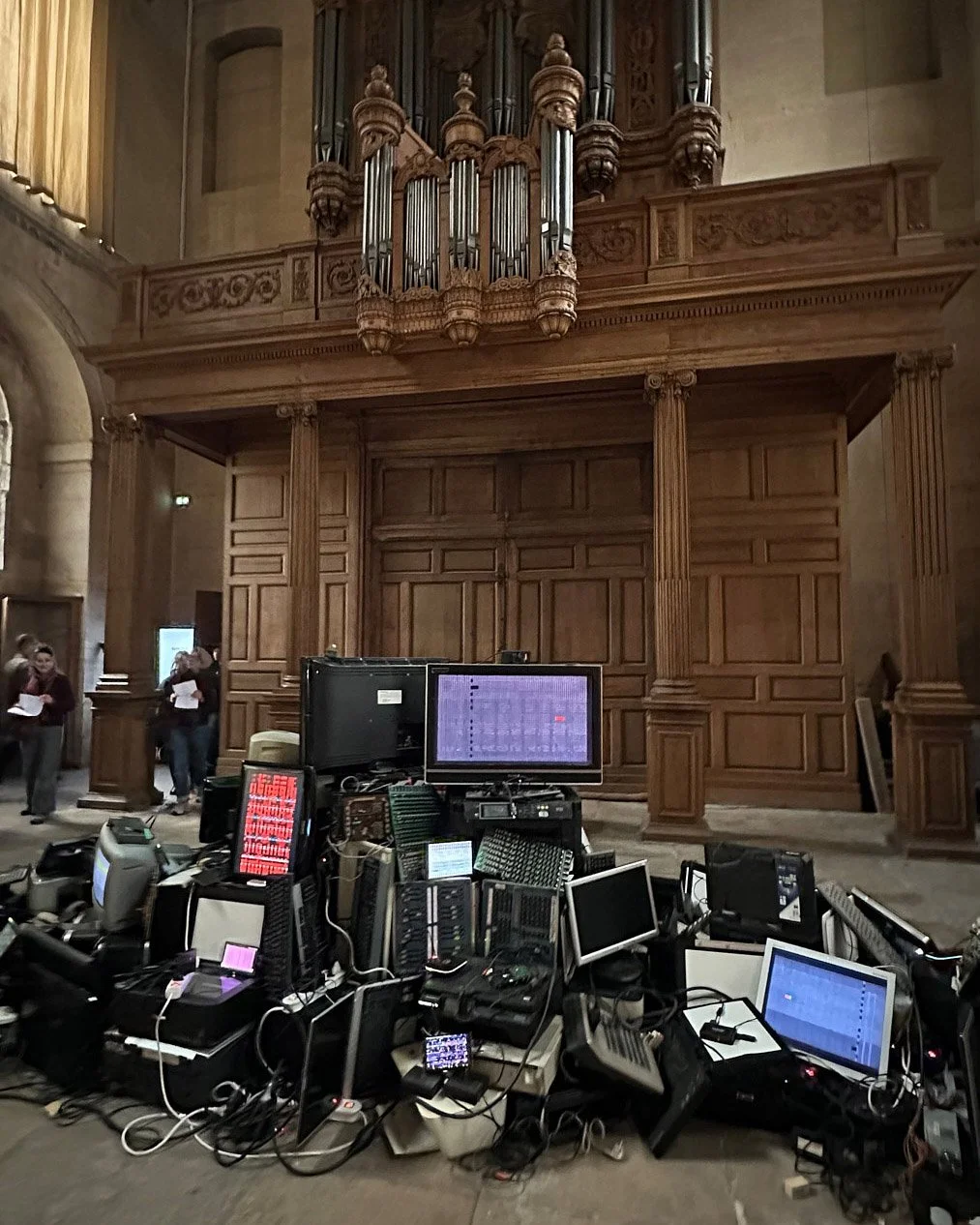
In the chapel at La Salpêtrière, Offscreen Paris staged moving images and performances that asked for sustained presence. Forms by Kubota, Désilets, Williamson and others turned optics into thought. The selection on view acknowledged the deep stratifications of memory embedded in the site itself. Included were rare photographic prints by Albert Londe from 1893, drawn from early medical chronophotography sessions at the Pitié-Salpêtrière, a reminder of the sacred interplay between optics and human inquiry. Alongside these historical works, contemporary practices tested how movement, light, and form extend beyond familiar expectations.
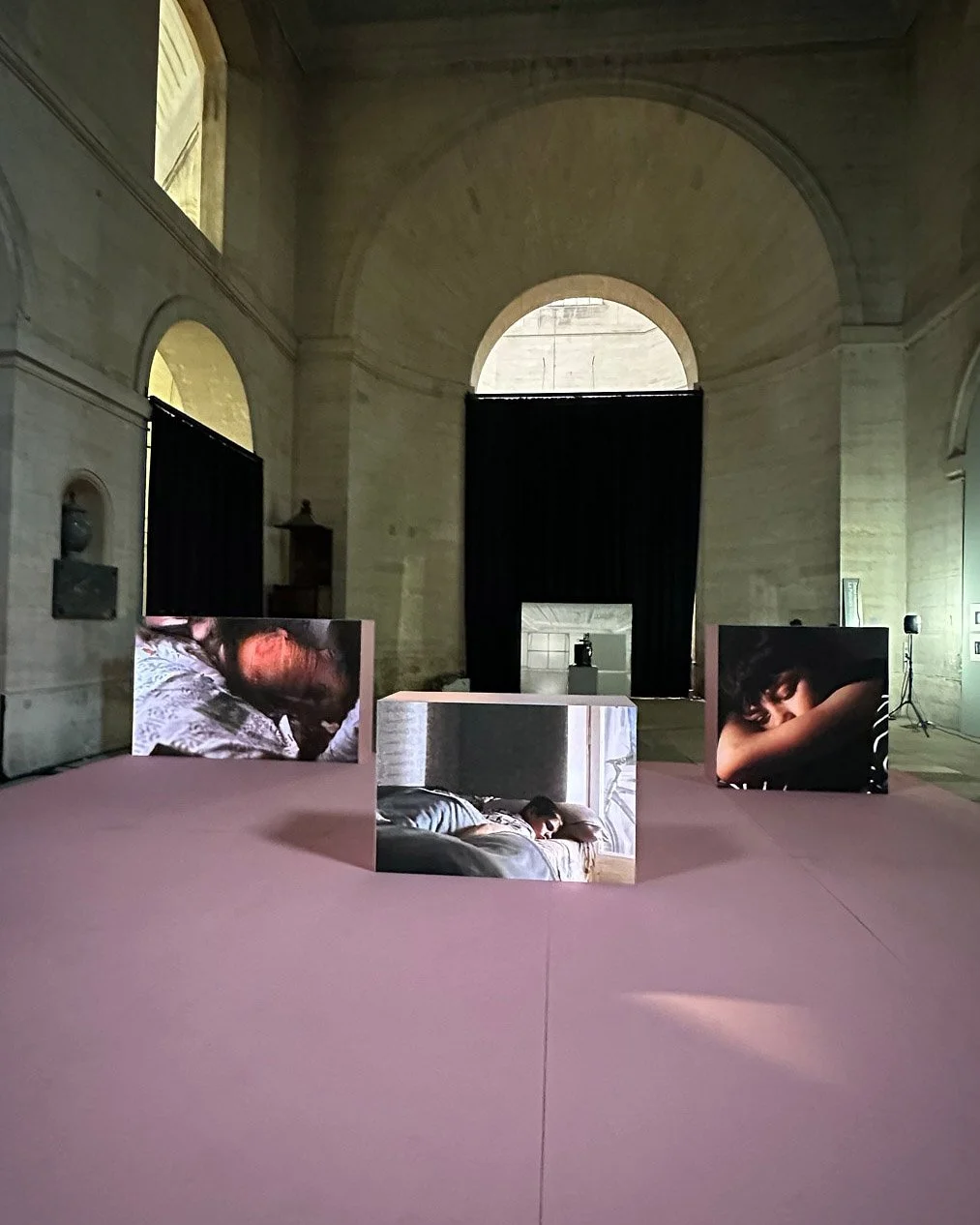
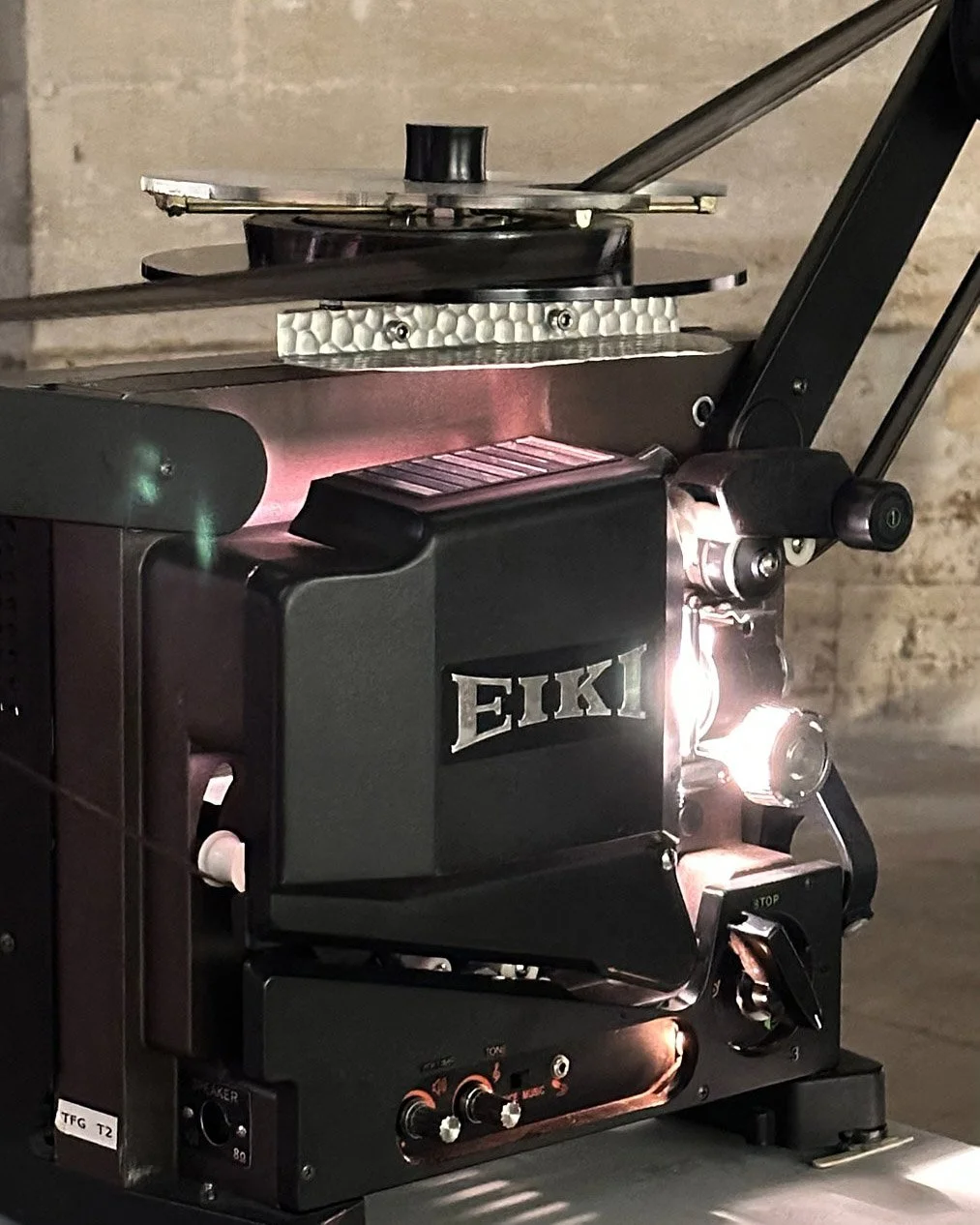
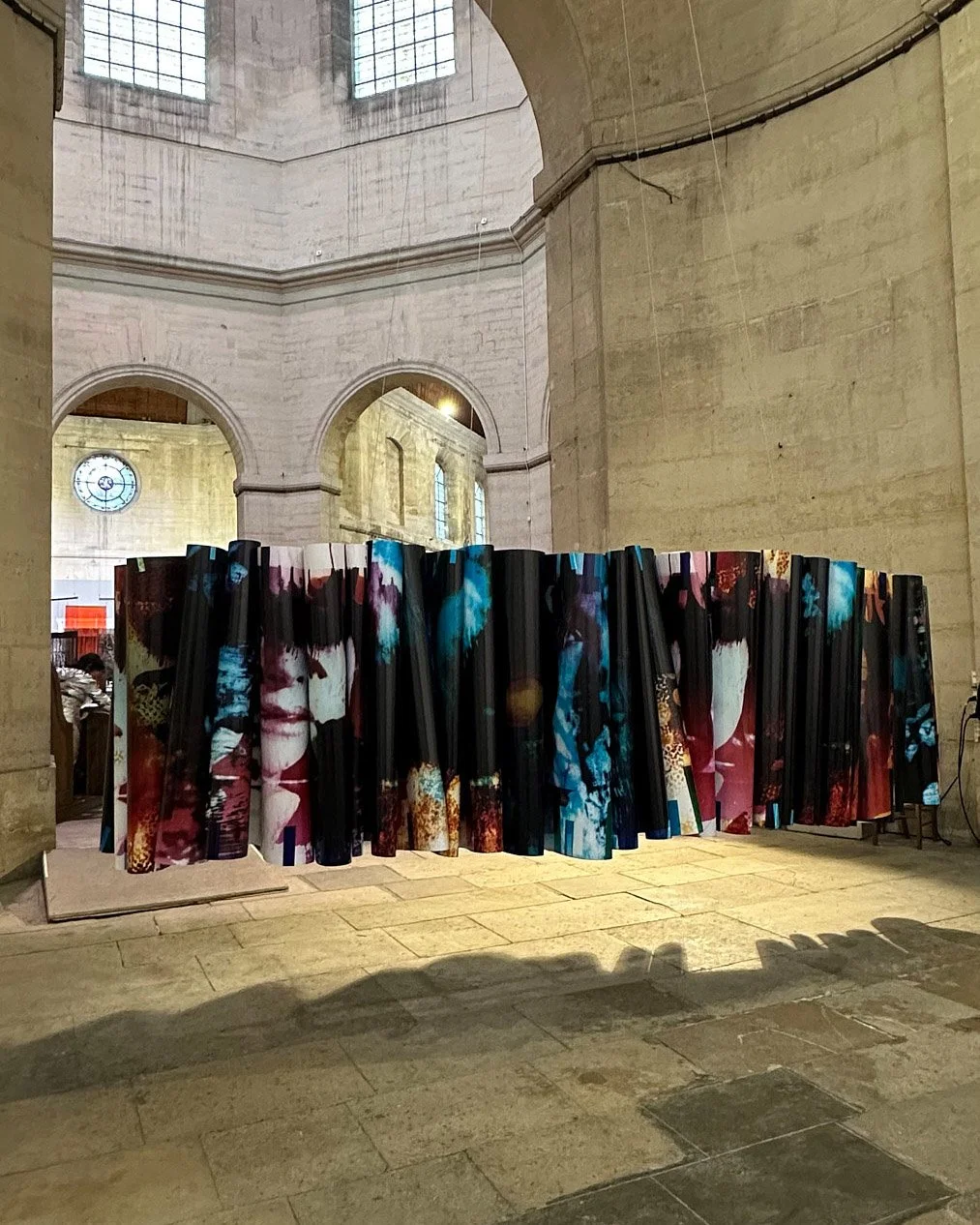
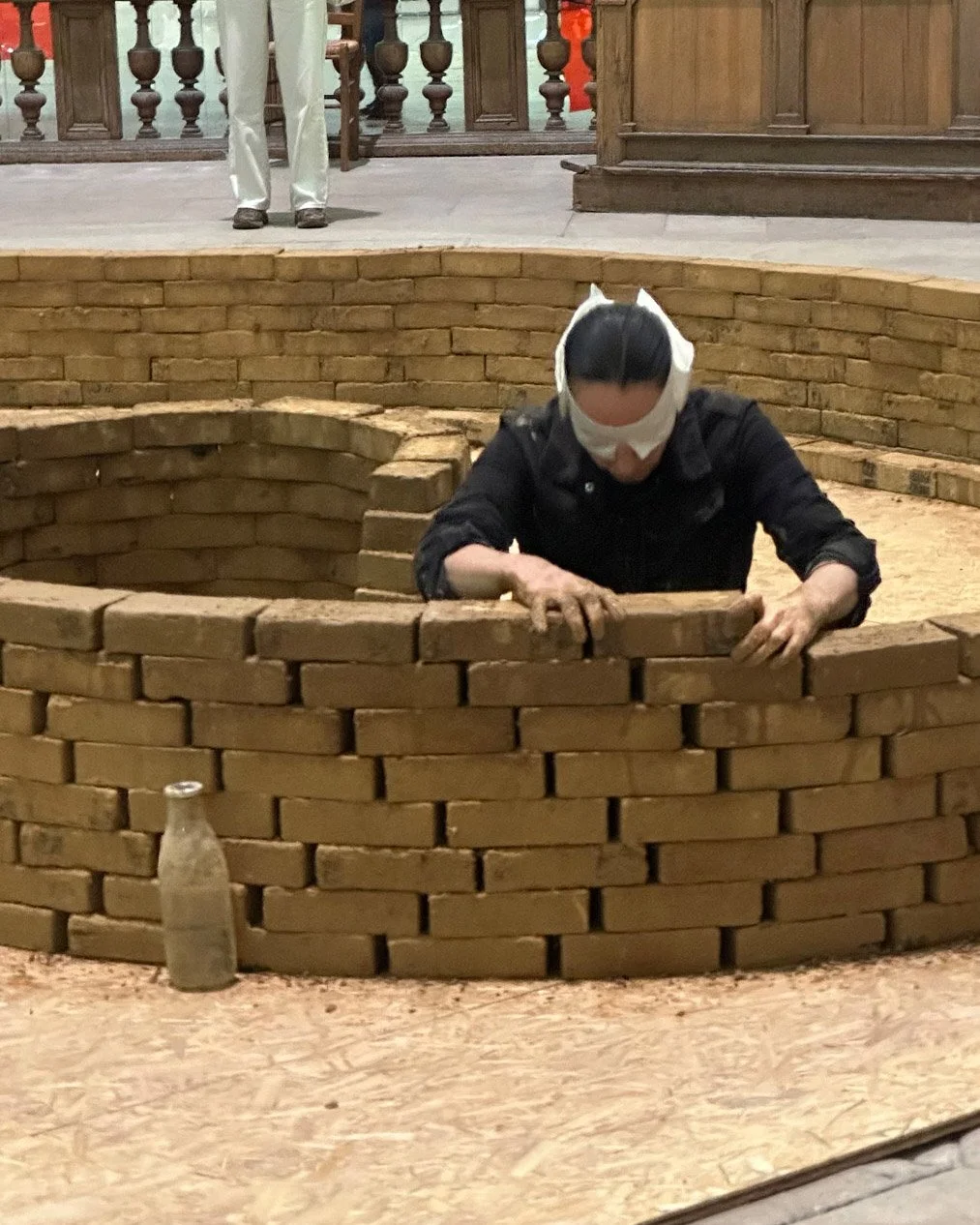
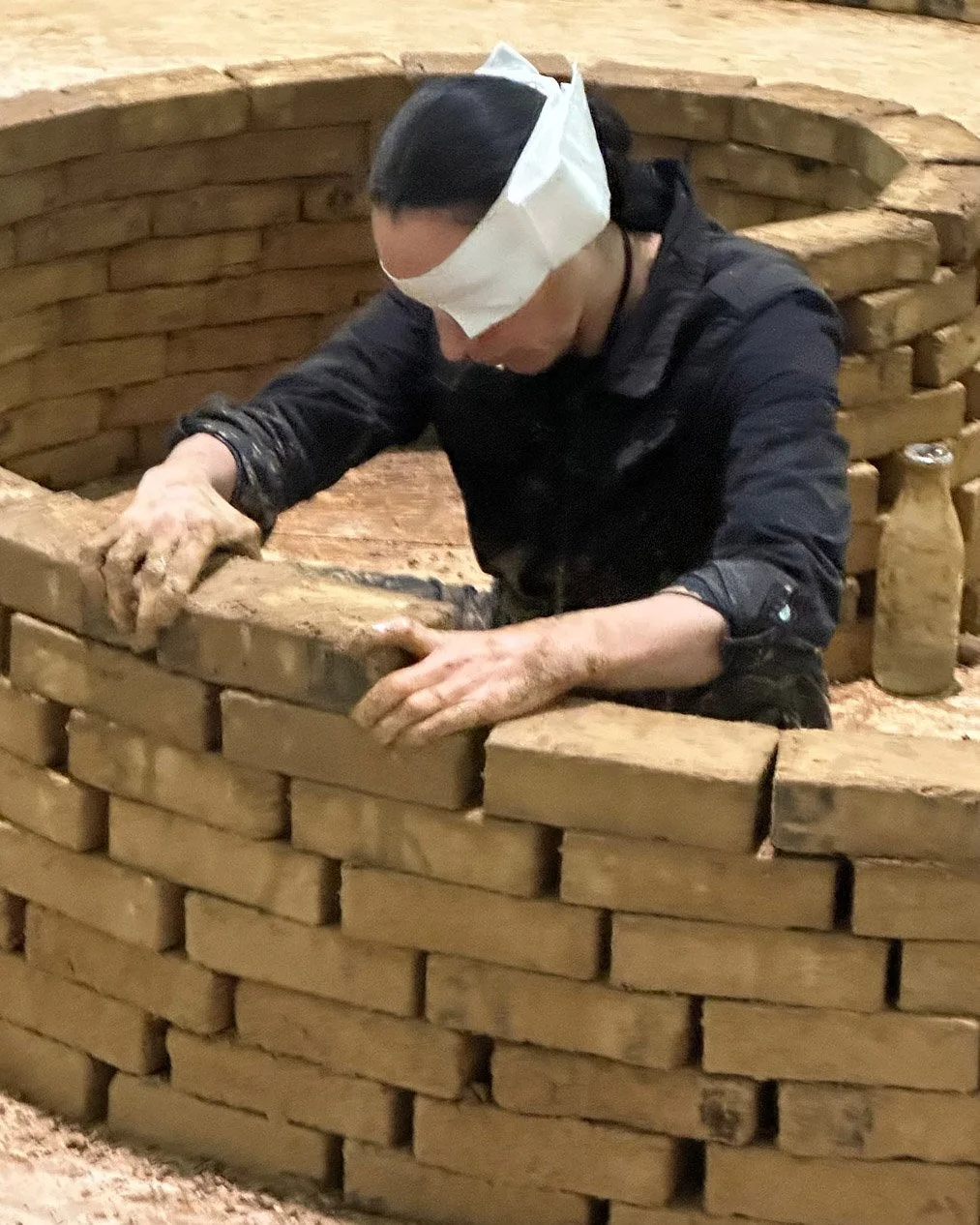
Performance also played a vital role in the chapter of this edition. Maria Stamenković Herranz laboured blindfolded for days to build a spiral of raw brick, a gesture that transposed bodily rhythm into architectural form and then released it in an ephemeral act of dissolution. Interstitial happenings like this, combined with carefully placed screenings and performance-linked concerts, animated the nave and side chapels without recourse to spectacle.
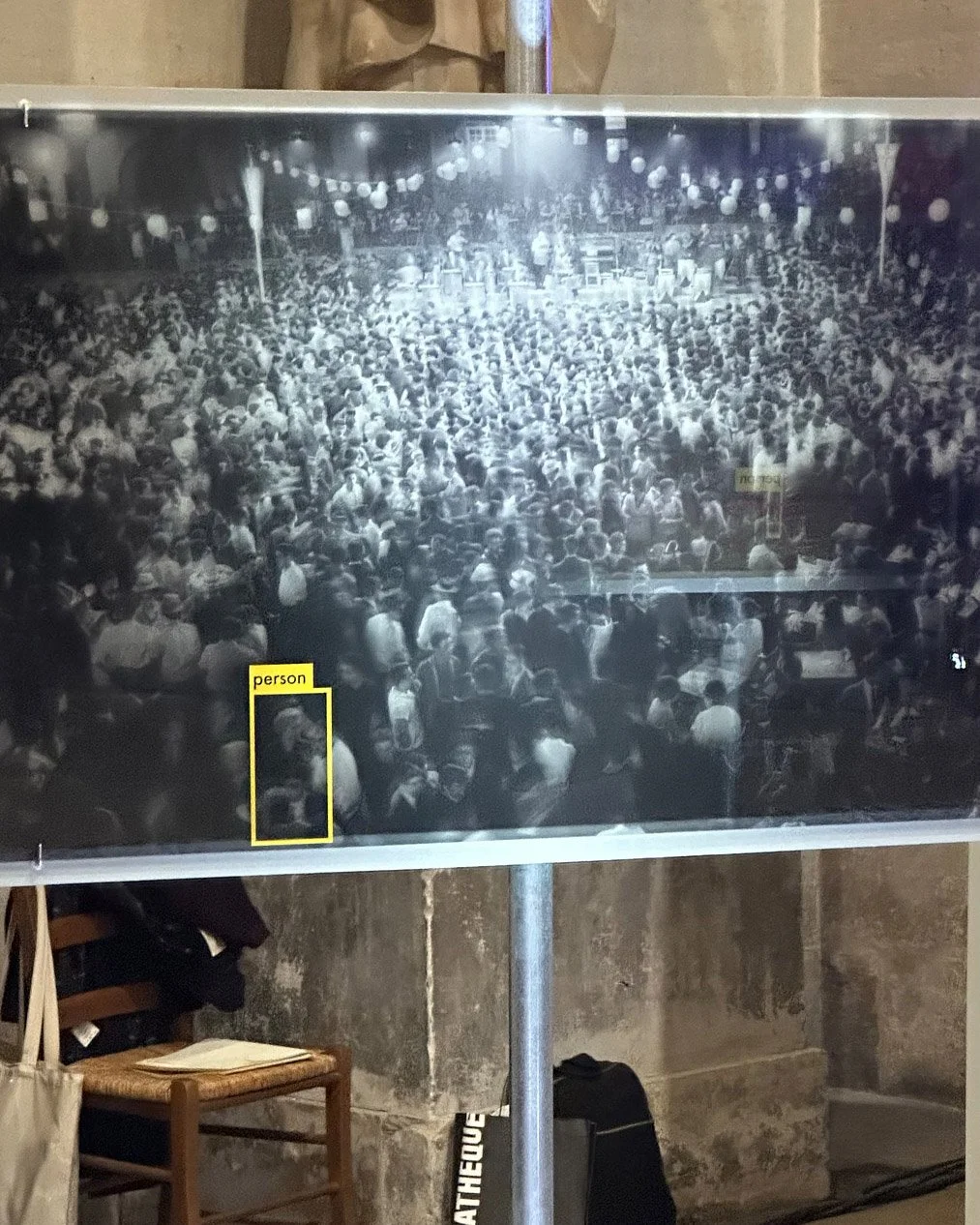
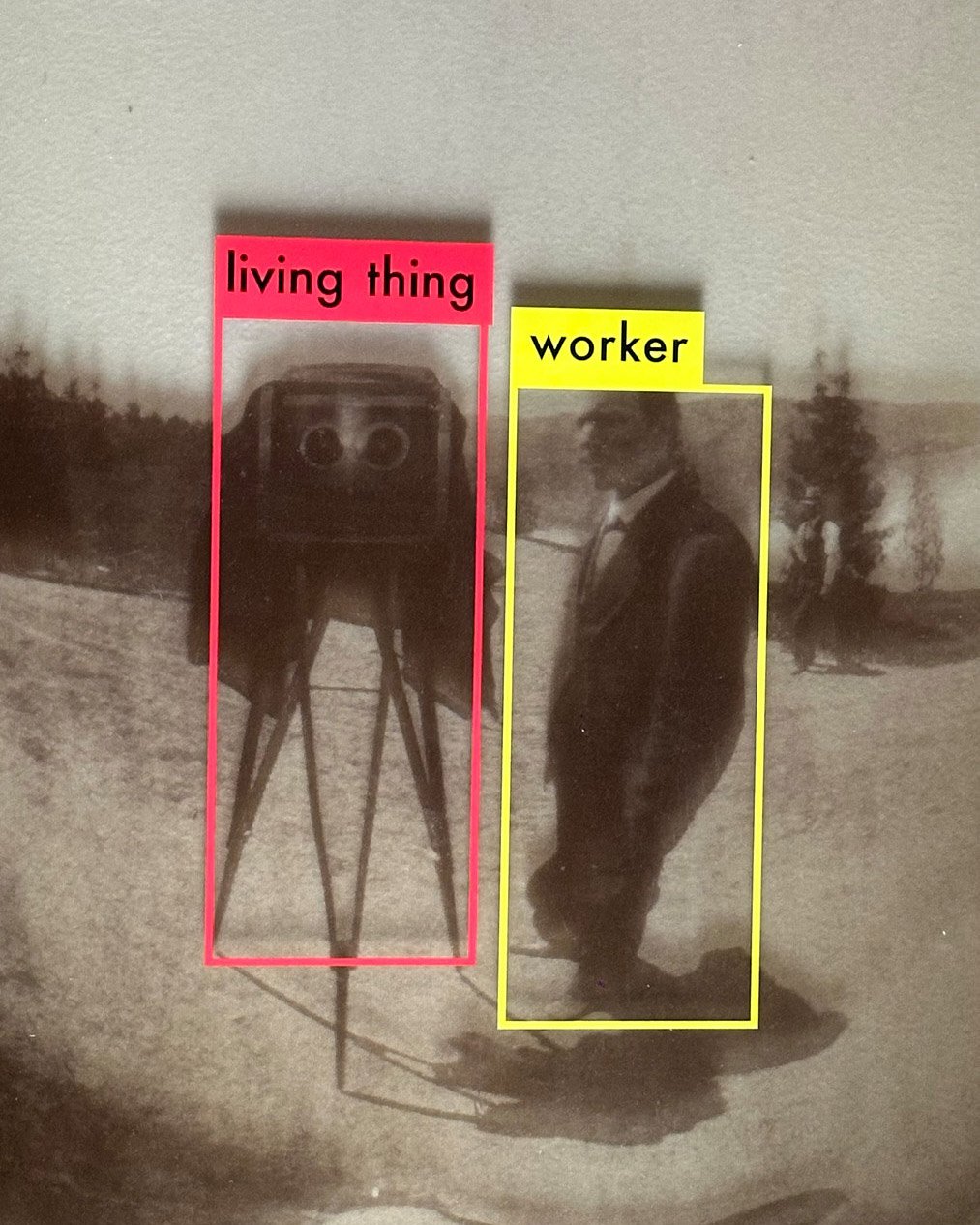
For six days at the Chapelle Saint-Louis de la Salpêtrière, Offscreen Paris convened a constellation of practices that repositioned the image within both lived and historical frames. The chapel’s classical architecture, long tethered to narratives of science and belief, served as a precise host for installations, performances, and filmic work by twenty-eight international artists. Presented in solo contexts, these propositions invited visitors to slow their pace and attend to how time and light shape perception.
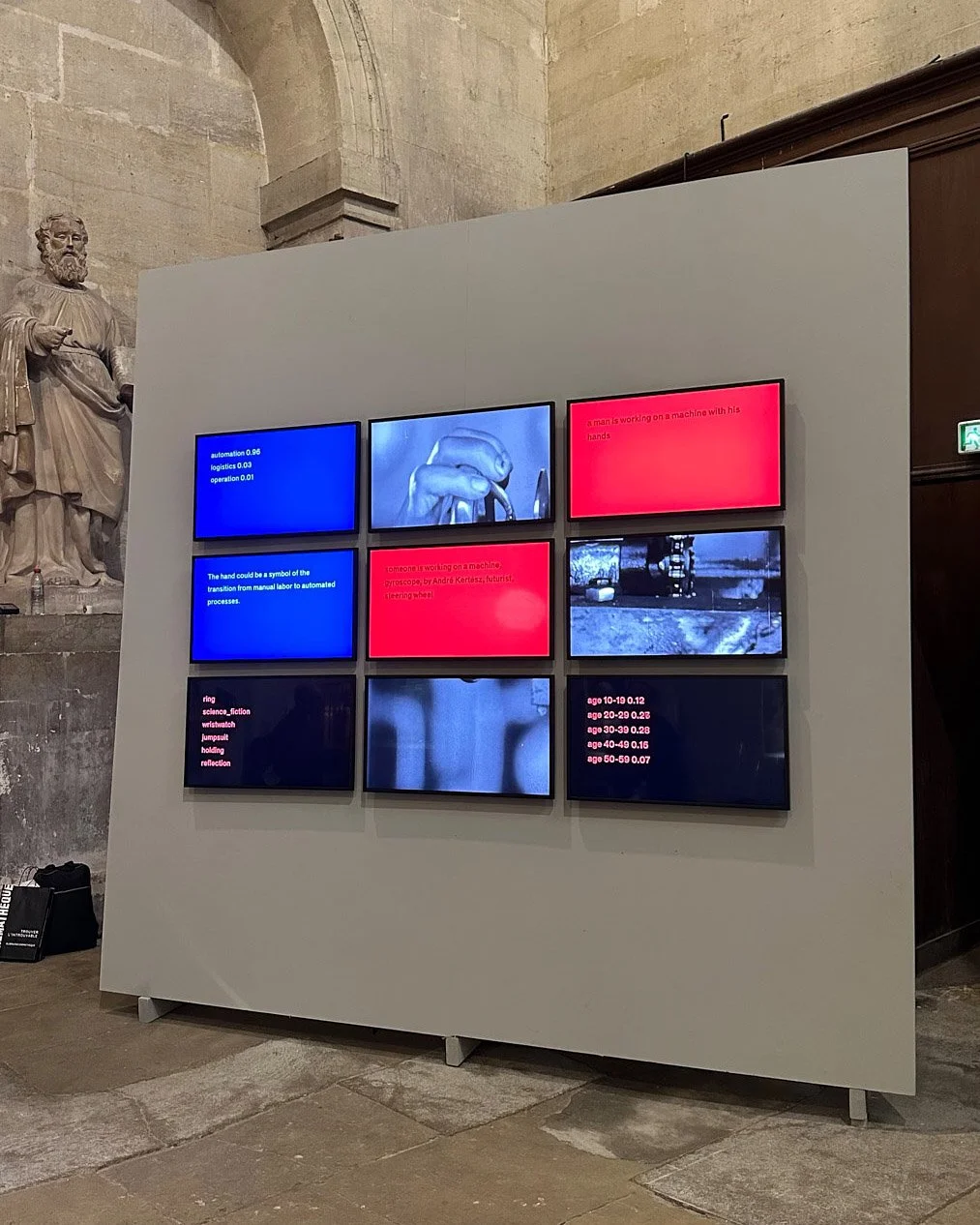
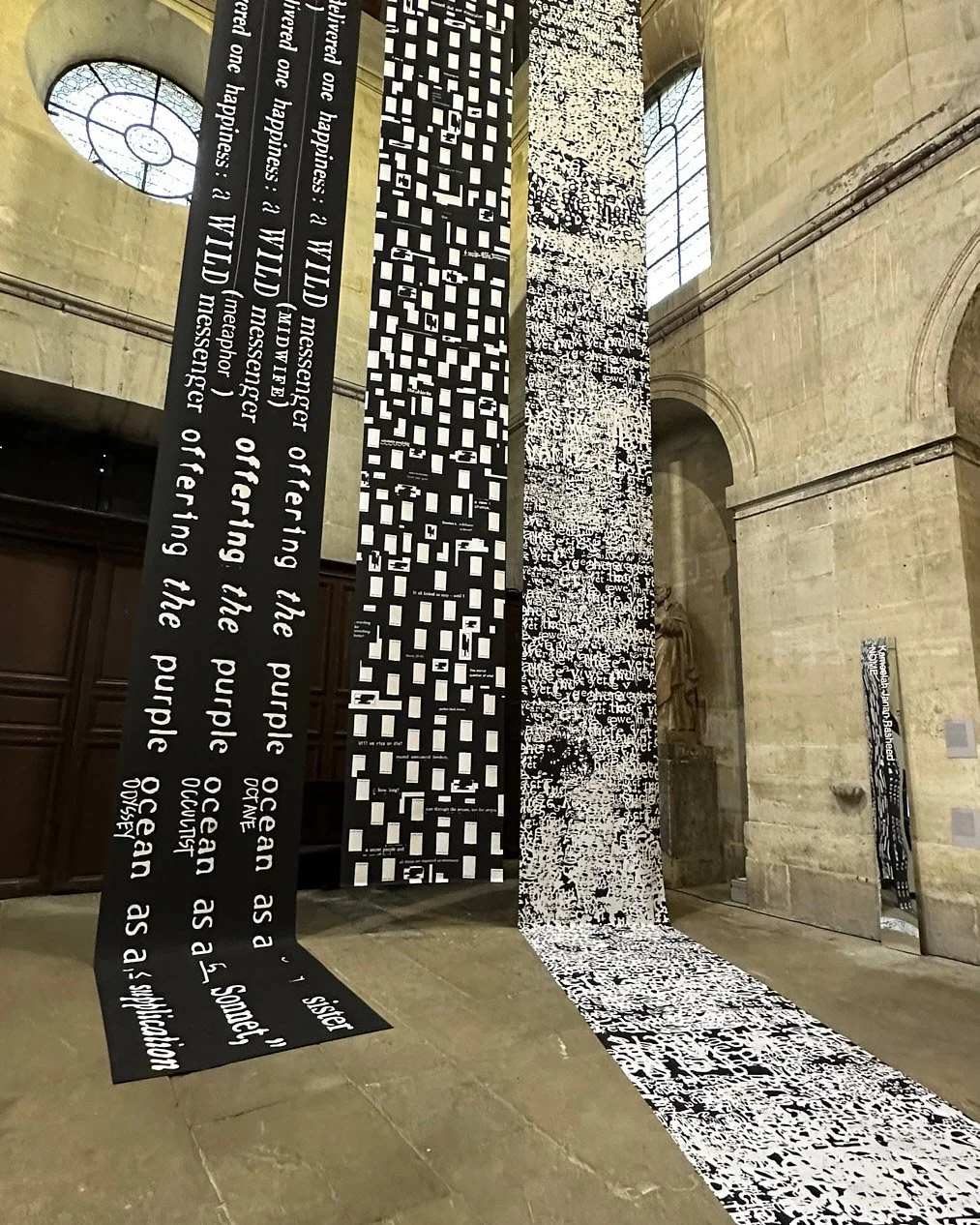
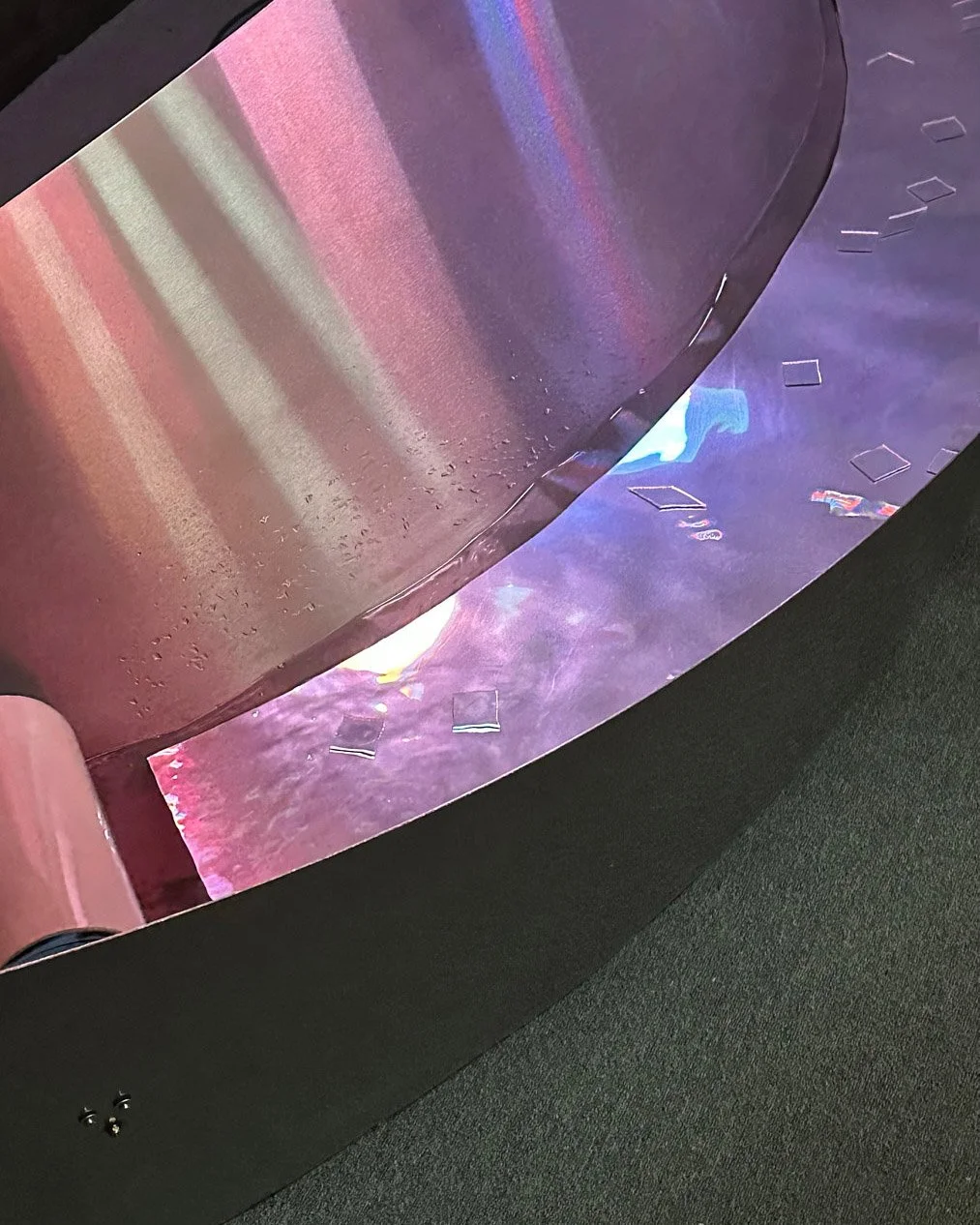
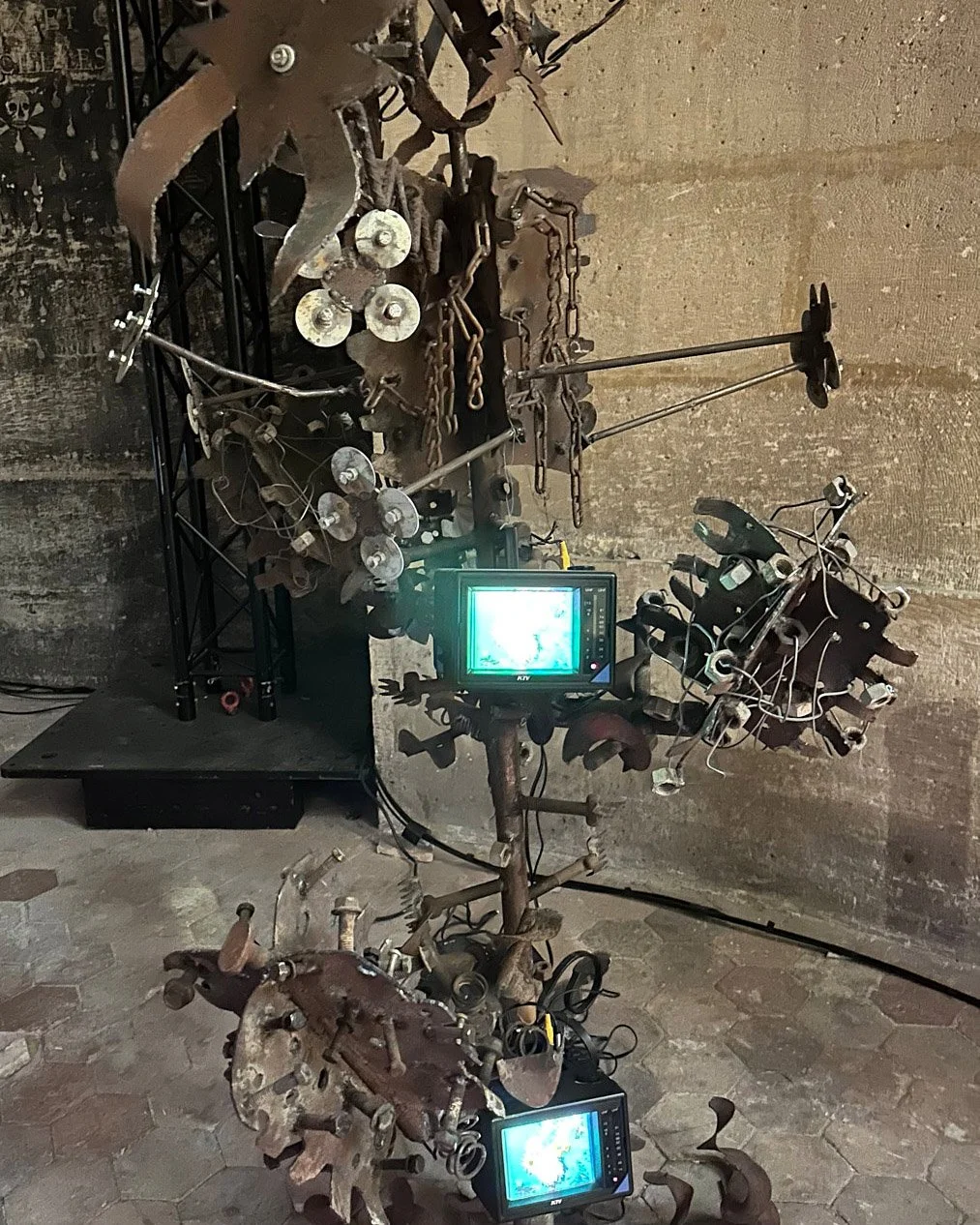
Shigeko Kubota stood as guest of honor, her video pieces refracting water and light into shifting sequences that folded what had been static into something unpredictable.
Off Screen Paris
PARIS INTERNATIONALE
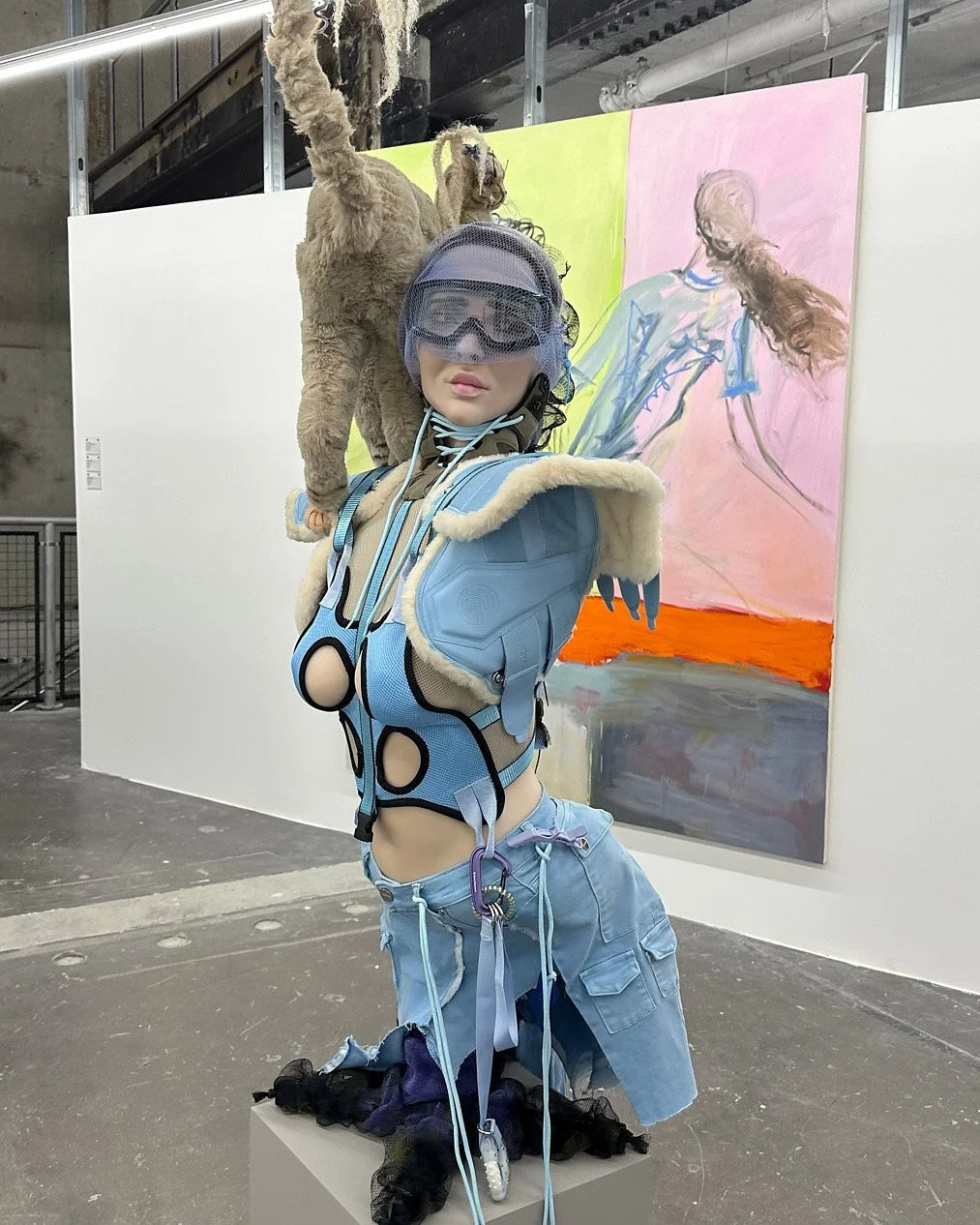
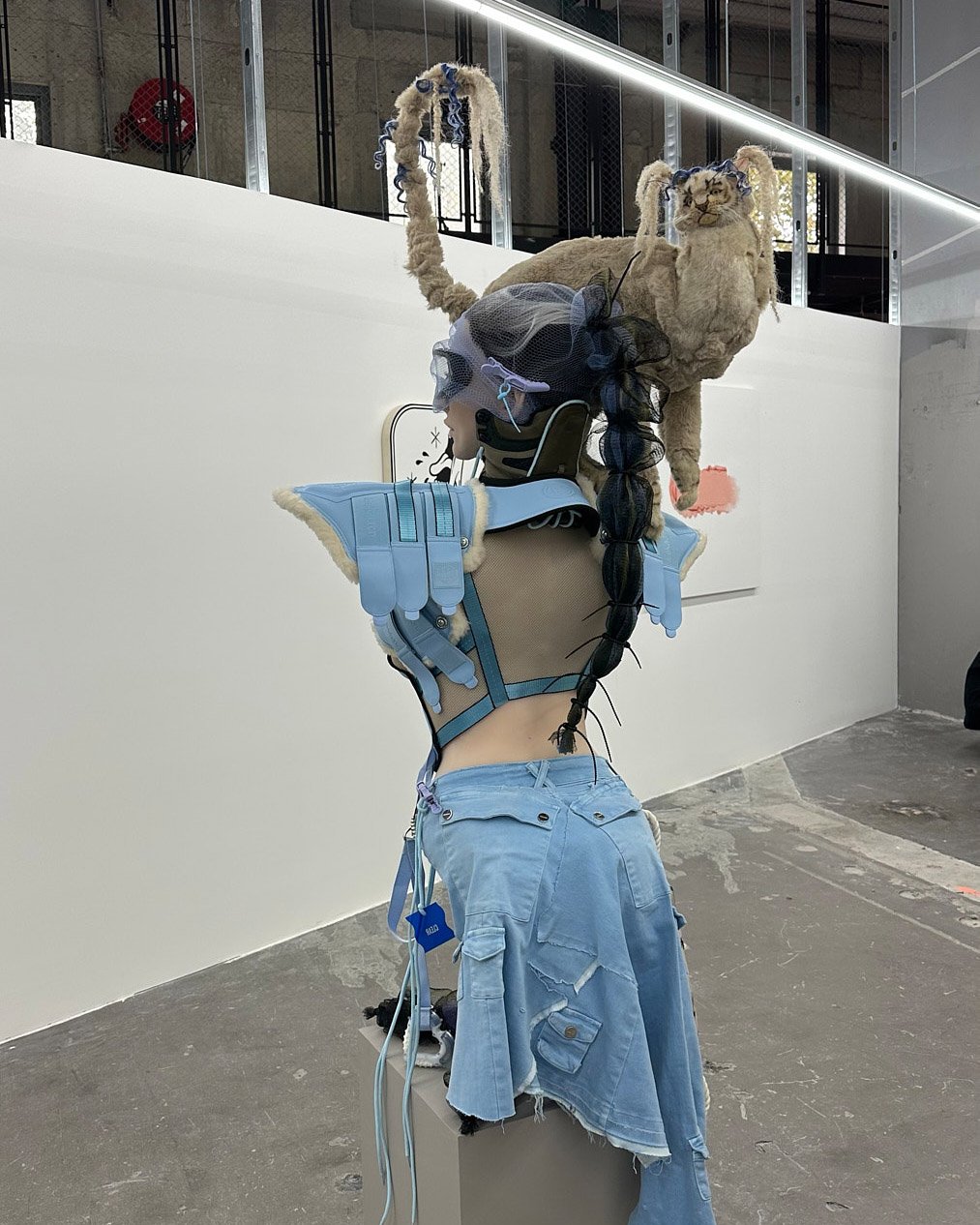
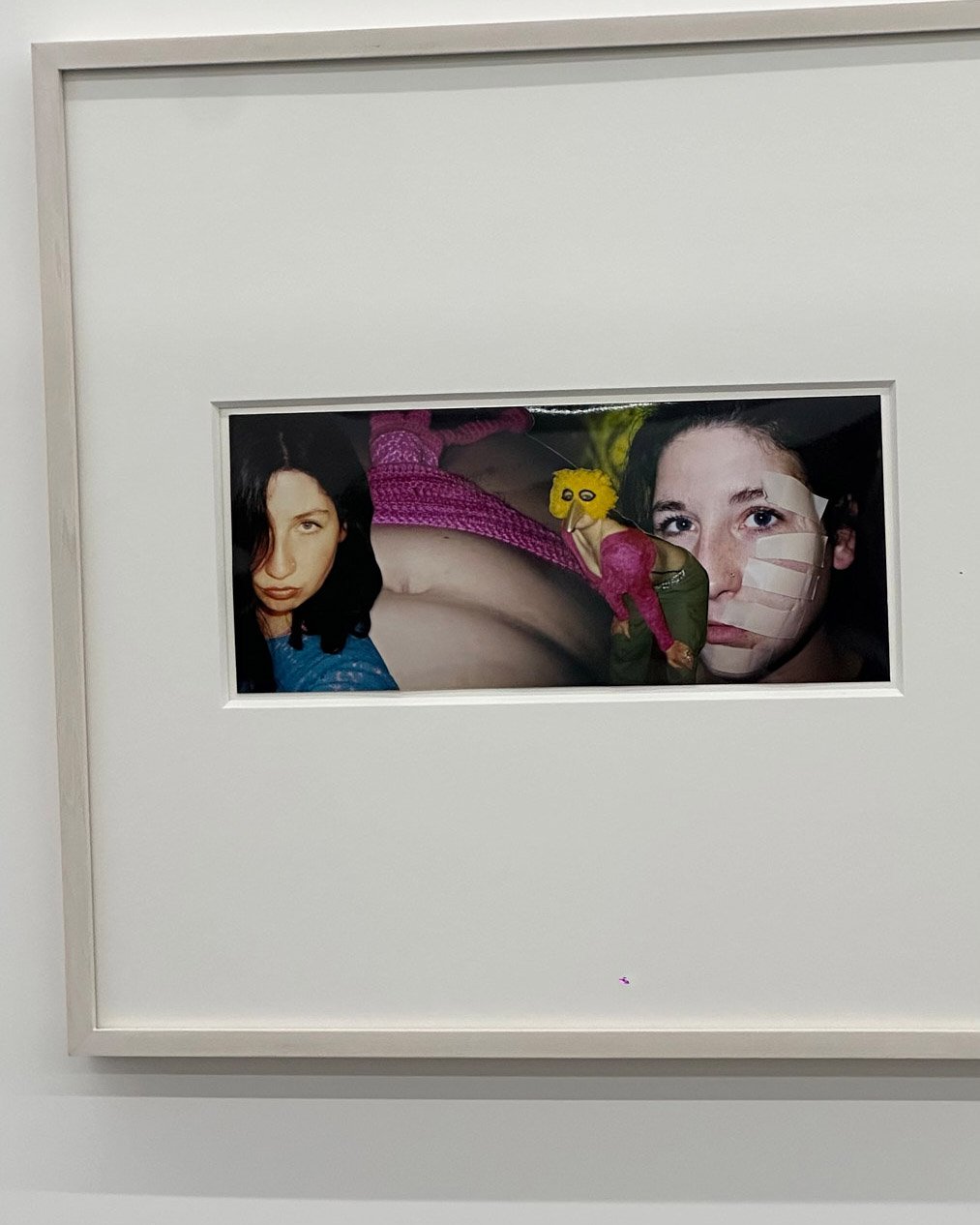
Paris Internationale celebrated ten years with an edition that honoured its origins on the Champs-Élysées. Galleries from nineteen countries presented work free from pretense and steeped in artistic intent. Paris Internationale’s eleventh edition closed in a manner that reaffirmed its distinct identity within a crowded autumn art calendar in Paris. Held from October 22 to 26 at the Rond-Point des Champs-Élysées, the fair gathered galleries and non-profit spaces from nineteen countries. Its presence just steps from where it first began symbolised a return to origins while signalling a confident advance into a new decade of practice.
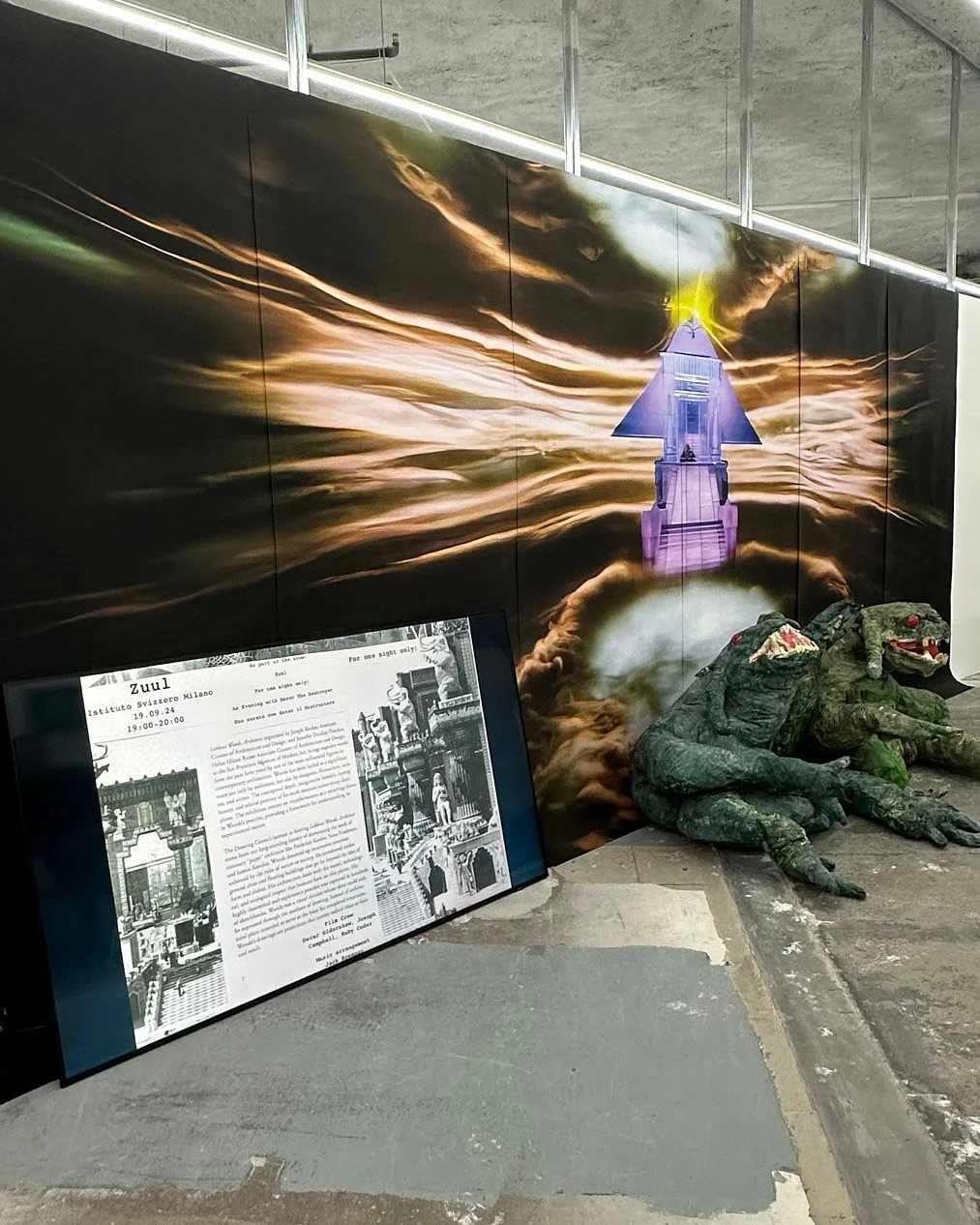
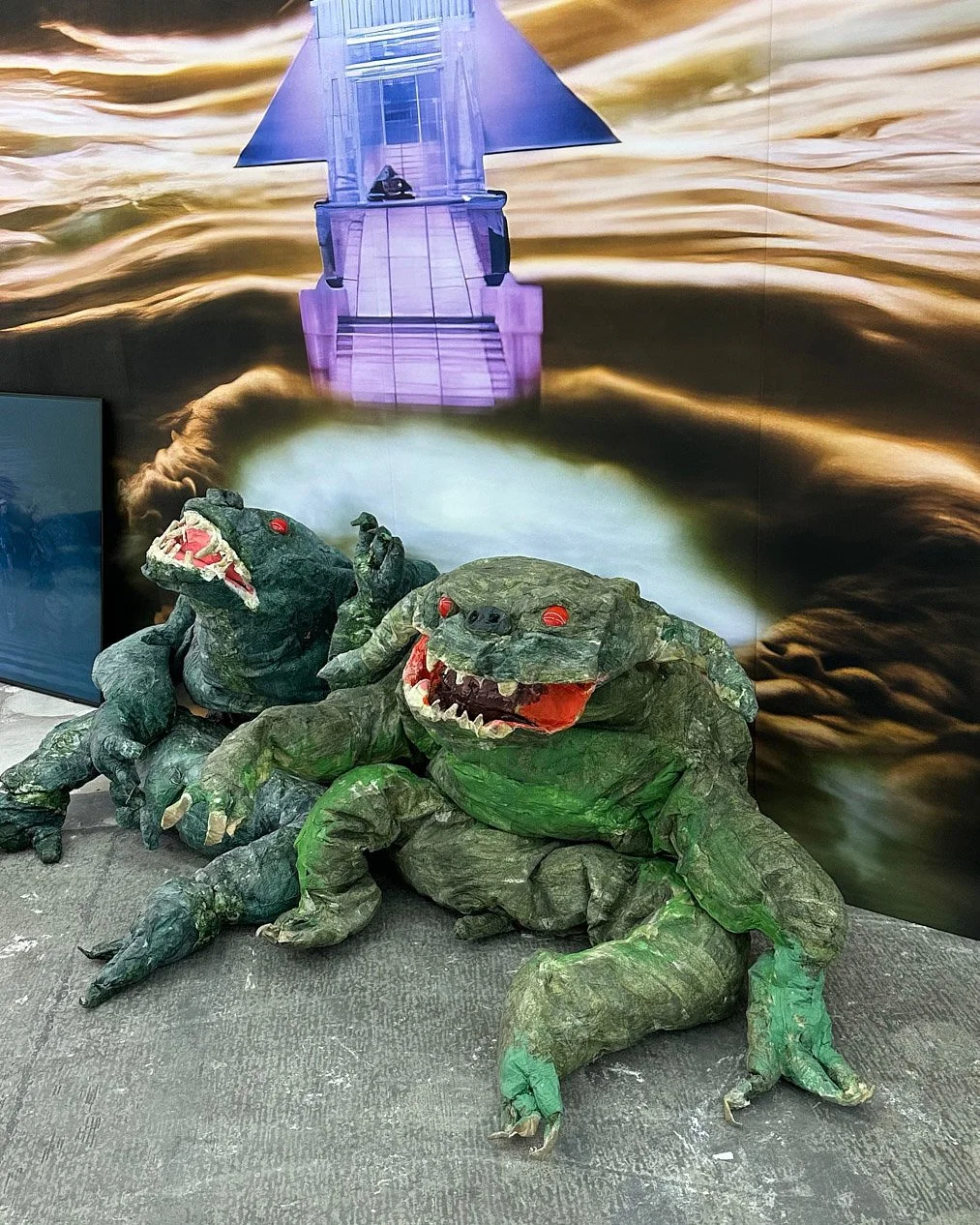
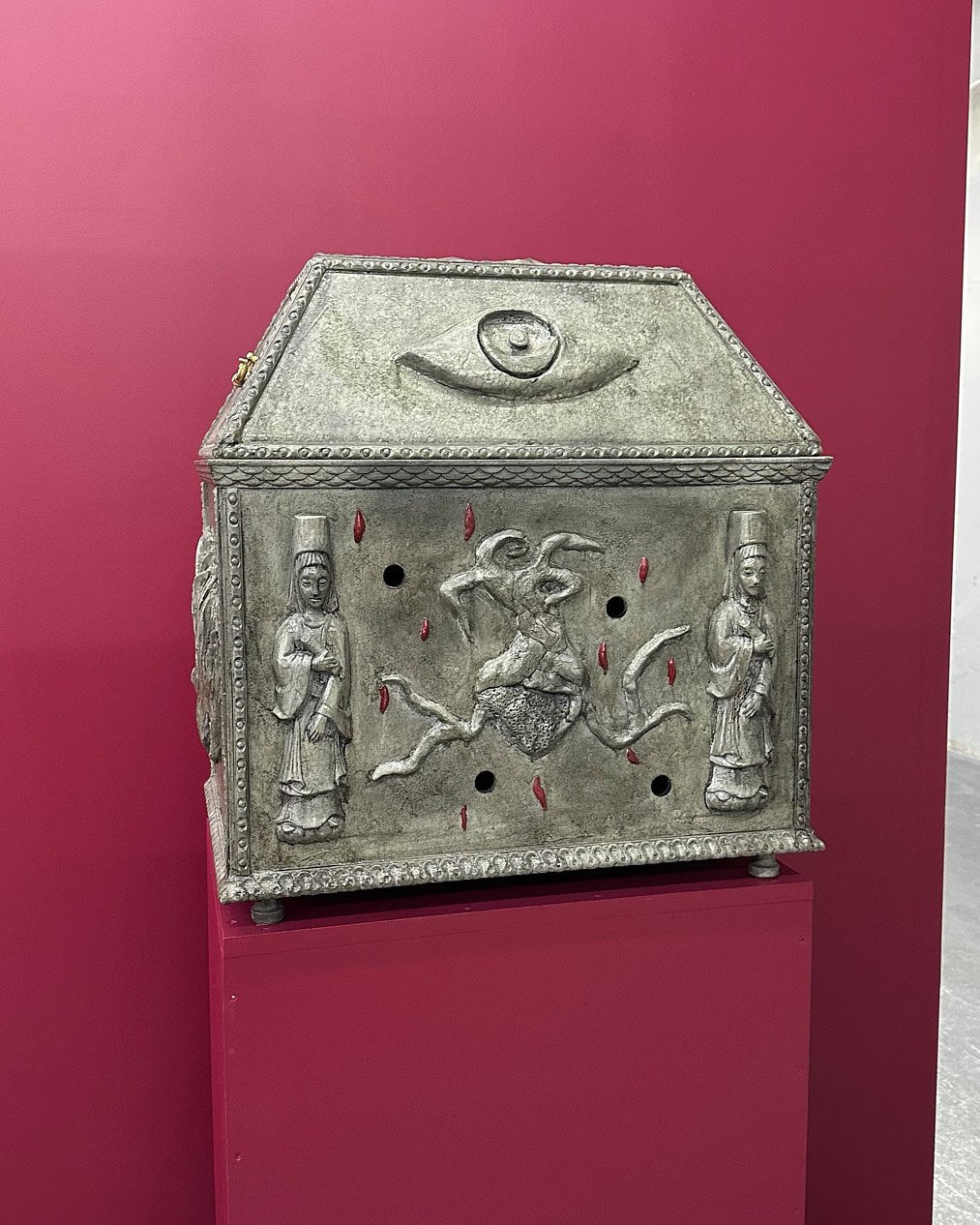
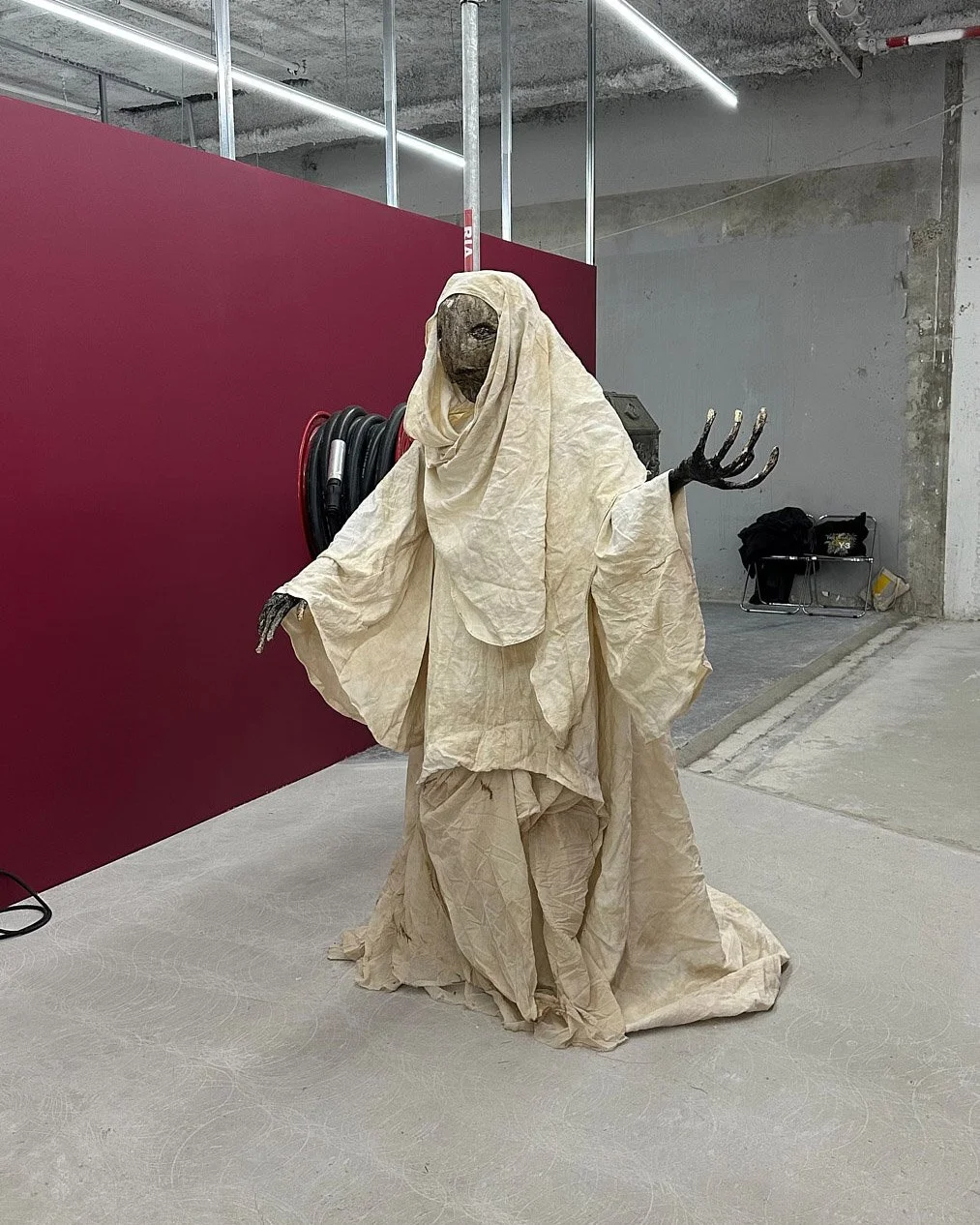
What distinguishes Paris Internationale from its larger counterparts is a commitment to a human scale and sustained thought. Rather than imposing spectacle, it presented projects that demanded attention and allowed visitors to encounter ideas without haste. The design of the space, shaped in collaboration with Christ & Gantenbein, abandoned rigid booth conventions in favour of walls that framed work with clarity, encouraging movement and pause alike. Parallel to exhibitions, talks and conversations offered critical views on roles and contexts often overlooked by traditional fairs. The emphasis rested on ideas and relationships rather than transactional measurement, and the result was a rare sense of community within the fair’s walls.
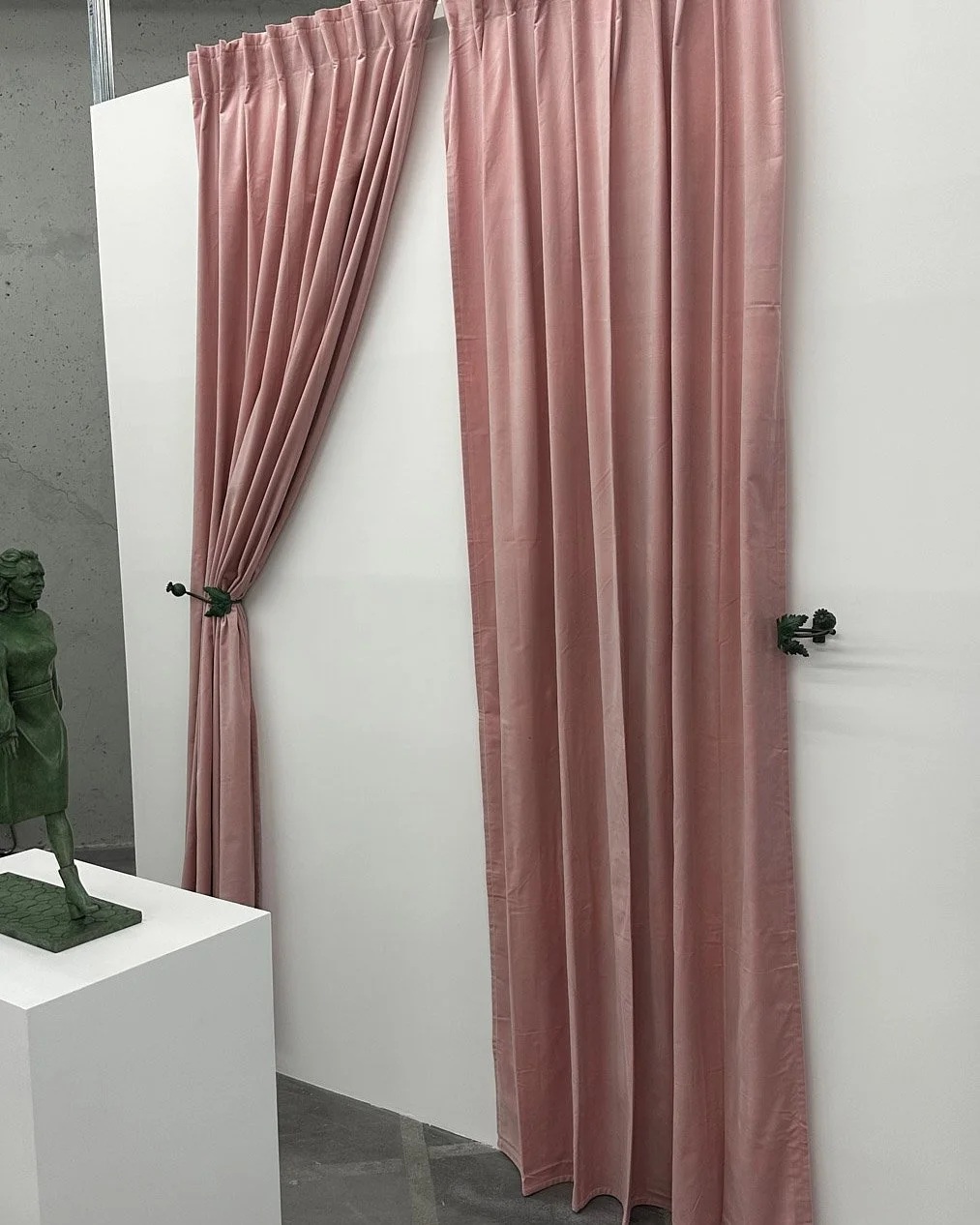
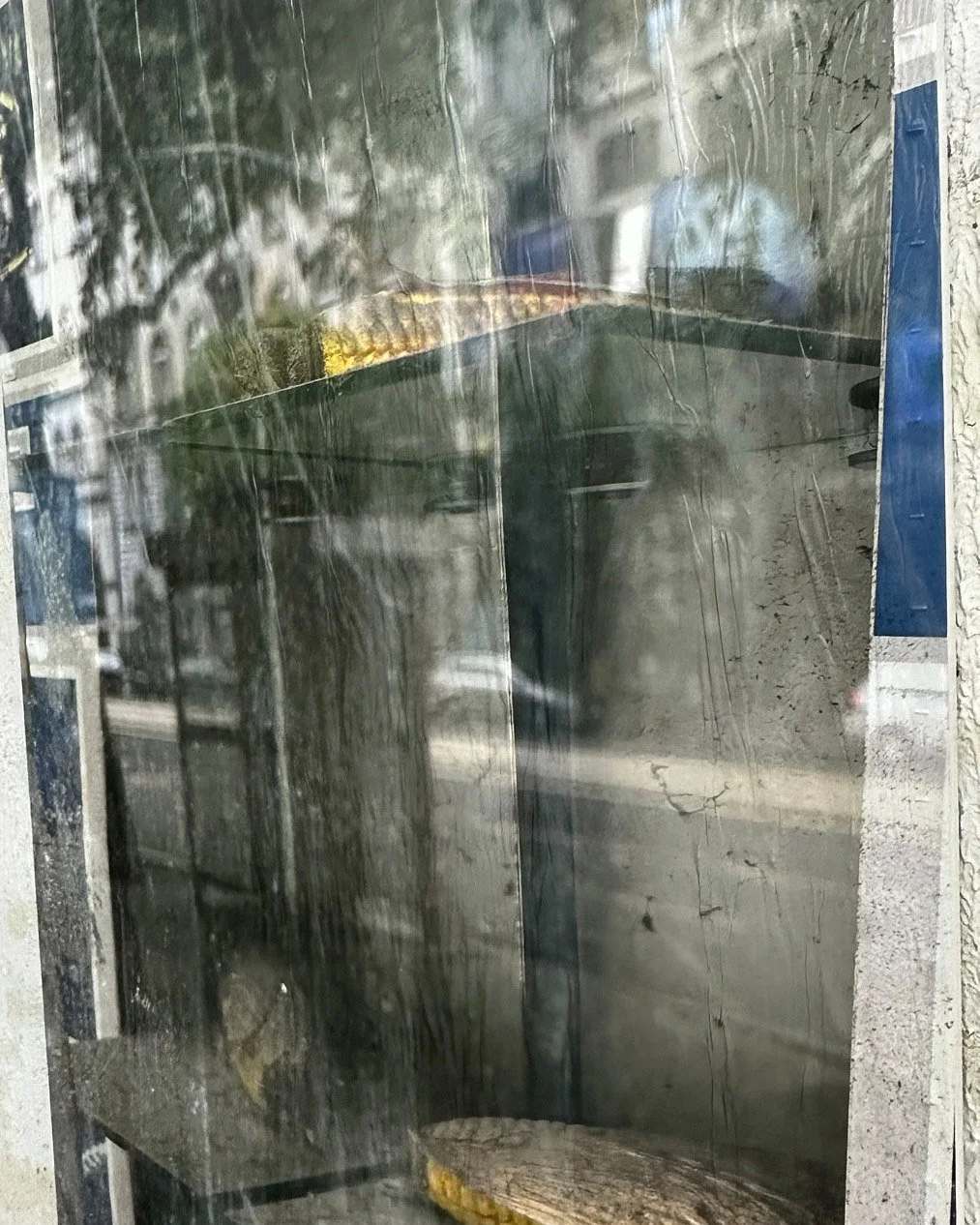
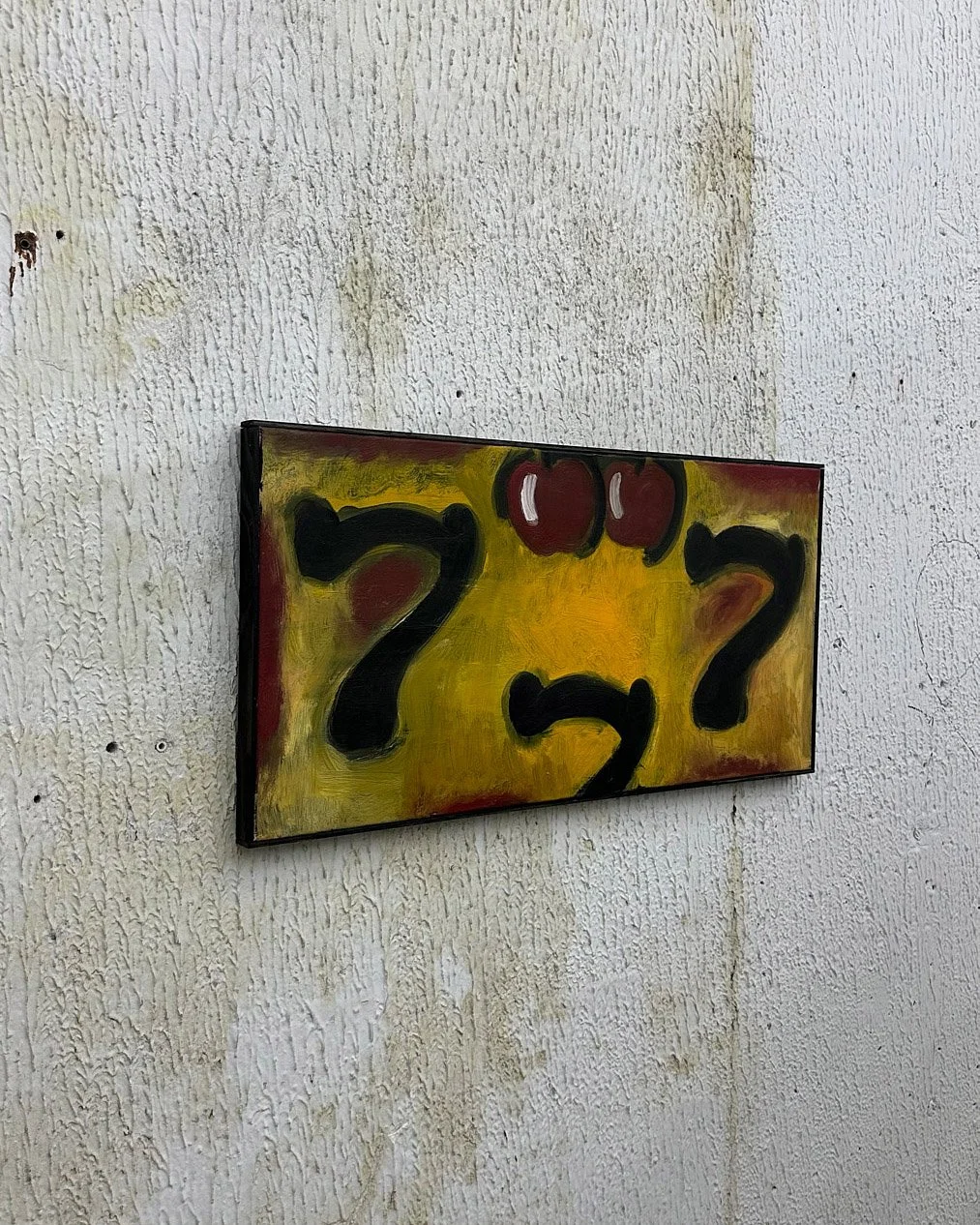
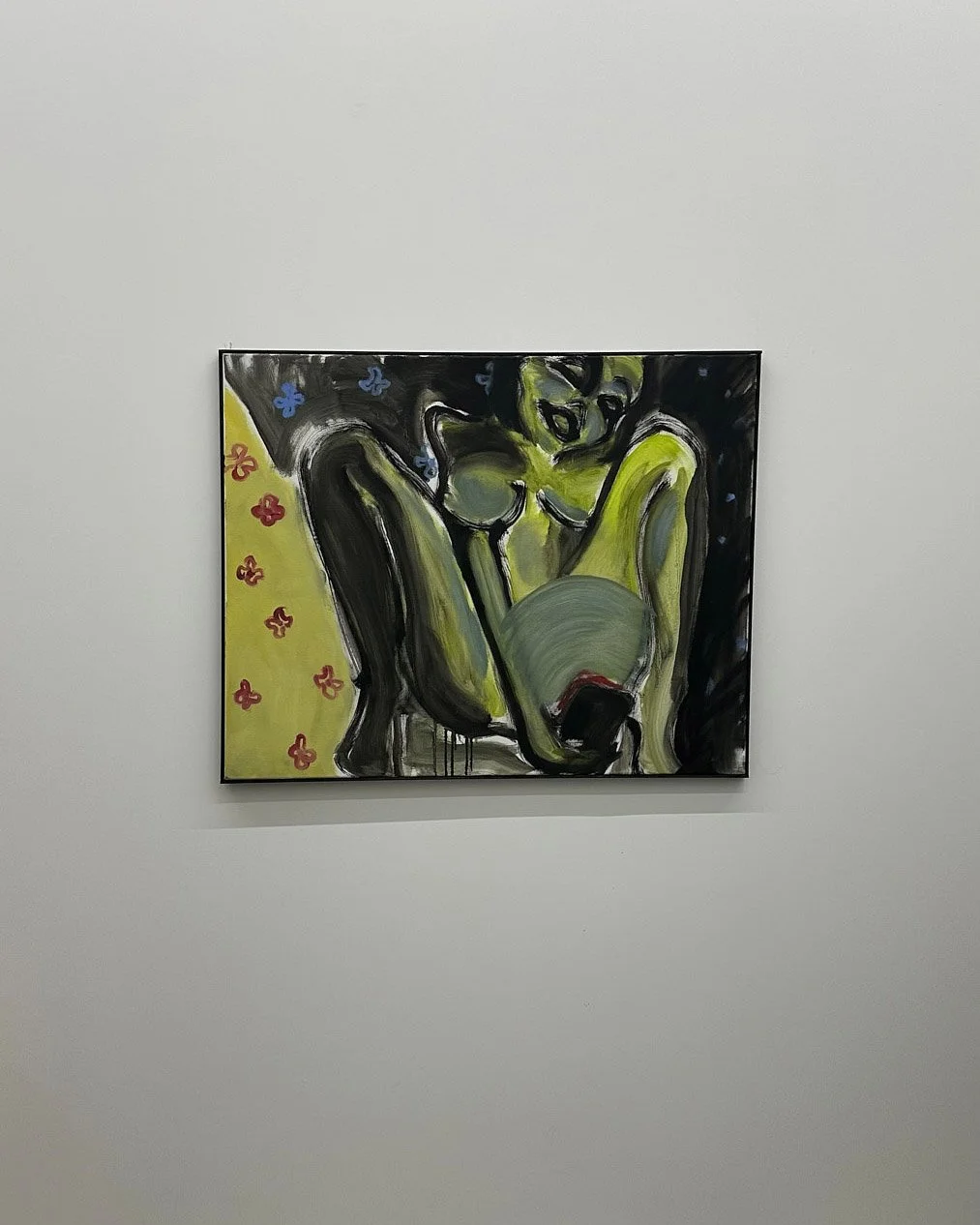
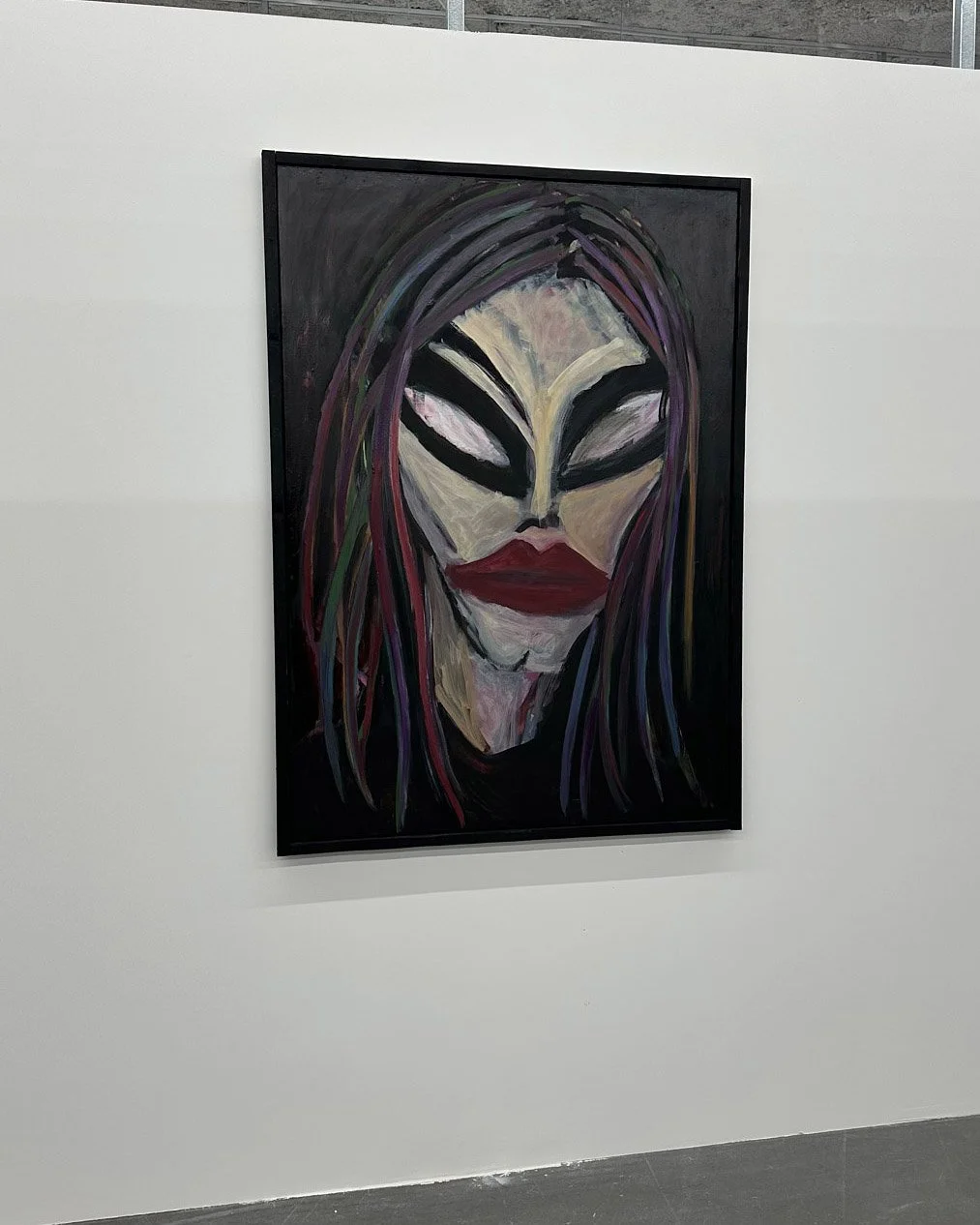
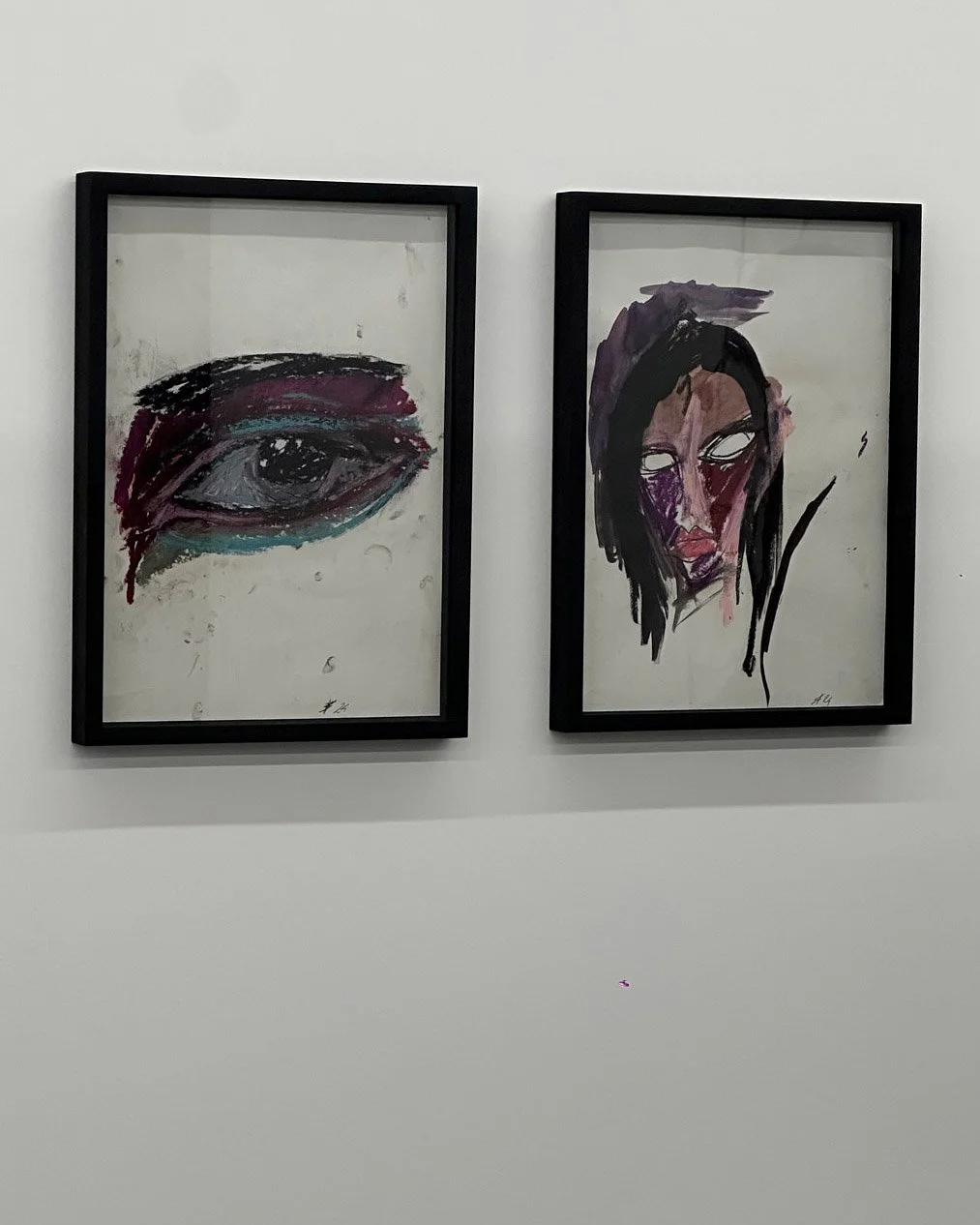
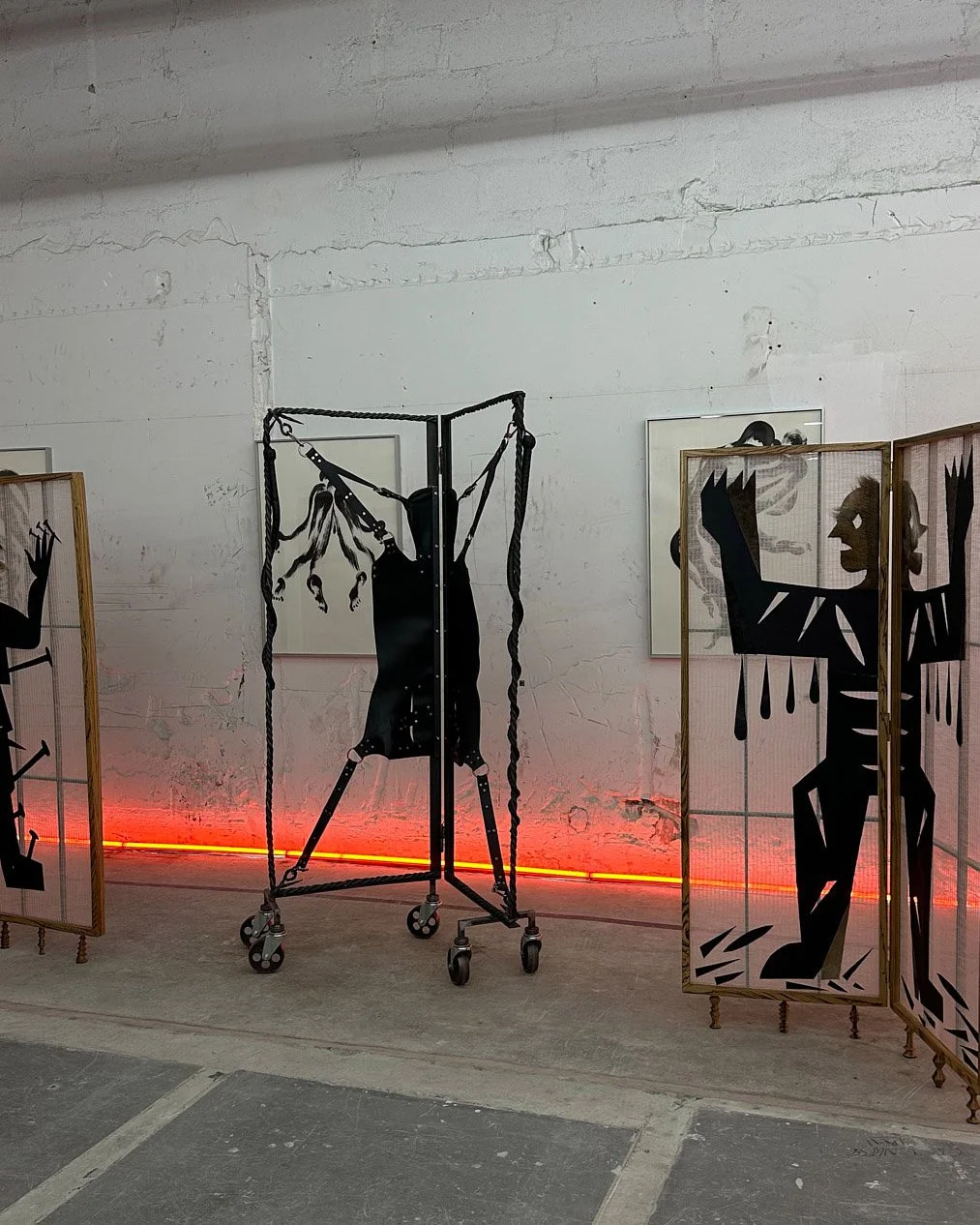
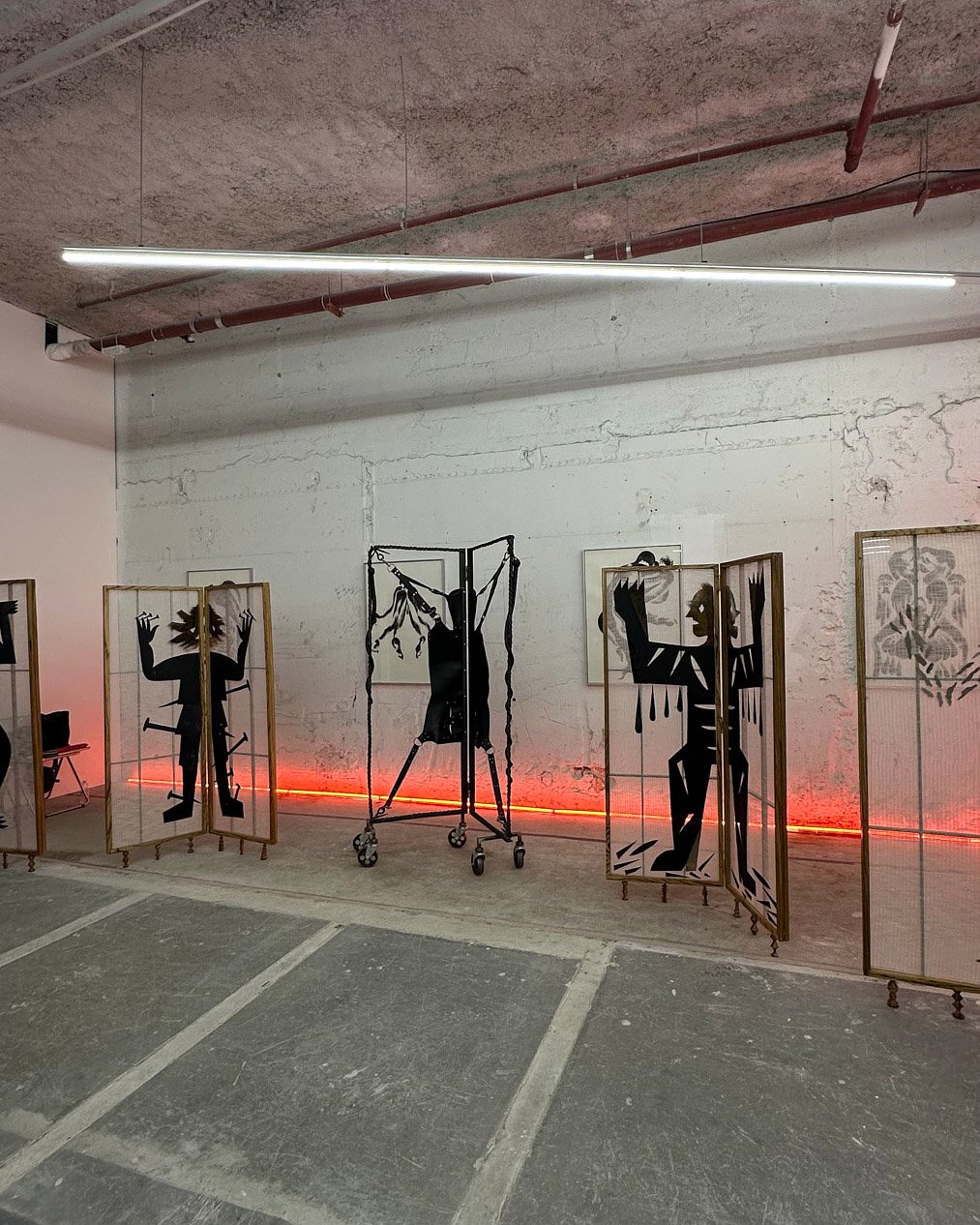
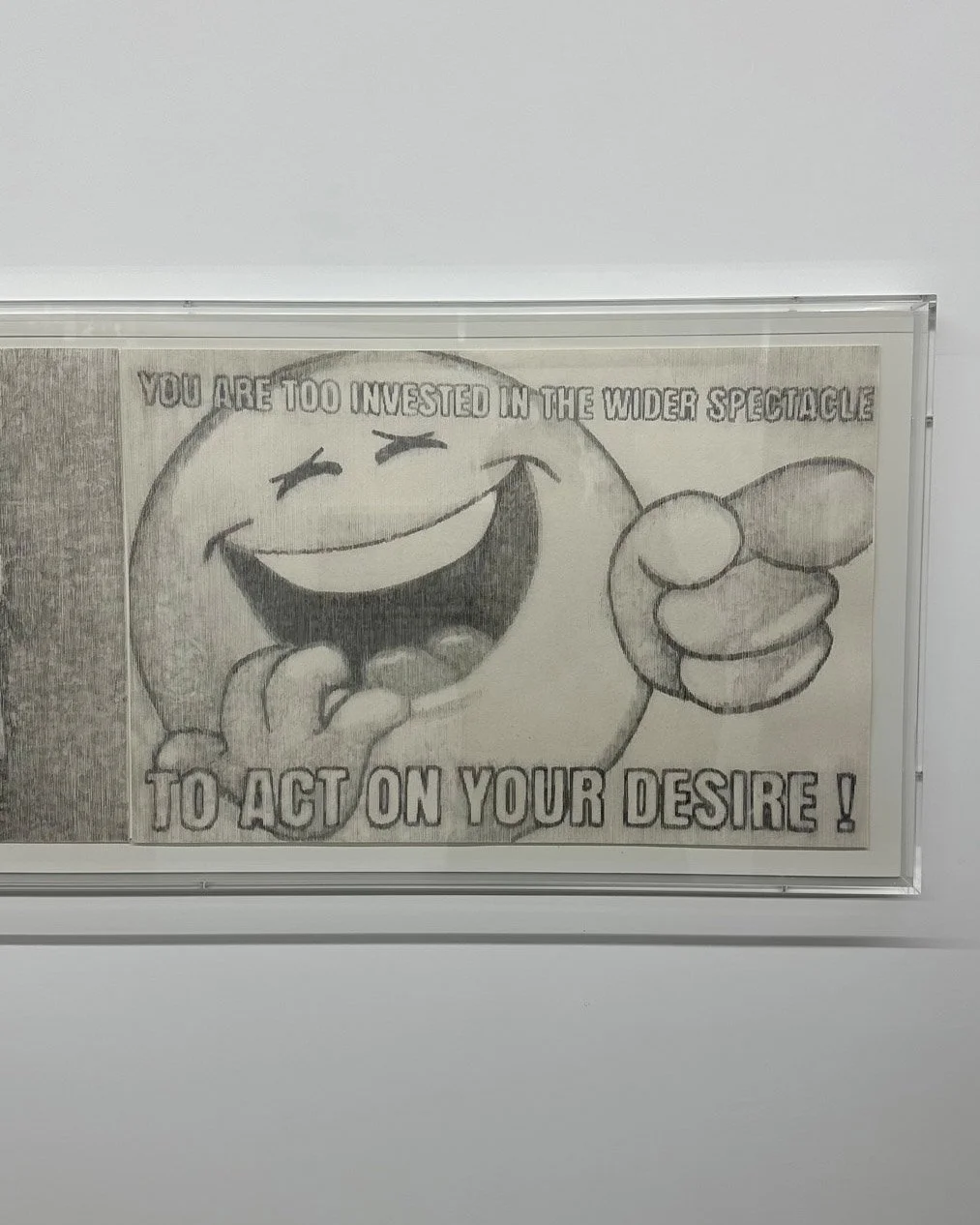
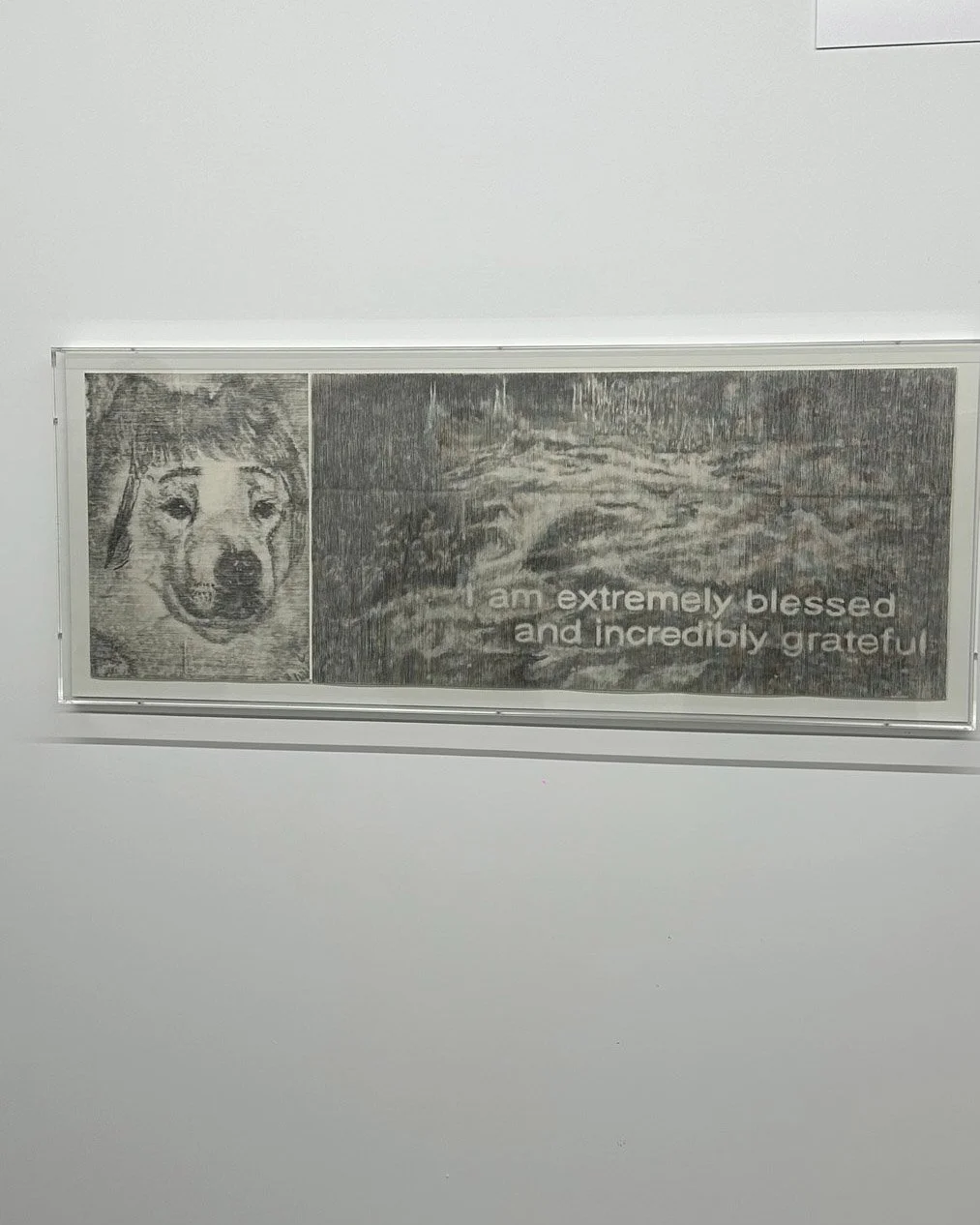
Paris Internationale has grown while retaining its original thrust: a space where galleries no longer defer entirely to commercial logic but shape their own terms. In doing so it reminded participants and visitors that contemporary art can be considered with seriousness and integrity outside predefined structures.
Photography/Words by Donald Gjoka
What to read next