SEAWORLD VENICE by Florentina Holzinger
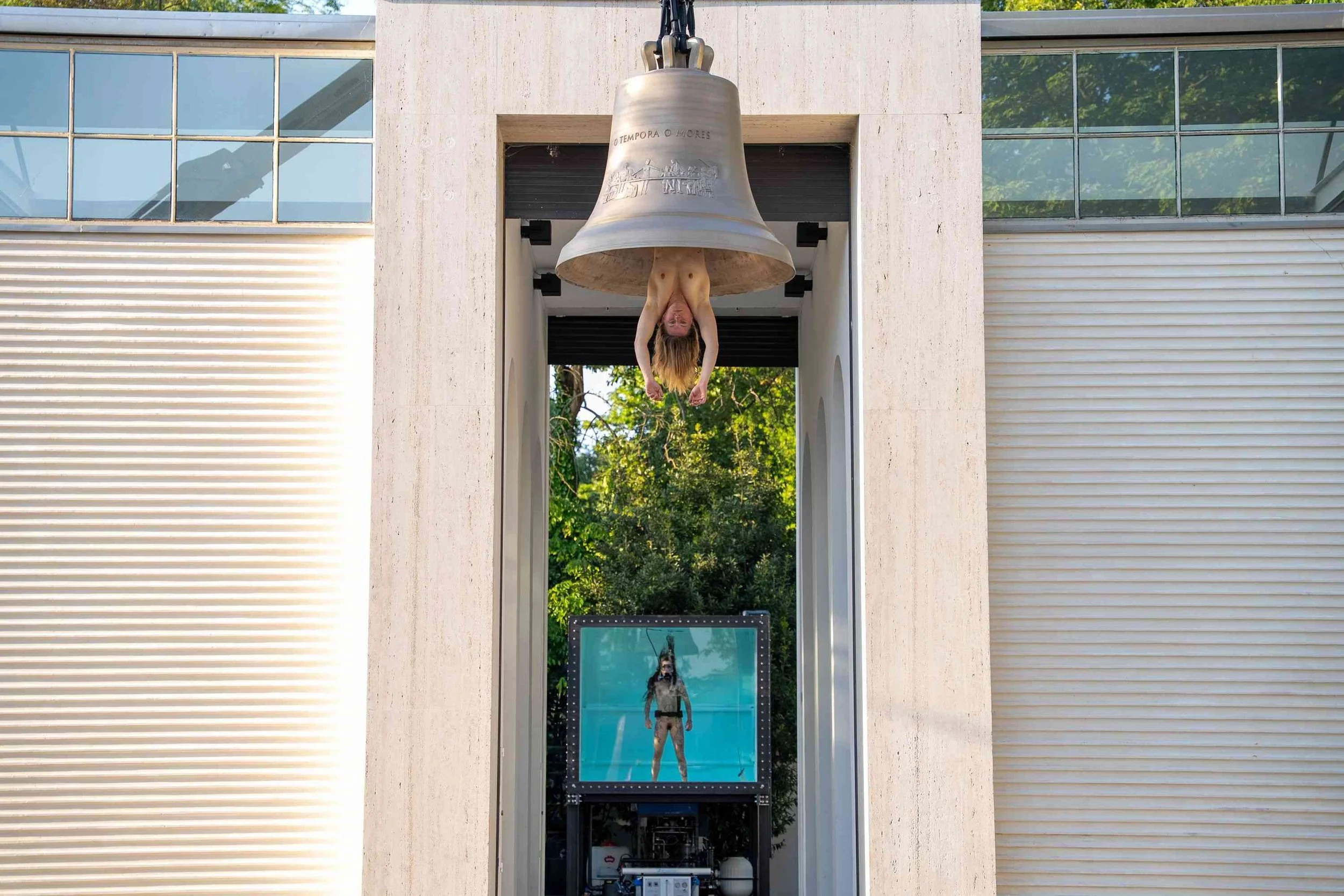
I started this piece wanting to discuss what is perhaps the most talked-about work of this year’s Biennale: SEAWORLD VENICE by Florentina Holzinger at the Austrian Pavilion. But I quickly realized that to do so, I would need to begin elsewhere, by approaching a simple yet overused sensation: provocation.


My issue with provocation begins far away. I remember watching a retrospective on the YBAs during my first year at university and feeling, above all, numb. I could sense that the works wanted something from me: shock, disturbance, some sort of overwhelming reaction. And it was precisely this underlying demand that unsettled me. Why, I found myself wondering, am I supposed to feel something? Simply because there is a dirty bed in front of me? Is that all it takes? Yawn. At the time, I explained this discomfort to myself as a matter of cultural distance - a gap between my own sensibility and the historical climate in which the YBAs emerged. Perhaps, I thought, their urgency belonged to another generation. But later this feeling deepened into something sharper.
A few years later, while working as gallery manager at Galerie Gabriel Rolt, we curated an exhibition by Jake and Dinos Chapman. Gigantic Ku Klux Klan figures in rainbow socks stared at me from across the office. Small watercolor paintings attributed to Adolf Hitler hung behind my desk. Crystal vitrines displayed piles of miniature cadavers; grotesque dioramas unfolded across the gallery space in scenes of calculated dystopia. Immersed in these works day after day, my initial boredom slowly transformed into irritation. What intensified this feeling even further was the public response: visitors entering in awe, taking photographs beside the pieces, delighting in their transgression. With each passing day, I felt my frustration mounting into a profound sense of disillusionment, against the works themselves, but also with the ritual surrounding them and the buy of enthusiasm from the public. What, exactly, was so compelling here? Was it the horror of the imagery? The flirtation with taboo? The performance of irreverence? Shock, scandal, provocation, amusement - all these reactions struck me as fundamentally fragile. Temporary. Volatile affects that evaporate almost immediately after leaving the exhibition space.
What remains once the initial impact dissolves? Does anyone truly continue thinking about these works days later, weeks later, months later? I found it difficult to believe that Mary, our neighbor, after photographing a vitrined pile of corpses, would suddenly begin reflecting on racism, on the theatre of the absurd, or on the epistemological structures of art itself. I highly doubt that. What she would do is show the image to her husband or her friends in order to reproduce that same fleeting sensation: Look how provocative! Look how daring! Look how shocking! And this, to me, felt unbearably dull. What exhausted me was not the violence of the imagery, but its predictability. The entire mechanism seemed to rely on an almost automatic equation between provocation and depth, as though intensity of reaction were itself evidence of artistic strength. Day after day, I felt complicit in perpetuating this economy of affect. From that experience onward, I developed a visceral aversion to works that rely primarily on shock. My body recoils from them almost instinctively.
Certain practices seem especially vulnerable to this tendency. Performance art, for instance, often operates dangerously close to the rhetoric of provocation, and installation art is hardly immune. Even artists elevated to near-mythical status within the contemporary art world frequently leave me with this same sense of emptiness. I have experienced it repeatedly with Anne Imhof, and with several other celebrated performance artists whose names I prefer not to mention (dear, dear Dutch art scene, you know exactly who I’m talking about). The ease with which art falls into this trap is revealing. Why is it that, culturally, we continue to associate strong works with loud works? I often hear criticisms directed at quieter practices, for instance, the recent dismissal of the Italian Pavilion as “a sort of soft pantheism,” weak and symptomatic of national complacency. But I am not convinced by this logic. Or rather, the question that continues to matter to me is another one entirely: must a work be provocative in order to be powerful? Does daring automatically produce depth? Does transgression guarantee intelligence? How impoverished art would become if this were true. Is the appearance of a naked body still enough to make us declare a work radical? In a world saturated with images of nakedness, violence, confession, and exposure, such gestures no longer rupture anything. They merely repeat a language whose codes have become entirely familiar.
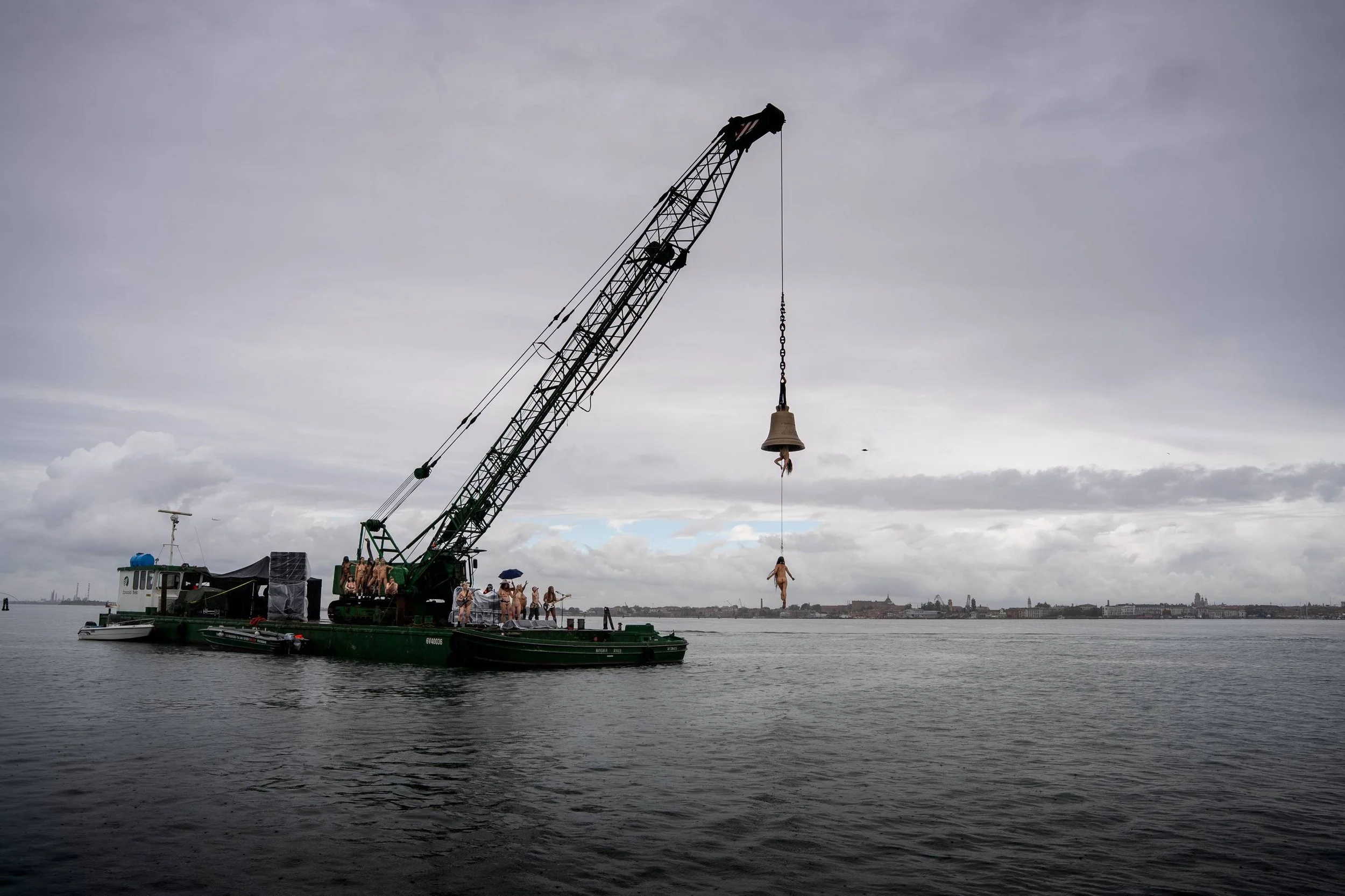
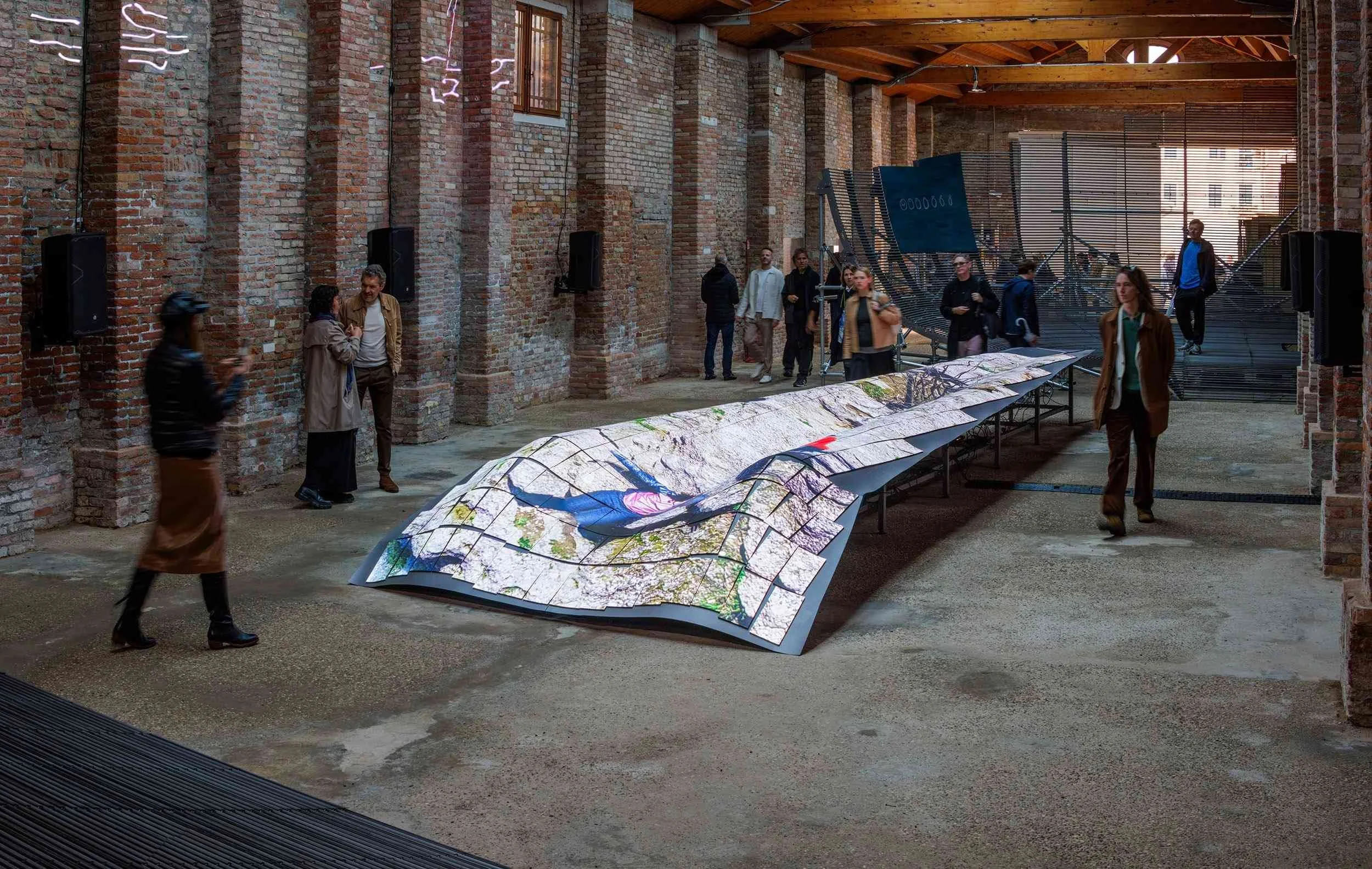
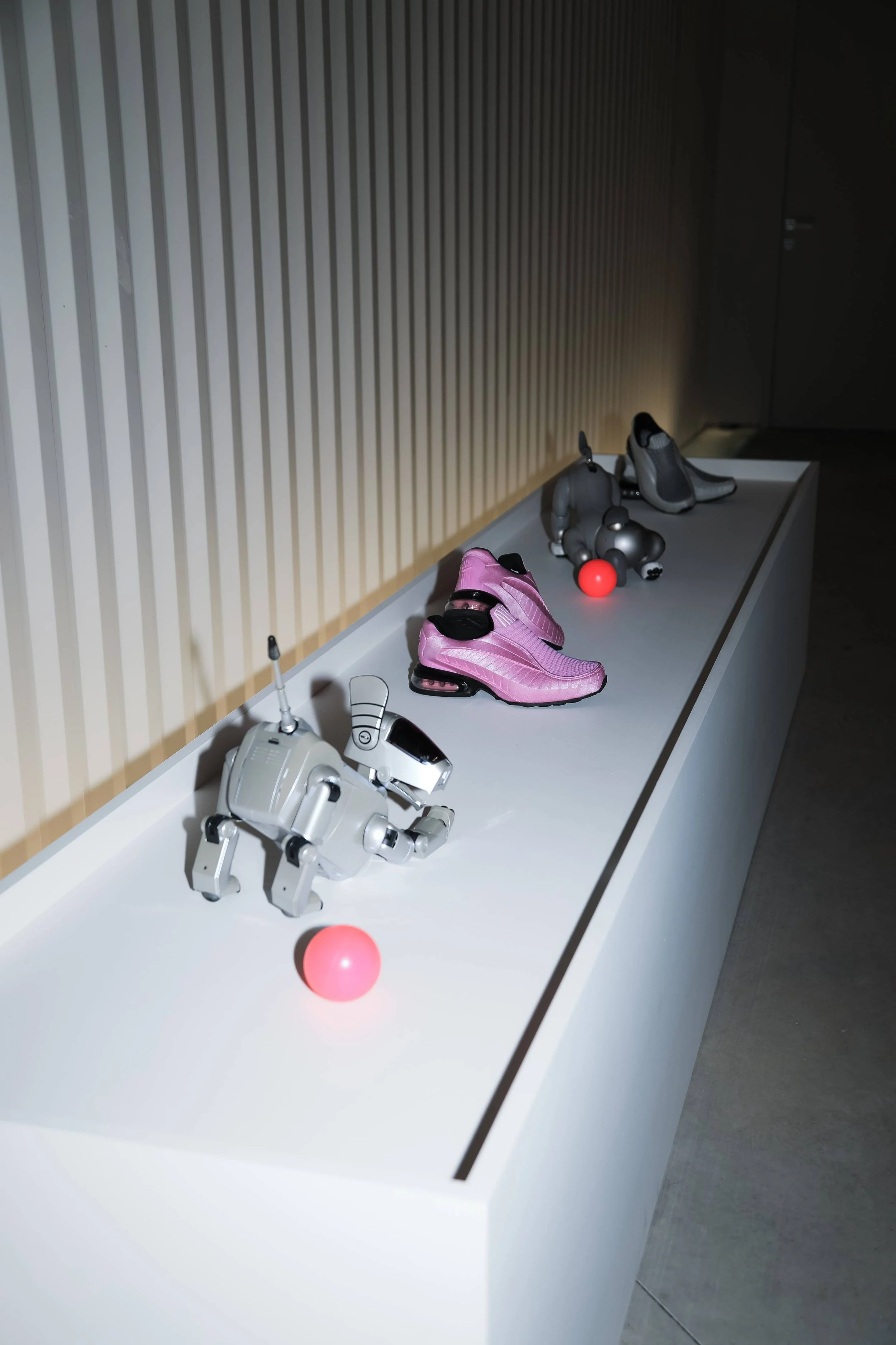
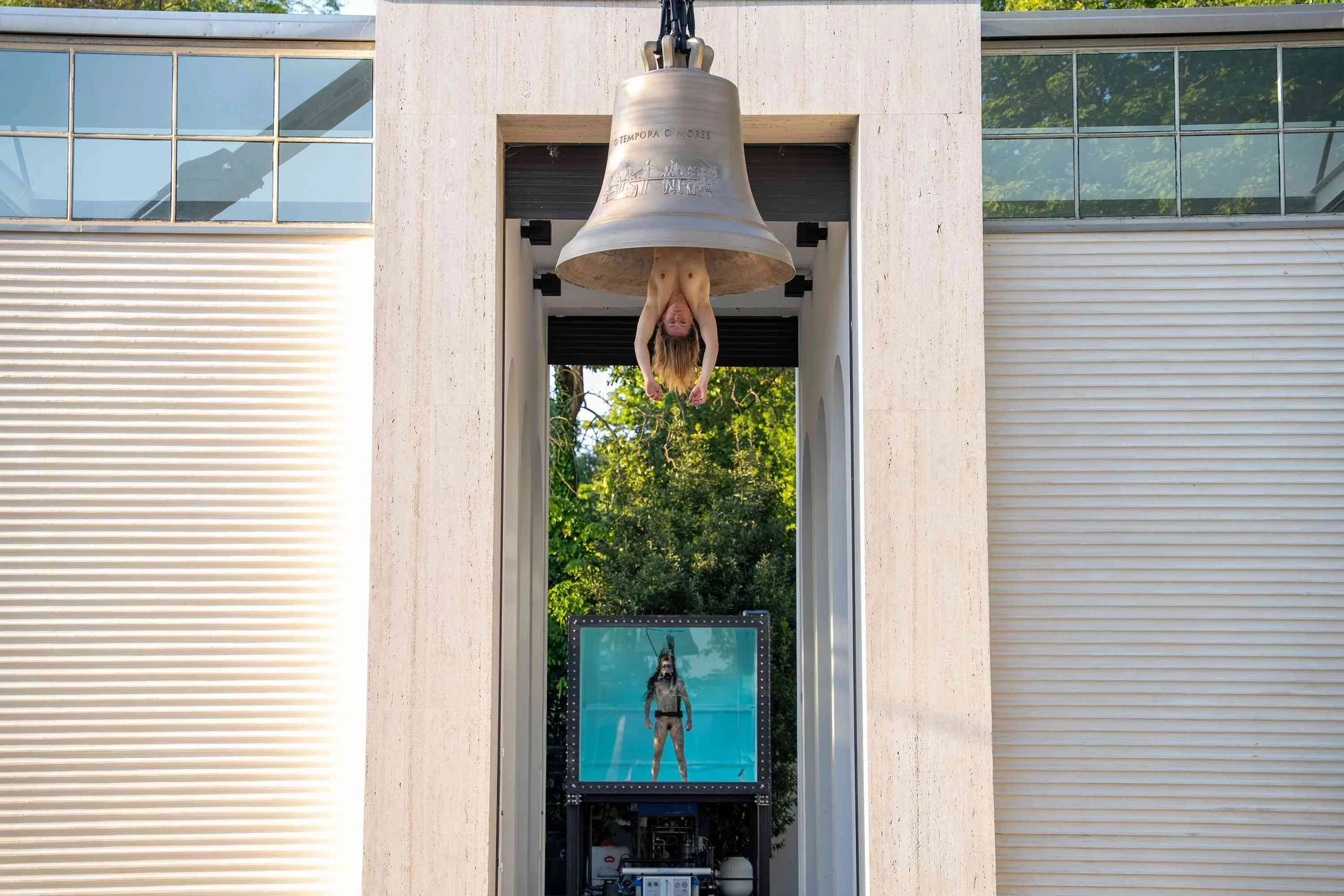
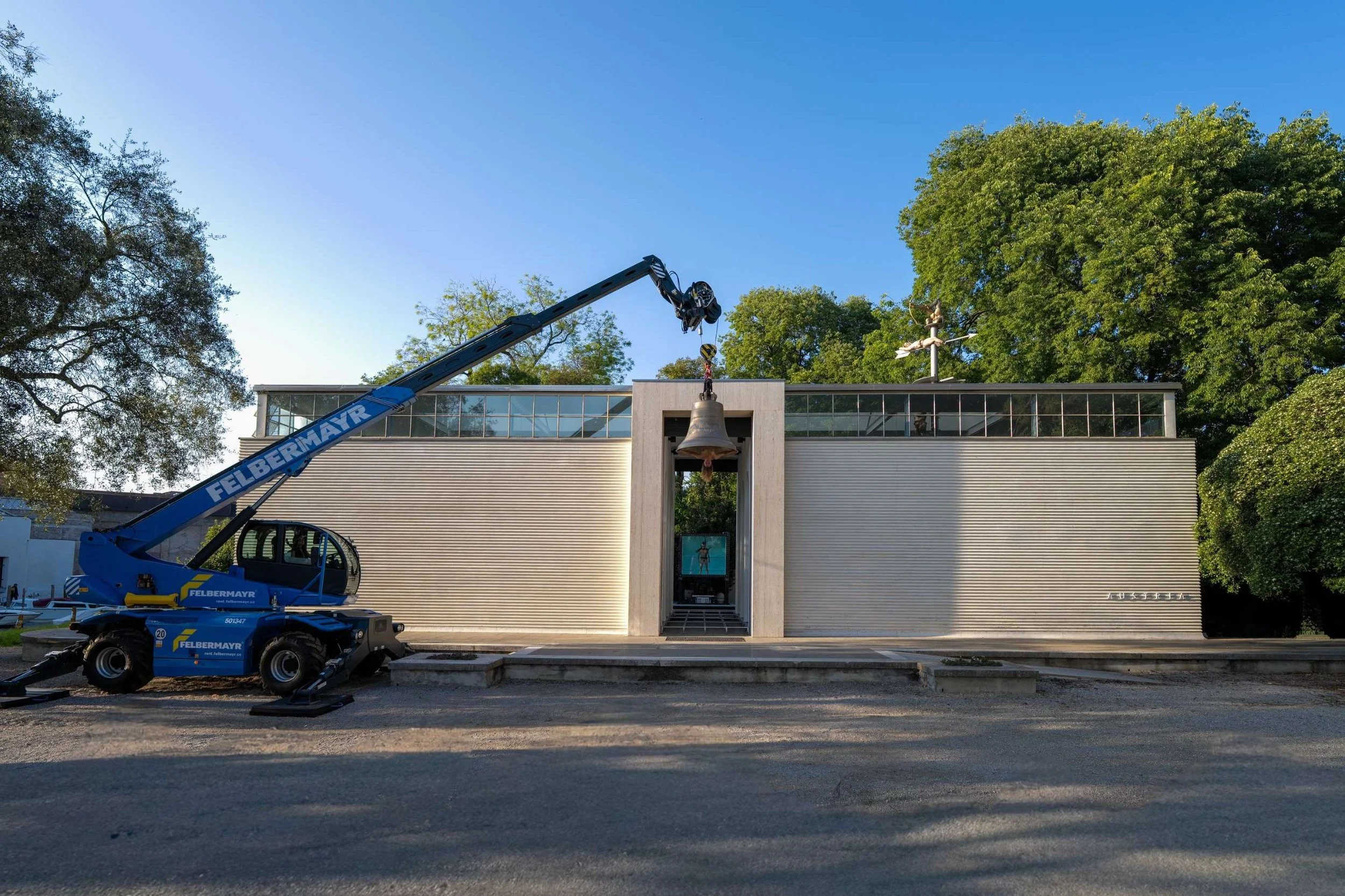
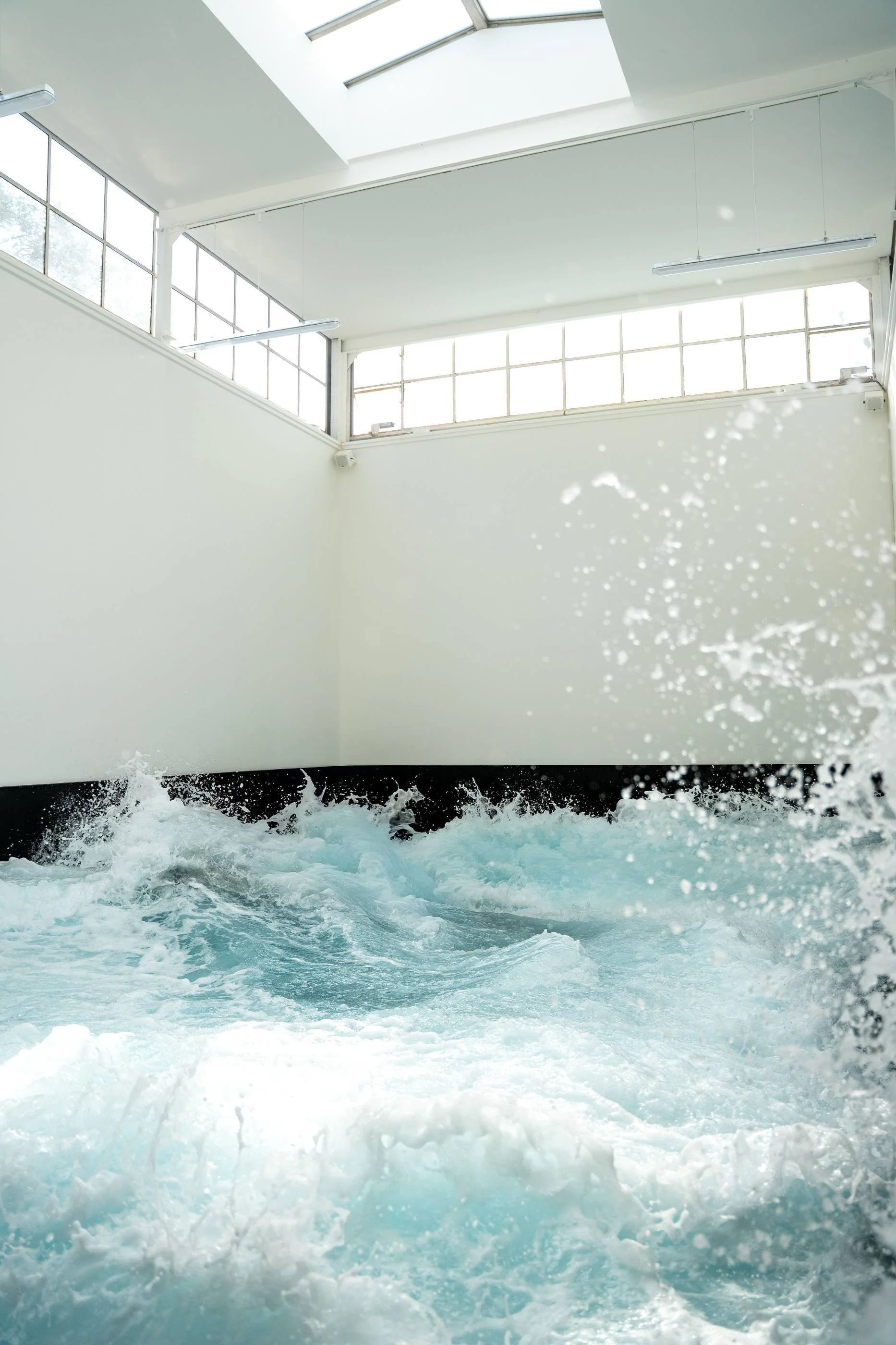
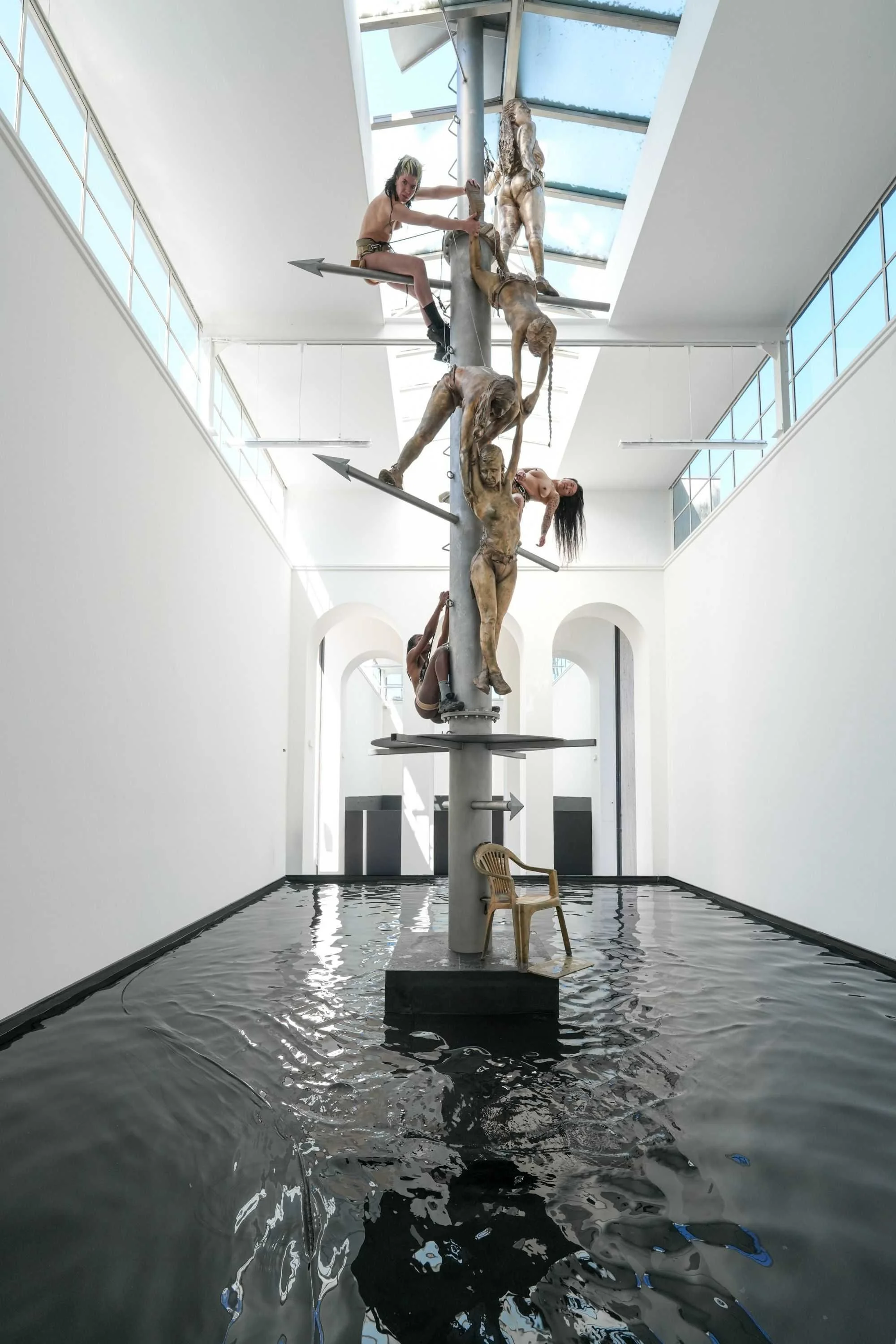
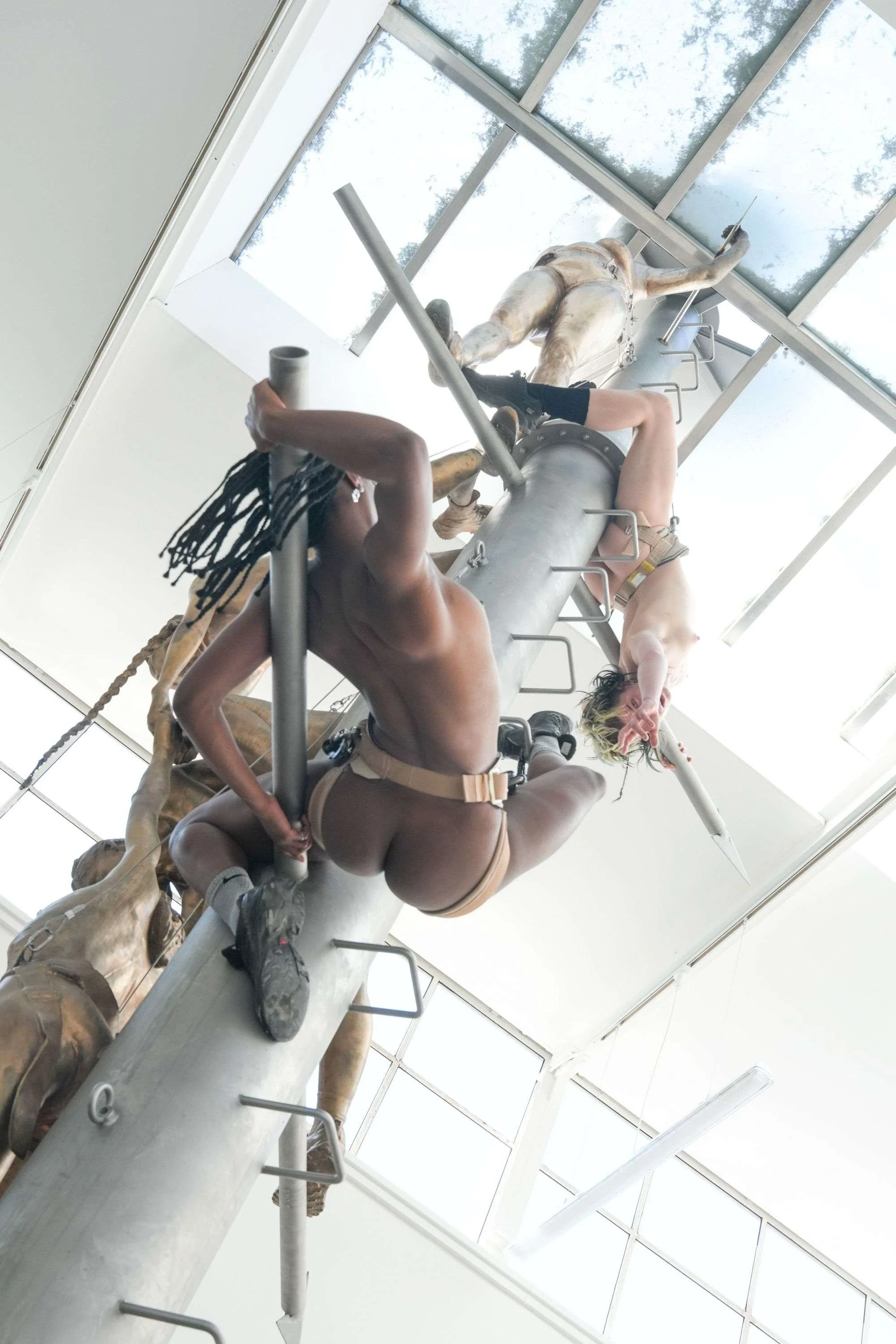
And so now, returning to Florentina’s work, why did it convince me? Her work is undeniably provocative. Naked bodies, strong aesthetics, physical excess, moments of apparent risk - all the familiar coordinates of transgression are present. In SEAWORLD VENICE, this appears first as a flooded environment that the visitor must physically enter, where water becomes both medium and obstruction. A bell, suspended above the entrance, is struck by the body of a performer, turning ritual sound into an act of physical exertion. Elsewhere, a jet ski driven by a naked woman cuts violently through the flooded pavilion, producing waves that destabilize the space, while a monumental rotating structure carries female performers through the air in a distorted echo of religious iconography. In another section, robotic dogs patrol an artificial landscape that resembles both aquarium and surveillance zone, while latrines and waste systems are integrated into the scenography. Under other circumstances, these are precisely the signs I have learned to mistrust: gestures that seem to demand a reaction in advance, that anticipate their own shock value, that already know how they will circulate as images.
But what distinguishes Holzinger’s practice is that provocation never stabilizes into a final effect. It is not the endpoint of the work, nor its currency. Instead, it seems to operate as something closer to a working condition: unstable, excessive, constantly pushed beyond its own legibility.
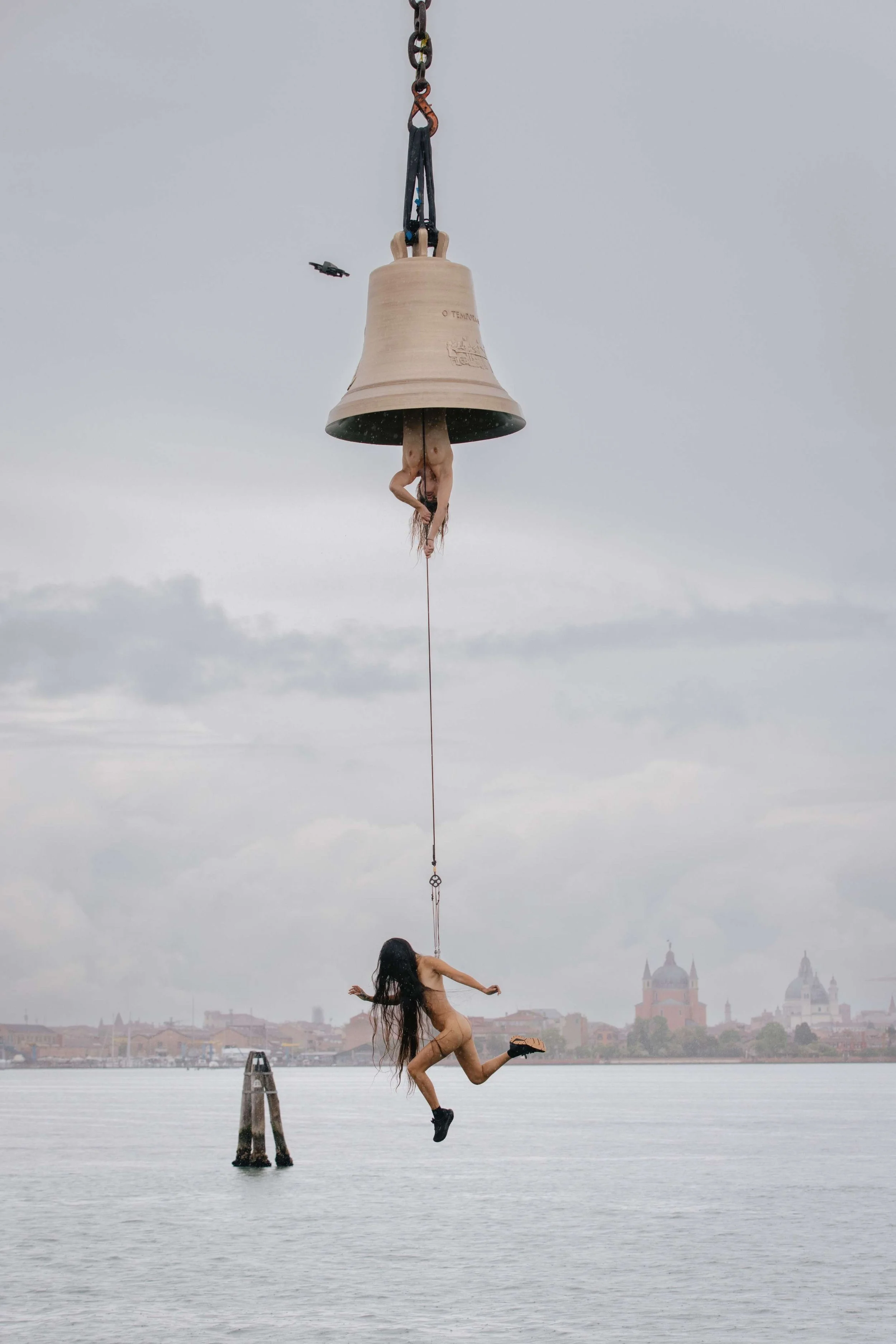
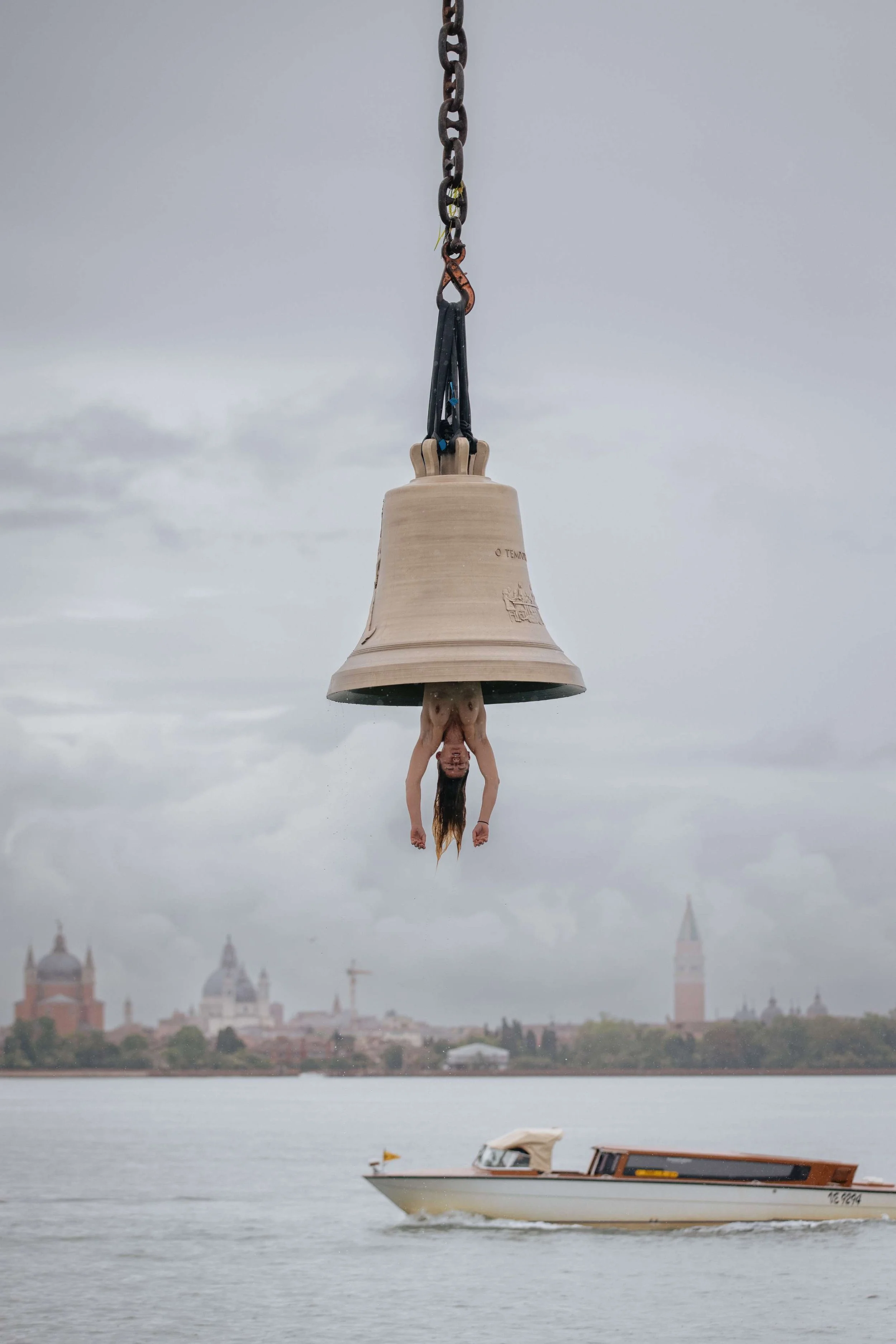
Her performers are not simply bodies displayed for impact, but bodies produced through training, discipline, and endurance. One becomes aware of skill rather than spectacle alone - of acrobatic precision, physical strength, choreographic control pushed to the limit. The body is not offered as an image of transgression, but as a site where labour, vulnerability, and exposure are inseparable.
What matters is that this exposure never resolves into a comfortable reading. The work refuses the clarity that so often accompanies “provocative” art, the instant recognizability of taboo, the quick conversion of shock into meaning, or into cultural capital. Instead, it sustains a state of instability. One is never allowed to settle into a position from which to judge it cleanly. Is this empowerment or exploitation? Freedom or repetition of constraint? Critique or complicity? These questions do not find resolution in the work, and crucially, they are not staged as problems to be solved. They remain active tensions within the performance itself. At the same time, Holzinger makes visible the mechanisms through which we look. The theatrical frame is never dissolved; it is exposed, even emphasised. We are constantly aware of watching something constructed, rehearsed, staged – and this awareness complicates the experience, it layers it. The gaze is no longer passive reception of shock, but part of the system being tested.
In this sense, the violence or extremity in her work is not only representational. It is choreographic and structural: something produced in time, through repetition, endurance, failure, exhaustion. The body is pushed to reveal what it means for a body to be made visible under pressure.
What convinced me, then, was not provocation as such, but the way provocation was deprived of its usual shortcuts. There is no stable moment of scandal, no easily consumable transgression that can be carried out of the exhibition as an image or anecdote. There is duration, fatigue, ambivalence, and an unsettling refusal to allow interpretation to close. Perhaps this is where the difference lies for me. In much of the work I had previously encountered, provocation functions as a fast economy of affect: it produces intensity in order to be recognised as significant. In Holzinger’s work, intensity is not a guarantee of meaning, but something constantly at risk of collapse, excess, or misunderstanding.
And so I return to the question again, but in a different form. Not whether provocation is meaningful or empty, but whether it can still function without becoming an answer in advance.
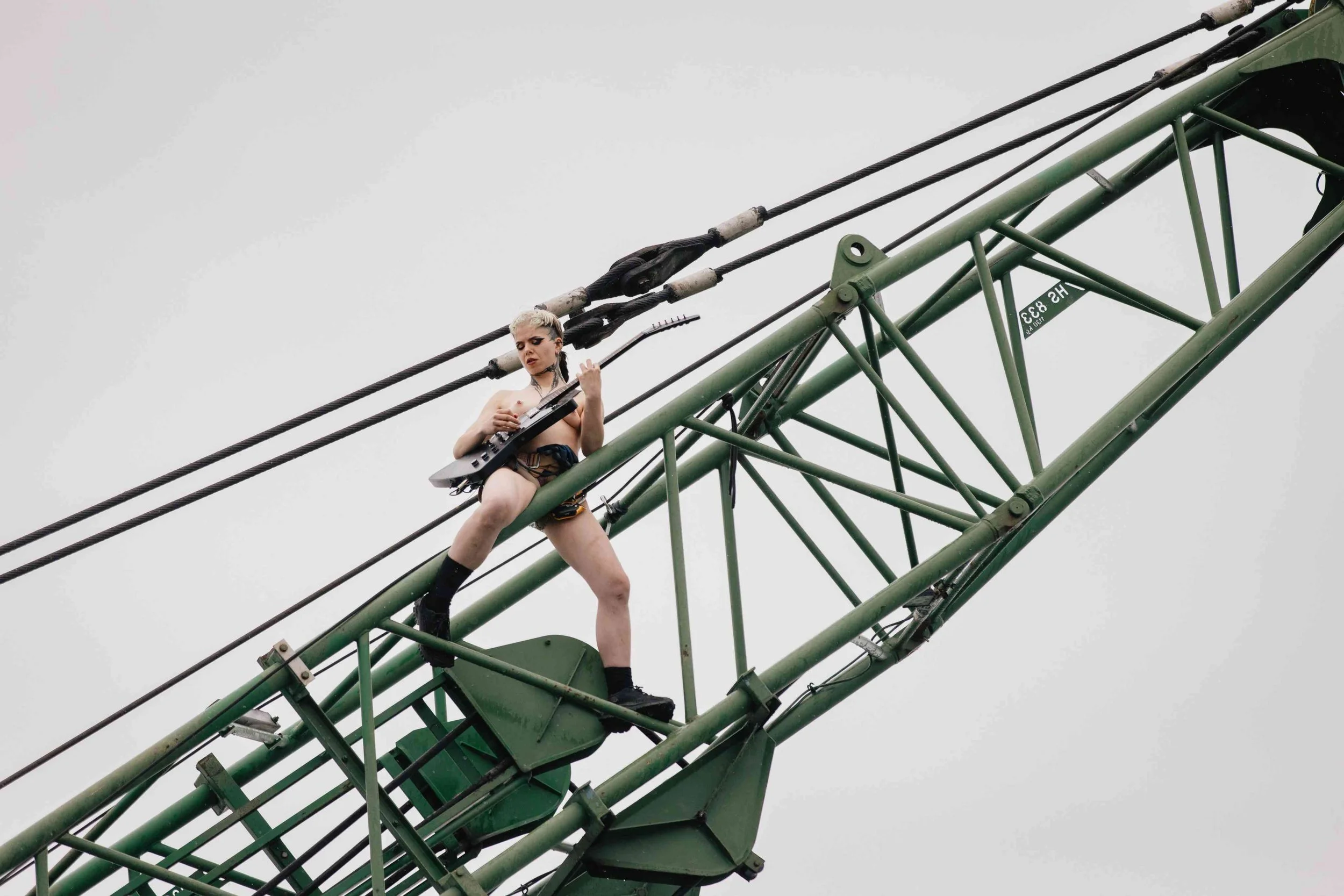
Florentina Holzinger
Words by Sara van Bussel
What to read next