
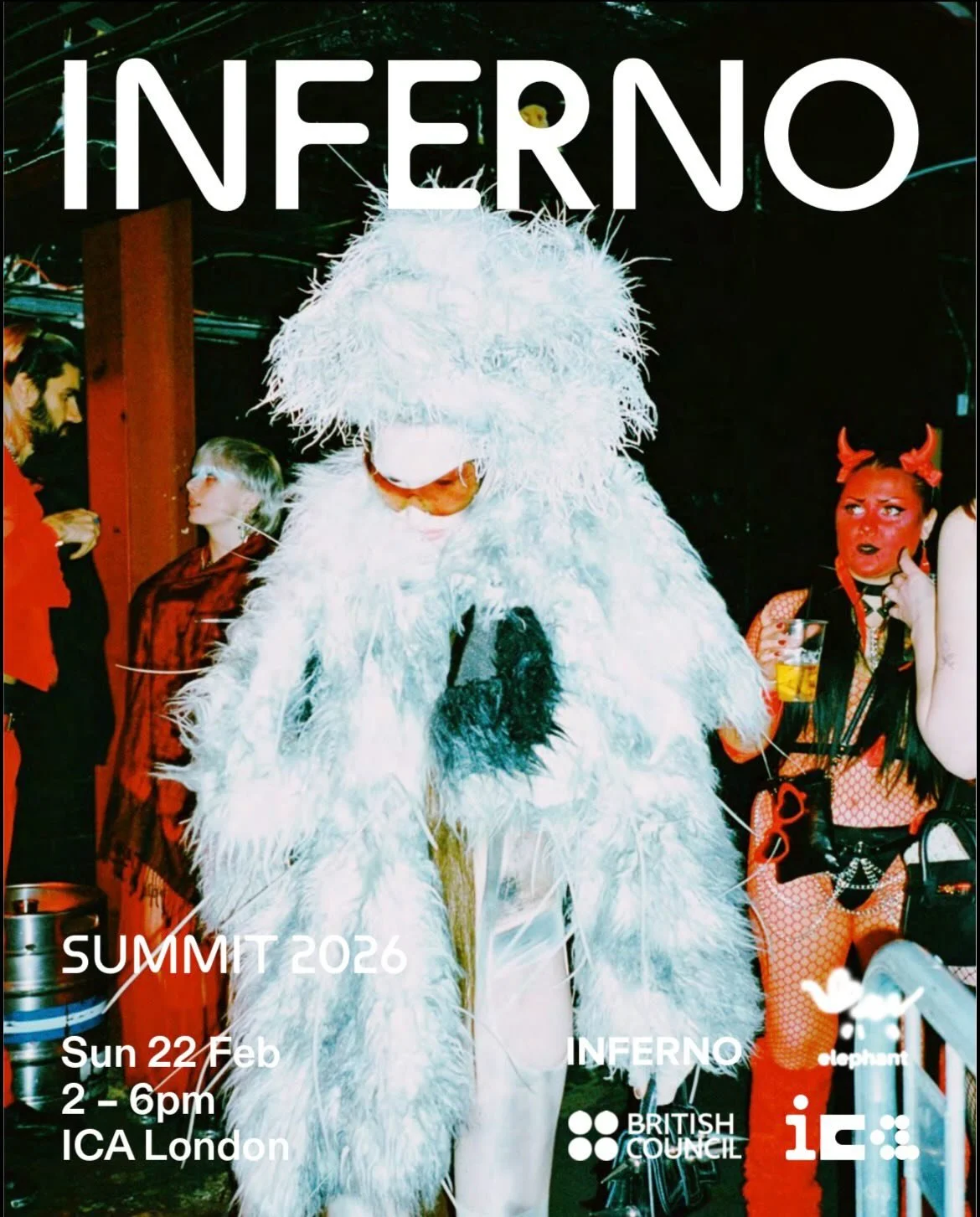
The conditions keep getting worse. Venues shut down monthly. Artists juggle three jobs to make rent. The systems that once supported independent cultural work either vanish or were never there to begin with. Yet queer nightlife persists, adapts, invents new strategies for survival.
INFERNO Summit 2026 meets this moment directly. On February 22 at the ICA, artists, organizers and cultural workers gather to examine how nightlife functions as more than entertainment. It operates as infrastructure for connection, a testing ground for collective care, and a space where imagination works against erasure.
The program avoids celebration for its own sake. Instead, it asks practical questions about sustainability: How do we keep spaces open when profit models demand closure? How do we support each other when institutional funding dries up? How do we build networks that outlast individual burnout? These conversations matter because they address real conditions, not abstract theory.
Drawing from over a decade of INFERNO's work across nightlife, performance and activism, the Summit centers lived experience over academic distance. Participants come from local scenes and international movements, bringing knowledge earned through years of maintaining spaces, organizing events, and sustaining communities under duress.
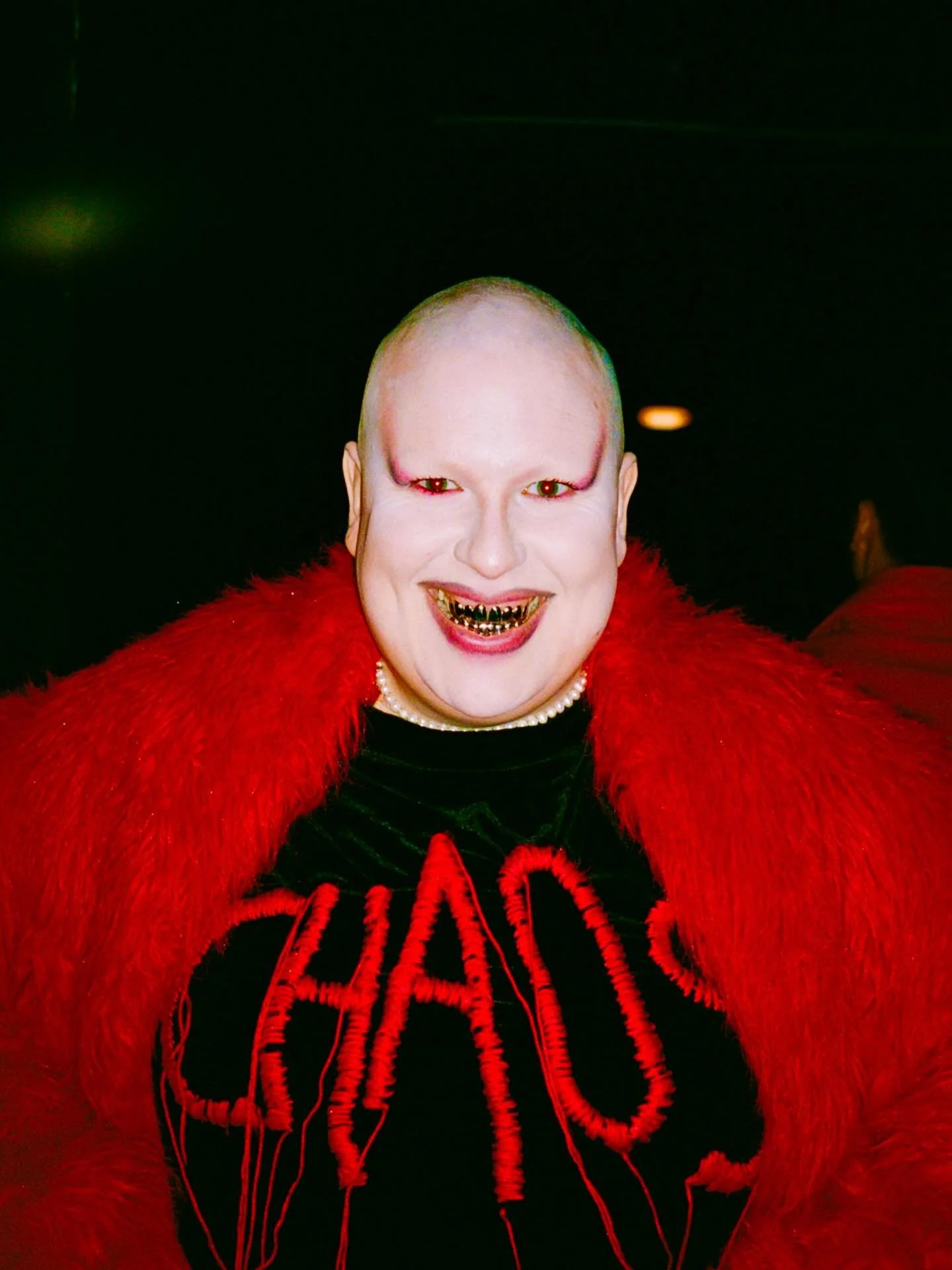
The format mixes conversation, performance and moving image. This combination allows different forms of knowledge to surface. Some things need to be discussed. Others need to be witnessed. Some require the particular intimacy that performance creates, where ideas live in bodies and gestures rather than just language.
Cultural uncertainty defines the present. Nightlife changes because the economic and social pressures forcing that change have intensified. Artists stretch thin because the gap between what survival costs and what cultural work pays keeps widening. Venues close because property values make clubs impossible to maintain.
Against this, queer nightlife continues to generate forms of solidarity that resist easy commodification. It creates temporary communities, alternative economies, and models of care that operate outside conventional frameworks. The Summit documents these practices, shares strategies, and asks what sustainable futures might look like when the present offers so little support.
February 22. ICA London. 2-6pm. Day tickets £18, concessions £15, low-income tickets available.