Bernhard Schobinger At 10 Corso Como
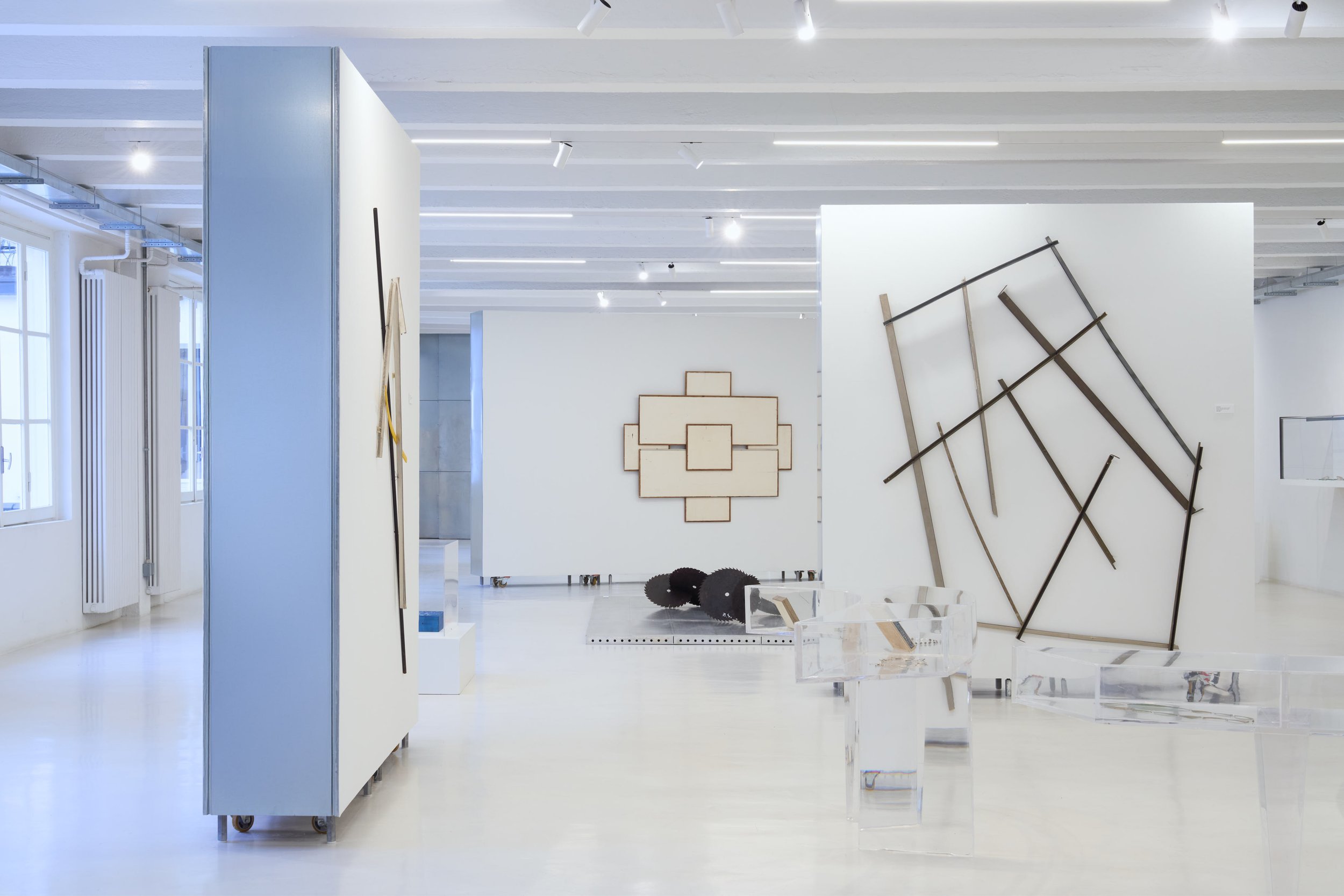
The 10·Corso·Como Gallery continues its rigorous examination of the ornament with a significant presentation of work by Bernhard Schobinger. Curated by Alessio de’ Navasques, "Democracy of Materials" concludes a trilogy of exhibitions that repositioned jewelry as a central medium for contemporary thought. Schobinger, a Swiss artist whose career began in the late 1960s, provides a necessary critique of the value we assign to objects.
The exhibition functions as a thematic map. It utilizes the historical furnishings of the gallery to create a specific atmosphere, one that Schobinger associates with the dense, wandering narratives of W.G. Sebald. This connection to literature is vital. Just as Sebald collects memories and historical fragments, Schobinger collects the physical leftovers of the industrial world. He treats a discarded ice-cream spoon or a rusted zinc panel with the same technical reverence a traditional goldsmith might afford a gold ingot.
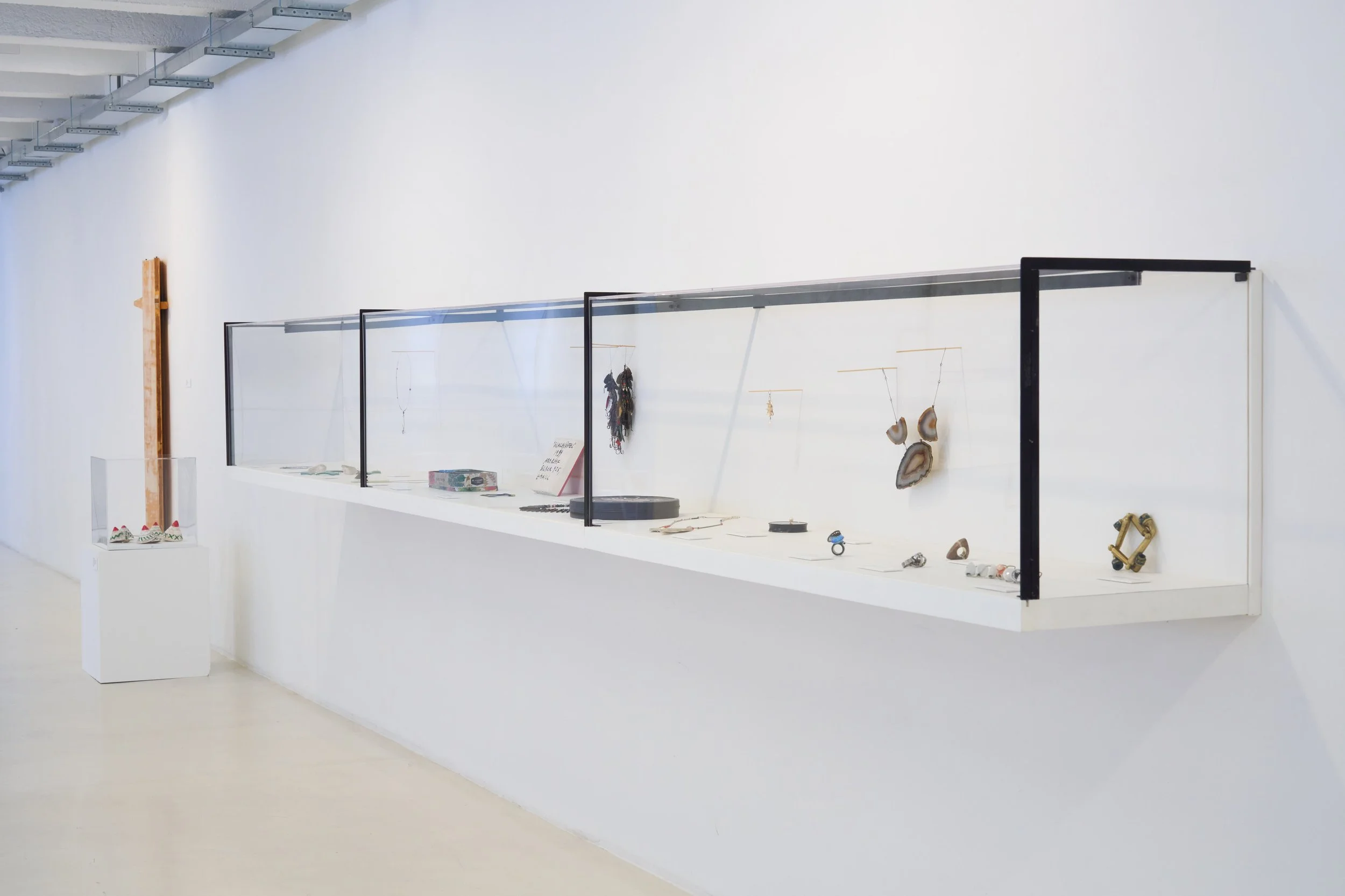
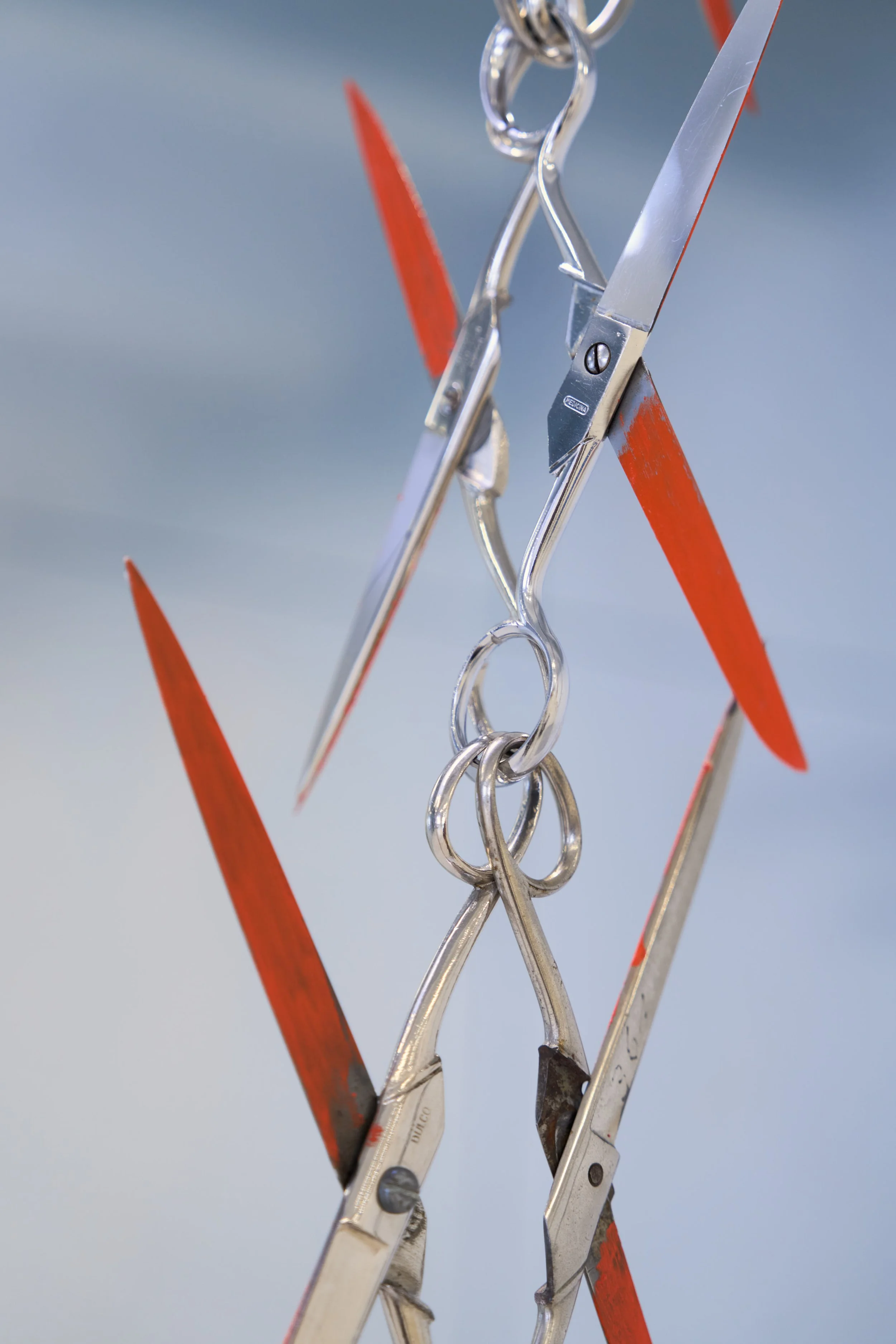
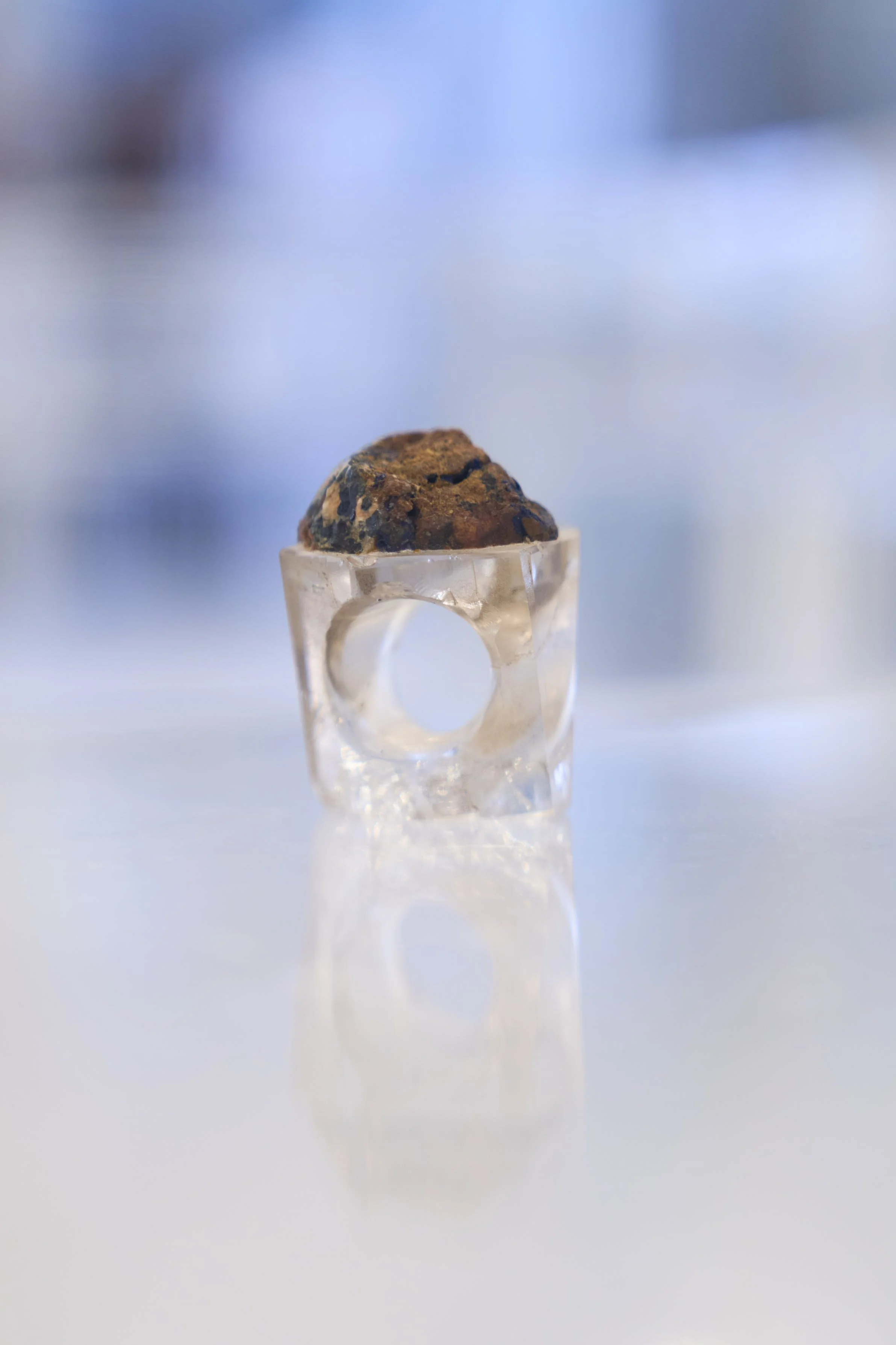
His background in classic goldsmithing provides the foundation for his rebellion. He possesses the skill to execute perfect forms but chooses instead to marry high-value stones with "poor" materials. In the piece Juwelen auf Unterhosengumm, he uses common elastic bands to secure precious crystals. This choice is a direct confrontation. It mocks the idea that a jewel requires a stable, expensive setting to be considered beautiful. It suggests that the energy of the stone and the utility of the elastic are equal in the eyes of the artist.
The influence of the 1970s punk movement and the Zurich youth movements of the 1980s is evident in his refusal of formal coherence. He rejects the industrial impulse to replicate. Every piece is a unique amulet. In his hands, a silver cast of a plastic spoon becomes a sculptural bracelet. A series of brass handles becomes an ideogram. He moves through these forms with the focus of a Zen practitioner, seeking a level of concentration that moves beyond the physical constraints of the workbench.


“«To all intents and purposes, it is a singular and determined approach, one deeply researched and a statement, a variation on jewellery that unshakably overturns priorities and value judgments»”

Schobinger’s recent sculptures, such as YTBT, utilize blades and saws to create paradoxes. These objects are dangerous, sharp, and cold, yet they possess an undeniable magnetism. They act as "koans"—spiritual riddles intended to provoke a state of awareness. He also finds poetry in the depths of Lake Zurich, recovering toy cars to create the Under Water Car Collection. These objects are not merely recycled; they are resurrected.

As Mariuccia Casadio notes in her accompanying text, the value of these works does not stem from their shine. Instead, their worth lies in their "intrinsic power." Schobinger forces the viewer to acknowledge that the hierarchy of materials is a capitalist fiction. A shard of glass coated in urushi lacquer carries as much weight as a diamond. By stripping away the expectations of the luxury market, he reveals the raw, shamanic potential of the object. This exhibition is a testament to a career spent searching for freedom within the material world, resulting in a body of work that remains fiercely autonomous and deeply intellectual.


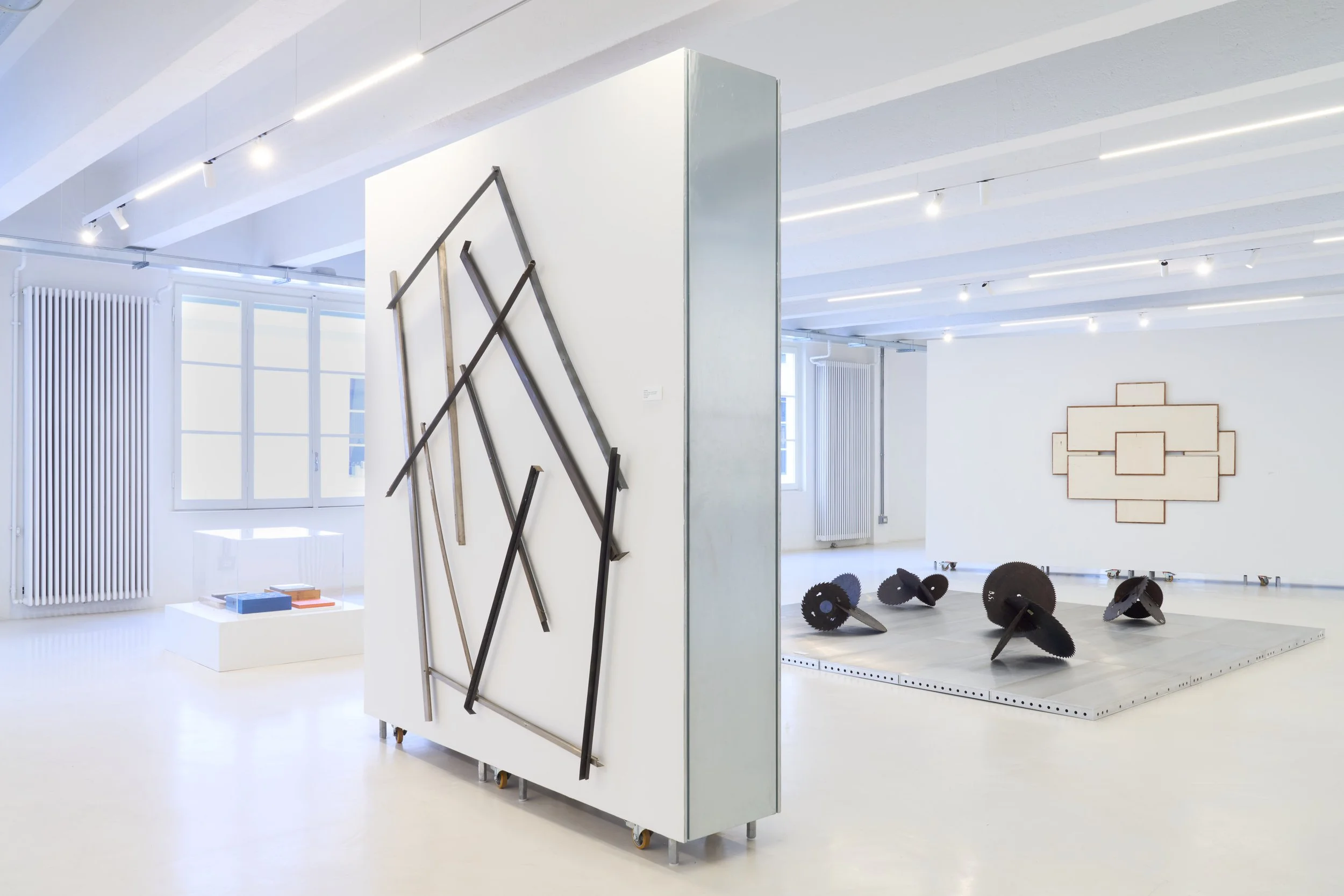
Bernhard Schobinger. Democracy of materials
Curated by Alessio de’ Navasques
10·Corso·Como Gallery, Milano — 12.12.2025 – 1.2.2026
Every day: 10.30am – 7.30pm
Free admission
Curated by Alessio de Navasques
Words by DONALD GJOKA
What to read next