ILL-STUDIO
At Ill-Studio, nothing begins with shape. The process starts with a system of thought, not with an image. Design becomes secondary to logic. A sculpture, a jacket, a room, each one just a possible expression of the same inner code. There is no interest in perfect execution. Technique never leads the way. The work moves through distraction, drift, contradiction. That is where things become legible. Final form is often incidental. Once the internal structure clicks, the piece can survive in any context. This is not about style. It is about a way of seeing, a way of building systems that invite perception rather than deliver meaning. Everything remains in motion, held together by a private grammar that travels across mediums without losing definition. With founder Thomas Subreville, we gain a clearer sense of how this grammar develops inside the studio, and how its logic continues to expand through practice.
Your body of work often circles back to a visual language that feels both exacting and elusive. How do you determine when a piece has reached its final state?
Probably because my process isn’t linear, it’s sinusoidal. It operates somewhere between anarchy and structure. That’s likely why the work feels exacting in theory but elusive in form. I’m drawn to things that appear blank, ambiguous, reactive, surfaces that invite projection rather than dictate interpretation. Maybe because I’m self-taught, I don’t fetishize execution. A piece needs to exist first as a fluid model or system of thought, not as a fixed shape. Once it clicks, it can live as anything. The final state isn’t my main focus. Whether it becomes a jacket, a sculpture, or a building, that’s “just” medium. Different ways to express the same logic.

Over time, you've constructed a design philosophy that resists fixed definitions. What keeps you interested in building structures that almost refuse to settle?
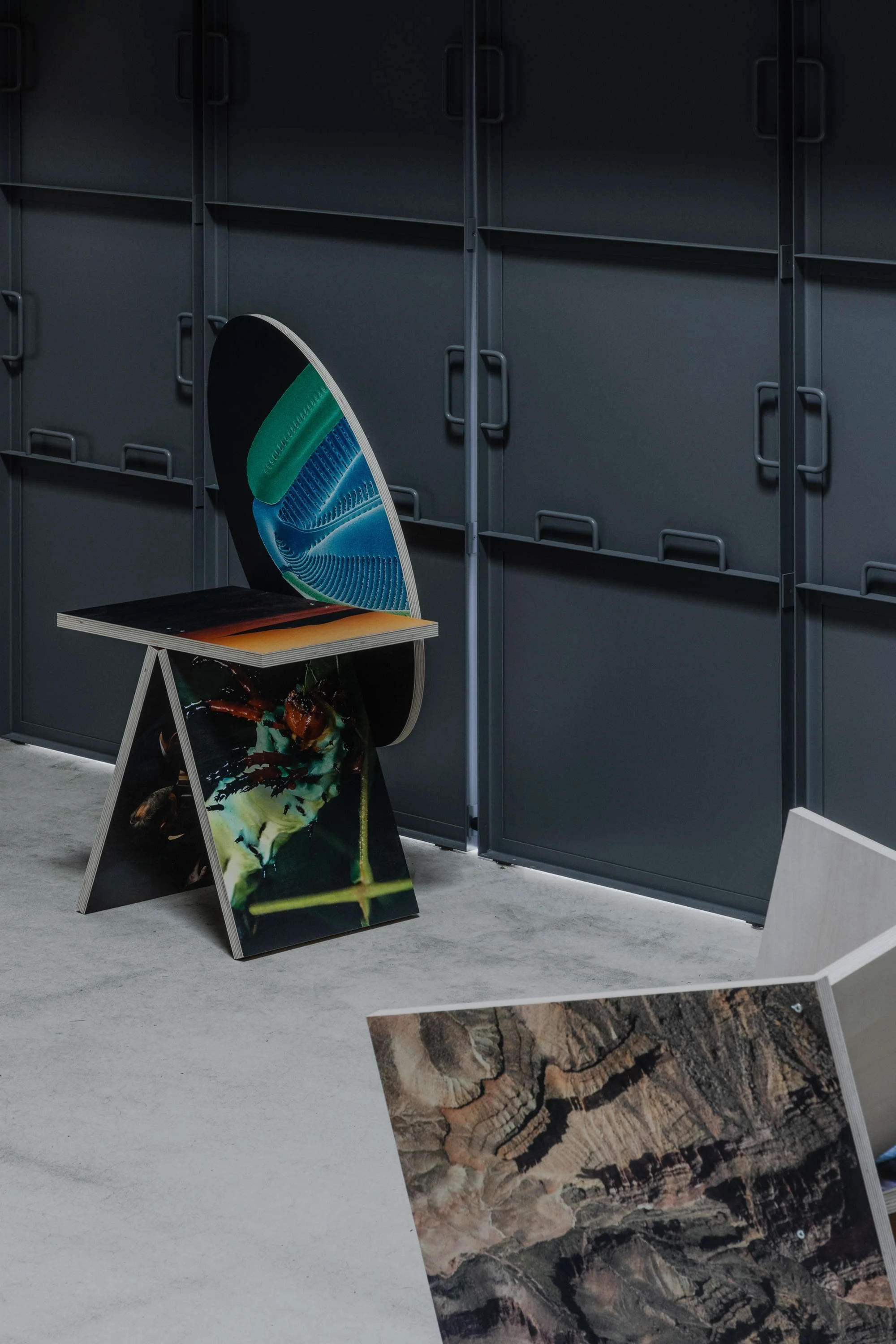
I’m not particularly interested in design as a discipline, I’m interested in context. I believe creativity exists somewhere between the way you look at the world and the way the world looks at you. Images and objects are shaped far more by perception than by intention. A chair, for example, isn’t a fixed format, it mutates depending on the room it’s in and who’s sitting in it. Its design and material stay the same, but its meaning shifts, constantly in flux. In my practice, I don’t design things, I don’t even really know how. But I can imagine the cultural, emotional, or speculative environments they could exist in, to reprogram how they’re perceived. That’s where my work happens, in the space between seeing and interpreting. I see design as a form of soft architecture, guiding intention on one side and interpretation on the other. In that sense, context is endlessly mutable, while design, in isolation, tends to fossilize.
What mechanisms do you employ to maintain creative independence and freedom, particularly when collaborating with established brands and institutions?
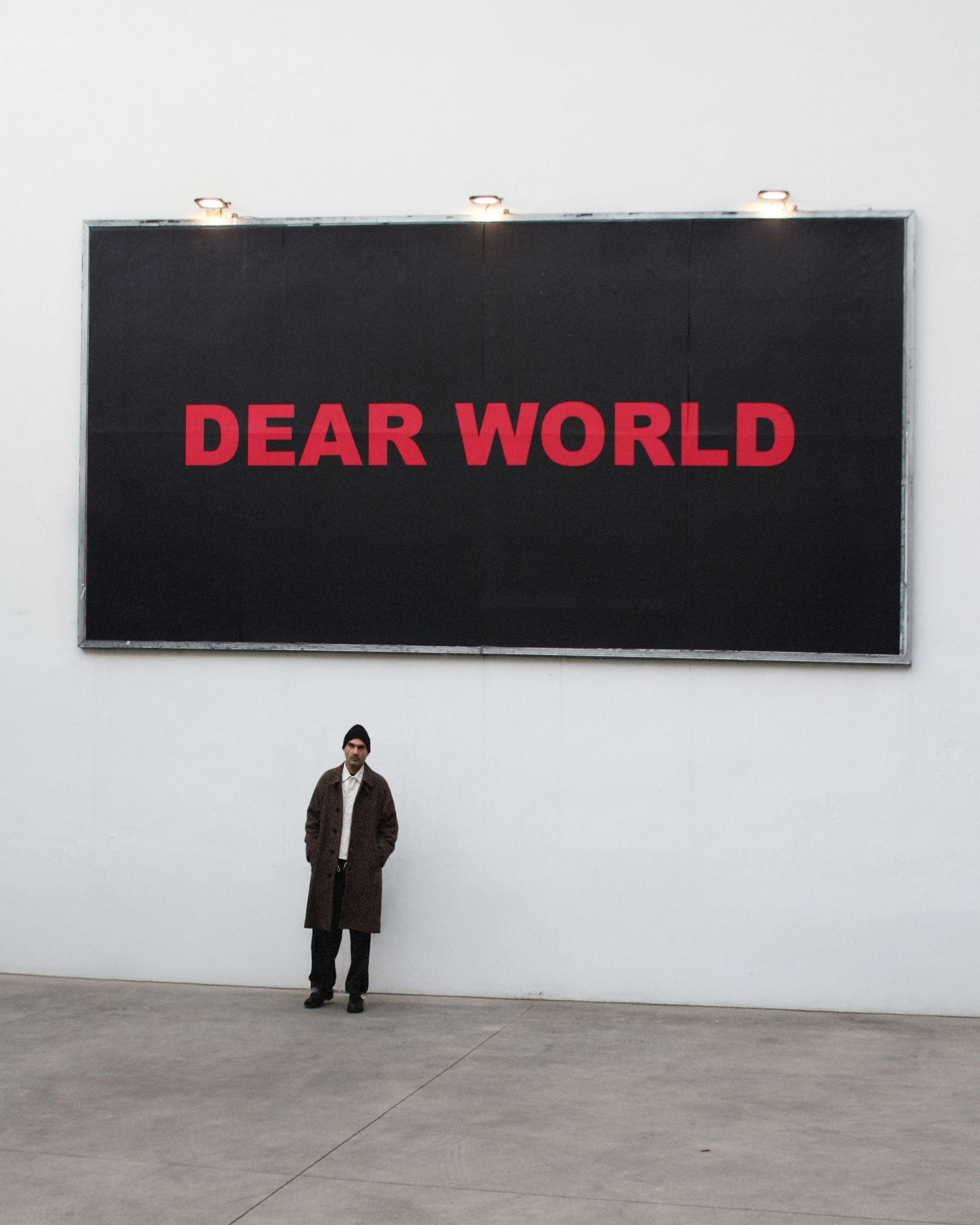
I approach every project as a personal exploration. That doesn’t mean it’s unilateral, of course, it just means it’s filtered through my own identity, belief systems, and cultural baggage. Whether I’m working on my own exhibition or collaborating with an established fashion brand, I approach it with the same intent. I adapt the language, not the logic. I see creativity as a statement of self, even for commissioned works. If you act with conviction, if what you say or bring is rooted in who you are, then the context doesn’t compromise you. It just becomes another place to speak from.
In many of your collaborations, there's an instinct to confront systems rather than decorate them. Where does that impulse come from?
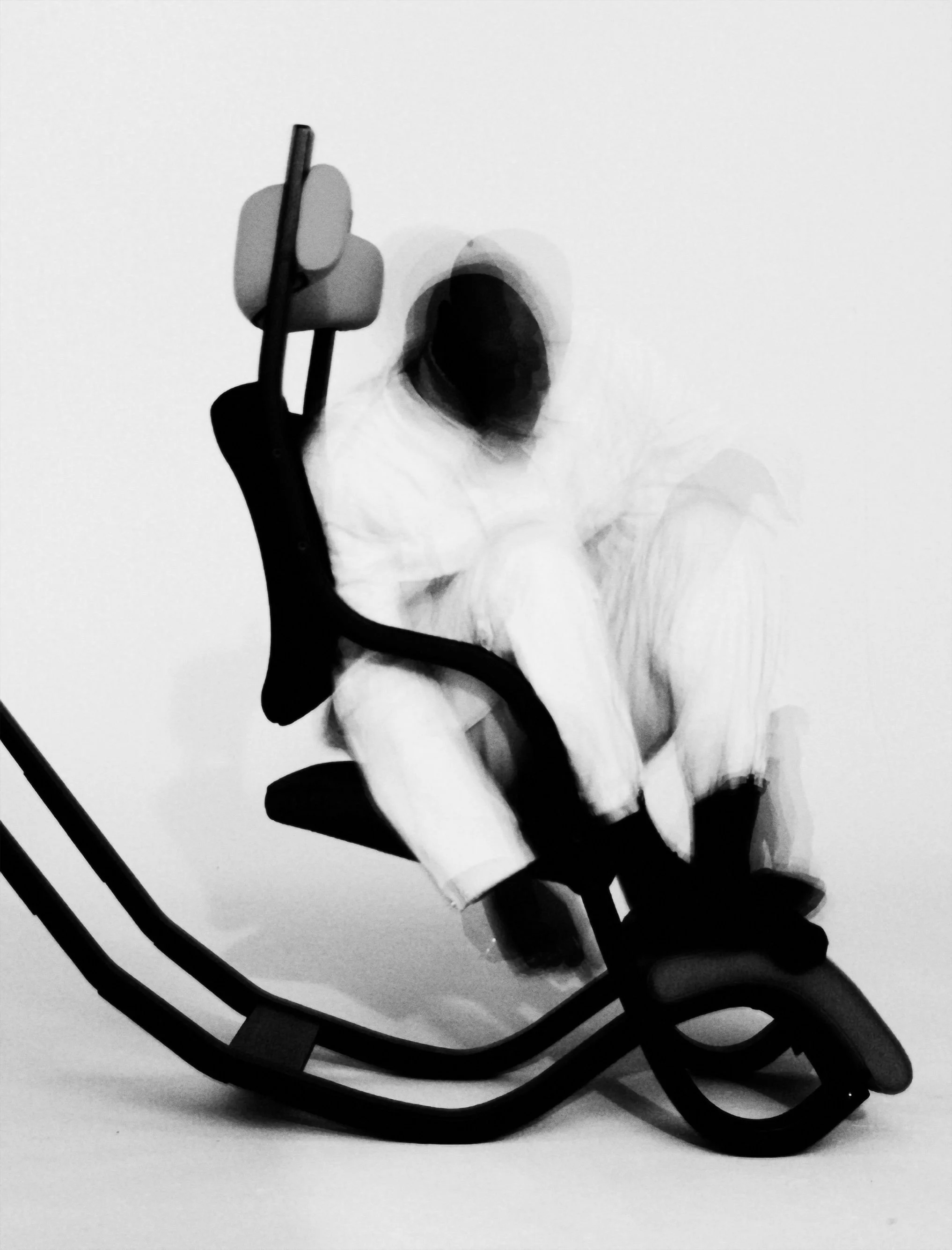
Probably from growing up neurodivergent, or just not fitting into standardized systems from a very young age. If the world around you isn’t made for you, you end up building your own. Ill-Studio started as an infrastructure for freedom, not by choice, but by necessity. I guess there’s always going to be something defiant in me in reaction to consensus. I don’t necessarily see this as confrontation, it’s about unlearning and rerouting a logic that doesn’t apply to you. For example, I was told all my life that focus was the key to success, but I built my entire creative process out of drifting thoughts and non-linear thinking. I think that’s where the impulse to question systems comes from. You stop trying to adapt to them, and start reshaping them to fit the way you think and operate.
You’ve spoken before about creating "meaning" instead of "images." What do you demand from a visual universe before it becomes believable?
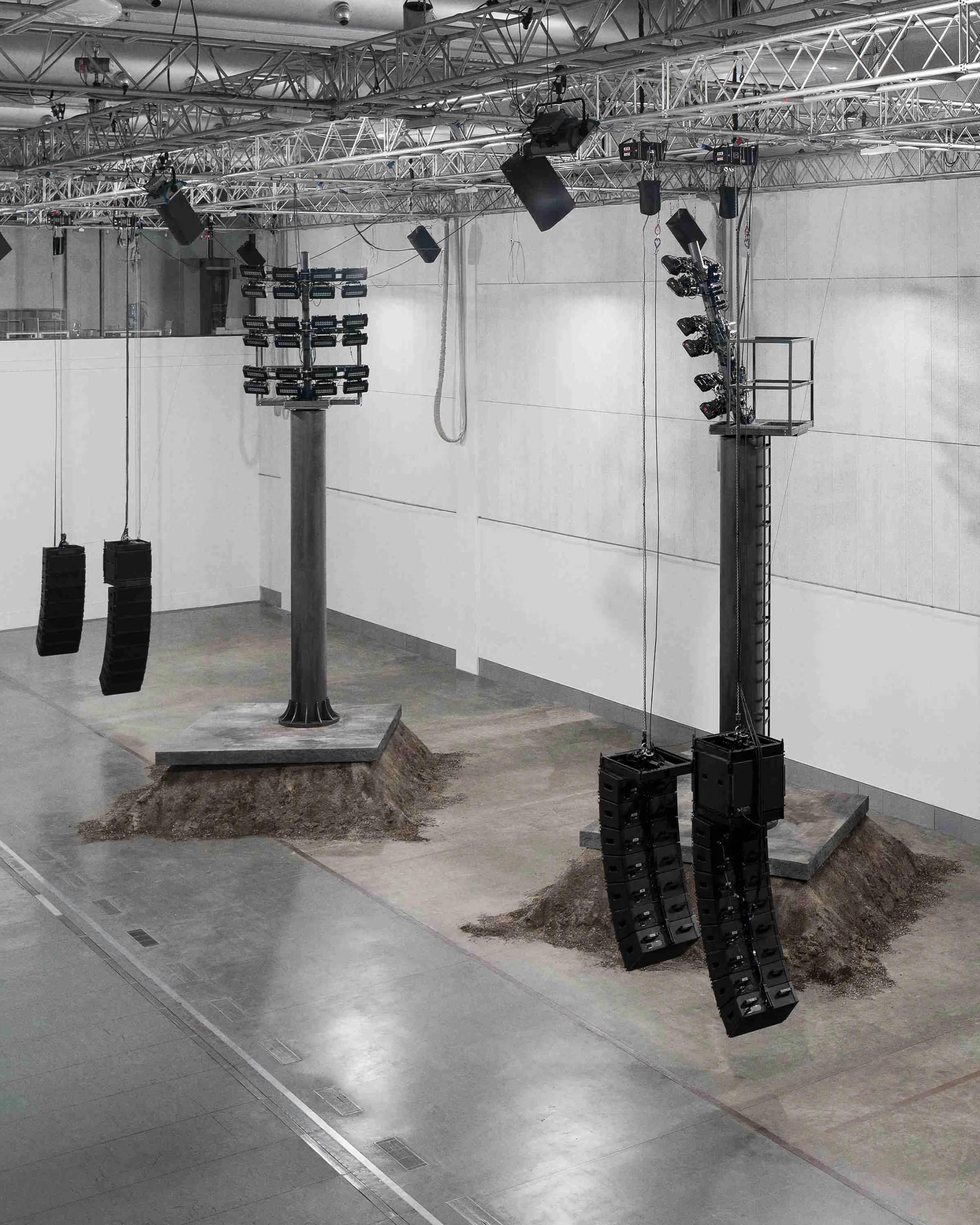
I’m more interested in creating meaning than producing images. An image, to me, is a vessel to express an larger idea, a statement, an identity. Kind of like a t-shirt. This feeling probably comes from what I call aesthetic fatigue, the constant visual saturation we live in, where form and content collapse into instant language, and visuals have slowly overtaken words as our primary way of decrypting the world. To me, a visual universe only becomes believable when it accumulates layers of cultural significance, emotional weight, and collective symbolism. It has to be meaningful and embedded in context, not just styled.
Words, in your hands, become more than a support system, it starts to agitate. What role do you give to friction in design?
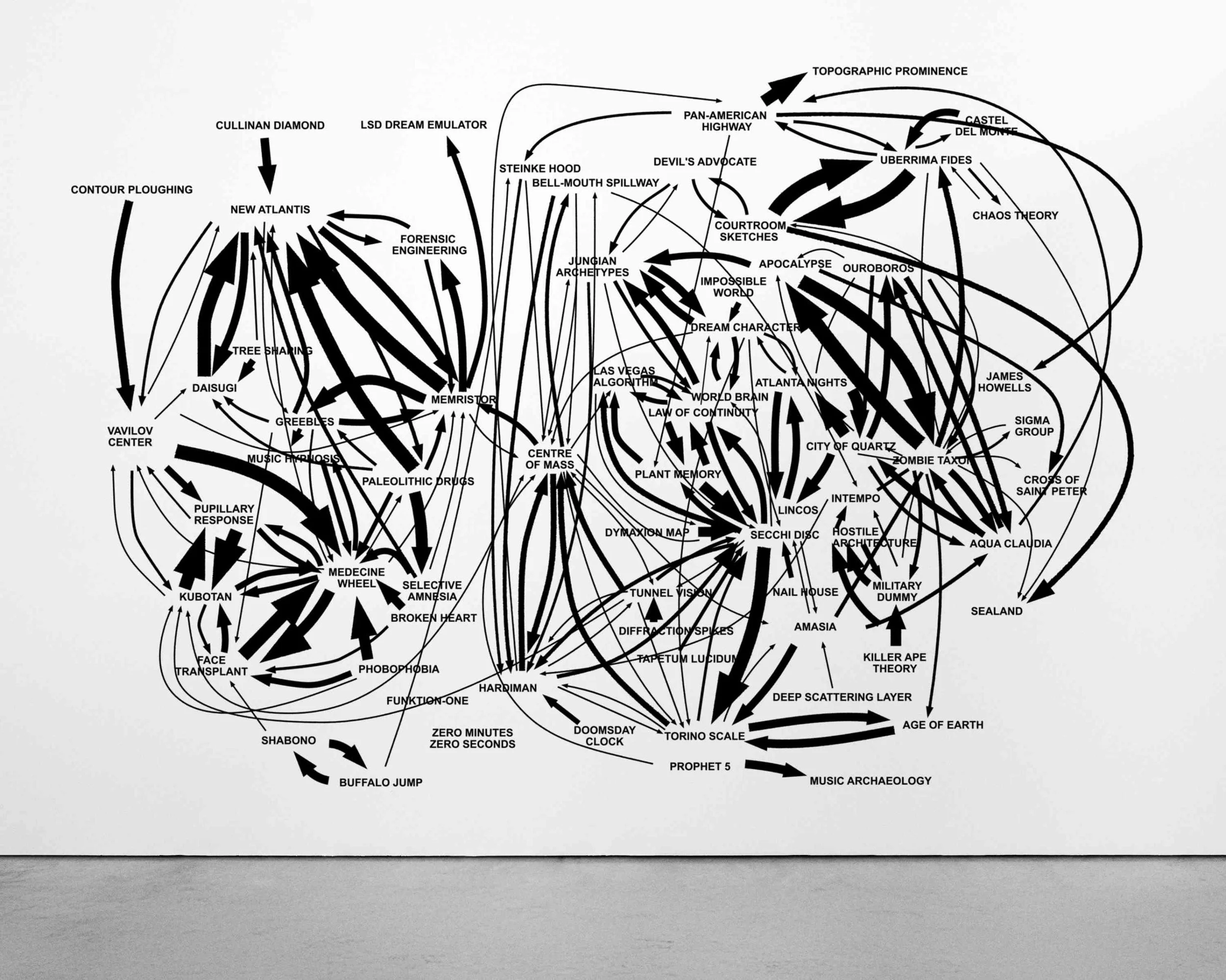
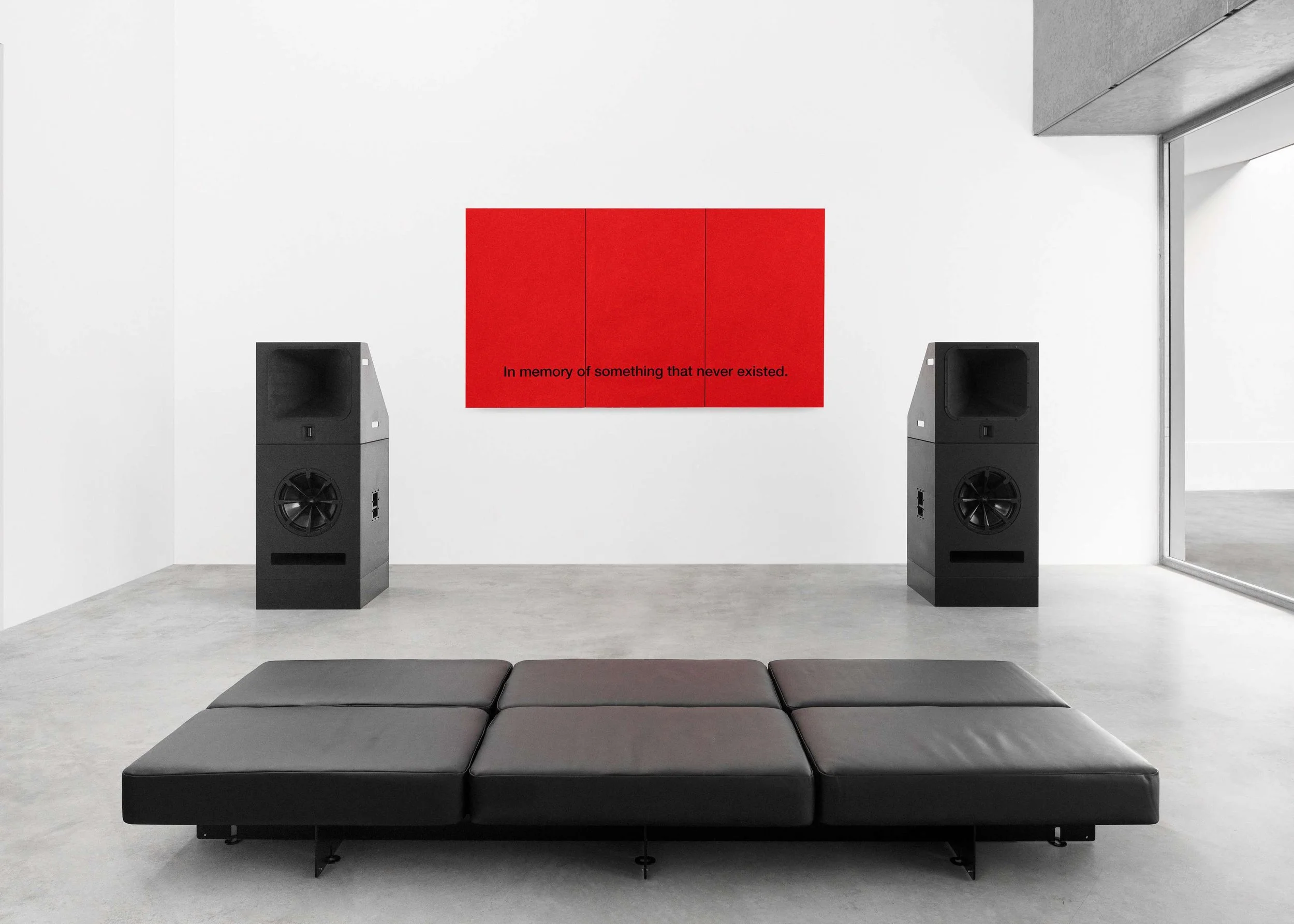
I’m definitely drawn to generating dialogue between things that aren’t supposed to go together, ideas, words, styles, eras. That’s the outcome of non-linear thinking. I made a five-year-long research project out of this, called Attention Deficit Disorder Prosthetic Memory Program. It’s not just about endlessly researching new things, it’s about how your brain is always processing, cross-referencing, letting fragments of information collide to become something new. I call that creating memories of things that never existed. I find this deeply fascinating and use this friction a lot in my work, now that I understand it’s not necessarily a curse.
Given your varied portfolio, what common threads or underlying principles unify the diverse expressions of Ill-Studio?
Well, I don’t feel cross-disciplinary at all. I’m deeply adisciplined. The reality is that I have zero traditional skills, and I’ve used that to neutralize my inner ADHDer’s urge to do everything myself, and instead focus on what I actually know how to do best. I think that applies to a lot of self-taught people. Whether it’s an exhibition, a chair, a film, or a fashion collaboration, it doesn’t make much difference to me. I focus on translating thoughts into systems, and I work with very talented people who have the skills I don’t, to give them form. What connects everything is the same internal logic. The process I described in the previous question is the unifying grammar behind everything I’ve ever done.
You’ve constructed a rare ecosystem where art, architecture, fashion, and music can speak to each other without collapsing into sameness. What keeps each field distinct?
Honestly? Dopamine is my main currency. I pretty much do everything I do for that dopamine hit and to feel stimulated. That never-ending loop of curiosity, novelty, risk, failure, or success is what keeps each project distinct. While everything is connected through the same logic, that constant quest for instability is what keeps each field distinct.
If Ill-Studio had to publish one sentence about its future, what would it refuse to say?
I started writing a book called “Pasolini and DJ Screw Discussing Modernism in Cairo”. I’ll probably never finish it. That pretty much sums it all up : )
Interview by Donald Gjoka
What to read next