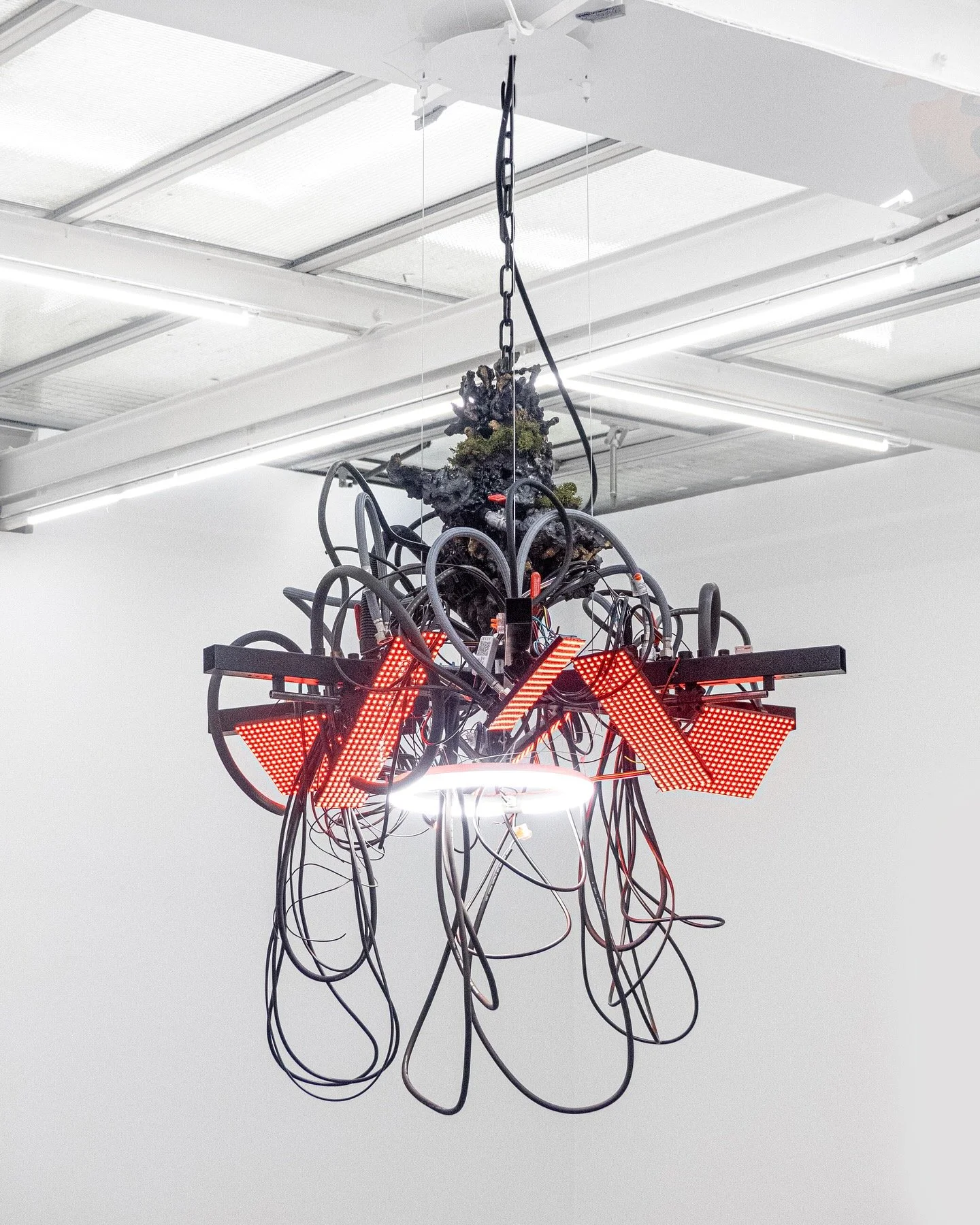
Jean-Baptiste Durand
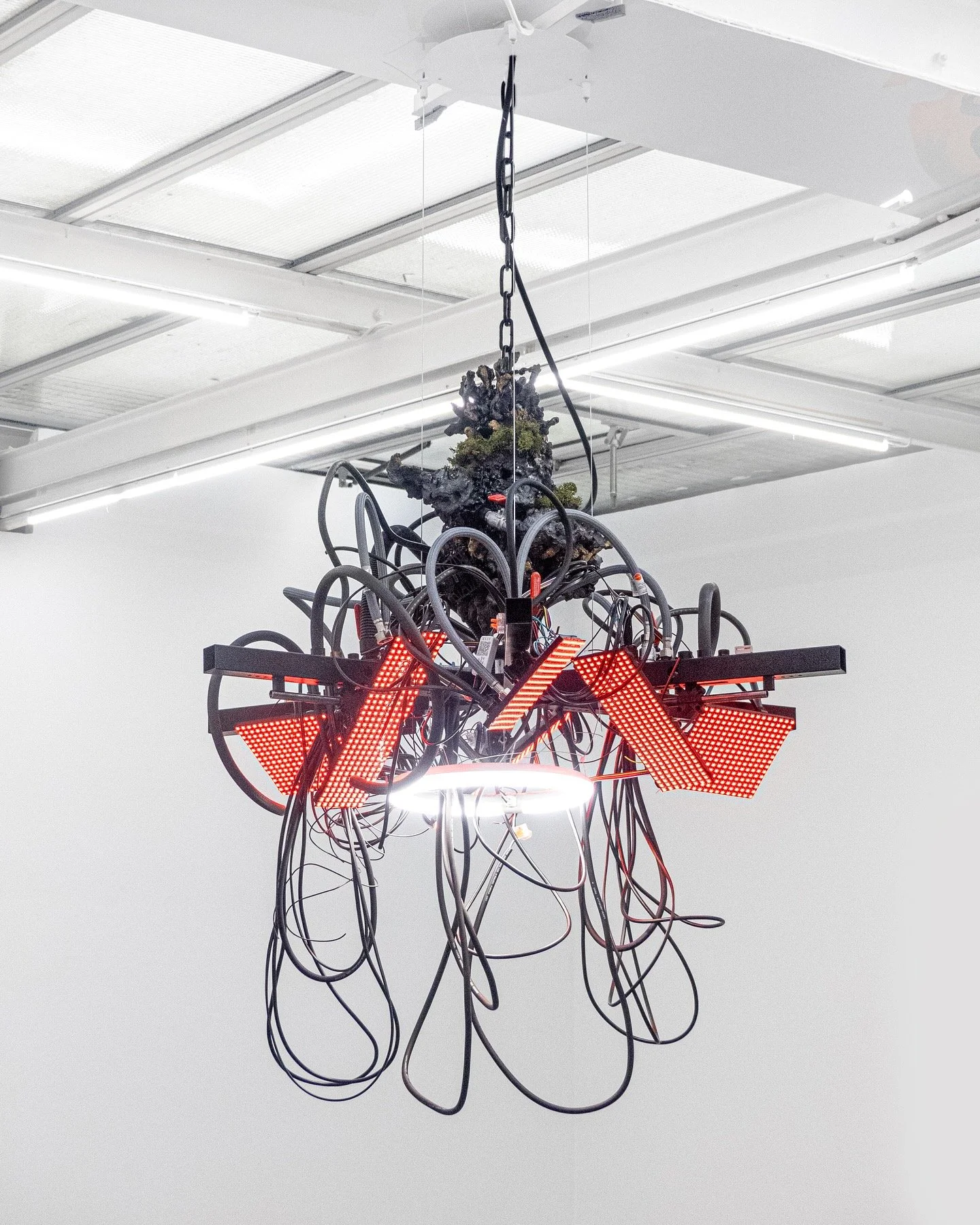
Jean-Baptiste Durand does not make objects that politely fit in your average design fair. They look like they’ve crawled out of another timeline where furniture went through disaster, and technology was scavenged from ruins. Educated at Beaux-arts de Saint-Etienne and forged in Mathieu Lehanneur’s studio, Durand has since carved out his own territory, between techno futurism and laboratory bricolage.
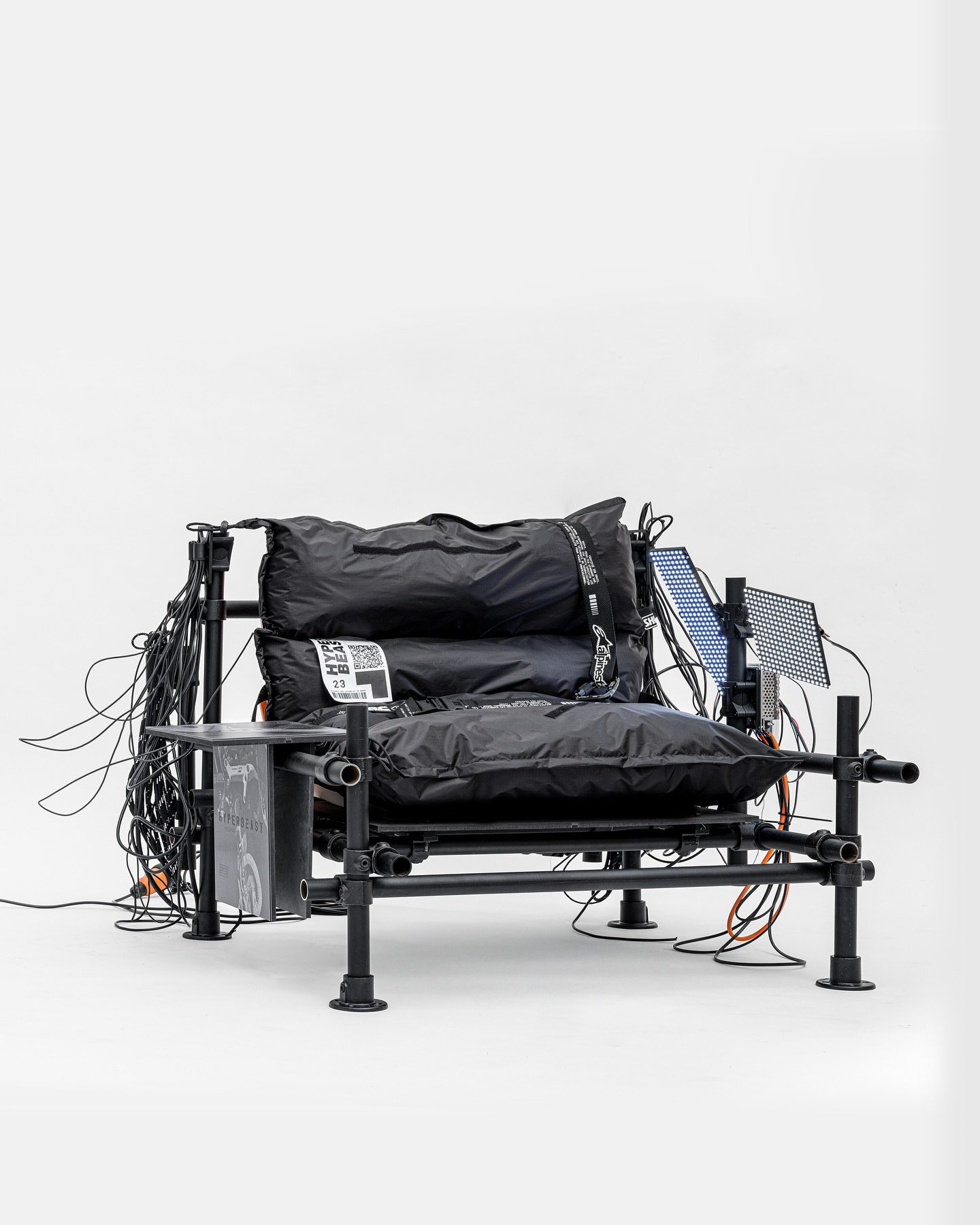
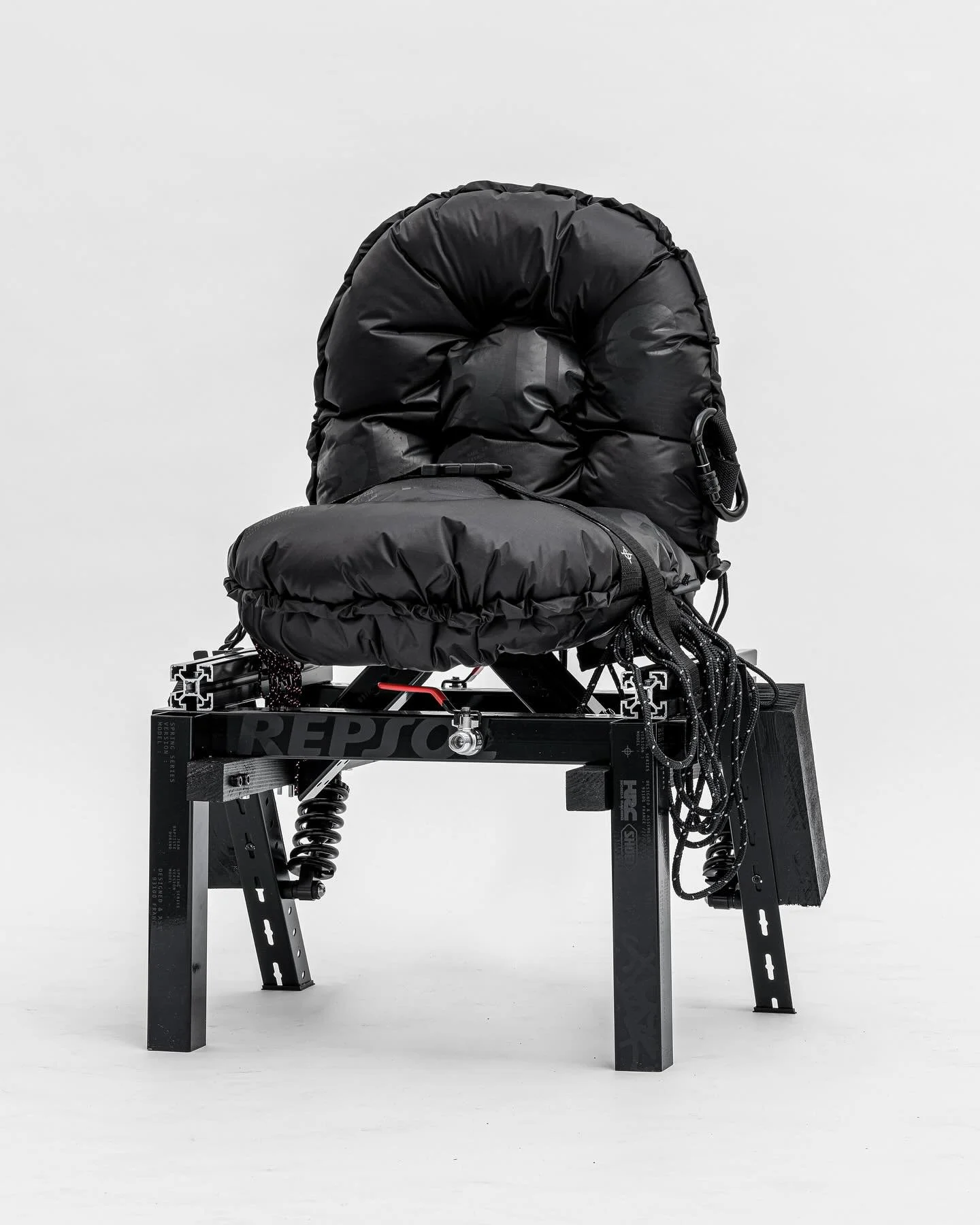
His work escapes labels, moving between design, ceramics, and sculptural pieces, merging different production techniques and narratives. Mixing high-tech and low-tech components in his “hyperbeast” pieces, Durand’s work lives in a future that is hard to define. We caught up with the designer to discuss his design process, the backstories to his work, and the ambivalence of being a Gemini.
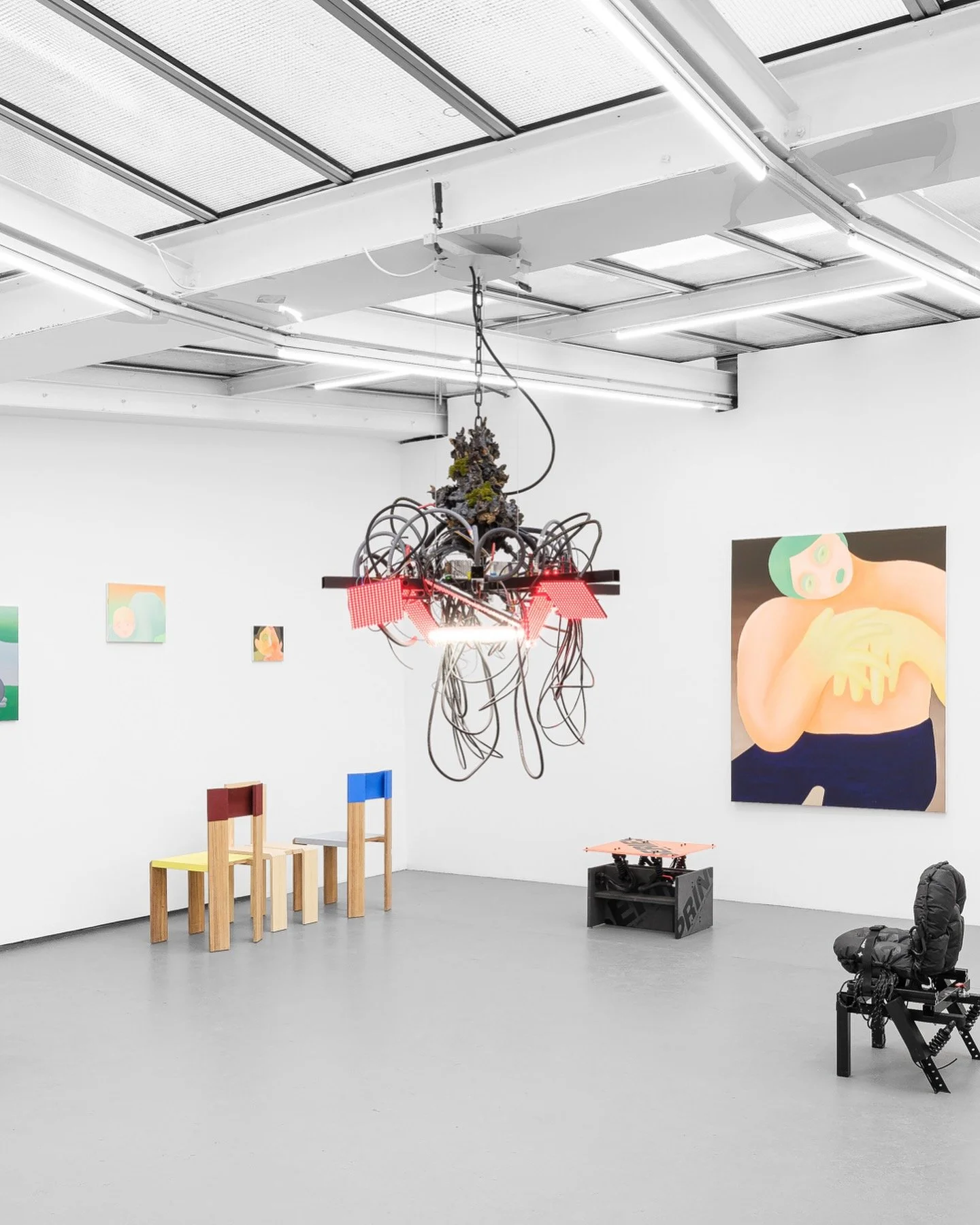
Gregory Copitet
Your personal work started in ceramics, quite a traditional and canonical craft compared to the designs you create. Did you ever feel like an intruder in that world?
Since I never really felt like a proper ceramist, nor presented myself as one, I don’t think I ever had that feeling. I started working with clay almost by chance. At first, I didn’t even like it much. But when I discovered the possibilities it offered, I started to enjoy it. That said, I've never been a good technician in that domain. So I never felt like an imposter — more like a tourist discovering a new country, and I actually enjoyed that feeling!
Gregory Copitet
Your artworks seem to come from entirely different timelines, as if they’ve had whole lives before we ever see them. Do they carry backstories for you, or is that a mythology projected by viewers?
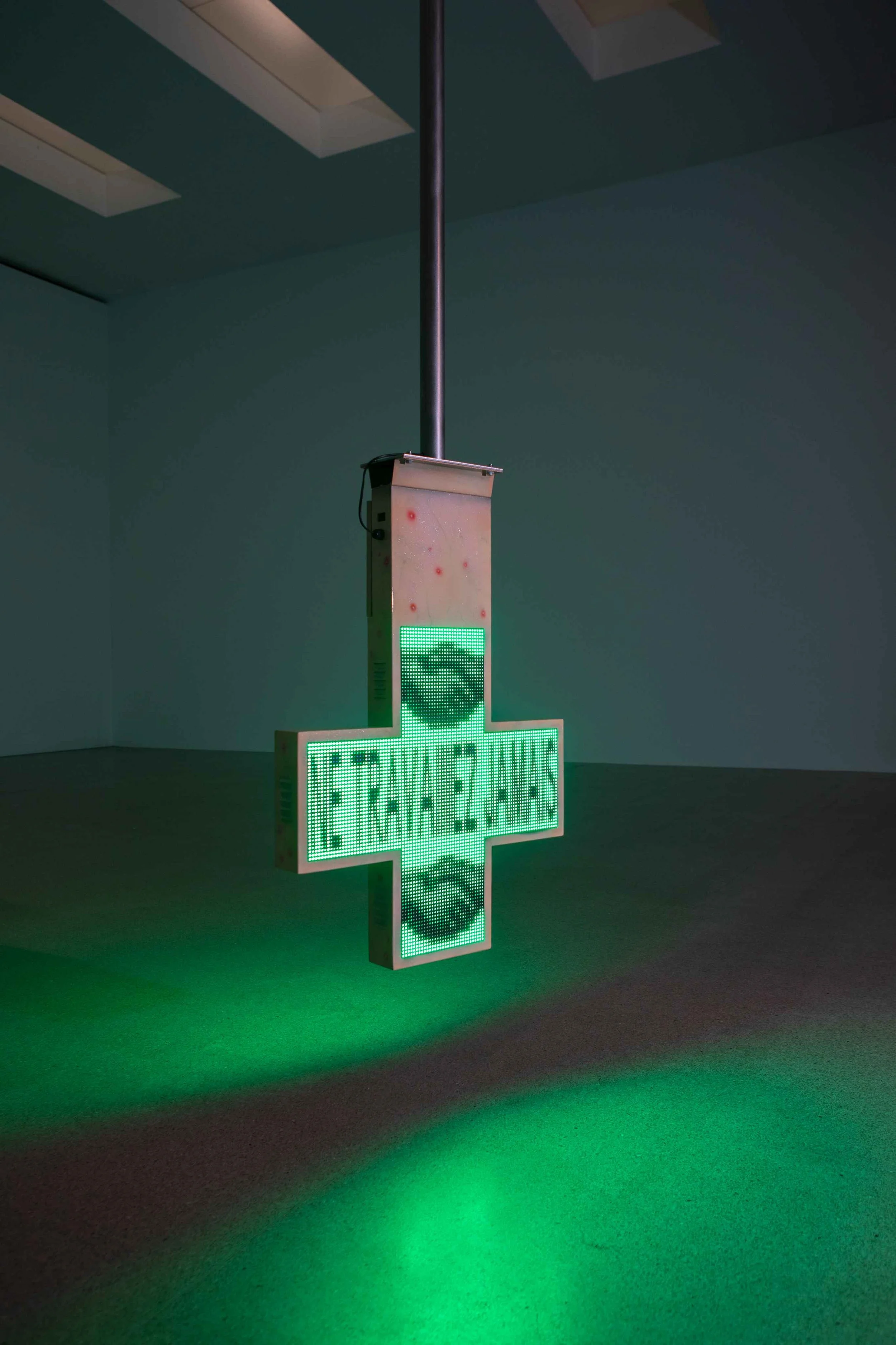
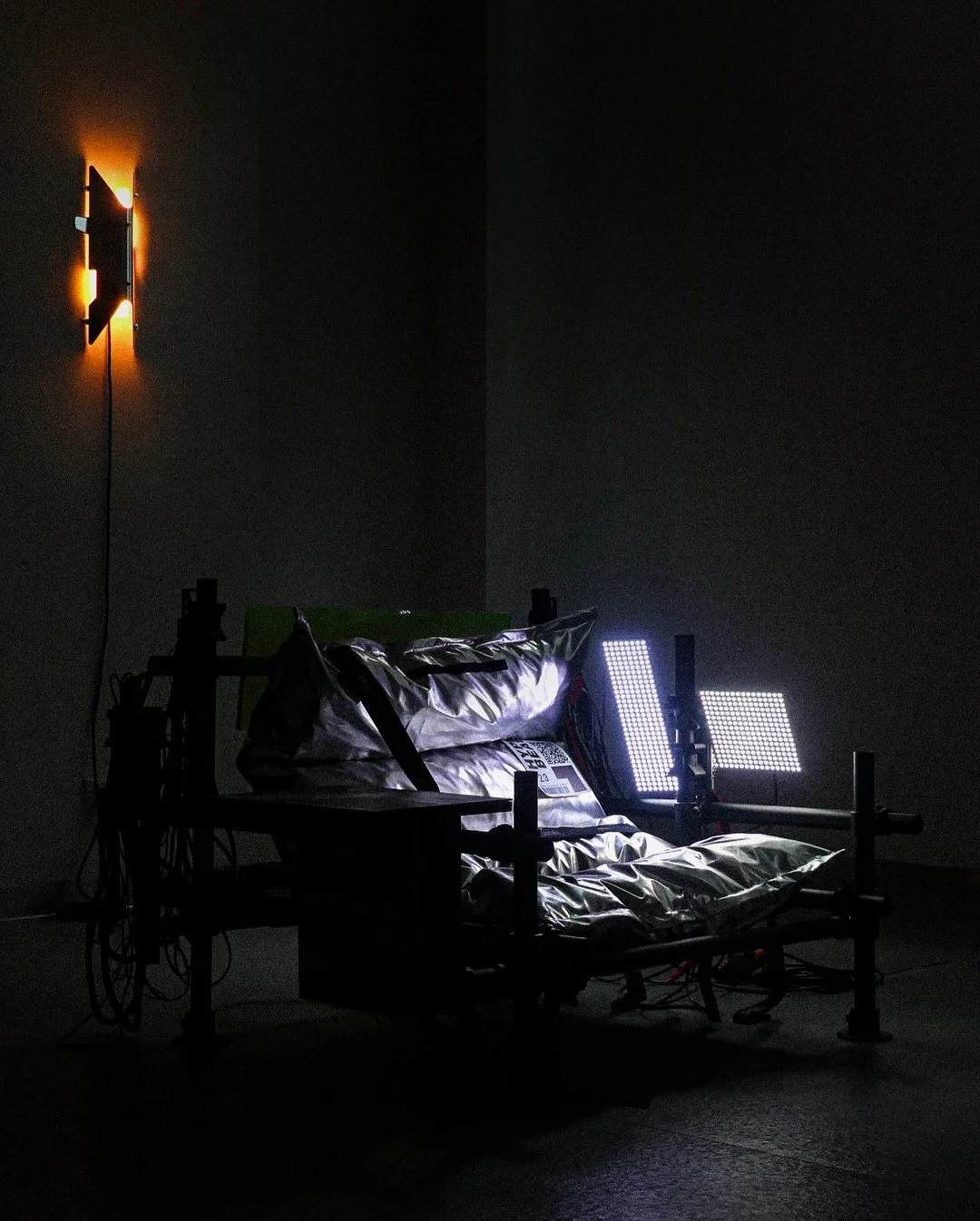
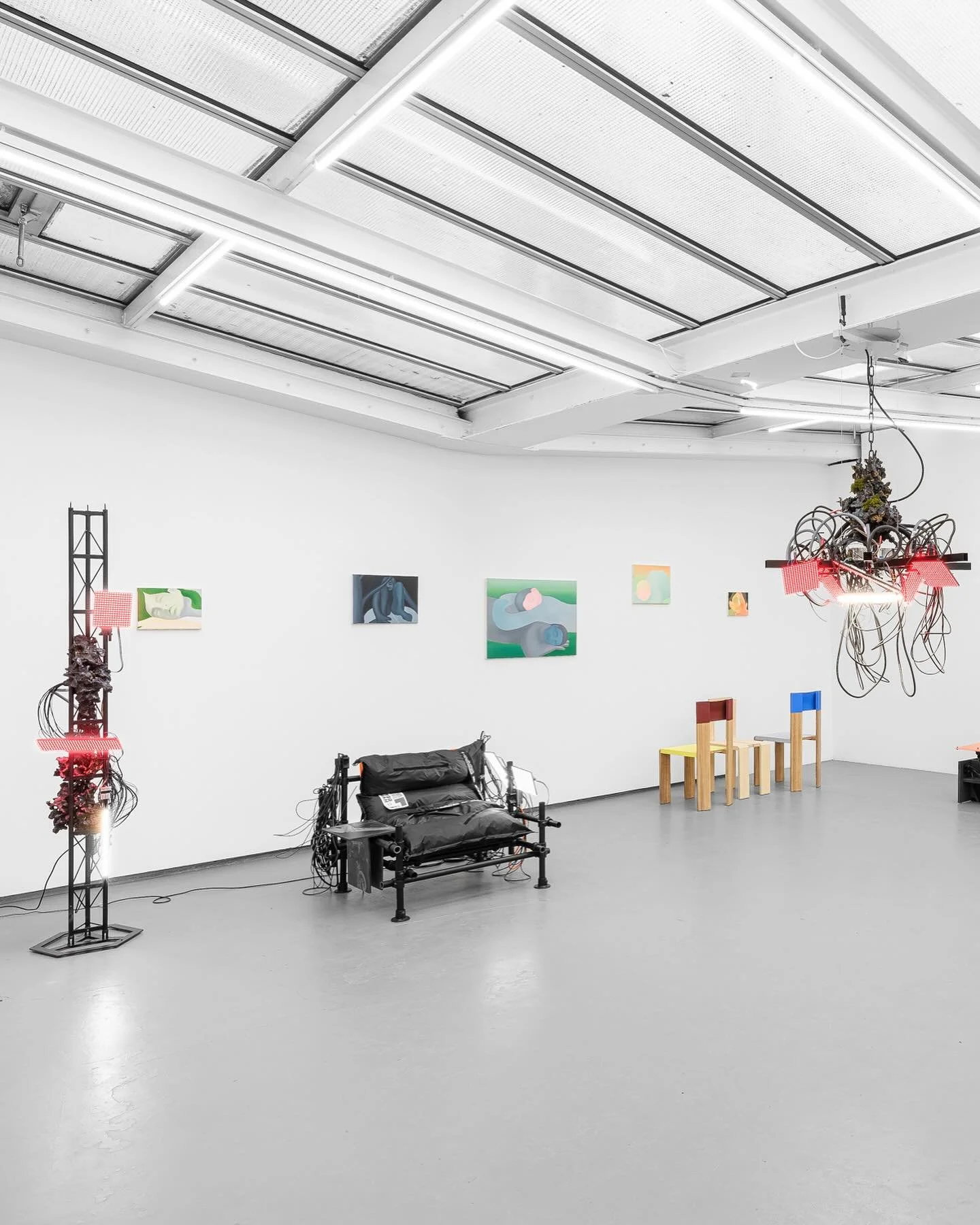
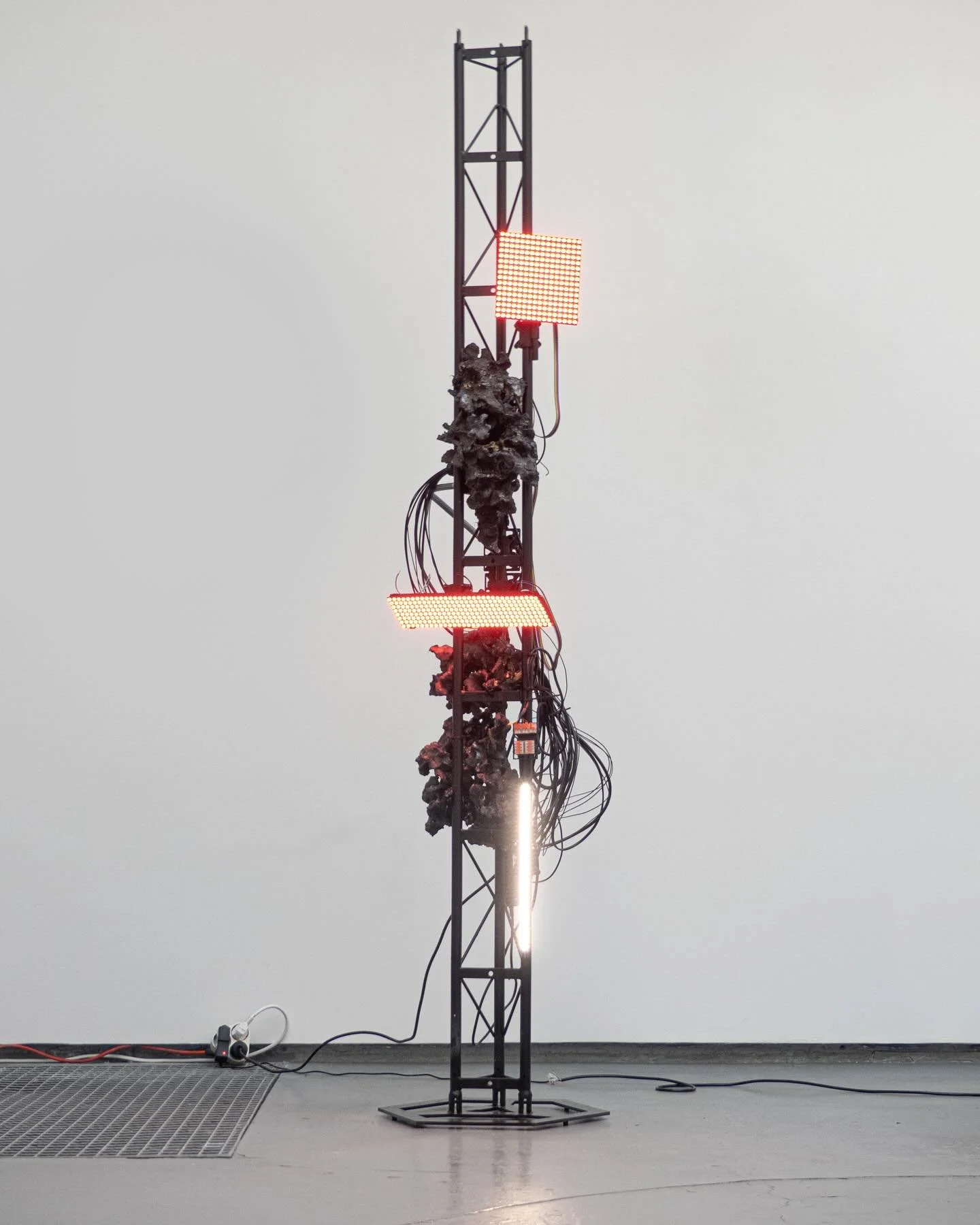
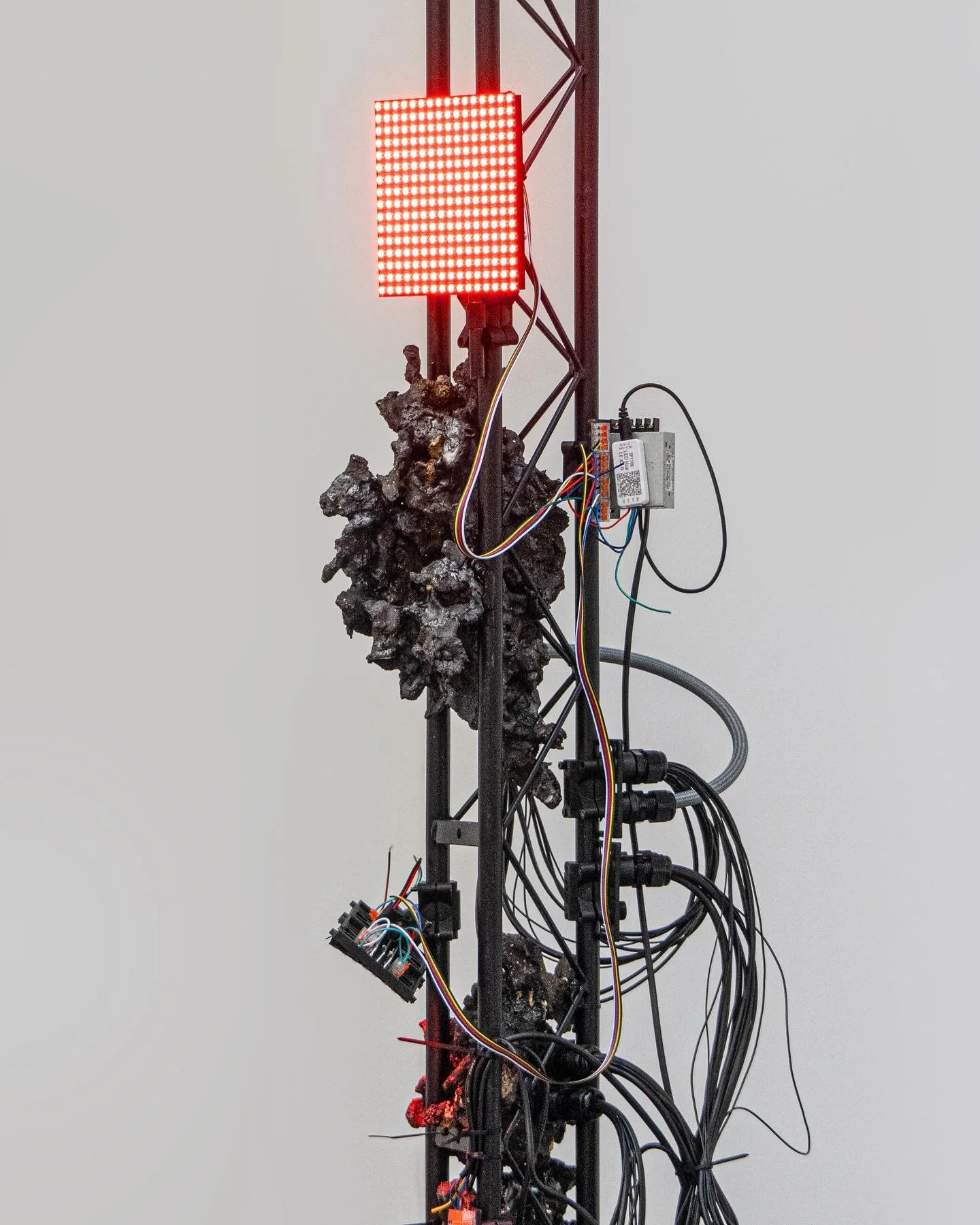
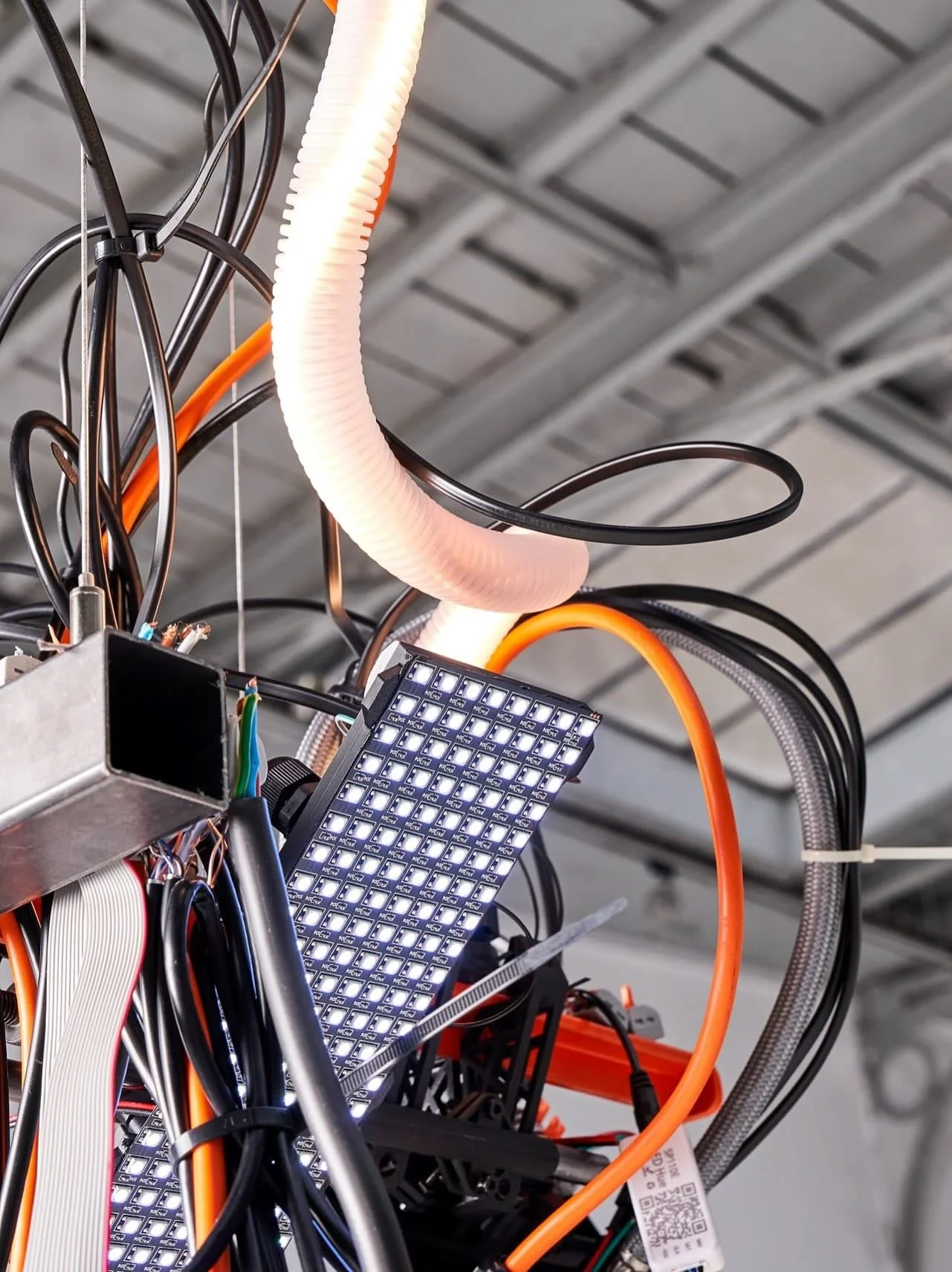
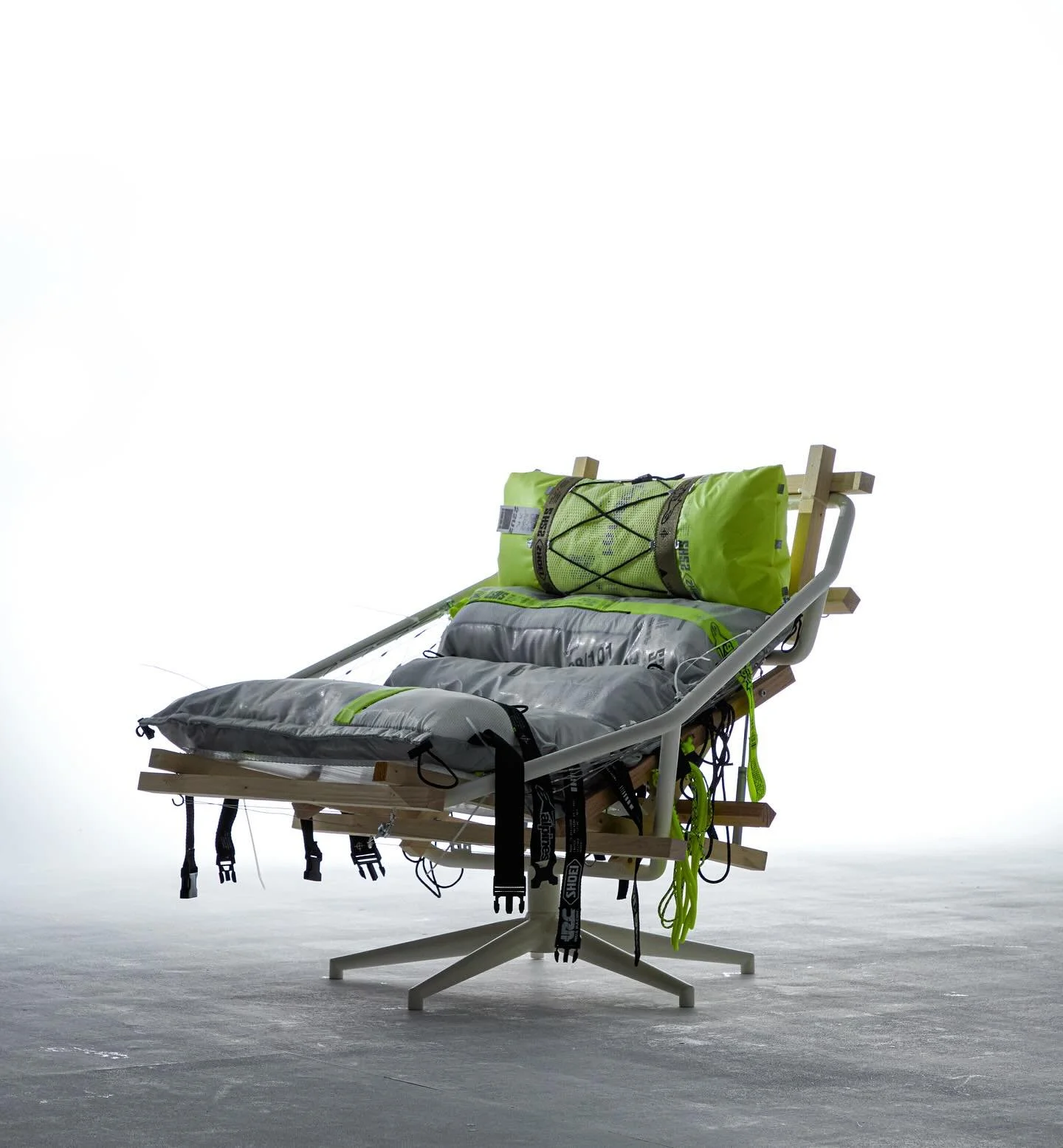
It really depends on the project. I feel like nowadays people try to define a designer’s practice by looking at a frozen moment in time. But for me, design is about trying to find different things depending on the project, the moment, and adapting. Of course, I develop certain aesthetics that I’ll stretch, refine, and experiment with, but I hope that in two years I’ll be doing very different things too. In my recent projects, there are kind of two worlds that sometimes meet: one that’s more about pure aesthetics, where I draw from a visual corpus — it can look more contemporary — and another, more narrative one called “Dystopian Remains”. In that one, I create pieces extracted from a decadent futuristic world, where the notion of time becomes central, and where past and future collide through the confrontation between electronic elements and ancestral know-how.
Gregory Copitet
Do you care about how your work is read, or misread?
As long as my work generates a reaction… I consider that a win! In a world overflowing with objects, it’s important to me that they provoke curiosity, emotion,... something. Even if it’s negative, at least there’s life in it. Otherwise, what’s the point? So I’m always interested in seeing how people perceive it, whatever the interpretation may be. One day, someone told me they saw my work as “frugal,” which I found funny and interesting since I actually try to do the opposite! And another time, someone described my work as “cyberpunk”. I don’t like that label, but I appreciated it because it made me reflect on how I could evolve things. On the other hand, I try to keep my head out of the expectations and keep my focus on what I want to show people. So I'd say both: in a way I care, in another way I don't. I'm a Gemini, haha.
““In a world overflowing with objects, it’s important to me that they provoke curiosity, emotion... something. Even if it’s negative, at least there’s life in it. Otherwise, what’s the point?””
With hybrid and layered pieces like yours, it can be tempting to keep changing them, reworking their forms for longer than necessary. Does that happen, or do you always know when a work is done? Or is everything fully planned?
I plan on a notebook I always keep in my pocket, then I model, and then do realistic 3D renderings. Usually, that even defines the artistic direction for the context or photo I want to create. So everything is quite planned… But then I improvise a little. I’m not super intelligent and what I do is already complicated enough for me, so I need a structure. That framework then allows me to improvise — to add or remove things freely. Then to know when it's good or when it's enough... That, I'm not really sure how to answer. I'd say it's intuitive. There is a metaphor used by Starck that I've heard and appreciated: it's like an elastic that you're stretching. You stretch it to the maximum, when you see that it starts the become clearer, thinner... And you feel that moment where it's gonna break, just before it's too late... Now you're in the zone. I love it.
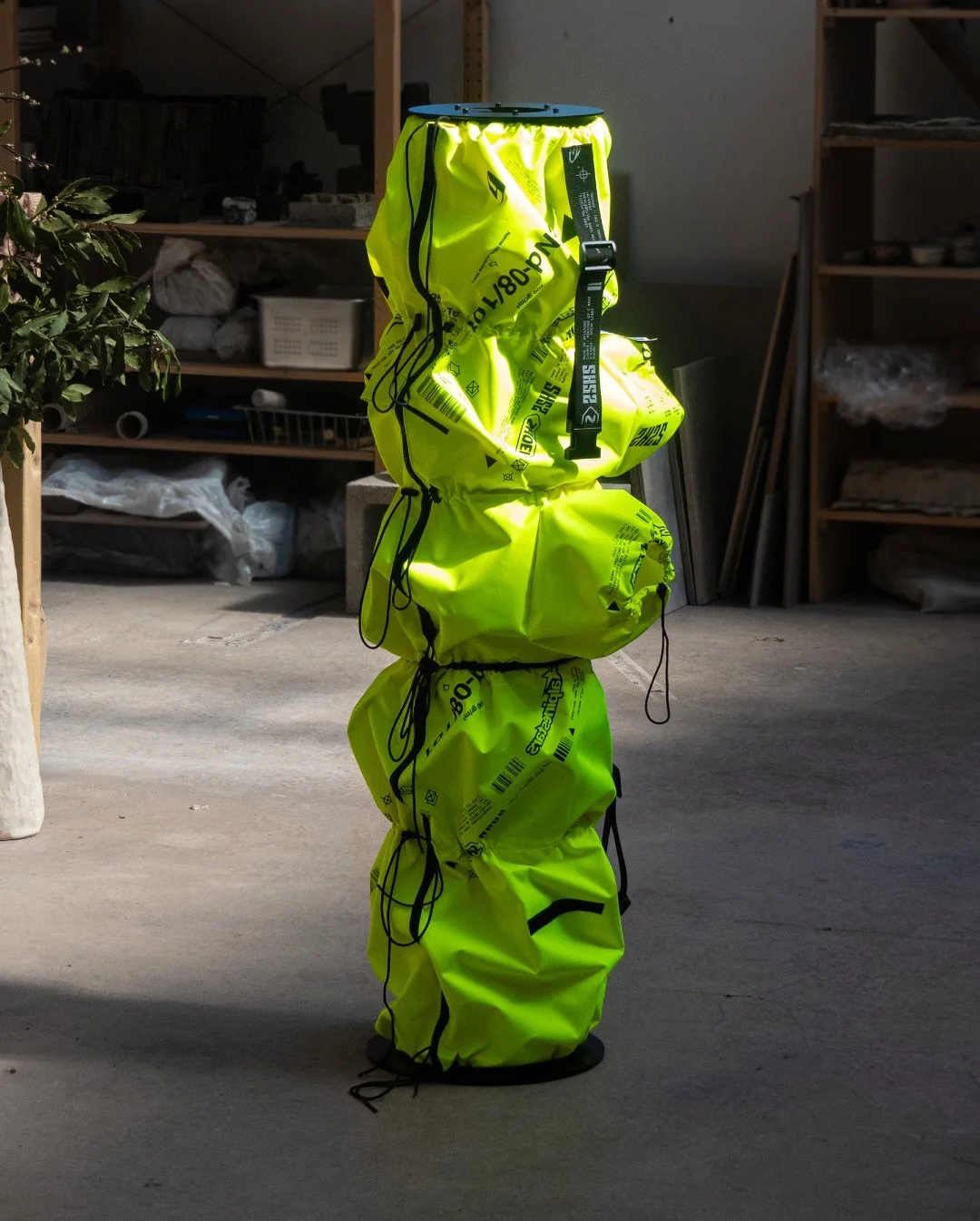
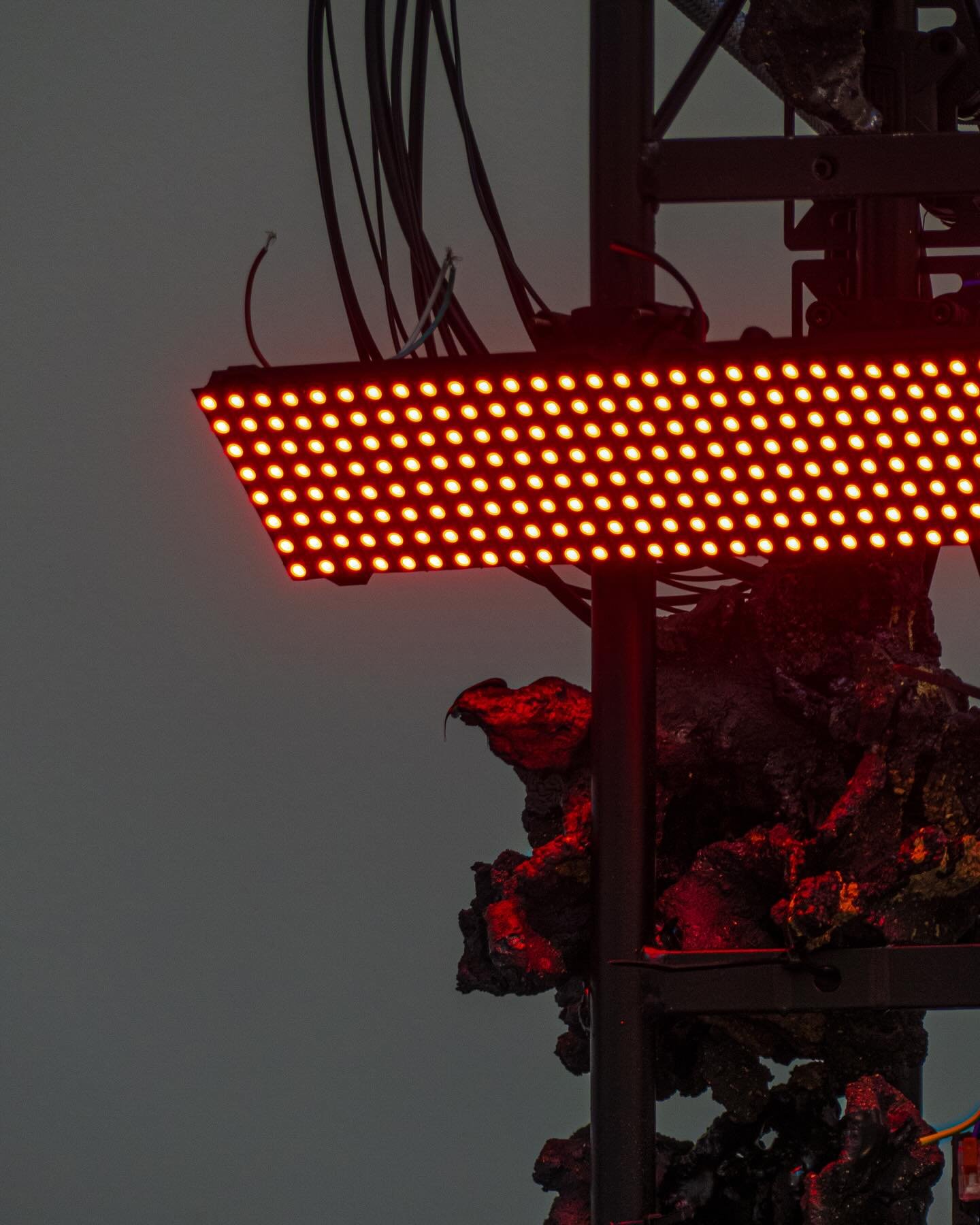
When looking at your work, there’s a certain part of it that feels unsettling, maybe because of its alien nature or just that it’s so different from what we usually see from designers. How do you play with discomfort in your process, is it something you think about or does it come out naturally?
Haha, for me it’s not unsettling at all! Actually, I’m not very comfortable with discomfort. Which might be pretty obvious… Maybe the pieces you’re referring to are from the Dystopian Remains series, and if they evoke that feeling, that’s a good thing. Unfortunately, I do feel like the future that awaits us isn’t very bright… but it’s not really something I consciously aim for. This is something I would like to work on more: the way some of the pieces could tell the story of a possible future. A future we should be beware of.
Gregory Copitet
““Unfortunately, I do feel like the future that awaits us isn’t very bright… but it’s not really something I consciously aim for. This is something I would like to work on more: the way some of the pieces could tell the story of a possible future. A future we should be beware of.””
Jonathan Mauloubier
Your portfolio seems to have two sides - one is more childlike, playful, with pastel colours and hand-drawn sketches, while the other is more tech-based, industrial, and ultra-modern. Do you think these paths are two sides of your personality, or is one the evolution of the other?
Told you: I’m a Gemini. Seriously, I really enjoy that notion of confrontation, contrast, mixing things together, I think. I draw quite intuitively — for now, especially, since I sketch without constraints, which gives me freedom, of course within the limits of my technical possibilities.
And that feeling of having two paths wasn’t premeditated… I’d say there’s the Dystopian Remains story that I’m trying to dig into and develop, and another, freer, less narrative practice.
But it's not part of something premeditated.
Julien Mayen
You’ve often described your practice as a kind of visual archive, an aesthetic research. Do you have an objective in mind of where this research could take you or your viewers?
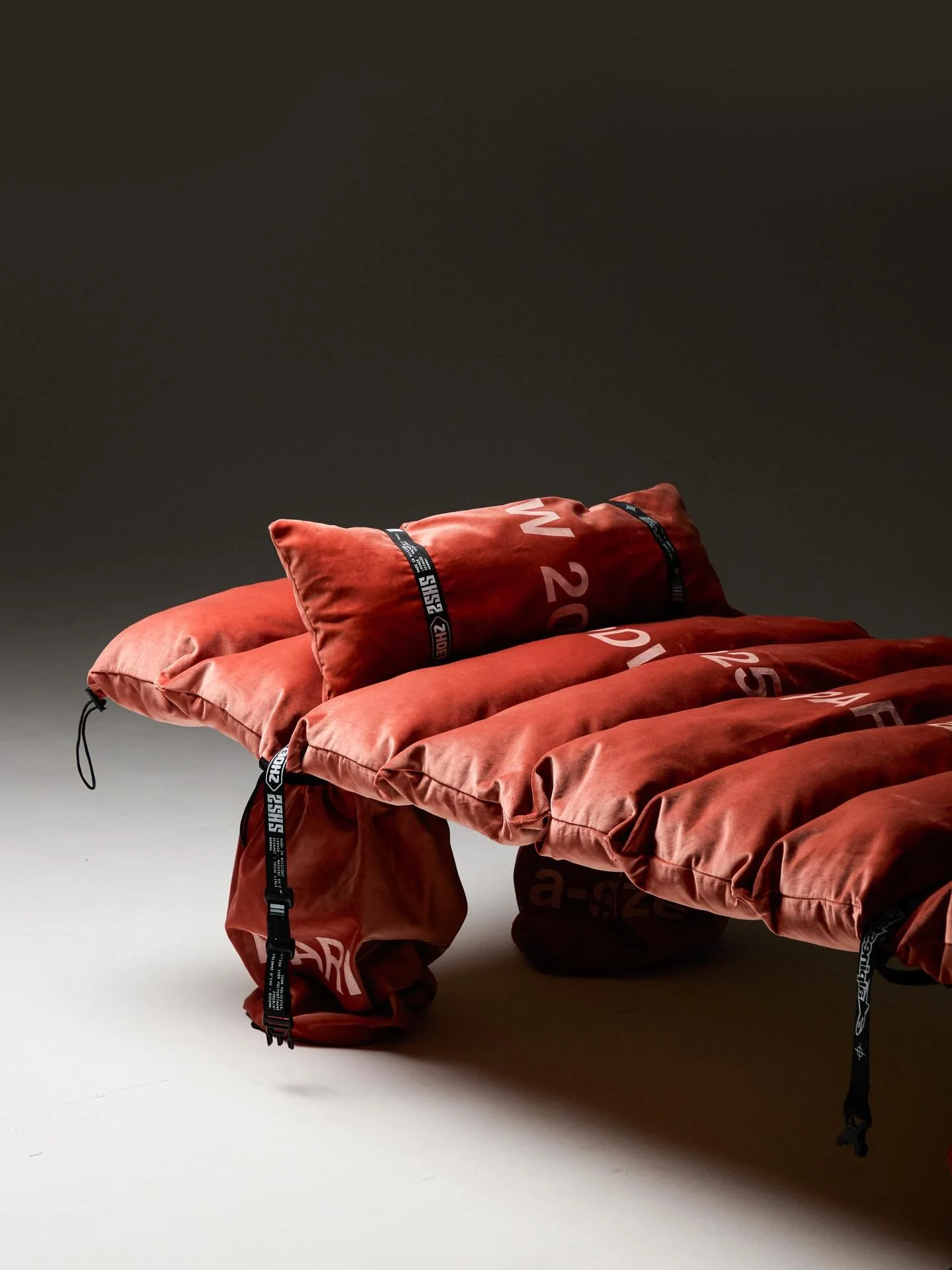
As far as possible! No, I'd say I don't and I think that’s the point — or if I do have an objective, it’s a kind of tension toward an aesthetic of technique, technology, and assemblage… But that tension evolves constantly, depending on what I do and see, naturally. Since I always have this urge to go against the grain — and I think that’s necessary not to get stuck — that tension, that goal, keeps shifting as I move forward. That’s what makes it interesting: I know where I want to go at a given moment, but it changes as I progress.
Julien Mayen
Lastly, for someone who is associated with the idea of the future a lot - what’s next?
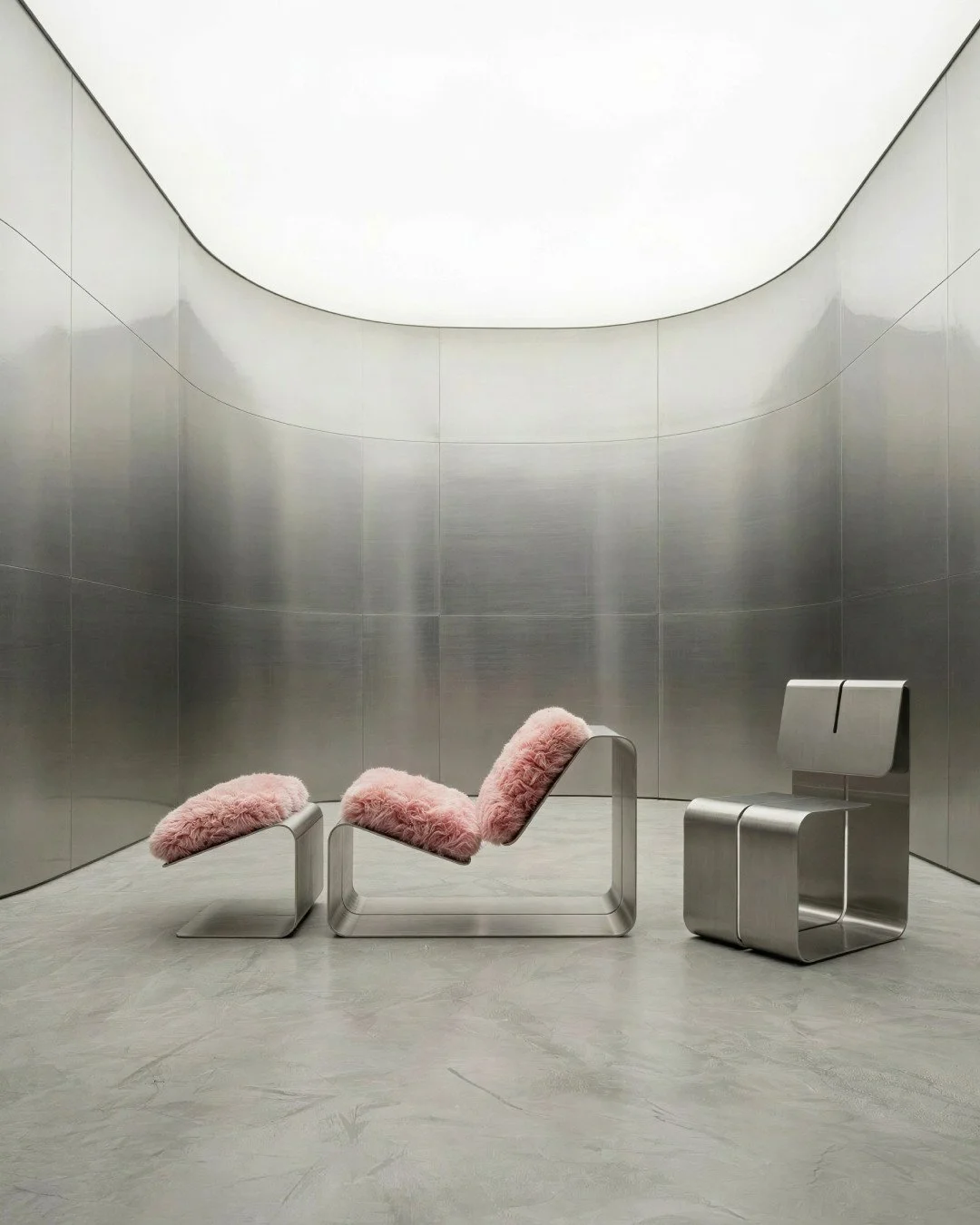
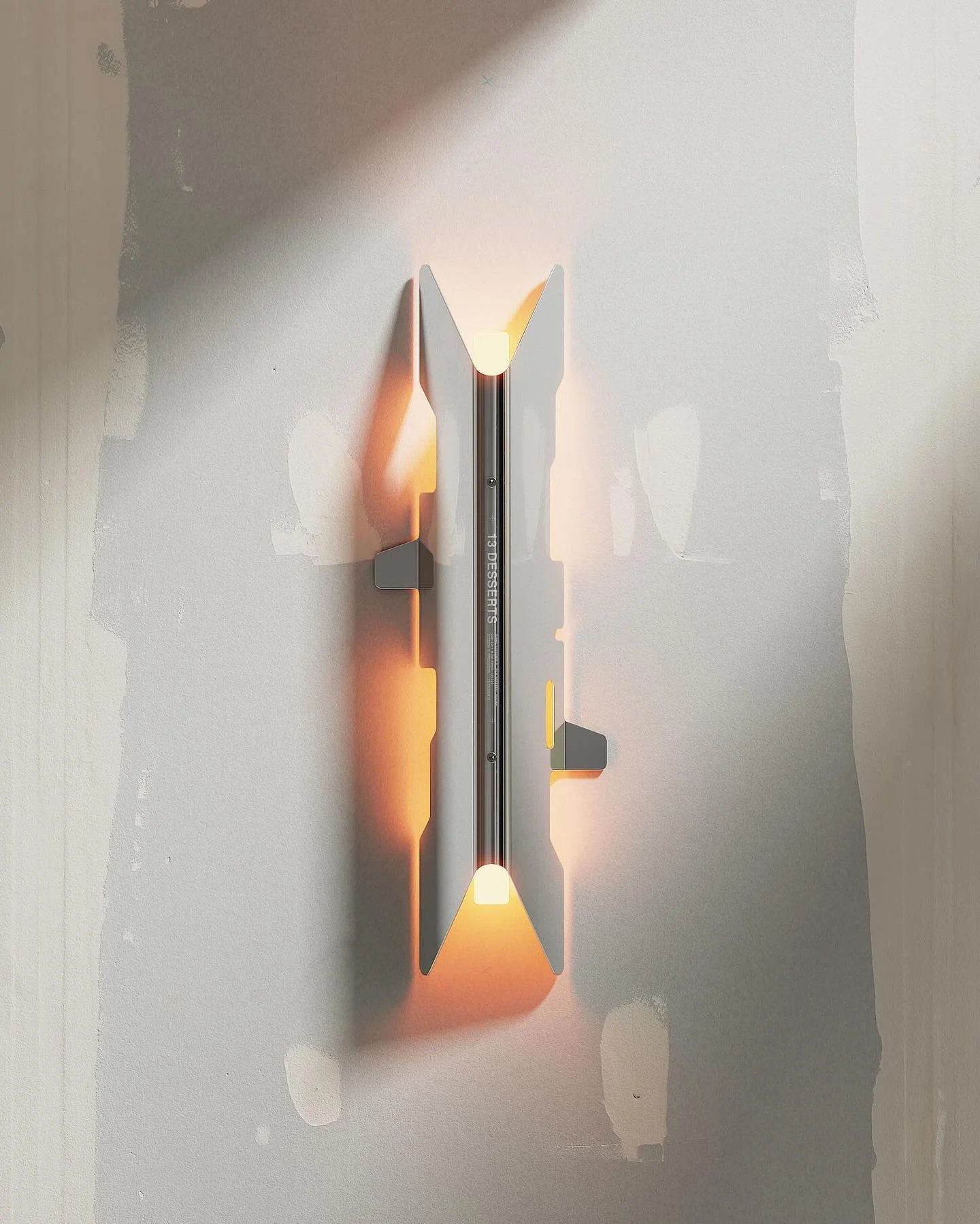
I’d like to work more on installation, interior architecture, and scenography. Making design pieces is a kind of entry point because it’s more financially accessible. But I’ve never seen it as an end. I find it fascinating to work within space — where you can develop complete environments, with a sensory approach. But that requires either more budget or collaborations with clients, partners… I'm starting from scratch and I come from a modest background, with no connection to that world. So it takes a bit more time. But I’m keeping the faith and if any brand reads this message, it would be great to work with you! I hope to present the first part of that work next spring.
Render By Simon Geringer
Interview by ANNA LAZZARON
What to read next