Gabritvb
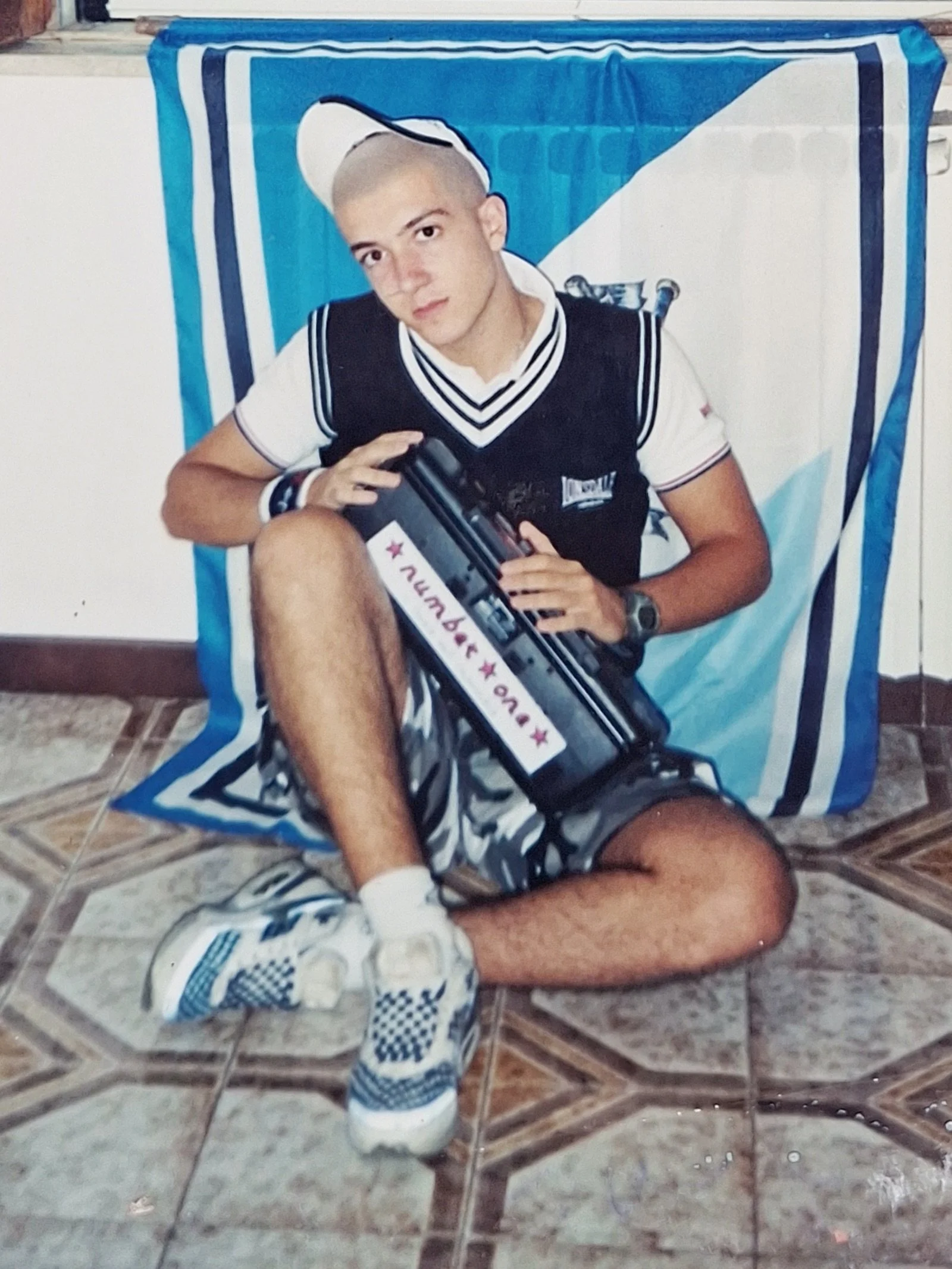
Gabritvb maps a world where music, fashion, and attitude defined an era. Through Gabber, Hardcore Warriors, and the Italian scene of the 90s, he revives moments captured in analog photographs, motorcycles, sneakers, and memories. His books and archives let readers get into a lived experience, reconnecting with a culture that shaped identity, style, and freedom. Each book, fanzine, and social media post is a careful reconstruction of a parallel world that continues to inspire, provoke, and connect generations who lived it and those discovering it anew.
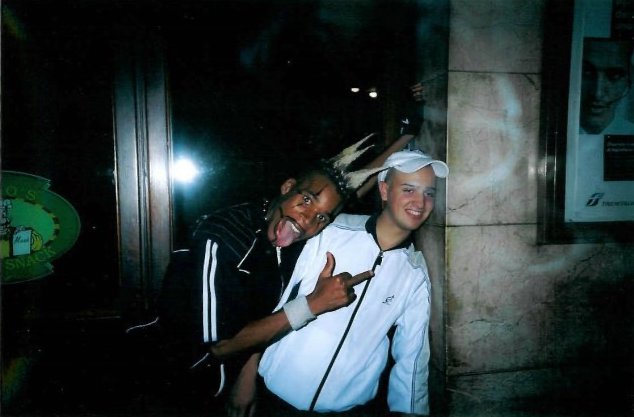
You grew up in Bergamo, a place that shaped your eye and your sense of culture from the very beginning. I keep thinking about how a landscape, a city, or even a certain kind of adolescence can carve a path without you noticing it at first. Yesterday I told you how my brother pulled me into Hardcore during a period that felt monumental in the early 2000s, with an energy that carried a rough beauty. That world stayed with me and I hold a deep respect for the subculture. I wanted to understand your own entry point. How did you approach it, and what opened that door for you?
I grew up in a family that worked all week, Saturday included, so Saturdays meant time with my grandmother. She had a restless energy and never stayed at home. Every Saturday she took me into the centre of Bergamo, summer and winter, and that routine shaped me more than I realised at the time.
In the late 90s the city carried pockets of different subcultures. Punk, gabber and other scenes had their own corners in the city center, and I passed through them without even understanding what I was seeing. I love shoes since I was kid, and my fixed stop with my grandmother was Foot Locker. I looked at Air Max week after week, even if she never bought them for me because they were too expensive. Inside and outside the shop I often saw those boys and girls with shaved heads and bombers. Their style caught me immediately. I wanted that energy before I even connected it to music.
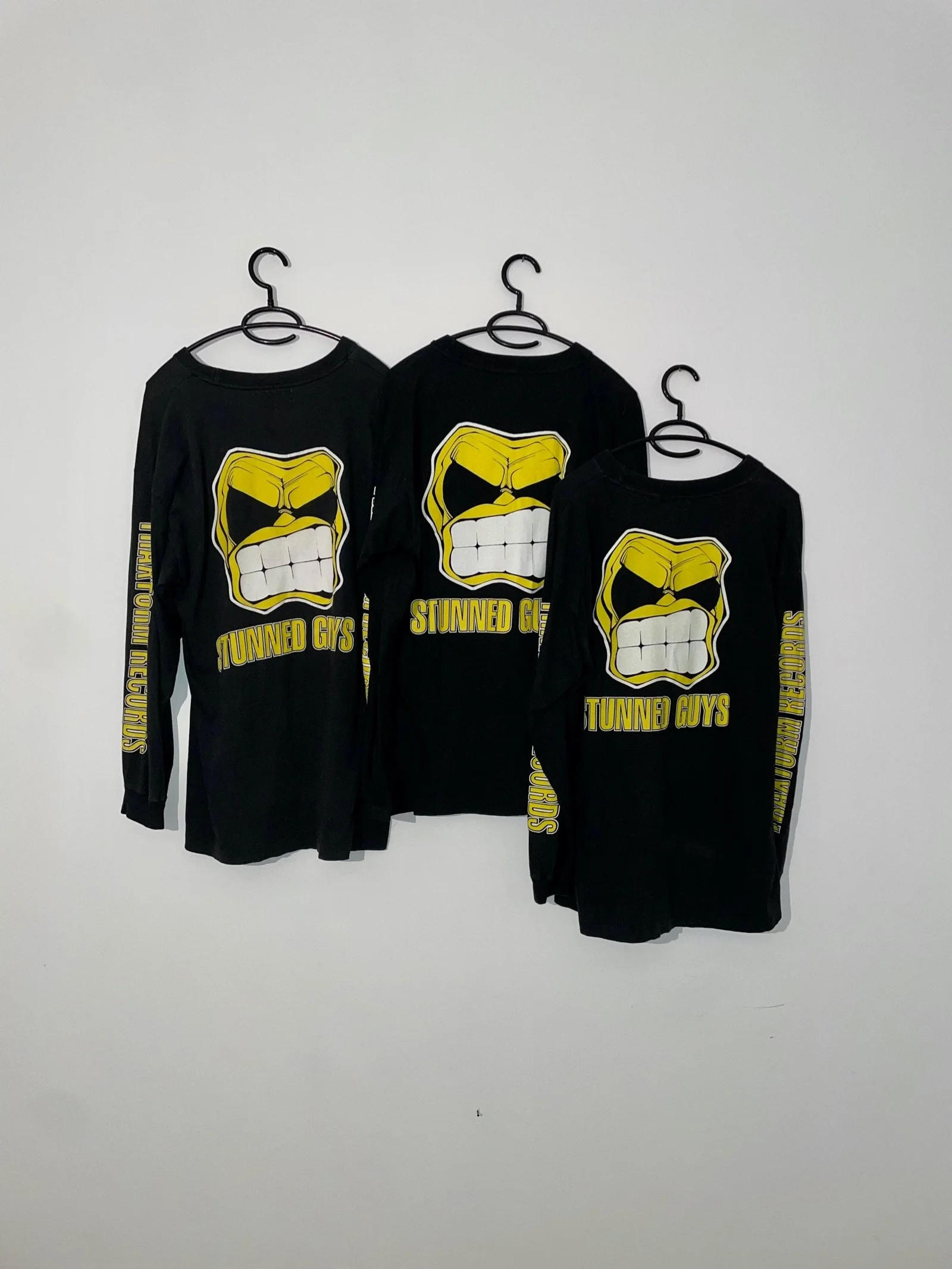
The music came through school. Friends had cassettes from Stunned Guys and Hardcore compilations. In Bergamo at that time those sounds circulated everywhere, even among kids who listened to rap or hip hop. It felt normal to hear ‘Io sono vivo’ or ‘Thrillseeka’ on someone’s walkman but even at some school’s event. Through alI this I finally connected the look I admired with the music behind it.
But then trends shifted. Most people moved on and the style vanished from the streets. I went through my own phases as a teenager, from skater to indie and also a little bit of punk. I tried different sounds and different identities, as many do. But music has always been a huge part of my life since I was a kid. It has always been present at home. My father listened to The Doors, Aerosmith, Pink Floyd, and weekends often turned into long sessions of records. So the step from curiosity to true interest to music felt natural since day 1.
I have also always carried a strong interest in clothes, identities and scenes. It comes from a deep nostalgia. I can still picture the streets where I walked at six or seven years old, the corners where those figures stood, the shoes, the jackets, the stance. Even my mother does not remember those places, but I see them very clearly.
I’ve always been passionate about photography too. I shot film at parties in Milan around 2013 to 2015, parties like Euphoria at the Dude or the Weird and raves. I followed what attracted me, sounds clothes and attitudes.
The world around gabber is wide. There are entire universes behind it, from bikes to neighbourhood rituals, and it takes years to understand how everything connects. I collect photographs and archival material because it gives me balance. Research has always been part of my life, even when I tattooed. Tattooing allowed me to travel across Europe, and every trip turned into a search for scenes that felt hidden or overlooked.
After a while, tattooing did not satisfy me anymore. I have always tried to live through my passions, so around 2017 I started mixing my archives with tattoo work on Instagram. Then I lost that account shortly before Covid and opened a new one. At that point I focused fully on this project. I wanted to show the Italian side of the subculture, not only the parties but the life surrounding them. The afternoons, the mornings, the open air, the ordinary places that form the real backbone of the movement. For me ‘gabber’ is a way of living. The party is one moment, but the essence sits outside the club, in the light of the day, in the routine that leads to that night. That is the world I wanted to document.

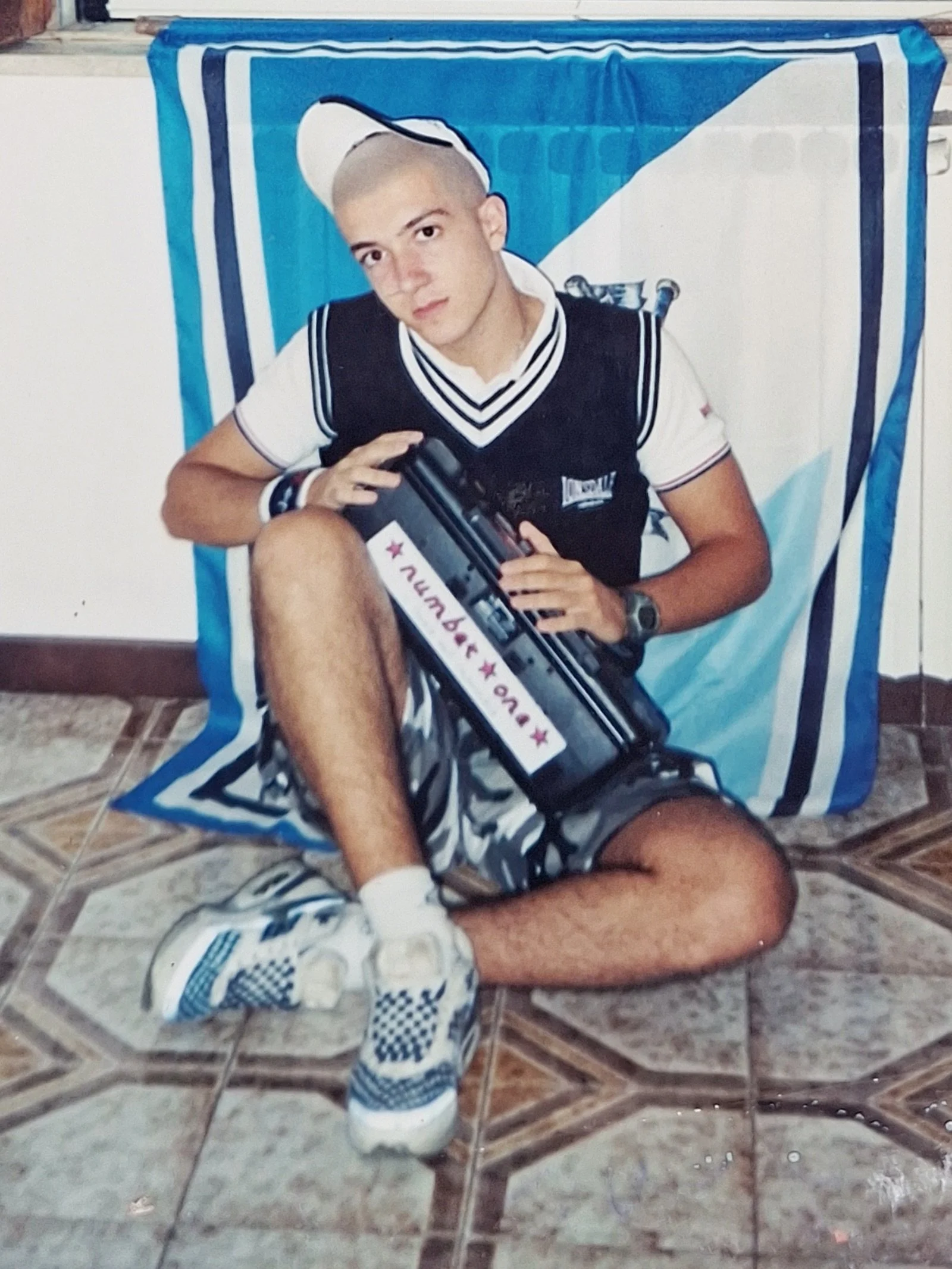
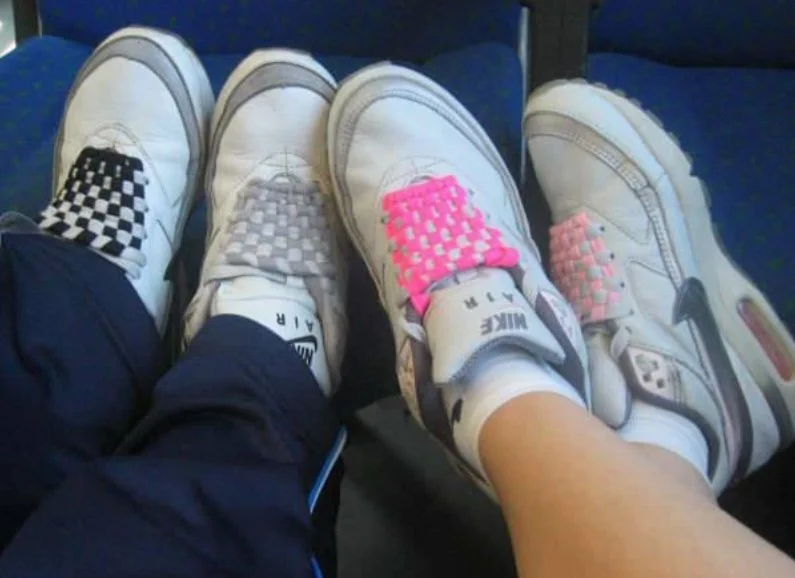
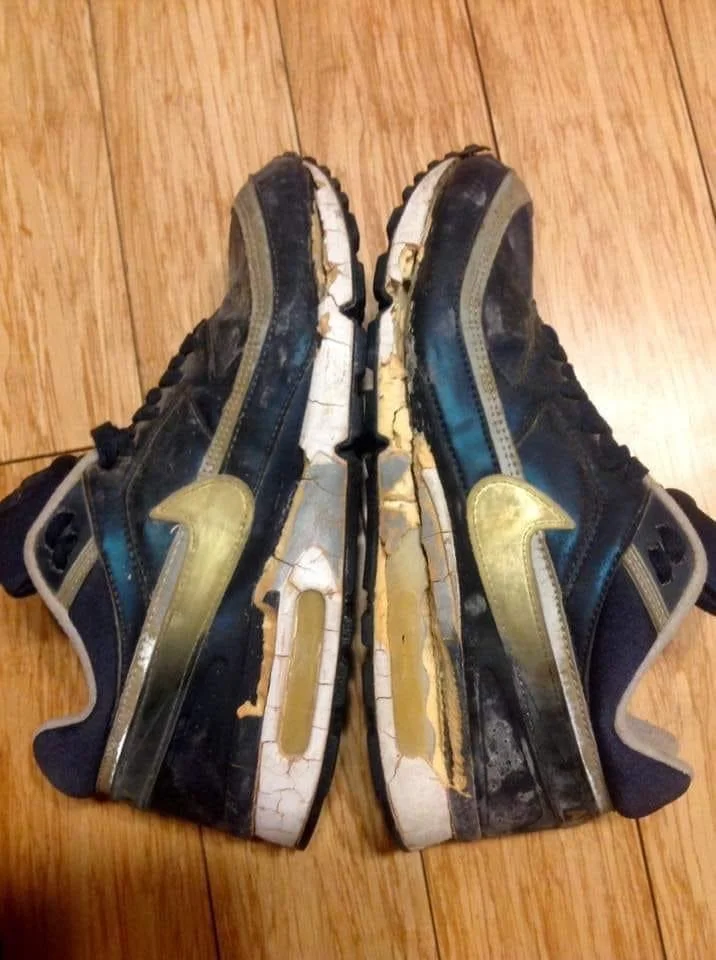
As I scrolled through your images, something hit me with real force. I recognised the Nike Air Max Classic BW. I had the same pair, the blue ones with the gold logo and that silver reflective line. It felt like seeing a fragment of my own childhood again.
Yes, these are called vinyls, a bit like chameleons, shifting color in the sun. One of my favorite pair.
Exactly. You posted it in 2023. How do you get the photos you post?
I always dig online into old websites and forgotten pages but now i get messages from people saying they wanna send me their own photos from back in the days. They send me quite a lot of shots, and I make a tight selection because I am very picky haha, I do not post everything. I post the 0.01 percent of what I receive. And if I do not post something right away but I post another picture, they get annoyed haha. It is strange, but I am also happy, because it means this thing is moving again and it’s interesting for people.
‘Gabber’ means mate in Dutch. In the end, we are still a few only, compared to other old subcultures. And if we are a few and we do not let this material surface, it feels like a waste. Every time I see a page dedicated to archive subcultures, I support it. It matters.
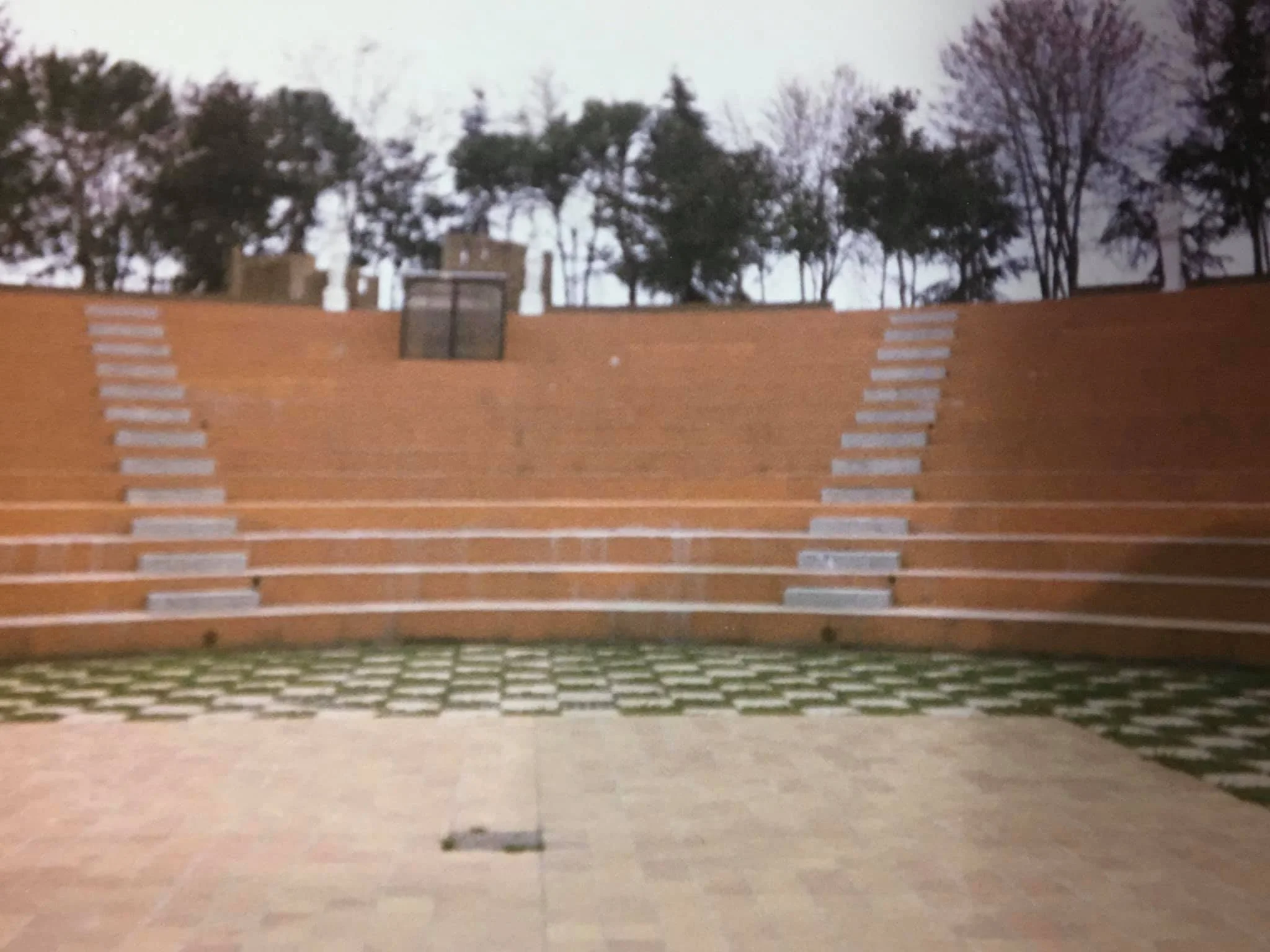
““Gabber music, sneakers and motorbikes; they were just status symbols everyone had. Over the years, looking back, you connect the dots and see how one thing led to another. That is what gives it its significance.””
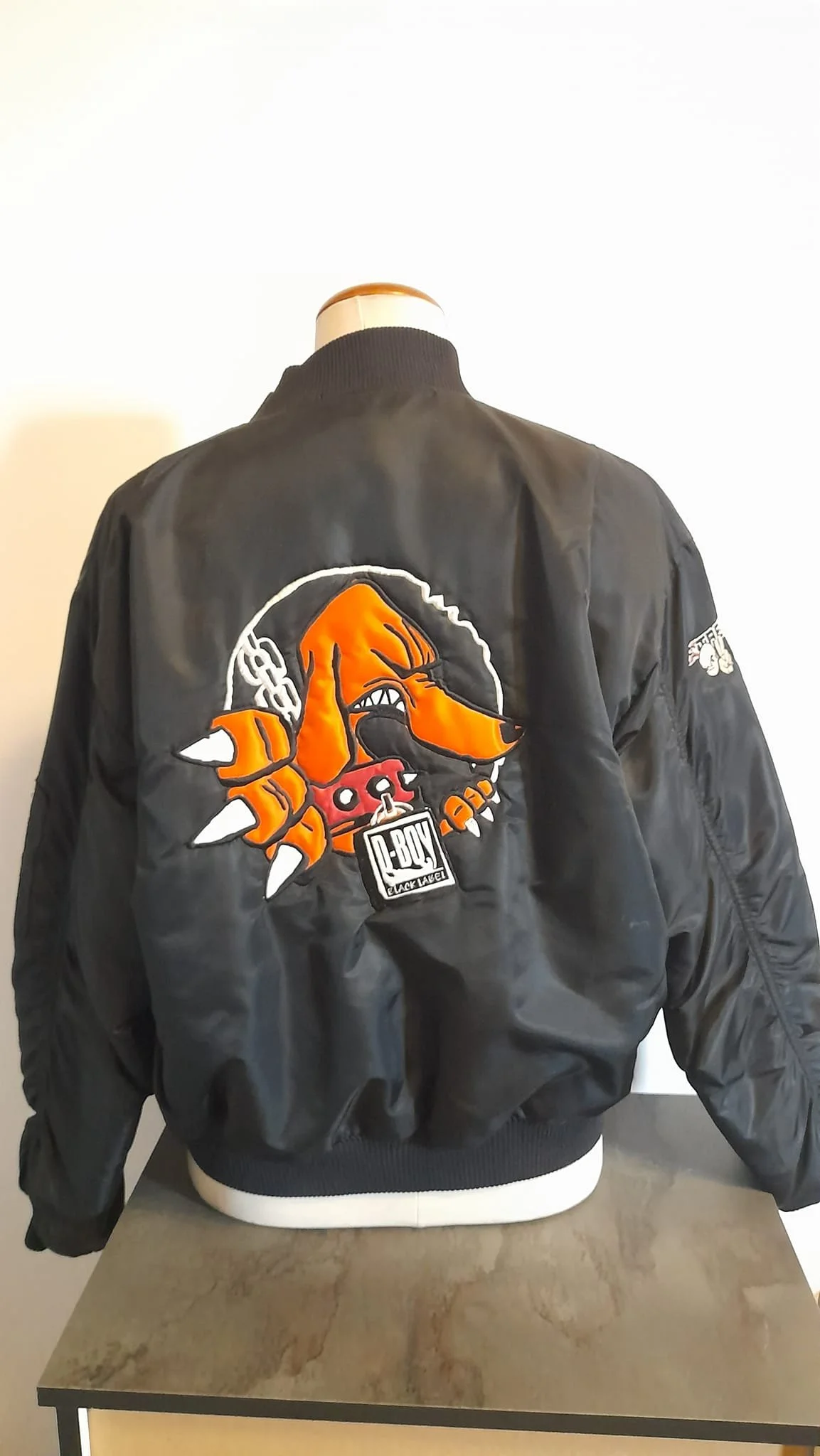
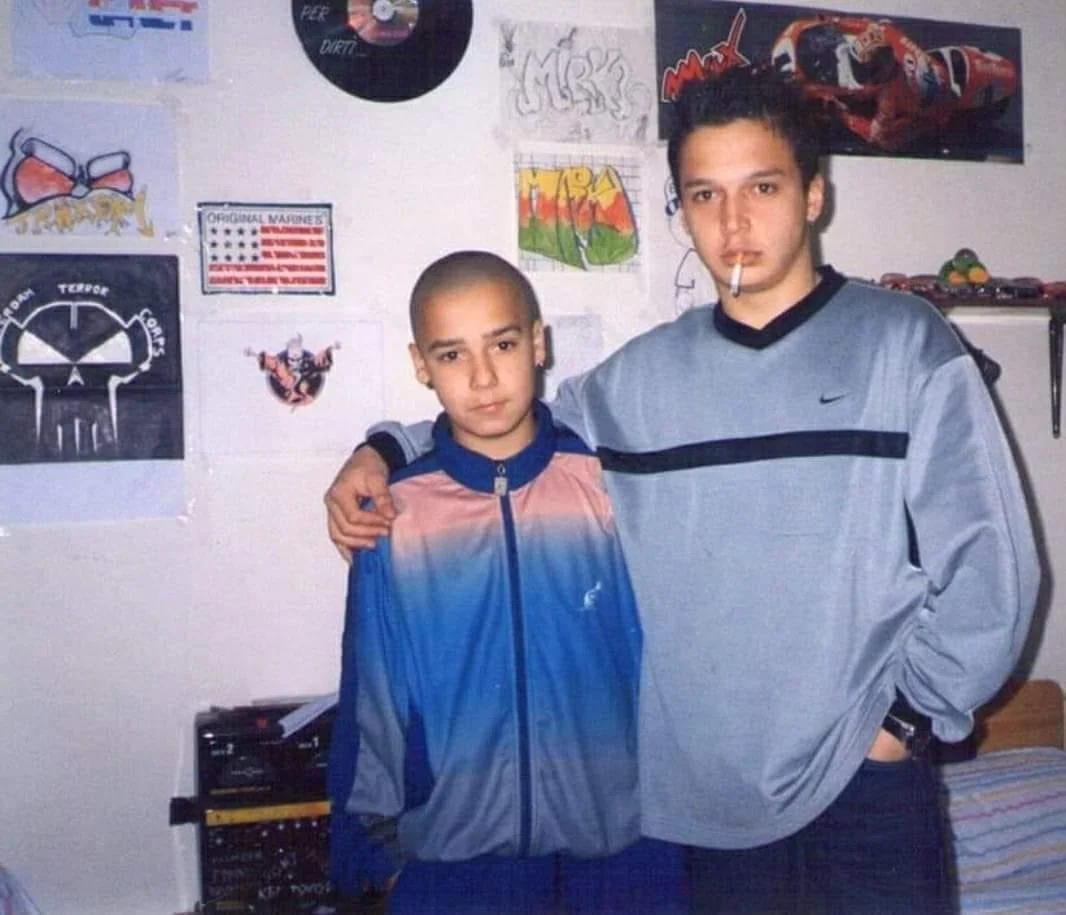
I feel completely present in this. The Number One flyer with Pokémon on it, still resonates like a memory etched into my mind. I picture it on my wall, in my room, with my brother beside me. The old photos on the wall, with a layers of posters behind him and the Traxtorm bomber he wore, mirrors my own life at the time. It reads like a photograph taken from my room, a fragment of memory suspended in time.
That’s very sweet and that’s what I like to hear from people, their own memories and stories. I collect Australian jackets and hardcore merchandise, and I also use it for exchange and sell. If I buy a cap I already own, I usually keep it to trade for something I do not have. The market functions remarkably well now.
It comes at a cost, but I feel compelled to have everything. What fascinates me the most are the pieces that push the wardrobe to its limits. They remain spectacular simply because they are rare. In Italy, productions always ran small. Even back then, while the Dutch scene with ID&T had a large output, Italian runs were less. Once you acquire a piece, you can sell it or trade it.
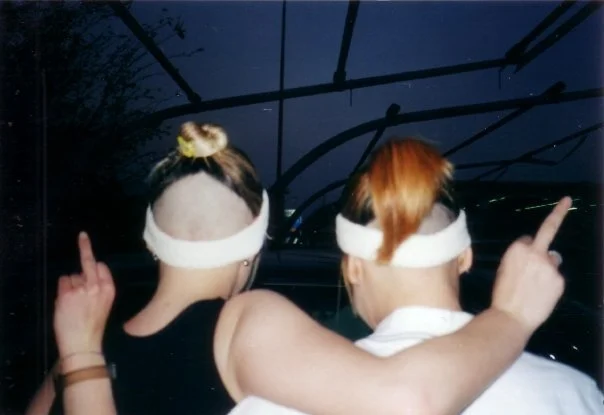
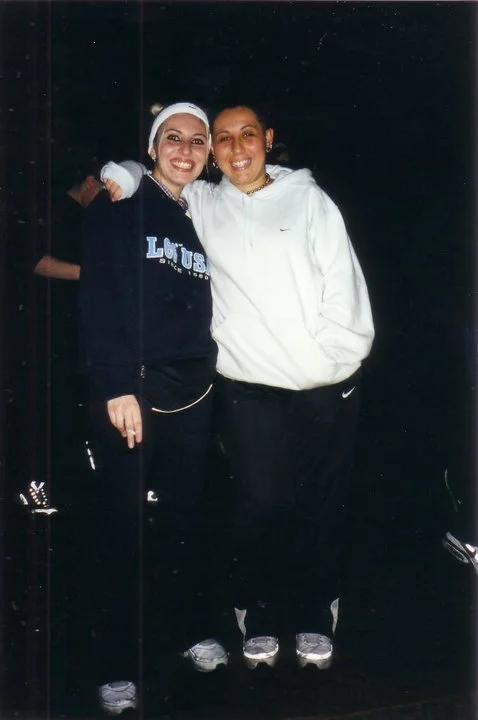
Speaking of club events, you were going to Number One on Sunday, right?
Number on Sunday no never, but other hardcore parties yes. We often reminisce about the early years, 2008-2009, at Florida. Number One had closed in 2003 and reopened in 2007. At the same time, there was a party called Kilowatt, a hardcore event. Back then, you could find yourself at hardcore parties even if the music did not appeal to you, simply because it was what everyone was attending and they were a bit everywhere.
But you also followed the scene in the Netherlands, right? You went there in person, took a few trips?
Yes, I made a few trips, but my connection has always been more to Italy.
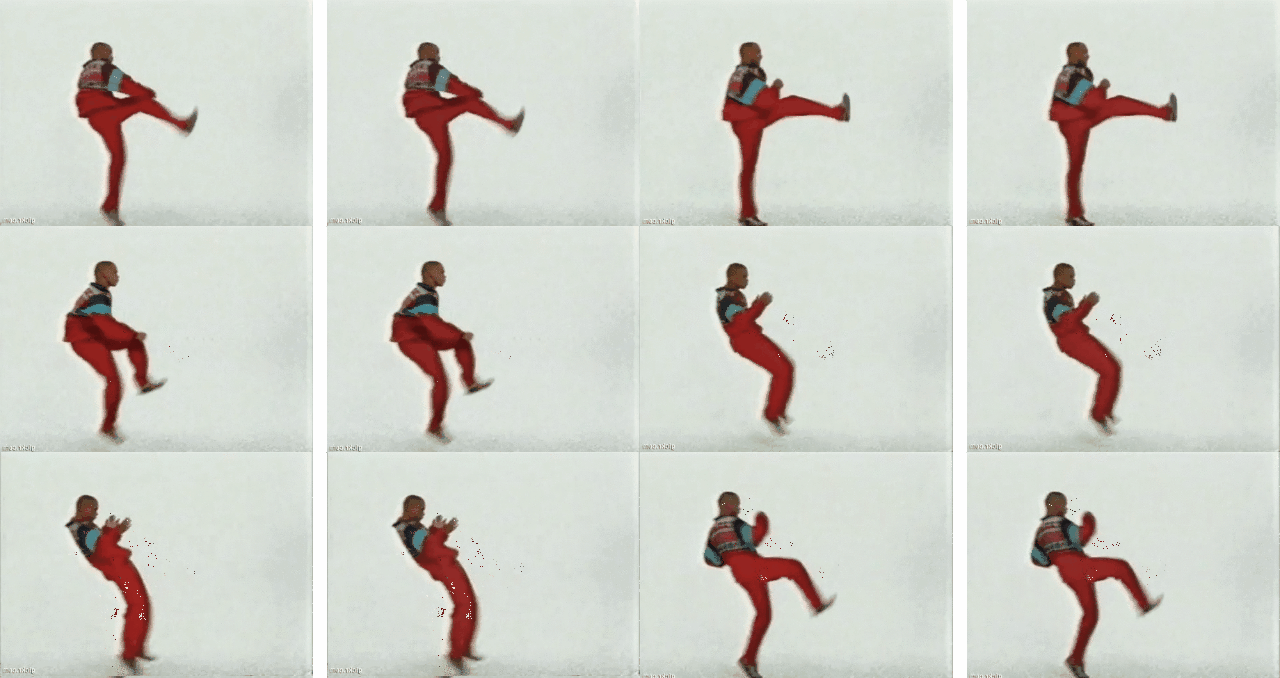
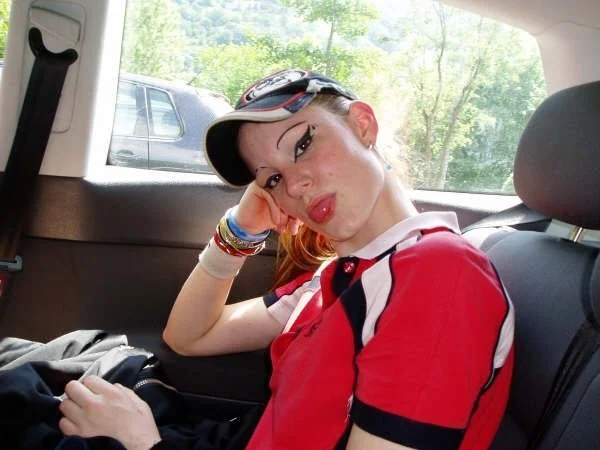
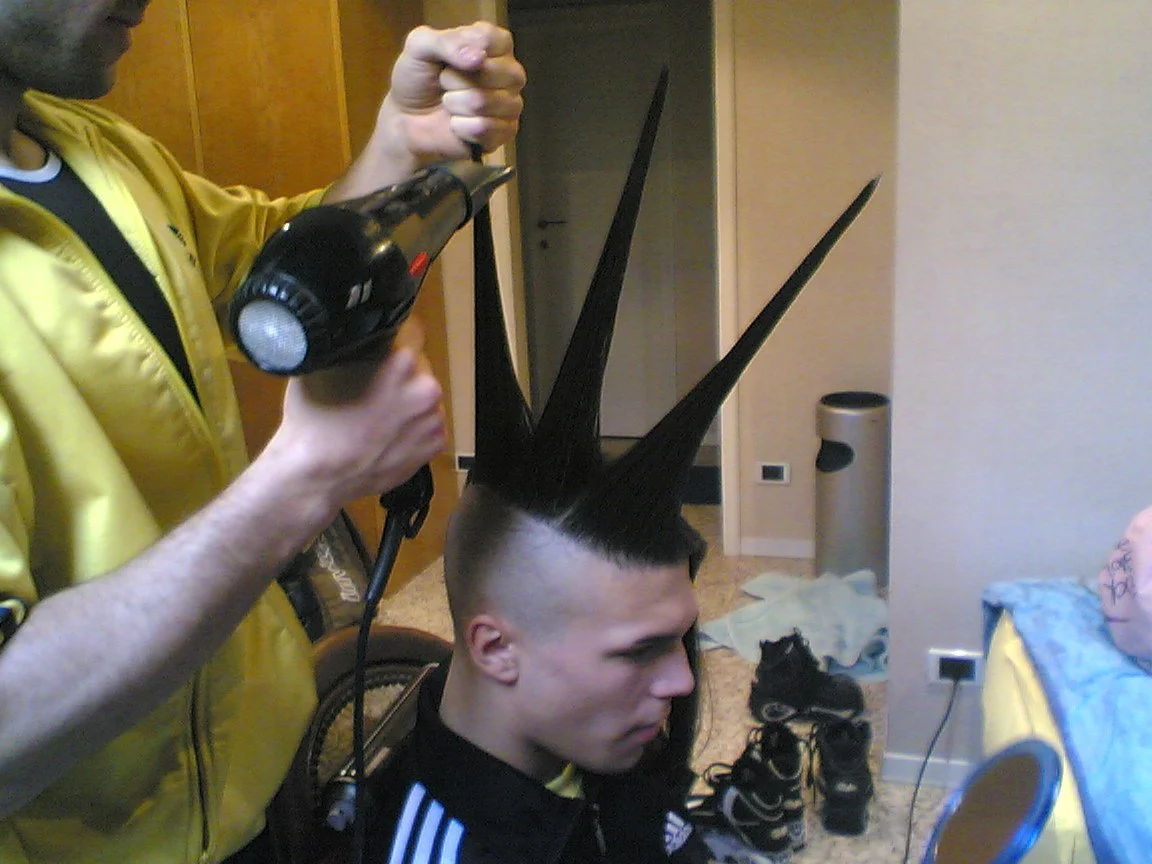
During my teenage years there was the explosion of the Millennium, which always carried an Italian identity, even though its influences reached beyond Italy. Clothing reflected clear differences between the Dutch and the Italian scene. Dutch gabbers kept their style clean, shaved head without piercings and less colorful tracksuits, while Italians embraced more colors, prints and accessories. The bomber jacket remained a classic, as did the shoes, but piercings and personal touches set the Italian scene apart. Early Italian gabbers borrowed from the Dutch style shaved heads and minimal accessories, but over the time it developed with a big amount of piercings, bolder accessories, and eventually a freestyle way of dancing. This Italian innovation reversed the classic heel-to-toe hakken, creating a movement unique to the scene. I even have a reel showing this style ready to be posted, not everyone knows about it.
Exactly. On the hairstyle, you mentioned before that the spikes stand out, and that is something purely Italian.
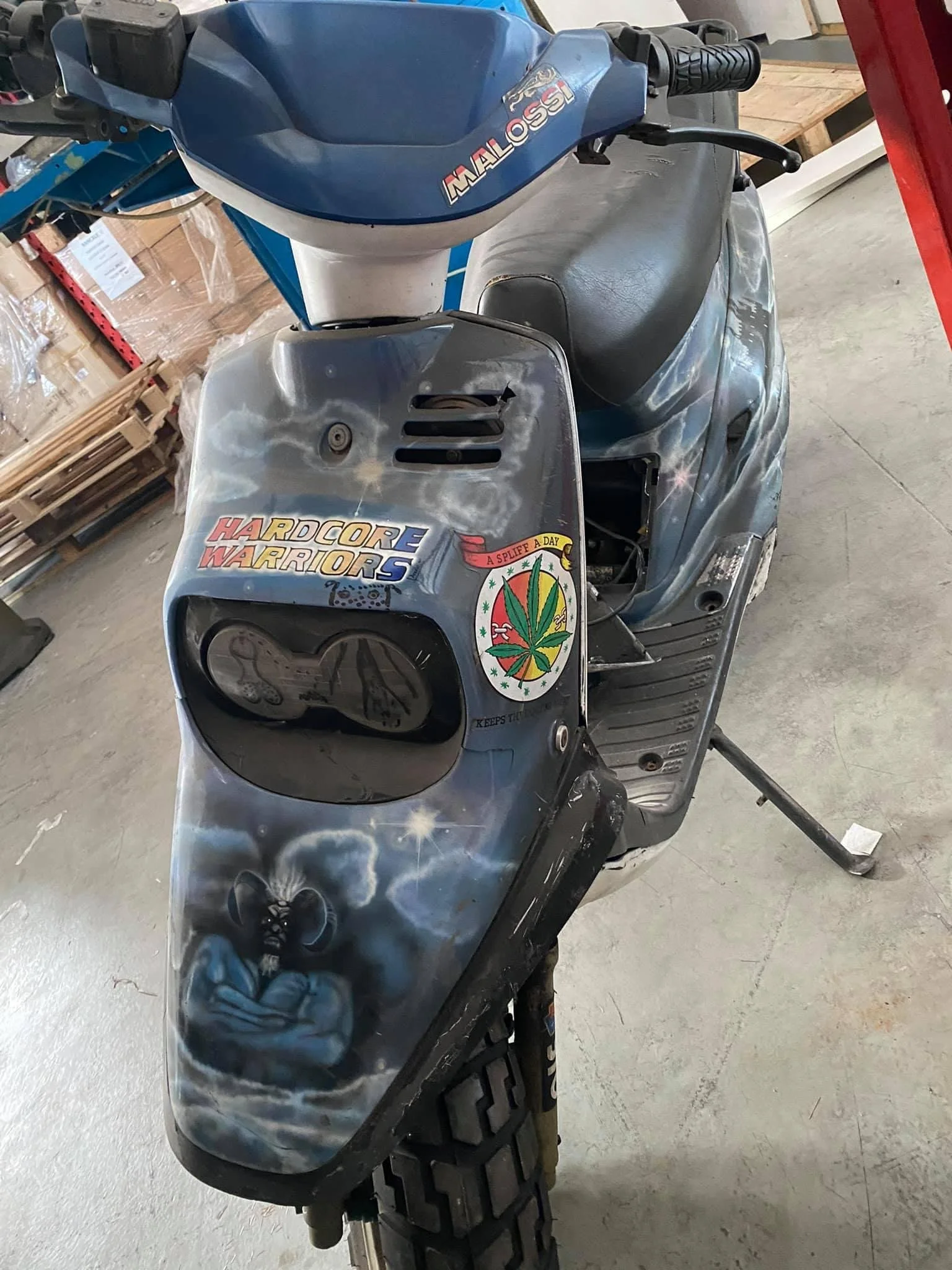
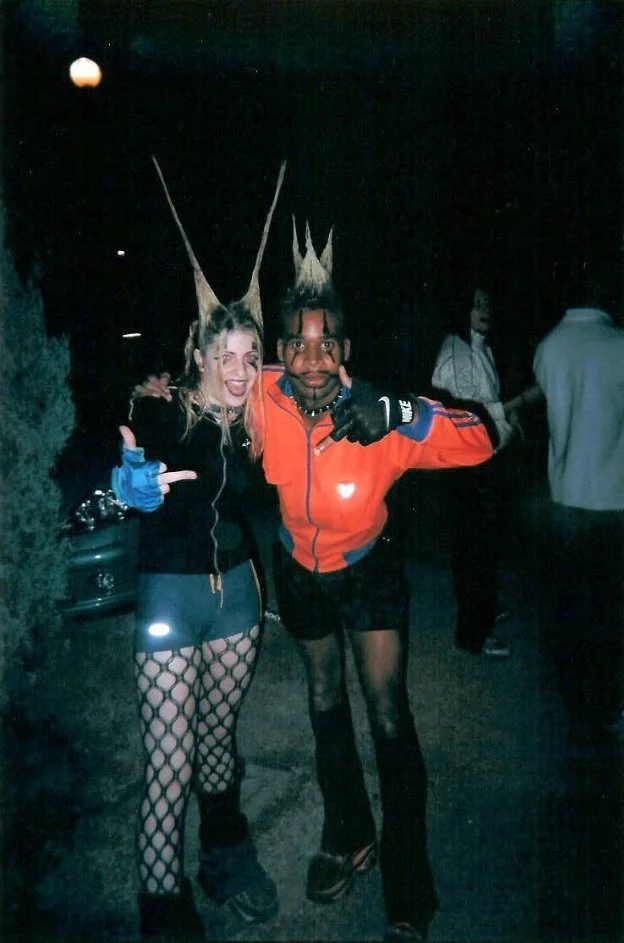
The spikes, yes, but you are talking about a different group. In the late 90s, at Number One, a subculture formed within the scene, known as the Hardcore Warriors.
Gabbers and Hardcore Warriors obviously share the music, but they are now seen as ‘cousins’. The Hardcore Warriors dance differently, their moves are more like a ‘fight’ dance and their look is entirely distinct. They mainly wear neon Space Trip outfits, with colored spikes and high Buffalo shoes.
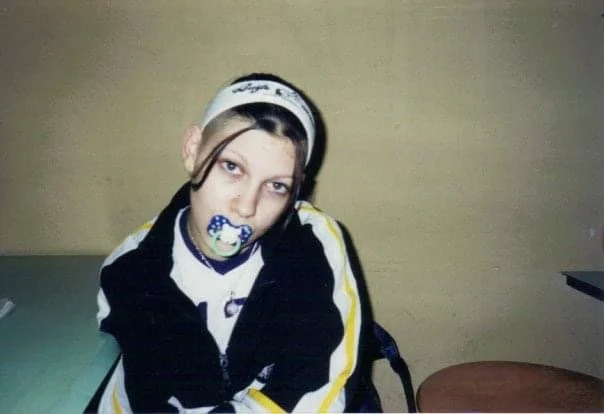
In fact, there is a photo of Simo Warrior wearing the Buffalo shoes in 2001.
Exactly, Buffalos are a must for Warriors. They usually wear them with tight shorts and tight tshirts. Highly expressive, showing personality through colors and style. This is important because Hardcore Warriors also gave the name to one of the most famous and significant events at Number One thanks to Dj Claudio Lancinhouse.
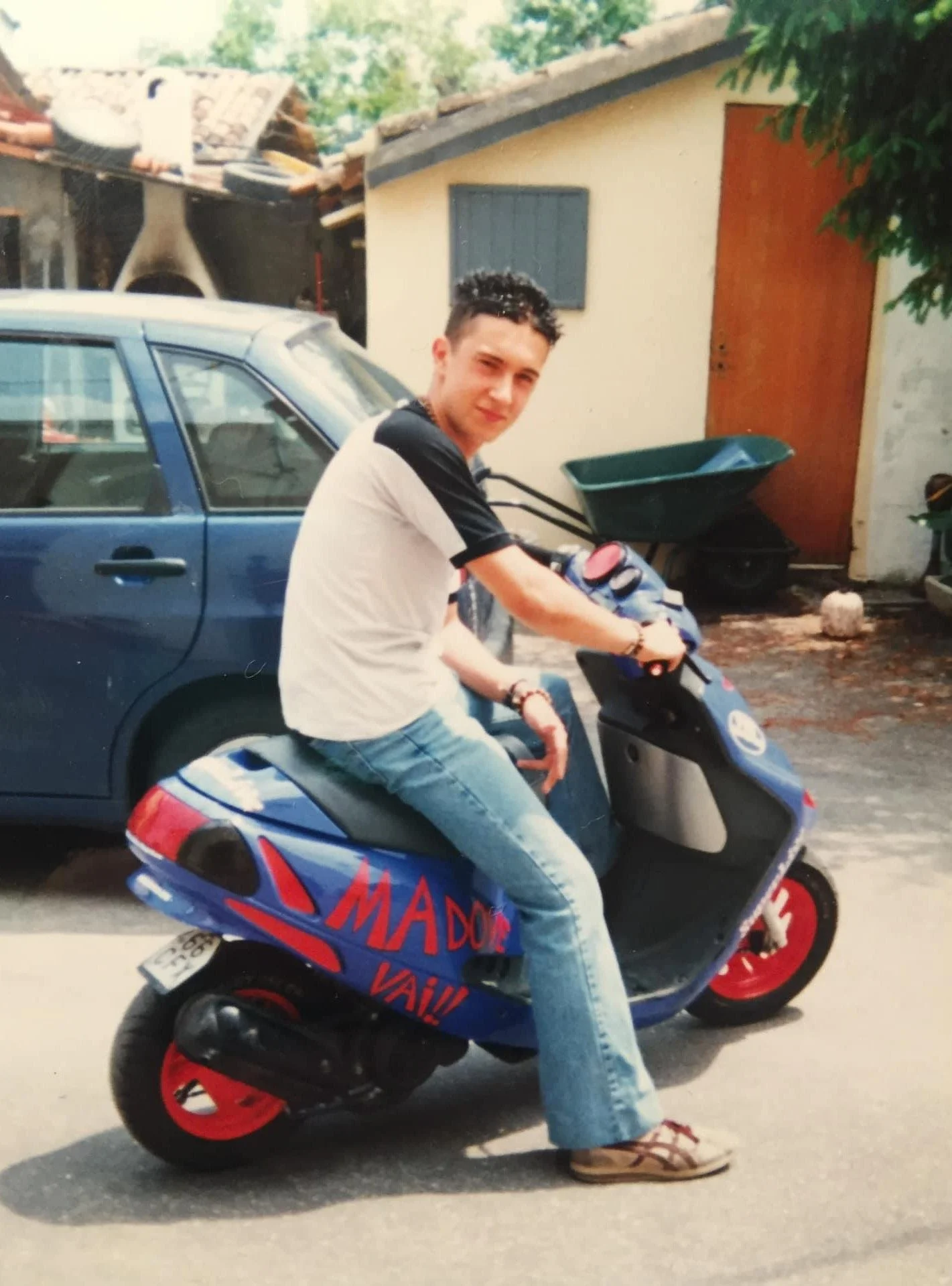
Wow. It is great to see this comeback they are making in recent years. It has been a few years now that they have been regaining momentum, right?
It has been a few years yes. I never expected this resurgence and I’m glad it did. Number One is now always full. There were years where you could count the people on two hands because it was so empty. Yet, like any musical genre or fashion, it has returned. I enjoy this revival a lot. Beyond Number One and Florida, many smaller hardcore events are appearing again, often in bars, especially in the Bergamo and Brescia areas, just like in the early 2000s. This revival makes me genuinely happy.
As an audience, who shows up? The nostalgic ones, the old guard, but also younger people, right? Those who are curious and want to see what it is about.
The audience is very mixed yes. Old guards, new people, people that are just curious to experience something they never experienced before.
What’s the most important thing for you related to this project you keep working on?
It’s to show that period between the late 90s and early 2000s to people that don’t know or don’t remember it anymore and at the same time to preserve an era that no longer exists. Even though the passion has returned, it is different now. Back then, we met at the panche (benches, that every Italian neighbourhood has) after school, listened to music, checking out scooters and smoked the first cigarettes. Those rituals shaped everything.
I am drawn to recreating these moments. For example, I chased and recently bought the iconic Malaguti F10 Tiger, a limited edition by Claudio Mazzi from the mid-90s, and went through a full journey with a friend straight after a party at Number One to get it near Turin. I want to live in this small world, keeping one foot in my roots while moving forward with the world. That’s why my work is Italy related but at the same time I live in Paris. That’s the perfect balance for me at the moment.
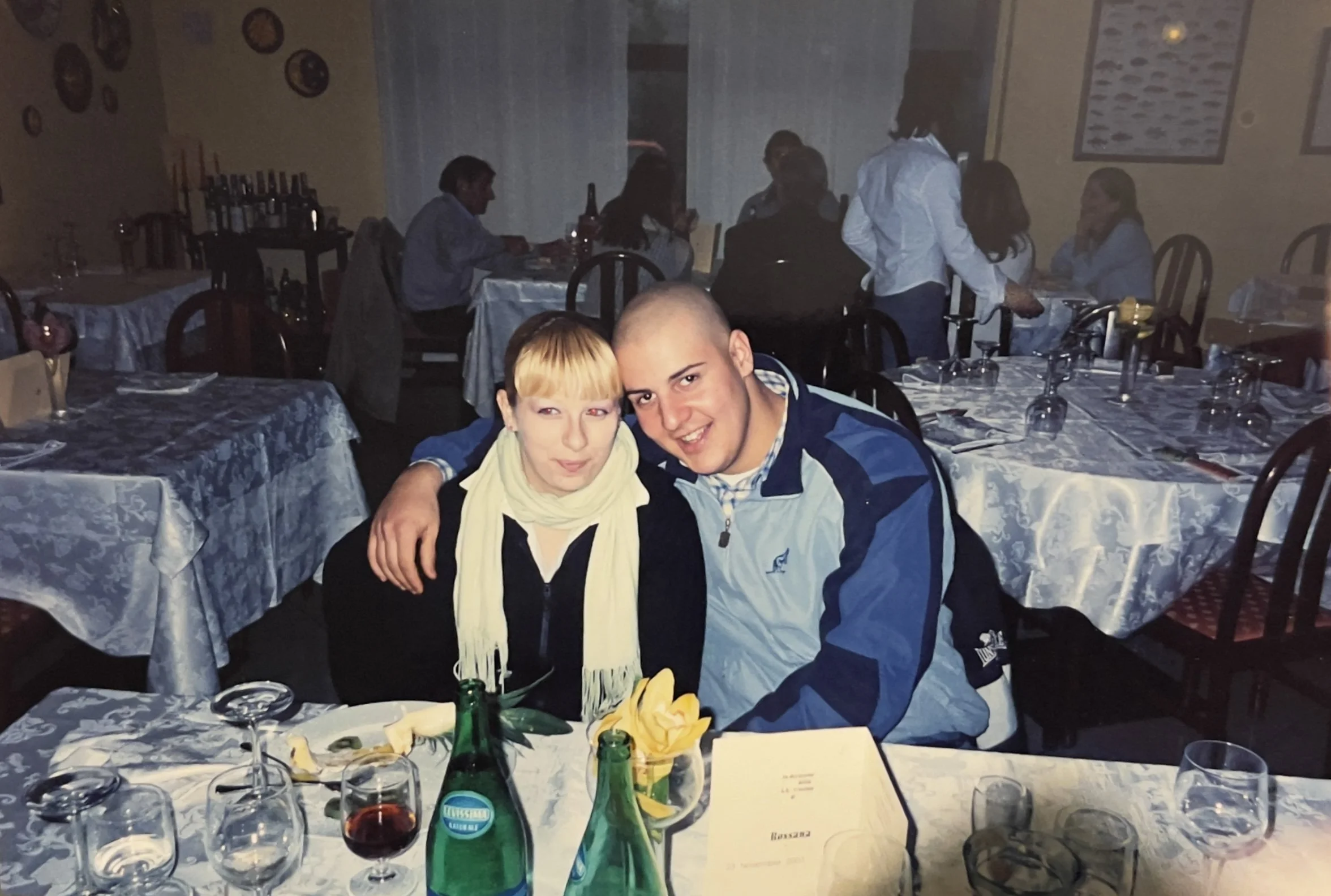
Congratulations on this goal. Going out after school, being punks, living the day with friends, Gabber means brother, friend, and it was about living like warriors, fighting for something, for ideals or anything you chose. Now that sense is lost. Subcultures like ours no longer exist. Technology has changed everything, and our creed has shifted. Where once it was the oratory or God, now our lord is the phone. What does the phone say? What does social media say? And we believe in that. Back then, there was a strong purpose. You had to have a certain style because it was part of who you were. Now that drive is gone, and it is a shame.
It was literally another world, a parallel one to today’s, though not similar. Subcultures, various styles, and genres feel quite finished to me, unfortunately. Now you see trappers or others following certain music, but they no longer define a real subculture. That world has changed, and it stays in my mind constantly. Not a day goes by that I do not think about it, even involuntarily. It is a need for me to remind everyone that before was different, that’s why I like to share, letting other people step into my world.
The first book ‘14 Anni’ started from that impulse. I wanted to do a small fanzine of my archive photos, fifty copies for myself and a few friends. Friends advised me to make a book instead, something more structured, bigger, and even to sell it, since people began asking for it. I decided then to change the format and make books. The first book exceeded all the non expectations I had.
That success pushed me to create a second book with stories and interviews from 1996 to 2007, bringing together friends and strangers alike. There was nothing like it before: archival images with short descriptions and long stories too, capturing what the world was like back then. This work keeps my mind constantly active. I already have ideas for a third and fourth book, and my research never stops even for a day.
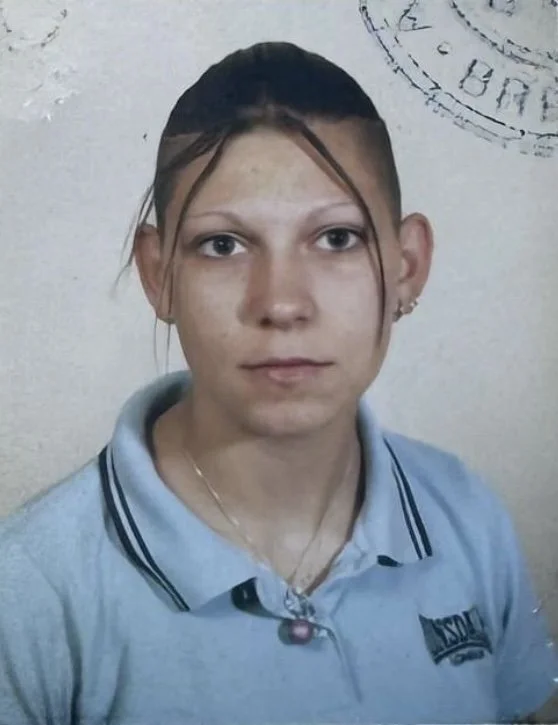
I relate a lot to what you are saying, because I never hold back either. With the magazine, it becomes a form of collection, a collage of what you like. Then you choose the direction, oversee everything, and create the project yourself. I really understand that. Congratulations, because it is really impressive to bring these moments back to life. What stands out the most is how people captured those years in a completely analog, almost three-dimensional way. They feel like backstage glimpses into the era, showing not just the people but also the cultural context, sneakers, motorcycles, the style, the energy of the time.
Exactly. I have always been passionate about those things, but these three points, clothes and shoes, Hardcore music and the 90s, and motorbikes, became clear to me later. As kids, we did not attach much meaning to those things; they were just status symbols everyone had. Over the years, looking back, you connect the dots and see how one thing led to another. That is what gives it its significance.
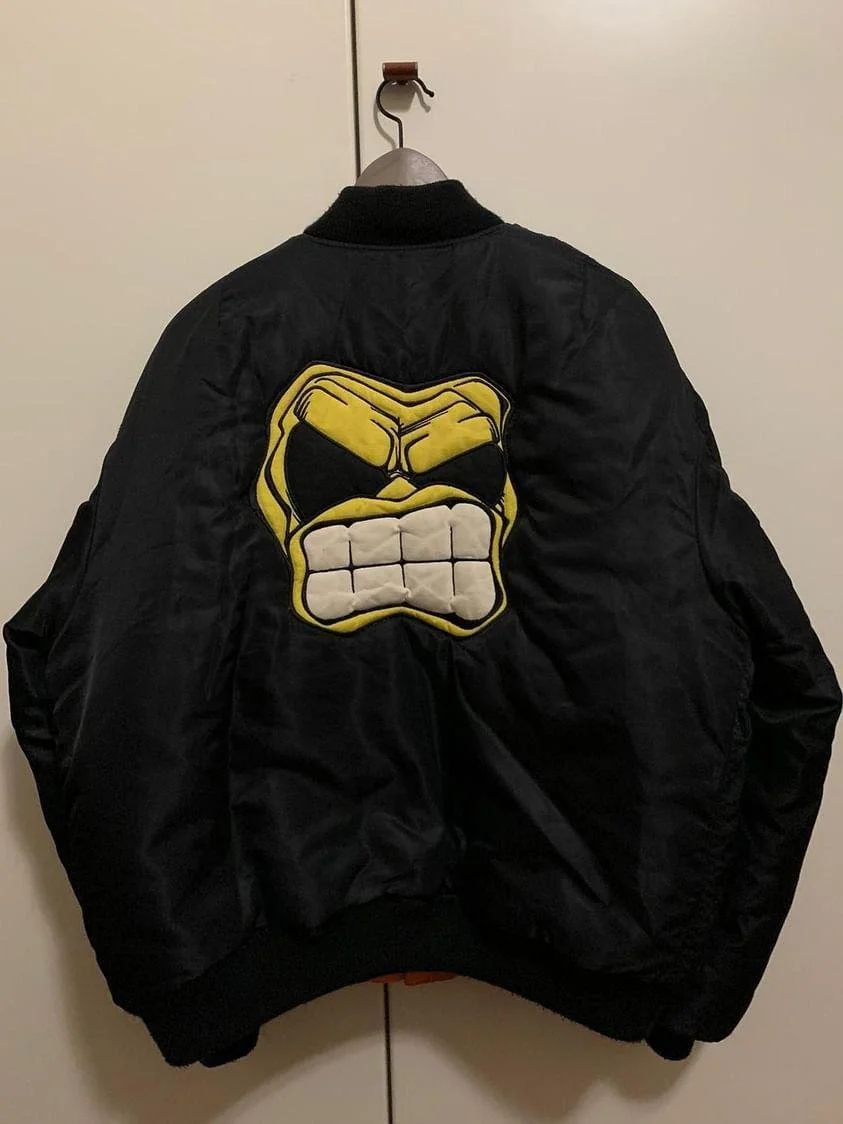
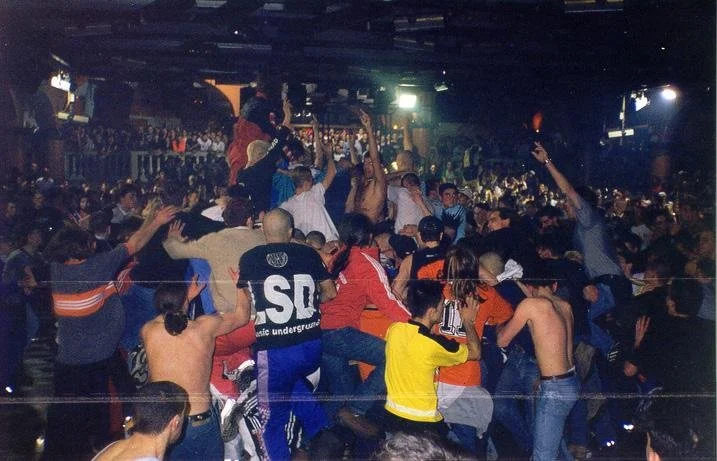
Exactly. The interesting thing is that I see myself there completely. I had these photos with my sneakers, or I was in the room with my brother with the albums printed. Back then there was no Instagram, no phone photos, so I kept all these memories myself. It is really nice to have that.
I like it because so many people, like you, see themselves in it. Some have even written to me to say how happy they are that the work I am doing brought them back memories they had not thought about for years. For me, this is very satisfying. I am grateful to be able to bring these moments back to mind.
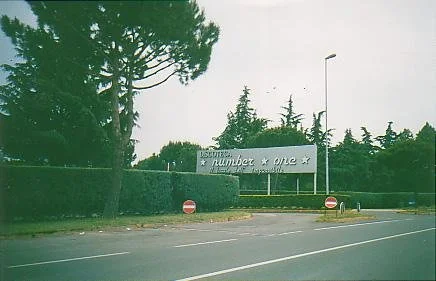
Exactly, it never stops, it continues. I also have a question about the culture. Do you prefer to focus on the European scene, or do you stay more with the Italian side?
I want to focus as much as possible on the Italian scene. Many Dutch people I met over the years did not know about this Italian thread of hardcore. I want to show everything I know and have collected. There is also the intention to include Dutch material one day maybe, but I want it to be well thought out, not random. It could be a mix of Italian and Dutch videos or images, but I want it structured, with references and context, showing the comparison between Italy and Holland. The focus is on Italian first, and once that is complete, I will maybe start integrating more Dutch material. We will see.
It could also become an ad-hoc book, interesting as part of a series of volumes. It could be a targeted edition for the real enthusiasts who already have all the books, giving them a special volume to complete the collection.
Yeah that could be an idea. For my first book, people suggested changes, even modifying the cover. My friend Carlo Tinelli from Slam Jam mentioned the idea of a gold or black cover as a limited edition, like it was for ‘Le Silver’ book. There was talk of a special edition, but with ‘Italia 2000’ now out, the focus will be on promoting the next volumes and my next projects and collaborations.
For now, I want to leave it as it is. In the future, a reissue of ‘14 Anni’ with a new cover or small update could be possible, but I want it to stay intentional, tied to a specific event or purpose, not random.
Interview by DONALD GJOKA
What to read next