Lidia Russkova-Hasaya
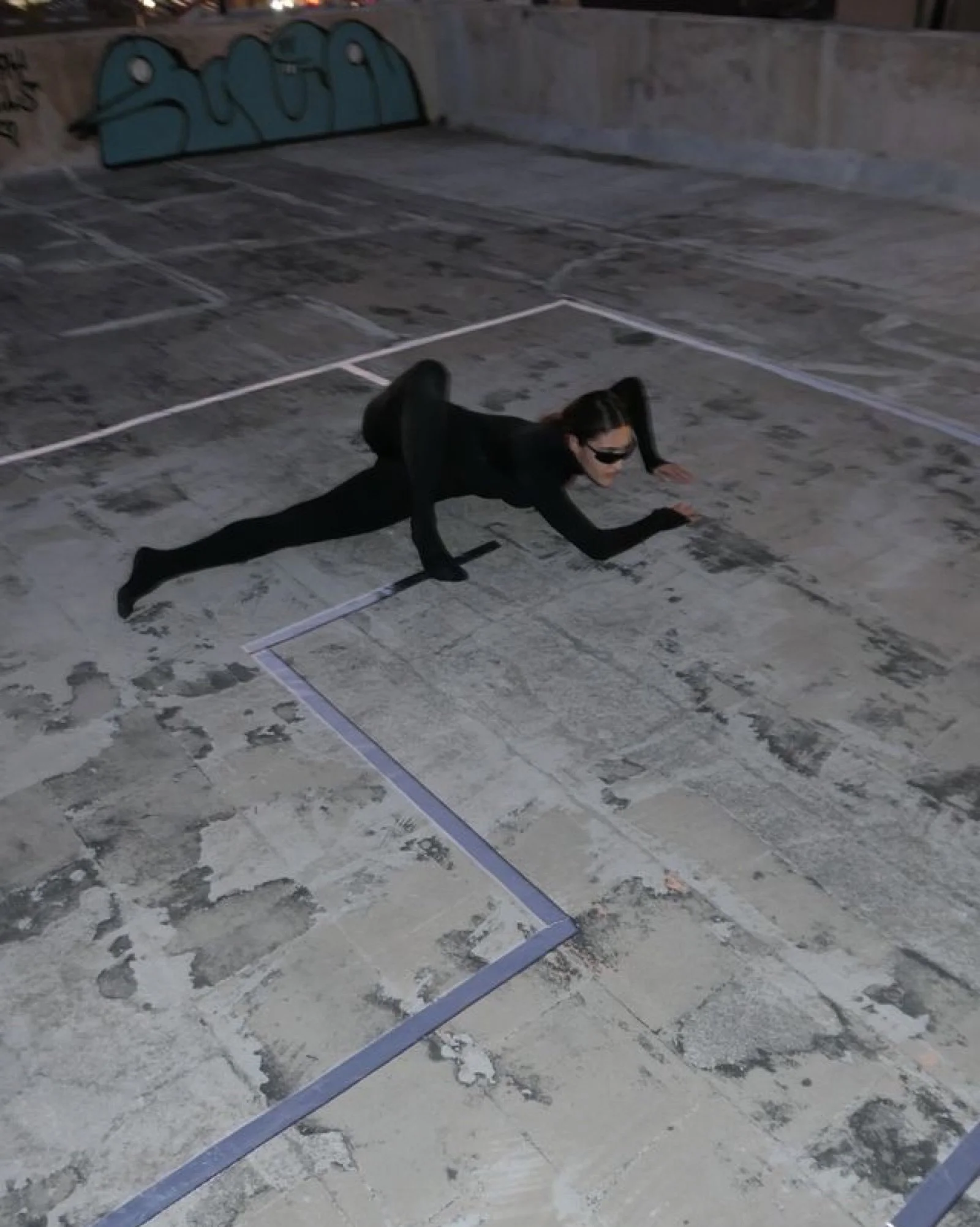
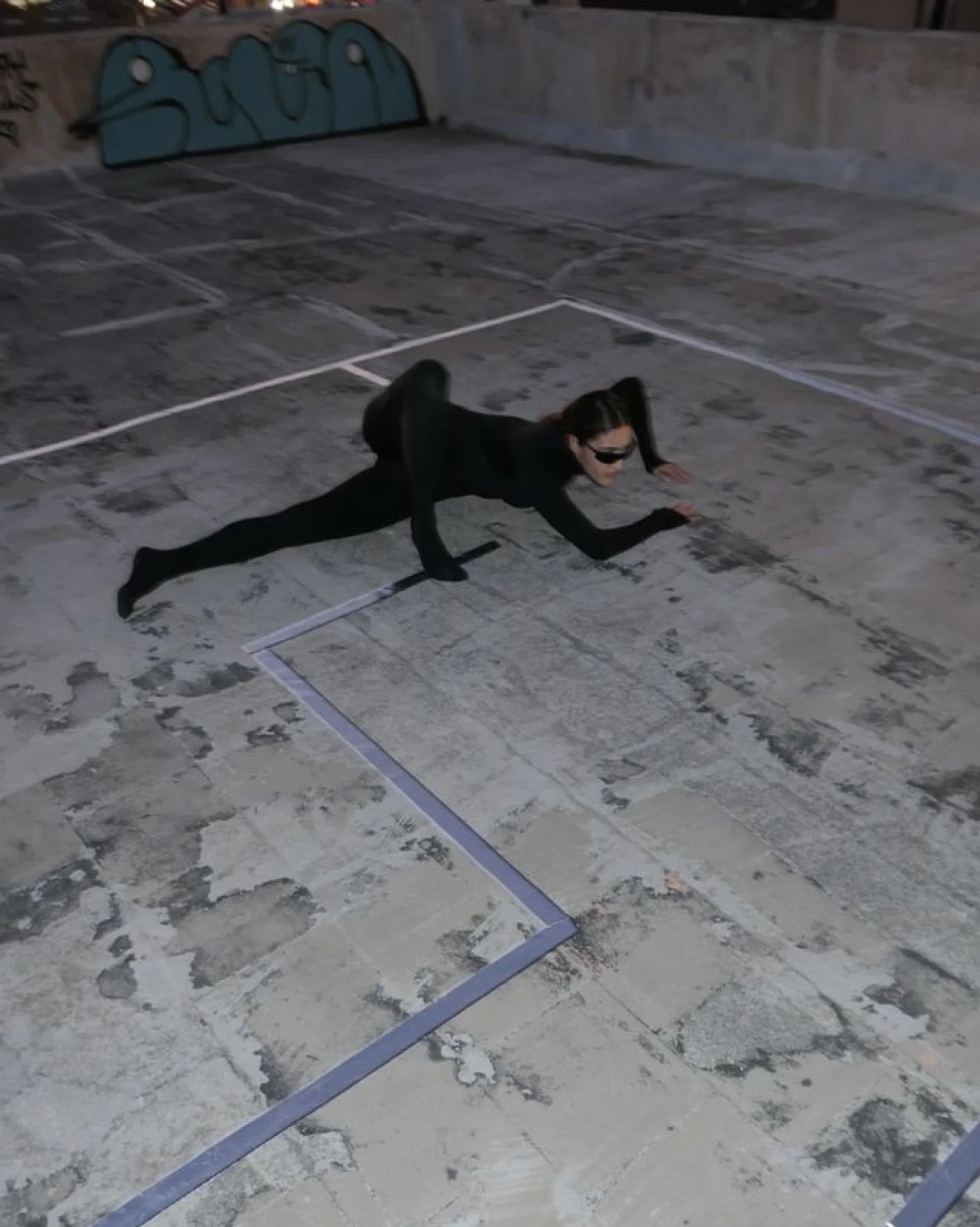
Lidia Russkova-Hasaya is a Georgian-Russian interdisciplinary artist whose work traverses performance, immersive installation, sculpture, spatial constructions, and video. Educated at Pace University in New York, she anchors her practice around a framework she terms “emotional architecture”, a mode of making space that composes affect, atmosphere, and perception.
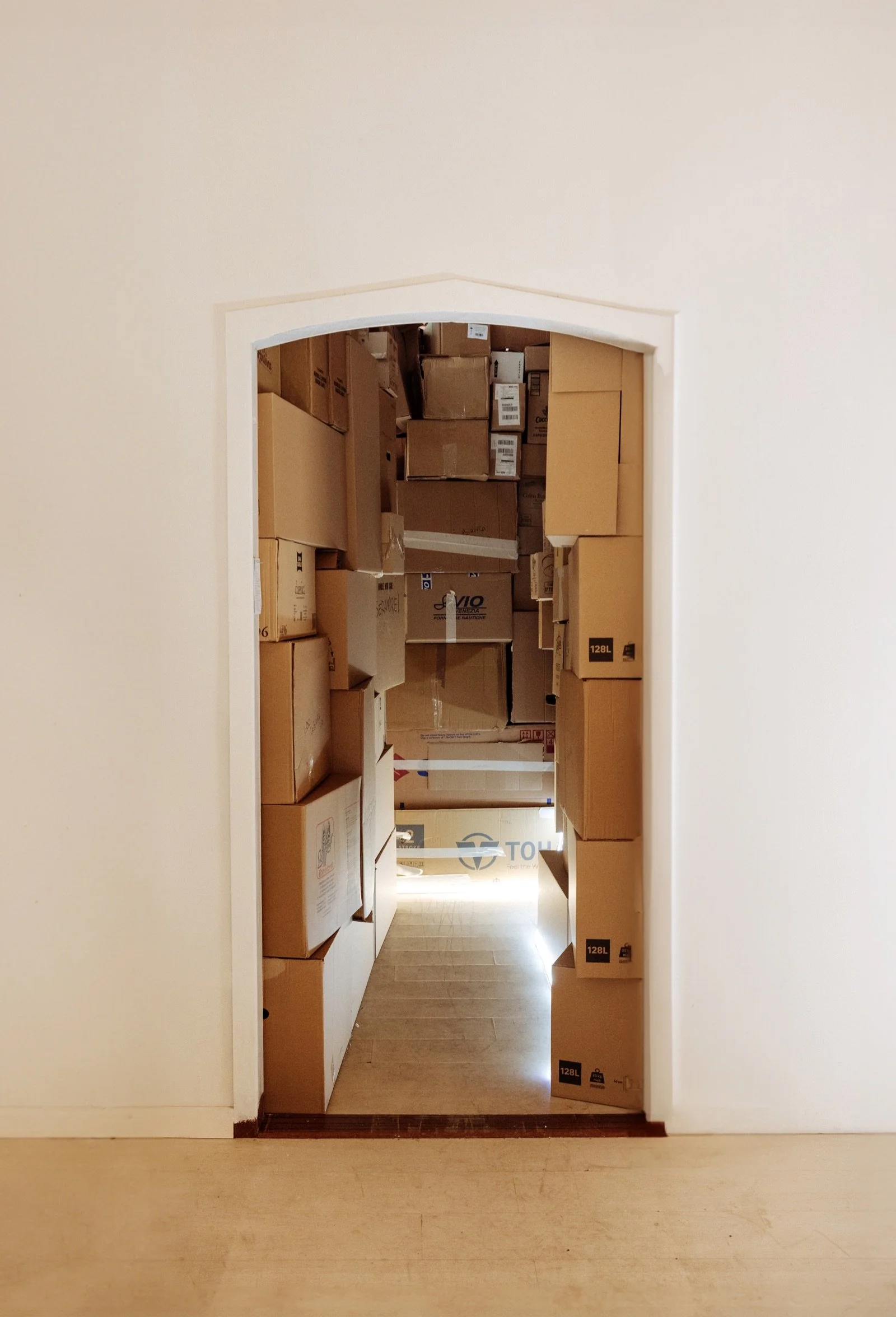
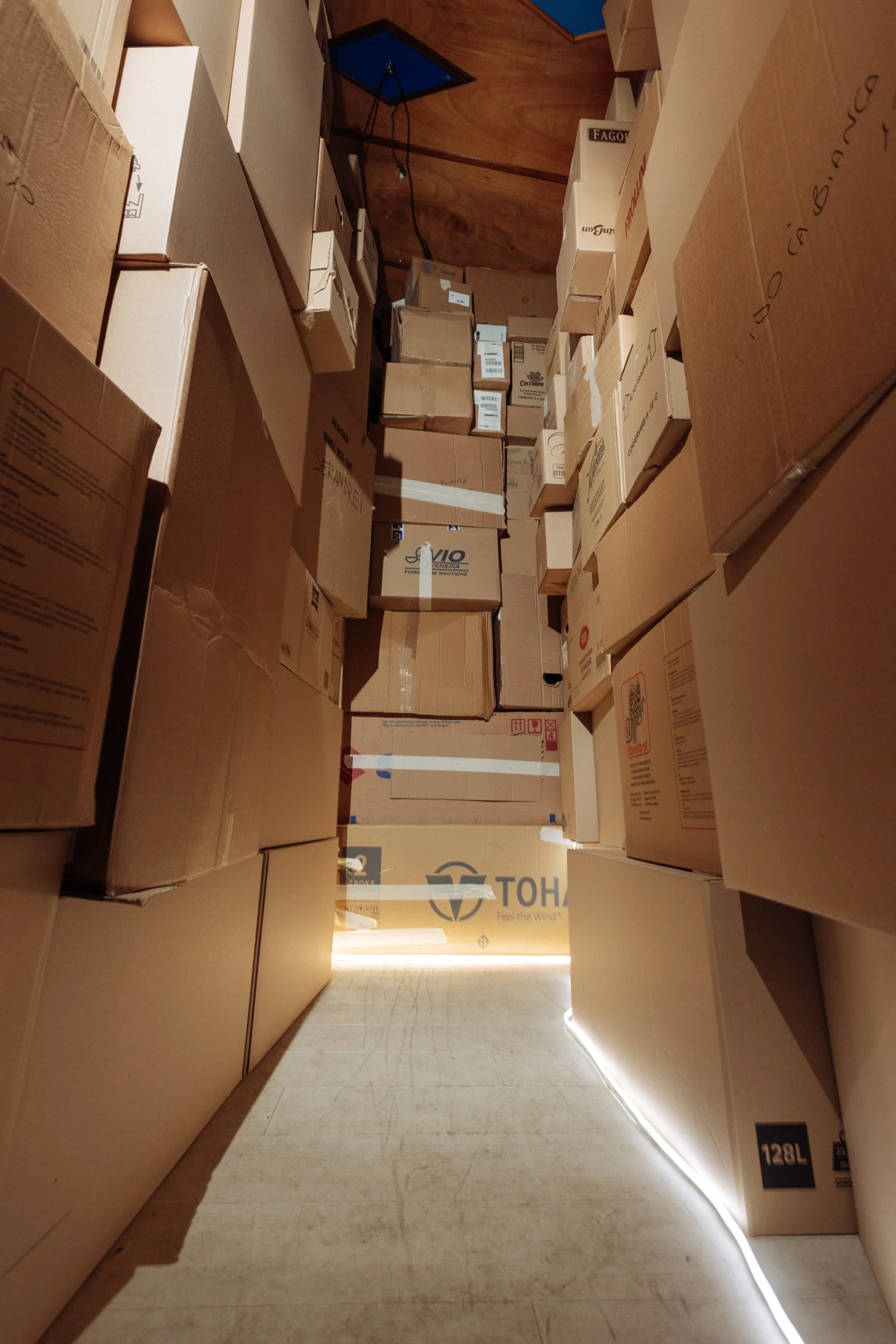
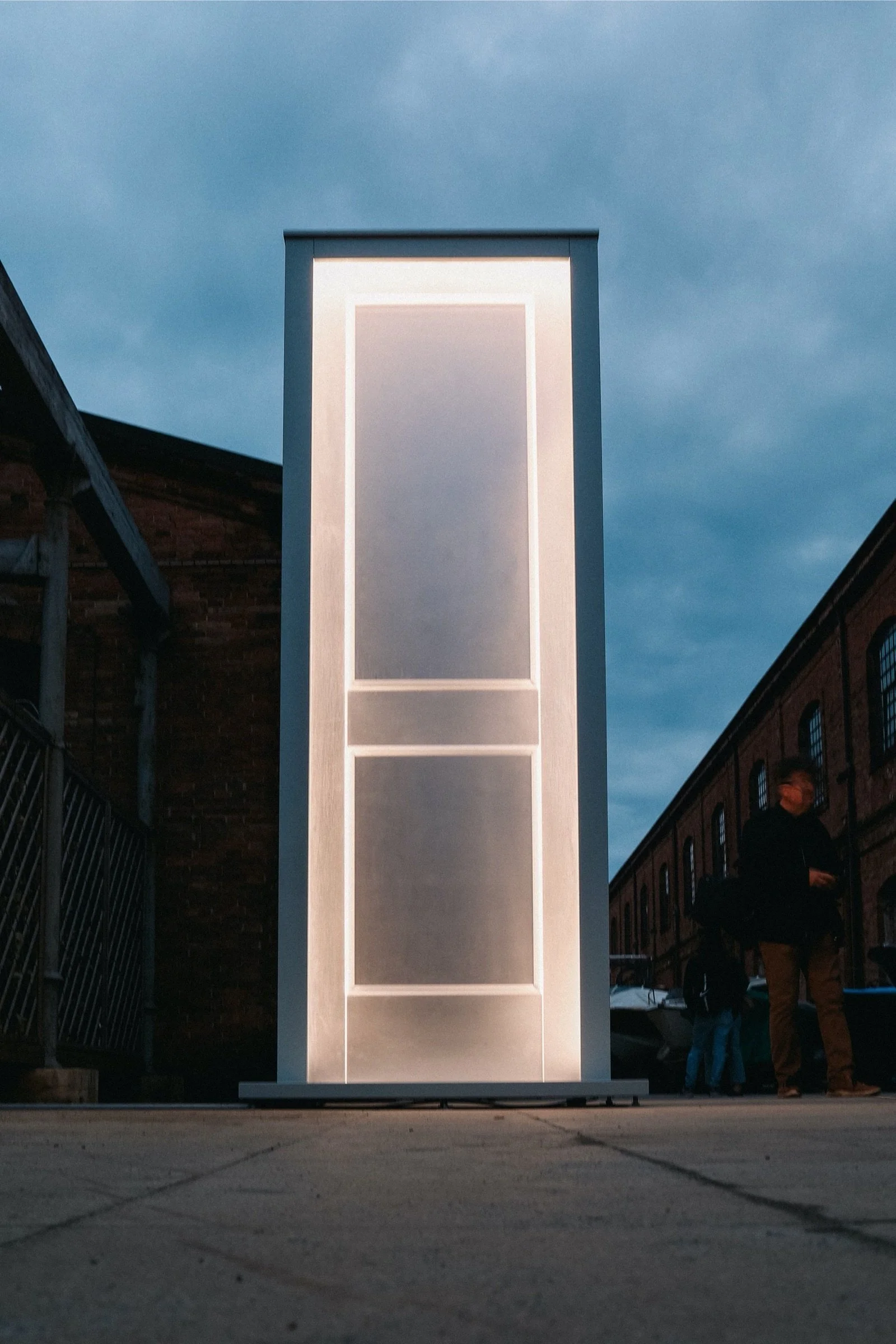
Lidia externalises internal states through environments designed to be entered, inhabited, and sensed. Her installations often manifest as portals, chambers, or post-geographic spaces where light, materiality (glass, neon, metal), movement, and thresholds shape embodied experience. Her performers and visitors move through calibrated sequences of perception, creating conditions for transformation, reorientation, and collective reflection.
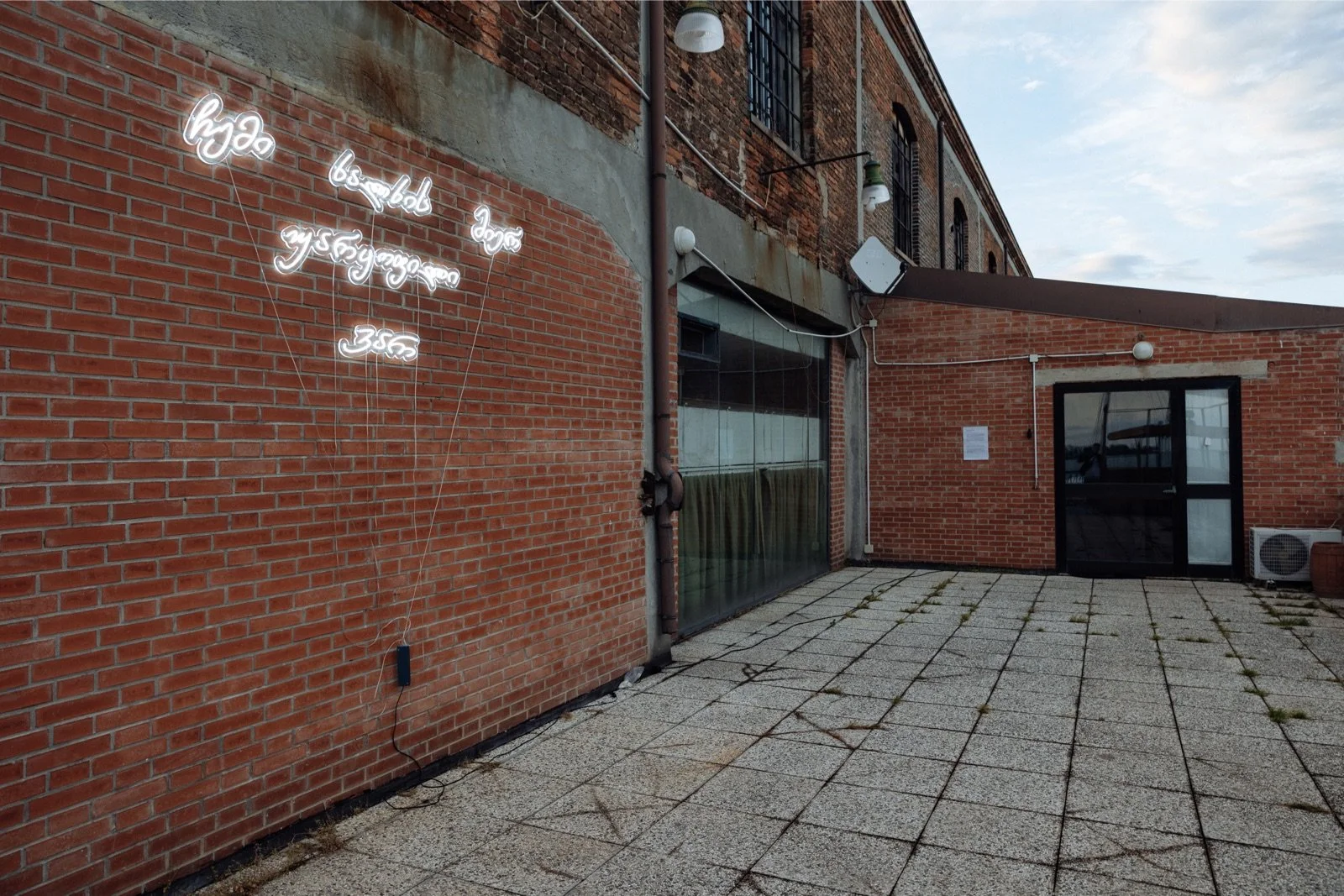
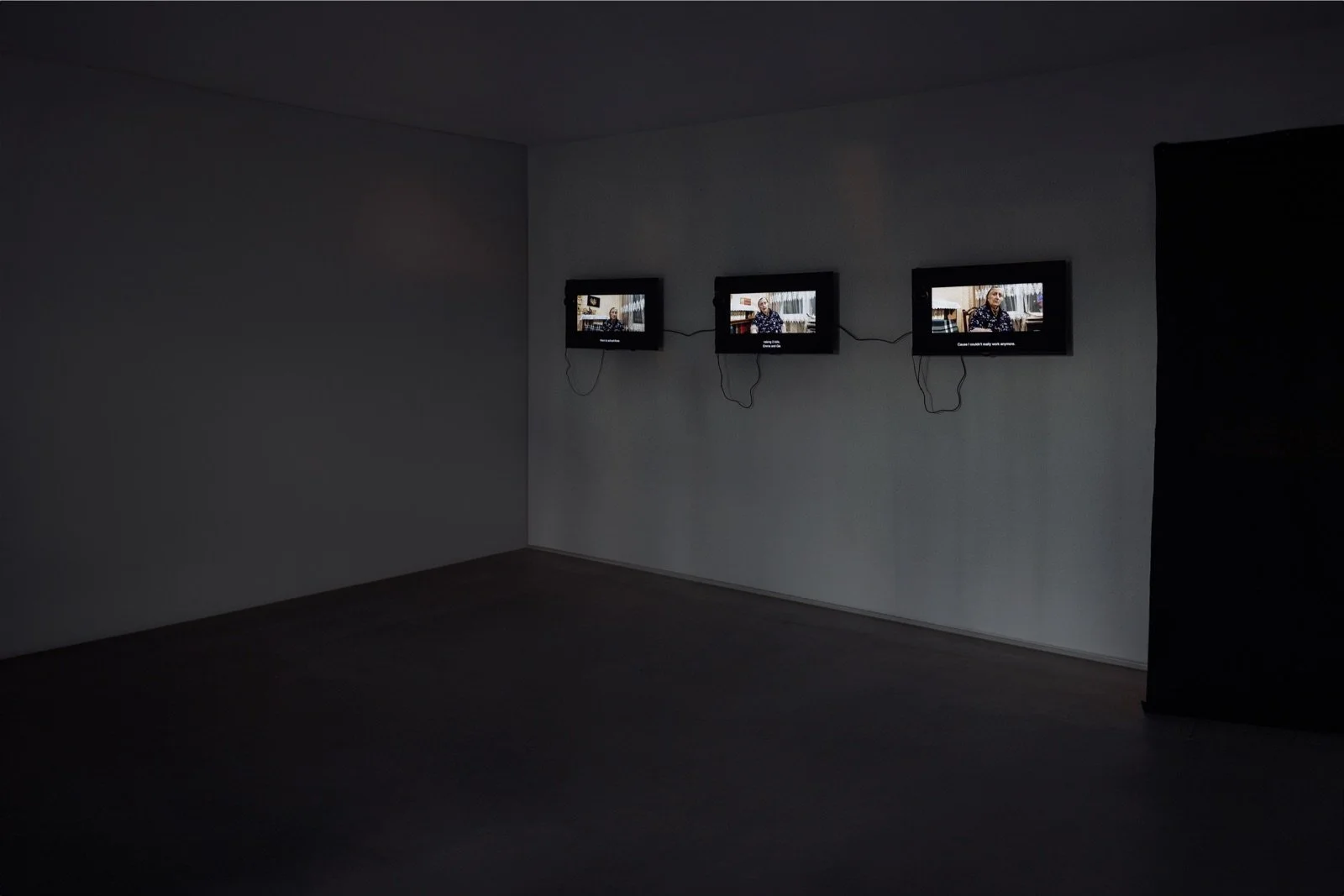
Across international contexts, from Venice to Tbilisi to Piraeus, her work explores identity, belonging, dislocation, and the architecture of memory. Recent projects include ROOMS: The Architecture of Memory (Piraeus, 2025), Homesick (Venice, 2024), and Portal (launched during the opening of Venice Architecture biennale 2023).
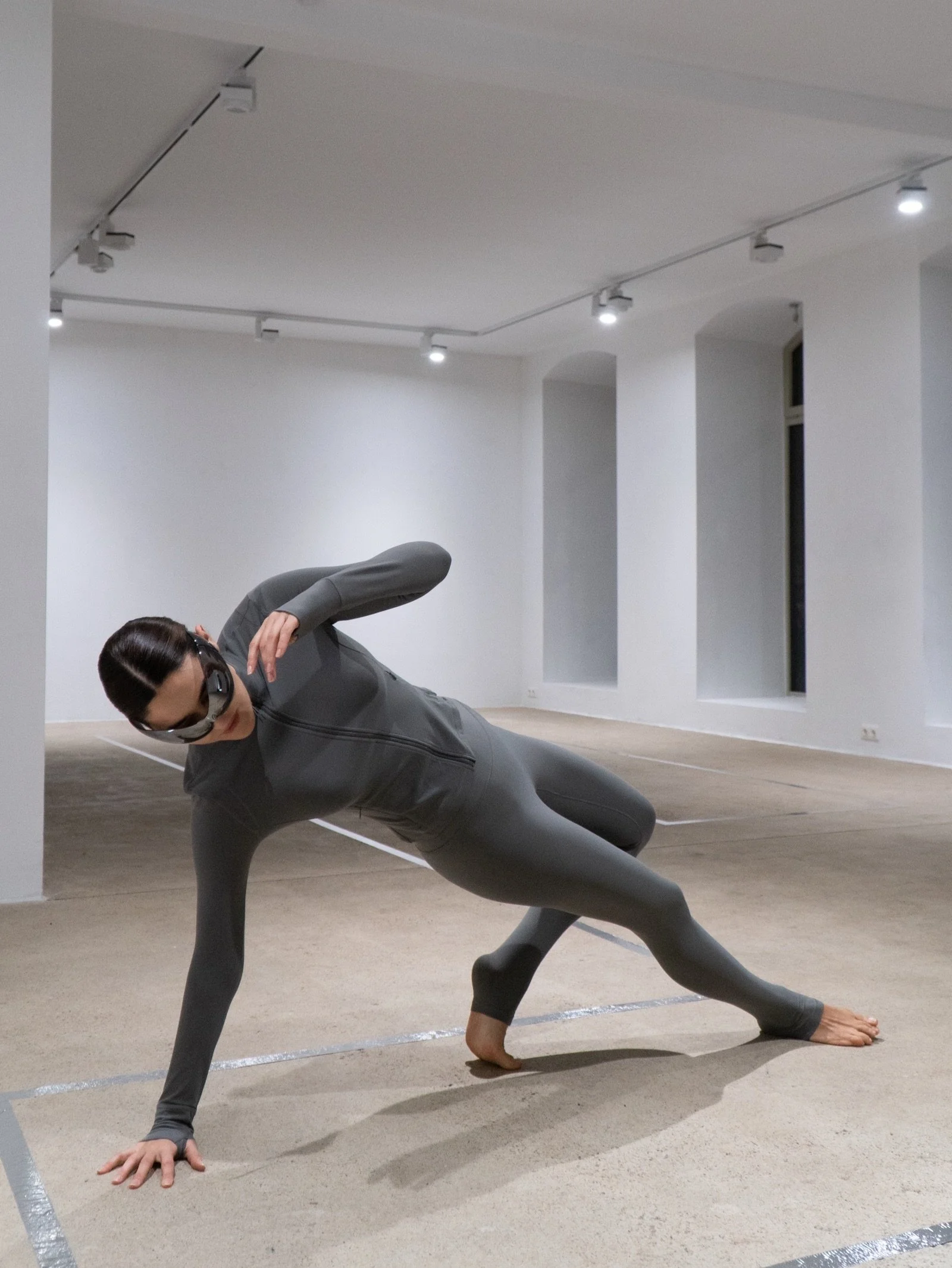
You describe your work through the lens of “emotional architecture.” Could you share what that term means to you and how it functions as an operative framework in your practice?
I grew up in an international environment. My mother is Russian, my father is Mingrelian Georgian, and I attended an international school with people from over thirty countries. From an early age, I was surrounded by varied ways of expressing and managing emotion, and I became aware of how emotional awareness, or the lack of it, directly shapes people’s relationships with the world and with each other.
Recent world events over the past five years have made this awareness increasingly urgent. We live in a condition of constant acceleration and emotional saturation, absorbing images and information faster than our nervous systems can process. This is where architecture became an important reference for me: it creates structure, support, and sustainability, conditions that allow life to function. In my work, I use spatial and architectural logic to create environments, objects, and performances that don’t merely accommodate emotion, but activate it. The aim is not comfort or resolution, but presence, heightened attention, and an expanded capacity for responding to oneself and the world.
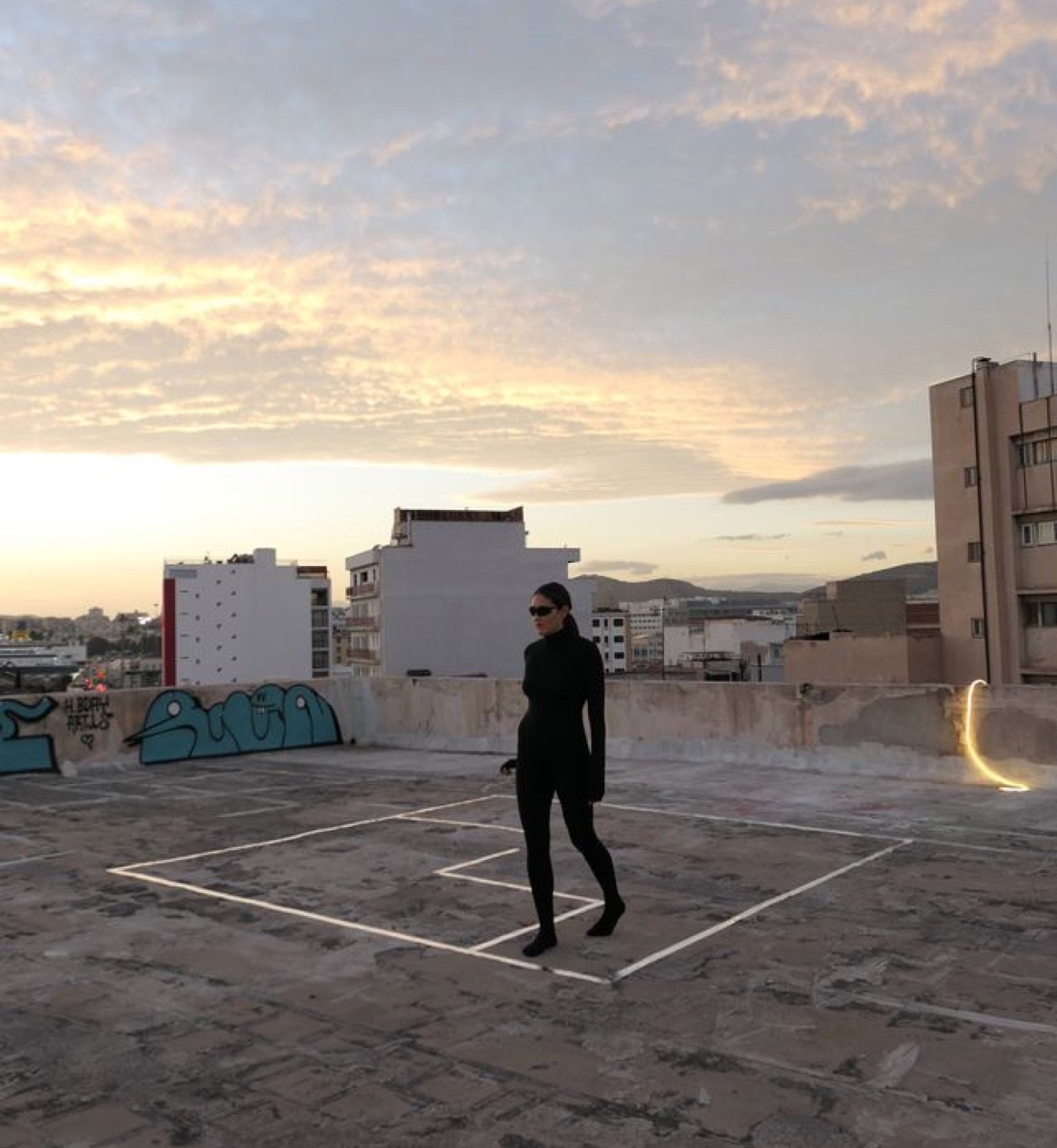
How did your background in theatre and performance shape your understanding of space, presence, and duration before you developed your installations?
I studied music from the age of four, which became my entry point into performing. Through music, I learned early on what it means to hold a moment and sustain attention over time.
I remember seeing The Queen of Spades at the Bolshoi when I was about six. The performance lasted over three hours, and I was overwhelmed by emotion, yet felt a strong sense of responsibility to remain until the end. For me, that is the magic of theatre: it is ritualistic, training us to stay present, even when an experience is demanding.
Studying and working in theatre made me aware of how multiple elements shape experience simultaneously, light, sound, space, bodies, timing. I have worked a lot with light since then. It is never neutral and can function almost like a character, shifting the emotional tone of a space without anything physically changing. Working across performance, directing, and writing expanded my creative toolbox and transformed the way I approach experience.
An early work, YOU, embodies these ideas. The performer is placed inside a glass box, and stillness becomes the central condition. By removing action and spectacle, the work asks the viewer to stay and confront duration, proximity, and their own attention.
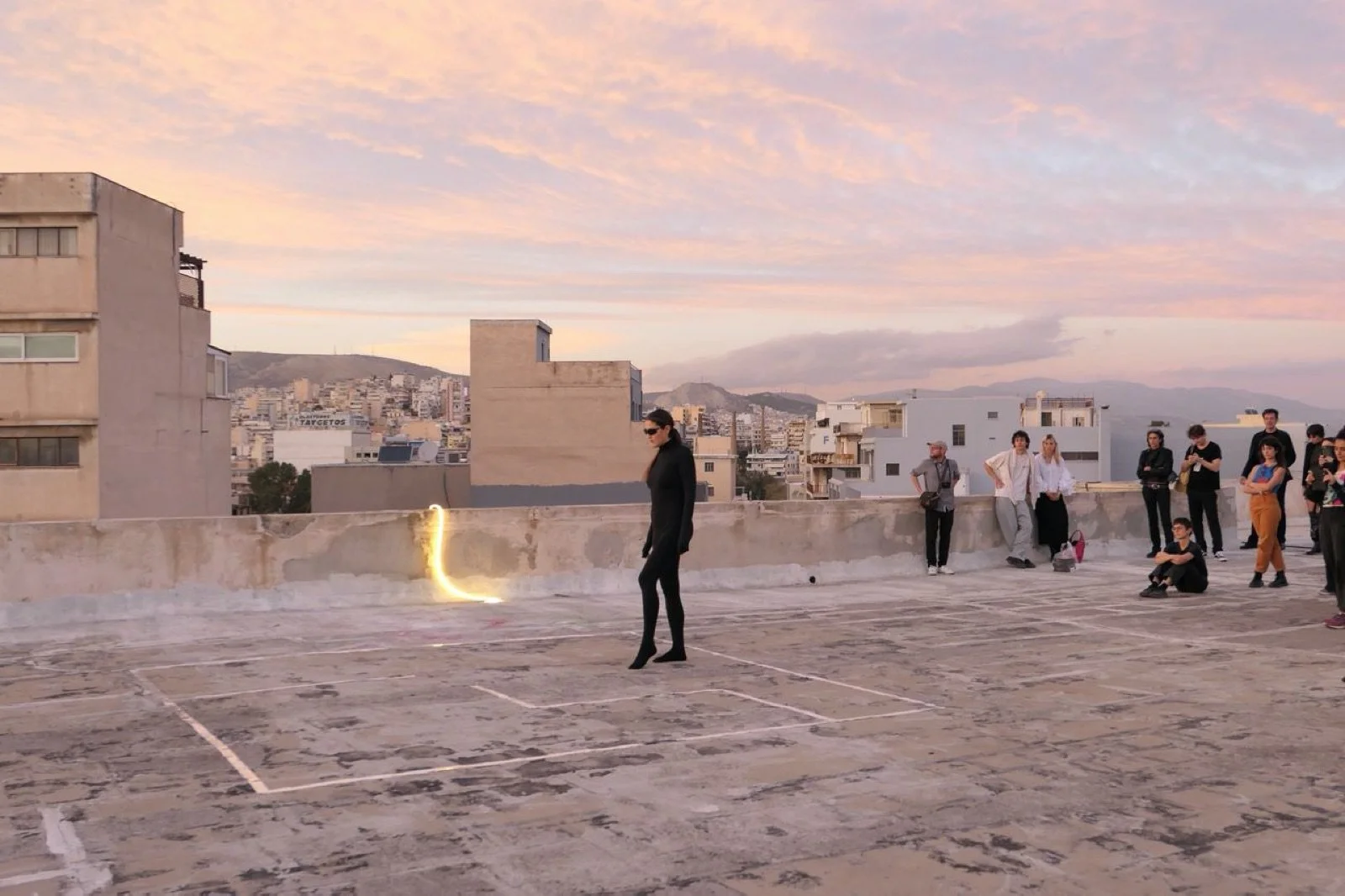
In projects that intersect with architecture and public space, how do you consider everyday human experience versus the specialised art context?
When a project operates within architecture or public space, I approach it with a fundamentally different mode of encounter. In everyday life, people don’t arrive prepared or attentive, the work is met through movement, repetition, distraction, and habit. That reality isn’t a limitation, it is the condition of the work.
In public space, an artwork has to withstand indifference as much as attention. It needs to function without instruction, without context, and without demanding engagement. I do not simplify the work for that setting, but I do sharpen it, the gesture must be precise enough to register quickly, and durable enough to remain meaningful over time.
In a specialised art context, viewers arrive ready to focus and interpret. In public space, the work becomes part of lived experience. What interests me is that threshold, where an artwork doesn’t announce itself as art, but subtly shifts how a space is perceived, even momentarily.
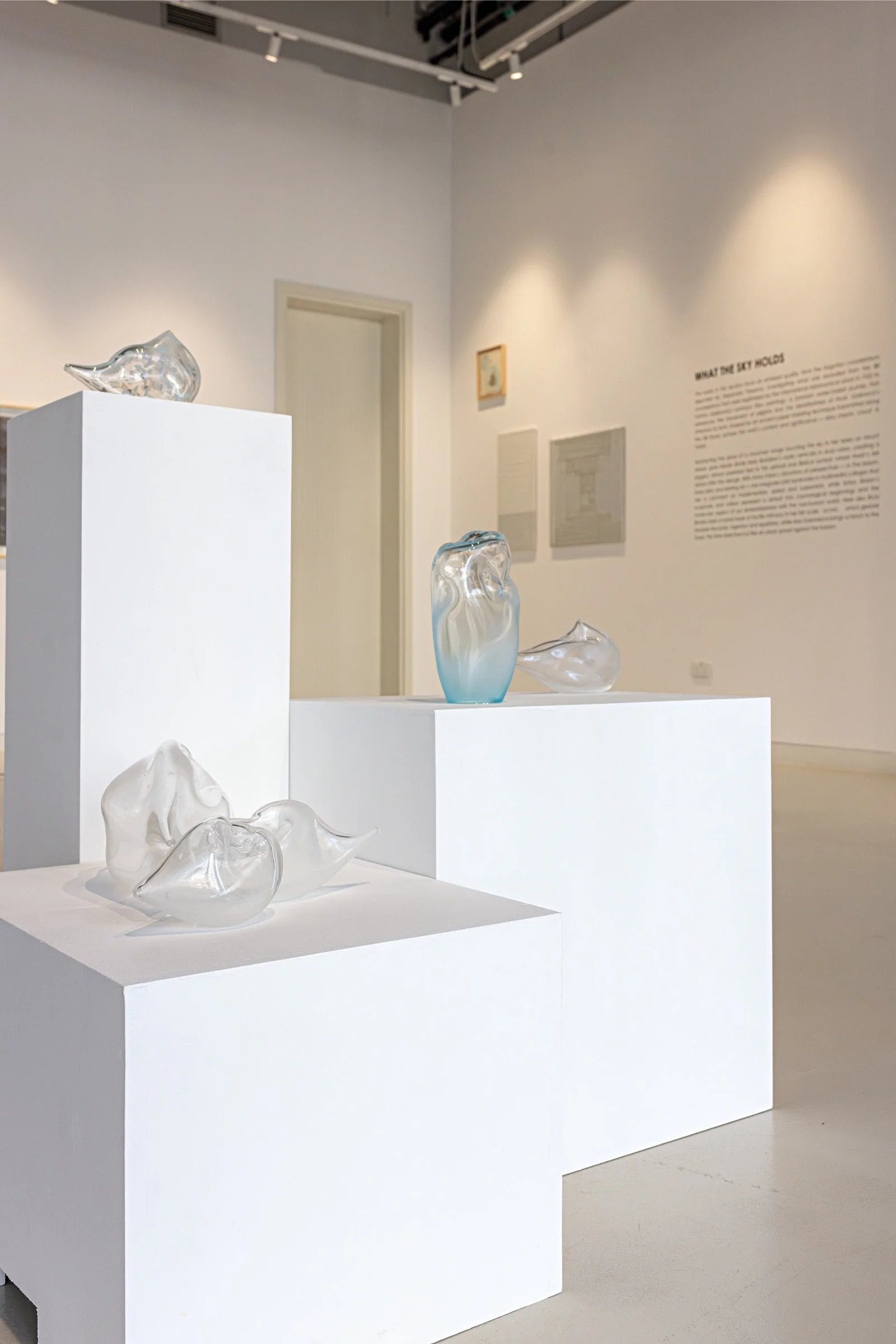
Themes of belonging, dislocation, and identity appear in many of your works, for example in Homesick, which engages personal histories and the body as an archive. How do these themes relate to your own lived experience as an artist navigating cultural and geopolitical borders?
Working across different countries and contexts, from Dubai to various parts of Europe and beyond, has shifted my perspective. What stands out to me now is not dislocation, but the relationships that have formed through the work.
Because of my experience studying abroad and growing up around people from many different cultures, I’m able to build trust and connection relatively quickly. Over the years, I’ve formed strong working relationships and built teams with people from very different backgrounds and cultural contexts.
I’ve produced objects and sculptures in several places around the world, and each time the work has been shaped by collaboration. At this stage, I’m less focused on rejection or denial, and more interested in how shared labour, exchange, and mutual respect can create a sense of belonging through the act of making itself.
You are currently presenting projects in cities like London and Vienna, how does working across diverse cultural contexts influence your practice?
I think it does influence my practice, but in a very natural, gradual way. It’s not always something I can pinpoint immediately; it often becomes clearer over time. Being in different cities exposes me to varied atmospheres, architectures, histories, and local art scenes, and all of that slowly feeds into the work.
What I notice more directly is how people respond. Whether I’m showing work in London, Vienna, or elsewhere, I often see similar points of connection: people respond to atmosphere and emotional tone, even when the cultural context is different. That’s been reassuring for me.
Over time, I think these experiences naturally enrich the work and make it more layered and precise, without me forcing it in any particular direction.
Looking ahead, what directions do you see your practice moving toward in the coming years? Are there new spatial contexts, collaborations, or scales you’re interested in exploring through your idea of emotional architecture?
Looking ahead, I want to expand both geographically and in scale. I spent many formative years living in New York, and returning to show work there feels like an important next step. It is a city that shaped how I think, and I’m interested in re-entering that context with the practice as it is now.
I’m also increasingly interested in scale, working with larger spatial conditions, including land art and more expansive performance formats. Emotional architecture feels particularly potent when it operates at a scale that the body has to negotiate physically, not just observe.
At the same time, I’m interested in collaboration in a broader sense. That includes working with larger teams, forging stronger relationships within the art world, and also collaborating with brands when the alignment feels right. For me, it is about extending the language of the work into new contexts without diluting it, and exploring how emotional architecture can operate across different scales and forms of visibility.
Interview by Anastasiia Ageeva
What to read next