L'ultima estate in città di Giovanna Silva – Officine Saffi
Milan has no business district to speak of. What it has instead are medieval walls, ring roads, buried waterways, grand piazzas, old apartment blocks and new towers. A sequence of views that alternate in an almost paradoxical and endlessly compelling way. A city capable of confronting, opposing and layering before our eyes its own original urban history, all at once.
Milan is an enormous conglomerate of hermits, wrote Montale. And Renzo Piano: "Cities are beautiful because they appear slowly, created by time. The city is born from the confusion of monuments and infrastructure, culture and commerce, national history and daily life."
Seeking out specific details wherever she finds herself: that is the approach behind the photographic practice of Giovanna Silva, born 1980, who did not start out as a photographer. Over the years she has developed a distinctive style, always editorially inflected, that teaches us a particular way of looking, not simply to “look”, nor merely at “the thing itself”. Here, her subject is Milan: the city where many of us were born and whose countless details, whose taste and architectural and design history, we have yet to fully discover. Projects like this one remind us that we should try. Above all, details reveal social stratification through time, the monumental and the minimal, the abstract and the geometric, each carrying the judgment of a historical and political moment. And alongside all of this, the sweet obsession Giovanna freely admits to: a compulsion that follows her everywhere and drives her documentary and anthropological research.
"What I love about architectural photography”, Silva once said, “is that there is no human interaction. The building stands still and silent, and you have all the time you need to find your frame. If a person enters the landscape, you wait for them to move out of your field of vision. There is, paradoxically, a tendency to think of architectural landscapes as lifeless. And yet they speak enormously of life. Of many lives."
For Giovanna Silva, who lives, works and teaches in Milan, photography is a means to travel the world and its subjects, discovering their stories in an exploratory spirit, celebrating the performance of architecture and light. Her years as photo editor at Abitare gave her the means to portray the work of Renzo Piano and Zaha Hadid for special issues of the magazine. In 2018, she published a remarkable book on Libya for Mousse, part of an ongoing series on countries at war or in crisis, in which she traced the architectural structures built under Muammar al-Gaddafi's regime that were demolished during the recent revolution.
Silva's photography is situationist: the shutter release is the emotional moment through which a landscape is allowed to tell its own story, to live forever in colours and shadows that are always, already, a history of the past. Her photographic work is oriented toward editorial output and the printed book, her preferred narrative vehicle, and a means to collaborate with other creatives and circulate her visual world. In 2012, Giovanna Silva co-founded the architecture journal San Rocco and the publishing house Humboldt Books, of which she is editorial director. The name nods to the explorer Alexander von Humboldt, whose own work encompassed reportage, art books and travel writing.
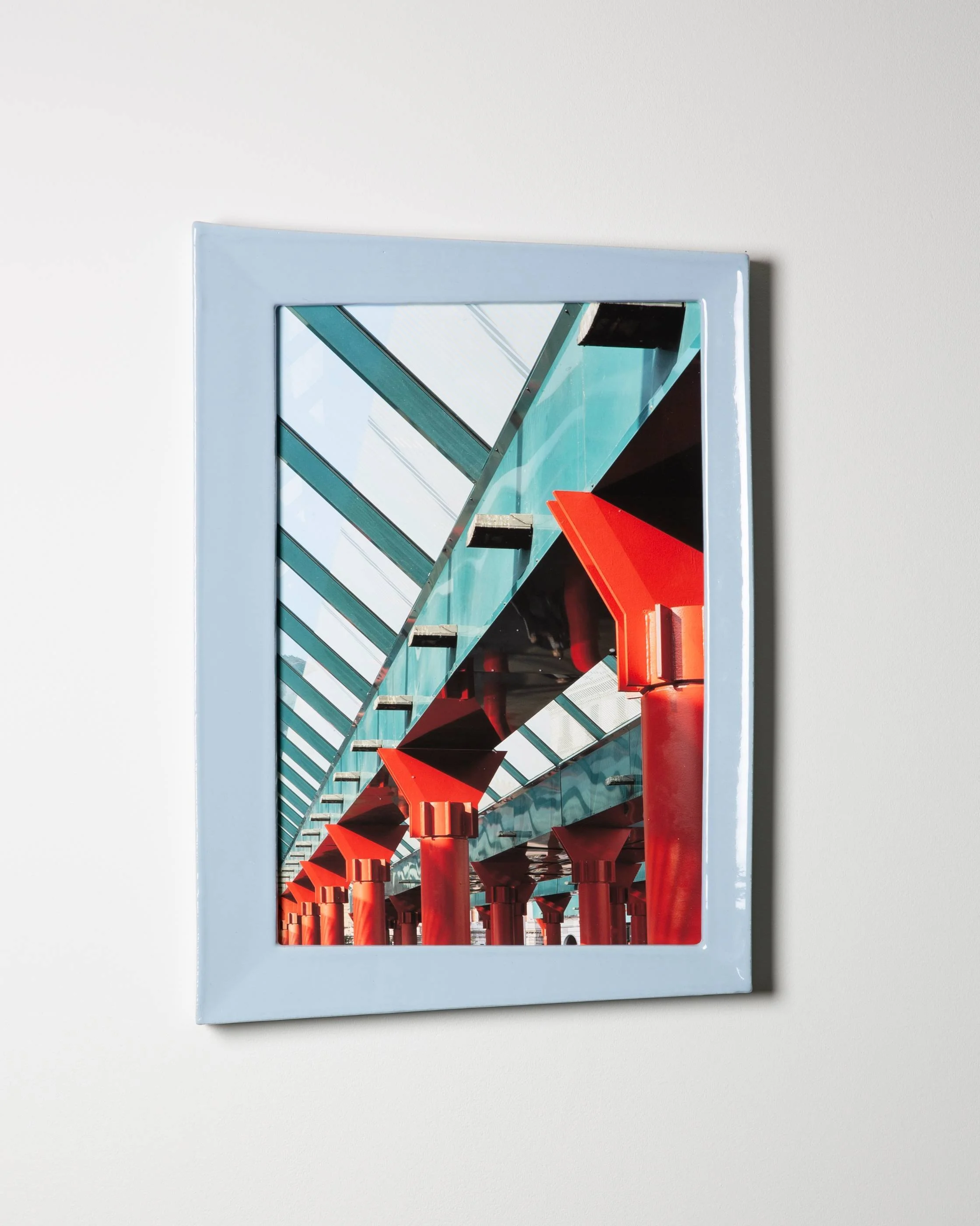
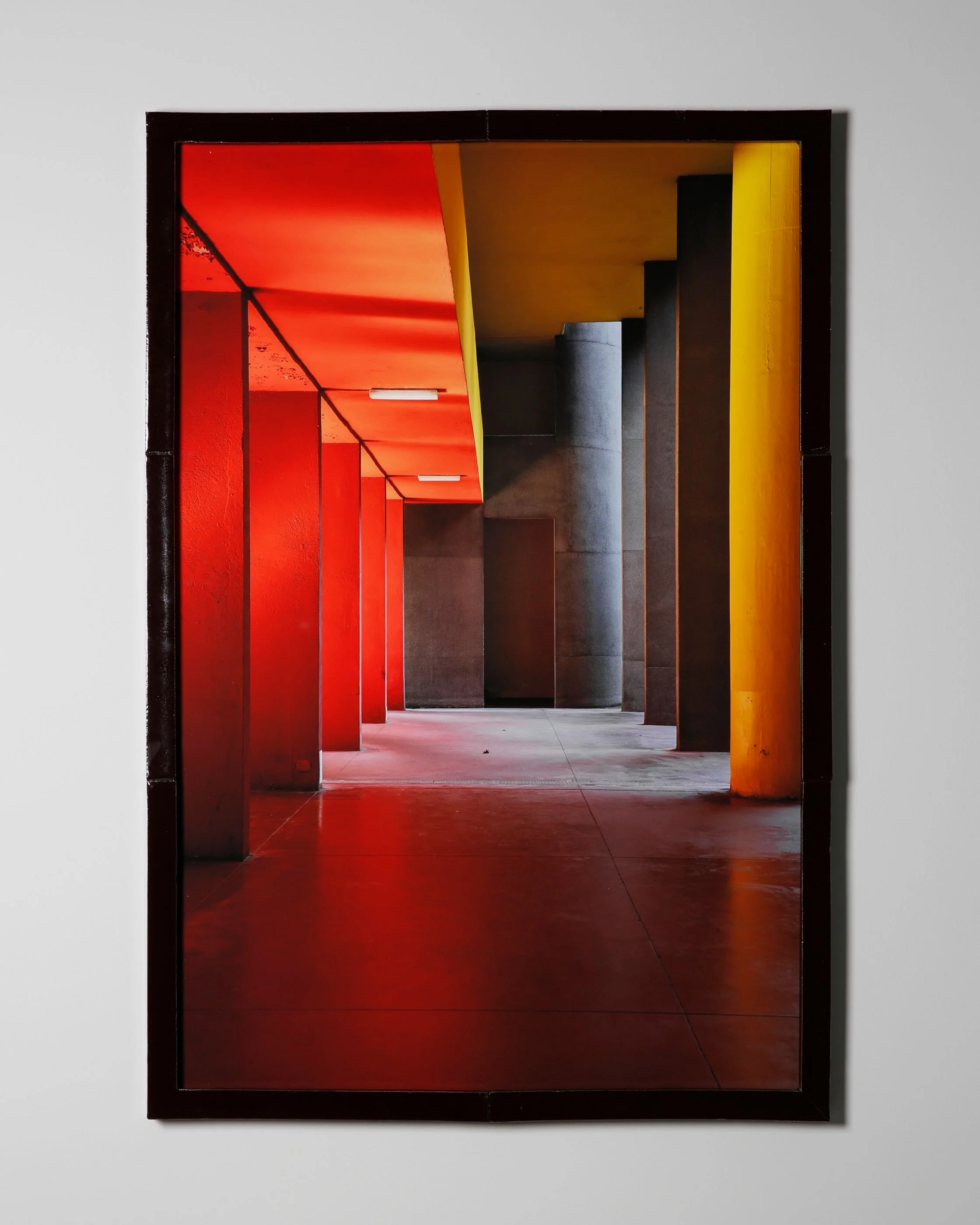
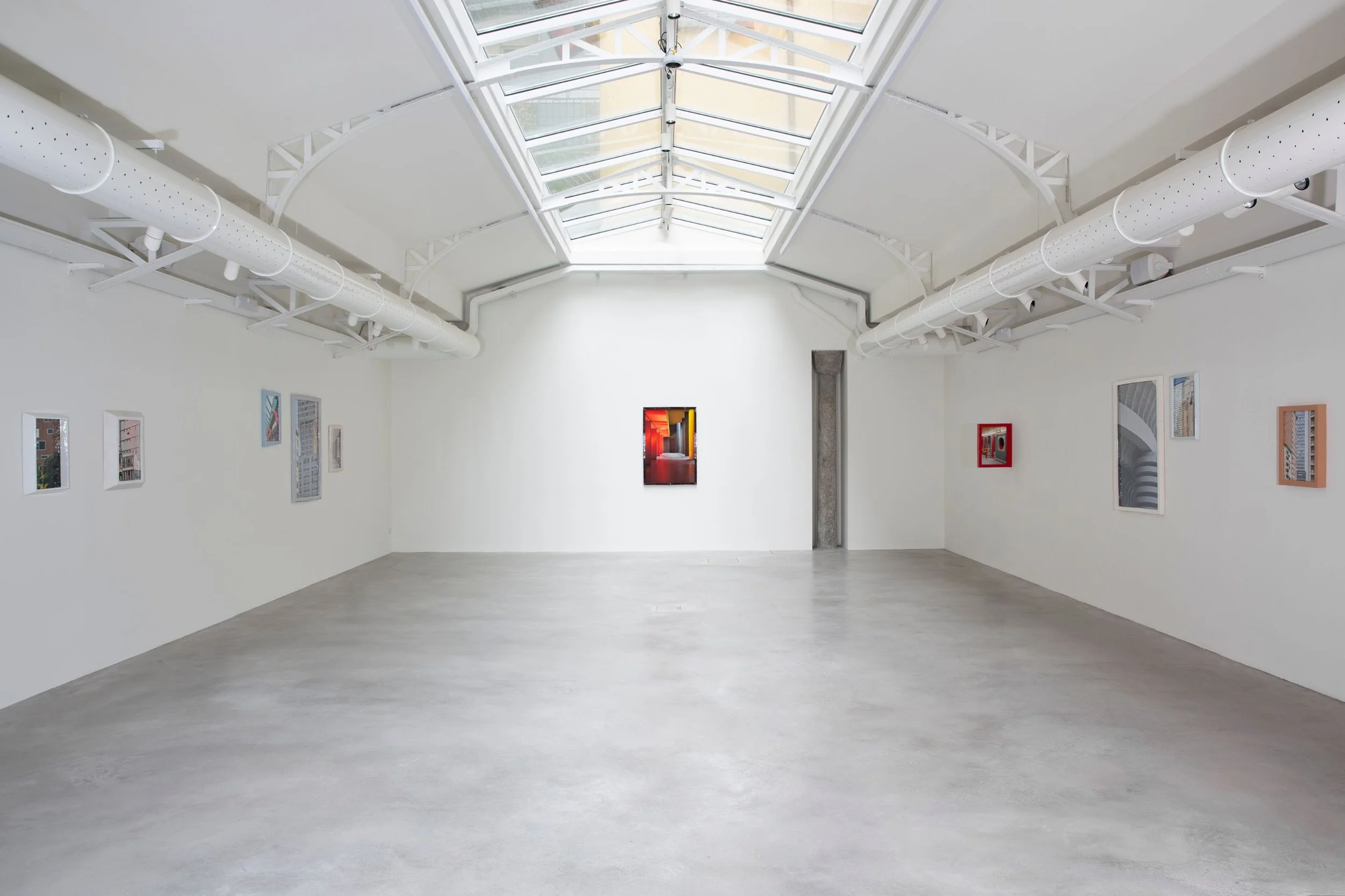
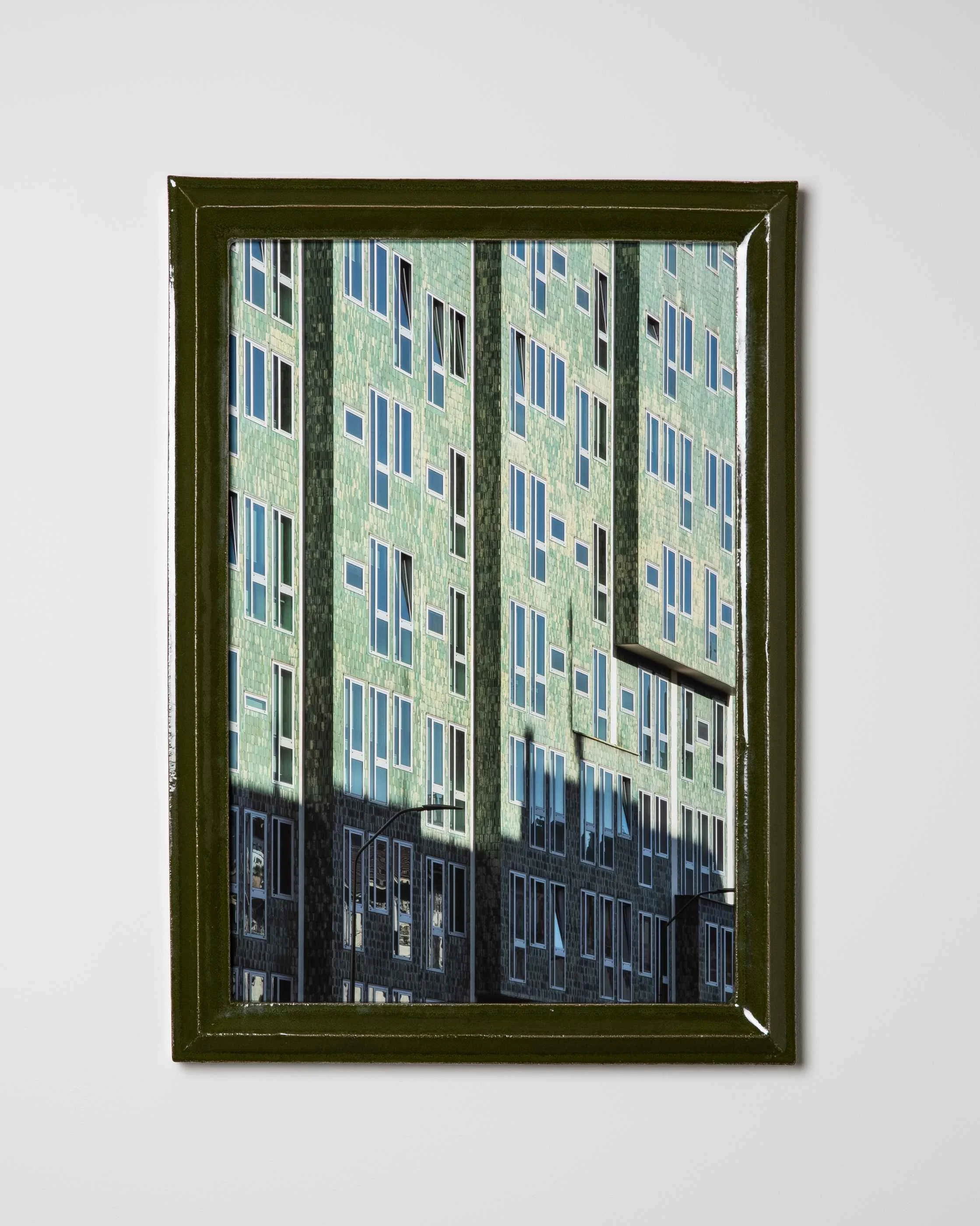
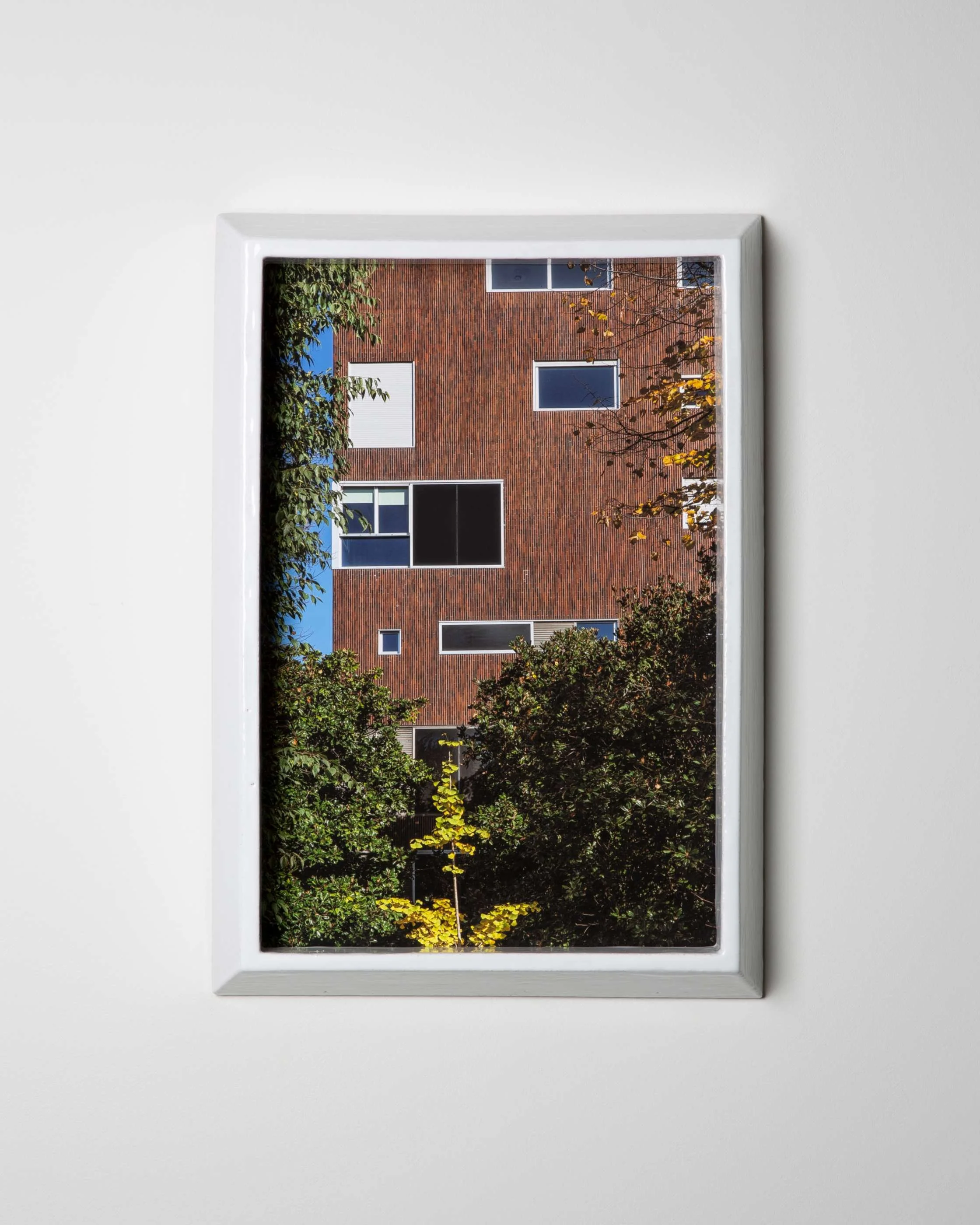
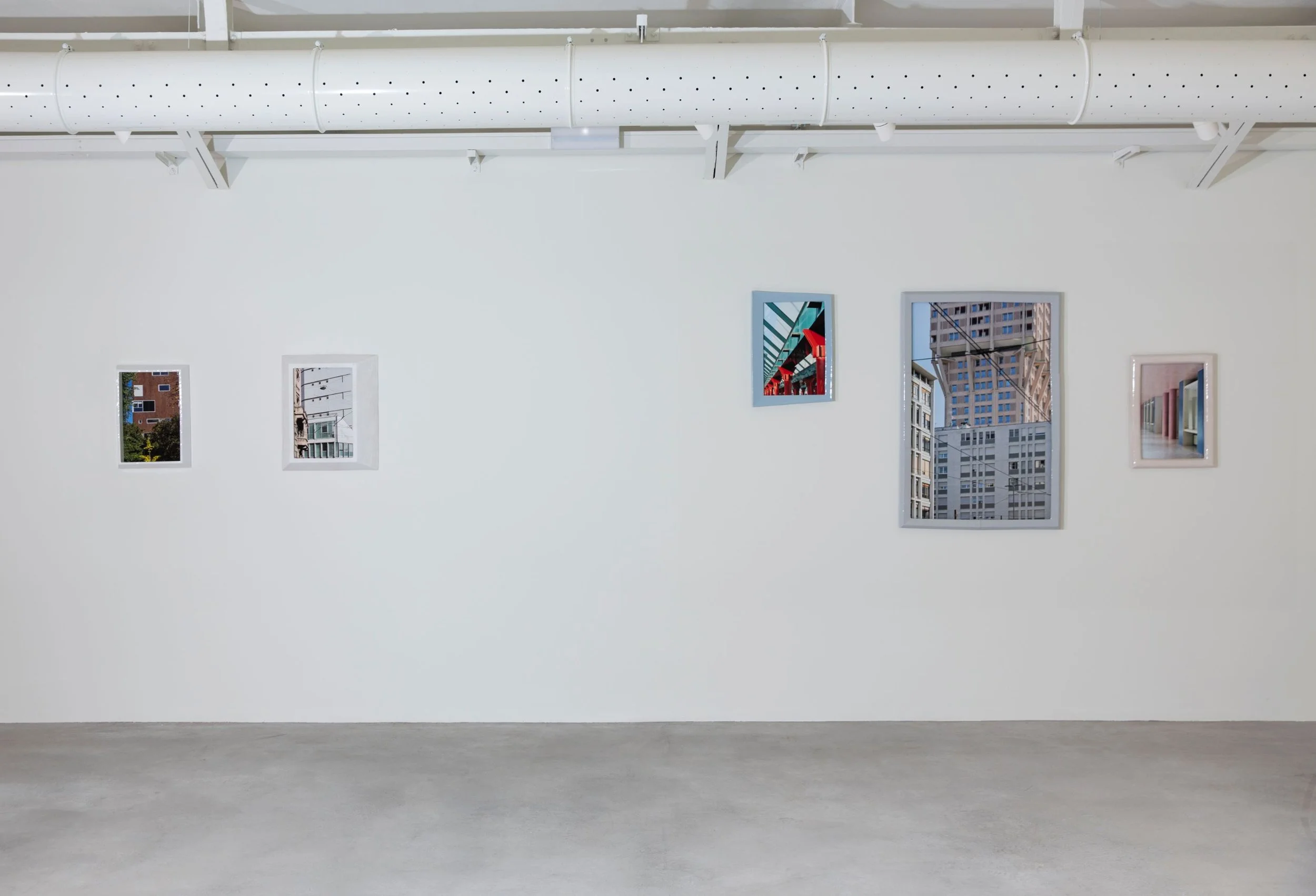
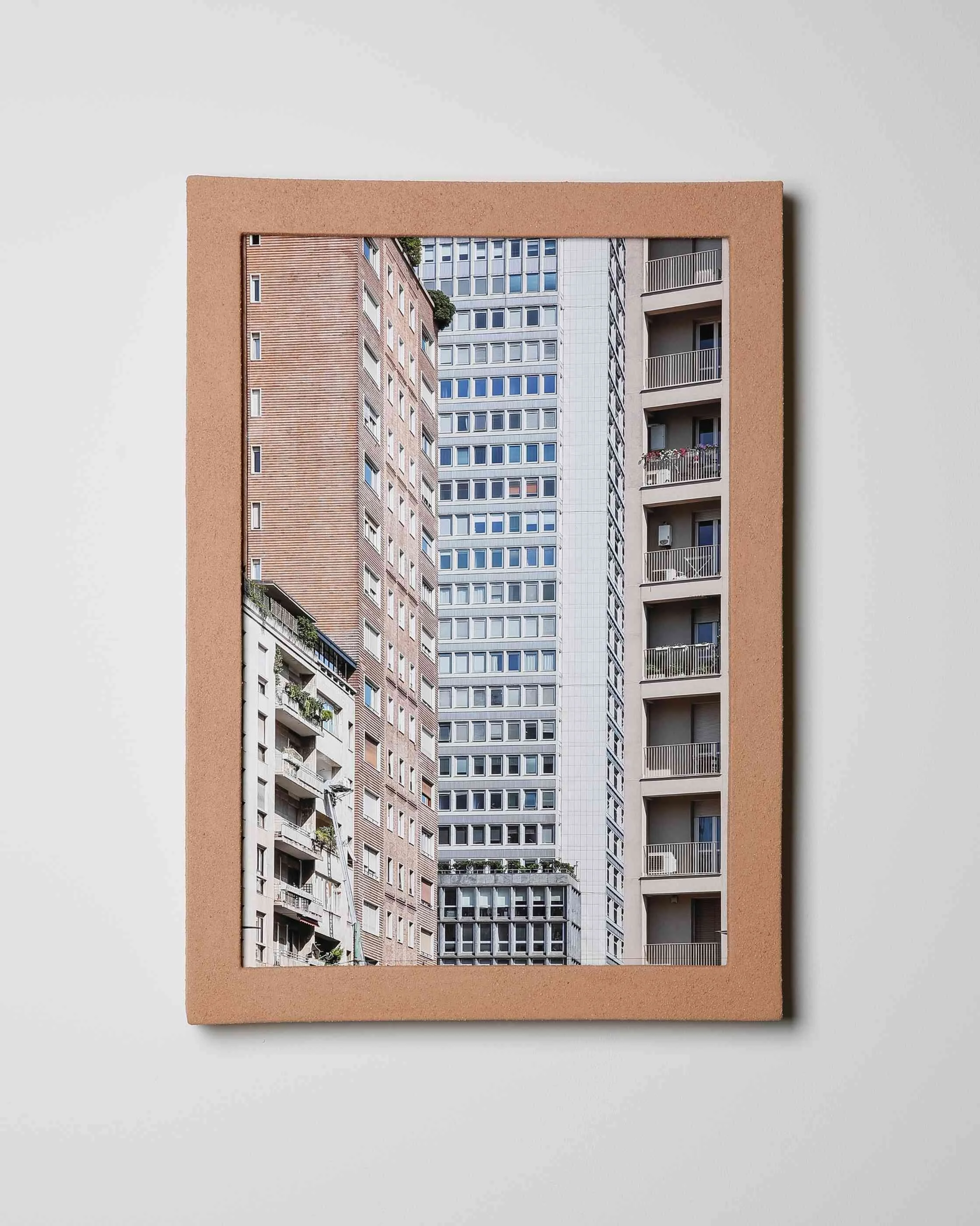
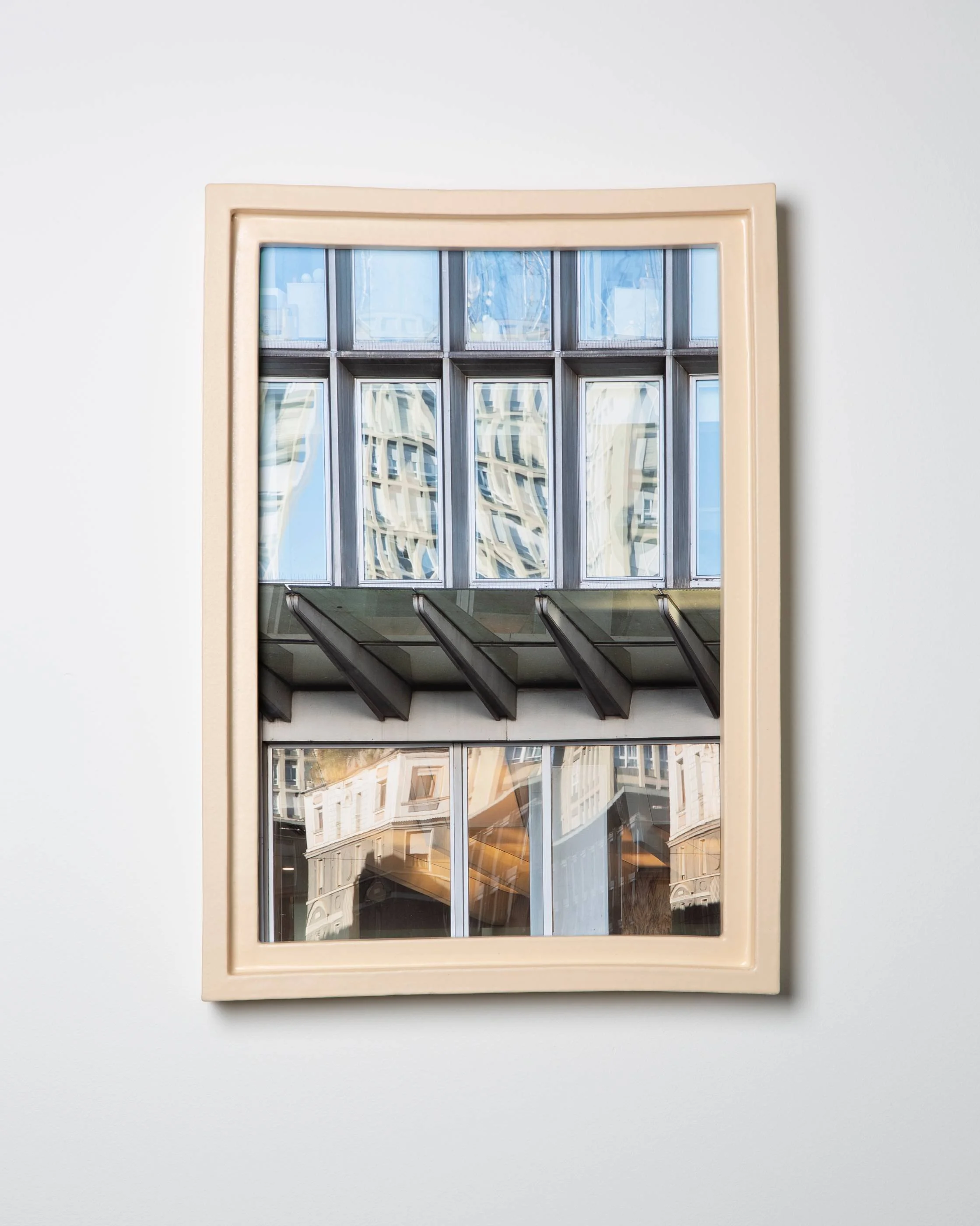
At Officine Saffi, Silva returns to document her city visually with twelve photographs, all taken last summer (hence the title), each featuring a building by a celebrated architect in Milan. On view until 6 April 2026, across the season of the city's Design Week and Art Week, the exhibition is produced in collaboration with the creative and research platform Officine Saffi Lab. The frames are a highlight in themselves: each one unique, handmade in the workshop from different ceramics and glazes, functioning as architectural elements in their own right, their colours drawn from the very details of the buildings photographed.
The show is an invitation to reflect on the layering of the Lombard capital: transit spaces that embody taste, politics, a shared set of beliefs. A city hemmed in by ring roads and bypasses. Many of the Milanese corners feel familiar, suspended between abstraction and recognition, surface and structure. Along the walls: the concentric rings of San Siro, the Central Station, the rosy atrium of Piero Bottoni's Palazzo INA, Cadorna, Luigi Moretti's residential complexes on Corso Italia, Piazza Carbonari, the 1971 Palazzo Montedoria, the Pirelli Tower, Torre Breda, Torre Velasca, the Monte Amiata housing complex of 1974. The tubular handrails of Franco Albini in the M1 and M3 metro lines.
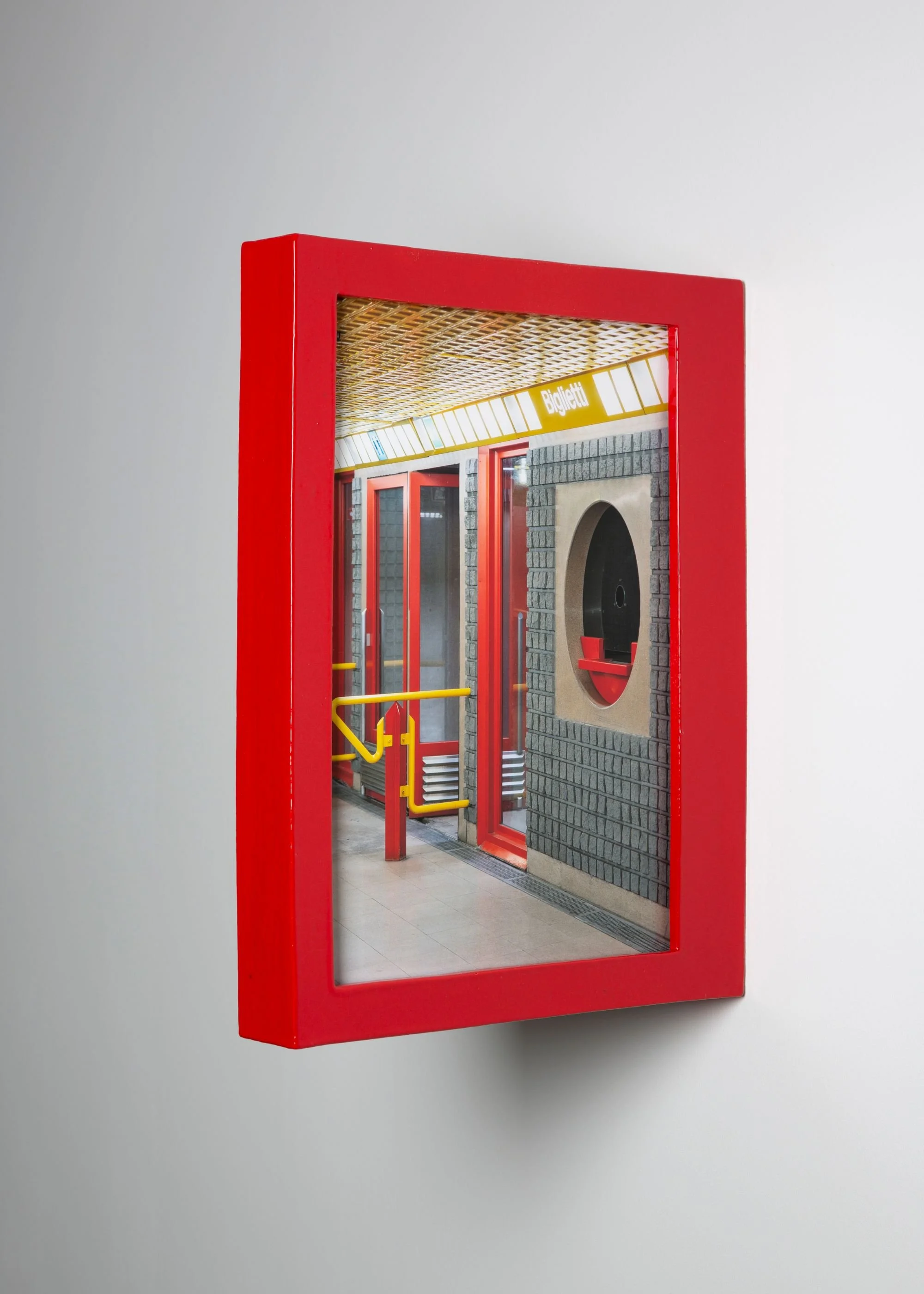
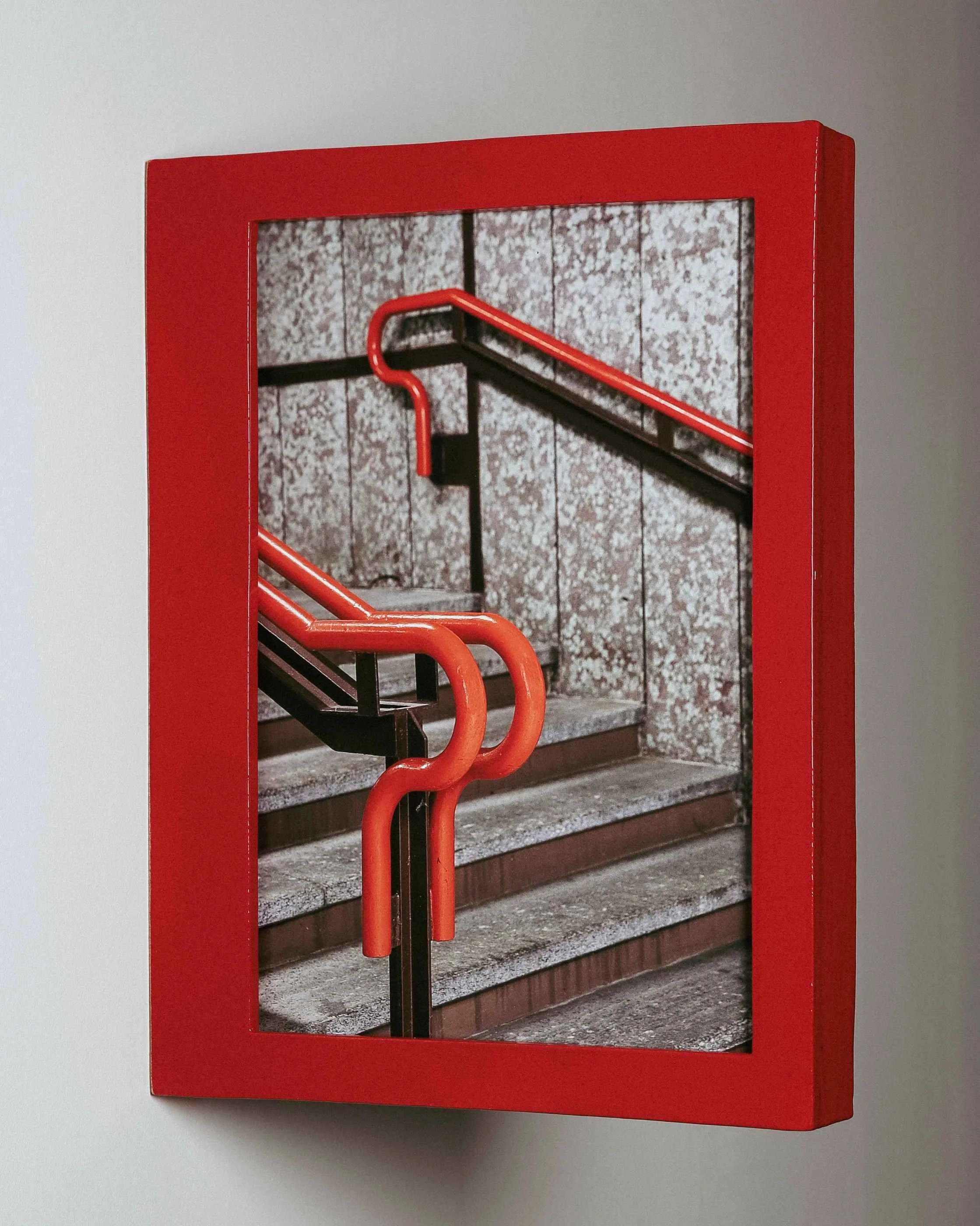
The work Silva brings to Officine Saffi was shot last summer. But she already knew every hidden corner of Milan, as her 2021 Triennale project Milan. City, I listen to your heart made clear. That exhibition, offered with affection, care, and a touch of spirituality and irony, presented a selection of around a thousand photographs taken in Milan over the course of a year, focused on modern and contemporary buildings.
Equally compelling was her show Narratives/Relazioni at the Fondazione Bevilacqua La Masa in Venice in 2021, presented during the 17th Architecture Biennale. It brought together images made over more than a decade of research into the landscapes of countries at war, buildings, windows, cars and scenes of everyday life visibly compromised, sometimes to the point of physical dissolution, as expressions of the power of recent dictatorships. A visual and documentary journey through Aleppo, Baghdad, Tripoli and Misrata. In Venice, Silva turned to architecture as a method for narrating a country's dreams and aspirations, its fears and fragilities.
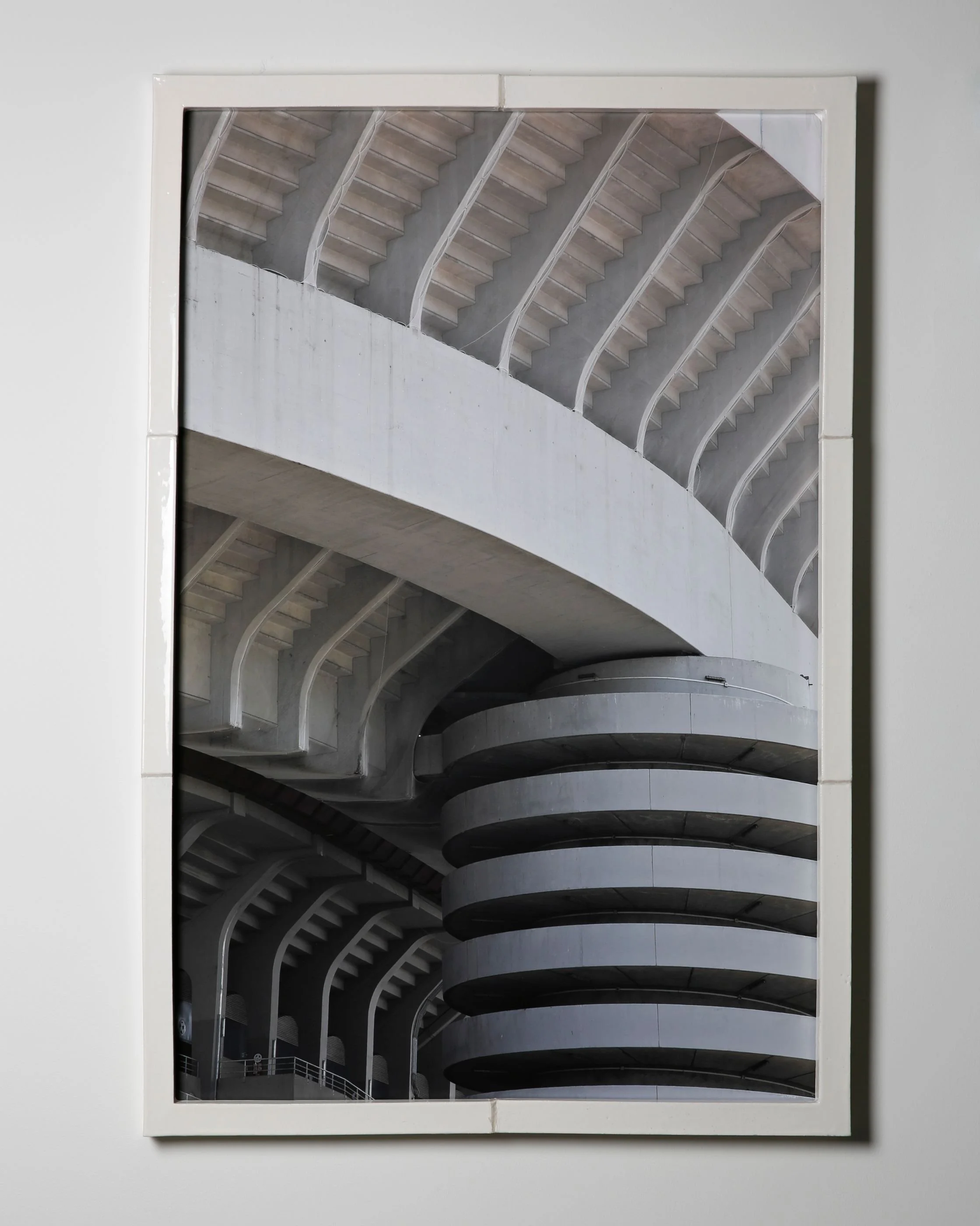
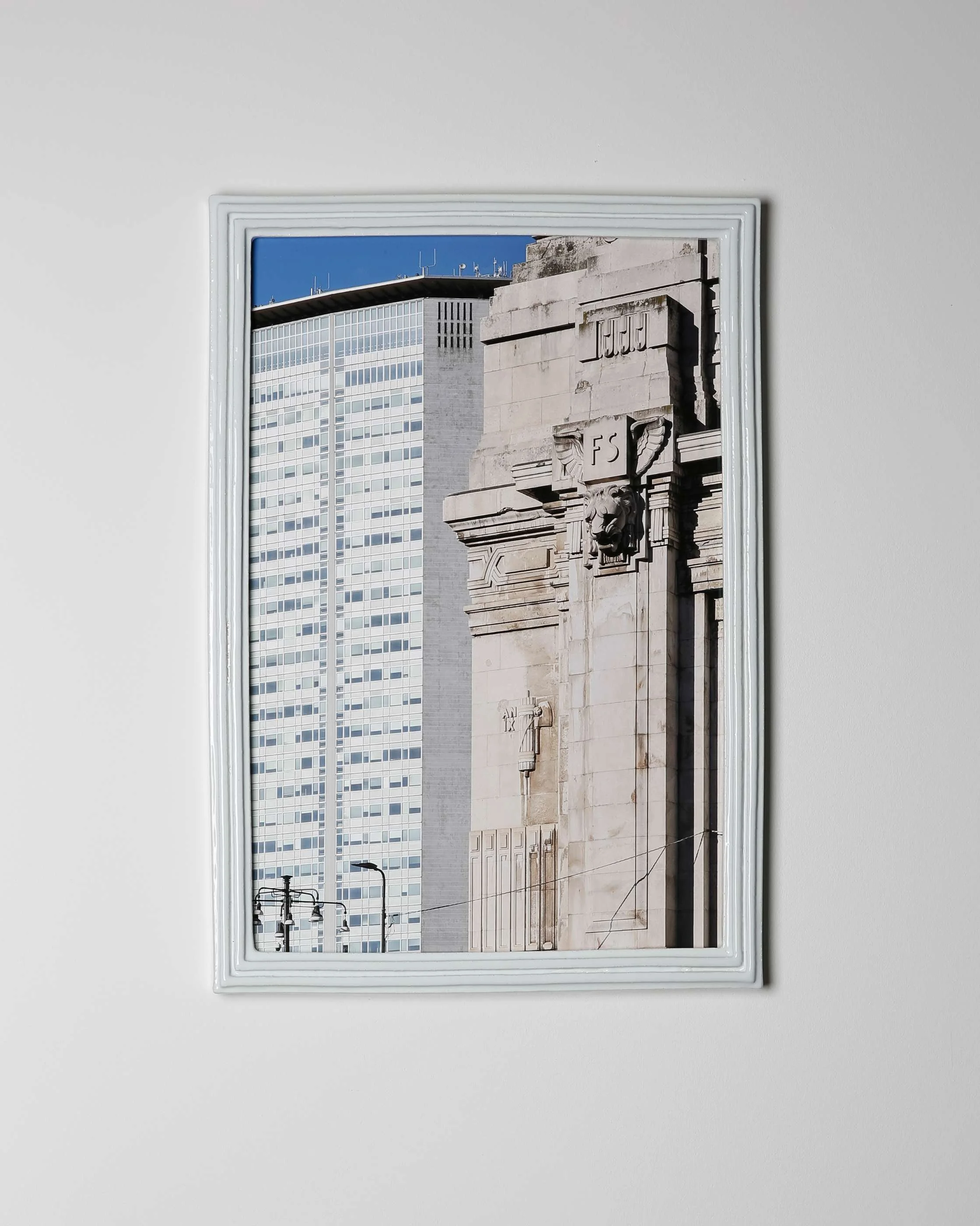
A visual history of Italian clubs. Another project I find endlessly fascinating is Nightswimming, a selection of photographs, interviews and critical texts charting the world of nightlife and clubs in Italy from the 1960s to the present. Conceived in 2014, its aim was to analyse the spaces themselves, not only the emotional life that animated them at night, tracing how the cultural and economic evolution of Italian society gradually transformed the idea of leisure, and with it the spaces where that leisure took shape. How the forms of clubs, venues and discotheques followed the fashions of the moment and the demands of successive youth cultures. The Nightswimming research later expanded into a study of clubbing across European capitals (Berlin, Barcelona, Paris, London) published by Bedford Press. A journey through time, as much as through space.
If Officine Saffi falls anywhere near your route through Milan, make the stop.
Words by Matilde Crucitti
What to read next