Nike presents Unlimited Air

The story begins with an airplane window. Frank Rudy, an aerospace engineer, stared through double-paned glass at 30,000 feet and recognized something others missed: trapped air could absorb impact. What worked for aircraft might work for athletes.

In 1977, Rudy walked into Nike with an absurd proposition. He wanted to put bags of pressurized gas inside running shoes. The room probably went quiet. Someone likely asked if he'd lost his mind. But Nike, young and hungry enough to entertain impossible ideas, listened.

The Tailwind launched that same year. Runners felt something different immediately, a sensation that defied the hard landings they'd accepted as inevitable. The shoe floated. Critics called it gimmicky. Early versions leaked. Athletes kept asking for more.

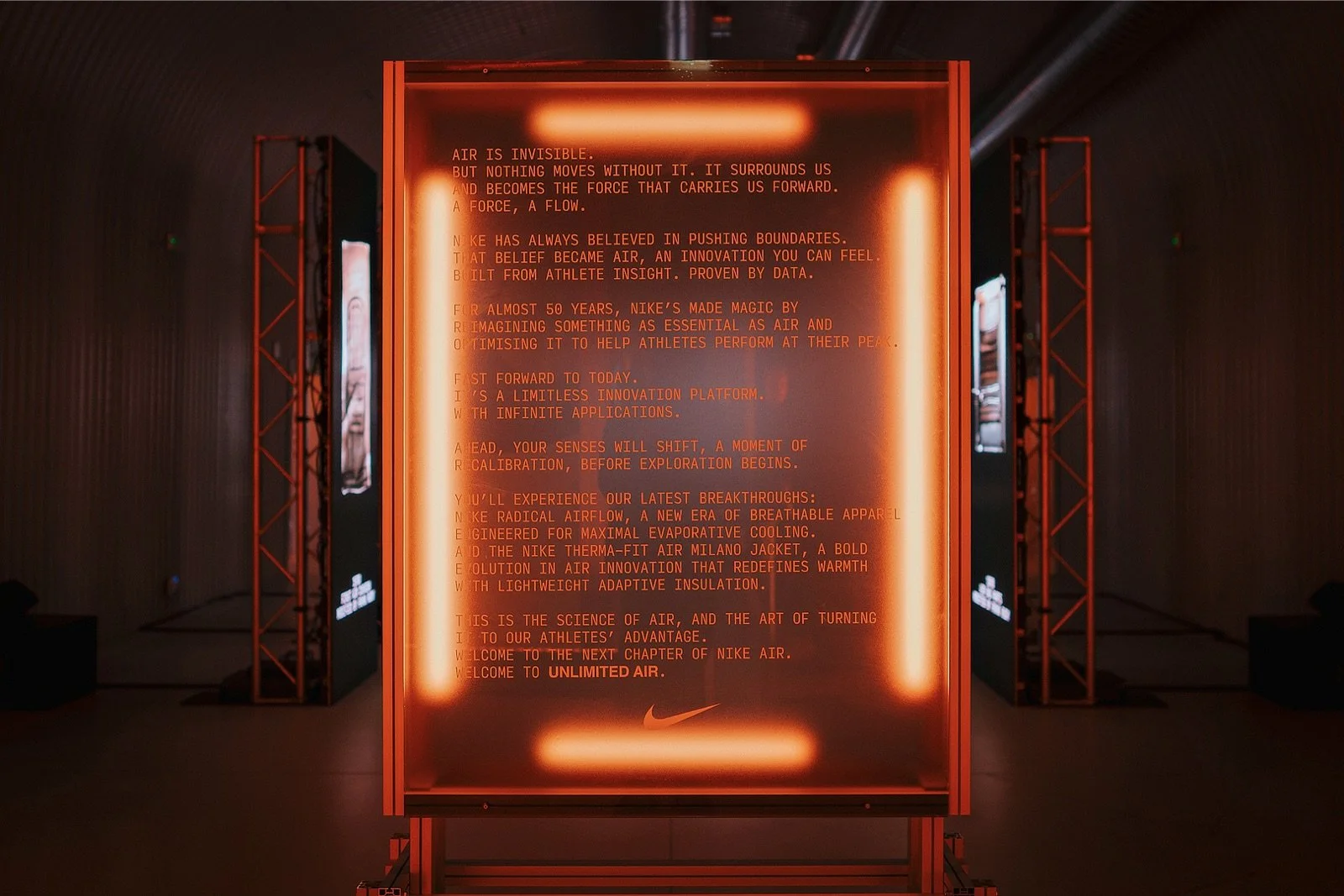
Forty-seven years later, Nike Air underpins nearly every category in the company's arsenal. Basketball players launch off it. Runners log millions of miles on it. Fashion enthusiasts collect it. The technology evolved from a single air pocket to complex multi-chamber systems, from visible windows to full-length cushioning, from performance tool to cultural symbol.
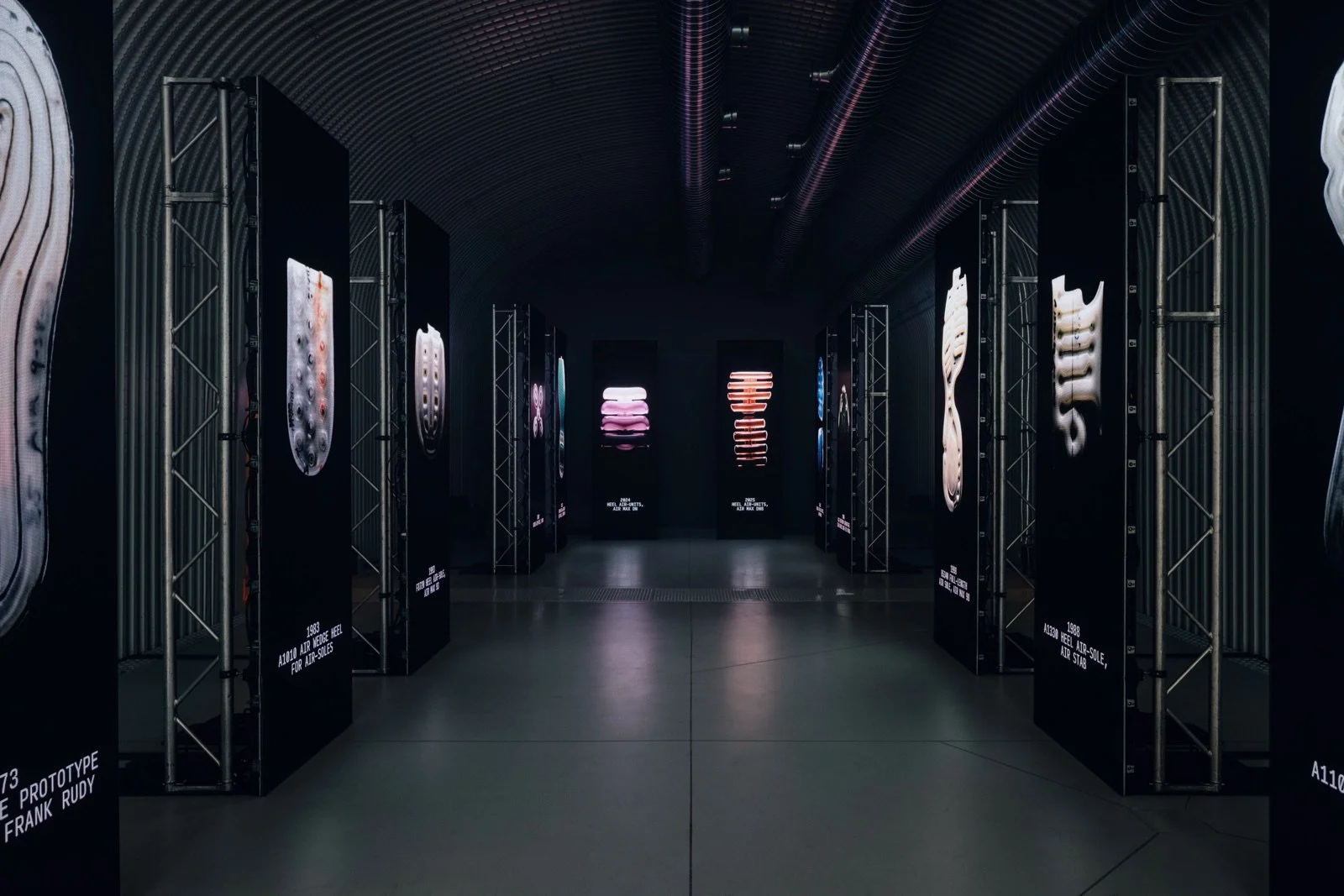
What makes this progression remarkable isn't the technical refinement, though that matters. It's the original audacity. Rudy didn't iterate on existing foam. He imported thinking from an entirely different field and convinced a company to bet on invisible technology. You can't see air. You can't photograph gas molecules doing their work. Yet runners trusted it.

Today's Air Max, Air Jordan, and VaporMax models carry forward that same principle: comfort through compression, performance through physics. The capsules still do what Rudy envisioned, absorb force, return energy, protect joints from the violence of repetitive impact.
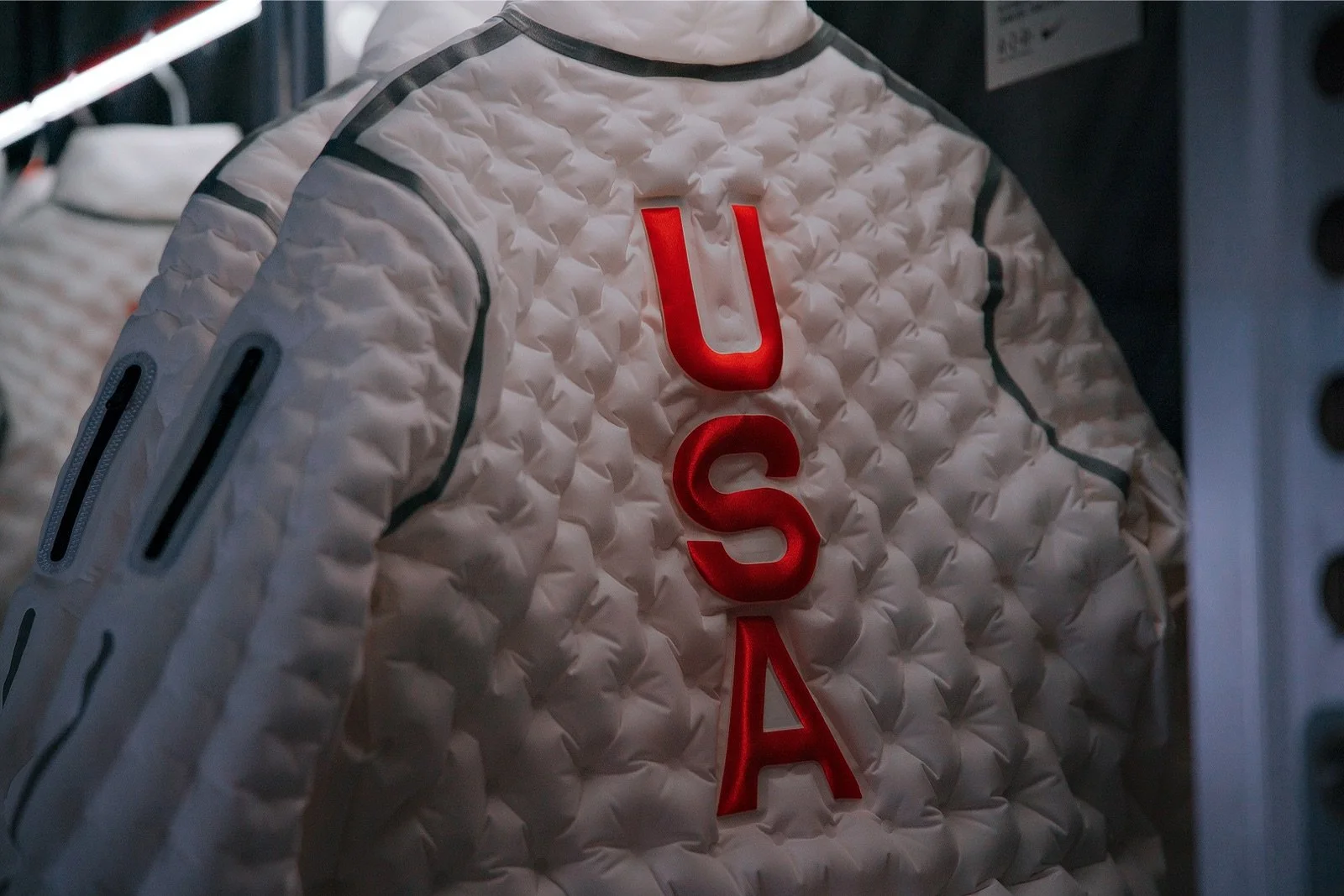
Few innovations survive five decades without becoming obsolete. Nike Air didn't just survive. It became foundational, proving that the best ideas often come from people willing to look outside their industry and ask dangerous questions about what everyone else accepts as fixed.
Words Donald Gjoka
What to read next