Gagà Milano
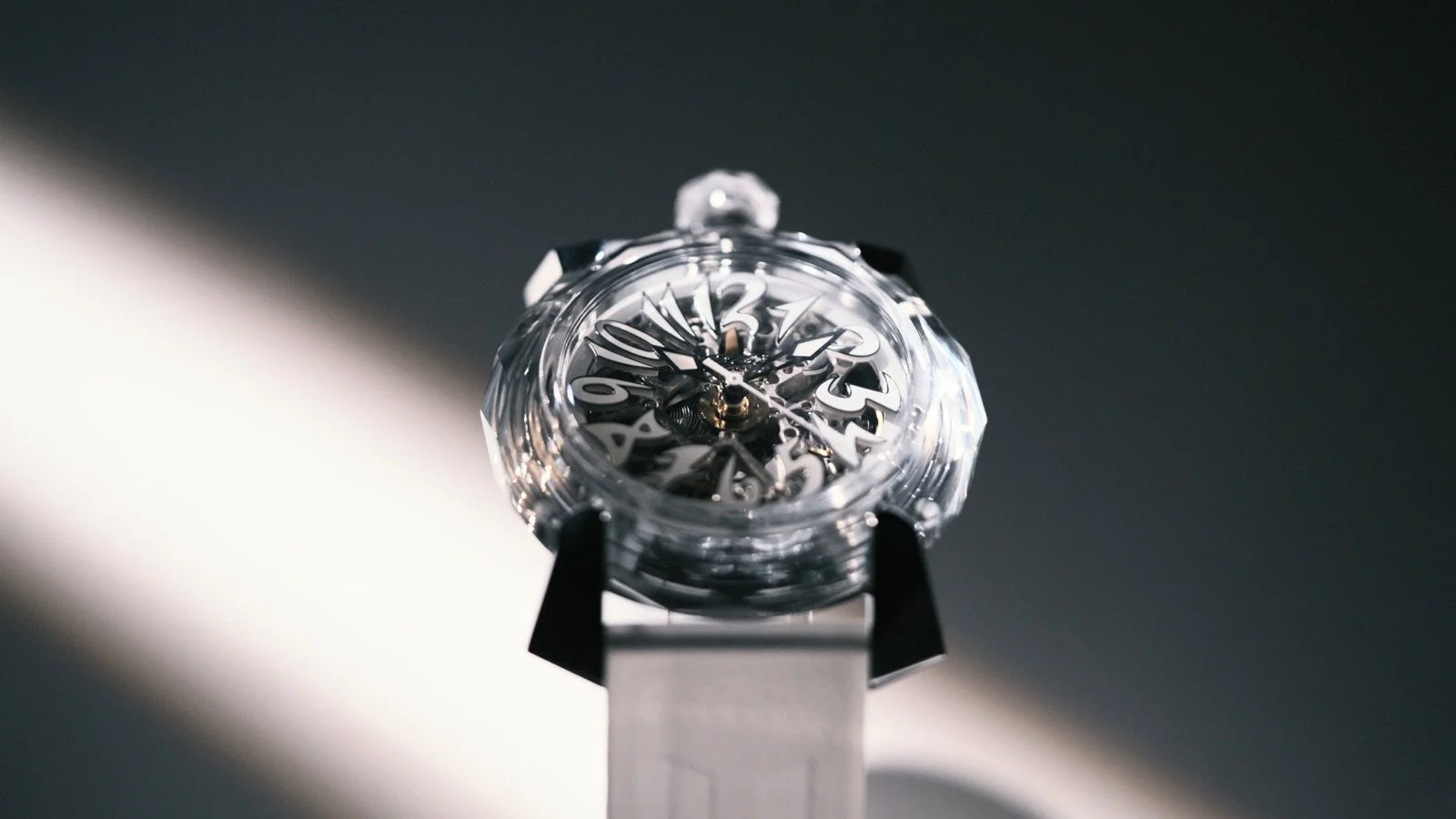
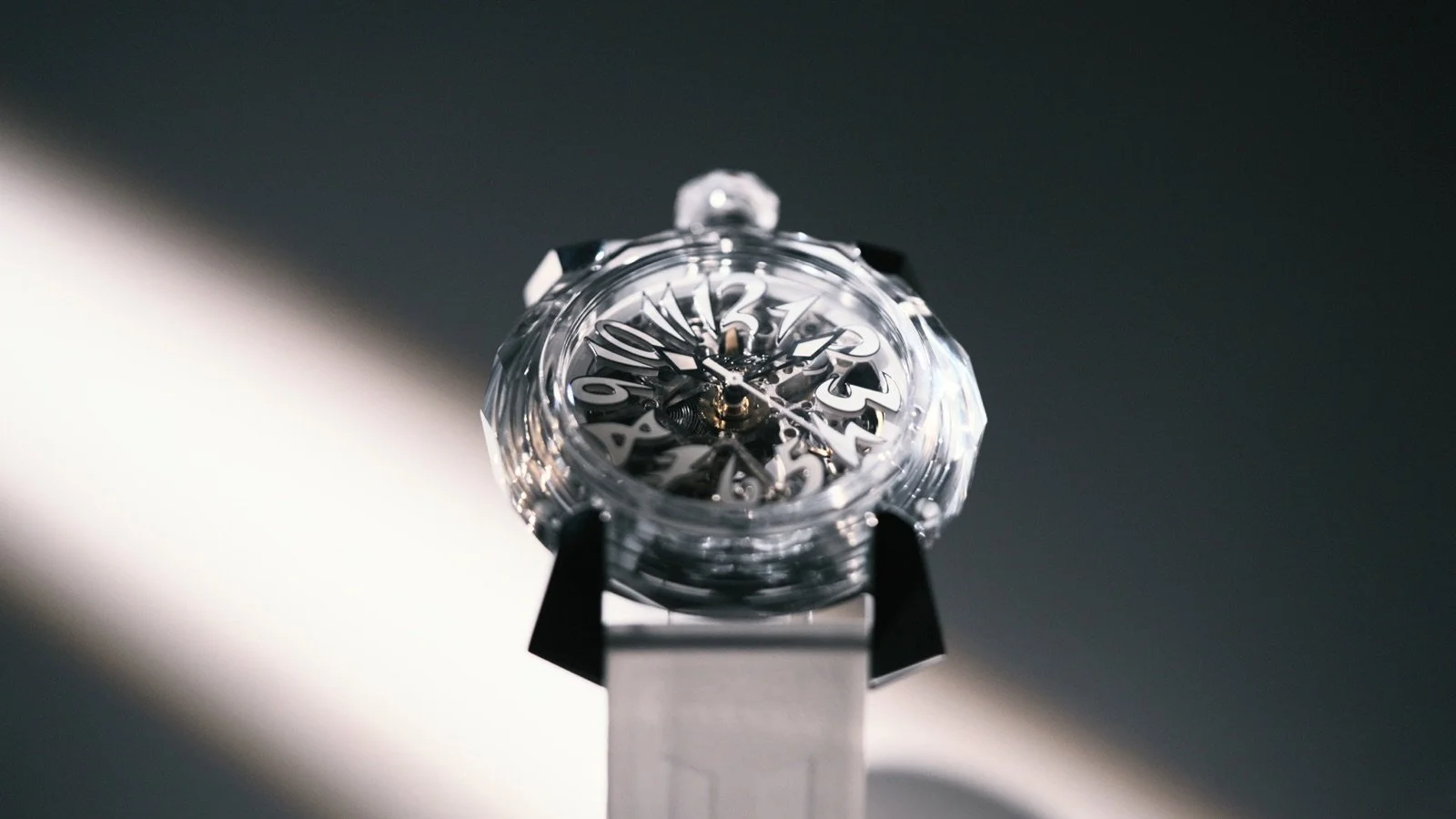
Leonardo Tomella, art director and son of founder Ruben, opens up about continuity and reinvention at Gagà Milano. With deep respect for the brand’s origins, he introduces a refined narrative, shaped by his contemporary sensibility. The latest chapter? A thoughtful collaboration with Seoul-based Arno Glass, bridging blown crystal and watchmaking into a dialogue between movement and pause.
The "Gagà" archetype, a distinct gentleman from early 20th-century Italy, forms the bedrock of your brand's identity. How has this historical figure's essence been translated into a contemporary context, particularly considering Ruben Tomella's assertion of it as an "ever-evolving concept?"
When they became popular, “gagàs” were recognized for their suits, color combinations, pocket squares and so on. Naturally, that’s not the gagà we portray today. The clothes, accessories and styling constantly change, so today’s gagàs are very aware of where they come from, but they aren’t bound by tradition. They don’t necessarily wear three-piece suits or use a monocle. Instead, they might pair a zipped hoodie with a leather tie or wear a tailored blazer over a pleated skirt.
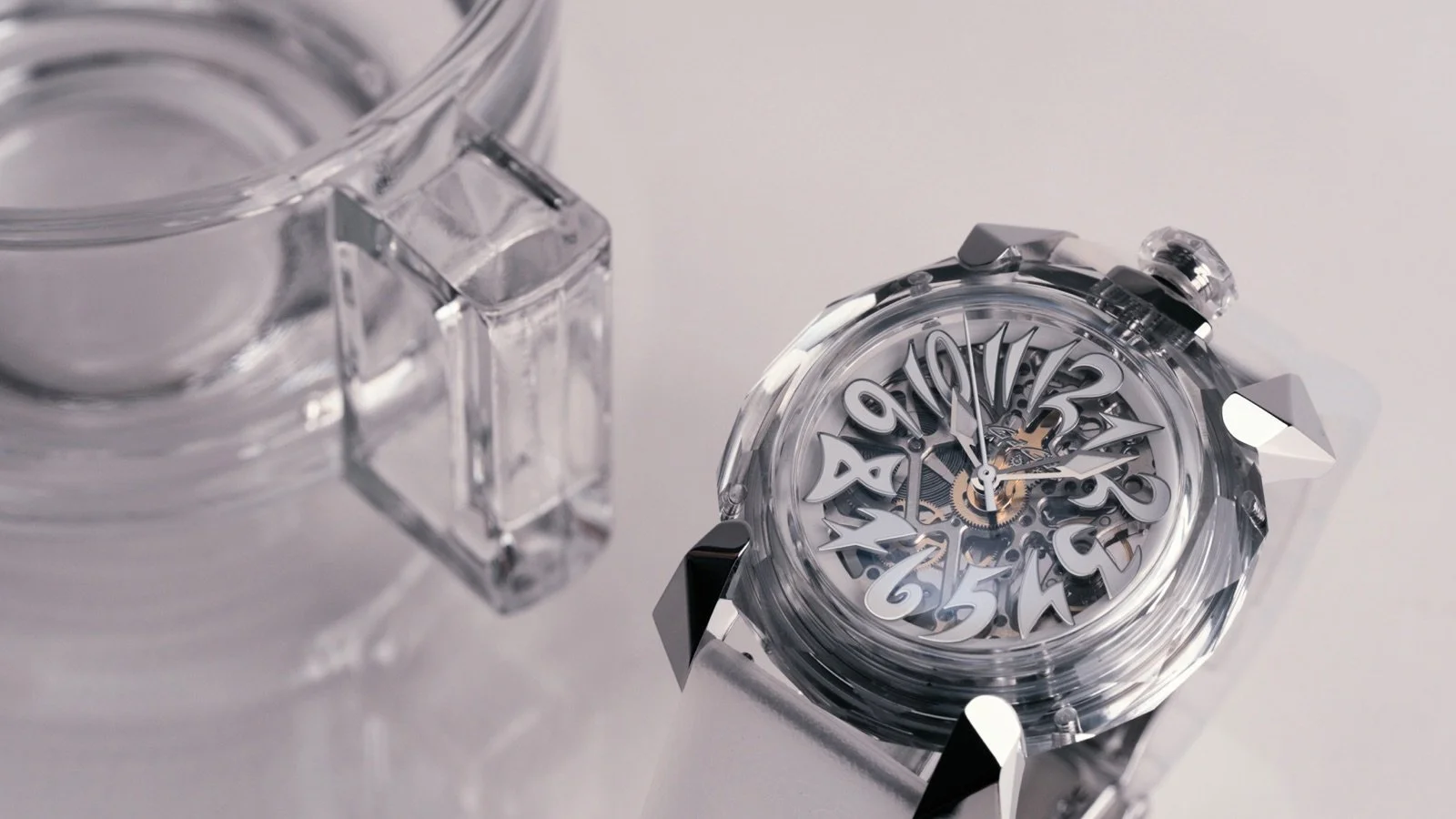
Initially, Gagà Milano took pocket watch elements and adapted them for the wrist. What was the driving force behind this particular design shift, and how did it establish the brand's unconventional aesthetic?
It was really an unplanned and natural process. My dad had a vintage pocket watch and he had the idea of soldiering lugs to it and attach a strap. As always, with new and odd things you are faced with criticism on one side and praise on the other, some people laughed, some people were intrigued by it. Ruben saw the potential of this simple quirky idea and went on to design the first Gagà Milano model, the Manuale 48, which later took the watch industry by storm with its worldwide success. He gave birth to a timeless design blueprint which over the years he translated into different styles.
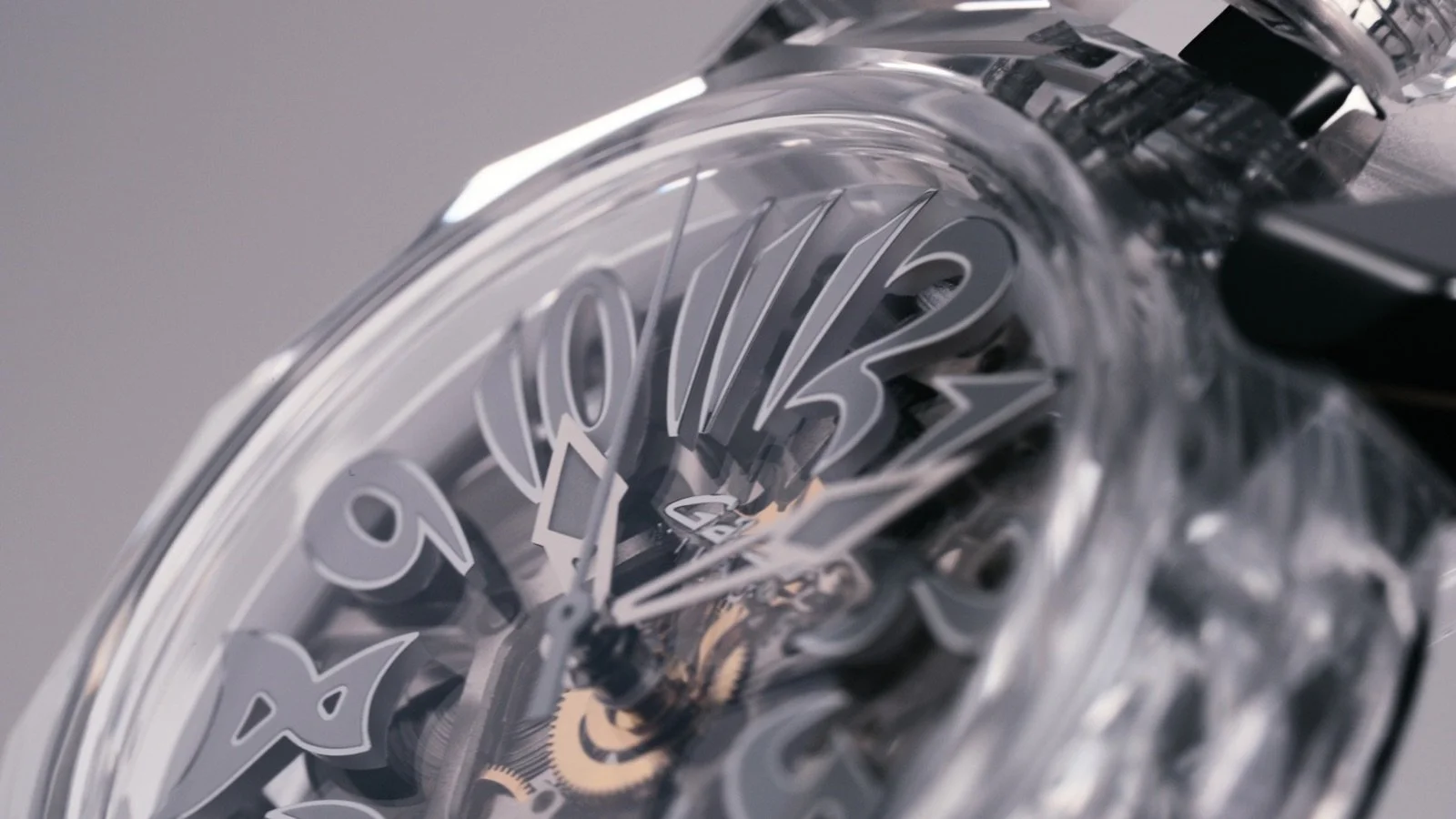
The crown at 12 o'clock, oversized lugs, and bold numerals constitute a unique visual signature. Beyond mere aesthetics, what philosophical statement do these design choices make about the Gagà Milano wearer?
Just as our watches can be recognized from afar on a person’s wrist, we aim to inspire people to be recognized for their personal taste, character and wit. Someone once said that the watch represents the ultimate accessory to express your personality, because, unlike clothes, it’s not a necessity. So, if you decide to wear a watch, and you choose to wear a Gagà Milano, it means you want your wrist to be a bold statement of your personality.
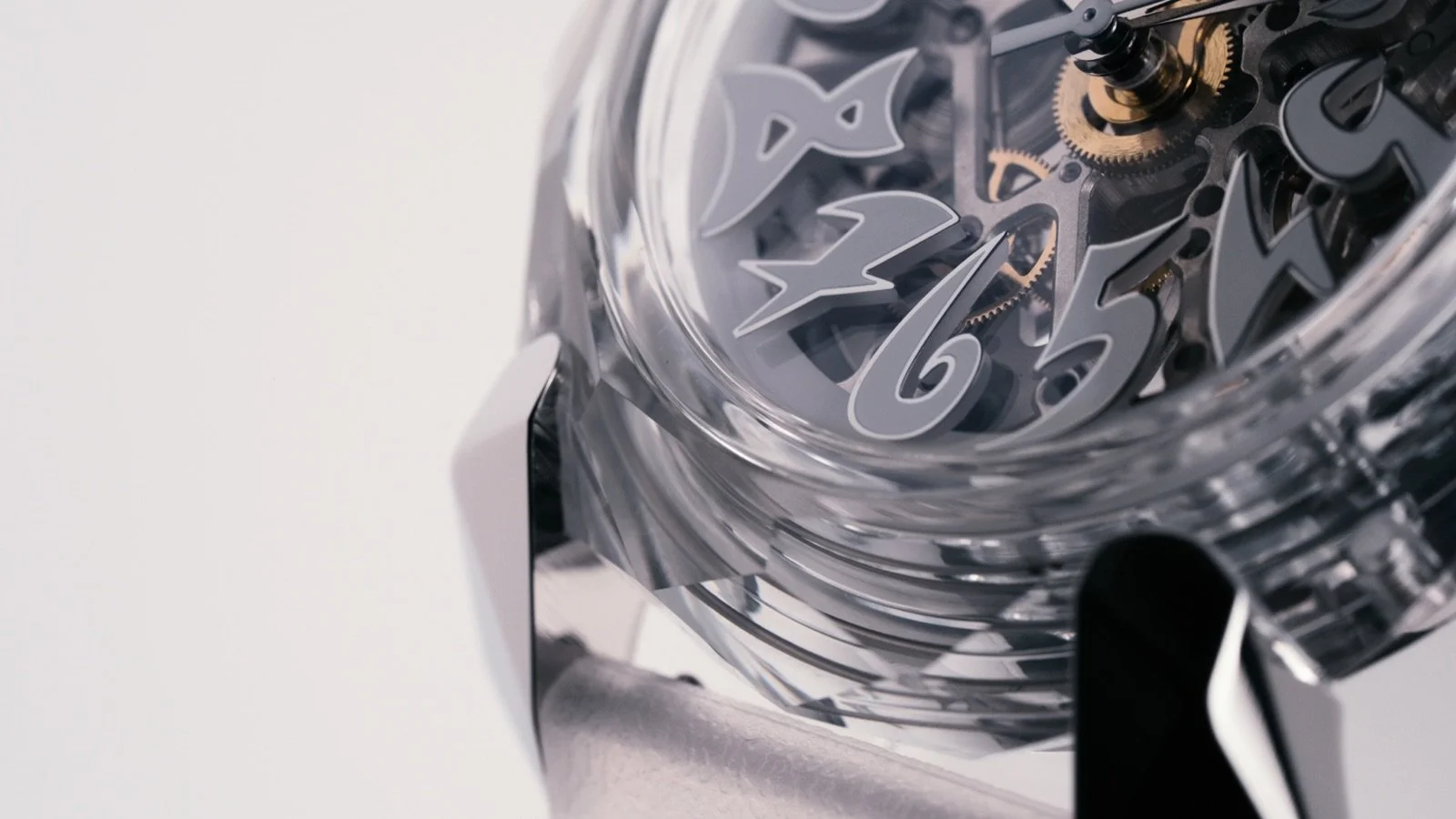
Gagà Milano purports to represent a specific lifestyle. Could you articulate the core tenets of this lifestyle and how your watches serve as declarations of this way of living?
A key detail that is often missed about the gagà, is that its essence goes beyond the wardrobe. While the aesthetics might change over time, what stays at the core is the gagàs’ passion for the unconventional, their deep desire to express their personality in any way they can, to make a good impression and to have fun in doing so. The gagà lifestyle is all about taste and the pleasure of building your own personal one, and this obviously requires time. The watch, specifically a Gagà Milano, serves as a statement of this lifelong mission towards aesthetic expression, but also as a reminder to always enjoy this journey and the like-minded people we share it with.
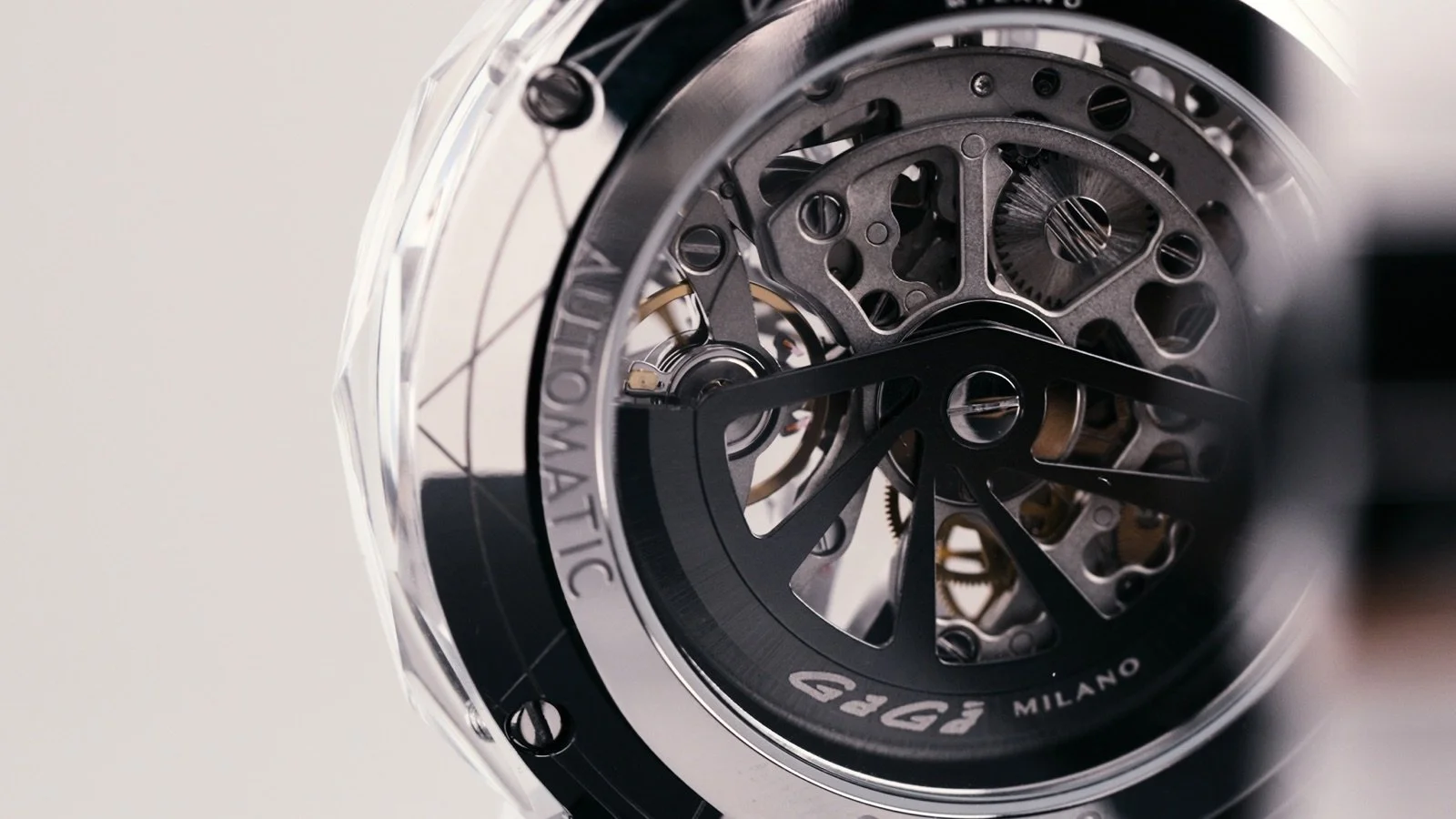
Your father, Ruben Tomella, founded the company with a strong sense of tradition and identity. How do you bring a fresh and modern approach to communication while staying true to that original vocabulary?
I’ve lived and breathed Gagà Milano basically my whole life, so even though I began to work in the company only in the last few years, over time I’ve acquired a deep level of knowledge about the brand, even subconsciously. I think this allows me to really stay coherent to the brand’s DNA and heritage while adding my own touch to it. While it’s true that I’ve introduced a new direction for the brand, it is not something disruptive. Actually, my aim is to consolidate the pillars of the brand that my father has been developing for the past 20 years but doing so in a way that takes the aesthetics and cultural standards of both the brand and the watch industry to a new level. Besides, my father has always been a mentor when it comes to taste and creativity, so ours is always a shared work and effort that gives birth to a beautiful synergy between him designing the watch and me portraying it.
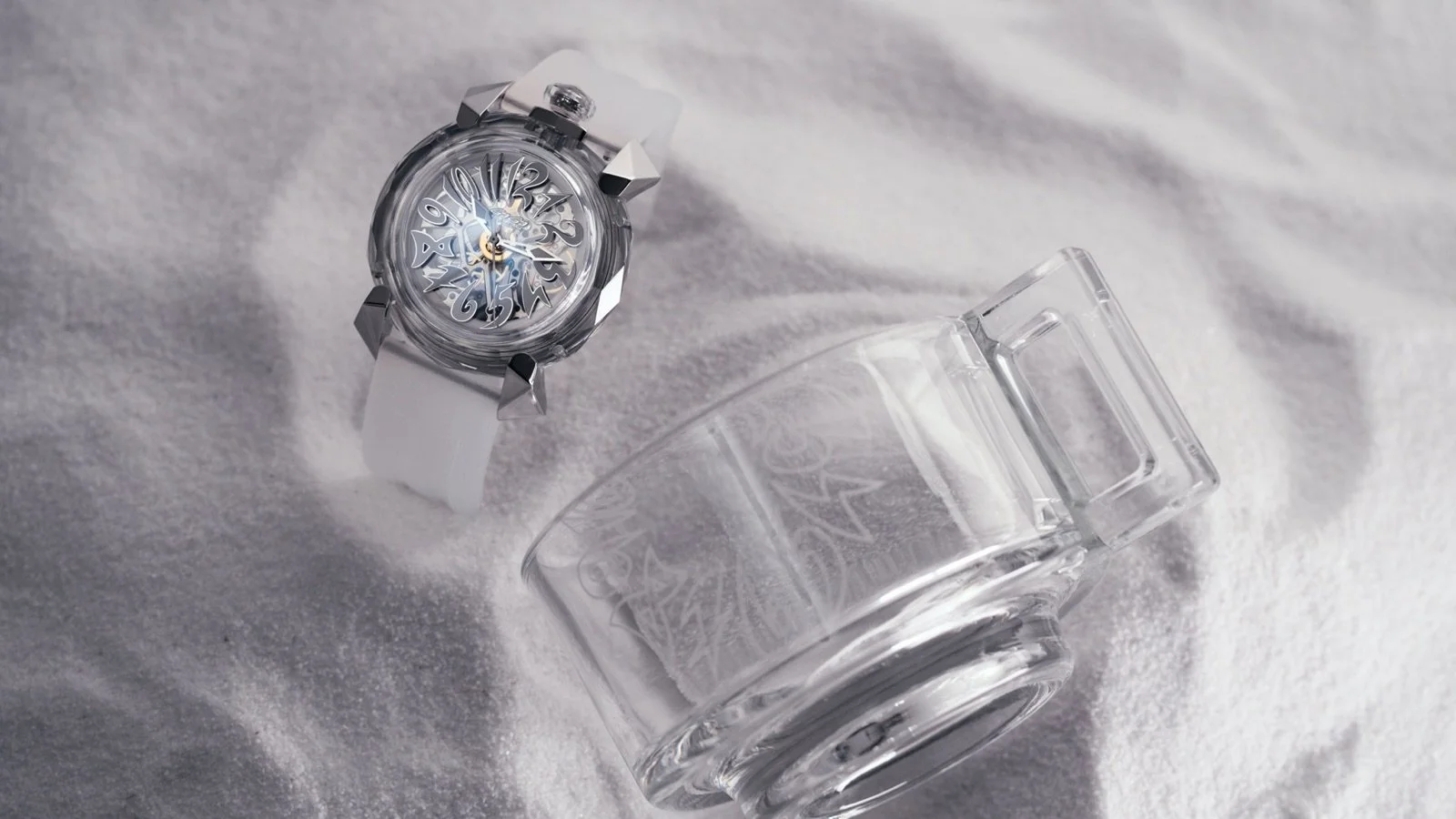
Given the fluidity of modern trends, how does Gagà Milano preserve its distinct identity while continuing to appeal to new generations of consumers?
One of my favorite aspects of our brand is that with each collection Ruben can maintain the design identity of Gagà Milano and translate it into something new. And I’m not talking about simply changing the dial color. I’m talking about the character and vibe that a product communicates. No matter the collection, from the most captivating to the most colorful, they all look and feel always “Gagà”, and in doing so we can reach both older and younger people as well. On another note, I believe that special projects like our latest collaboration with Arno Glass play a key role in reaching new audiences from different generations.
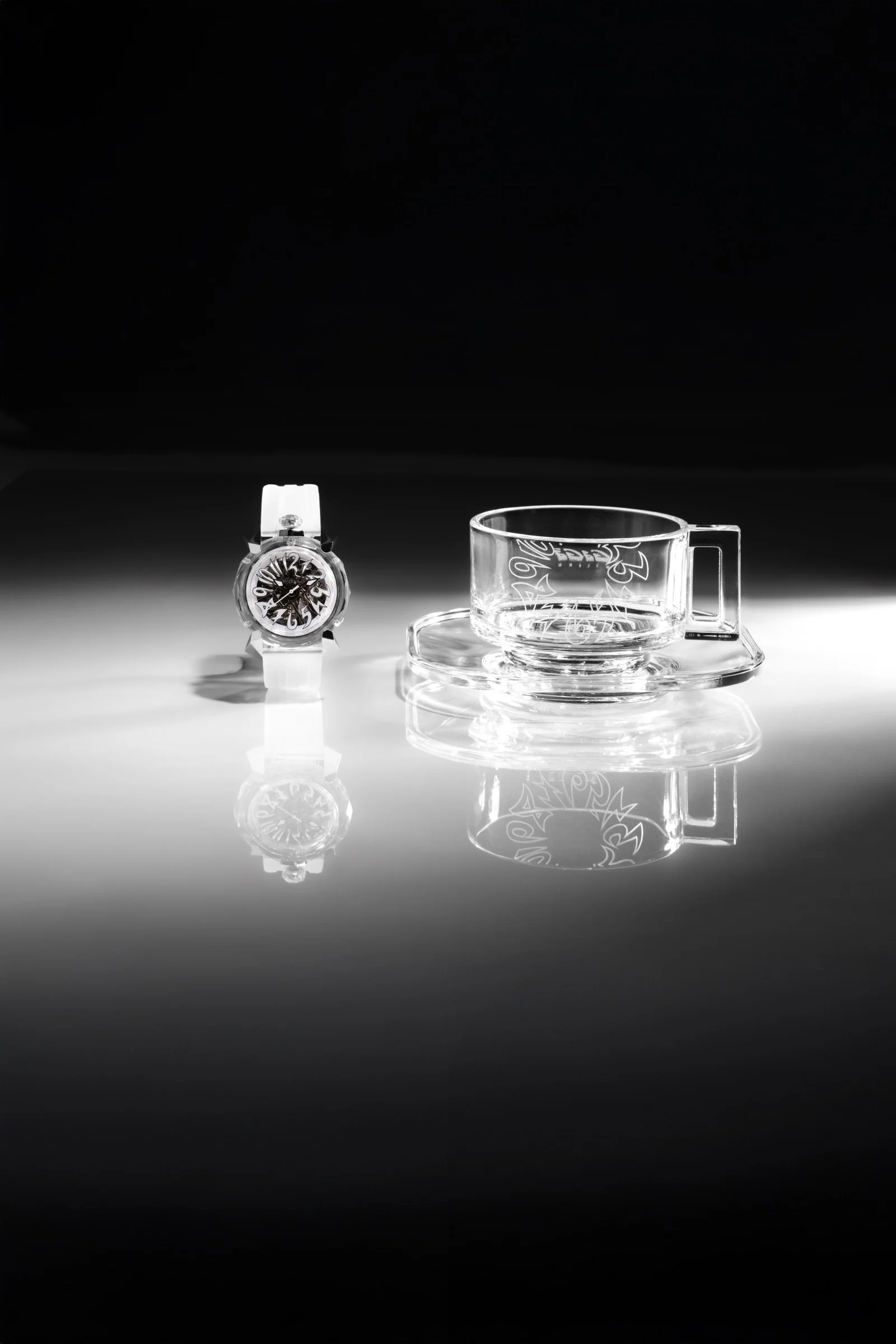
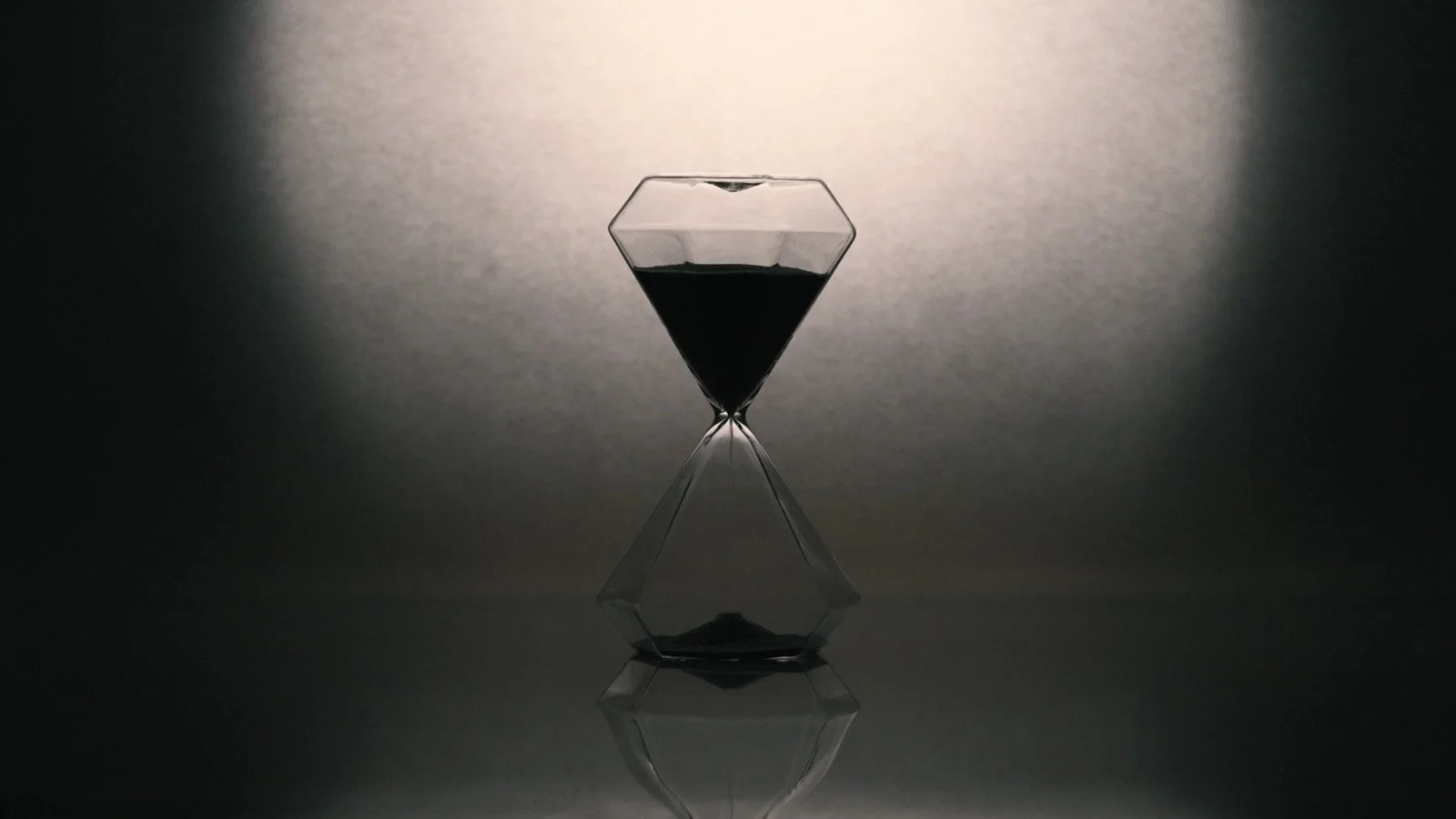
Speaking about the Arno Glass collaboration, the hourglass serves as a potent symbol of the ancient relationship between sand, glass, and time. How does this collaboration between Gagà Milano and Arno Glass reimagine this relationship through the creation of a crystal timepiece and a hand-blown cup?
Sand, glass and time have been tied together ever since the hourglass, one of the oldest objects used to track time. Through this collaboration we want to celebrate this ancient elemental trio and show its evolution to the modern times. That relationship has been reinterpreted through two objects, both coming from glass, and therefore sand, one measuring time and the other one holding it still.
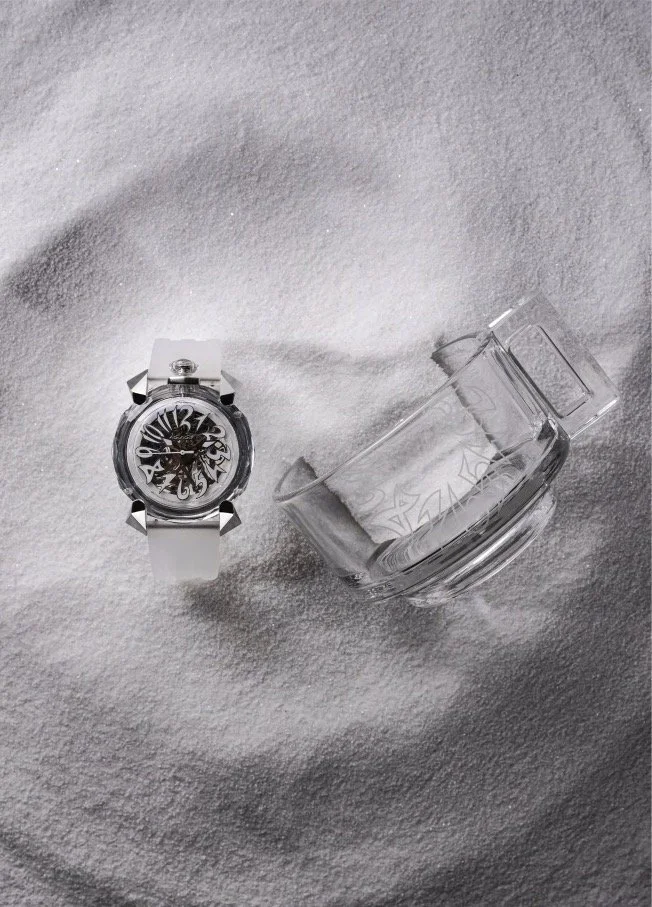
What do you mean by one object ‘measuring time’ and the other ‘holding it still’? How does this duality reflect the core idea behind the collaboration?
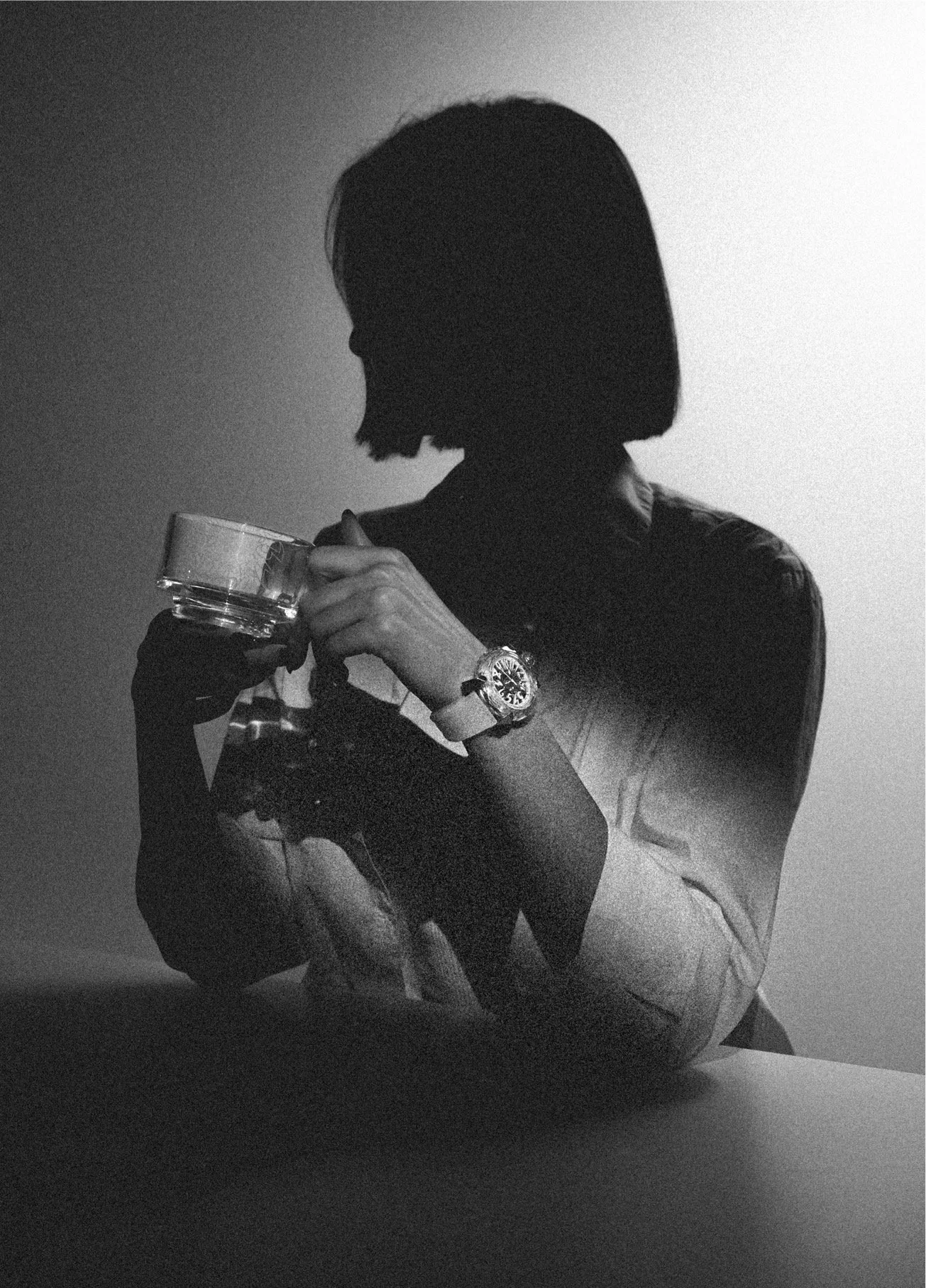
A coffee cup and a watch, two objects that might seem unrelated, actually share a deep time-centered connection. Coffee is the epitome of the break, a moment where life is paused and time is stopped, whether it’s a quick espresso drank at the counter in the streets of Milan or an iced latte enjoyed calmly in a concept store in Seoul. Italy and South Korea share a great appreciation for coffee and the symbolic meaning behind it. On the other hand, a watch measures time, on some occasions how much we have to hurry, on others how much we have to slow down and appreciate what we’re living.
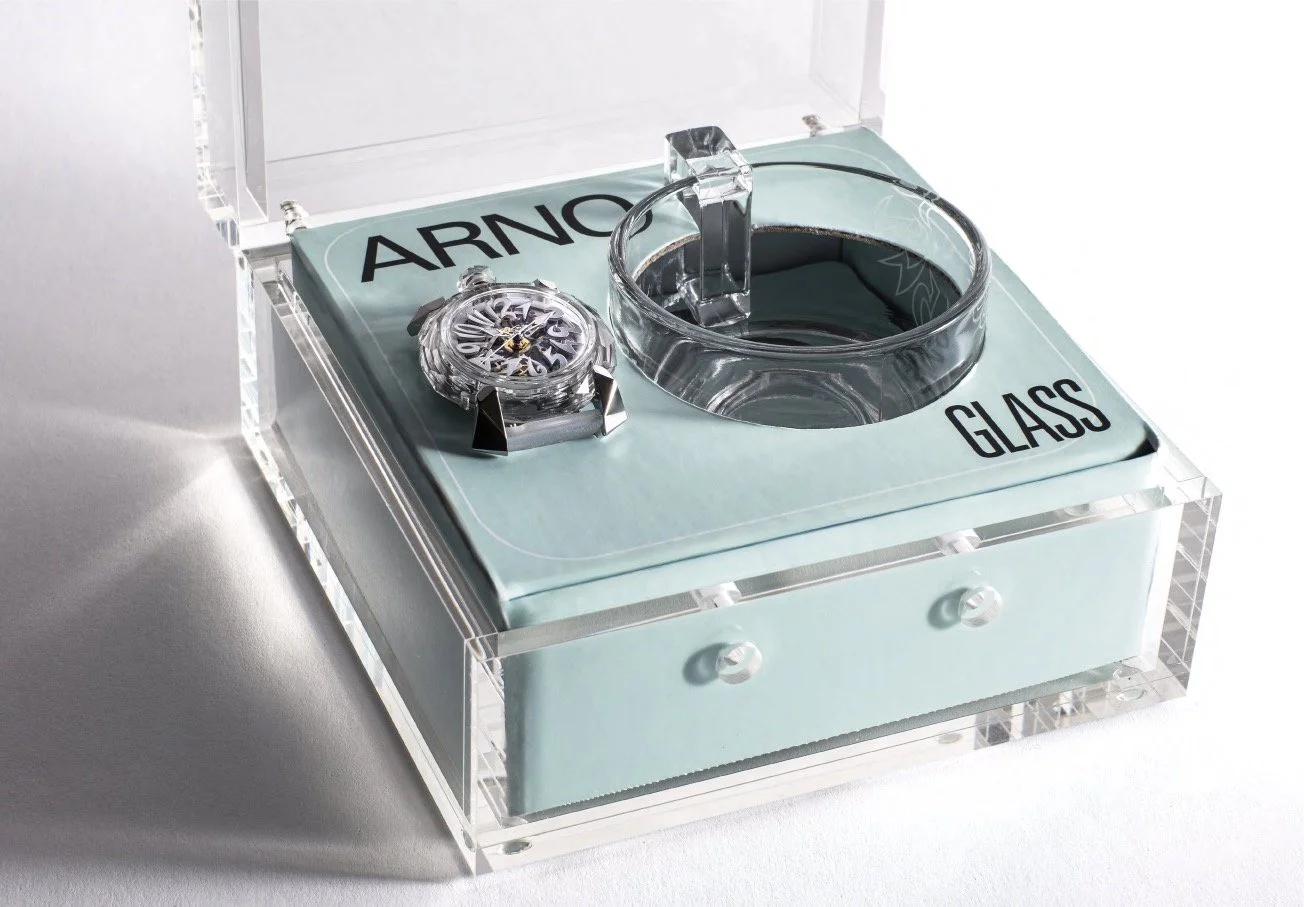
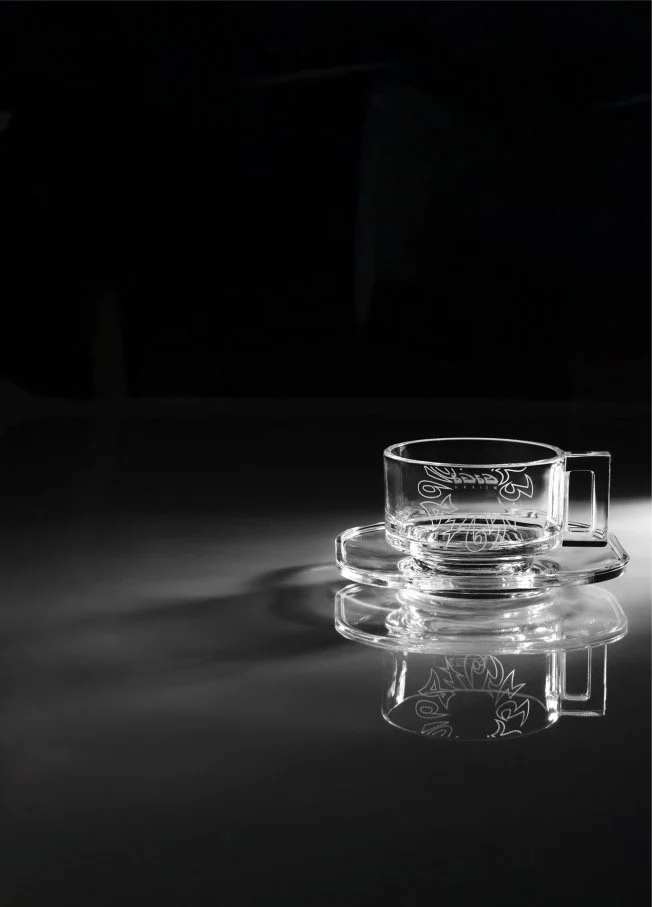
The shared Italian origin, specifically Milan, connects Gagà Milano and Joe Colombo, the historical designer behind Arno Glass cups. How does this shared geographical and design heritage inform the aesthetic and philosophical synergy of this partnership?
I find very fascinating how people often love more what’s from other cultures and forget to appreciate what’s coming from their own’s. Honestly, I’m guilty of this too. I thought it was interesting to develop something that would highlight the often-hidden design and cultural connections between the Italian and South Korean cultures.
This project is a celebration of iconic design practices like the ones of Joe Colombo and of old crafts like glass-blowing and watch-making. It’s our way of honoring and carrying on these legacies, in a gagà style.
Interview Donald Gjoka
What to read next