PLASTIC PRODUCT
There is a particular kind of object that looks like it does something without quite doing it. A handle that opens nothing. A seam that closes nothing. These elements sit in a strange middle territory, formally present, functionally inert, and yet they do not read as failures. Something else happens to them. Stripped of their obligation to perform, they become something with a different kind of authority.
This is where PLASTIC PRODUCT actually operates. Not in the refinement of utility, not in the clever addition of logic to justify a surface decision, but in the territory where sensibility finds its natural resting point. The attitude behind this is precise and calm. It does not argue or explain. It moves toward the thing directly, as if it already knows what the thing is before the words arrive.
What makes this difficult to theorize is that it precedes articulation. The result appears before the reasoning. You look at something and it registers immediately, not as well-made or cleverly conceived, but as right. The rightness is total and it does not require your agreement to hold.
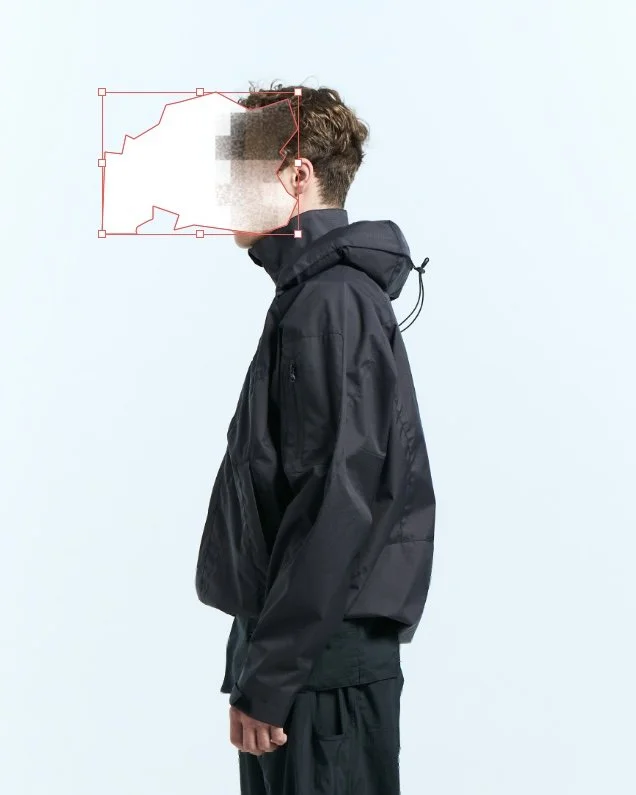
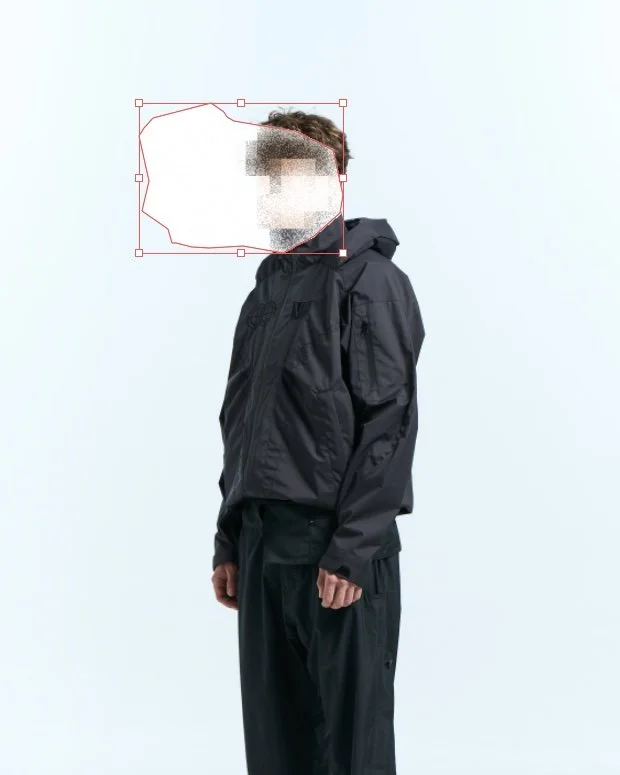
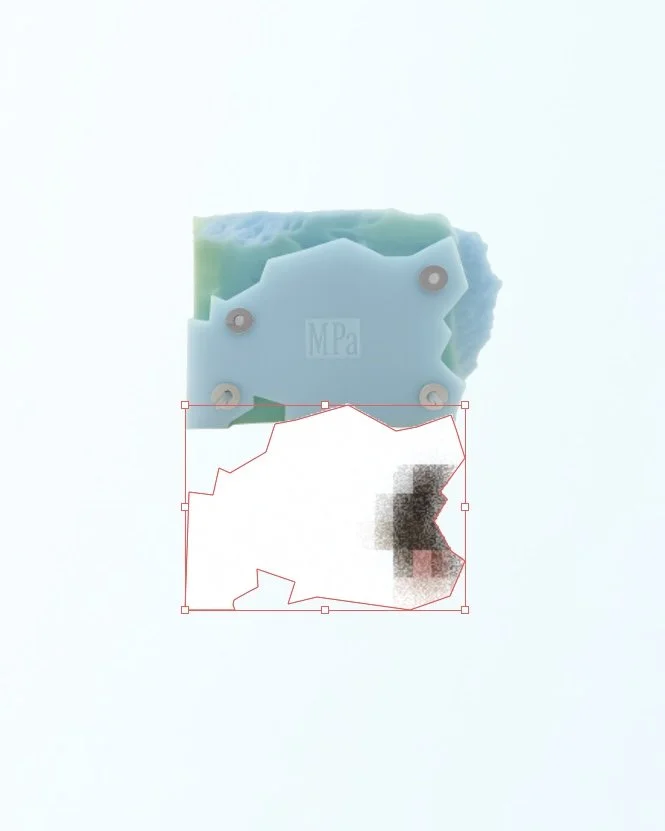
PLASTIC PRODUCT, in this sense, is not a quality applied to objects. It is a disposition, a way of approaching material, proportion, and form with the understanding that sensibility has its own internal logic, more precise than function and more honest than concept. The object that achieves this does not ask you to understand it. It already understands something about you.
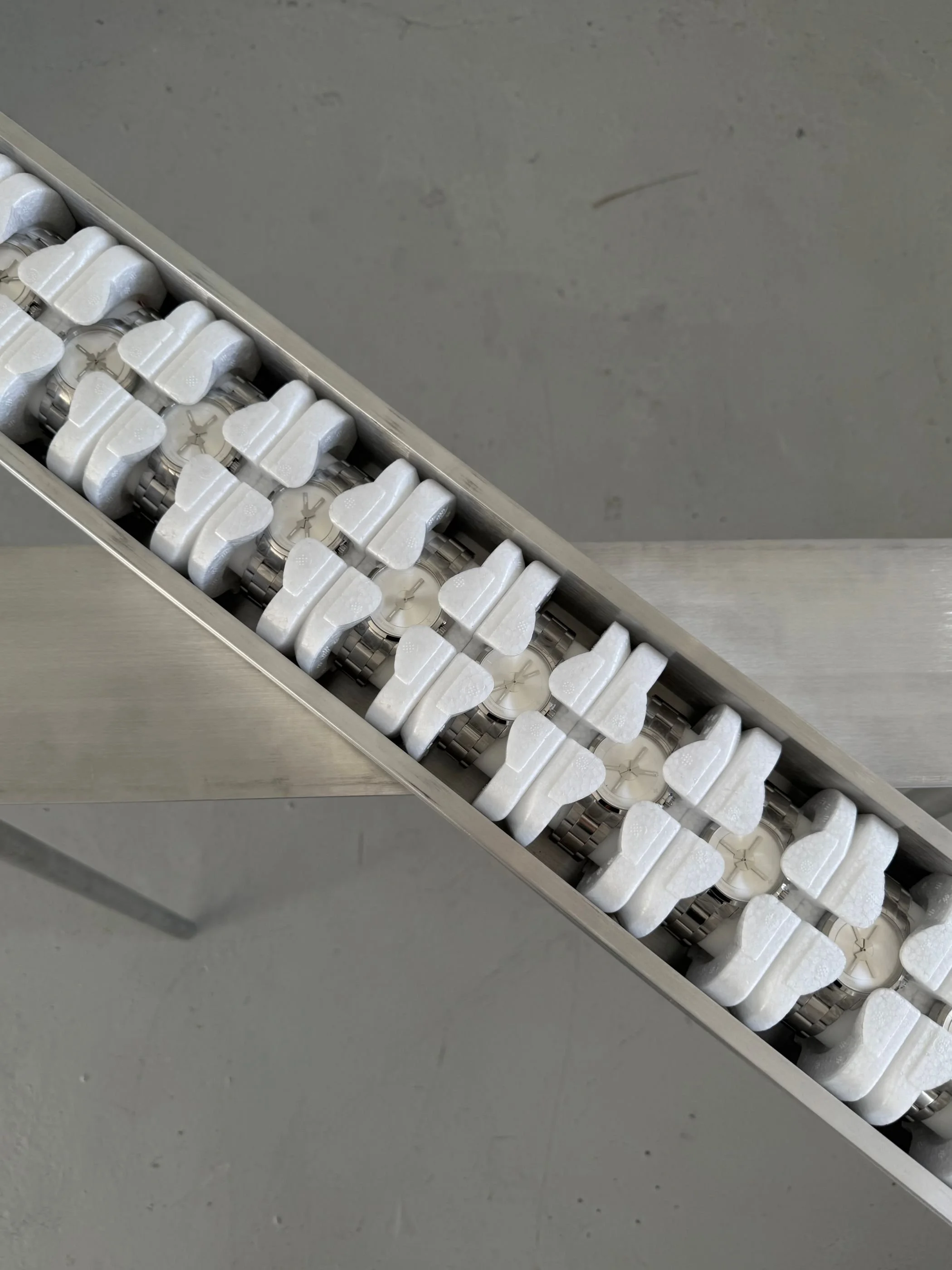
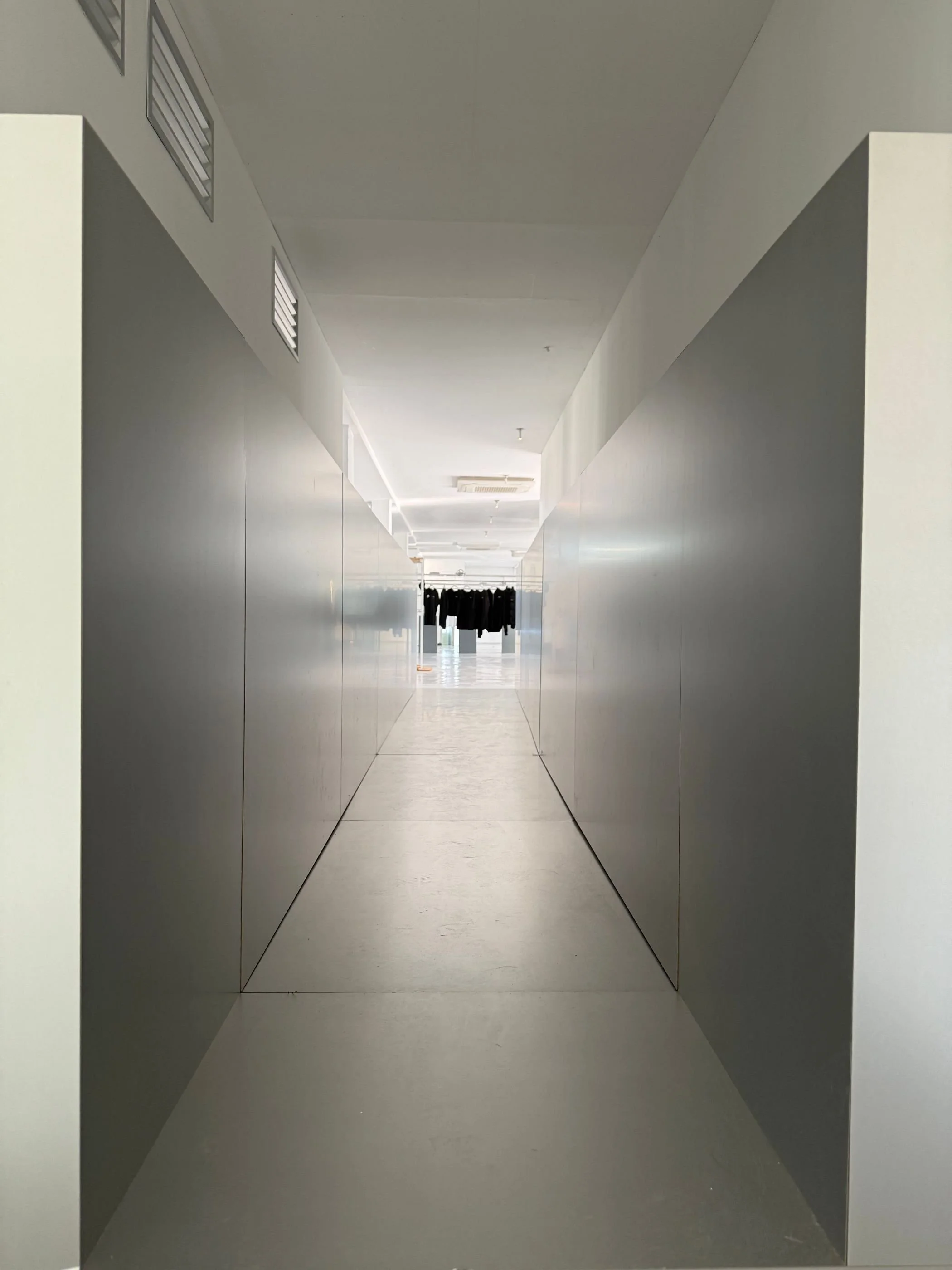
““Utility answers a question. PLASTIC PRODUCT asks a better one.””
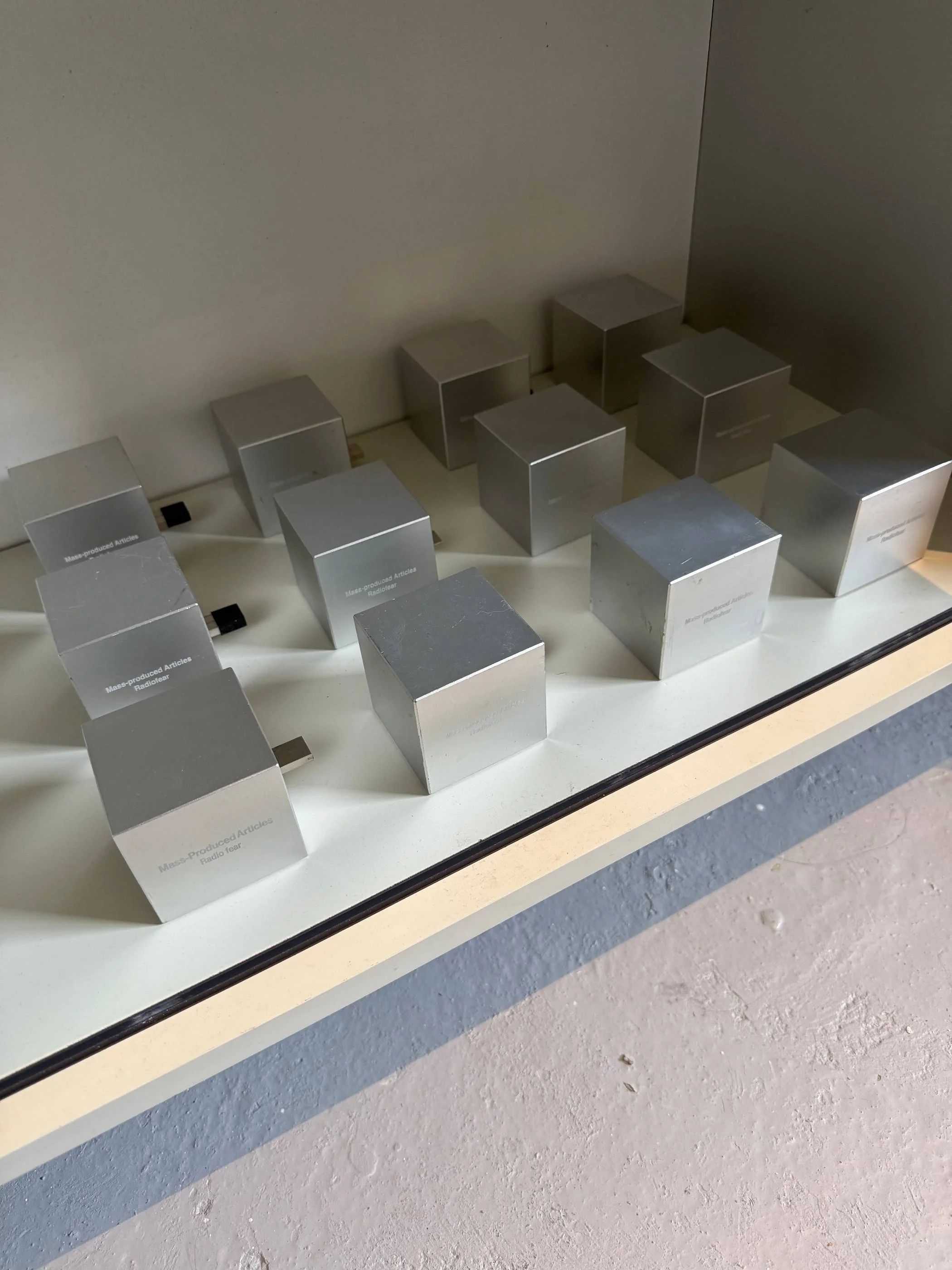
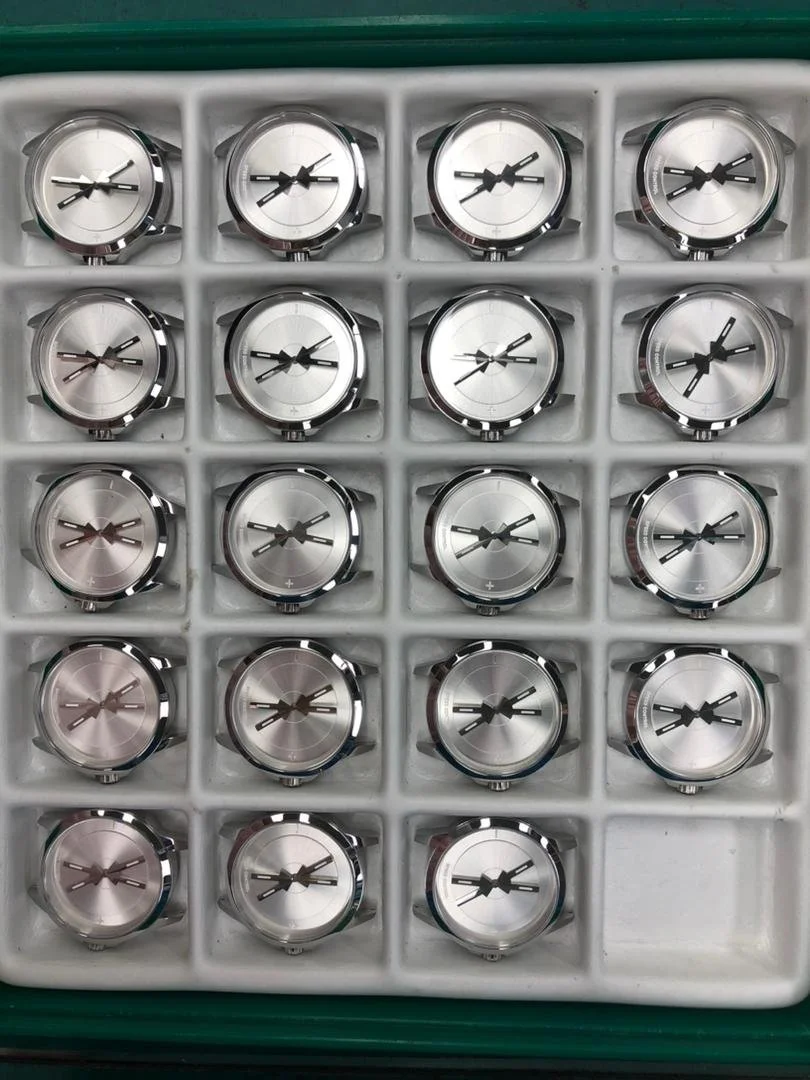
Elements that fail to persuade as functional do not collapse into decoration. They become something else: a different category of presence, one that makes familiar things register as newly seen. That simultaneity, recognition and strangeness arriving at once, is the closest thing PLASTIC PRODUCT has to a definition.
““Function is a starting point, not a destination. PLASTIC PRODUCT begins where function stops being enough.””



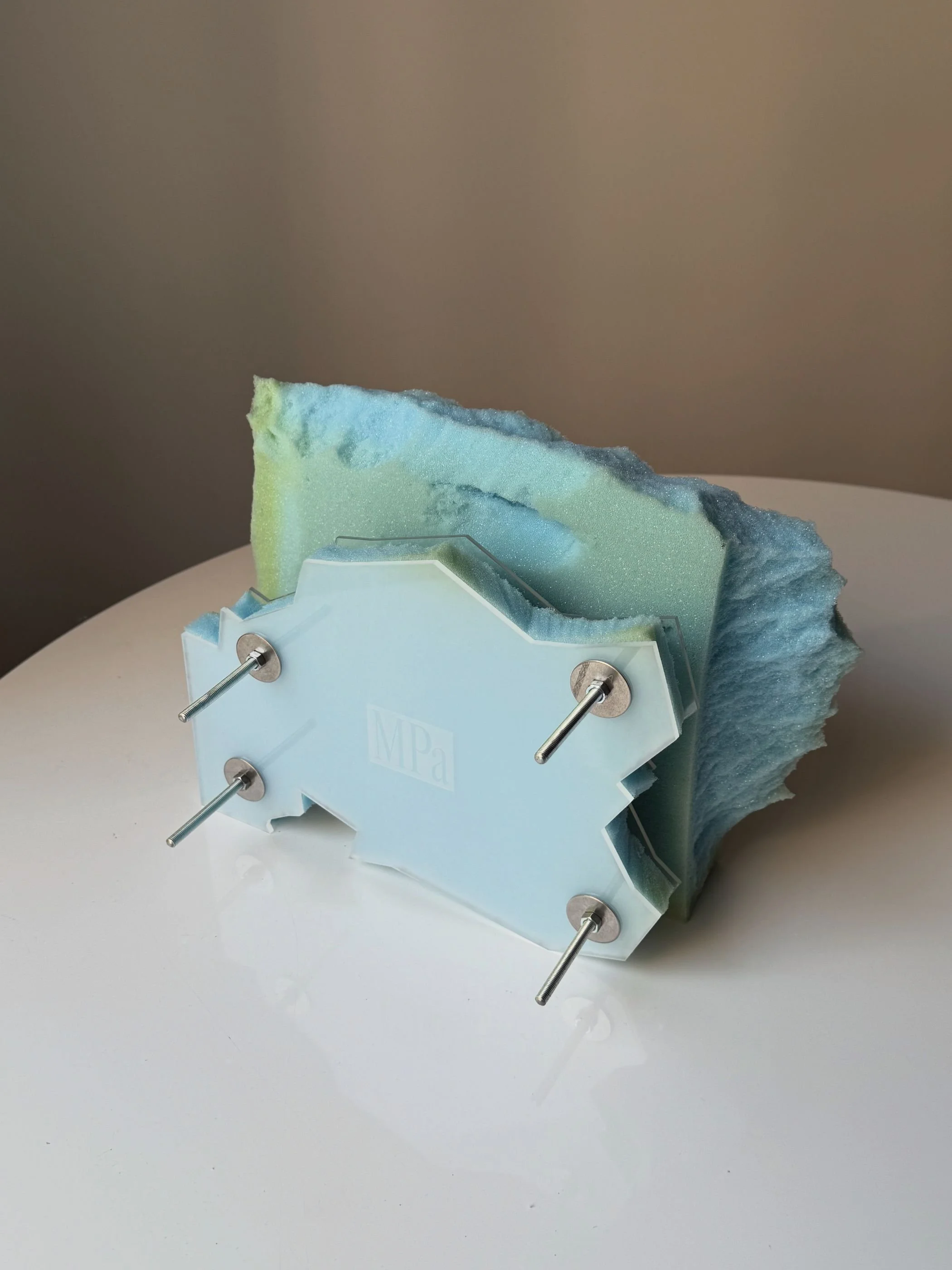
What makes that contact possible is not better craft, though craft matters. It is the decision to approach directly. To resist the logic that arrives late and rearranges the surface after the fact. Sensibility has its own internal structure, and PLASTIC PRODUCT, at its most accurate, is the result of reading that structure and moving toward it without hesitation. The objects that carry this quality register immediately or they do not register at all. The recognition they produce is specific: familiar and new at the same time, as if you had known the thing was correct before you encountered it. That simultaneity is not accidental. It is evidence that the attitude behind the making had already located where the sensibility wanted to rest.
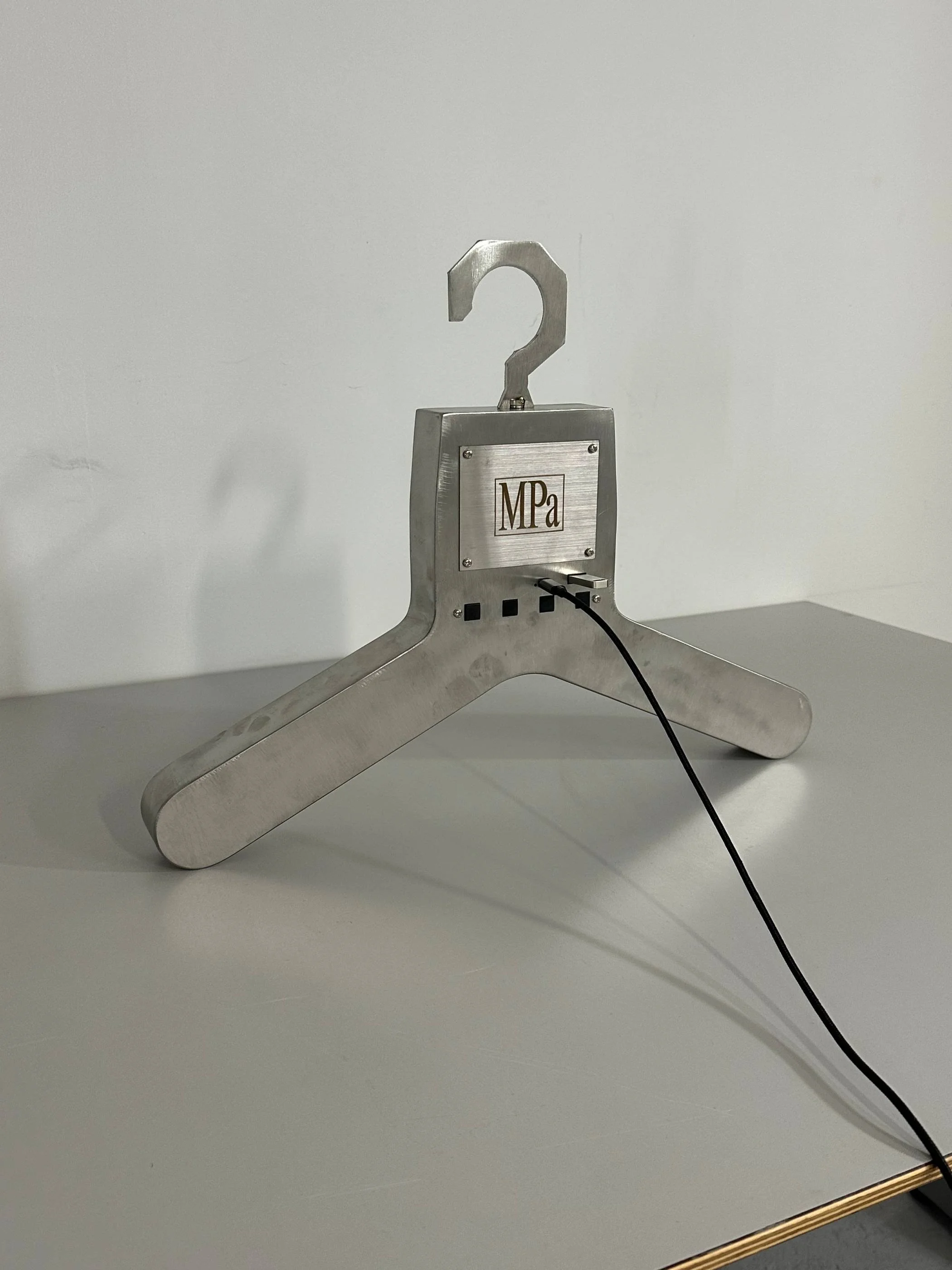
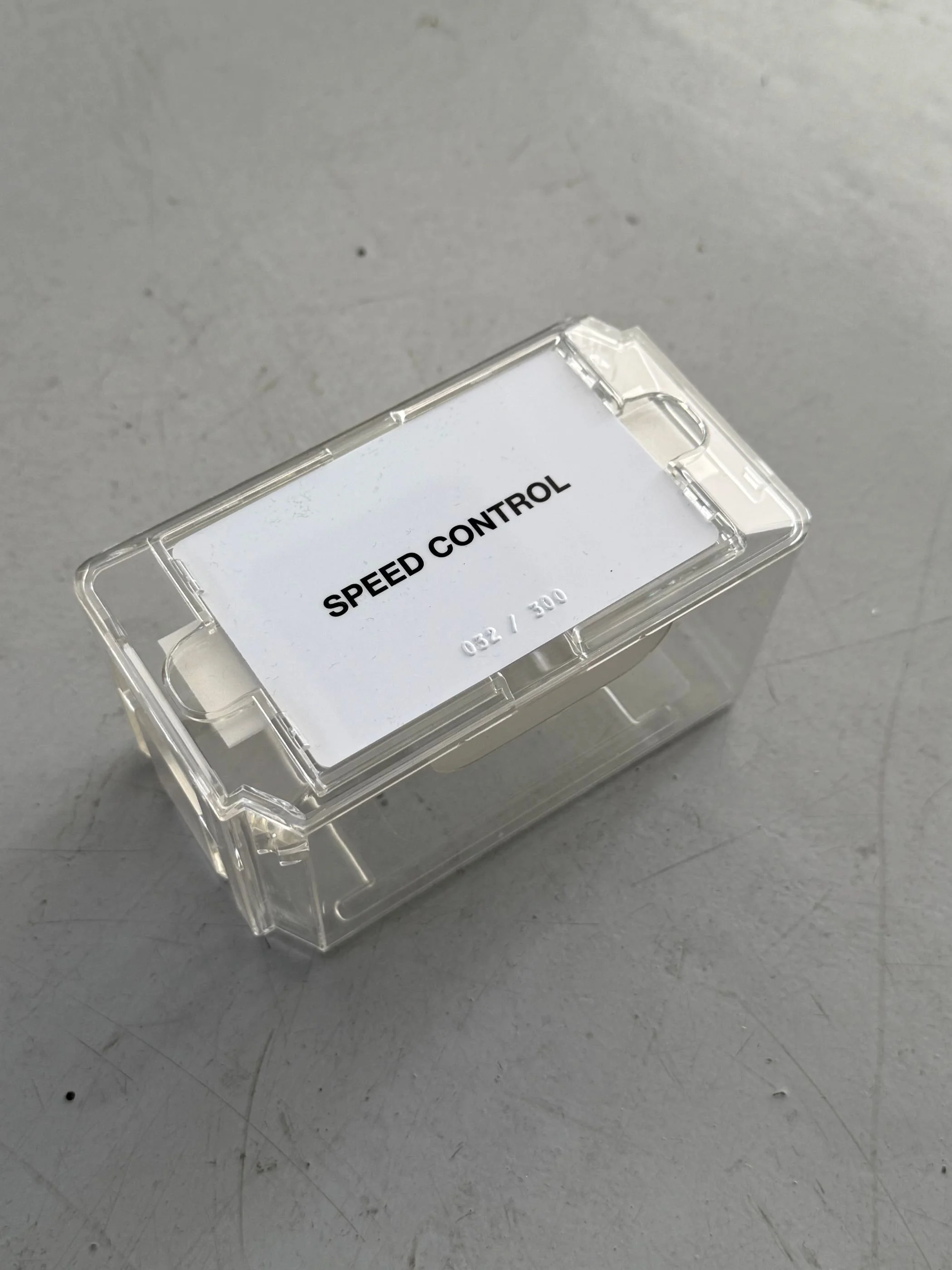
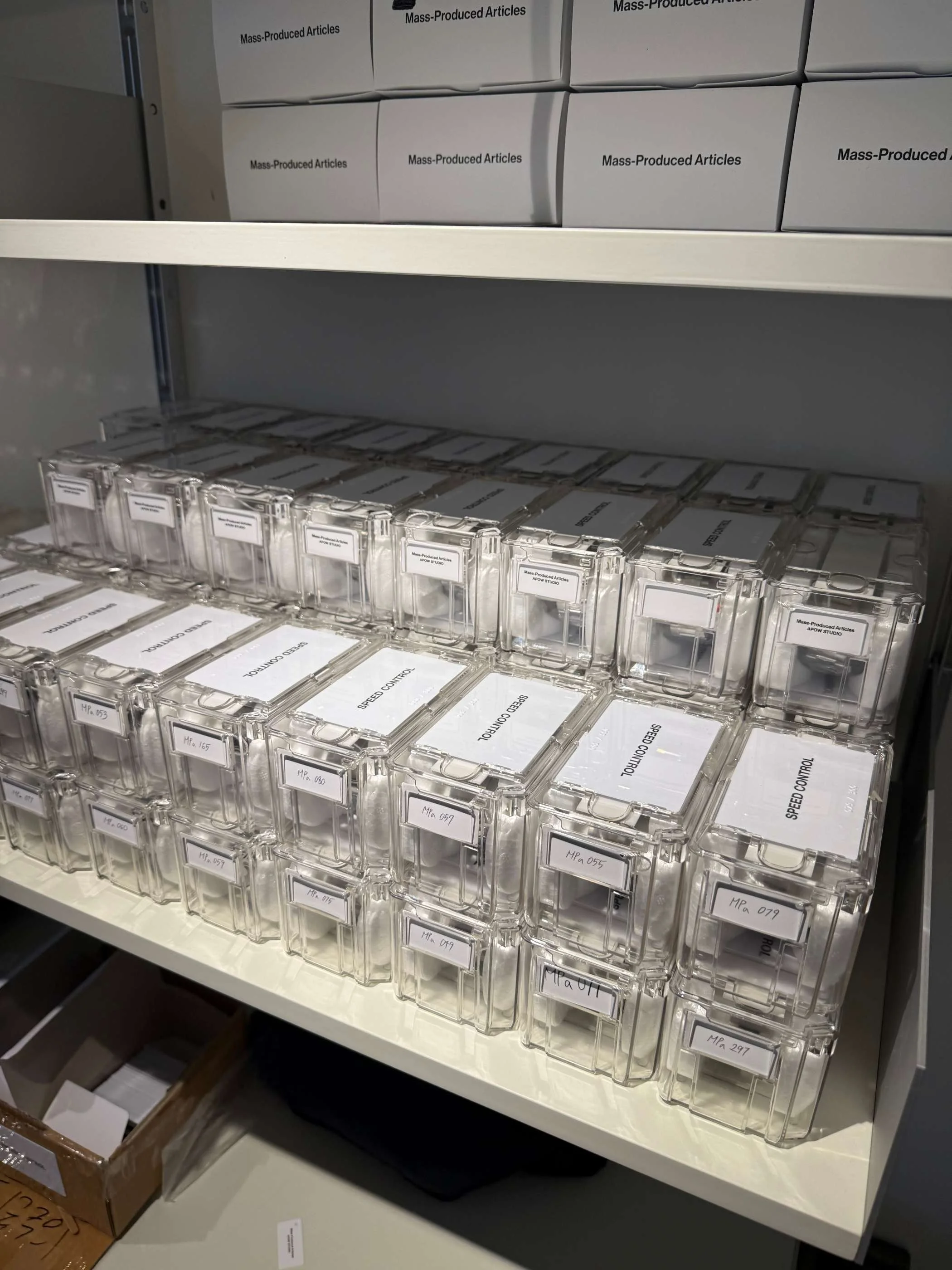
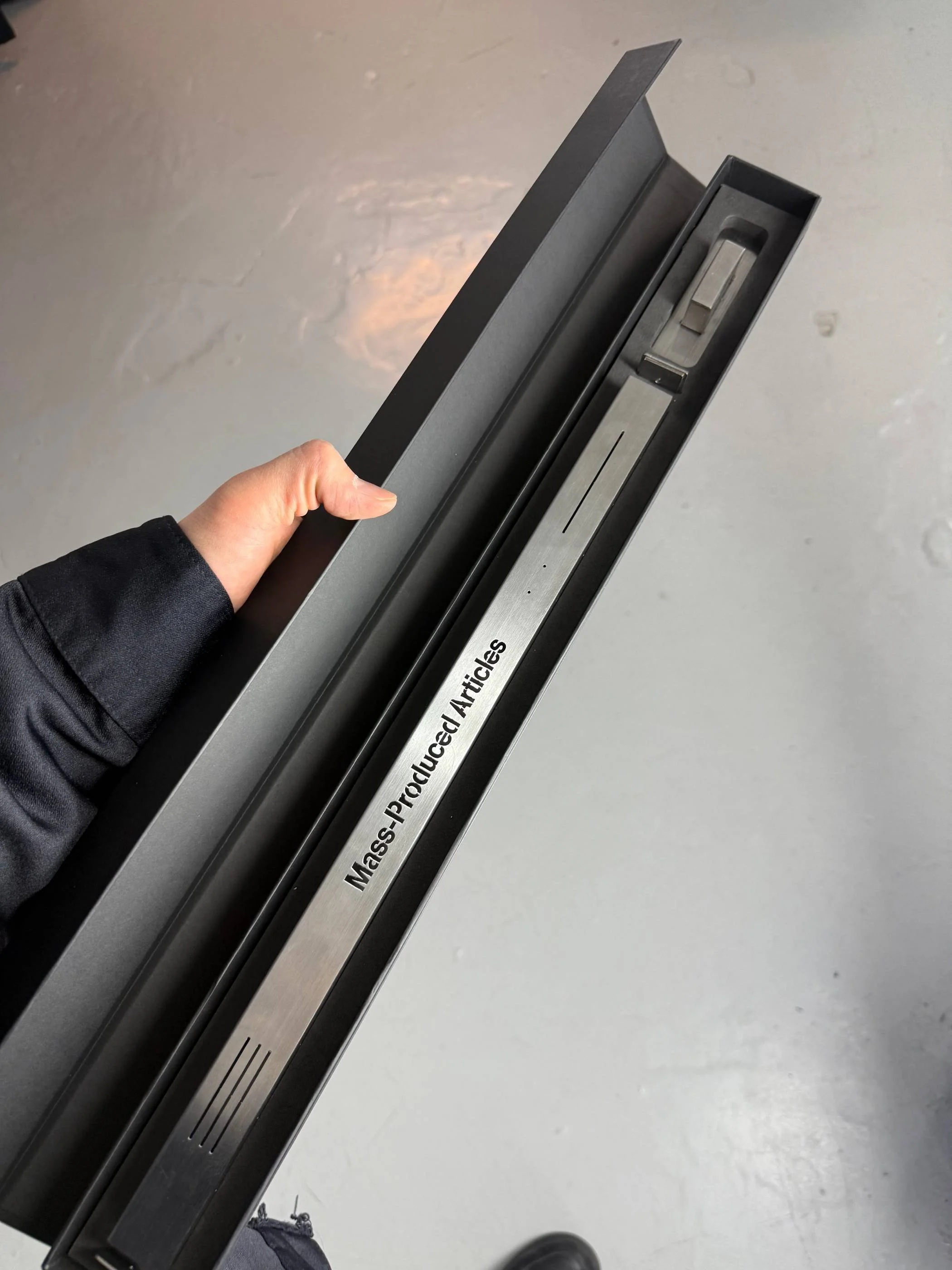
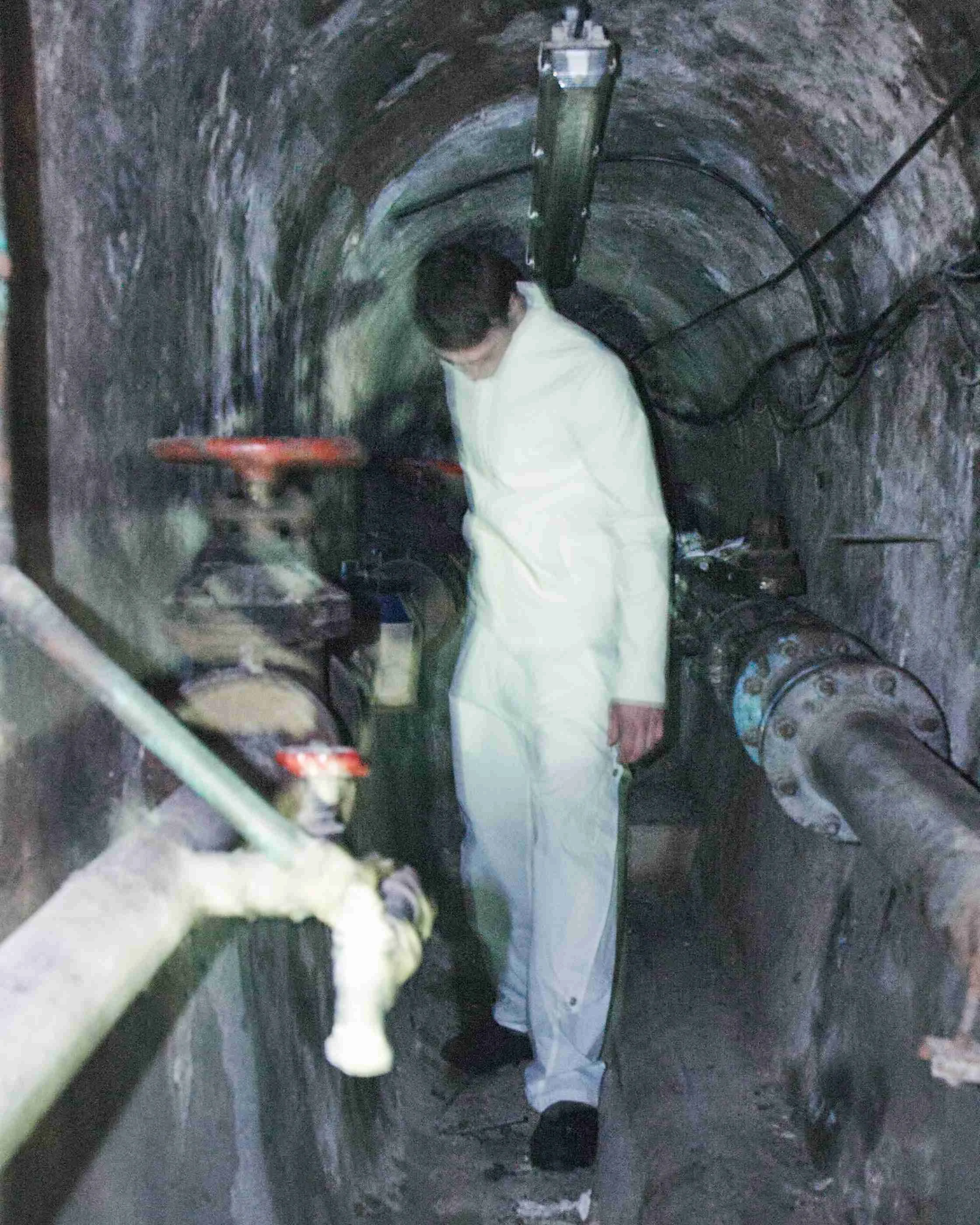
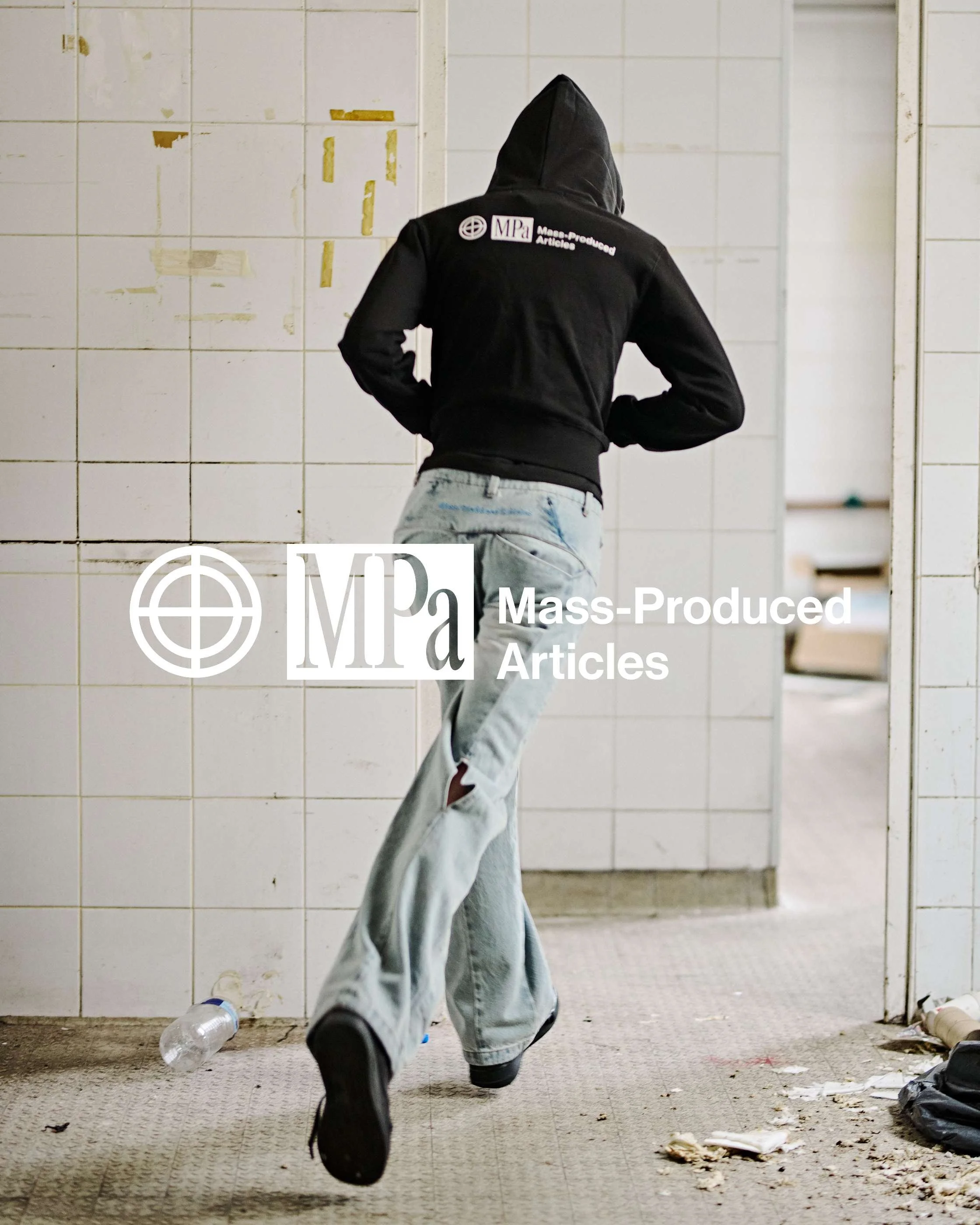
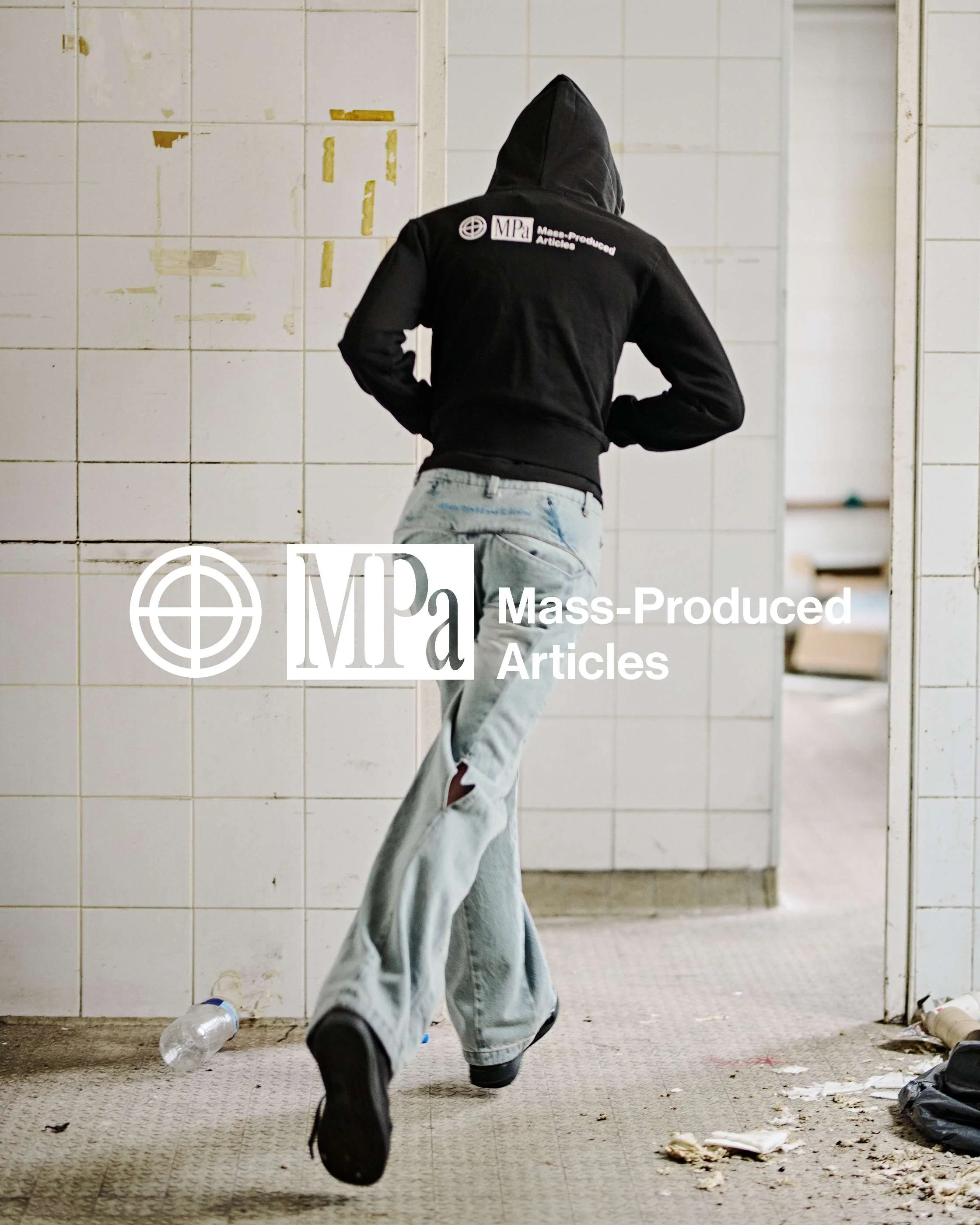
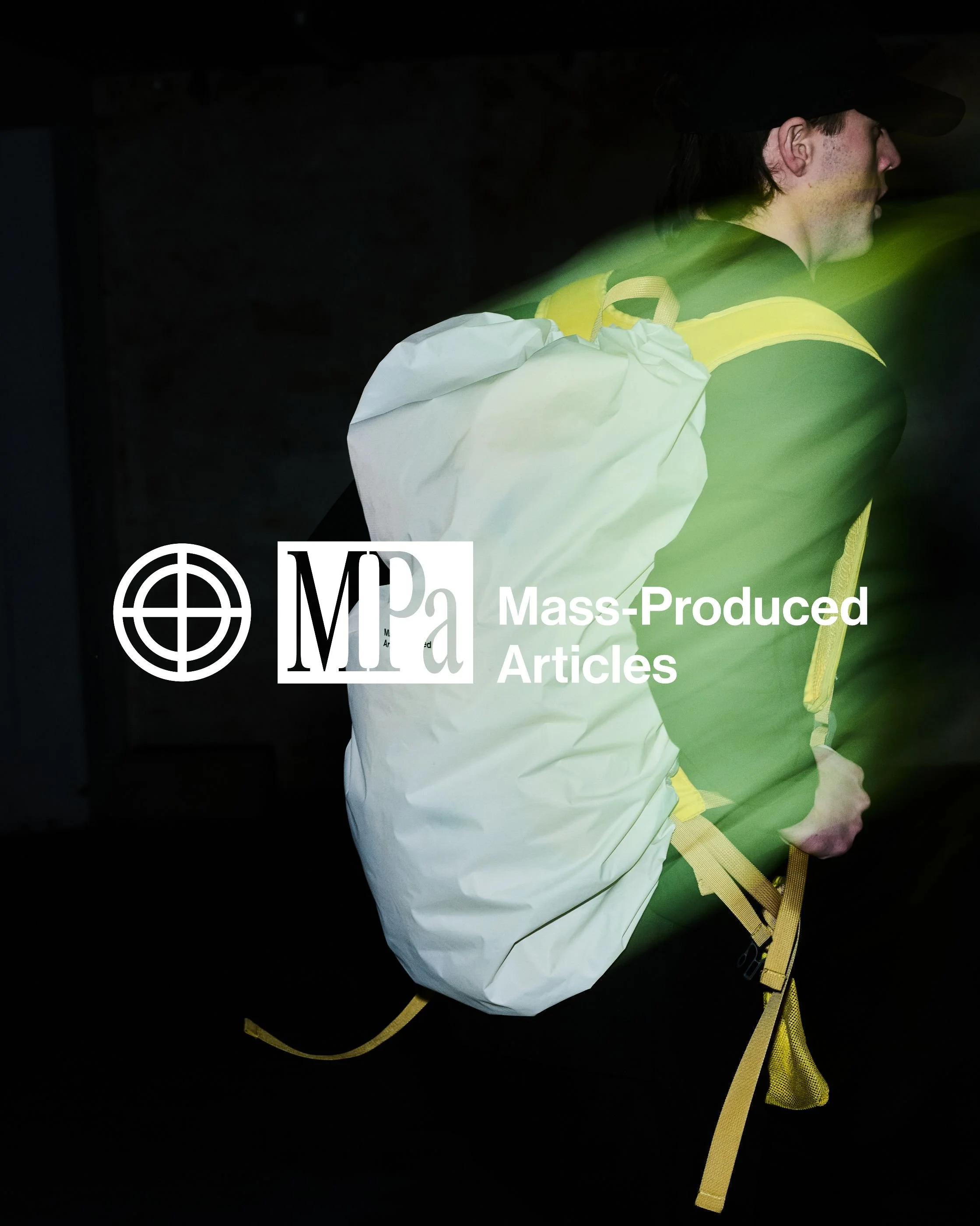
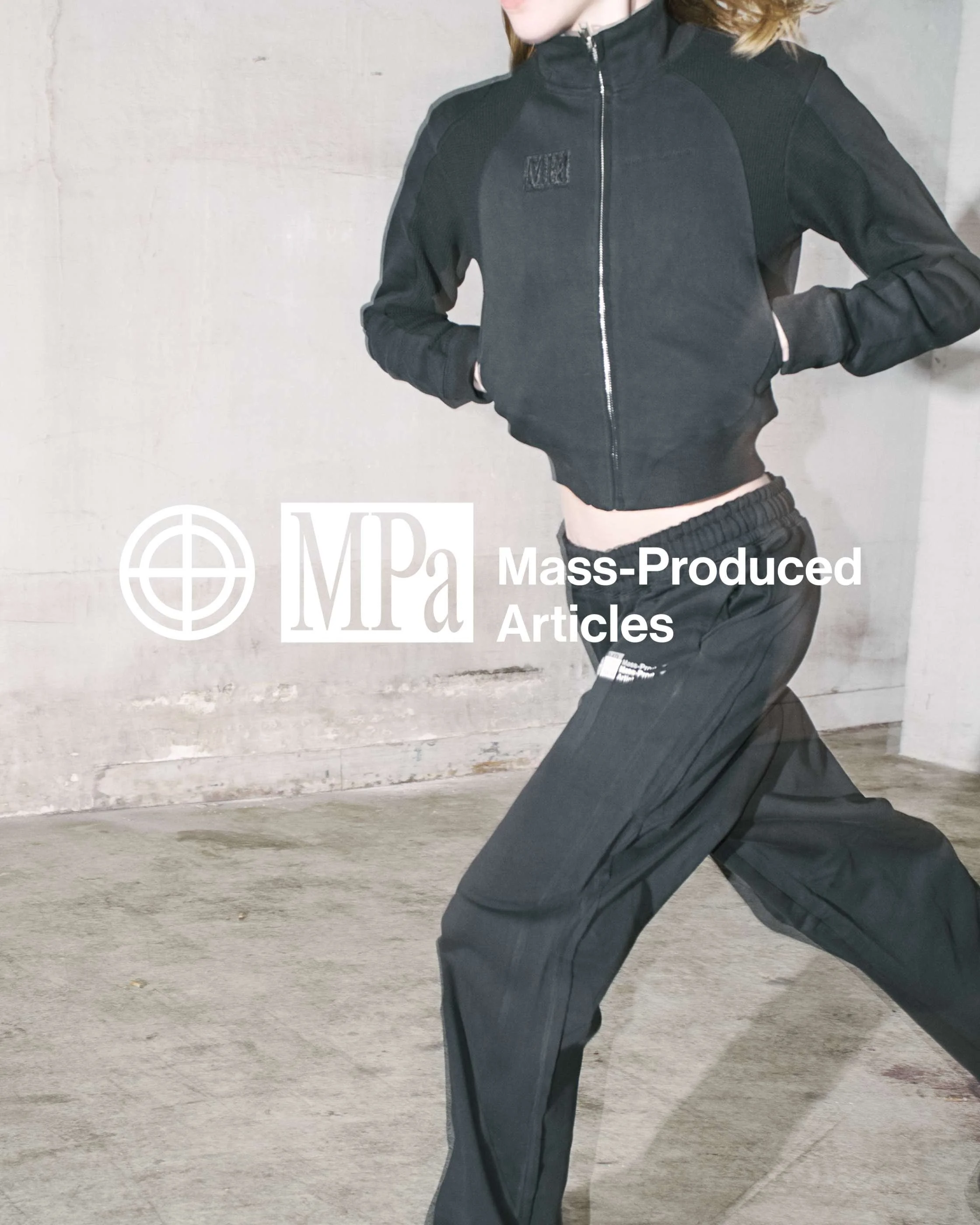
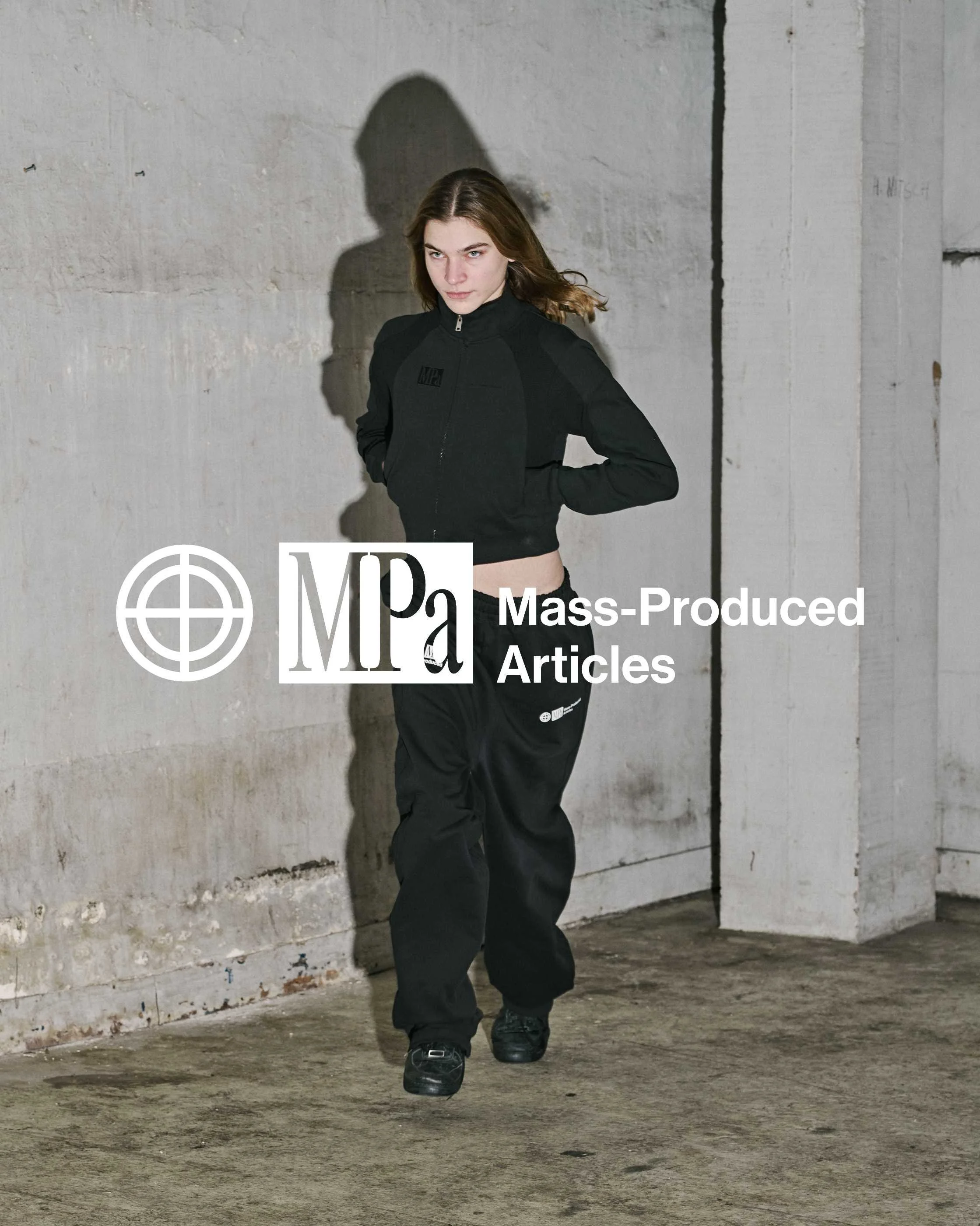
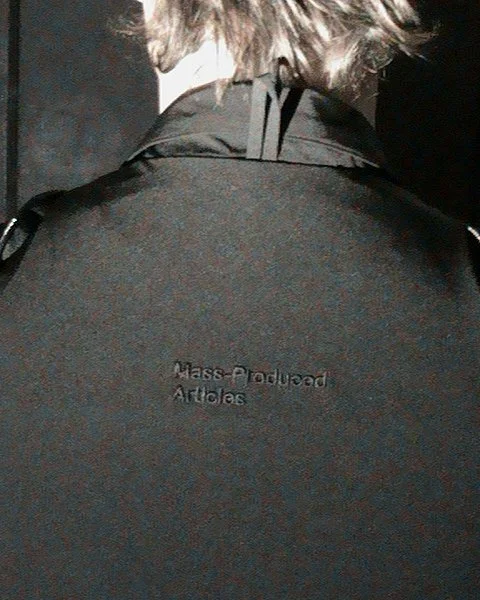
Mass-Produced Article (MPa) is a utility wear line developed by PLASTICPRODUCT. - by Mincheol Seo (@seo.mincheol)
Words by Donald Gjoka
What to read next