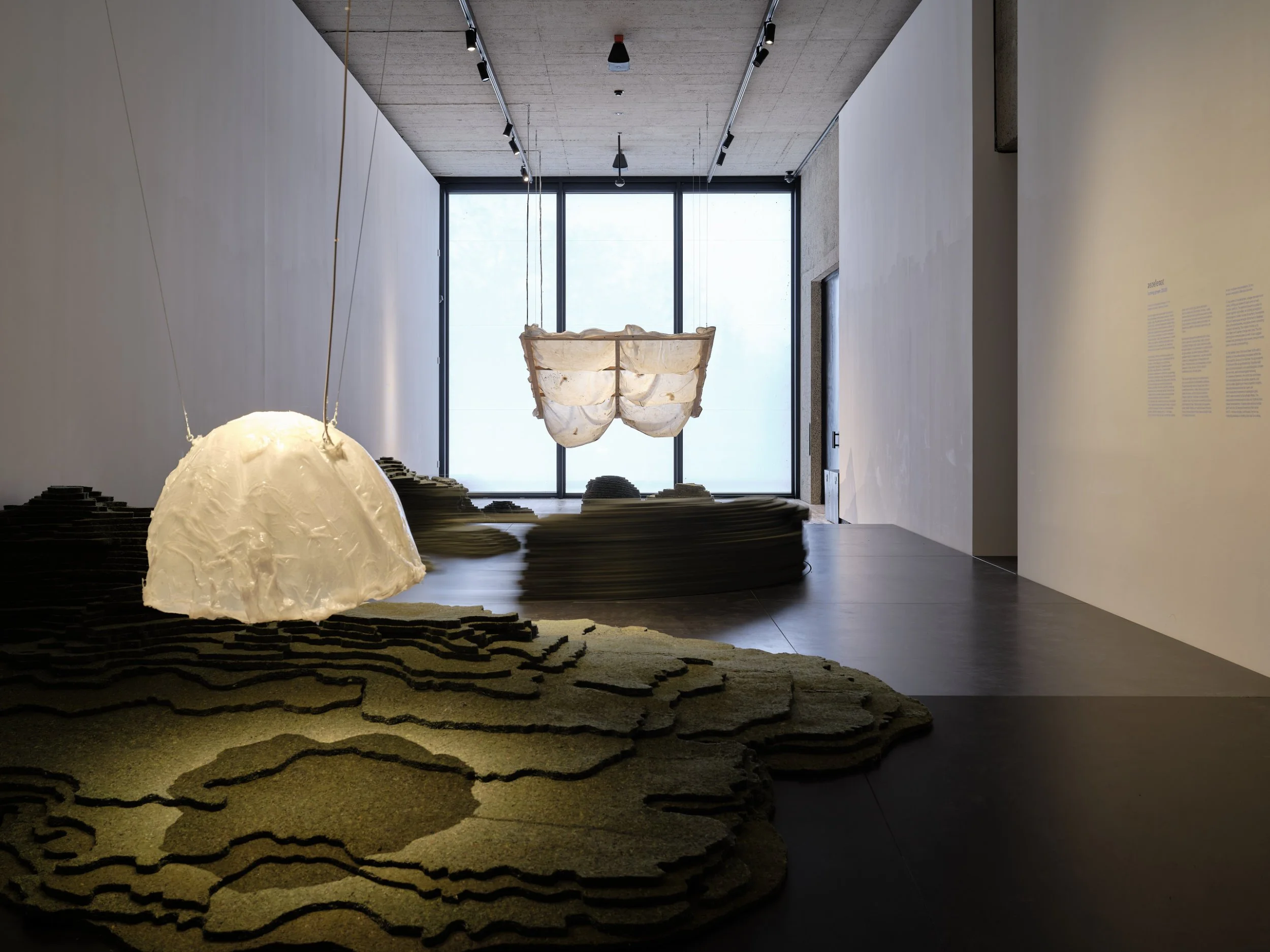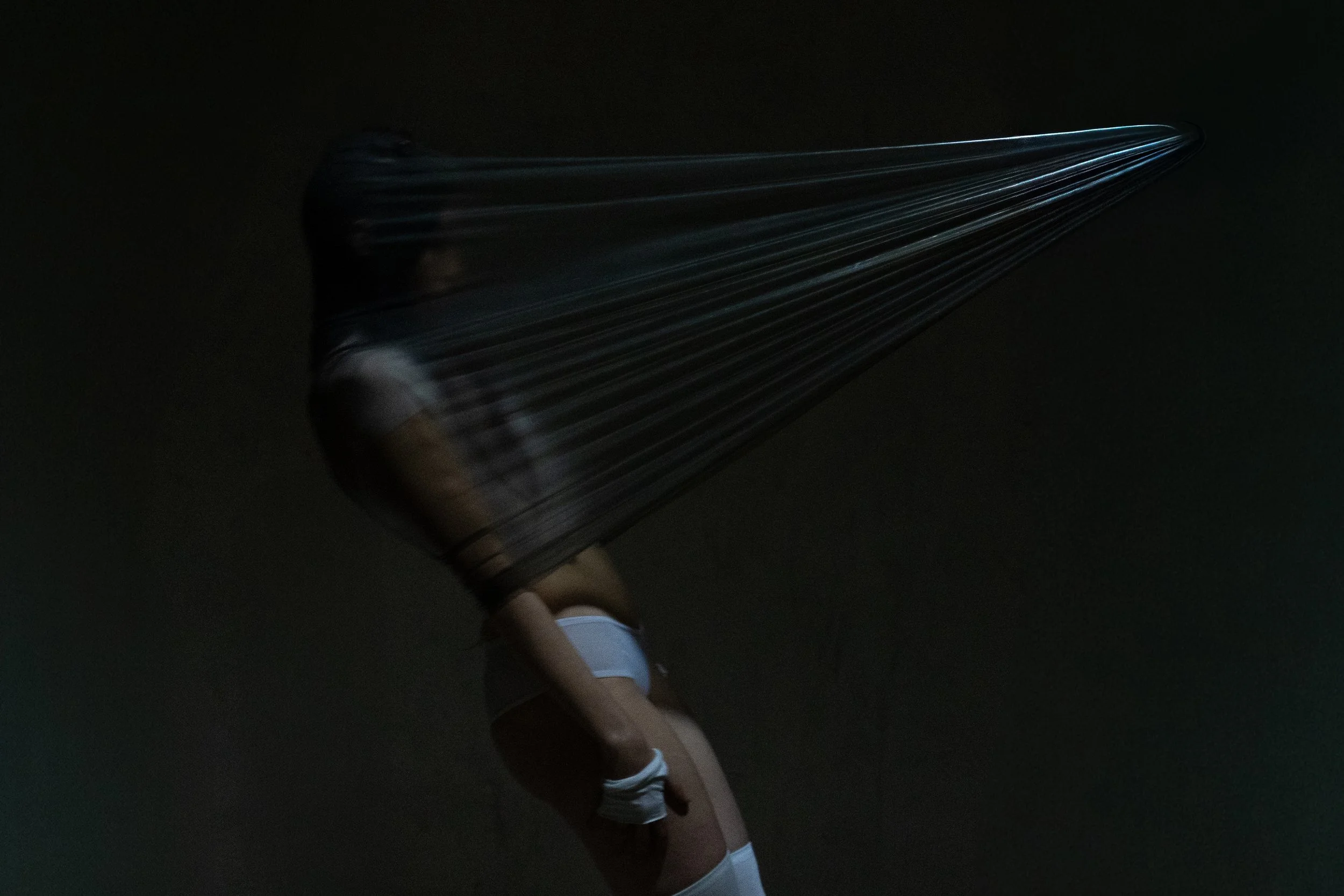
YONIRO presents "CANTICO"
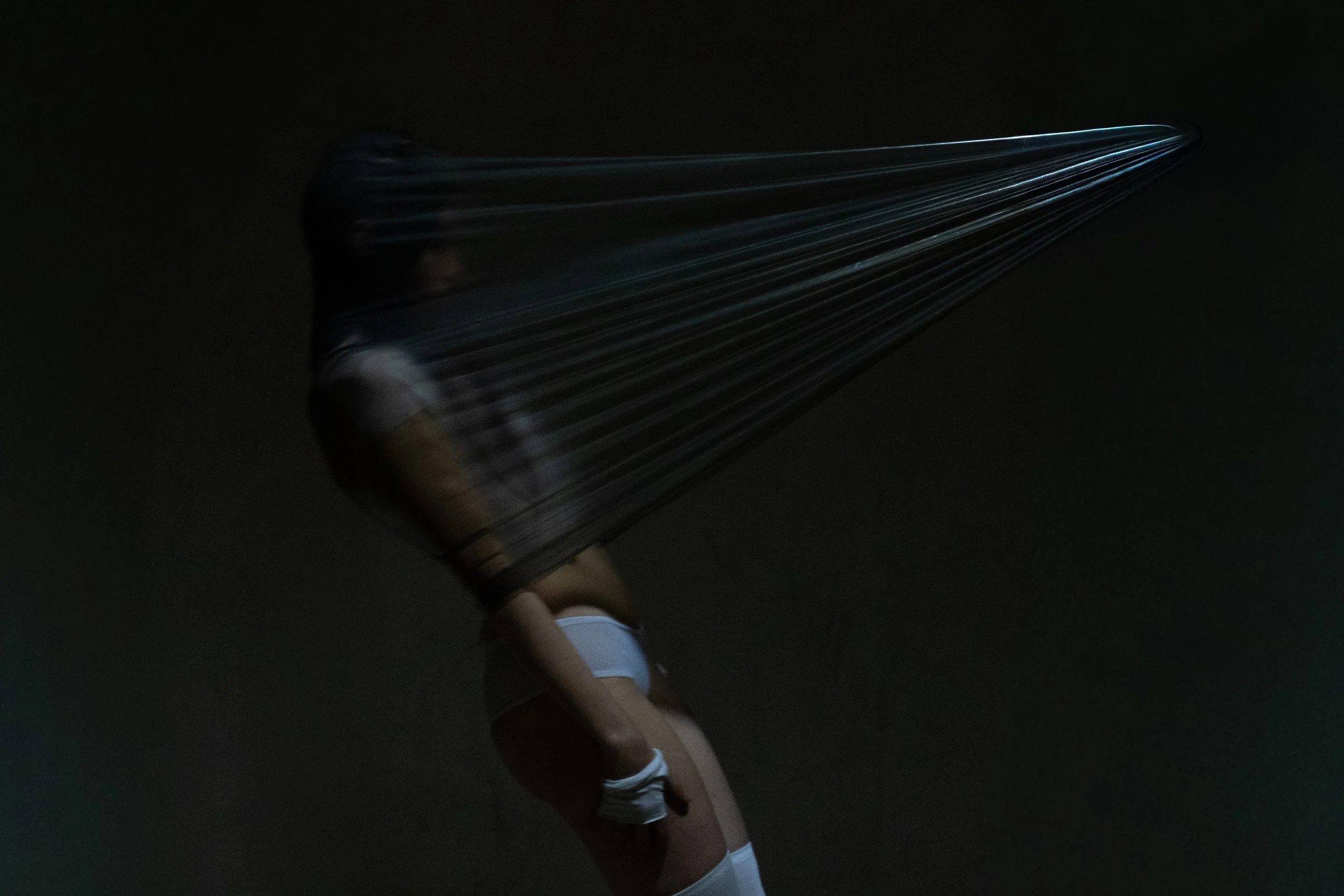
Following the release of her EP QNTM in 2024, Yoniro returns with a new and ambitious project, born from a year of reflection and introspection, which has led the artist to explore her Salento roots.
From this cathartic immersion emerged “CANTICO”, a concept album that explores and fuses the tradition of the Taranta with electronic sound research. The result is a highly experimental work in which music and visual arts merge into a single multidisciplinary language. Music becomes a medium through which to investigate the most visceral and interior aspects of the self, both individual and collective, while images form a unique and complementary universe, making the sonic experience vividly tangible and immersive.
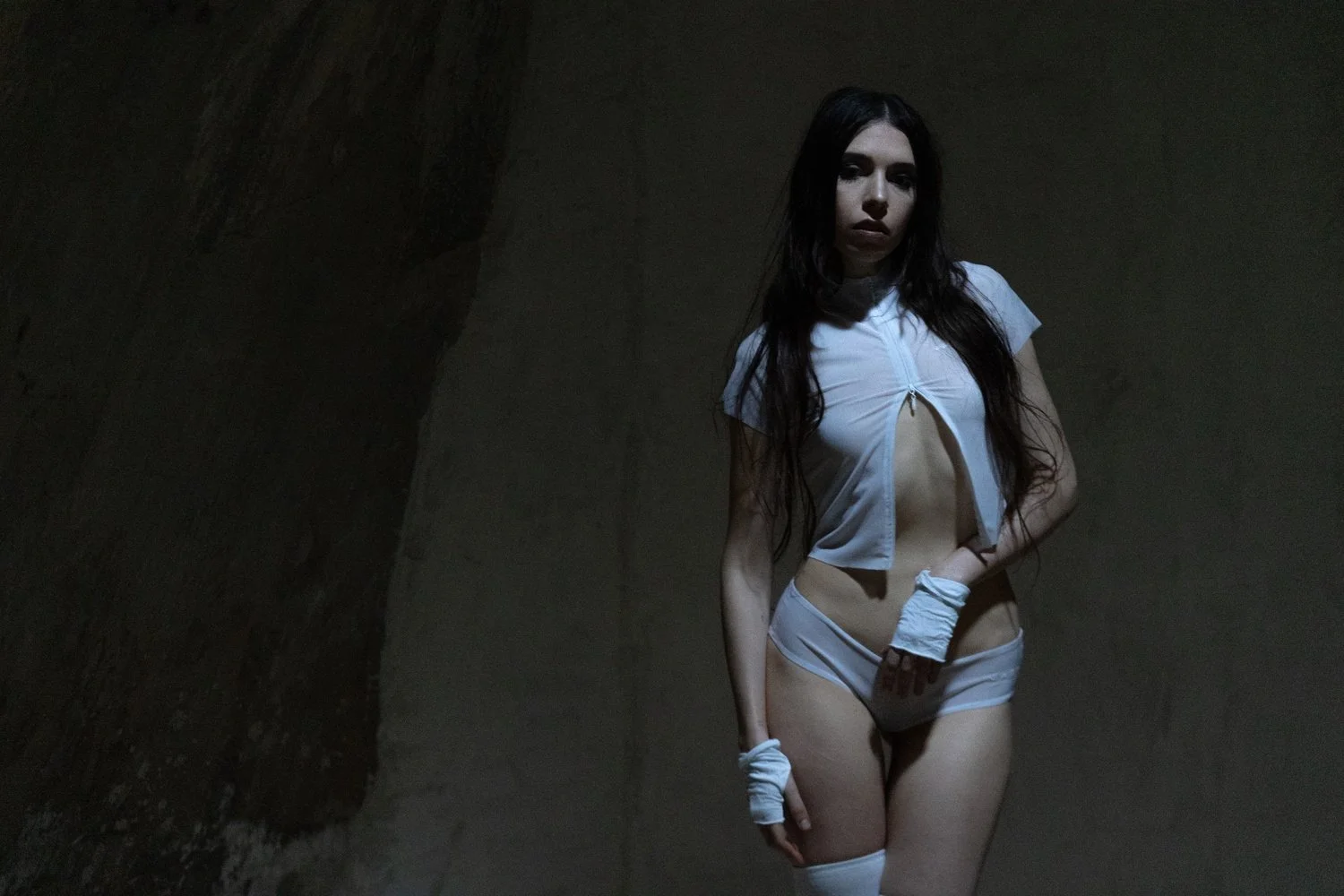
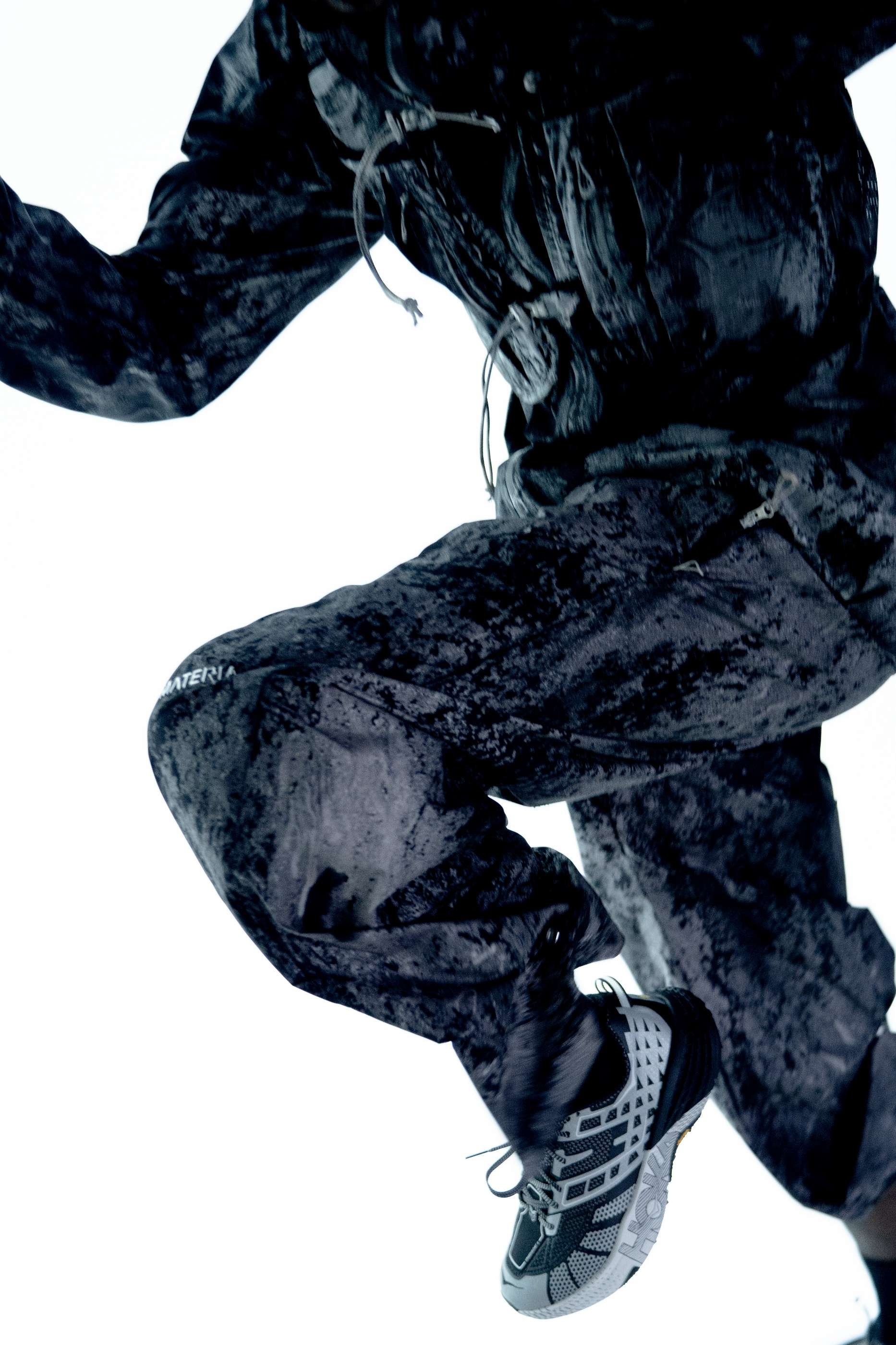
full look MASE FOR THE MASSES
You began the storytelling of your upcoming album with the single Ajarai, where the butterfly, symbol of deep transformation, becomes a drone. In your artistic vision, technology has always been a key element of storytelling, embodying not a cold machine for surveillance but a device for a higher purpose. How do you integrate technology in your spiritual and music practice, and how did this intertwine with the music and visual production of Cantico?
In Ajarai, the butterfly turning into a drone is not a metaphor of replacement but of continuity. I’m drawn to that threshold where organic and artificial stop being opposites and merge into a single entity in transformation. The drone becomes less a machine than a hovering presence, something that vibrates and listens, almost like an electronic spirit animal.
Technology in my practice functions as a symbolic interface rather than a cold apparatus. I think of digital tools as contemporary ritual objects, capable of modulating attention and opening subtle passages between inner perception and shared reality.
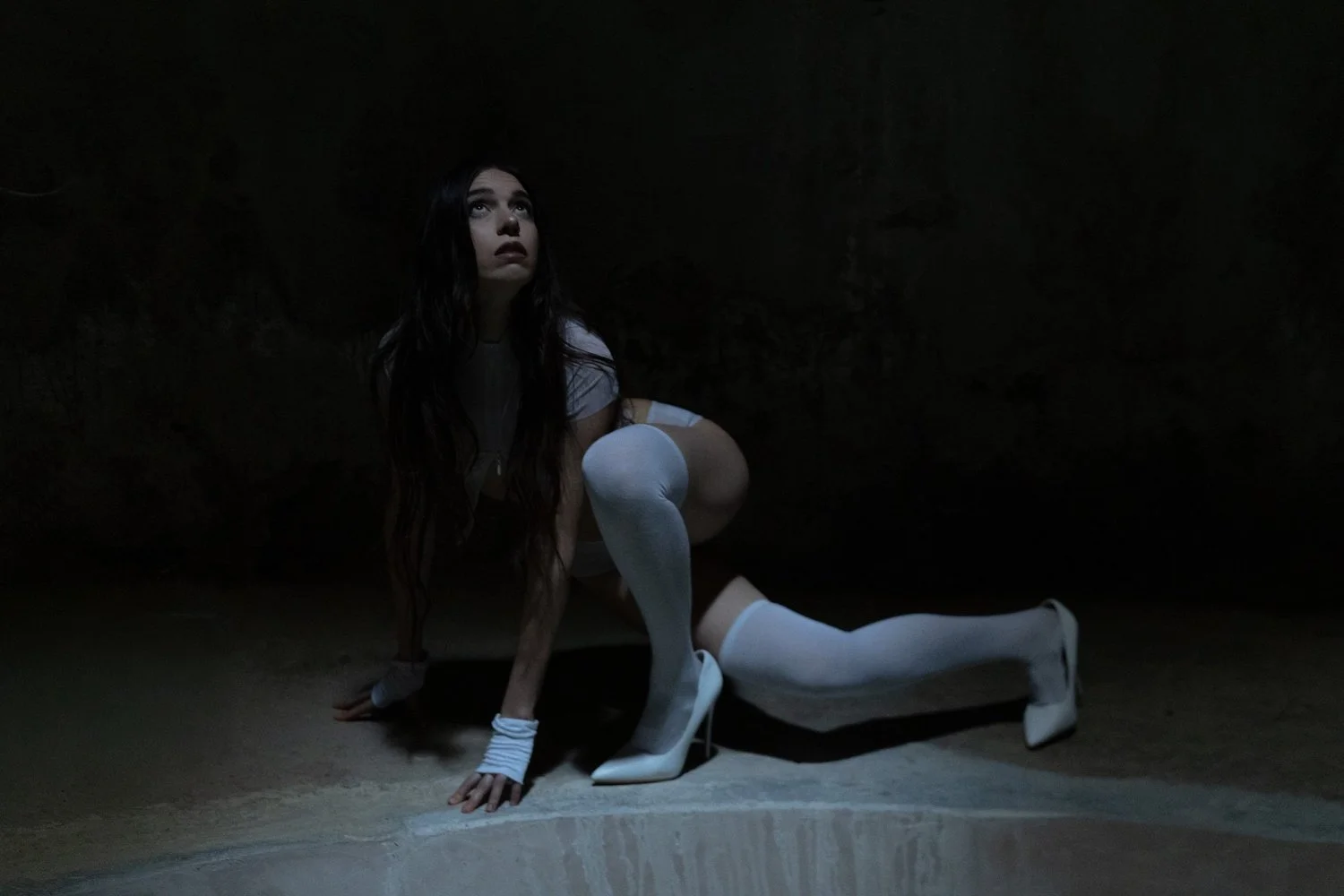
This perspective shaped Cantico at every level. The album’s sonic dimension was entirely shaped by Salvatore Versace, whose deep listening and sensitivity to texture and space gave form to an immersive and cohesive acoustic environment.
Visually, the project unfolded through a close dialogue with Salento-based artists Luana D’Amico and Ilenia Siciliano, whose research became central to its imagery. Together we revisited ritual memory, landscape symbolism, and embodied gestures not as archival traces but as living materials open to reinterpretation, while HYDRA contributed a complementary layer of visual sensitivity that further expanded the project’s imaginative field.
What emerged is a symbolic ecosystem where sound and image co-evolve. Hybrid creatures and fluid environments evoke both surveillance and transcendence without fully belonging to either. Cantico inhabits that liminal space where technology, memory, and embodied presence quietly intersect and transform one another.
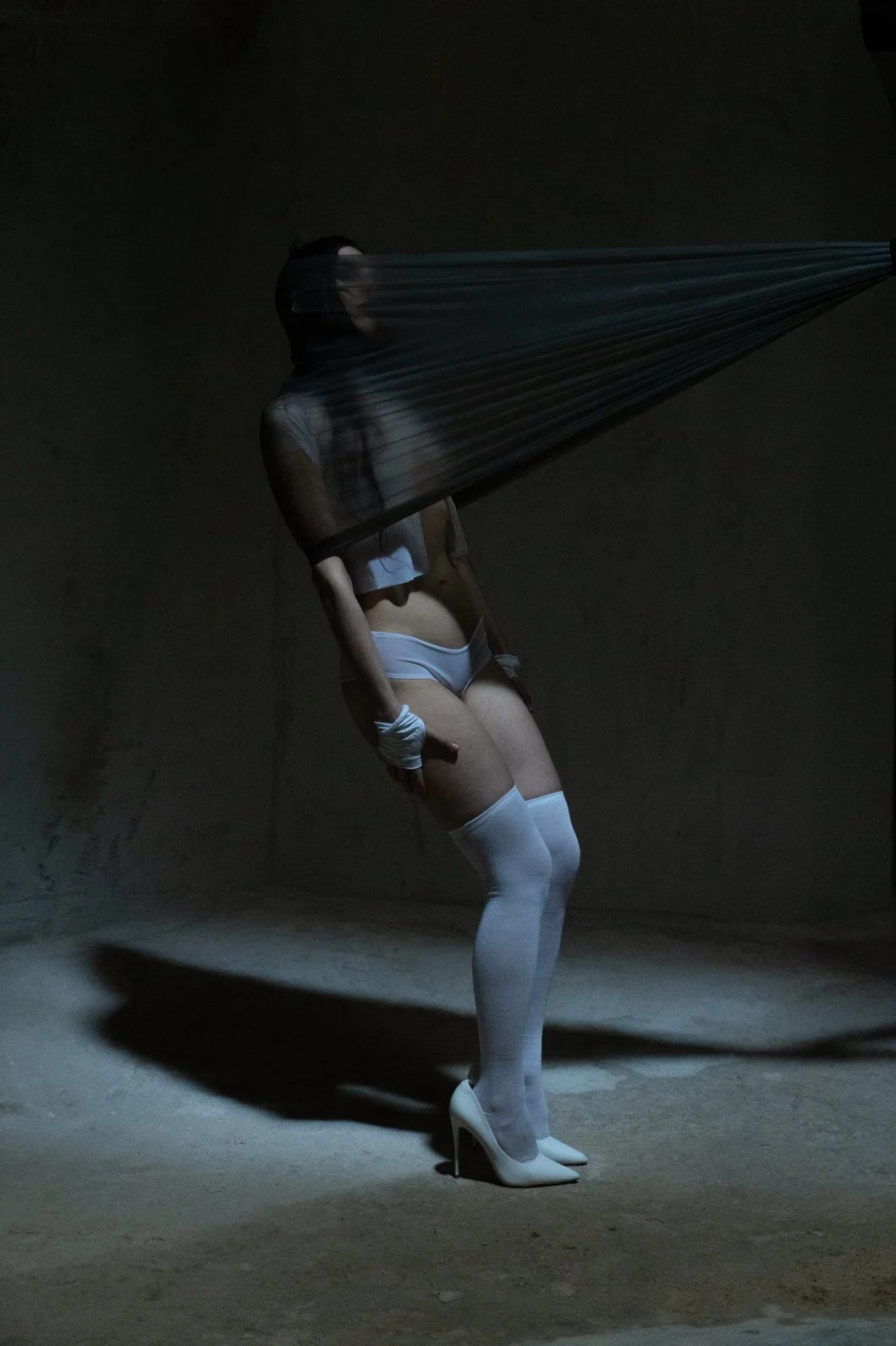
Your latest release, Naka, draws from the oscillatory logic of Aióresis, where body and mind are suspended in a landscape of hyper-stimulation and chaos. Which are the inner spaces you oscillated between while developing this album?
While working on Cantico, I often felt suspended between saturation and withdrawal. Naka emerged from that interval where perception becomes dense with sound, information, and emotional residue, and the only possible response is a form of hovering.
The idea of Aióresis reflects this condition: the body remains present but slightly displaced, while the mind moves between clarity and noise. A similar logic could be found in the ritual practice of tarantism, where repetitive movement, oscillation, and altered states were used to process crisis and reach moments of release.
During the writing process I moved through contrasting inner spaces, from phases of hyper-stimulation shaped by digital and urban intensity to quieter moments where listening turned inward. Rather than resolving this tension, I allowed it to structure the album, letting density and stillness coexist.
Naka became a weightless chamber within the record, a space where the self is neither grounded nor dissolved but gently floating. It is less about escaping chaos than learning to remain inside that fragile equilibrium where transformation begins.
With both the music and the visuals, you portrayed a suspended state of the self. In your daily and overall artistic path, how do you balance the necessary moments of meditation and detachment and those moments when you want to integrate a bit of the outside chaos in your creative workflow?
For me, meditation is less a structured practice than a continuous gesture of listening. It happens in simple moments, walking, breathing with a loop in the background, or staying in silence until a sound begins to emerge from within. These pauses create the space where intuition can surface without urgency, often in the rhythm of breath or a barely audible loop.
I don’t experience external chaos as something to resist. The overstimulation of contemporary life inevitably enters the creative process, and I try to metabolize it, translating that turbulence into texture and atmosphere.
Balance comes through alternation. There are periods of withdrawal where I cultivate stillness, followed by phases of exposure where impressions and sonic fragments accumulate. Creativity happens in that passage, where silence and saturation begin to blur.
That suspended negotiation is where most of the music quietly takes shape.
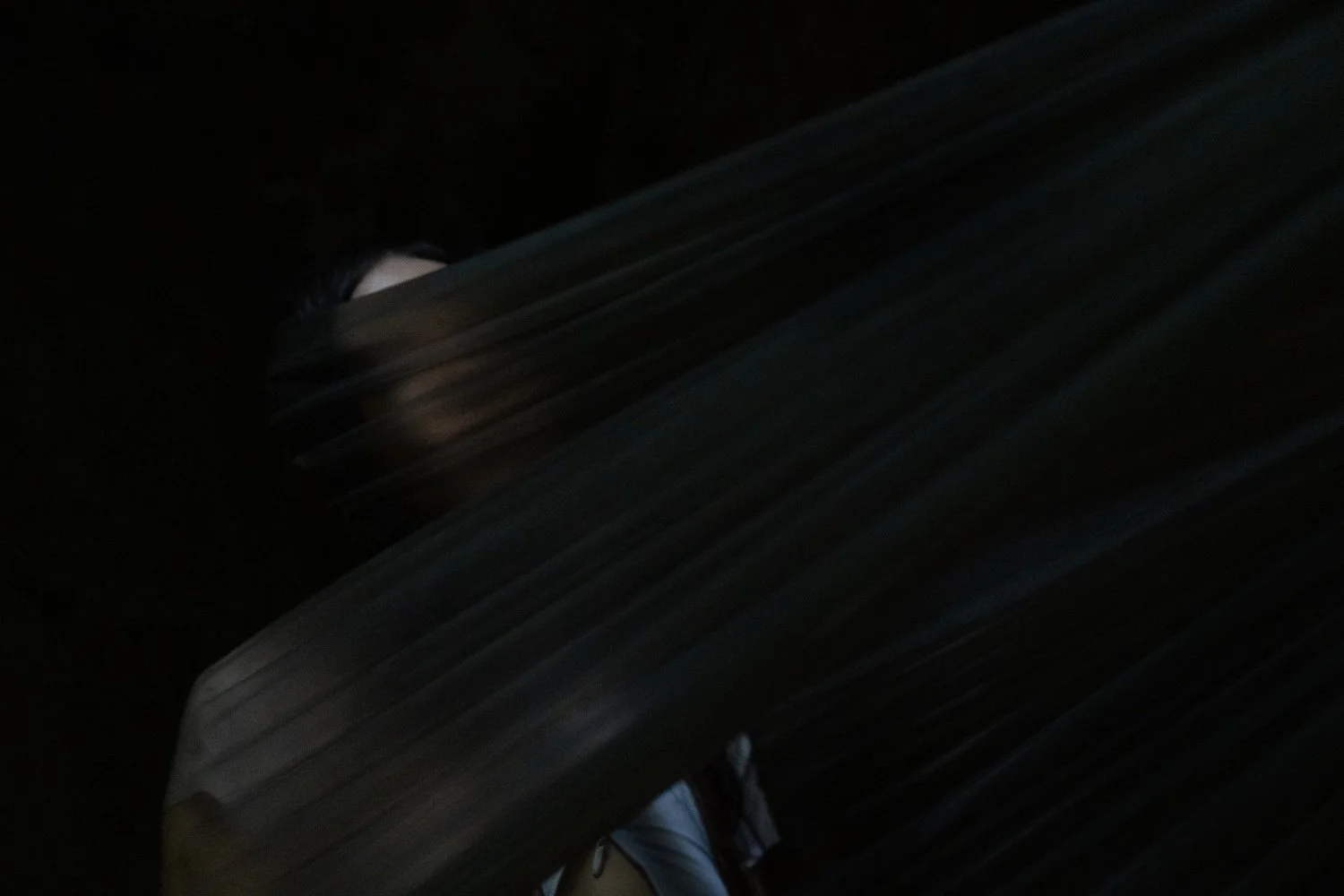
There’s a post-apocalyptic tonality in your soundscapes, yet also a profound calm, almost relief at the idea of an ending. Is your music imagining collapse as trauma, initiation, liberation, or all of the above?
I don’t imagine collapse as a singular event but as a slow atmospheric shift we are already inhabiting. It carries disorientation and loss, yet can also open a perceptual threshold that feels unexpectedly gentle.
In my soundscapes this ambiguity becomes a coexistence of tension and calm. The post-apocalyptic tone is less about destruction than what remains afterward, suspended landscapes and a quiet that feels receptive rather than empty. This fragile balance emerged through the sonic dialogue between Salvatore Versace’s immersive spatial work and Roberto Chiga’s percussive gestures, where resonance and rhythm suggested both rupture and grounding.
I tend to perceive collapse as initiation. It destabilizes certainties but also holds a liberating potential, an invitation to inhabit fragility without immediately resolving it.
Music becomes a way to remain inside that passage. Rather than narrating catastrophe, I’m drawn to the emotional states that follow rupture, softness and vulnerability. In that space, collapse begins to resemble a ritual of transformation, where endings quietly contain the possibility of becoming otherwise.
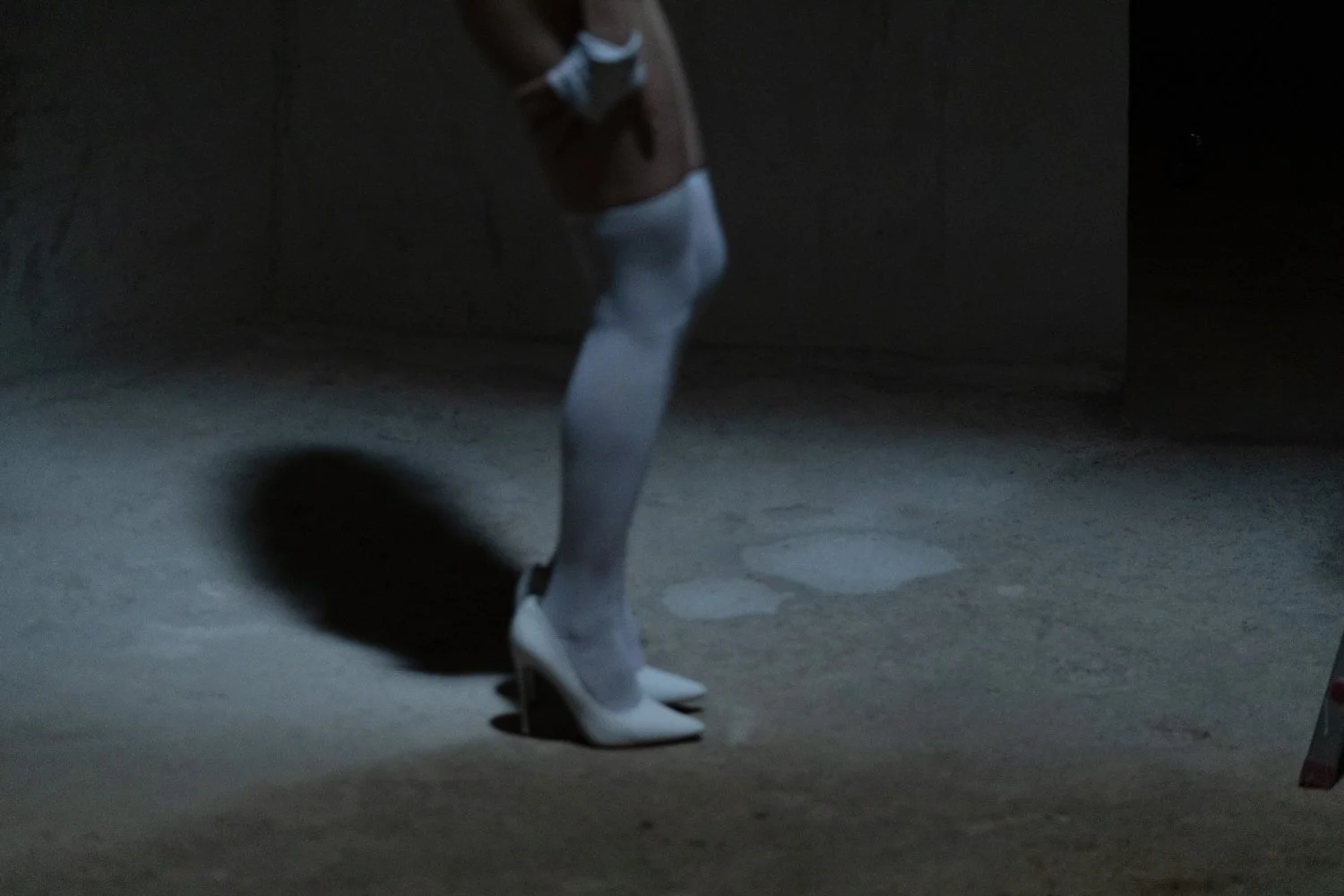
The Griko language appears in your conceptual framework as a living remnant of ancient crossings. Would you say your music is also a hybrid dialect, a language framework you are shaping throughout your projects?
I’m deeply fascinated by languages that survive in the margins, carrying traces of multiple temporalities within their sound. Griko embodies this beautifully. It is neither fully preserved nor entirely transformed, but suspended between memory and adaptation, and that fragility makes it feel alive.
Spending time in Salento made me perceive language as something embodied rather than abstract, a vibration shaped by landscape, gesture, and collective memory. In this sense, Griko resonates not only as a linguistic phenomenon but as a sensorial presence, where identity persists through rhythm and oral transmission rather than fixed meaning.
My music follows a similar logic. I don’t approach sound as a fixed stylistic identity but as a dialect in constant mutation, shaped by crossings between vocal tradition, electronic experimentation, and ambient textures. Coherence emerges through layering rather than uniformity.
Cantico expands this into a broader linguistic ecology. Fragments of voice, synthetic timbres, and visual elements interact like phonemes of an evolving vocabulary. What emerges is less a defined language than an ongoing act of articulation through sound, a way of speaking through sound that remains open and unfinished.
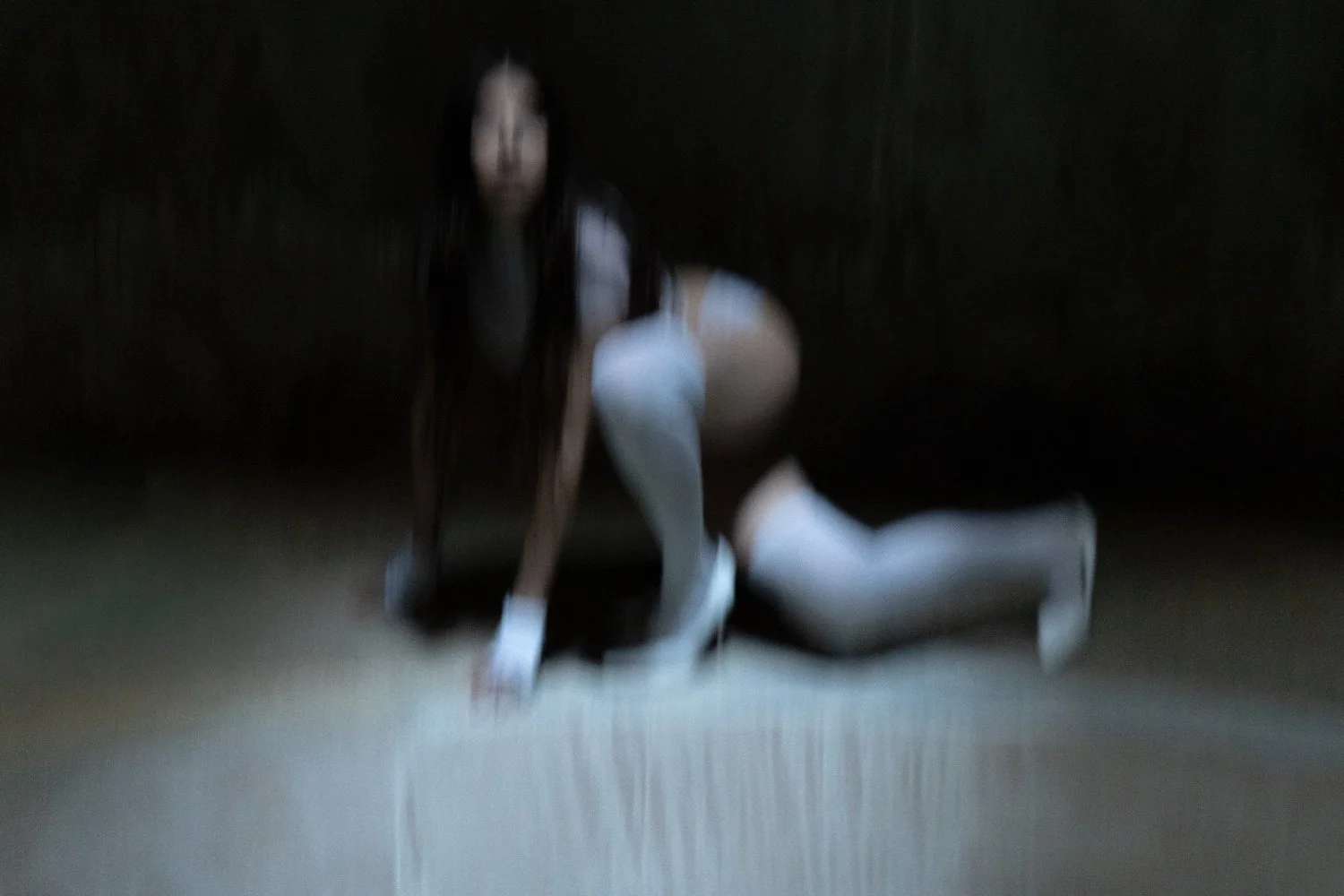
In the Taranta tradition, music and rhythmic elements are fundamental to metamorphosis and healing, as are suspension and calmness. Tarantism historically transformed crisis into a collective embodied ritual, yet music’s role today seems to be more of a vehicle for mere entertainment and bulimic consumption. In this era of informational overload and digital fragmentation, do you think electronic music can still function as communal healing? Do we need to fill a gap as society to bring this attitude back?
The Taranta tradition shows how music can function as a technology of presence, a rhythmic structure capable of containing crisis and transforming it into embodied expression. What moves me most about tarantism is not its folkloric aspect, but its ability to create a shared temporal space where vulnerability, excess, and healing could coexist.
Today listening often becomes fragmented and accelerated, and the ritual potential of sound risks being diluted. Yet I don’t think it has disappeared. It has simply shifted into more subtle and ephemeral forms.
Electronic music, especially within underground contexts, can still generate temporary communities grounded in rhythm and collective immersion. The dancefloor becomes a liminal environment where identities soften and emotional states are processed through movement rather than language. These moments may be brief, but they reveal that the ritual function of music remains latent.
Reactivating this dimension is not only an artistic task but a collective one. I don’t see electronic music as a replacement for ancestral rituals, but as a continuation in altered form, a fragile yet meaningful attempt to restore music as a space of encounter, catharsis, and quiet transformation.
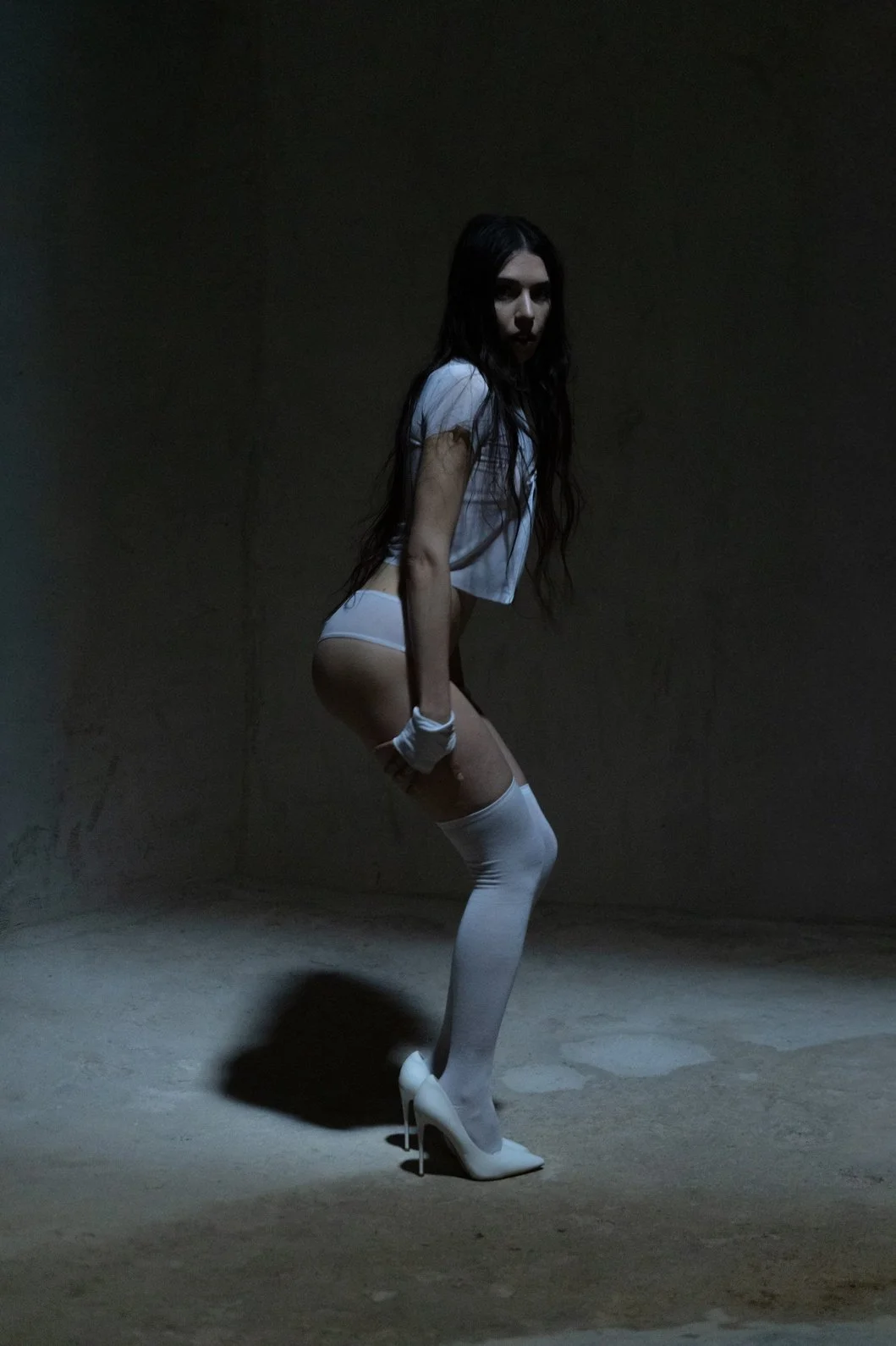
Actually, live performances today are a very important touchpoint for underground communities to gather and get closer to an ancestral state of being, a collective ritual for self expression and discovery.
How are you planning to bring to life the album’s concept on stage and involve your audience?
Bringing Cantico on stage means translating an internal landscape into a shared environment rather than reproducing the album in a performative way. I’m interested in creating a space that already feels alive when the audience enters, a field of sound, diffused light, and presence where perception slowly shifts and time begins to loosen.
The involvement happens on a sensory level. The audience is not asked to interact directly but to inhabit the atmosphere, moving through subtle changes in density, resonance, and proximity. I think of the live setting as a threshold where individual listening expands into collective experience without losing intimacy.
The performance unfolds as a process of emergence. Elements appear, intensify, dissolve, and reconfigure, mirroring the oscillatory nature of the album. What matters is less the narrative of what happens and more the state that is generated, a suspended attention, a quiet attunement between bodies, images, and sound.
A first glimpse of this dimension will take place on March 7th at BASE in Milan, during a special preview curated by Le Cannibale. I see it as an opening rather than a presentation, a moment where fragments of Cantico begin to surface and invite the audience into its evolving ritual space.
Talent YONIRO
Creative Direction EROTOCOMATOSE
Creative consultant & Spatial design HYDRA
Art direction 1111OFFICE
Photography ILENIA SICILIANO
Gaffer: FRANCESCO AIENA
Set design LUANA D’AMICO
Production 1111OFFICE, 00PART
Styling: JOANA ZIBAT
Stylist assistant JOSEPHINE WINKLER
Hair ANTONIO CANDIDO
Interview by LAYLLA ABUGHARBIEH
What to read next