100 Collectors
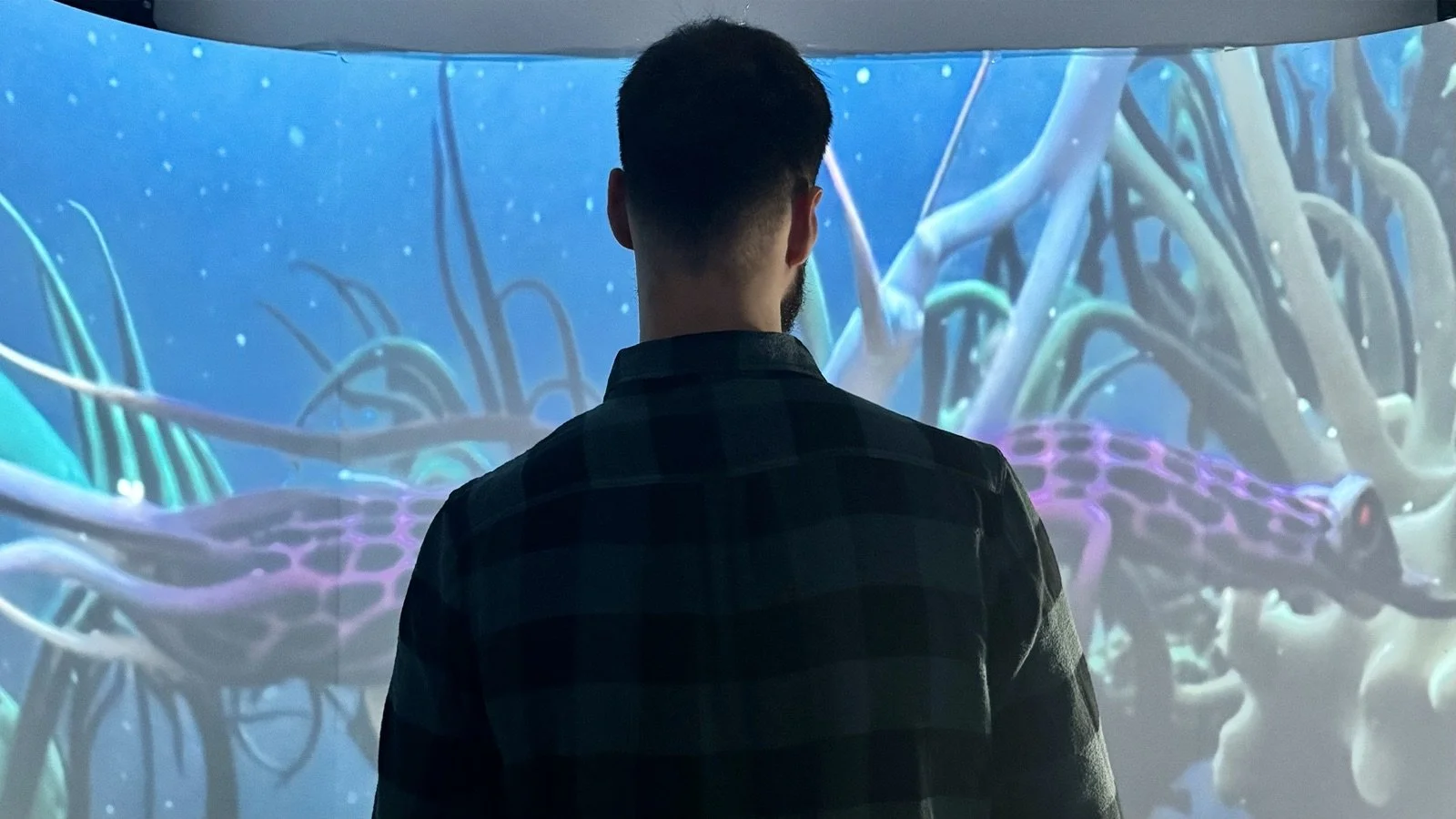
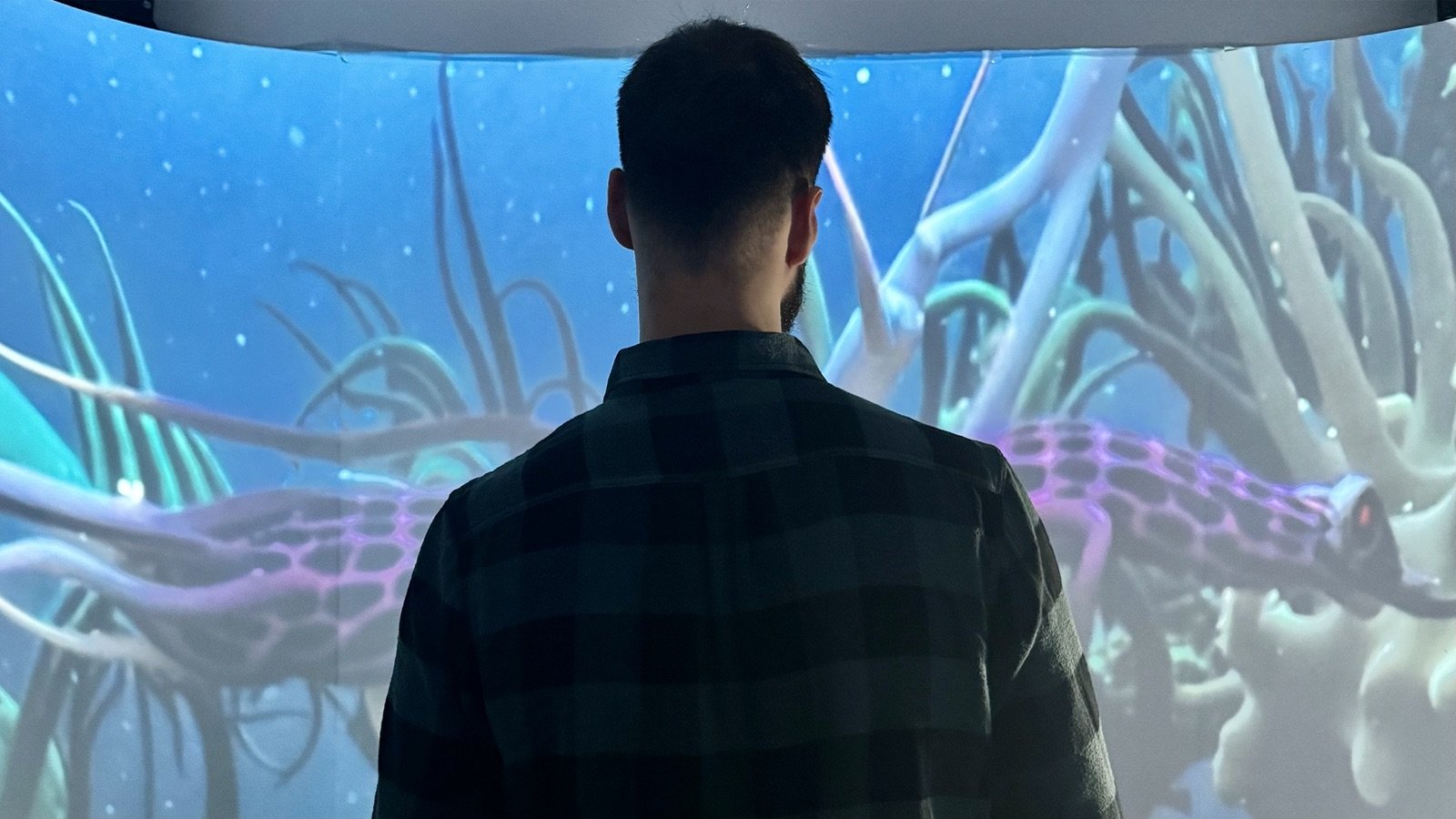
Artist in Residence Visit | CROSSLUCID at RNA Studio | Lisbon, Portugal | 2024
To bridge the gap between traditional and digital art collecting, curator and entrepreneur Pauline Foessel founded 100 collectors, a private club uniting collectors worldwide.
100 collectors was created as a community where collectors can learn together, exchange perspectives, and navigate both physical and digital art worlds with more clarity. Members connect through studio visits, exhibitions, talks, and shared IRL experiences, fostering direct relationships with artists and curators. They come from diverse backgrounds, but are united by the same interest in collecting with intention.
In this interview, Pauline shares how 100 collectors emerged, why curation and community matter, the key aspects of collecting contemporary and digital art, how members engage with digital and AI-assisted artworks, and how collectors can take a more active role within today’s evolving art ecosystem.
What first inspired you to create 100 collectors? Was there a specific moment, conversation, or experience that made you realise this model was needed?
I created 100 collectors in Lisbon at a moment where two parts of my professional life finally met. My background is fully rooted in contemporary art: galleries, an artist studio, a private foundation, but in parallel I always had a strong fascination for the digital. For years, I felt that the art world wasn’t fully utilizing the internet and that something was missing.
When I entered the Web3 space in early 2021, everything clicked. I discovered an ecosystem that was incredibly inclusive. Even if I didn’t know much at the beginning, people were open, willing to explain, and curious about my perspective. I also noticed a dynamic that was very different from the traditional art world: collectors were close to the artists, artists were deeply engaged with their communities, and there was a sense of co-creation and transparency.
At the same time, many collectors in Lisbon were asking me to help them understand NFTs. Lisbon suddenly became a destination for crypto investors and digital art collectors, and these people were eager to discover the city’s artistic scene. On one hand, I had contemporary art collectors wanting to understand the digital; on the other hand, digital natives who wanted to connect with the physical art world. The bridge felt obvious. That’s how 100 collectors was born: from the desire to create a space where these two worlds could meet, learn from one another, and support artists in meaningful ways.
In the beginning we were simply a small group doing visits, meeting artists and curators, sharing knowledge. But very quickly it became clear that what people really wanted was a sense of community, access, and context. They wanted to experience art together but not only in Lisbon. And that has guided the project ever since.
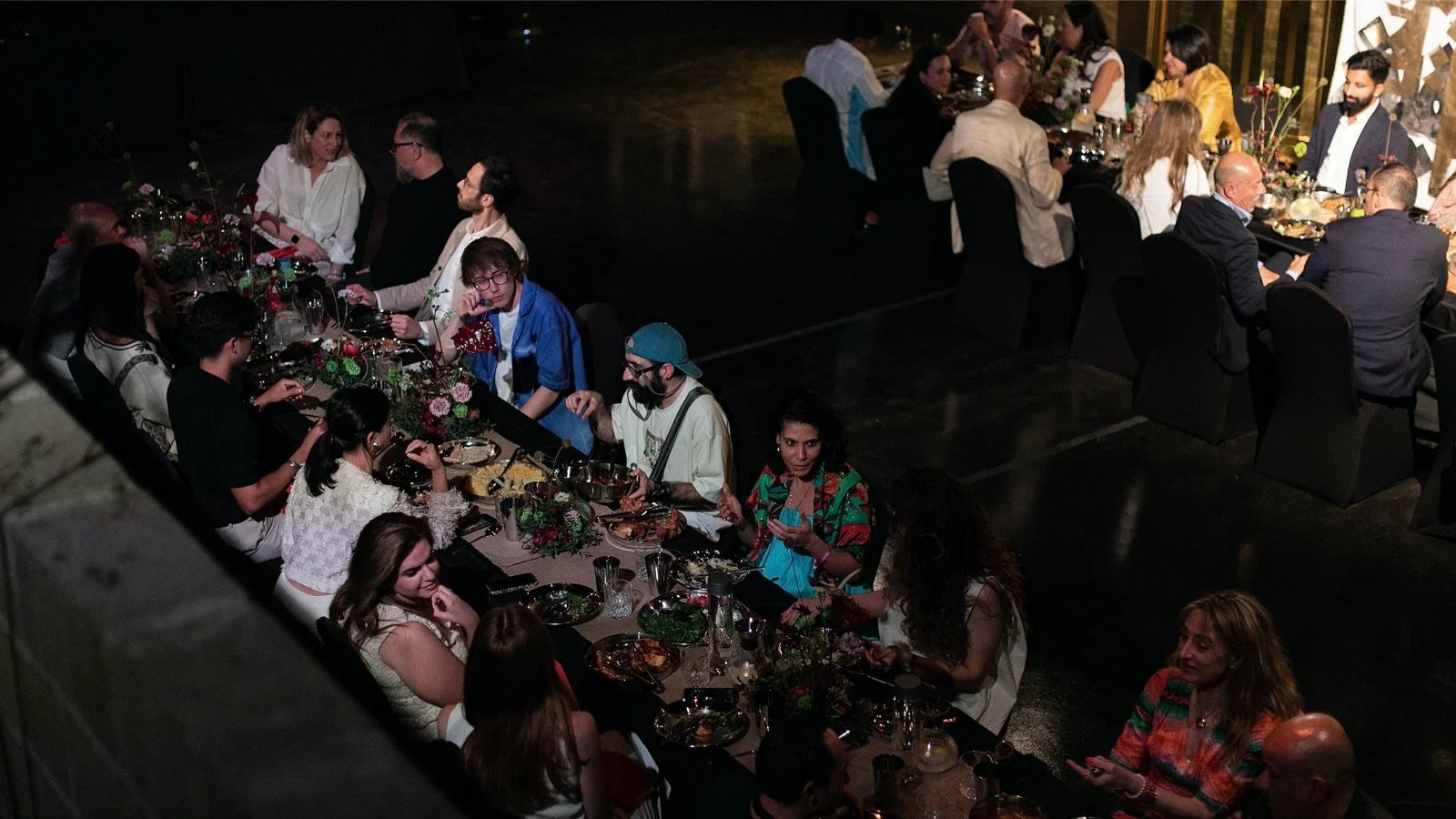
Mohsen Hazrati | Dinner at Inloco Gallery in partnership with Danae during Art Dubai | Dubai, UAE, 2025 | Credit: iartsevava
When you launched the project, what core problem or gap in the contemporary/digital art ecosystem were you aiming to address?
I felt there were gaps on both sides. In the contemporary art world, collecting is often a lonely adventure. You may have relationships with galleries, curators, or even artists, but there is very little interaction among collectors themselves. The community aspect that existed so strongly in Web3 was simply missing.
On the digital art side, the main issue was the opposite: too much information, too fast, with less IRL experience. Everything happens online, which can be both exciting and overwhelming. You need time, experience, and access to filter the noise, identify talent, and make informed decisions. Many collectors told me they felt lost, not because they didn’t want to engage, but because they didn’t know where to start.
100 collectors was designed to respond to both challenges at once: to create a real community around collecting and to offer a layer of expertise, guidance, and access that helps people navigate a world that moves very quickly. When members say that our work helps them feel oriented, confident, and curious, I know we’re addressing the right gap.
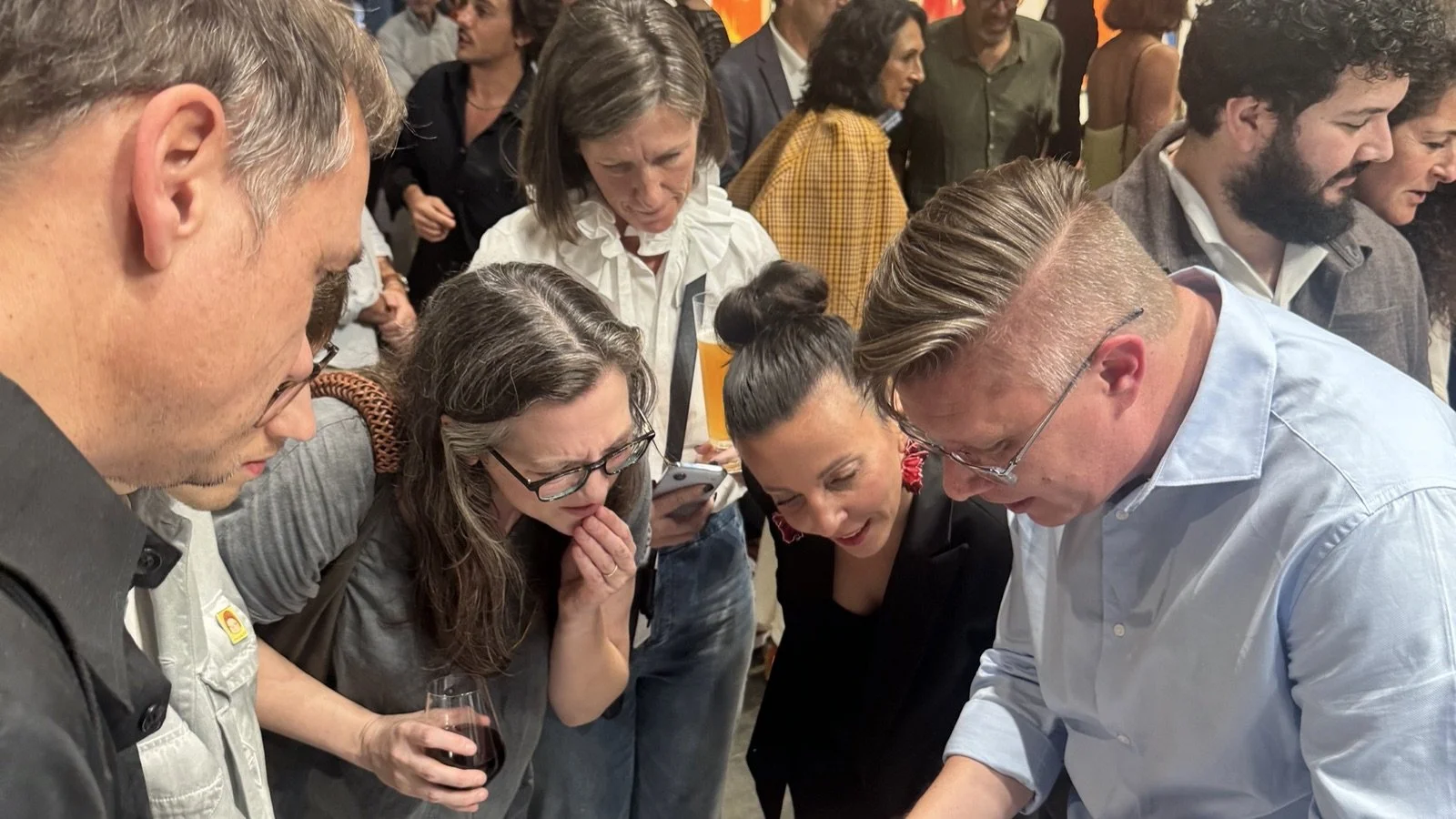
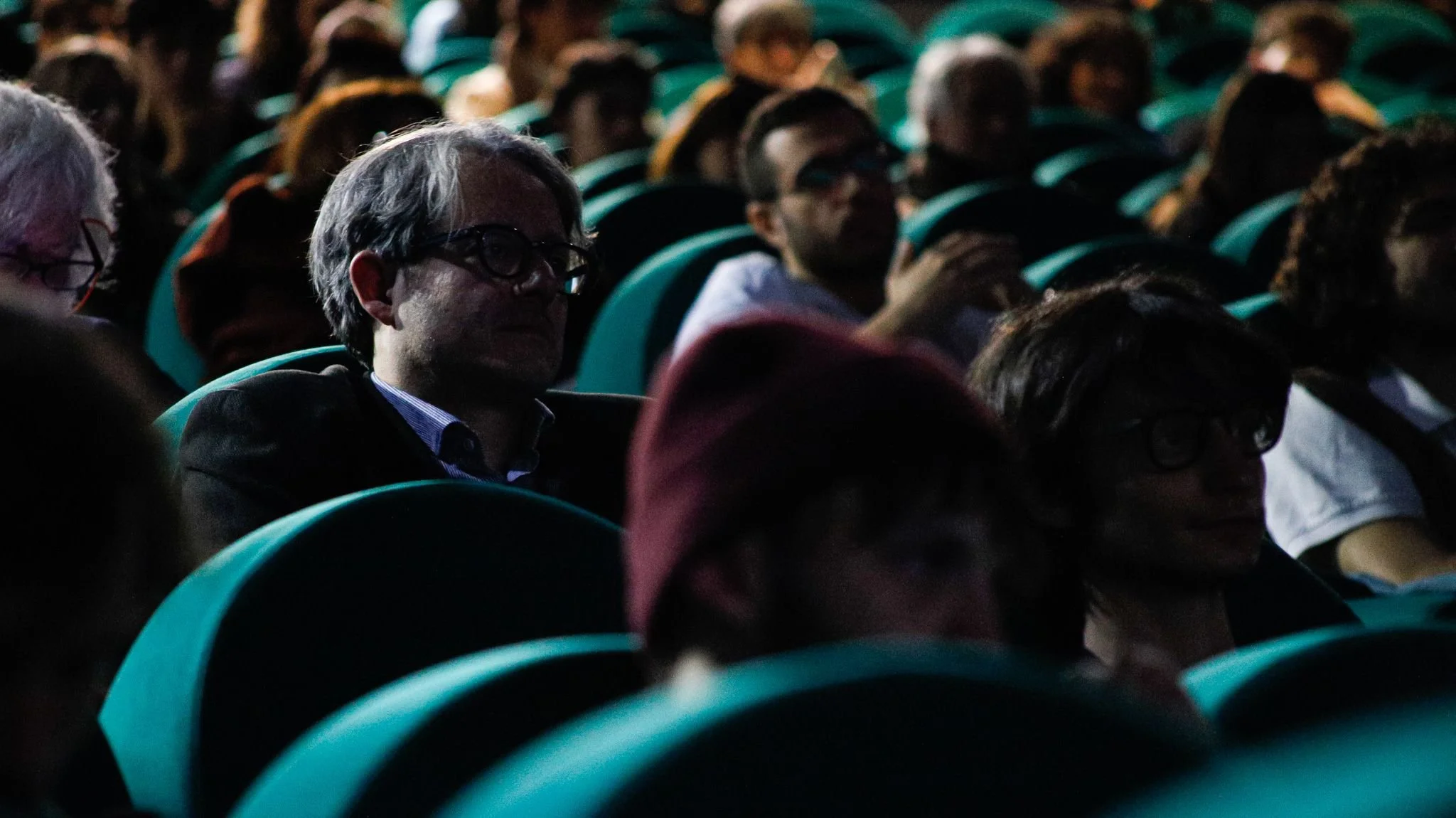
Meet the artist: Beeple | Art Basel Miami Beach | Miami, USA, 2025
100 collectors is intentionally curated. How do you define the profile of a “100 collectors member,” and why is selective curation important for the community?
From the beginning, we knew we needed curation. We are willing to create a wide- open network, but from the start we aimed to build a space where people collect with intention. A 100 collectors member is someone who sees art as meaningful and wants to support artists and engage with their ideas. They can be new to collecting or experienced, but they must care. That is the common denominator.
Investment is not taboo for us. It is part of collecting and it should be acknowledged. But if someone’s only motivation is to flip artworks, it doesn’t work for the community we are building. The experience becomes transactional instead of cultural.
Anyone can apply, we are not an invitation-only club, but every application is reviewed to ensure that the person’s mindset aligns with the values shared by our members. This is important not out of exclusivity, but out of respect: for the community, for the artists, and for the experience we want to create. When collectors share the same values, the conversations become richer, the learning becomes deeper, and the whole ecosystem benefits.
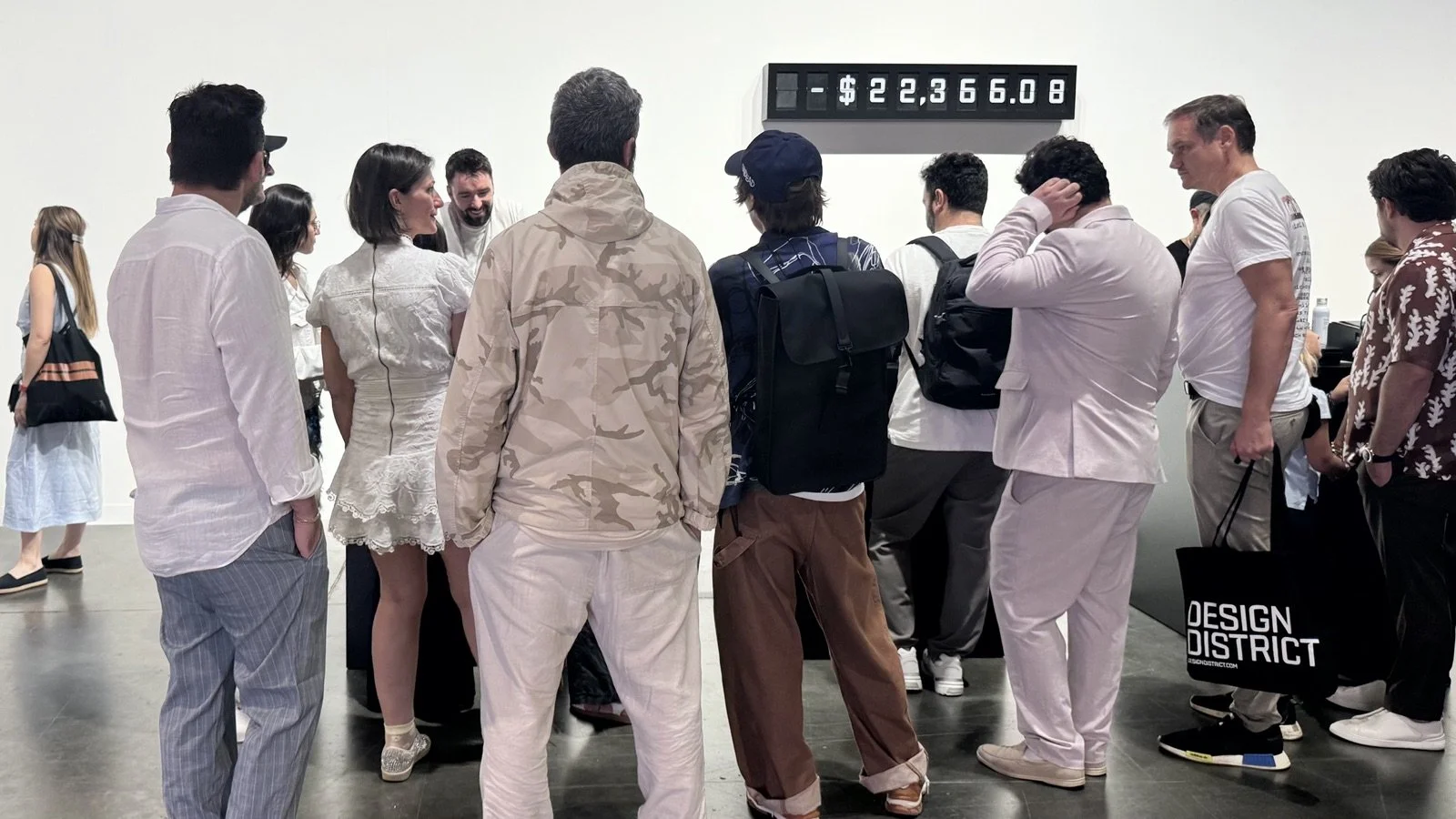
Meet the Artist: Jack Butcher | Art Basel Miami Beach | Miami, USA, 2025
You often describe collectors as active cultural participants rather than passive buyers. How does 100 collectors encourage this shift in mindset?
Collectors are crucial to the art ecosystem, and I think this is sometimes forgotten. Artists create the work, but collectors support the conditions that allow creation to continue. When collectors engage, when they meet artists, understand their processes, and follow their evolution, they naturally become cultural participants rather than just buyers.
At 100 collectors, everything we do is designed to make collecting experiential. We organise studio visits, private tours, talks, and exchanges that invite collectors to ask questions, challenge ideas, and share perspectives. These moments turn collecting into something living and communal. When people understand the intention behind an artwork, they communicate it differently, they share it differently, and they take pride in being part of its journey. It changes everything.
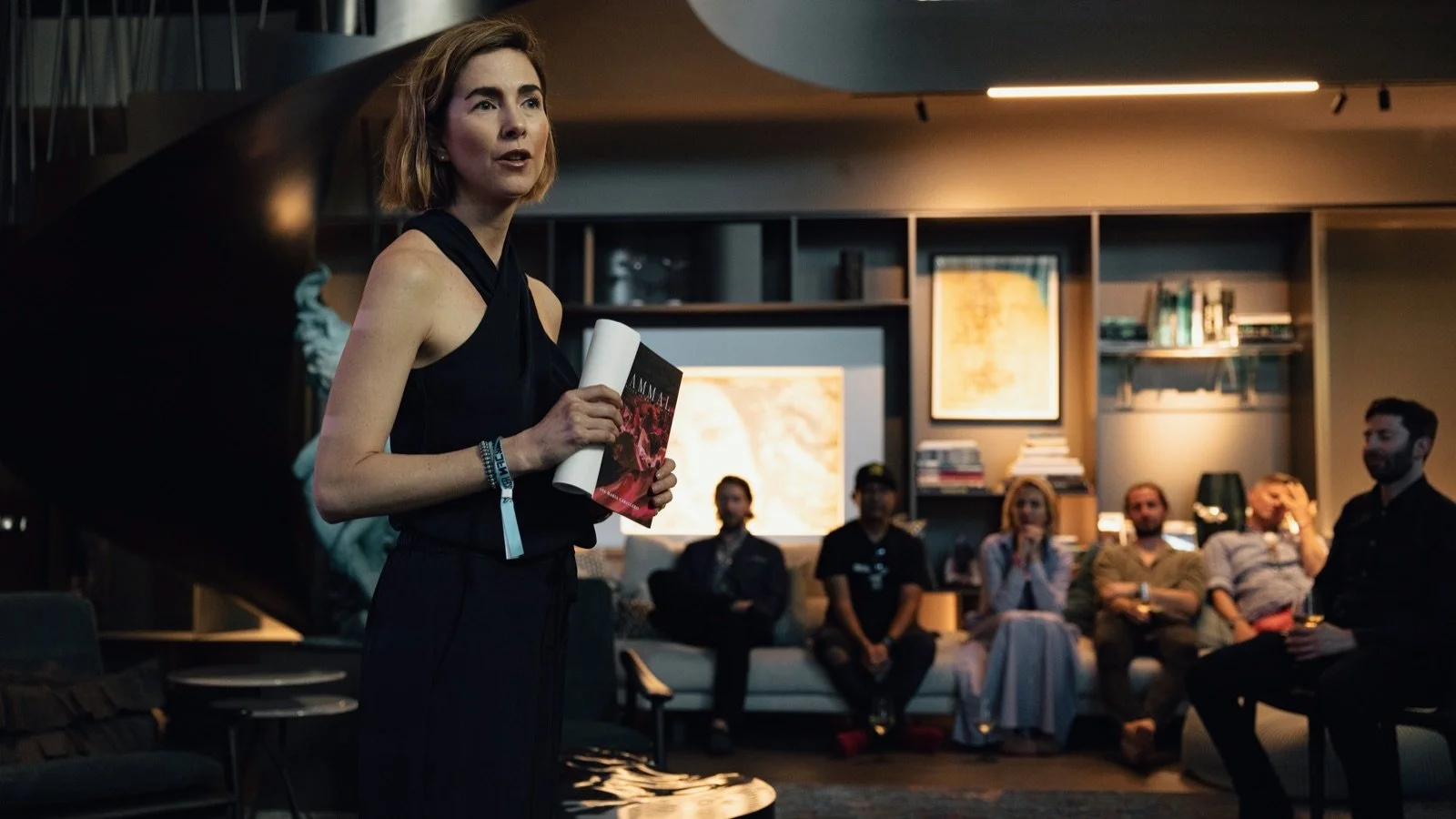
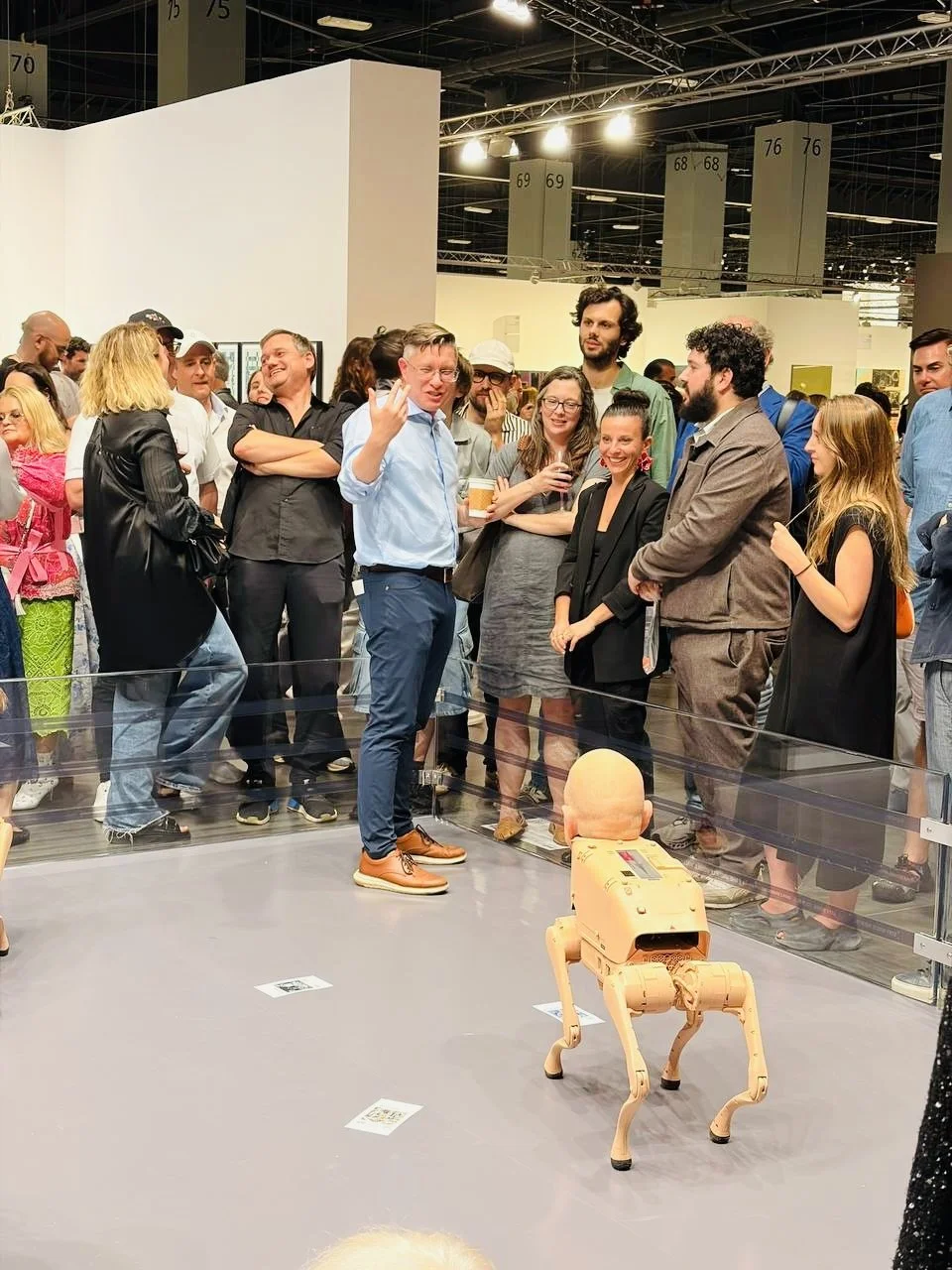
Performance AnaMaria Caballero - Collector’s House Lisbon - Photo: NikitaKruglov
As digital and AI-assisted art evolves, how are collectors within your community adapting? What do you see as the biggest opportunity in this transition?
Our community is incredibly diverse. Some members come from tech and know AI inside out; others come from traditional art collecting and are still figuring out what a smart contract is. But this diversity is actually one of our greatest strengths. We spend a lot of time together: on Telegram, during art weeks, at exhibitions, and these exchanges make everyone grow.
A good example was during Paris Photo this year. Many artists were working with AI, and our tours were moments to understand how they approach the medium, how they question it, and how we, as collectors, can develop a critical perspective. It made people realize that AI is not replacing artistic intention; it’s expanding the questions that artists can ask.
To me, the biggest opportunity is exactly that: the expansion of artistic possibilities. Digital and AI-assisted art opens new forms of expression, new formats for collecting, and new relationships between creators and collectors. It forces all of us to look at art with fresh eyes, and that is incredibly exciting.
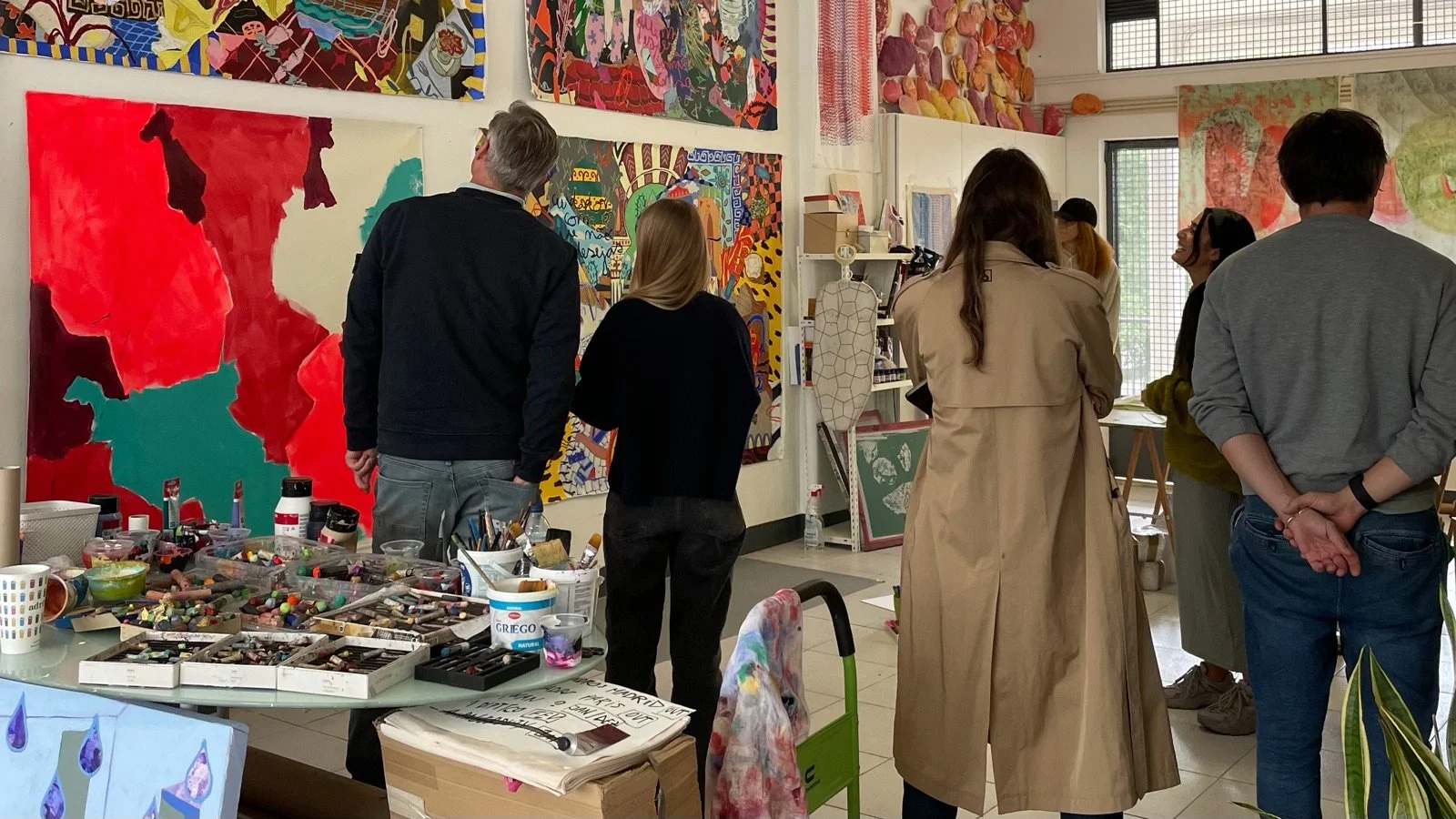
Artist Studio Visit Ana Malta | Lisbon, Portugal | 2024
100 collectors operates across multiple cities. How do different cultural contexts shape the way your community grows and interacts?
Our identity is global by nature. Digital culture is international, and our community reflects that. Interestingly, the digital also brings us back to the local. In the cities where we are active, collectors want to connect with the local art scene, discover local artists, and support what is happening around them.
Different cities attract different types of collectors. In some places, people come from tech; in others, from traditional collecting; in others, from crypto. What makes it beautiful is that they all bring different perspectives and they learn from one another. Collectors who began with NFTs discover physical artworks. Collectors who began with contemporary art become fascinated by digital art practices. You see people expanding their taste, refining their eye, and becoming more open.
The mobility of the community, the fact that we all meet again during major art and NFT weeks, creates a continuity that transcends geography. It feels like one ecosystem moving together, across cities and contexts.
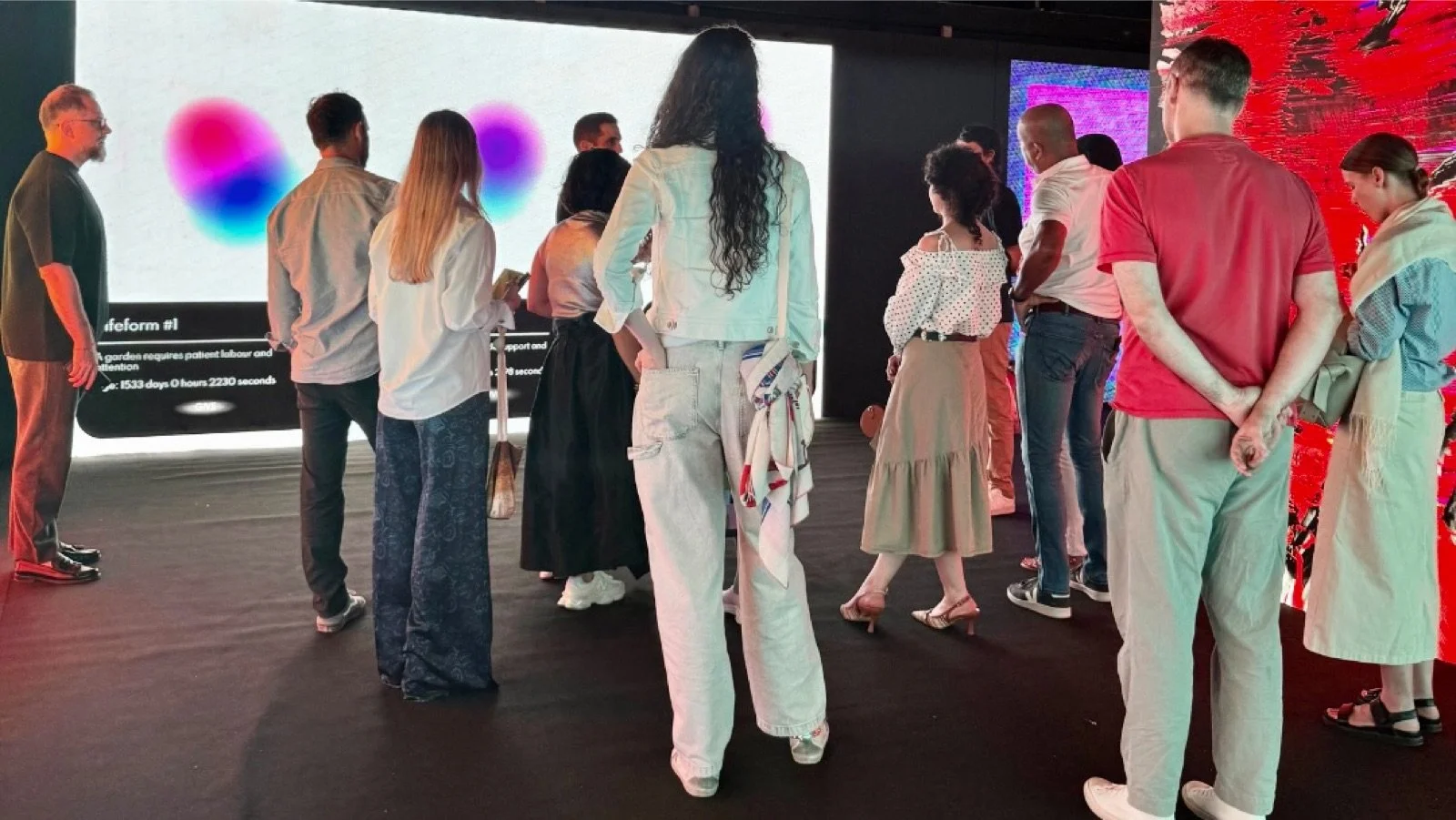
Meet the artist: James Bloom and Visit by Reimagined | Abu Dhabi Art | Abu Dhabi, UAE | 2025
What do you envision for 100 collectors in the next five years — structurally, geographically, or in terms of impact on the art ecosystem?
I see 100 collectors evolving into a global network of mindful collectors, deeply engaged with their local scenes while staying connected internationally. I want us to demystify collecting even further, to make it more accessible, informed, and culturally impactful.
I also believe we can contribute to decentralising how art is funded. The current systems are limited, and new technologies offer ways to support artists in a more direct, transparent, and participatory way. We already know our direction, and it’s ambitious. But for now, I’ll keep some of it a surprise — it’s part of the story we are building.
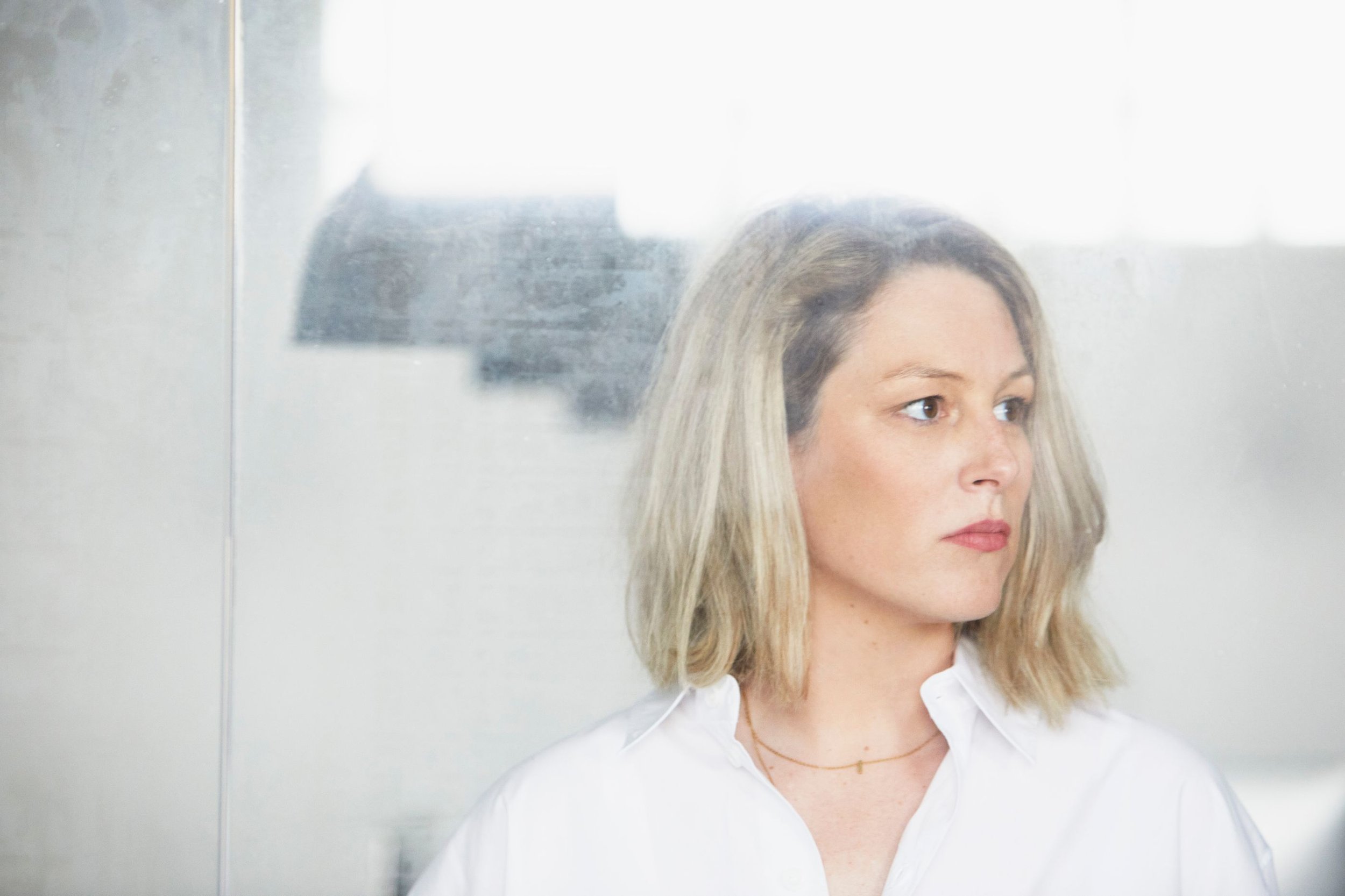
Pauline Foessel
Interview by Anastasiia Ageeva
What to read next