An interview with NEXT GEN-Jury Sven Marquardt on PLATTE Berlin
At PLATTE Berlin, the exhibition reads as a carefully composed environment rather than a neutral display. For Sven Marquardt, part of the NEXT GEN jury, the project begins with community and material presence. Jewellery and craftsmanship appear as central gestures, grounded in touch, weight, and authenticity, far from anonymous industrial repetition. The focus remains on what feels real, what carries intention, and what endures beyond trend cycles.

We came together for this exhibition to be around that community. I saw downstairs that there is a really strong focus on jewellery and craftsmanship. Do you think it is important nowadays for people to come back to real touch and real craftsmanship? How do you see craftsmanship, especially in jewellery today? I feel that we really need to return to real craftsmanship instead of industrial production, so I was wondering what your perspective is on that.
I always think that the things that are here are really important. Authentic. Real. There are also two jewellery designers chosen among the six winners. I love jewellery, always. But the jewellery was not only about me. It was about authenticity and realness.
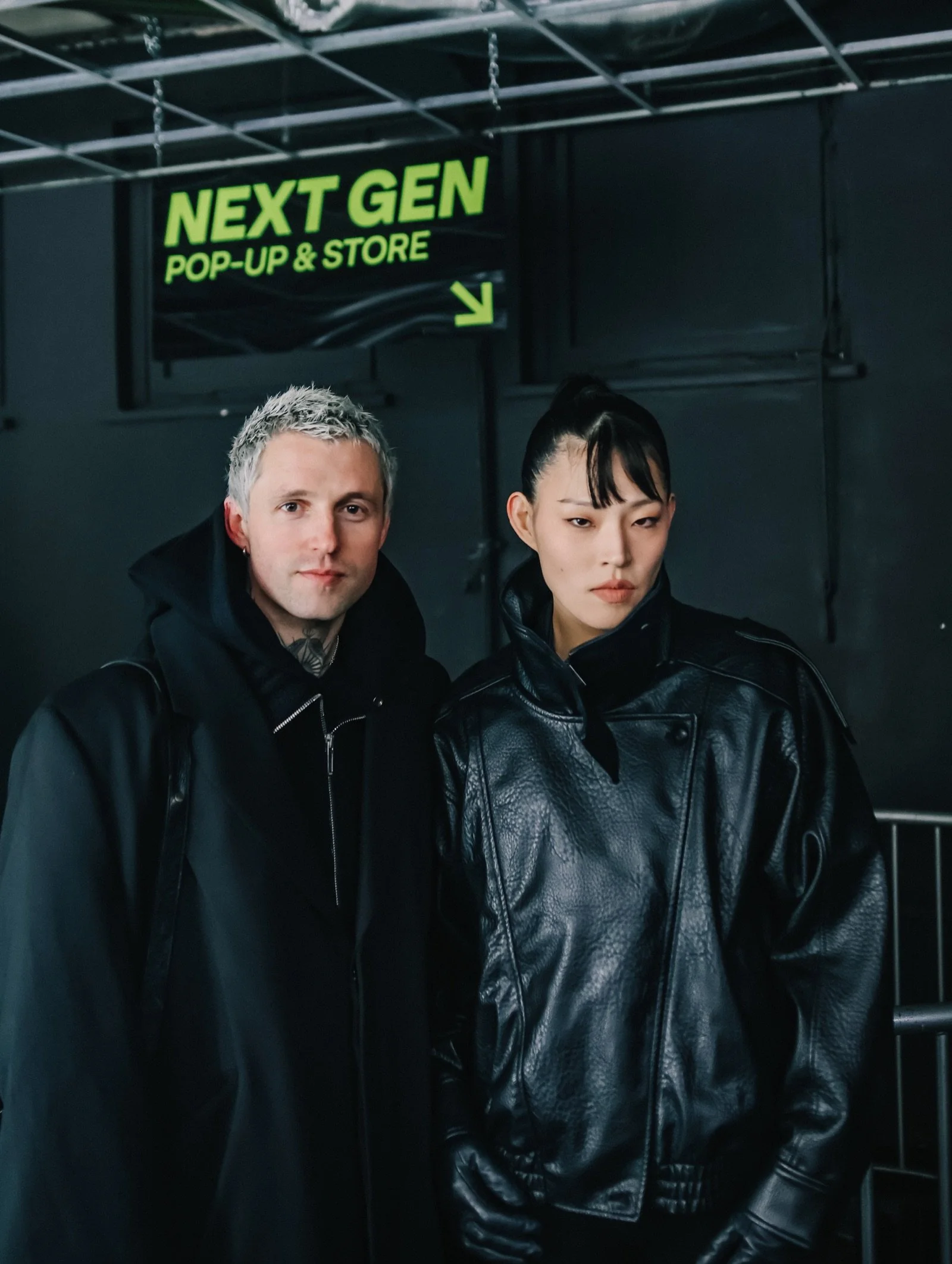
About the creation of the space and the designers you selected for the finals, how did you enter this process and what was your matrix for selecting some over others?
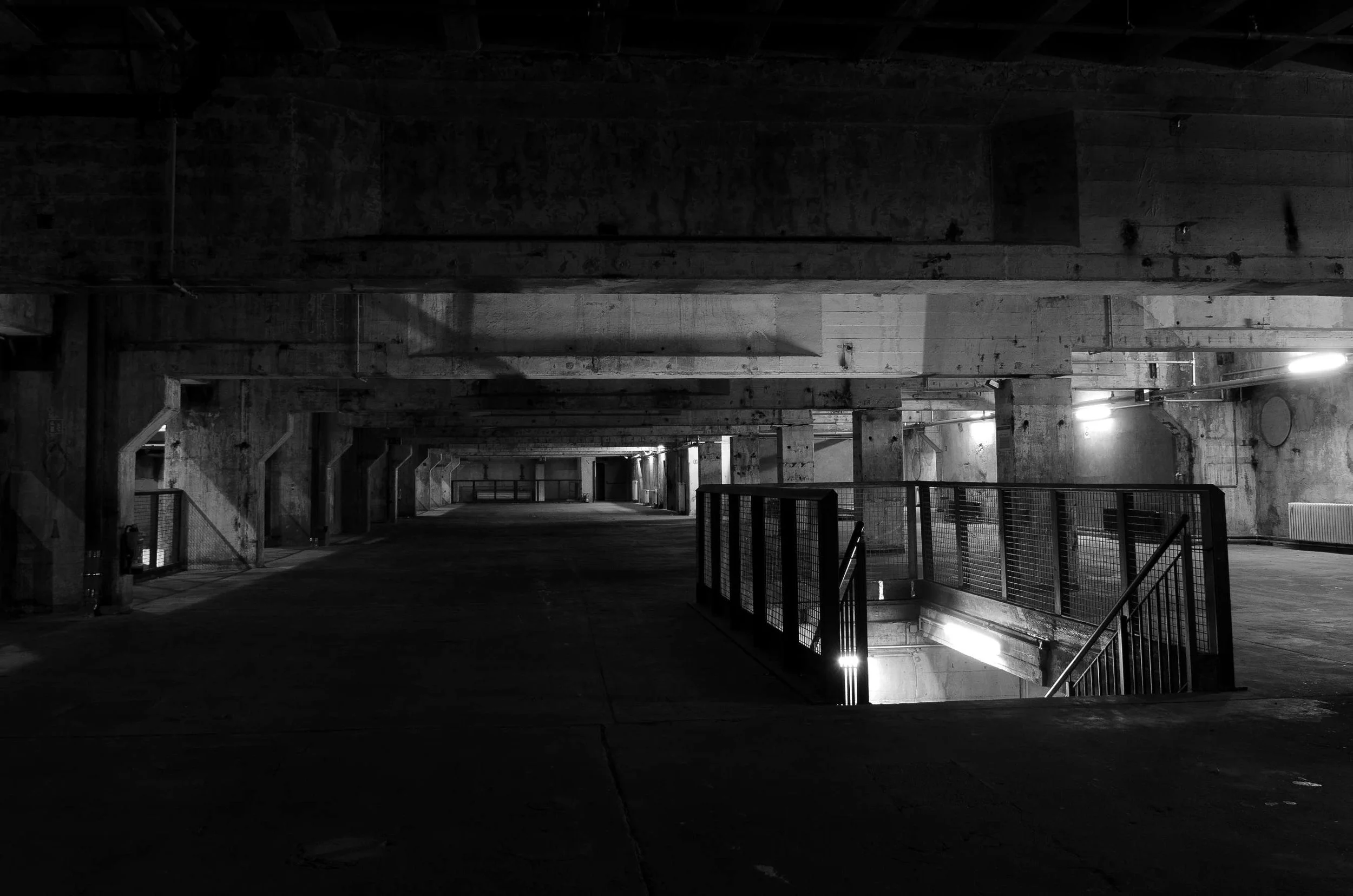
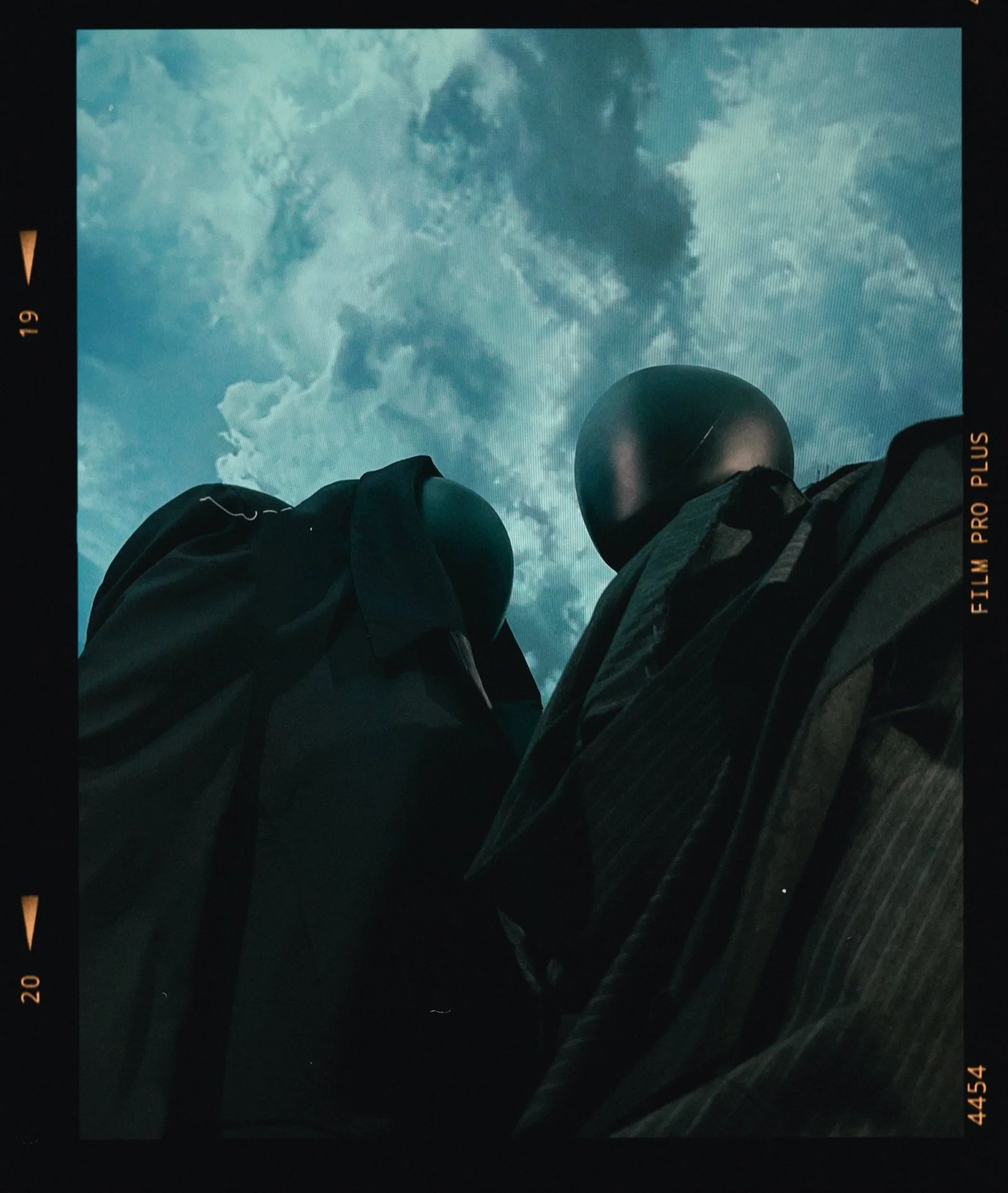
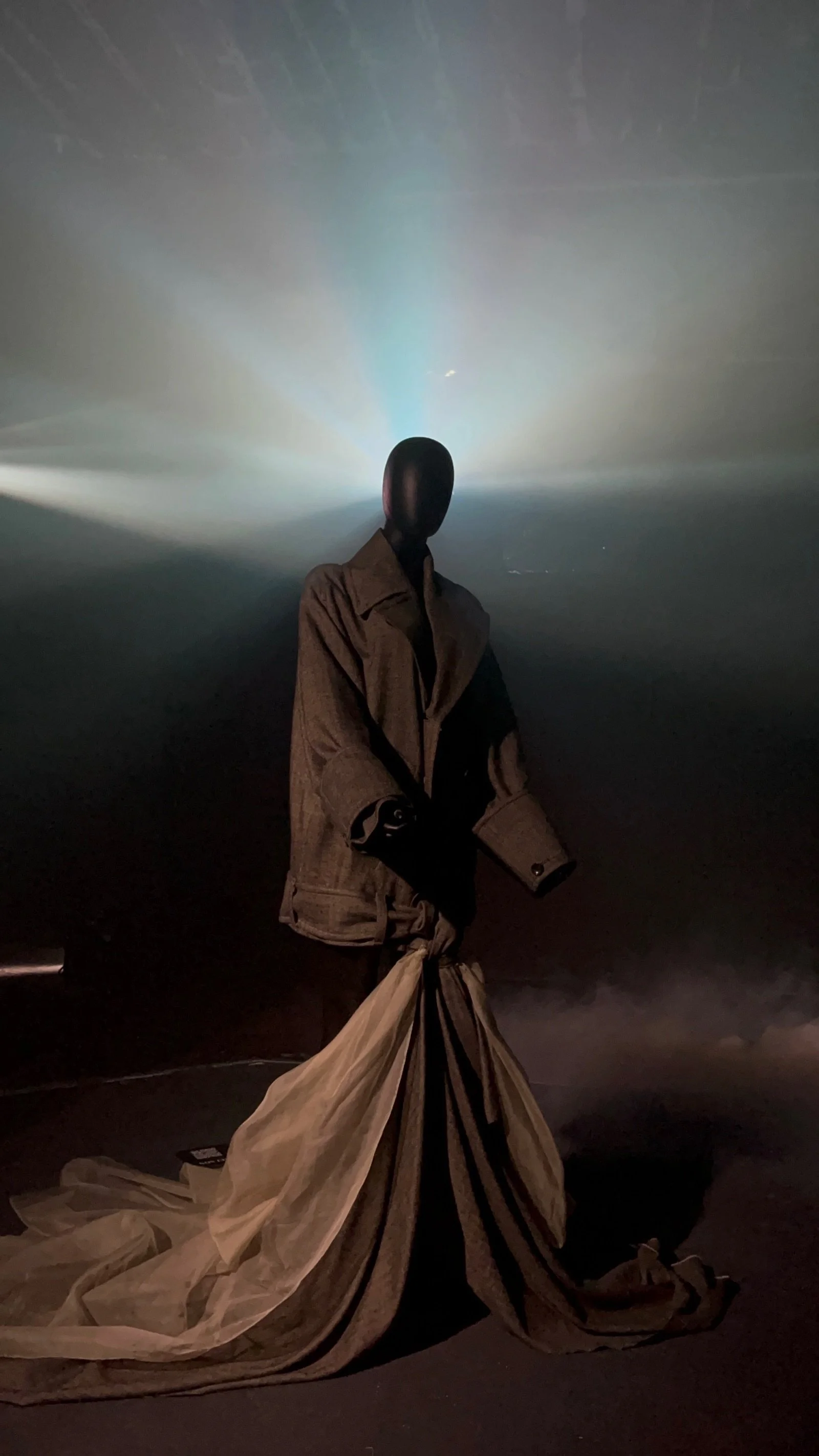
It is an audiovisual installation with set design, light, film, visual art, and motion design. The winners, the designers, are placed in a space that looks a bit like Lost Highway, a lost city. The inspiration was the city. The city seen from the outside, as if you could look a bit further into it. It is about the film, the mirrors, the writing. There are 28 words in German placed throughout the space. Mirror traffic, mirroring, reality, non-reality, all these things.
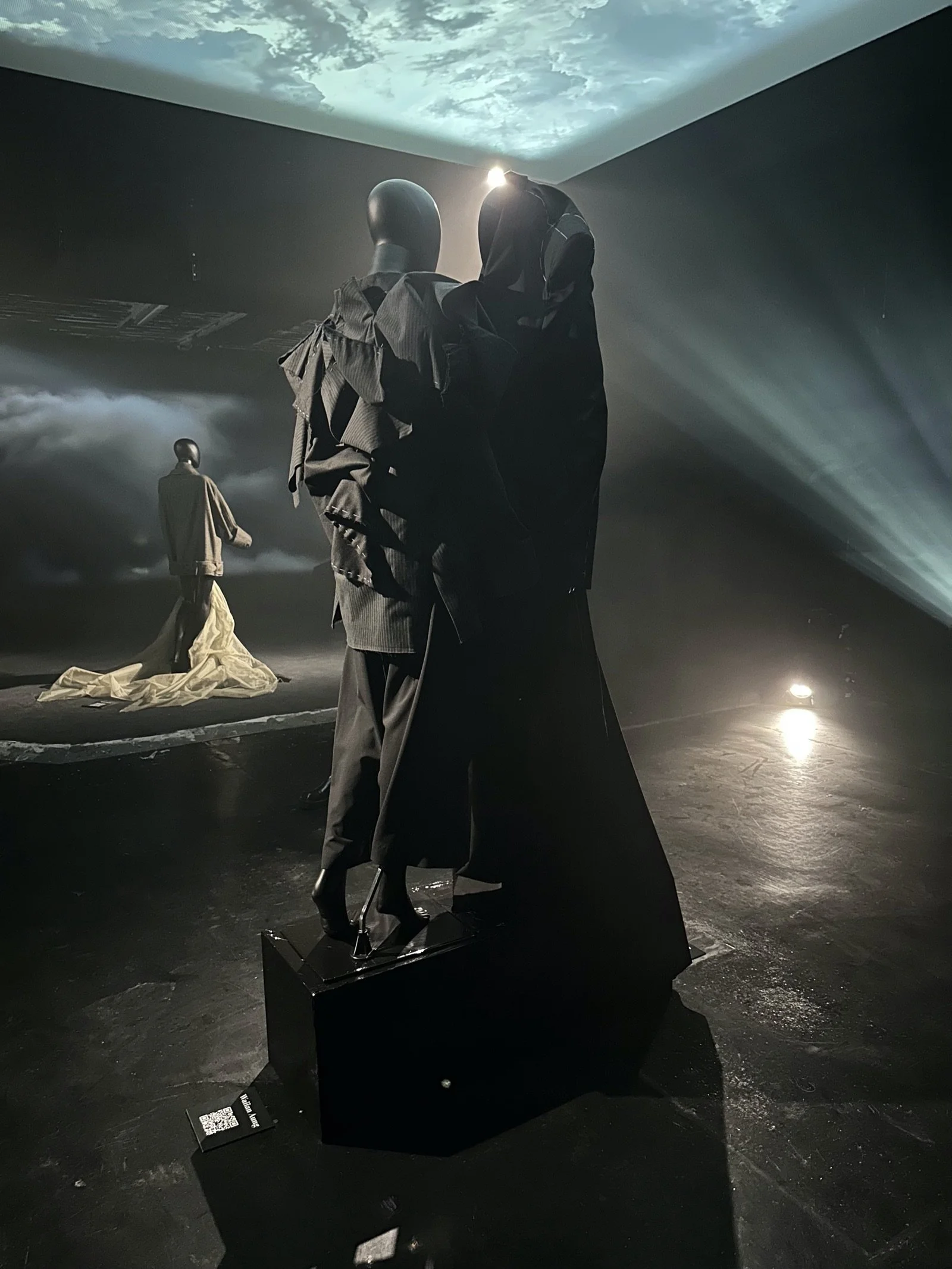
Another question I had in mind relates to your background in photography. How do you translate this creativity into something more physical, into a proper mixed medium, multidisciplinary space with many different designers and people? How do you integrate your background into something that is different and more installative?
My shootings are always staged moments. There is always a set, sometimes just a chair or a wall, sometimes something much more elaborate and bigger. That is why it is set design. At first I thought it had nothing to do with it. But yes, it has a lot to do with my way of staging images. Totally. I just had to think about it for a moment. It was a process, like planning a photo shoot, just on a different level. Because it is about presenting the designers. But also during the process I thought about things like which stylists we have, because there are styles coming from the outside. That is why it felt very close to what I usually do, and still different.
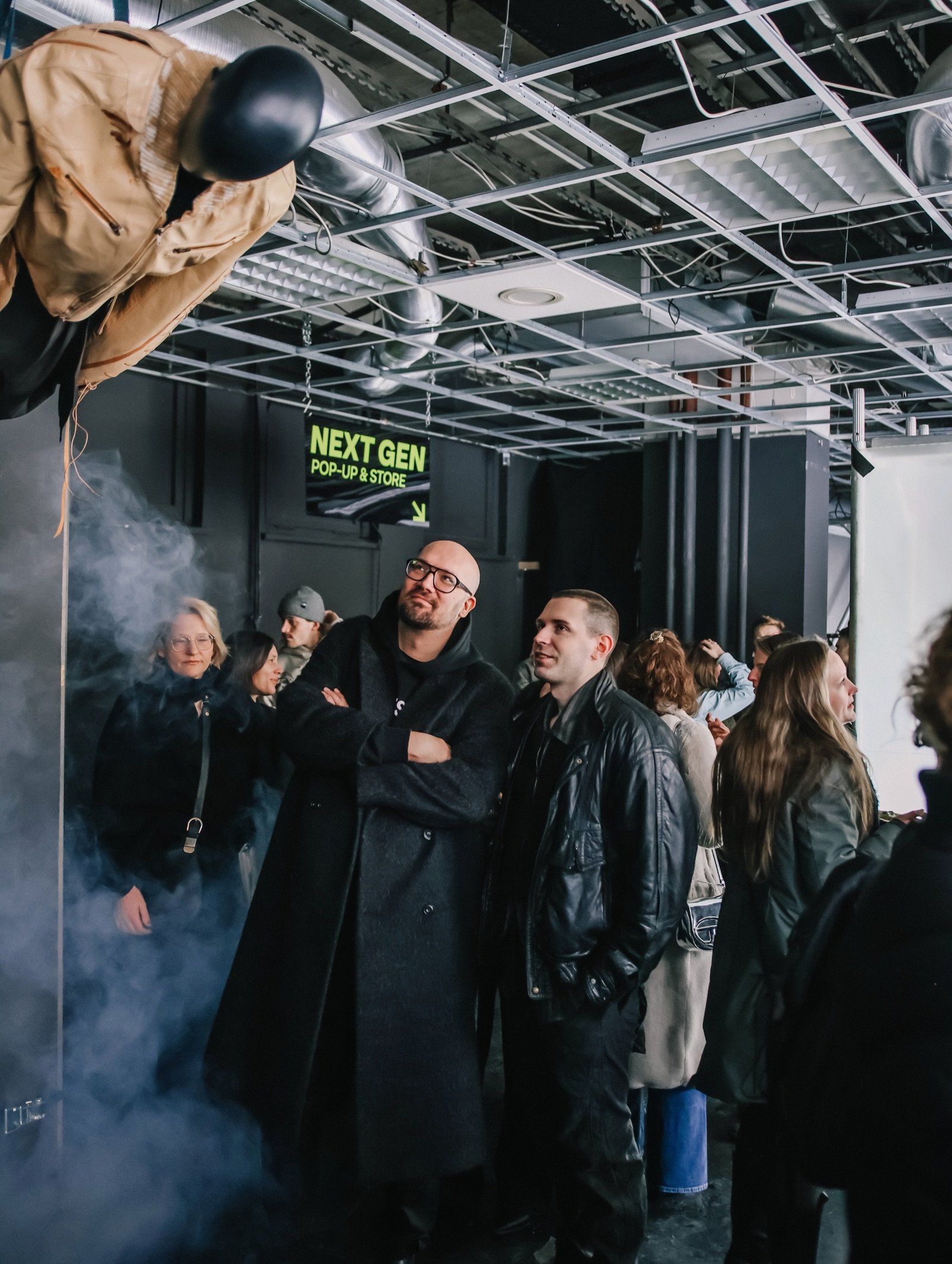
Thinking about the future of the designers, how do you see your specific selection and the creation of this platform? What do you feel people need the most nowadays in terms of design and craftsmanship?
In my jury work, there were many people involved, seven, eight, nine. I also looked at portability. I like streetwear. Of course, I also like seeing couture pieces in a show. You see images from Paris and think, wow, what is that? Total art. But for the Berlin designer winner, it is also important that the pieces can be bought and worn. That was an important aspect for me. I also noticed that within the jury everyone had a different approach. Some people focused more on the artistic moment when giving their points. I think that is why we ended up with a very good mix of different designs.
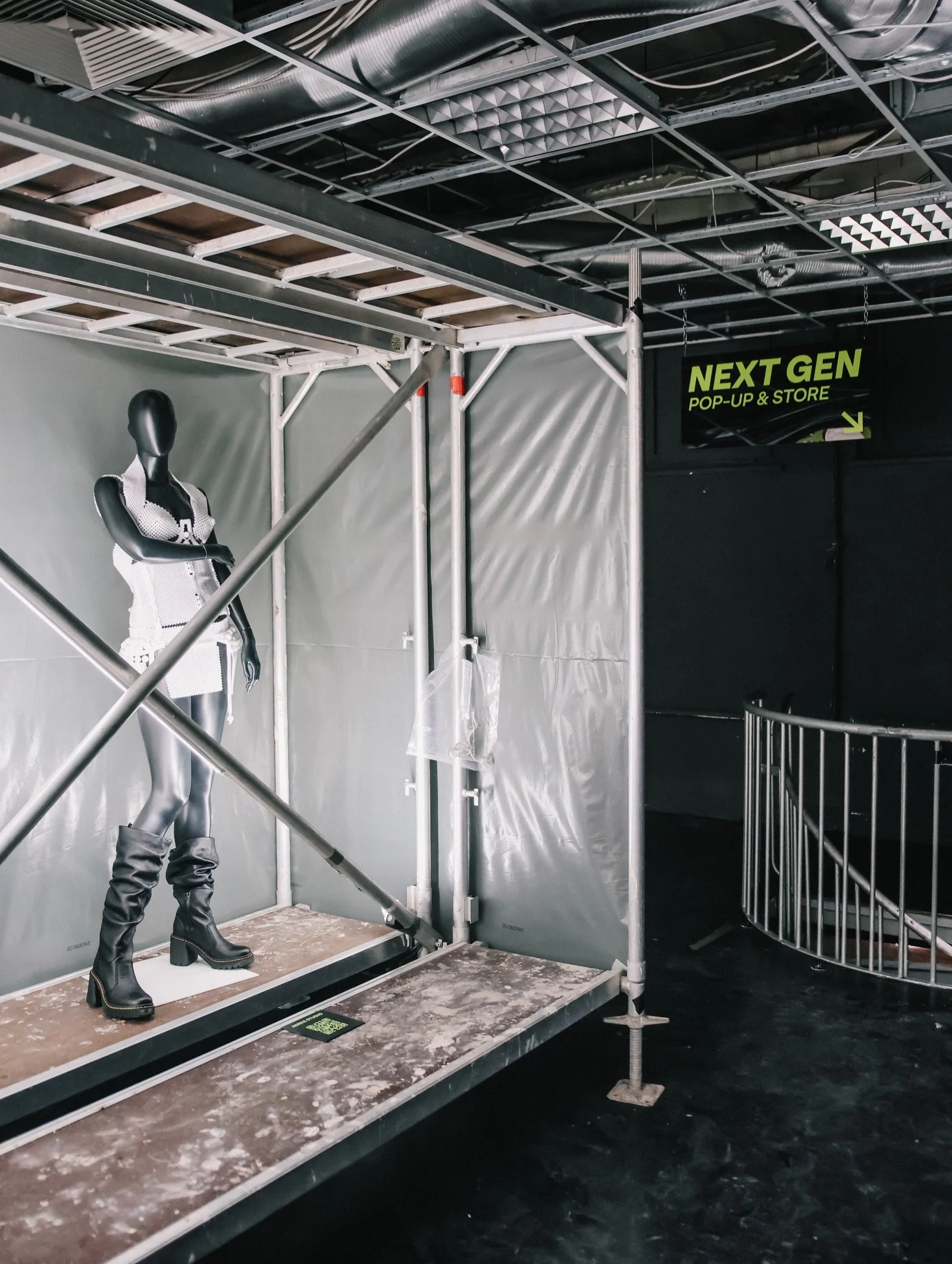
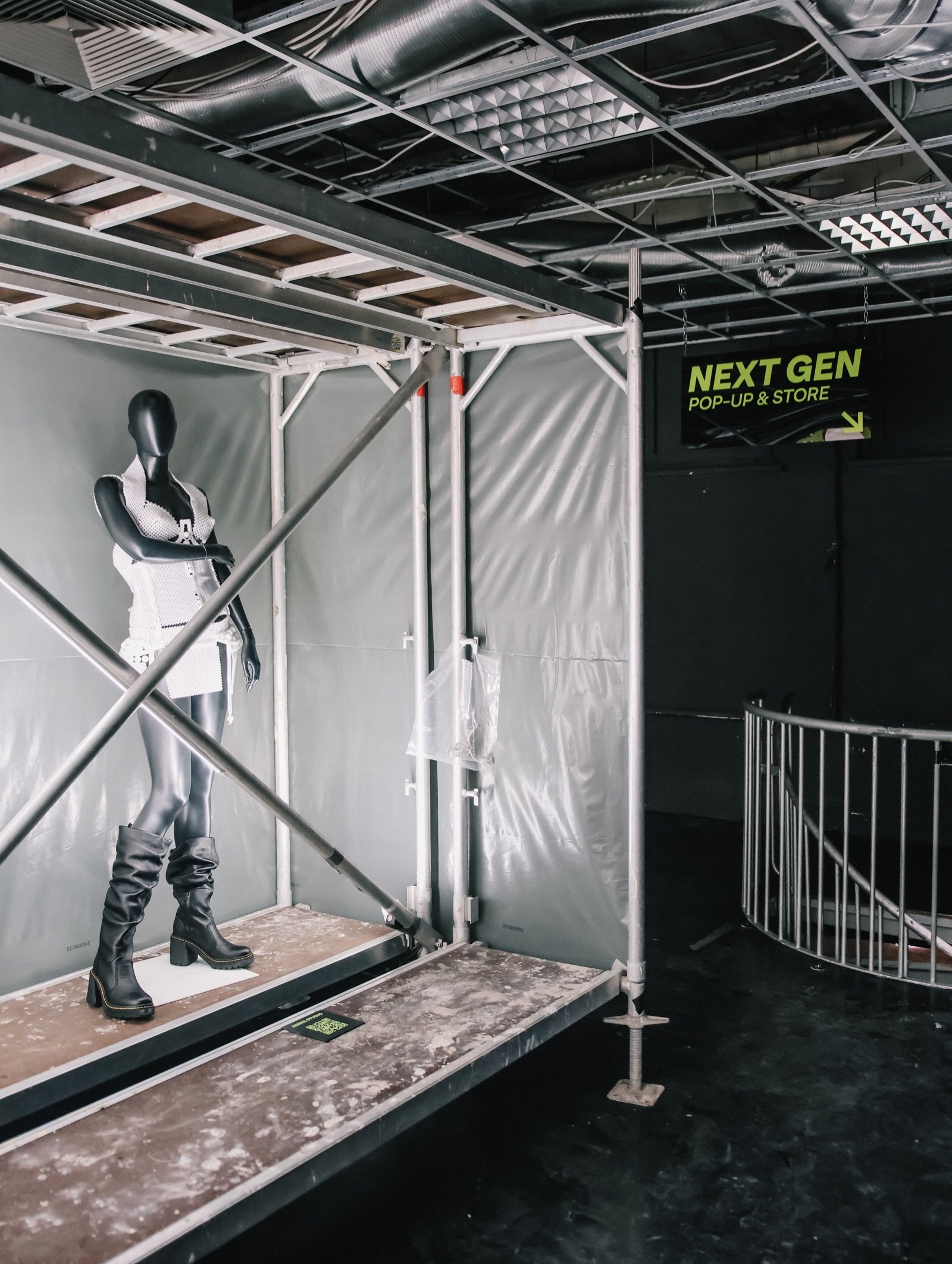
That mix is exactly what we want with Platte. On one hand, the exhibition presents the designs in an artistic way. On the other, they are available to buy in our pop-up store.
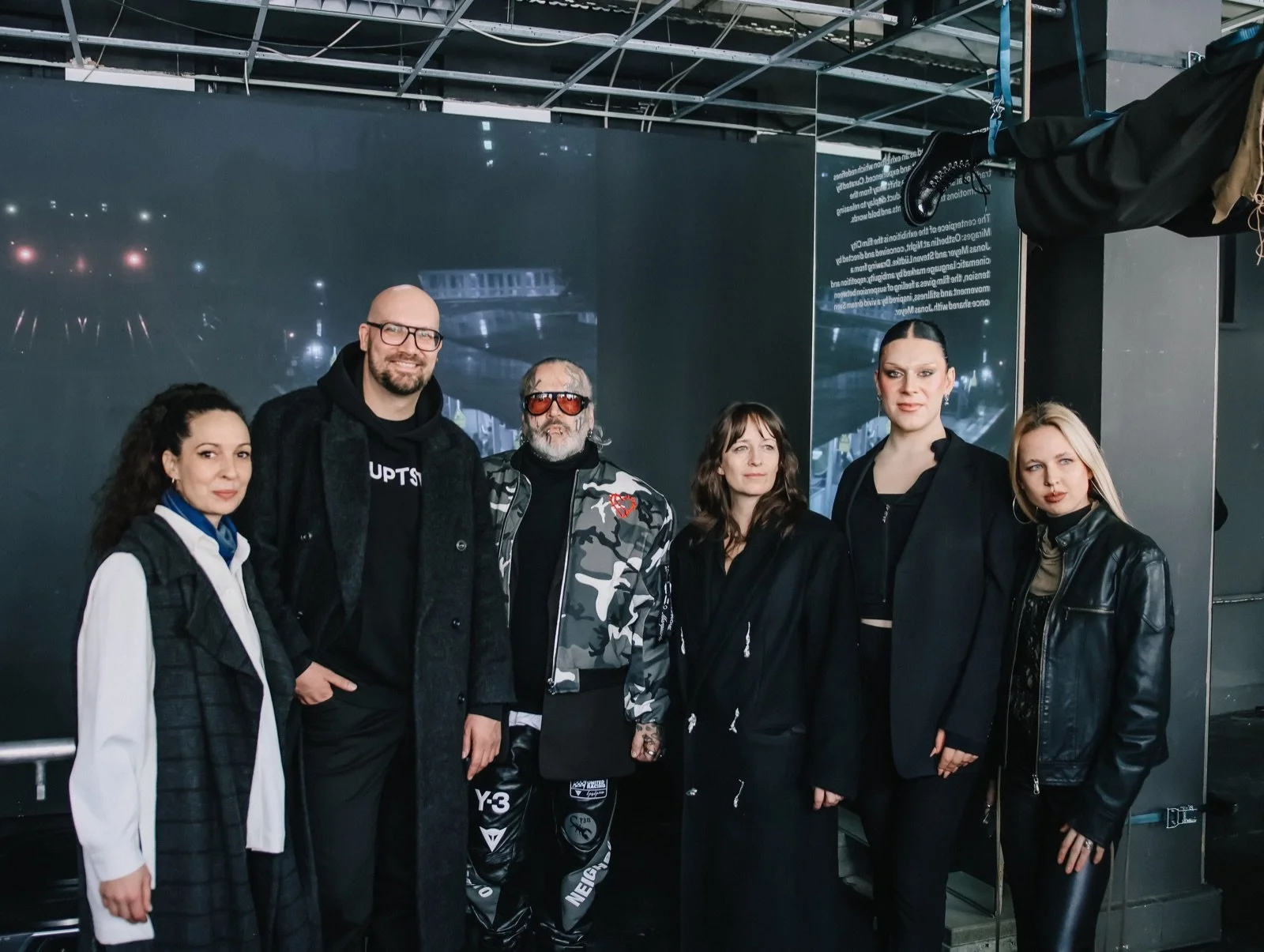
Interview DONALD GJOKA
What to read next