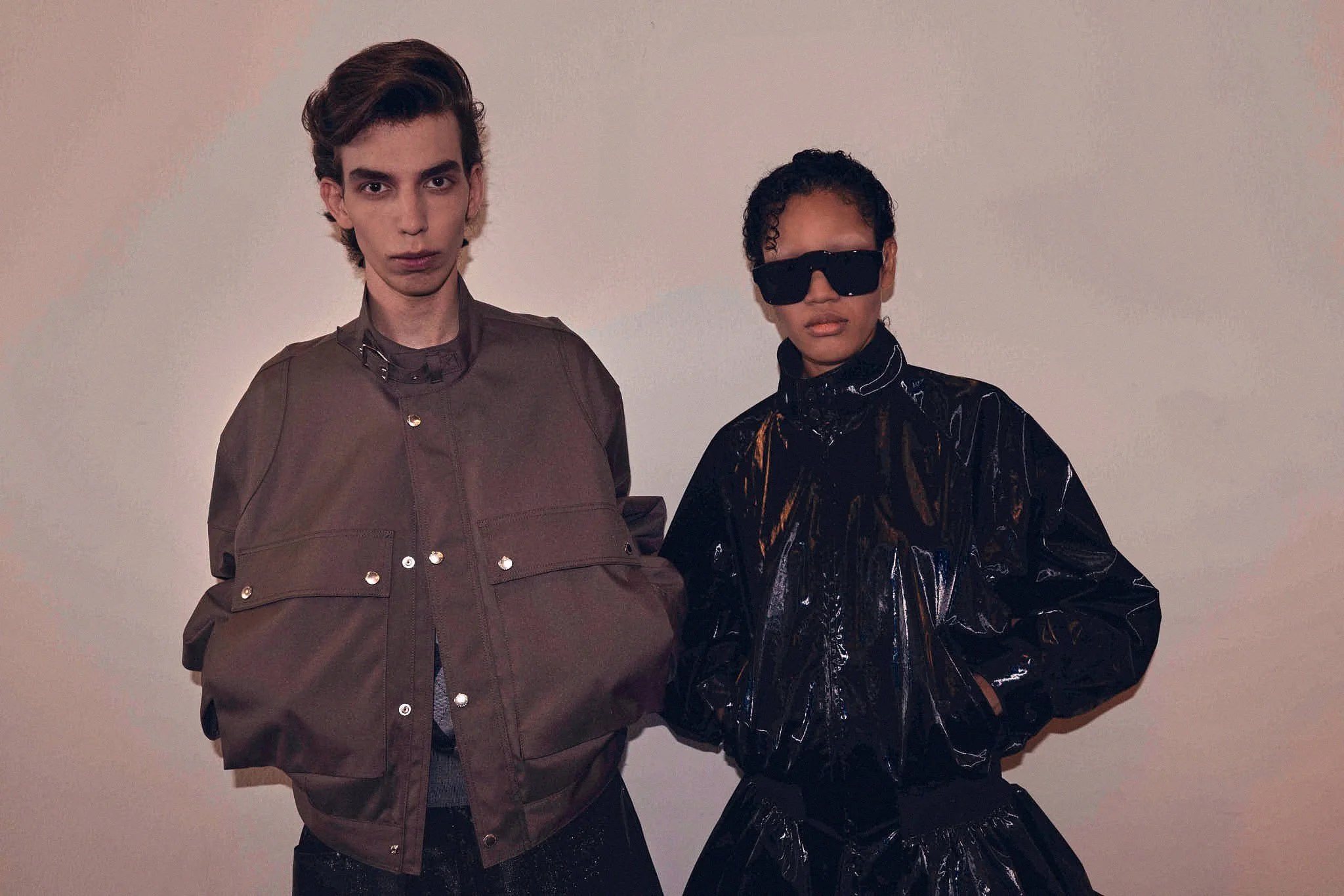
Berlin Fashion Week Spring Summer 2027
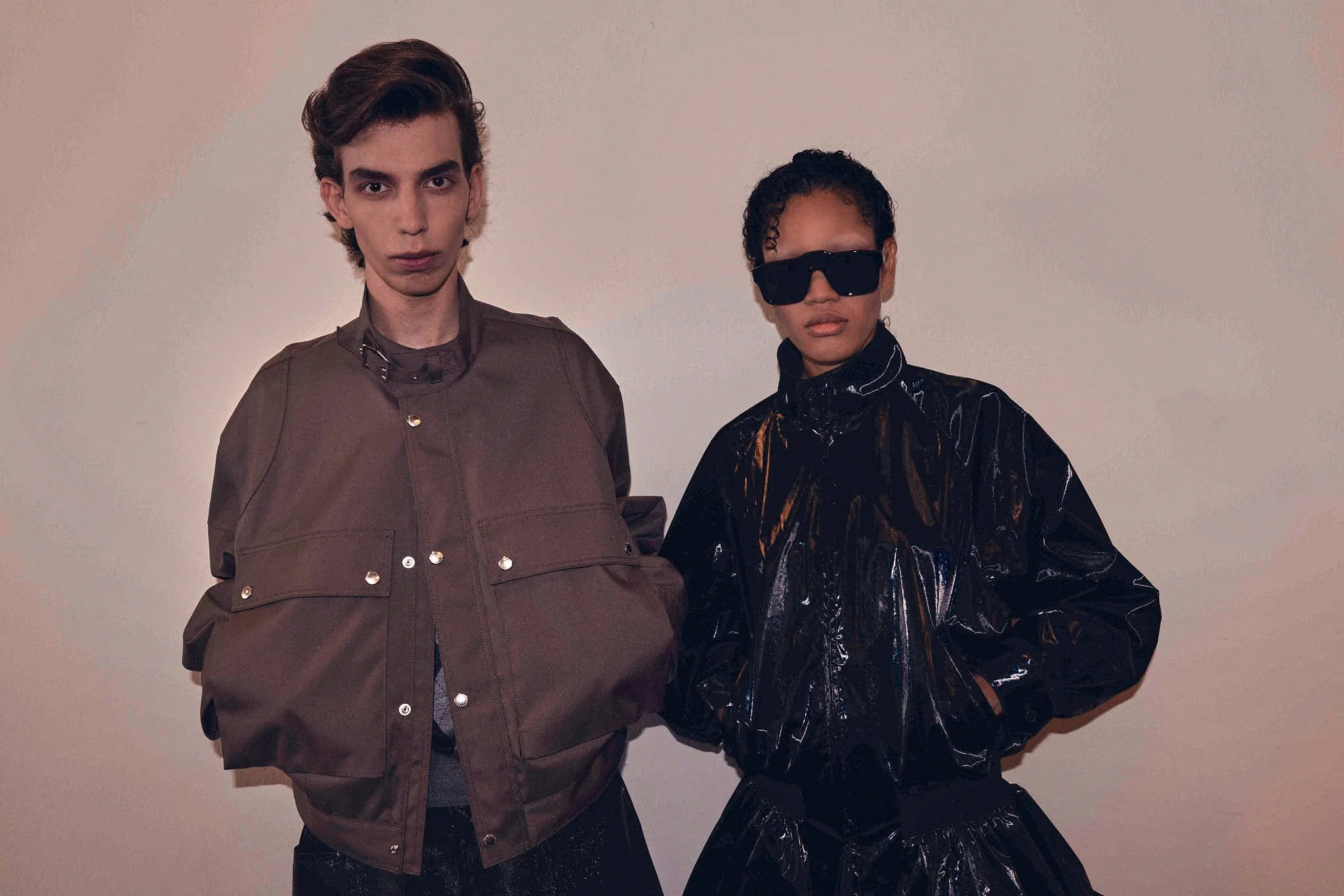
Berlin Fashion Week returned from July 2 to 5, 2026, presenting its Spring/Summer 2027 collections across nearly 50 shows, presentations and cultural events staged throughout the city, from the ICC Berlin and the former Tempelhof Airport to Hotel Adlon and Haus der Kulturen der Welt. The season leaned further into its identity as an international platform for cultural storytelling, material experimentation and community-driven design, welcoming guest labels from Lagos, Kampala and Tokyo alongside its home-grown talent. Backed by the Berlin Contemporary funding program, a wide cohort of designers explored themes of displacement, transformation, gender fluidity and sustainability through distinctly different lenses. Orange Culture and Buzigahill brought African design narratives to the ICC, sample030 claimed Tempelhof's historic hangar, Andrej Gronau and Selva Huygens turned to memory and retrofuturism, Kasia Kucharska played with illusion in latex, and John Lawrence Sullivan examined androgyny through archival photography, together underscoring Berlin's growing confidence as a genuinely global fashion capital.
JOHN LAWRENCE SULLIVAN
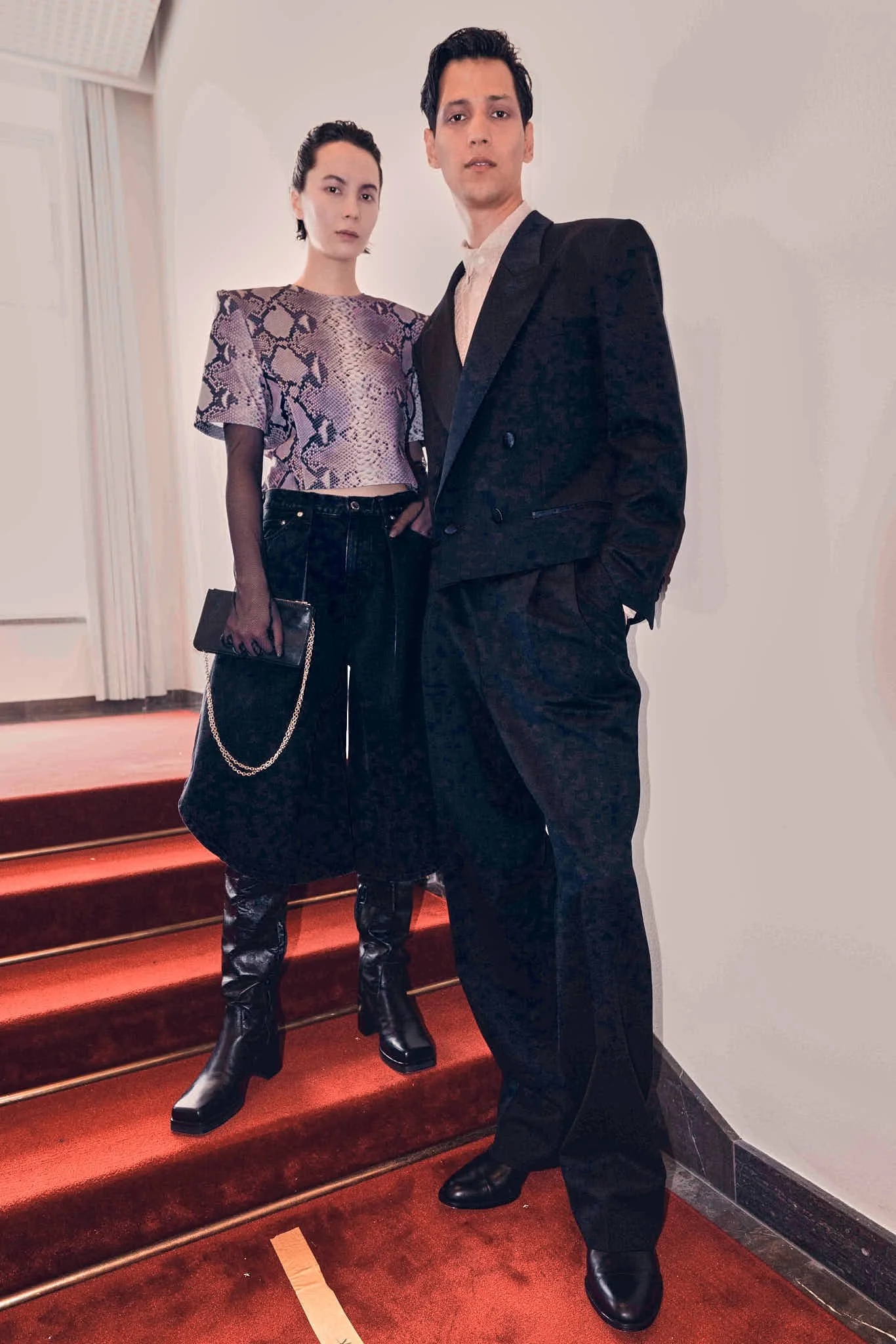
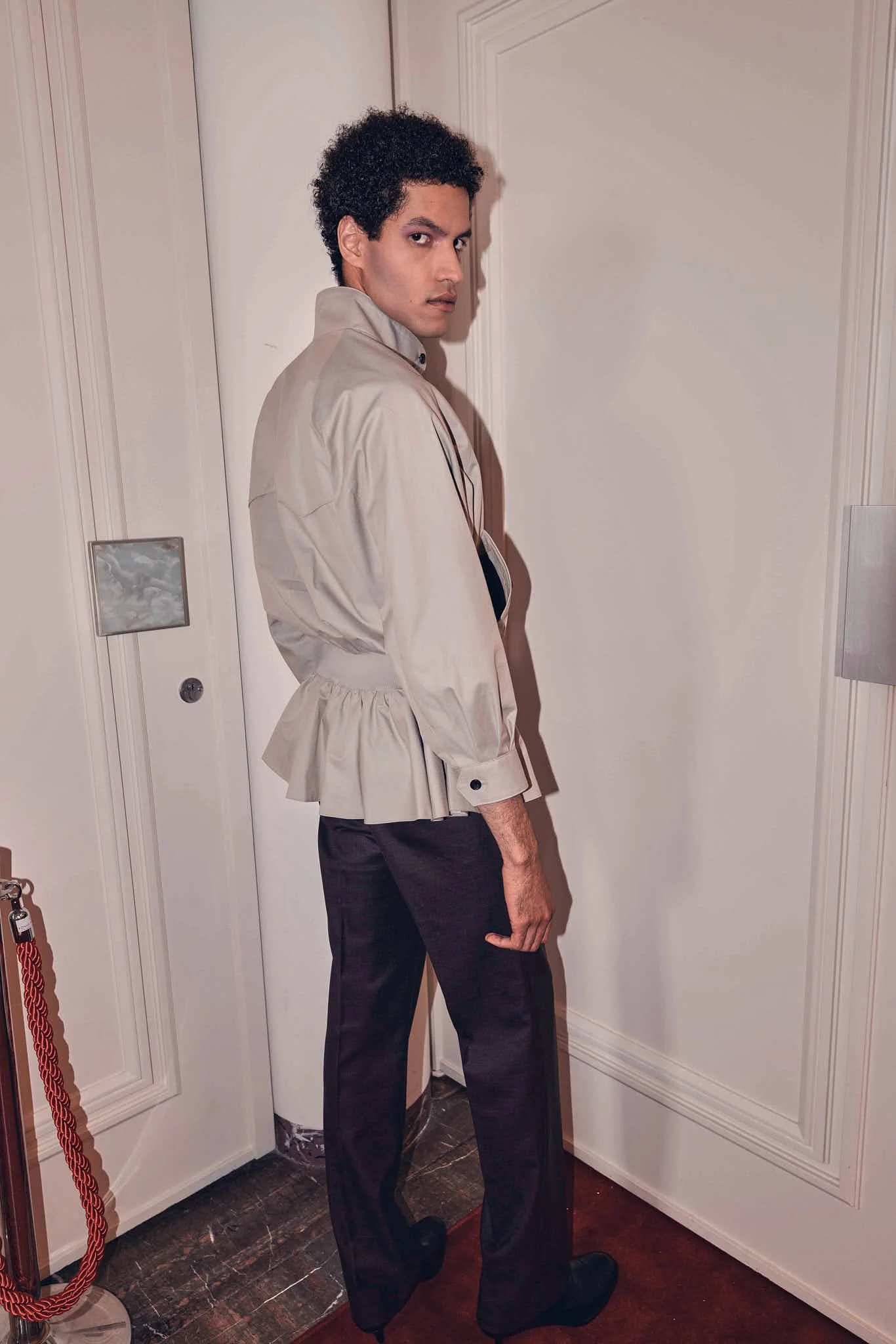
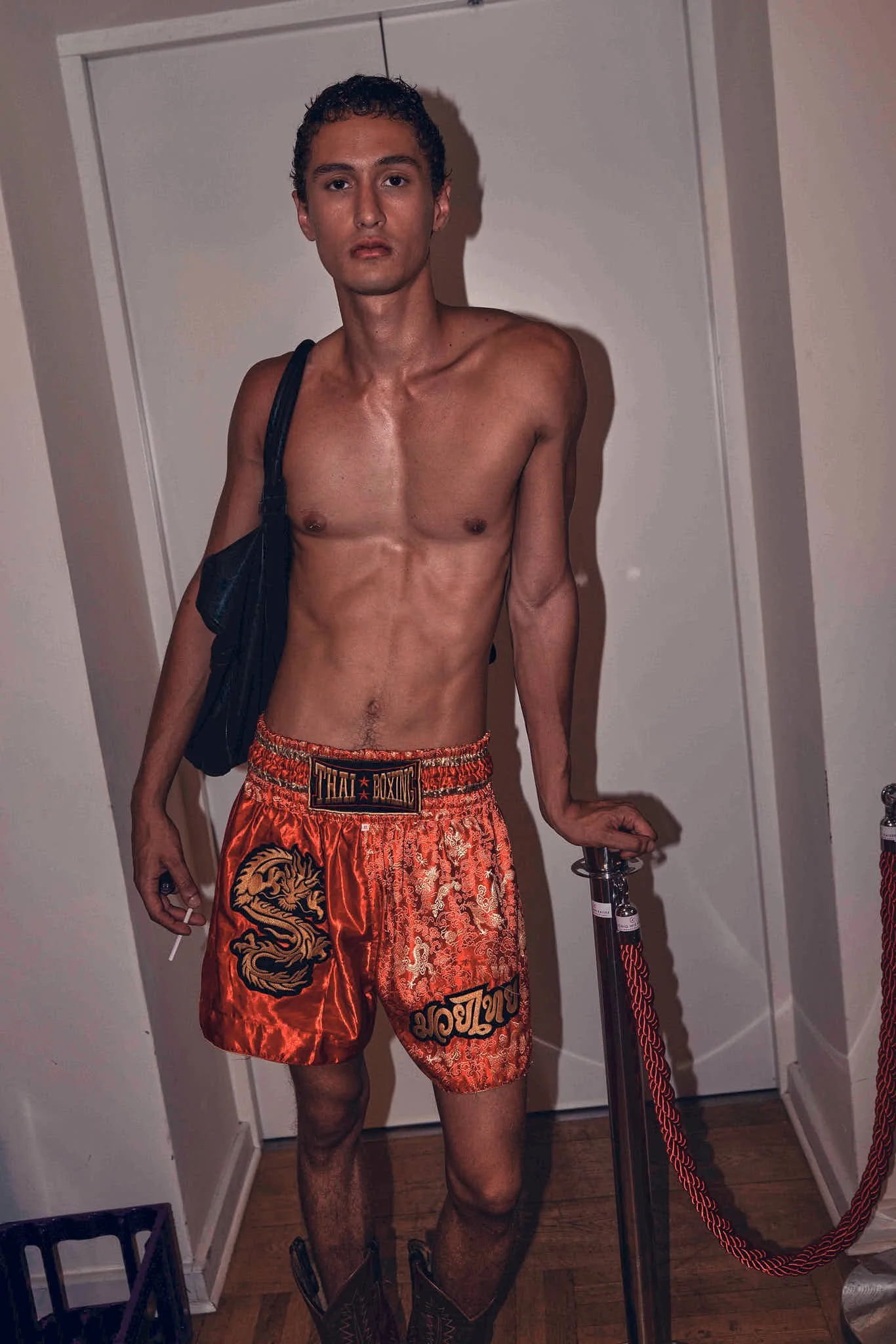
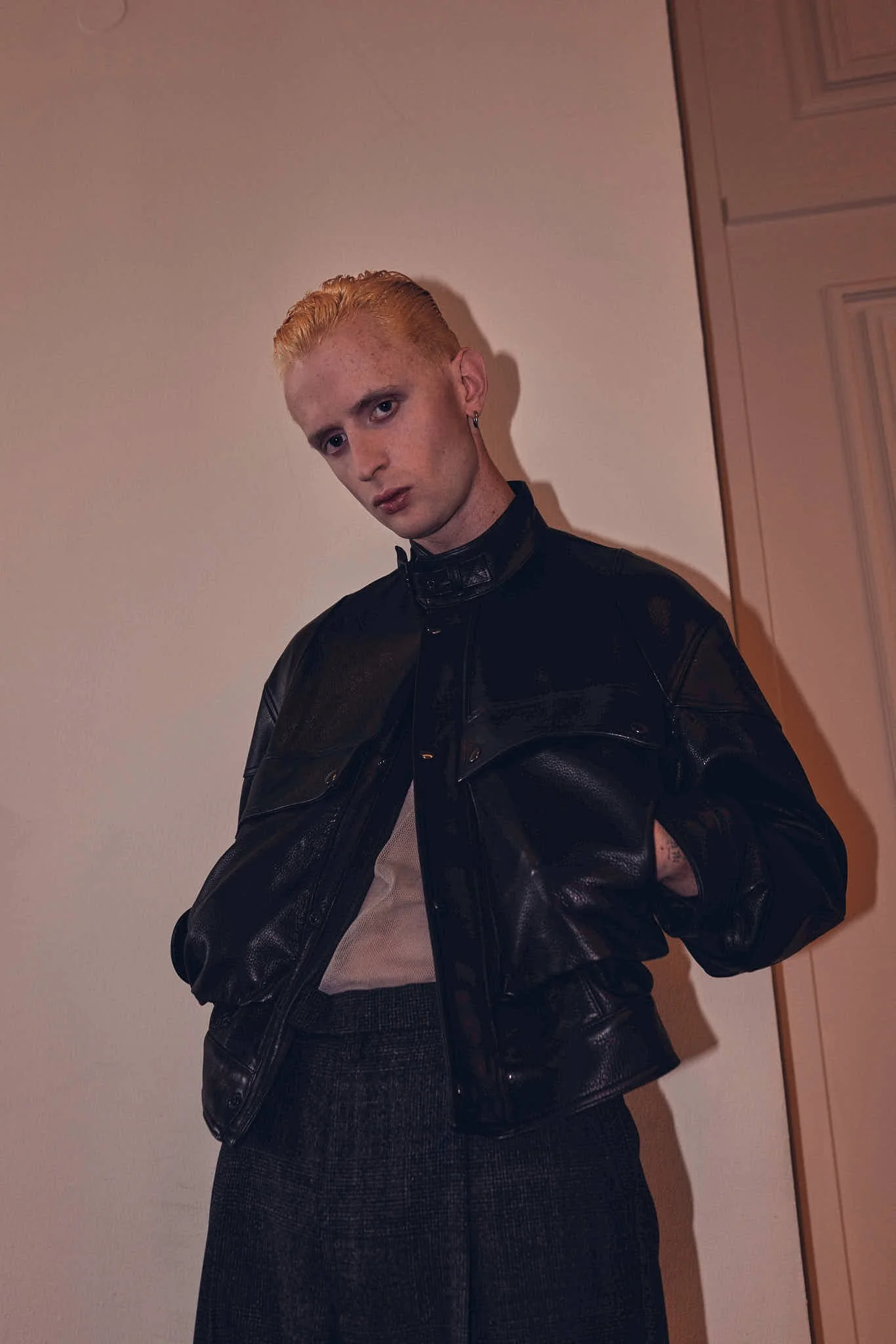
Japanese label John Lawrence Sullivan, headed by designer Arashi Yanagawa, presented "Androgyny" as part of Intervention, the Berlin Fashion Week platform curated by Reference Studios. The collection took Bettina Rheims' 1990 photographic series "Modern Lovers" as its starting point, using bodies freed from conventional masculine and feminine ideals to examine the body as a space where fixed gender categories dissolve. That concept ran through the wardrobe itself: boat-neck tops, skirt-like shorts and heeled footwear appeared within the menswear, while double-cuff shirts and military-inspired mini jumpsuits moved into womenswear. Materials traditionally coded as feminine, Raschel lace, net tulle, crushed velvet and glossy finishes, were reworked to build androgynous silhouettes that pushed against established dress codes. The show shared the Intervention stage with GmbH and Dagger, placing Sullivan among a cohort of internationally minded labels using Berlin as a platform for exploring identity and belonging through design.
BUZIGAHILL
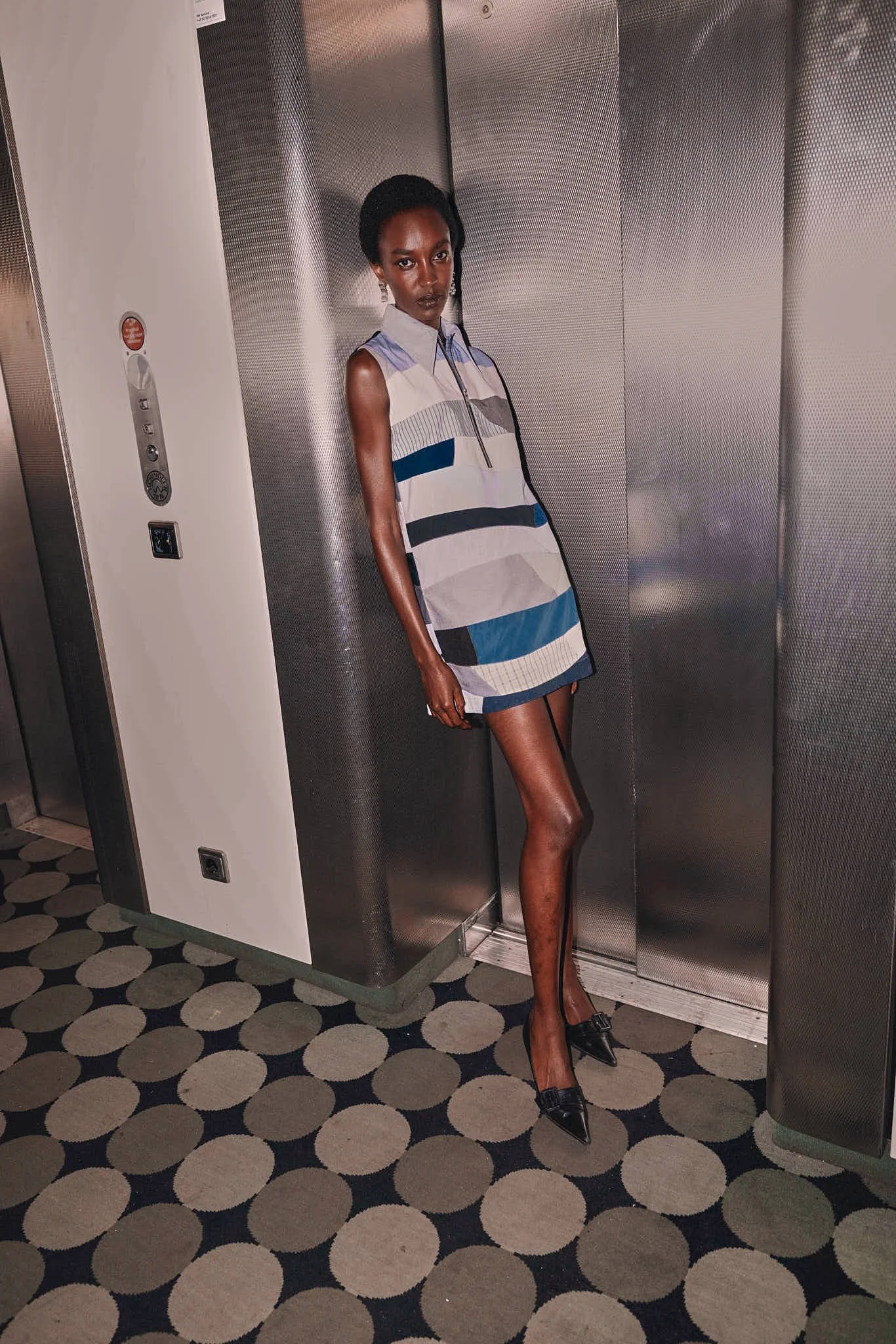
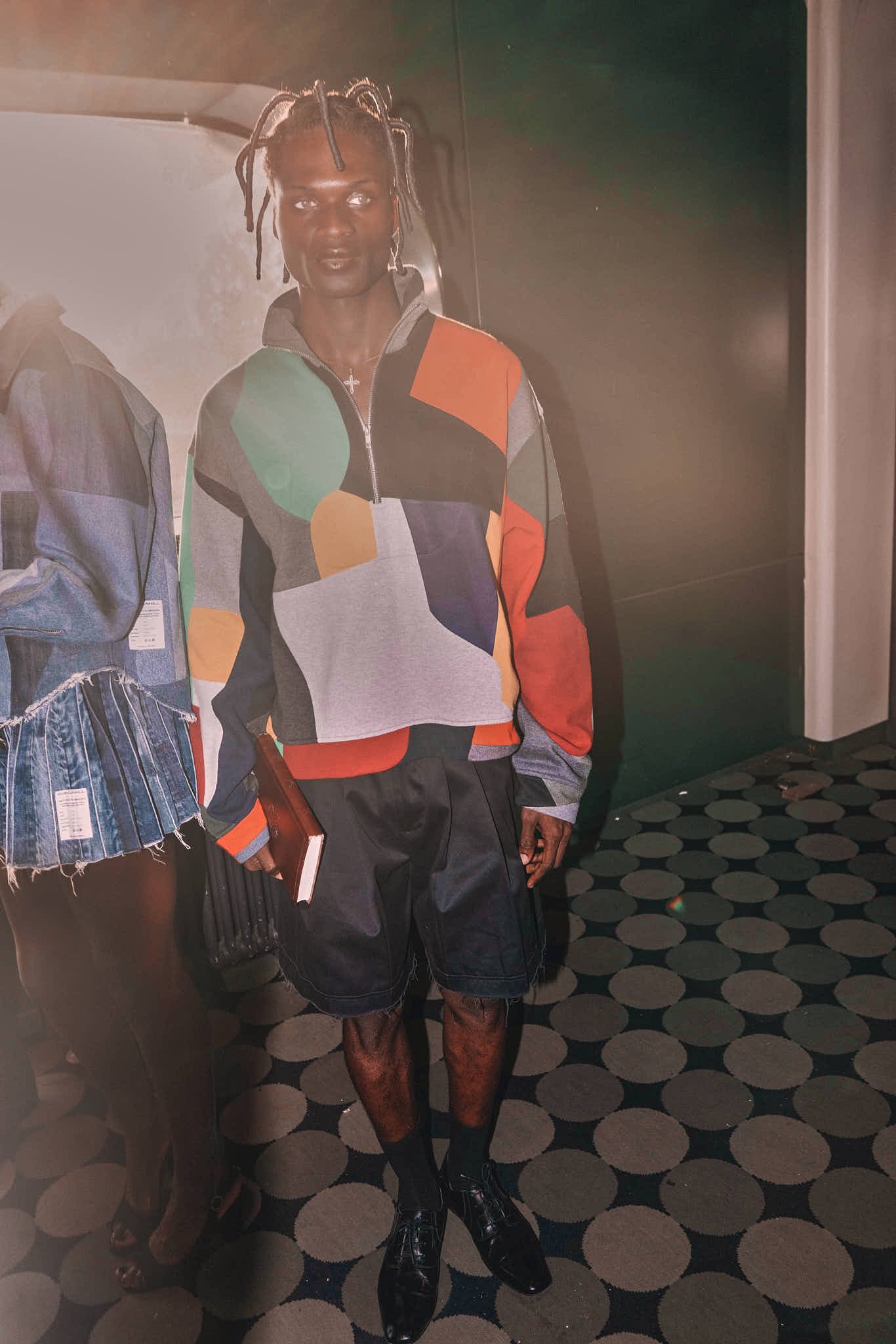
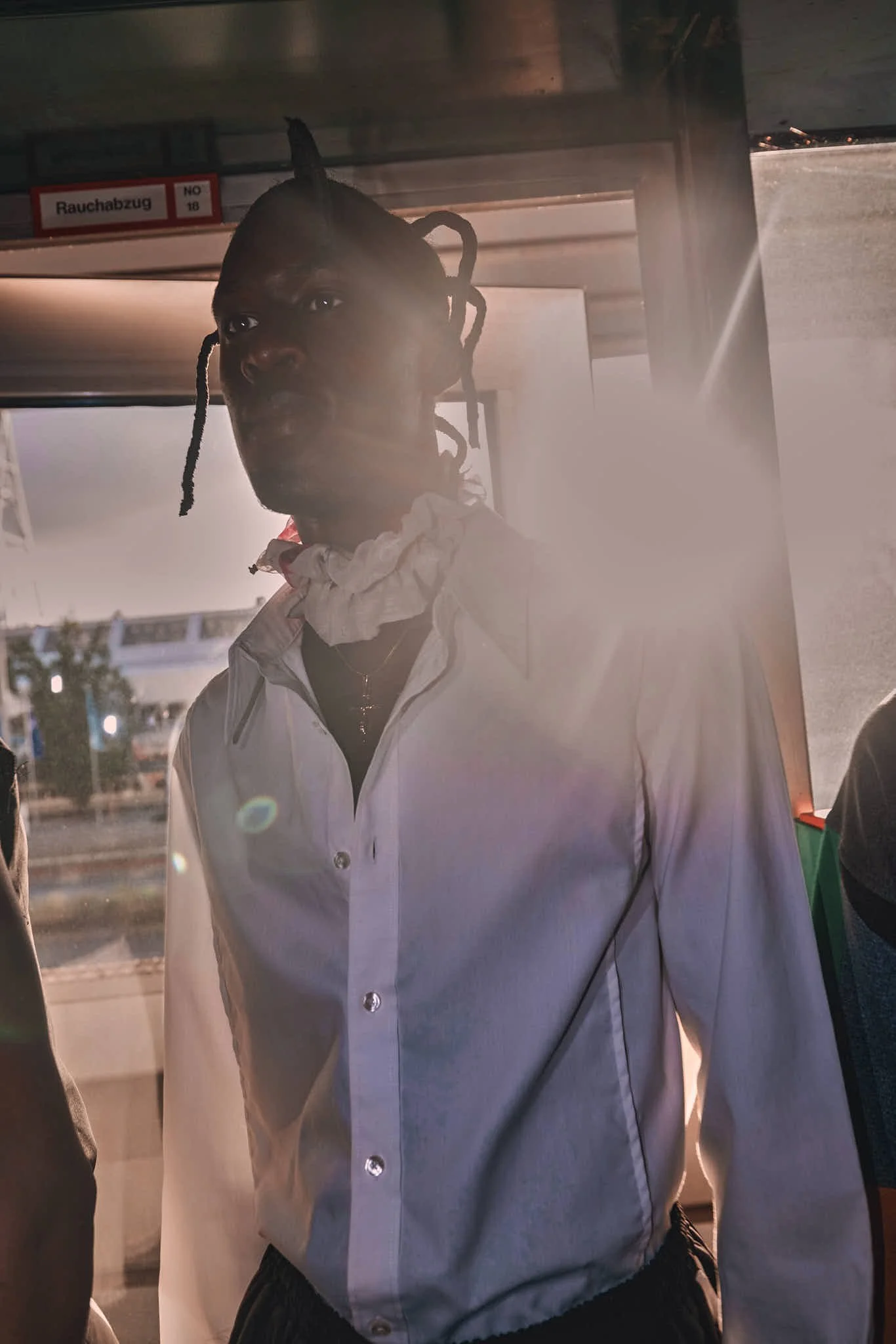
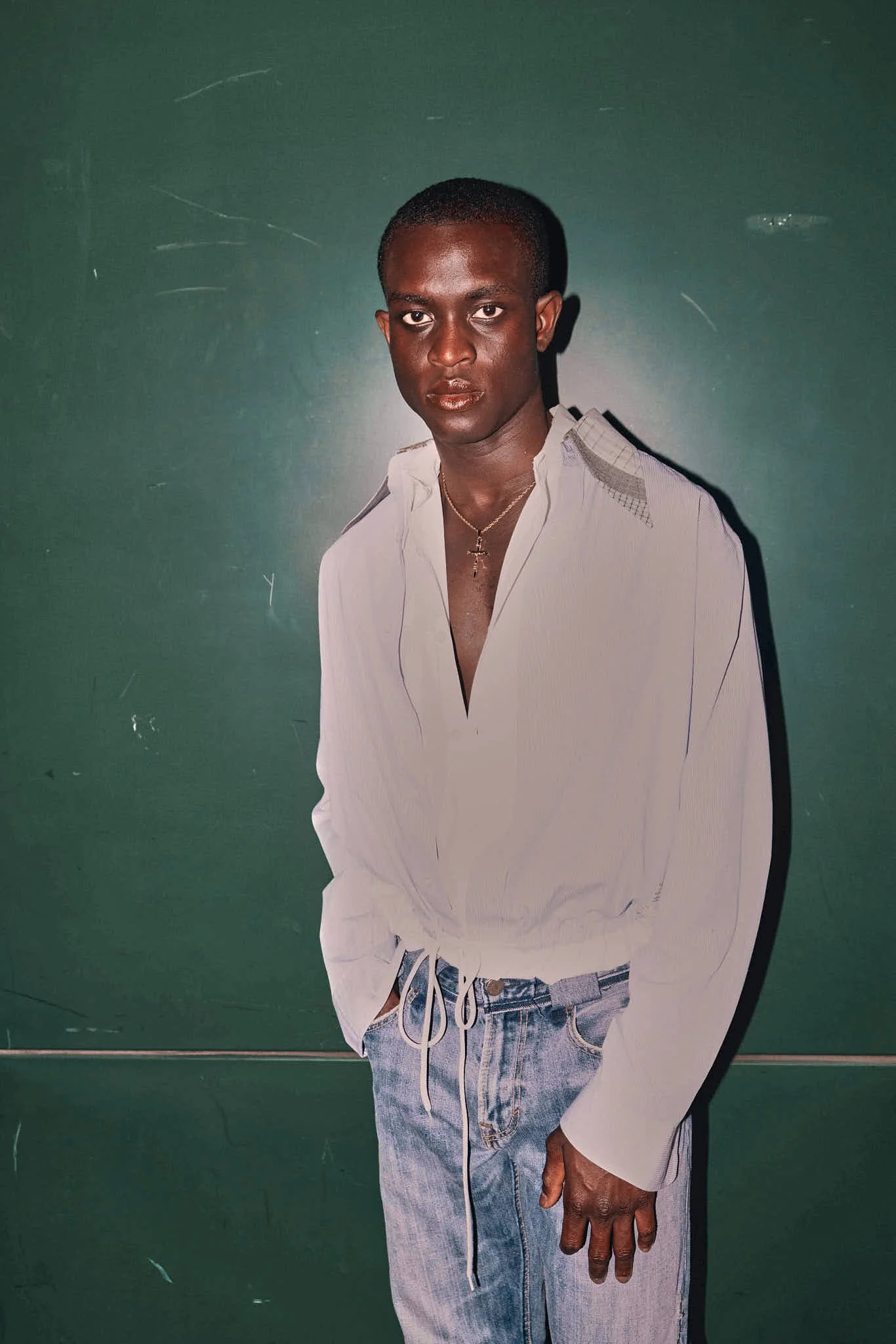
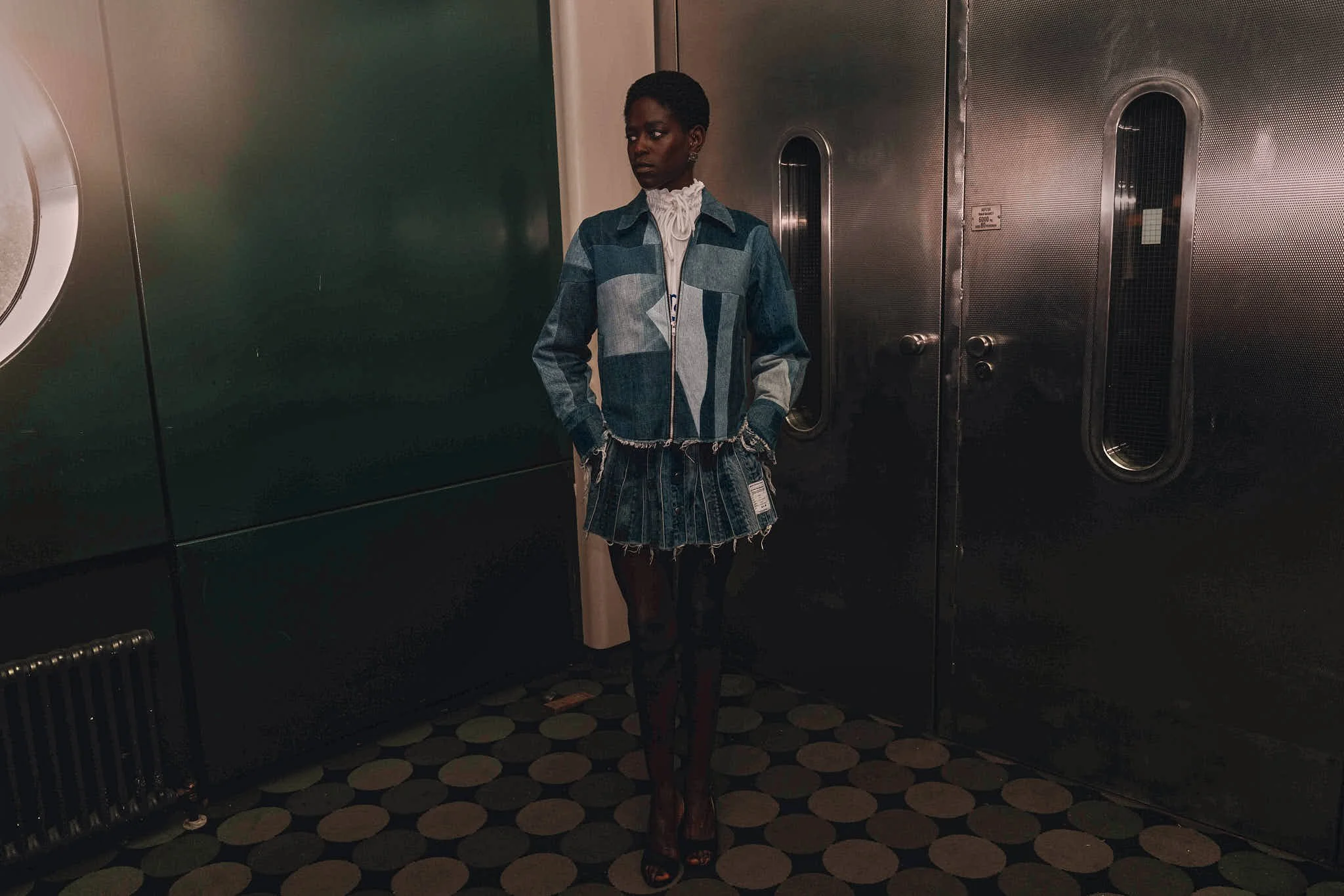
Kampala-based Buzigahill, founded by Bobby Kolade, presented its thirteenth "Return to Sender" collection at the ICC Berlin as part of NEWEST, backed by a €25,000 Berlin Contemporary grant. As with every prior instalment, every look was constructed entirely from secondhand clothing sourced at Owino Market, Uganda's largest secondhand market, flooded with donations from Europe, North America and Asia, turning imported castoffs into designed pieces sent back toward their origin markets.
SS27 drew inspiration from Princess Elizabeth Bagaaya of the Tooro Kingdom, Uganda's first female lawyer and the first Black model on the cover of Harper's Bazaar UK, who used fashion as political strategy. The collection paired the sharp, formal cut of that era's royal dress with looser, more liberated silhouettes, treating 1960s to 70s East African post-independence style as an unfinished design language rather than pure nostalgia. Iconic hardware and reworked historical shapes built a new vocabulary across both menswear and womenswear, continuing Buzigahill's ongoing critique of the global secondhand clothing trade and its impact on Uganda's textile economy.
SELVA HUYGENS
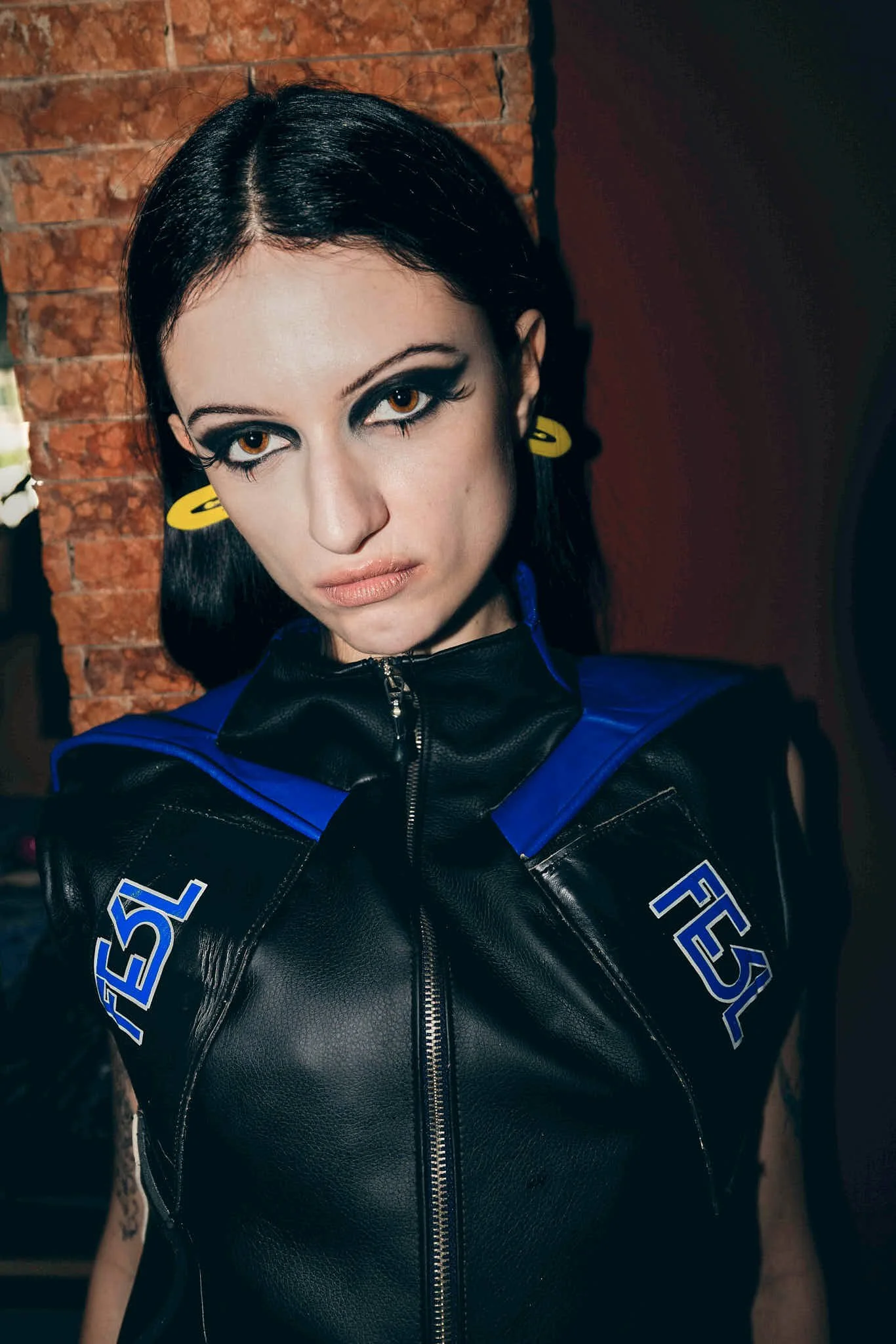
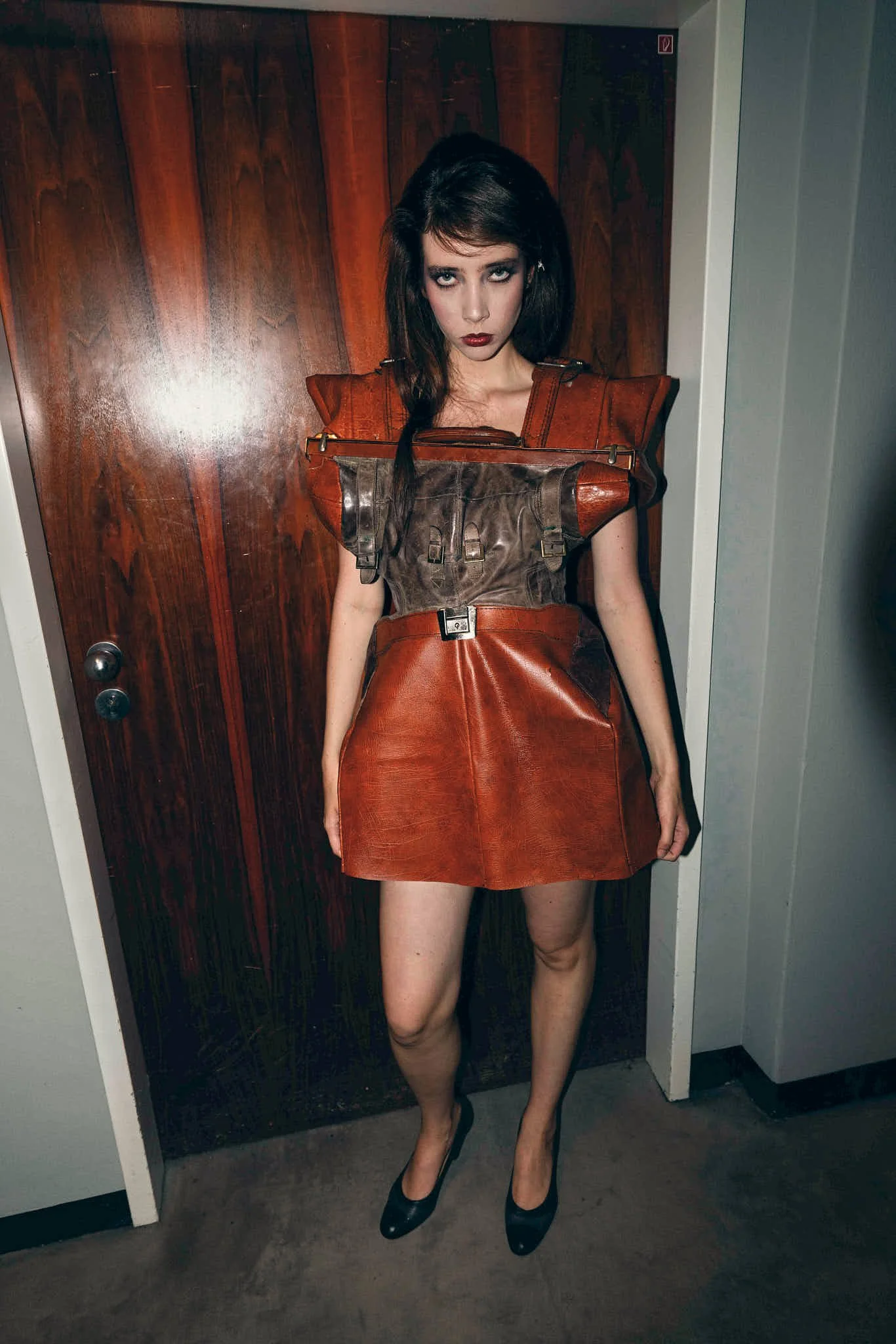
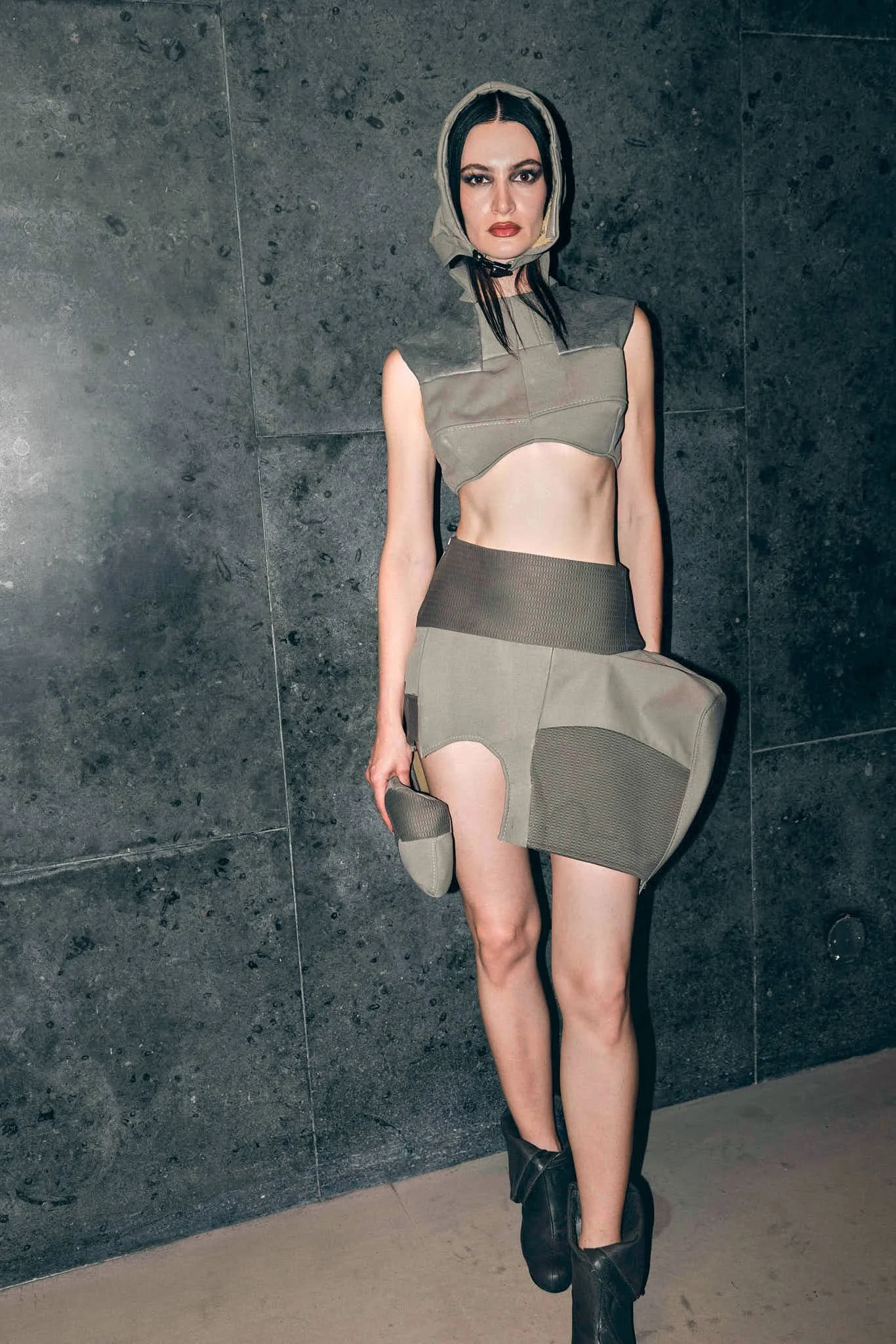
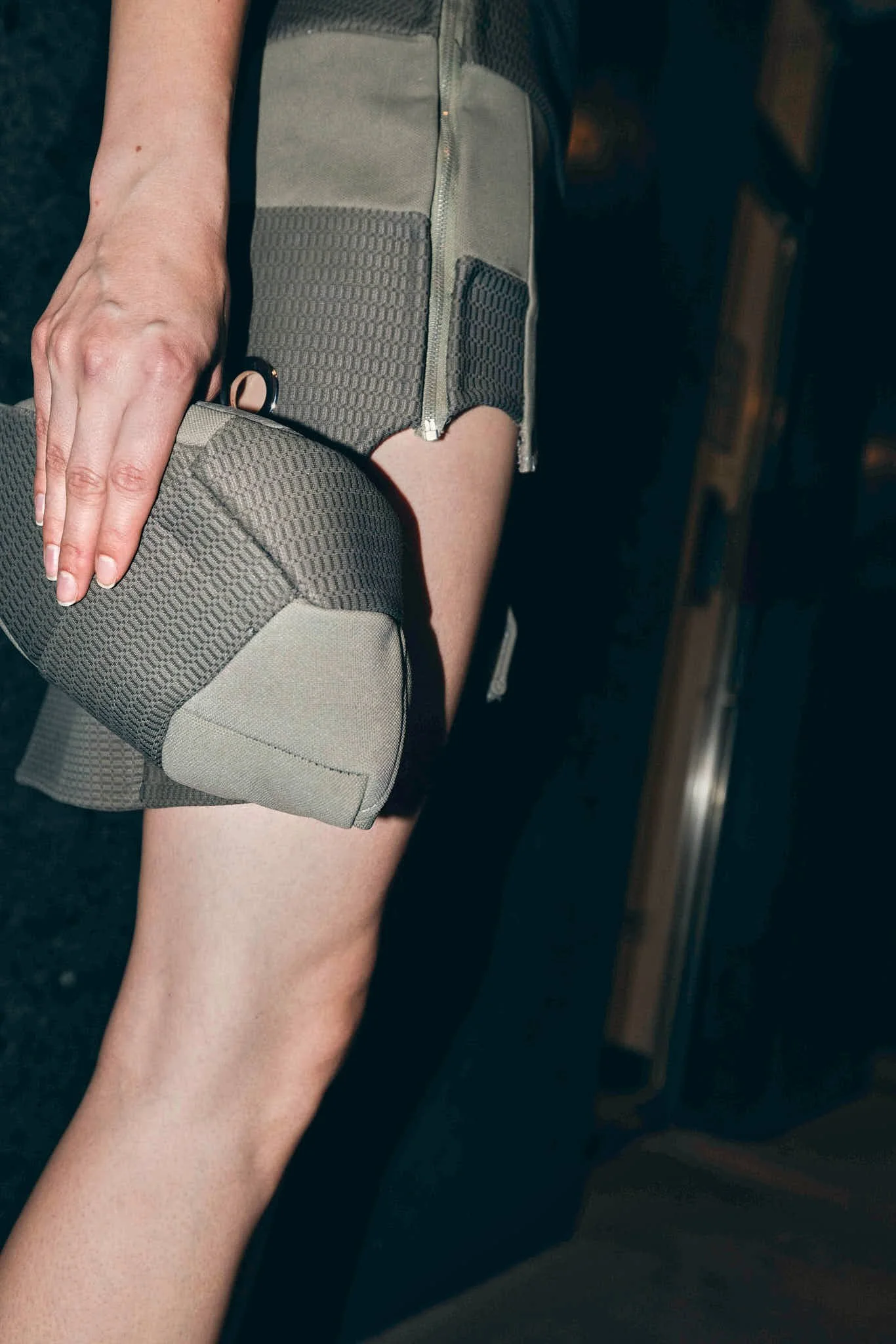
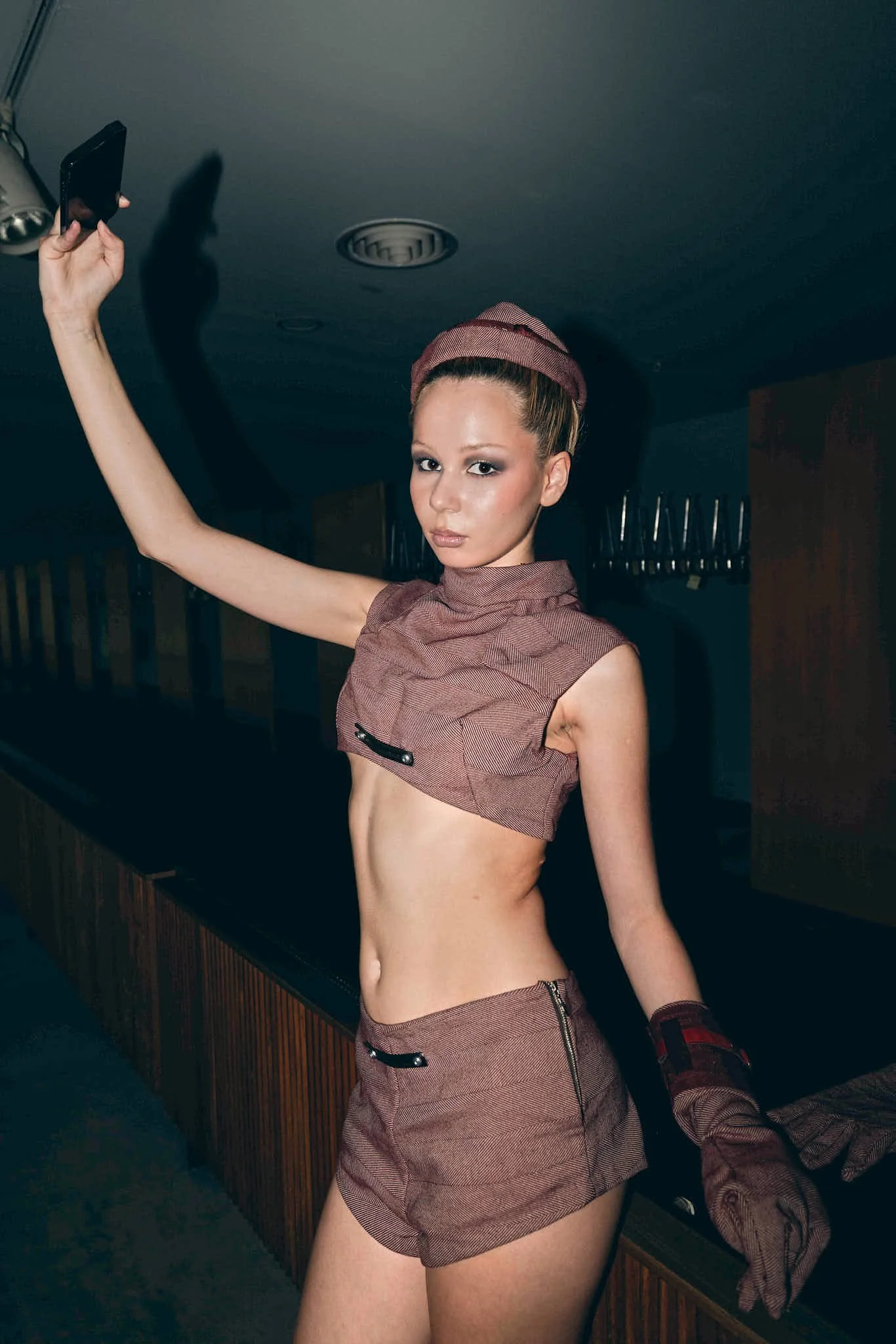
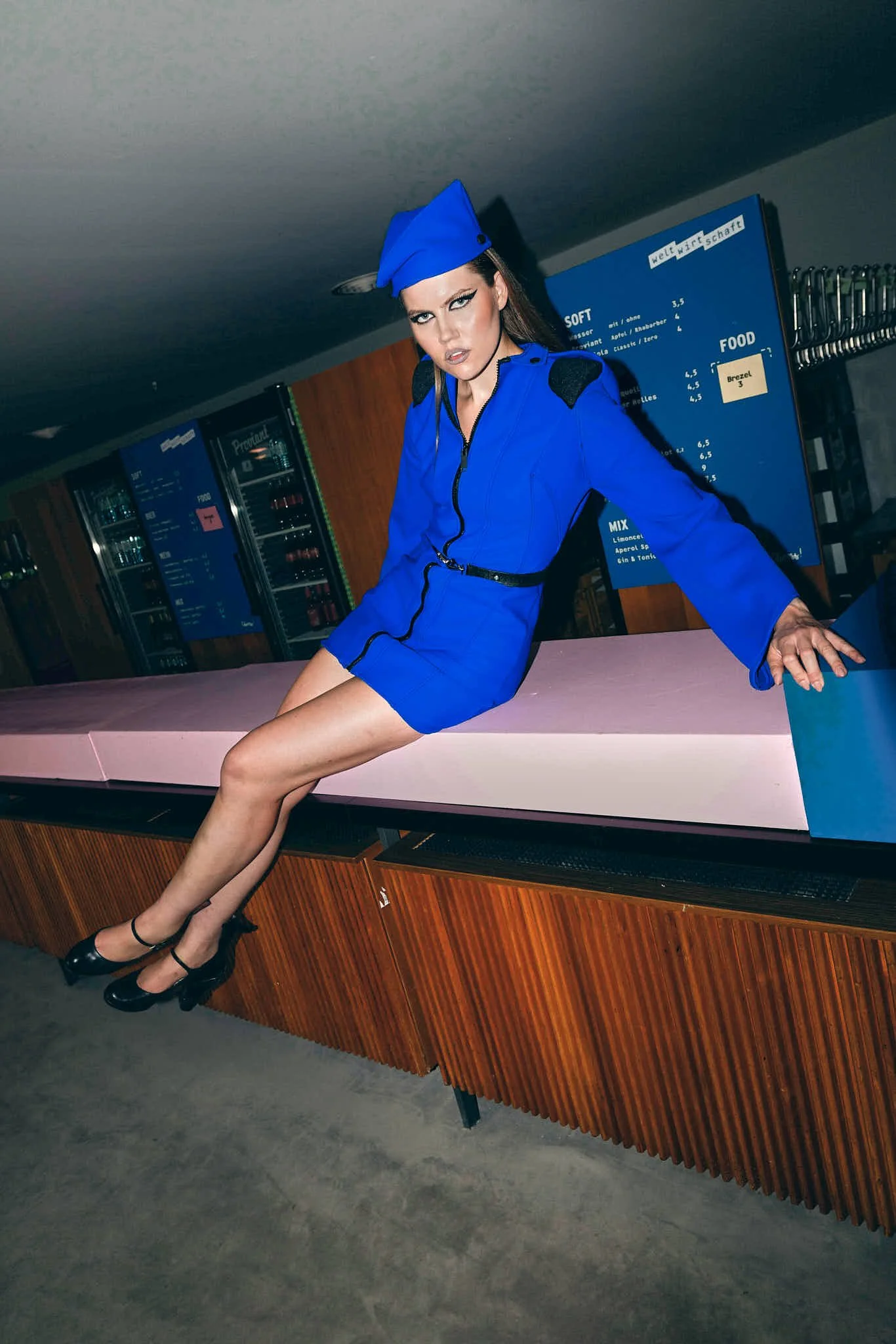
Berlin duo Cristian Huygens and Natalia Golubenko took over the Weltwirtschaft space at Haus der Kulturen der Welt (HKW) for "Aerospatial," staged as a cinematic triptych. The show opened with "The Dream," evoking 1960s space-age retrofuturism through A-line and trapeze silhouettes bathed in warm, sunset-toned light, before shifting into "The Collision," where harsh, cold lighting revealed armor-like structural pieces built from actual salvaged car parts.
The final chapter returned the collection to wearable form, resolving the tension between the two earlier states. True to the label's identity, over 90% of materials were upcycled, recycled or deadstock, some gathered directly off Berlin's streets, reinforcing Selva Huygens' ongoing project of turning automotive waste and industrial scrap into wearable art rooted in brutalist design. The brand, already worn by Lady Gaga, Jared Leto and FKA Twigs, used the show to reaffirm its position as one of Berlin's most distinctive voices in sustainable, avant-garde design, and one of the season's most talked-about presentations.
IOANNES
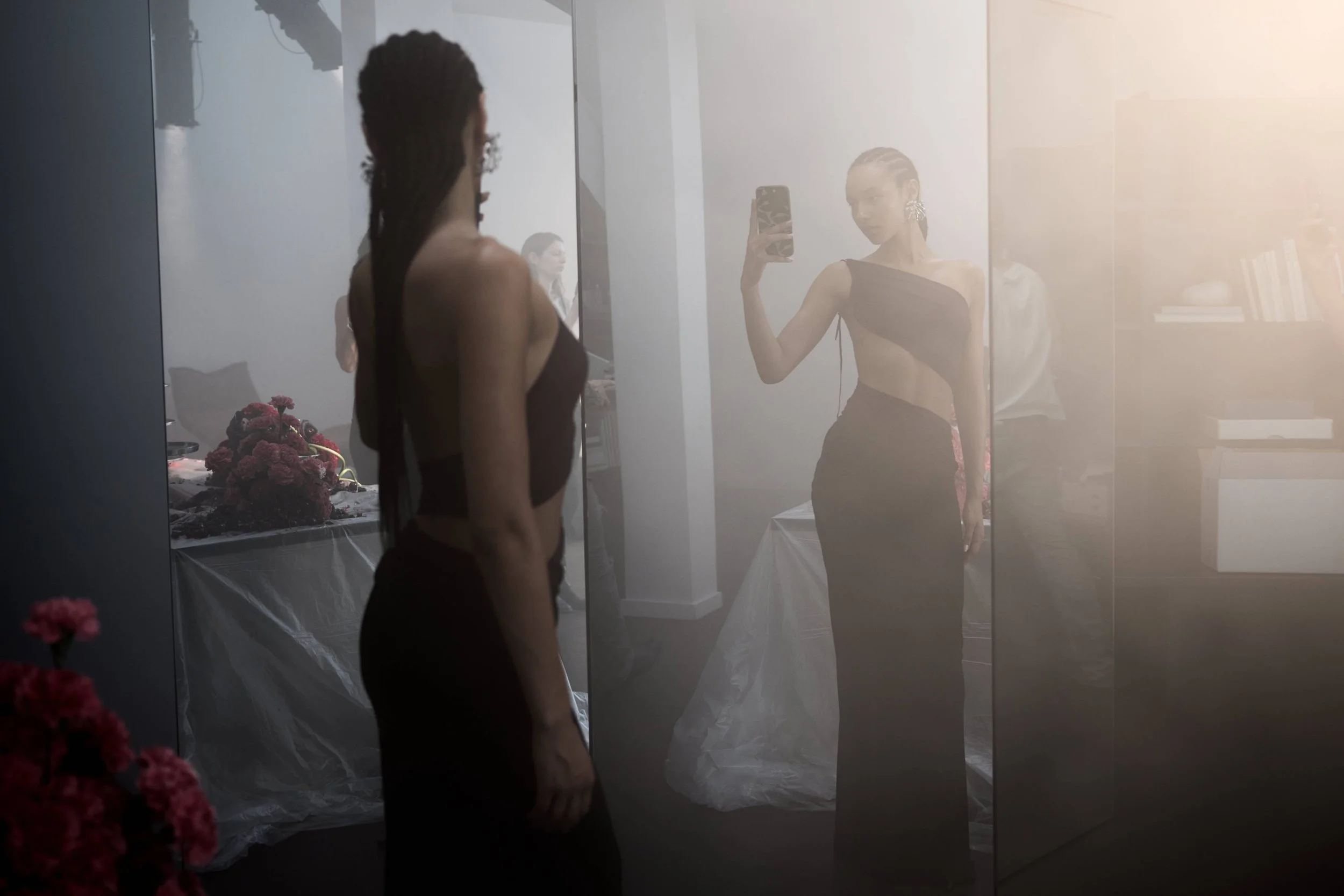
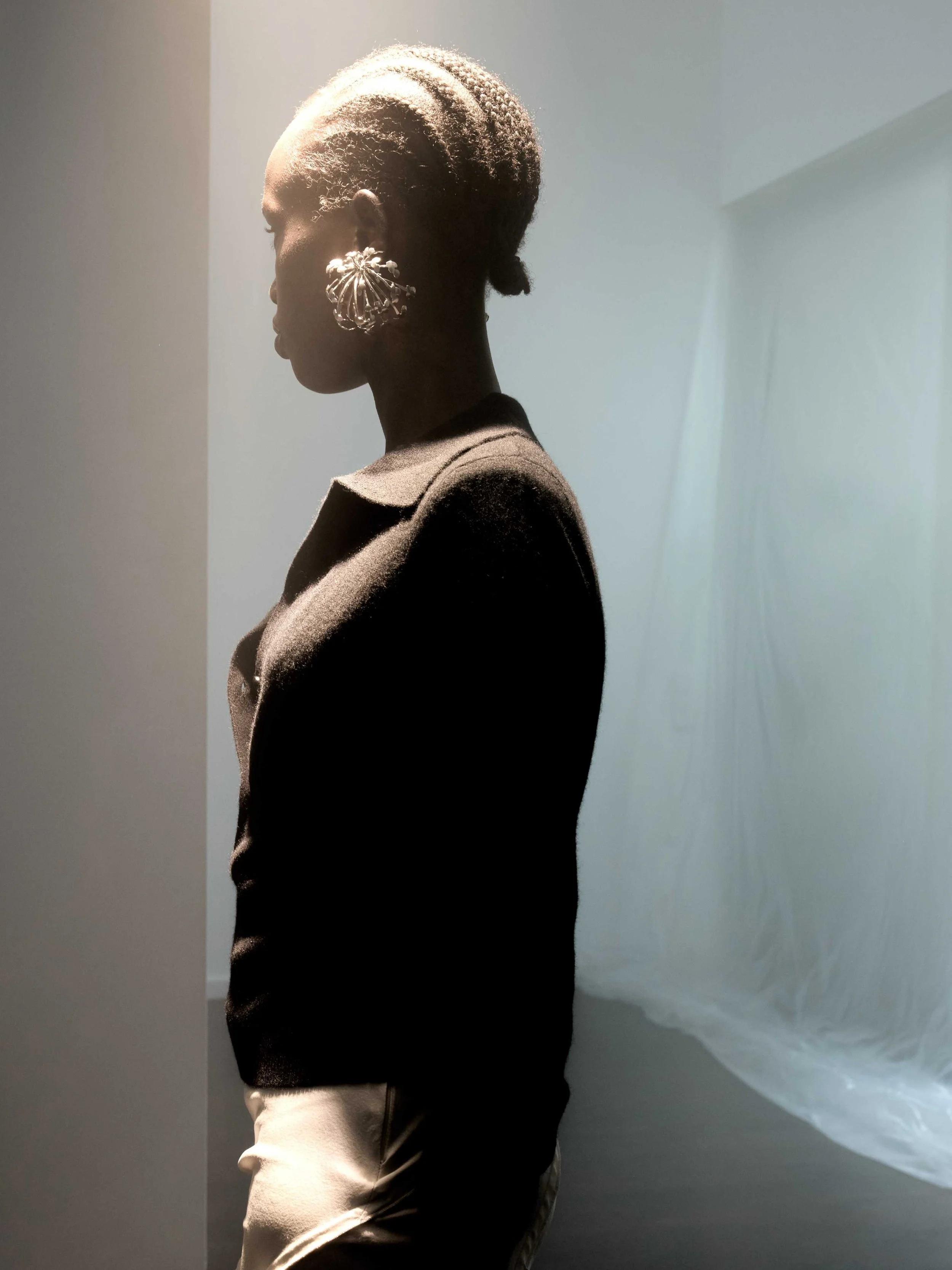
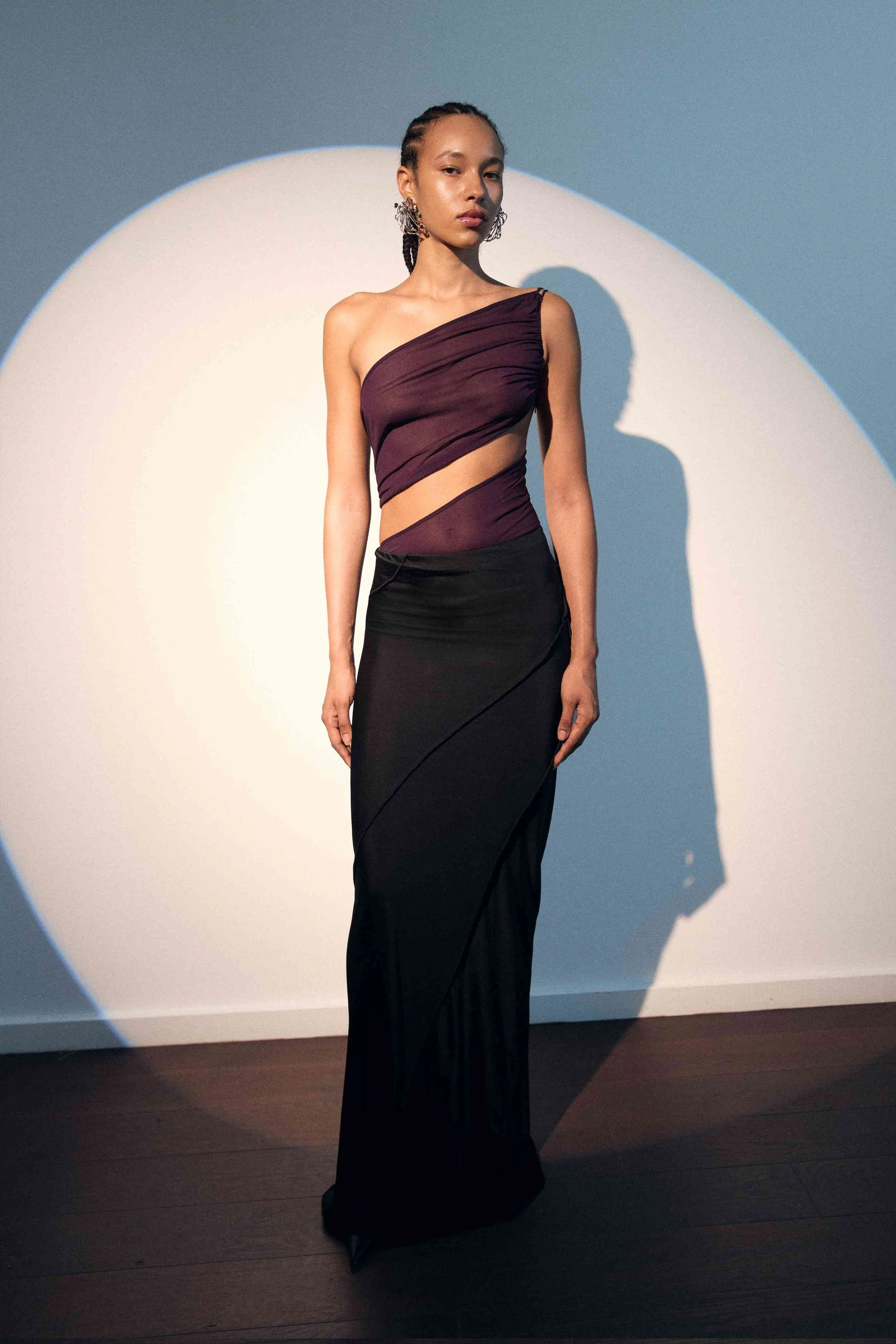
After the theatrics of Apokalypsis, IOANNES’ AW26 collection, the label steps back into something quieter and closer to its origins. For Salon 01, Creative Director Johannes Boehl Cronau opens the doors of his own apartment and studio in Mitte during Berlin Fashion Week, the first in a planned series of gatherings staged where the clothes themselves were imagined.
Lacquered furniture and shearling rugs, made by Boehl Cronau, sit near objects gathered over years, among them pieces by Mario Bellini and the Castiglioni brothers. Nothing here has been arranged for effect. The traces of daily life and unfinished work remain visible, giving the whole apartment a candor that a showroom rarely allows. Working with Tor Studio, the team lays a table heavy with glassware, ripe cherries, peaches, dahlias and calla lilies, evoking the aftermath of a long dinner rather than its start. A light haze moves through the space, softening the corners of every room and slowing time inside it.
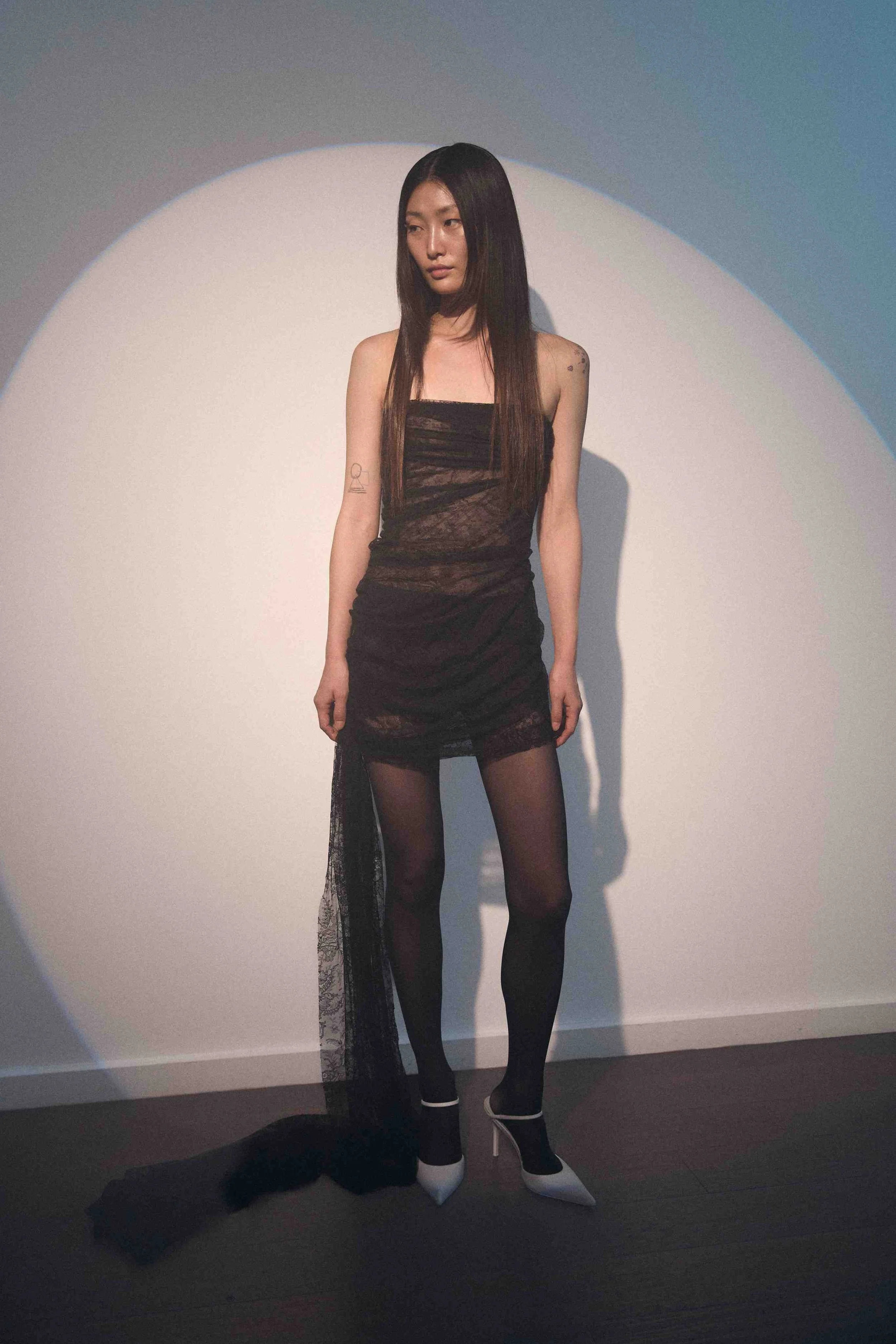
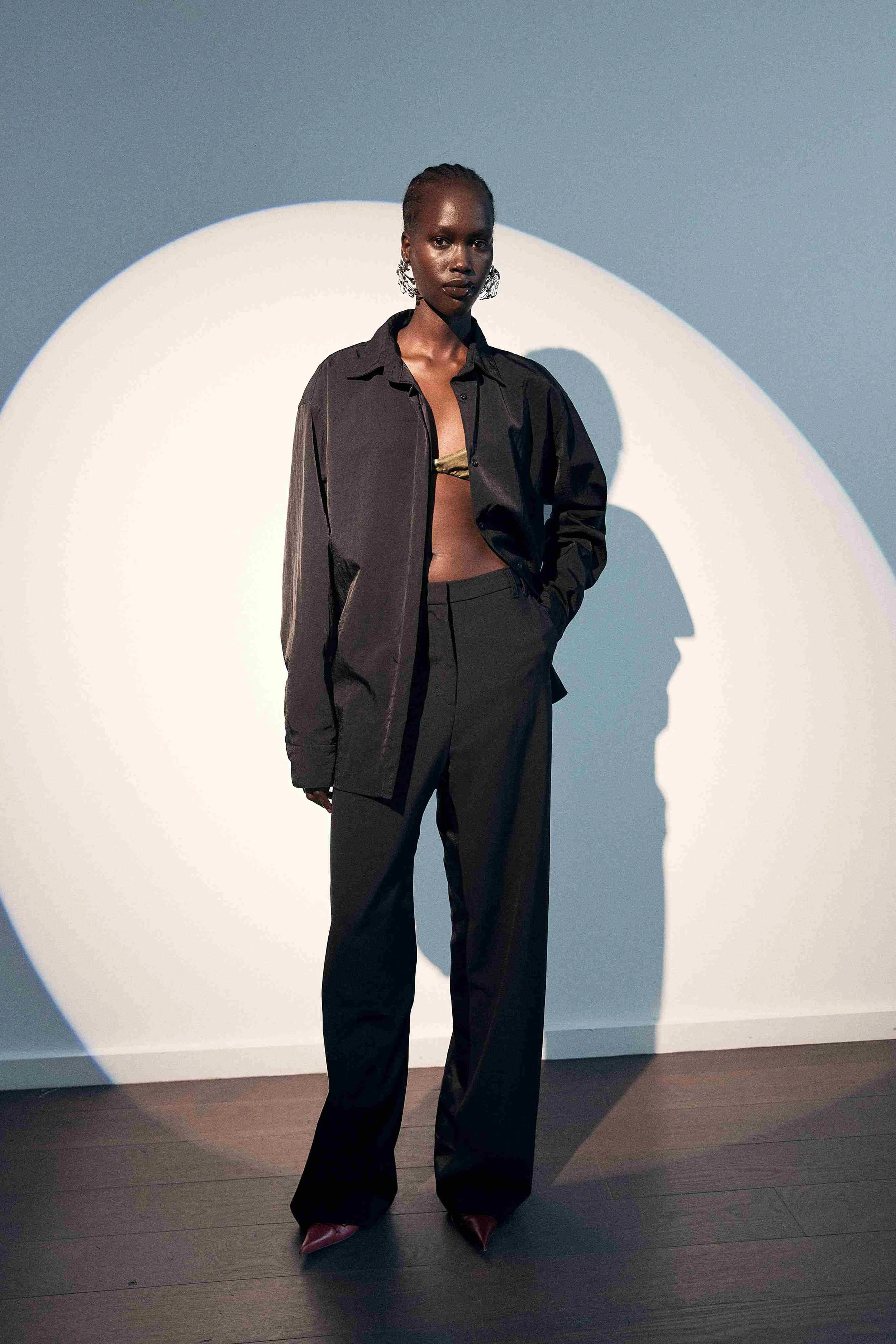
Models turn up in mirrors, sit briefly among guests, or cross a patch of light before vanishing into another room. There is no formal sequence to follow. Instead, the presentation lets itself be noticed piece by piece, turning small, unremarkable gestures into something closer to grace. The garments themselves come from earlier IOANNES seasons, worn and altered rather than freshly made, a choice that speaks to Boehl Cronau’s longstanding pull toward reworking what already exists. Independent fragrance house Escentric Molecules joins the evening, filling the air with Escentric 01, the cult scent built on Iso E Super and known for reading differently on every wearer.
ORANGE CULTURE
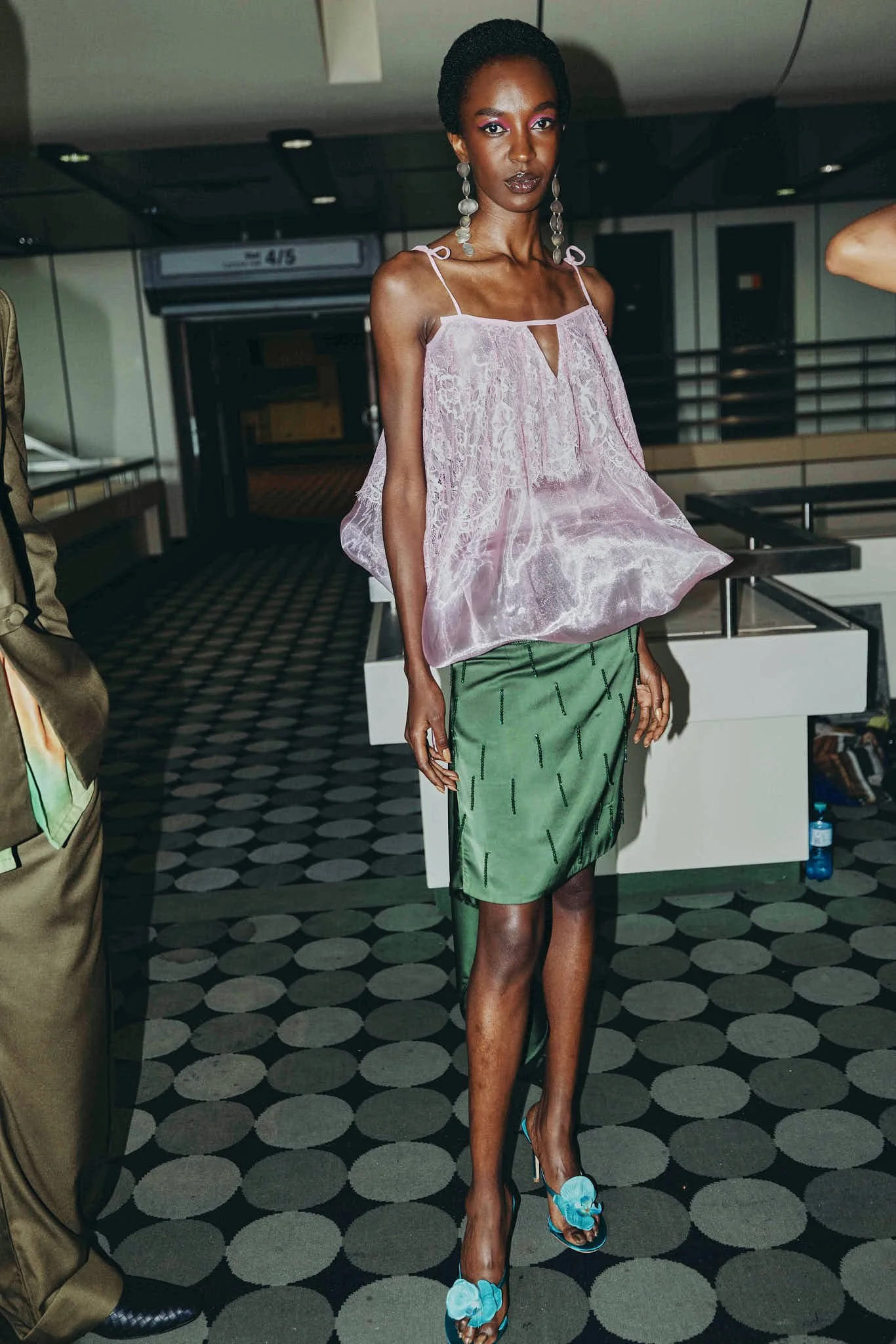
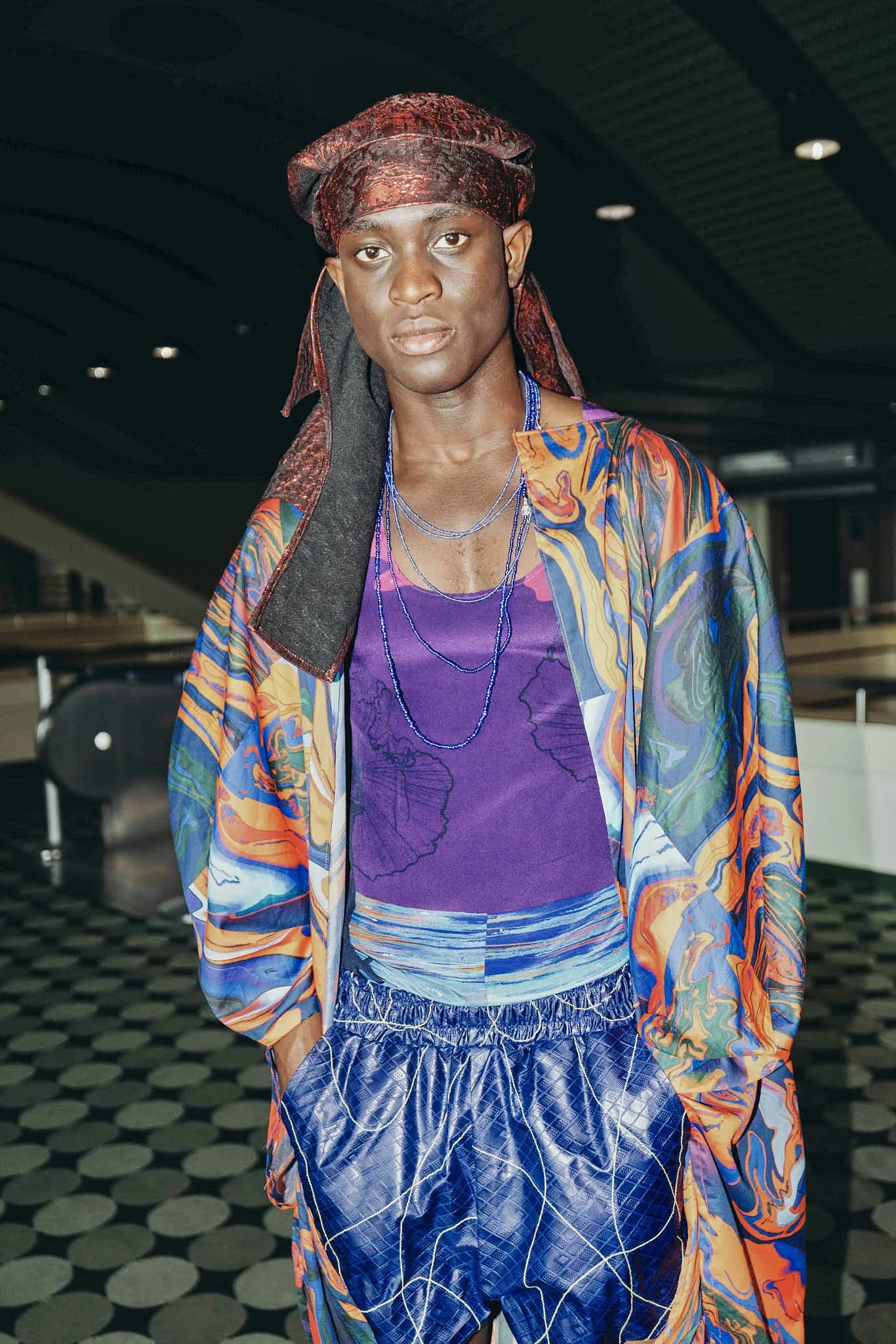
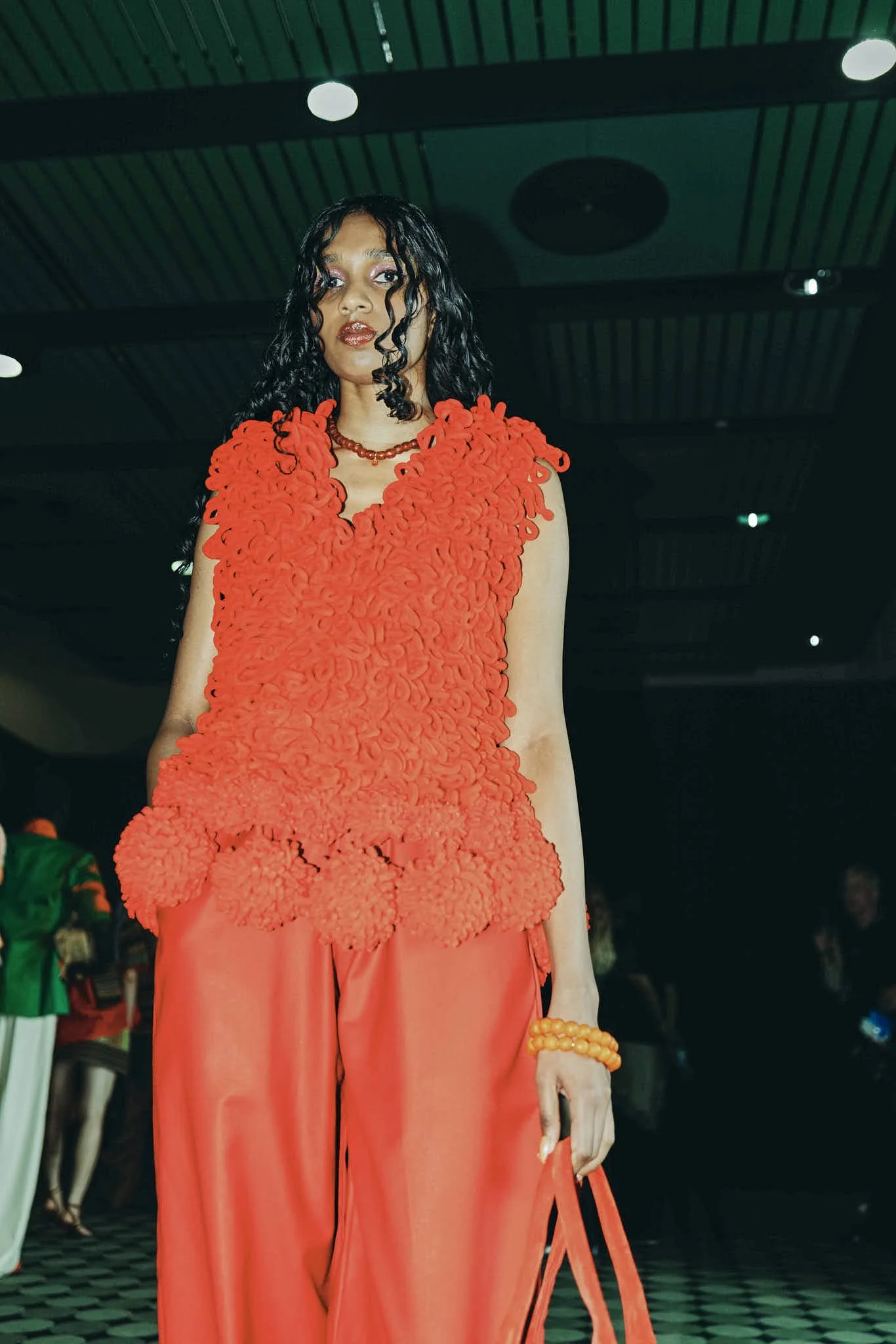
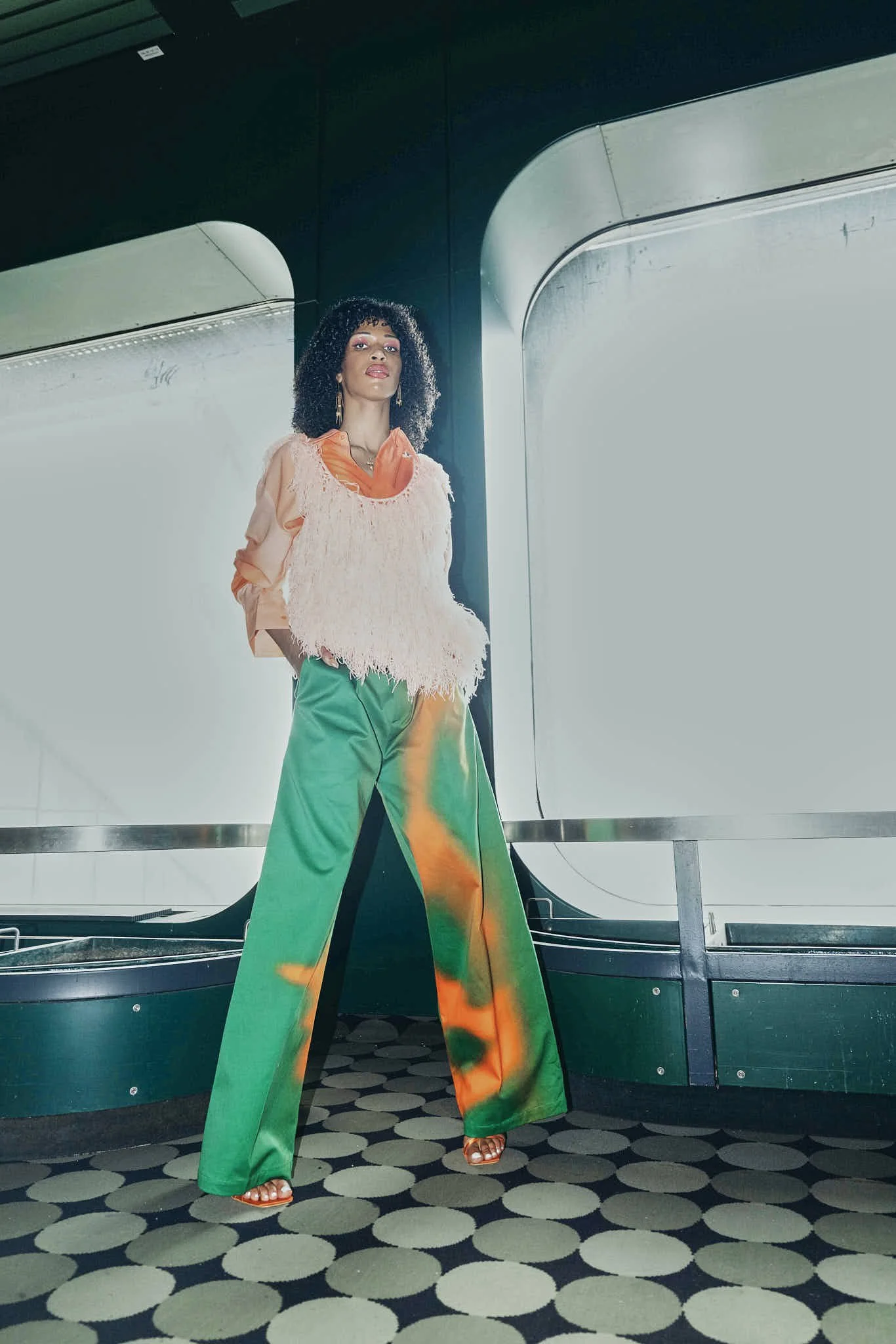
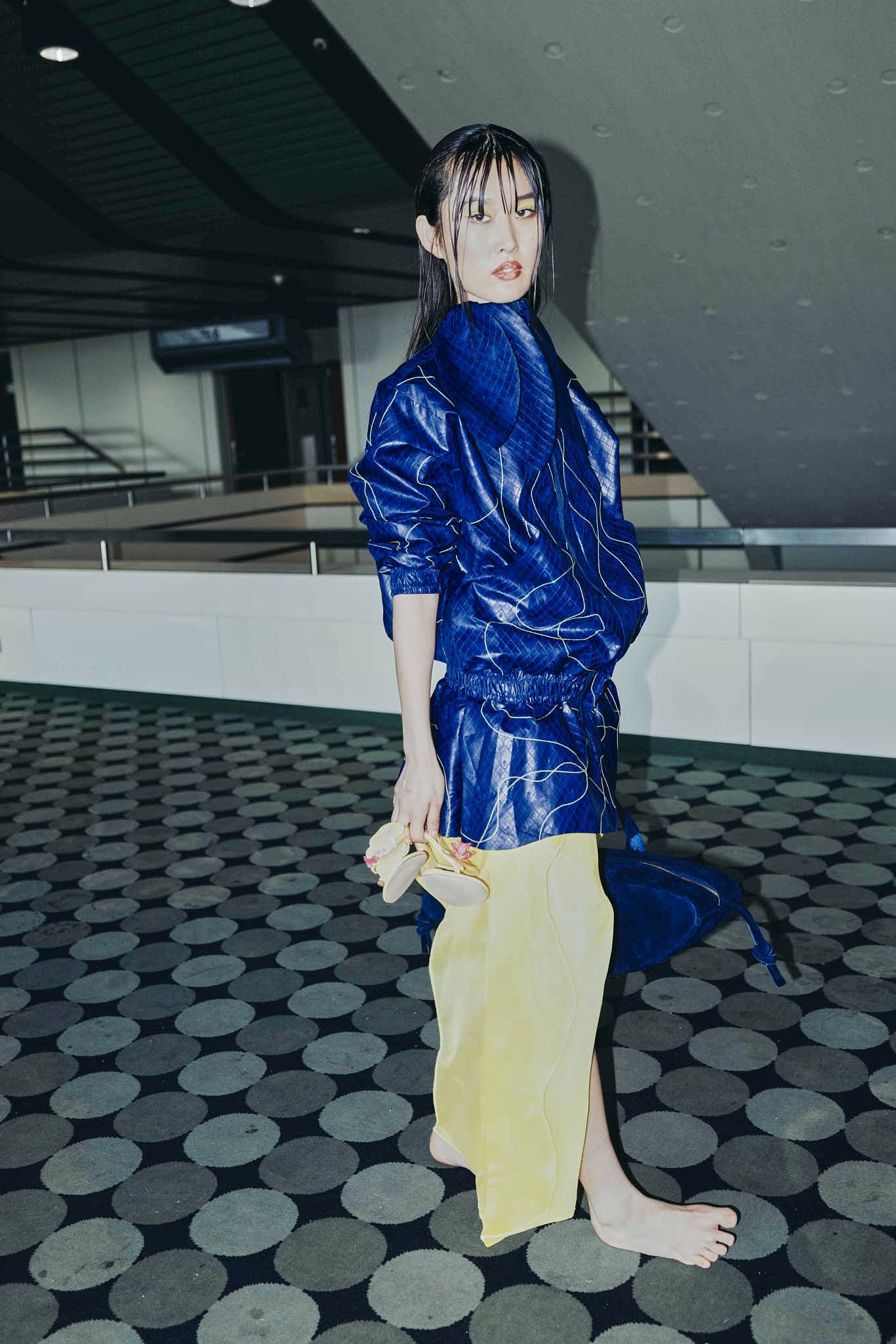
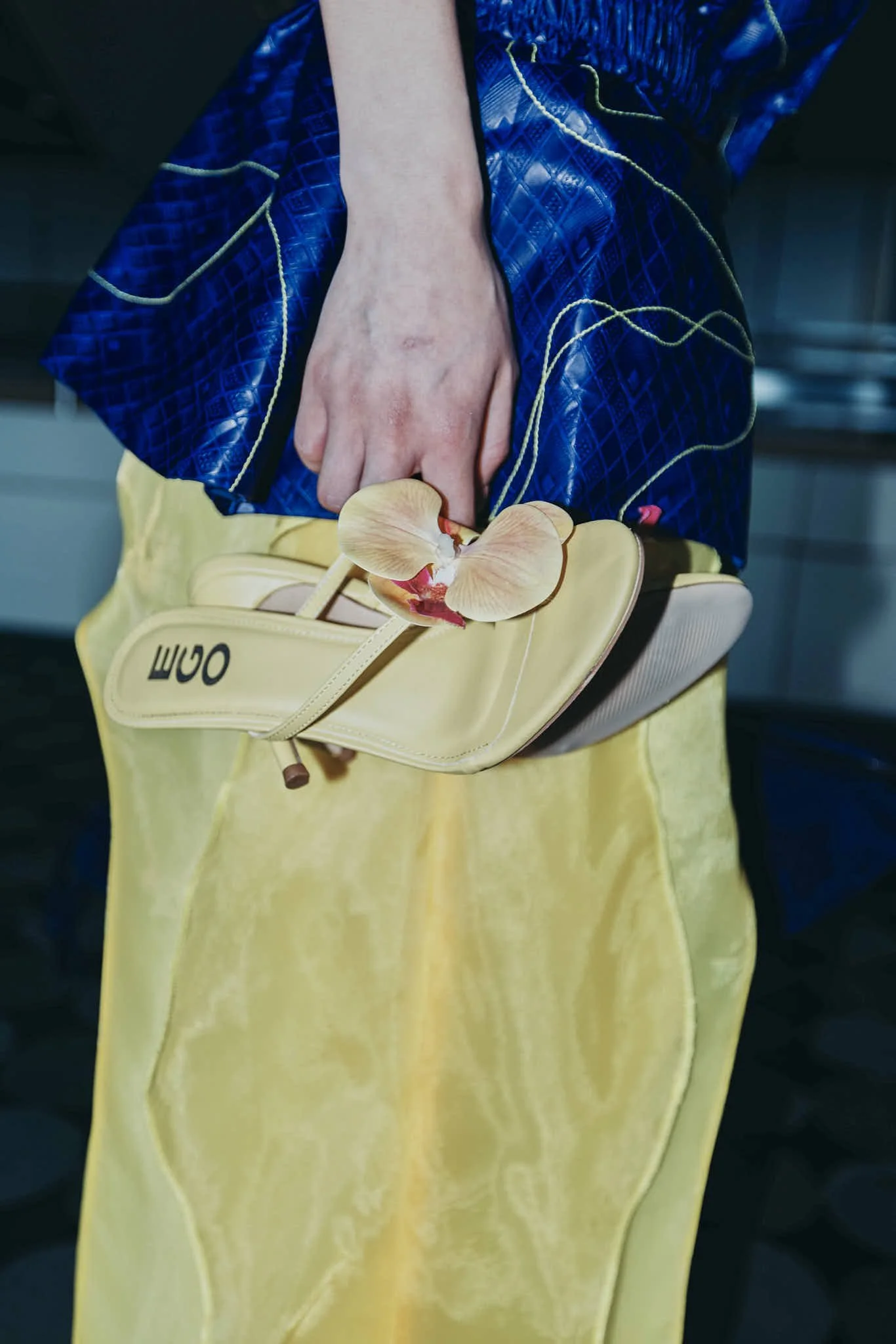
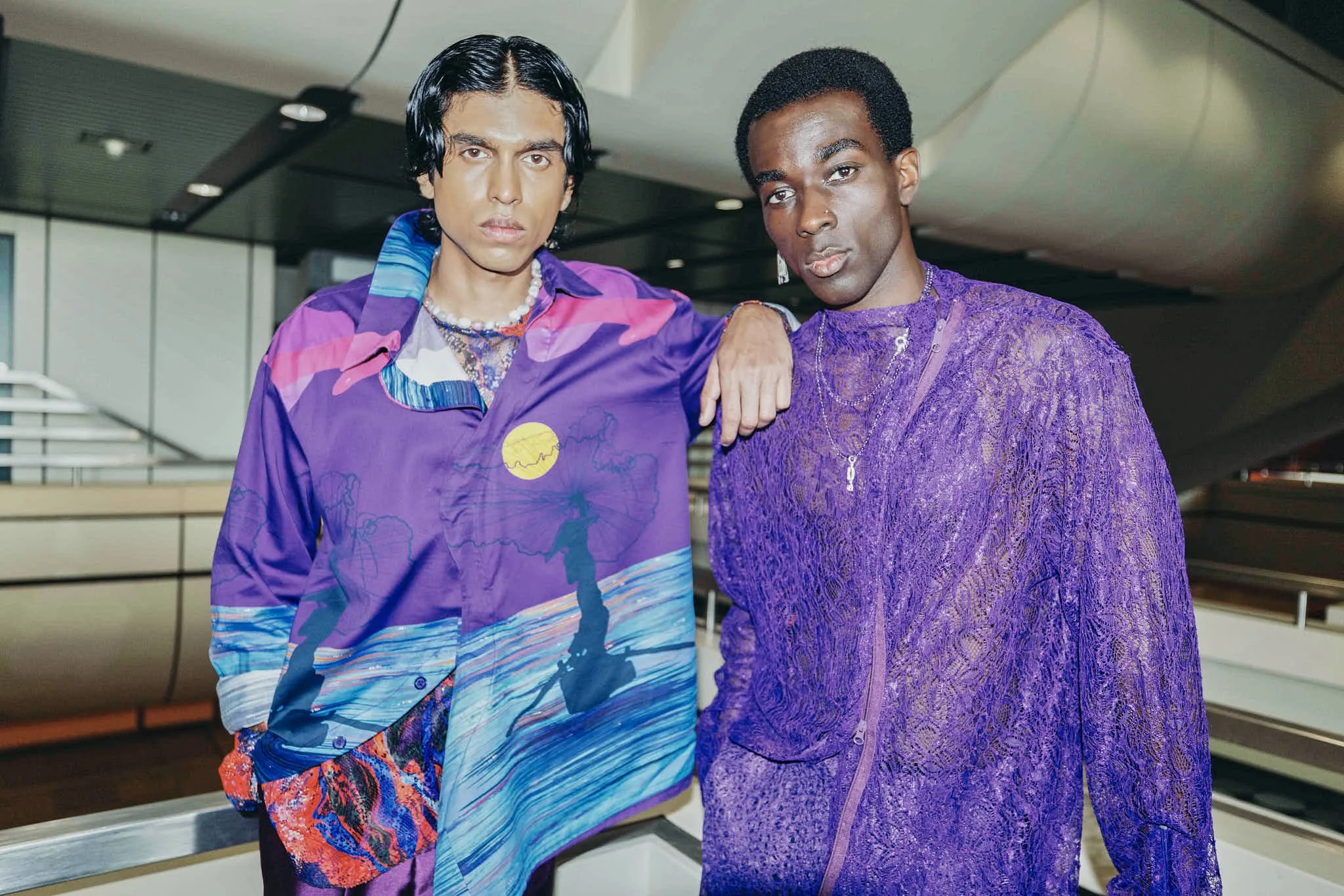
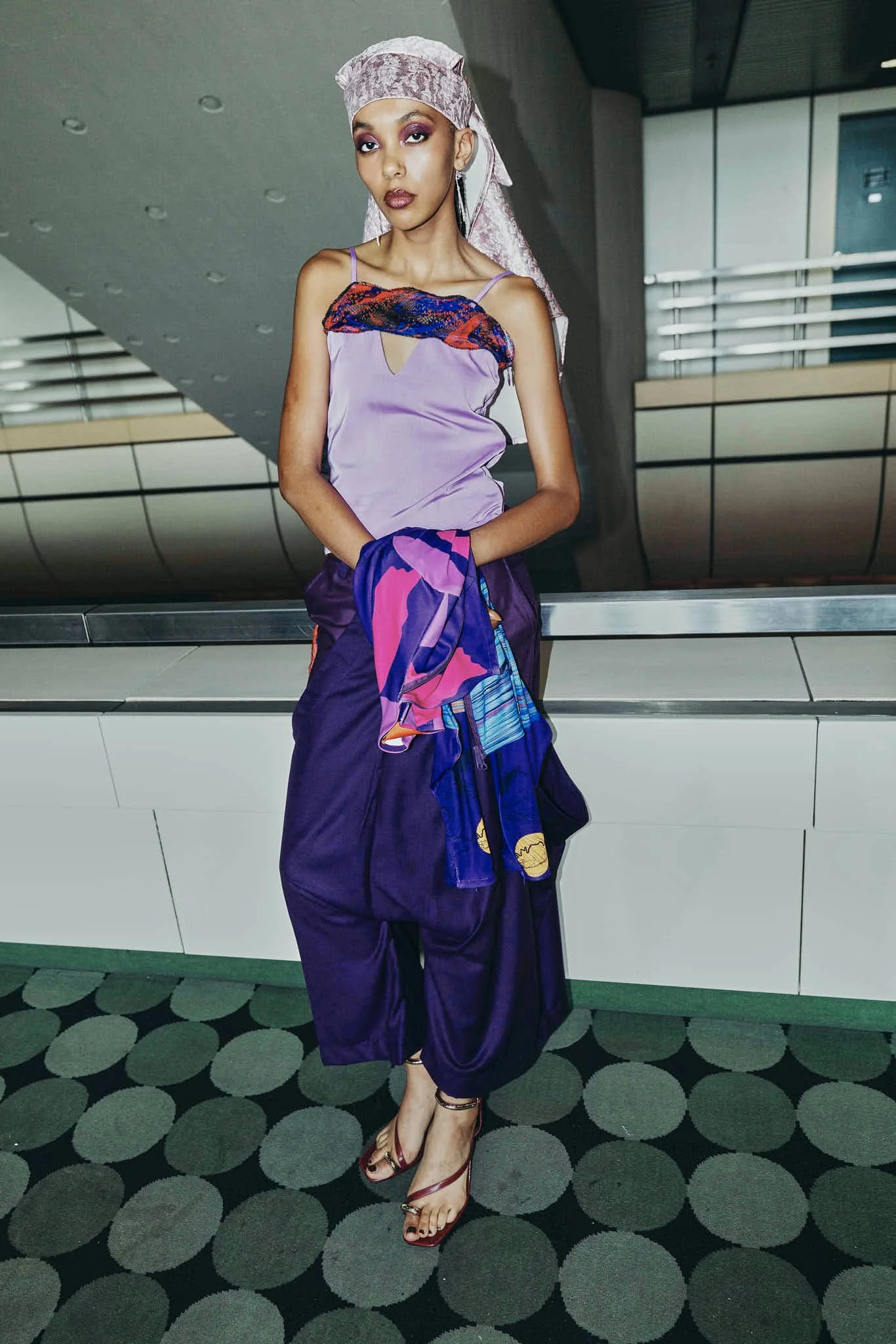
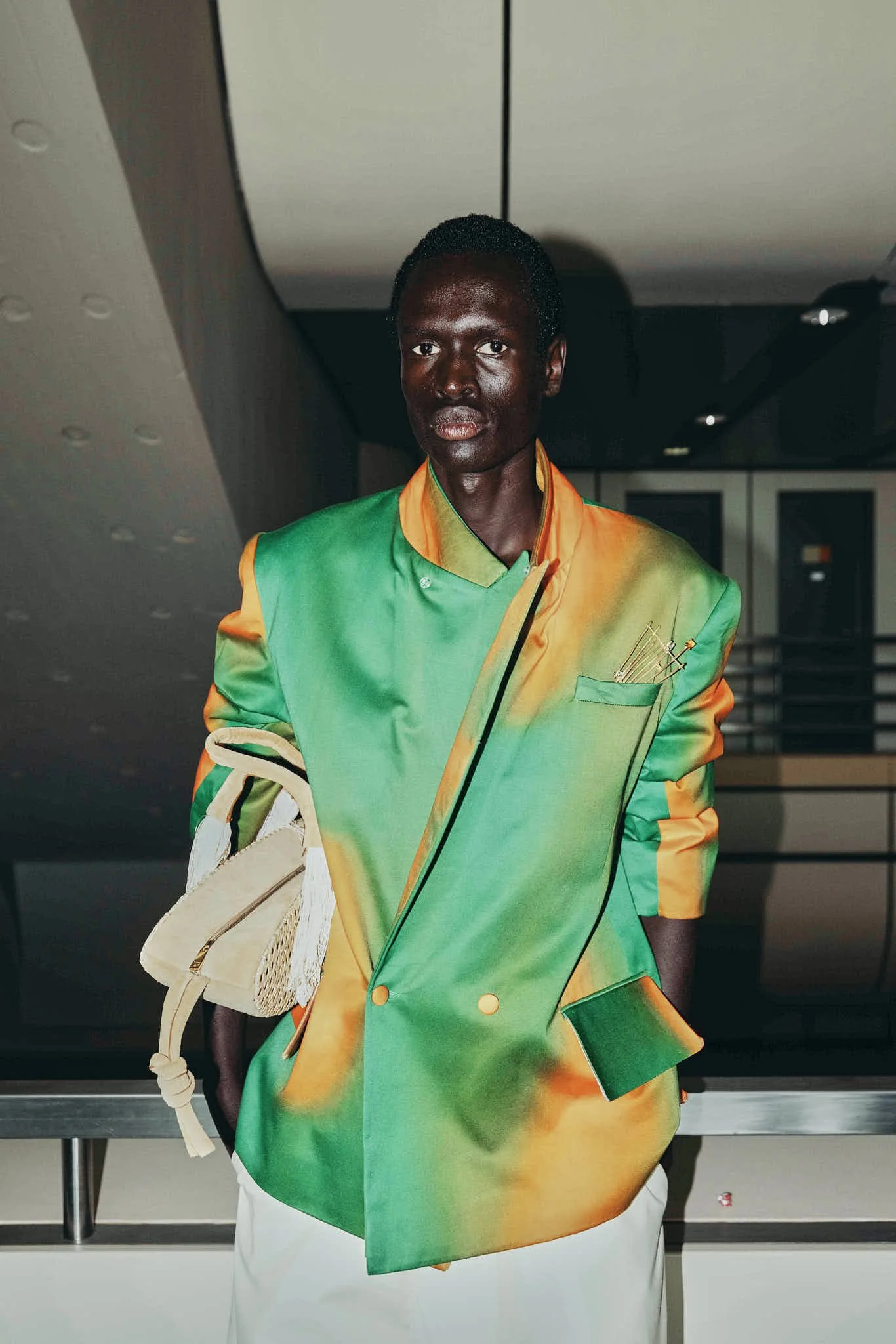
Nigerian designer Adebayo Oke-Lawal returned to Berlin Fashion Week for the third season running, staging Orange Culture's SS27 show at the ICC Berlin as part of the NEWEST format. The collection took its name and inspiration from Makoko, Lagos' historic stilt community built on water, using the Yorùbá symbolism of water as both regenerative and destructive force to explore displacement, adaptation and survival. Sheer, layered fabrics in shimmering sunset tones met sturdier structured pieces, balancing softness against strength, a visual metaphor for resilience found in precarious conditions.
Guinea fabric, lace and hand-stitched embellishment gave the pieces texture and narrative weight, while a vivid palette of cobalt blues, reds and yellows carried Orange Culture's signature emotional intensity. Rather than dwelling on instability, the collection celebrated the ingenuity and joy that persist within it. Oke-Lawal has said Berlin's openness to unfamiliar stories has given him room to explore his Nigerian identity more freely each season, and the brand's made-to-order, locally produced approach reinforced the collection's sustainability message, one rooted, he noted, in practices Nigerians grew up with long before "sustainability" became an industry buzzword.
ANDREJ GRONAU
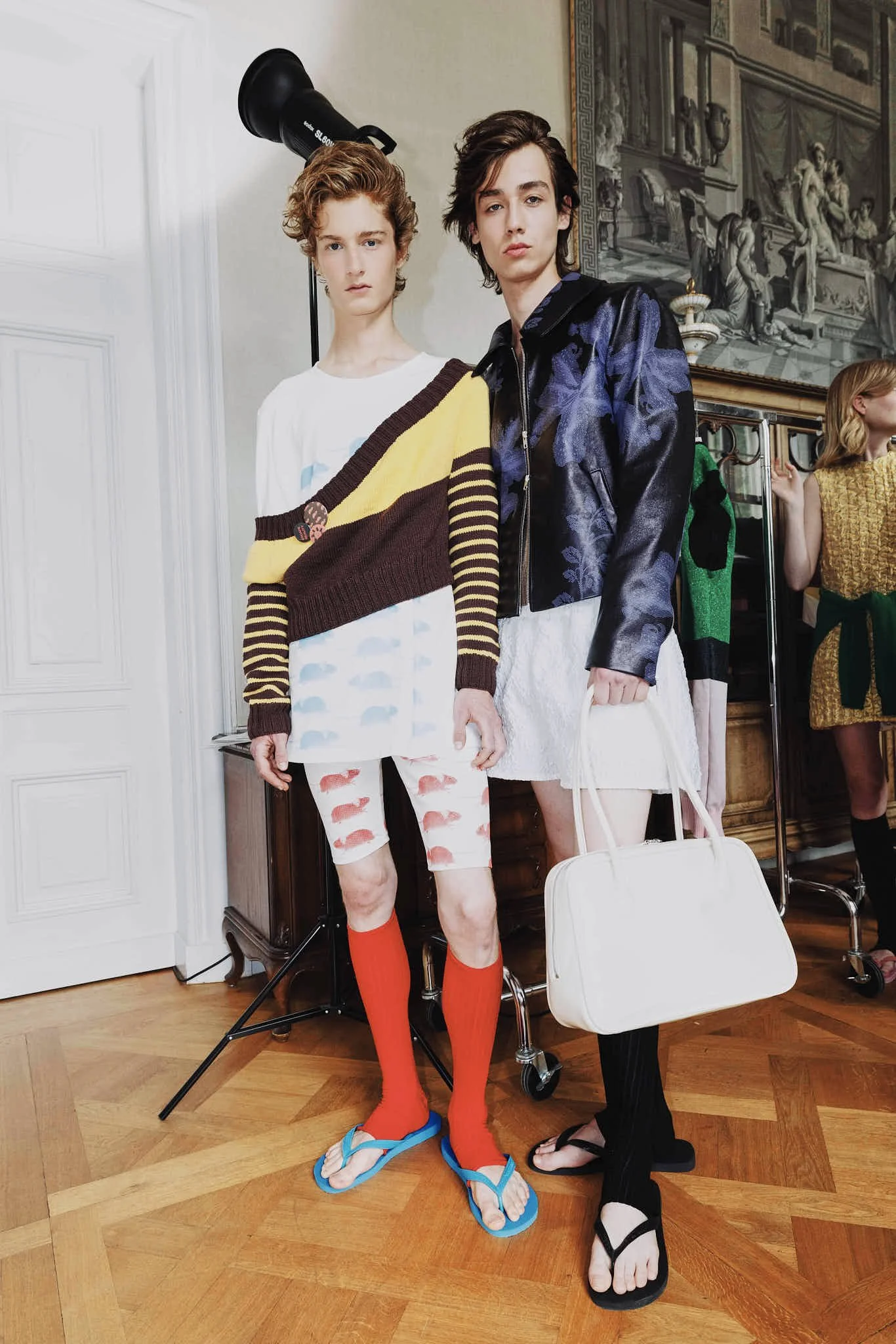
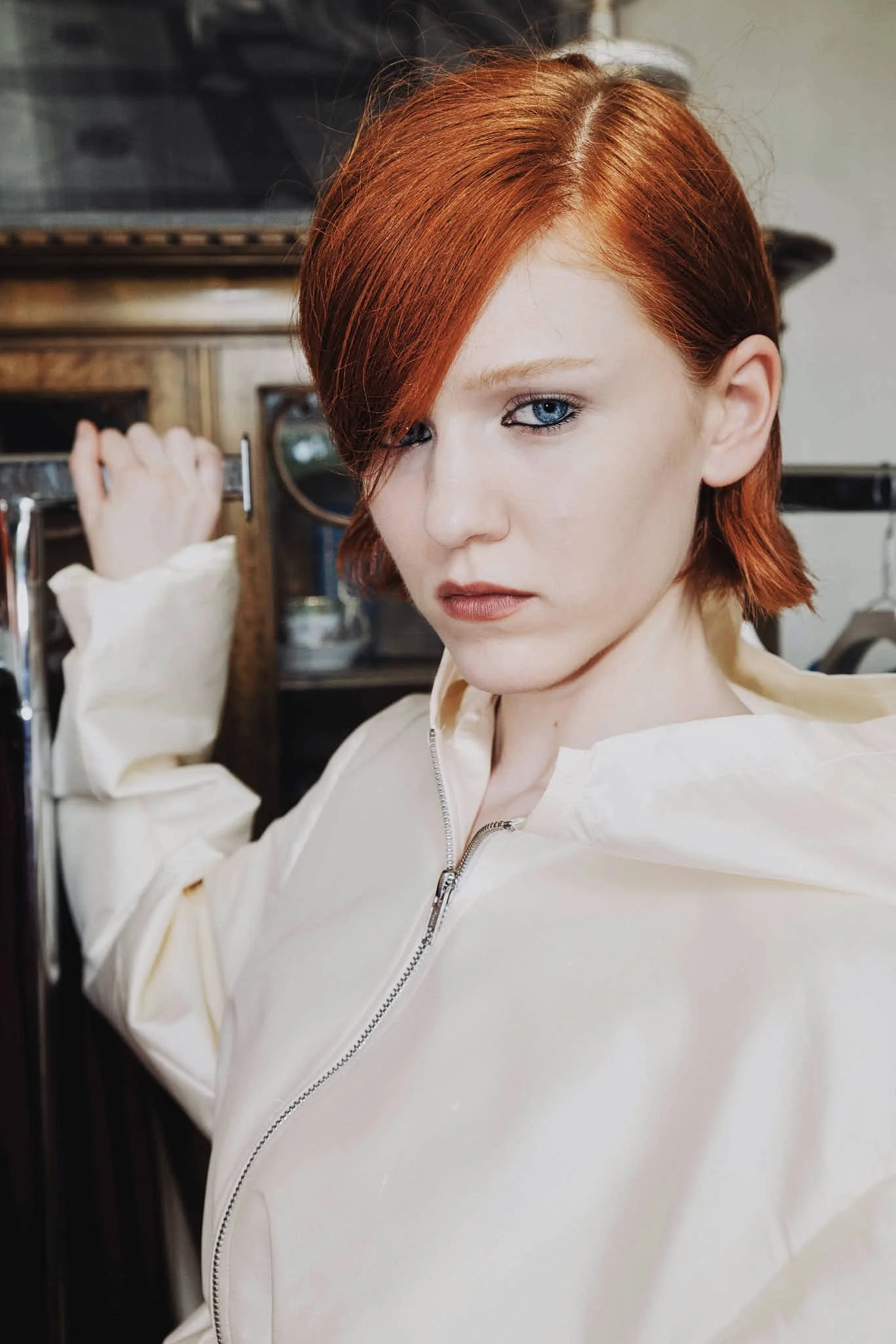
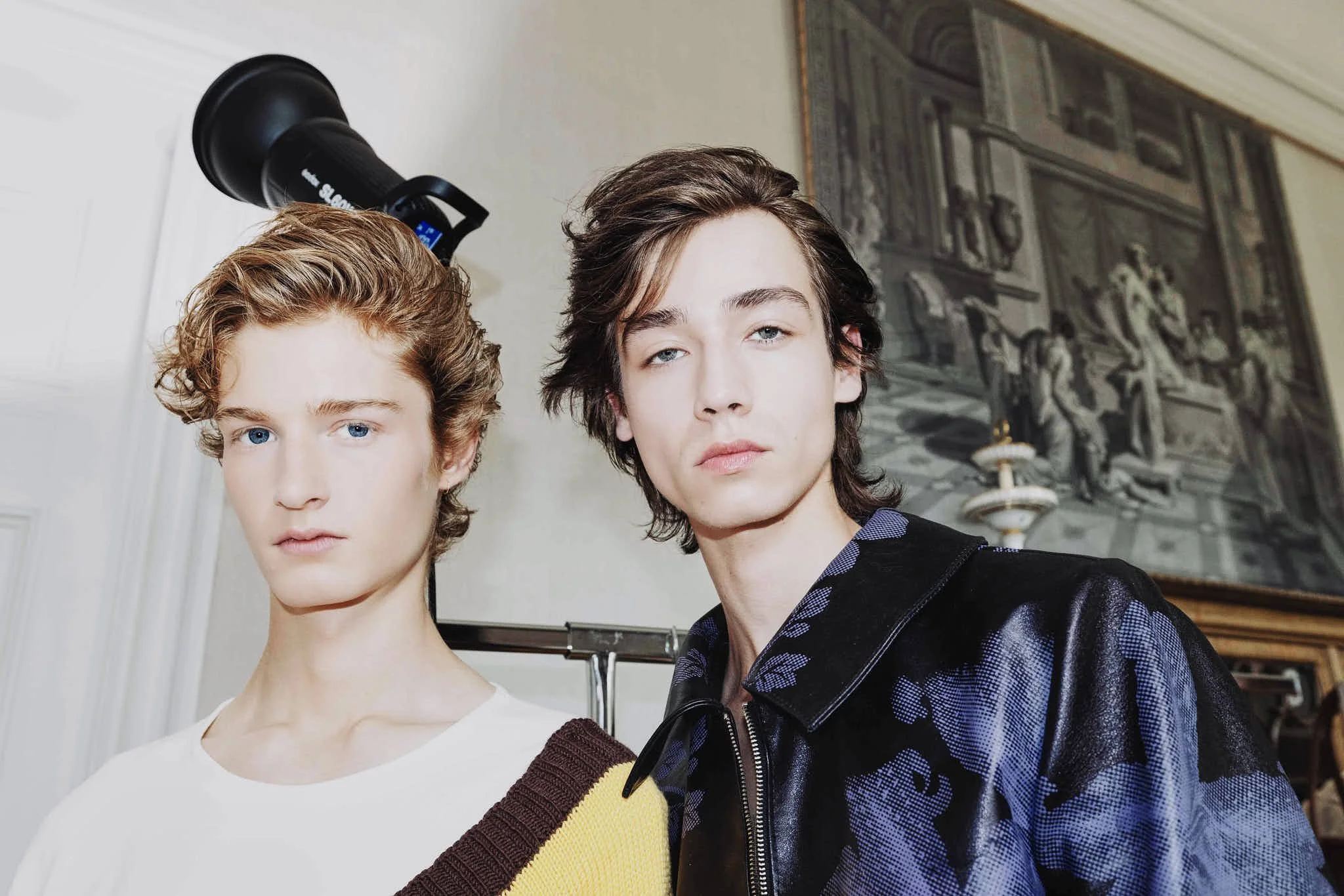
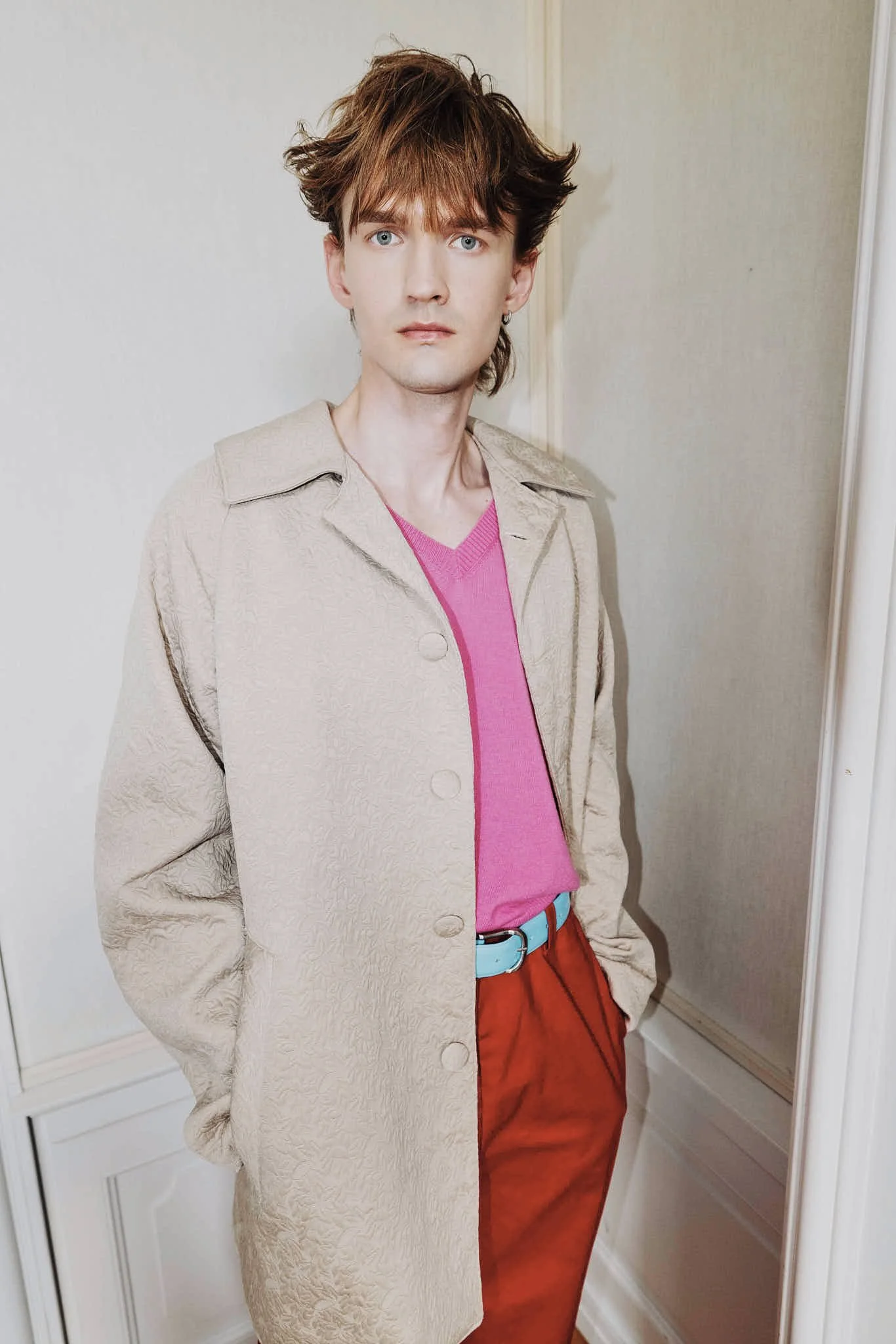
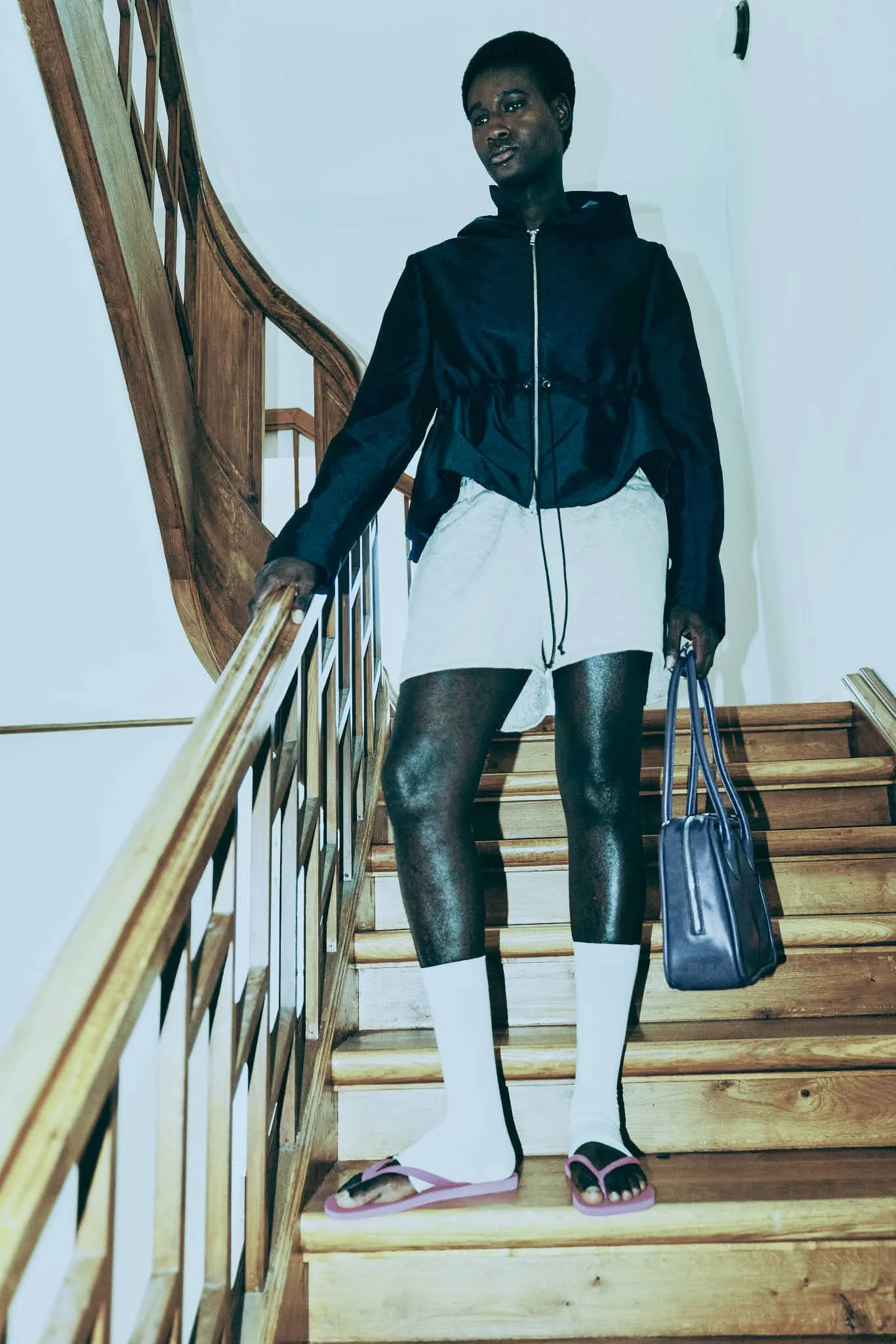
Central Saint Martins graduate Andrej Gronau presented "Island's Isolation" at the rococo Friedrichsfelde Palace, a 26-look collection built around the idea of the garden as a self-contained universe. Drawing on the psychological tension in Francis Bacon's paintings and botanical studies by Karl Blossfeldt, Gronau treated transformation as a slow accumulation of small shifts rather than a single dramatic event. Hand-drawn cats, mice and floral motifs were screen-printed across cloqué, matelassé, metallic Lurex knits, foil-laminated textiles, leather, taffeta and cotton poplin, with a palette moving from mossy earth tones into saturated tropical florals and metallic gold, silver and black.
Enamel badges reading words like "MIAU" and "ABSURD" added a punk-adjacent graphic note. Backstage, Gronau described himself as "more a colourist than a pattern maker," noting a deliberate move this season toward sharper colour-blocking and easier, more wearable shapes. Named a Berlin Contemporary winner for SS27, Gronau, who launched his label in 2021 or 2022 depending on the source and has since been worn by Lolo Zouaï and Benee, continues to build a distinctly whimsical, gender-fluid design language.
SAMPLE 030
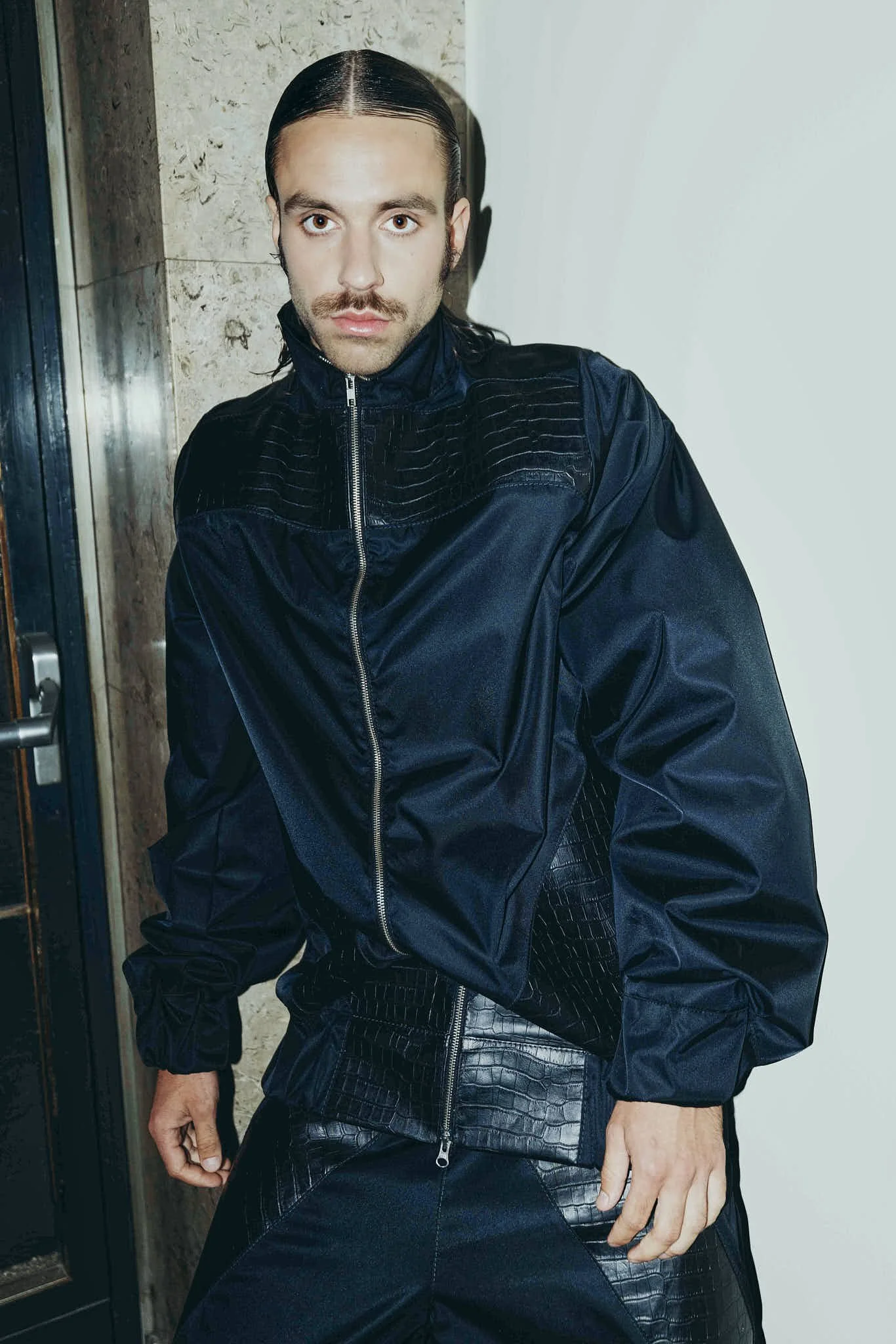
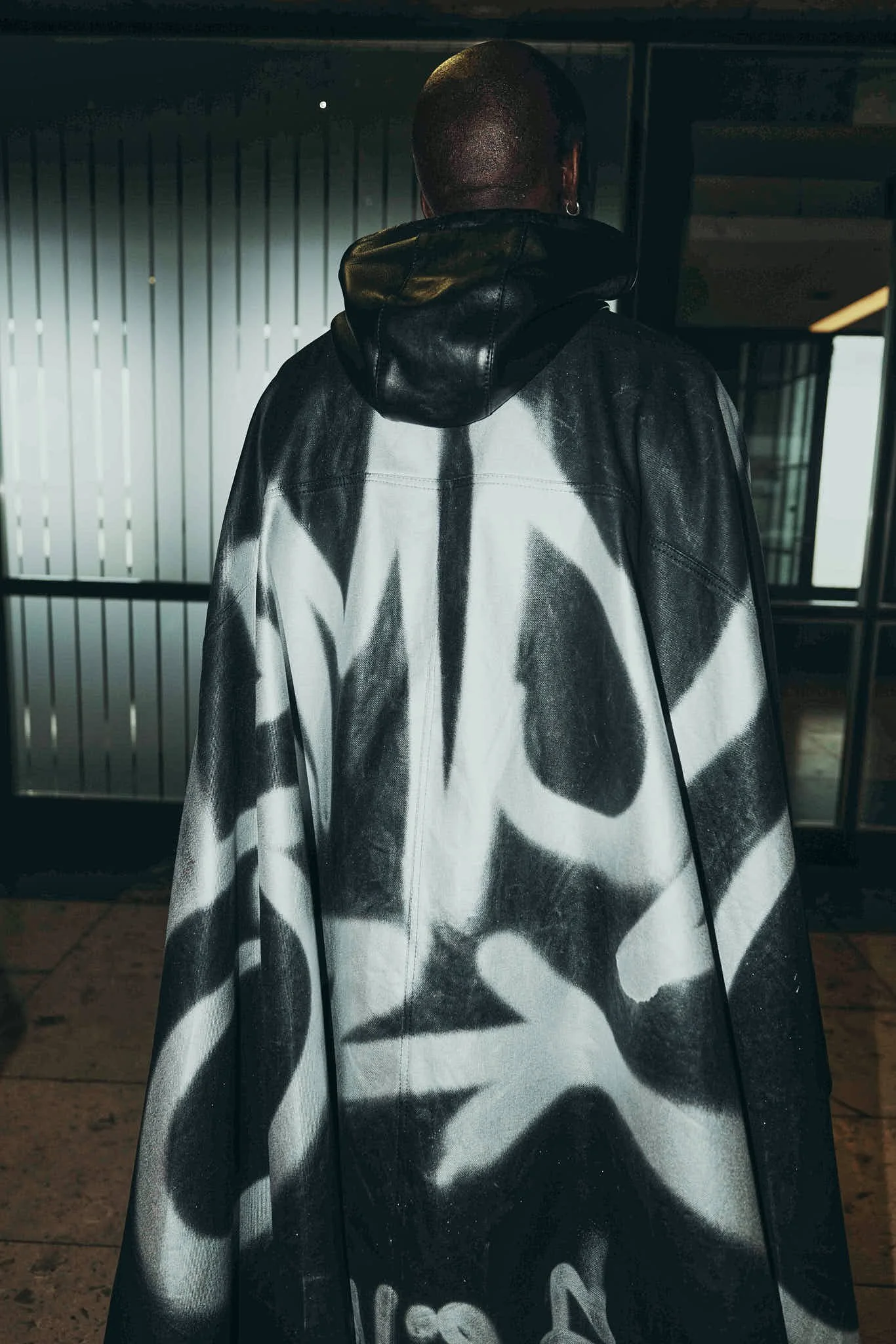
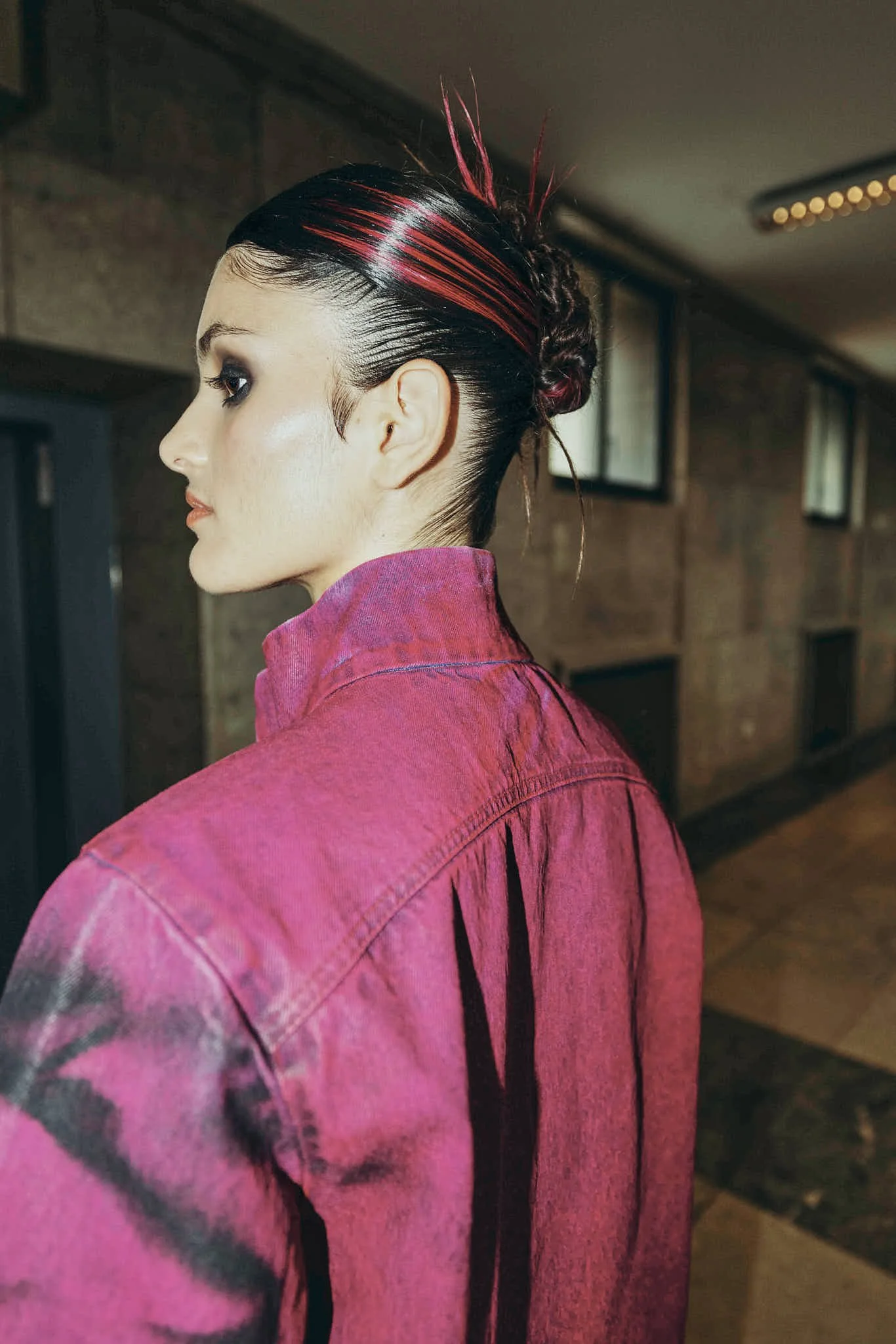
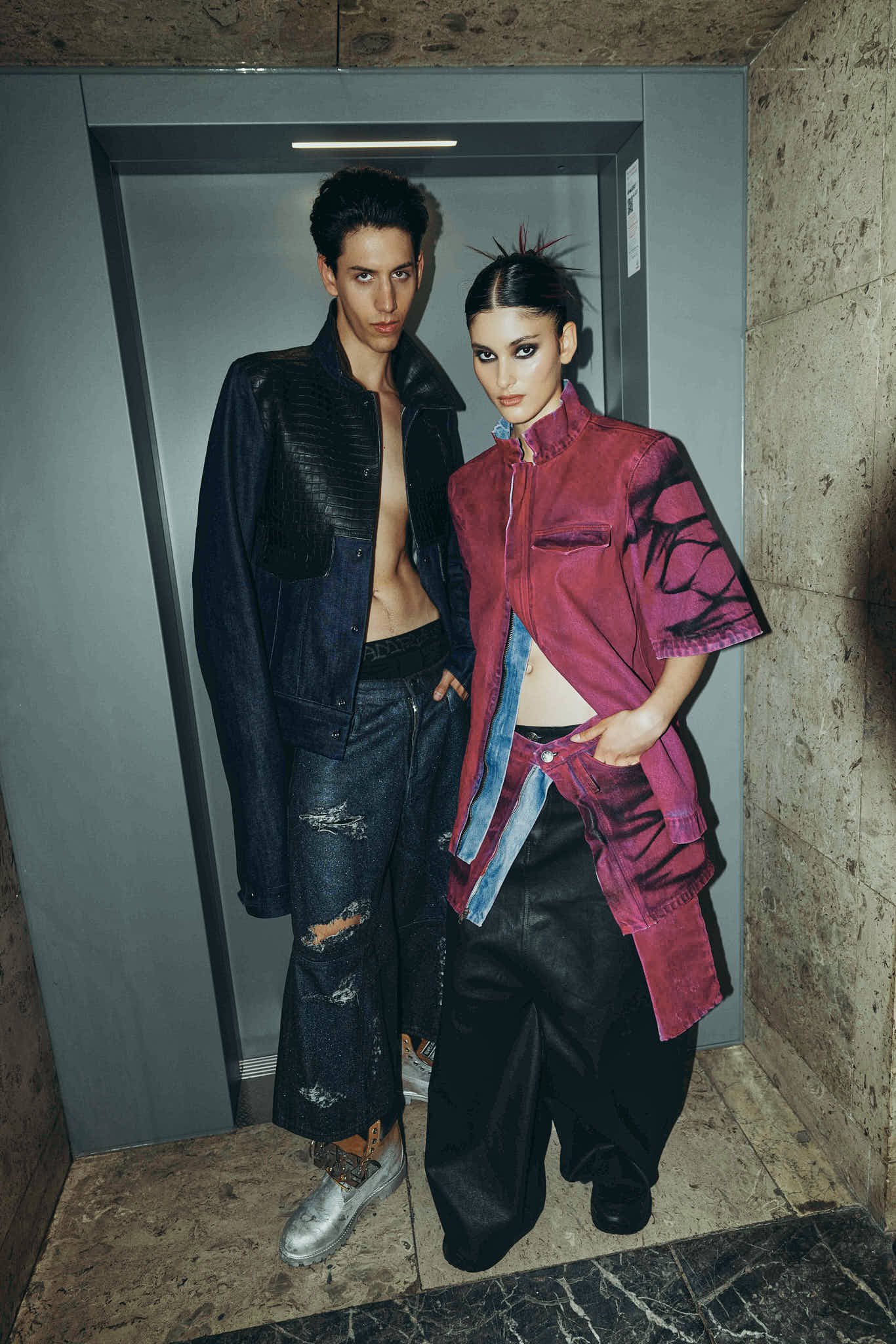
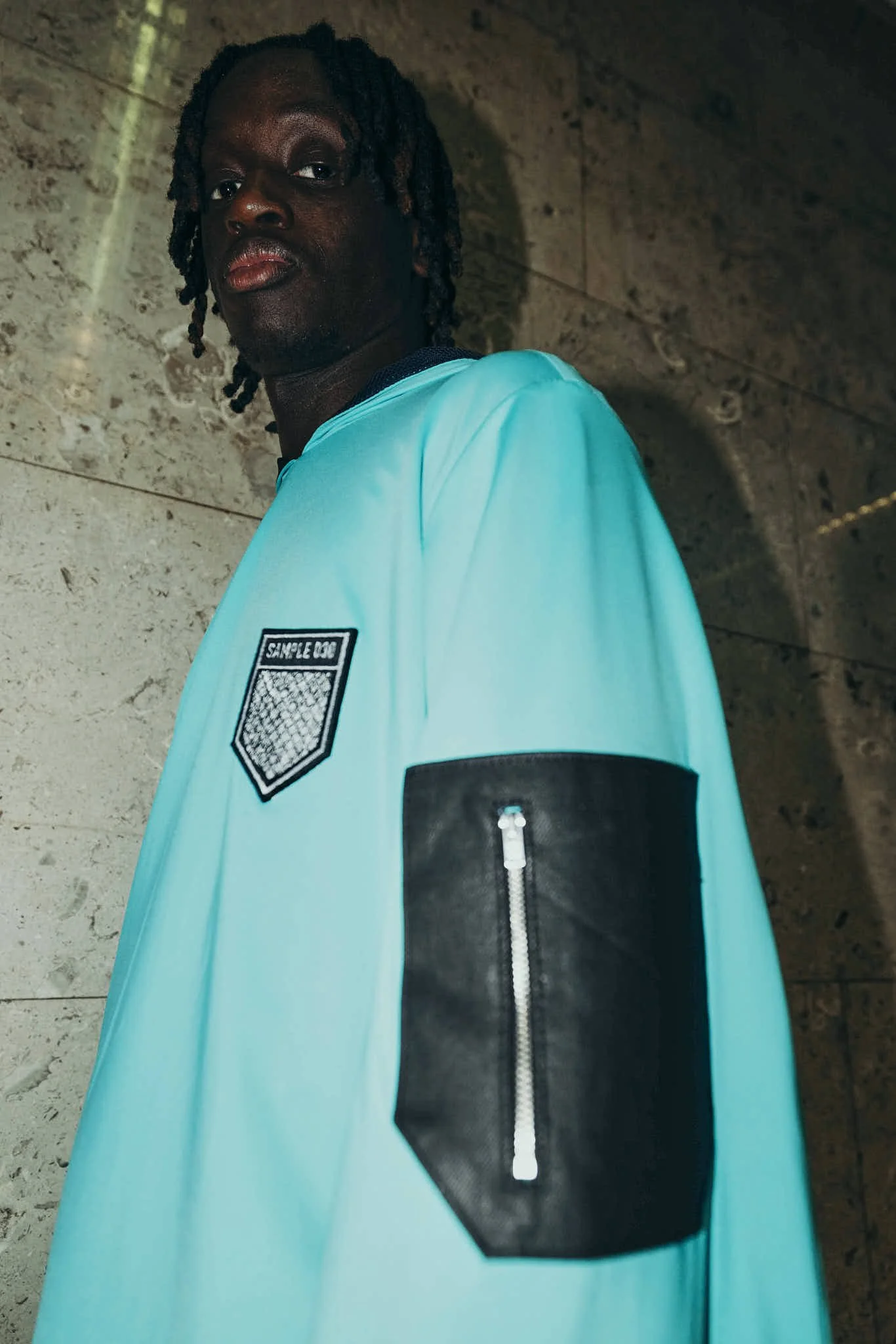
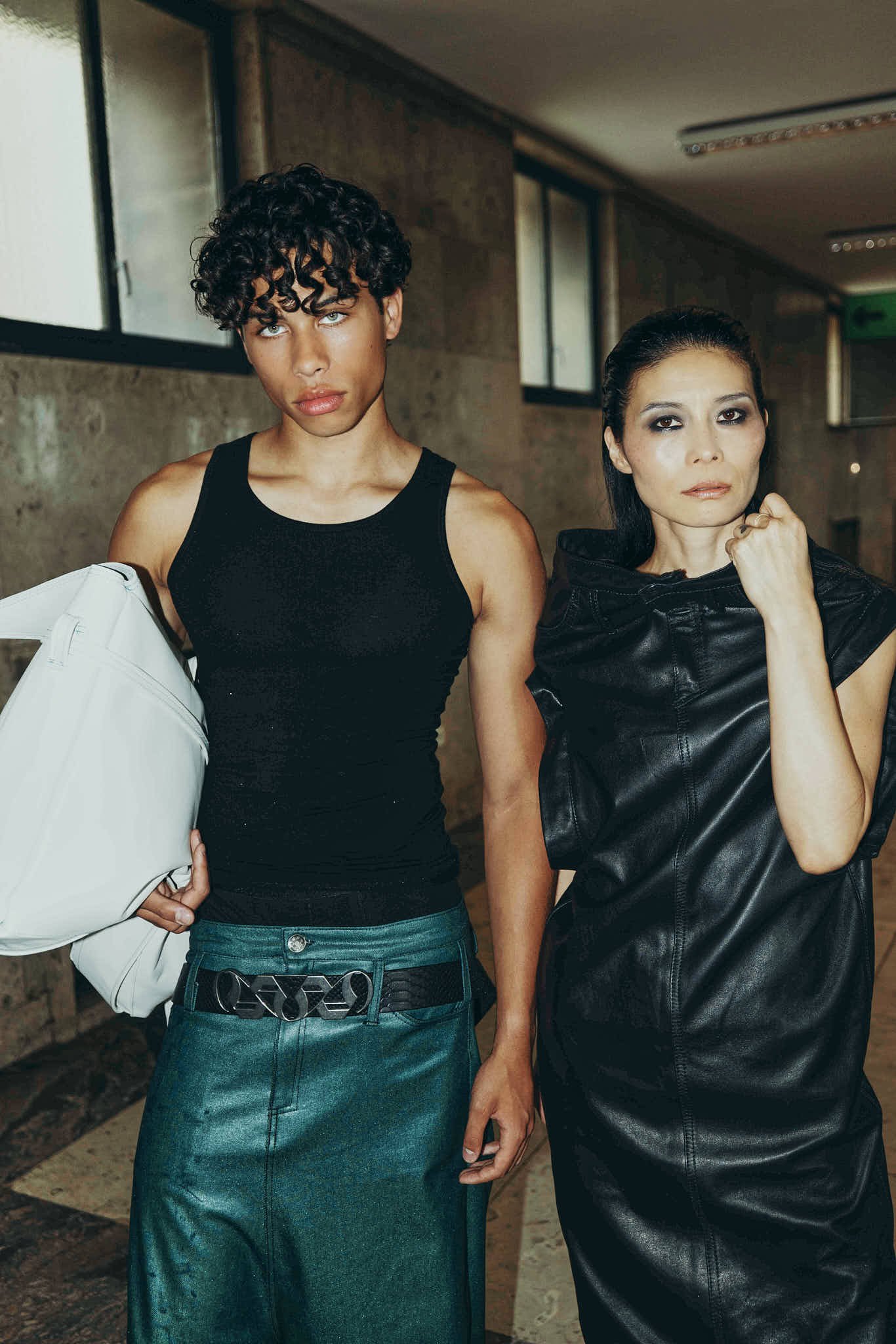
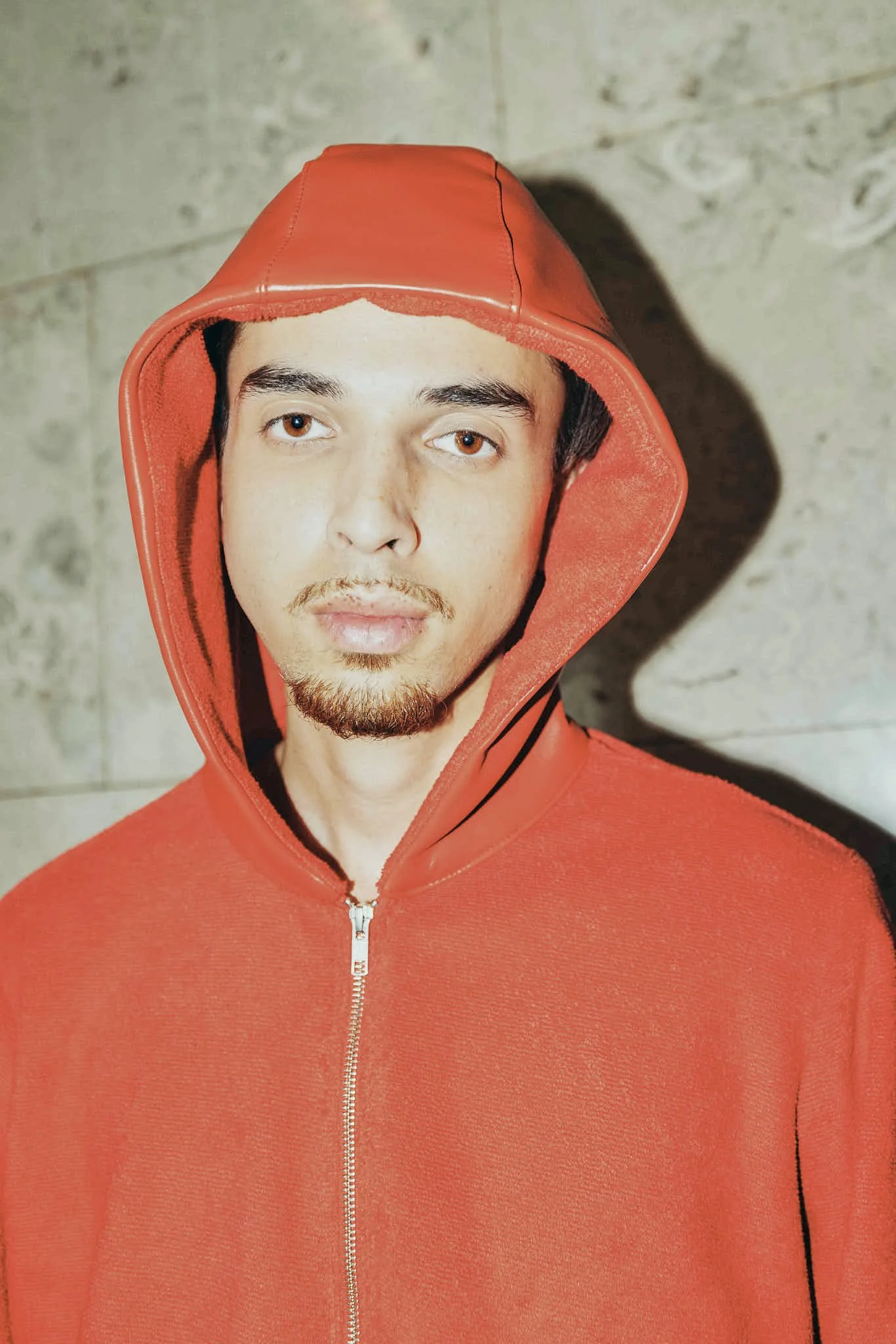
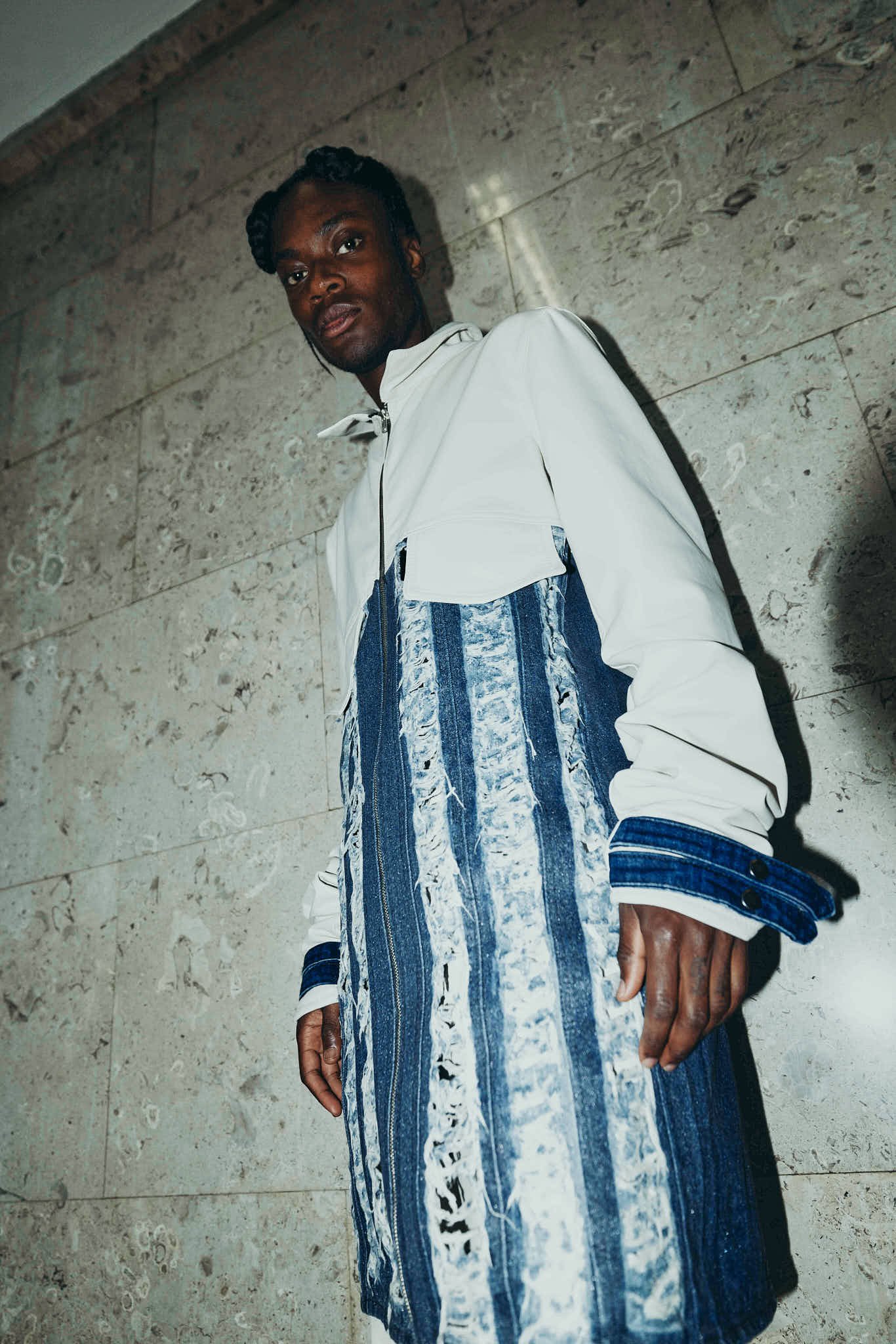
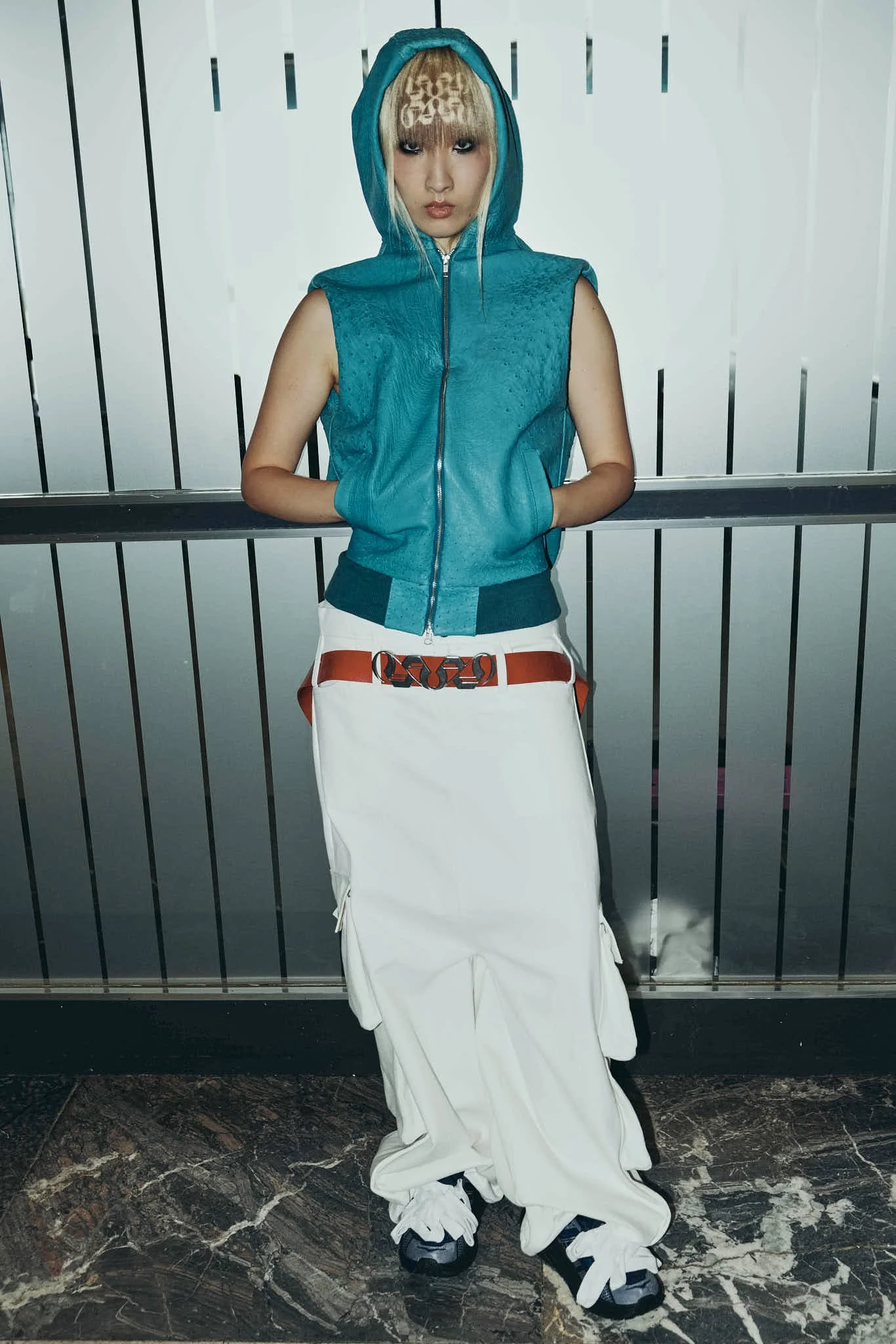
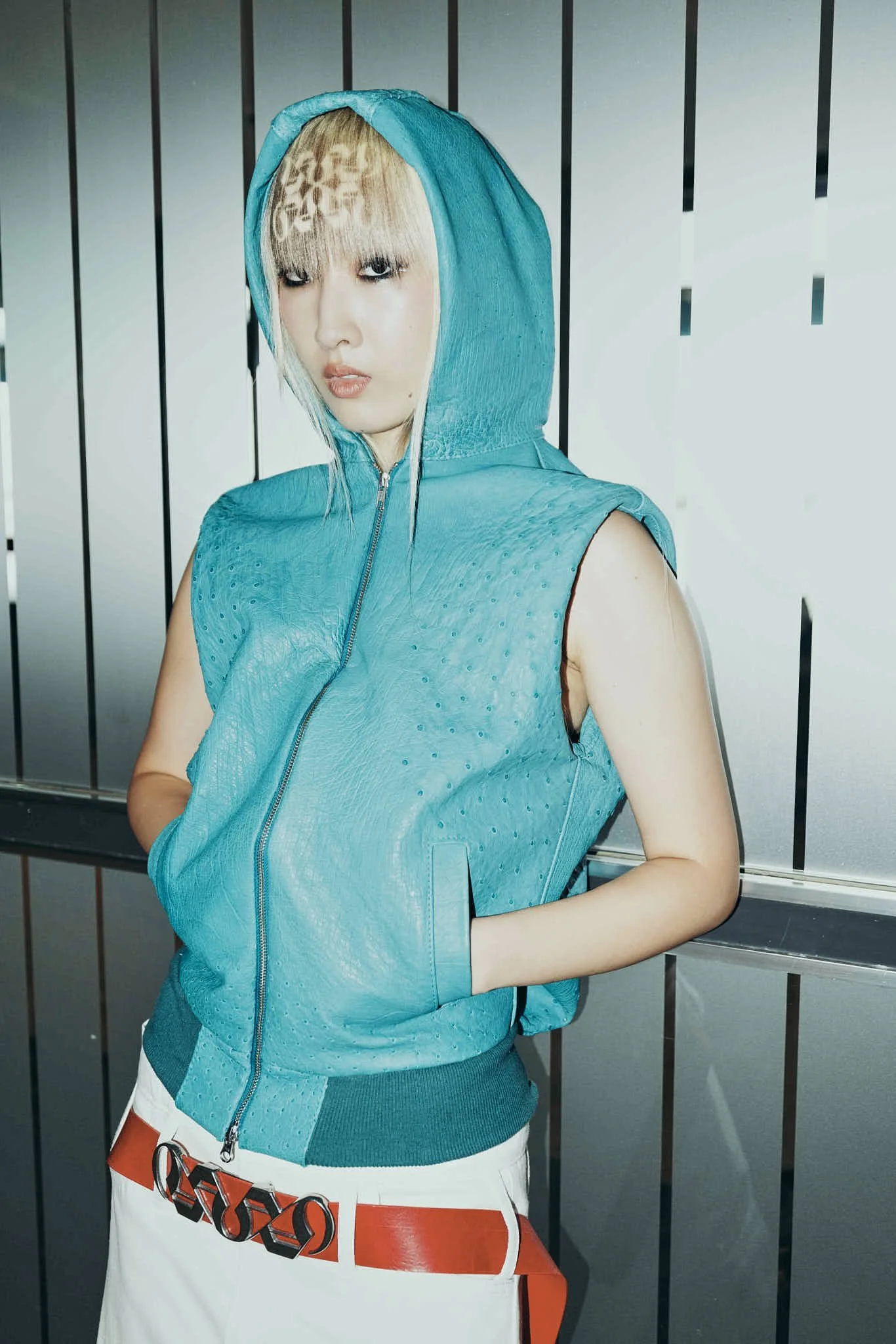
Berlin label sample030, founded by Ruben Jai, closed out its self-titled trilogy with "Raw Territory," staged inside the historic hangar of the former Tempelhof Airport. Following SS26's "Ghetto Express" and AW26's "Storm the Block," this final chapter shifted the narrative from movement through space to full occupation of it, the moment a community stops passing through and claims a place through sheer presence. The historic airport, once built for regulated transit and control, was transformed by the label's community-driven energy, with the runway tracing paths of departure across the airfield.
Garments echoed that shift from transience to territory: progressive silhouettes, sharp utility detailing and street-informed cuts elevated with precise tailoring. Leather, denim and deconstructed elements featured throughout, including a coat with a collar and belt built to resemble classic denim styling, plus a standout chrome-metallic skirt cut with neon-pink contrast seams. The show was staged in partnership with beauty brand easycosmetic, marking the company's first foray into international fashion. True to its roots, sample030 continues to run every part of production in-house, from pattern cutting to its own fabric and natural-dye techniques.
KASIA KUCHARSKA
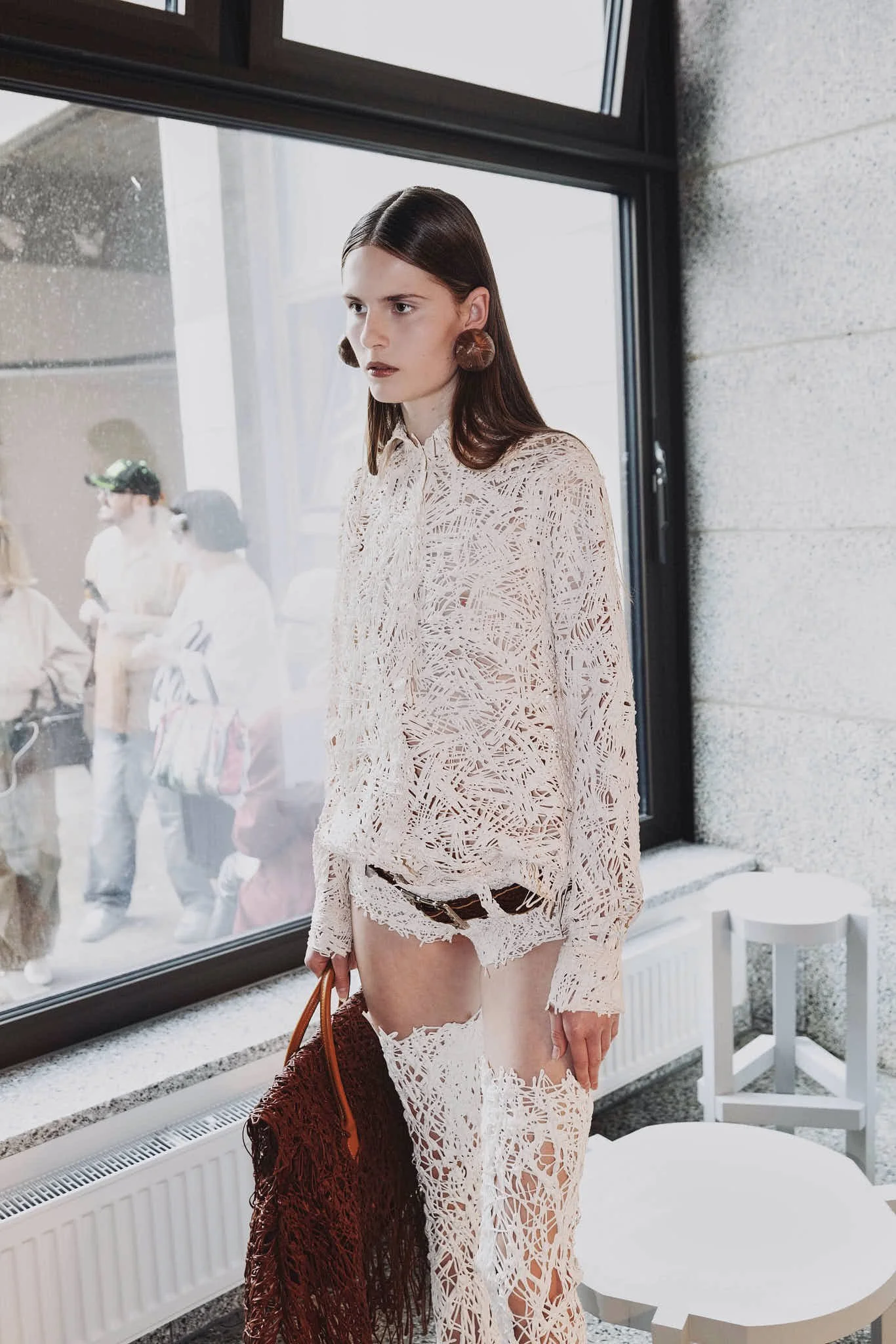
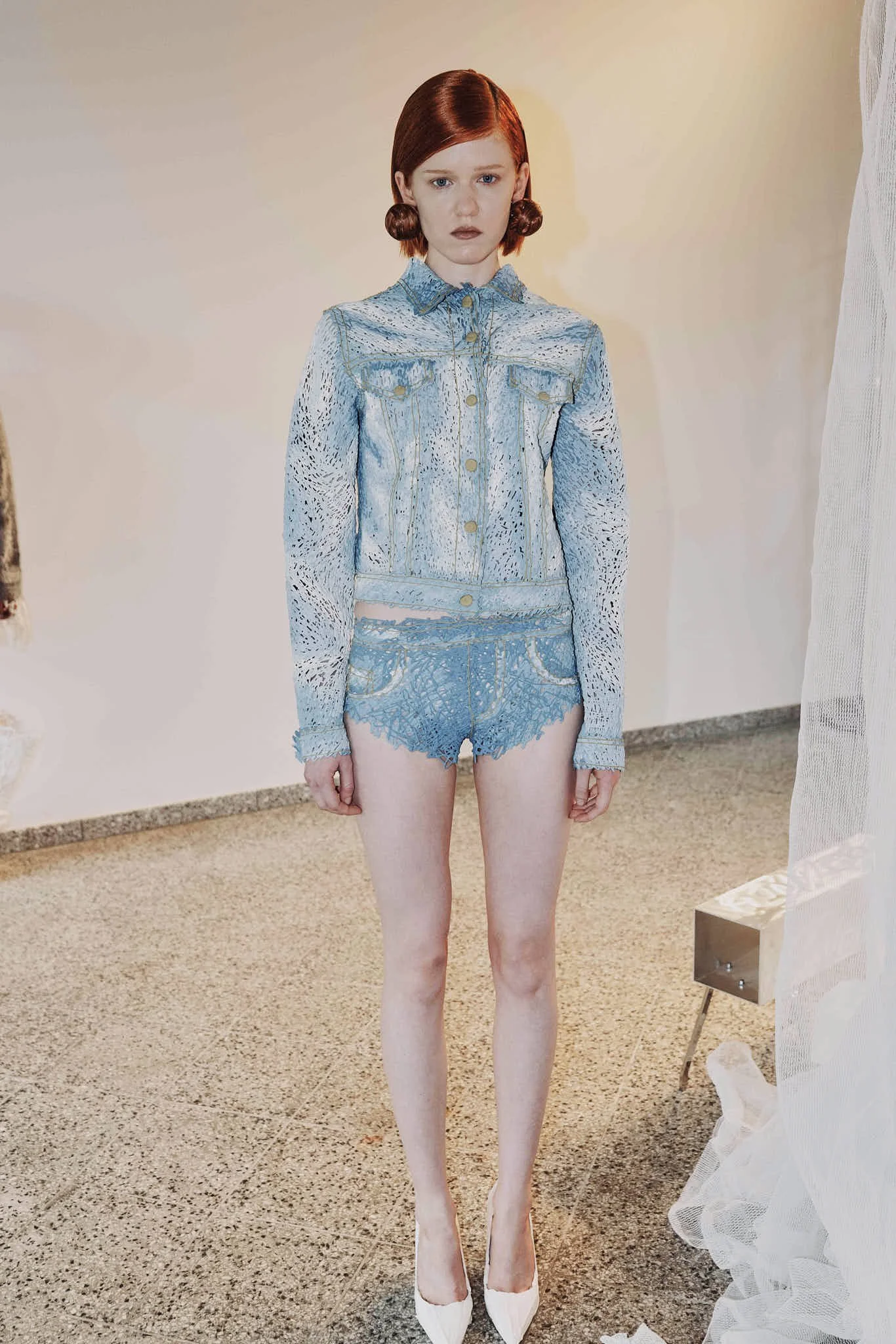
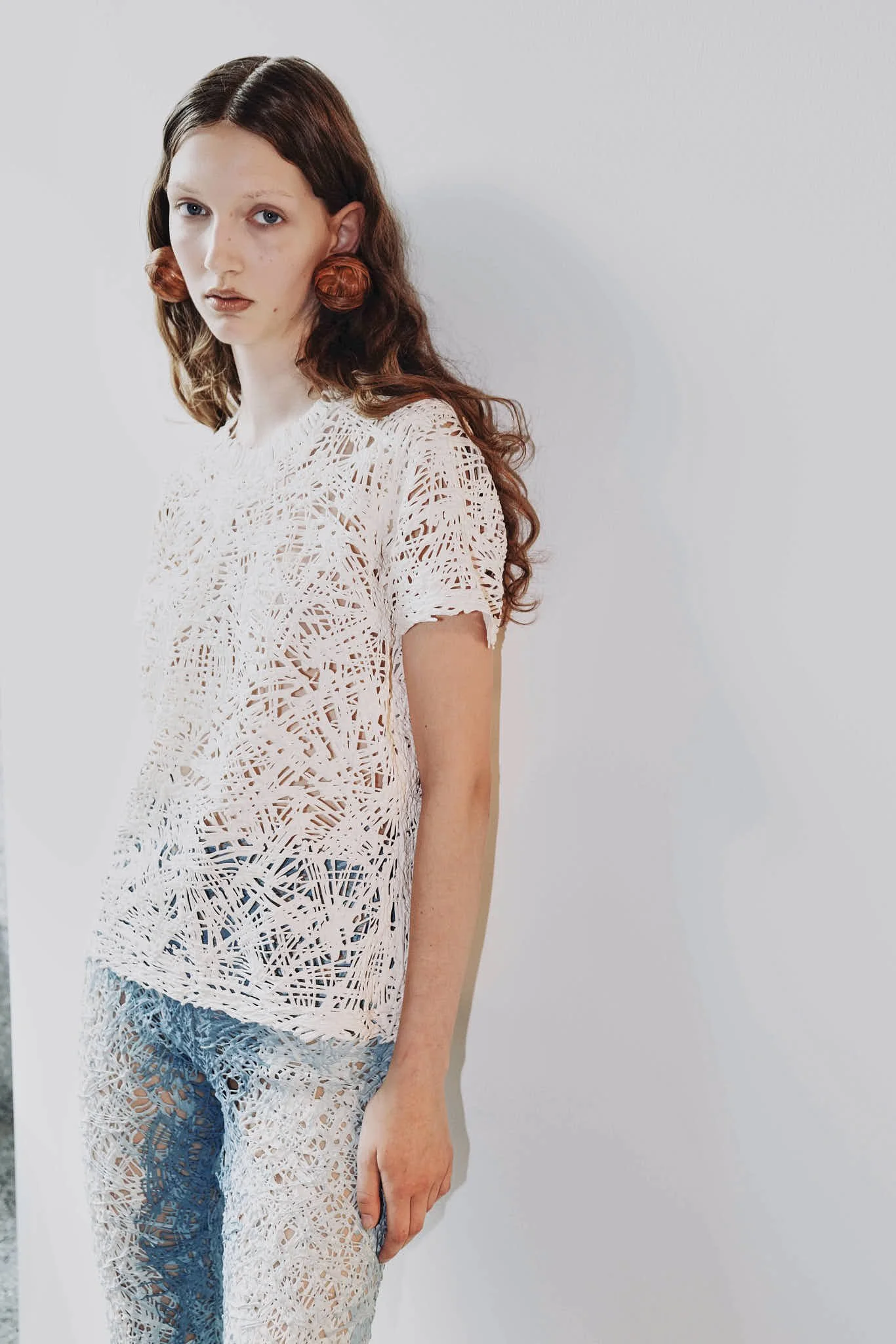
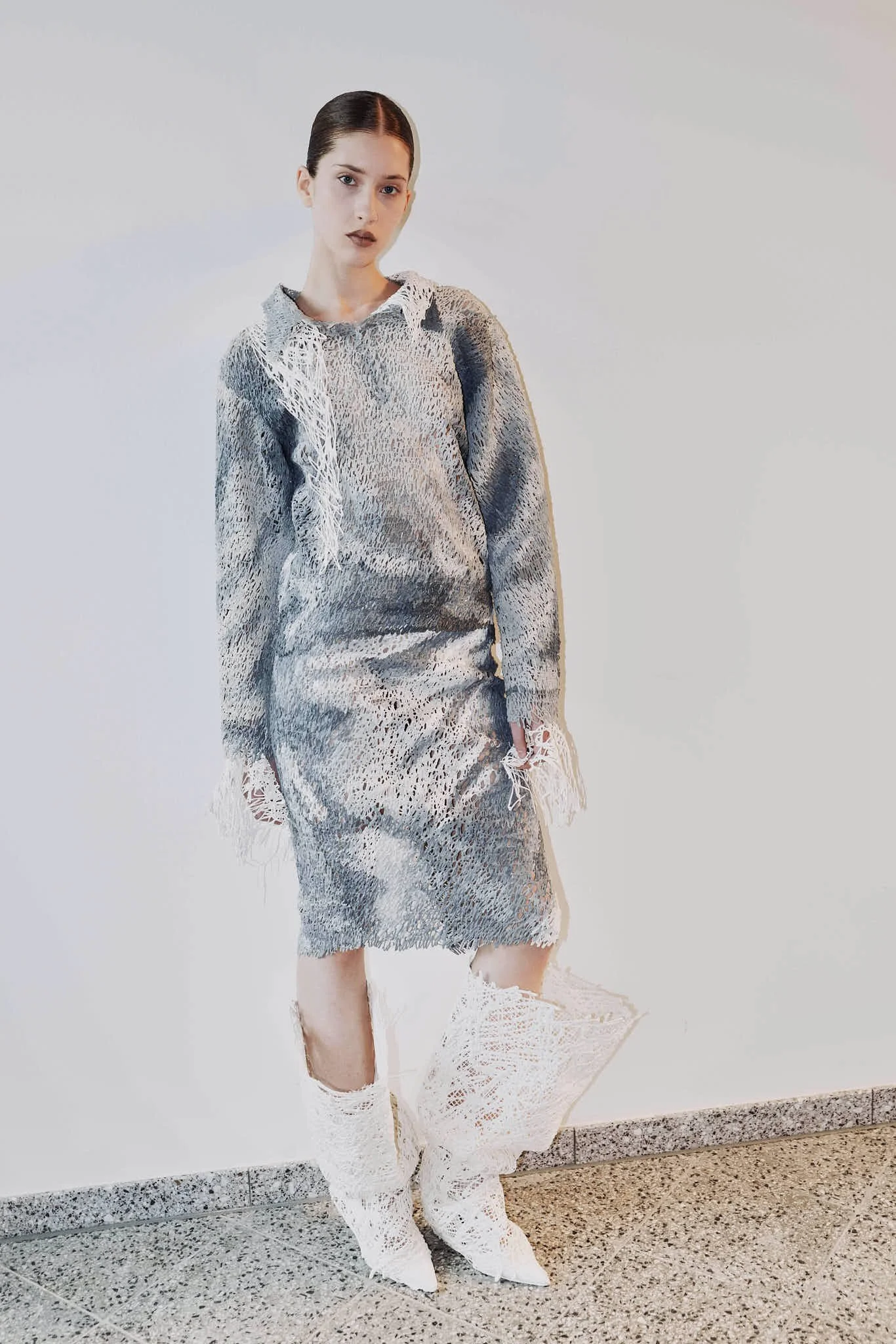
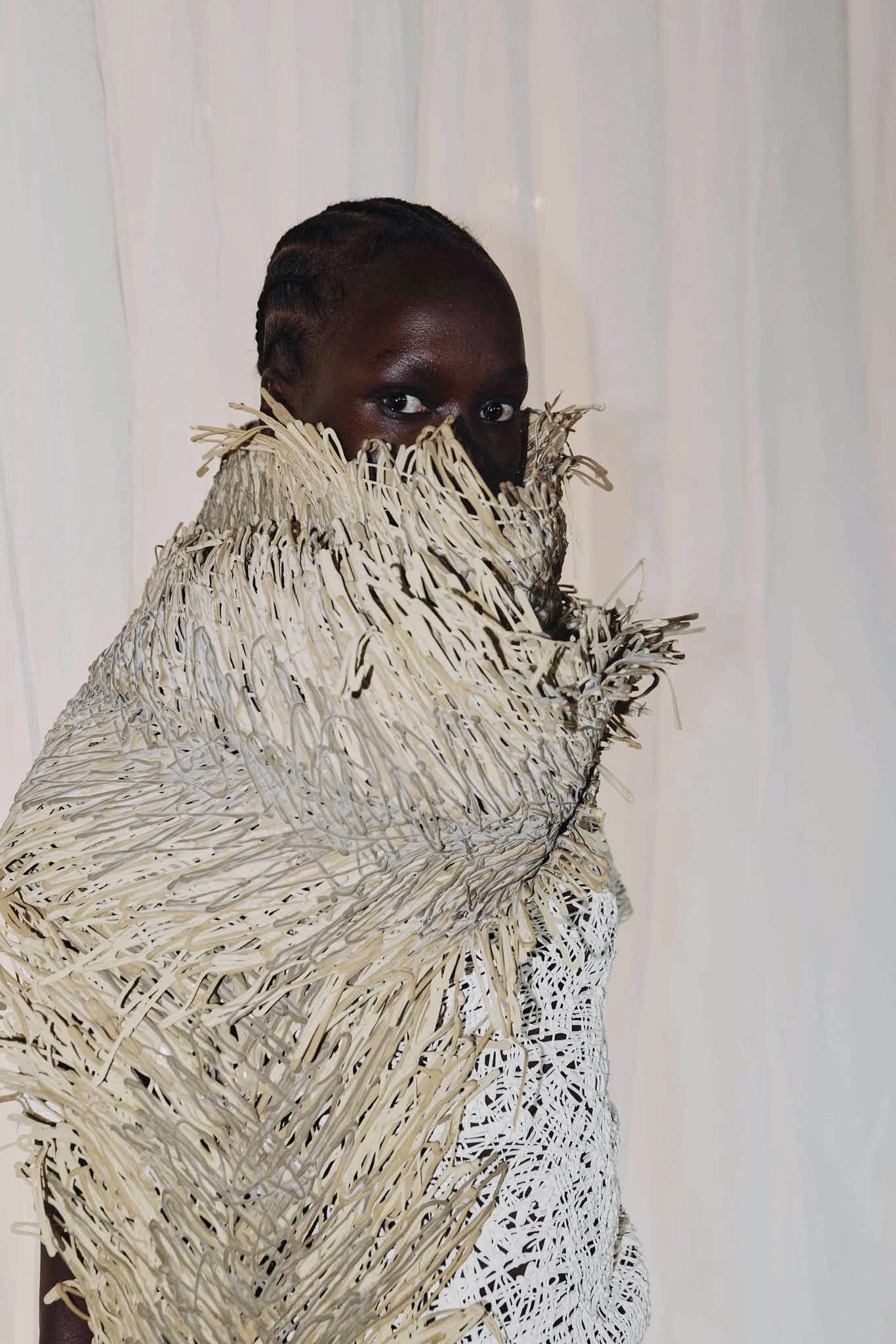
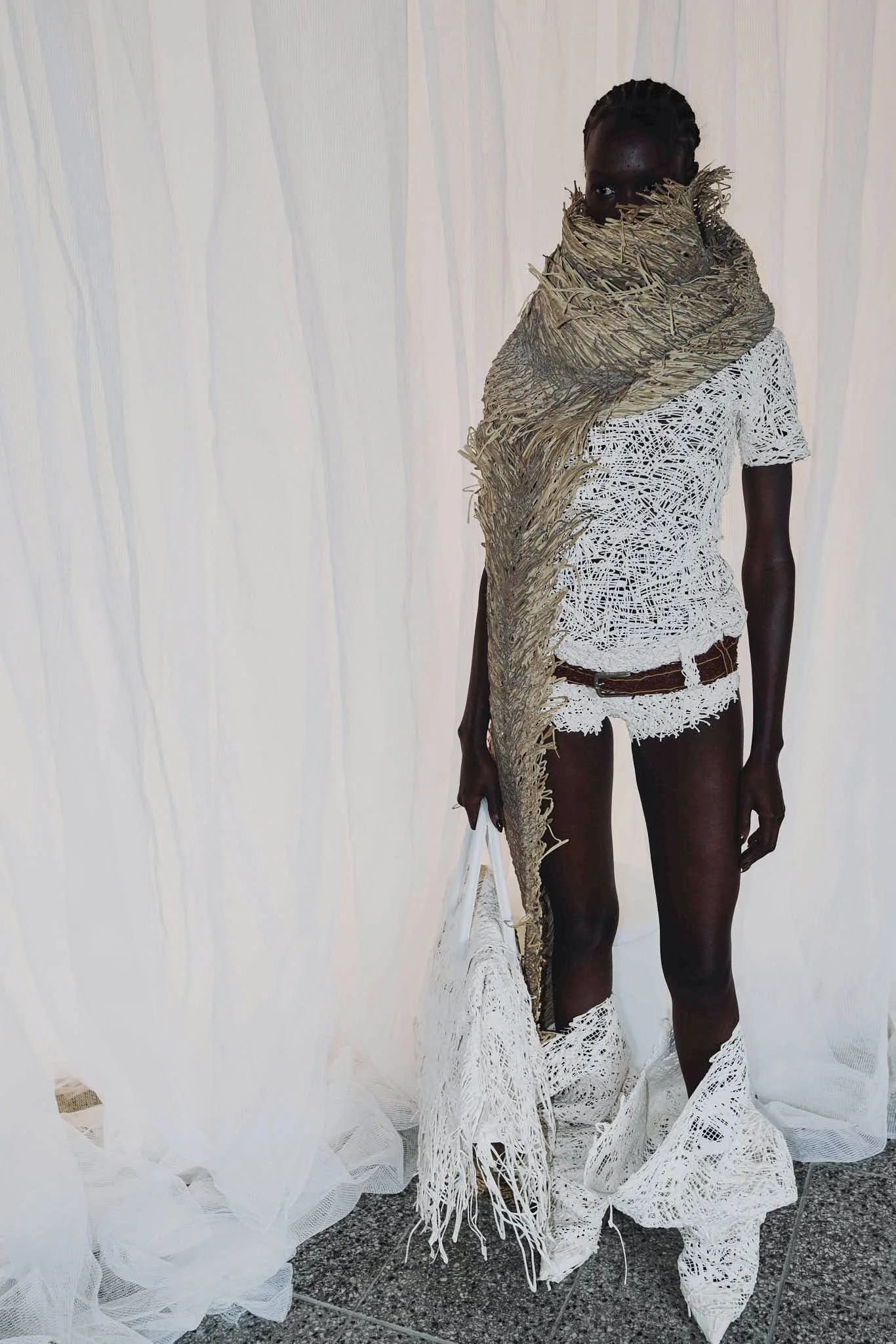
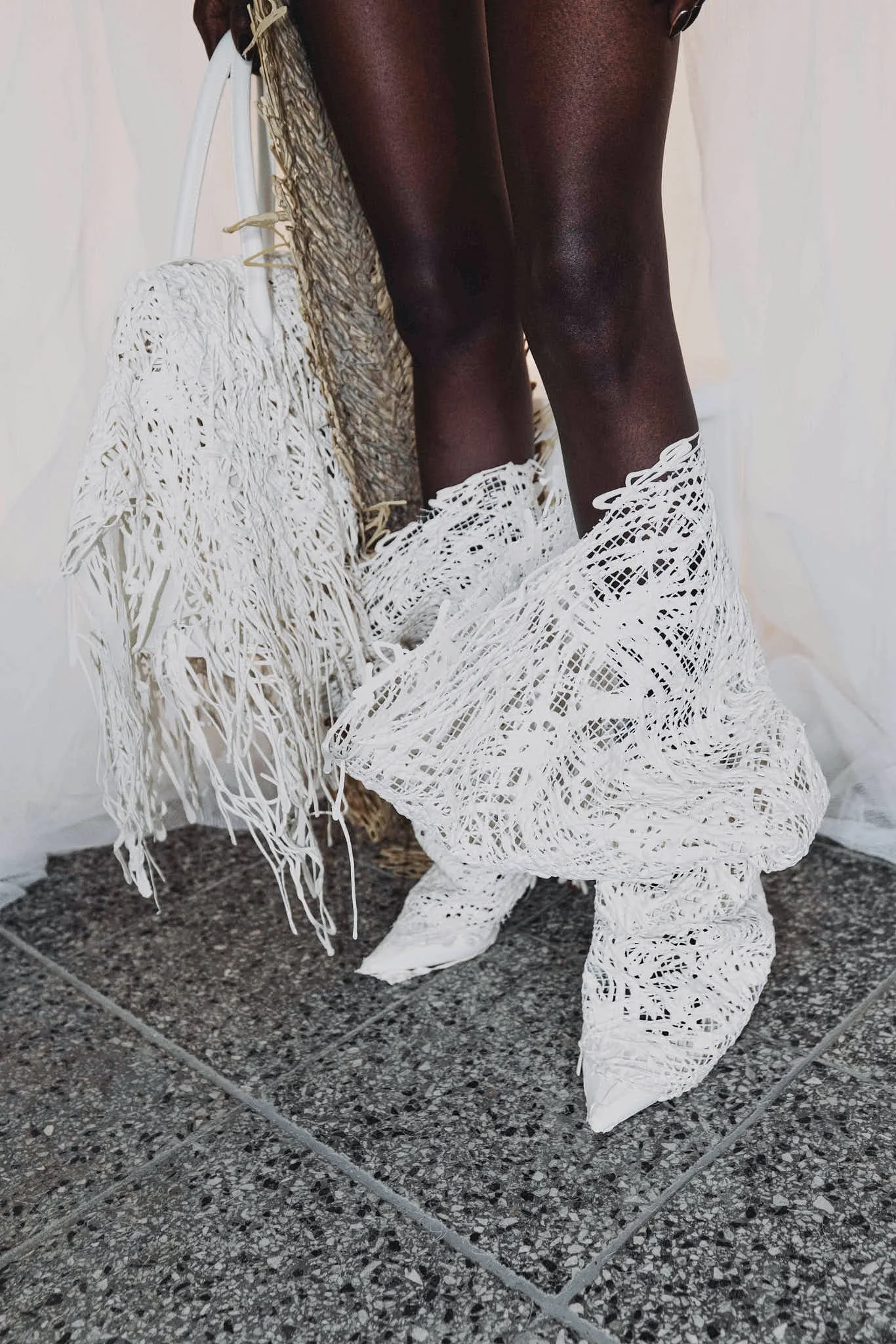
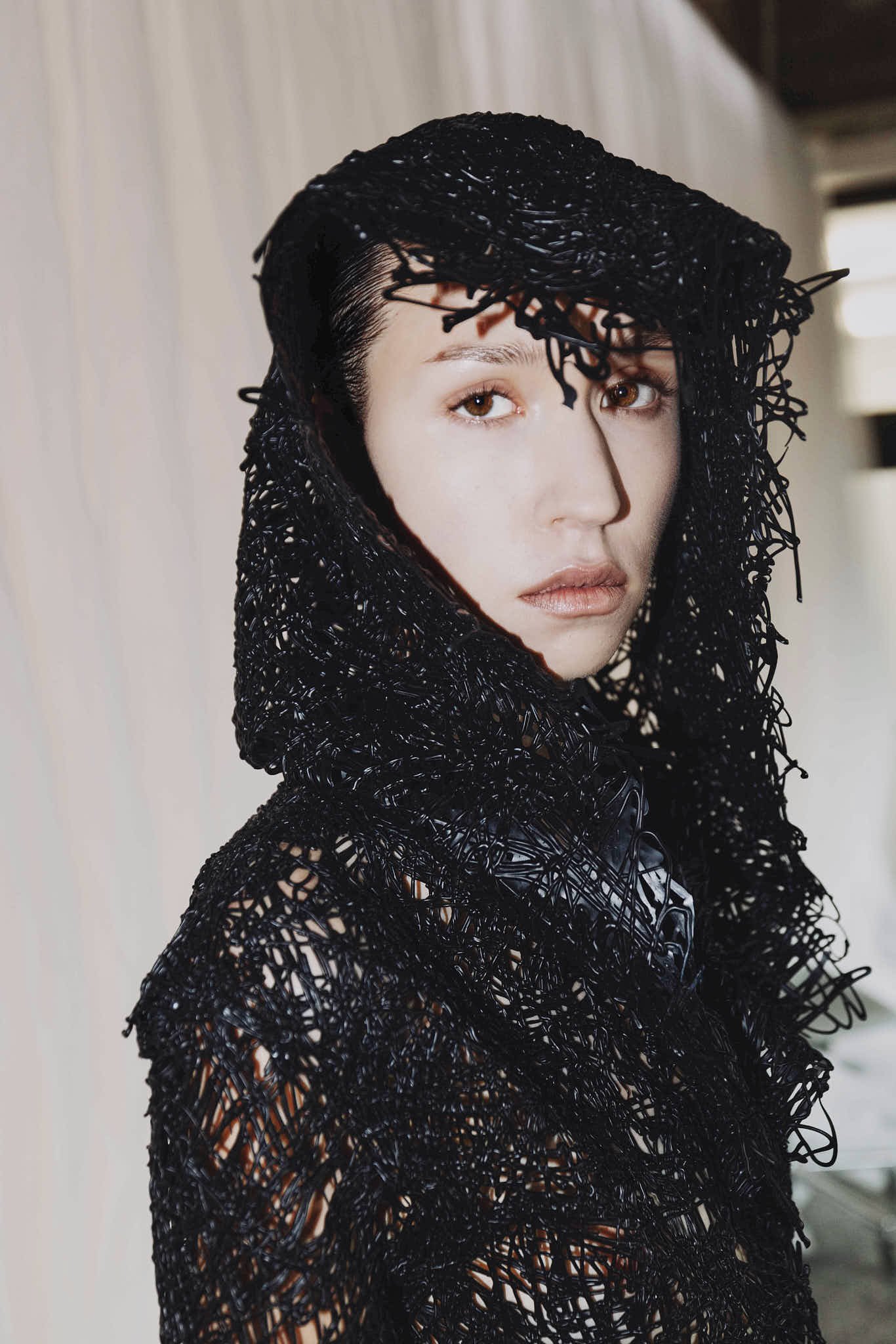
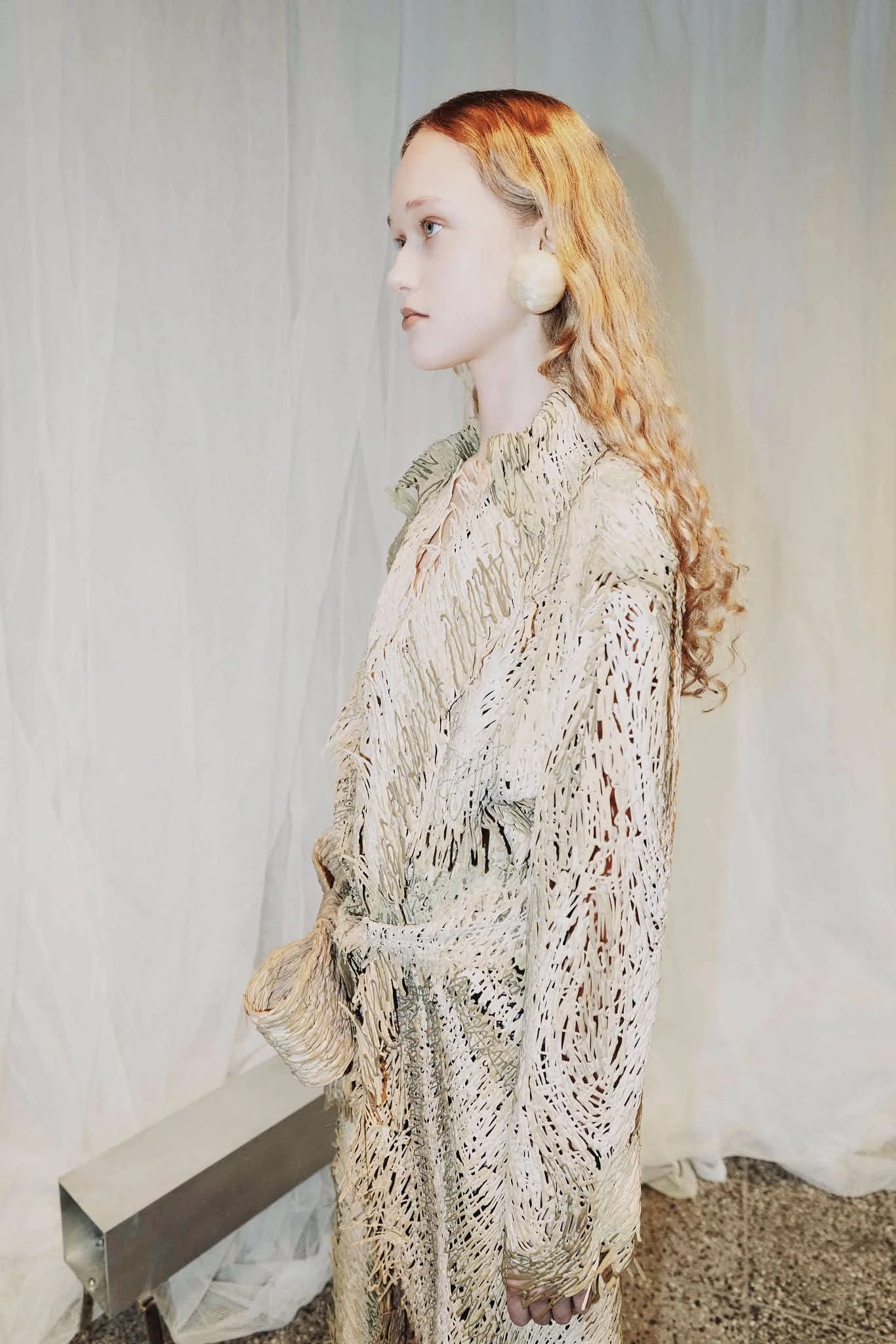
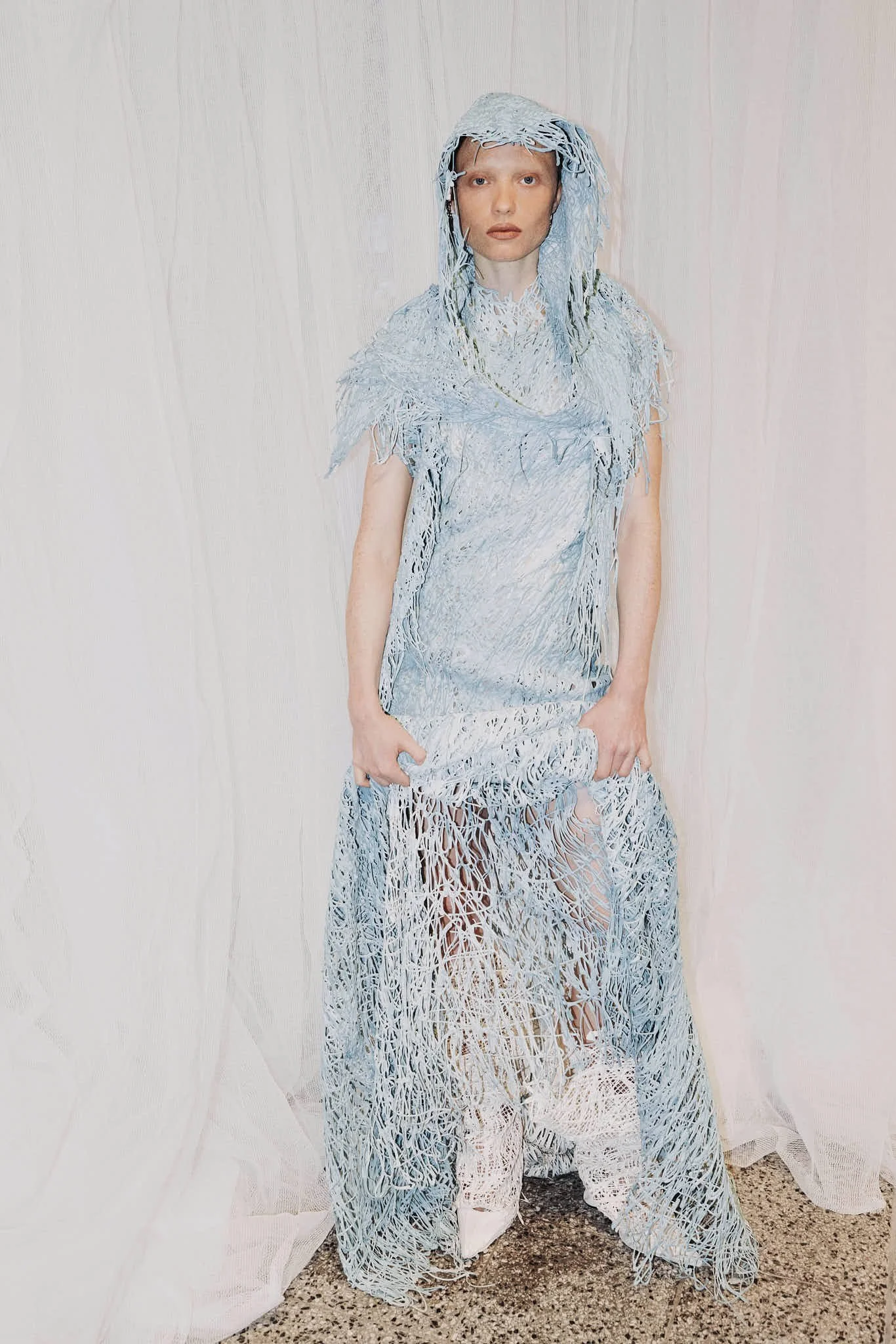
Polish-German designer Kasia Kucharska staged her SS27 presentation at the newly established Open Fashion Block, built around the concept of trompe-l'œil, the illusion and friction between how something appears and how it actually is. Familiar wardrobe staples, including trench coats, denim jackets and knitwear, were entirely hand-cast in latex, disrupting their expected textures with deliberate glitches: missing details, multiplied elements and childlike scribbles that cracked the illusion of normalcy. The presentation, made in collaboration with Nike and AAS, pushed the concept further by having models move through warped, everyday routines and pause at intervals like characters in a video game, all visible through the glass walls of the space. The effect captured a recurring theme in Kucharska's work: appearing composed and put-together on the outside while feeling distracted or vulnerable within. Known for her inventive use of 3D printing and casting techniques, Kucharska used a bright, pastel-leaning palette this season, twisting familiar shirting and outerwear shapes into something closer to a glitch in the everyday.
Photography by Dipu Mollah
words DONALD GJOKA
What to read next