FASHIONCLASH Festival 2026: Maastricht in Costume
From 13 to 15 November, FASHIONCLASH Festival took over fifteen locations across Maastricht for its 18th edition. Founded in 2009 by a group of young designers, the festival has grown into one of Europe's most open platforms for fashion as performance, visual art and social practice. This year it gathered 190 makers from around the world, while more than 500 people joined its participatory projects. The programme stretched from a museum show about garments that leak and mutate to a giant puppet procession through the old town, from 44 short films at Lumière Cinema to ten live presentations inside the Peutzhal of ENCI. Across every strand the same questions kept returning: who gets seen, how bodies are dressed and judged, and what heritage means to a generation busy rewriting it. COEVAL spent the whole weekend in Maastricht, with founder Donald Gjoka serving on the international jury of The CLASH House. Here is our walk through the edition.
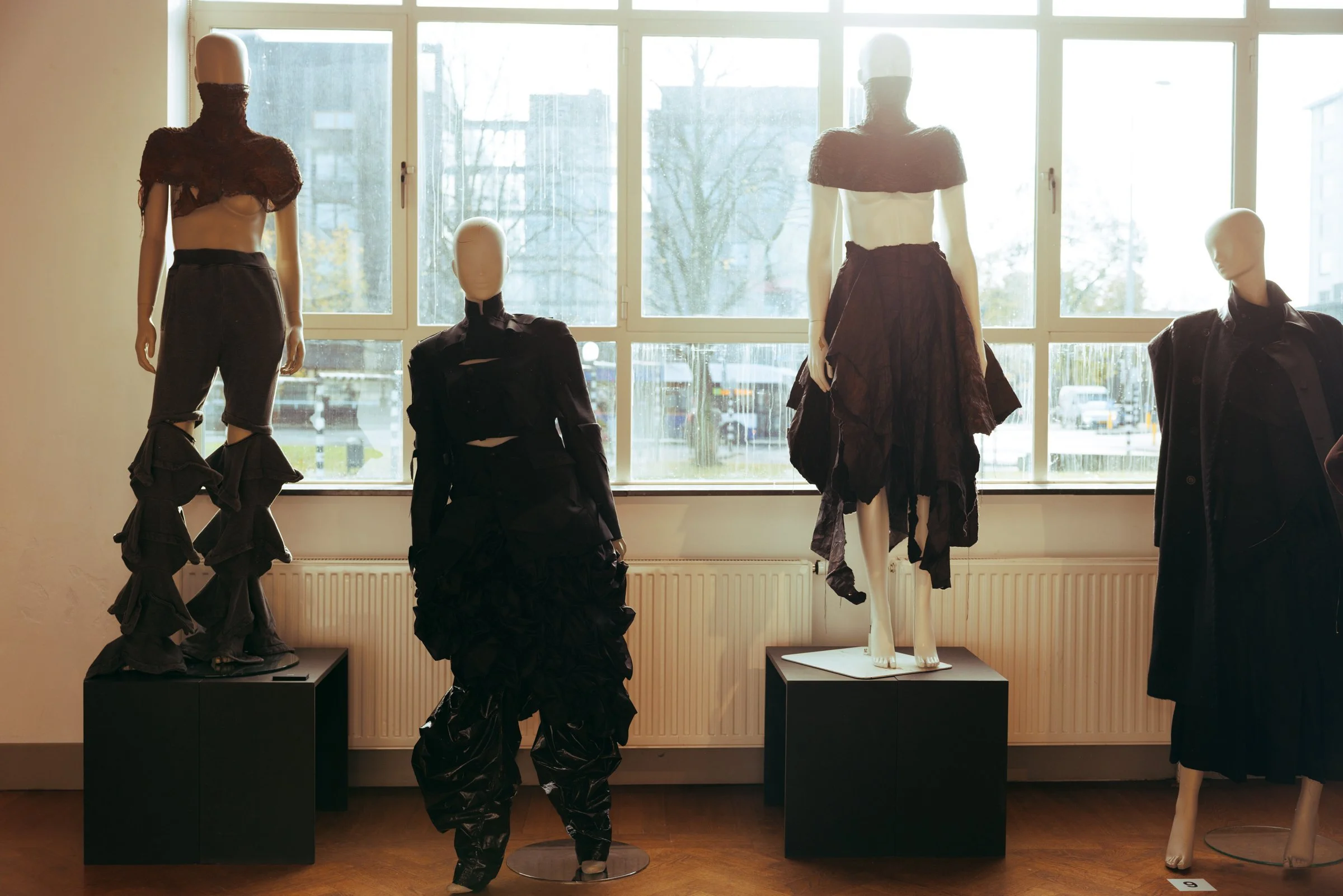
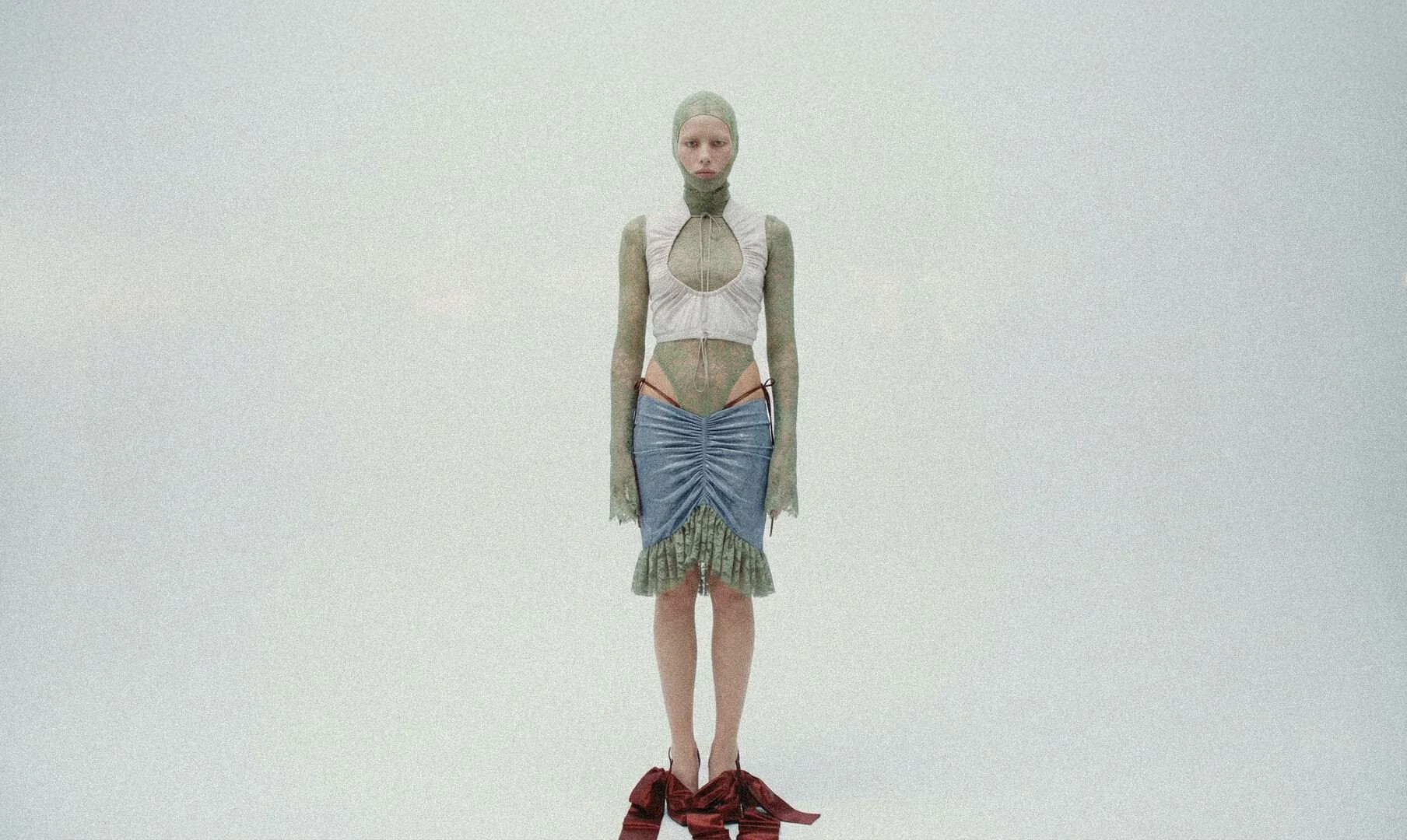
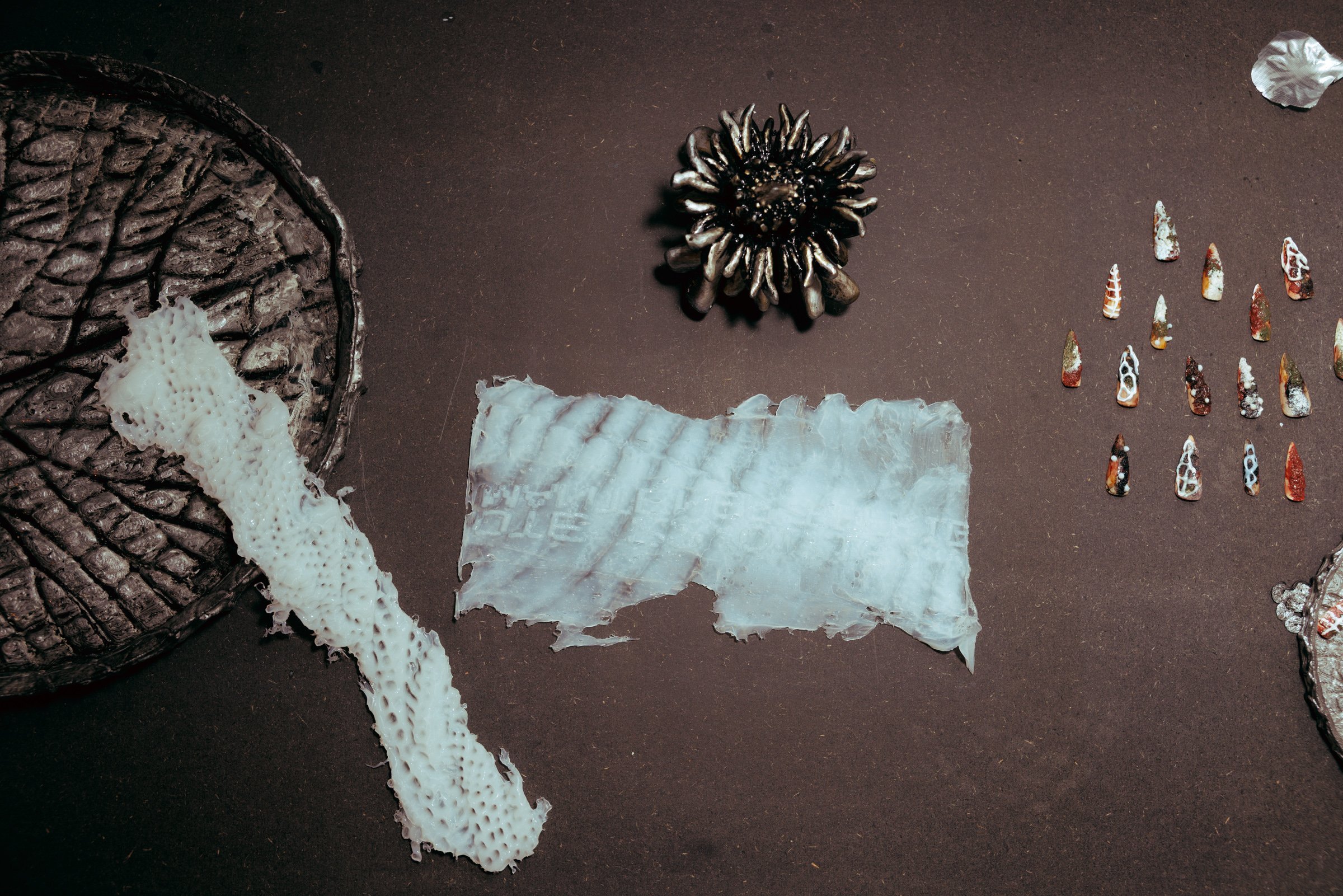
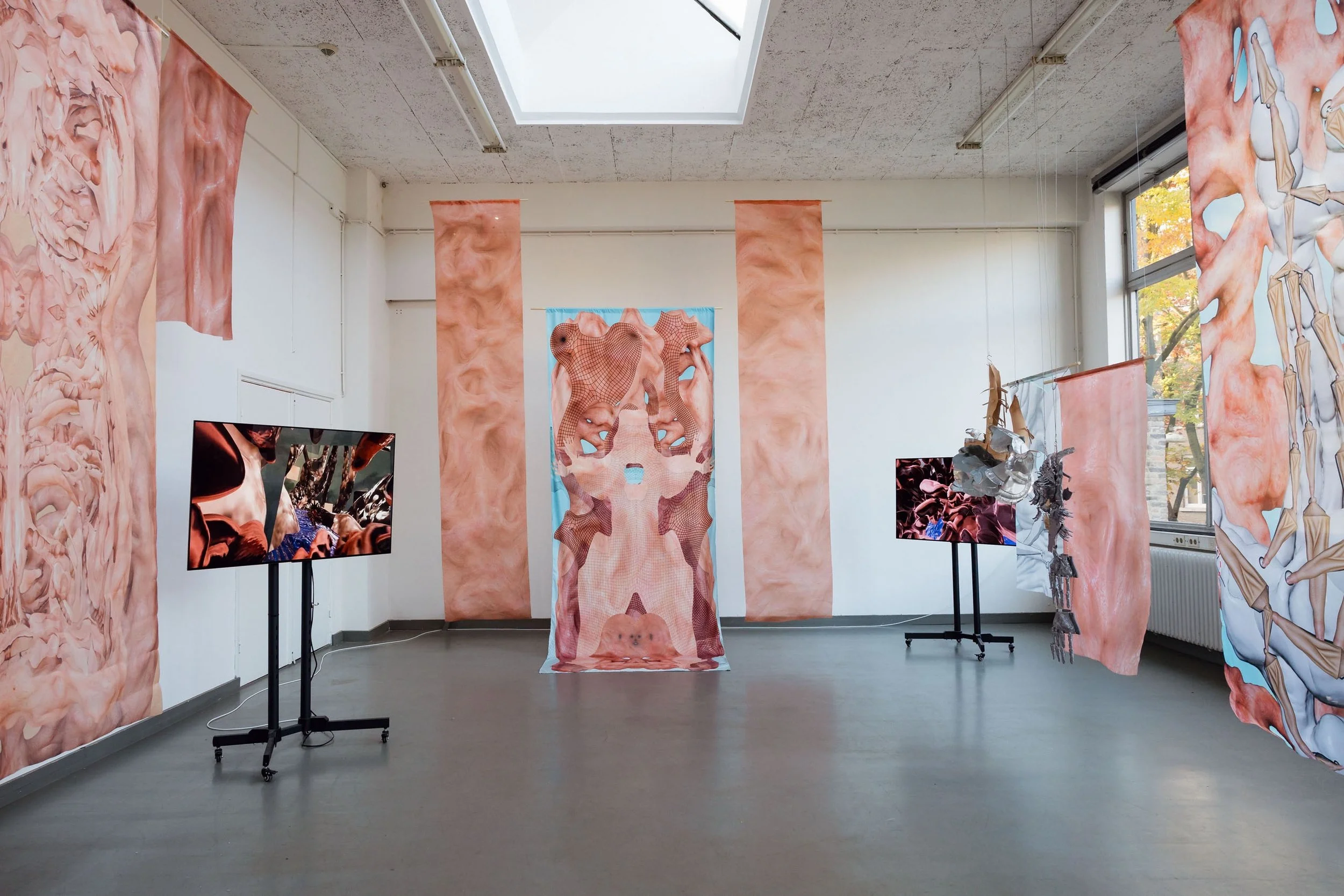
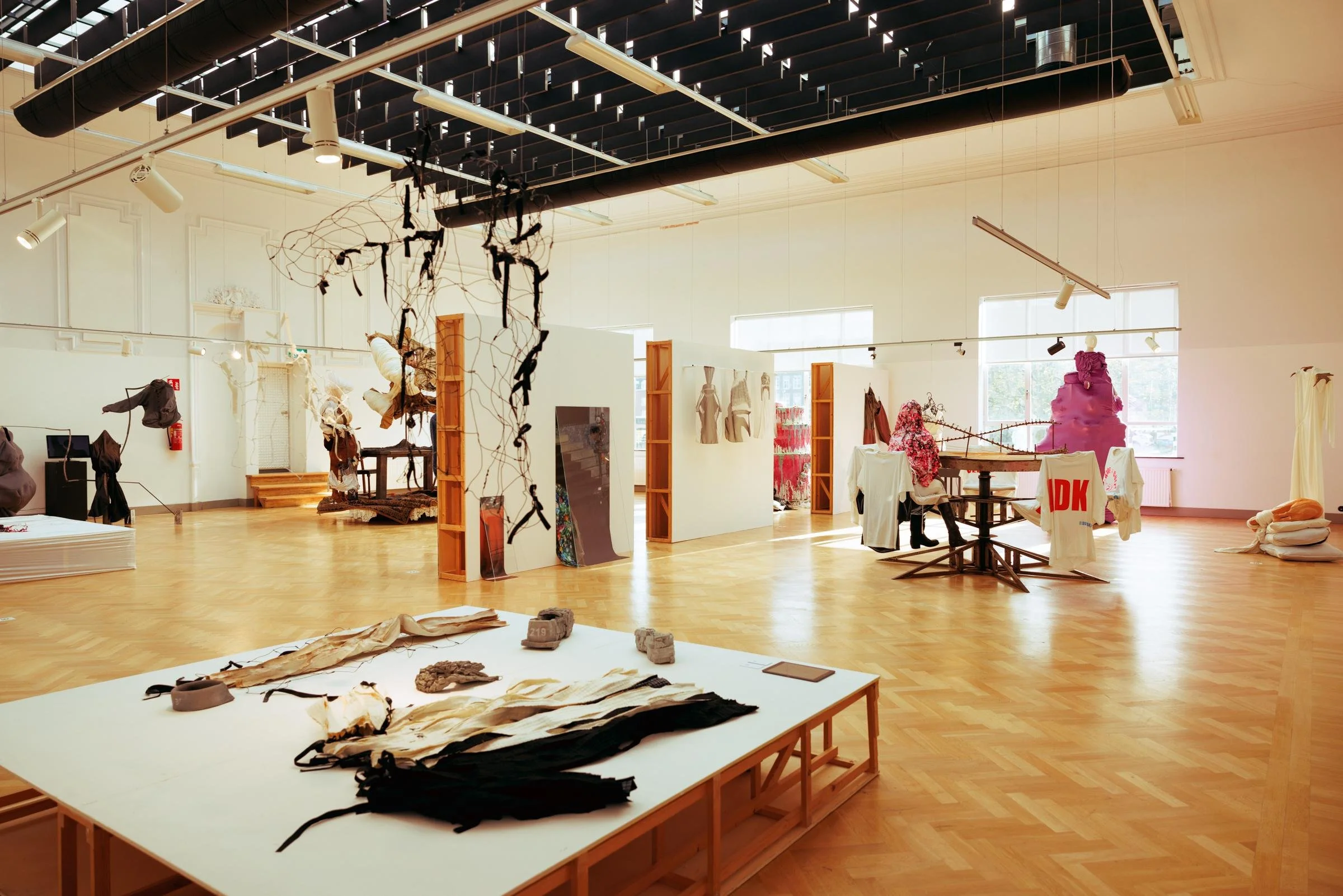
The festival opened at Bureau Europa with an exhibition built during a curatorial residency in April 2026. Its four curators, Jamal Nxedlana, Karmen Samson, Welmoed Bosch and Agatha Prieto Jeanty, set out to make room for practices that slip through the categories of the fashion system, and chose work that leaks, mutates and refuses a fixed label.
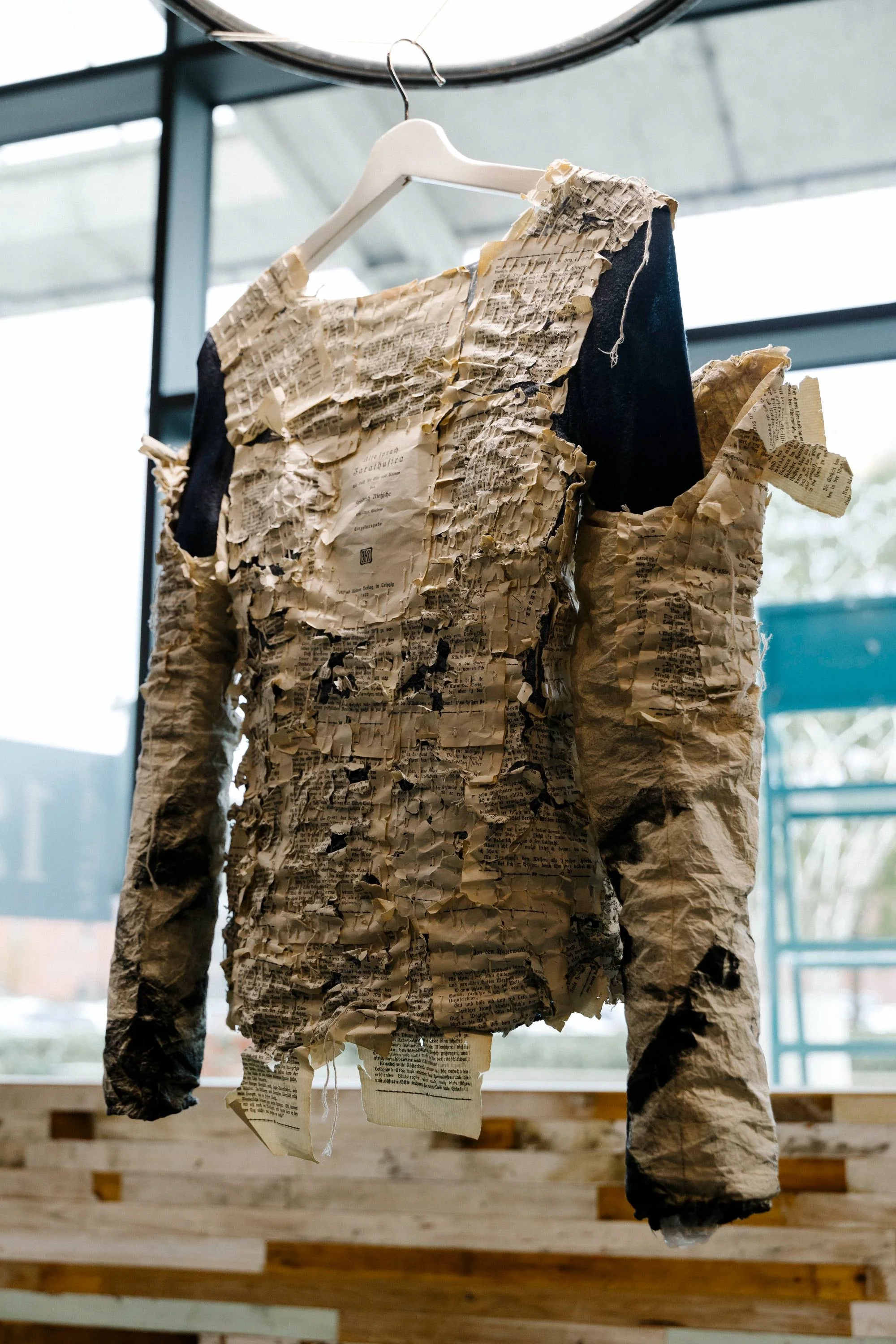
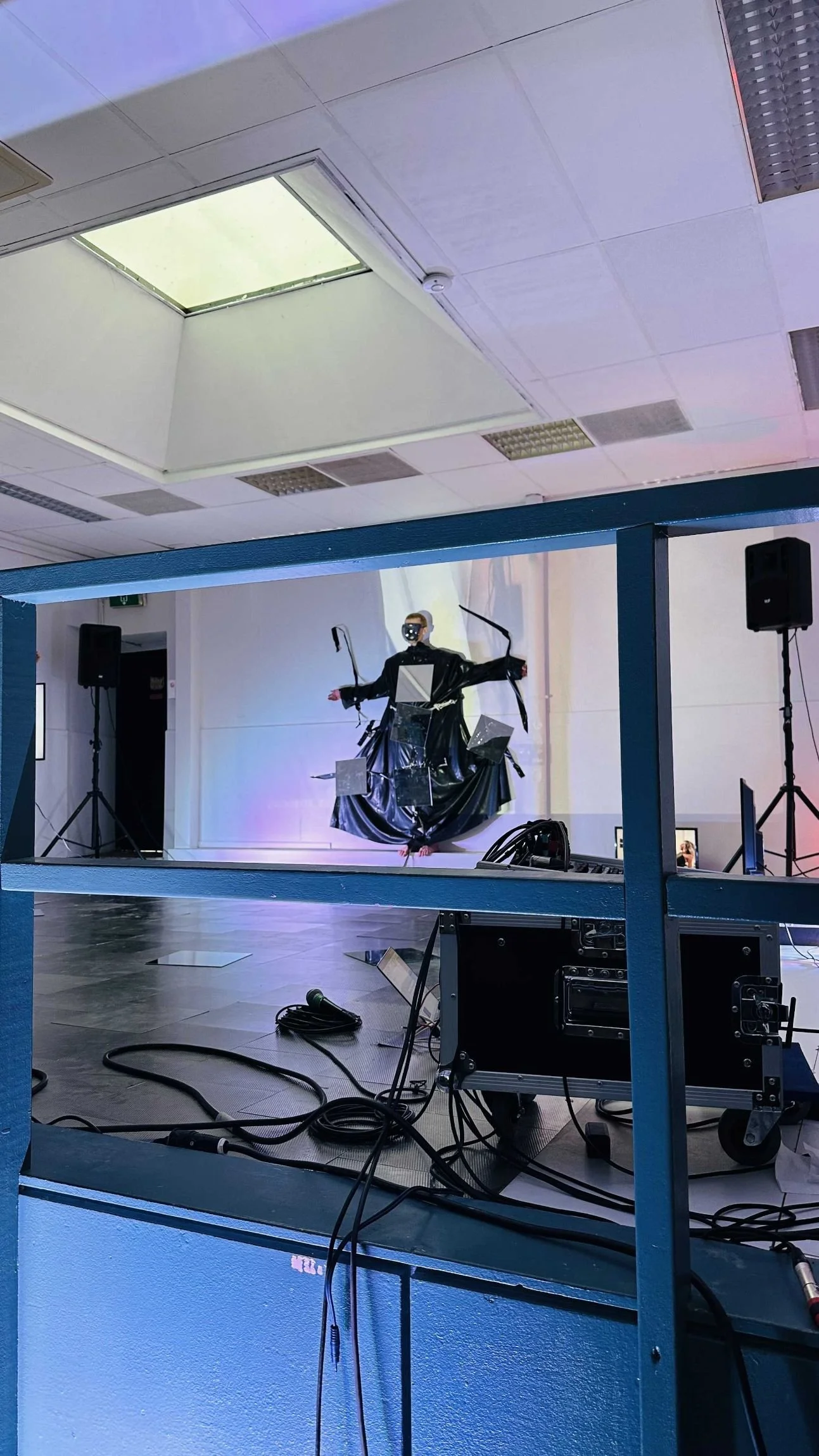
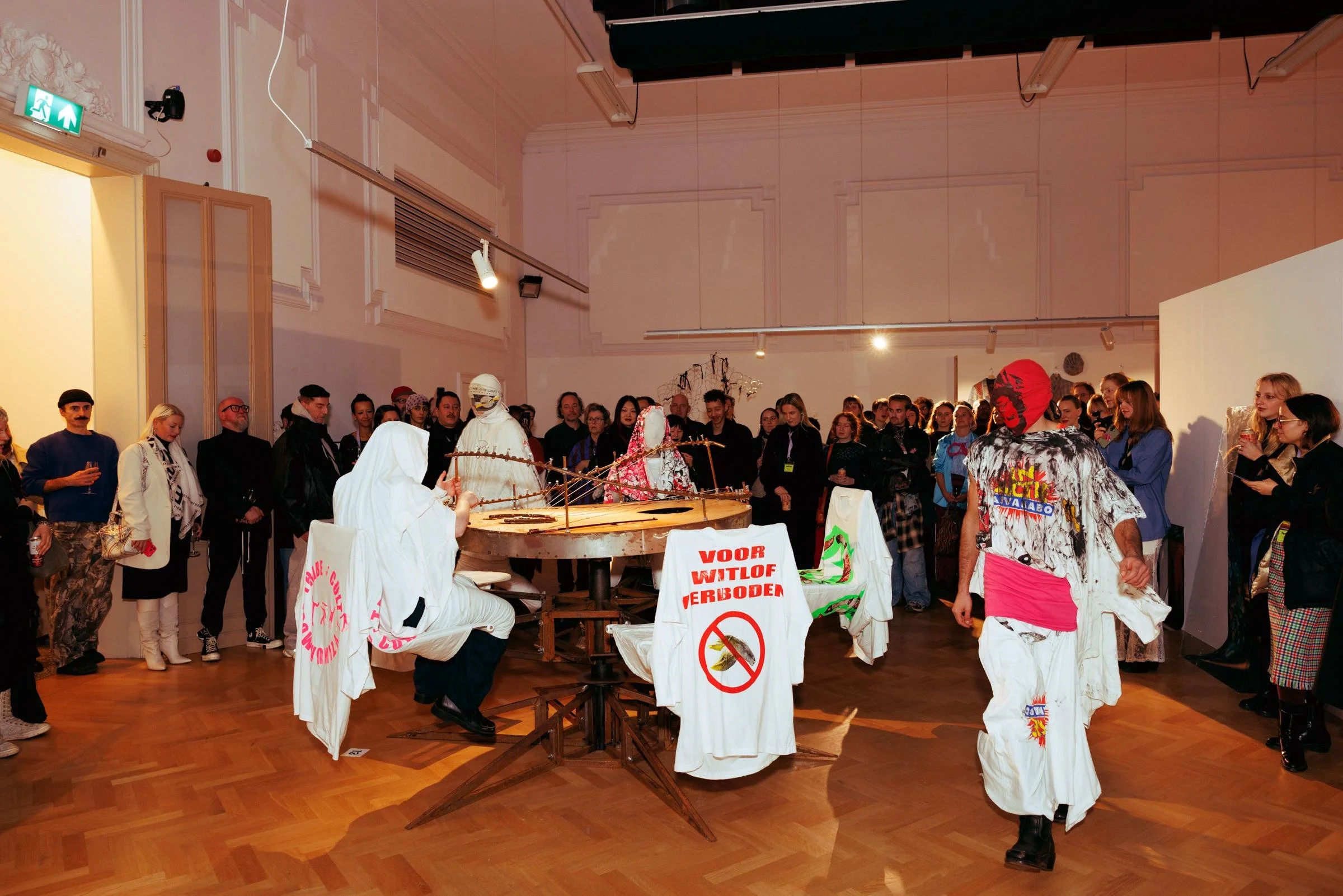
The opening began with sound. In The Truth of the Spinning Chairs, Alper Cekinmez and Tim Dekker invited visitors to play the strings of a metal sound table together, while Tim Dekker's collection IDK (I DO KINDA) hid bells, squeakers and whistles inside the sleeves of reprinted T-shirts and jackets. A few metres away, Julia Mazur activated TIREMAN, a single sculptural garment cut from three van tyres and worn by three performers at once, their bodies joined into one hybrid figure.
Studio Paul & Haiko brought the most tender room of the show. In I Was Born from an Ocean of My Mothers Skirts, Paul van de Waterlaat and Haiko Sleumer stitched a quilt from the old dresses of Paul van de Waterlaat's mother, turning his childhood wish to wear skirts into a celebration, with her recast as Botticelli's Venus. Isabela Herrera and Maizie answered with Lesbian Grindr, a digital dress-up game that lets visitors build and pull apart lesbian archetypes with clothes, filters and accessories.
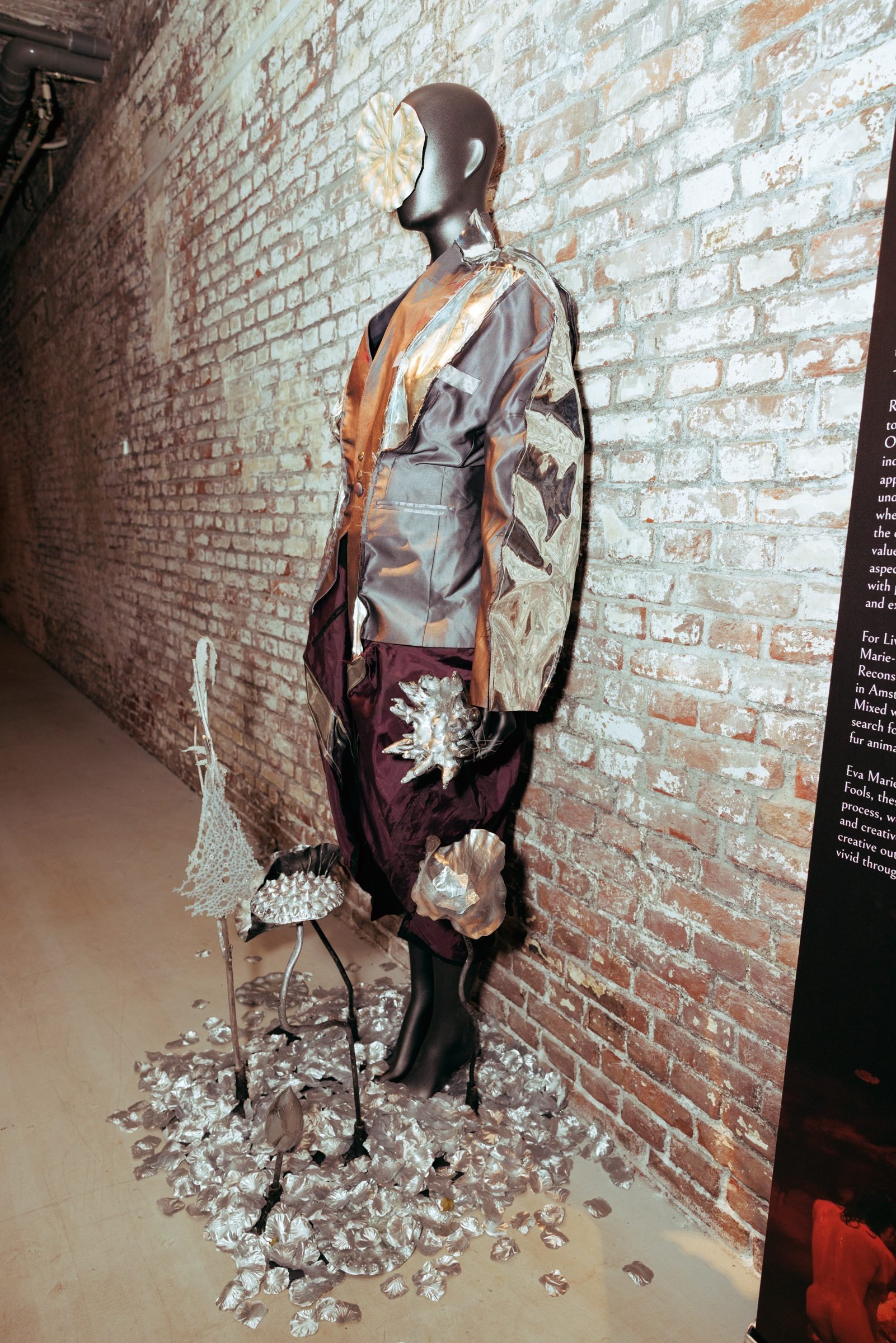
Martijntje Cornelia, known as The Queen of Candy Floss, shaped sugar into Melt Into Me, Sweet Rot, sculptures left to sag, crystallise and collapse with moisture and time. Ping Chen turned memories of his great-grandfather into clothing in Thing in Itself, while HILLZ studio staged The First Potato around a family dinner table, using discarded workwear to ask who speaks first, who gets served first and how power passes down.
Earlier on opening day, artist and Jan van Eyck participant La Monroy led a procession through the city dressed as La Santa Muerte, guiding a giant puppet of Pedro Antonio Cano, an Indigenous man from Nueva Granada, today's Colombia, who was taken to the Spanish court in 1792 as living "proof" of giants in the Americas. His remains are still on display at the Museo de Anatomía Javier Puerta of the Complutense University in Madrid. La Monroy honours Pedro Antonio Cano as an ancestor and calls for his return to Colombia, borrowing the language of Maastricht's own giant processions, kept alive by the Reuzengilde Gigantius. The figure returned on Saturday night to haunt the afterparty.
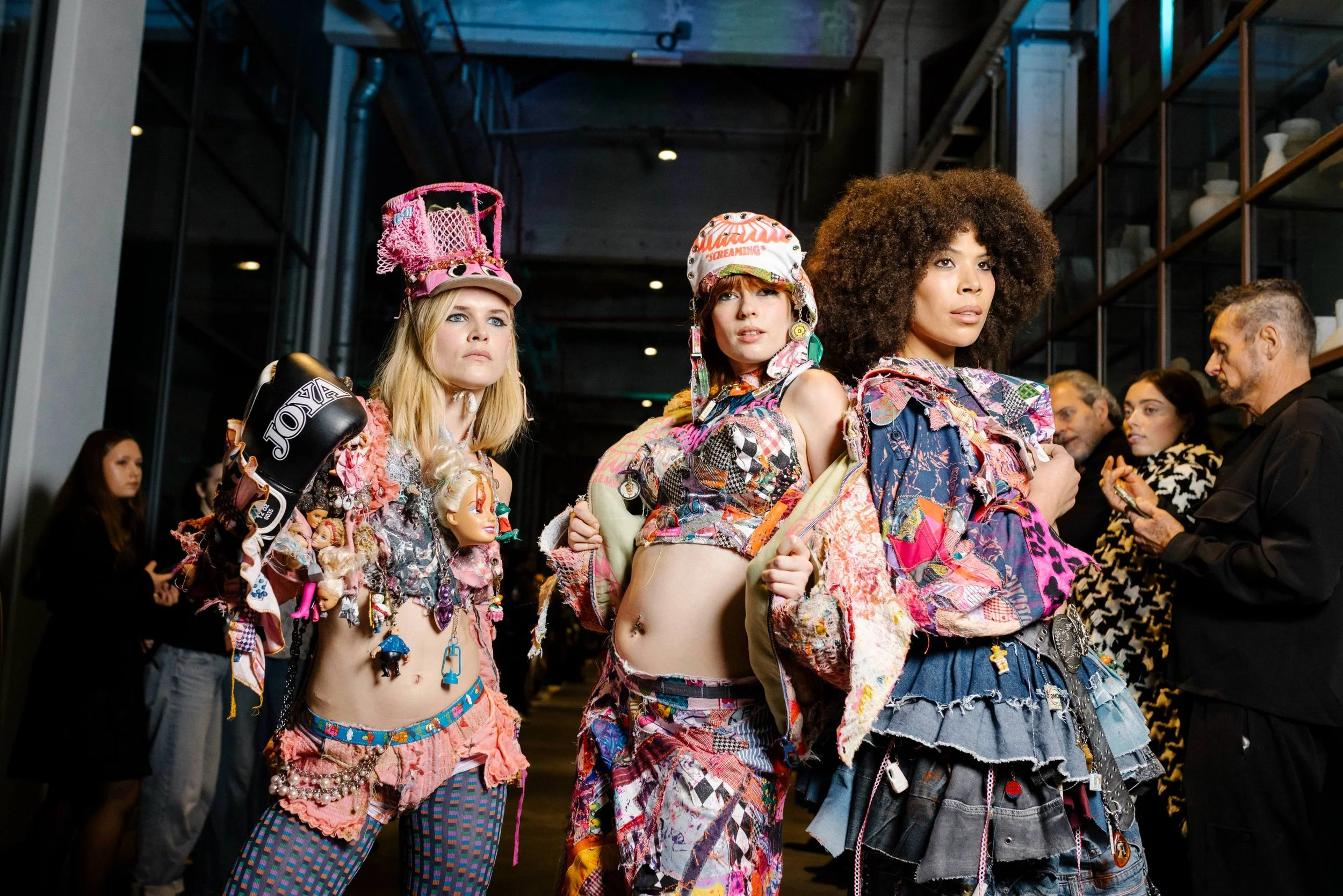
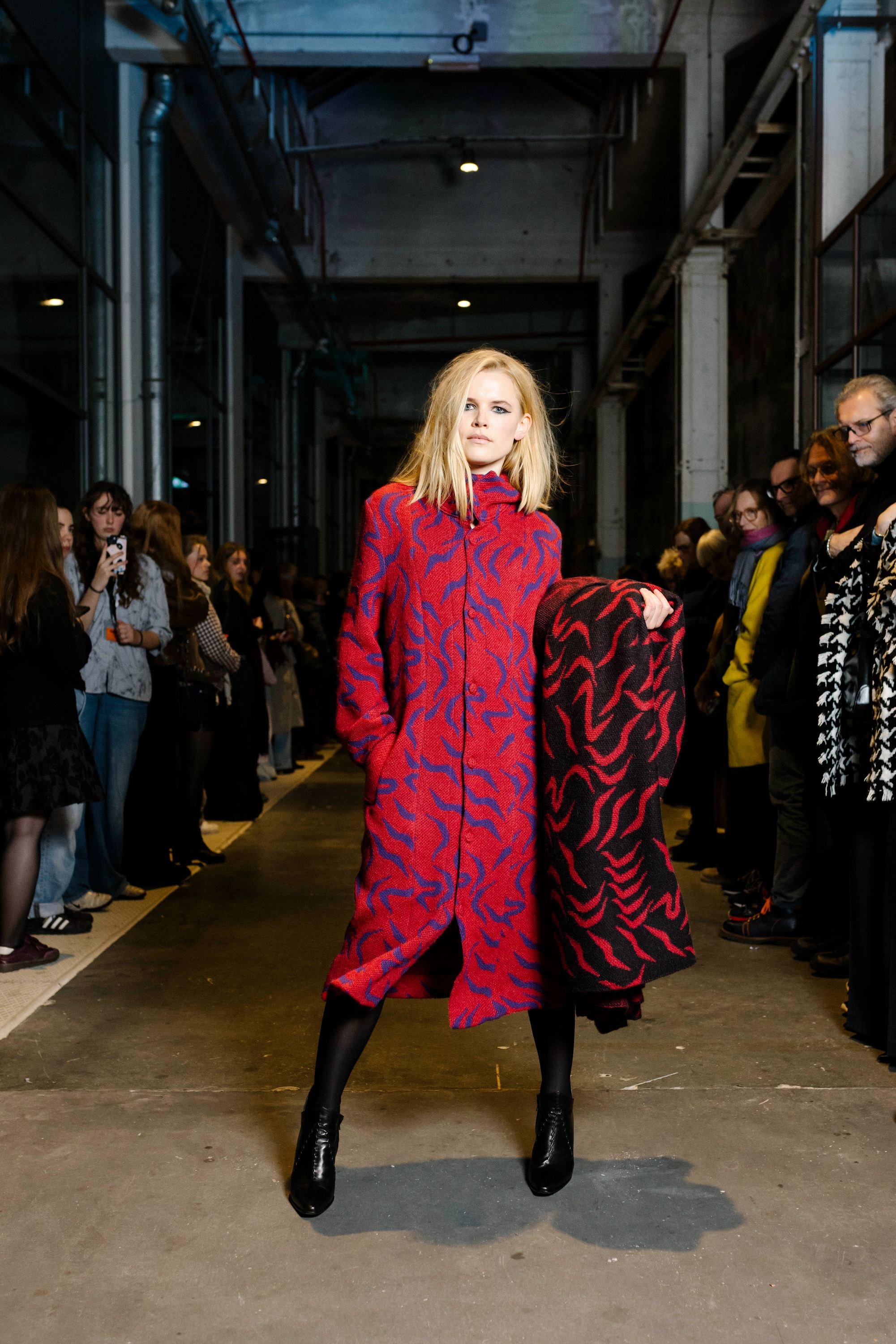
The evening moved to The Social Hub Maastricht and a free runway in the Sphinx Passage, with work by Berber Struiksma, Casper Naafs, Elia Anania, Kelly Cecilie Foss, LIDORI, Mare Langen, ROOS Adjustable Design, ROZE GOUD, Sarah Palomares, Storm Nijhuis and Tara de Smit. Amsterdam atelier Teigetje & Woelrat, active for more than fifty years, added a burst of colour with knitwear and contrasting materials made entirely in house, from the first thread to the last hand-finished detail. The night closed with a party around the Class of 2026 exhibition.
Lumière Cinema screened 44 short films, from documentary to experimental and digital work. A jury of Marcel Schlutt, Alex van der Steen, Esther Muñoz Grootveld, Katie Metcalfe and Gloria Maria Cappelletti chose between five finalists.
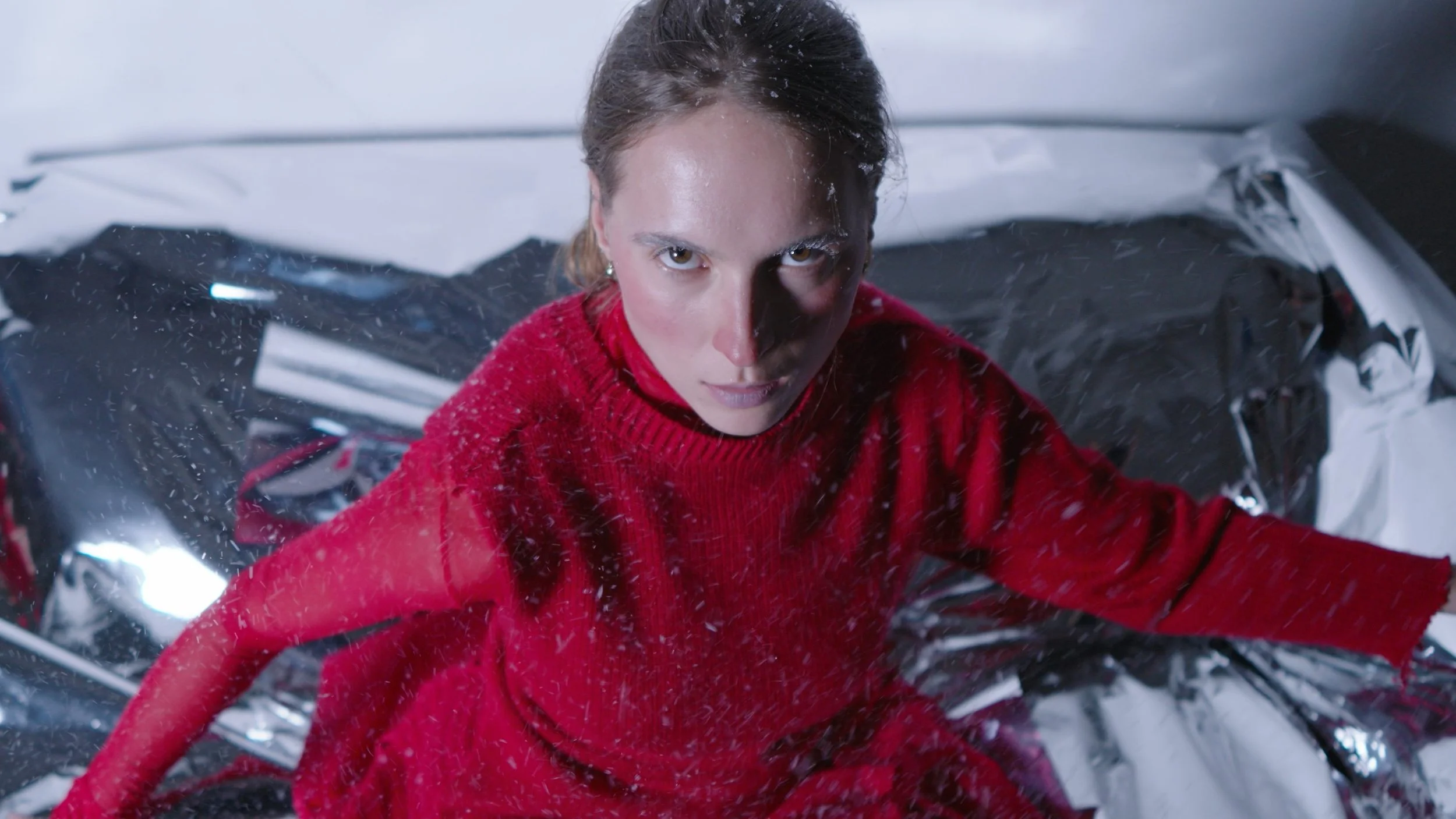
The FASHIONCLASH Festival Fashion Film Award 2026 went to Emma Evelein for Born Into You, where two contrasting beings meet in an industrial world and build trust through choreography and costume. The Kaltblut Magazine Award went to HELLION by Storm Nijhuis and Denise Bakker, set in a surreal church where a rebellious figure confronts the beliefs that shaped him, a visual protest that reclaims identity from religious judgement. The other finalists were My Kanga and Me by Izy Mana, NOT ASKIN' FOR IT by Christos Panagiotou and MADE IN X by Sofia Ivanova Kozhevnikova.
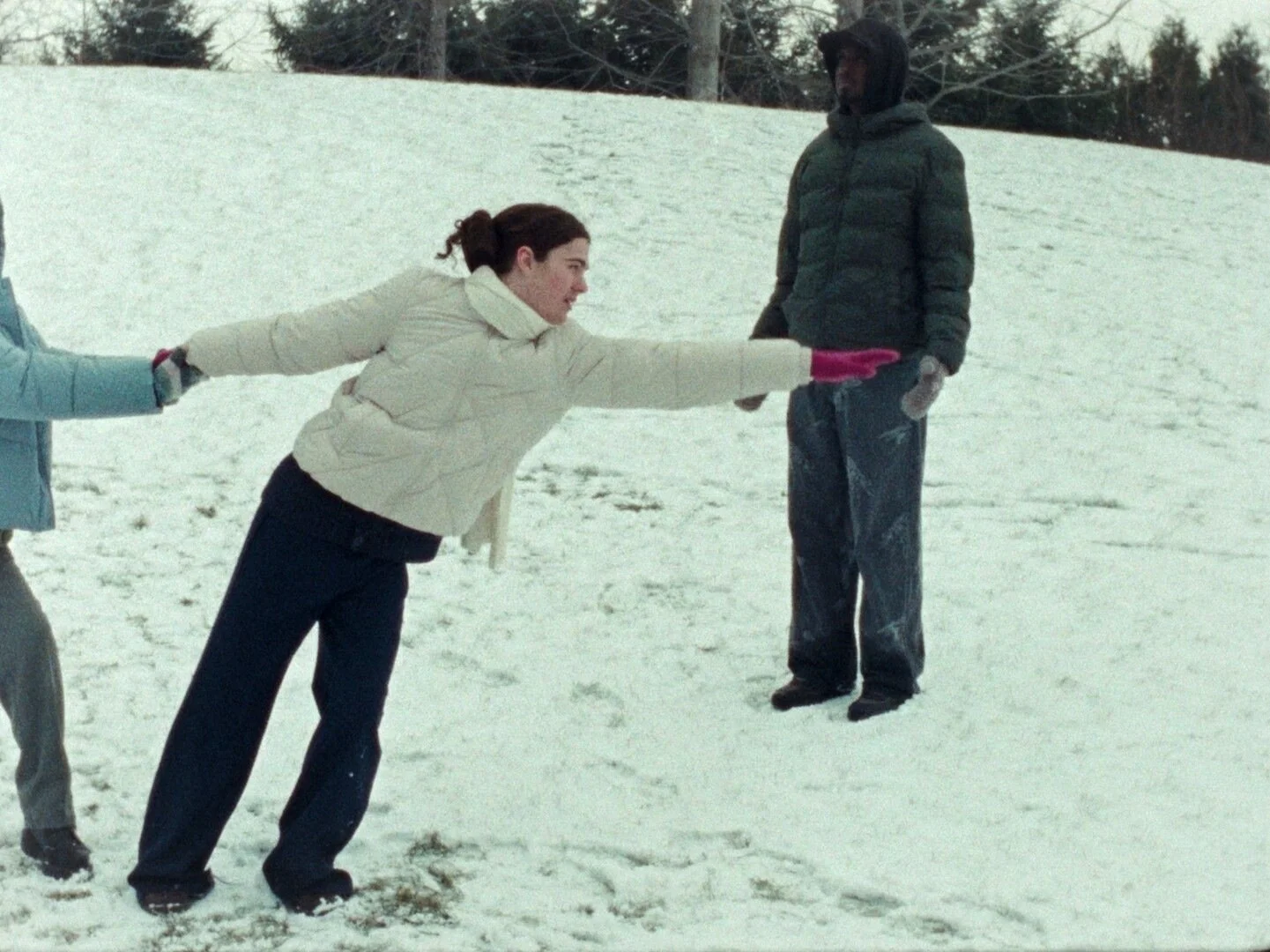
Three films premiered. TRAMPANTOJO by Ida Boxem, Eliana Bermúdez and Ana Sánchez, developed in the third Fashion Film Bootcamp with filmmaker Daniel van Hauten, plays on trompe l'oeil: the camera keeps rolling after "cut" and an actress tries to escape her script, all in one continuous take. THE INVINCIBLE by Alyne Li and Qiyun Zheng, mentored by Hadi Moussally, sends characters modelled on martial arts villains through the cycle of the five elements, pairing traditional Chinese dress and theatre with a futuristic, queer gaze. MAY-TRIX by Jodie Cranen and Yorvique Macaay, both FASHIONCLASH alumni, completed the trio.
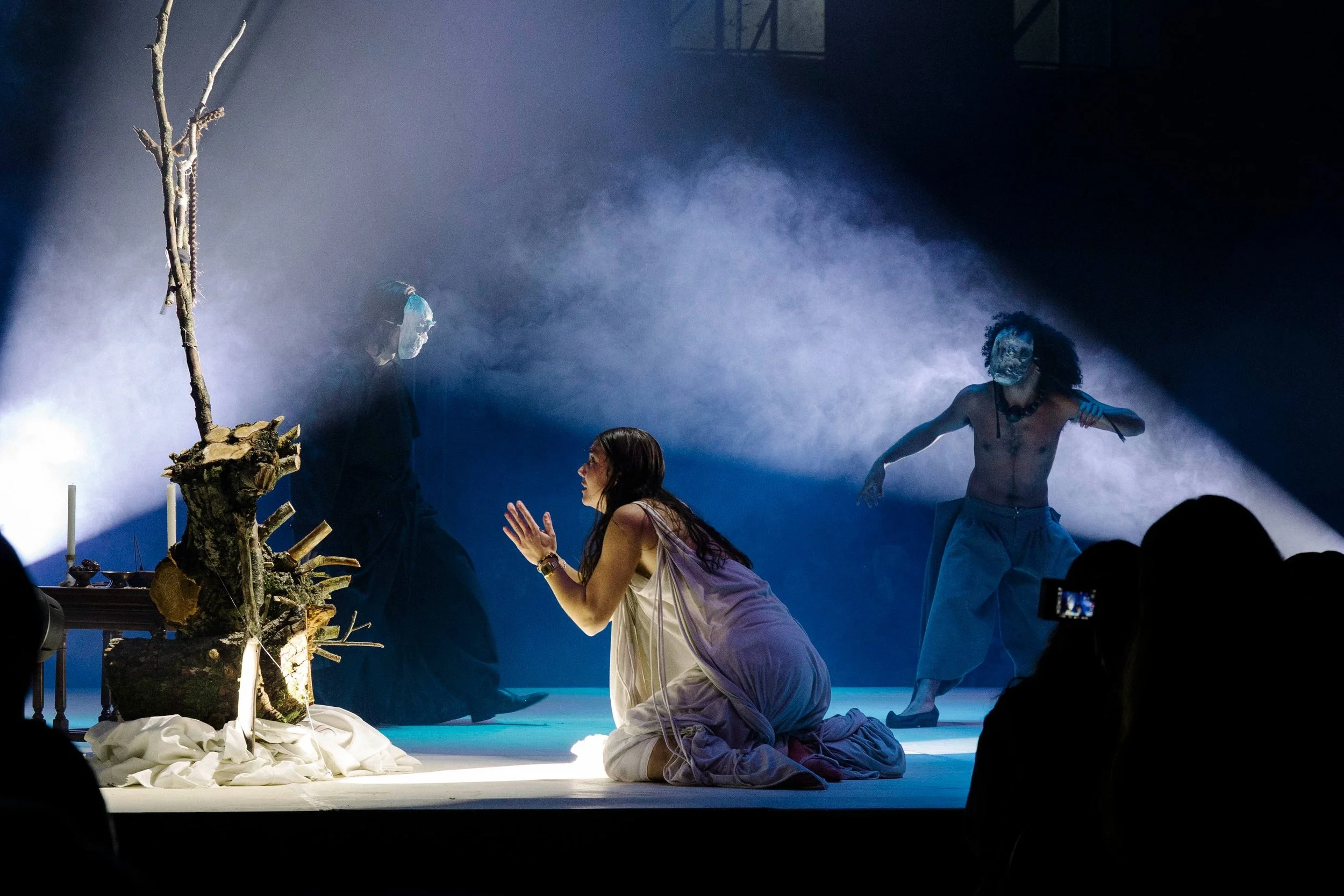
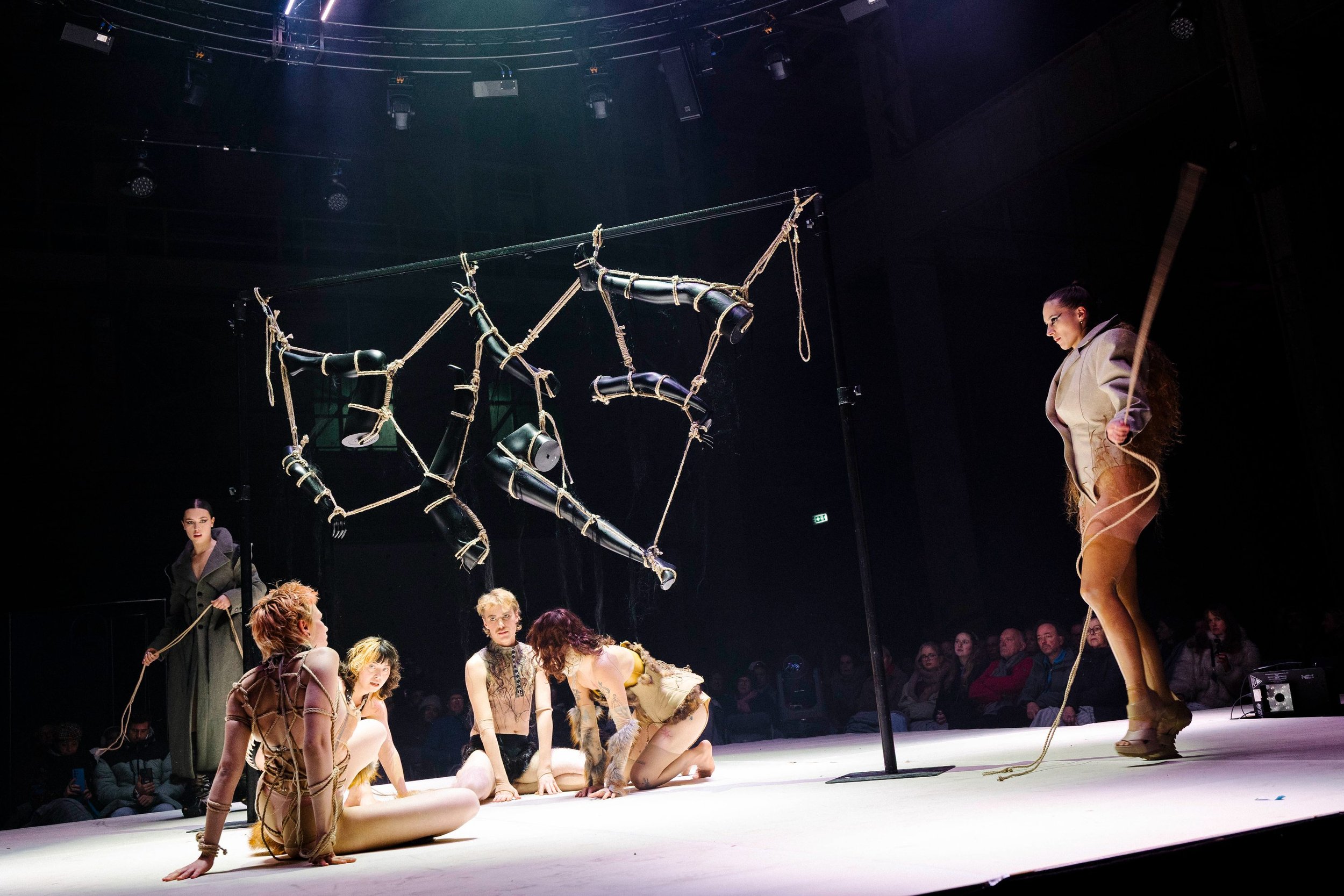
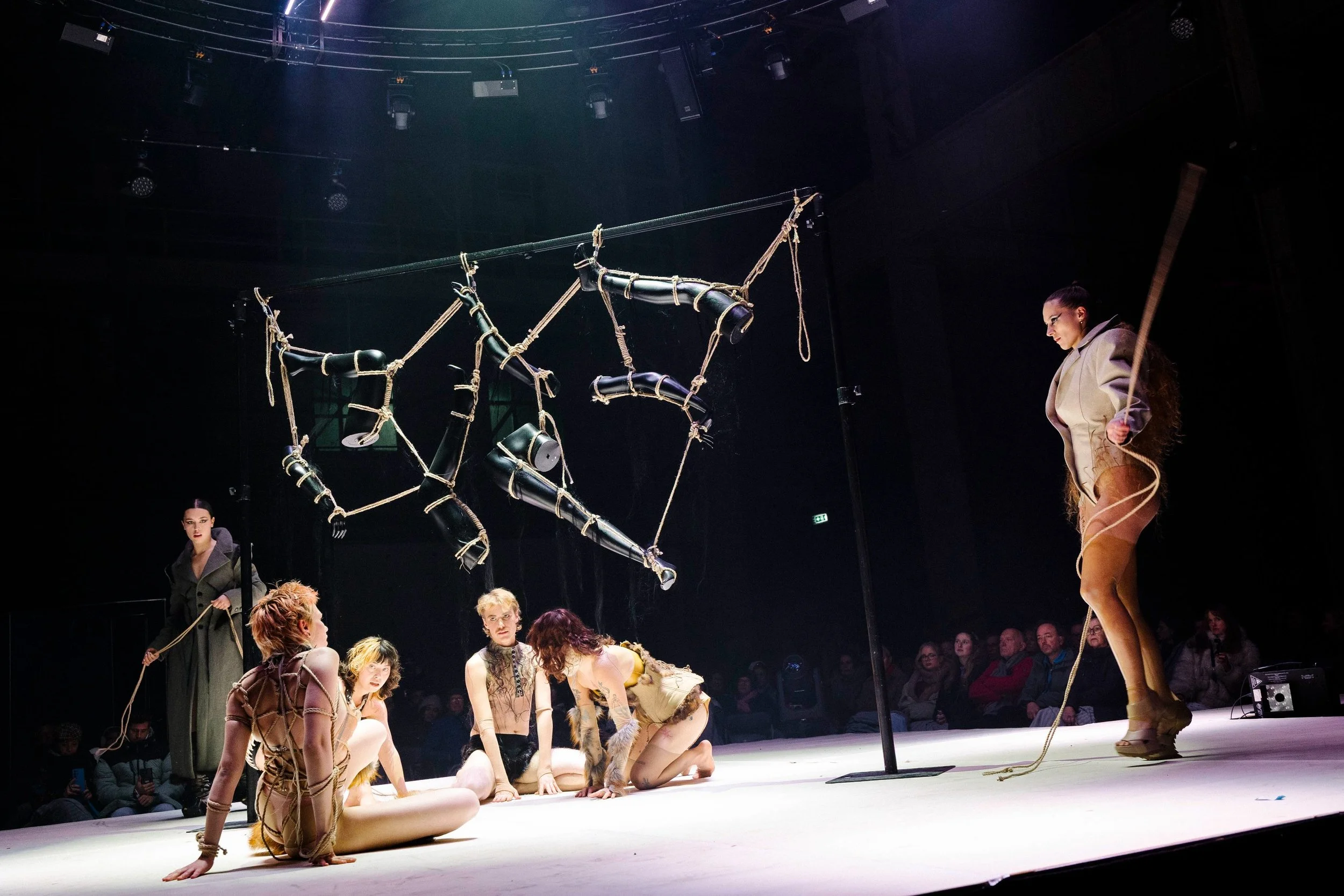
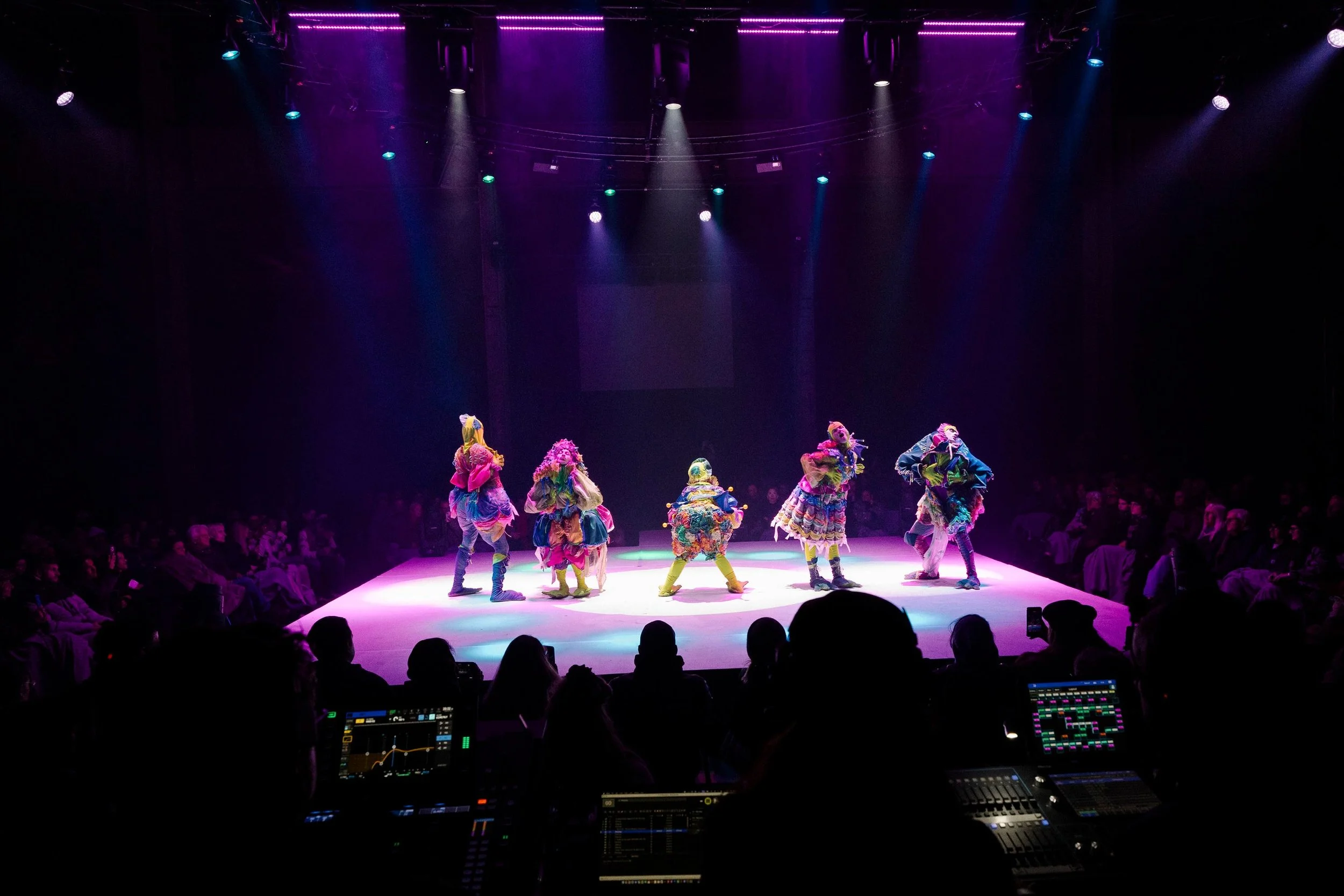
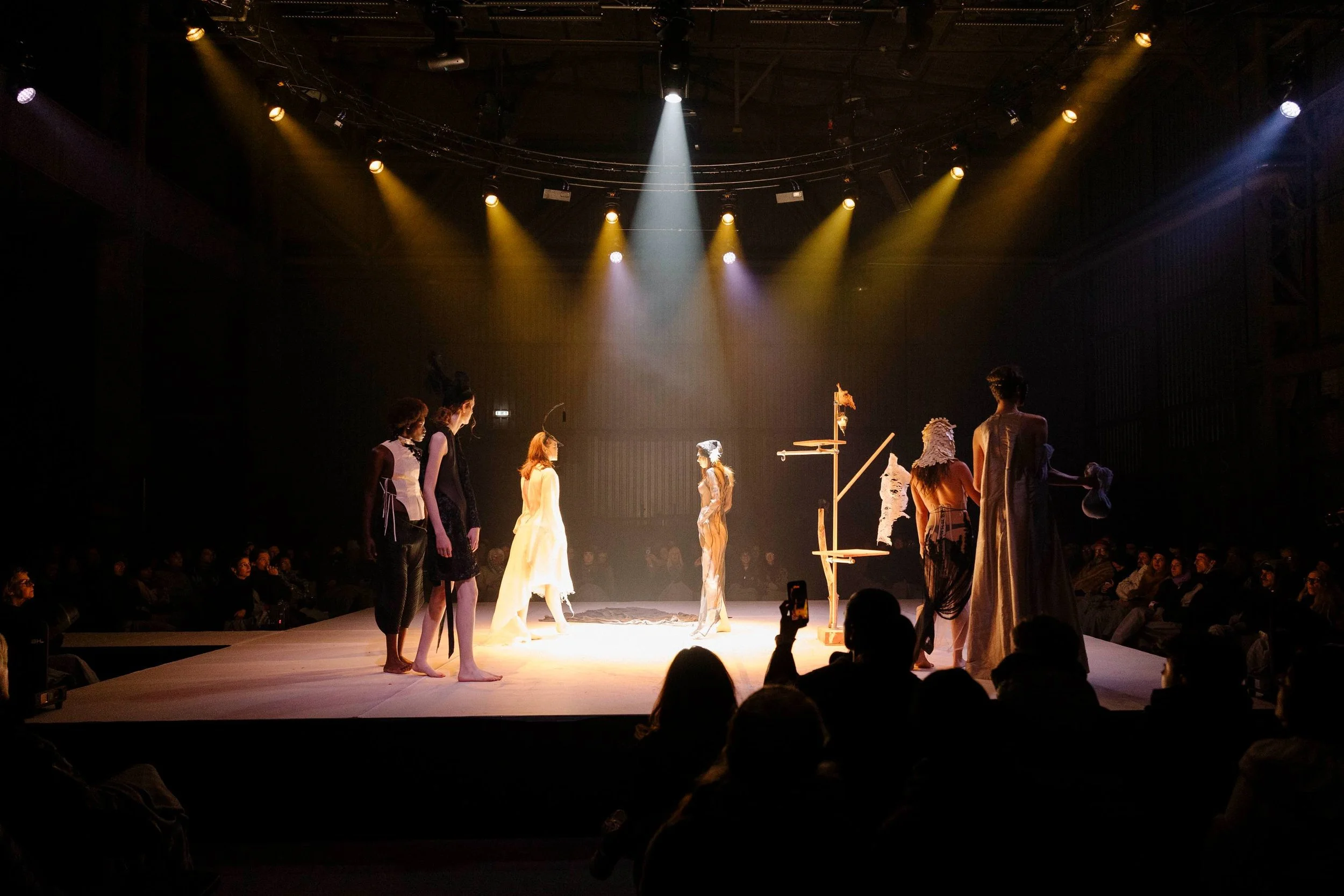
Saturday belonged to the Peutzhal of ENCI Maastricht, the vast industrial hall that hosts The CLASH House, FASHIONCLASH's performance programme. Ten designers came through a development track of coaching and making sessions and presented their collections live, with movement, sound and scenography carrying the story as much as the clothes. Theatre maker and performer Just van Bommel hosted the evening in a creation by Studio M.O.R.E.
The jury brought together Jana Patočková of Vogue CS, Anna Barr of FY! Magazine, fashion journalist and consultant Philippe Pourhashemi, artist and MIRA W. Studio founder Mira Postolache, Jade Thompson of Schön Magazine, and COEVAL's Donald Gjoka.
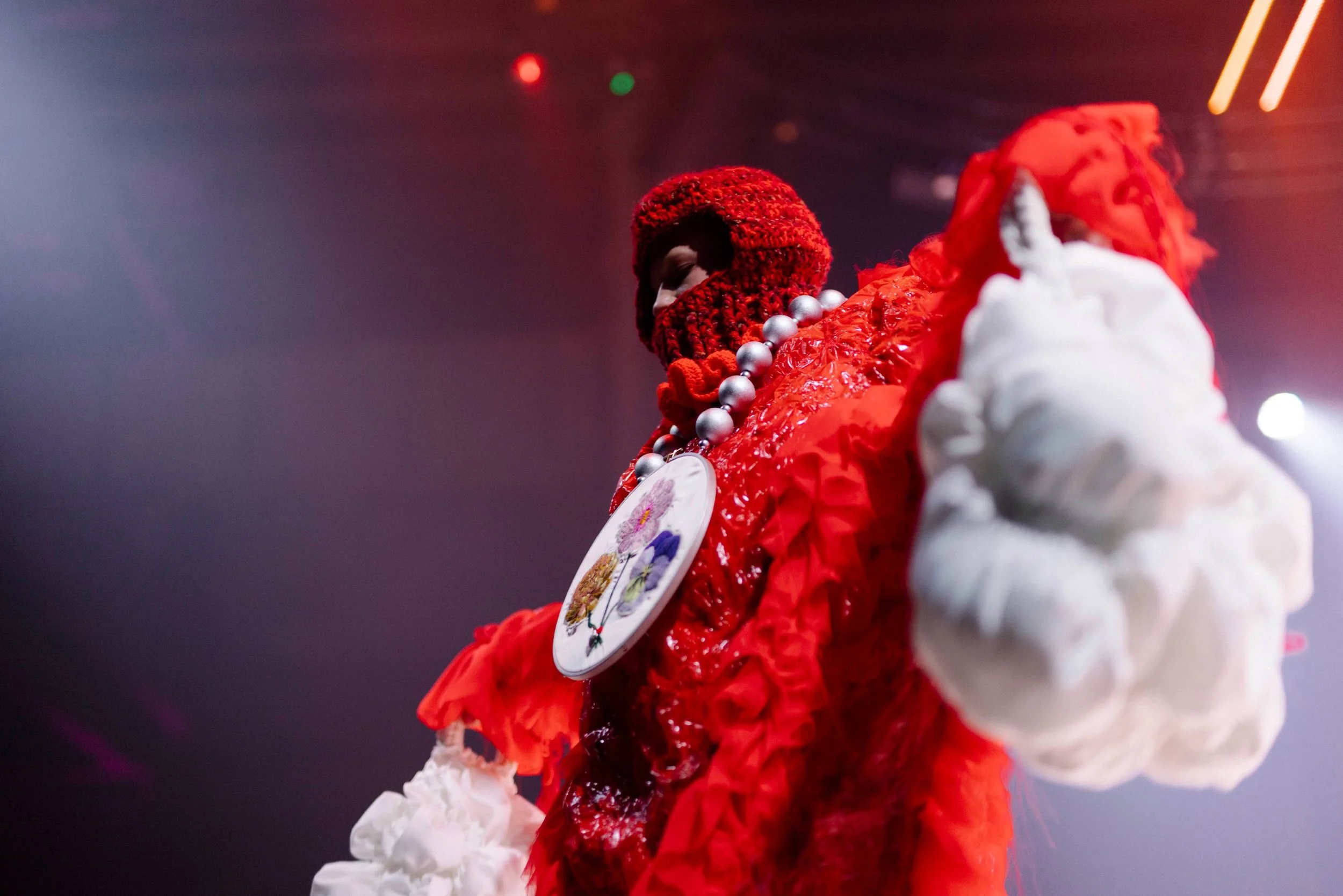
Anna Strengers took the FASHIONCLASH Festival Award, powered by the Meester Koetsier Foundation and worth 2,500 euros, with BOUND TO THIS BODY. Drawing on queer nightlife and fetish communities, she worked latex and other tactile materials into a world where shame, desire, pain and pleasure trade places. Emma Magermans won both the TIM Award from Textile Innovation Maastricht, a development track with access to the knitting facilities at Qeske, and the PFAFF x Stitchlie Award, a refurbished sewing machine plus a year of Stitchlie membership. Her collection RAVEILLE reworks the club life, regional costume and village symbols of her childhood in Mheer, South Limburg, into contemporary silhouettes, treating tradition as something each generation gets to remake.
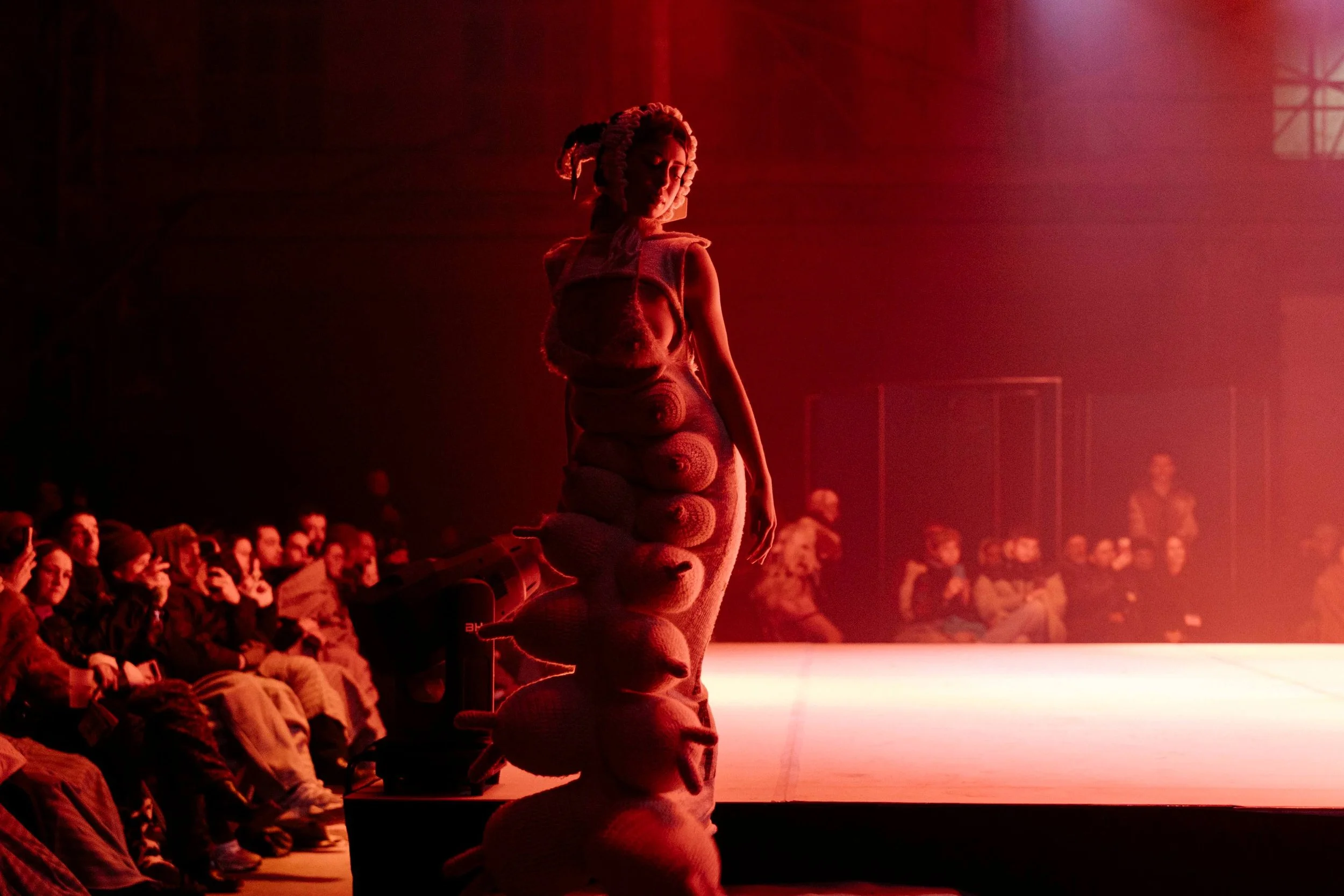
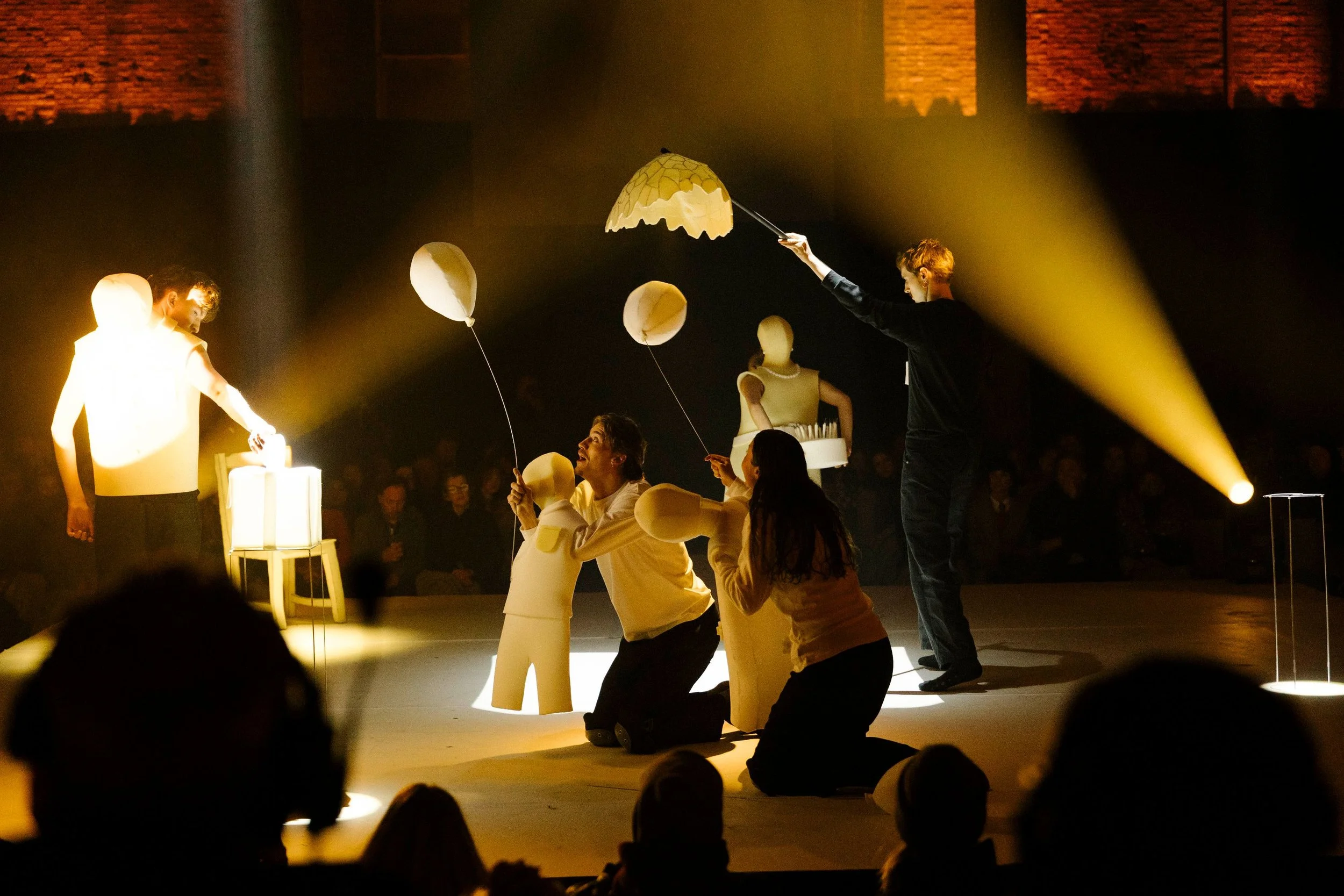
The rest of the line-up kept the bar high. Paco Teepe built Draagbare Momenten around a family dining table, peeling back furniture foam as a second skin. Aron Saxe returned with six trans men to stories they first wrote a year earlier, in you might need to sit for this. Soojeong Lee turned a Korean shamanic ritual into a public ceremony of release, and Nouka Rous led a slow procession in deadstock and historical components with On Hallowed Tides. Dies van Herk set cold metal against warm skin in untitled02. Amy Pratt crossed historical burlesque with an underwater world of amphibians and fish in The Wet and Naughty Show, Isa Hazelager linked the treatment of animals and women in RESILIENCE through crochet, knitwear and reused materials, and Larissa de Jager closed with Mama Put The Bags To Use, cut from the original patterns of her grandmother, Oma Lies, who kept her late husband's bag business alive in 1960s Amsterdam.
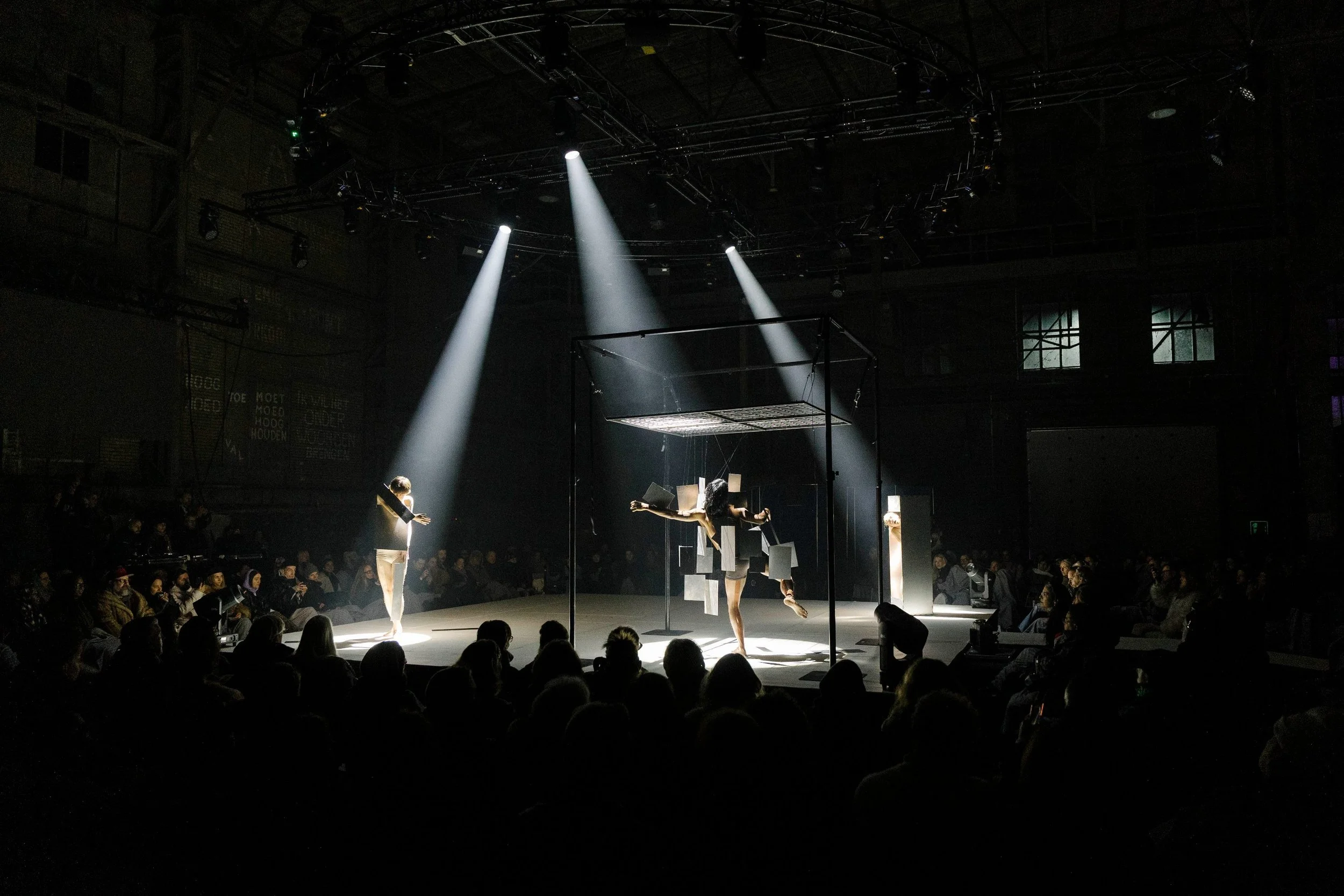
CLASHLAB opened the night. During a two-week residency, designer Teun Seuren of Studio M.O.R.E, choreographer Daniëlle Huyghe and musician Nader Adabnejad built a short performance as equal partners, each practice pushing on the others. Once the shows ended, ENCI became the stage for the afterparty, Childhood Fantasies, Surreal Realities, with DJ duo Nello & Lenny, spoken word from Puss' Poetry, a performance by Feliz and La Monroy's giant back on the floor.
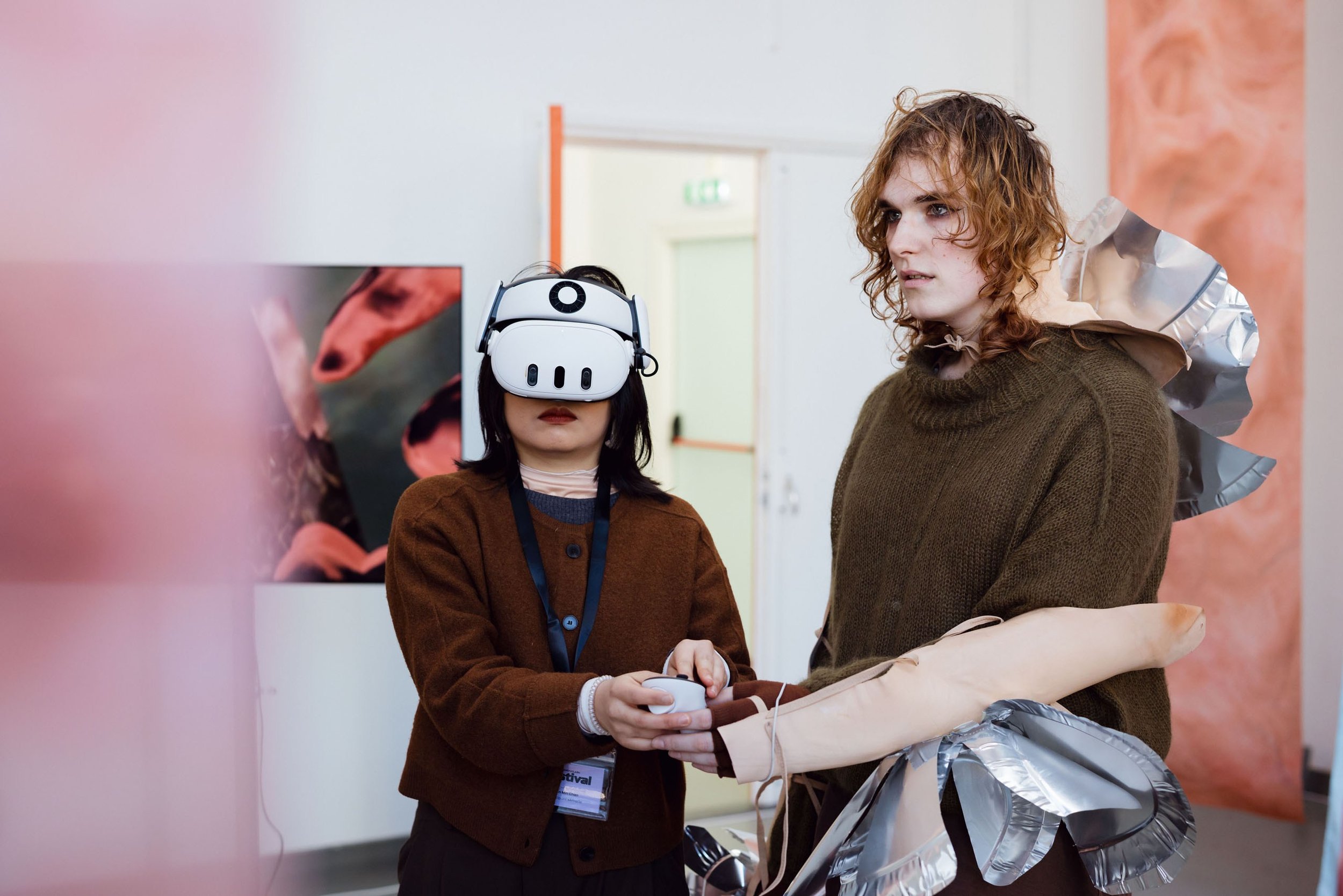
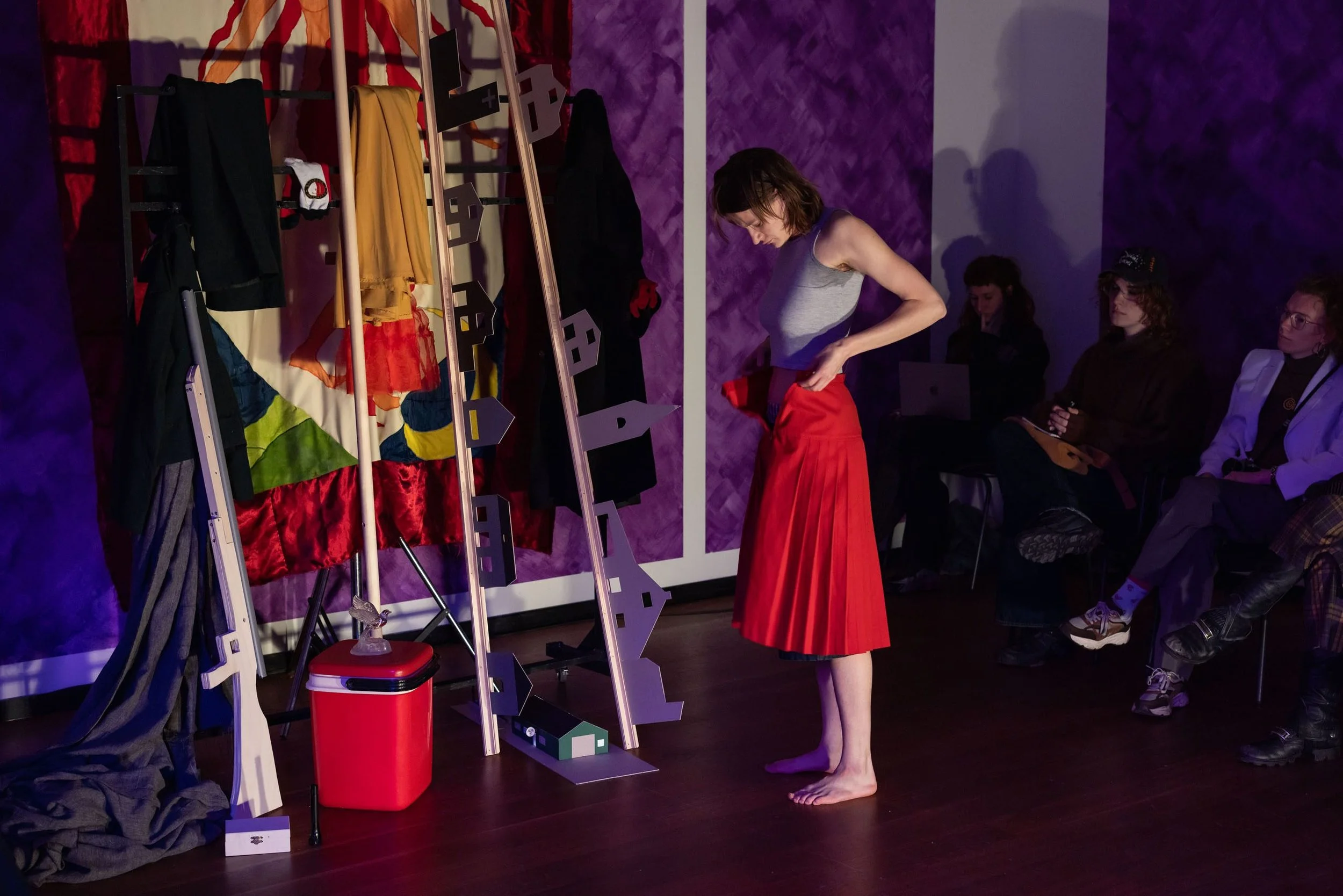
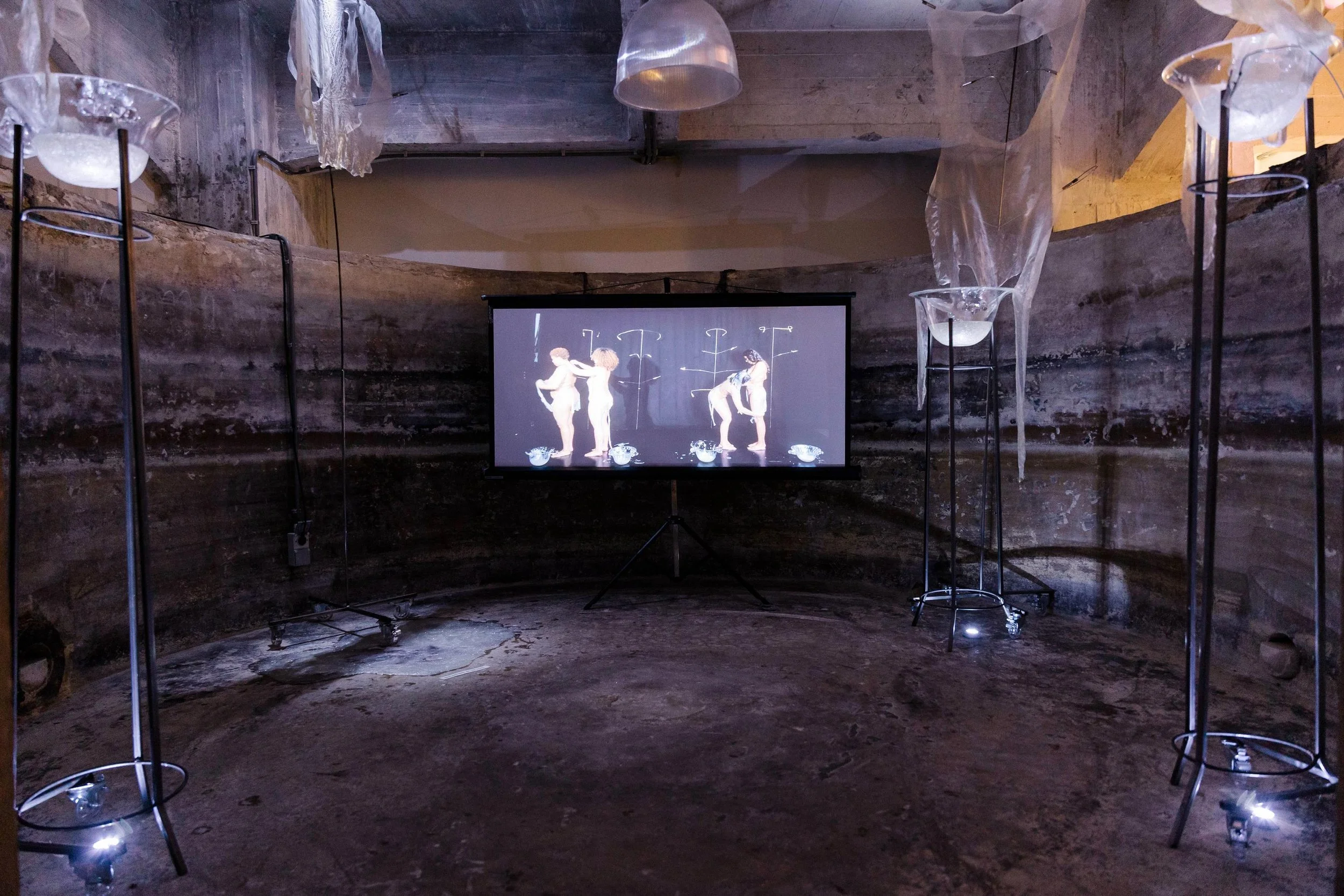
At the Jan van Eyck Academie, an open call with Amarte Fonds paired four artists with fashion designers. Anto López Espinosa and Berend Brus formed an experimental choir of looks in We can see each other because you turned the lights off. Hsin Min Chan and Pauline Blind set clothing against virtual avatars in Smuggling Bodies, Forging Skins, asking which bodies digital systems choose to recognise. Arian Khalifeh Soltani and Peishan Xu filled play/ground with sound, light, texture and scent, a soft room for reconnecting with the inner child. ULTRA-ORA and RADVLAD staged Nesting the Unknown as the archive of a fictional cryptid hunter, a quiet study of how queer bodies get cast as strange. Theatre maker Mira Verhoeve came back with a preview of Change the Guards, an object performance about a queer girl growing up among military, patriarchal traditions.
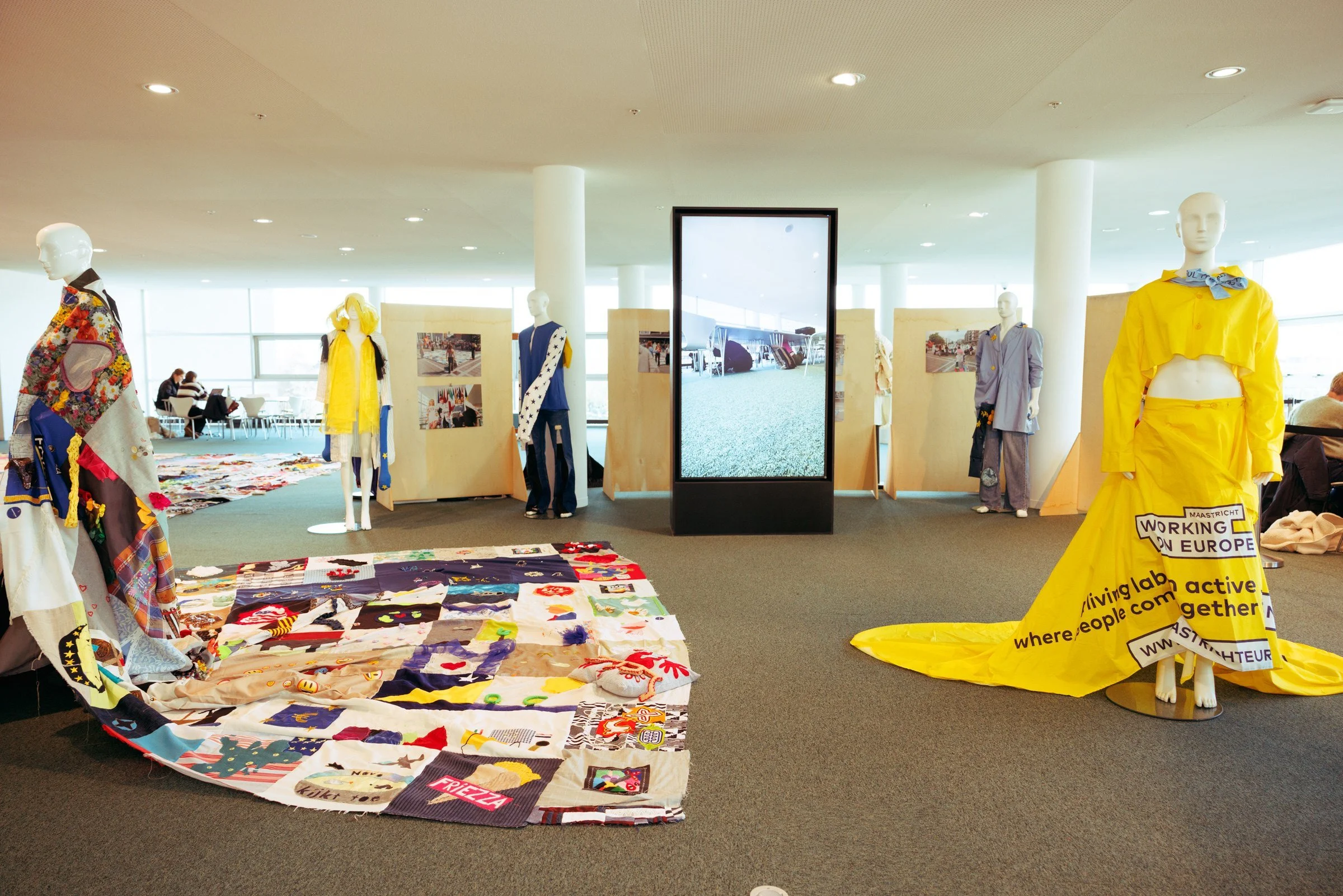
Centre Céramique hosted the festival's participation programme. Its centrepiece, TexTiles, made for Het Maastricht Jaar 2026, joined hundreds of handmade textile tiles into one collective work inspired by the Maastricht Treaty and the people who shape the city. Ecopolitan Magazine, Kunstbende Fashion winner Yani Jongen and the Stadsparade Helden costumes by Toneelacademie Maastricht students completed the room, alongside upcycling workshops all weekend and a talk moderated by Jonas Zitter of Kledingcast.
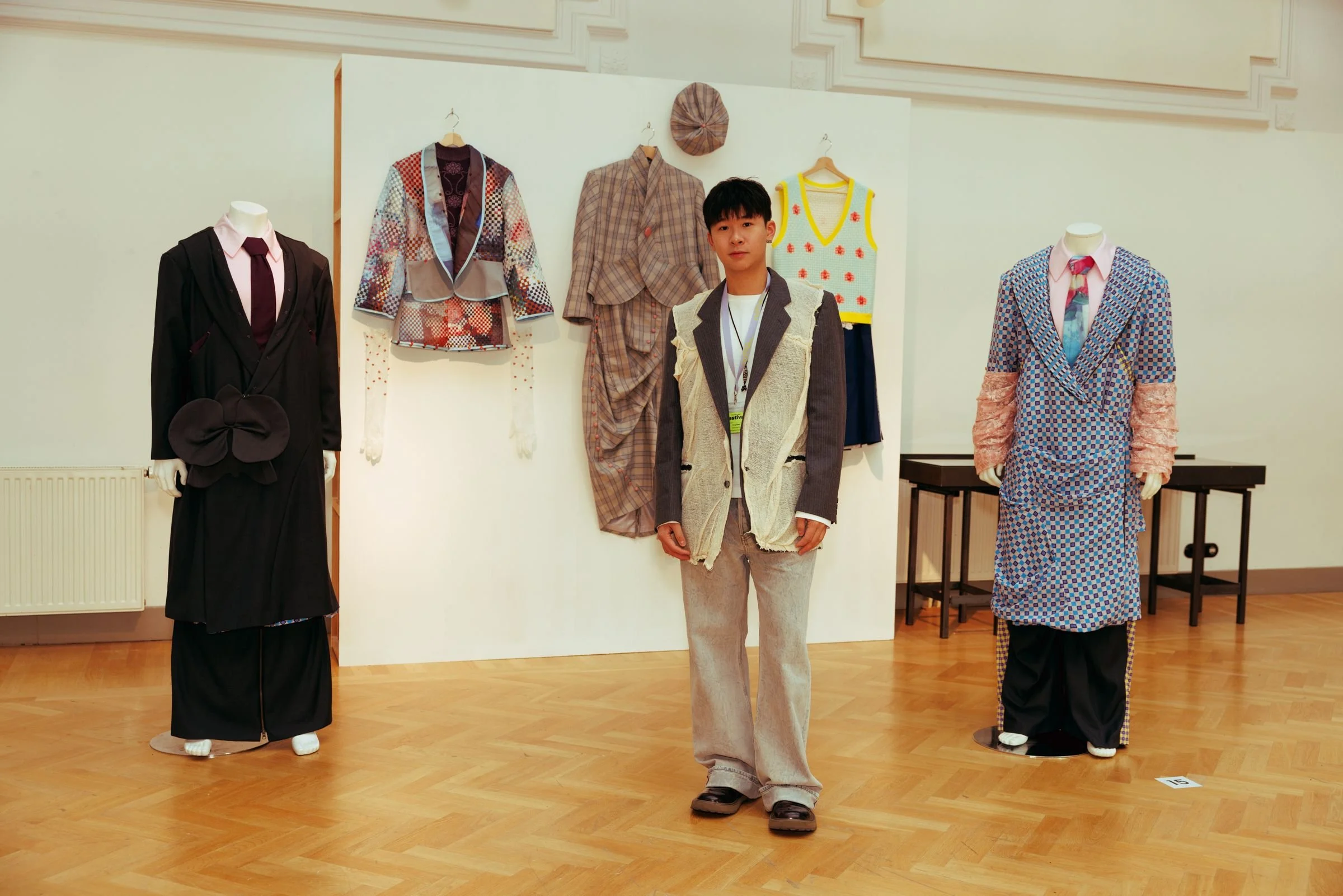
The Social Hub gathered the Class of 2026, graduates from seven fashion academies united by a taste for storytelling through heritage, memory and experimental technique. Cristina Palacios led a talk on upcycling linked to the Kantamanto Social Club documentary.
The programme spilled across town. S.A.C.59 showed a group exhibition with Seeing Black and Dré Devens. At Limestone Books, Anouk Beckers presented SpeesBookLookPak, a wearable publication and readable garment, alongside work by Maya Gawel. At the Townhouse Design Hotel, Ruben Jurriën spoke with Philippe Pourhashemi about sizing, body diversity and access to fashion. Galerie Post + García gave its walls to the carnival-bright knitwear and leather of Teigetje & Woelrat, who closed the festival with a show there on Sunday. Stadsparade Helden costumes by Wievien Albers, Max Niereisel, Linda Friesen and Chiron Floris appeared at Bookshop Dominicanen and De Bijenkorf, and the Bonnefantenmuseum handed a full floor to Toneelacademie students responding to its exhibition Cooking from the Fridge.
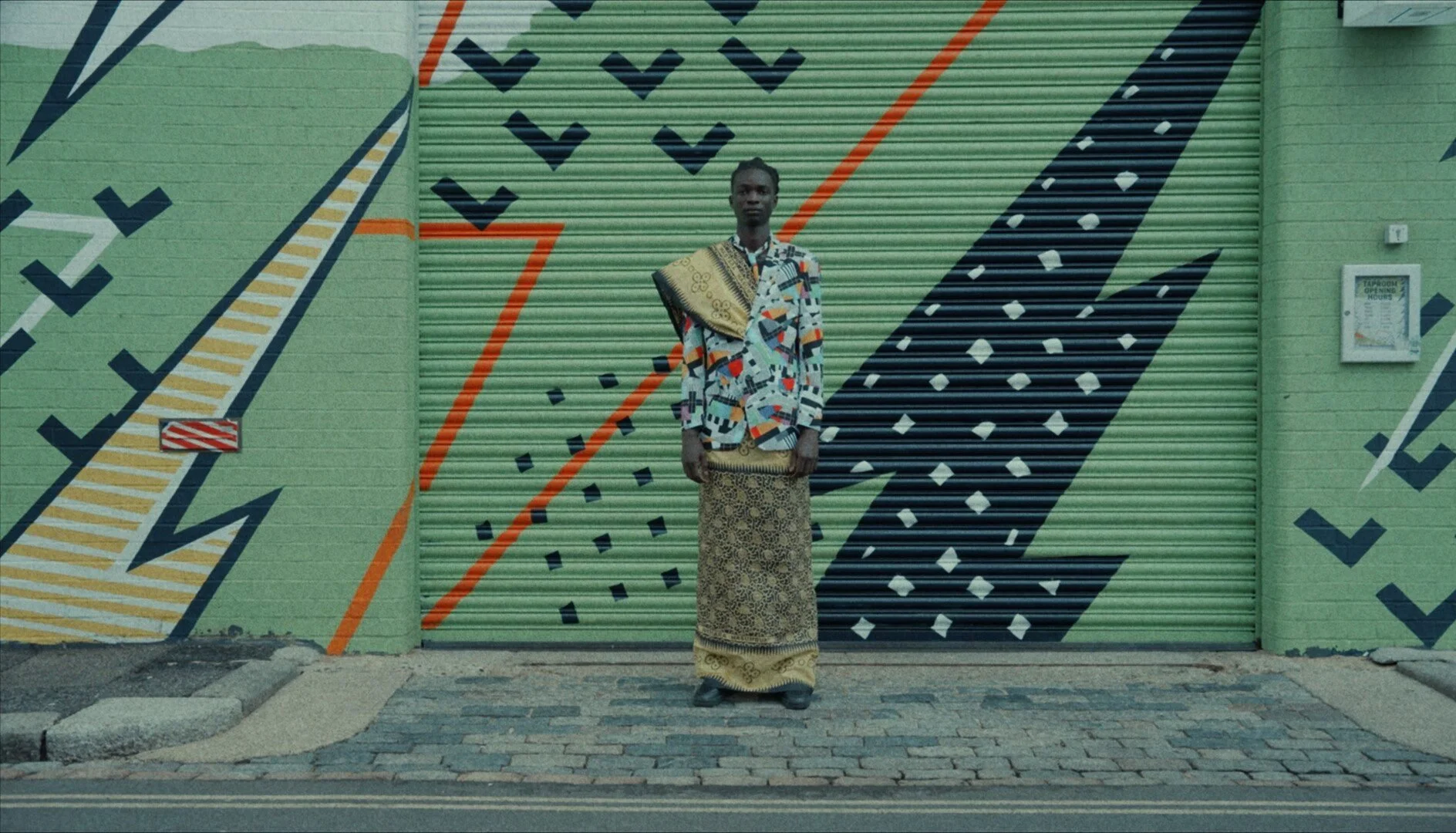
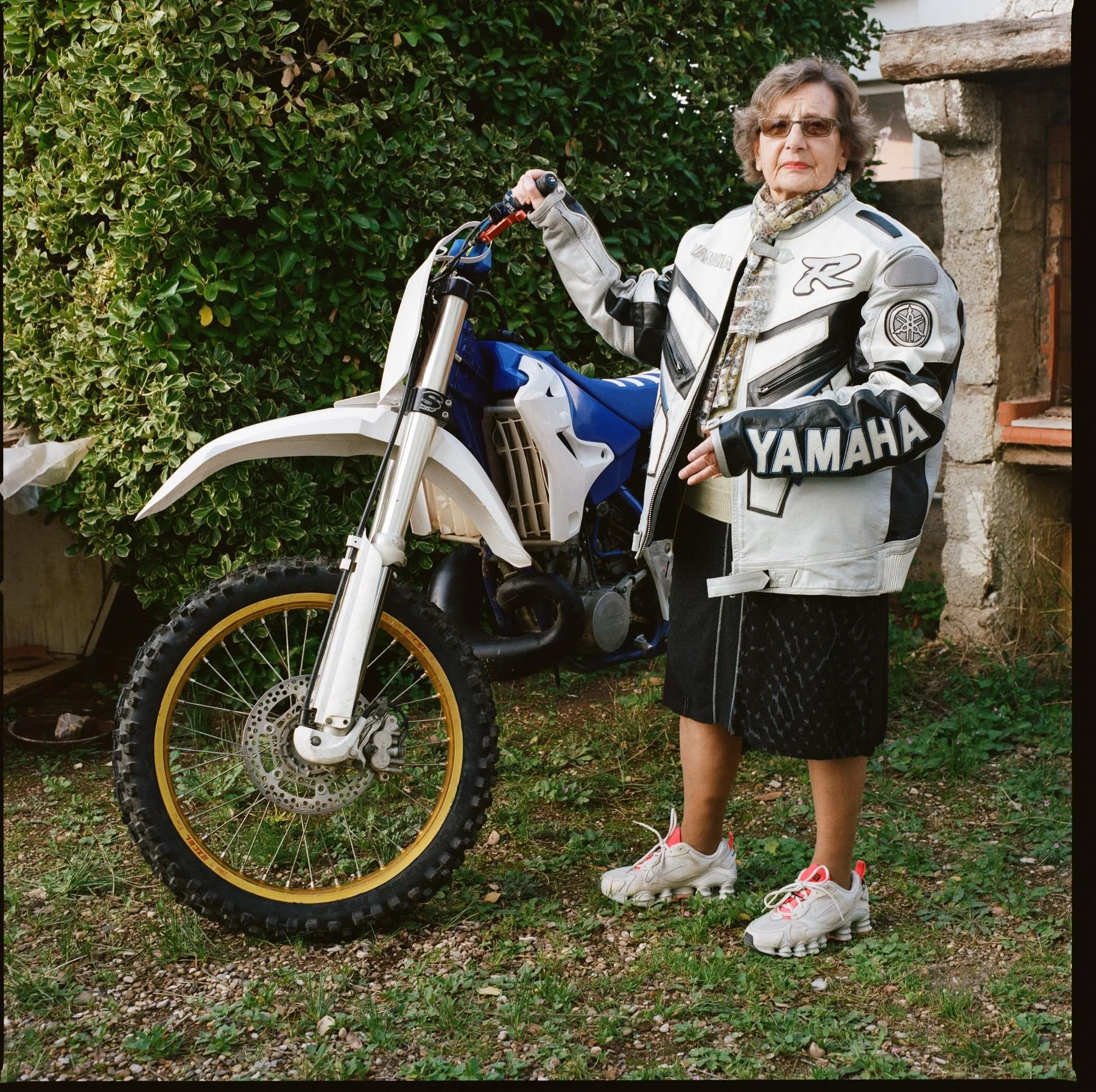
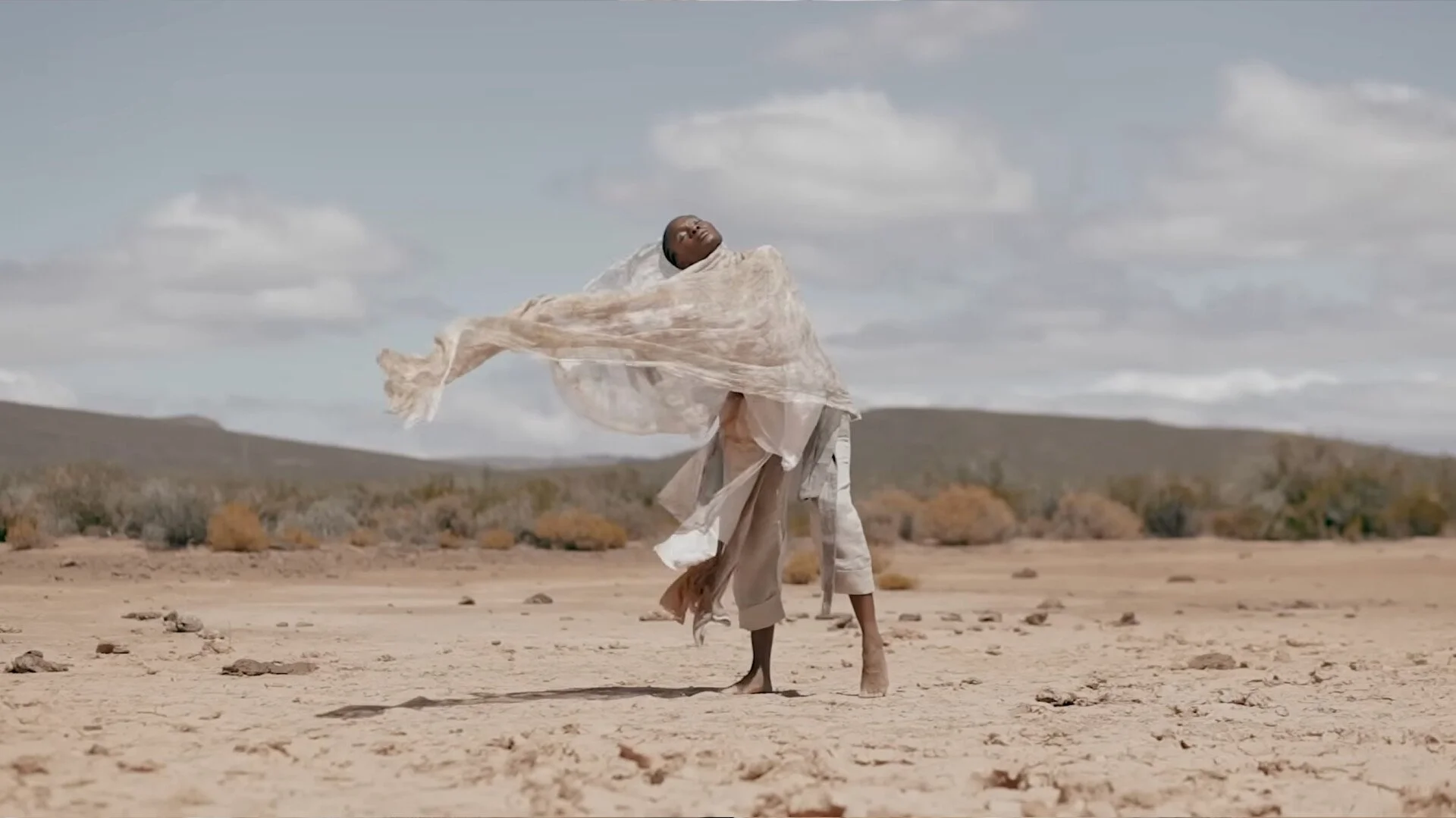
The face of the edition came from Alexandria. Sudanese visual artist and photographer Hashim Nasr shot the 2026 campaign in the Egyptian city, staging African and Middle Eastern symbols, clothing and rituals as surreal, avant-garde tableaux where memory, myth and present-day identity meet. The choice says a lot about where FASHIONCLASH looks: well past the usual fashion capitals.
Eighteen editions in, FASHIONCLASH keeps the energy of the young designers who started it in 2009. Maastricht proved once again that fashion stays open, changing with the people who make it and wear it. The 19th edition runs from 19 to 21 November 2027.
Words by Donald Gjoka
What to read next