Julien Boudet aka Bleu Mode: A Life on Two Wheels
Julien Boudet comes from Sète, a port town of 45,000 people in the south of France, where his father and grandfather worked on the docks. His father also took photographs as an amateur, mostly the sea and the birds around home. In 2008 Boudet left for New York with no plan and a point-and-shoot camera. Five years later he launched Bleu Mode, a street style blog that took him from New York Fashion Week to Tokyo and Seoul. During the pandemic he turned to personal work, shooting cars and building the visual world he carries today: Boosters, tracksuits, superbikes and 90s sportswear. Now based in Paris, he met Donald Gjoka to talk about the ambition that took him away from the port, and about the book that gathers ten years of his work.
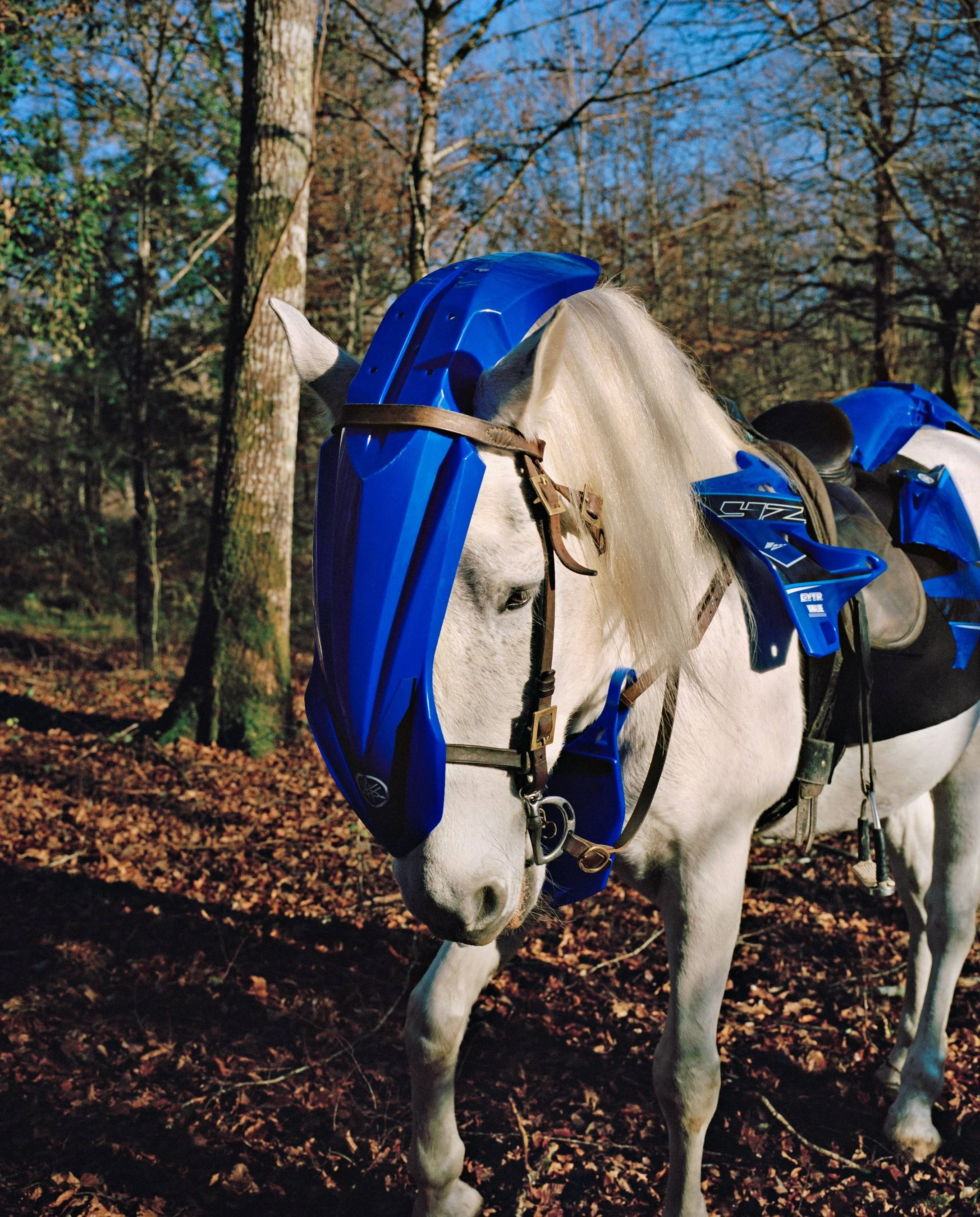
Let's start from the beginning. Where were you born and where did you grow up?
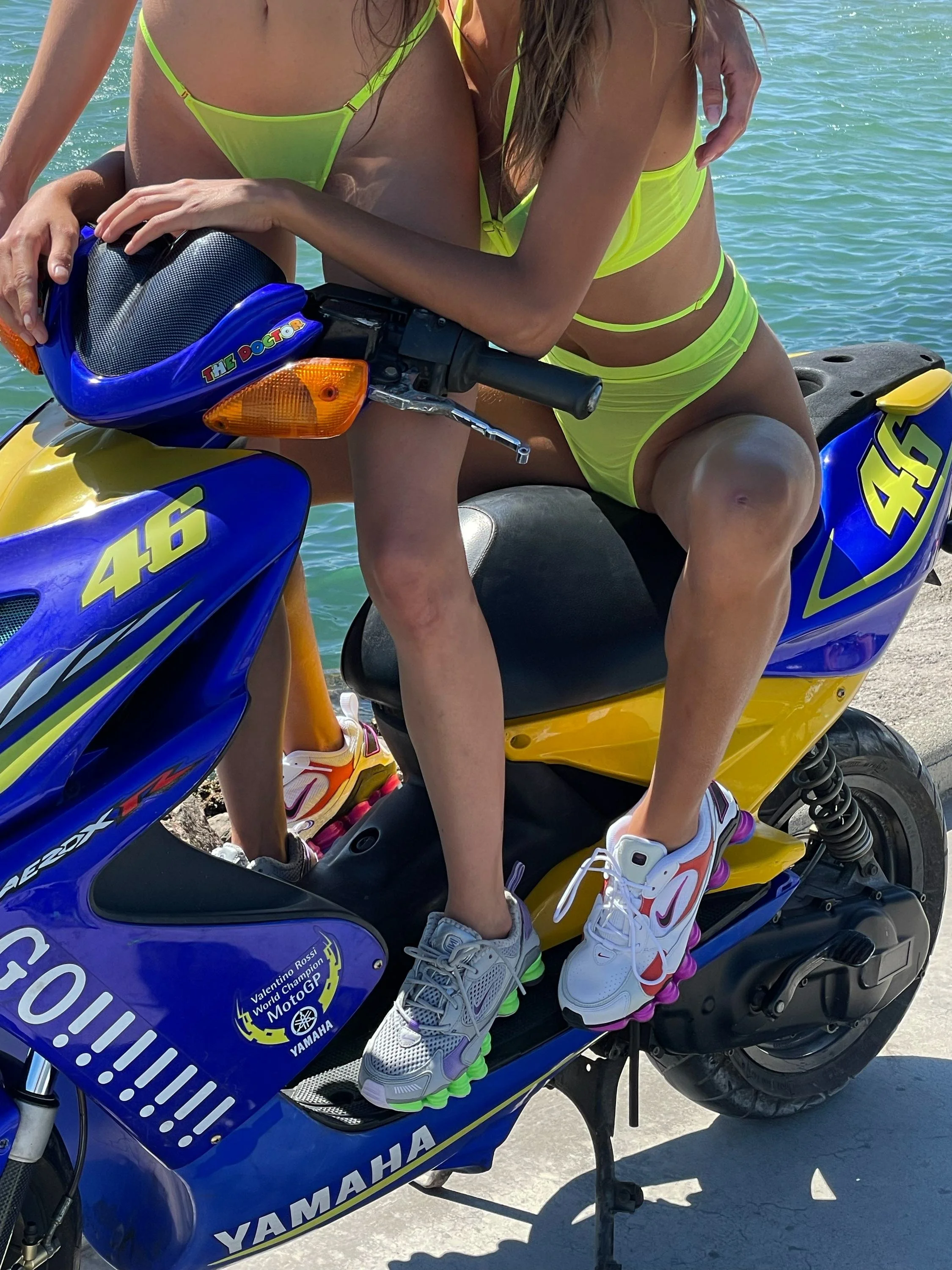
My name is Julien Boudet, aka Bleu Mode, my alias online. I was born and raised in Sète, in the south of France. It's a small town of only 45,000 people, right by the Mediterranean, about a two-hour drive from Marseille, so I went there a lot. Growing up there was amazing. When I speak to my Italian friends who grew up in the countryside, I feel like we grew up the same way. That's why I really love Italy: Air Max, the Booster, the Nitro, Valentino Rossi, Polini, all the iconic things from the 90s. Even the style was pretty similar, with Sergio Tacchini and tracksuits.
In northern Italy we lived the same culture. My brother had an Aprilia SR and all his friends rode MBK Boosters. What did the Booster mean to you?
I was obsessed with the Booster back then. I'm still a huge fan, but at the time I was dreaming about it. We were exchanging parts, putting on a Polini for racing, swapping engines, fitting the 50 kit, the 80 kit. It was a whole universe, and I feel like we understand each other on this. Before the internet there were all the scooter magazines, the custom Boosters, the posters. I could speak about it for hours. For me it's really an obsession.
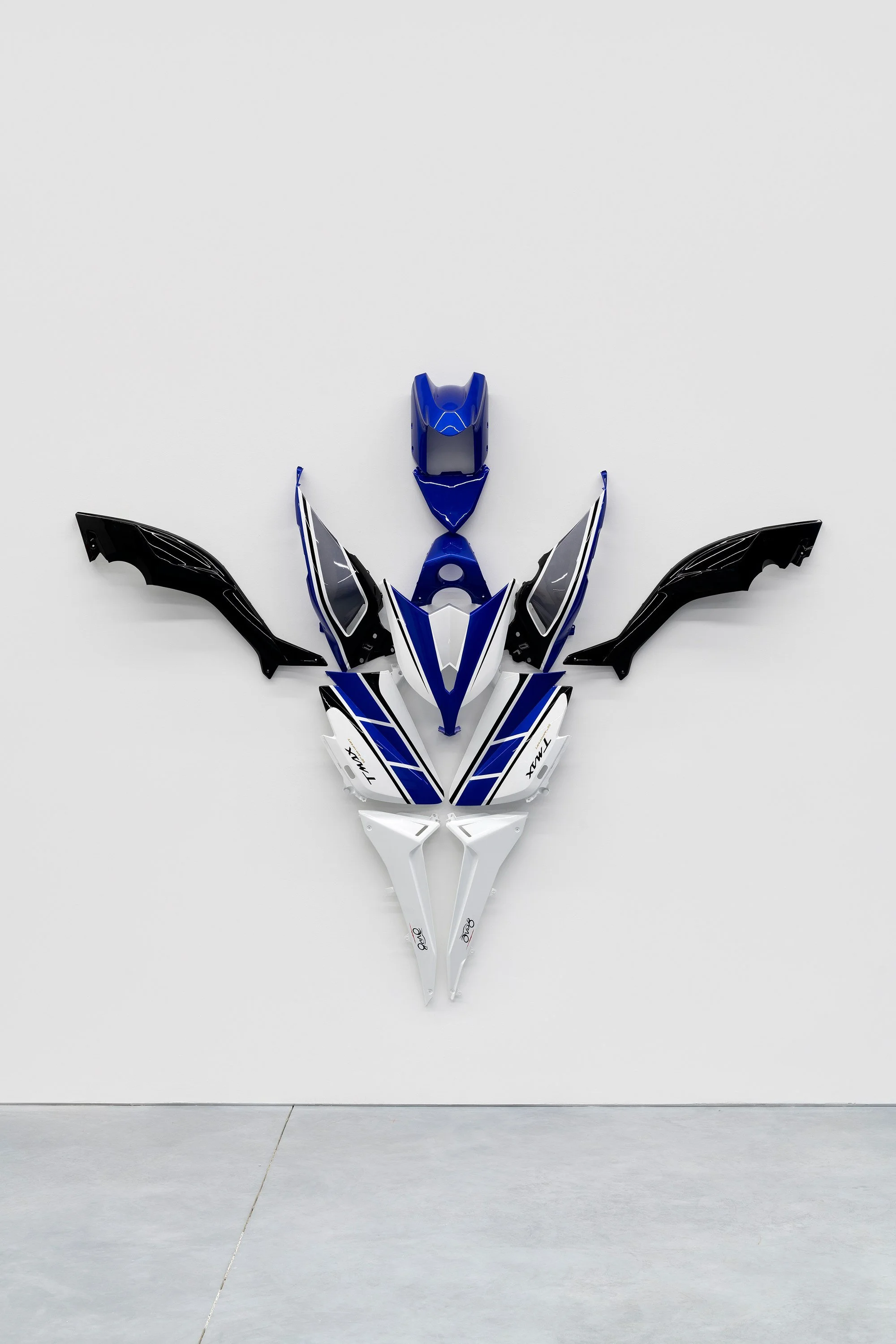
You also know Gabri TVB from Bergamo, who shares the same passion. How did you meet?
He wrote to me on Instagram when I was posting some stupid things about the Booster. Then we met, he showed me his book and, of course, same vibe.
What did a normal day look like back then?
We were a crew of Boosters, riding around the city, doing pretty much nothing but hanging out. No cell phones. It was great.
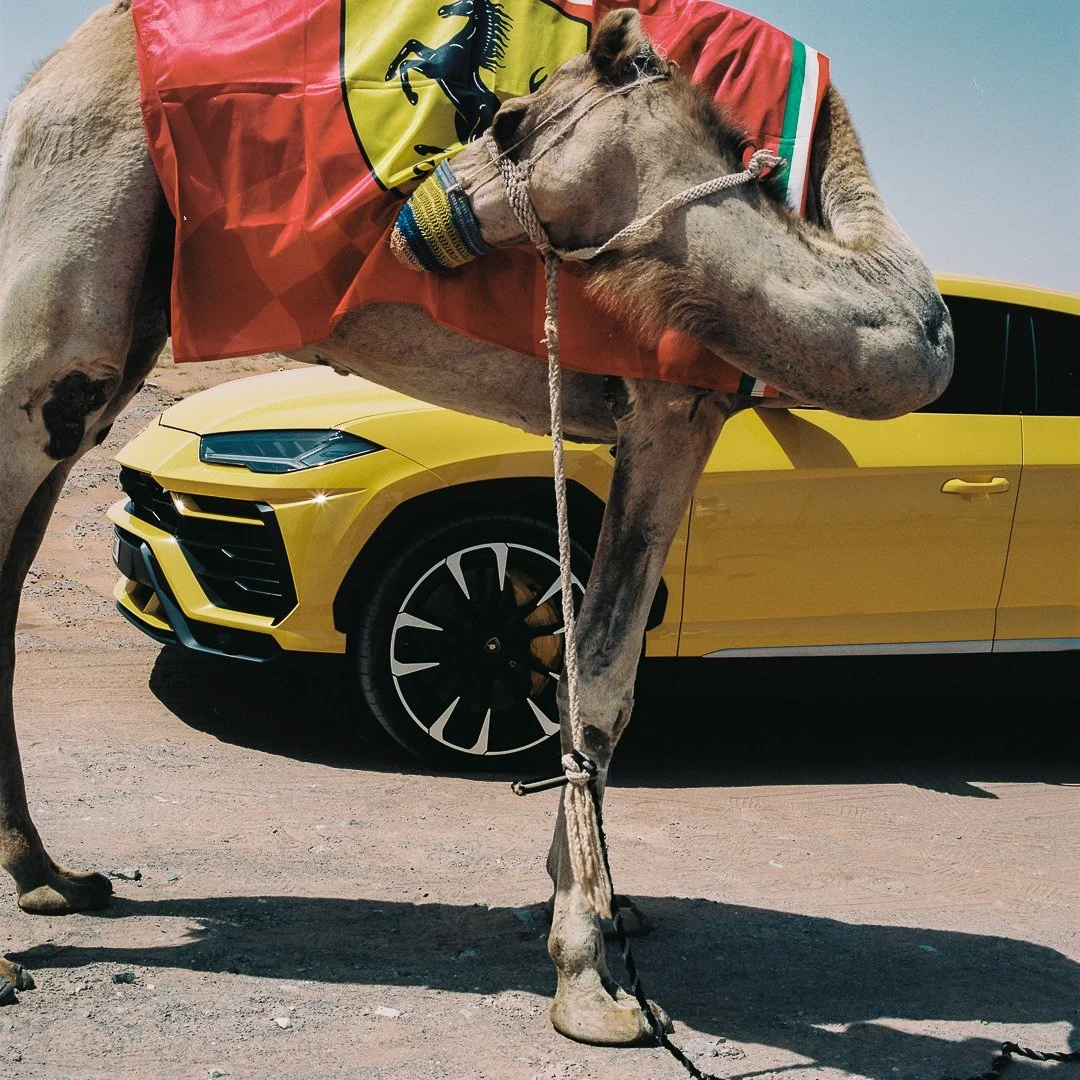
Today the new generation spends most of its time on the phone. How do you see that?
It's very different. It is what it is, it's generational. That's why I'm trying to connect, through my work, the people who lived it as teenagers, and also to show the kids born after: look, this is what we grew up with, this was our passion. I'm happy to see that in my hometown some teenagers still ride old Boosters. Seeing them go around is like seeing myself 20 or 30 years ago. So fun.
When did your passion for photography start?
It really started when I moved to New York in 2008. I had no plan. I had graduated, I was bored and, to be honest, I had no real passion for a job. So I thought, I'm just going to go and find out, maybe I'll get inspired there. A friend from my hometown was in the same situation, so we left together. He's still there to this day. I stayed in New York for about 12 years, then moved to Paris around 2019 or 2020, pretty much during COVID, a city where I had never lived before. New York is where I started doing photography.
Your father also had a connection with photography.
Yes, it's also related to my dad, who was an amateur photographer. It wasn't his job: he was a docker at the port in my hometown. He died in a motorcycle accident when I was seven, but I saw all his photos. He shot mostly nature. He didn't travel, so it was what he could find at home: the sea, the birds. Nice photography, very basic I would say, since he wasn't a professional, but he was super into it.
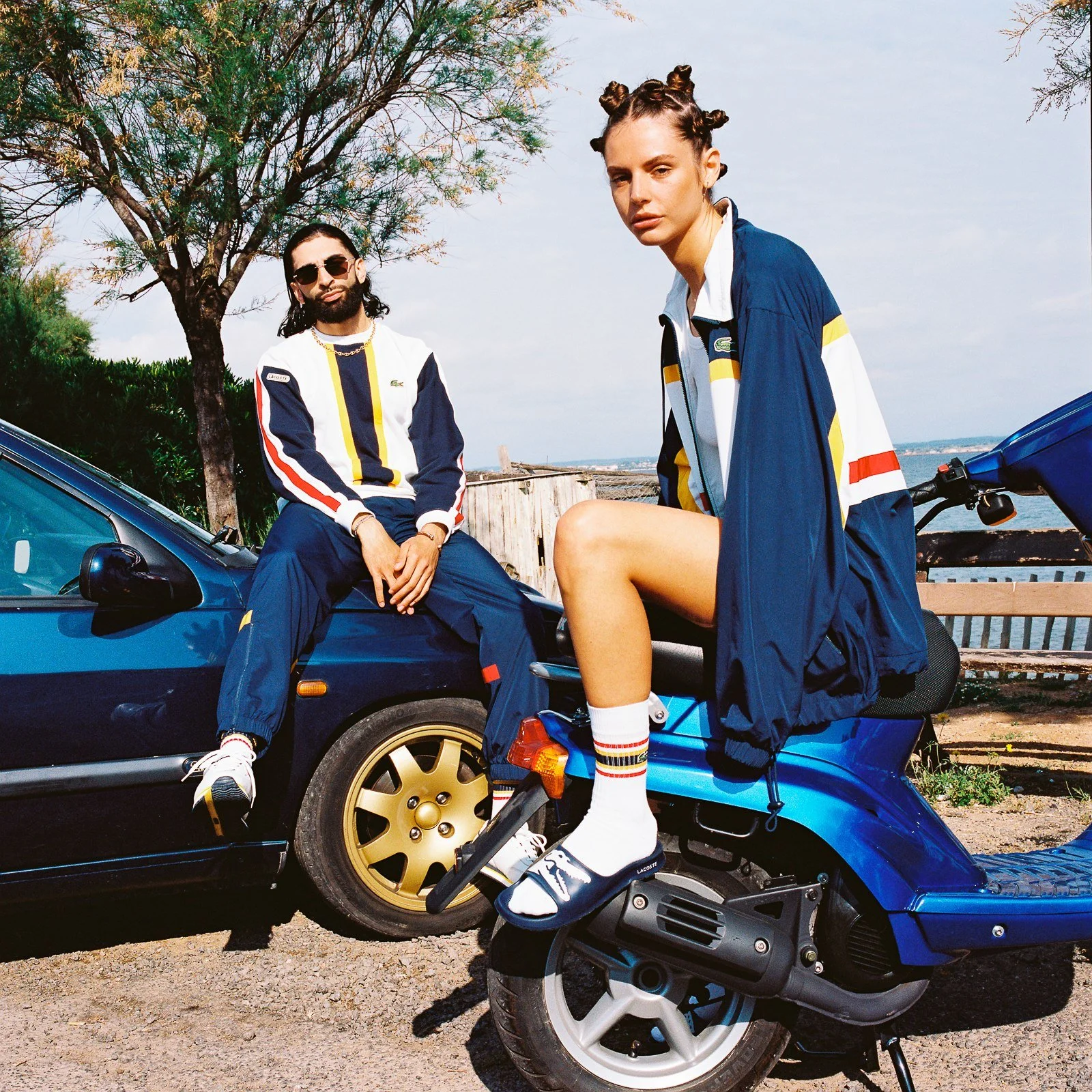
““When I do something, I love to do it well.””
Who was your first client?
My first client ever was NSS Magazine. A good friend of mine was dating a girl from Milan who knew NSS was looking for a street style photographer in New York. I met Walter D'Aprile by email, it must have been around 2012. He was starting out with street style in Naples, and I was just getting started with photography. So funny. We talked by email for years before I went to Milan for the first time and we finally met, probably in 2015. That's the fun story. It was a few photos a month, a small business as you can imagine, but it was the beginning. I was still working in a restaurant. Then I went to Parsons to study photography, did two years, dropped out and started Bleu Mode in 2013. That's when it all started.
What was Bleu Mode at the start?
Initially it was a street style blog. I had bleumode.com and the Bleu Mode Instagram, where I shared only street style. I started covering New York Fashion Week, of course, because I was there. I had a crew of street style guys: we shared Airbnbs, we shared tips. We didn't share clients. It was a bit of a war, a cold war, as you can imagine, but it was fun. We had a good time. After New York I started doing London, Milan and Paris. Then I met the people from Tokyo, Tbilisi, Kyiv, Seoul and Shanghai Fashion Week. I traveled a lot, met a lot of people and built a very serious network of fashion people and potential clients around the world.
How did your work evolve from there?
I moved backstage, doing street style backstage. Then I started doing more editorials and tried to do some campaigns. You know how it is. Then COVID happened, and I pushed personal projects a lot, at first because it was the only thing I could do: we couldn't travel, we couldn't do anything. I started shooting cars. I could finally build what I really wanted to do, the vision I had, the stuff I liked, pretty much my taste. Whether you like it or not, this is me, this is what I like, this is what I want to say. When we were back to traveling, I pushed that into my first exhibition, right after COVID, I think in 2021.
Then came Lacoste.
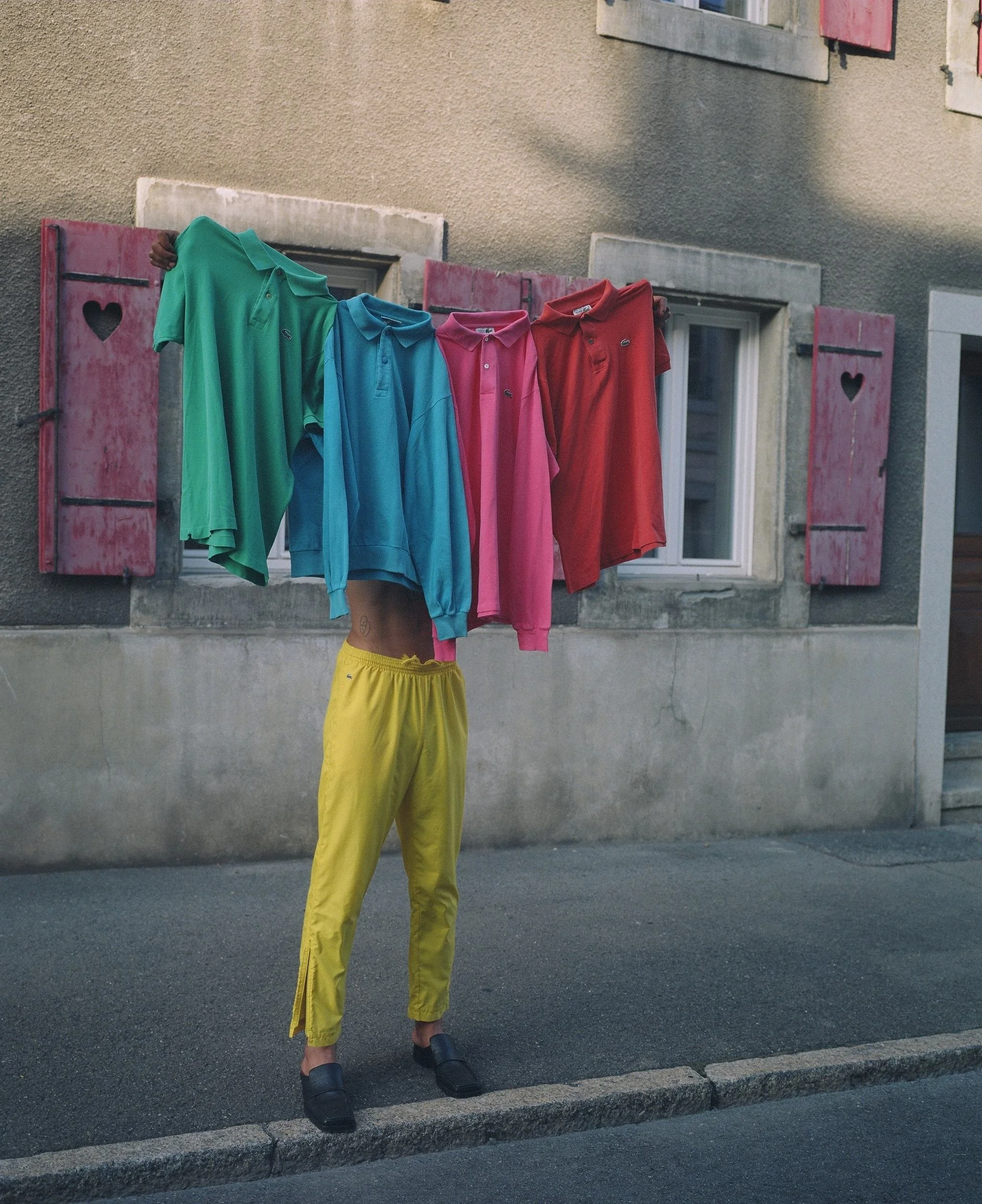
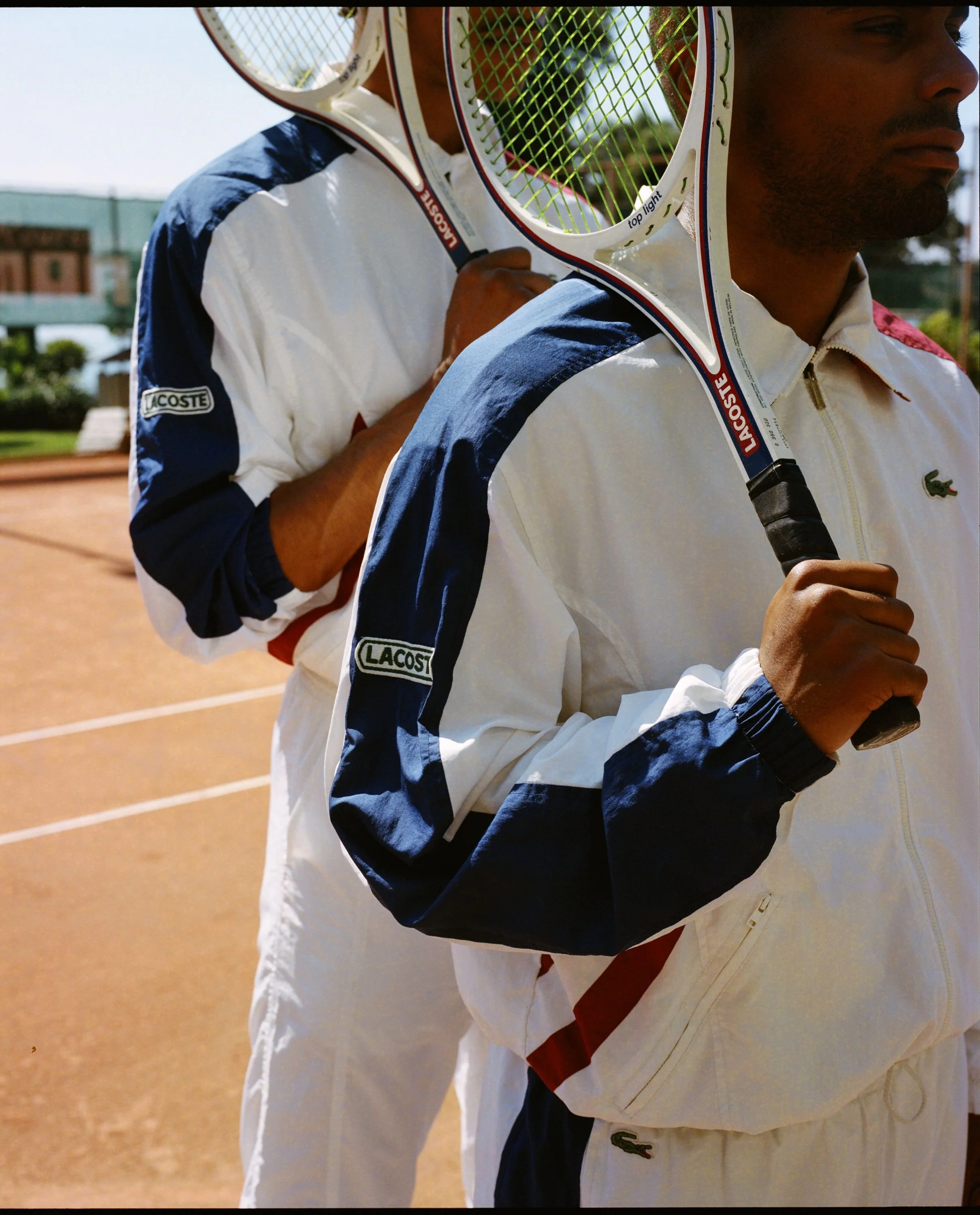
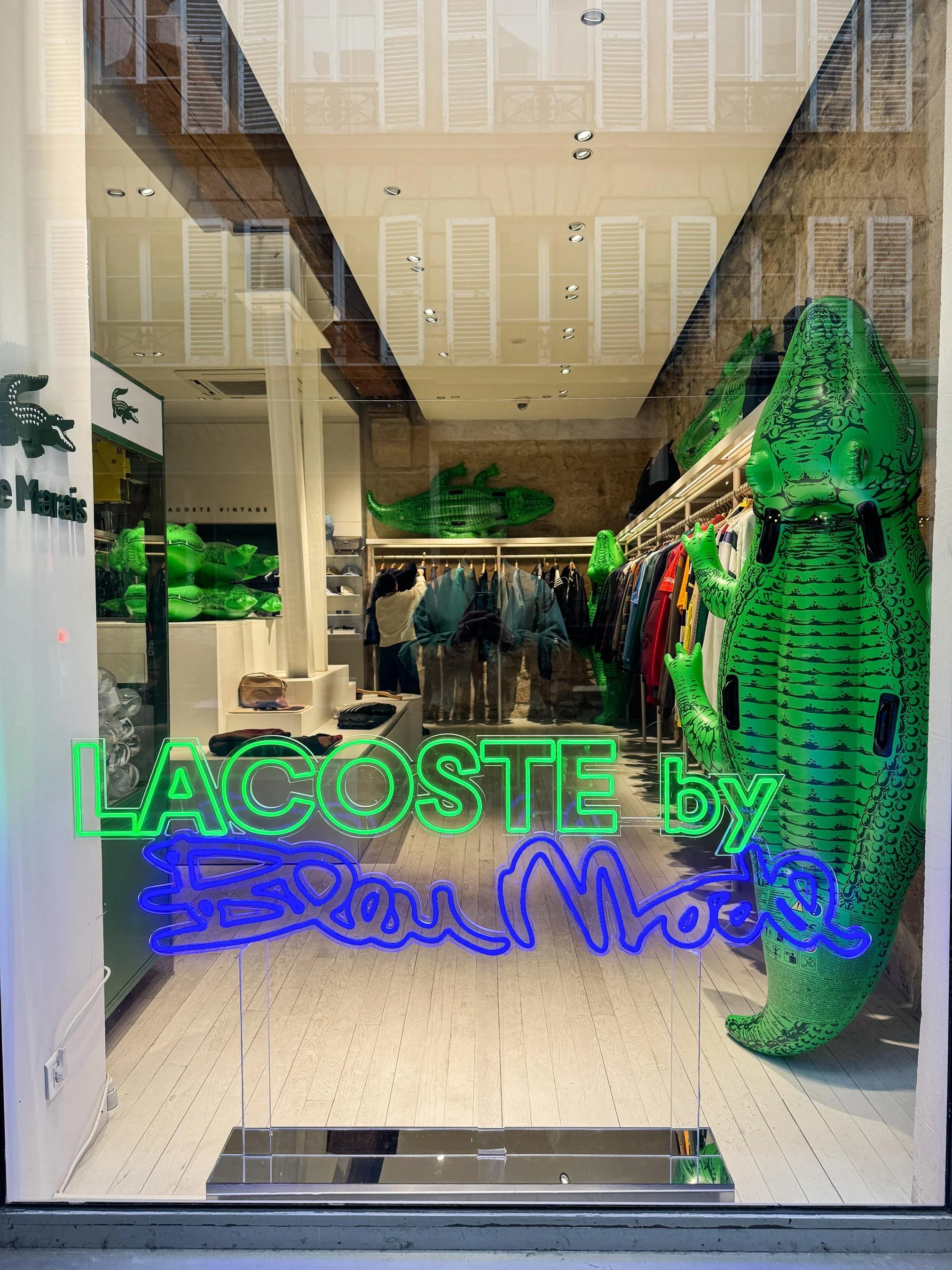
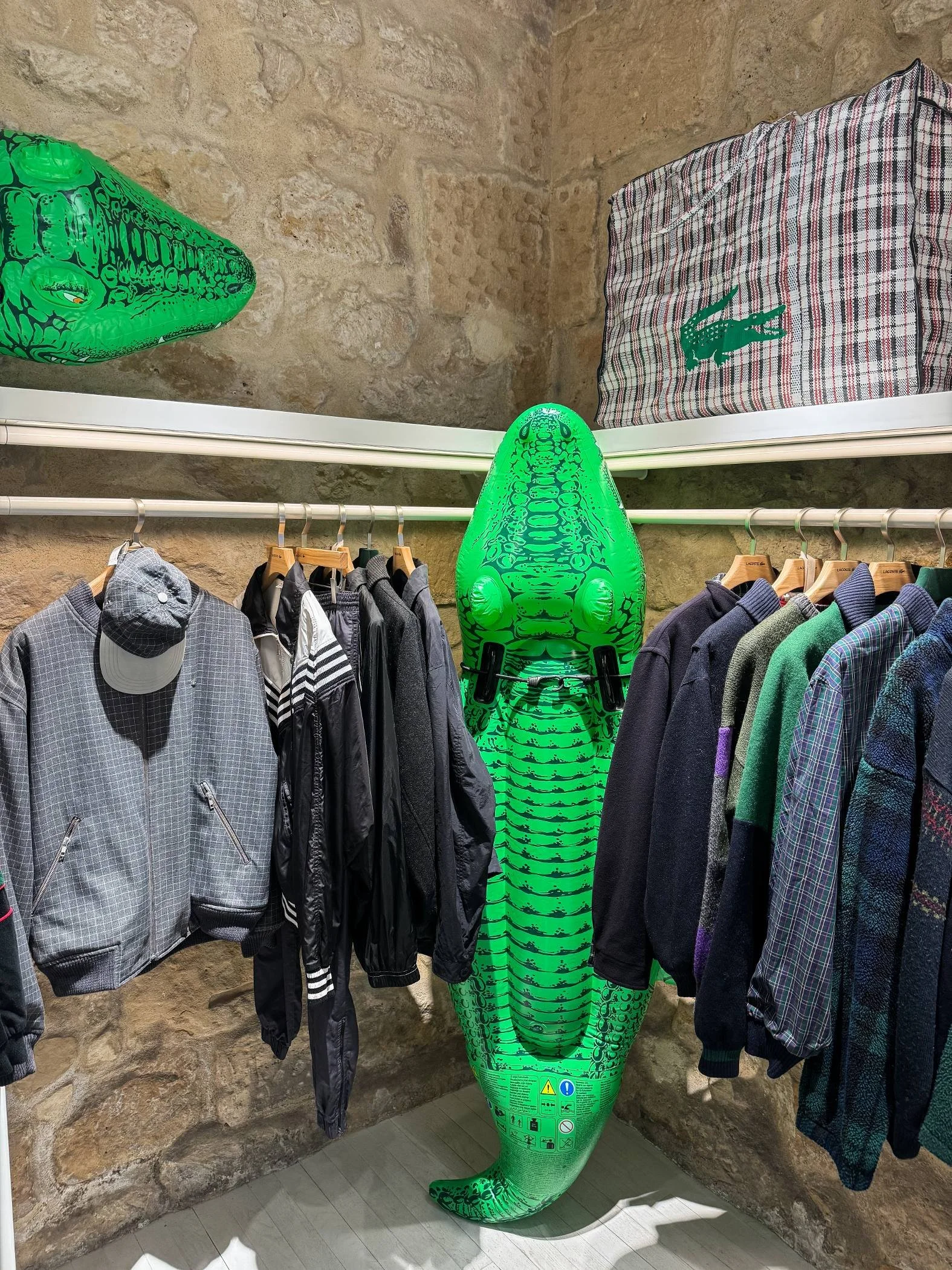
Yes, I did a capsule collaboration with Lacoste in Paris, 12 pieces inspired by the vintage pieces that were iconic in the 90s. It was a success: we sold out in three days. To this day I still work with Lacoste. I create all the vintage projects they do: I source the pieces and they sell them to the public, which is super interesting.
Backstage is total chaos. Everyone pushes you, production can throw you out at any second, and you still have to get the right image. What did backstage and street style teach you?
It's a good school to learn how to shoot, how to be quick, how to be efficient. All these things taught me a lot, street style too. I'm glad I started with street style, because everyone is running from show to show, so the second they come out into the crowd you have to pick one subject, one detail, one look. That's what I want. Then framing, shutter speed, everything in 10 seconds, and you try to get the shot. It teaches you very well how to frame and how to create a nice image from something that takes 15 seconds to go by. That's what I loved about it. After a while I had to stop, because it became too repetitive for me, but honestly I have super good memories from street style.
Why did it start to feel repetitive?
After two or three years I started having the feeling that, okay, time flies. I had been doing it for six to ten seasons, I don't know. The same people go to the same shows, only the outfits and the brands change. You see the same photographers. Even the photos become repetitive, because how many times are you going to get this shot? No disrespect to people who still do it. For me it's personal: I wanted to experiment with different things and push my vision further. I don't want to feel stuck. It's not a good feeling.
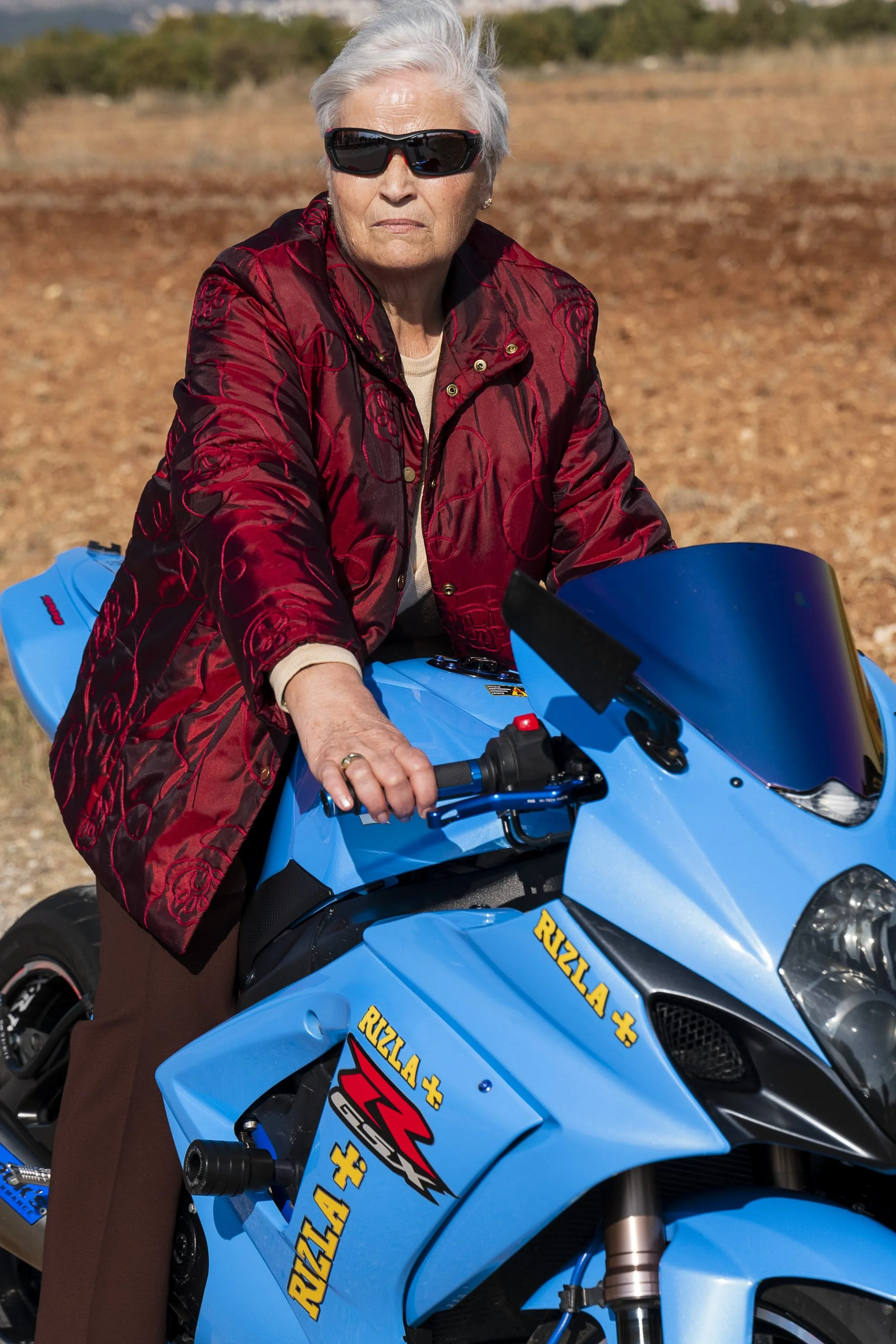
““We were a crew of Boosters, riding around the city, doing pretty much nothing but hanging out. No cell phones.””
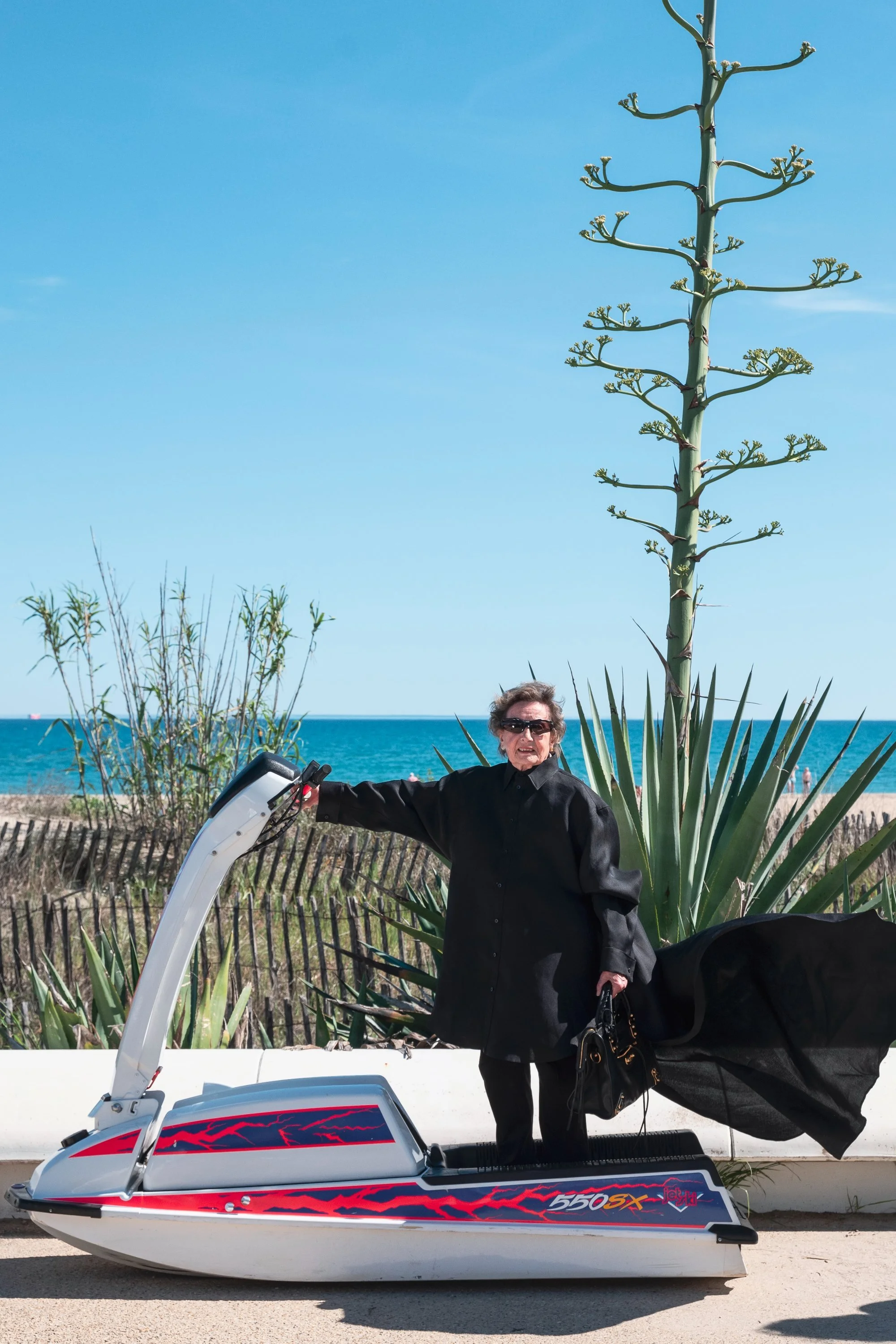
Some photographers keep the same style for 20 years. Do you need to evolve?
To each his own. If they're happy like that, all good, and it can be good for other people. For us, doing the same thing over and over was never an option.
Like the magazine for me, Bleu Mode became a community you built over the years, one you can count on when you work with clients. How long did it take?
It's really a marathon. It's longer than you think. If I had known how long it would take... I was a bit naive. When you get started you think, cool, it's fashion, it's cool. But I think that naivety is what helps you believe in it and stay motivated. If I had known then what I know now, maybe I wouldn't have tried, and I would have missed something. It's good to be naive at a certain age, in your 20s, of course, at 45 less so. It's fine to believe that if you work hard it will work out. Then I realized it takes more than that. It takes a network, it takes skills, it takes provoking luck to be on your side. It takes a lot of effort, way more than I thought, but I'm glad I tried, because otherwise I wouldn't be here. So it's a positive message: you have to be a bit naive, believe in your dream and keep pushing.
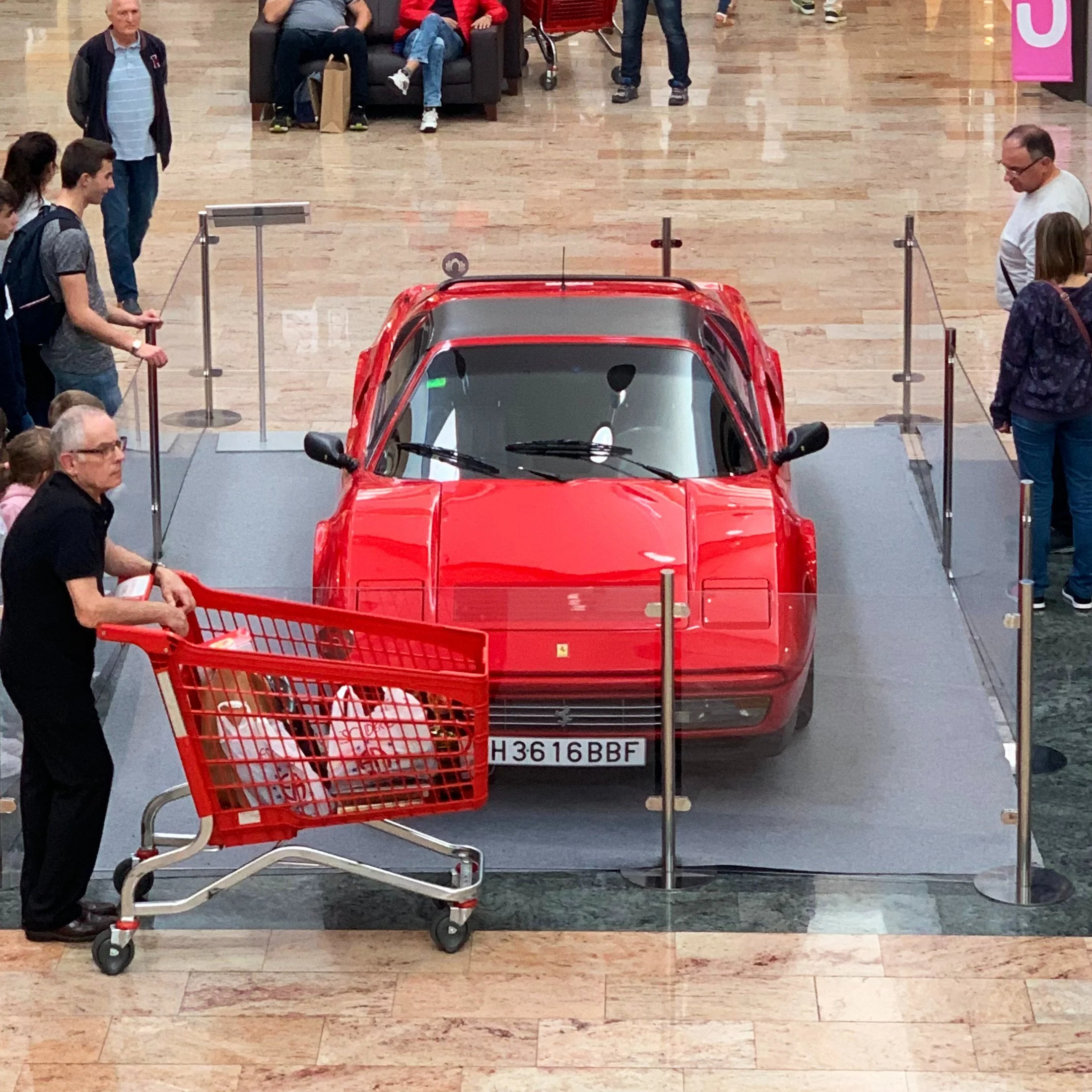
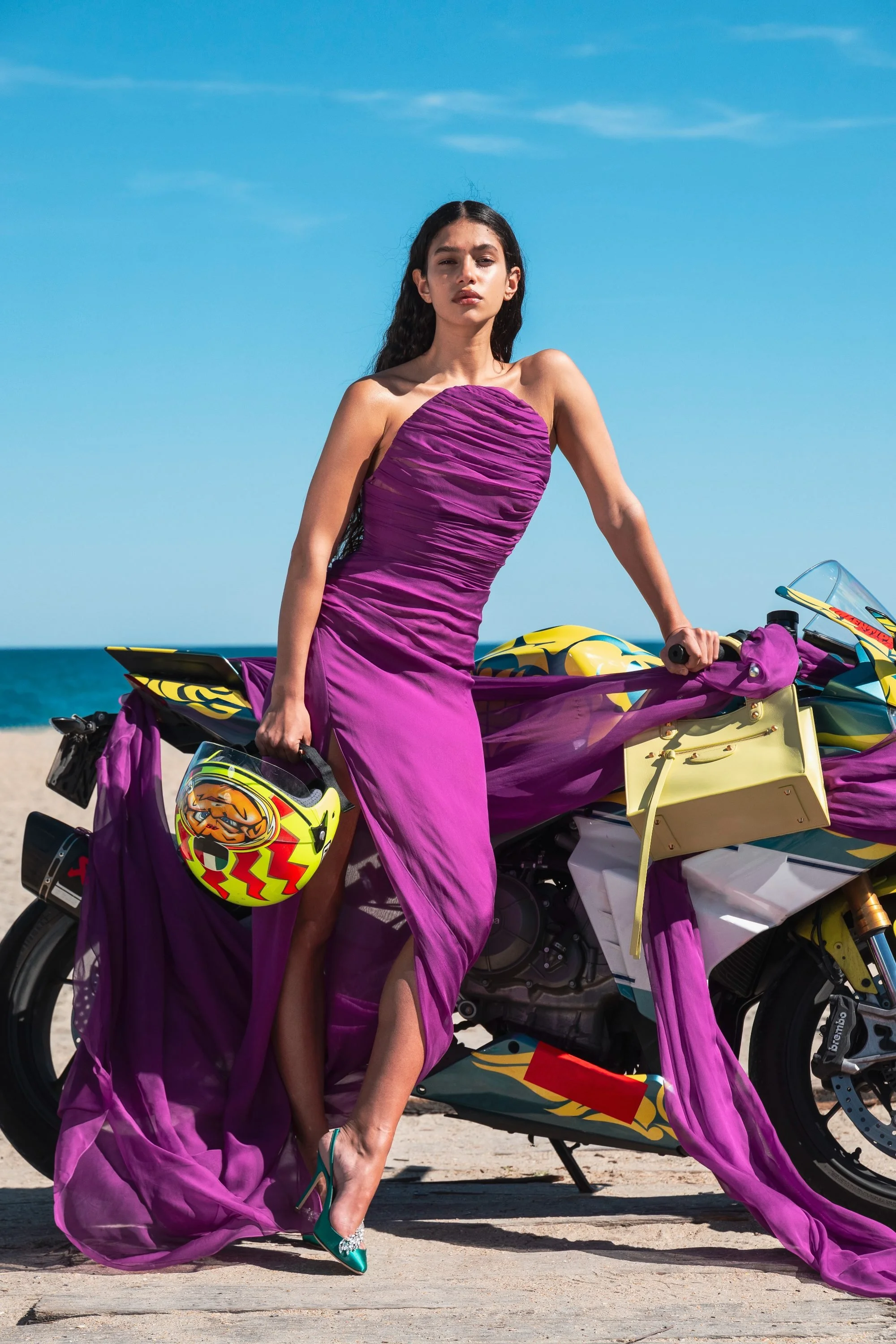
When I was younger I only looked at the editorials in magazines and skipped the ads. Today I study the ads to understand the market. How do you balance personal vision and the need to make a living?
It's a never-ending game to find the balance. Every day you try: okay, how am I going to pay the bills while having fun and doing what I want? It's a fight you have every day with yourself, with what you want to do and what you want to achieve. In a perfect world you would do only personal work, but it's not feasible. You have to maintain your lifestyle, pay the bills, have a baby, take care of the baby, and it's expensive.
So commercial work is a compromise?
Maybe I said it wrong. I think commercial work is a conversation with your personal work, and they feed each other. Even if I could afford to do only personal projects, I would still do commercial work, maybe less. There are some projects I'm less excited about, but it is what it is. I've done worse jobs than this, and it still doesn't feel like working at all, so I feel blessed. And it's interesting to apply the vision you've created to a brand. Working on a commercial project is often a big challenge, and a good one.
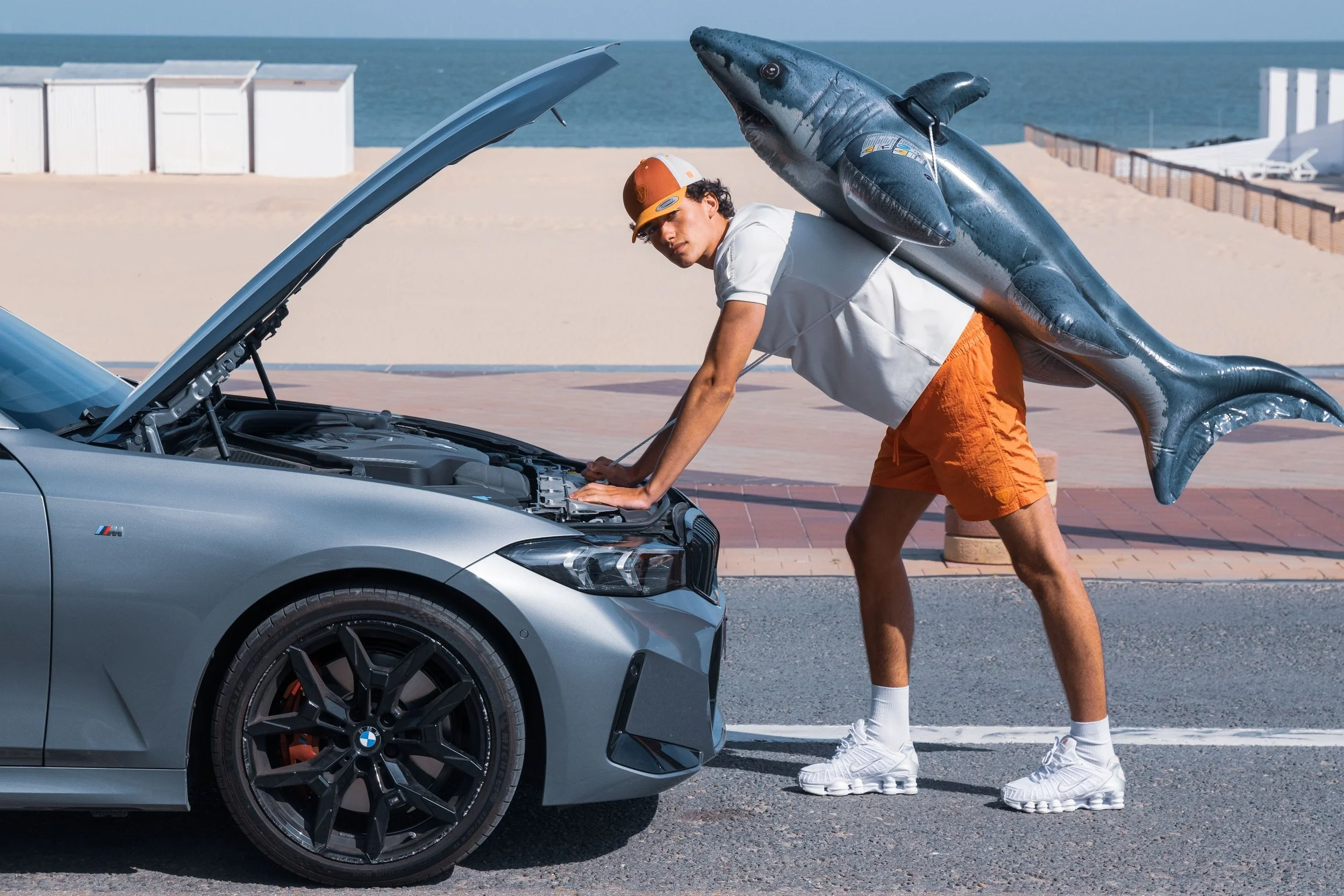
You turned your passions, motorcycles and then fashion, into your work. Do you feel lucky?
For sure, but we worked hard for this. In a way we deserve it. You don't wake up overnight and find this is your job. We created our job from scratch. My grandfather worked at the port in my hometown, my father worked at the port. If you follow the line, I should have been next. But that didn't make me dream. I had a lot of ambition, and I really wanted to change my life.
Where did that ambition come from?
No disrespect to my uncles and my family, I love my family. But as a teenager, at 18 or 19, before I moved to New York, I looked at my uncles, who were 45 or 50 at the time, and thought, that can't be my life. I couldn't picture myself in that position: no travel, a car that doesn't make me dream. It sounds stupid to say. I had the ambition to travel, to live the life I wanted to live and to make a living from my passion. It's just an example, but it gave me the ambition to say: I want more than this.
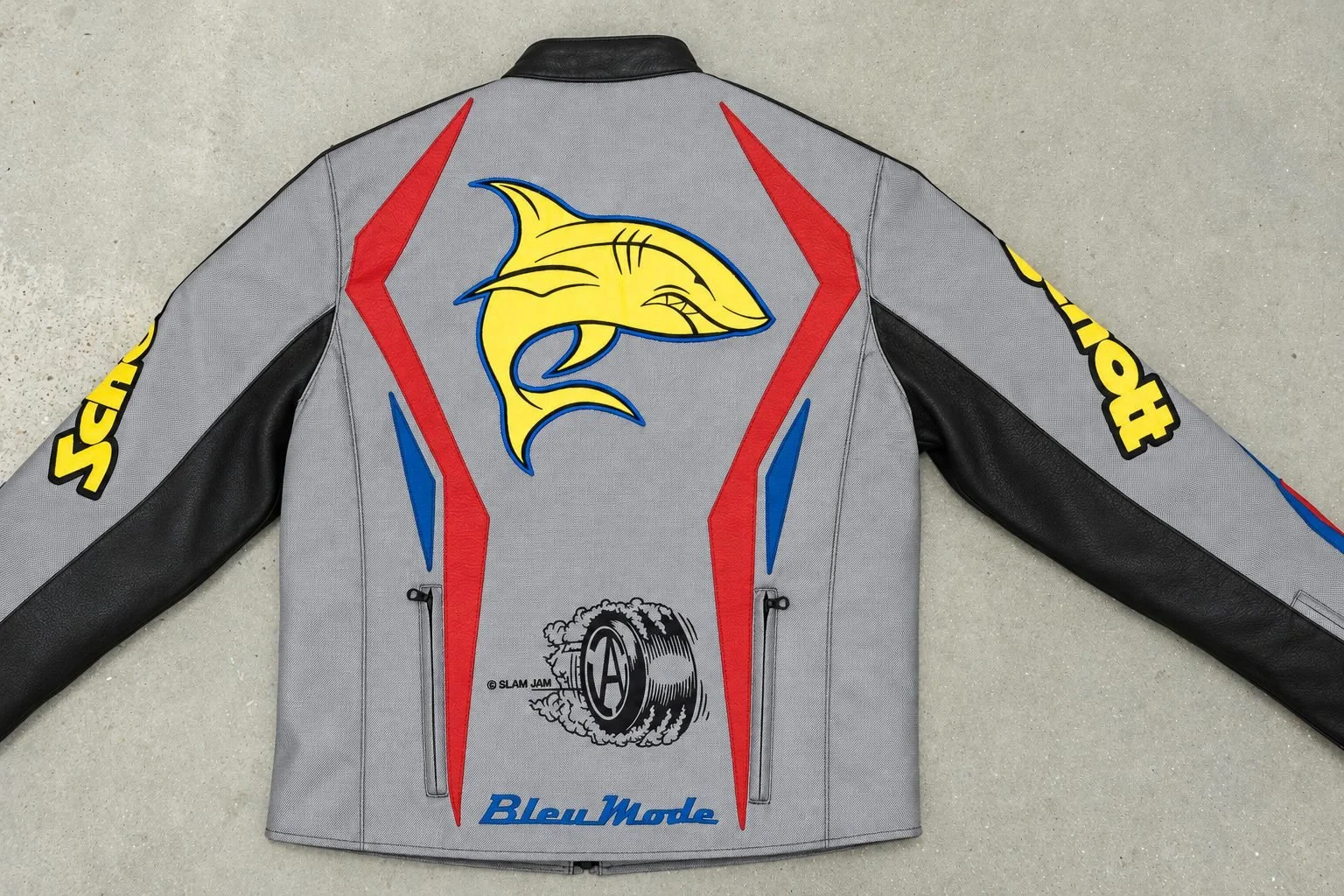
““It takes a network, it takes skills, it takes provoking luck to be on your side.””
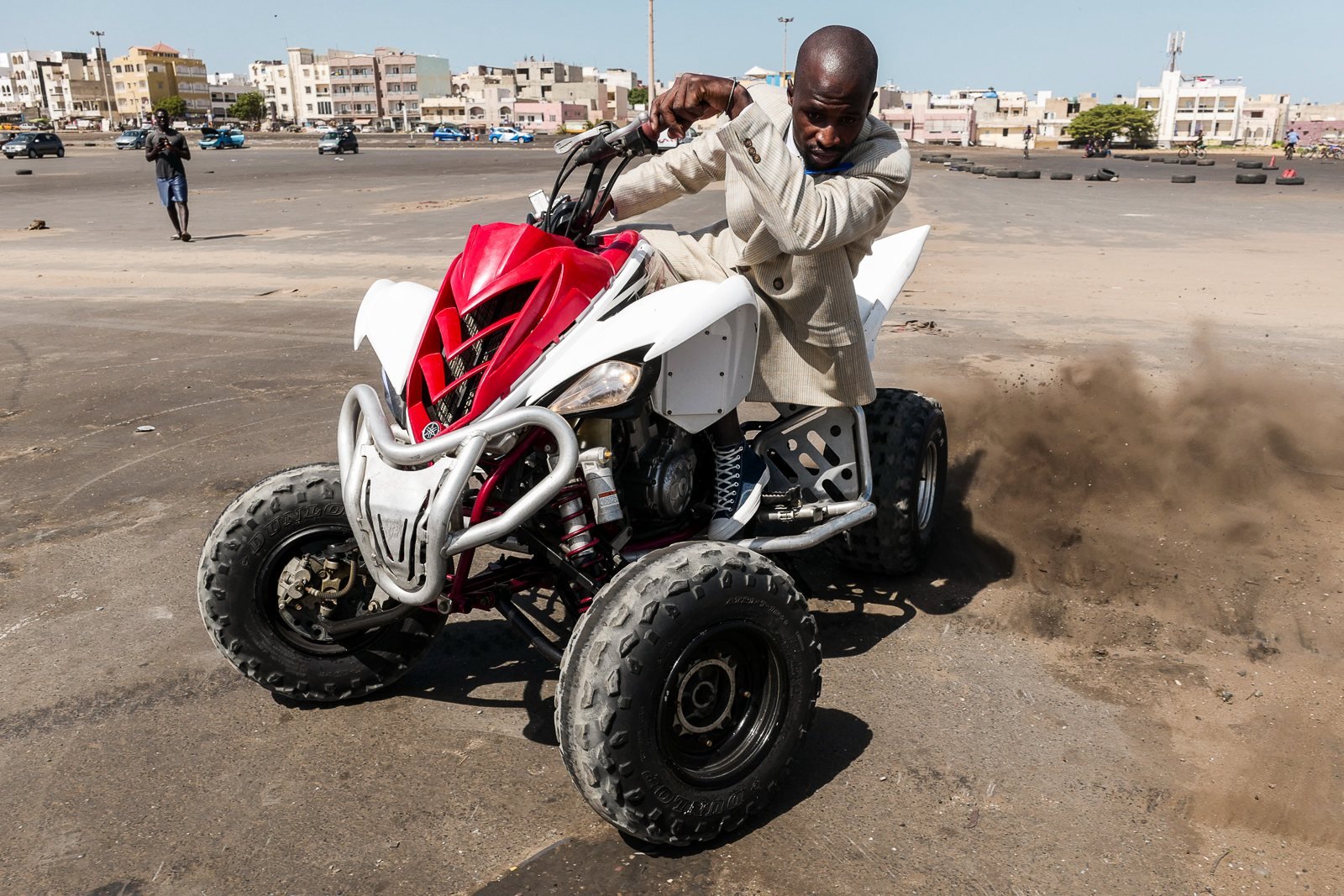
That ambition also comes with sacrifices.
It's a sacrifice. If you do this, at 25 or 30 you can't really have a personal life, because you're still on a mission and you don't have time for it. It's a choice. I had my kid at 39. I always told my mom I wouldn't have a baby before 35, because I was still on a mission. I'm still not done, but I reached a level where I could: I was financially stable, I could afford it, and I had traveled enough, even though I still travel. You have to slow down, of course. It's a sacrifice I was willing to make, because you only have so much energy and you can't do everything at once. My brother picked a whole different lifestyle, and that's fine. He had a baby earlier, a chill, regular life in my hometown, a normal job, he doesn't travel as much. If he's happy that way, fine. It's not a competition. I knew I wanted something else, so I did what I wanted to do. As simple as that.
For me life is all about learning, from doing and from meeting people. Is it the same for you?
It's a never-ending process. Today I learned some things and tomorrow I'll learn more. We keep meeting new people, traveling, finding new artists, new brands, and you keep learning. That's what I love about our job. I'd say it's more a lifestyle than a job. It's great. I'm having fun.
What is coming up next?
I'll start with the show, because it comes first. I'm part of a group show at Untitled, the fair on the beach during Art Basel Miami Beach, where I'm showing a photographic diptych. I'll be there in early December with Stems Gallery. It's a super cool show with many great artists, so I'm super happy about it. Then I'm working on a big project for 2027: my first book, ten years of work. We've been working on it since March and it's almost done. It should go to print soon and come out sometime next year, I guess before the summer. Stay tuned for more info.
With such a big archive, how do you choose what goes into the book?
It's really hard. Even now, with the book 95% done, I keep swapping photos and changing my mind: oh no, I should remove this one and put this one instead. Oh, I love that one, I want to make it bigger. There's a team working on the book with me, of course, but it's easily ten years of work to fit in. It's going to be fun. I'm super excited.
Interview by Donald Gjoka
What to read next