Gerta Xhaferaj
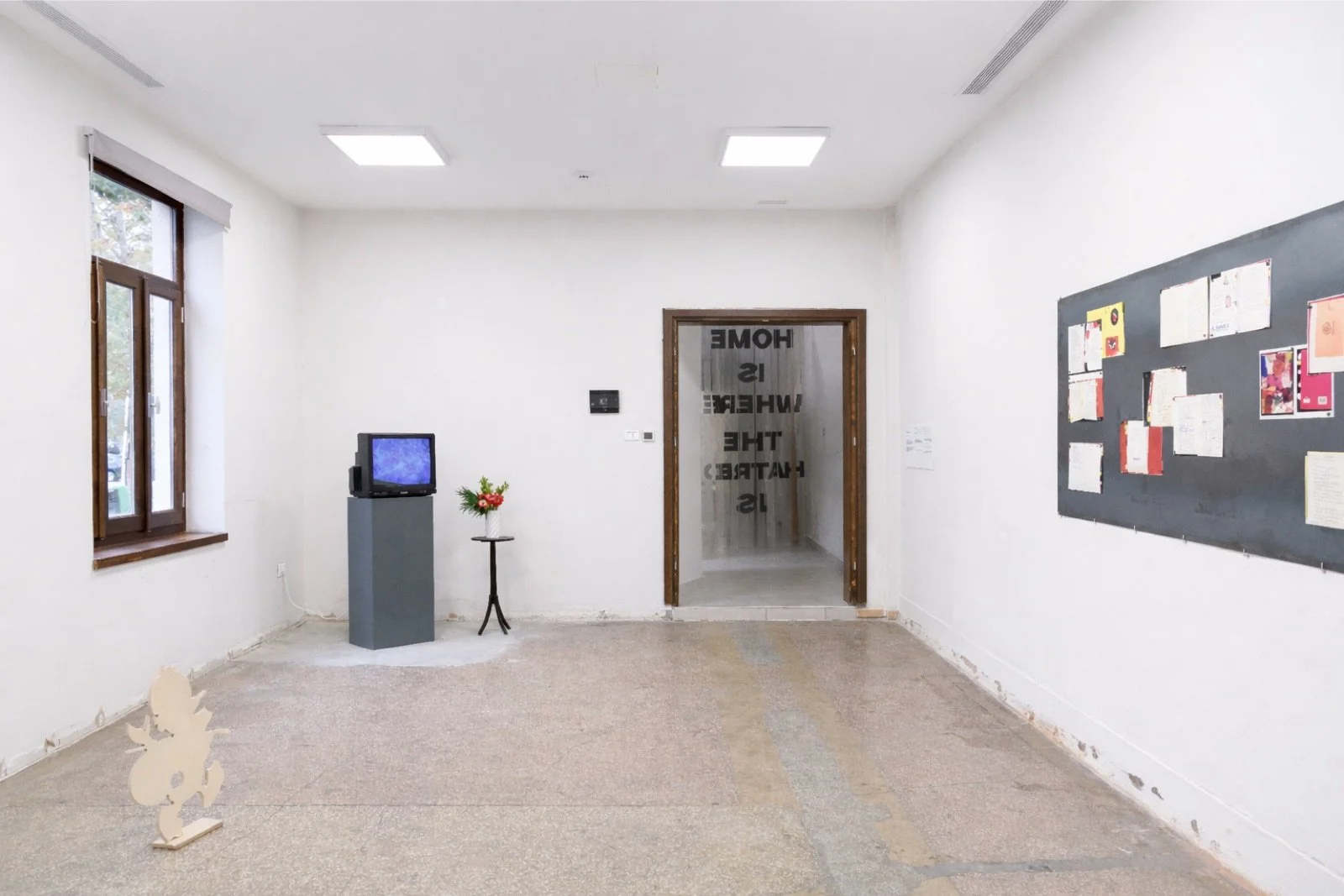
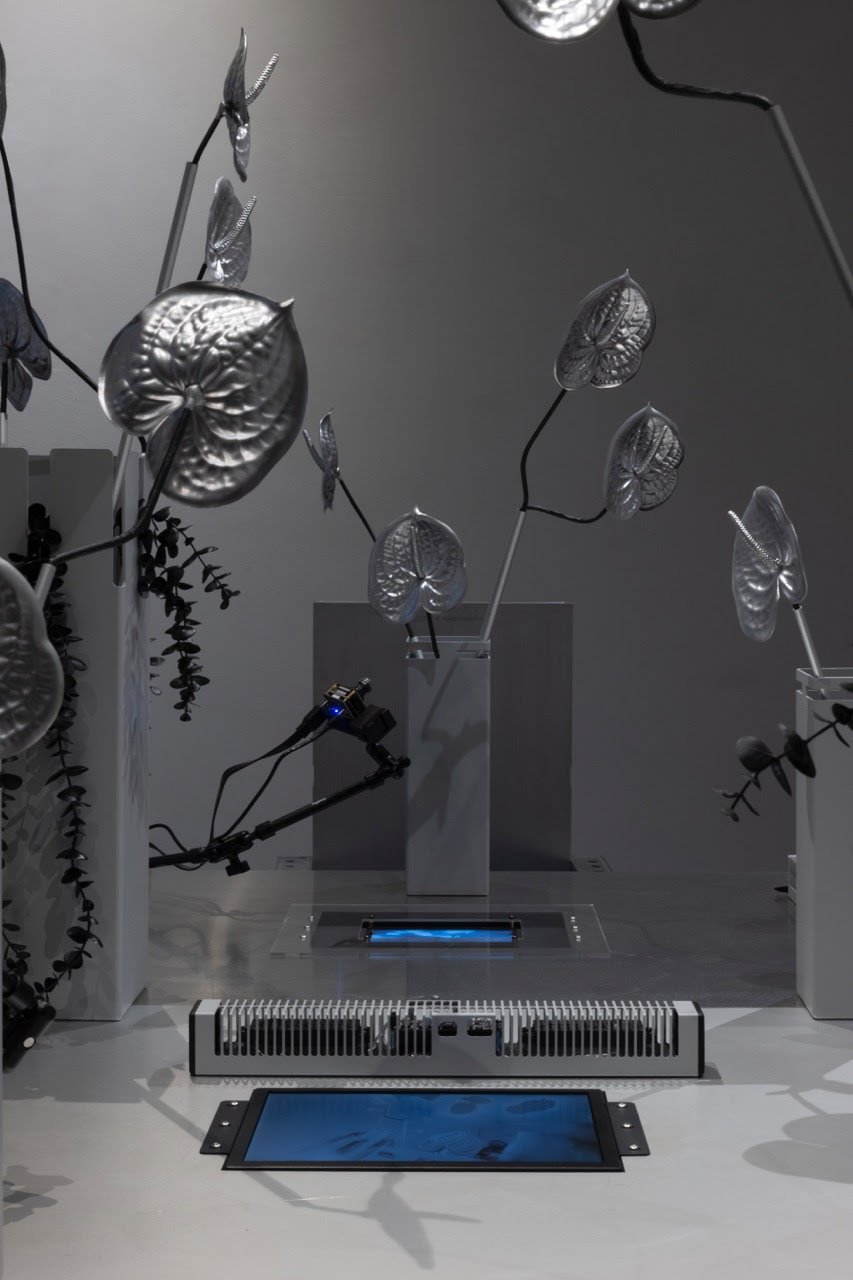
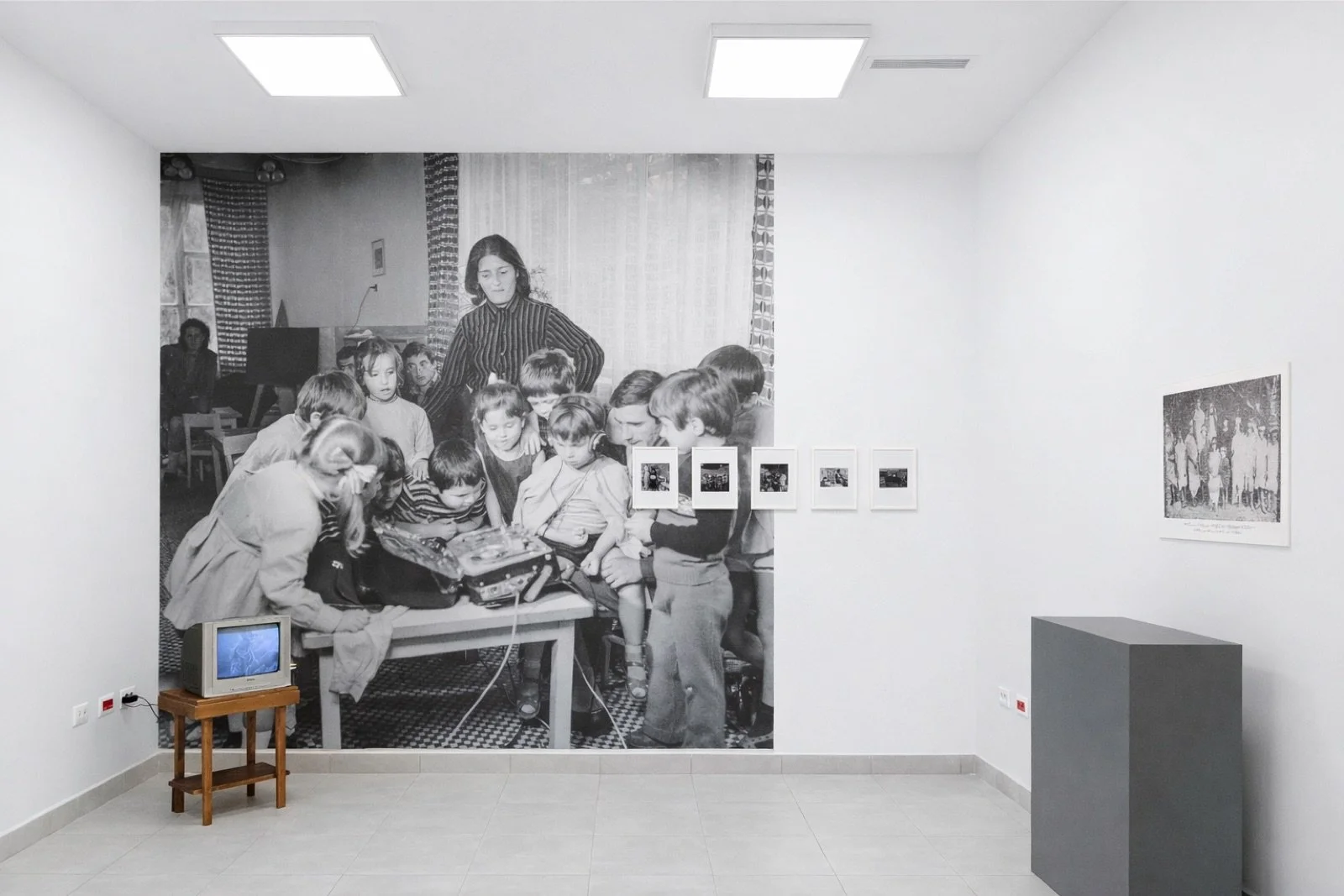
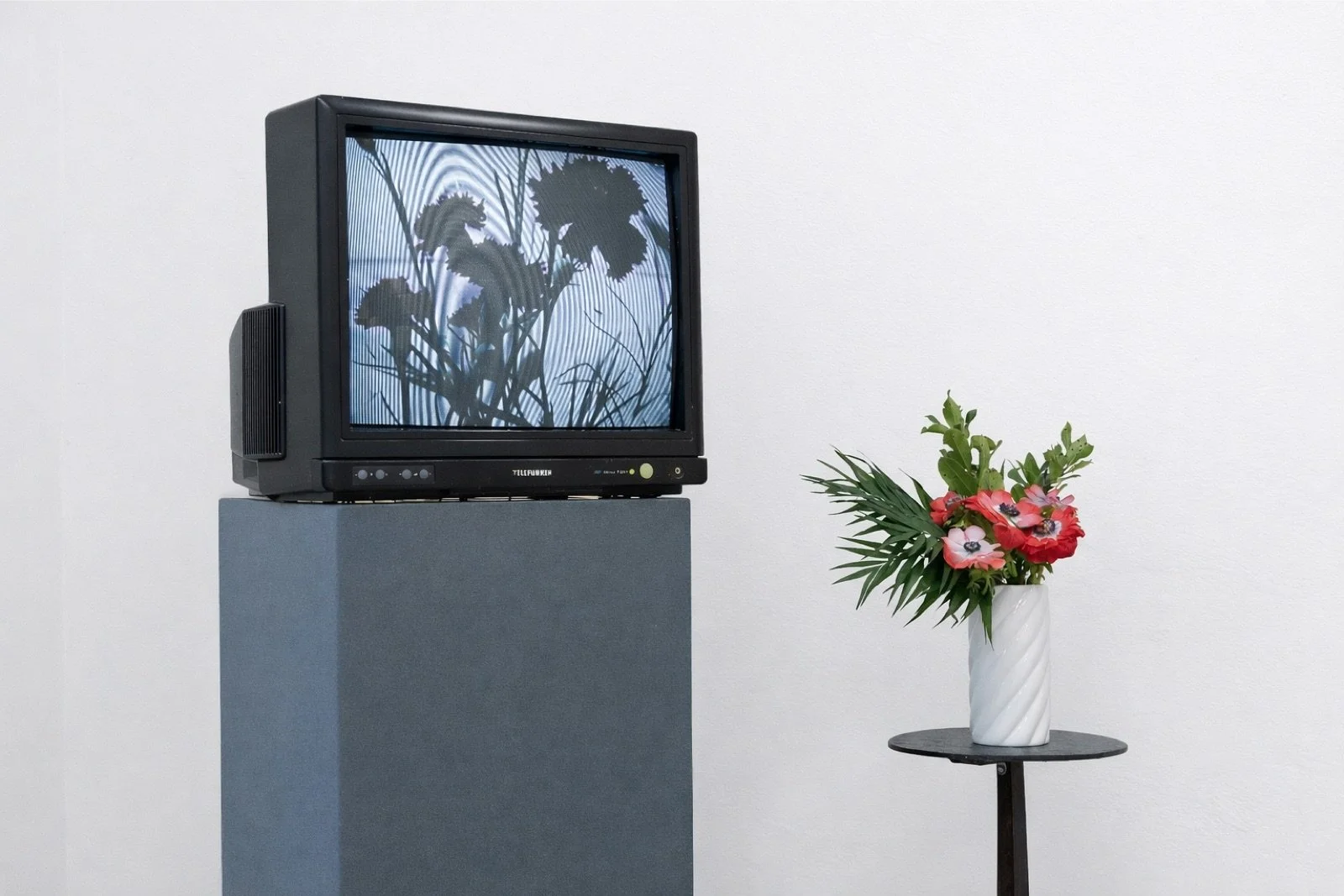
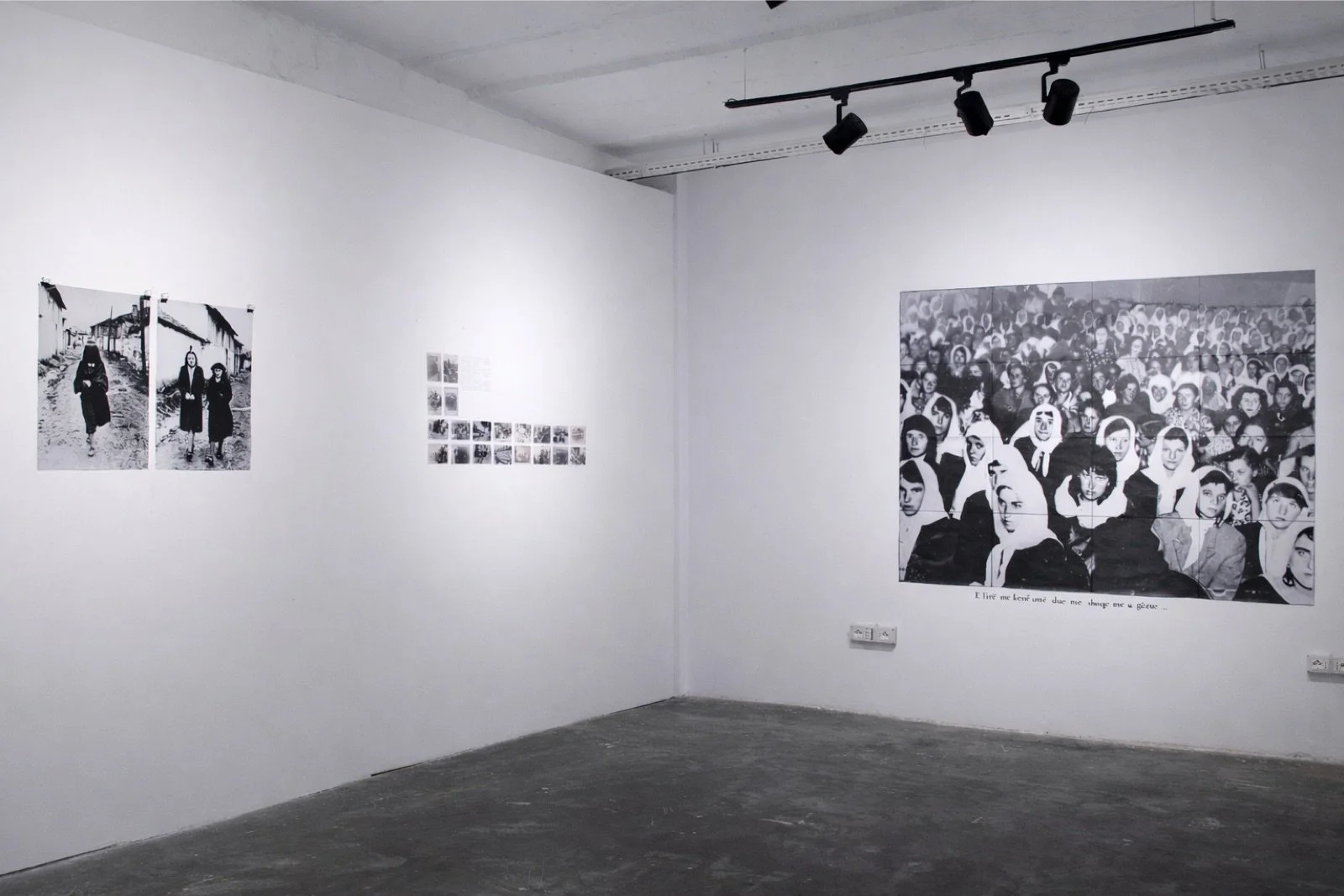
In The Censorship of Flowers, Gerta Xhaferaj works from an intimate archive recorded between childhood and adolescence, footage never meant for public circulation. When introduced into Villa AVAN, the material shed any sentimental reading and assumed the weight of evidence. Partial images, accidental gestures, and omissions entered an architecture shaped by fascist occupation, where control and political violence remain embedded in space. The villa intensified a tension already present in the footage, positioning private memory against a structure designed to discipline collective life. She extended the work into Thaka Bar, a social space shaped by repetition, habit, and shared presence. Active since the early 1990s, Thaka stands as one of the few remaining sites in Tirana where memory accumulates informally through daily use. Photographs, objects, and conversations form an archive sustained by presence rather than preservation.
Your work often exposes the fractures hidden inside domestic and urban archives. How did you approach the material in The Censorship of Flowers when bringing it into the charged environment of Villa AVAN?
The Censorship of Flowers is built from an intimate archive: more than forty-seven hours of footage I filmed as a child between 1998 and 2008. When installing the work at Villa AVAN, I approached this material not as nostalgia, but as evidence, fragmented, partial, and shaped by omission.
Villa AVAN, a building constructed during the fascist occupation of Albania, carries a heavy architectural memory tied to control and political violence. Bringing a domestic, almost naive visual archive into this space created friction. The work became less about childhood itself and more about how private memory survives inside structures that were designed to regulate, erase, or discipline collective life. The villa amplified the tension between vulnerability and authority already present in the footage.
Besides the ‘dasma’ atmosphere, the floral insertions in the footage have a specific meaning and reason of presence. They soften the image at first glance, yet they point to rupture, omission, and interference. What drew you to this strategy and how do you read its effect today?
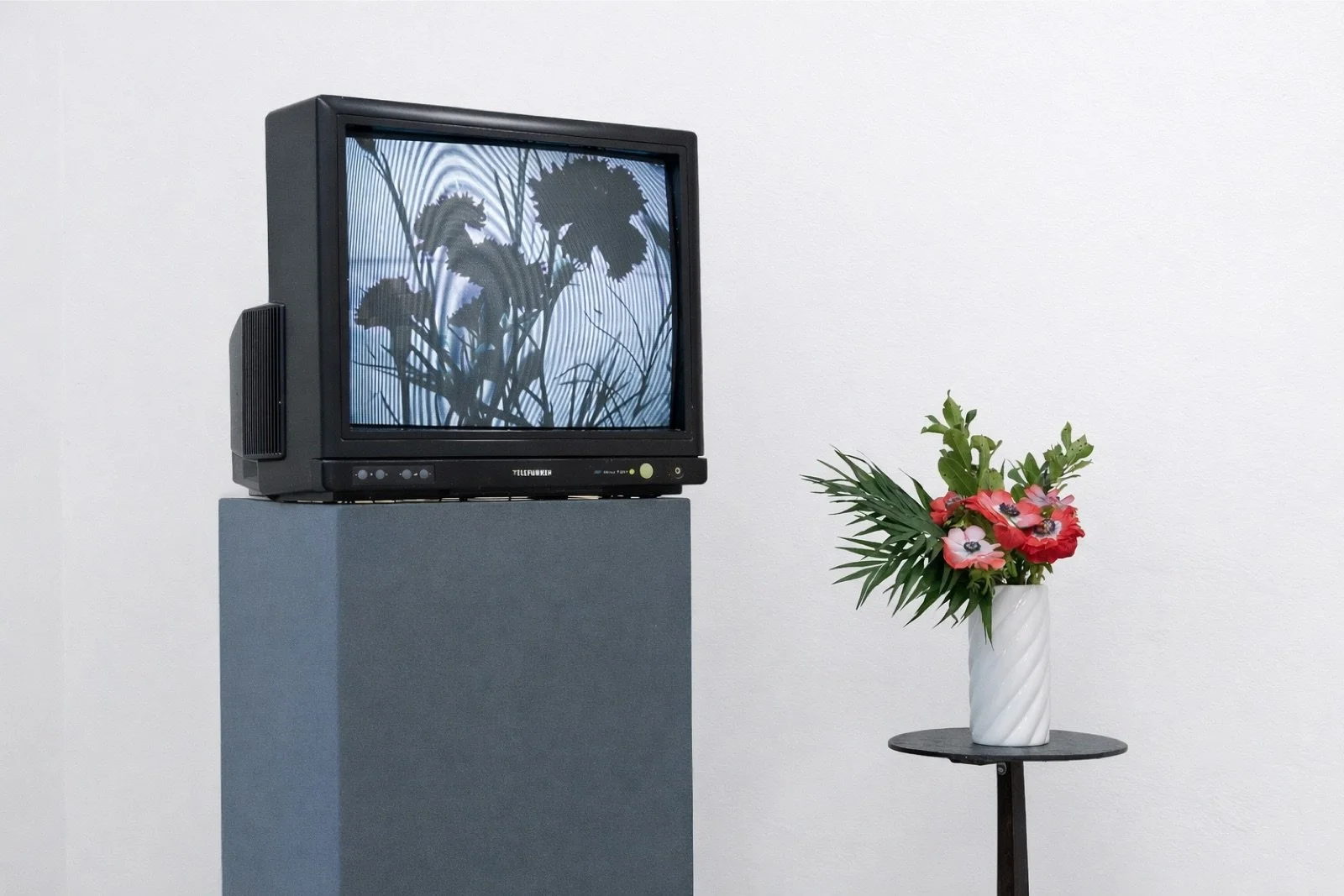
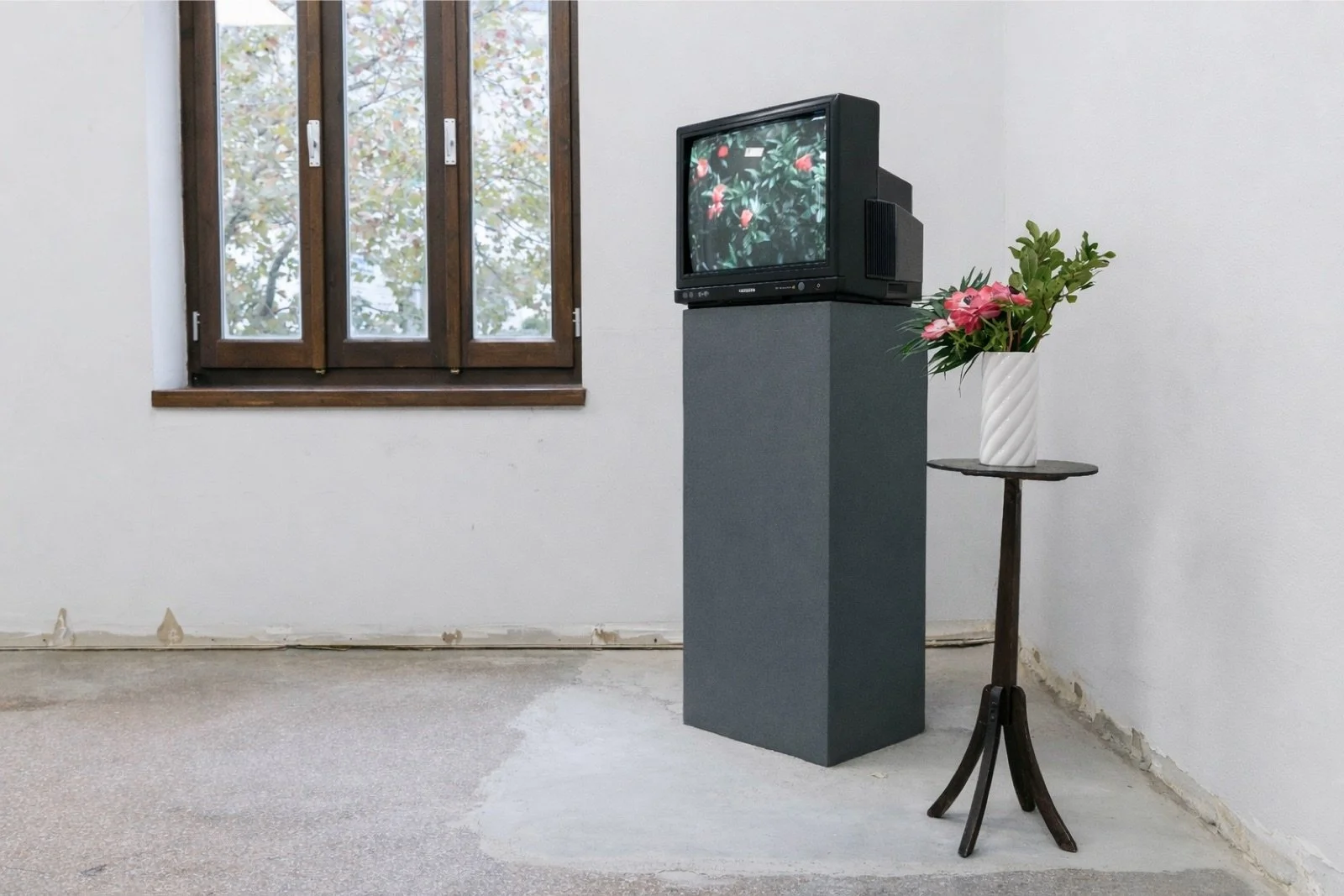
The floral elements initially appear decorative, almost celebratory, echoing the visual language of weddings and family rituals. Flowers function as interruptions: they censor, cover, and disturb the image.
This element mirrors how memory operates in post-dictatorial societies. Certain images are allowed to remain visible, while others are softened, displaced, or erased. Today, I read these floral insertions as markers of interference, gestures that reveal where something has been interrupted or withheld, rather than simply beautified.
Your intervention at Thaka Bar takes your practice into a social space where everyday people meet and enjoy a convivial moment. Why did you choose this bar, and how did you see the audience interacting with your artwork presence there?
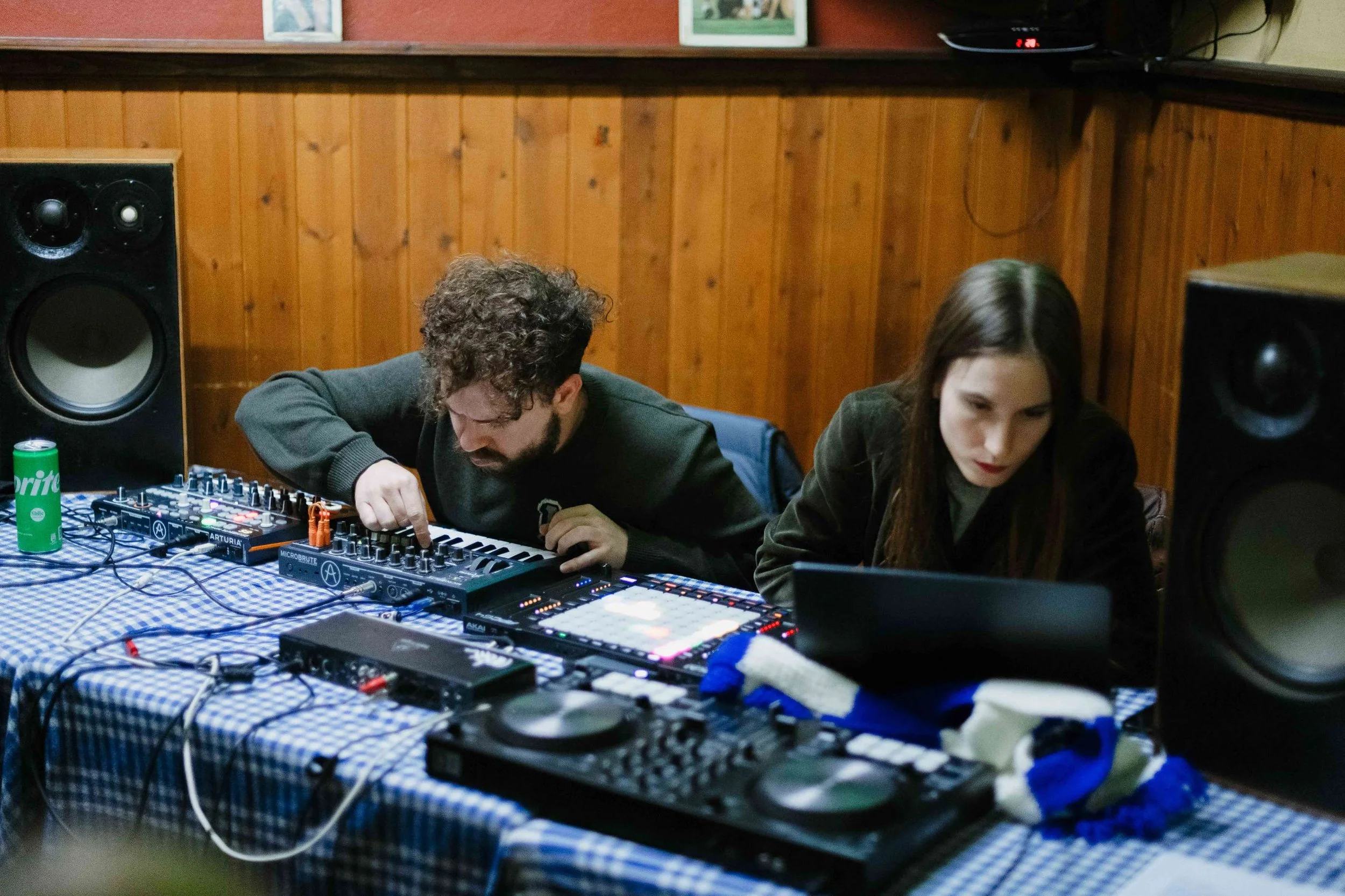
I had wanted to work with Thaka Bar for a long time. It is a place I have been going to since high school, a bar I grew up with, meeting friends, spending long afternoons and evenings there, drinking raki, and talking. For many of us, Thaka is a legendary place in Tirana, not because of official recognition, but because it has remained socially alive since 1991, just after the fall of the dictatorship, despite the city’s rapid and often violent transformations.
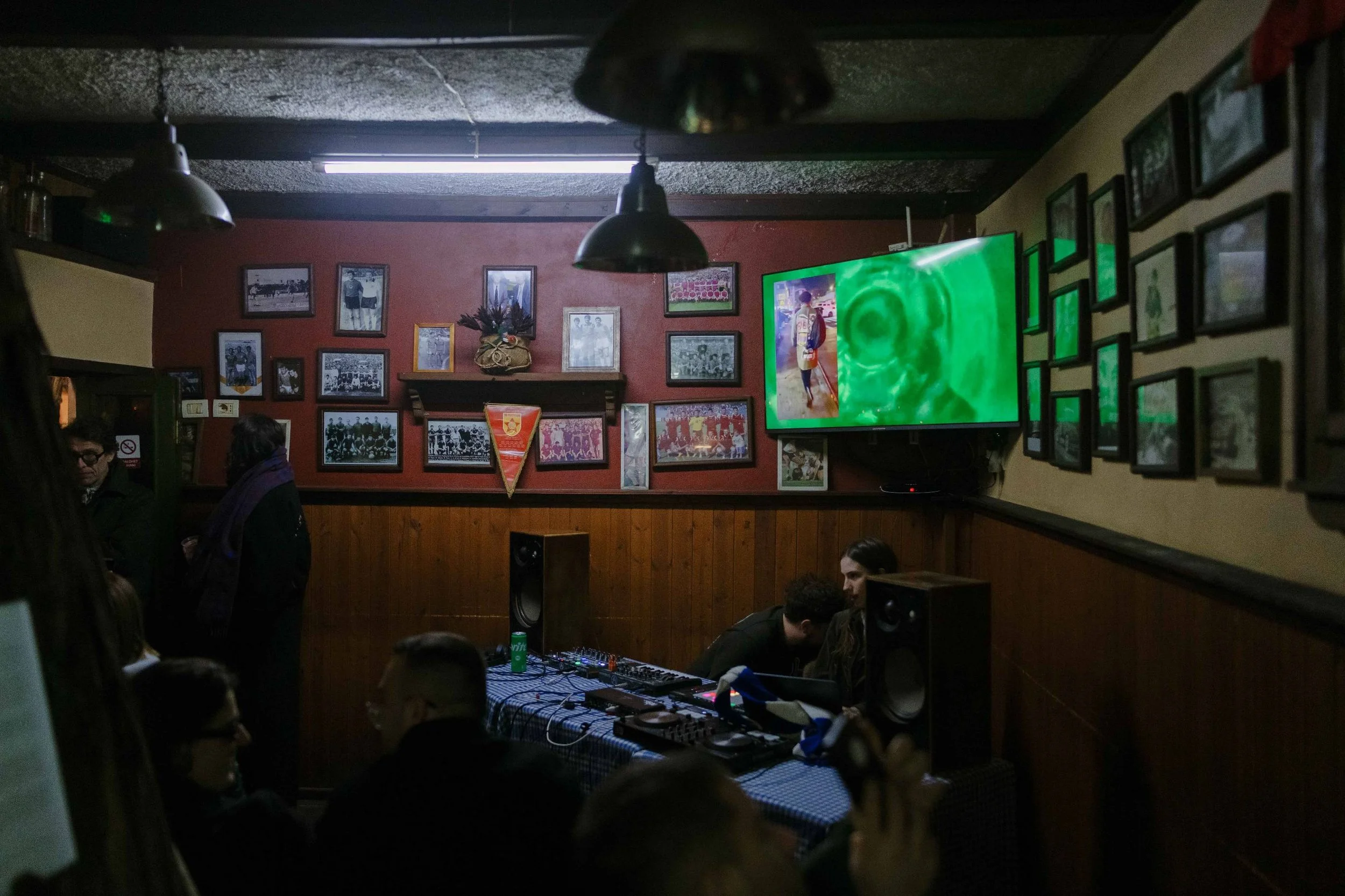
Today, Thaka is also one of the very few social spaces of its kind that has survived. Other long-standing places such as Iliria and Noel have closed in recent years, making Thaka’s continued presence even more fragile and politically charged. Its interior functions as a living archive: photographs of regulars, ironic posters, accumulated objects, and even a large eucalyptus tree growing through the space mark decades of shared presence.
Different generations coexist there former informants from the communist period, “spies,” artists, and young people who gather to drink rakia, watch the news, or simply merge into the daily rhythm of the place. Thaka is not a neutral exhibition space; it is an environment shaped by memory, habit, and continuity, resisting the erasures produced by gentrification.
The idea to activate the space emerged in a spontaneous moment on the bar’s rooftop with friends. Later, through discussions with the curator Arnold Braho, we agreed that within the framework of Tirana Art Week, and in dialogue with an international audience, it was important to bring visitors into contact with a space so deeply rooted in everyday life, rather than presenting the work only within institutional settings.
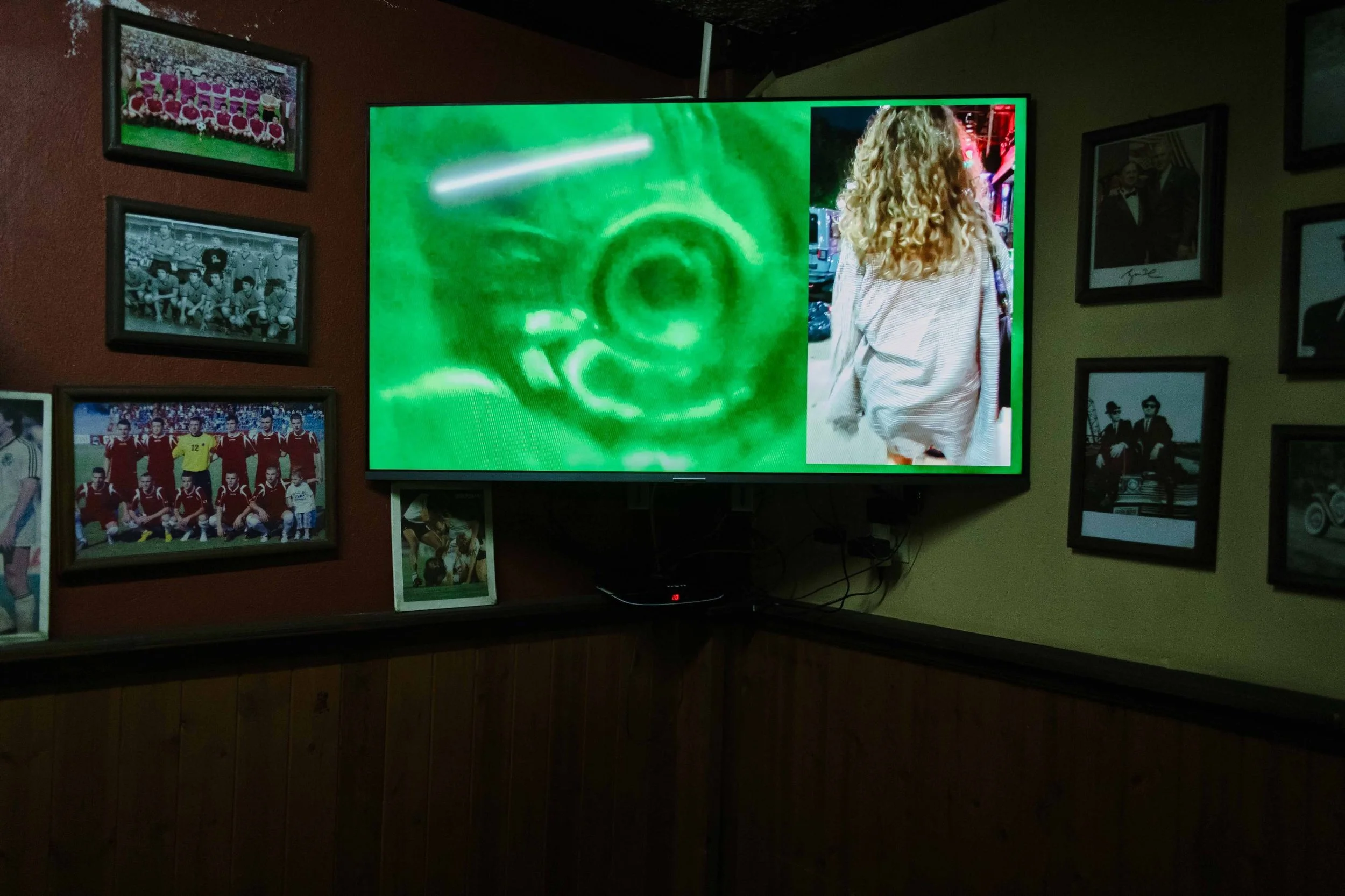
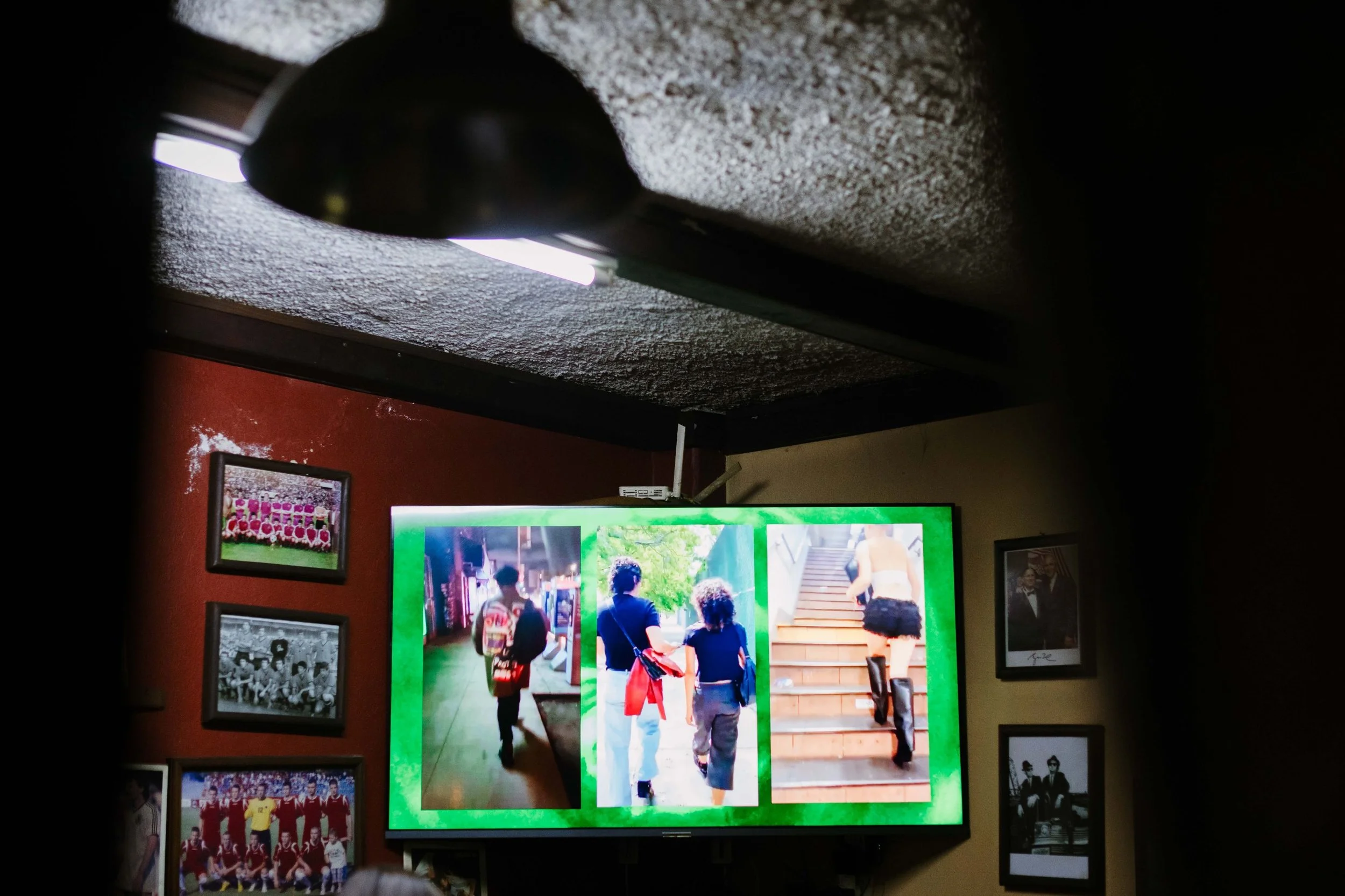
I did not want to impose an artistic framework onto the bar. I simply asked to use the screen normally dedicated to broadcasting football matches and worked with the existing tables and elements already present. The work did not demand attention; it coexisted with life.
Viewers often encountered it casually and unexpectedly, allowing it to operate from within the social fabric of the bar rather than outside it.
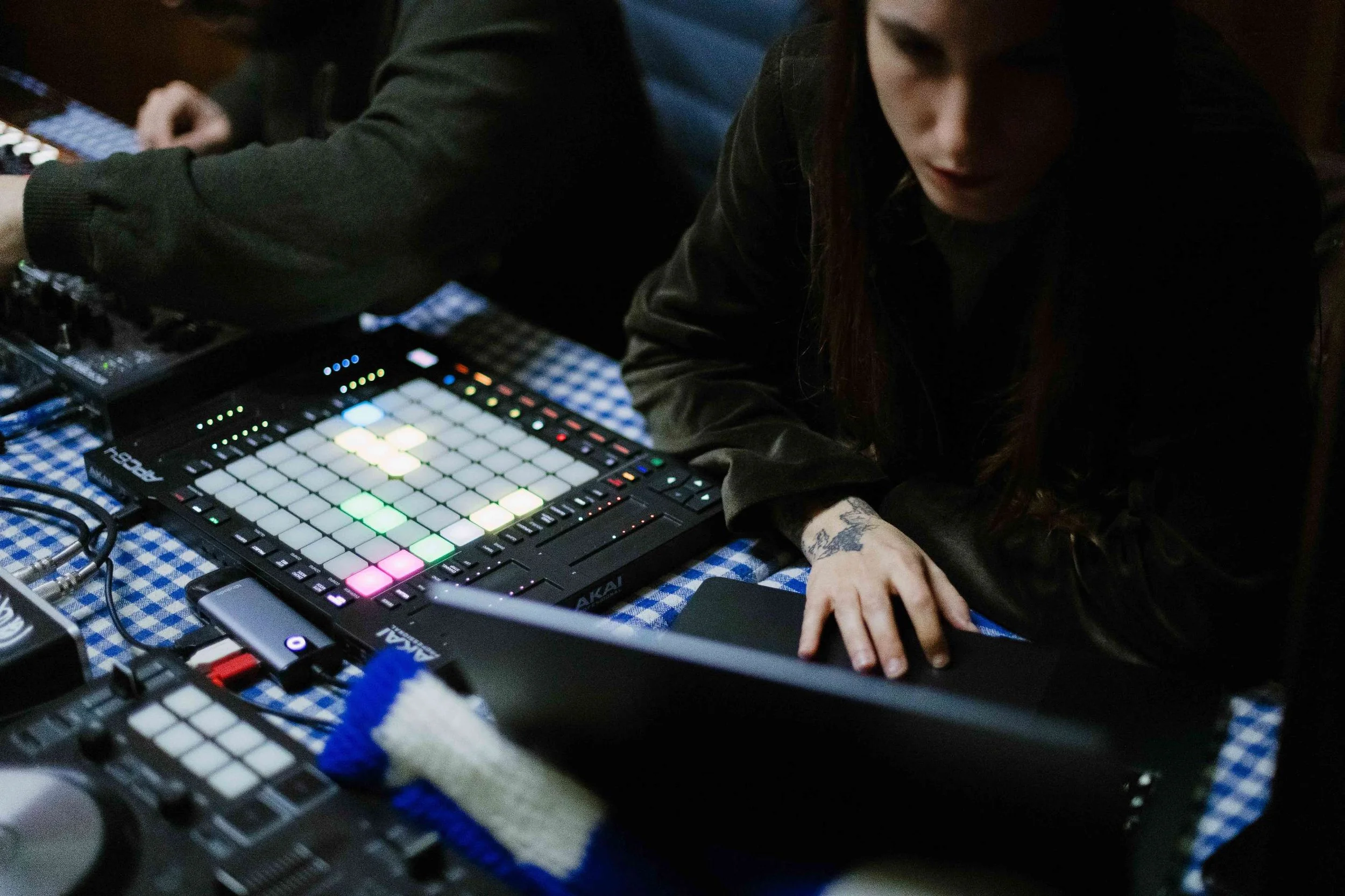
This approach was further extended through live performances by zerocase & nica2cica and Sindi Ziu, which introduced fragments of the city’s soundscape and elements of Balkan underground music. Together, these gestures allowed the intervention to remain embedded, attentive, and porous, activating Thaka not as a site to be transformed, but as one of the last remaining places where collective memory continues to be lived rather than archived.
Showing your work on a screen usually dedicated to football matches carried a strong sense of dislocation. What did you want this shift to provoke in those who frequent the bar?
The bar’s screen is normally reserved for football, an image of collective focus and repetition. By inserting my video into this context, I wanted to disrupt habitual viewing without announcing disruption.
In one scene, I filmed the bottom of a green beer bottle while dining with friends and artists from the Villa 31 Art Explora during our residency in early 2025. The green glass subtly echoes the football field viewers are used to seeing on that screen. This visual similarity creates a moment of hesitation: something feels familiar, yet clearly displaced.
Much of your work deals with erasure and the traces it leaves behind. How do you navigate the balance between revealing a wound and constructing a new lens through which to understand it?
My work is not driven by nostalgia, nor by the desire to monumentalise loss. Instead, I focus on traces, what remains after erasure has taken place. Revealing a wound does not mean reopening it; it means acknowledging its presence without aestheticising pain.
I try to construct a lens that allows viewers to recognise these traces as active forces in the present. Memory is not static, it shapes behaviour, architecture, and social relationships. By working with fragments, remains, and interruptions, I try to make absence visible without closing it into a fixed narrative.
Both Villa AVAN and Thaka are sites marked by history, each in very different ways. How did moving between these two contexts shape your own understanding of the project?
Villa AVAN and Thaka Bar represent two distinct yet interconnected modes of historical inscription. Villa AVAN, built during the fascist occupation, embodies an architecture of power, formal, imposed, and tied to political violence. Thaka, on the other hand, is a social space shaped through daily use since 1991, where memory accumulates informally through presence, repetition, and coexistence.
Moving between these sites sharpened my understanding of how history operates across architectural scales. My background in architecture influenced how I read both spaces as archives: one institutional and authoritative, the other fragile and communal. Together, they reflect the uneven transformation of Tirana, where gentrification threatens to erase precisely those spaces that sustain collective memory and social continuity.
Your practice often engages with the rapid transformation of Tirana. What role do you feel artists can take in tracing what shifts, what disappears, and what refuses to fade?
Rapid transformation in Tirana is unavoidable and deeply sensorial, it defines the city’s soundscape, its thermal conditions, and its rhythms of movement. Construction sites mark not only physical change, but social displacement, often under the language of progress and development. This phenomenon is not unique to Tirana; it reflects a broader international pattern of gentrification reshaping cities and fragmenting communities.
In this context, I believe the artist’s voice plays a crucial role. Artists cannot stop these transformations, but they can insist on visibility. Through collecting remains, activating archives, and intervening in everyday spaces, artistic practice can trace what is being lost, who is being displaced, and what forms of memory continue to resist disappearance. For me, this is a political responsibility.
Curated by ARNOLD BRAHO
Interview by DONALD GJOKA
What to read next