Moonvine
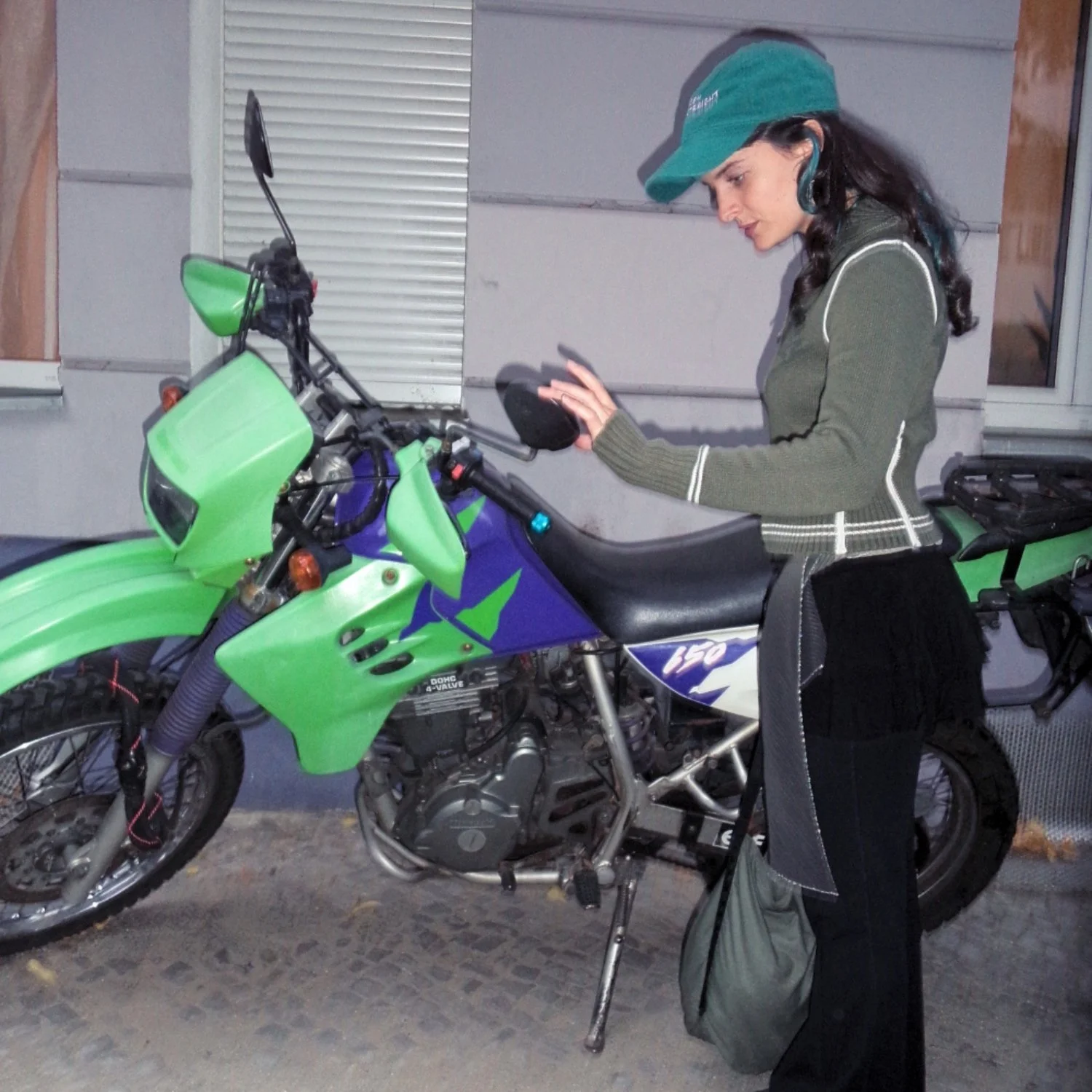
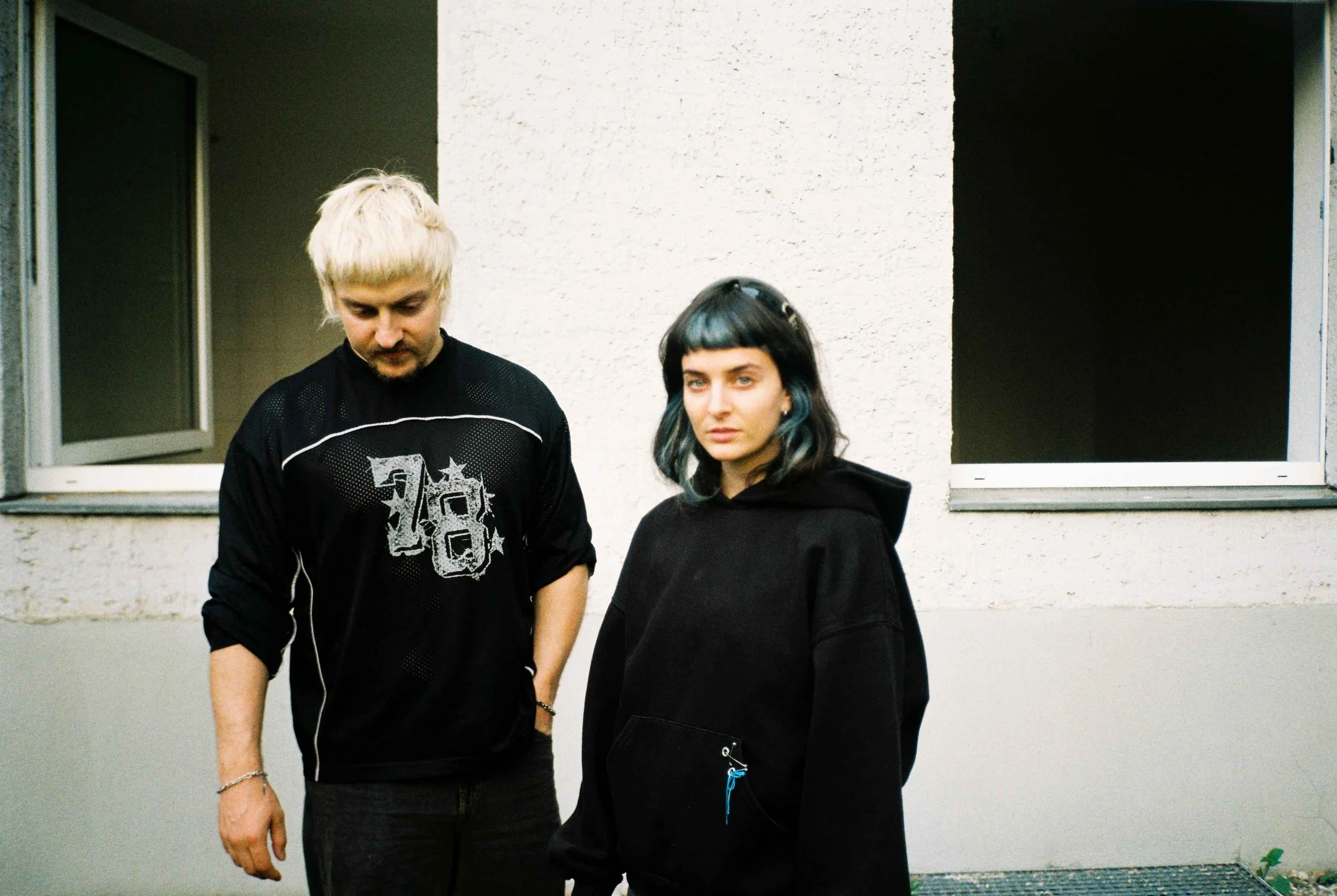
A mix of heavy bass, hypnotic synths, playful lyrics and the chaotic energy of nightlife, Selina and Dennis have created a sound that feels ideal for any dutty dancefloor. Following their breakout tracks cherry spice and catch me if you can, the duo has now released their latest single, i like what i see - a playful, confident take on attraction, vanity and self-expression. We caught up with moonvine to talk about sibling chemistry, club culture, creative freedom, Berlin and the story behind their newest release.
There's a point on most nights where things start getting a little blurry. Our phones go on airplane mode, the bass gets fattier, someone you were meant to go home with disappears into the crowd, and suddenly tomorrow feels like someone else's problem. Somewhere in that space, moonvine lives.
The Berlin-based sibling duo are only a few releases into their story, but they're already making noise exceeding the city's alternative dance underground. Their debut cherry spice landed as KCRW's Today's Top Tune, while catch me if you can has racked up more than five million views across social media. Even a 200+ person WhatsApp group suggests this isn't just people casually pressing play: there's already a little moonvine world forming around them. This past week, the duo released i like what i see, adding to their collection of dance-worthy tunes.
They're building their music around nightlife. catch me if you can, released in August, comes in three forms: the original, main, floor and afters. Three stages of the same messy, euphoric, slightly unhinged evening. Heavy bass, hypnotic synths and playful lyrics blur together until you can feel the heat coming off the dancefloor.
Now, moonvine are turning their attention back to themselves with i like what i see. It's the soundtrack to that very specific kind of confidence you get when you catch yourself in the mirror before heading out and think, yeah, I look good. Selina's mischievous lyrics loop until they become almost obsessive, while Dennis layers energetic drums, synths and strange little electronic details underneath. The result is polished, punchy and just self-absorbed enough.
It's a different side to the duo, but the same instinct is there: take a feeling and push it until it becomes a world of its own. As siblings, Selina and Dennis have spent their lives sharing music, but approach it from opposite ends. Selina through lyrics and emotion, Dennis through rhythm, texture and production.
With Berlin nightlife woven through their sound, moonvine aren't trying to tell you exactly what the night means, but to give their perspective through sound. In the interview below with Coeval Magazine, they invite their fanbase into it and let you decide what happens after.
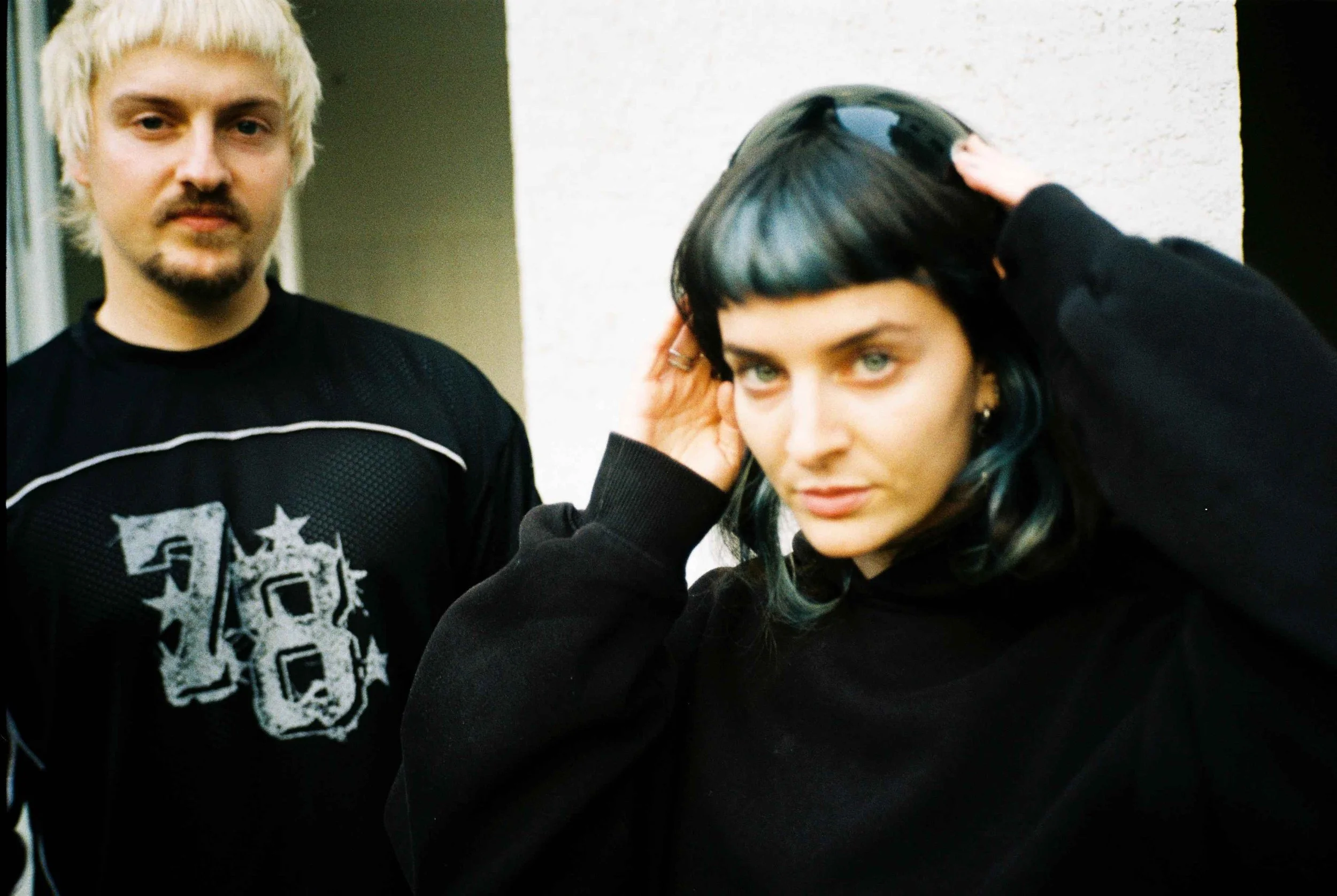
You're siblings; you have the beauty of a lifelong creative collaborator. What is a quality about each other that drives you both to create the studio?
For us, it's less about one specific quality in each other and more about what we unlock in each other. Dennis brings this really playful, surreal energy into the studio. He'll follow an idea just because it's weird or intriguing, and suddenly anything feels possible. His childlike curiosity mixes with a brain that's constantly making connections.
Selina has a really strong instinct for what feels emotionally true. She can cut through all of those possibilities and somehow know when something actually feels like us. She brings a lot of sensitivity and intention to what we make, but she's also completely willing to go somewhere strange if it feels right. That balance between instinct and experimentation is a huge part of our sound.
And underneath it all is the trust we've built from growing up together. We've seen each other through so many different versions of ourselves that there's very little self-consciousness when we make music. We don't have to perform a certain version of ourselves for each other.
That means there really aren't many rules in the studio. We can be strange, serious, emotional, funny, confident, whatever the music needs that day. I think that freedom, and the fact that we naturally pull different things out of each other, is a huge part of why we keep wanting to create together.
I can tell from all of your music that you both adore the rave scene and dance music; where did this love of the culture come from?
We came to dance music from slightly different angles. Dennis was obsessed with electronic music and production from a really young age, while Selina connected to it more through dancing and the feeling of being in a crowd.
What we both love about Berlin club culture is how personal the experience can be. It's really about your own relationship with the music.
You can disappear into it completely. There's less pressure to perform, impress anyone or become some version of yourself for the night. You can just be there, move however you want, and let the music take over.
We think that feeling naturally feeds into moonvine too. We want the music to feel physical and social, but also very personal. Something you can lose yourself in.
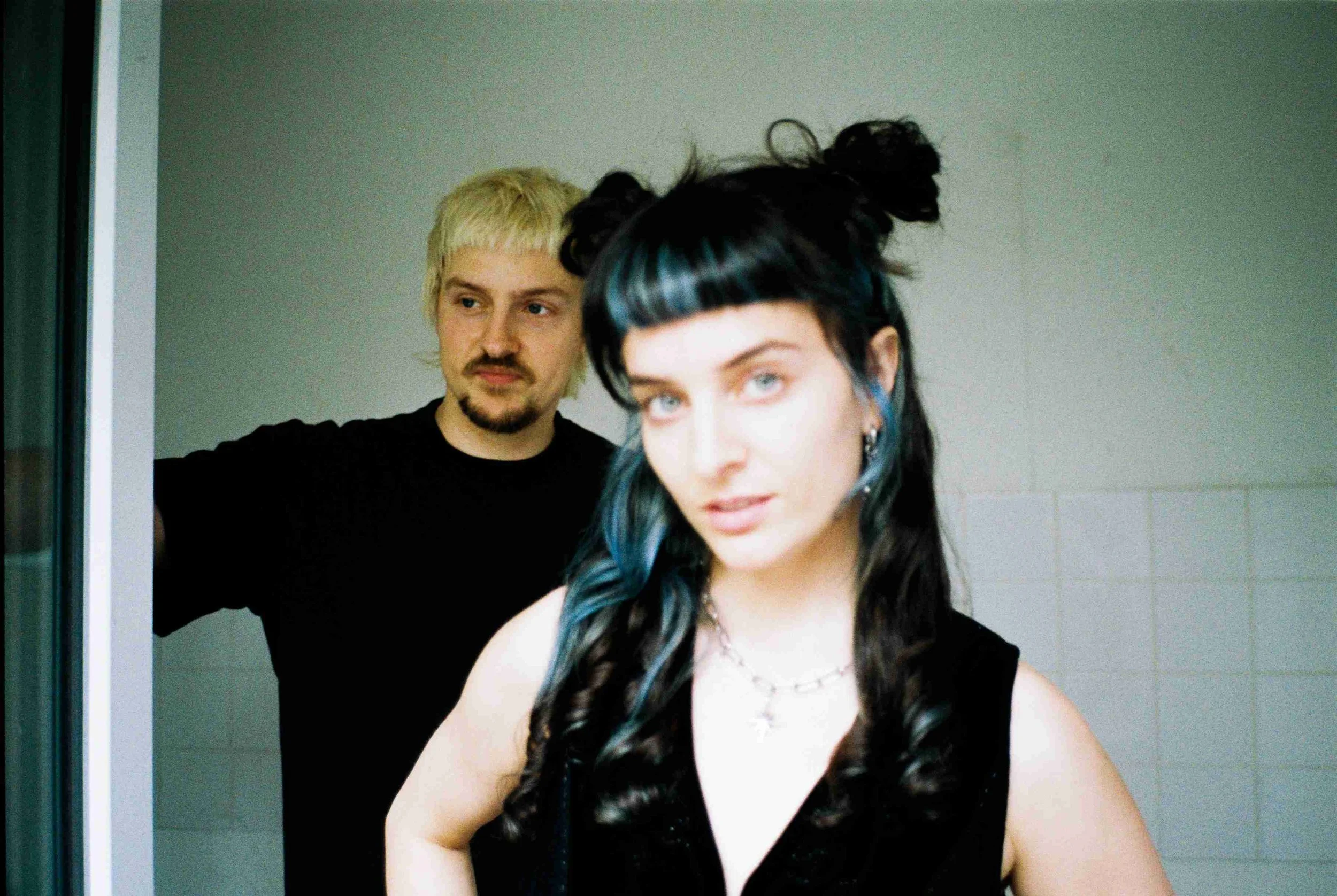
The latest offering (which dropped in August), "Catch Me If You Can", is full of strong beats perfect for the dancefloor. I love how you added 'main floor' and 'afters' within 2 tracks; tell us more about that creative choice.
The original Catch Me If You Can started with this image of a night out during a heatwave. Everything felt heightened, chaotic, flirtatious and a little careless. Everyone wants something from you, but you're so swept up in the night that you become completely carefree.
The song has a push-and-pull feel: you're available, but also impossible to catch.
Someone has your number, but you're already on airplane mode. Even the phrase "catch me if you can" feels less like a challenge and more like a playful invitation.
While making it, we realised there were different sides of that same feeling we wanted to explore. That led us to follow the night through different stages rather than treating it as just one track.
Main floor takes it into the peak of the night, with techno drums, low-end rumbles, hypnotic synths and this relentless forward motion. It's the moment when you're completely inside the crowd and the night feels unstoppable.
Afters does almost the opposite. Everything slows down and becomes blurry, with more distortion and washed-out textures. It feels like the night's memories are dissolving as the sun starts to come up.
So we never really thought of them as remixes. To us, they're three different moments of the same night.
Selina, you start with the lyrics and feeling, but Dennis, you start with rhythm, texture and production. Do you ever disagree on what a song needs, and how do you come to agree?
We actually have very similar tastes, so we don't disagree that often. When we do, we trust each other enough to really hear the other person out. A lot of the time we'll try both ideas rather than debate them for too long. Once you hear something in the song, it usually becomes pretty obvious what feels right.
Our roles aren't as fixed as they might seem either. Dennis can push an emotional idea or a lyric, and Selina can be very opinionated about a rhythm, sound, or production choice. We're constantly crossing into each other's worlds.
We've known each other our entire lives, so there's a familiarity there, but creatively it never feels completely predictable. We think that's a big part of why it works.
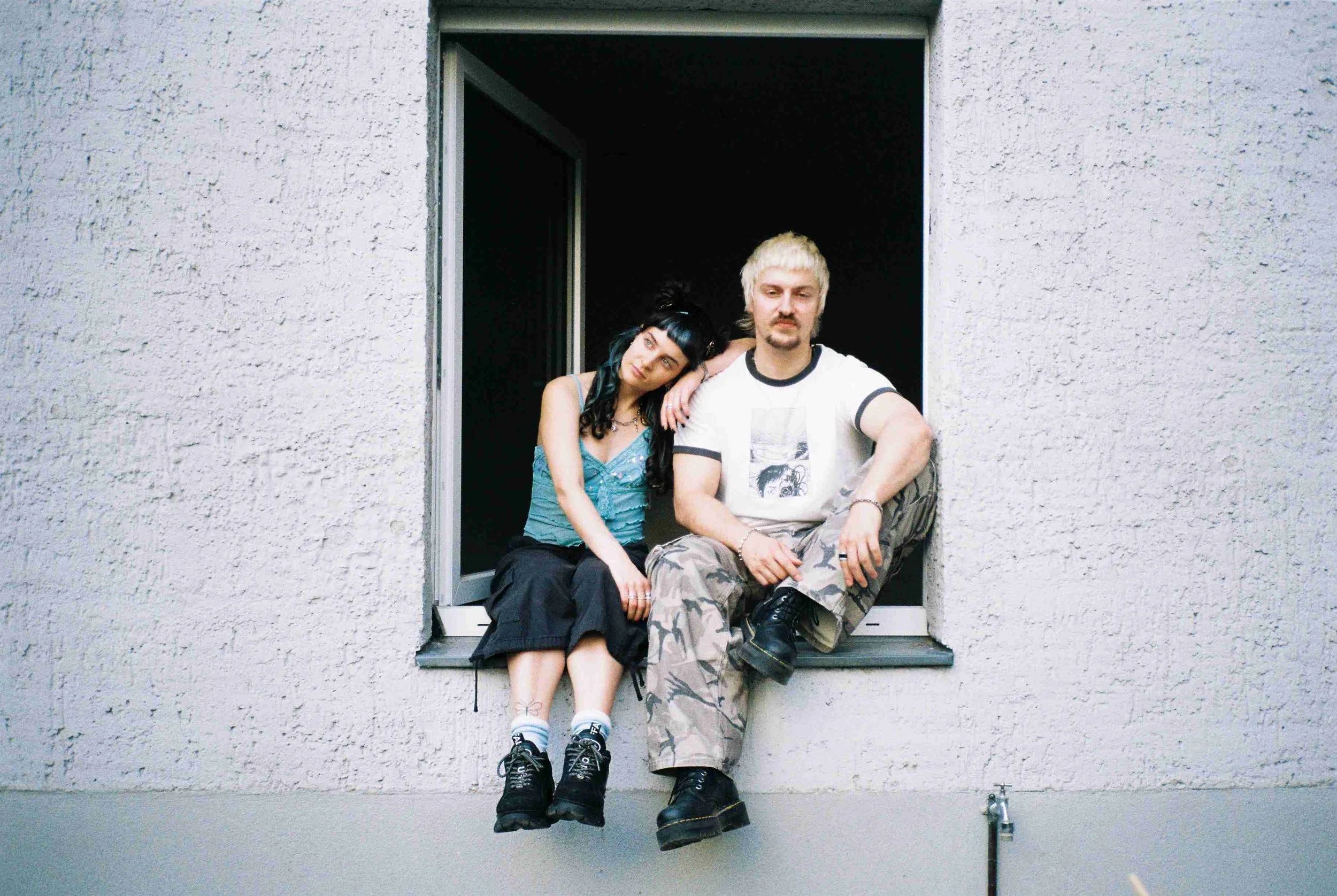
There's a real sense of control in these latest tracks, but it's also slightly mischievous, almost "I know something you don't" energy. Where does that mood come from?
We've always been drawn to things that feel confident without overexplaining themselves. There's something fun about leaving a little bit unresolved, whether that's in a lyric, a strange sound or a production choice that makes you wonder what's going on.
We also like the tension between something feeling very controlled and then having one element that's slightly weird, playful or off. It keeps the music from taking itself too seriously.
Berlin probably feeds into that too. We love how something can feel beautiful, intimate, and inviting while still having a darker, slightly mysterious side. Those different energies can exist within the same place, sometimes within the same night.
That "I know something you don't" feeling probably comes from all of that. We like giving you enough to pull you in, but not necessarily telling you everything.
Am I guessing you both grew up obsessed with the same records? What's one song you could put on right now that instantly explains why moonvine exists?
We actually didn't listen to the same records growing up, which makes it even more interesting that we ended up making music together. Still, our tastes overlapped on some artists and songs. We'd probably pick two more recent songs: Feisty and Talk of the Town by Fred again..
Feisty inspired us a lot because of how the different bass sounds play together, while Talk of the Town has a cheekiness we love, thanks to its super-phased bass, which gives it so much character. The drums in both songs make you want to step left, right, left, right and walk with way too much confidence.
We're really drawn to how rhythm- and bass-focused they are. They don't rely on loads of melodic synths to create energy, and the core ideas are actually pretty simple. A lot of the personality comes from how those few elements are played, processed and arranged, plus these really confident vocal performances.
That combination of rhythm, bass, attitude, and slightly weird sounds is something we really connect with.
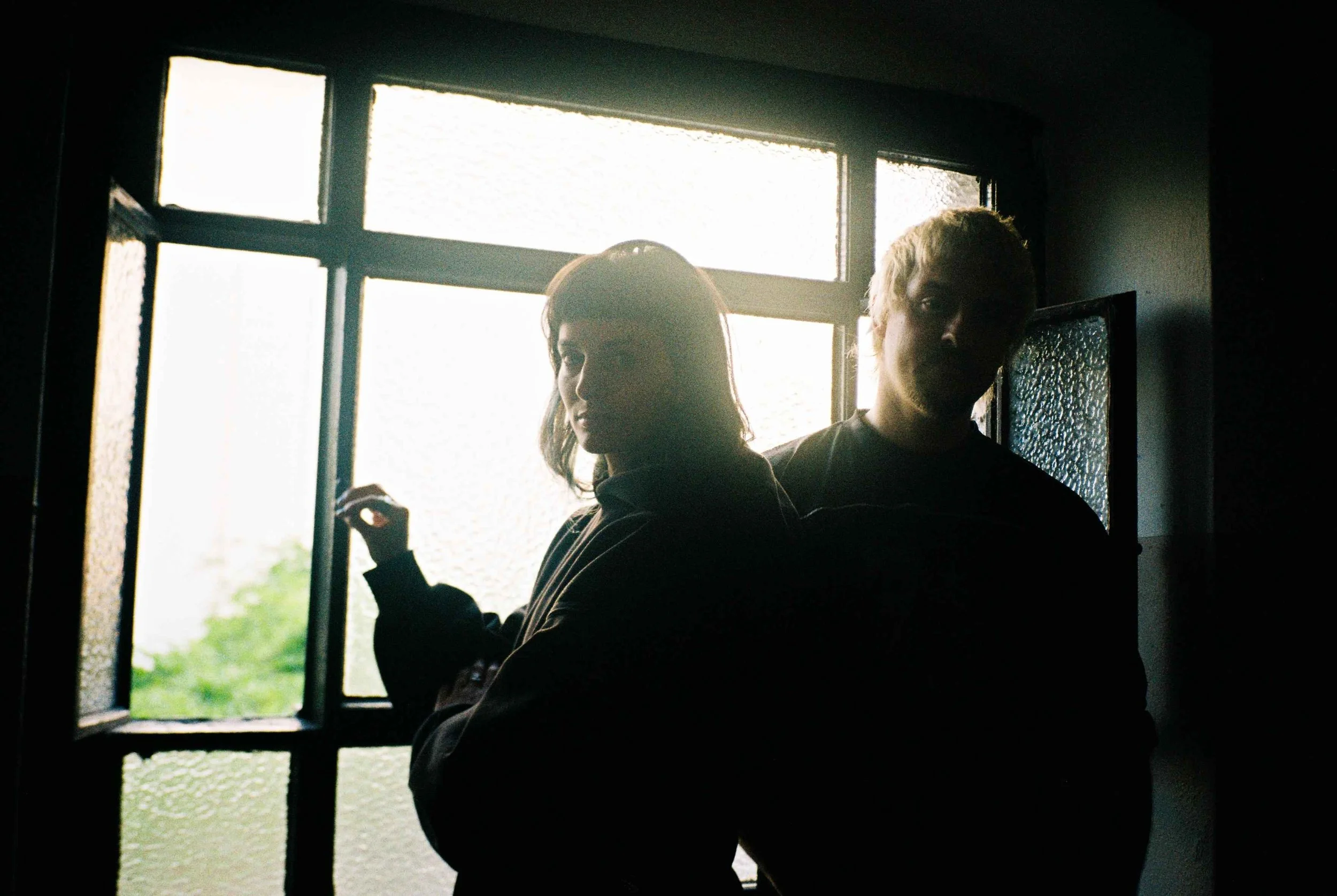
You're Berlin-based, but what does Berlin actually contribute to moonvine? Is there something about the city's nightlife that you couldn't make this music without?
Berlin nightlife writes a lot of our stories. You can spend an entire day inside a club, lose track of time, meet completely different kinds of people and hear little fragments of their lives. It puts you in a very present state where you can disappear into the experience.
We also love the city's contradictions. It can feel beautiful and ugly, intimate and isolating, controlled and completely chaotic, sometimes all within the same night. Those opposites naturally find their way into the music.
Berlin has also taught us to be less self-conscious creatively. There's a freedom here to be strange, to try things and not explain yourself too much. We don't know if moonvine would sound the same without spending time here.
There's something unapologetic about the latest single "I Like What I See". Do you think confidence is something you've always had, or is it something you've had to learn to own?
We think confidence is something you learn to own. For example, growing up, Selina often felt like the odd one out and tried really hard to fit in or "fix" the parts of herself that didn't. Moving to South Africa at 13 changed something. She started realising that the things that made her different didn't need to be fixed. They could actually be the things she loved most about herself, and often the things that make you stand out are the things that make you interesting in the first place.
We've both had versions of that experience. There are obviously times when we feel more confident than others, but we think real confidence comes from a deeper place of self-acceptance... knowing your flaws and quirks and liking yourself with all of them still intact.
We've also realised that confidence and self-expression feed each other. The more we let ourselves express who we are through music, clothes or whatever else, the more confident we become. And that confidence makes it easier to express ourselves even more.
So you don't necessarily have to wait until you feel completely confident to start showing people who you are. Sometimes you have to feel a little uncomfortable first. The more you do it, the more natural it becomes.
That's probably where some of the unapologetic energy in I Like What I See comes from. It's about knowing what you like, trusting that, and allowing yourself to own it.
The song plays with vanity in a really fun way. What's the story behind that?
The lyrics came from a moment Selina had in a park in Berlin. She was sitting with a friend when this cute girl kept walking past her. She caught Selina looking twice, and Selina immediately said, "I only look twice when I like what I see." Then the girl looked back, and suddenly the line was: "I like what I see 'cause she's looking at me."
That became the song's whole energy. It's a little vain, a little flirtatious, but mostly playful. Something is exciting about realising the curiosity is mutual. You're looking at someone, then suddenly you realise they're looking back.
We also leaned into repetition quite a lot. The same phrases keep coming back, almost like looking twice. You notice something, look again, and then keep looking. That repetition becomes part of the flirtation.
By the end, the confidence has almost taken on a life of its own. What starts as a tiny moment of attraction becomes something much more exaggerated and euphoric.
Interview by Izabel Rose
What to read next