Porous Kinship Exhibition at Artopia Gallery

Installation View at Artopia, courtesy the artists and Artopia Gallery, Milano
There is a particular arrogance in the way we have learned to stand apart from the world. To look at a stone and see decoration. To look at a forest and see resource. Porous Kinship refuses that posture entirely. Curated by Maddalena Iodice, the exhibition gathers five international artists: Kesewa Aboah, Alberte Agerskov, Aléa, Dimitra Charamandas, and Diana Policarpo, whose practices share a refusal to treat the human body as the fixed center of anything. Instead, the body appears here as it perhaps always was: porous, mineral, implicated. Made of the same stuff as the rock, the root, the mycelium thread working silently through soil.
The philosophical stakes are real. Drawing from Karen Barad's material feminism, Gregory Bateson's systems ecology, and the somatic traditions of choreographers like Anna Halprin, the show asks what kind of knowledge becomes available when we stop insisting on the skin as a limit. Aboah's pigment-pressed canvases record the pressure between body and surface as mutual inscription. Agerskov lets calcite and acidic water alter one another without hierarchy. The duo Aléa hands over authorship, in part, to mycelium, an organism that digests, restructures, and thinks in patterns no industrial logic can replicate.

Installation View at Artopia, courtesy the artists and Artopia Gallery, Milano

Installation View at Artopia, courtesy the artists and Artopia Gallery, Milano
“Skin, mineral, mycelium, stone. Porous Kinship recovers the sensory intelligence we surrendered to the illusion of human separateness. Matter, it turns out, was always looking back.”

Installation View at Artopia, Dimitra Charamandas, Terraces, outfields (Nadia), 2025, Dimitra Charamandas, Membrane, 2024, courtesy the artist and Artopia Gallery, Milano

Installation View at Artopia, Alberte Agerskov, MP Mutual Pressure, 2026, courtesy the artist and Artopia Gallery, Milano
Charamandas paints geological formations as if they were emotional states, or the other way around. The ambiguity is the point. And Policarpo gives voice to an island in the Selvagens archipelago, letting the land narrate its own history of erosion, adaptation, and endurance.

Installation View at Artopia, Aléa Work, Mycelial Pattern N.7 (detail), 2026, Courtesy the artist and Artopia Gallery, Milano

Installation View at Artopia, Aléa Work, Mycelial Pattern N.7 (detail), 2026, Courtesy the artist and Artopia Gallery, Milano

Installation View at Artopia, Aléa Work, Mycelial Pattern N.7 (detail), 2026, Courtesy the artist and Artopia Gallery, Milano
“What if the body already knew it was part rock, part fungus, part sea? These five artists make that knowledge visible, and uncomfortable, and necessary.”
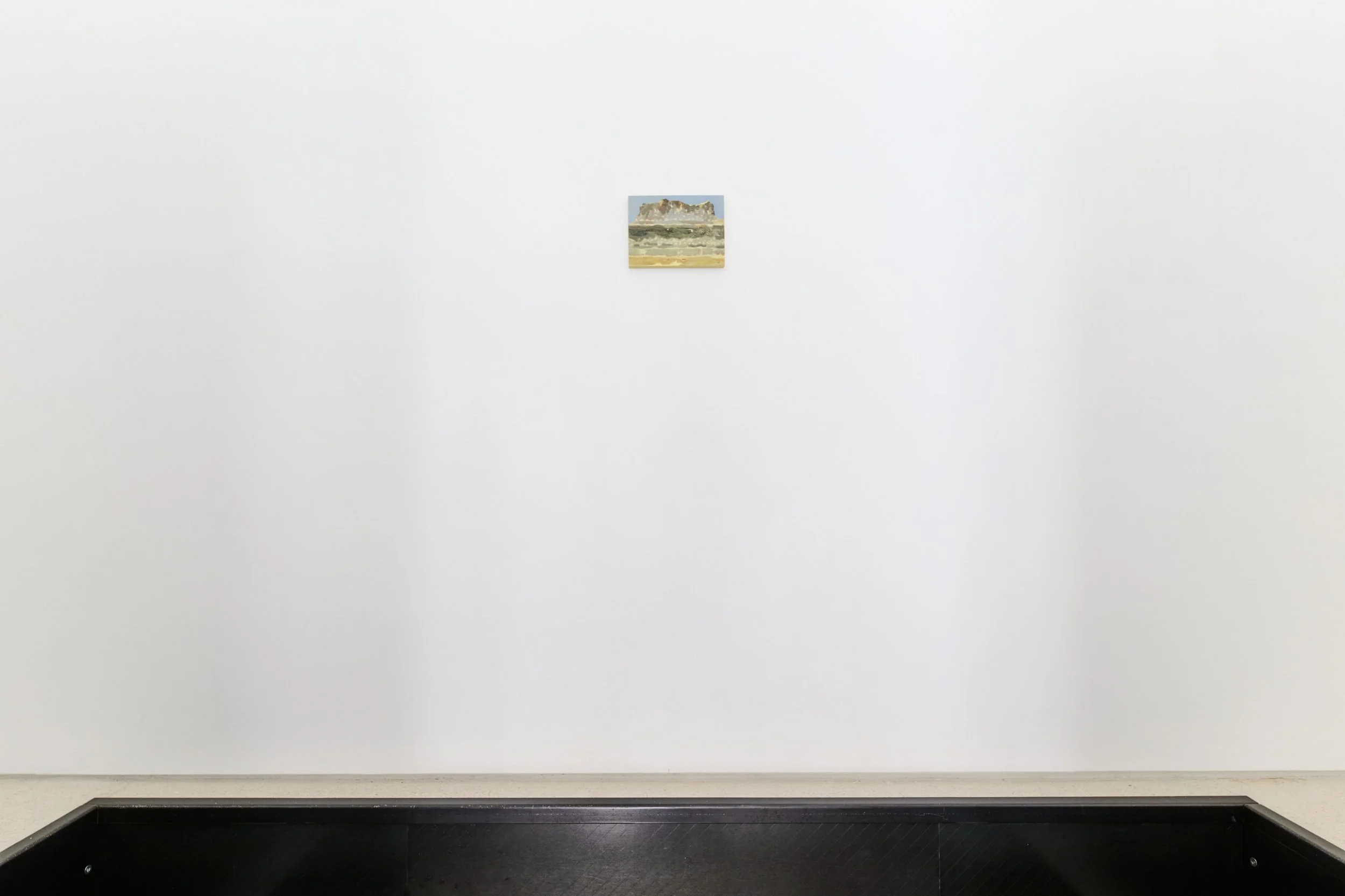
Installation View at Artopia, Dimitra Charamandas, Muro (Niches), 2026, Courtesy the artist and Artopia Gallery, Milano
What holds all of this together is not a shared aesthetic but a shared ethical commitment: that looking is a form of relation, not just perception. That art, at its most serious, can restore what contemporary life routinely takes away, the capacity to feel oneself as part of a larger, more-than-human world.
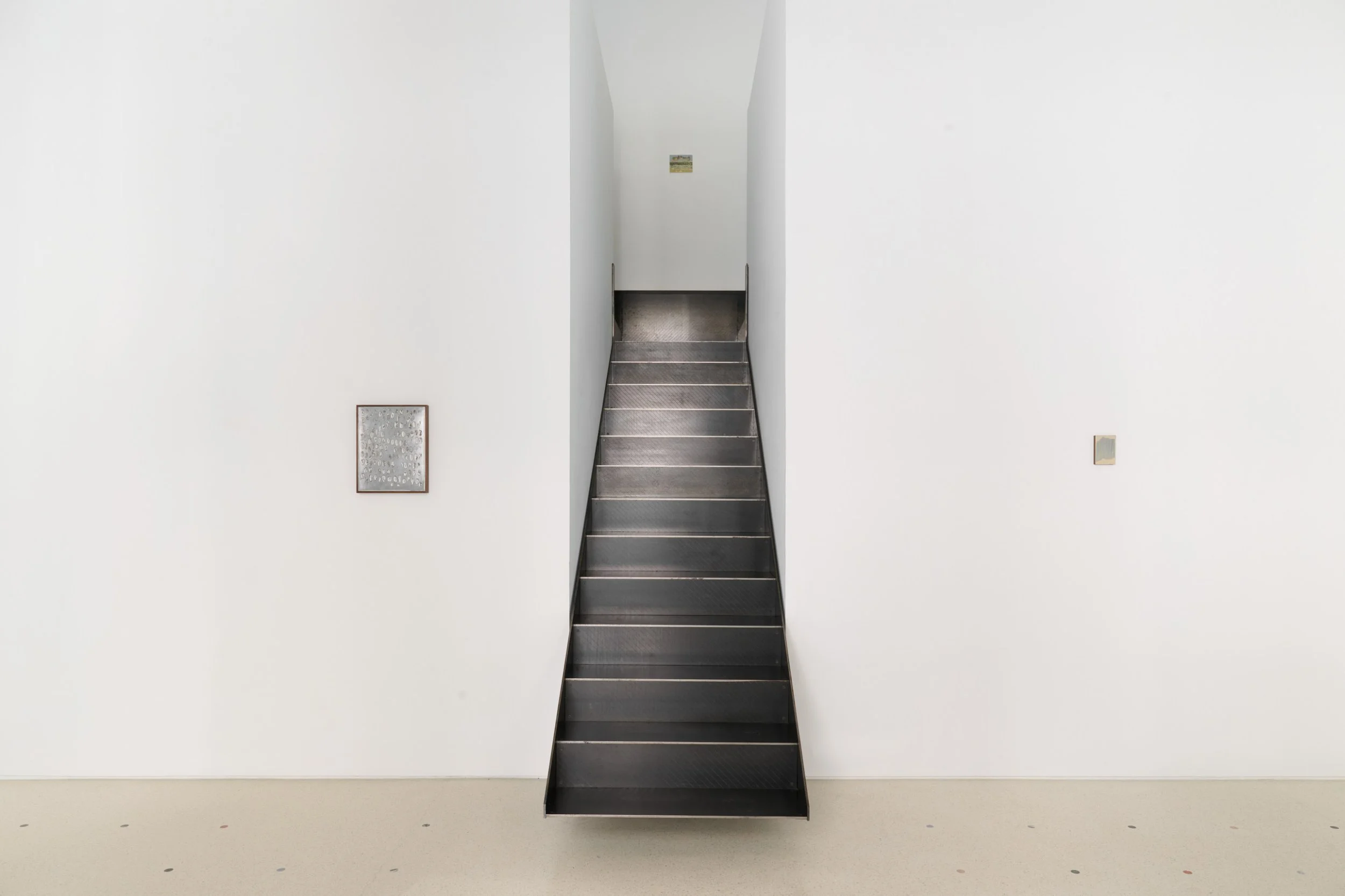
Installation View at Artopia, courtesy the artists and Artopia Gallery, Milano

Kesewa Aboah, July, Series 2, 2026 Magnesium Plate, walnut Frame, 32x40cm, Installation view at Artopia, Courtesy the artist and Artopia Gallery, Milano

Installation View at Artopia, Diana Policarpo, When the Sea Swallows, 2022, Courtesy the artist, Artopia Gallery, Milano and Lehmann Gallery, Porto

Installation View at Artopia, Diana Policarpo, When the Sea Swallows, 2022, Courtesy the artist, Artopia Gallery, Milano and Lehmann Gallery, Porto
March 19th — May 8th
Artopia, via Lazzaro Papi 2, Milano
Curated by Maddalena Iodice
Ph. Michela Pedranti
Courtesy the artists and Artopia Gallery, Milano
Words by Donald Gjoka
What to read next