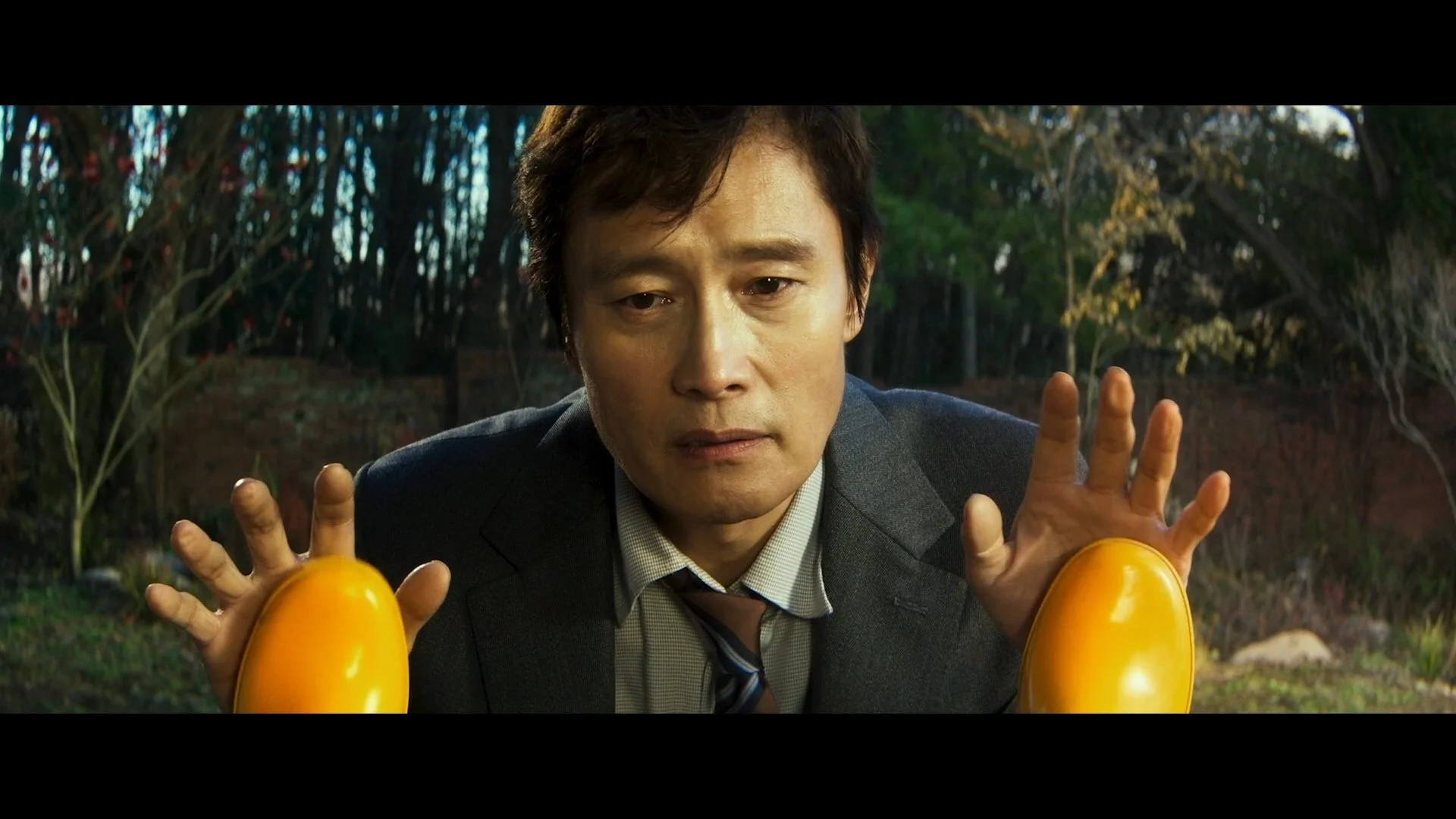
Cloud (2024) by Kiyoshi Kurosawa
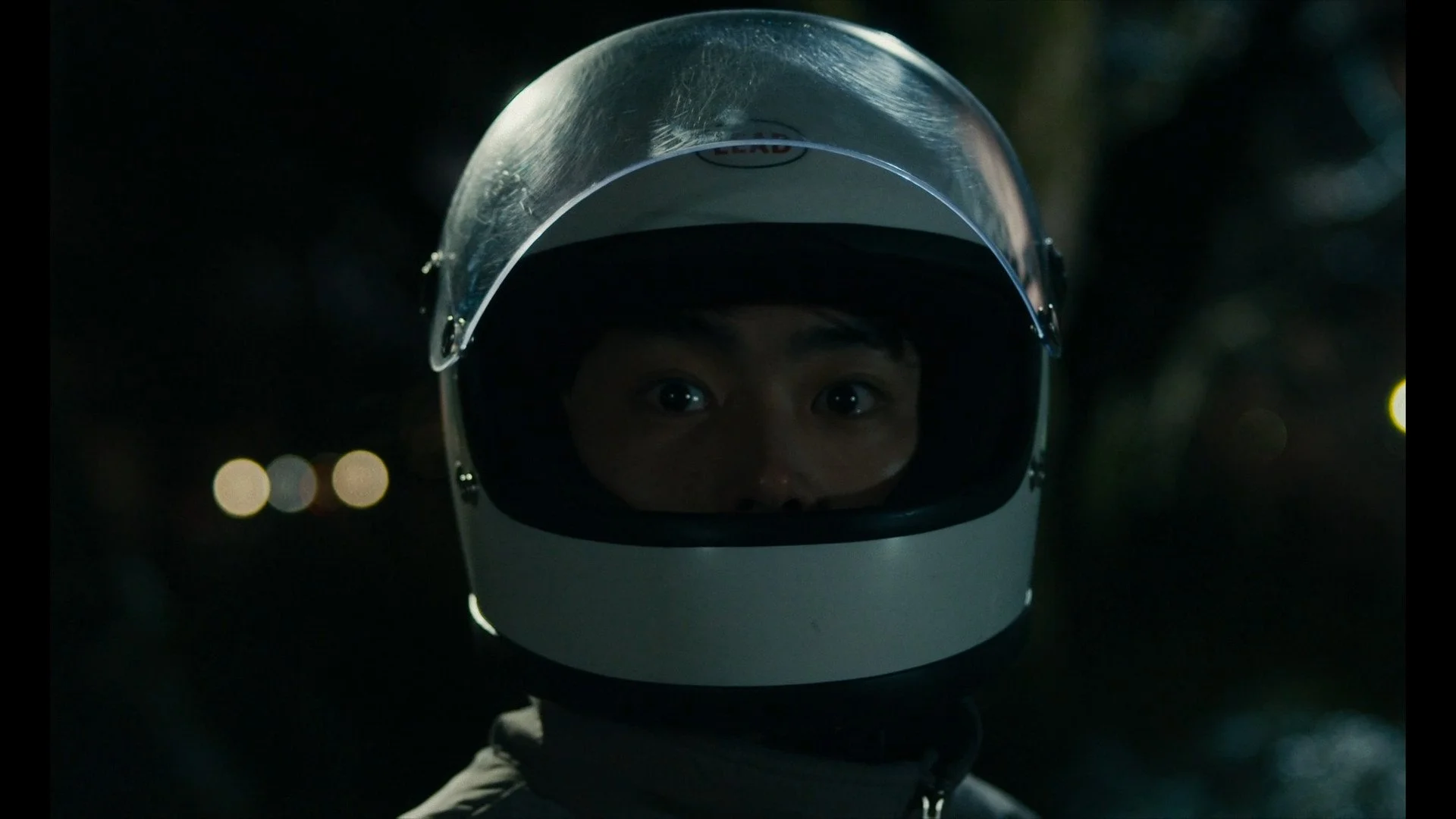
A drama in which a digital threat erupts into real-world violence, overwhelming an independent online retailer.
Greed dominates. The pursuit of money has no limits. No country for the non-consumerist carries within its structure folded nodes, sealed junctions that remain in torsion at the edges of a network in opposition to hyper-progressive urban cores. While they surge ahead, these fringes of the system, though technological too, retreat or linger like something in hibernation, even when the sun appears in the film’s frames.
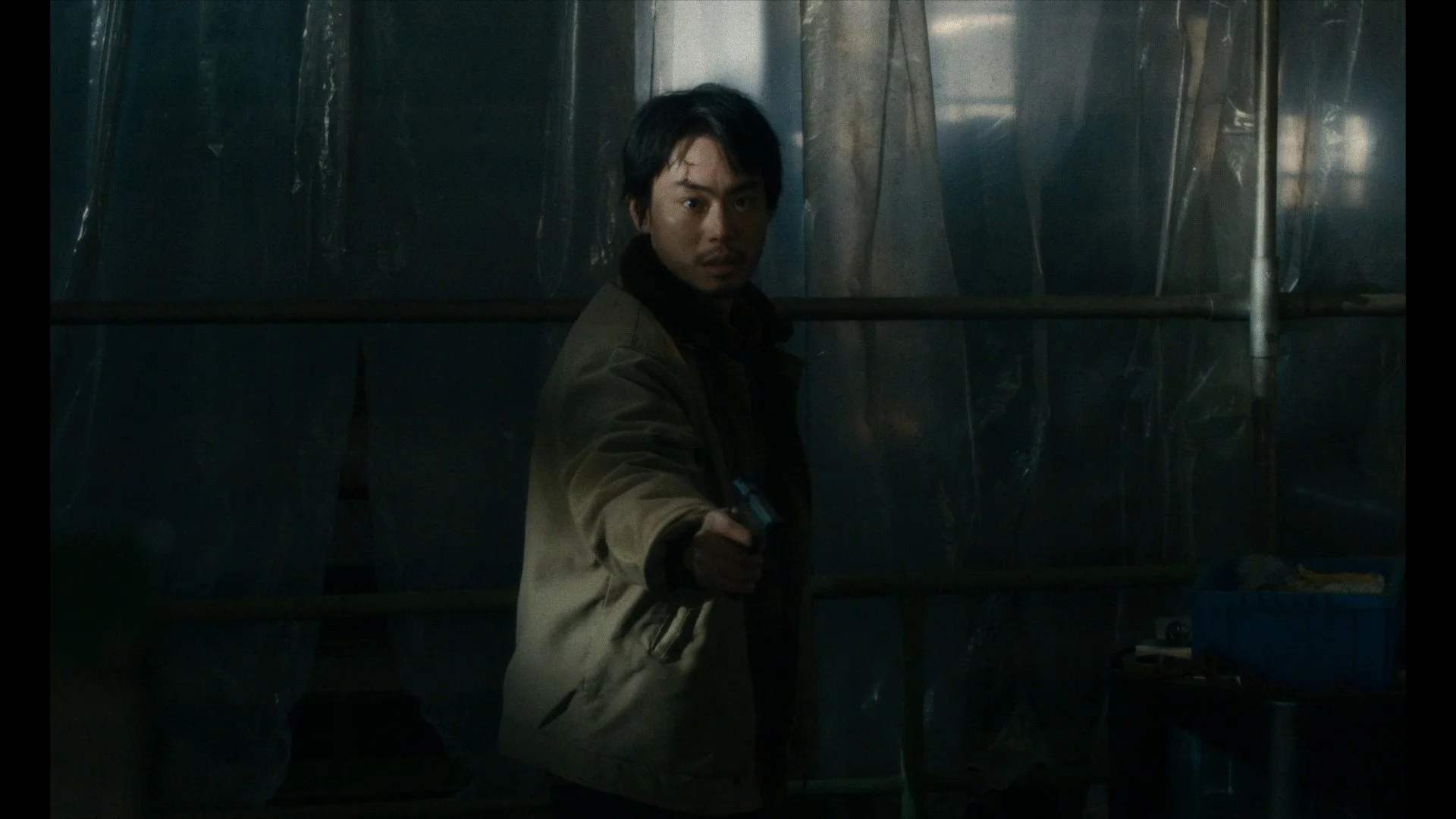
In the solar-cold of those Japanese nodes, in remote Nihon, an accidental gain by our merchant falls into the hostility of defrauded and wronged men: resentment takes collective shape in direct, brutal, bodily action. Violence gains traction, frees itself, comes face to face; not as a sudden deviation from the movie’s prevailing atmosphere, but as the logical consequence of a malaise incubated — there, in front of the monitors.
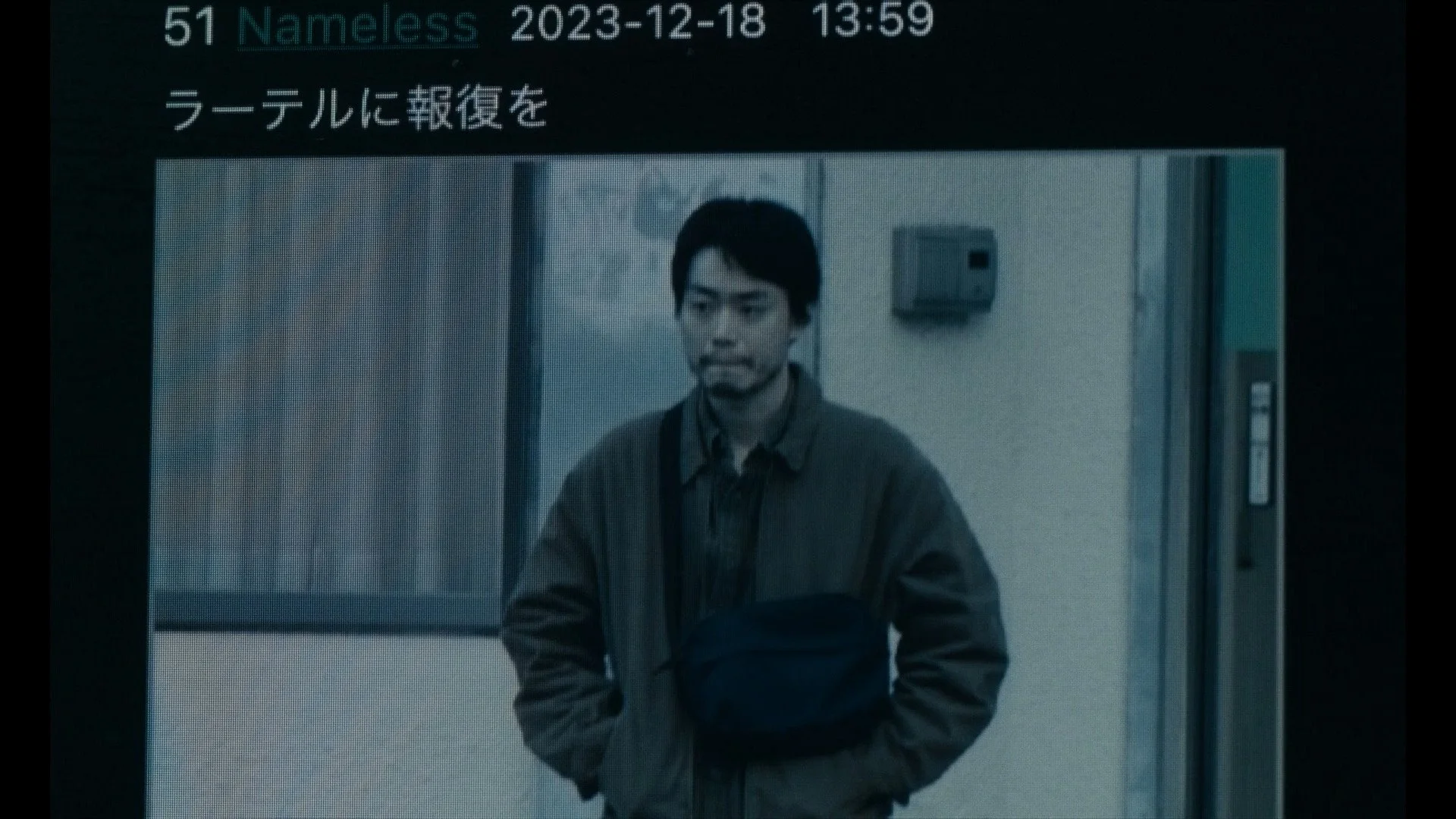
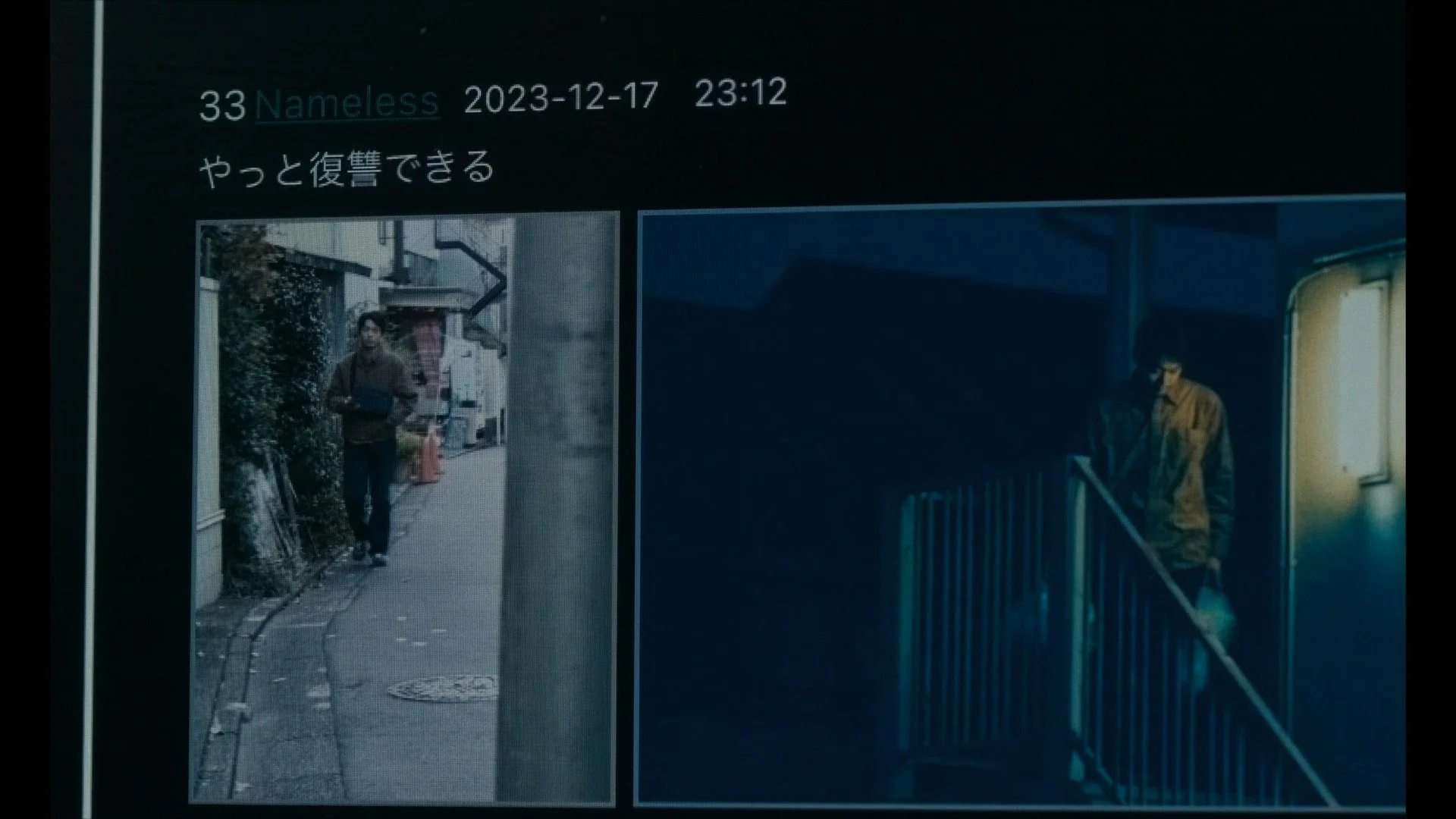
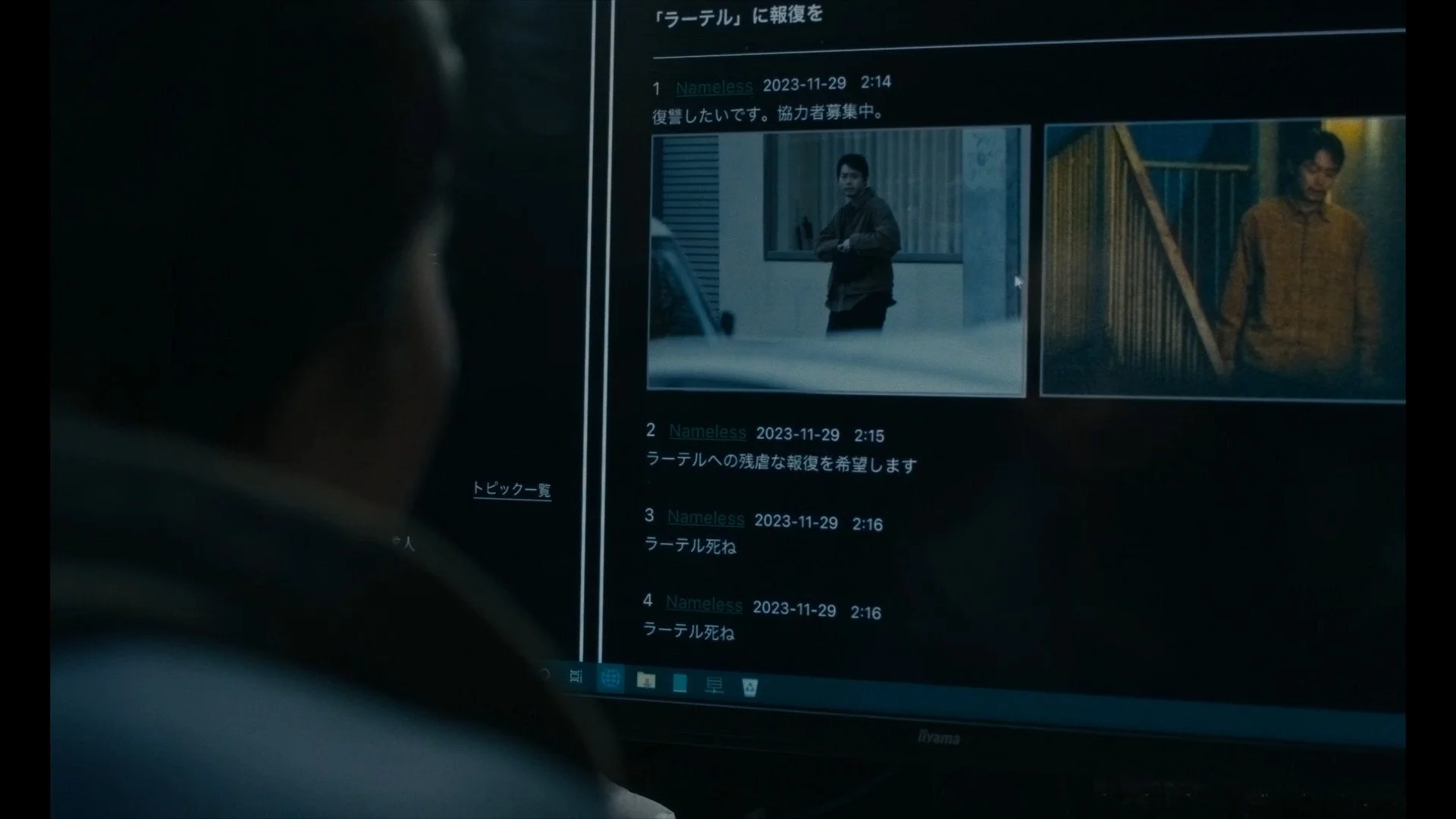
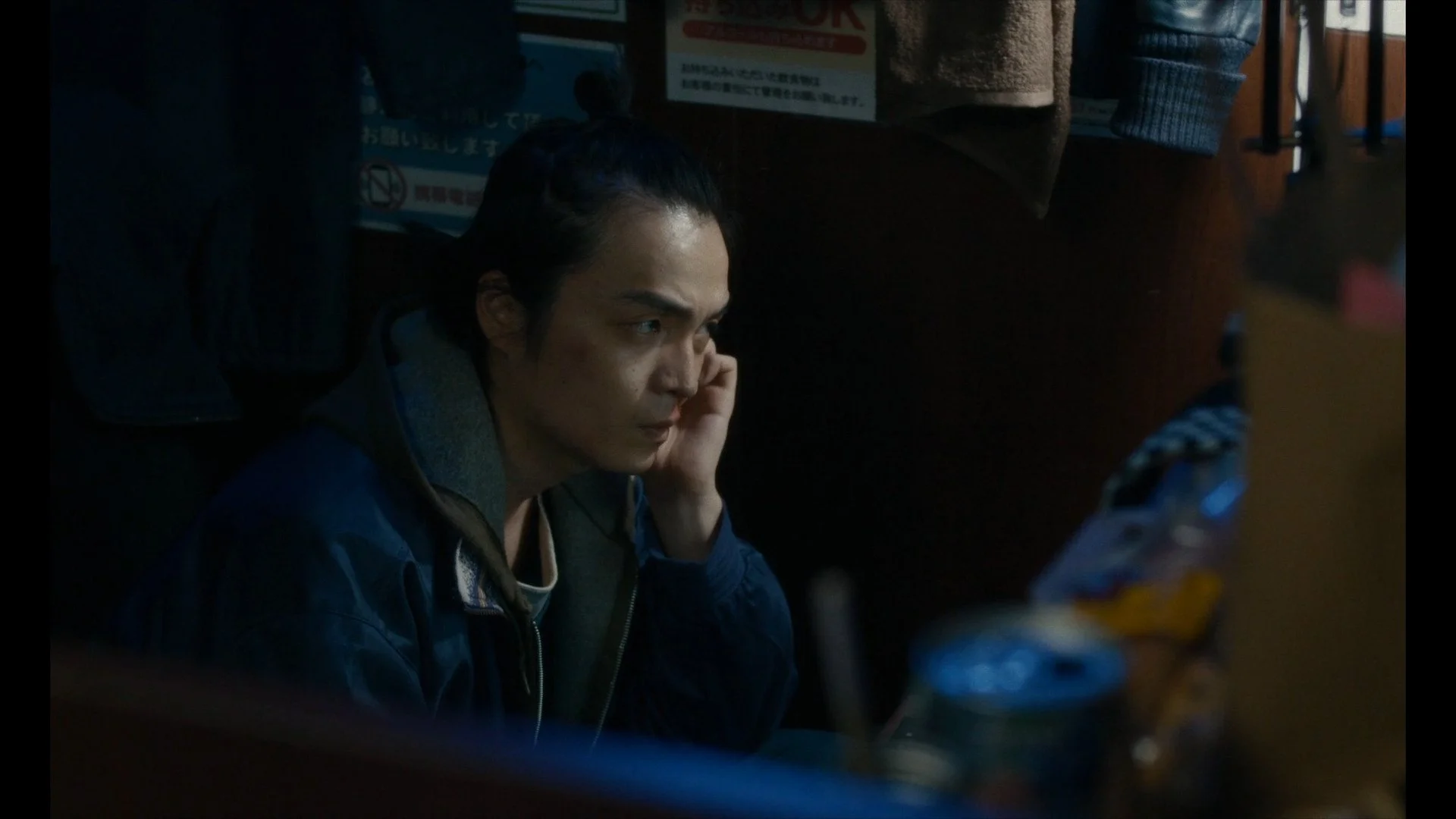
Characters characterized without character. Men are portrayed as if society drained their substance. They are hollow skins, walking as executioners in reality, yet still inhabiting virtuality.
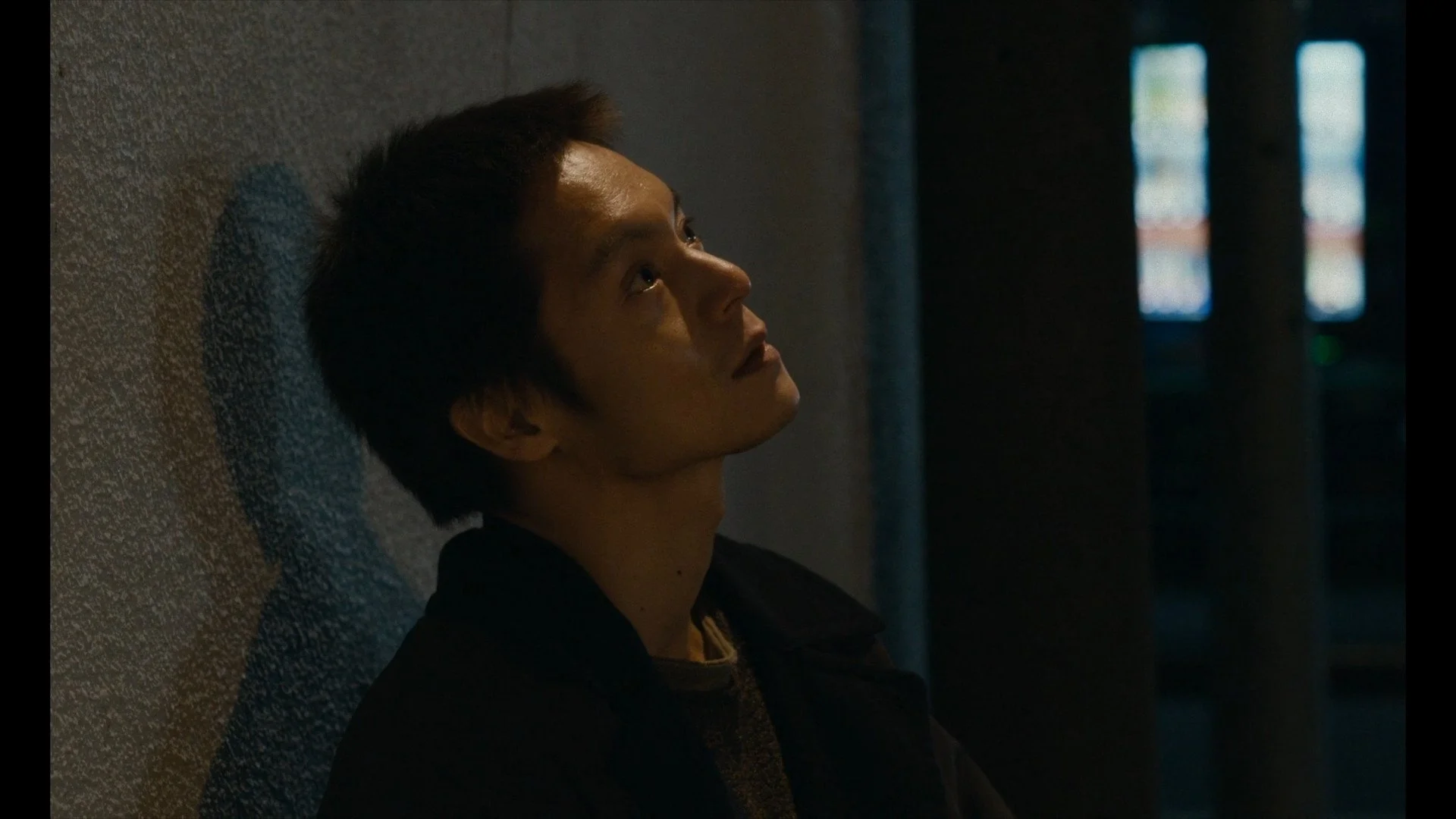
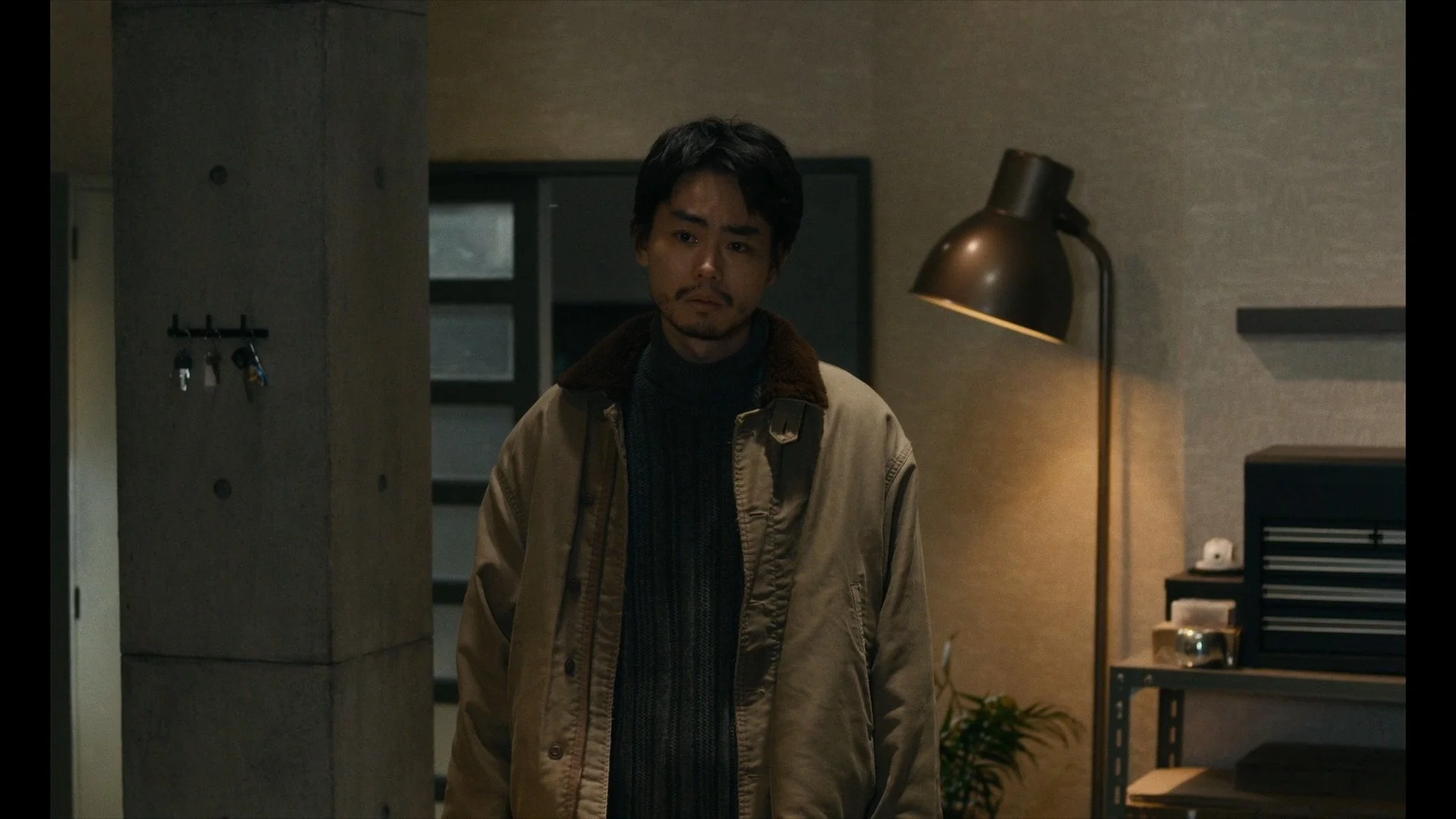
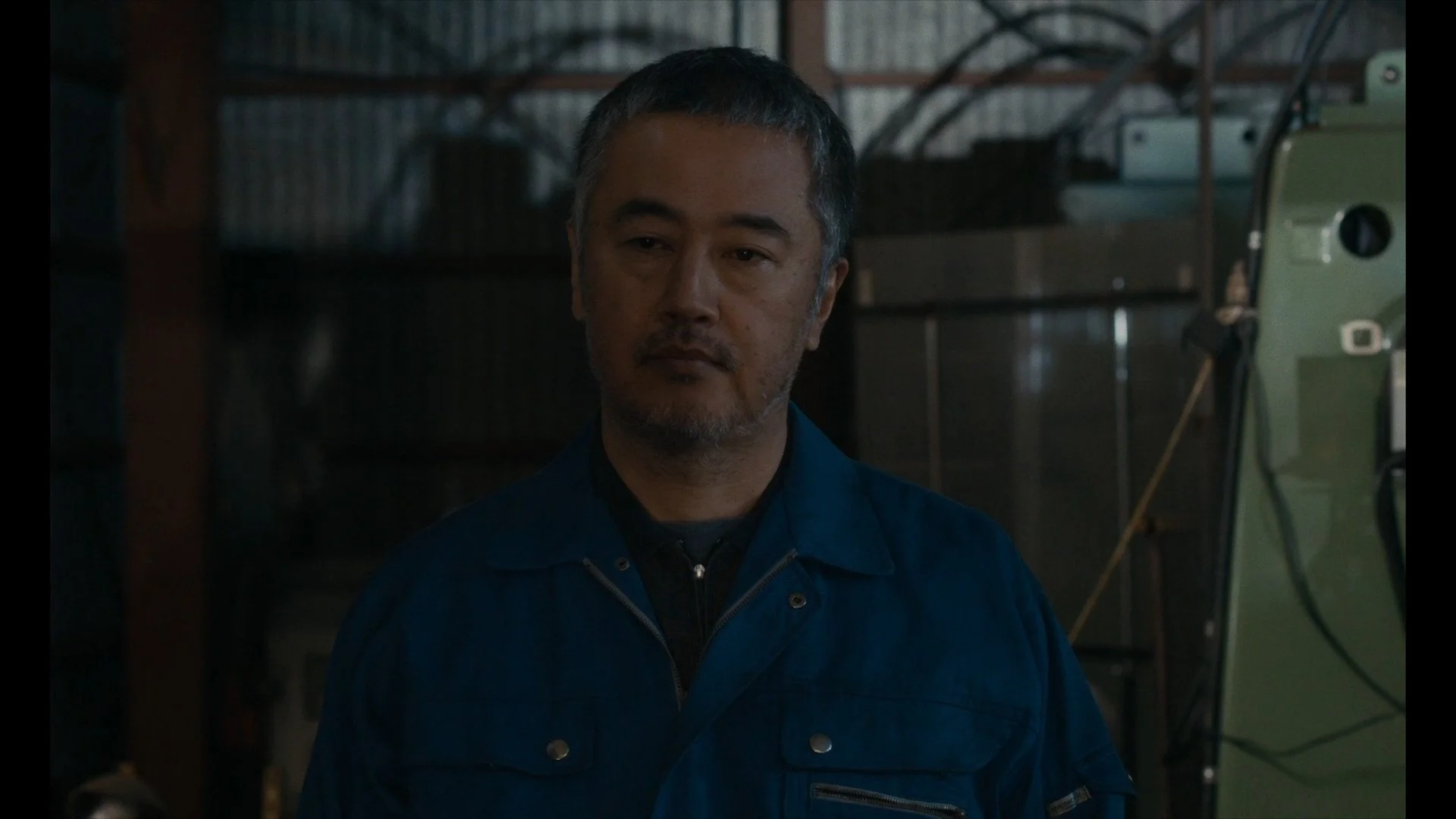
Poetry of violence. Men who slaughter. Men emptied of persona. Men arm themselves with pistols and rifles. And the film proceeds with hammer blows.
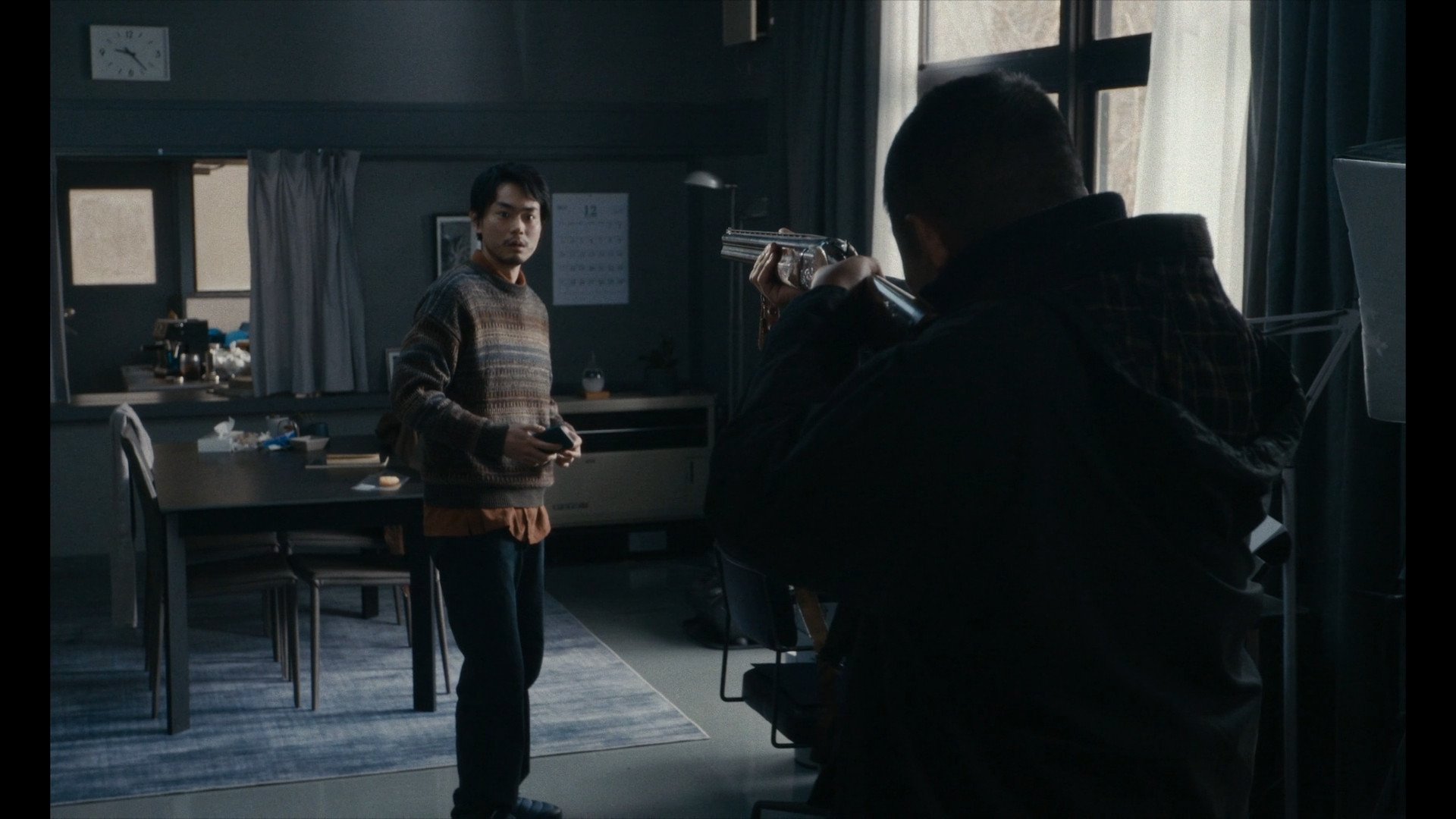
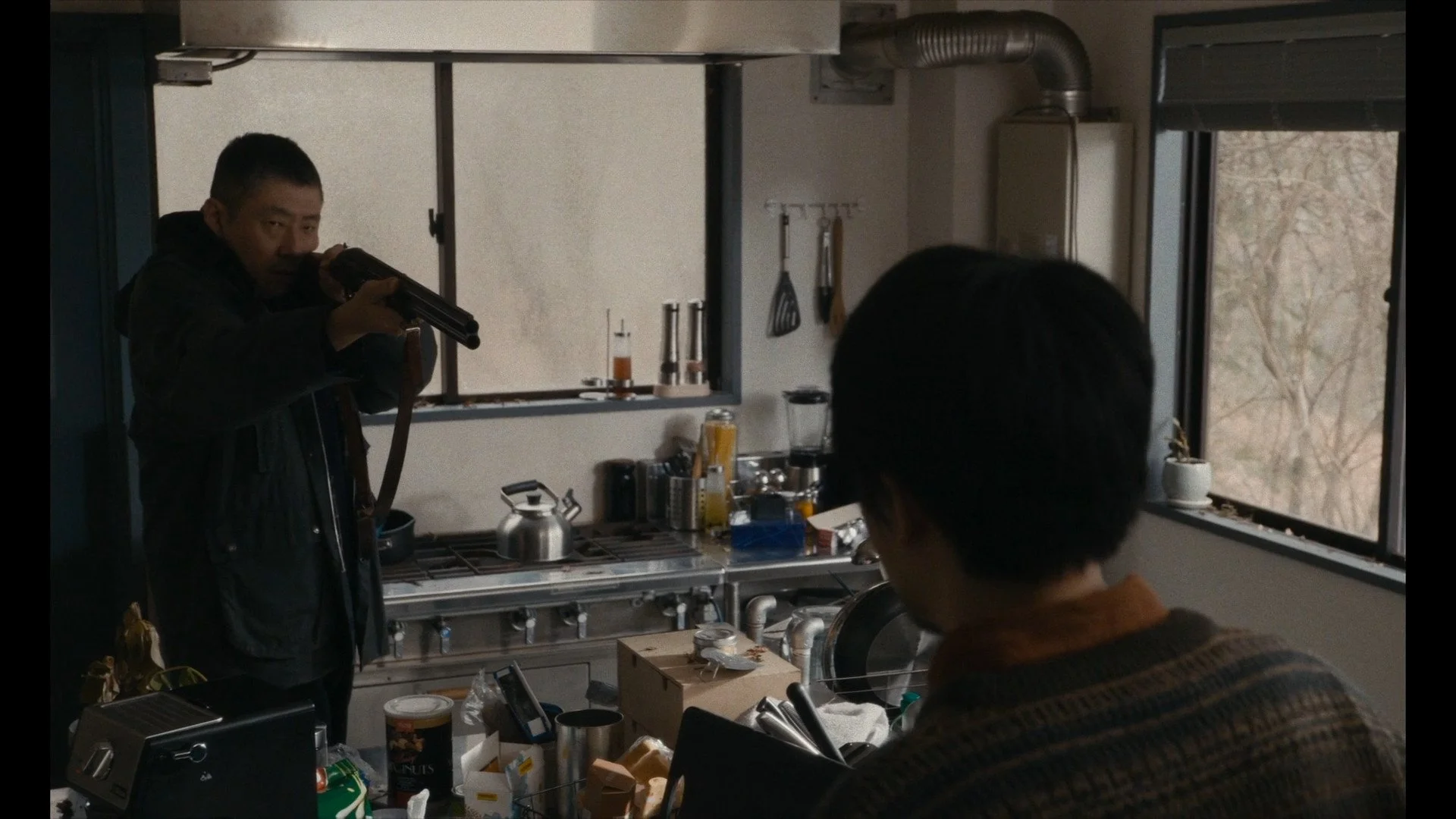
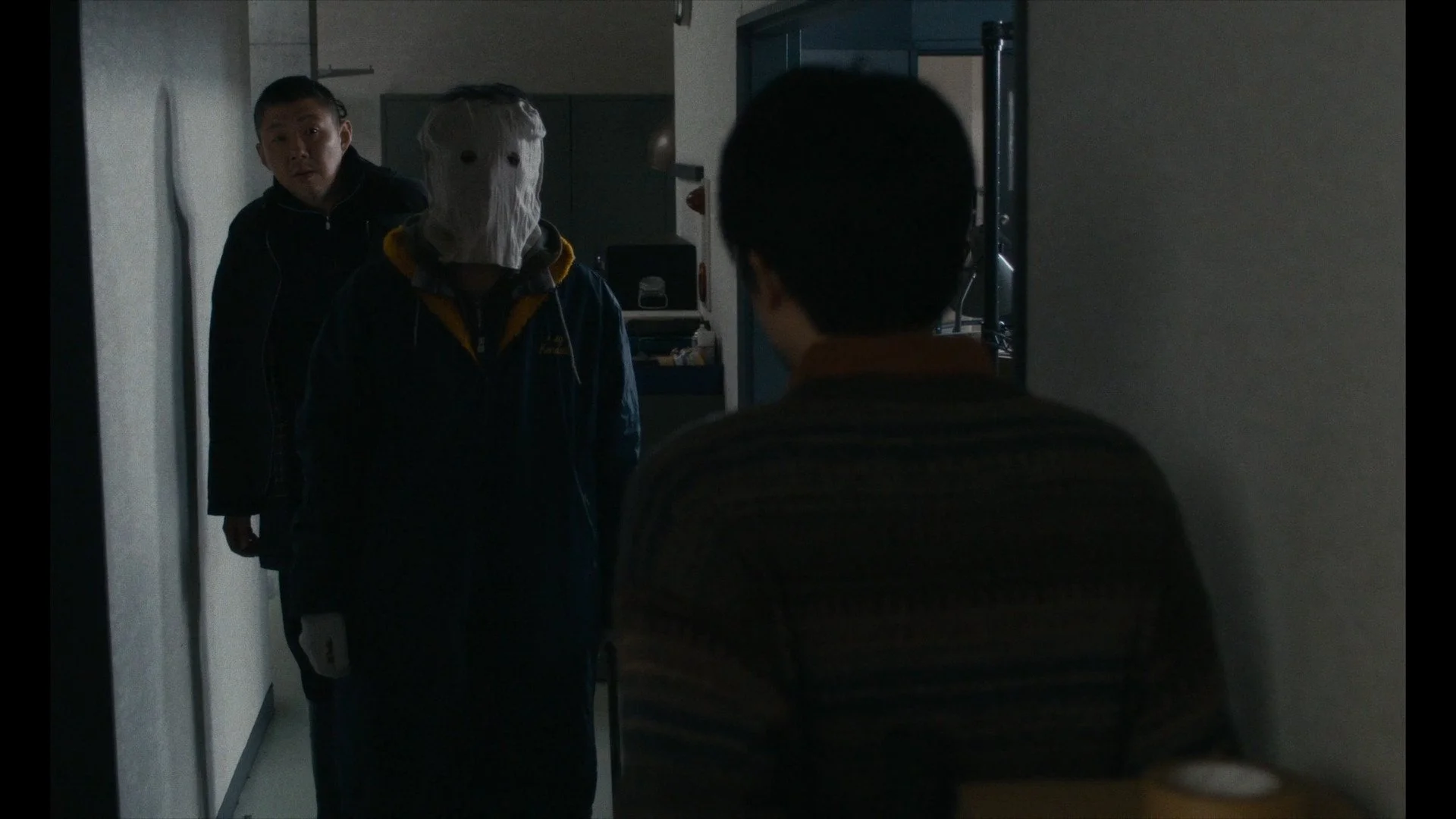
Like a sharp strike followed by a dragging flow. Kiyoshi Kurosawa’s 40th film. At first glance, it might seem faintly akin to Deliverance, as the camera paints bigotry at its most barbarous and barbaric. Unlike that 1972 film, this 2024 film does not exacerbate its own vision. Hollywood’s representation, as in Deliverance (Dasshutsu), hardens until America’s most inhospitable face curdles into caricature masquerading as verity. It prompts an urban, ostensibly educated audience to identify a congenital enemy to fight, rooted in the woods, across vast prairies, among those who dwell out in the back of beyond. Instead, Kurosawa paints his violence as seeming inherent to the periphery yet conceives it as a rash — a cutaneous outburst of the system, a rage abscess of an apparatus enmeshing the social fabric no one can help but connect to. Inevitably.
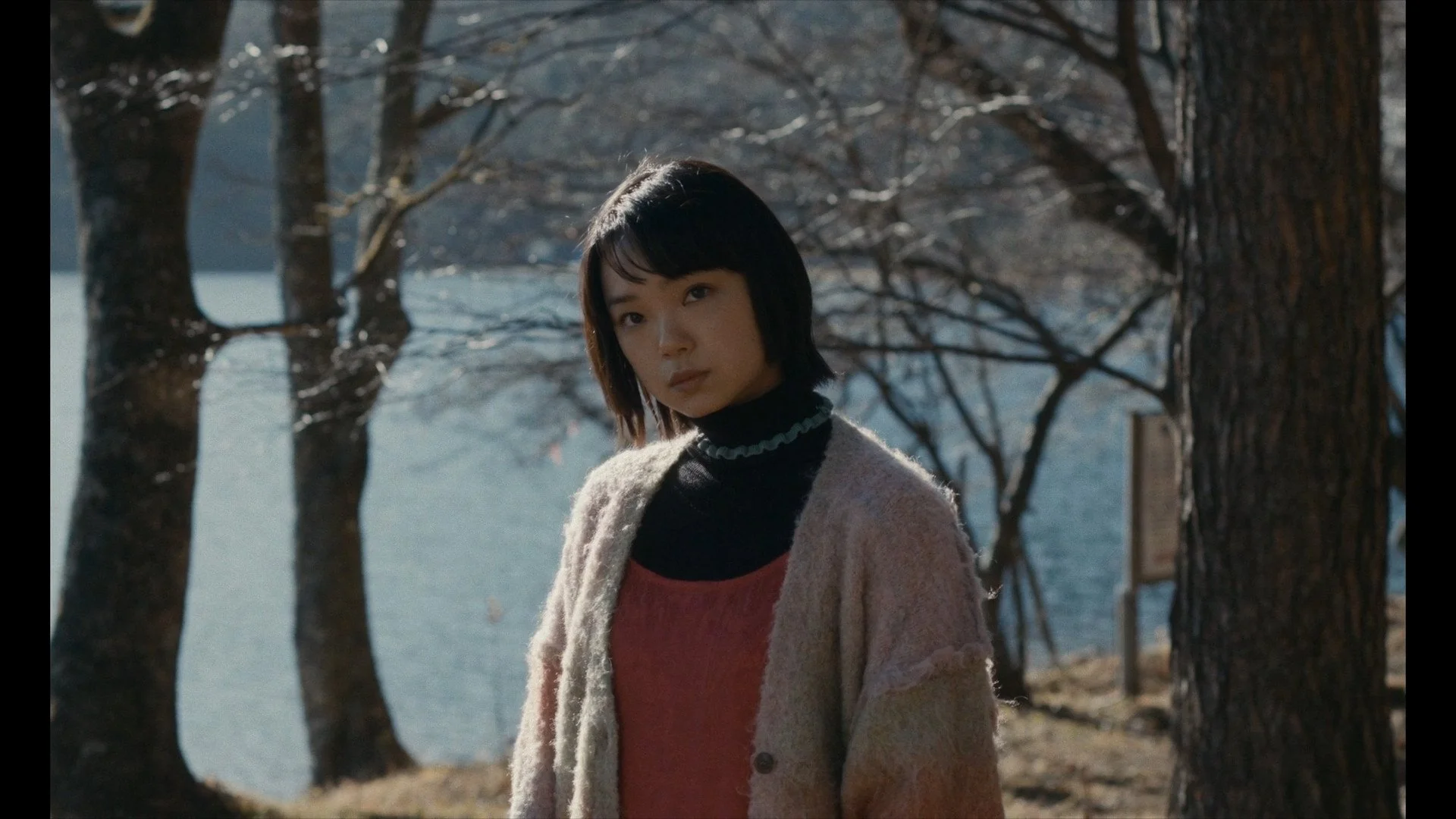
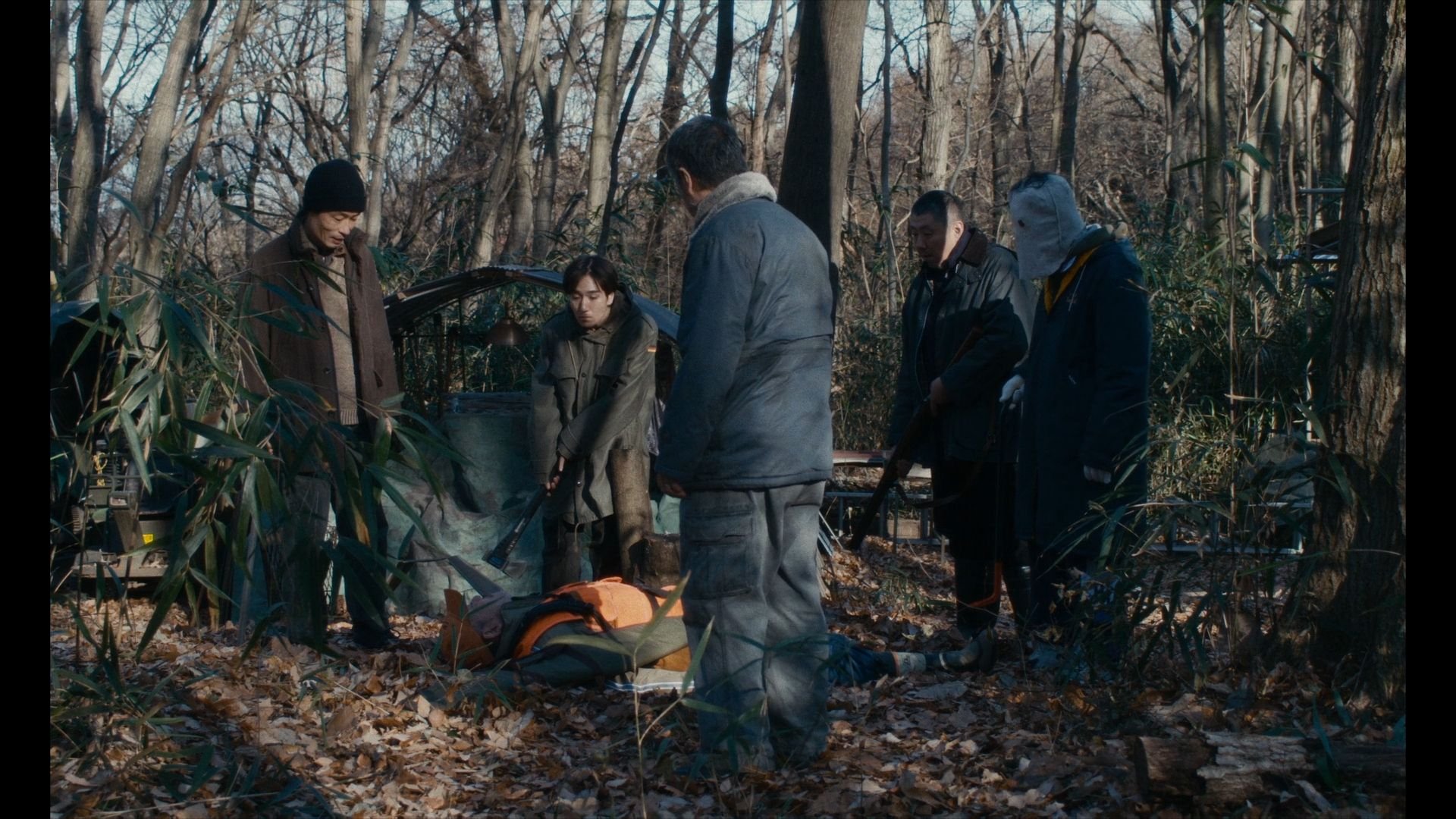
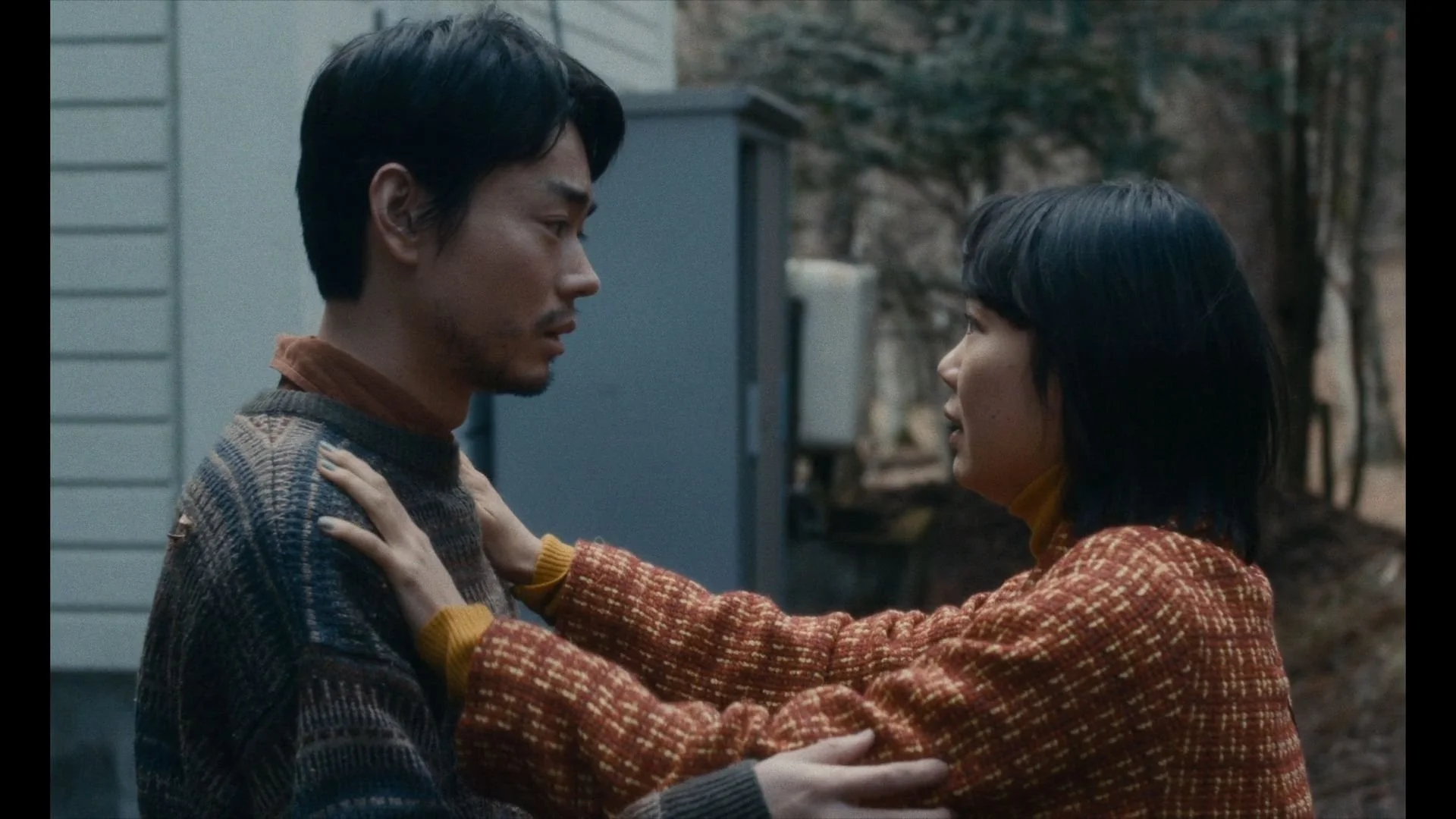
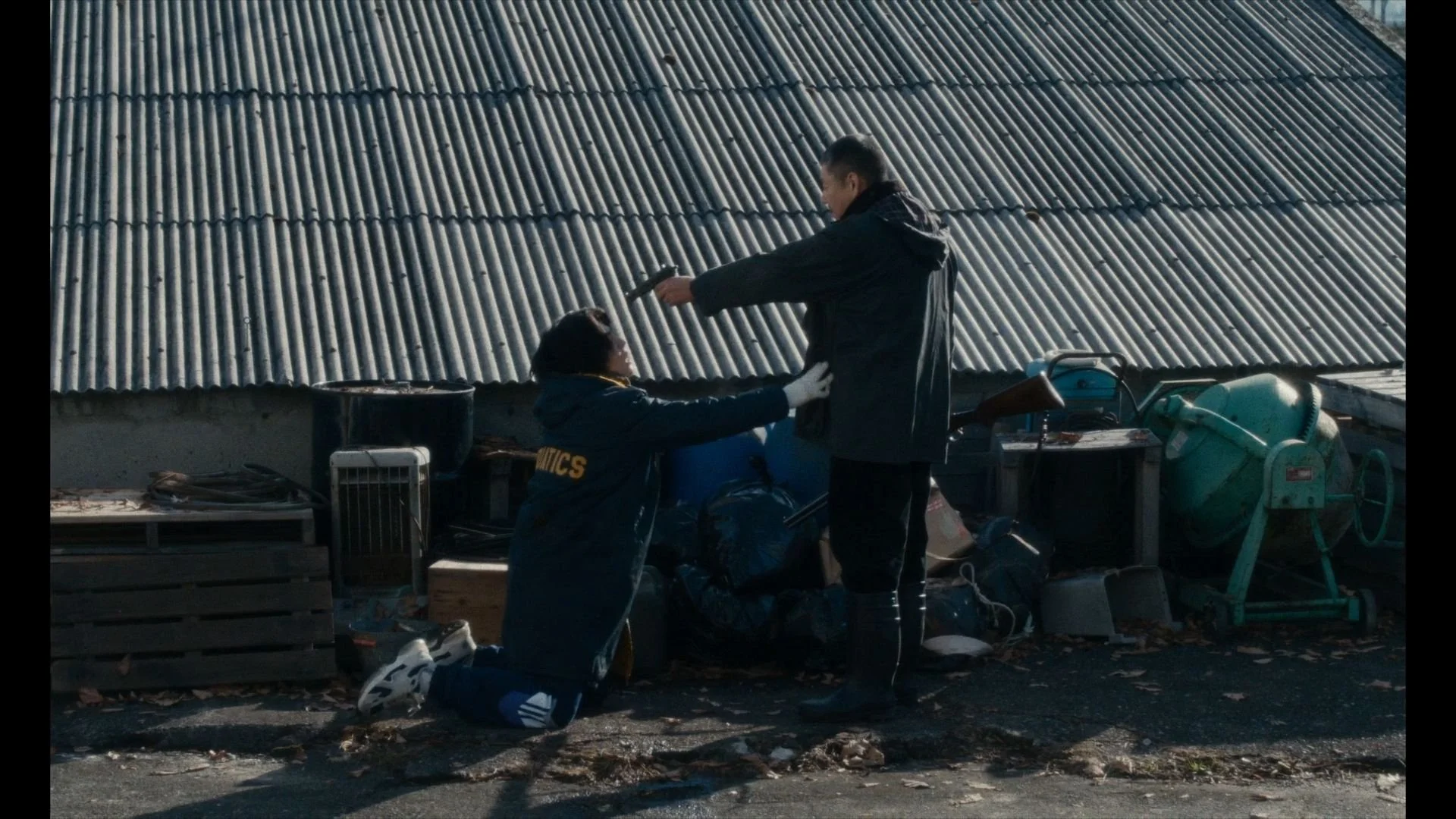
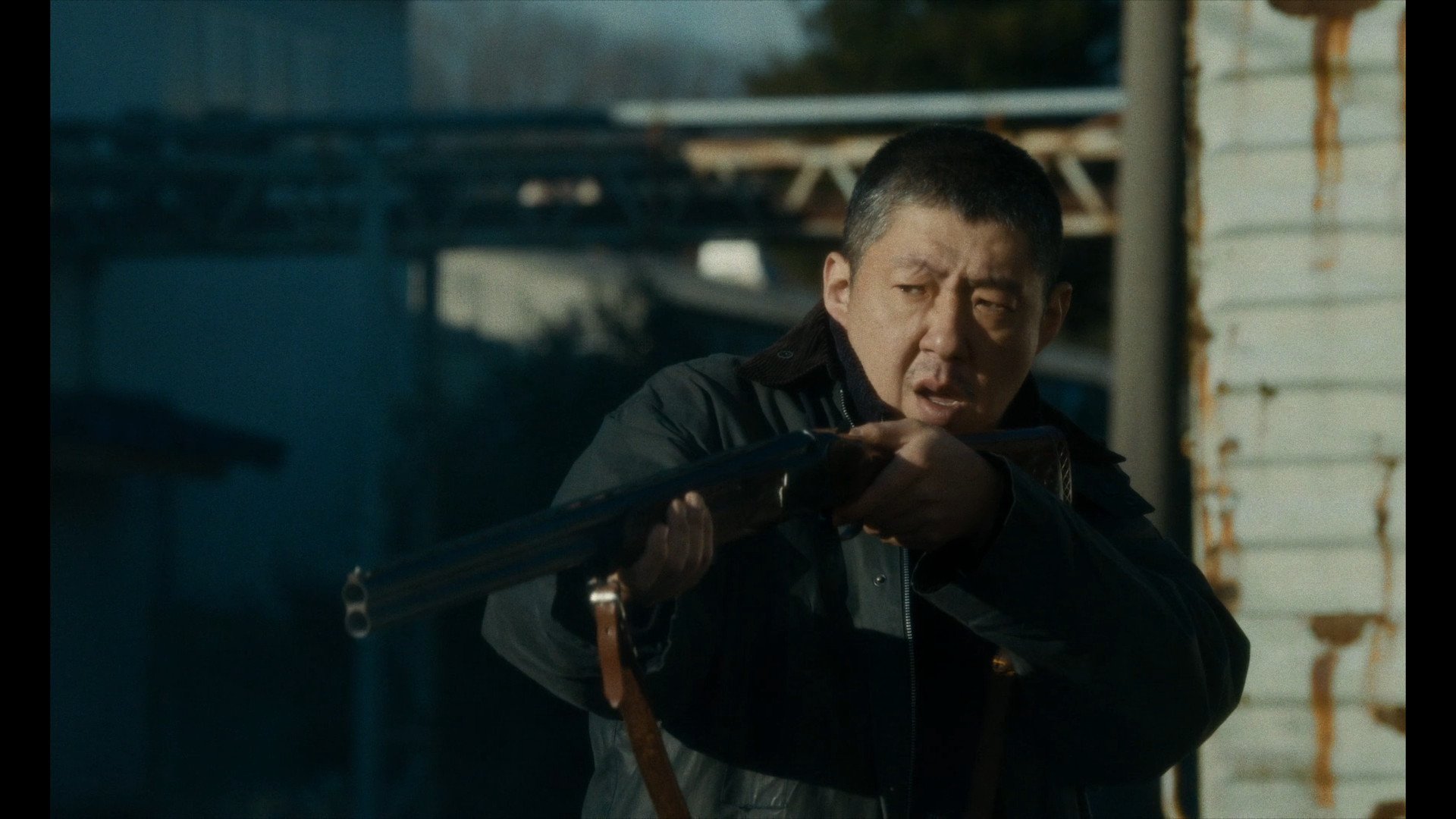

Kuraudo fires at the audience’s eyes — bang. But only to tell us that violence does not arise from excess noise: it arises from absence, a gradual or abrupt emptying imposed by the network on everyone.
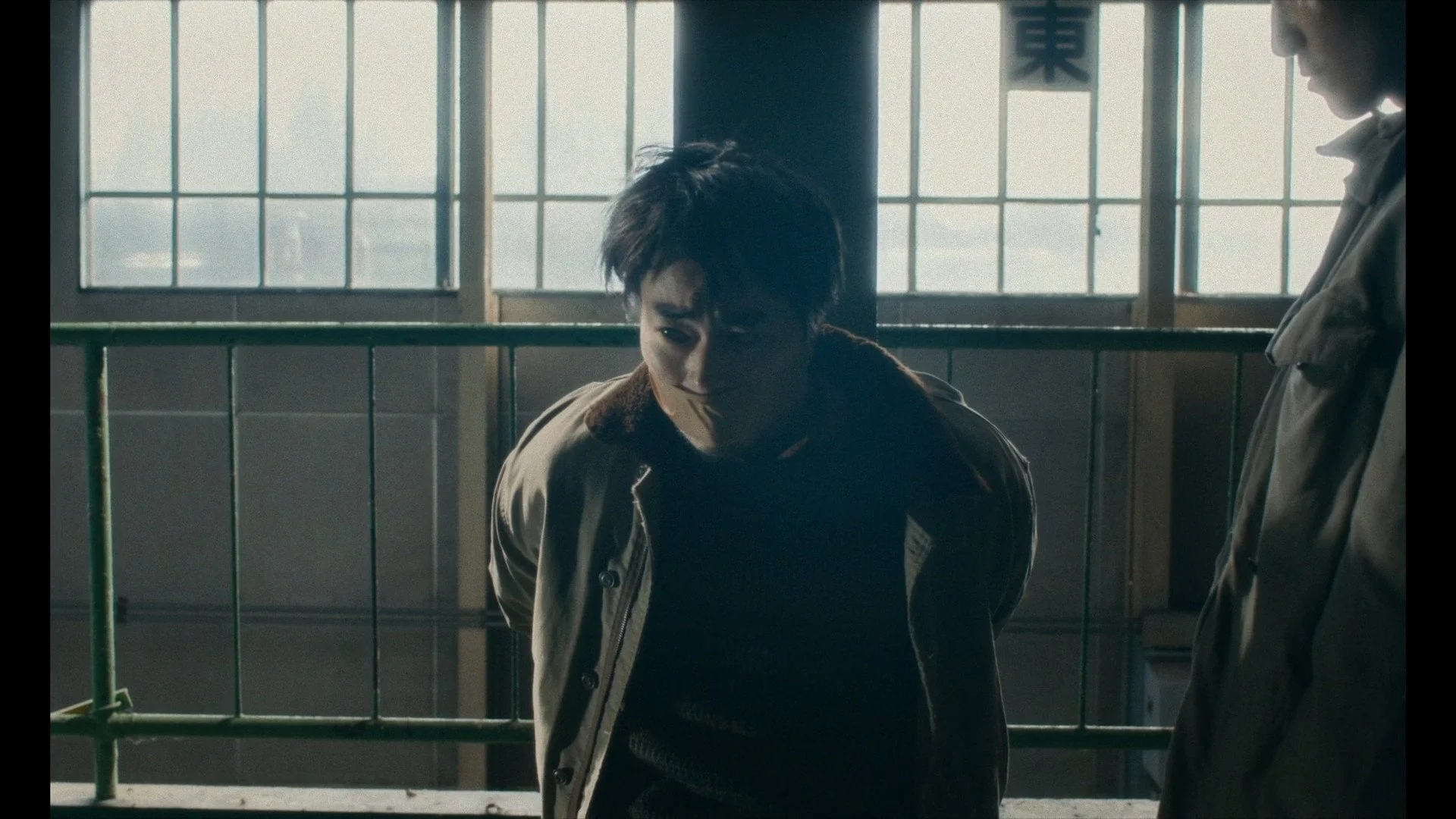
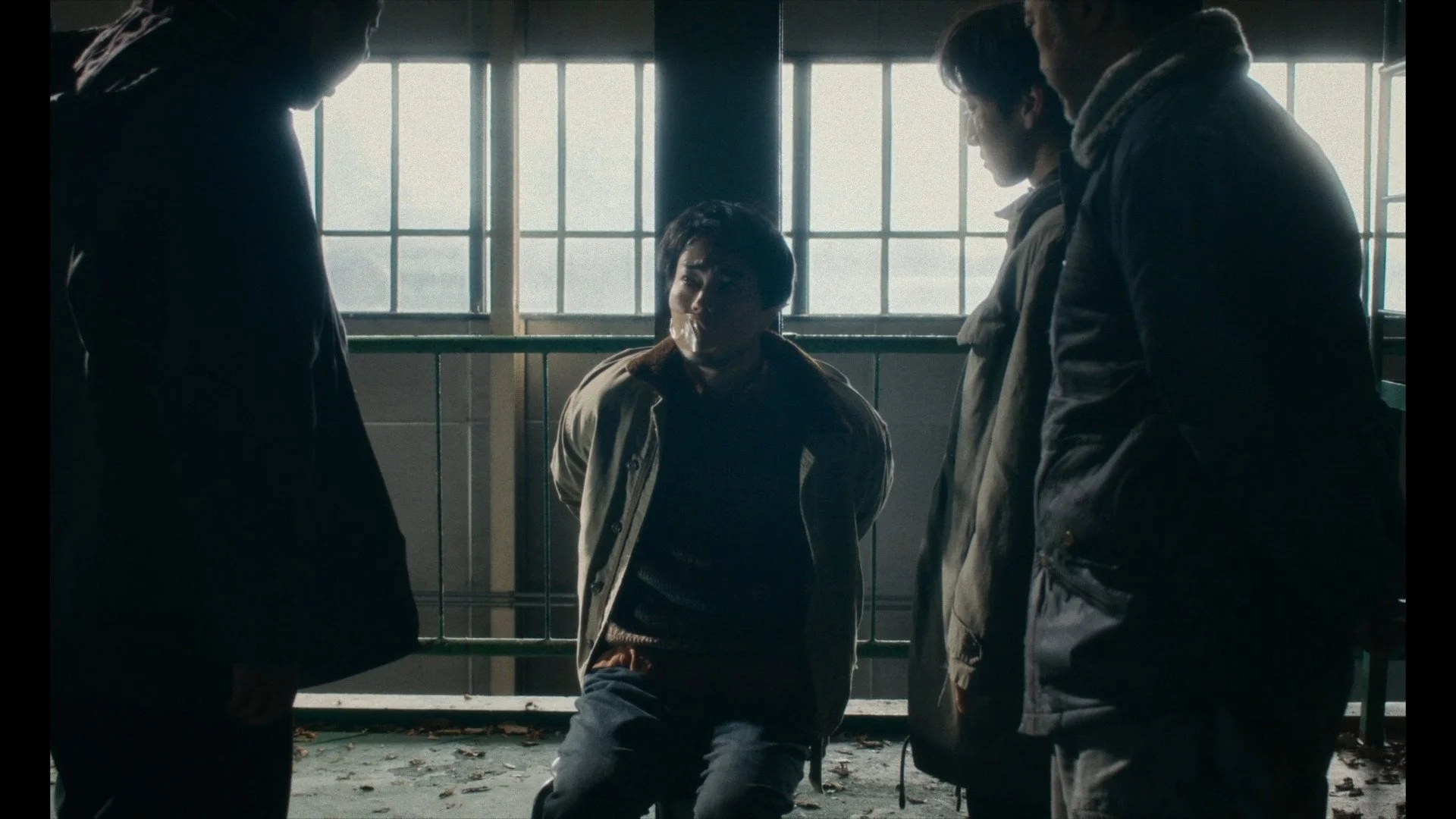
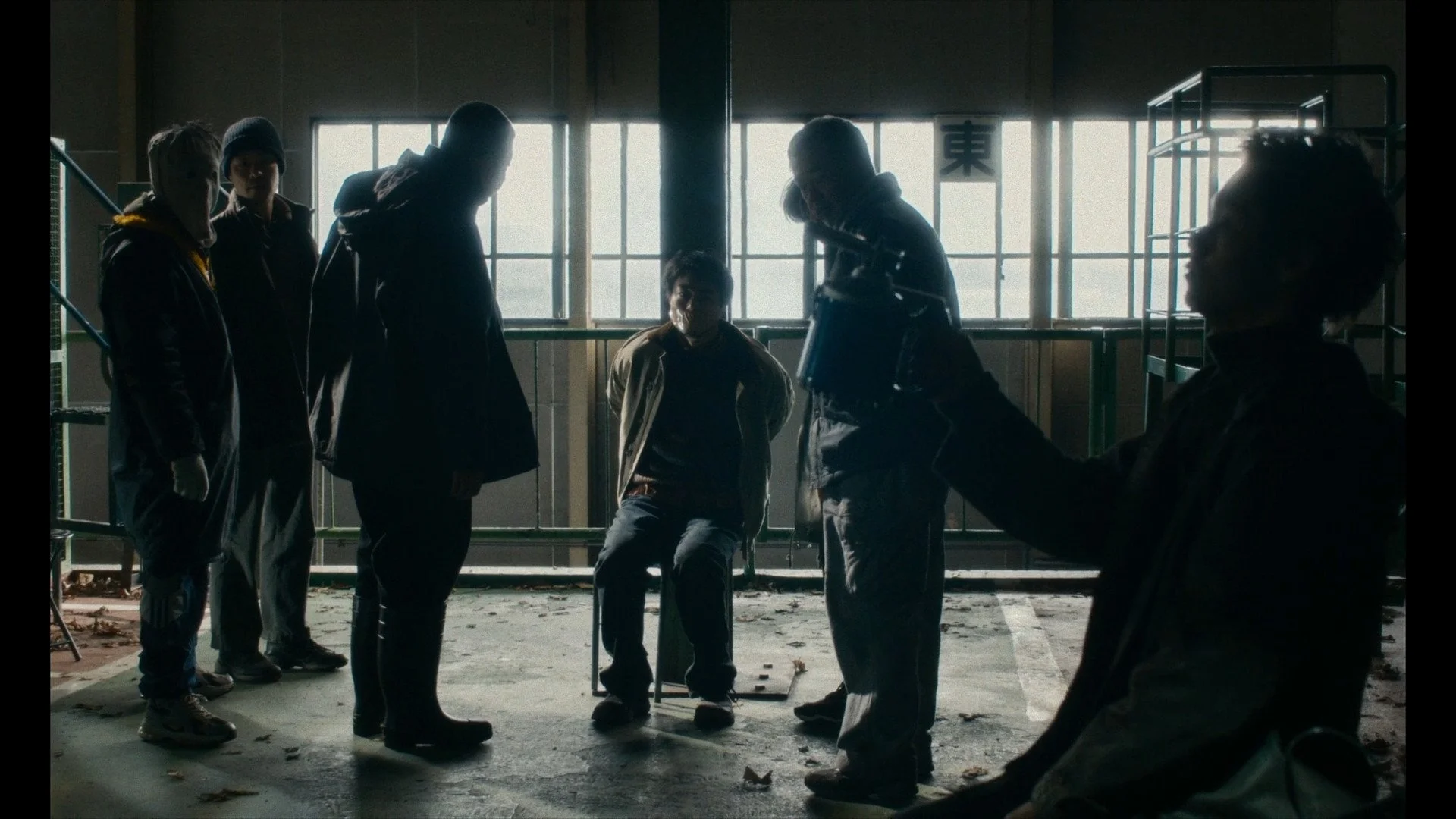
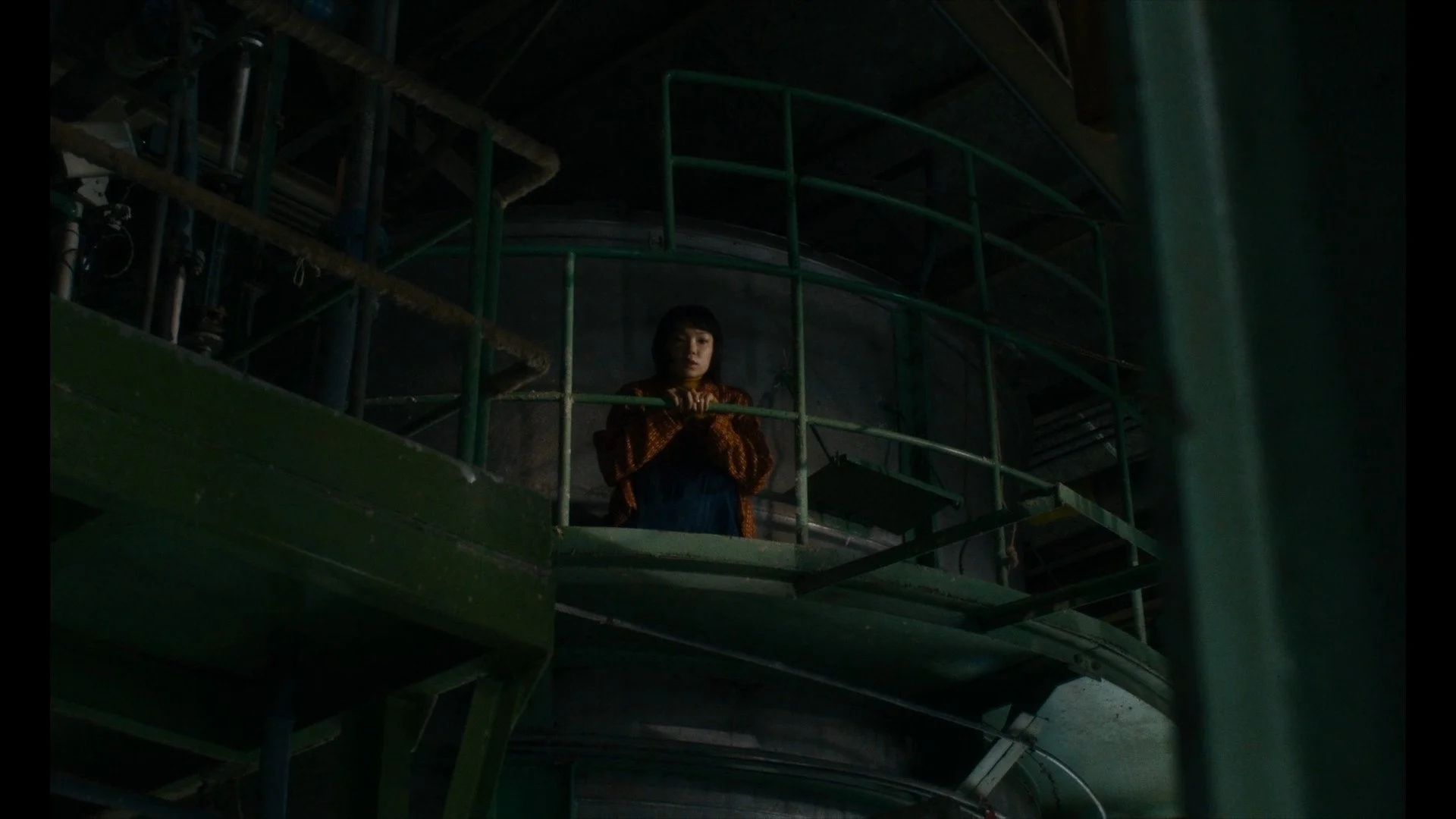
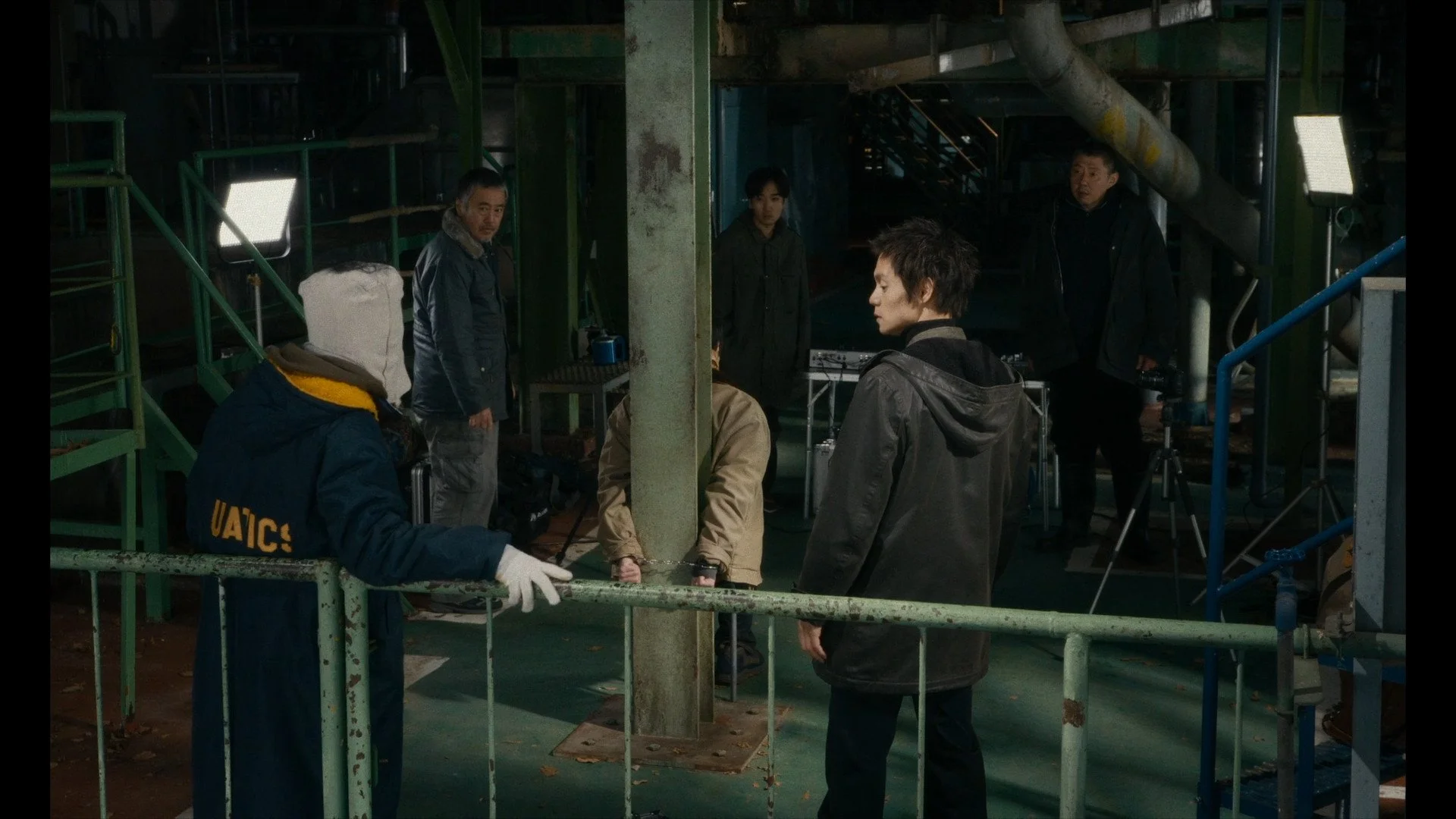
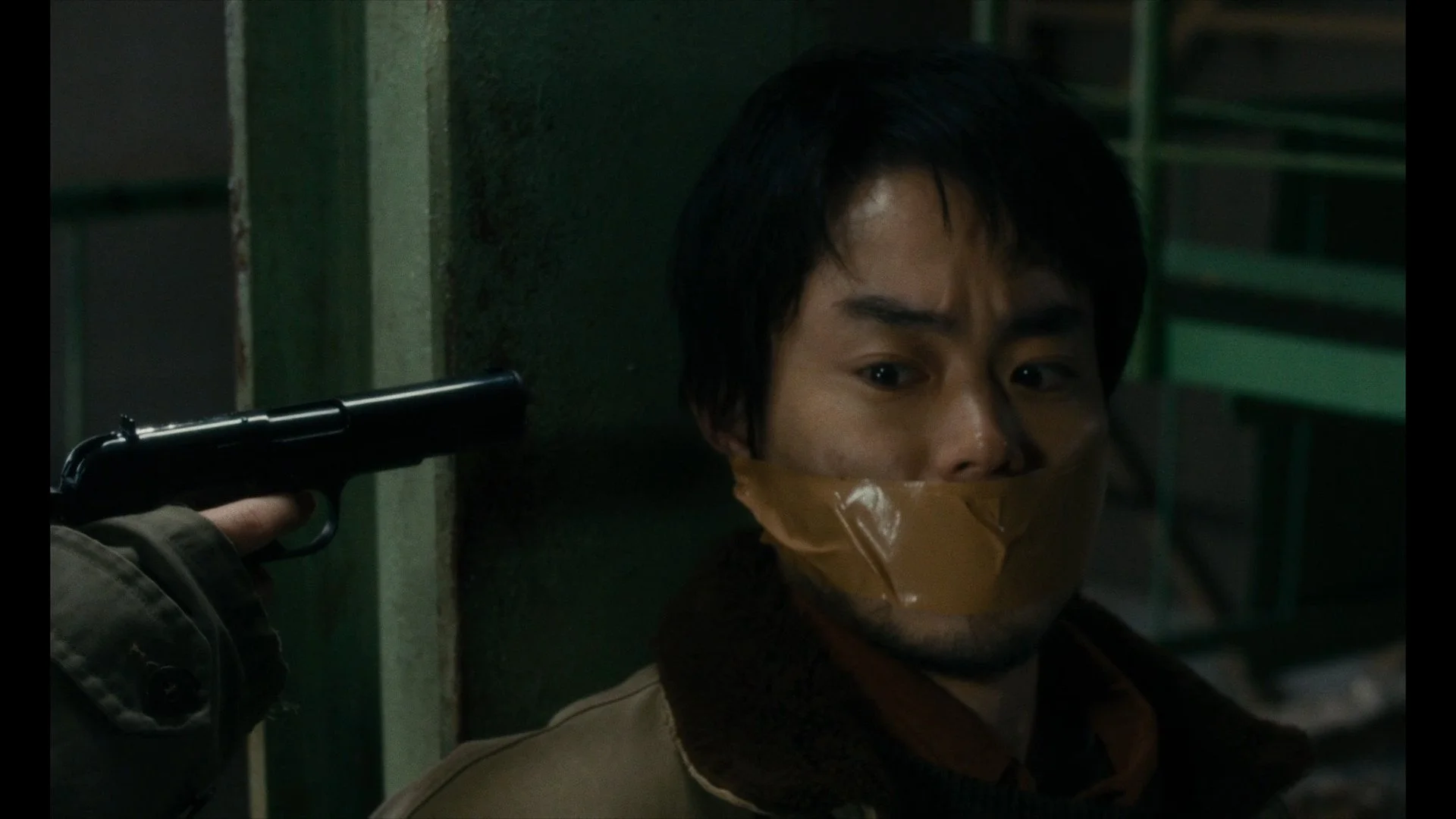
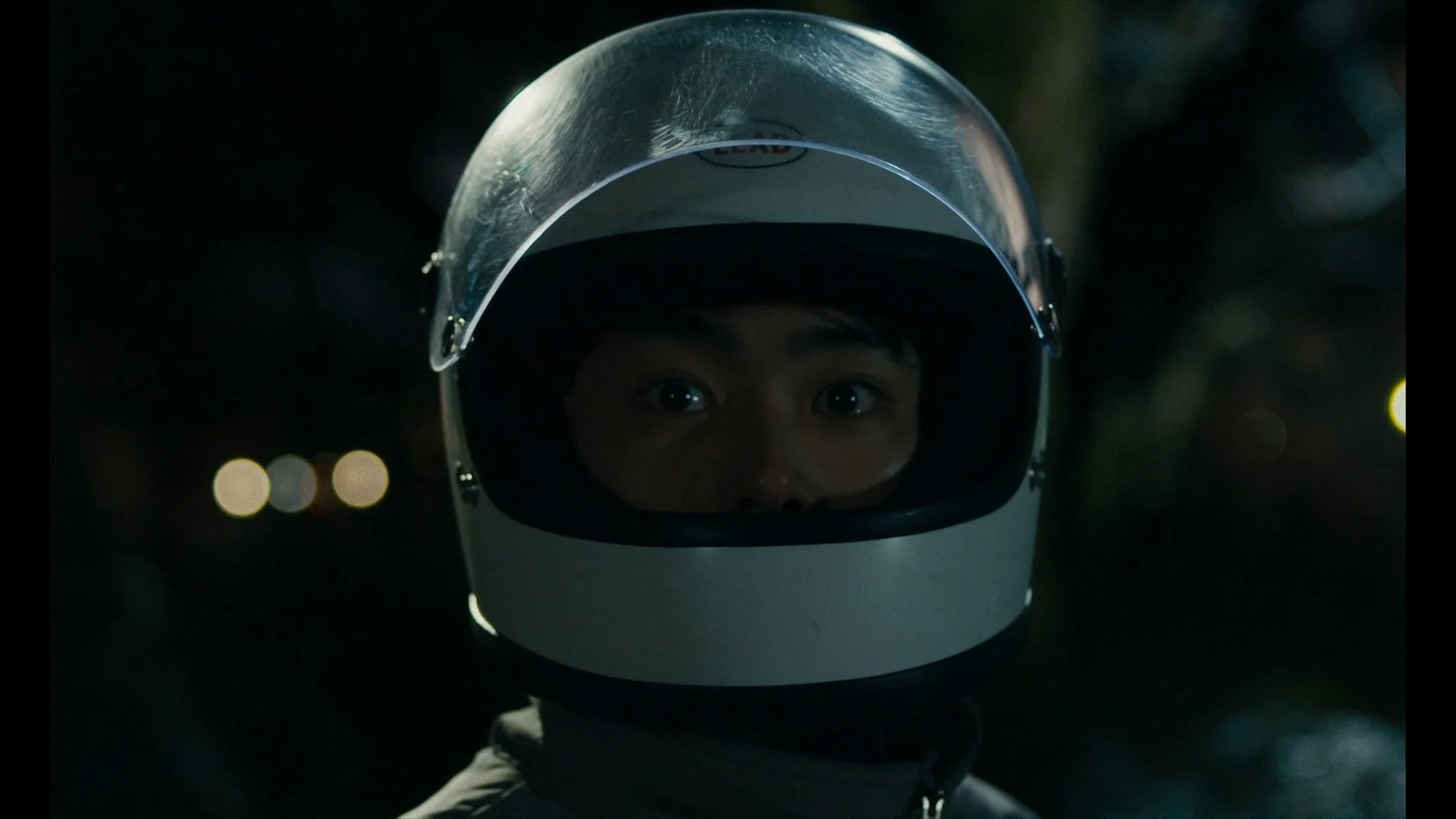
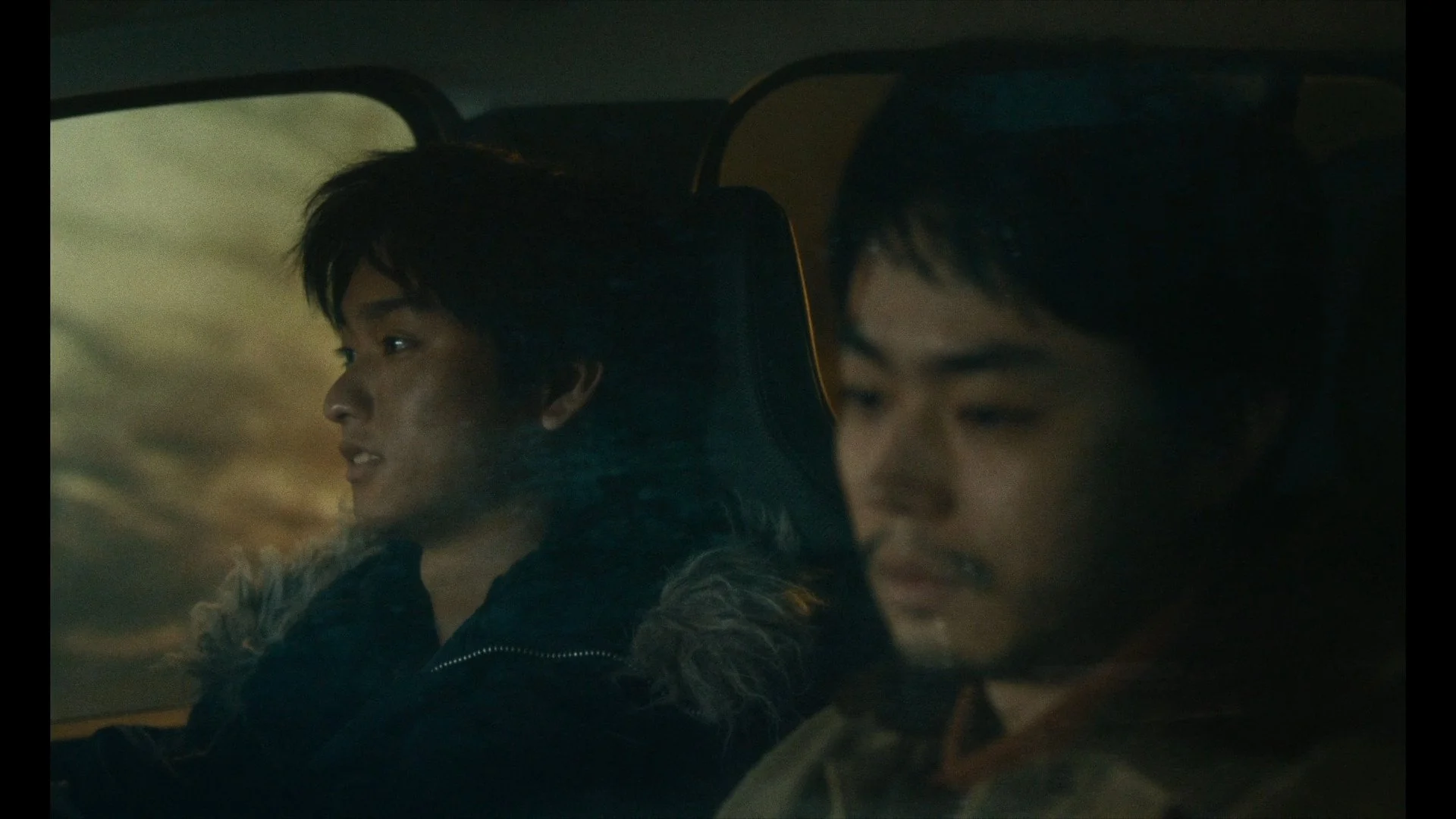
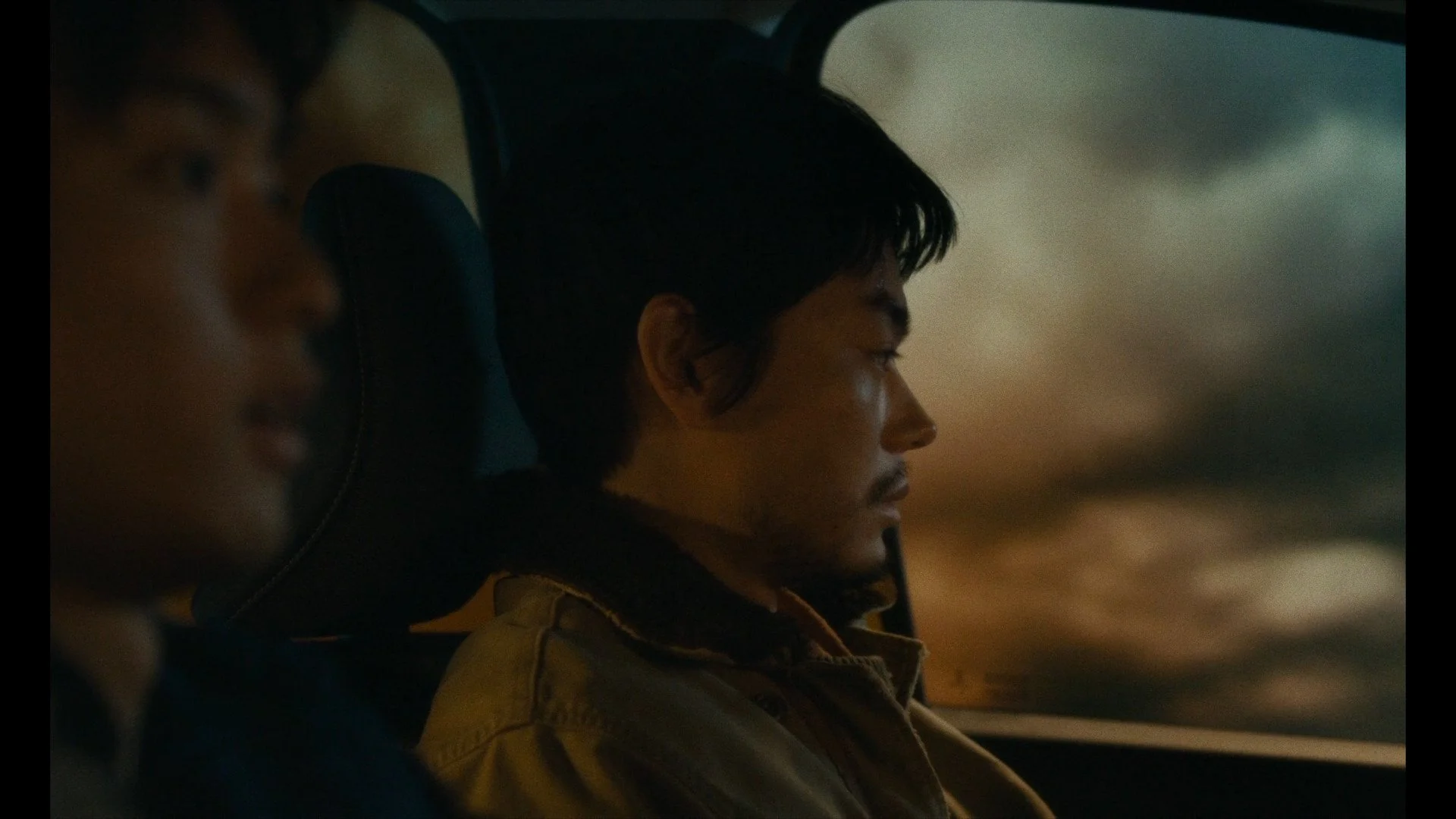
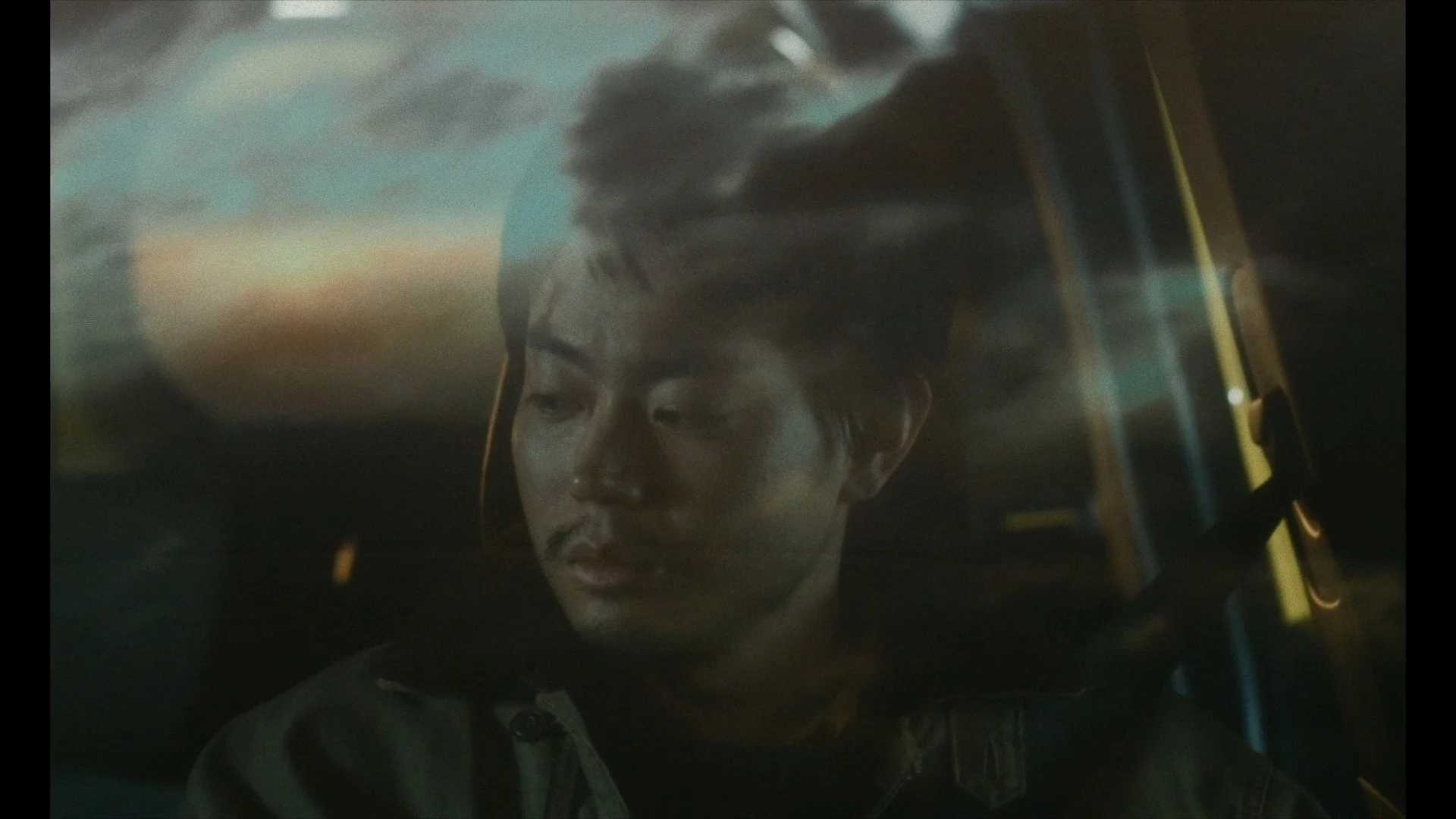
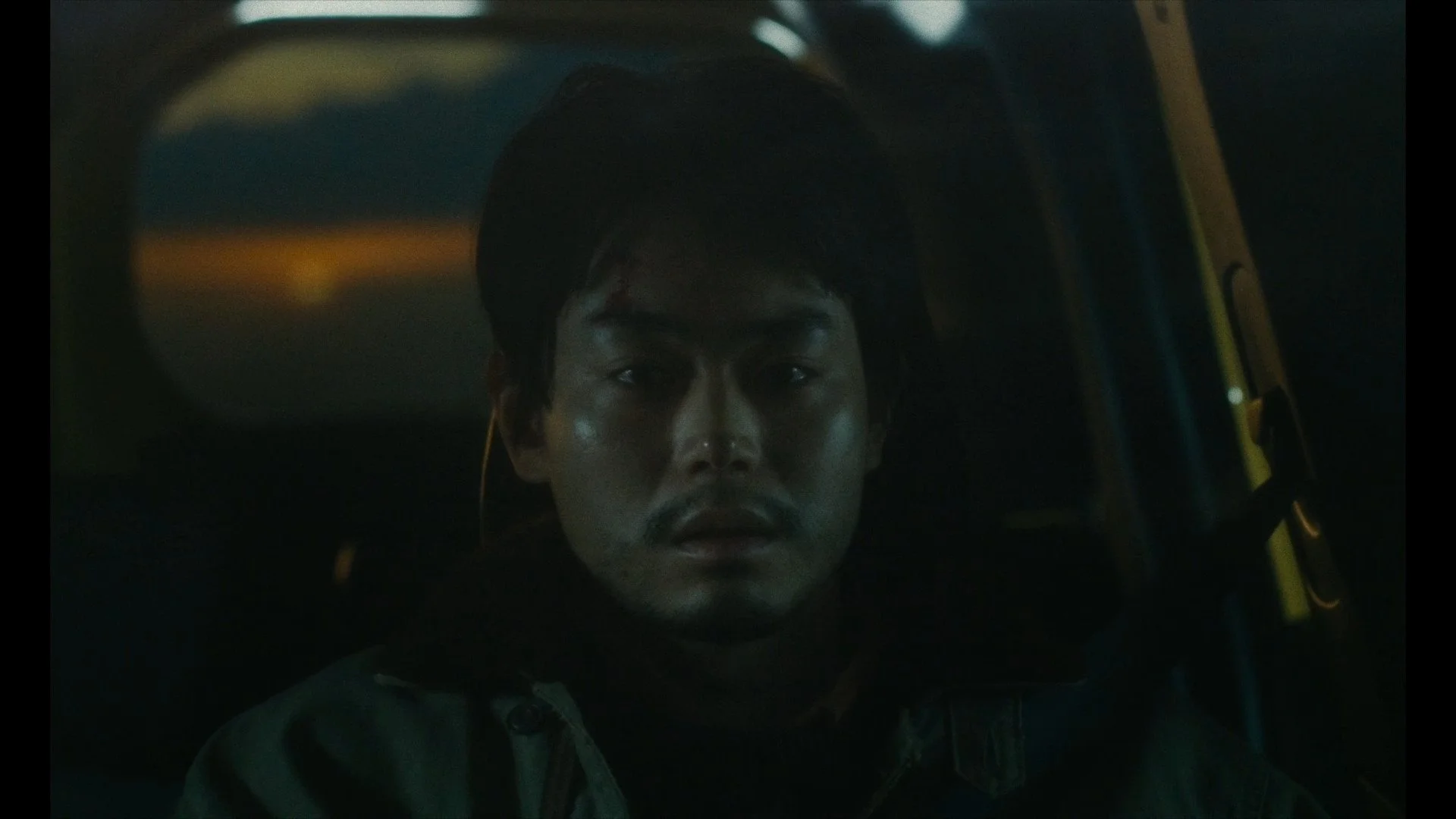
Often, digital commerce, online marketplaces and auctions are judged a trivial subject matter. Yet instilling Over-Value Anxiety inside the private psyche, they speak to us of disparity — explosive disparities — reflecting social dissatisfaction. Kuraudo translates this very question into a tension that never remains abstract. On the contrary! Tension becomes visual form: the elegance and cynicism of the direction lend weight to somber cinematography. Stripped of color, the image evokes depression — understood as a loss of character. A cessation of persona.
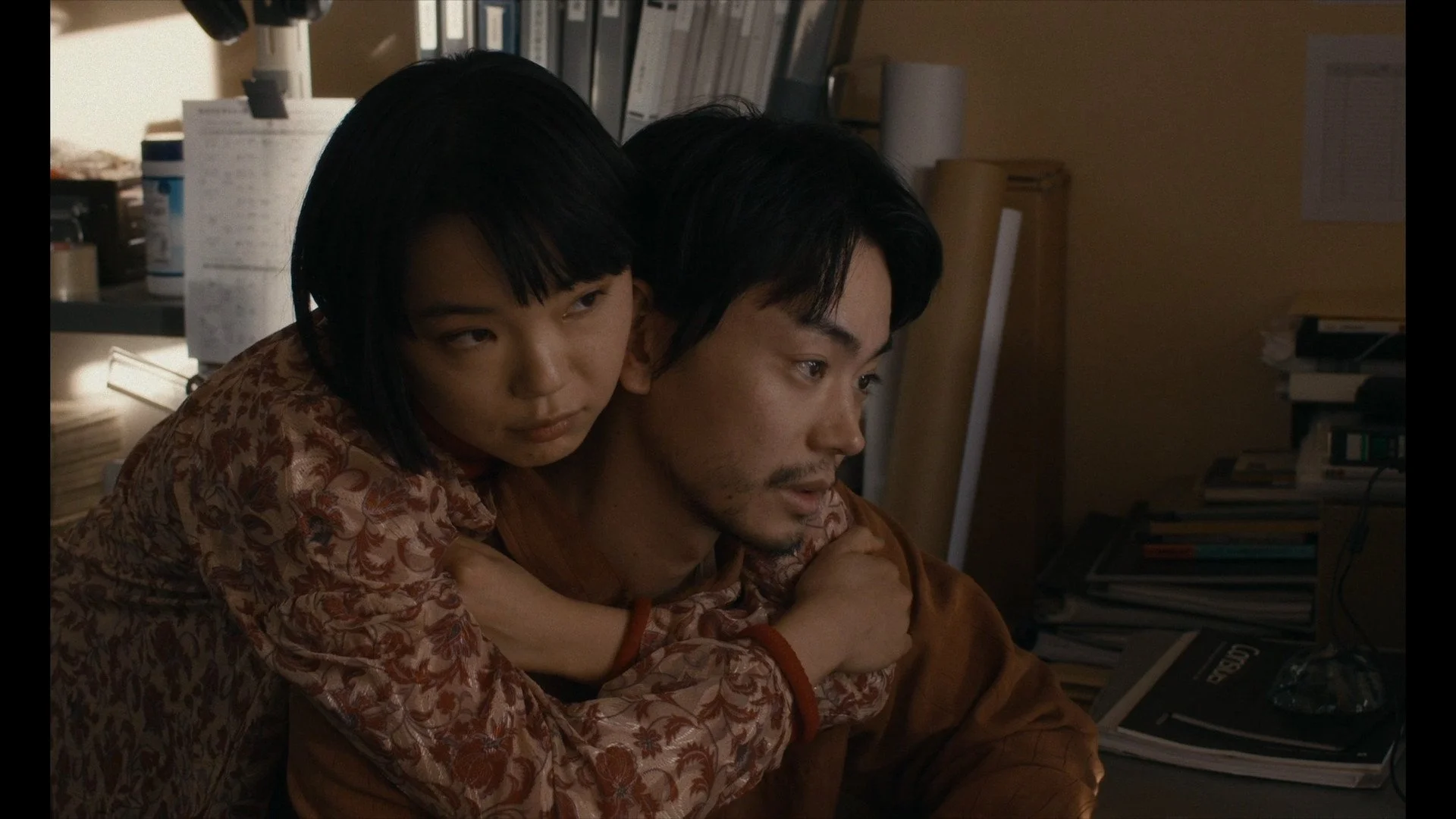
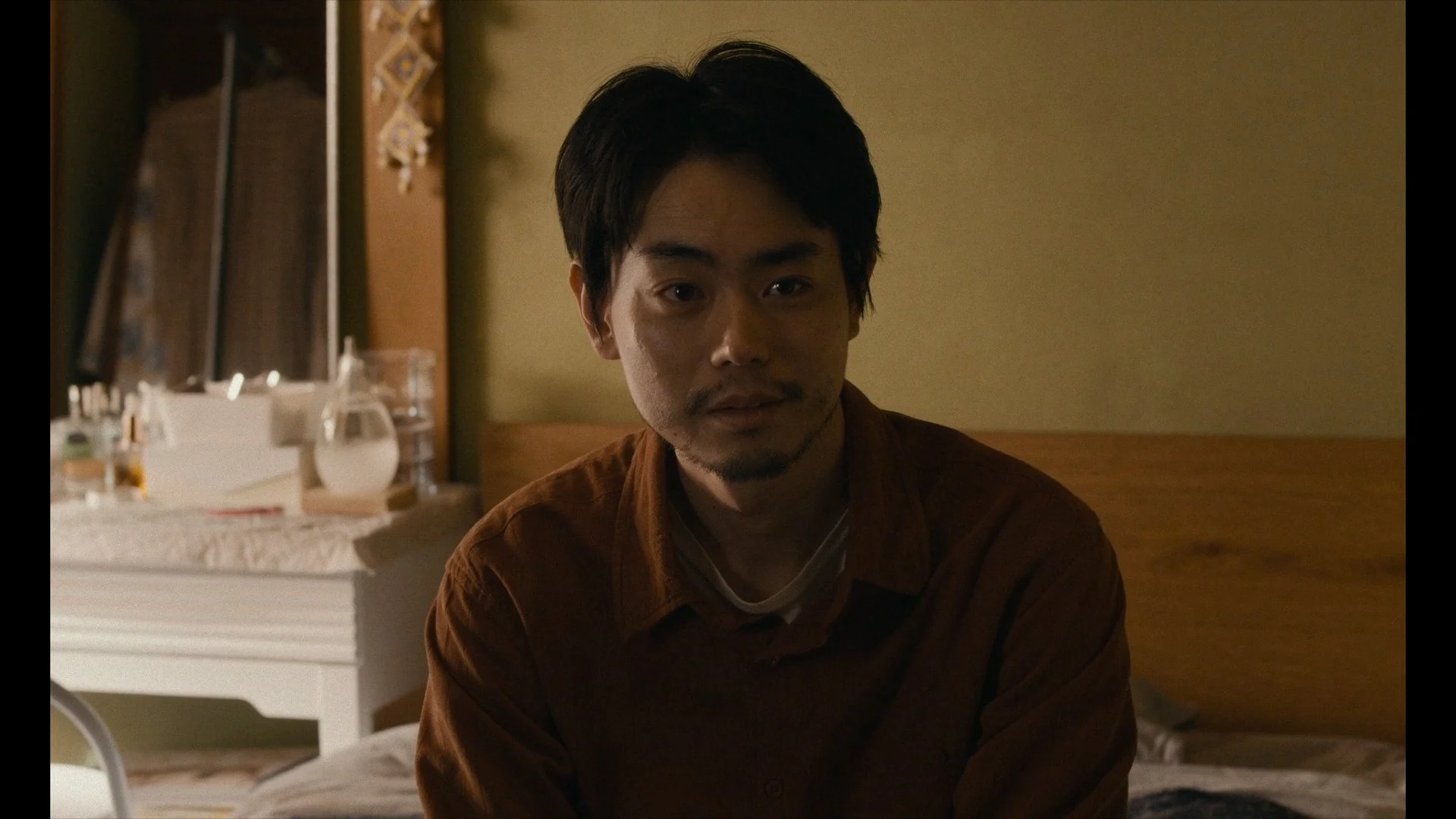
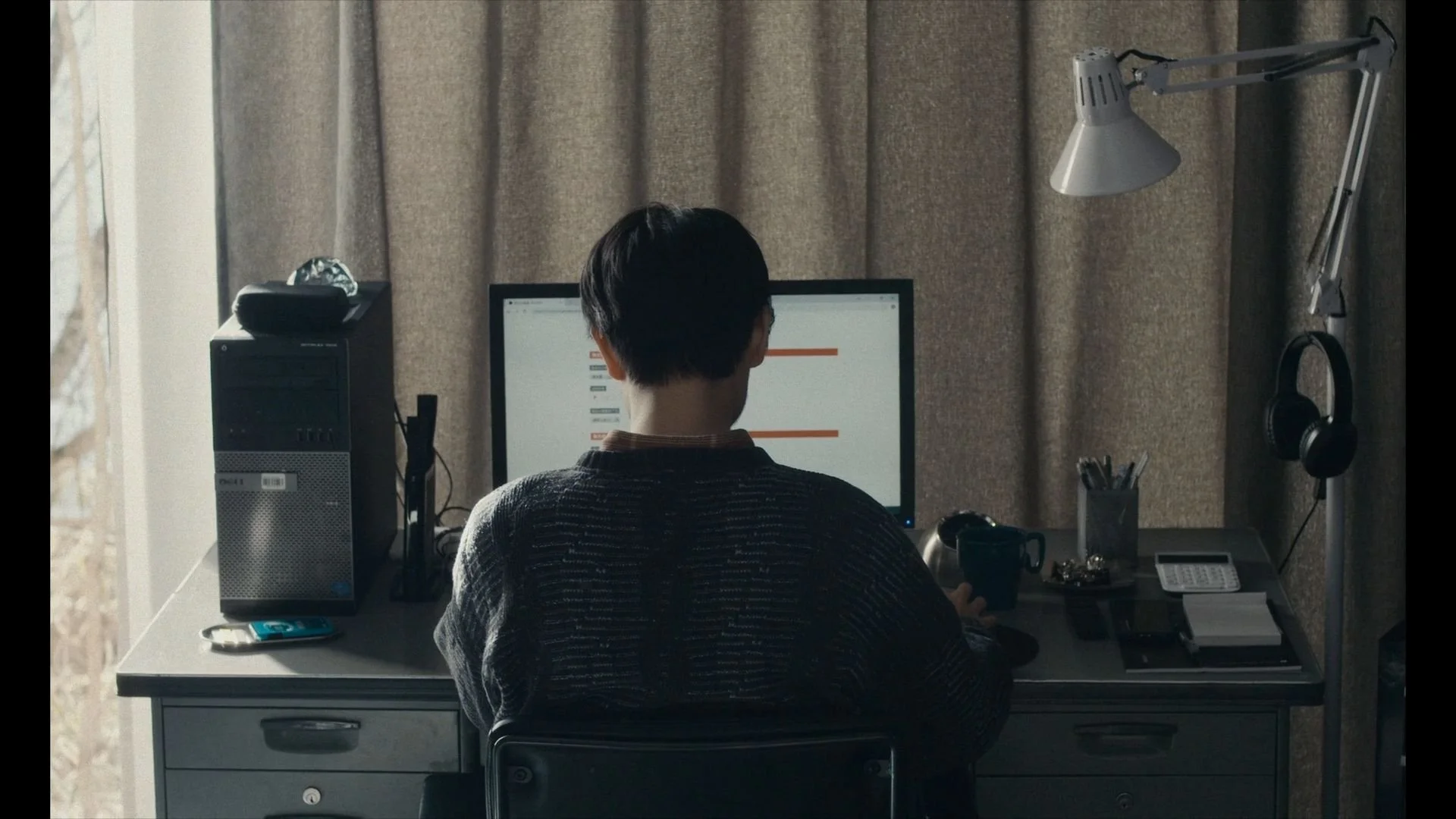
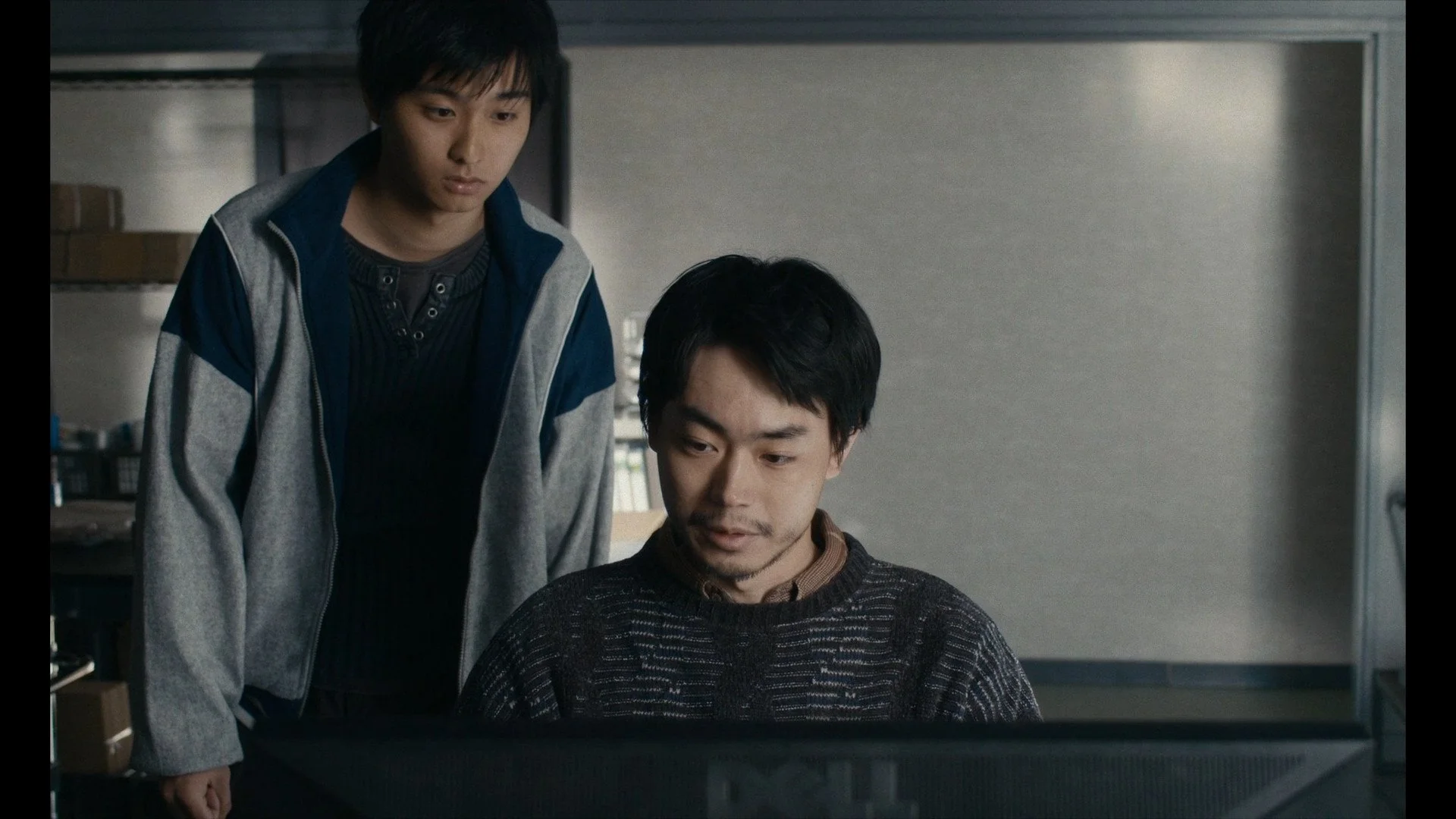
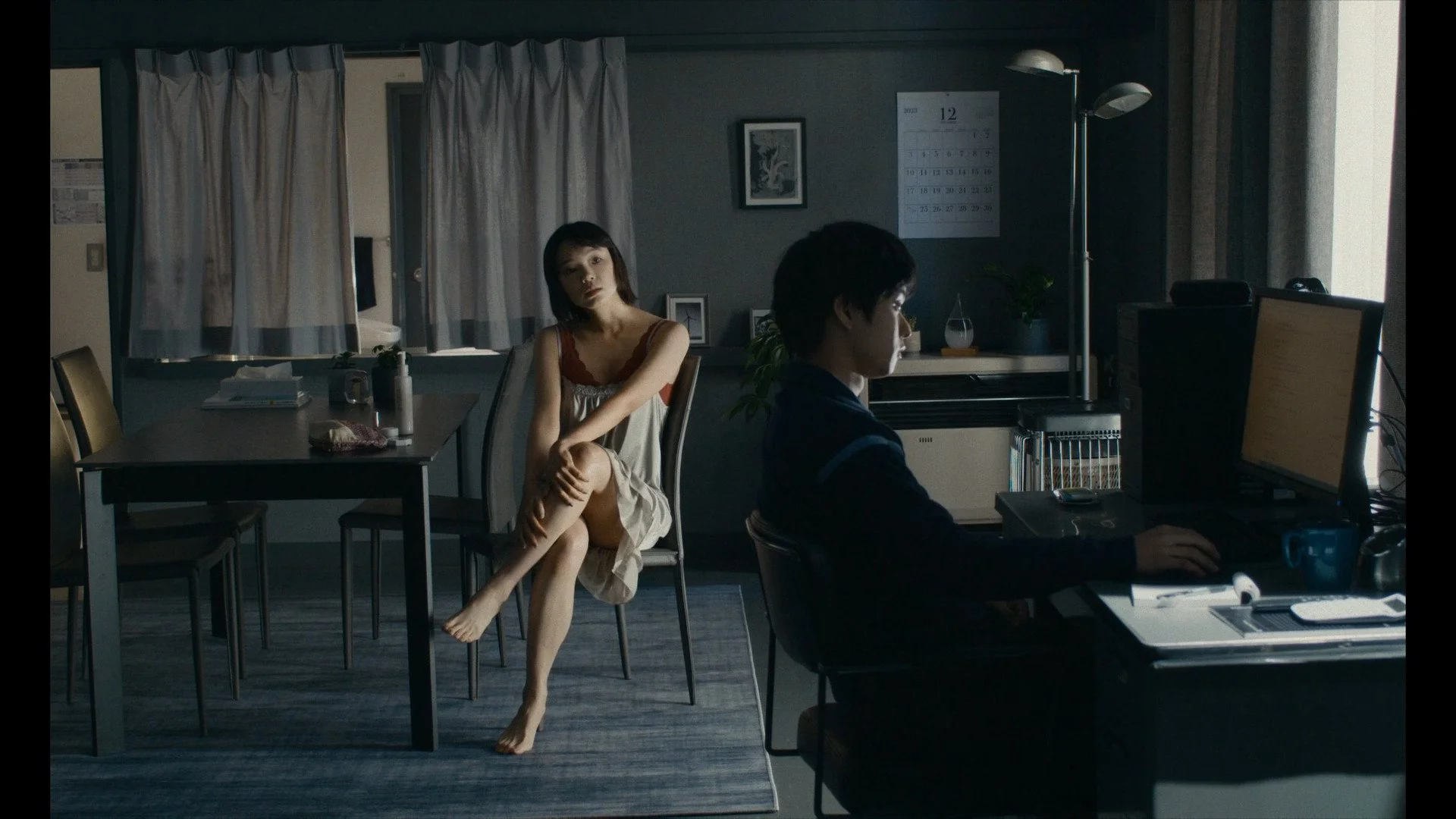
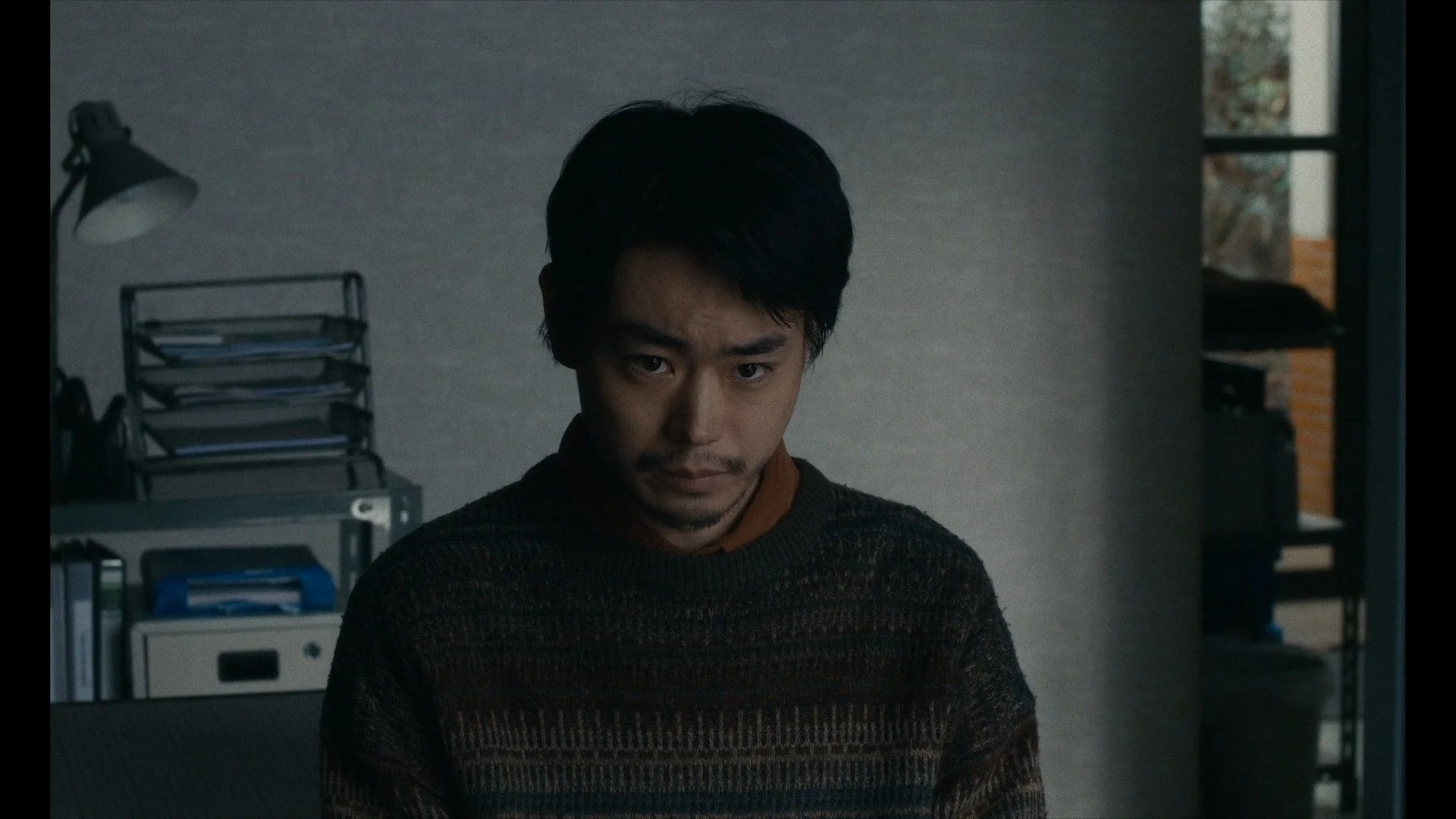
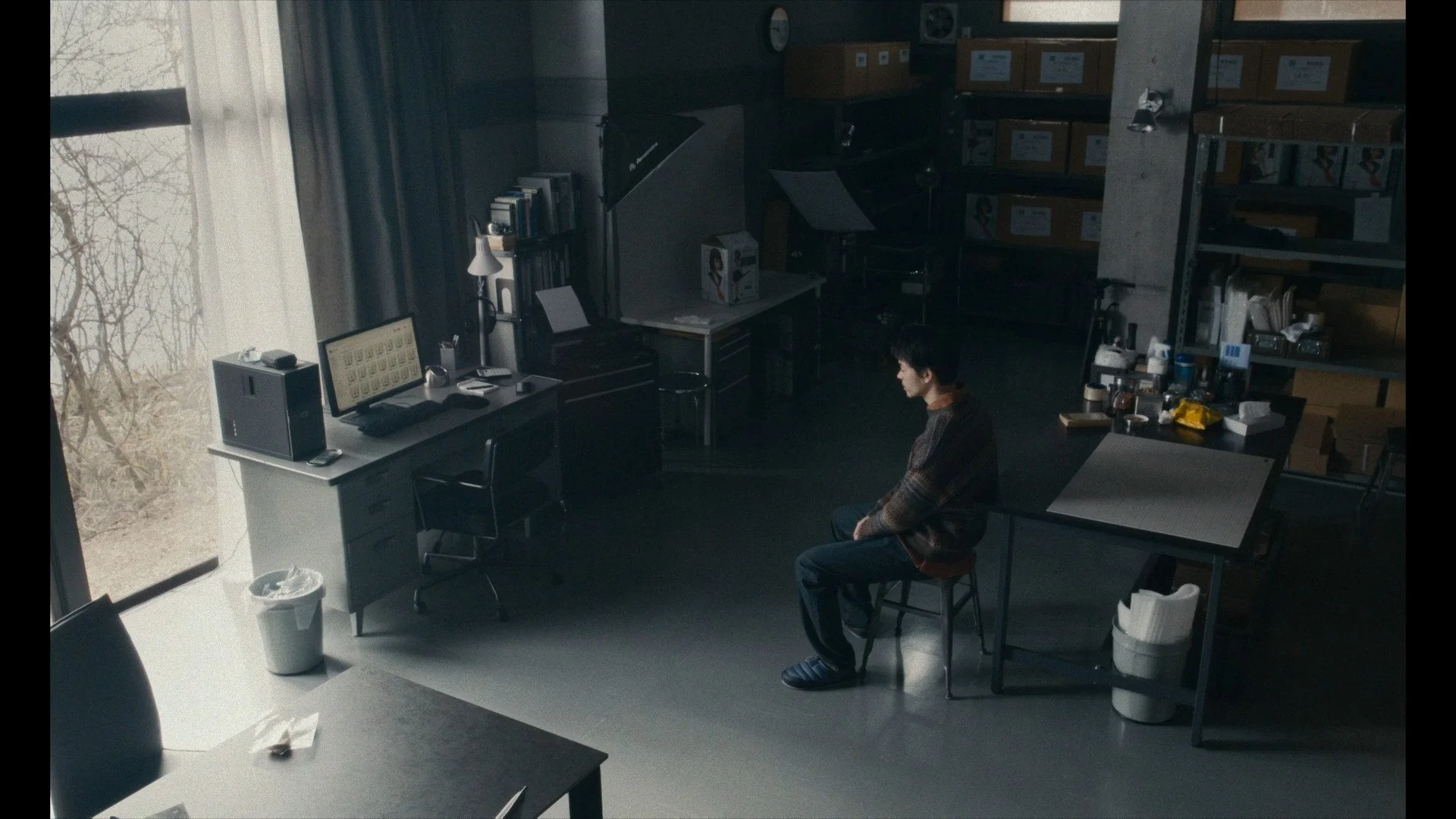
So. It is not merely a plot twist — a hard swerve from the film’s expected path. The shift from sociologic noir drama to tense action thriller further consolidates the theme of hollow-soul drop into bodies. The defraudeds ignite a revolt — not a chaotic expression of communal consciousness. It is a sum of solitudes, an individual uprising of the united mass, born inside their small, computer-lit rooms from sealed, motionless flesh and bones. Bones already within standardized flesh. Static. Airtight bodies. Alone, even when gathered. Emptiness. Gaps. Clouds drifting apart. One cloud.
Cloud (2024)
Directed by Kiyoshi Kurosawa
Starring Masaki Suda
Cinematography Yasuyuki Sasaki
Music by Takuma Watanabe
Words by ENEA BOCCAZZI
What to read next