Ryo Kishi
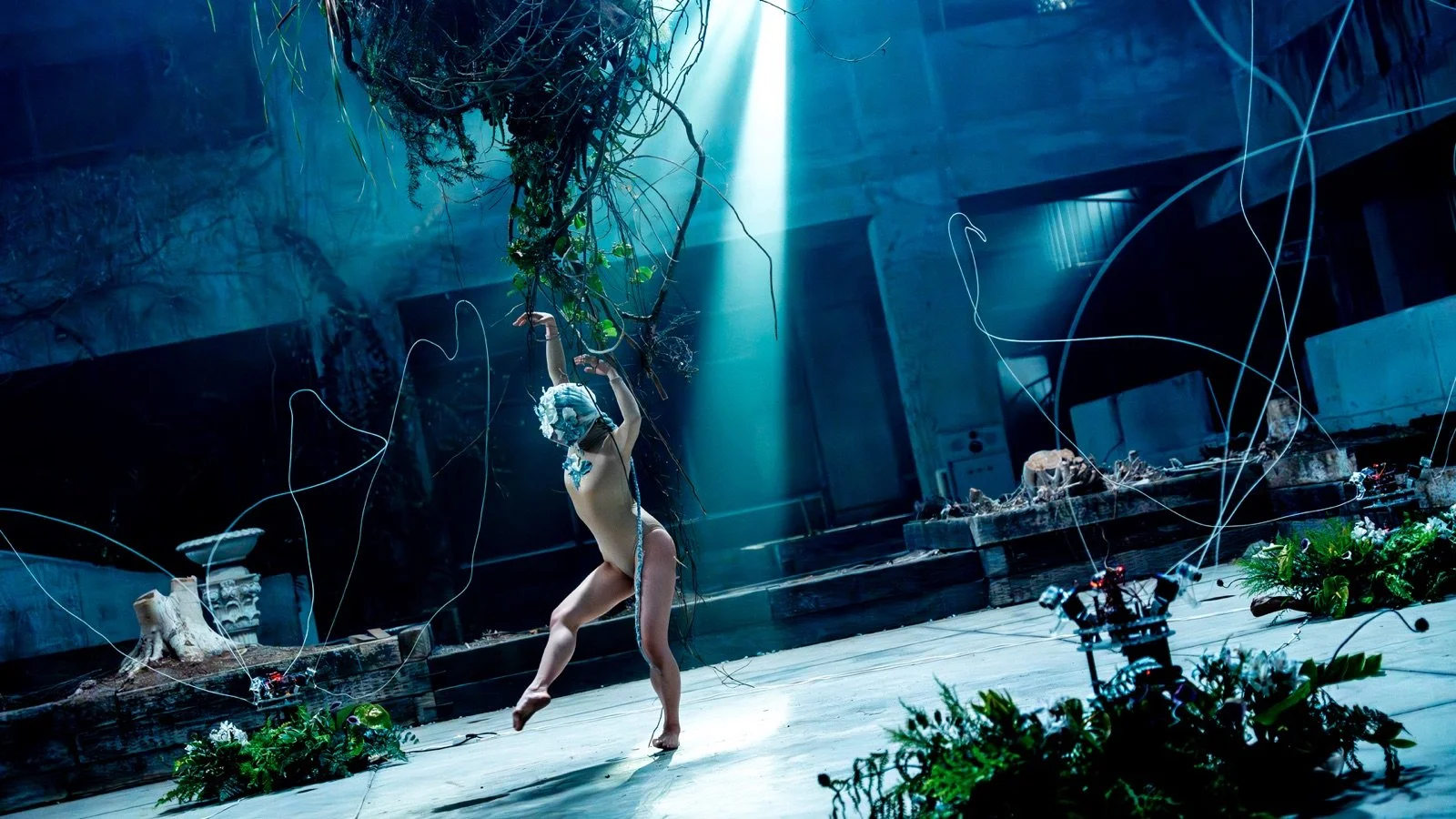
For this artist, the most compelling materials are not always tangible. Light, airflow, polarisation, and afterimages—phenomena that typically escape notice—form the foundation of a practice that navigates the intersection of scientific inquiry and artistic sensibility.
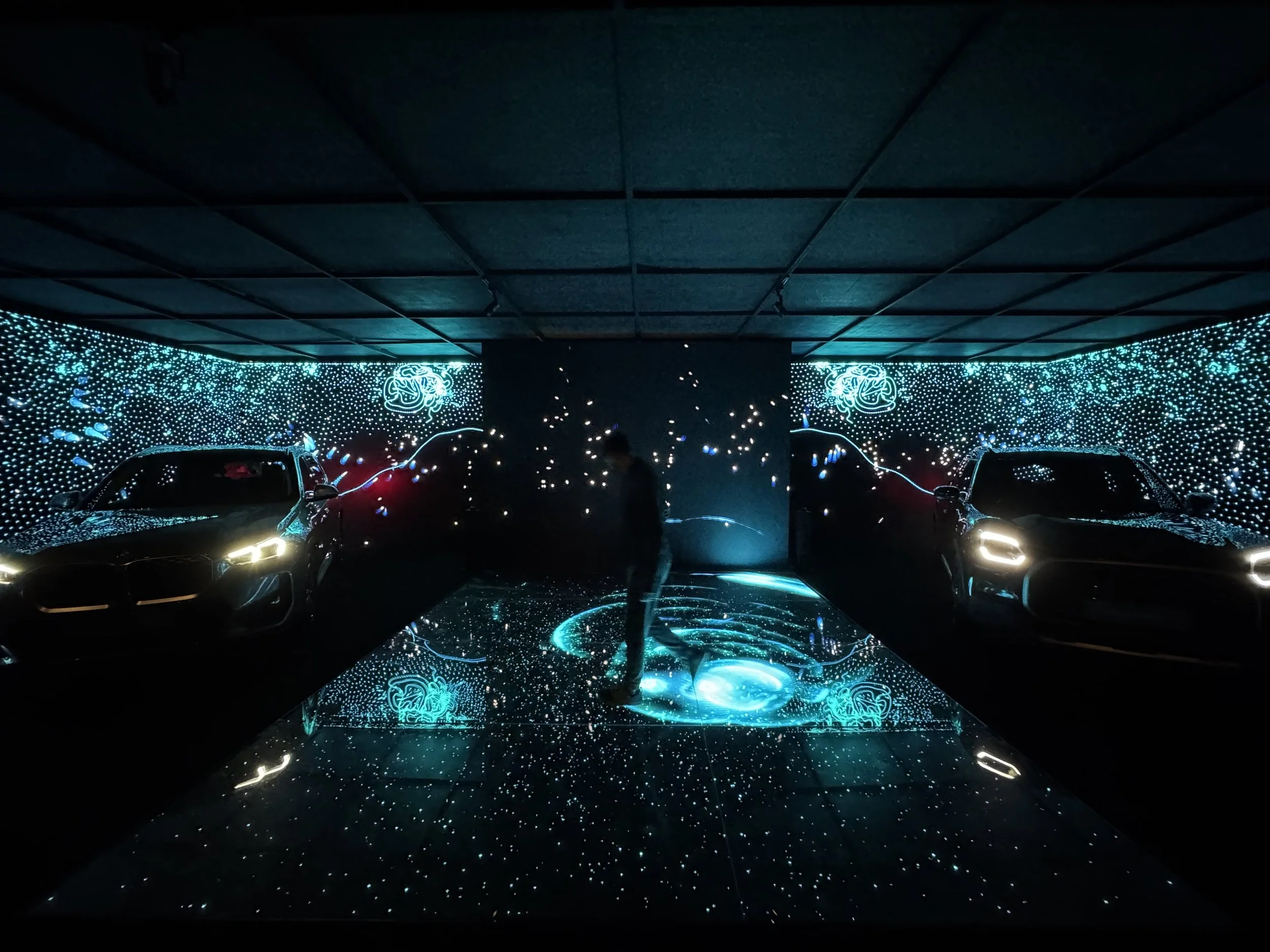
In installations that respond to space and human presence, perception itself becomes a subject. Visitors may find the reliability of their own senses subtly unsettled as light refracts in unfamiliar ways or motion emerges where none seemed to exist. These moments do not aim to deceive but to gently expose the assumptions through which we interpret the world.
As the artist reflects, “natural phenomena create small cracks in our certainty.” Through those fissures, another perspective emerges—one less centred on human perception and more attuned to the quiet dynamics of the natural world.
The works do not attempt to dominate these forces but to stage encounters with them. Materials, movement, and consciousness converge to produce fleeting states of awareness—moments when light feels almost alive, when space becomes responsive, and when observation itself becomes part of the artwork.
In this conversation, the artist reflects on a practice grounded in observation, shaped by failure, and guided by an enduring fascination with phenomena that remain unchanged even as technology races forward.
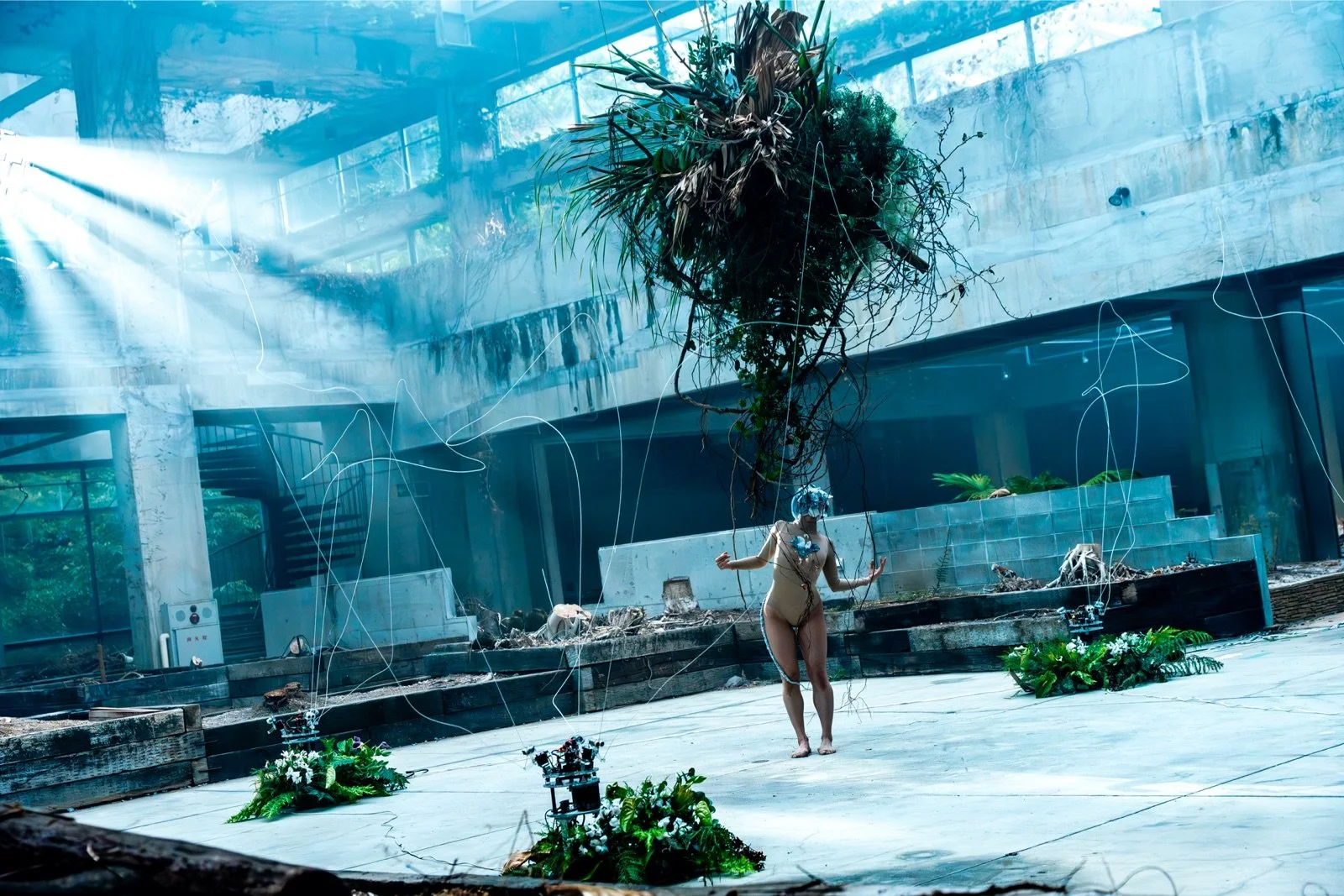
Your work often reveals invisible phenomena, such as polarisation, light, and subtle motion. What first awakened your sensitivity to the unseen forces that shape our perception?
During my student years, while researching how to translate cutting-edge technology into artistic expression, I began to feel that chasing "novelty" had become an end in itself. I felt as though I was grasping at something hollow.
While trends shift at a dizzying pace and are instantly overwritten by the next "new" thing, phenomena like polarisation, afterimages, and the flow of air have remained constant since time immemorial. When I touched these "unchanging things," I realised that invisible forces are, in fact, more essential and can serve as the core of true expression.
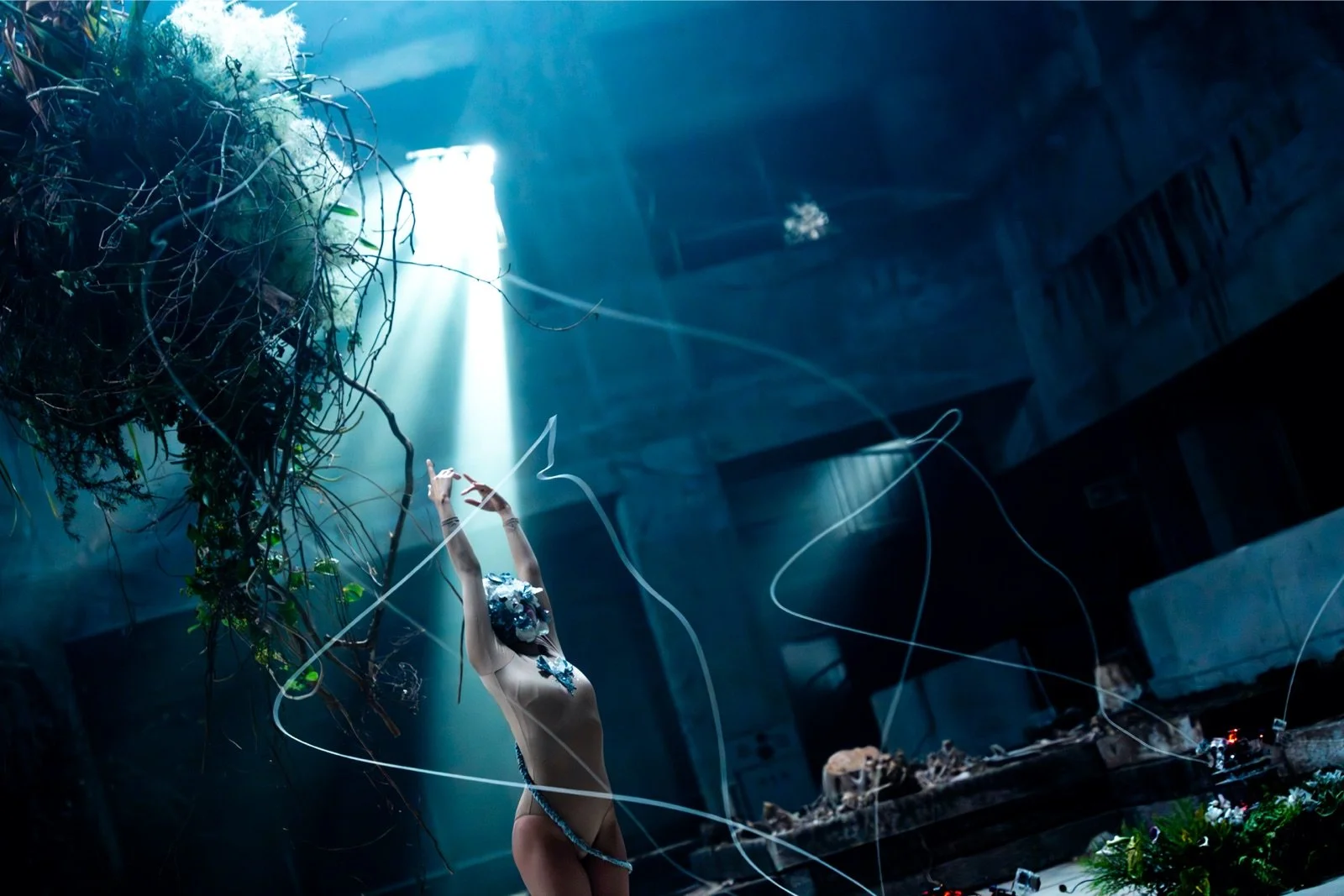
There is a quiet poetry in the way your installations respond to space and the body. How do you begin a piece—with a question, a material, a phenomenon, or a feeling?
For me, it always begins with a phenomenon. I repeat "observations" rather than "experiments" on phenomena that I find fascinating. I use my hands to confirm the "habits" of the phenomenon—its fluctuations and how its face changes under different conditions.
In that process, there is a moment where the phenomenon suddenly clicks with my own sensibilities or emotions. That is when a mere test begins to take the shape of a work of art.
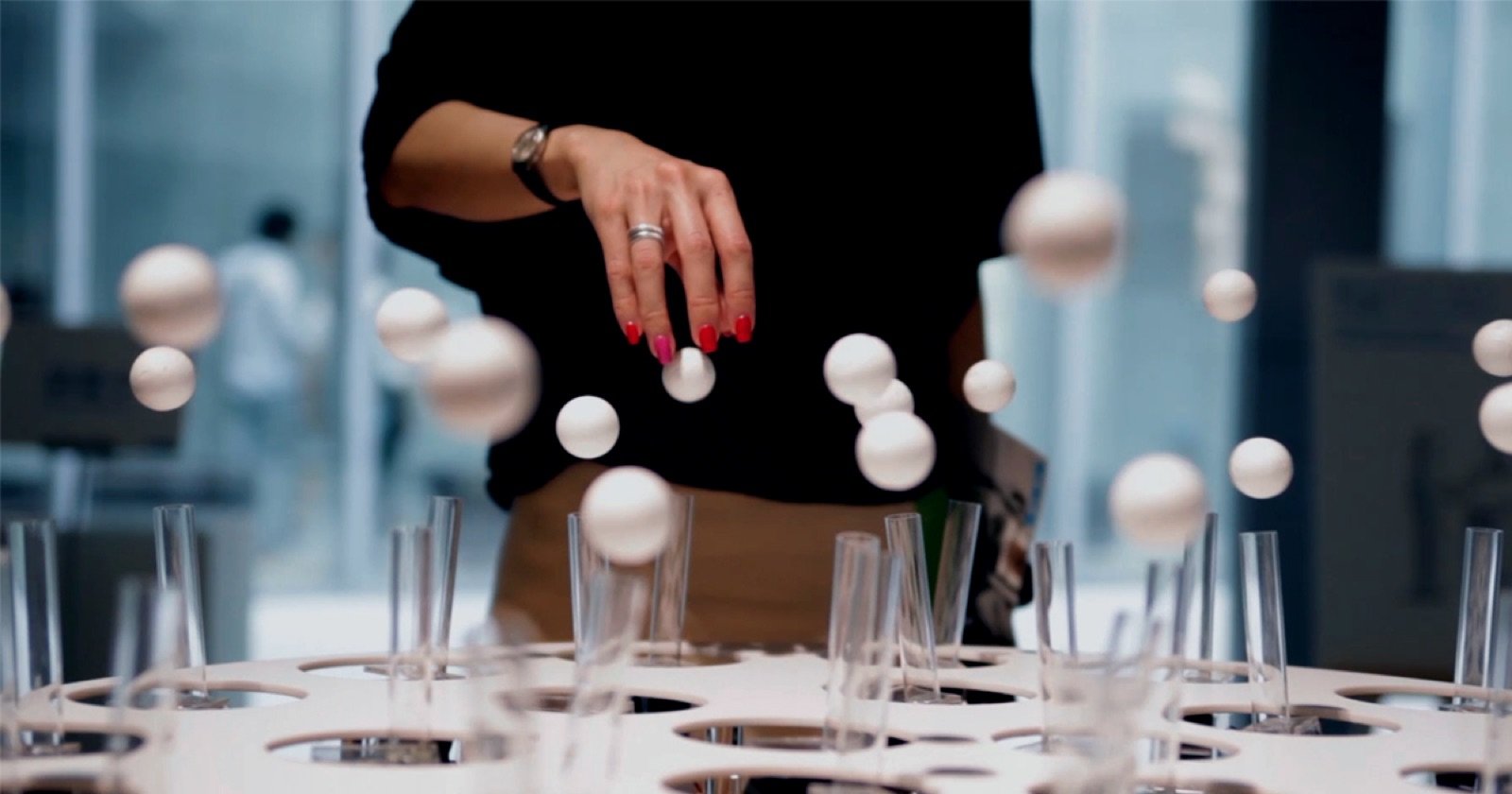
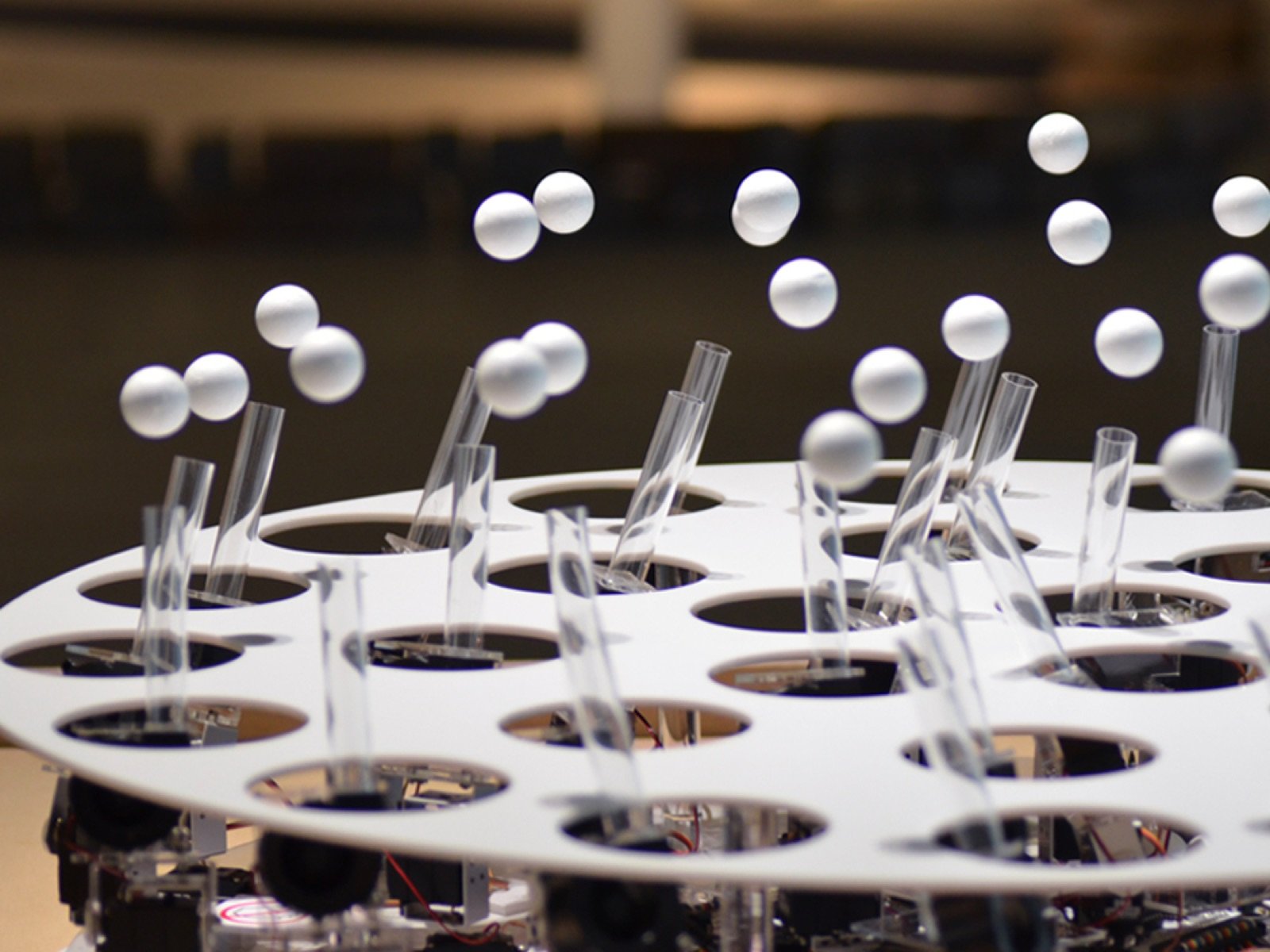
In works like dis: play(bias) and ObOro, perception itself becomes unstable. What fascinates you about destabilising what we think we see?
Things that appear "abnormal" from a human perspective are often simply "happening" naturally from the perspective of the universe. What I want to destabilise is not vision itself, but the subconscious certainty we hold that we are seeing the world as it truly is.
Natural phenomena create small cracks in that certainty. I am deeply drawn to the moment we glimpse, through those cracks, a world that is not built solely on human-centric resolution
Your practice seems to sit between scientific inquiry and artistic intuition. Do you experience these as separate languages, or as part of the same conversation?
I feel they are separate languages. If I rely solely on scientific inquiry, the work ends within the scope of what can be explained, often becoming a mere "result of an experiment."
Conversely, if I rely only on intuition, the work might be aesthetically pleasing, but it rarely leads to the surprising discoveries or new expressions that I haven't even seen. However, there are moments when the two overlap. When theory and intuition point in the same direction, a mere attempt finally crystallises into a work.
Many of your works feel contemplative, almost meditative. What kind of inner experience do you hope visitors carry with them after encountering your installations?
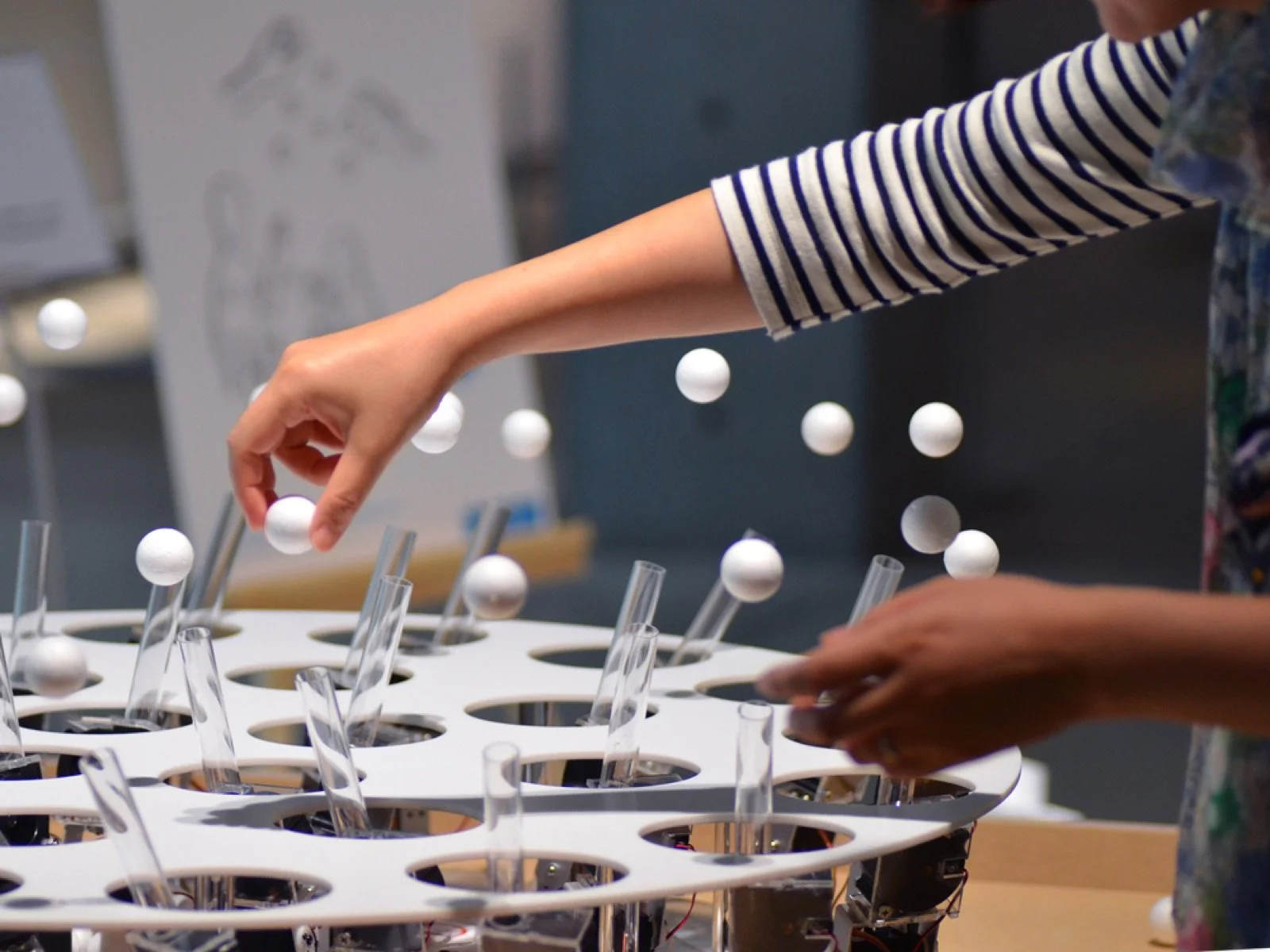
I would be happy if the experience catalyses people to realise that the world they have been seeing exists within a much narrower frame than they thought.
I hope their gaze shifts not only to things that have been named or given meaning but also to wordless phenomena and subtle presences. Rather than "the world is vast," I want them to carry away the feeling that "there are many more ways to see the world."
Light appears not just as a tool but as a living presence in your work. What does light mean to you personally and philosophically? How do materials, motion and mind play a role?
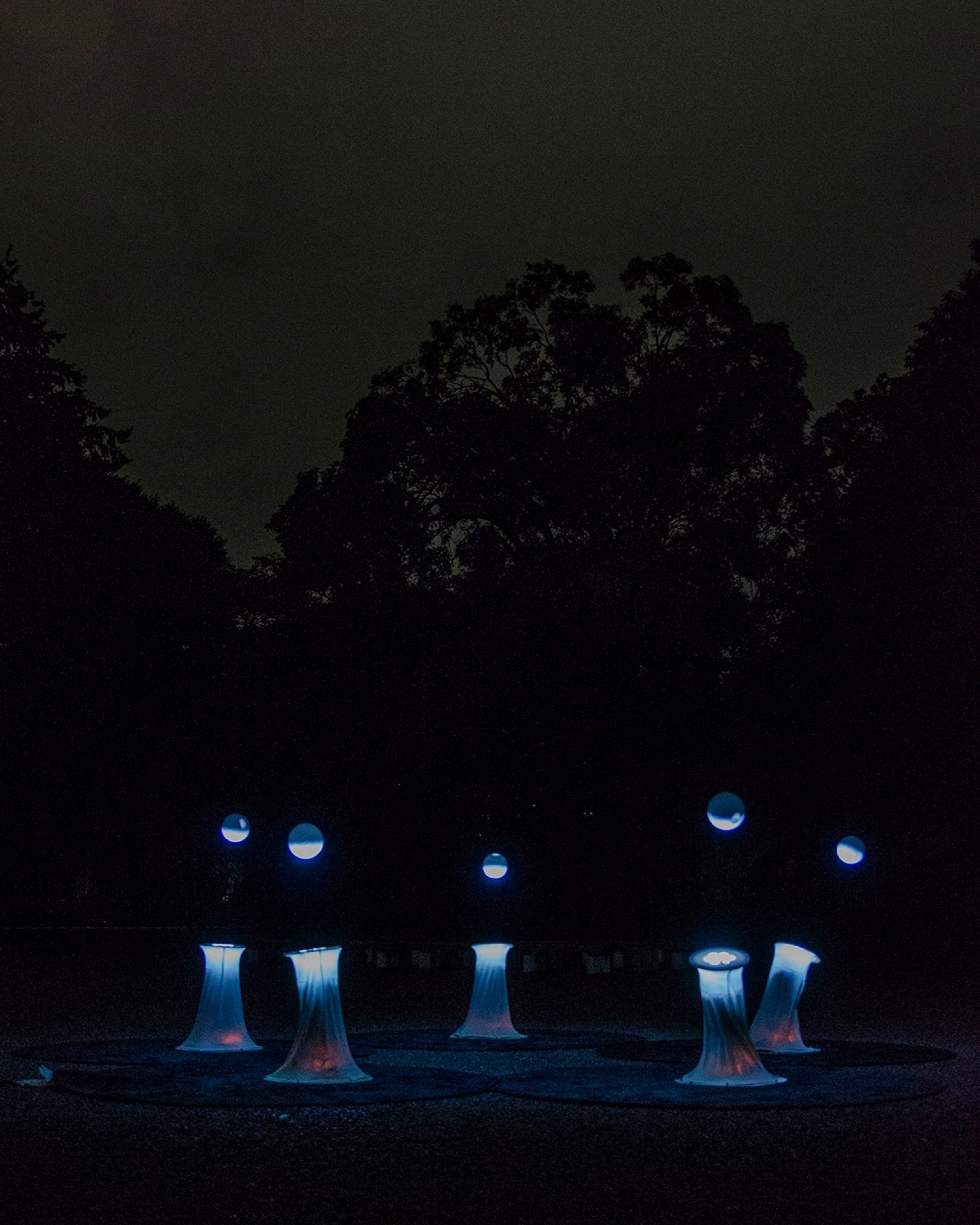
Honestly, I rarely think of light as the "protagonist." To me, light and air are simply natural phenomena, and my works are devices for manifesting those phenomena.
I place natural phenomena at the centre because they are devoid of trends; they existed 100 years ago and will exist 100 years from now. When materials, motion, and the viewer’s consciousness overlap, light ceases to be mere illumination and rises as a "living presence" with its own fluctuations. That is the moment I want to capture.
Because your installations depend on space and movement, they change with each exhibition. How do you embrace unpredictability when your work meets a new environment?
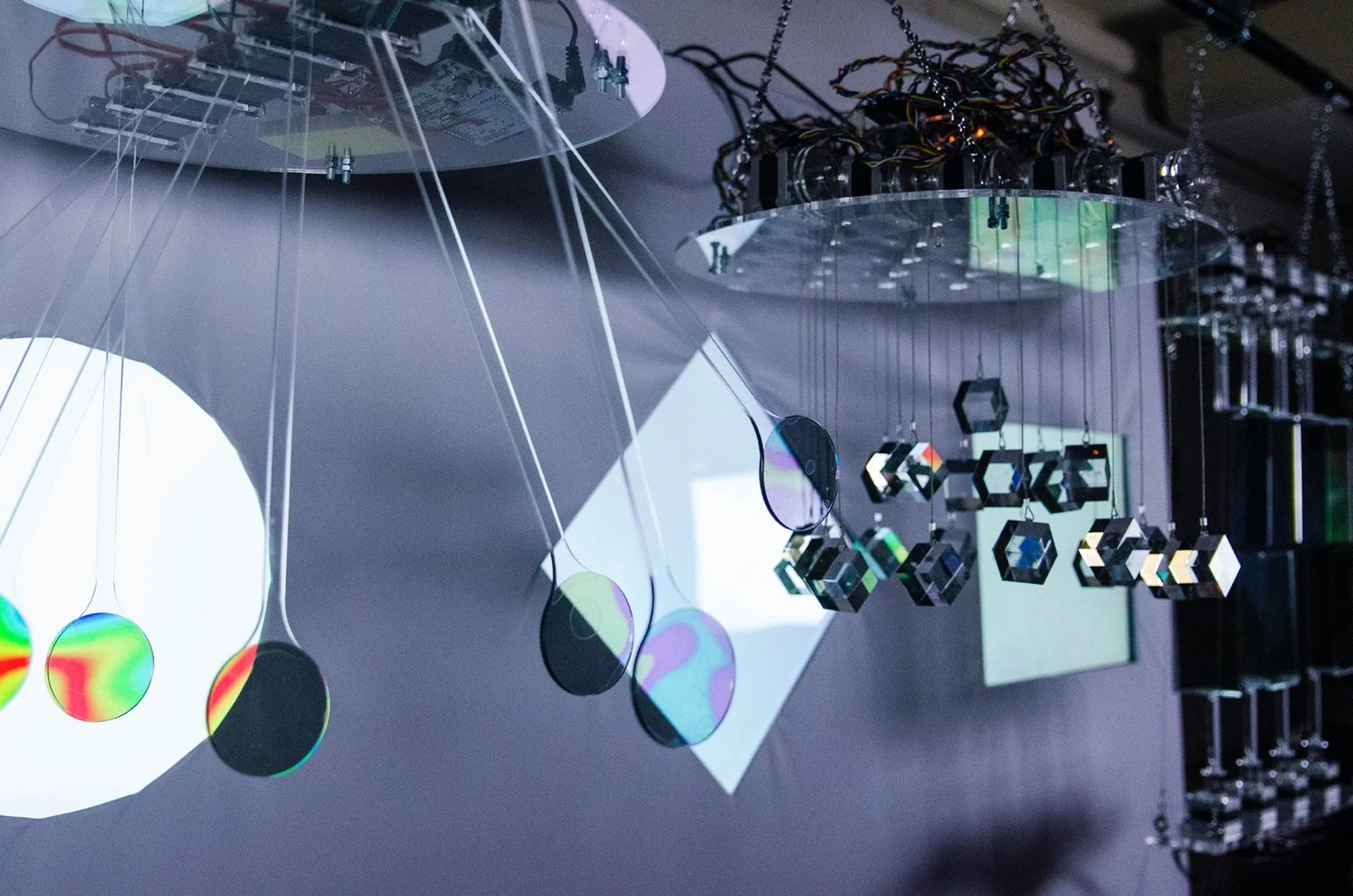
I create my works on the premise that they will change. Since I deal with natural phenomena, the spatial conditions, the airflow, and the movement of people are never the same.
I view the viewer as part of the "environment"—like temperature or humidity—that surrounds the work. Therefore, exhibiting is less about placing a finished product and more about setting the conditions for a phenomenon to arise in that specific location. I look forward to encountering expressions that I myself did not anticipate.
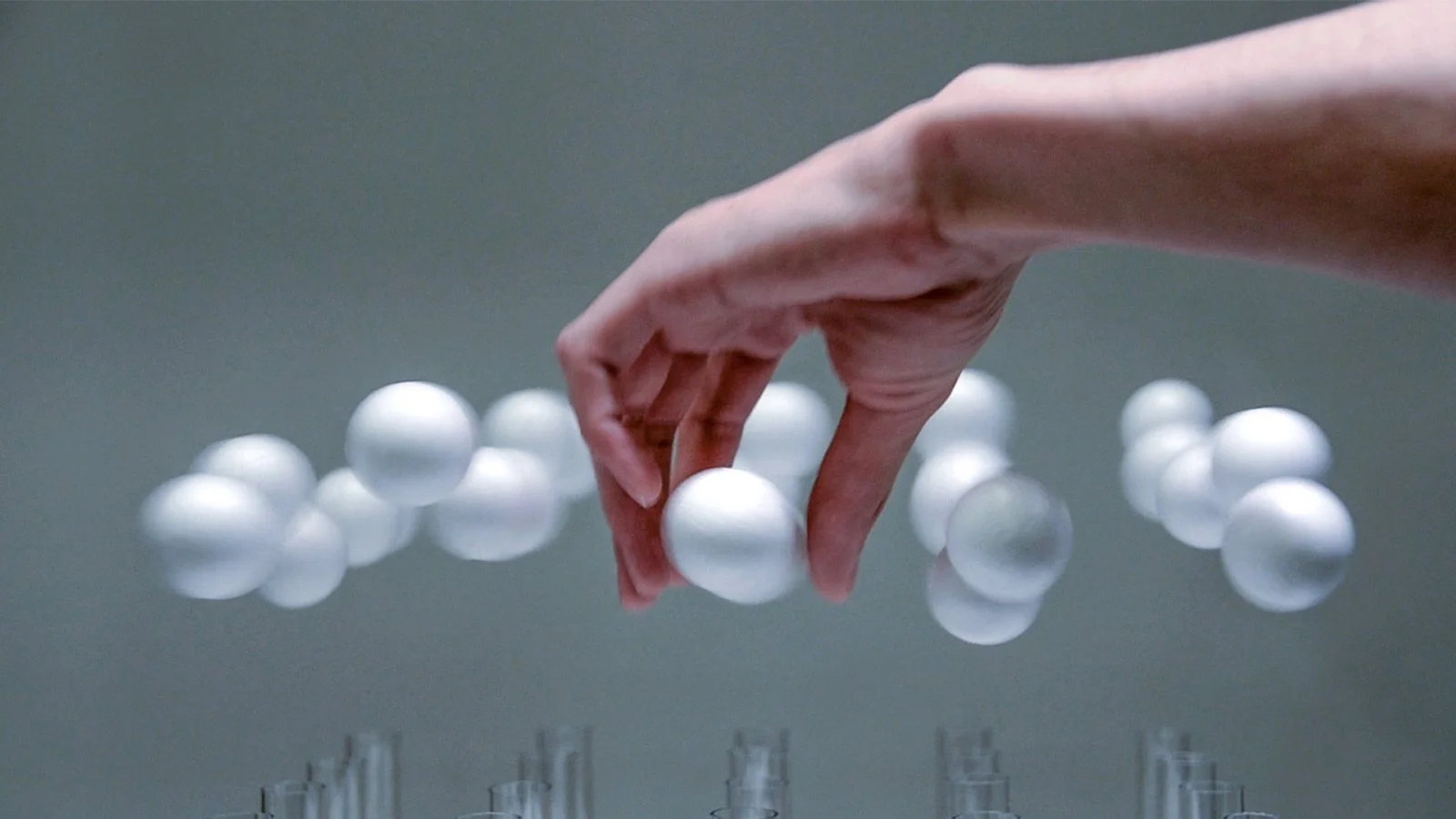
Interactive art asks the audience to participate rather than observe. What responsibility do you feel toward the viewer when they become part of the artwork?
I don’t think of it as "asking them to participate," but rather that "their presence is already exerting an influence." The viewer is not someone who pushes a switch; they are a presence that subtly alters the field of the phenomenon through their aura, distance, breathing, and the time they spend there.
This unconscious "complicity" boosts the expression of the work. Therefore, I believe it is my responsibility as a creator to design the "yohaku" (void or margin) where the viewer can feel safe just being there.
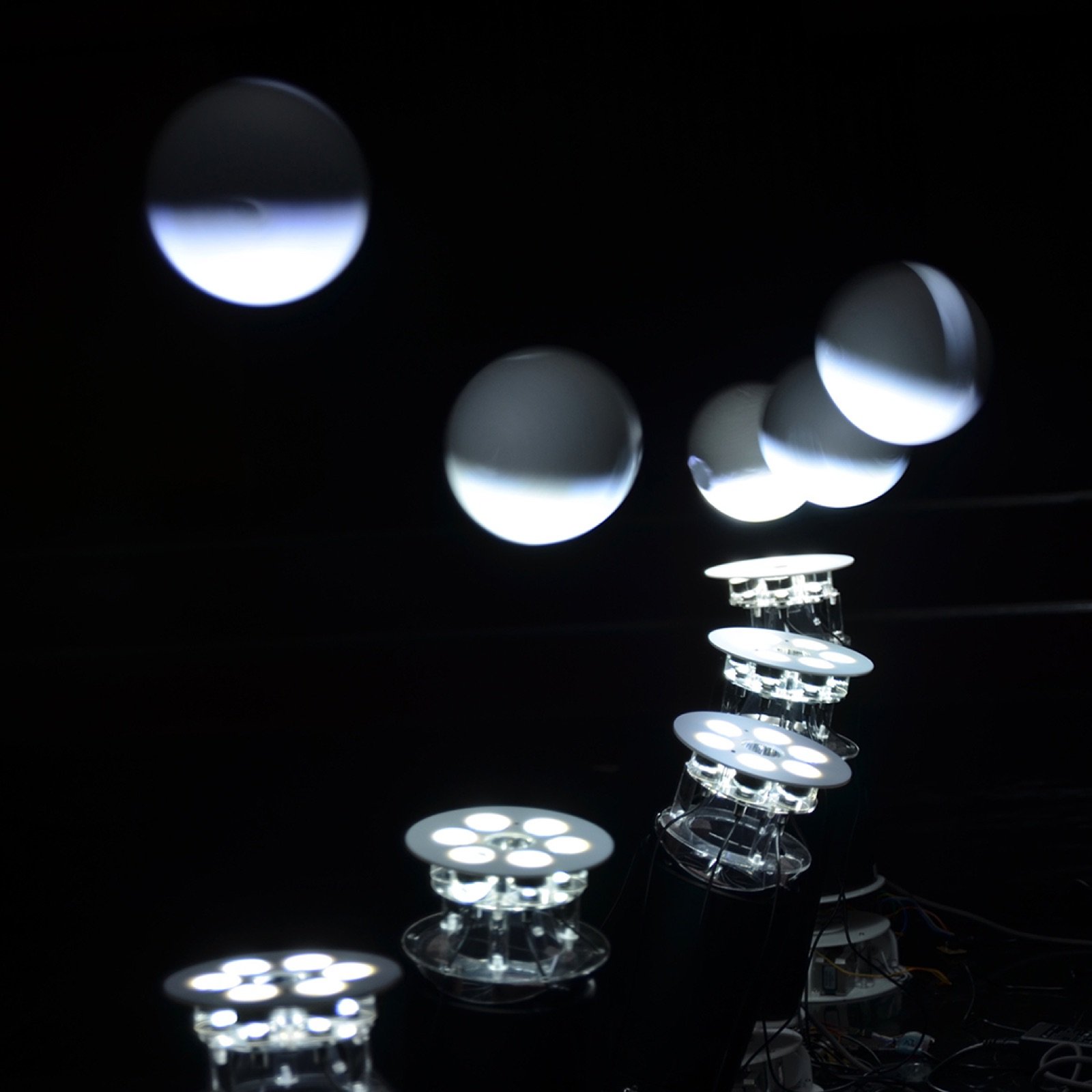
Recognition at international festivals has brought your work to broader audiences. Has visibility changed your creative process, or do you protect a certain solitude in your practice?
Visibility hasn't really affected the creative process itself. When you work alone, the vast majority of the process is failure. But it is precisely because I am in the depths of repeated failures that I can notice the faintest "light" of possibility.
I don't think I am protecting solitude so much as I am protecting the silence required to face those failures.
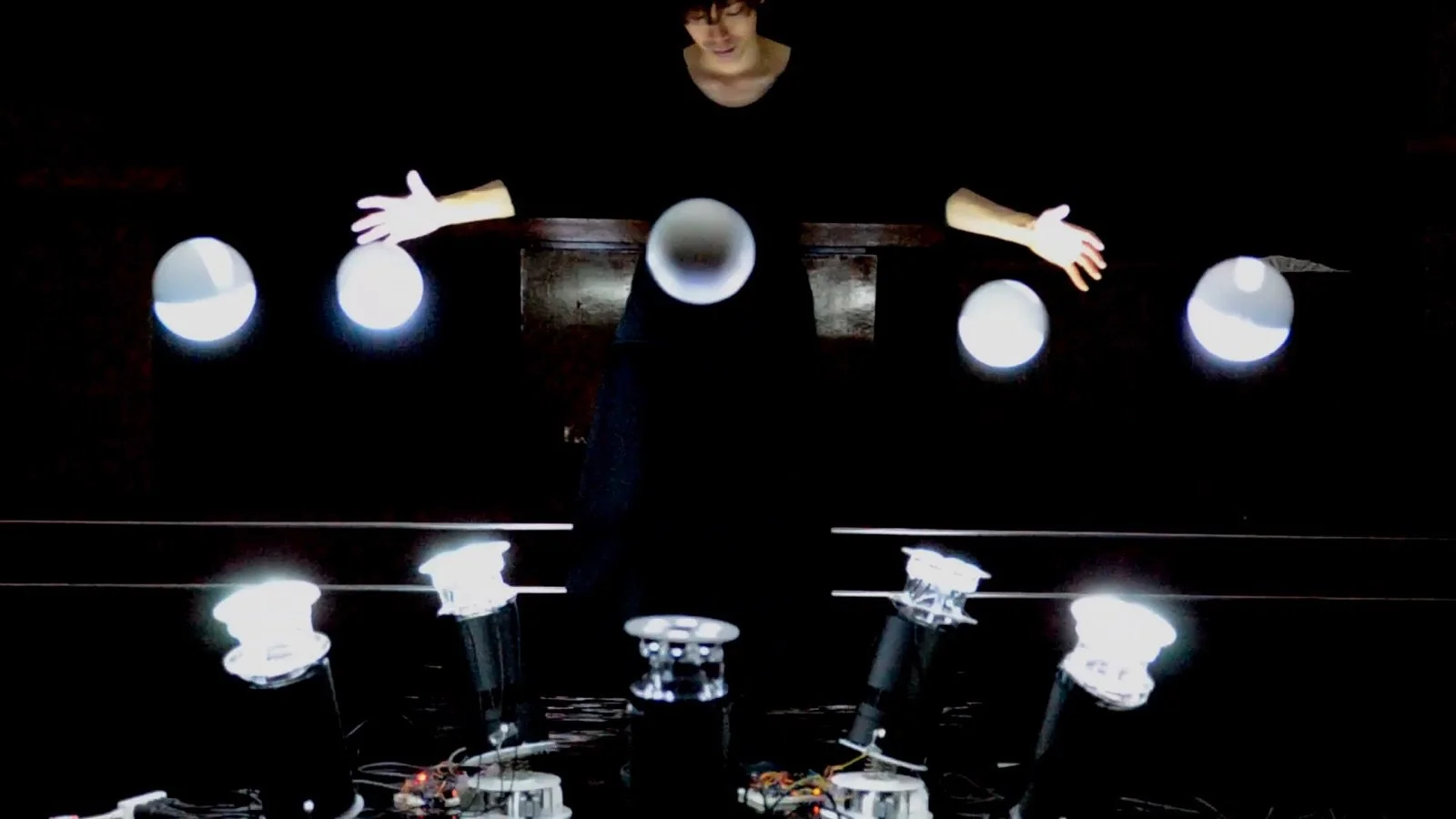
There is often a subtle tension in your pieces between control and surrender, clarity and ambiguity. Is this tension intentional, or does it emerge organically?
It is intentional. When everything is perfectly controlled, a work is easily reduced to a "correct answer." However, the charm of a phenomenon dwells in the parts that cannot be fully controlled.
I believe that "imperfect control"—leaving a place for fluctuation—is the essential condition for continuously generating new expressions.
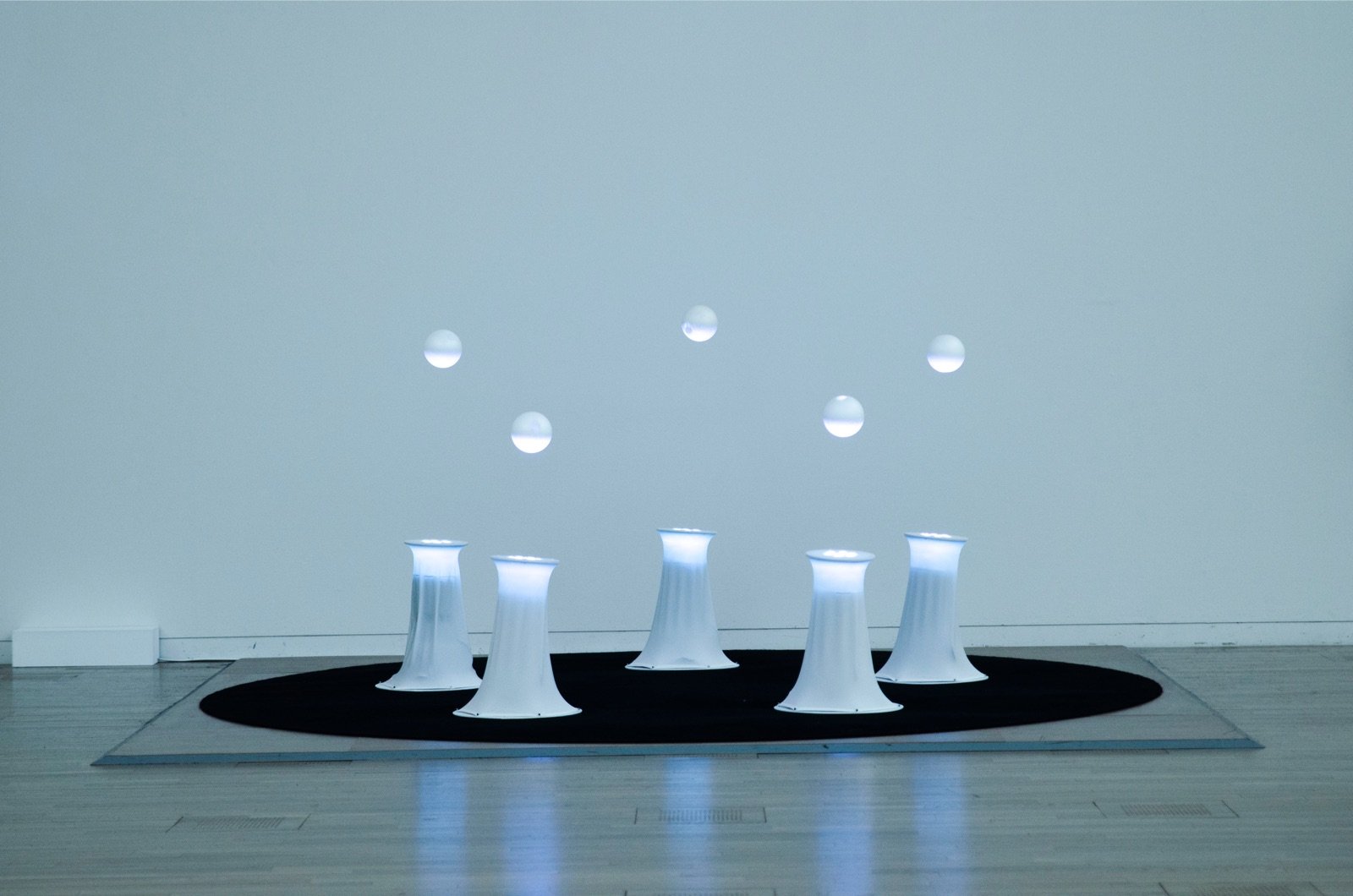
As technology continues to evolve rapidly, what remains constant for you as an artist? What anchors your work amid change?
My anchor is whether a vision I want to see "exists in this world," and whether I want to share that vision with someone else. If it doesn't exist, I will create it with my own hands. While technology changes, the desire to "manifest a desired vision as a phenomenon" remains constant.
Looking forward, is there a phenomenon, natural, emotional, or philosophical, that you feel called to explore but have not yet touched?
Explosion. Whether it is an emotional explosion or a natural one, it represents the "peak of change" where energy is released in an instant.
My work has dealt with fluctuations and imperfect control, and while an explosion seems to be the polar opposite, it is similarly an "uncontrollable phenomenon." I want to work on a piece that converts that transience into a form that can be observed continuously, rather than letting it end as a one-time event.
Interview by Jagrati Mahaver
What to read next