Rewire Festival: The Hague's Beautiful Experiment in Sonic Chaos

Caterina Barbieri & MFO - © Jan Rijk
Fifteen years in, and Rewire still hasn't learned how to be comfortable. That's the highest compliment you can give it.
The festival's 2026 edition arrived on 9 April in The Hague with the same quiet, disorienting confidence it has built over a decade and a half. More than 200 events spread across 25 venues, from Amare's grand concert hall to evangelical churches, independent bookshops, gallery basements, and record stores tucked into the city's back streets. The Hague doesn't so much host Rewire as absorb it, one unexpected room at a time. There are no fences, no wristband cattle runs, no temporary structures dropped into a field. The festival uses the city's own bones, and the city, to its credit, holds still and lets it happen.
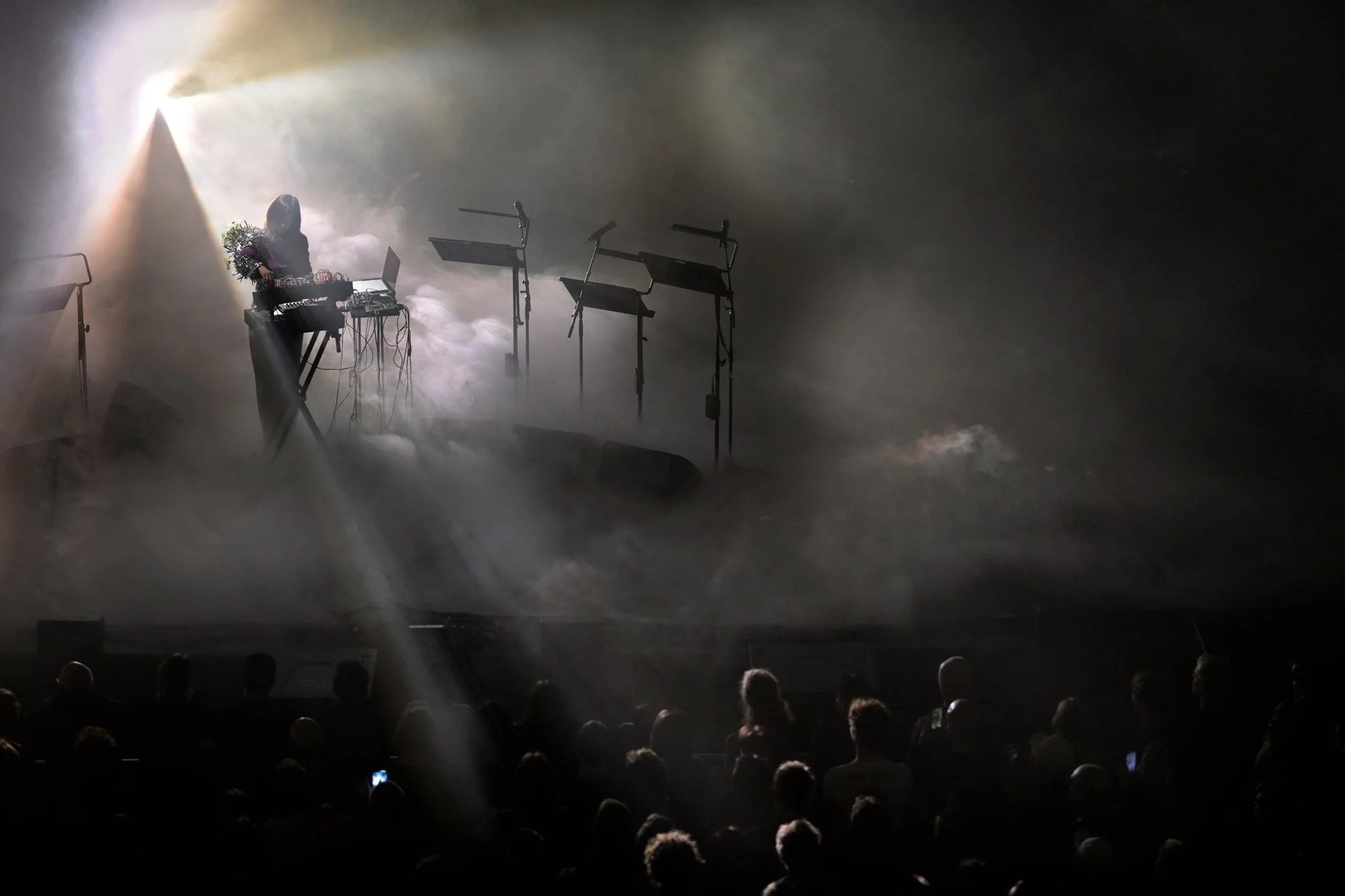
Caterina Barbieri & MFO
Opening night set the tone immediately. Italian composer Caterina Barbieri debuted new works alongside ONCEIM, the Orchestra of New Musical Creation, Experimentation and Improvisation, weaving modular synthesis through an expanded electro-acoustic framework while visuals from Marcel Weber shifted and bloomed behind her. The audience in Amare's Concertzaal was completely still, the kind of collective stillness that only happens when a room has collectively decided to surrender its attention. Then came Suzanne Ciani, a genuine pioneer of electronic music, performing alongside producer Actress in a collaboration the two had titled Concrète Waves. Together they conjured something that resisted easy description: melody and noise kept interrupting each other, contradicting each other, and somehow both came out richer on the other side. It was a bold way to open a festival. It was also exactly right.
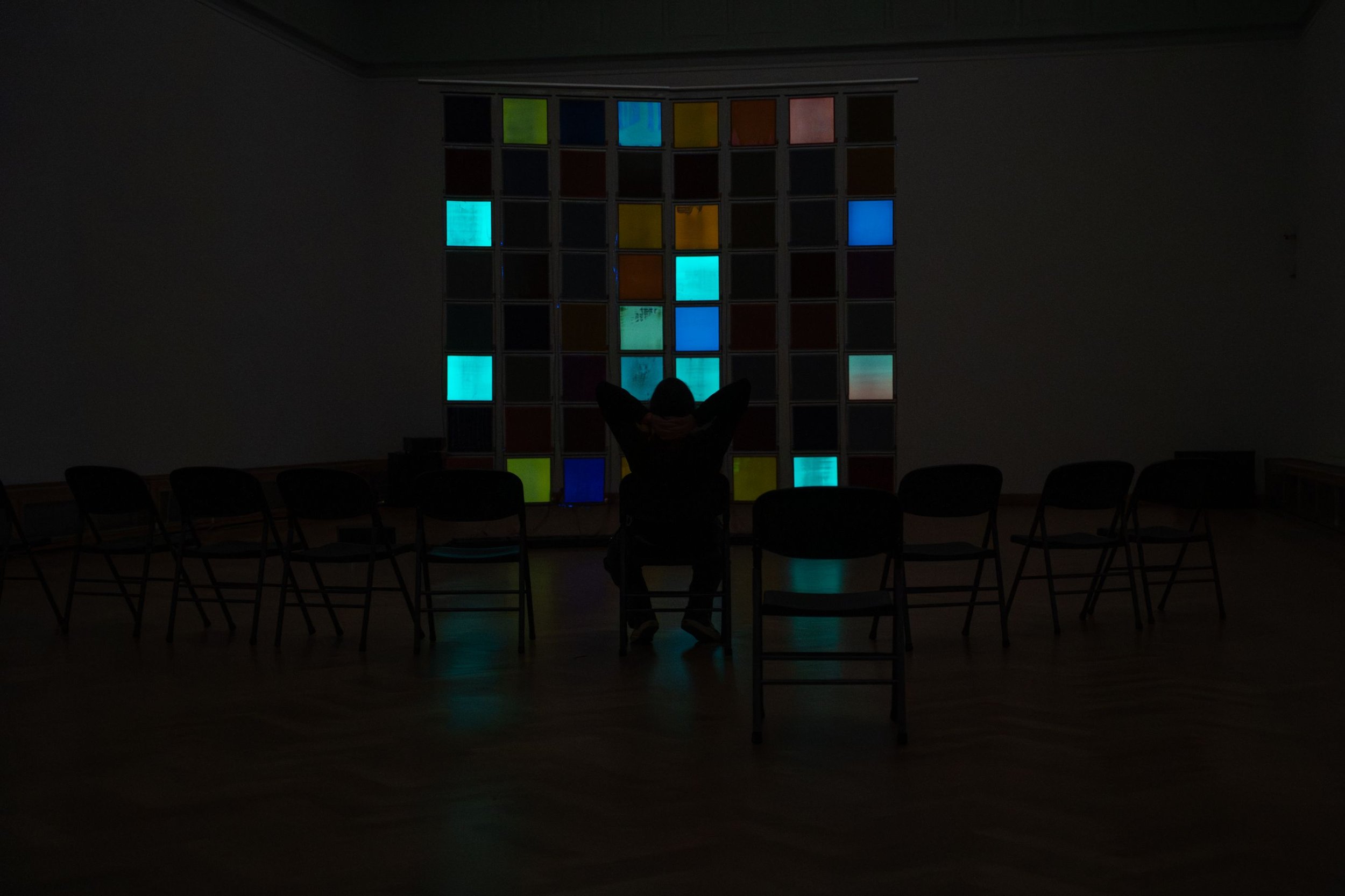
Proximity Music Pulchri - © Baroeg Mulder
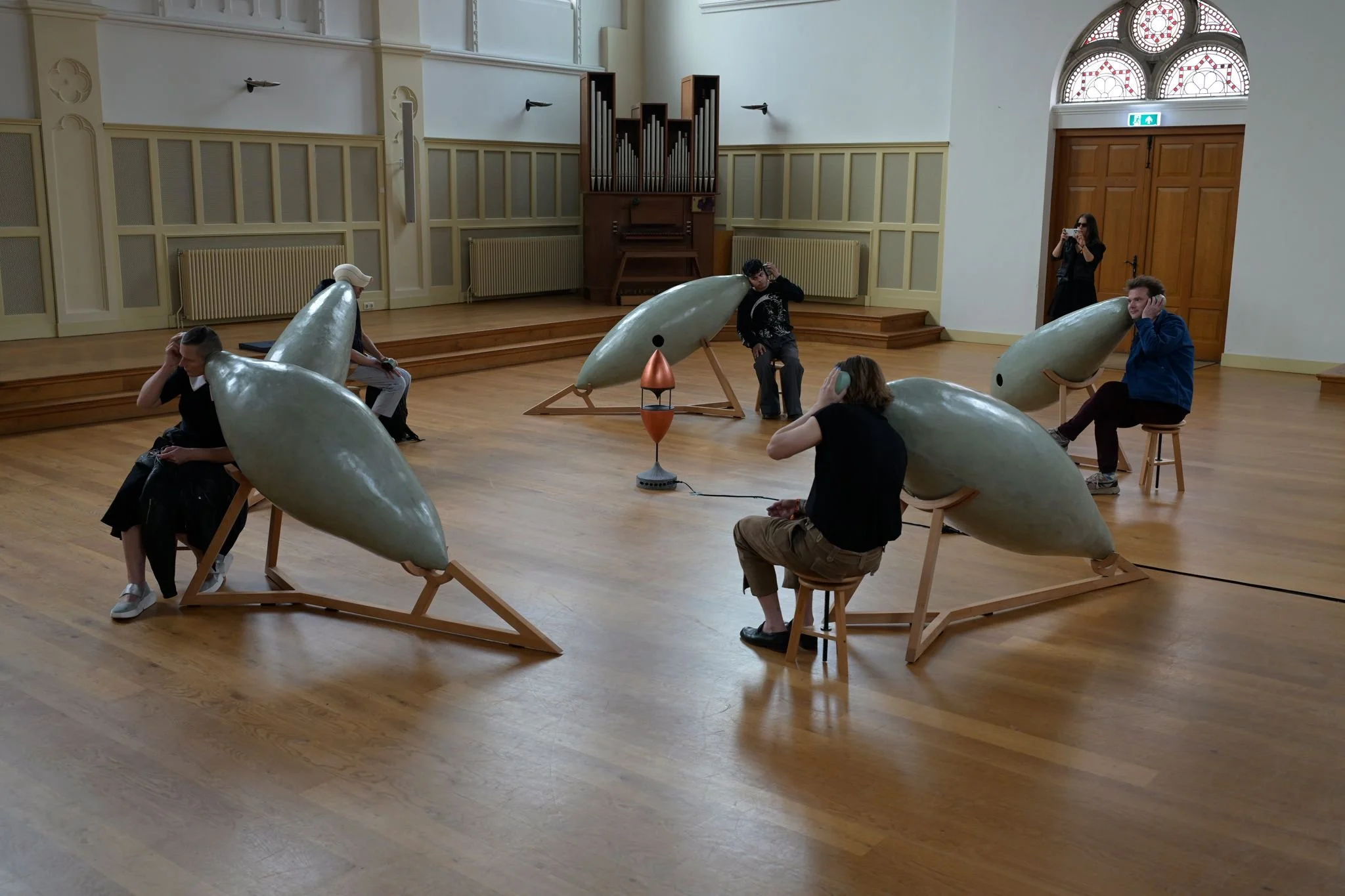
Koenraad de Groot - The Colour Of Chameleons - © Pieter Kers
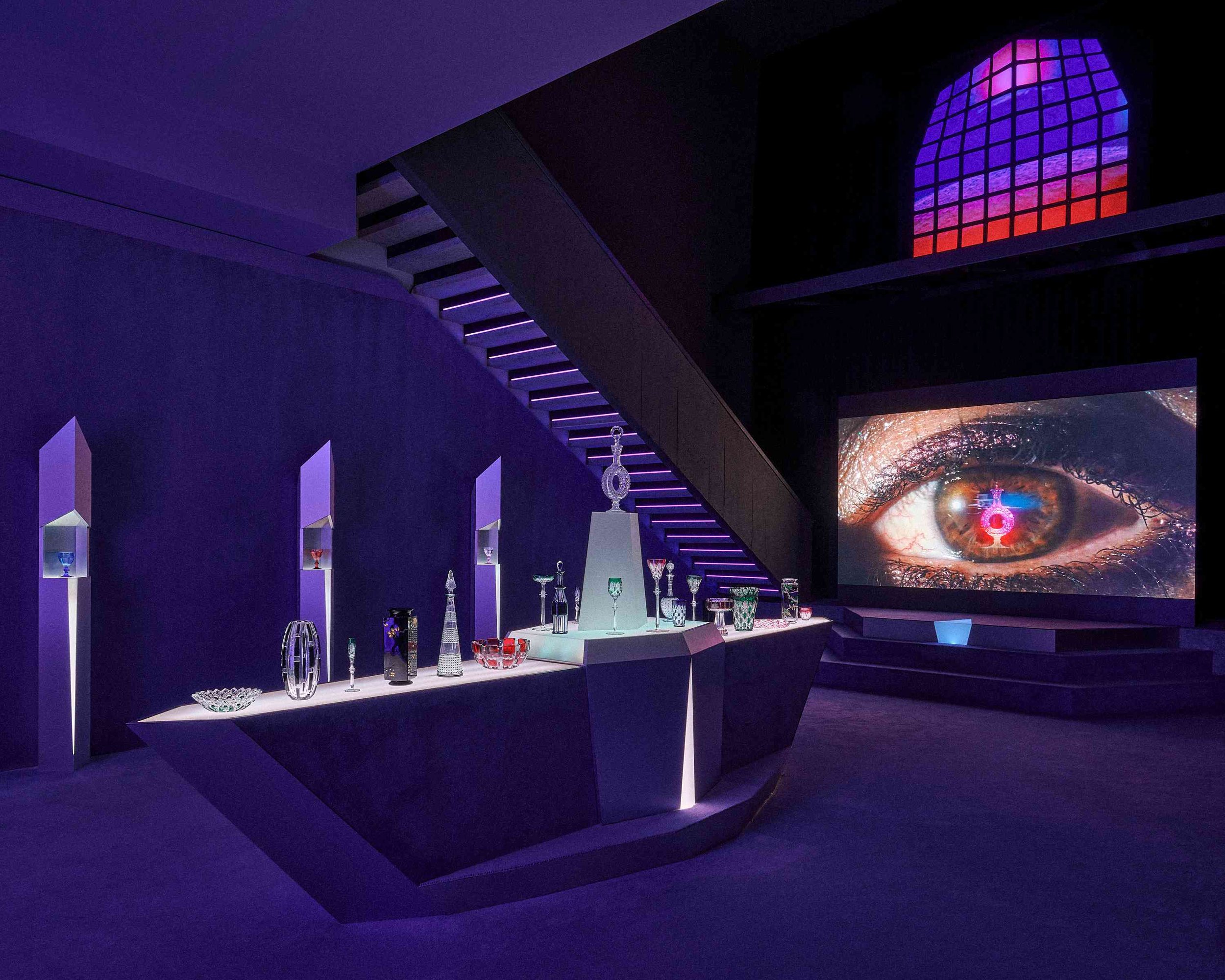
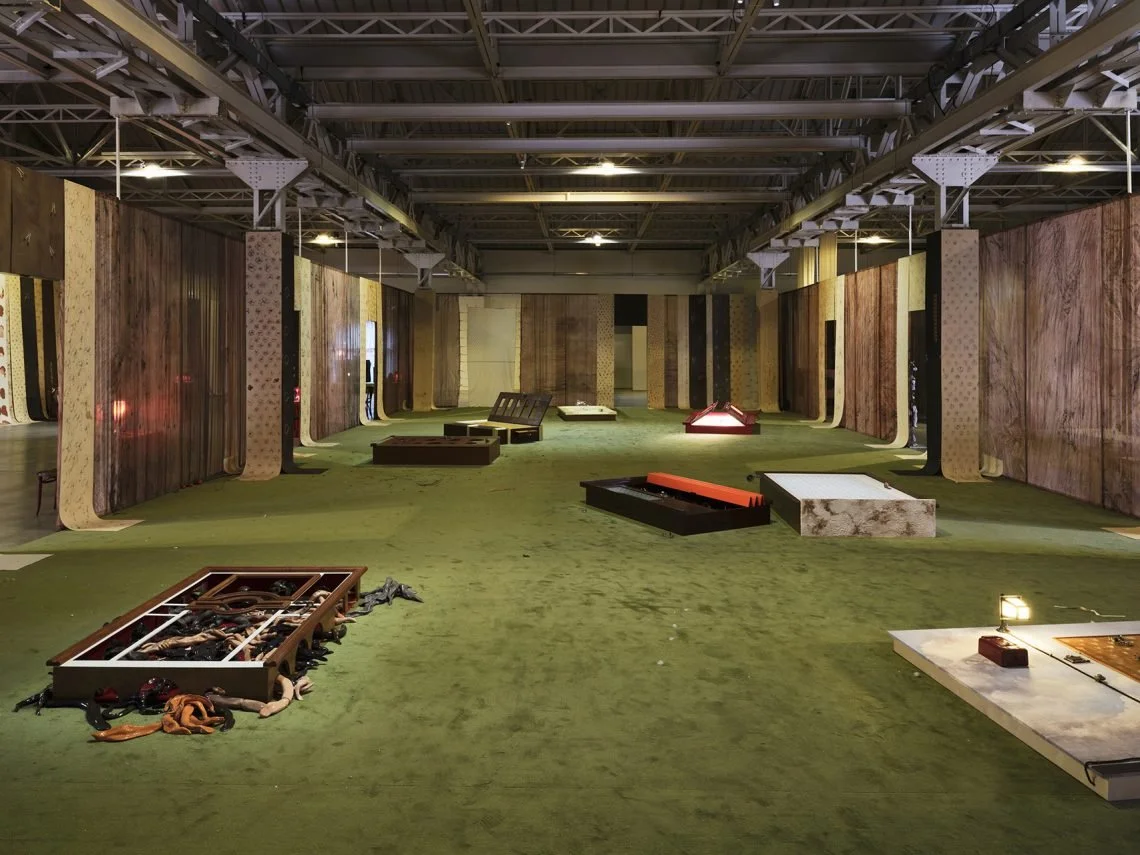
Between concerts, the daytime programme refused to let anyone simply rest. Talks took place at Page Not Found, a local independent bookshop that became a genuine gathering point across the weekend. Sound installations spread through galleries, former embassies, and libraries, this year connected by a loose meditation on The Ongoing Hum, a theme drawn from the frequencies that surround daily life without ever quite breaking the surface of awareness. The Proximity Music programme, developed in collaboration with instrument inventors iii, continued its exploration of the space where music, architecture, technology, and ritual overlap, filling venues across the city with resonant environments and kinetic works that asked the body to pay a different kind of attention.
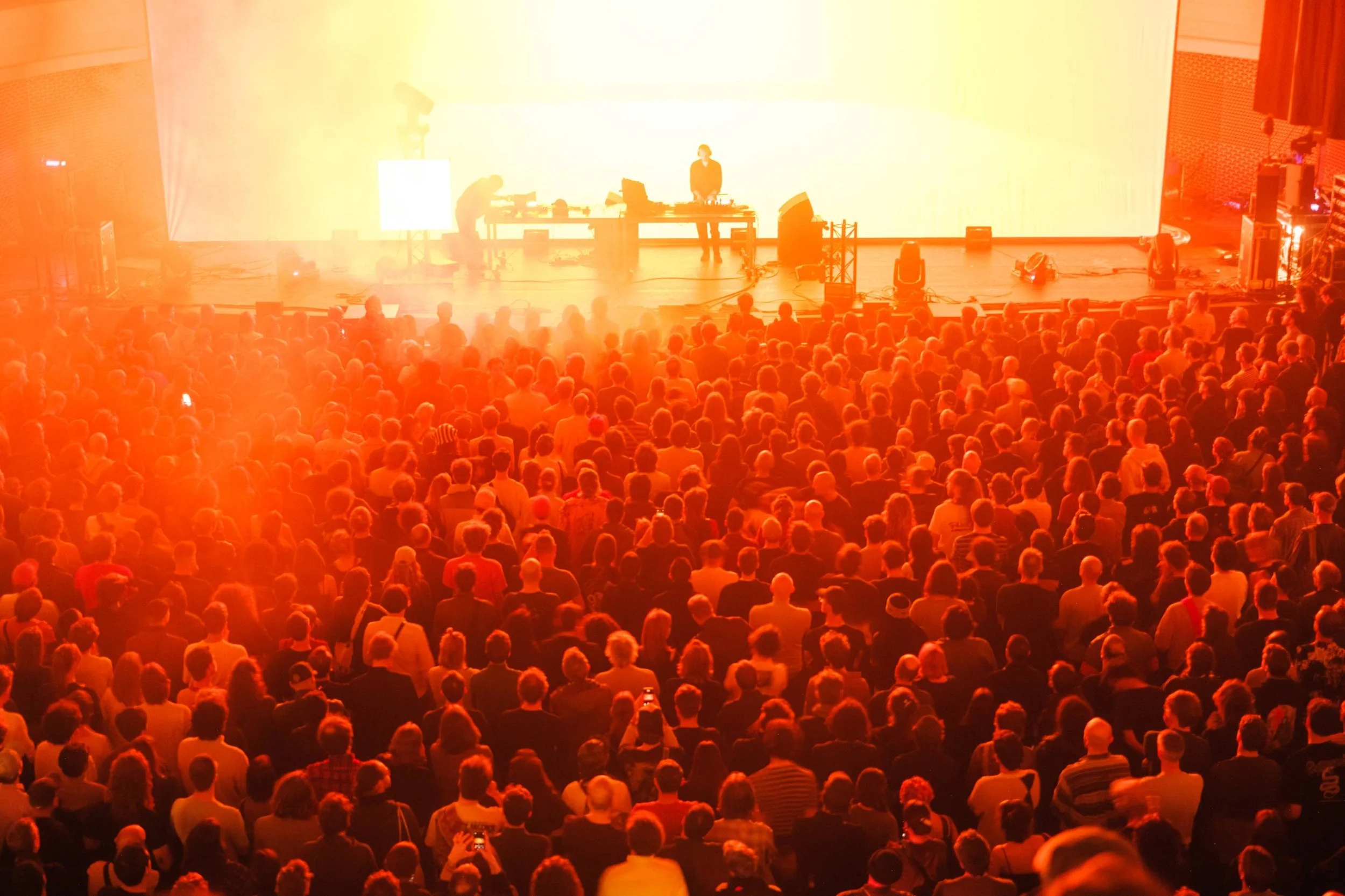
Oneohtrix Point Never and Freeka Tet - © Alex Heuvink

Oneohtrix Point Never and Freeka Tet - © Parcifal Werkman
From there, the weekend spread outward in every direction at once. Oneohtrix Point Never performed his album Tranquilizer with a new audiovisual show featuring artist Freeka Tet, the visuals doing something strange to the air in the room, making the whole thing feel like being underwater in the best possible sense. Einstürzende Neubauten, finally making their long-awaited Rewire debut after decades of reshaping what instruments are allowed to be, brought their practice of building sound from industrial scrap and radical intent to a crowd that received them with the reverence the occasion deserved. Kim Gordon filled whatever room she entered with a controlled, sustained intensity that reminded everyone in it why her name still carries the weight it does. Beverly Glenn-Copeland performed in what can only be described as a spiritual occasion, the kind of set that leaves people standing in silence for a moment after it ends, not ready to move back into the ordinary world.
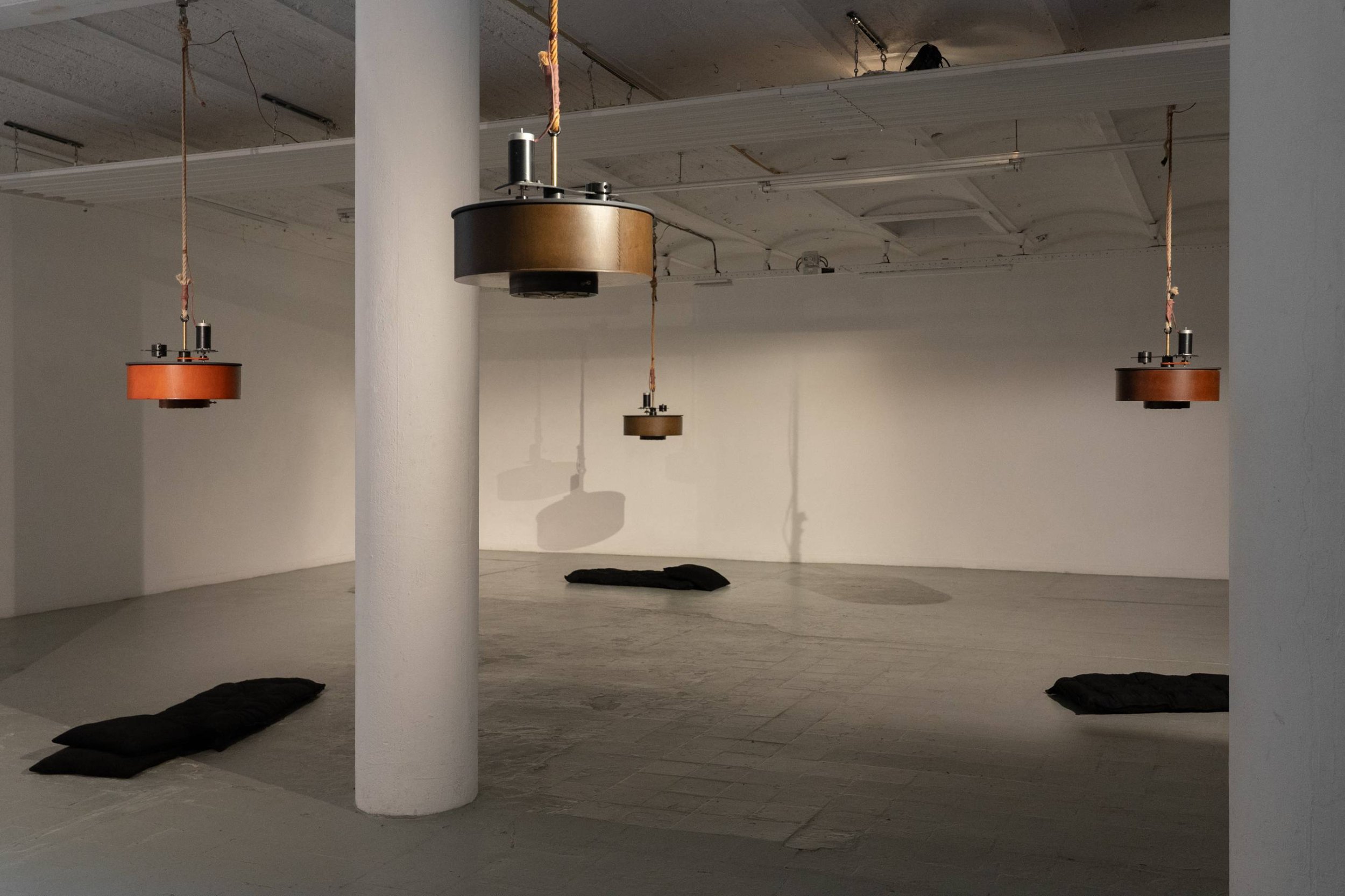
Proximity Music: Mariska De Groot
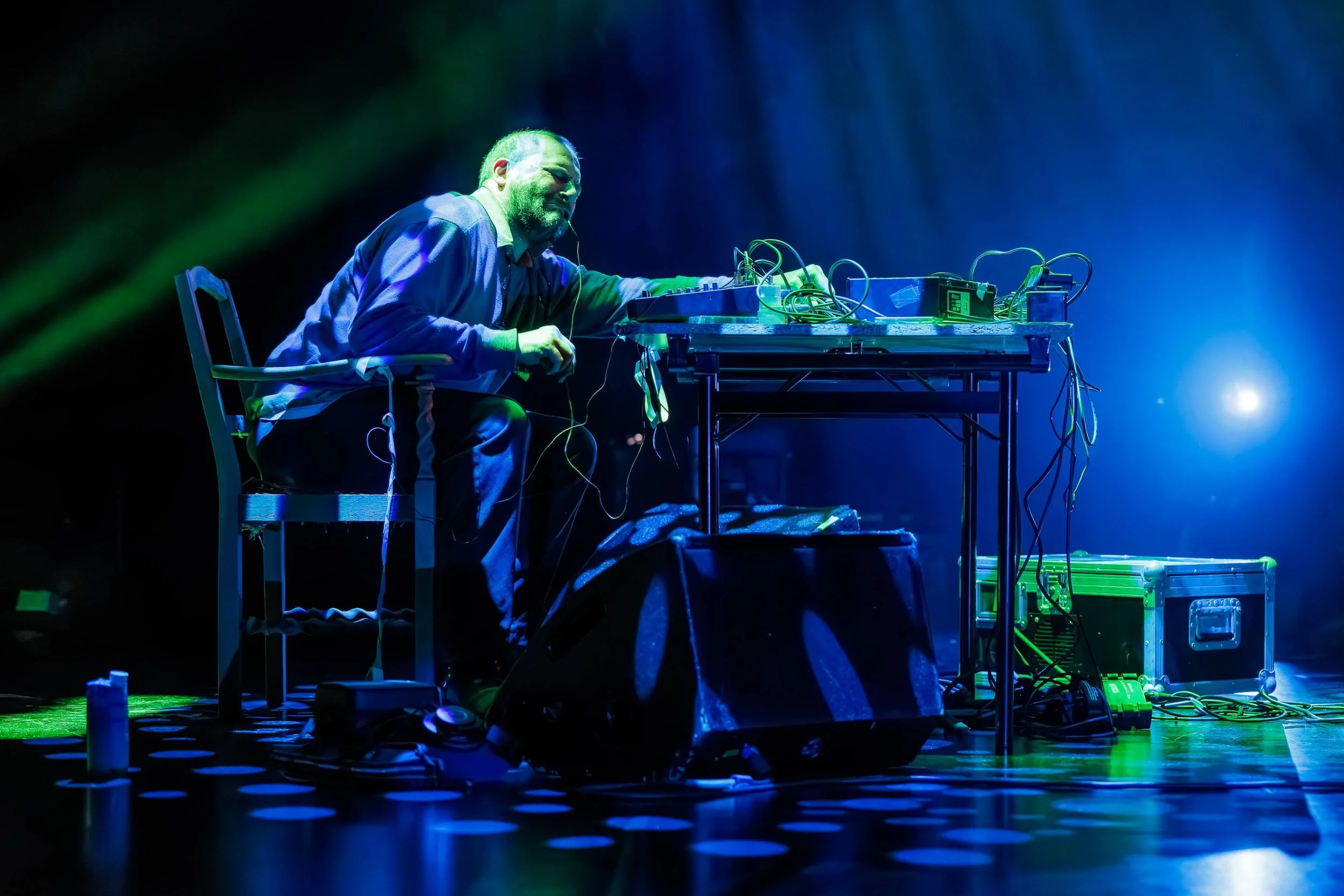
Aaron Dilloway - © Wouter Vellekoop
Aaron Dilloway arrived on the final day with mangled magnetic tape, contact mics, and an approach to noise that sits somewhere between performance art and controlled demolition. Playing in PAARD II alongside a cavalcade of experimental sound, his set occupied its own entirely distinct register: abrasive, physical, and deeply strange, the kind of performance that reorganises the air in a room. Dilloway is among the most singular figures in harsh noise, and his live shows are inseparable from his methods. The bowed textures, the tape loops pushed past coherence, the contact mics used in ways that border on the monstrous, all of it is guided by a mastery of tone and pacing that keeps the chaos from ever feeling arbitrary. There is always a logic underneath, even when the surface is pure abrasion.
Acopia © Alicia Karsonopoero
Sunday brought the world premiere of As Nature, the audiovisual collaboration between Nairobi-born, Berlin-based sound artist KMRU and light designer Nick Verstand. At Koninklijke Schouwburg, KMRU's field recordings moved from near-silence into dense, seismic texture while Verstand responded with drifting lightweight fabrics manipulated by airflow, lasers, LEDs and smoke. A scent component, developed with artist Mareike Bode, expanded the work beyond the auditory and the visual entirely. It was one of those performances that registers in the body before the mind catches up, a genuinely multisensory world that felt complete in itself.
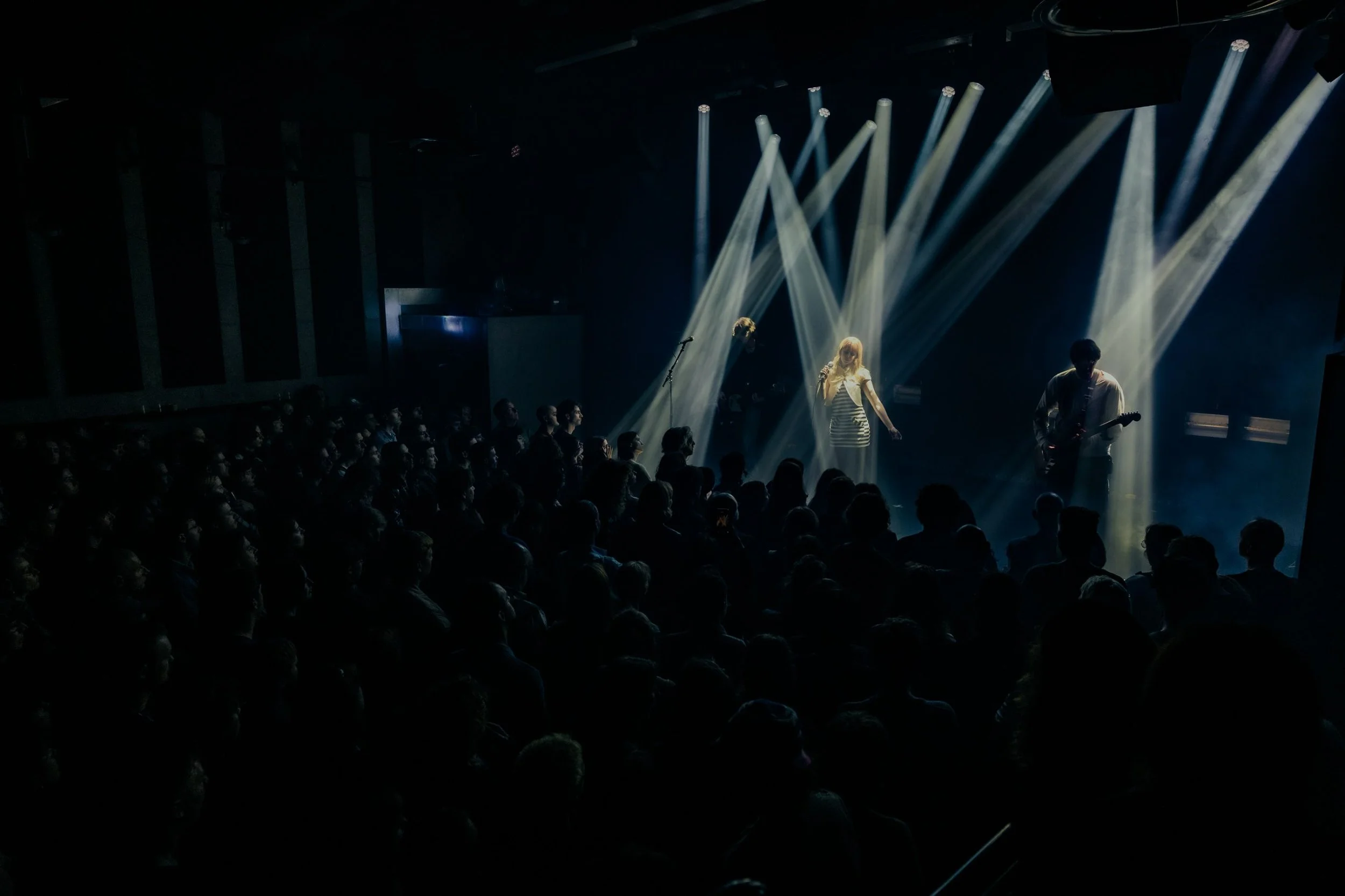
Melbourne trio Acopia packed out a room with Blush Response, their third album, built from melancholy and restraint and singer Kate Durman's hushed vocals sitting over slacker downbeats and trembling guitars. Word had travelled across the festival in the way that only happens when a genuine community of taste is gathered in one city for four days.

Smerz - © Parcifal Werkman
The festival also knew when to shift register entirely. Smerz, the Scandinavian duo of Catharina Stoltenberg and Henriette Motzfeldt, were unfathomably cool, performing in jewel-toned office wear while the crowd swayed and mouthed along to every word. Melbourne trio Acopia packed out a room with guitar-fused trip-hop that appealed to anyone who has ever loved The xx and wanted something slightly harder to categorise. Copenhagen's FINE performed with the intimacy of a rehearsal, cloistered in red haze, delivering a set that moved between shoegaze, ambient electronic and something approaching country without ever losing its internal logic. And weed420, a Venezuelan collective with a deeply irreverent name and an approach to performance that matched it, found a home in a programme this self-assured precisely because Rewire has always understood that the strange and the serious can share a bill.
Eraserhead x Xiu Xiu - © Jan Rijk

Actress & Suzanne Ciani - © Parcifal Werkman
33 - © Wouter Vellekoop
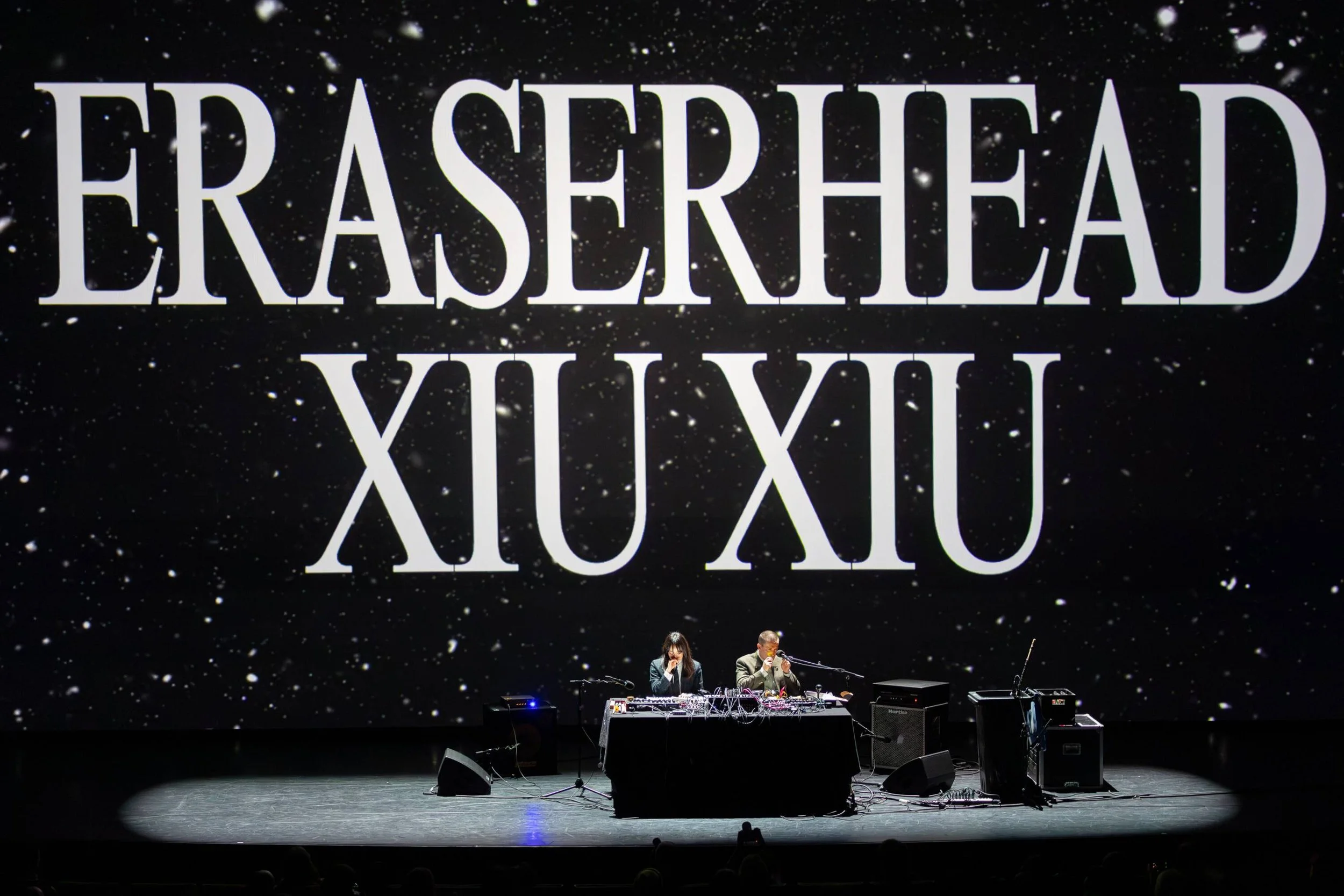
Actress and Suzanne Ciani took the Amare stage together for Concrète Waves, a collaboration that no one could have easily predicted and that landed exactly as strange and compelling as it sounds. Ciani, one of the founding voices of electronic music composition and her organic Buchla synthesis on one side; Darren Cunningham's R&B concrète on the other. The two didn't resolve into each other so much as orbit, creating something that bubbled and contradicted and refused to settle. The crowd stood completely still in front of a tangle of wires and modular synthesisers, and the stillness itself felt like a response.
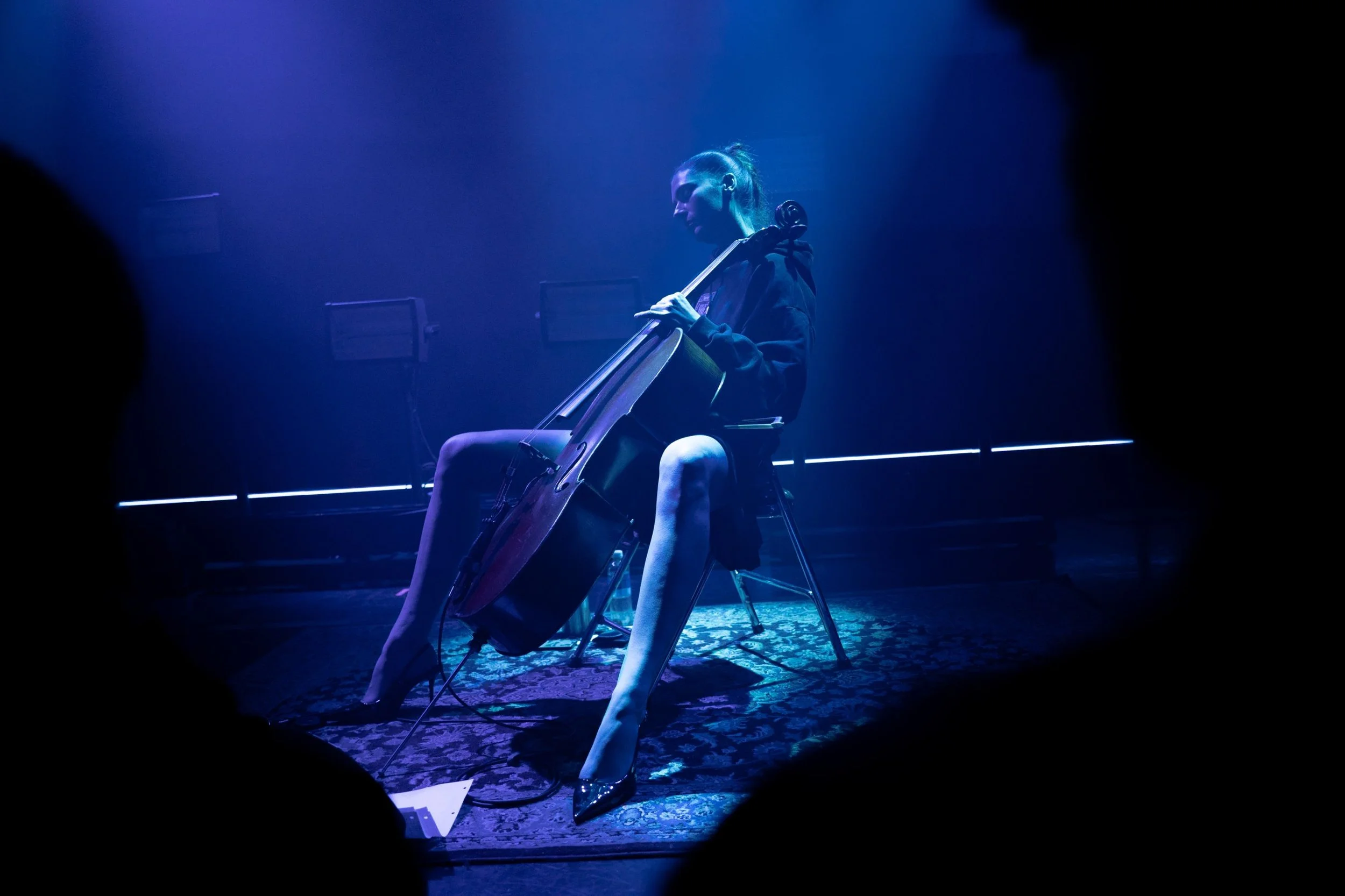
Later in the weekend, FRANKIE and Kelman Duran brought their debut album McArthur to a live setting and the room took a moment to find its footing, which was entirely the point. Berlin-based composer and vocalist Franziska Aigner, whose practice spans spoken word, vocal abstraction and a PhD in philosophy, met the Dominican-American producer's rhythmically bold dembow-inflected electronics in a performance that kept shifting registers, from cinematic stillness to something close to eruption. It was the kind of set that adapts itself to whatever room it enters, and this room held it well.
FRANKIE & Kelman Duran - © Baroeg Mulder
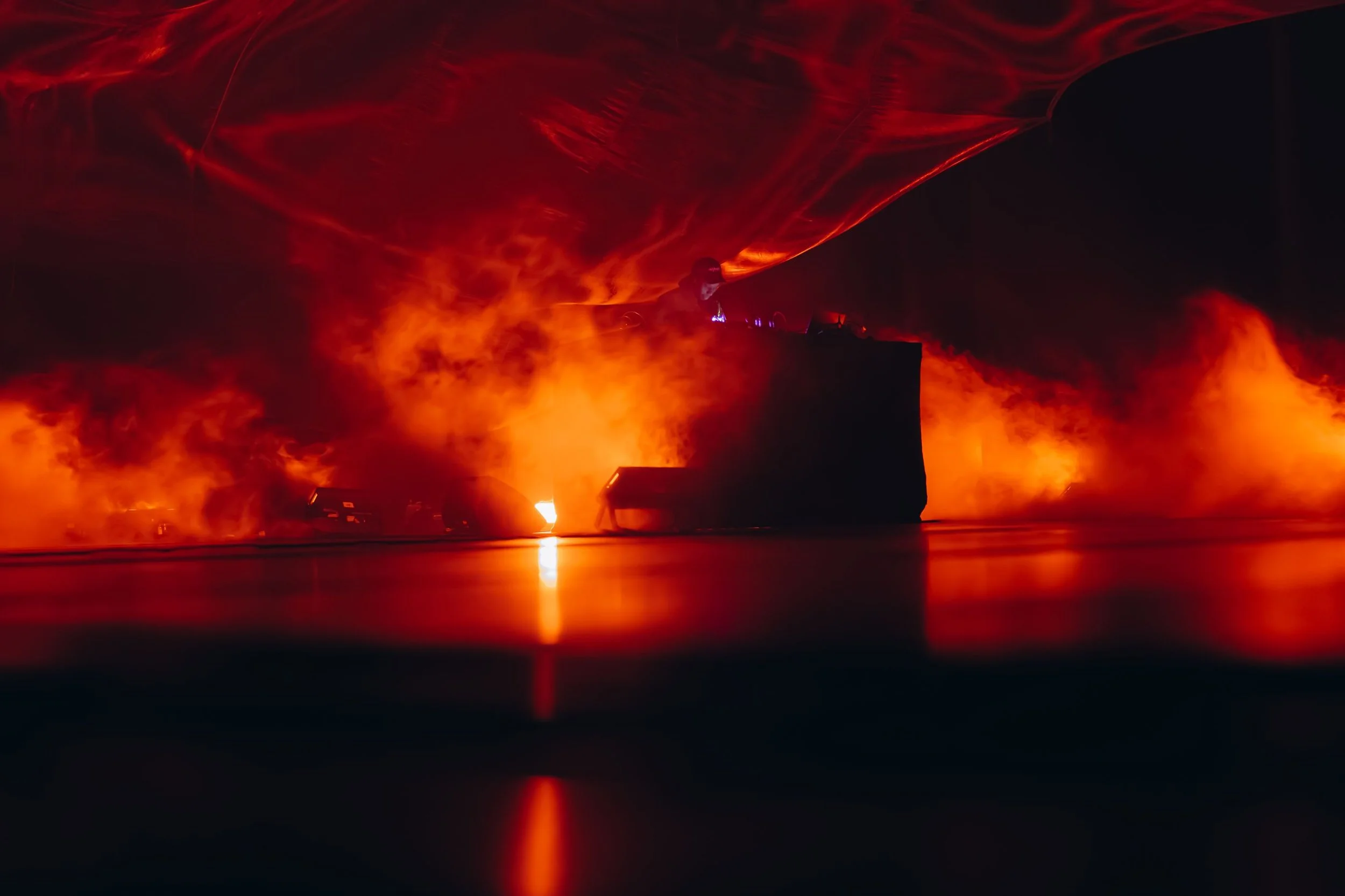
KMRU & Nick Verstand © Sabine van Nistelrooij
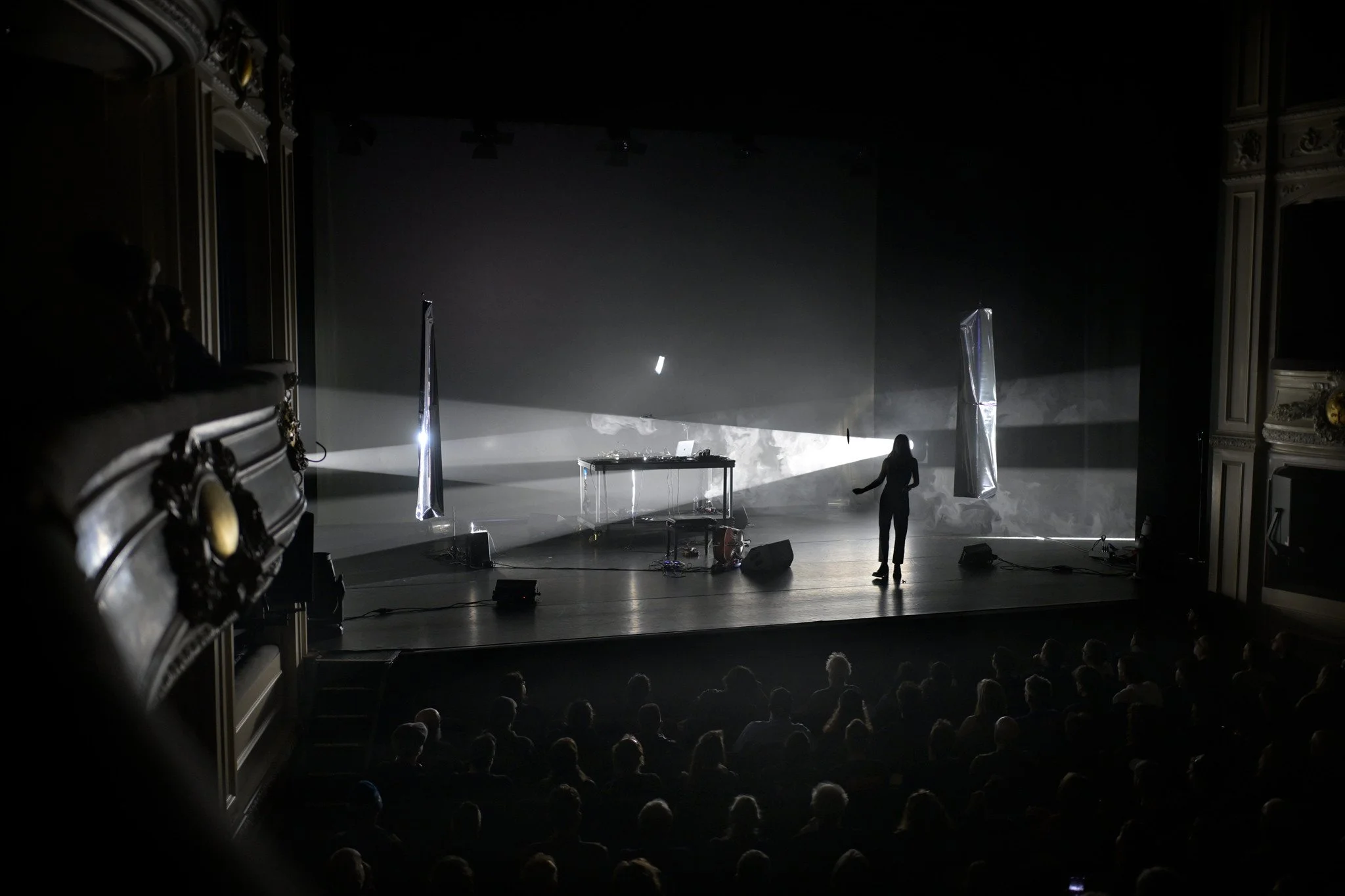
Lucy Railton with Charlie Hope & Rebecca Salvadori - © Pieter Kers
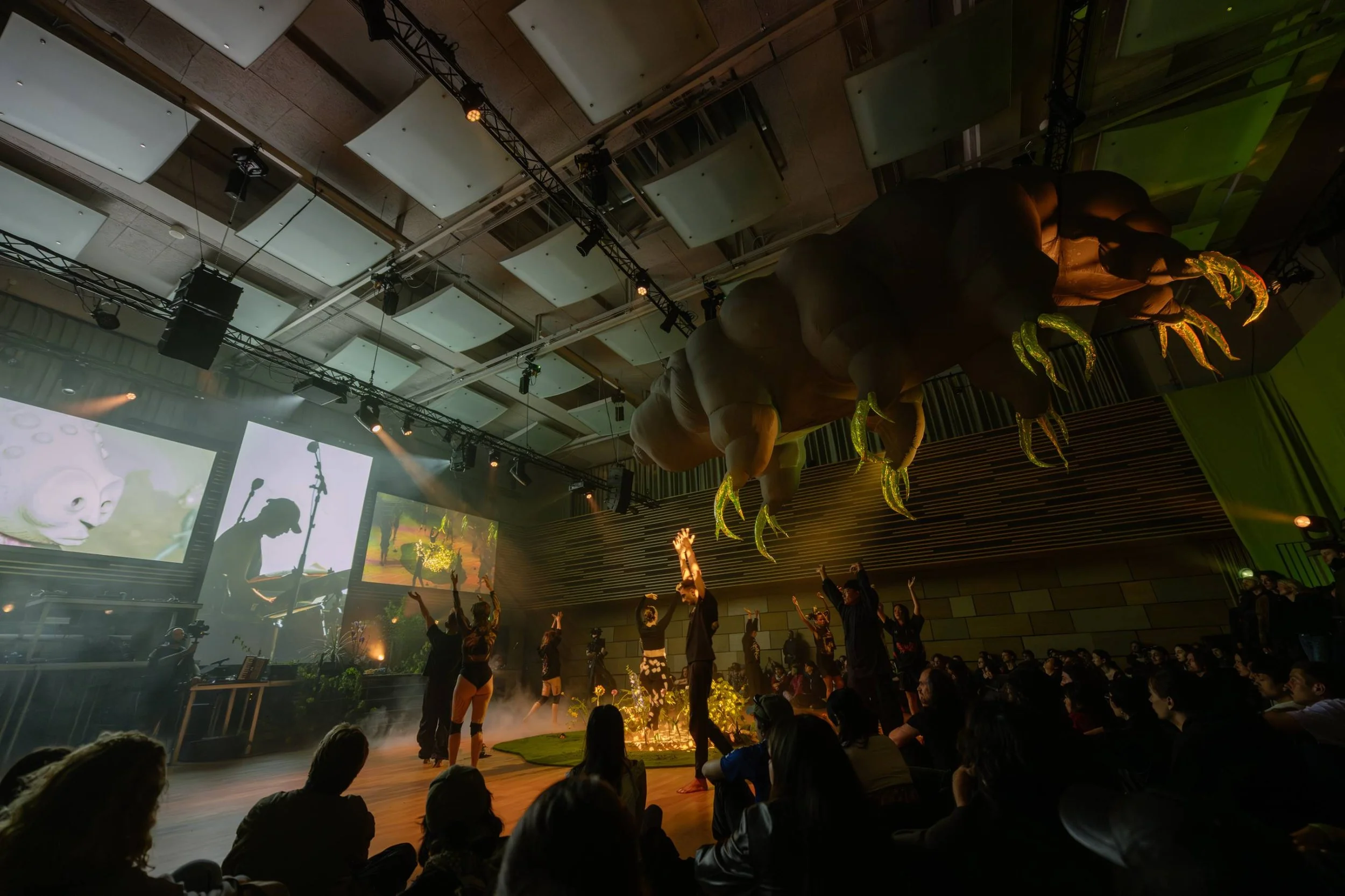
Asian Dope Boys _PHYSIS_ © Camille Blake
The festival ended, for many people, in an evangelical church near the edge of the programme. Through a heavy black curtain, Swedish ambient producer Civilistjävel! performed alongside Lebanese singer, architect and urban researcher Mayssa Jallad. A low drone filled the space first, then Jallad's voice arrived, and the room held it carefully. When she stopped singing and began to speak, the quiet deepened. She addressed the absurdity and weight of performing in The Hague, a city that houses international courts and mechanisms of justice, while war continued. The room stood up and did not sit down again for two minutes. Nobody moved toward the exit.

batu b2b jasss - © Laura van der Spek
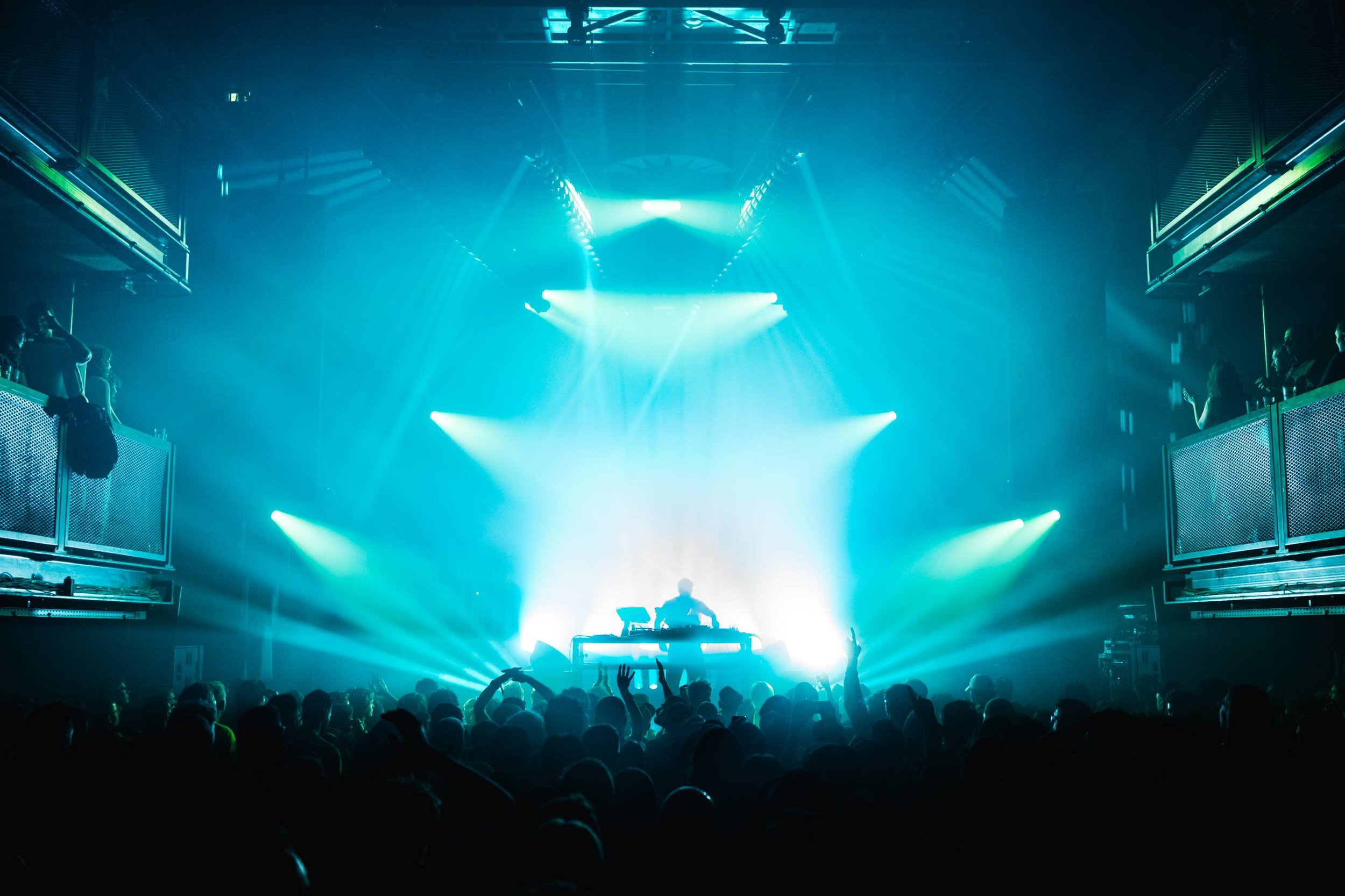
Blawan - © Alex Heuvink
That moment, tender and political and entirely unrepeatable, is what separates Rewire from every other festival on the calendar. It does not simply programme music and point people toward it. It holds space for what music can actually do when it is given enough room, and enough trust, to become something more than sound.
Fifteen years in. Still uncomfortable. Still completely itself.
A genuine thank you to the entire Rewire team. What you've built over these four days is rare: a programme that holds experimentation and pure musical feeling in the same breath, never sacrificing one for the other. That balance is hard to find. You make it look effortless.
Words by Donald Gjoka
What to read next