Shadow of Fire – The Other Side of Peace
Dictum: from war itself, the peoples of the Mediterranean have grown shrewd, the Anglo-Saxons have grown expert – while the Asians have turned veterans.
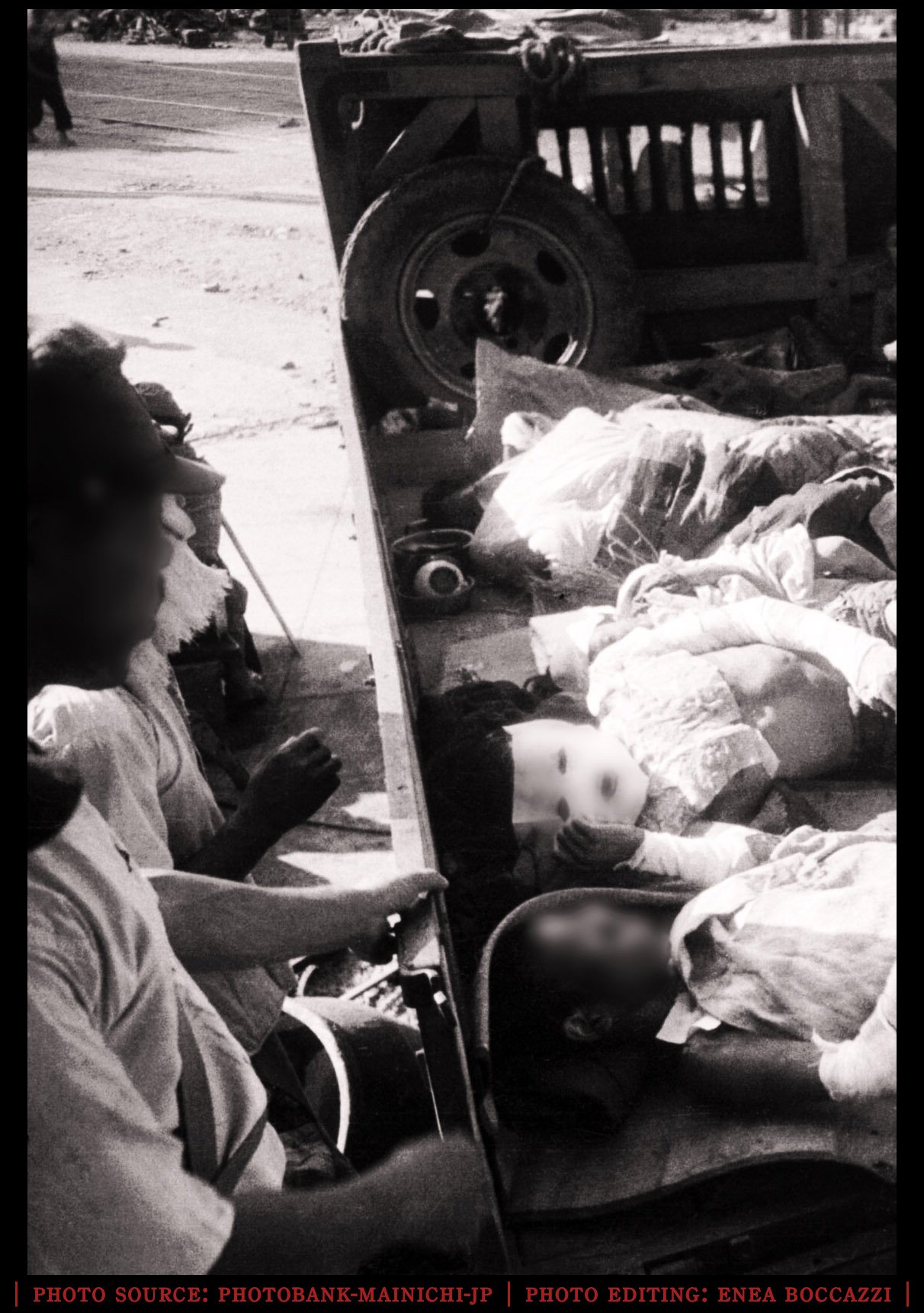
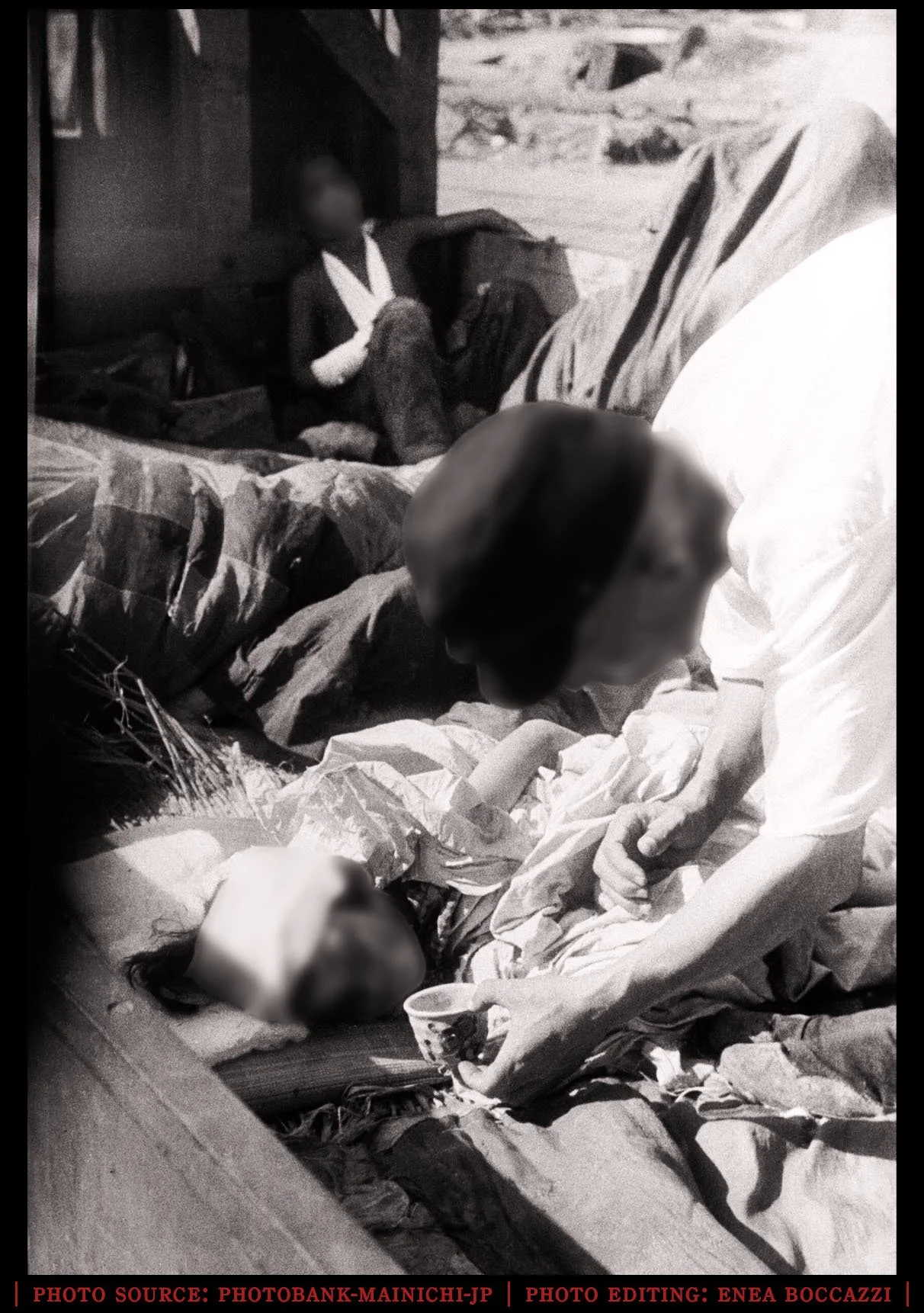
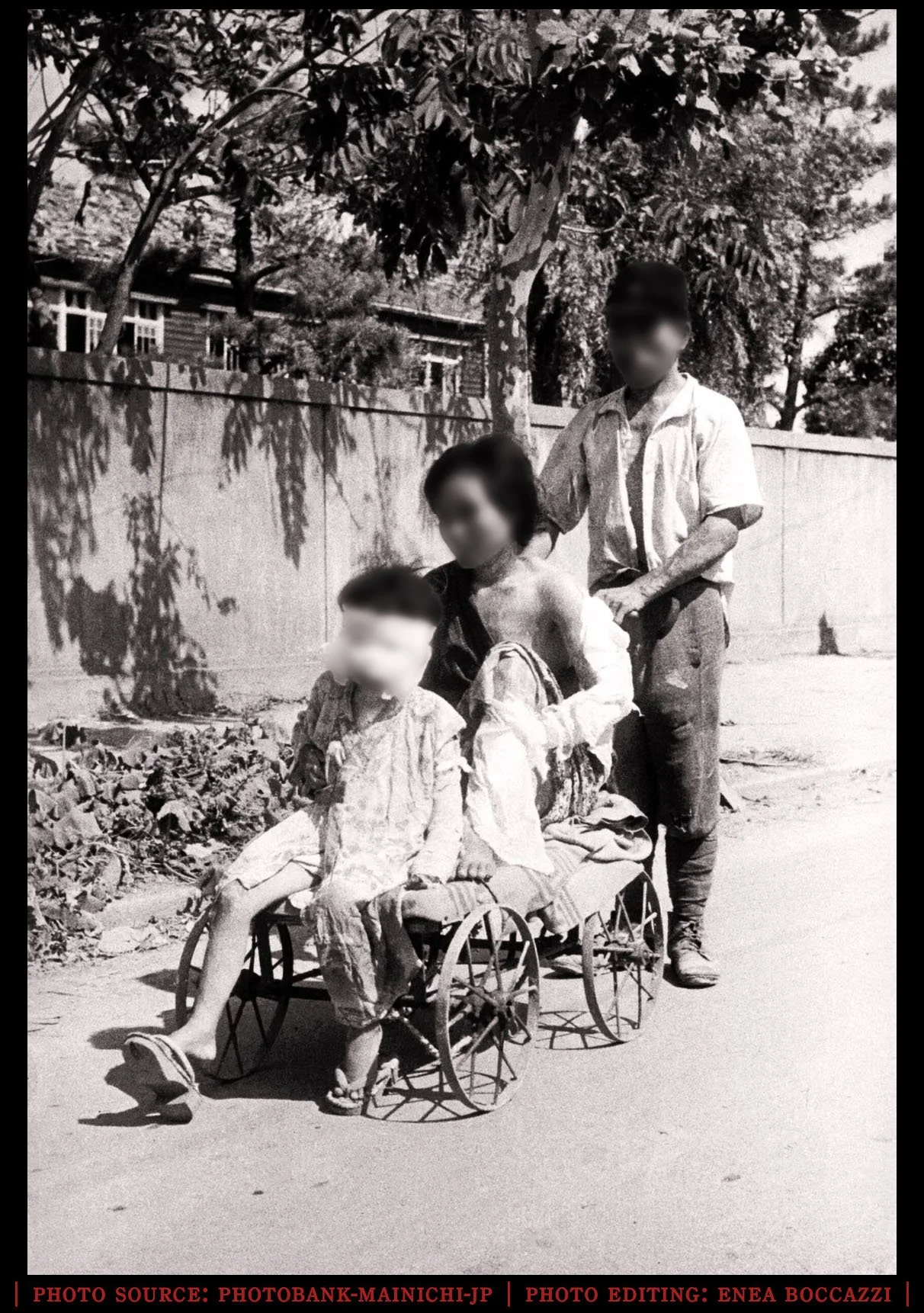
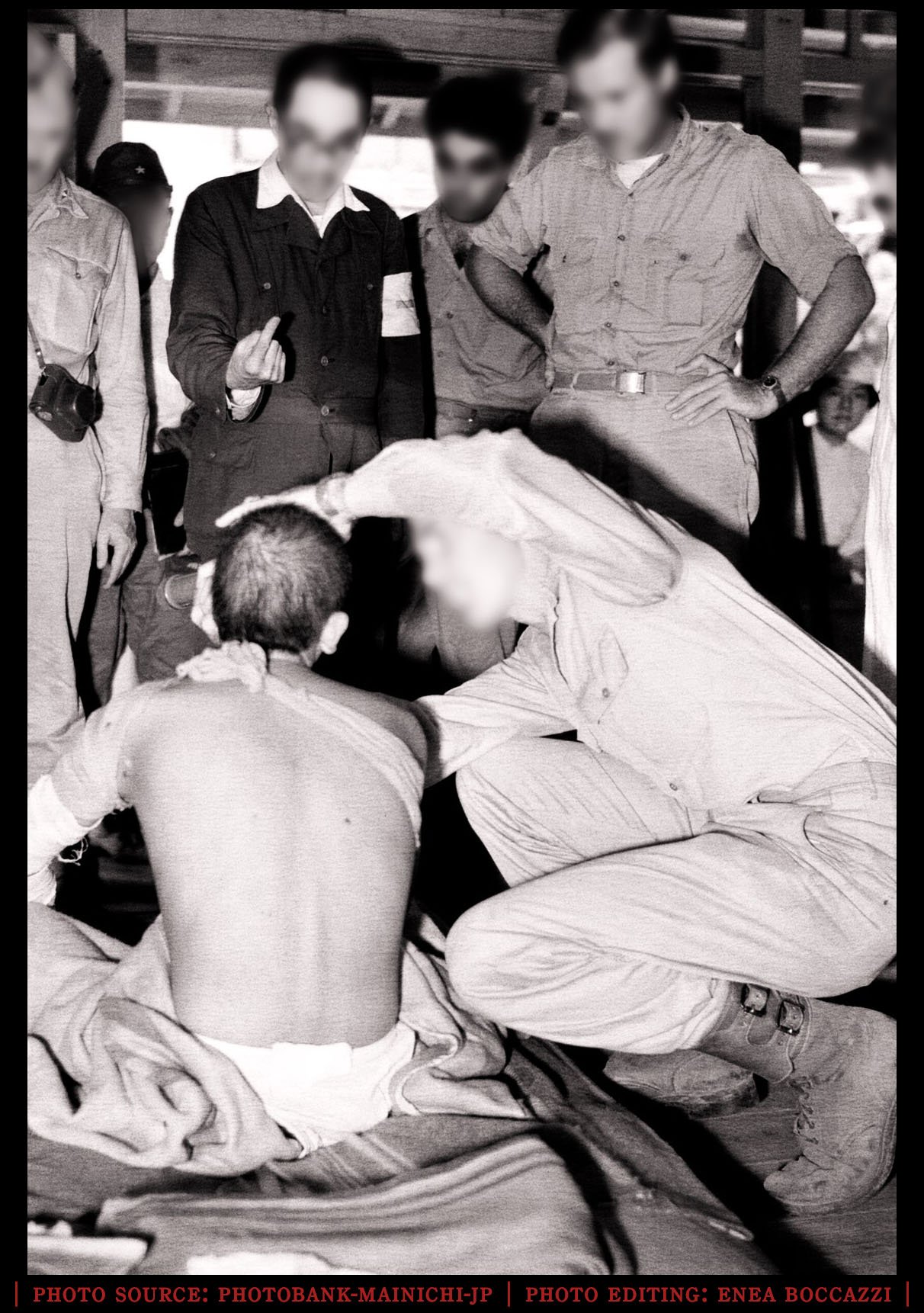
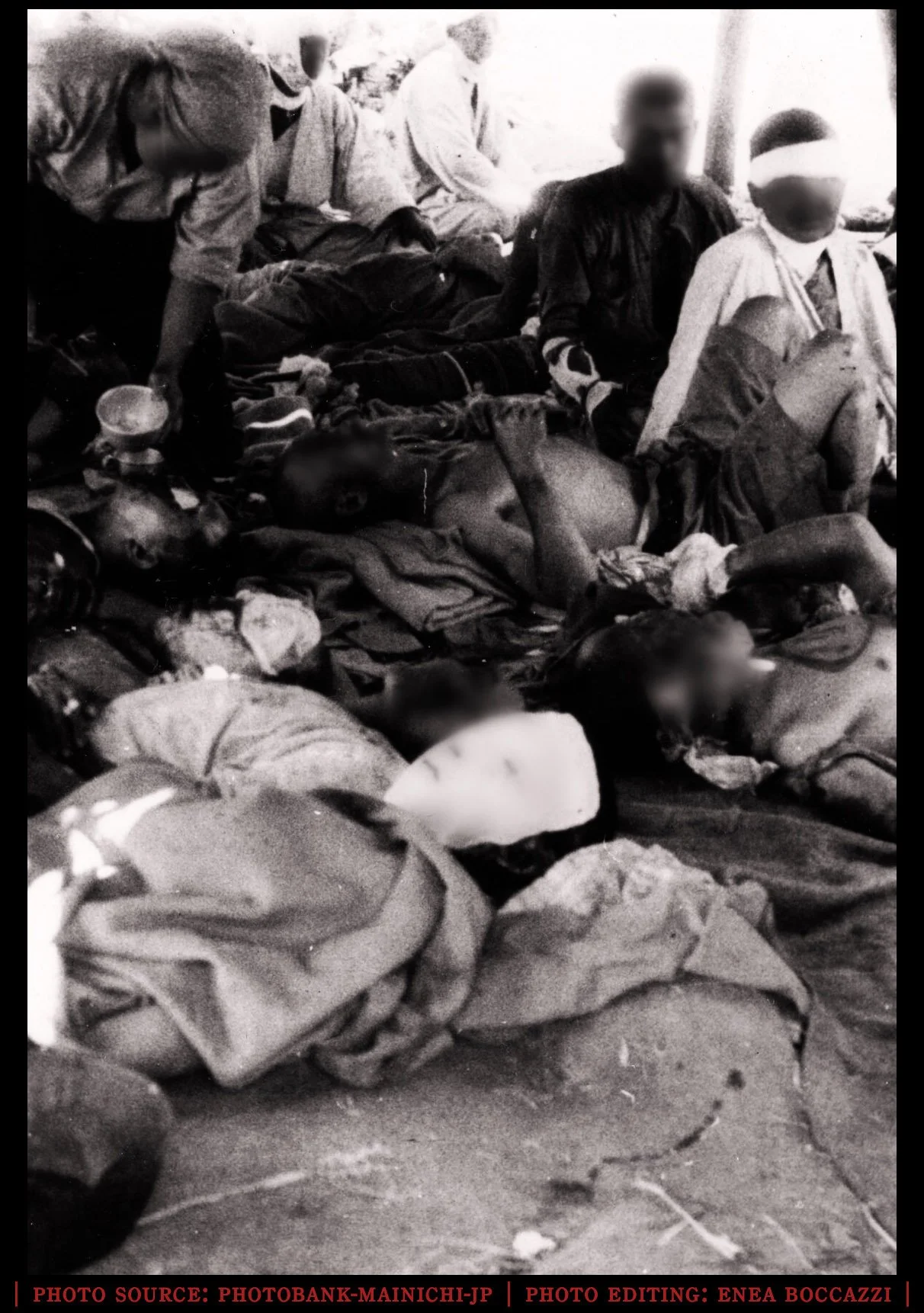
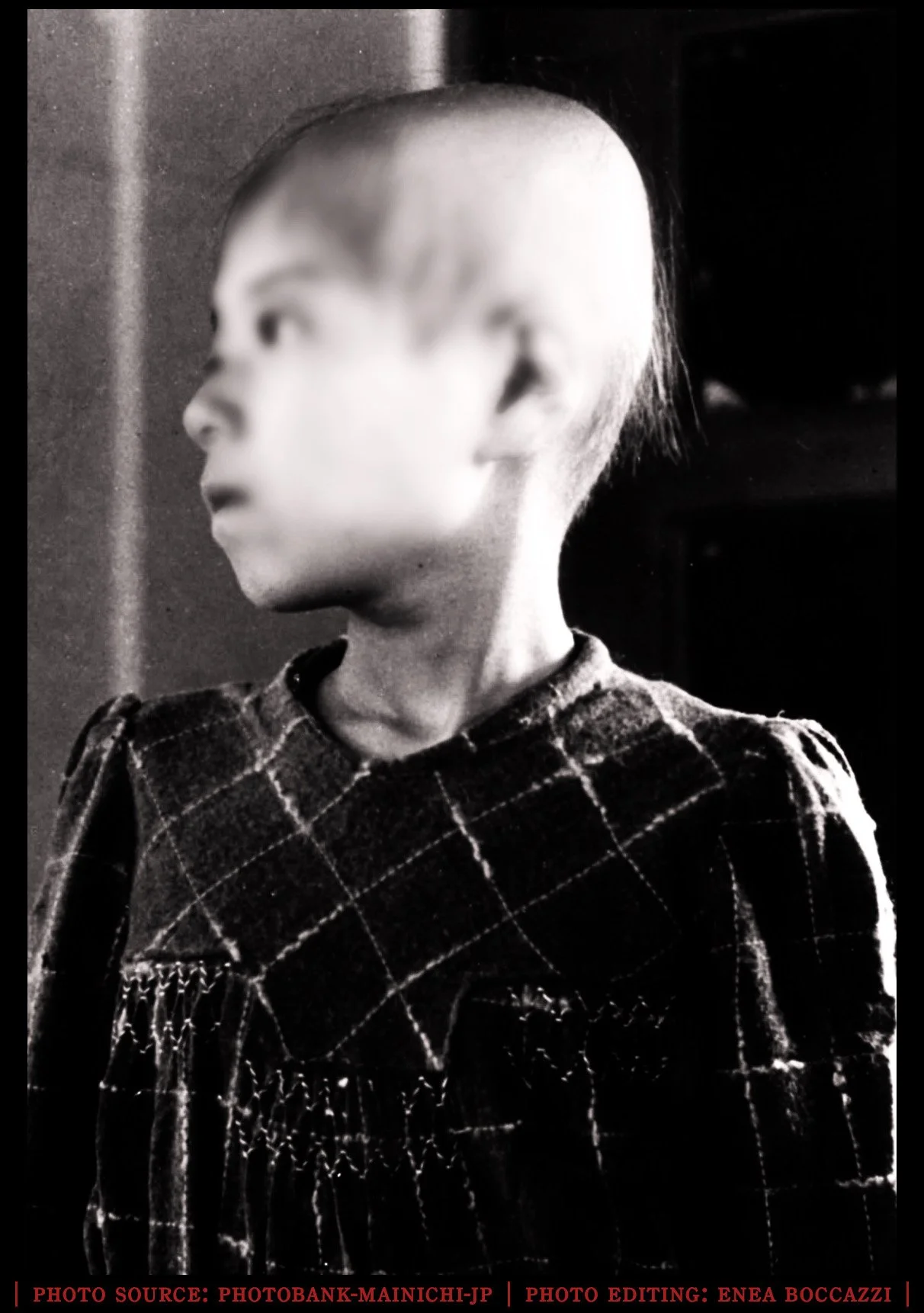
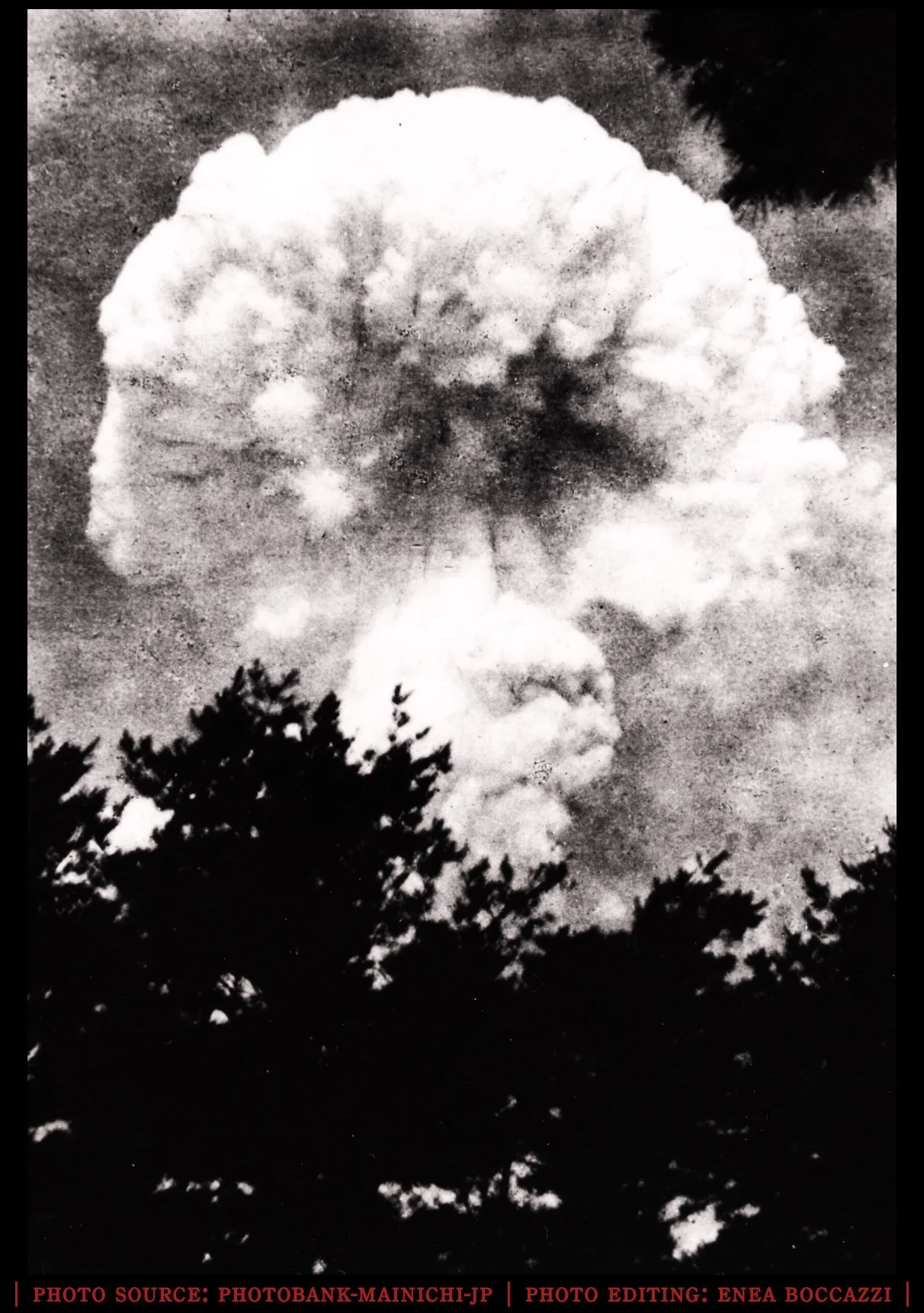
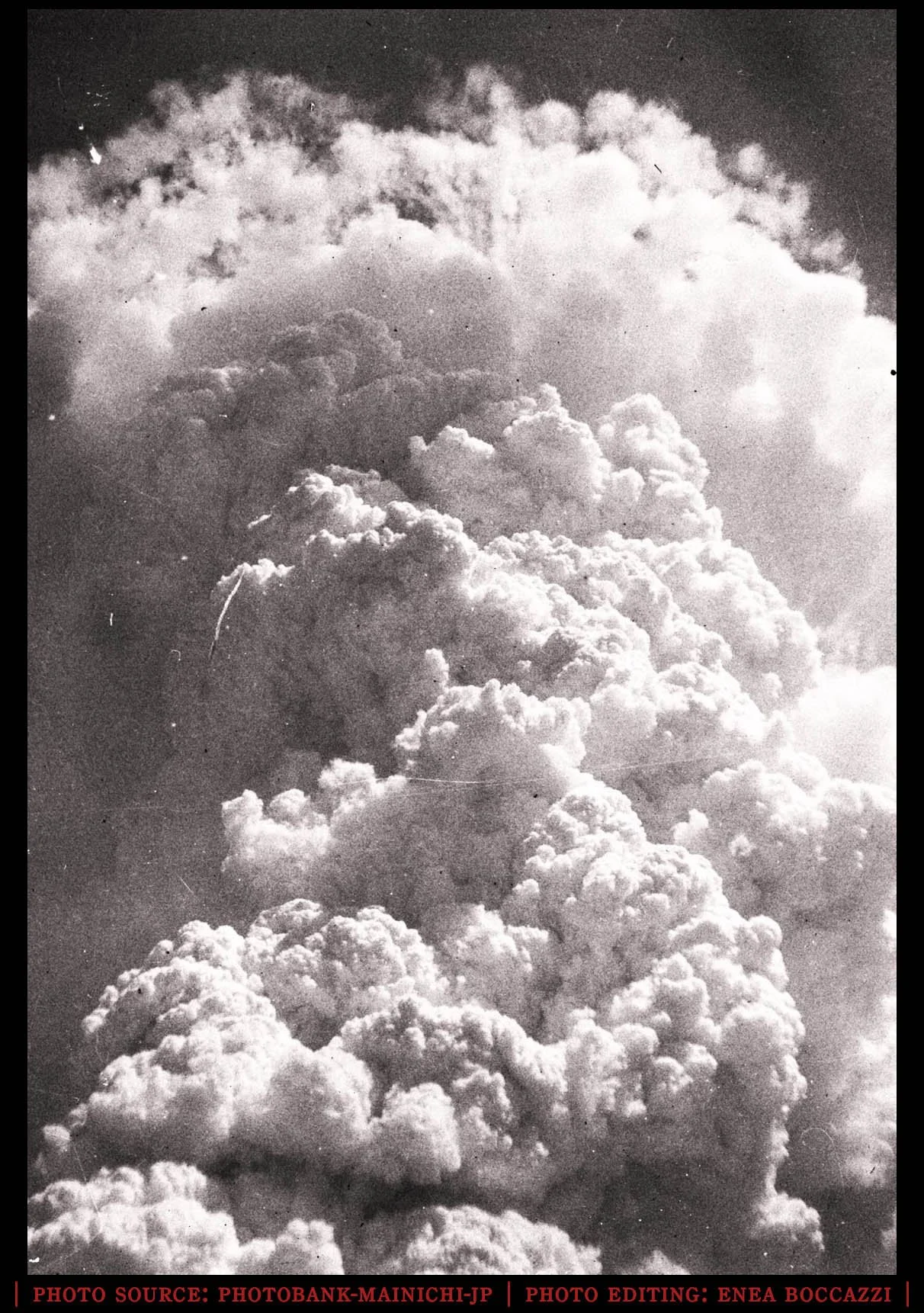
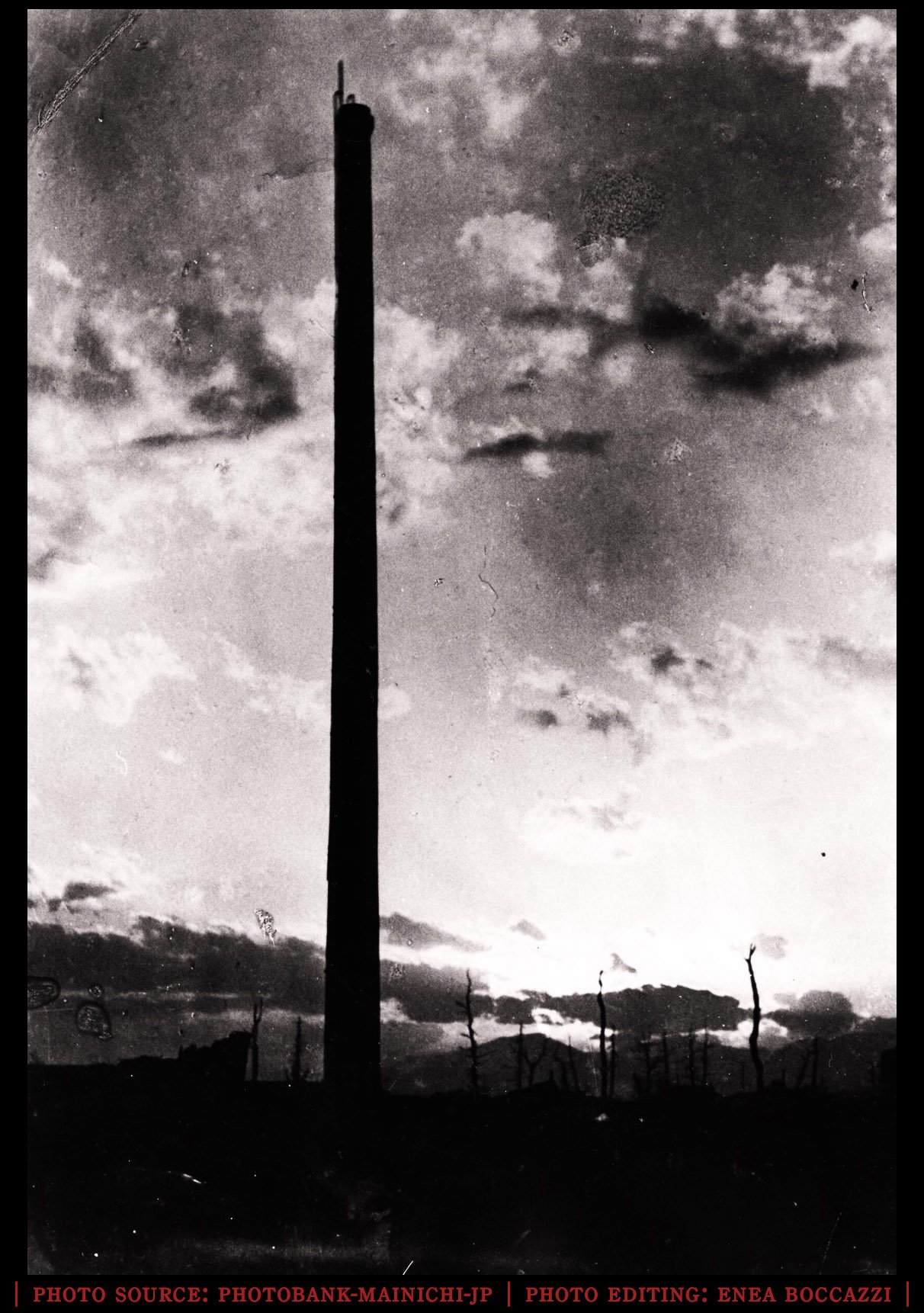
And of veterancy speaks Shadow of Fire – Hokage: of Veteranhood Remnants The returned soldiers Returnees Homecomings Warhorses Combat survivors Displaced persons Battle-worn men Battle-fatigued men Shell-shocked men Ex-servicemen Battle-scarred men The broken men The damaged The war-torn souls The haunted The walking wounded... ENOUGH!
The author, to himself, said STOP IT. Now he asks this question: Why does the English language, so condensed and pragmatic, possess so many synonyms for "veteran"? Now he is reflecting – buffering... It's almost poetic: the language of those who have exported the most war, has the most words for those who return from it.
A Small Aside
One might observe that war is a thematic domain where English becomes "strangely" flexible. It is proof that experience enriches a language. What a pity that English is rich on the subject of war, of all things.
What were we saying?
...Of veterancy speaks Hokage – Shadow of Fire: of escaping death → of withdrawal and shelter → of repatriation, resistance, reintegration → of reparation or attempted remaking → and especially of the Returned's impossible resilience after an absence occasioned by ordeals that may cause physically traumatic experience and/or entail psychological trauma. Whereupon...
On Post-Traumatic Stress Disorder → Shadow of Fire.A Declaration of Peace.
Author speaks to reader...
This piece is not critical. Or rather, it is, but it is not criticism. It's a declaration of peace that speaks of a humanist work. As refined as it is profoundly raw. So beautiful, what to write, I don't know. I don't know how, but I want to do it: to write about this movie.
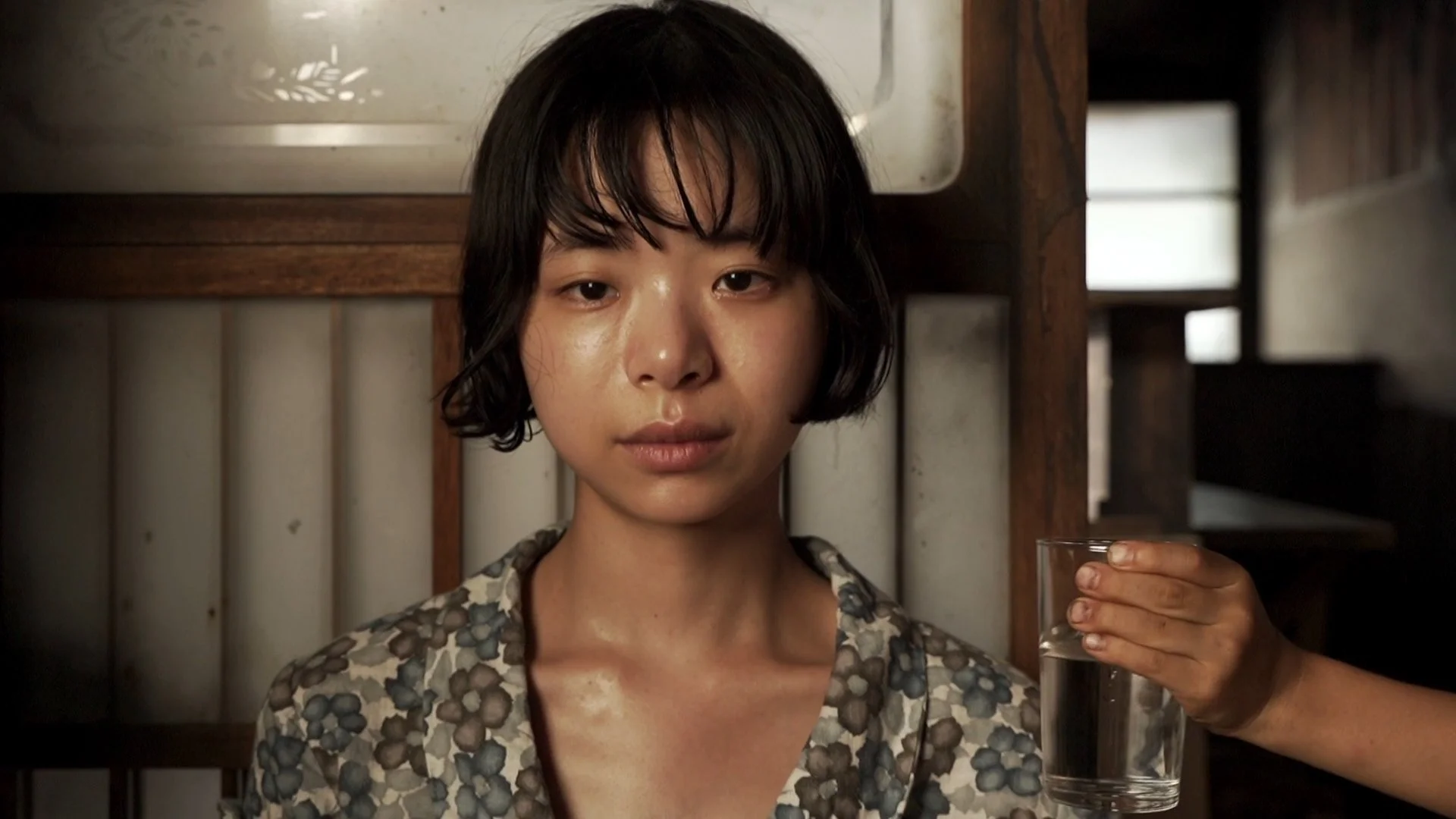
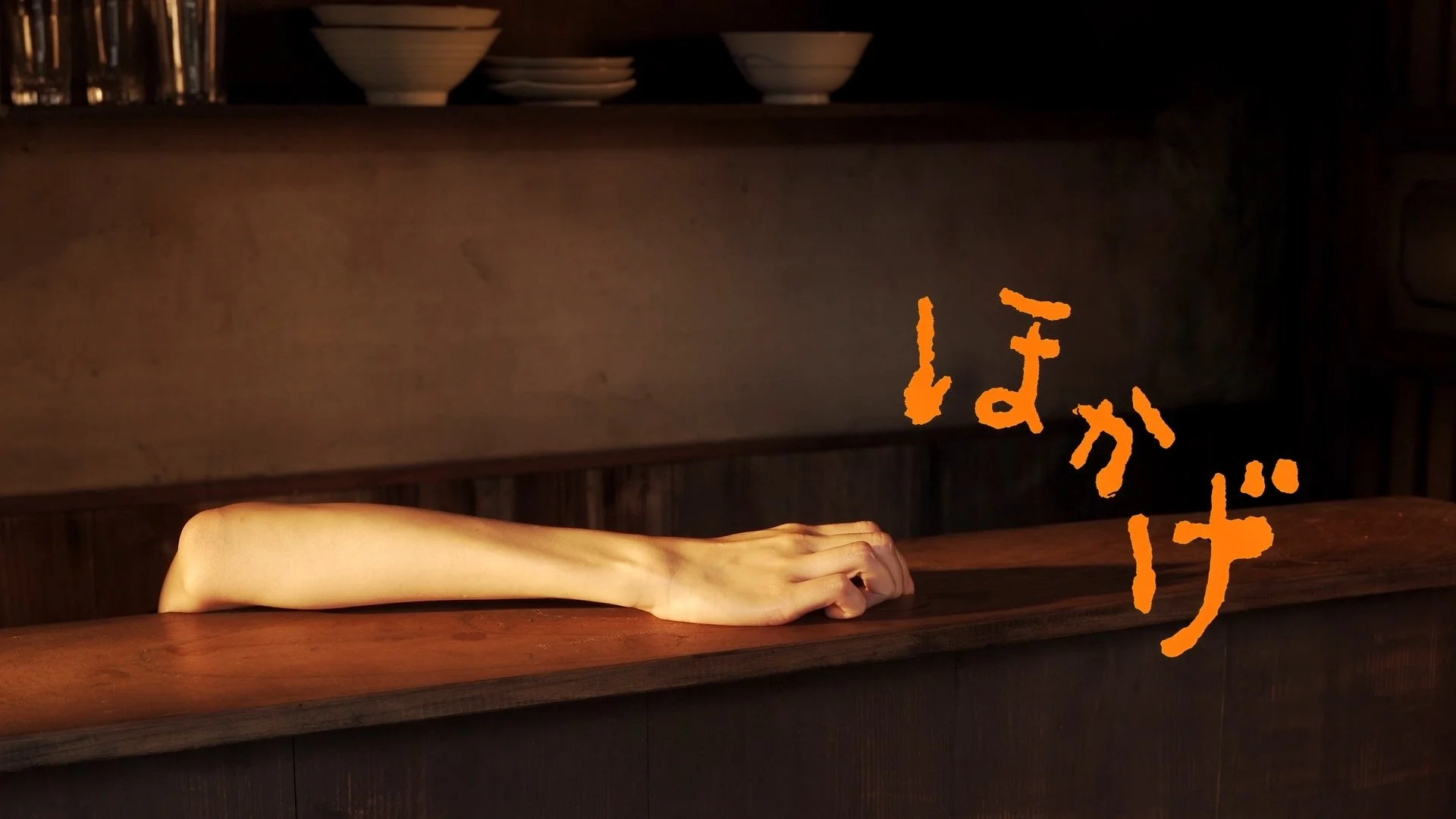
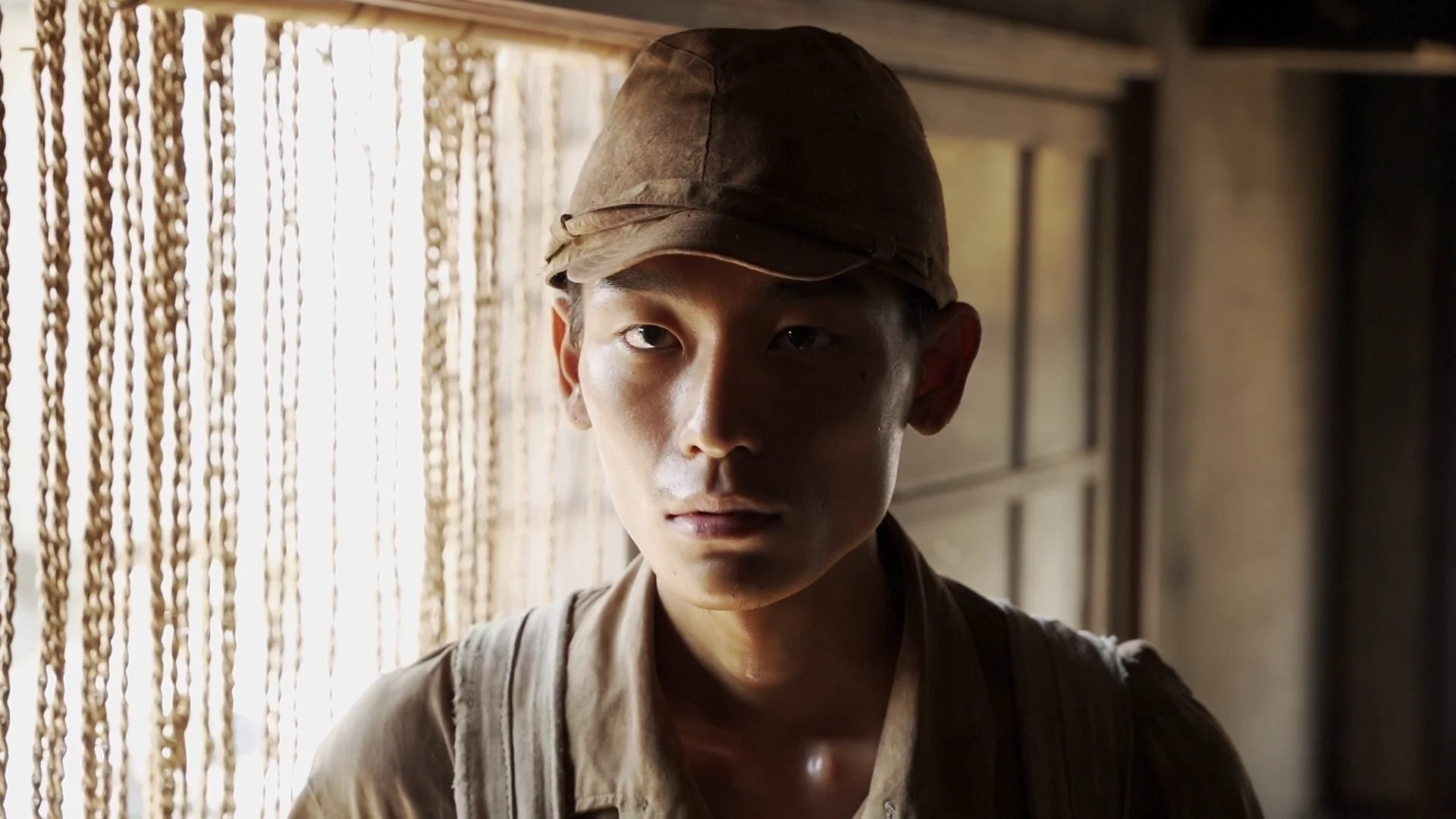
In contrast to what you're reading, this movie is neither rhetorical nor redundant, but a gaunt work – yet cumbersome. For here, the dialectic endlessly rakes itself over, contradicting itself at every comma. Here-one-hyperbolizes. One grants oneself poetic license, and seizes it. The saturated sayable appears light, opposite to where instead leanness exudes the full burning weight – the heavy emotional load, that which the skin, dissolves.
This is a dry film, although it has sweaty characters (bodies that do not passively suffer, but undo themselves from within), and this is cinema of opposite poles: parched and swollen and bipolar like war.
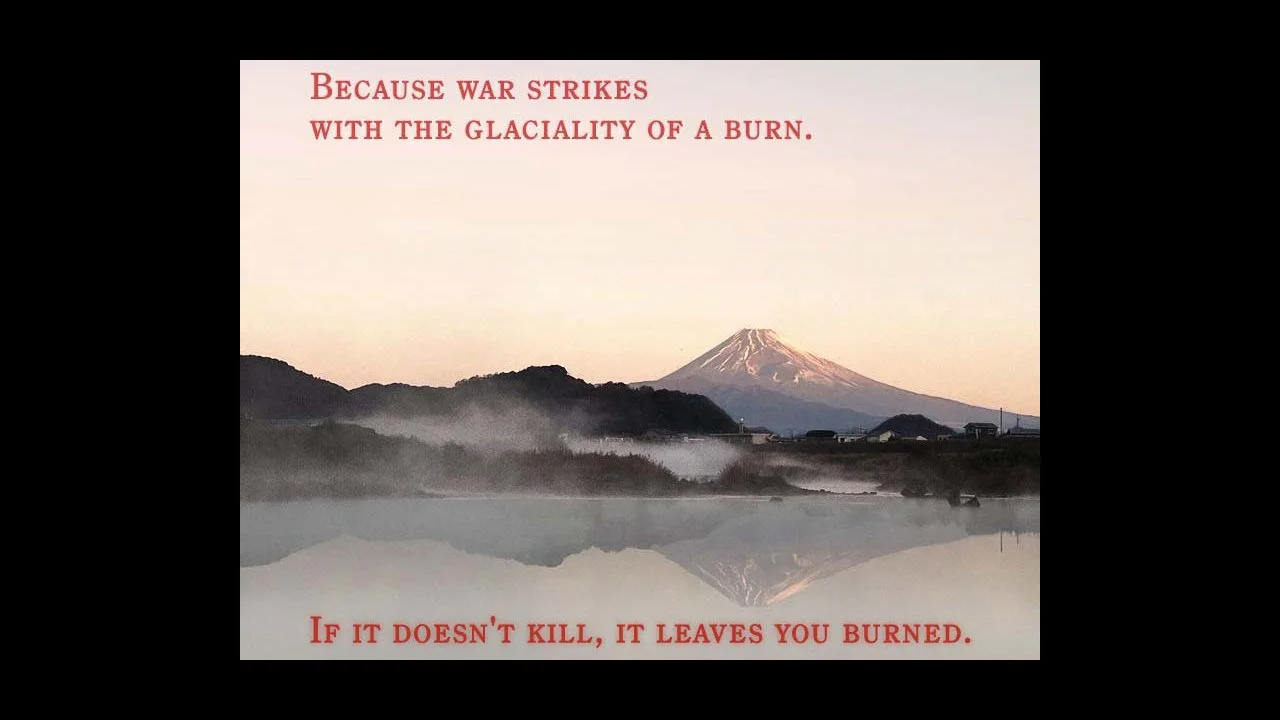
But I, who can speak, cannot know. Never do I hope to know it. Already imagining it is atrocious. What lies beyond the atrocious in the measure of pain? I dare not imagine it; I cannot; I cannot know. I can only speak of a film that speaks of it. Japanese. The Japanese can. Indeed, who if not this people knows the physical, psychic, and moral upheaval caused by war? There is no need to say why.
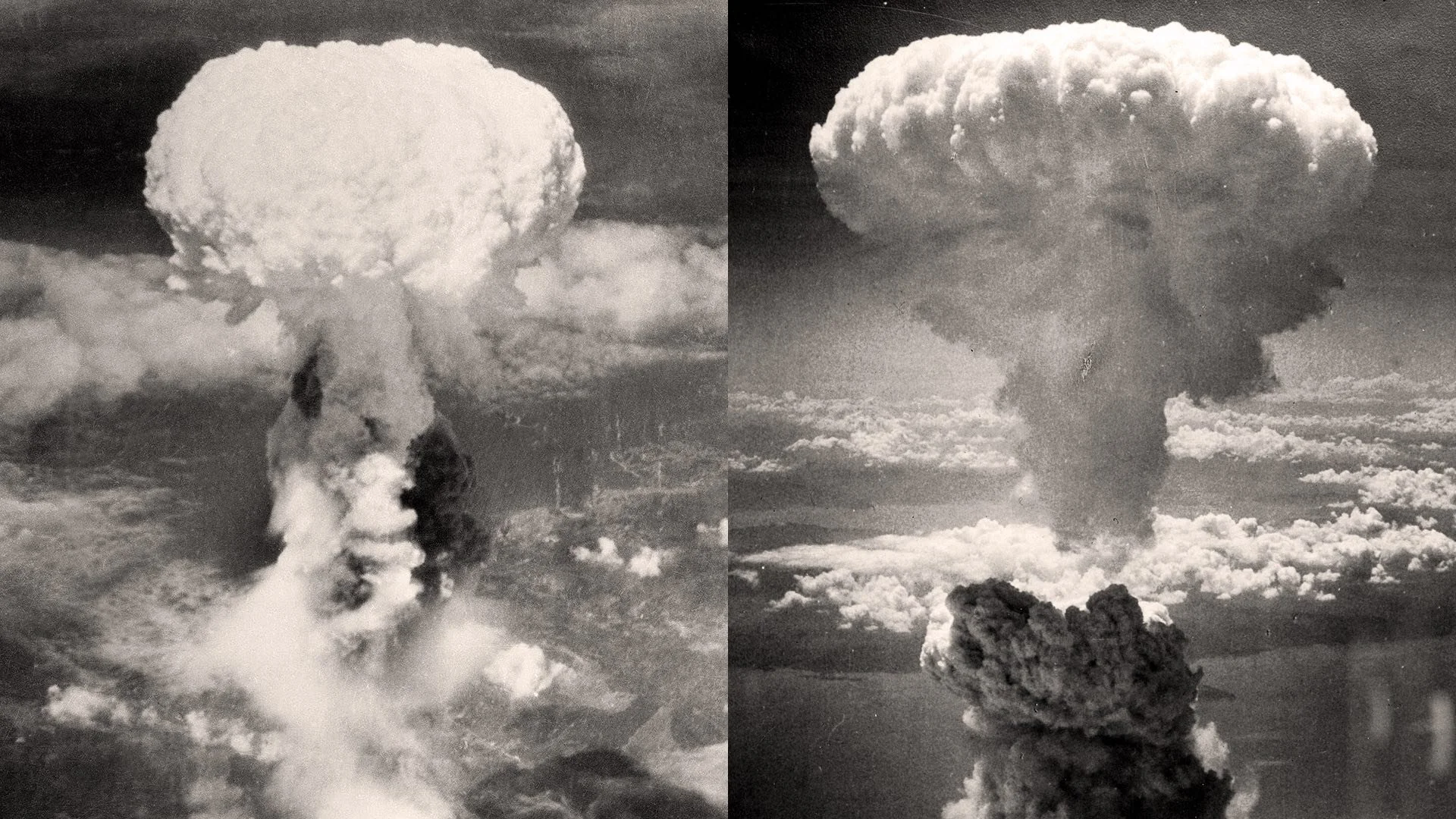
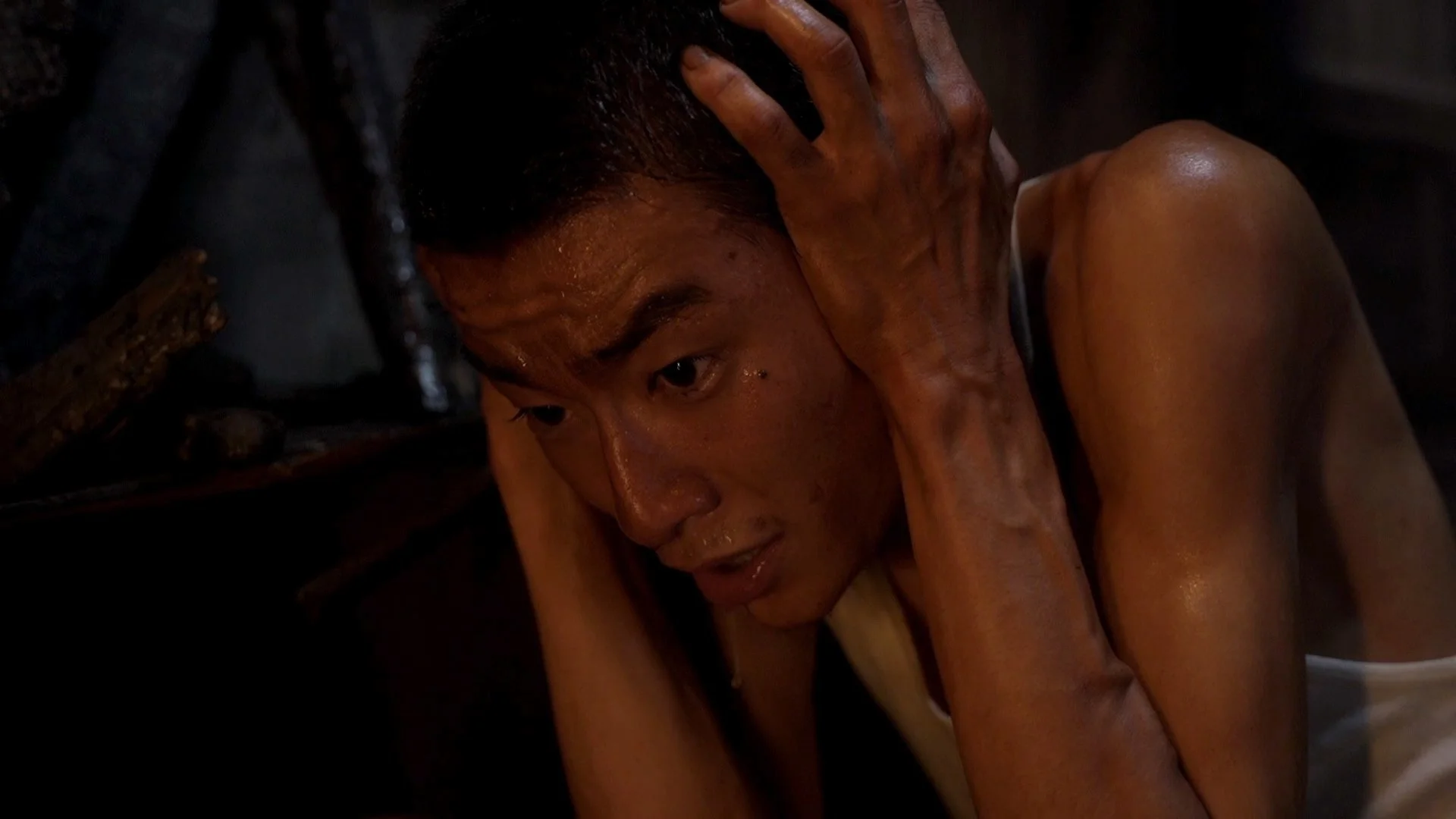
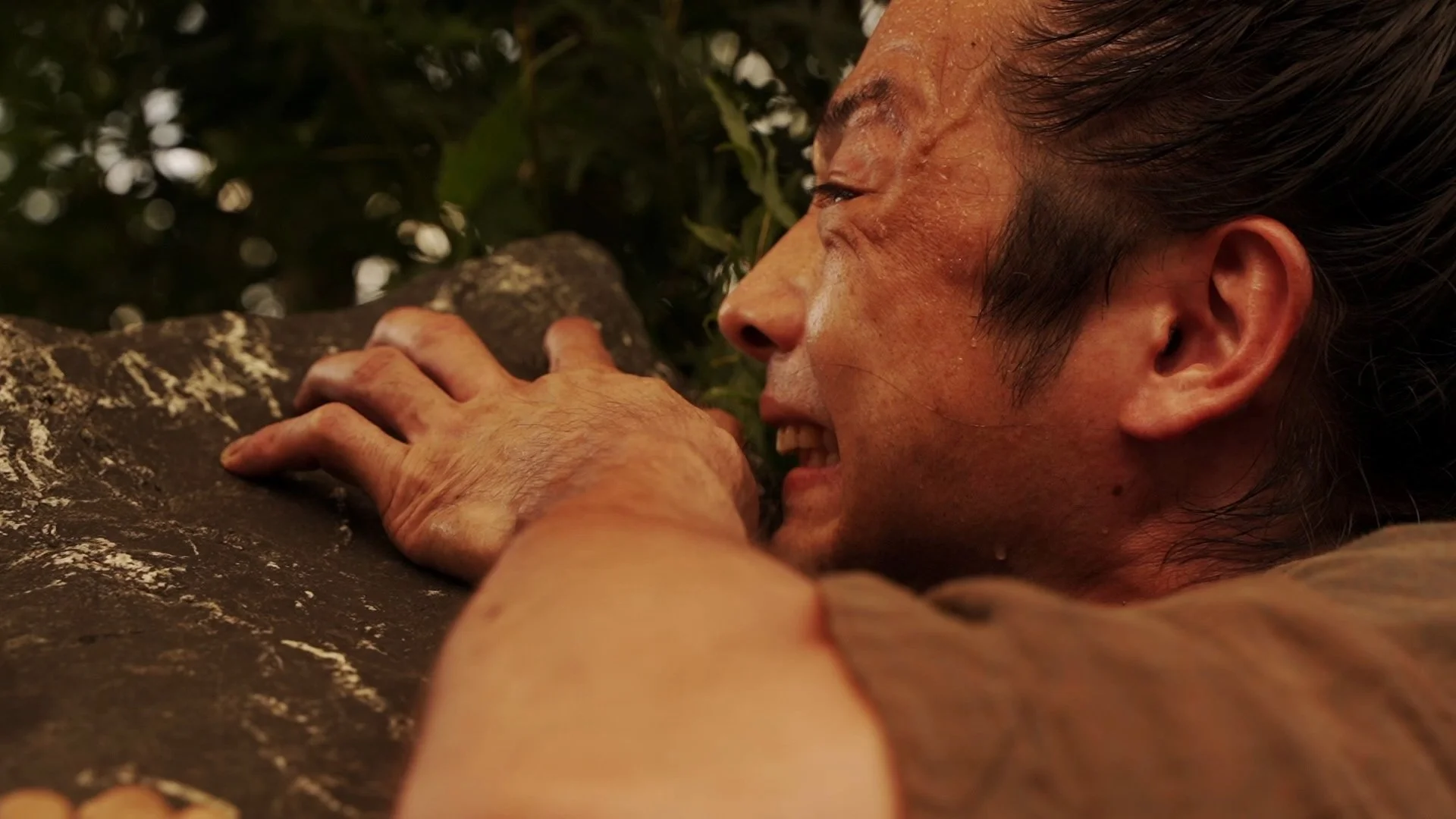
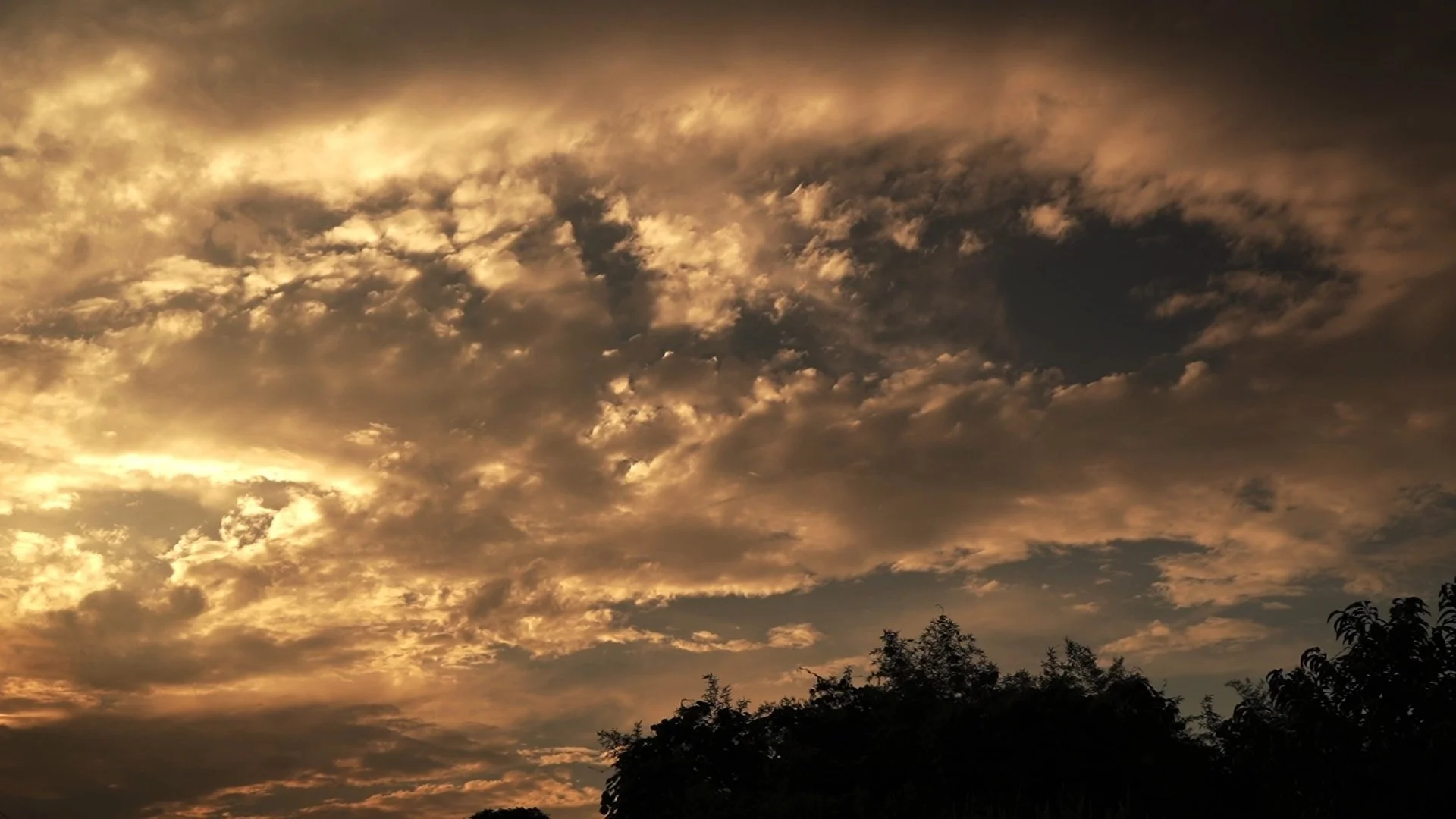
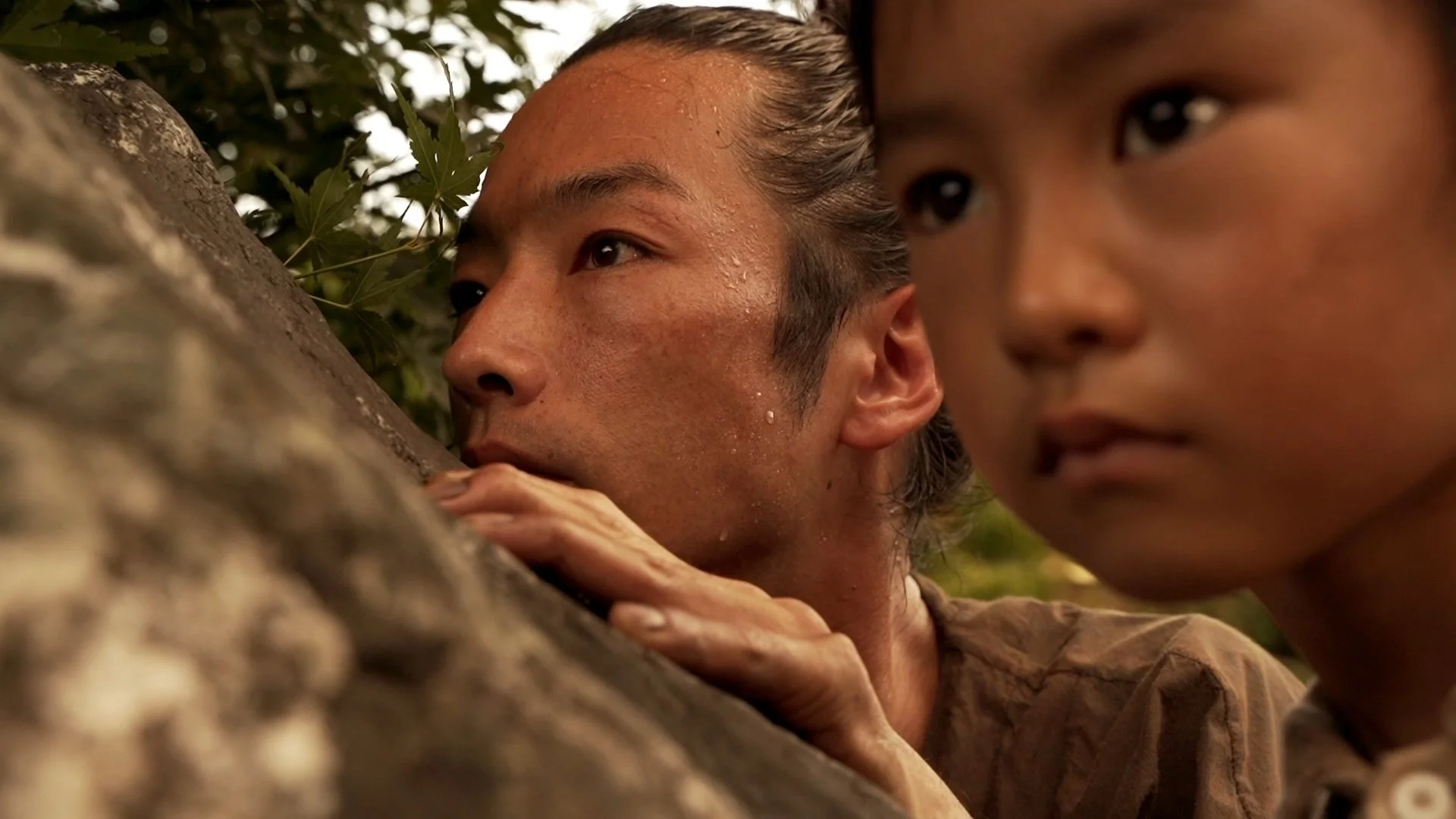
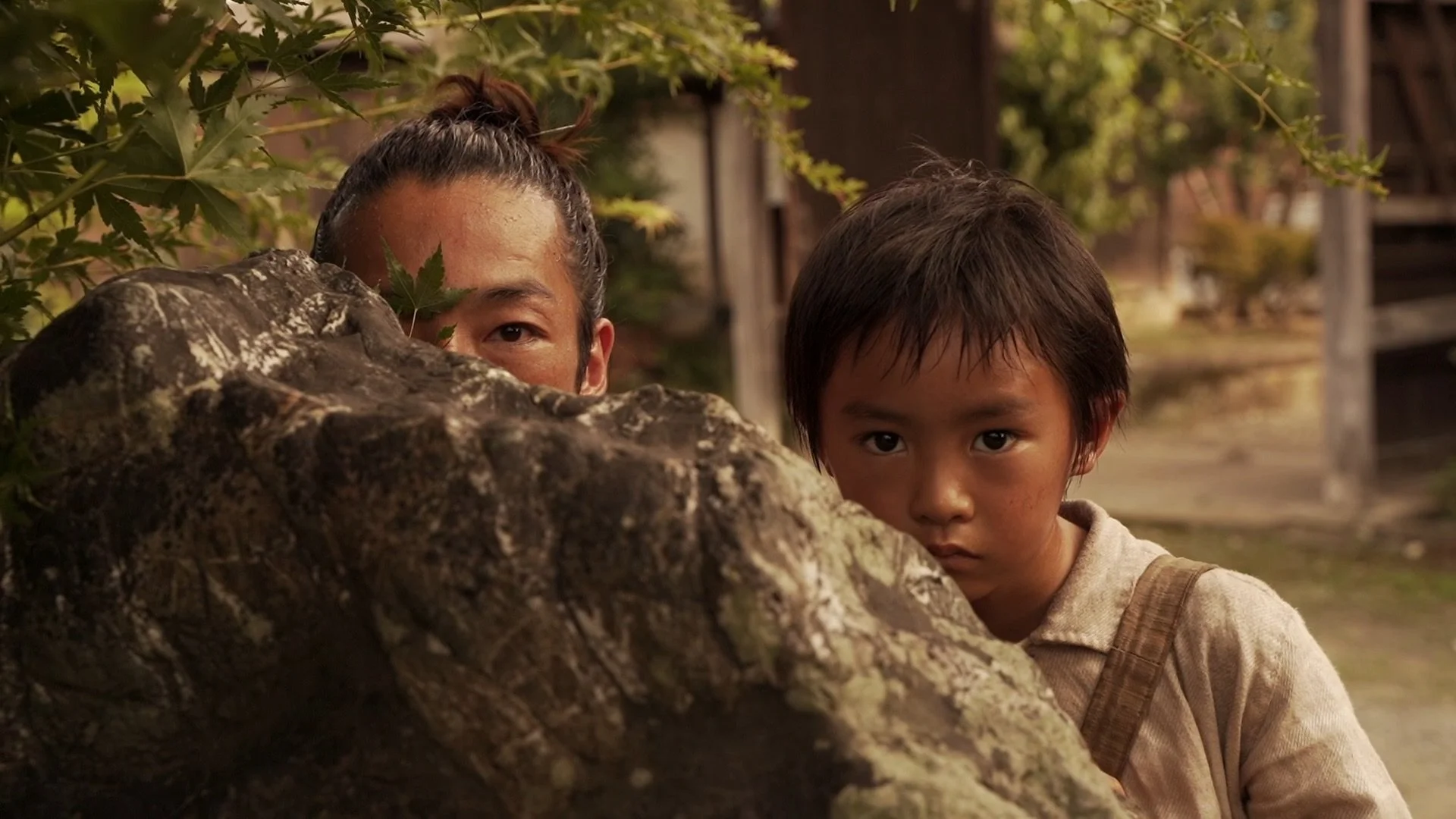
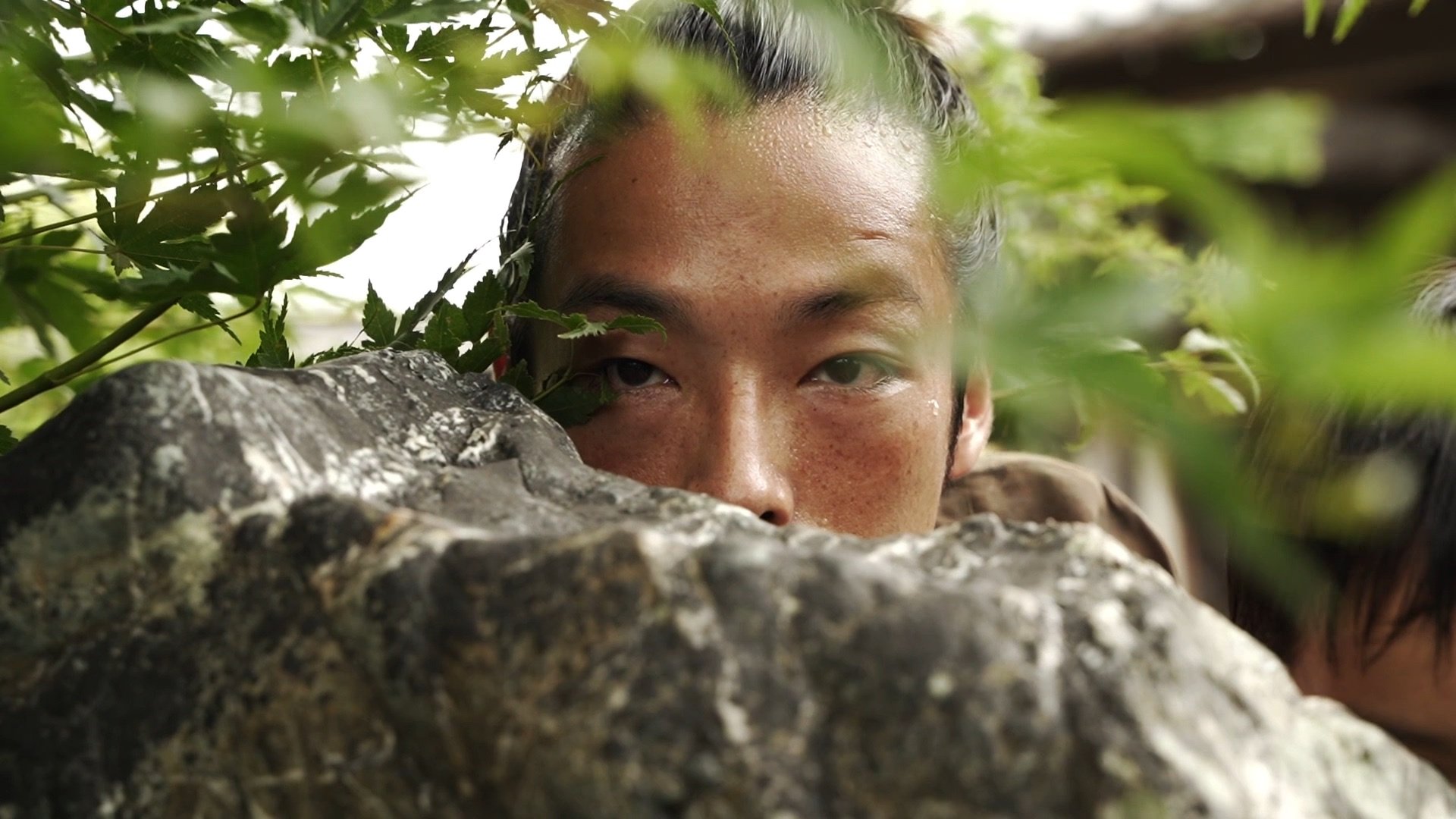
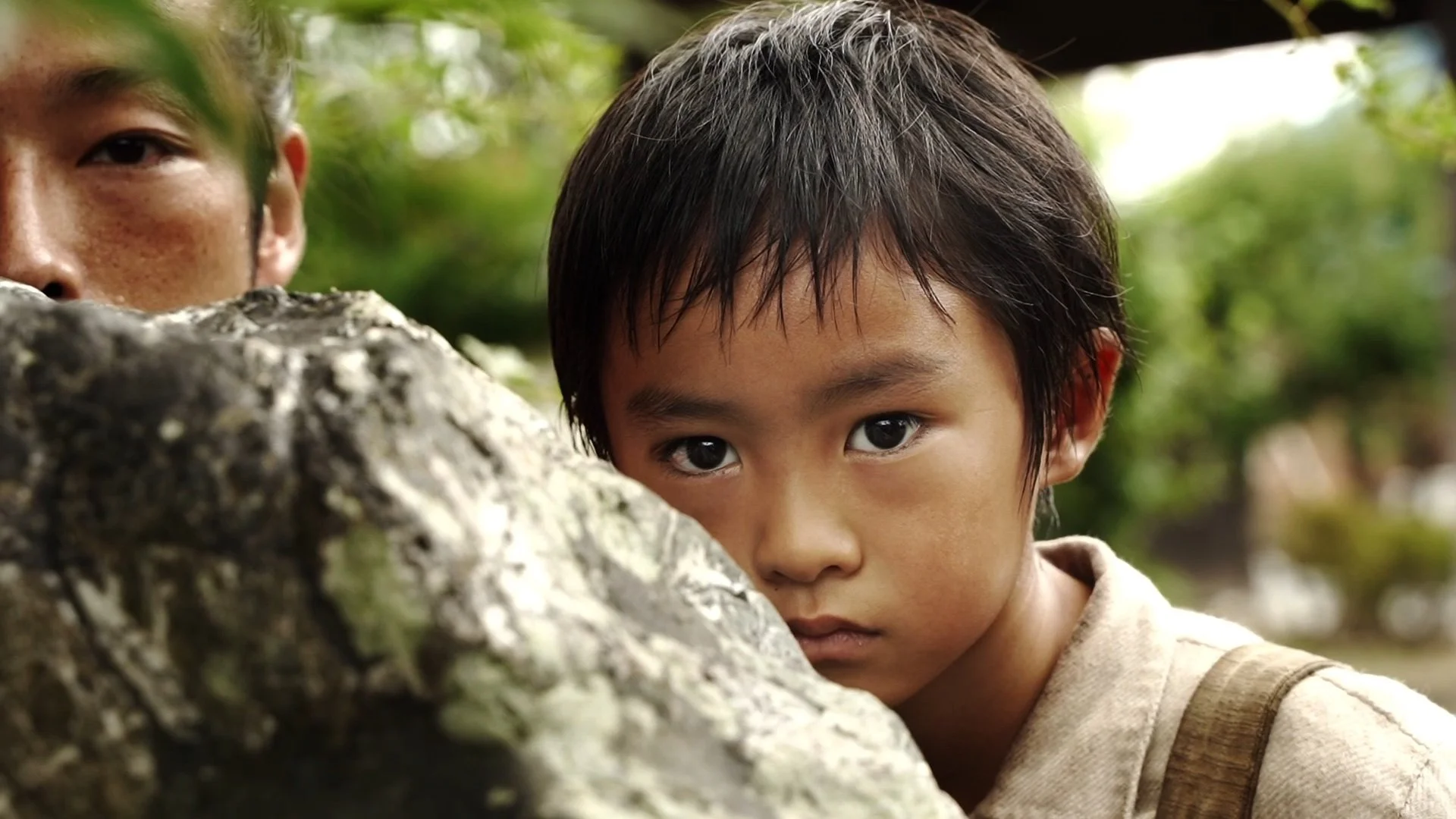
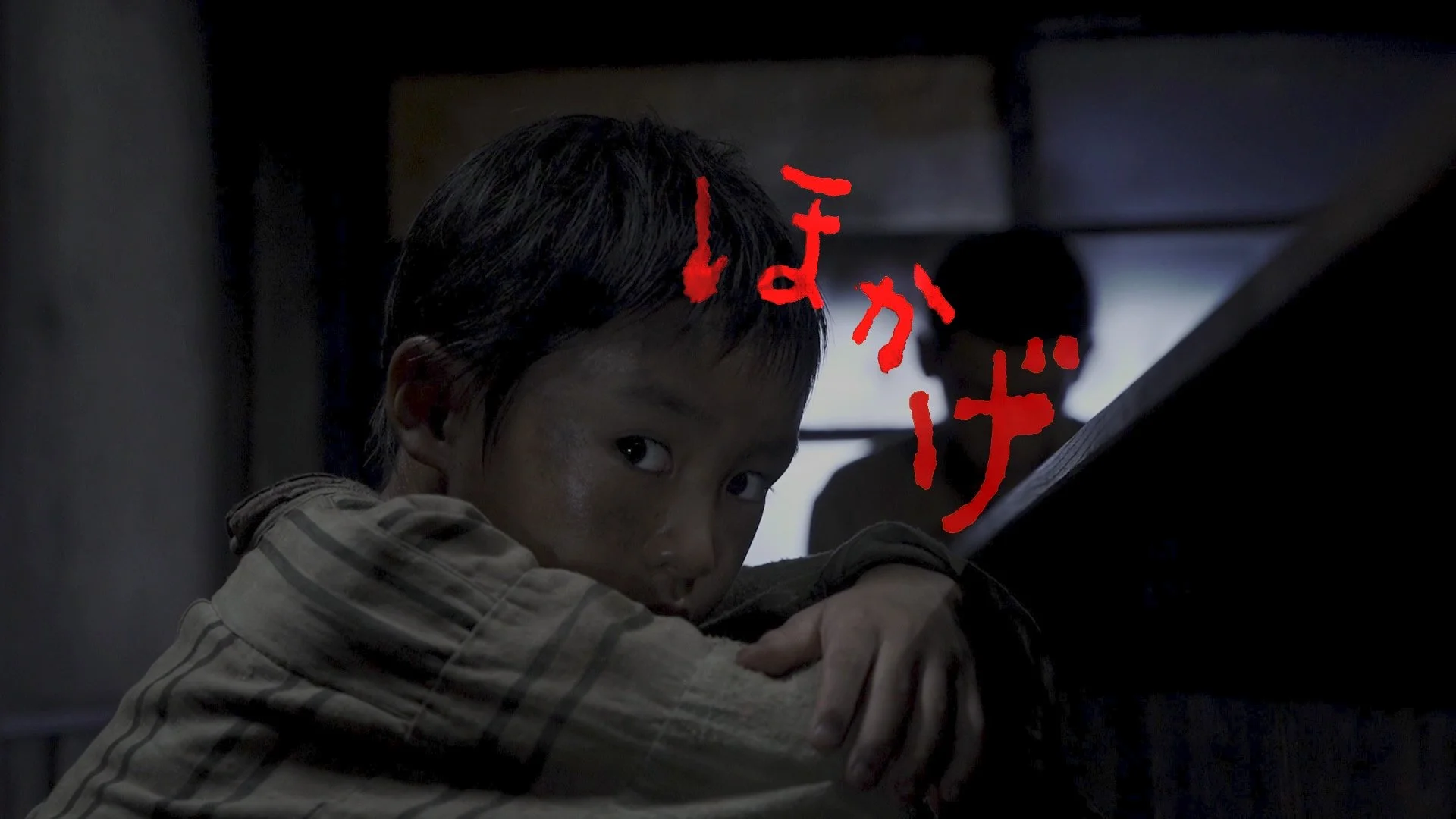
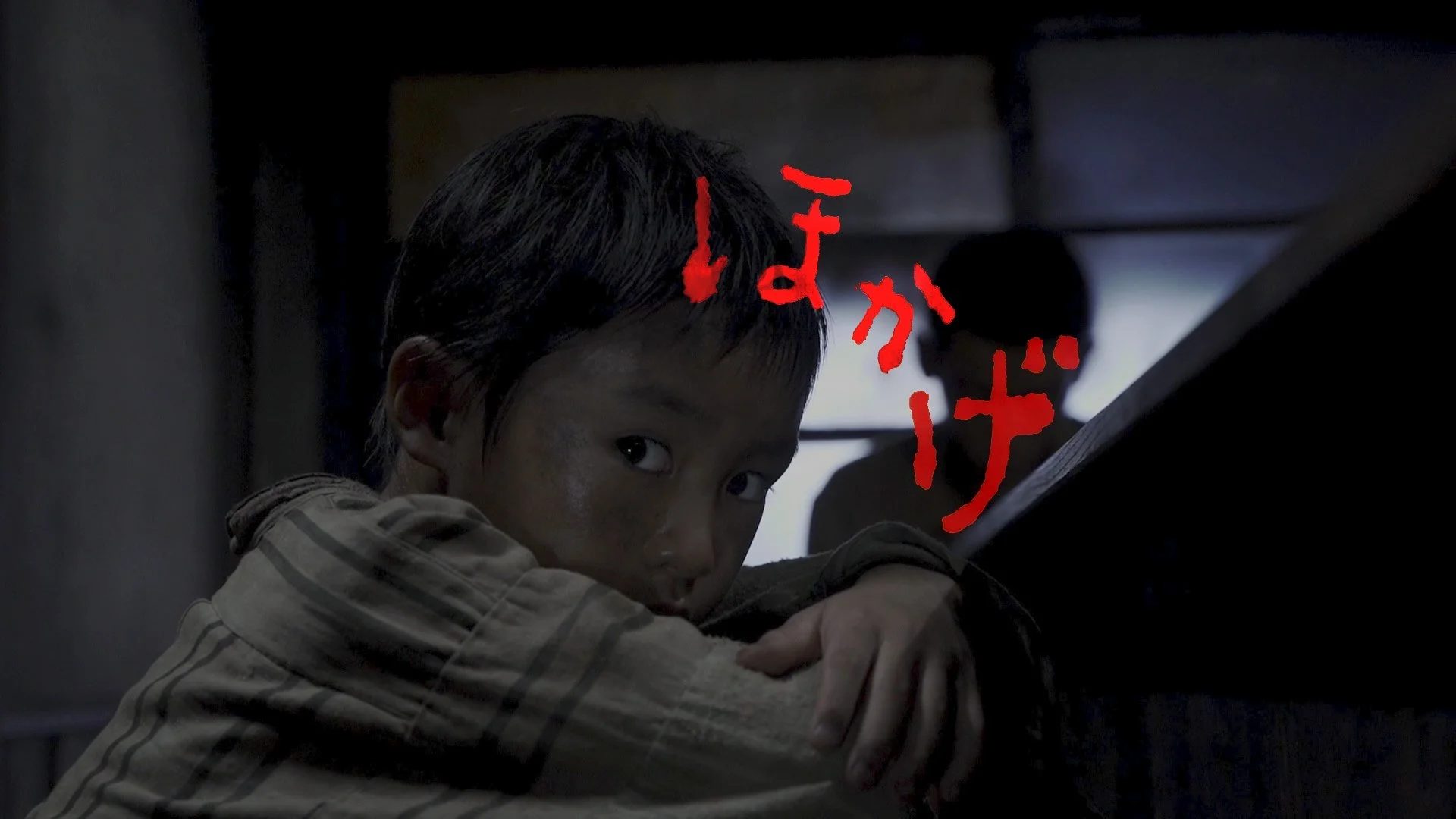
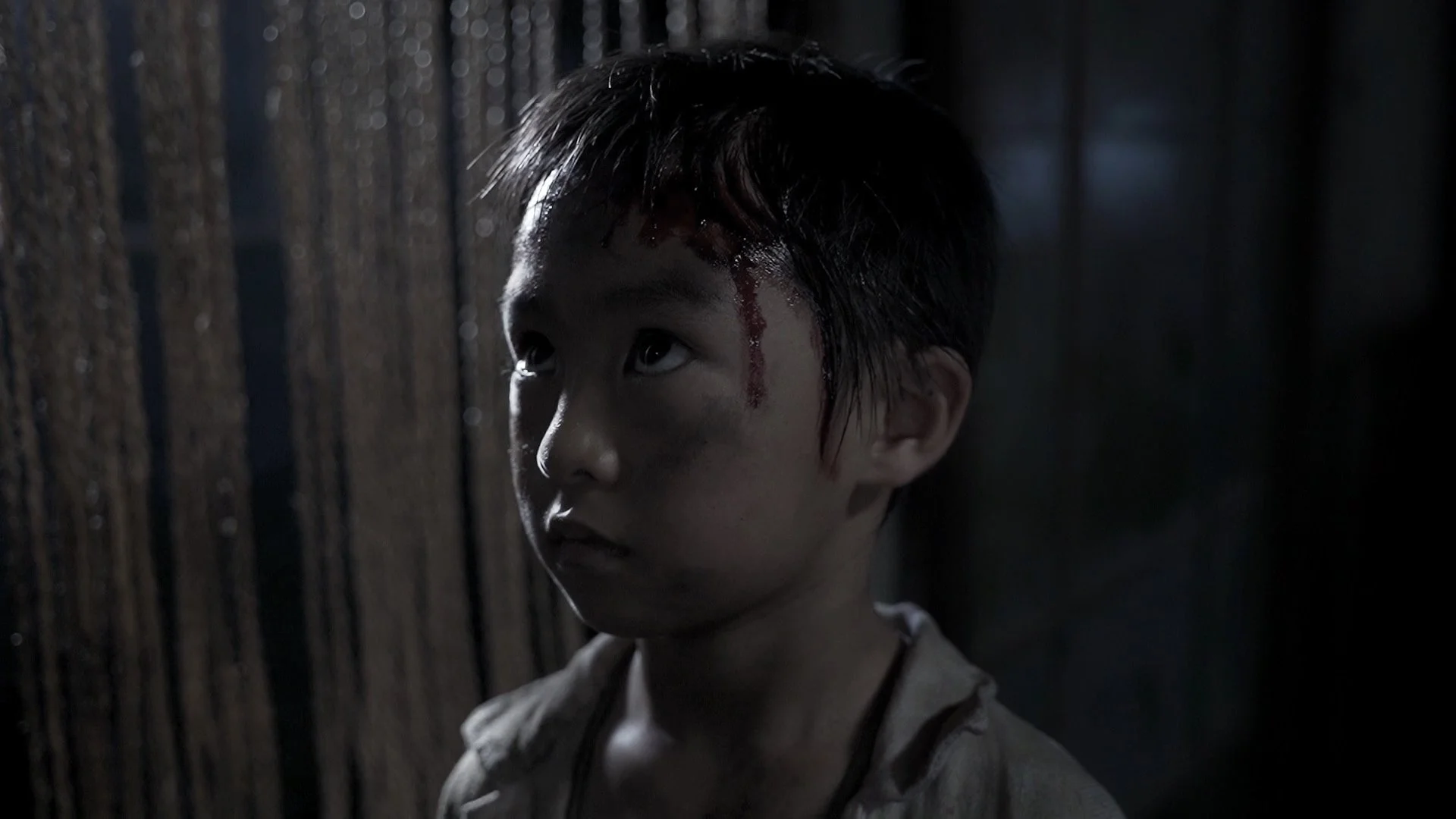
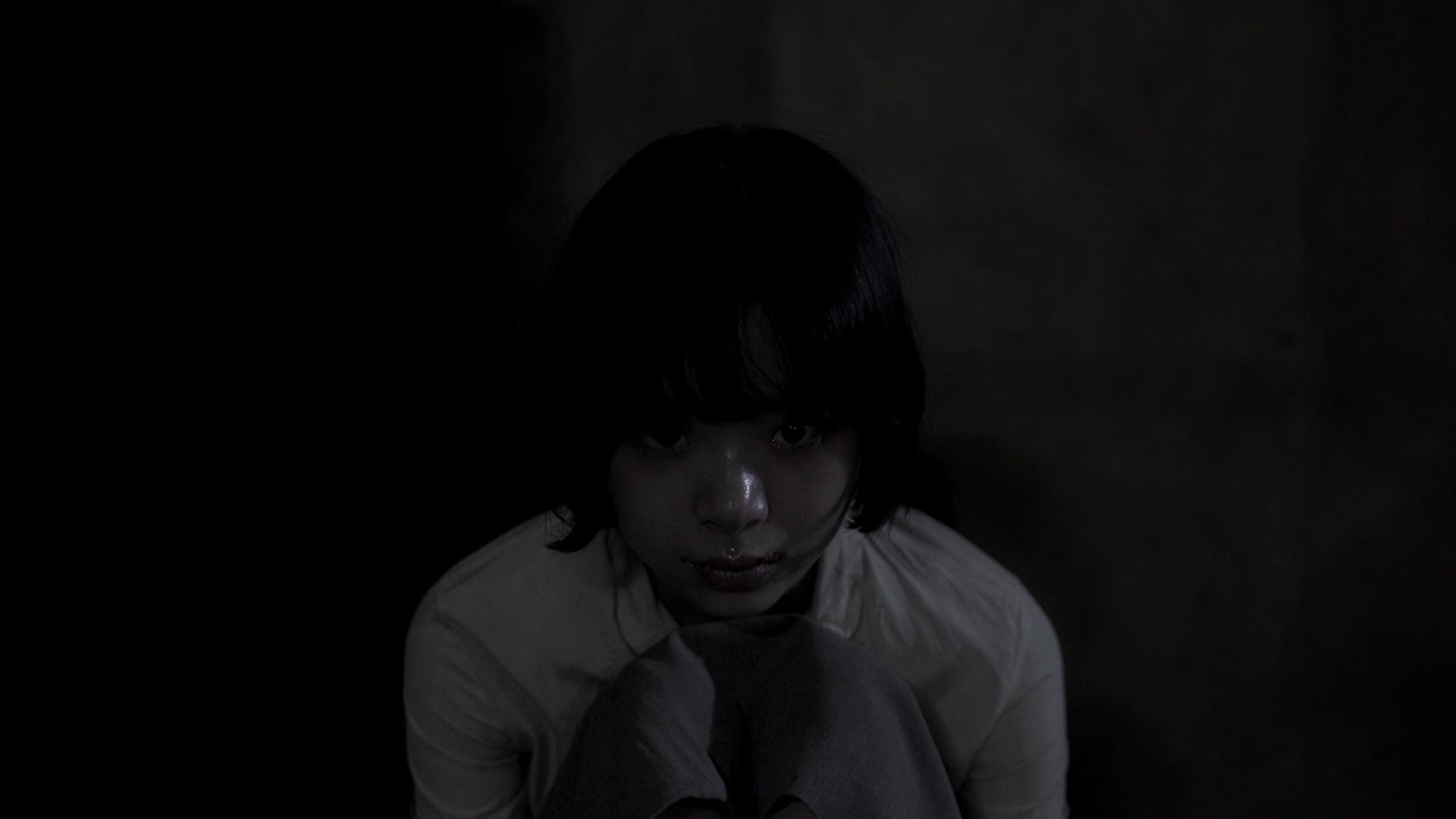
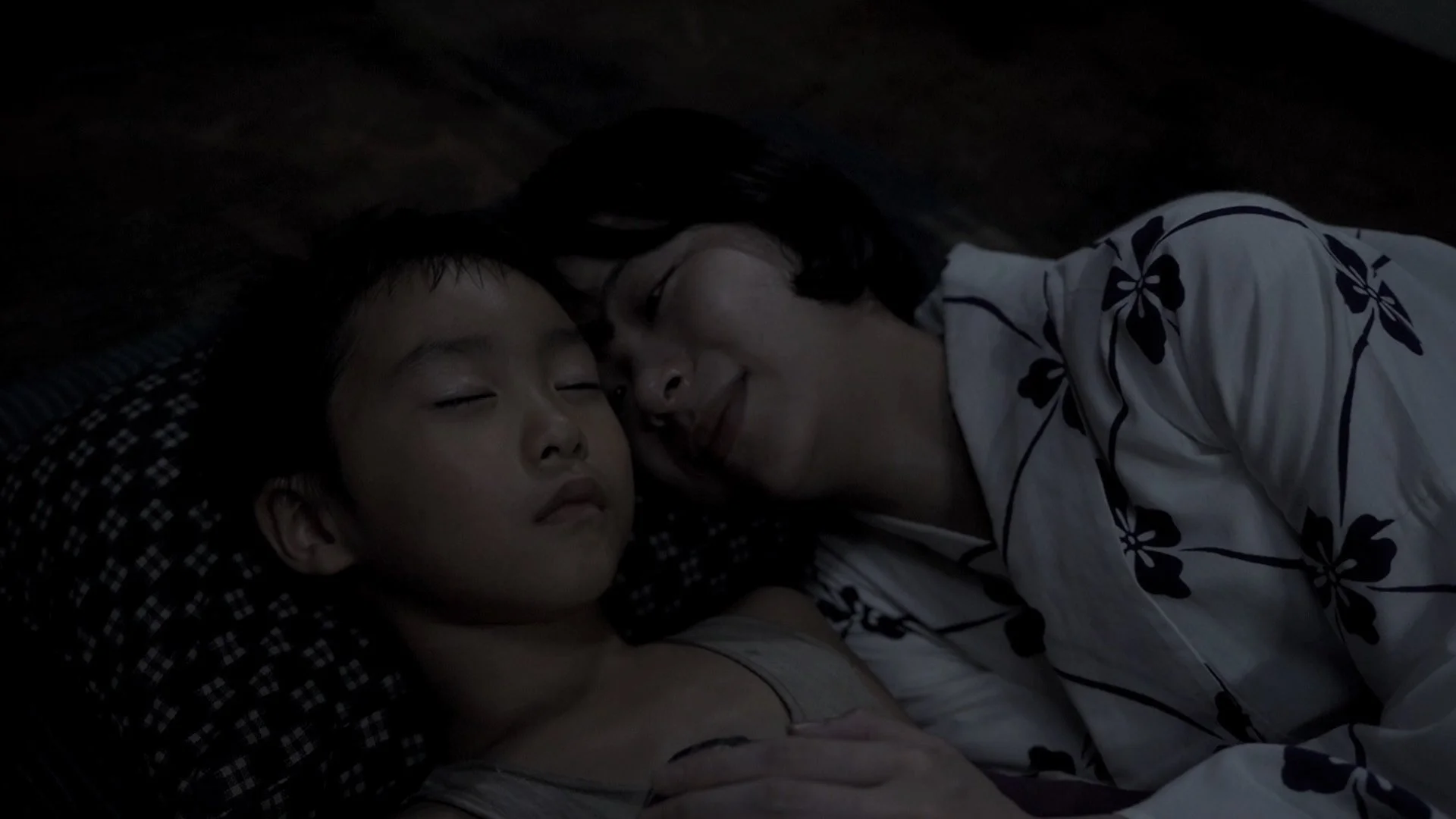
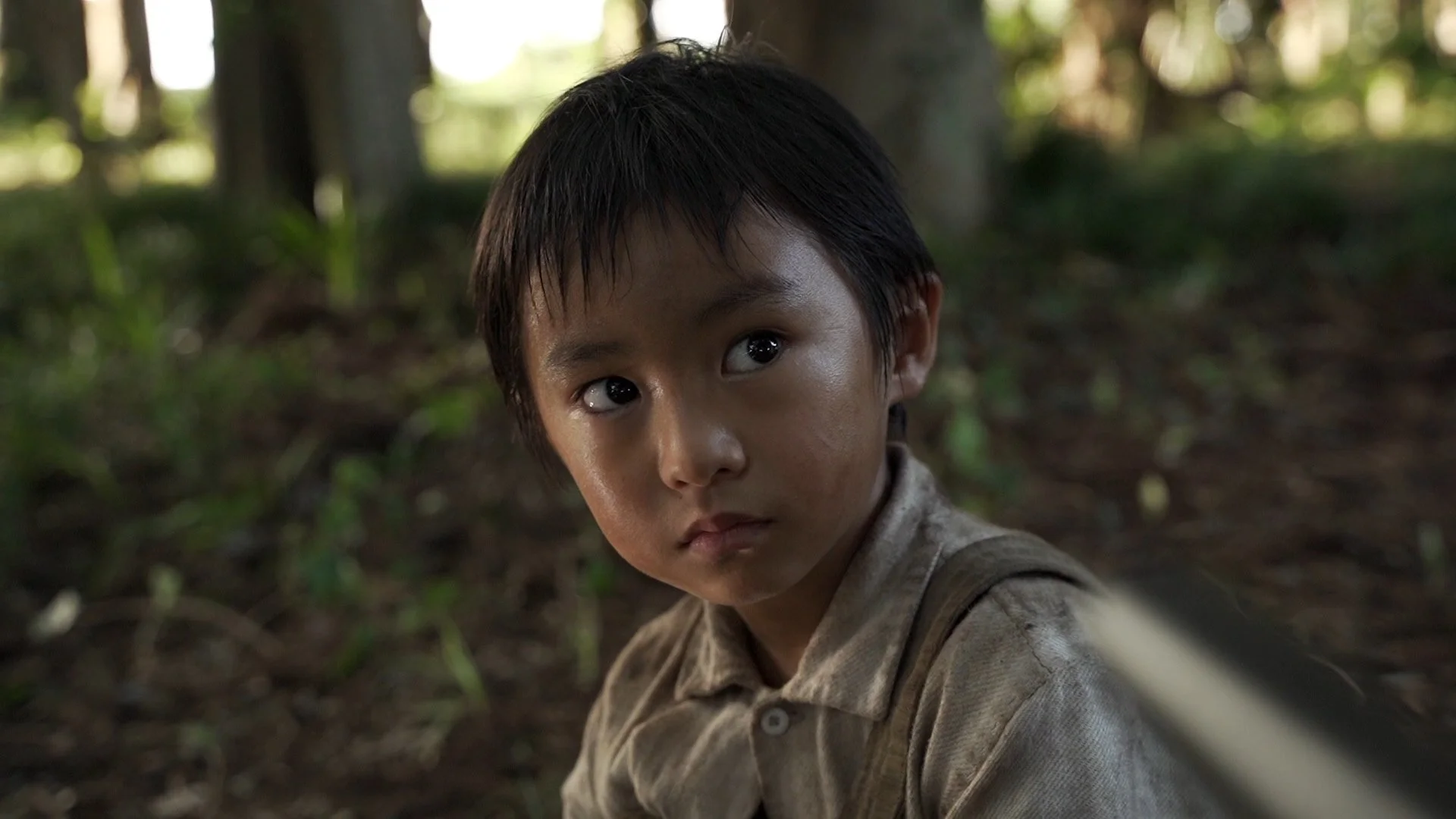
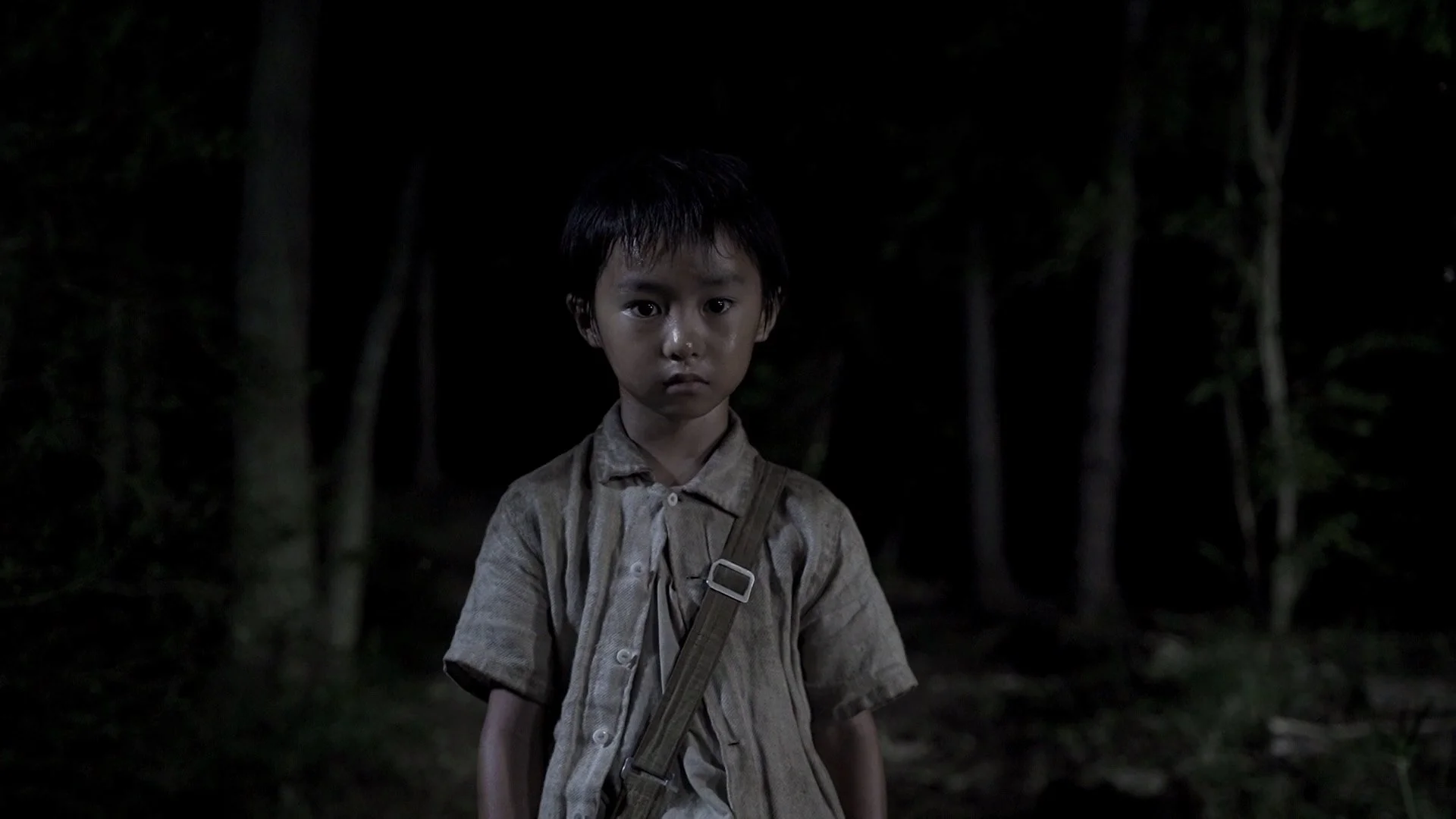
In the time no-time of Hokage, that blackened grime rooted in the walls of a place overwhelmed by incendiary bombs, cicadas chirp perennially while, chased by a merchant, a thieving orphan boy in search of human warmth finds refuge in the torrid house of a widow. She also takes in a young veteran who is later forced out when the psychosis of his PTSD (Post-Traumatic Stress Disorder) crosses the threshold of mere danger, injures safety, and becomes unmanageable. Mental distress broke the family nucleus, but the idyll had already cracked around a gun innocently found (or possibly stolen) by the boy, who is also forced away after her contracting worrying blisters around her mouth she would never want to pass on to him. She works as a prostitute. In the Japanese postwar era, she is forced into prostitution by a slimy exploiter, catering to anyone who may or may not have fought. Returned deranged from the front, the men are the dark zone of a fire left without light – filthy rural strangers who, if not pushed to the margins or if they do not ghettoize themselves, transmit to women (in a venereal- metaphorical way) the putrid evil they both suffered and committed. Thus disfigured, branded by blisters preventing her from prostituting herself any further, and being infected and virally infectious, she drives the boy out of the house, shifting the narrative from inside to outside. Continuing outside, the boy (armed) is seen pairing up with a black-market vendor (another veteran, another surrogate father) who wants to act as his life teacher but is more interested in the gun.
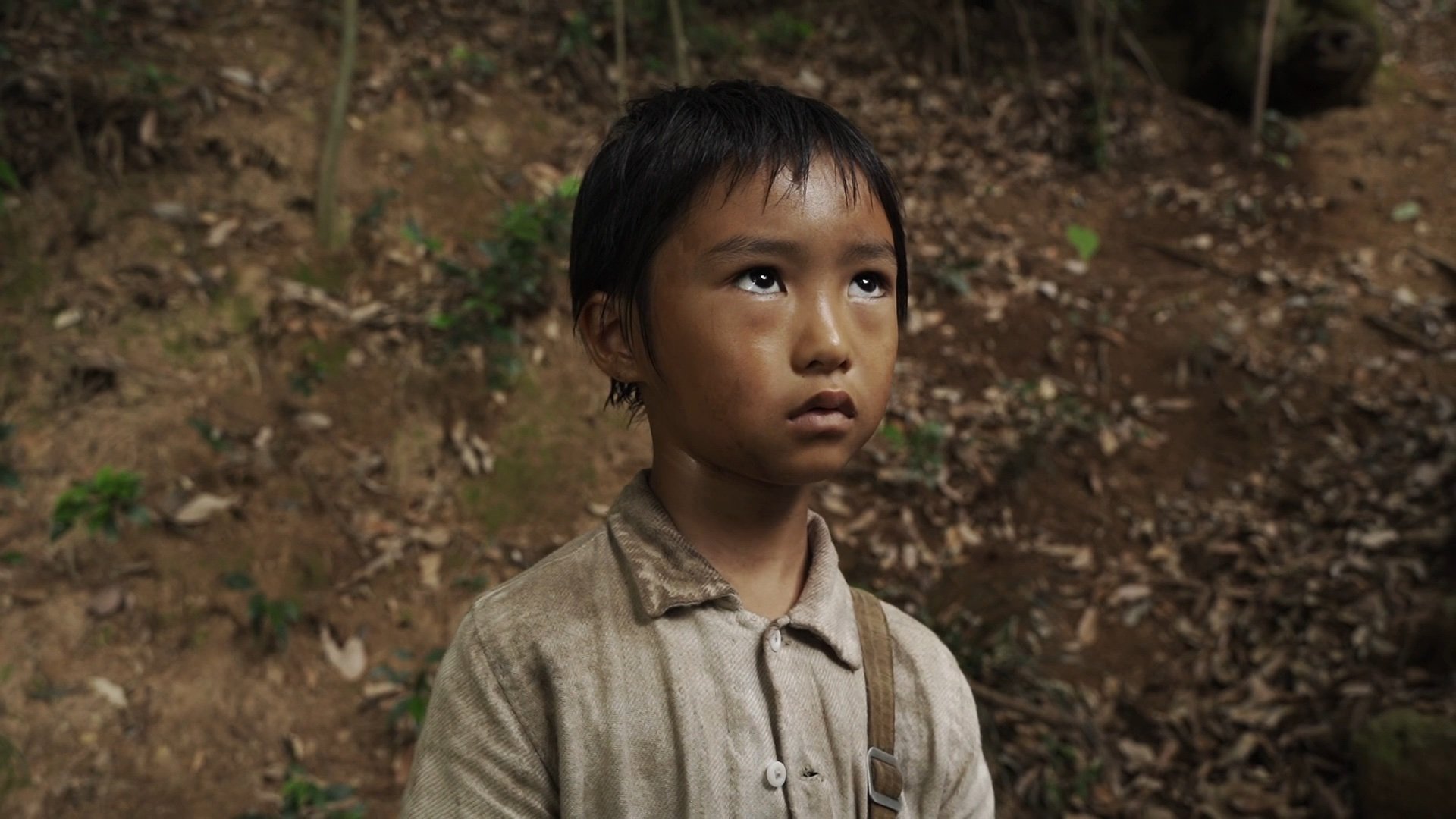
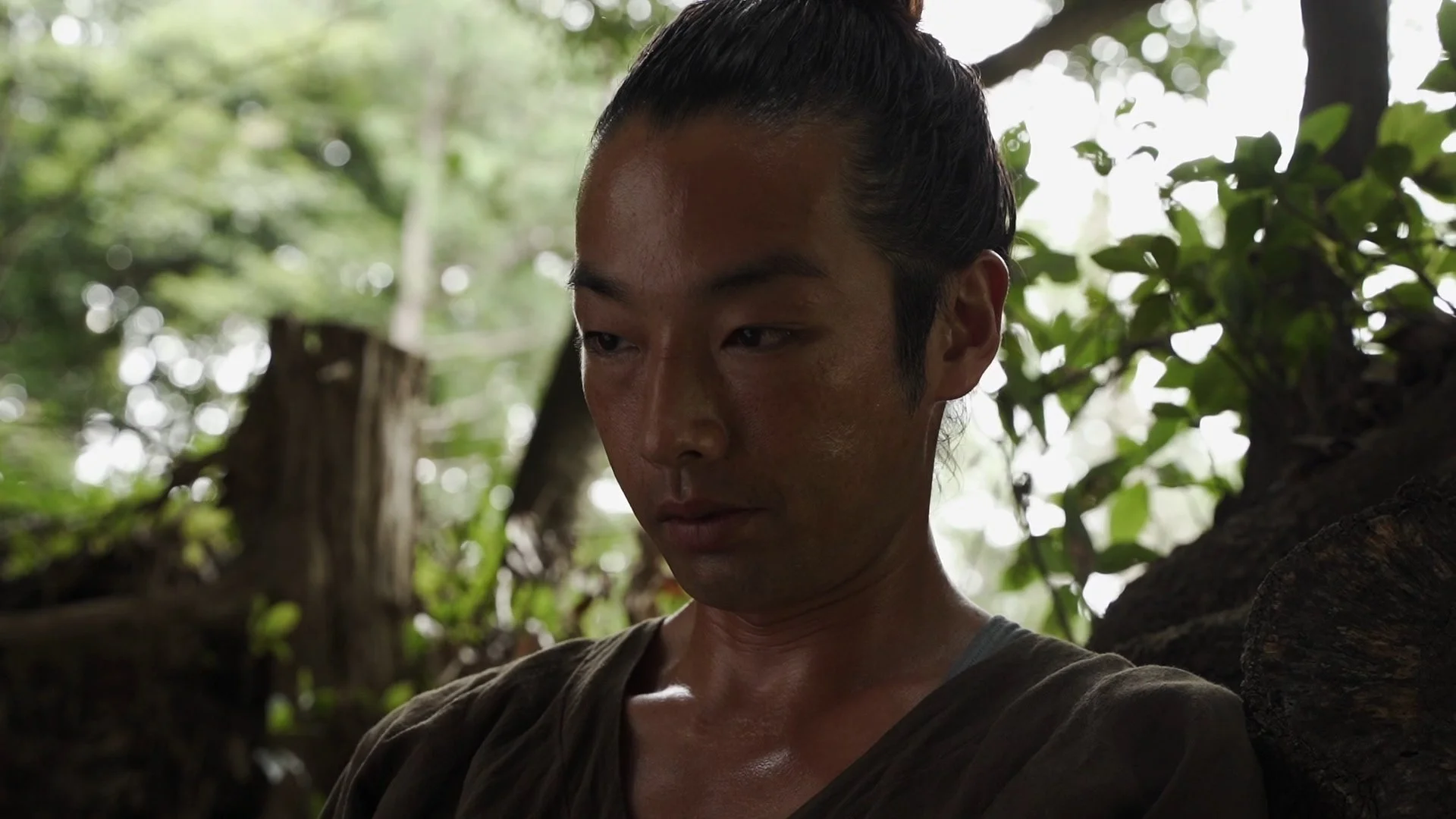
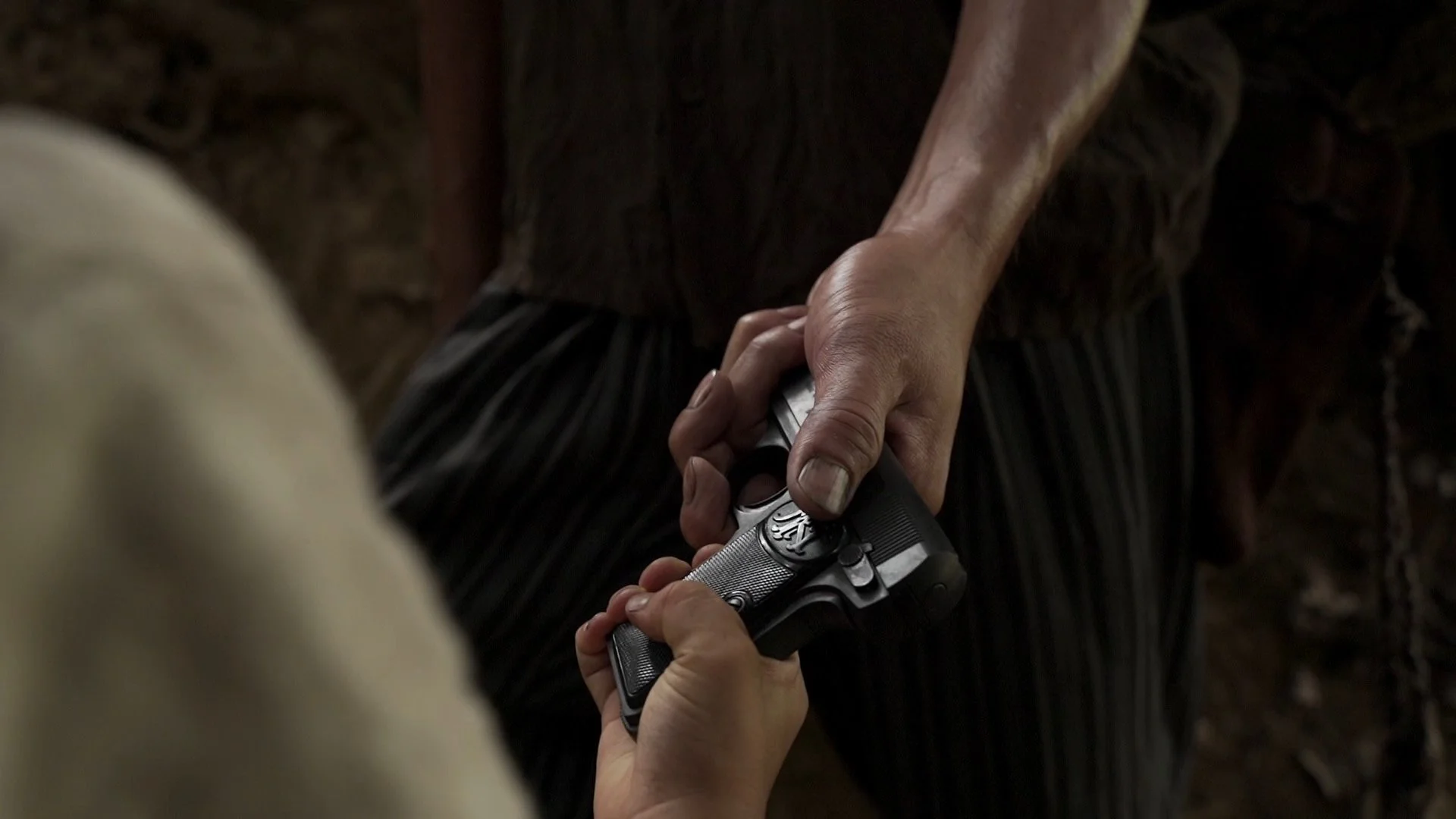
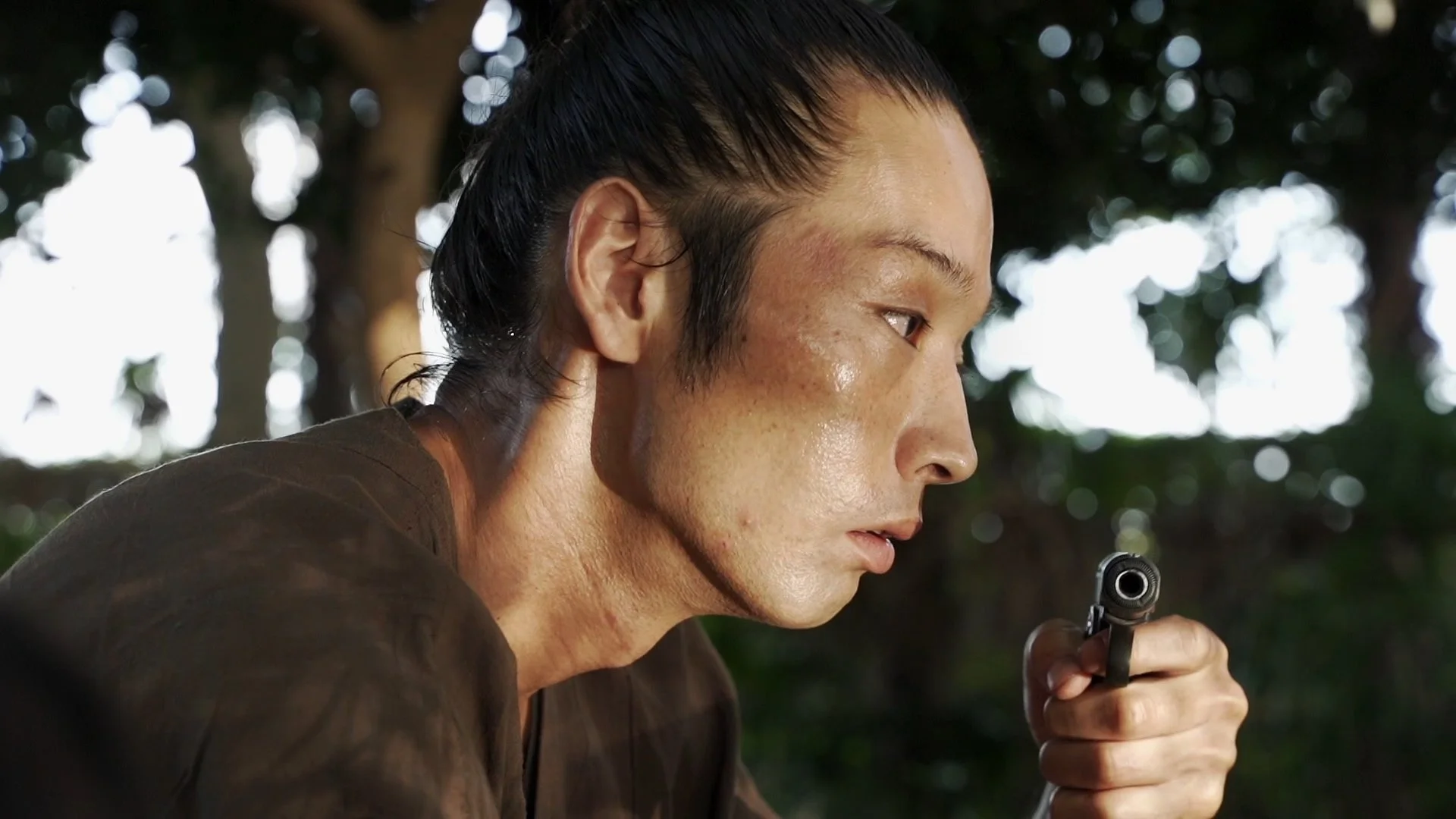
The man must satisfy his own placid resentment: he will travel concealing a desire for revenge for the murders he was forced to commit.
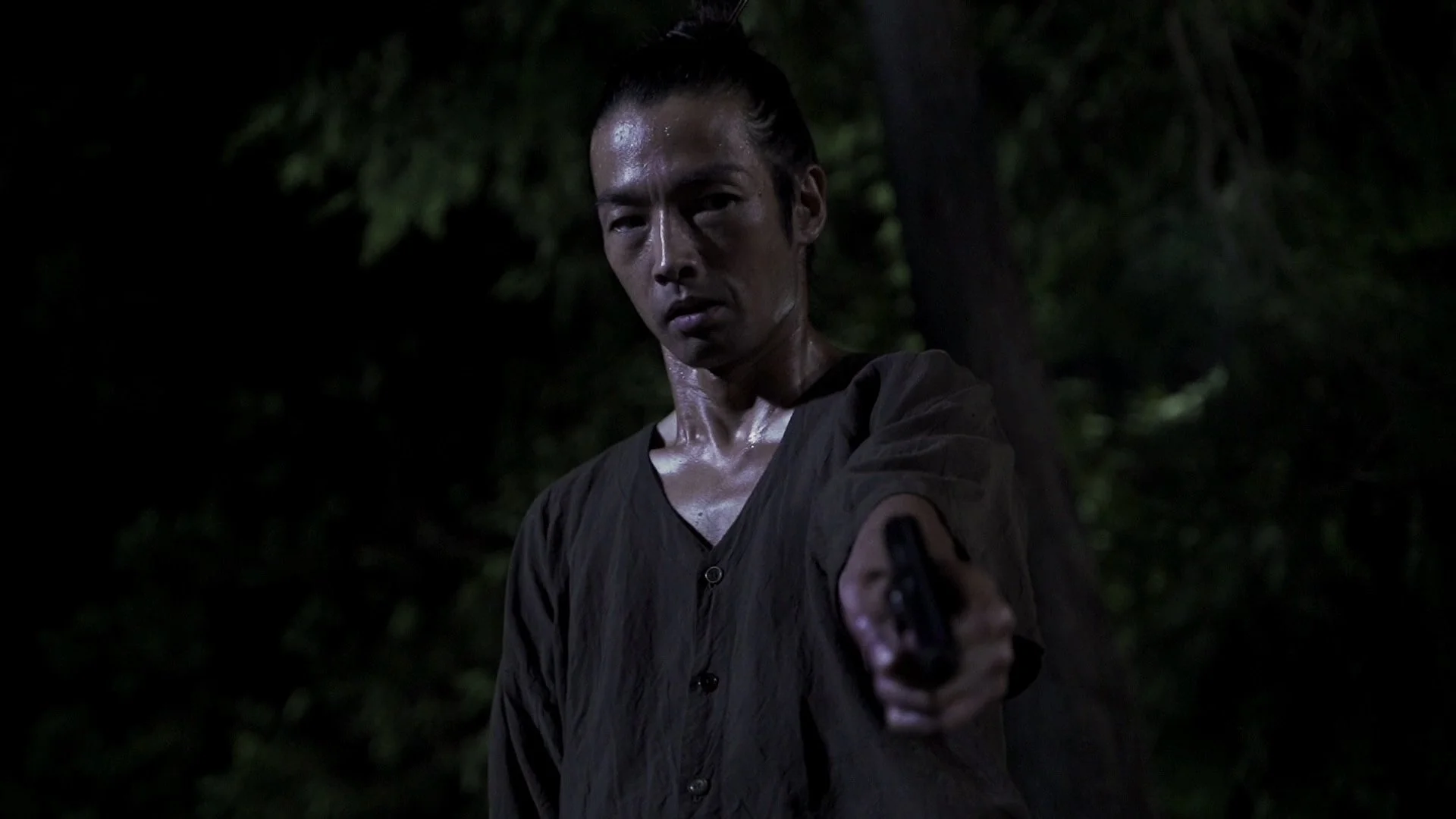
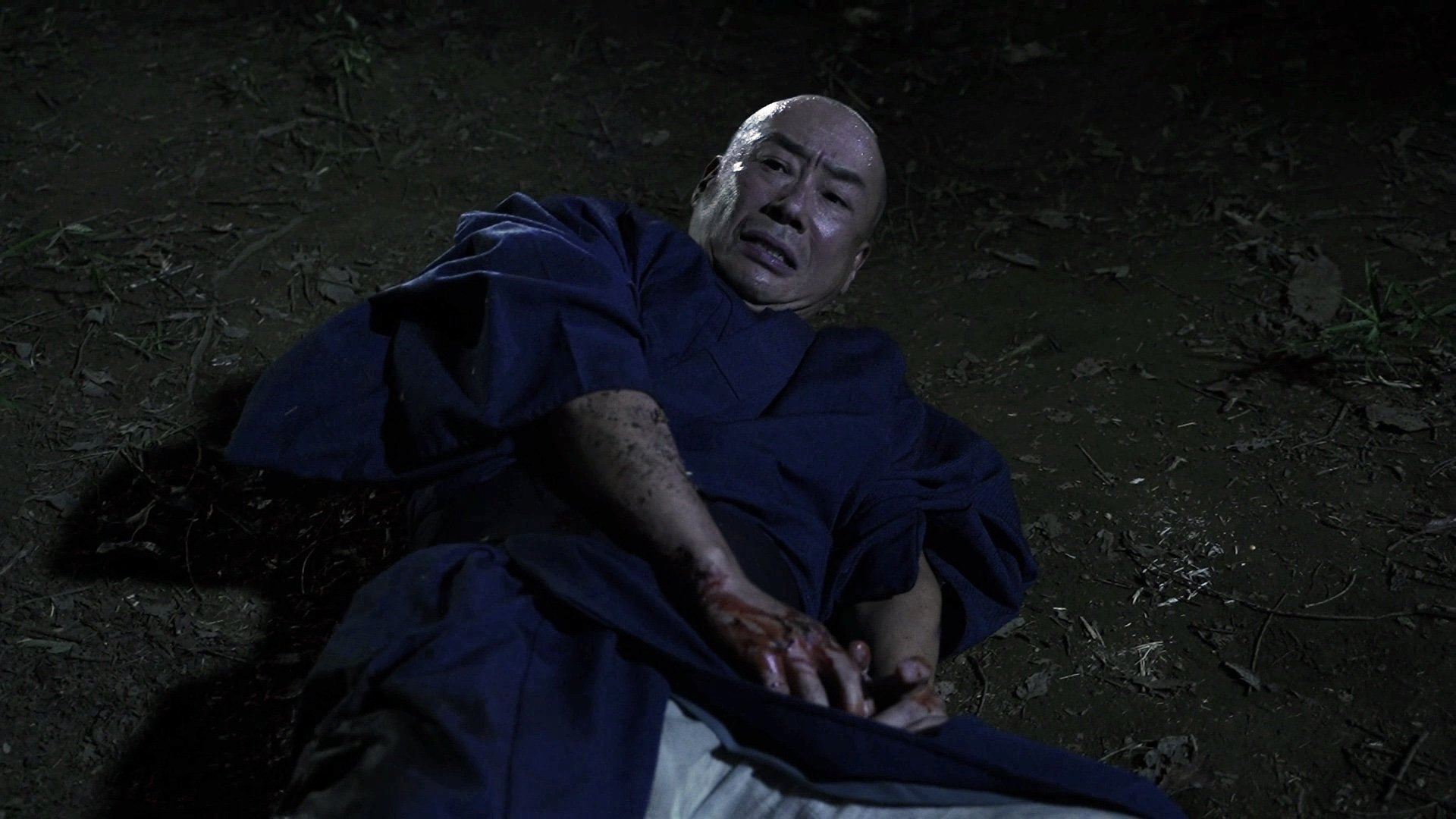
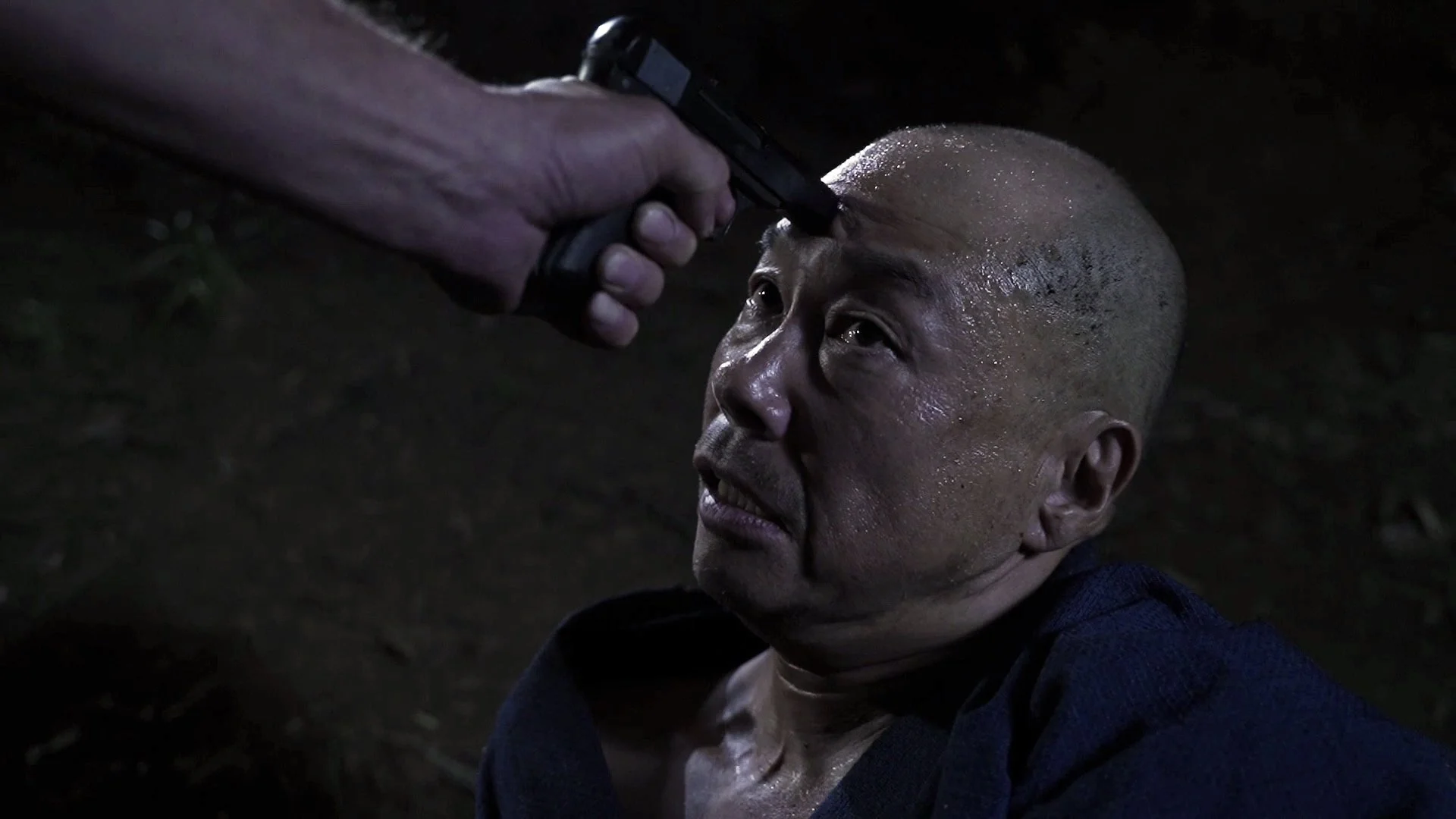
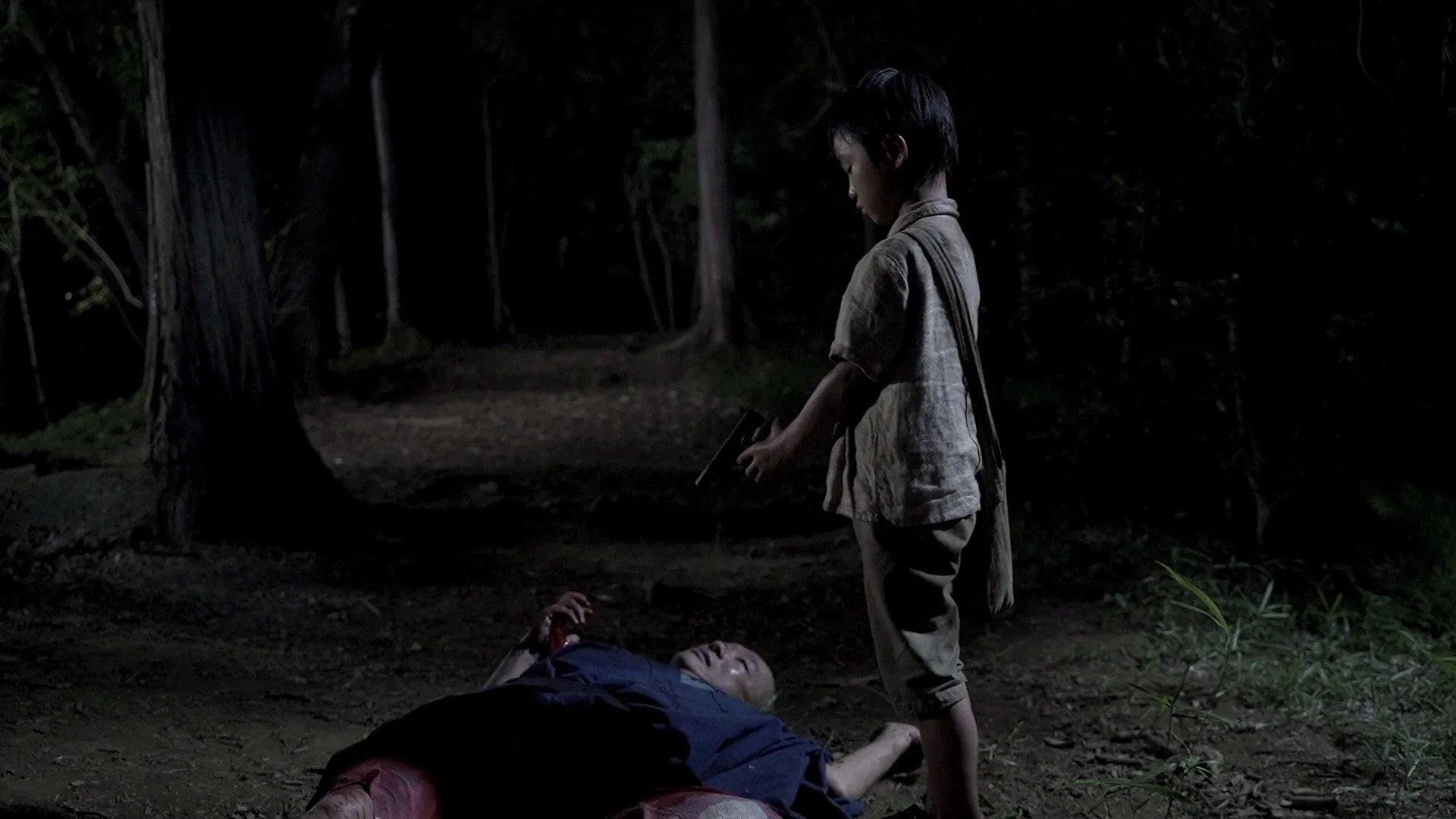
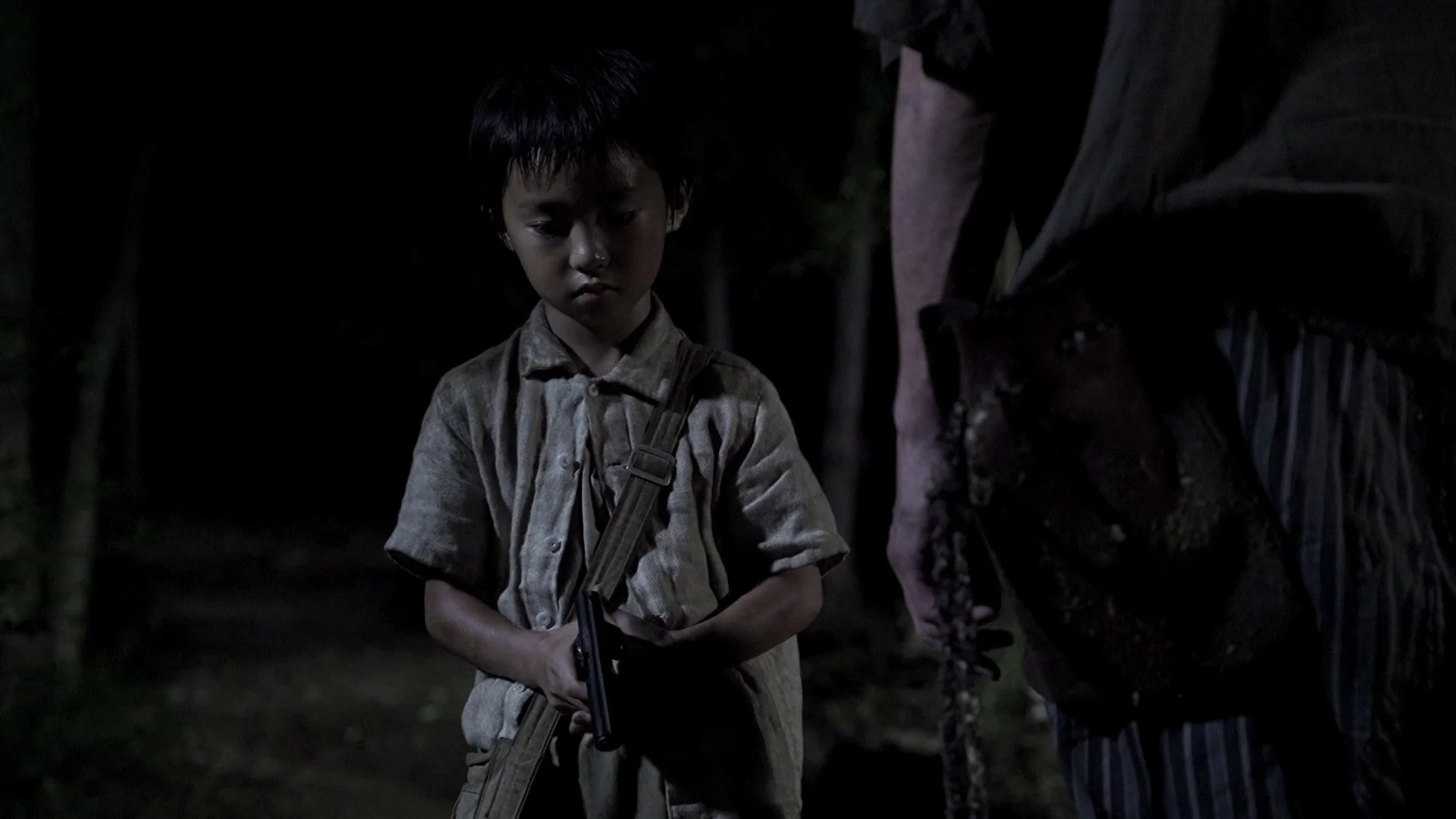
During the journey with the boy, the veteran, thinking back to his friend-comrades (brothers) and not having PTSD (or a manageable form), will help those who do: he will cup their faces in his hands, and whisper a kindness with the empathy of his own eyes.
This is Shadow of Fire, directed by Shinya Tsukamoto. And yes, I have spoiled it, but who cares! What matters about this film is neither the narrative nor the dramaturgy. It is the frank skeleton over which lean flesh is stretched. A flesh that shoulders the weight of an entire anguish, one that mounts beyond the body only to crush it. It is the ineluctability of trauma, where the dramatic is submerged by its own drama – and drama submerges action too (if by drama one means the tension that looms over everything, stemming from an action or a set of actions).
Actions submit to drama, and drama is the overturmoil demonstrated by actions. In the postwar era, peace is the drama of war, and it is, upon the characters, psychic upheaval – and physical, upon the places. Which submit, too.
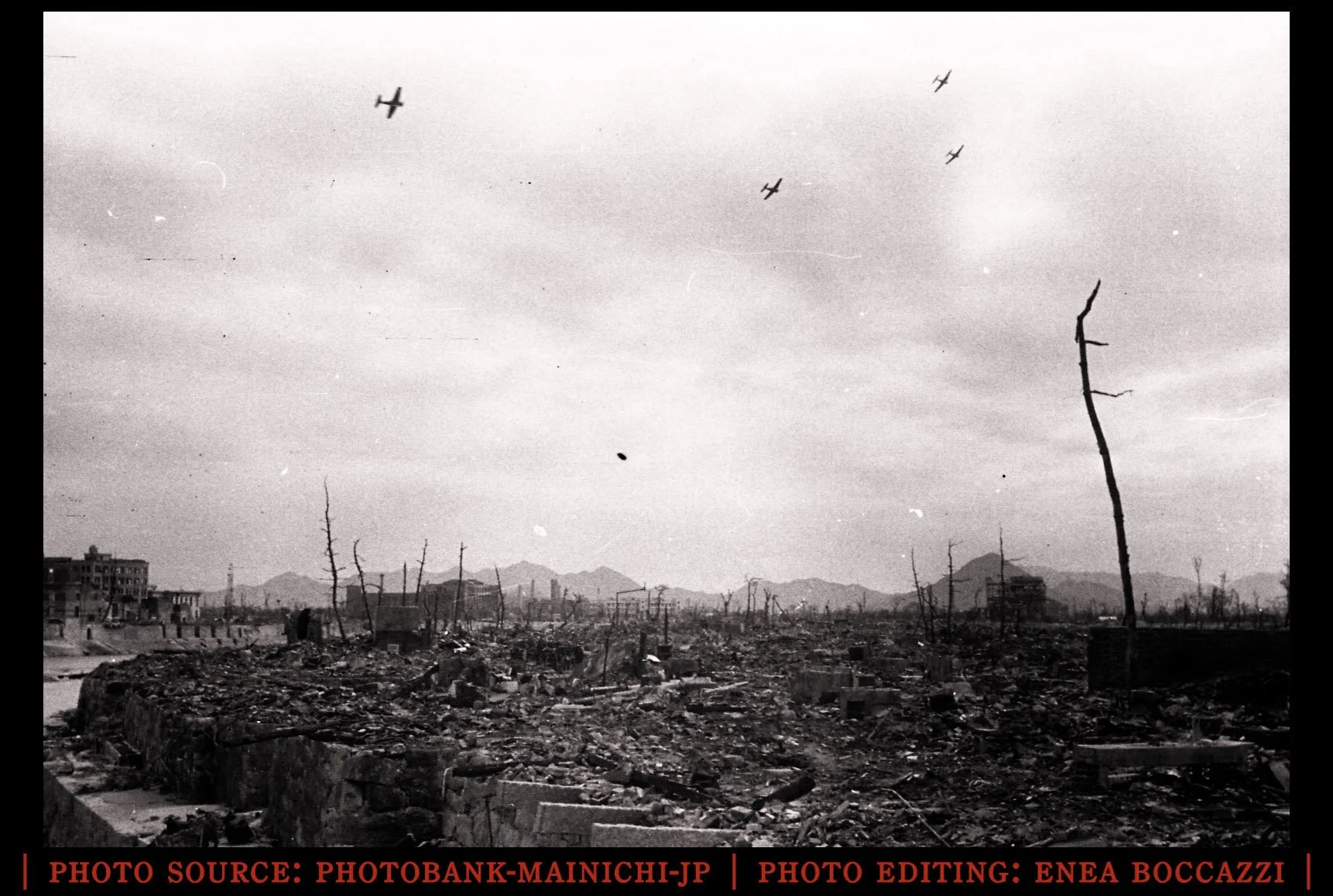
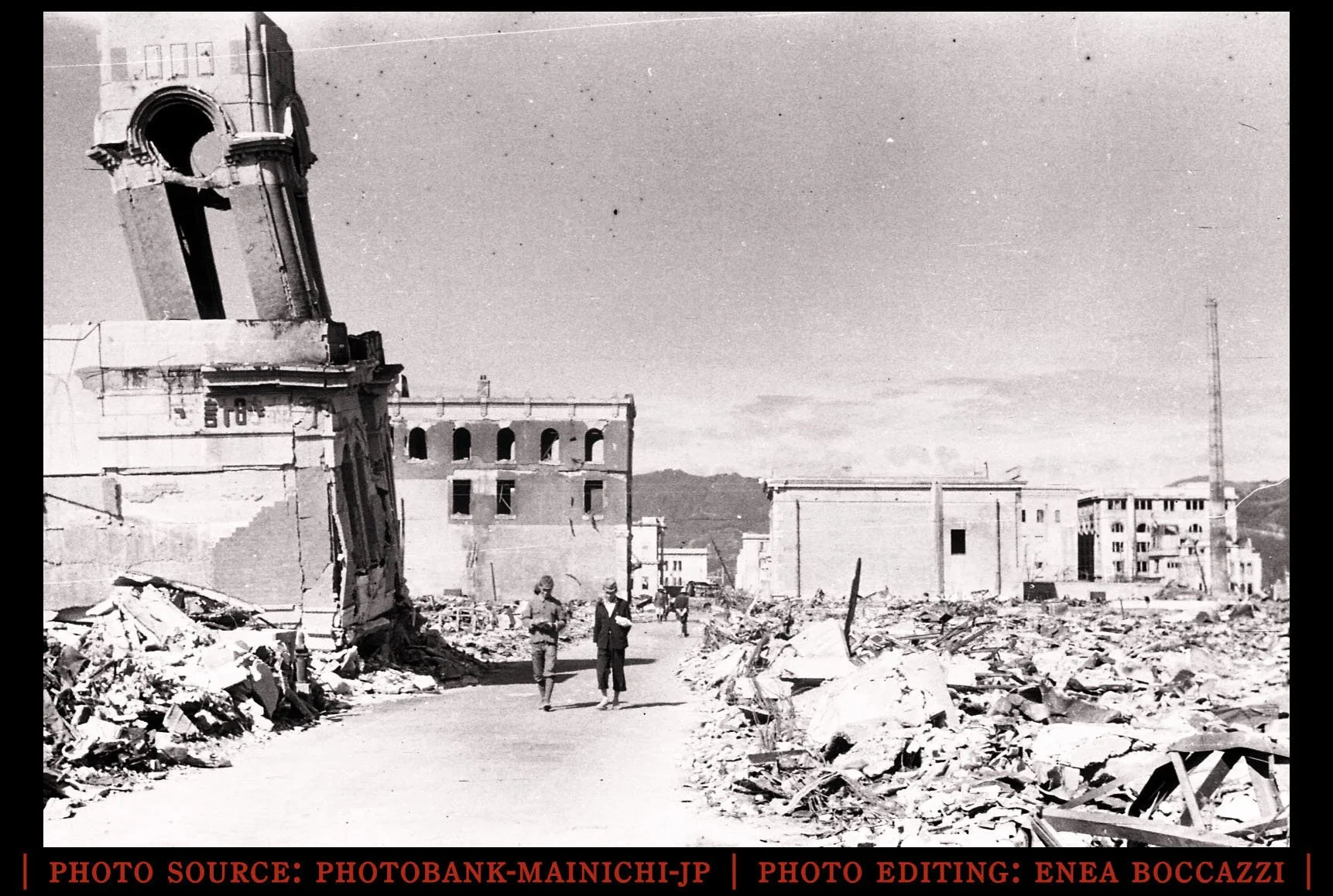
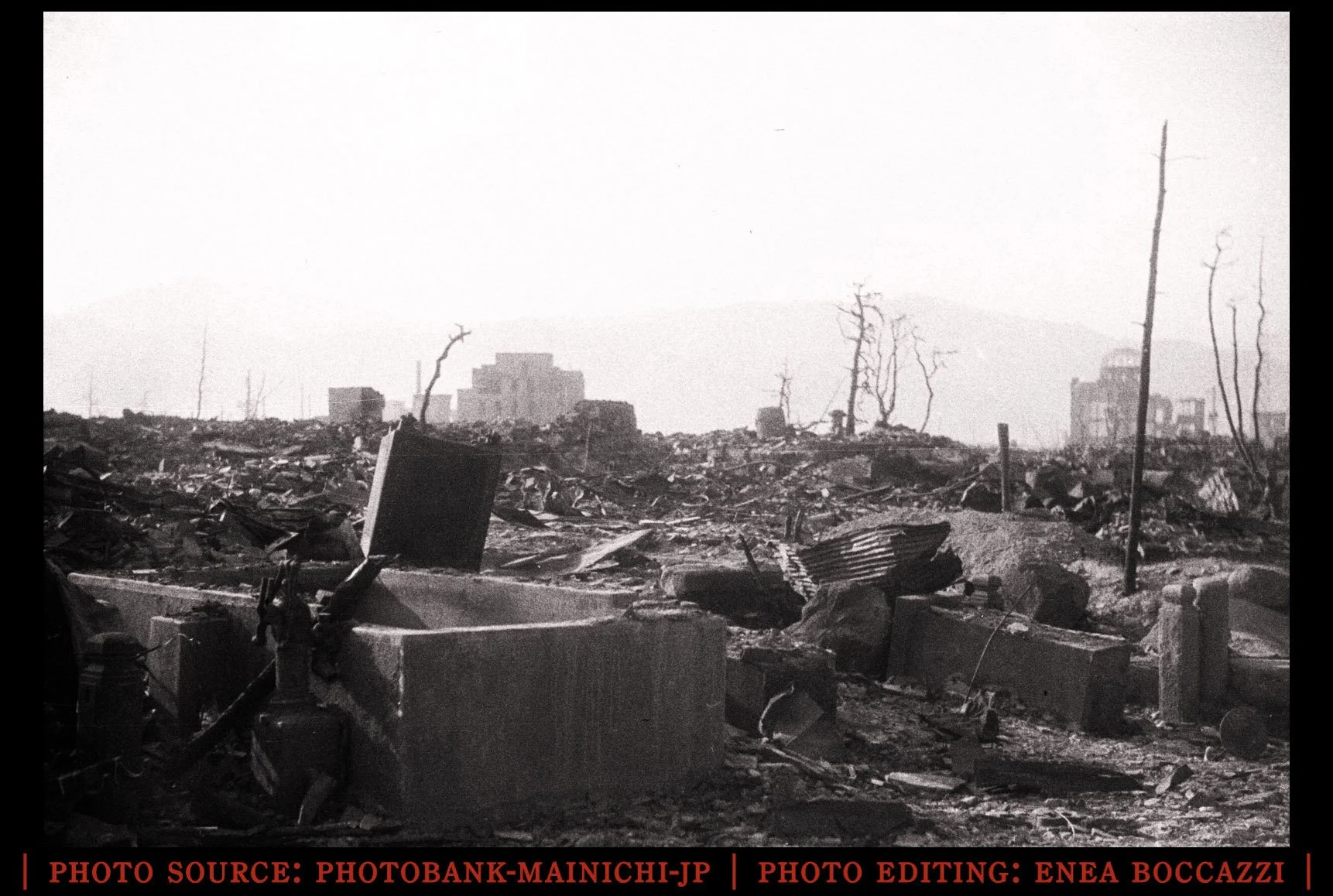
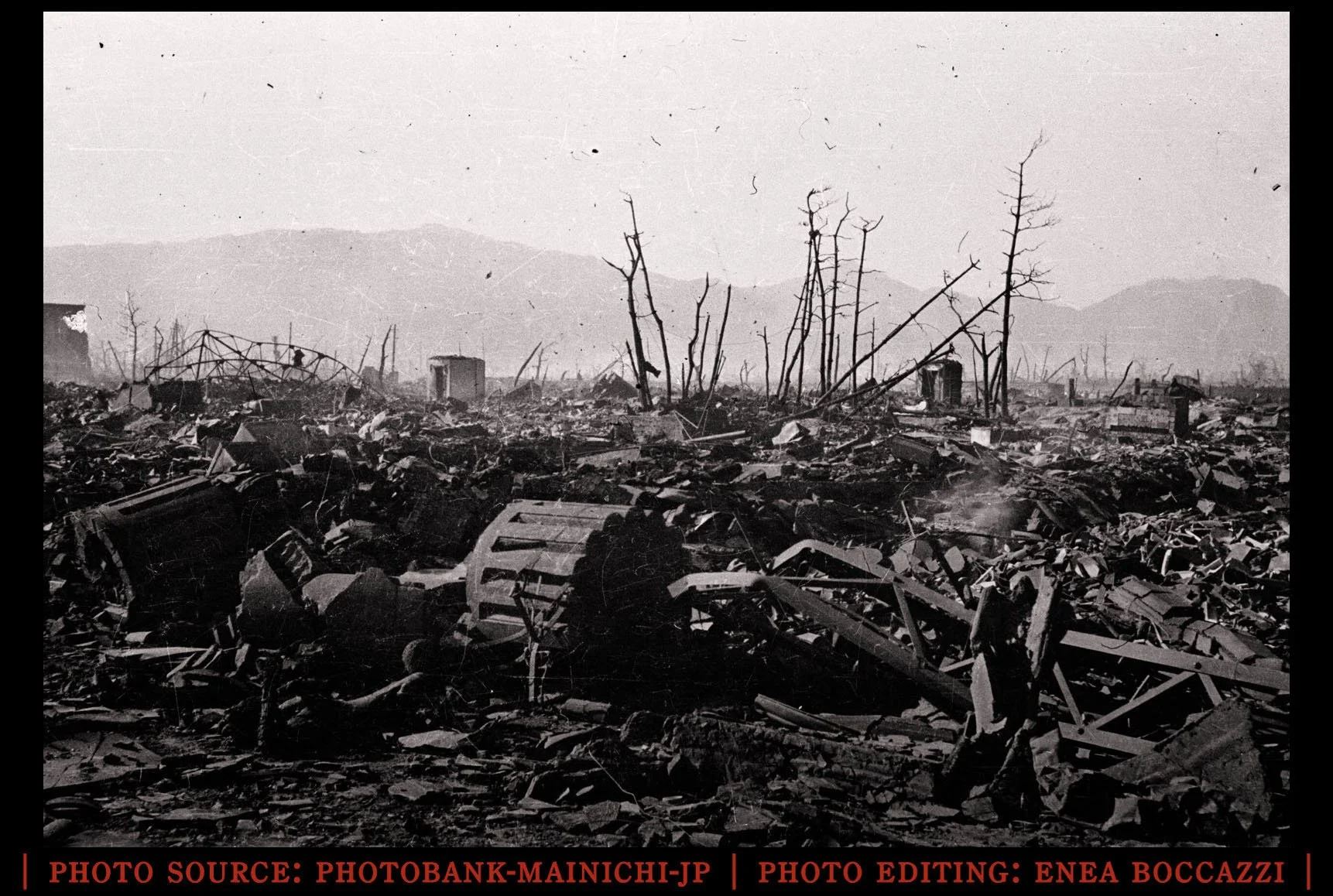
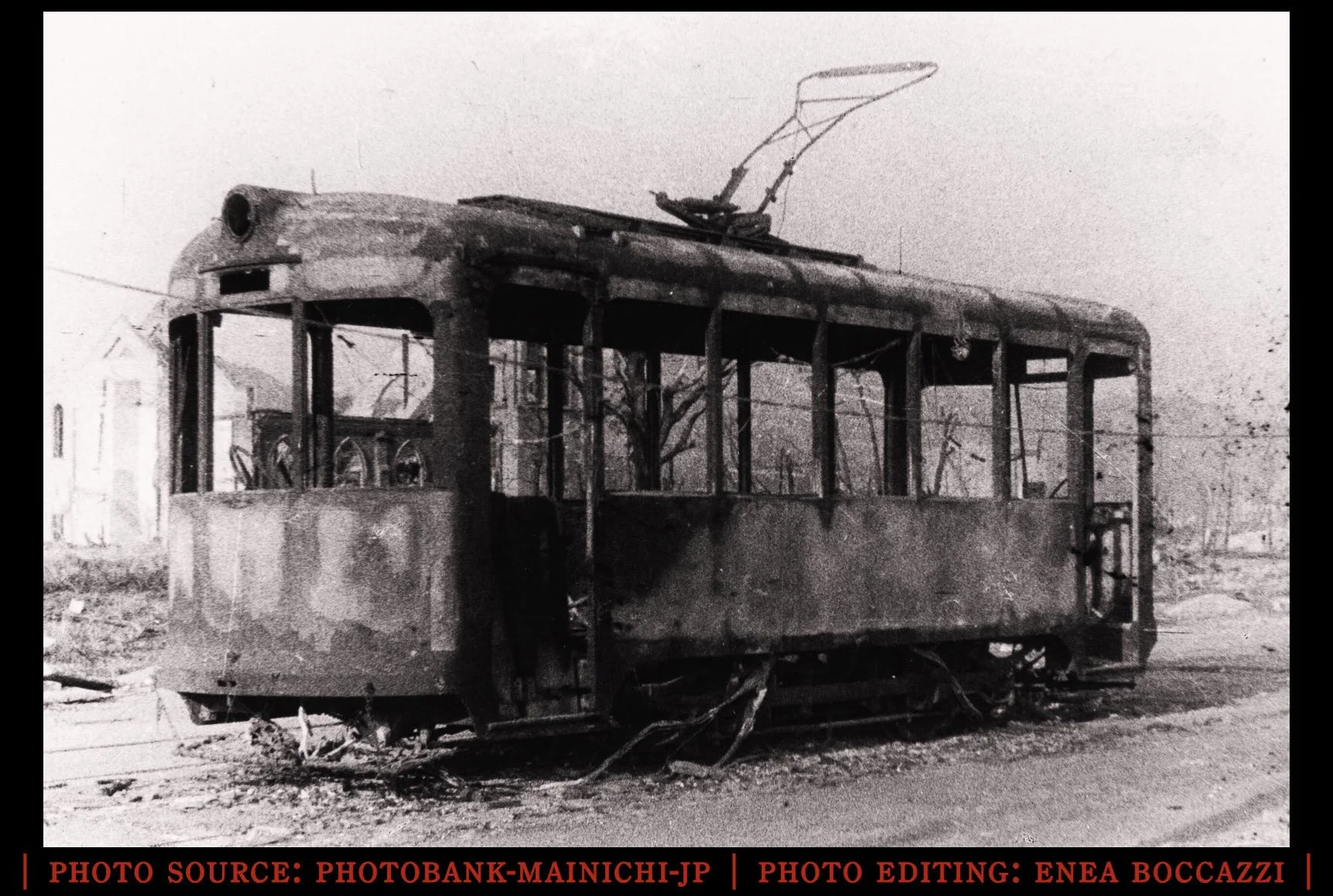
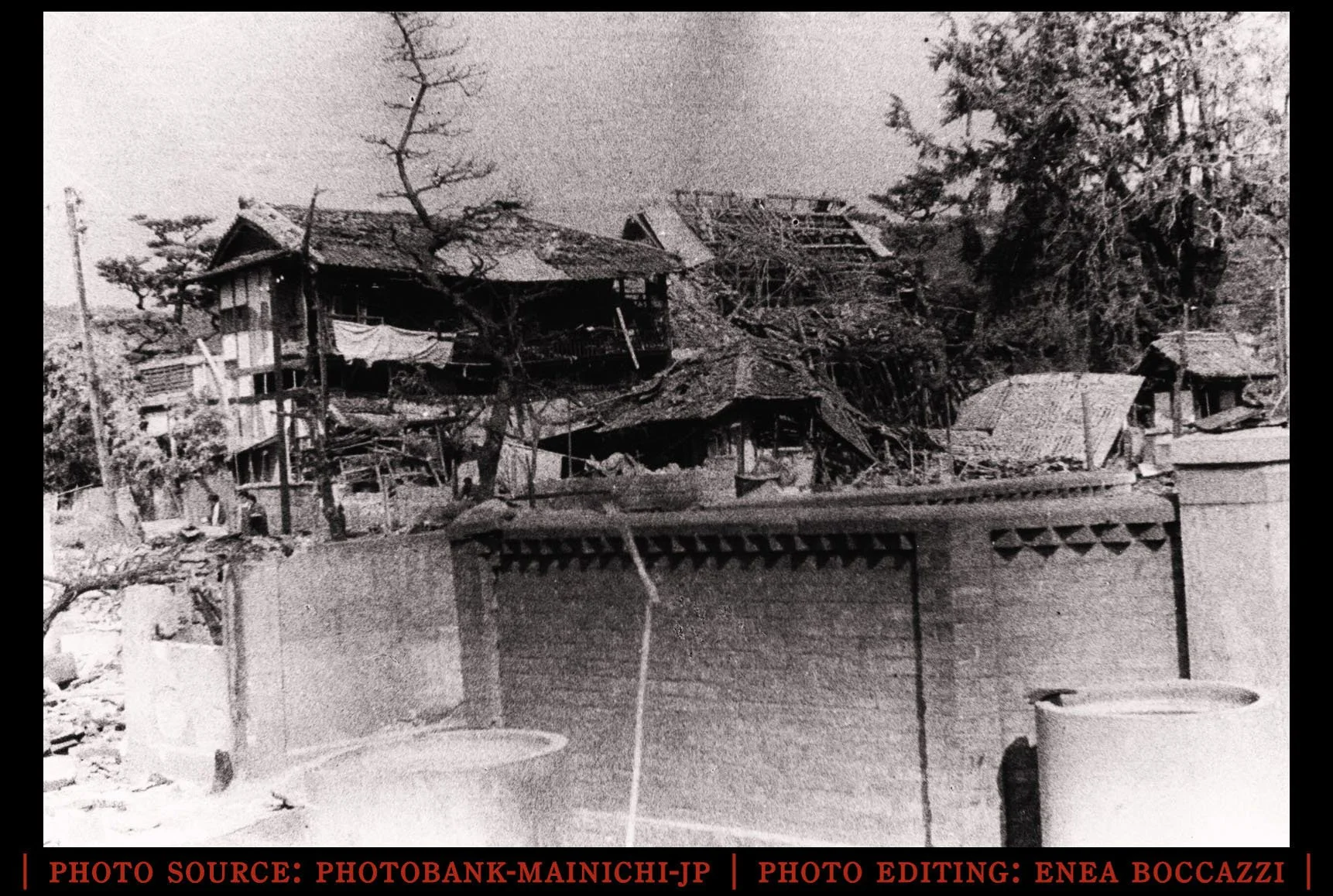
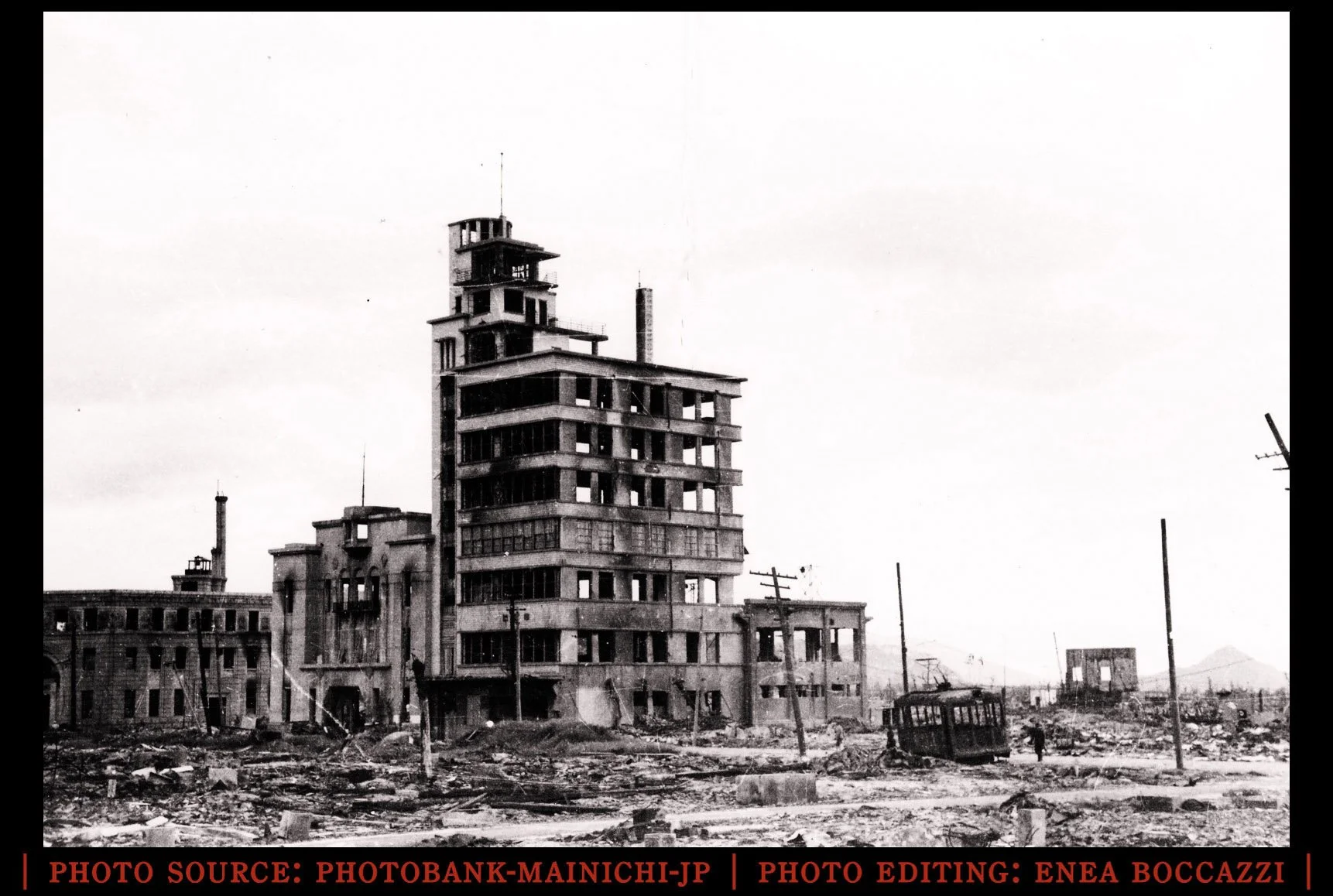
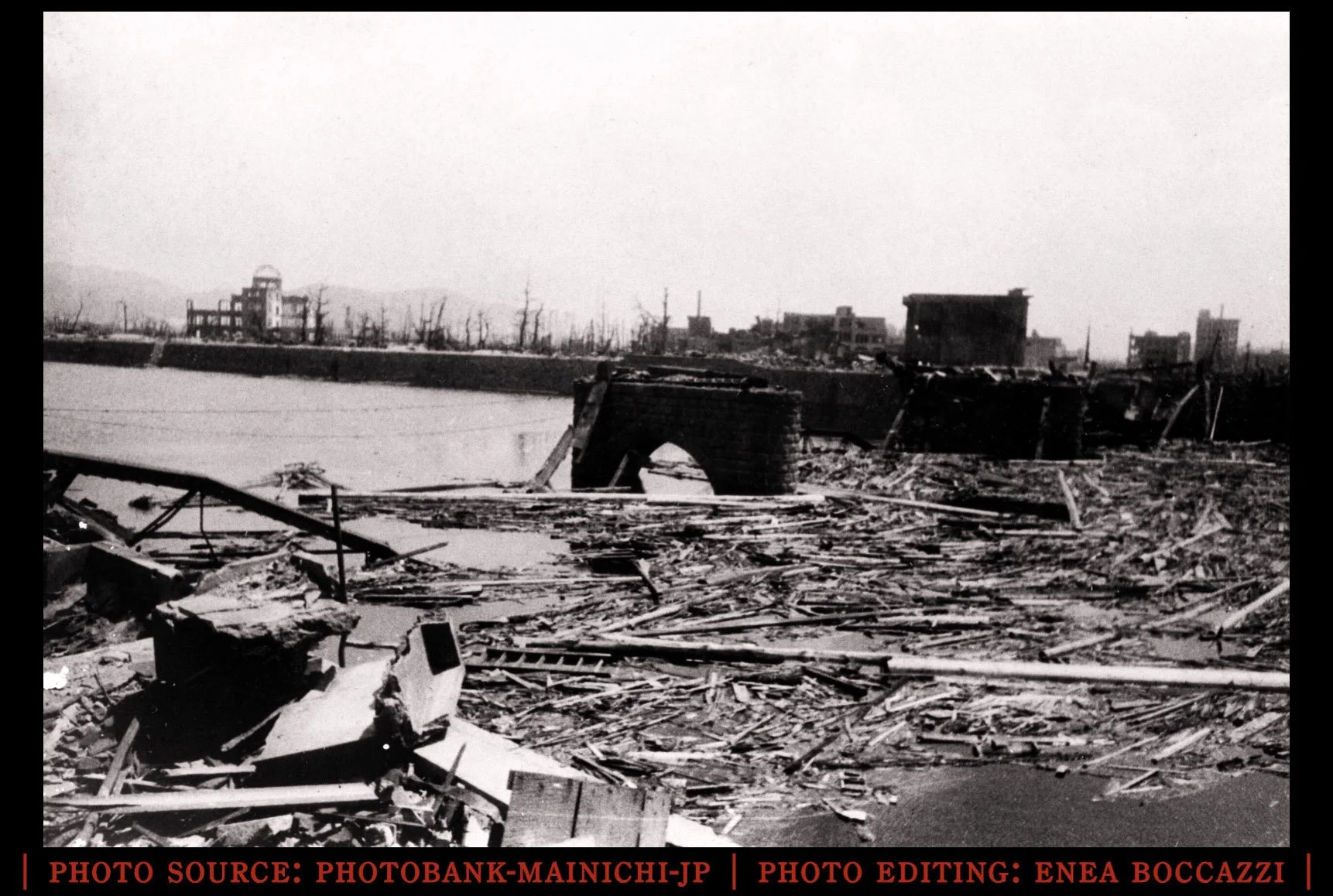
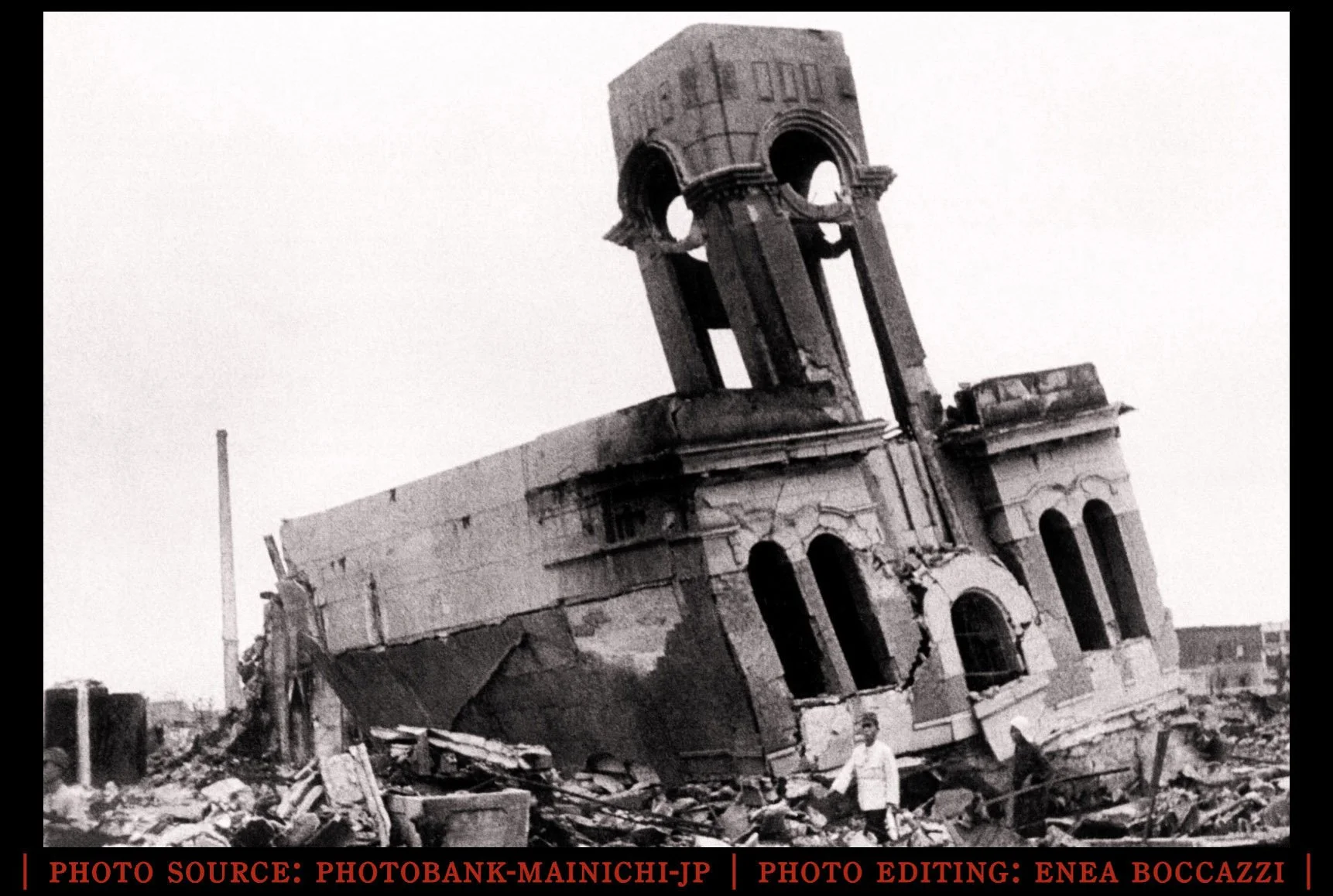
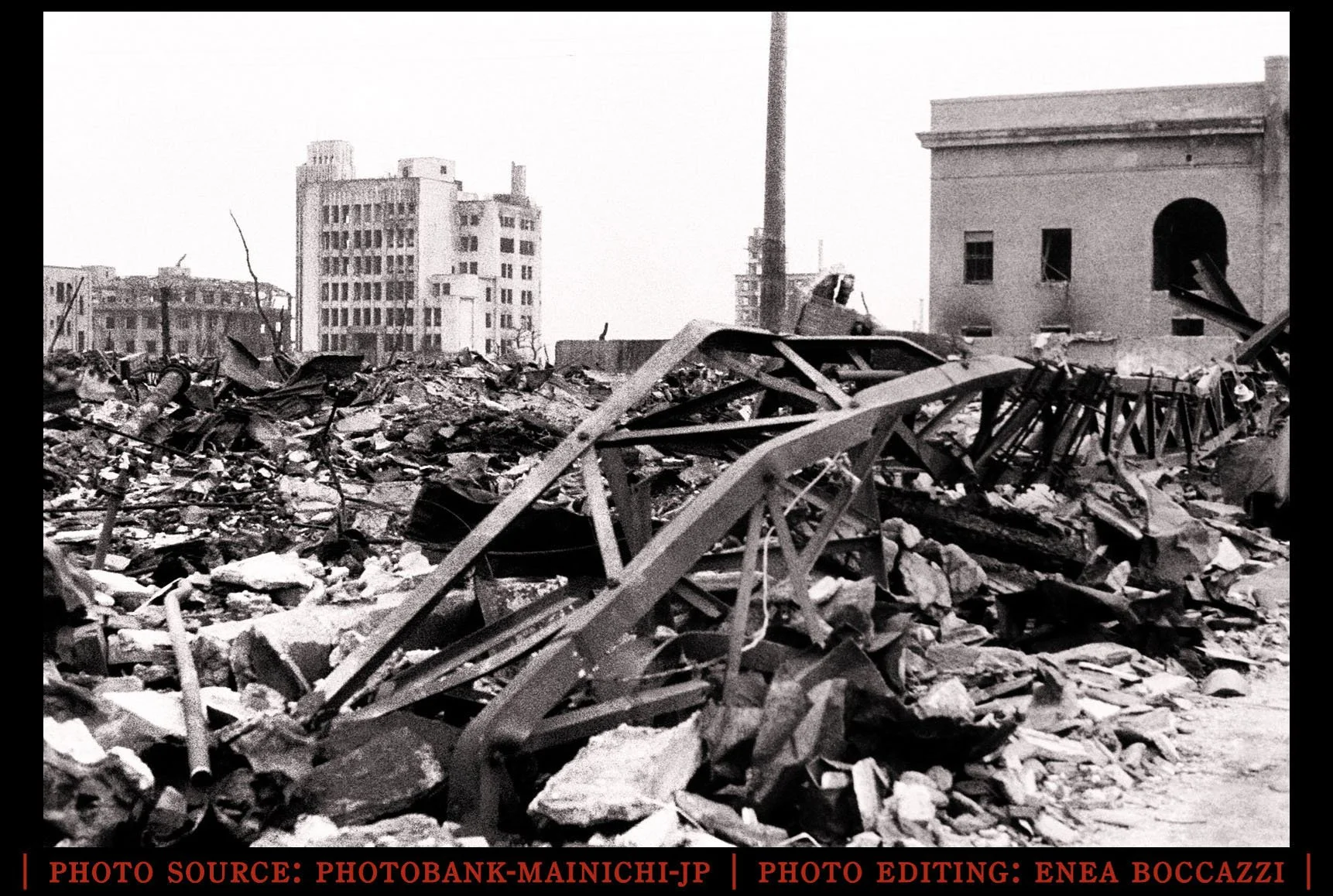

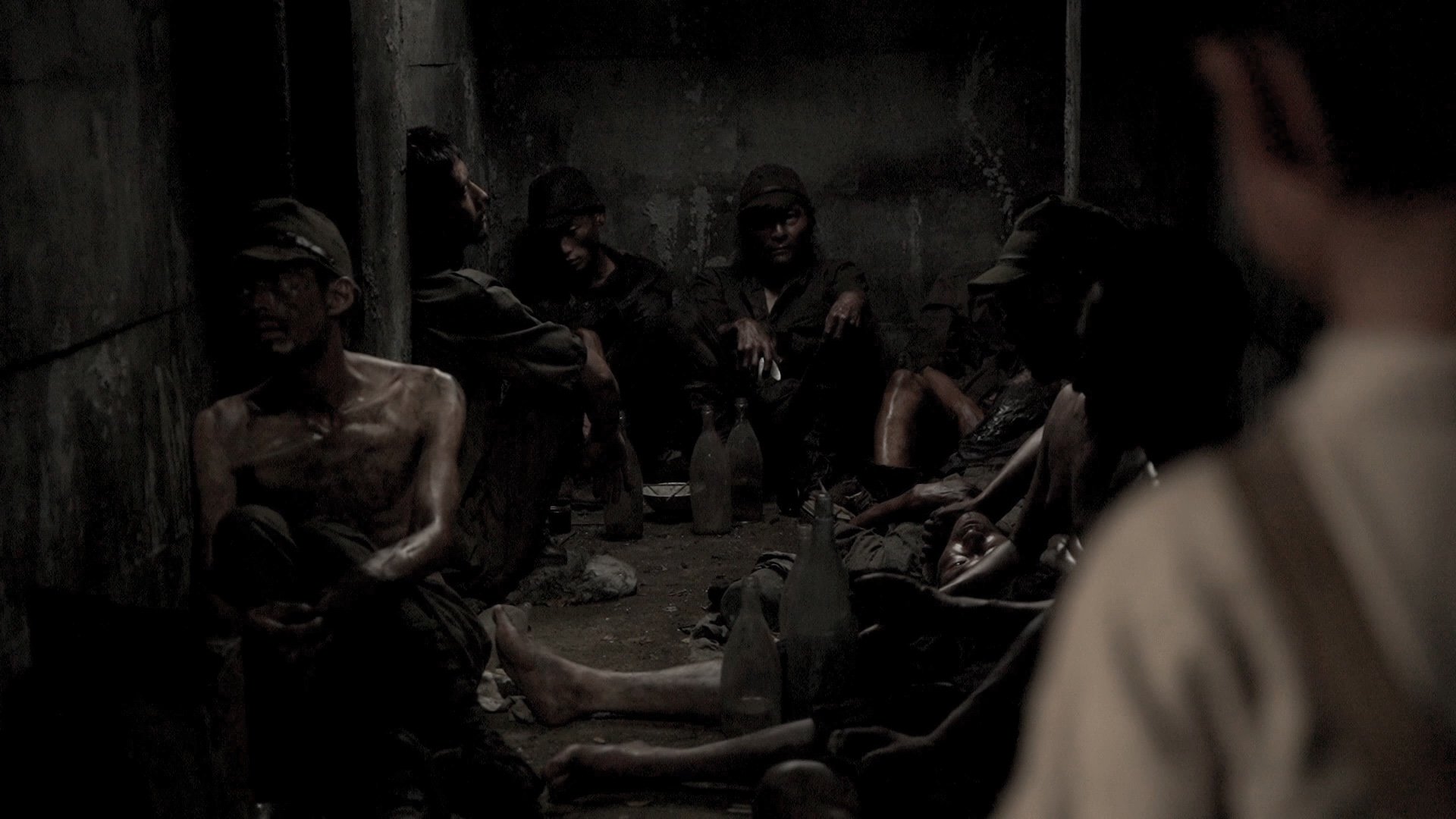
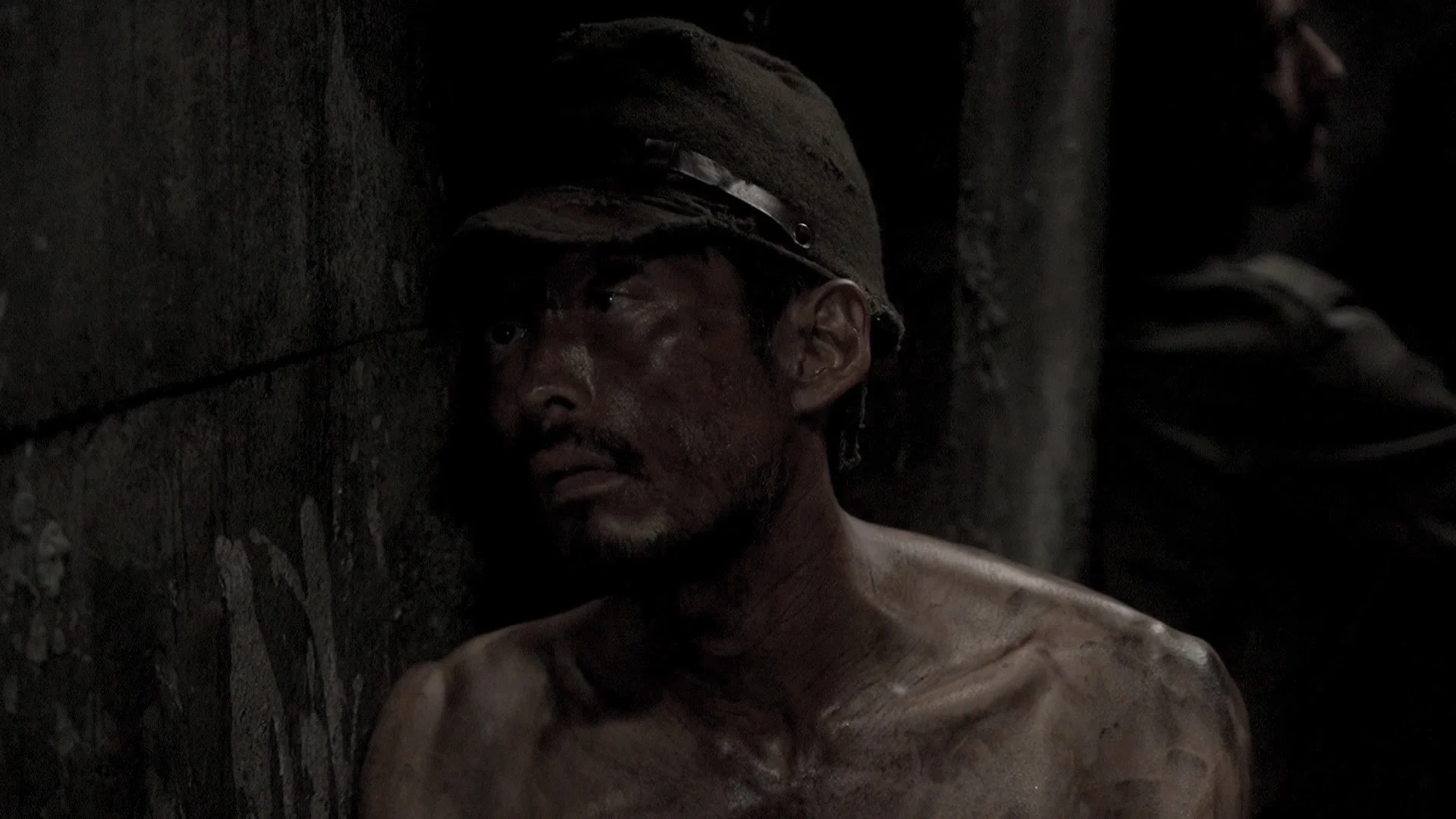
Those places that perhaps feel and come to be an affective memorial in a broad sense. That Japan, once composed of a shell, having a mass within which a soul was placed. That honorable shell has collapsed. That dualistic mass lies in pieces on the ground. Upon these ruins the soul remains suspended ...Heavy, chirring. Arid and sweltering. Suspended or floating atop these ruins ...thus atop the survivors who among these ruins attempt to... every person who tries to rise but is too frail to make it (not by chance in Shadow of Fire backs are often bent in performance), revering their own inclination, serving that reparative sentiment which, for the director Tsukamoto, is inherent in the human spirit and active through the inevitable, continuous, and automatic search for a bond. A bond to be woven with another person. In people, this is congenital propulsion, unconquerable even by war, which digs and shovels away the stratifications of living. Living in society, we form ourselves and become innervated through character, behavioral, and linguistic superstructures. But beneath all these layers dwell the predispositions inscribed in the embryonic period, identical for every individual, and which for the romantic Shinya entail reciprocal affection, the empathic desire to relate, the identity obtained through the gaze of others, and the will to help. Thus, these predispositions remain steadfast even when war elides the superstructural development. What remains is essence. Or absence itself essence. Bodies as rarefied prototypes. Purified. Returned to how they were in infancy (dialogues within Hokage seem stripped to the bone – adults speaking like children, fragmenting, relearning words) provided war does not kill off the superstructures only to instill violent impressions, a state of perennial panic, mental collapses, attrition, and cognitive delirium. (This is war waging war on the brain of whoever goes to war: war as imperialism invading the grey matter, annihilating what was built within, and putting in its place whatever it wants.) In that case – and here the director shows us the other side of the coin – hypocrisy enters the field of those who work for the reparation of the Country: there is a moral virtue, one must work, not doing so is dishonorable. But whoever suffers from PTSD cannot. Mentally incapacitated. Therefore, physically. Handicapped, disabled. In the Japan of that time, this disability resonates as an avoidable problem, its nonexistence simply feigned. Hence alienation. But when I say "alienation" I use a euphemism. A far worse noun would be needed, just to explain men who, with their unhinged acts, embody The War, while in rising again from it, the people convince themselves it must be forgotten, and the people who do not want to remember it wage war on those who remind them of it. It is an irony both mocking and tragic: after all, one has PTSD because one fought for one's own Country. For those who suffer from it, the only possible way out is a sort of nearby self-exile. They are excluded but remain there, around the corner, visible and invisible together. "Far" from gazes that pretend not to see. As happens in the open-air market where the orphan used to be beaten but is now well accepted, where the mentally ill (treated as if they were pestilential and portrayed as addicts in withdrawal crisis) languishing and exiled in the dark and the mud rot at the bottom of a grimy corridor, while in the light of day the "sane" people ignore the gunshot of someone who has just killed himself.
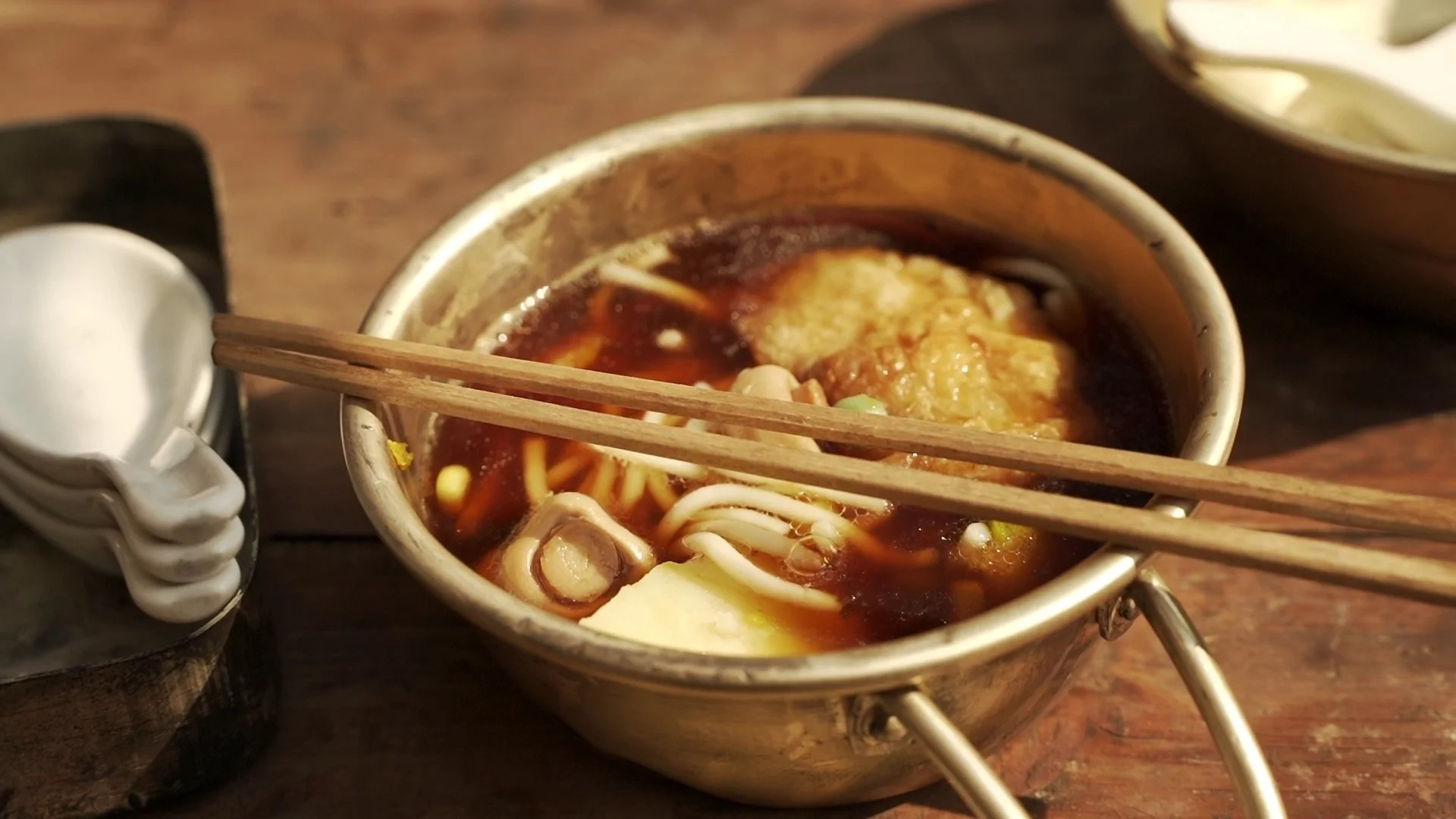
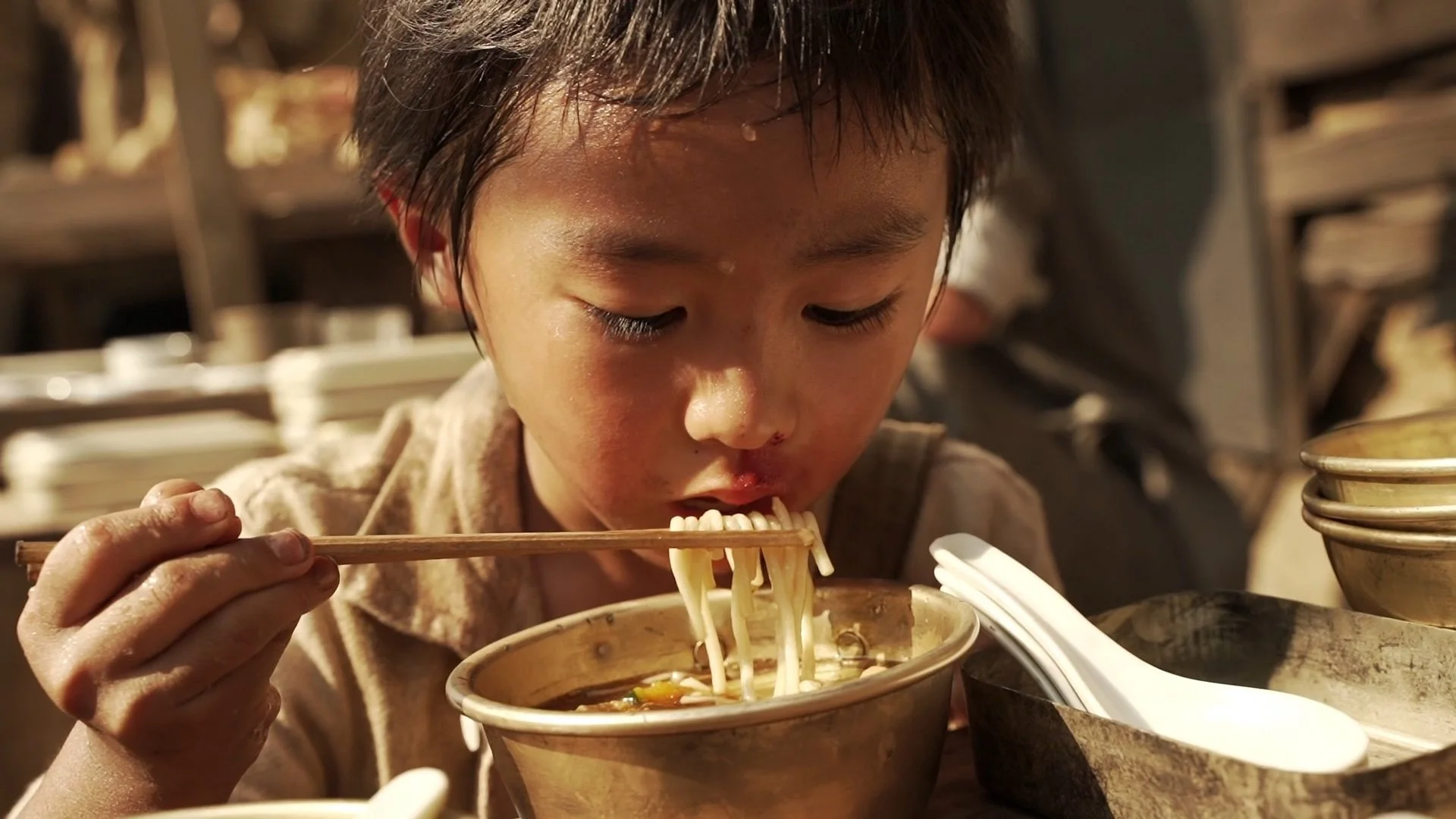
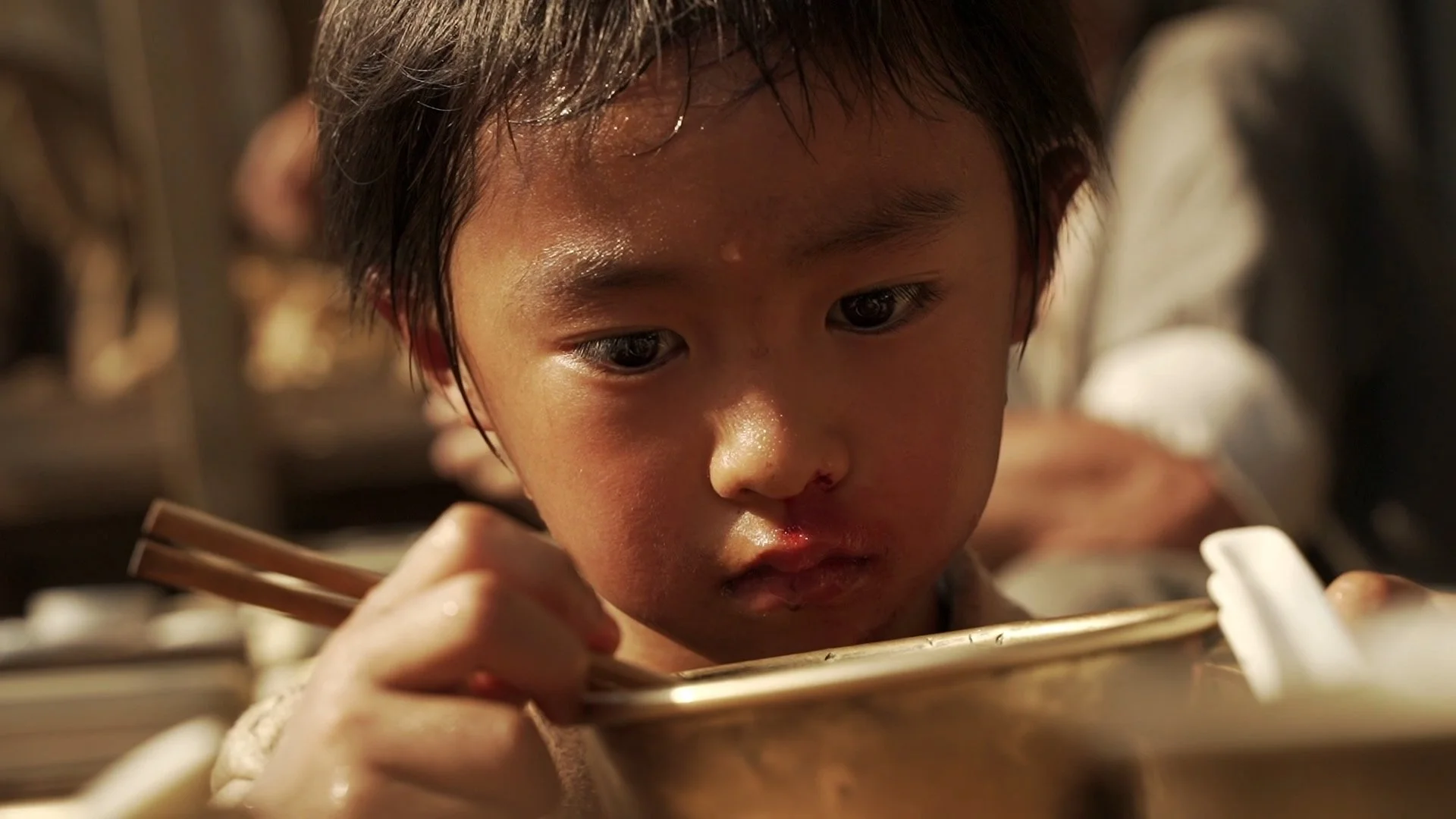
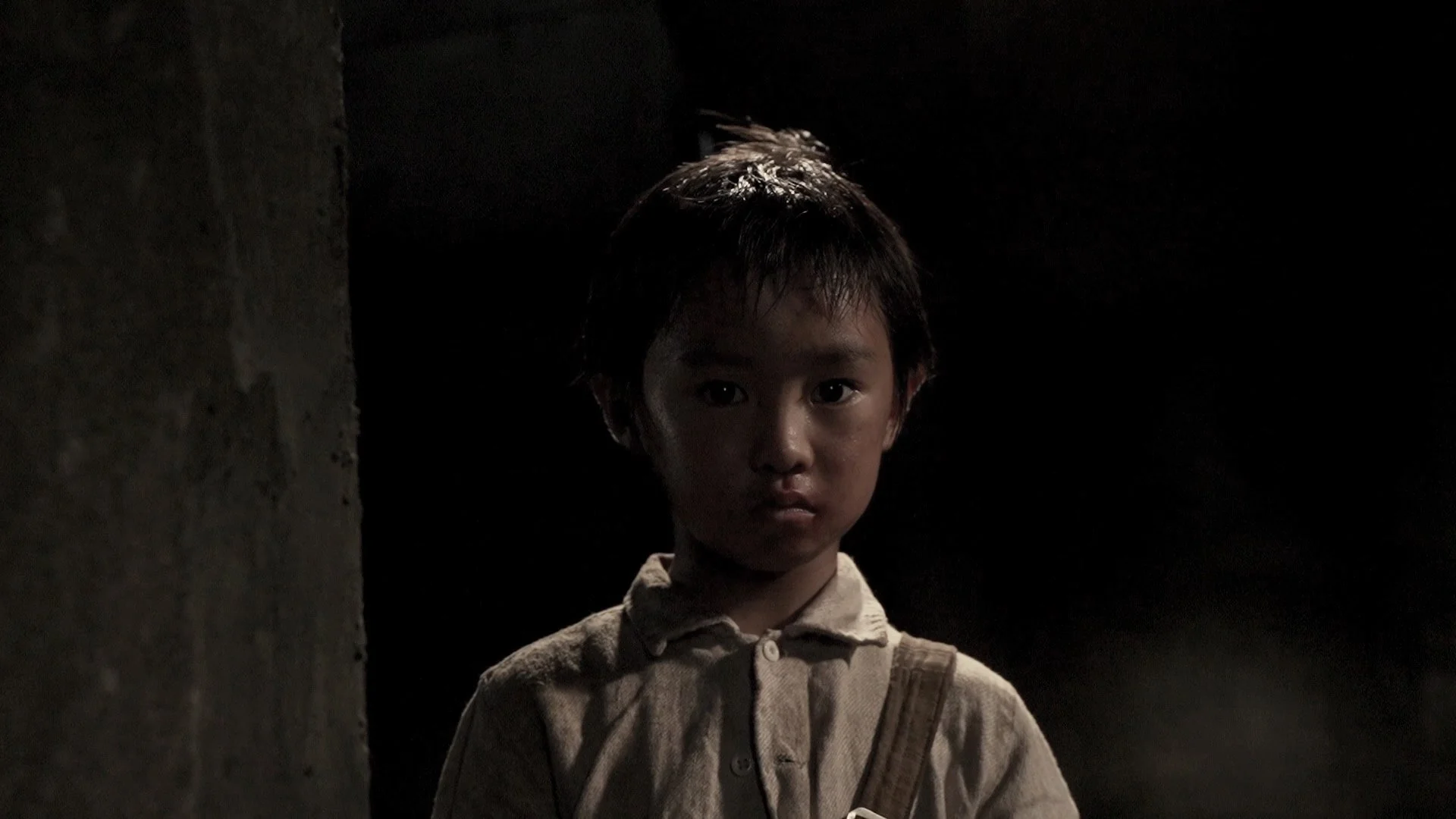
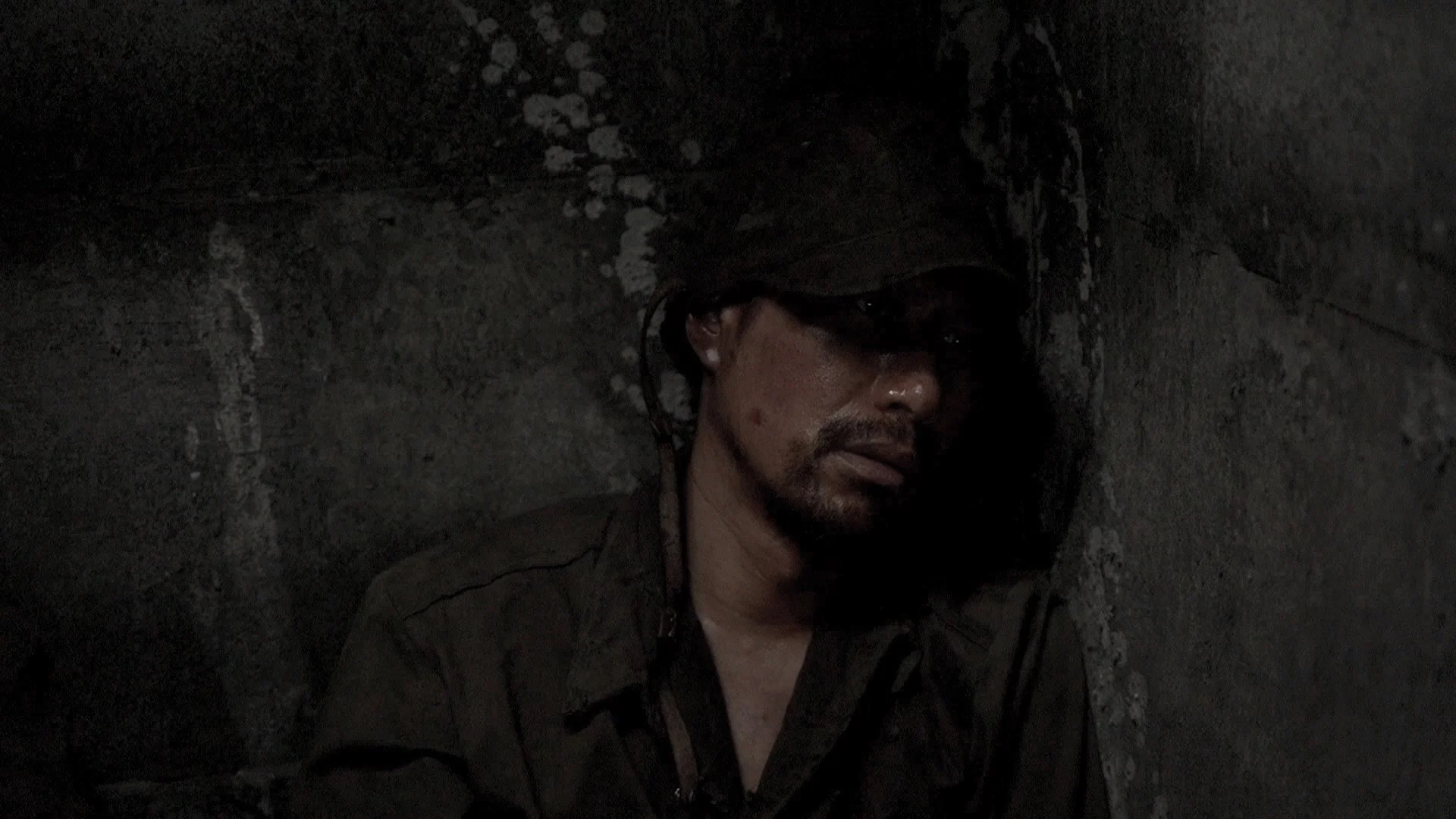
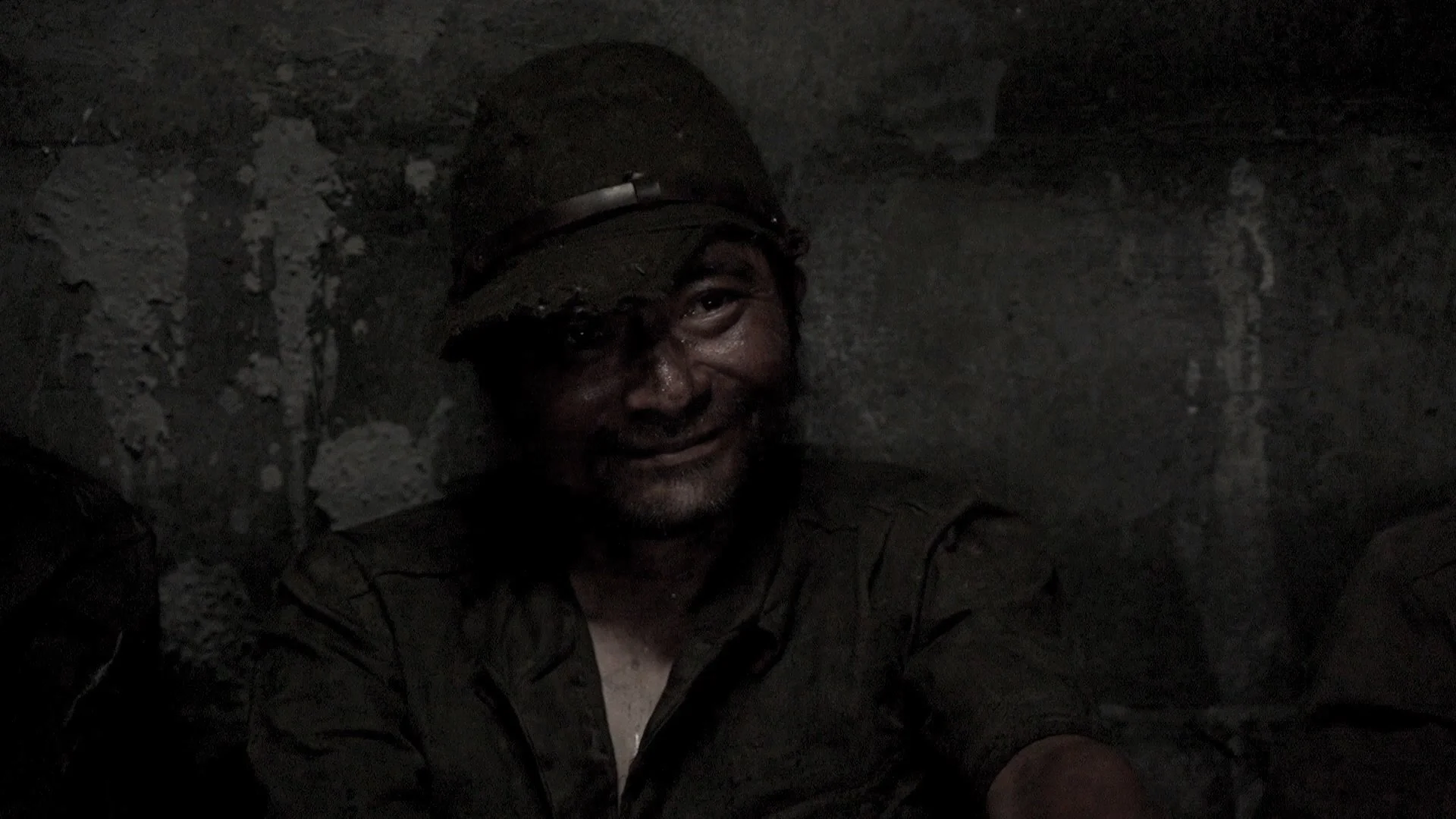
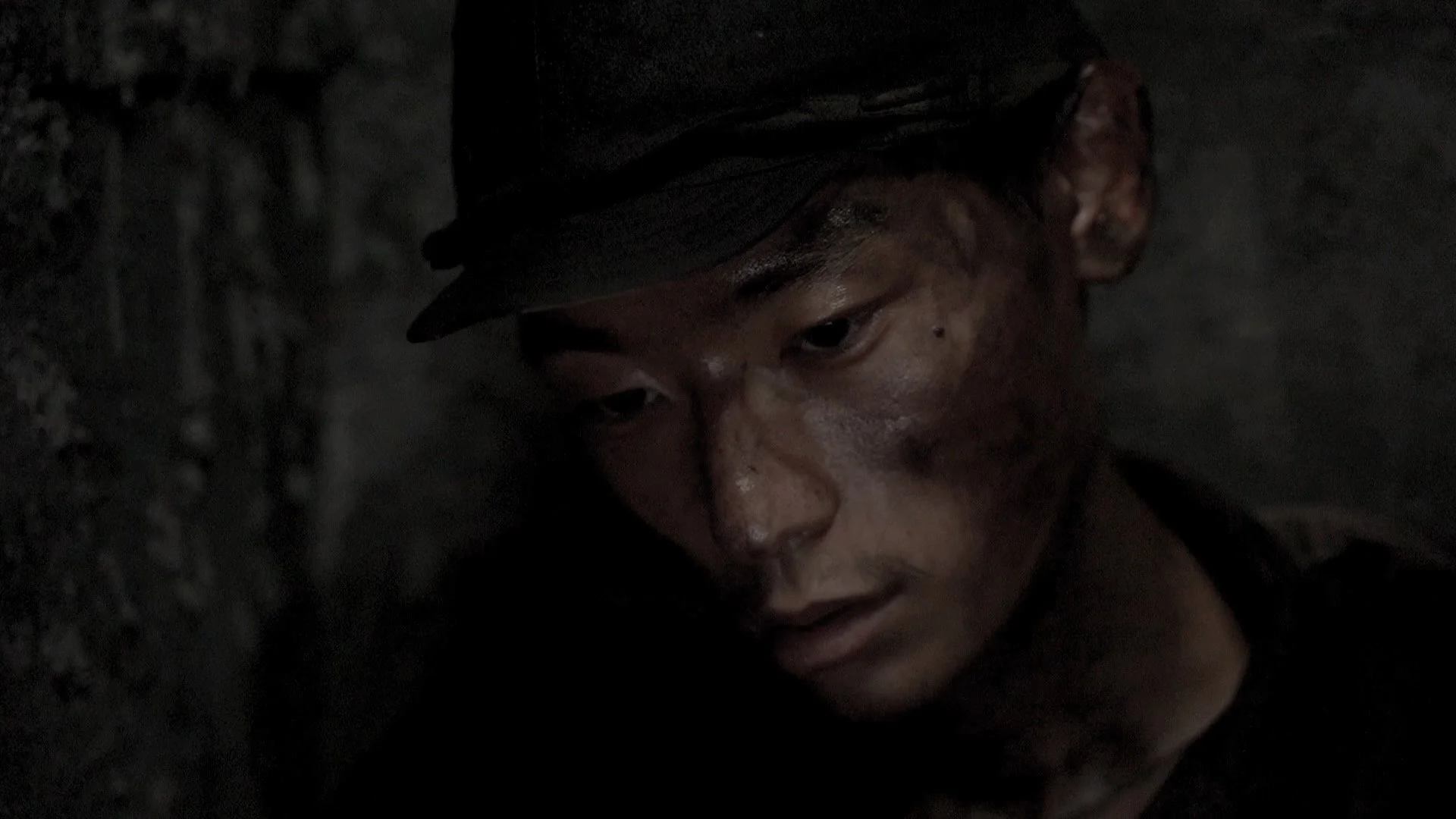
Silence breaks in as the orphan freezes his gaze on an offscreen point. What is he looking at? What is he (not) thinking about?
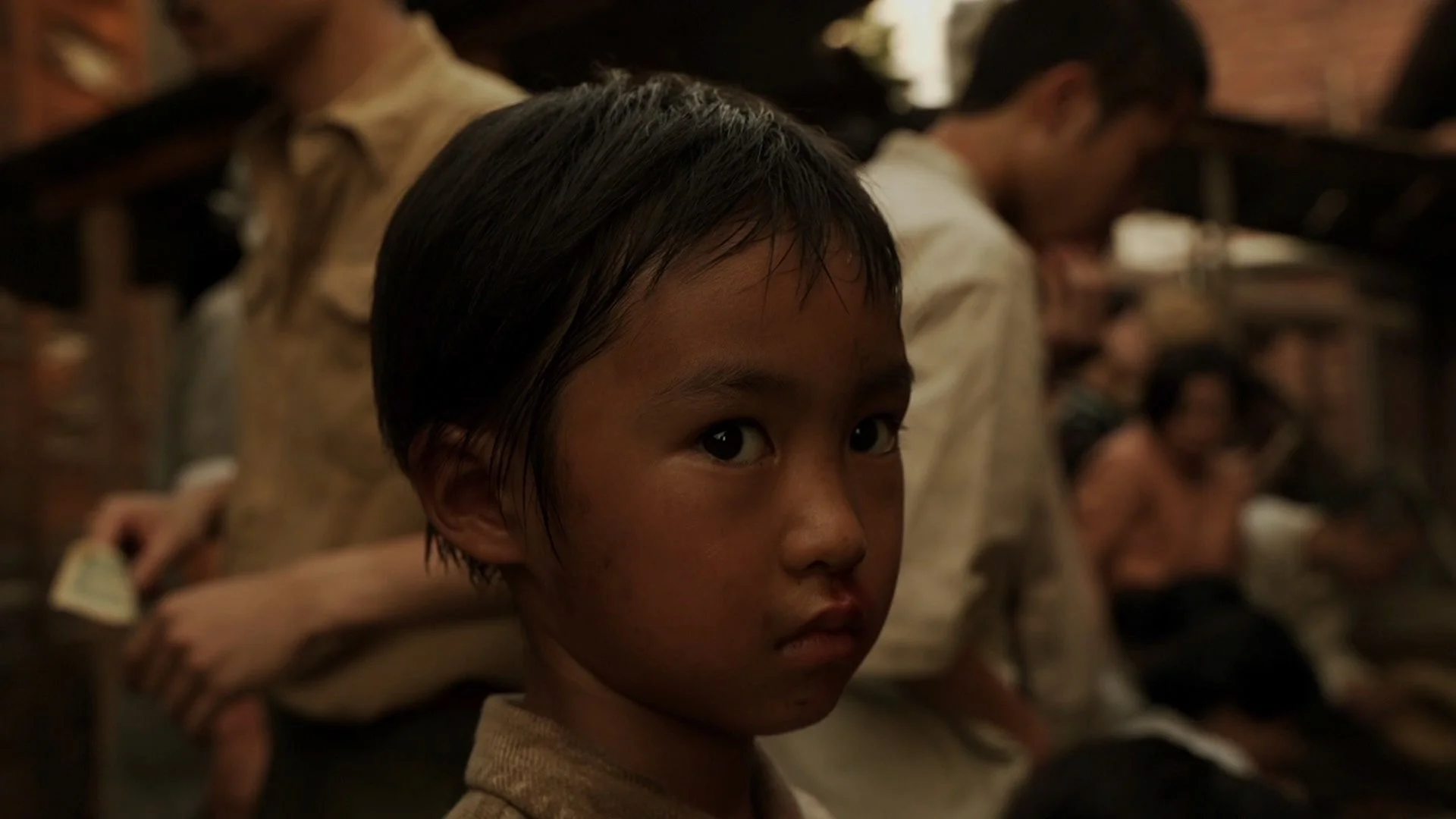
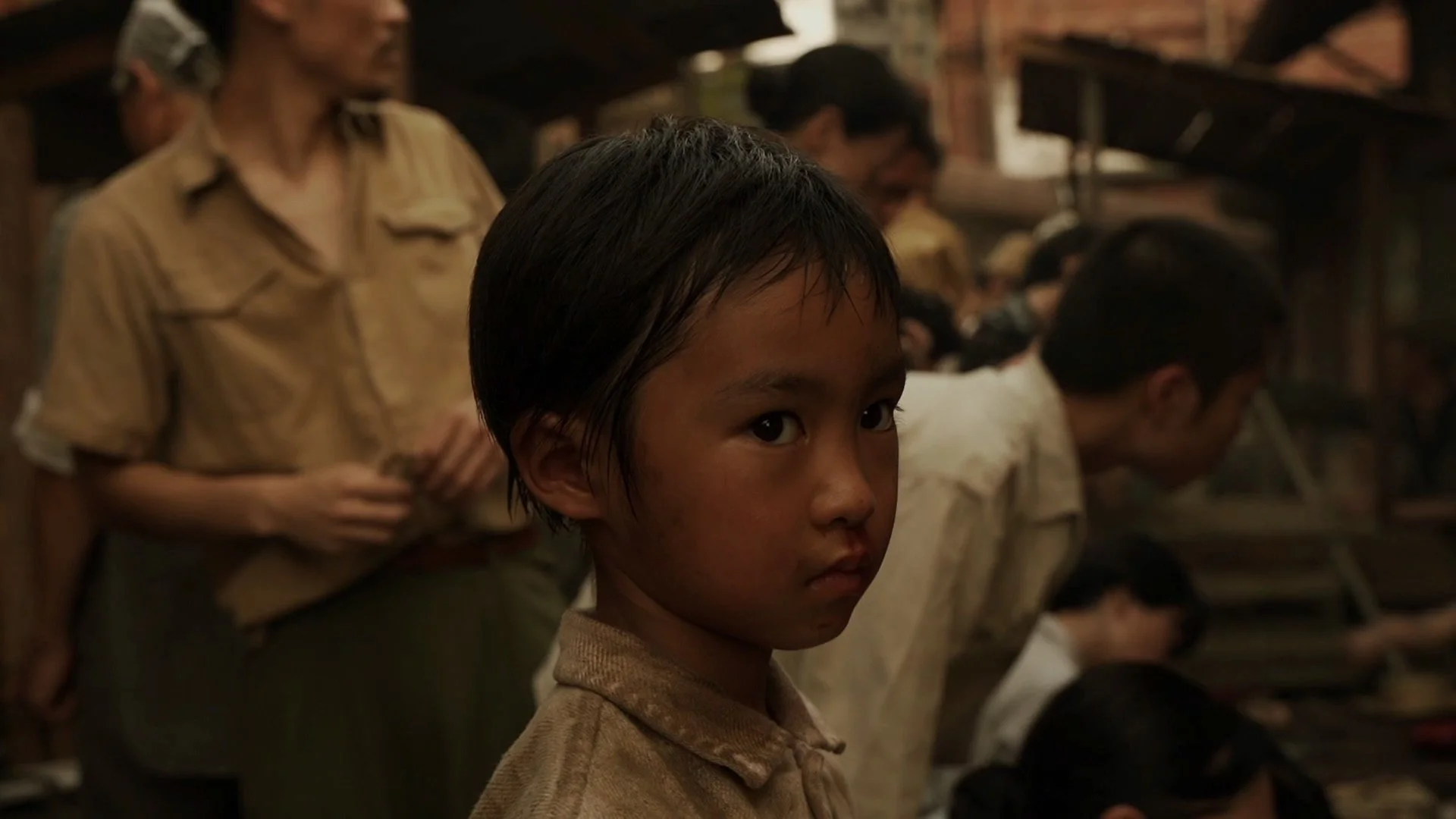
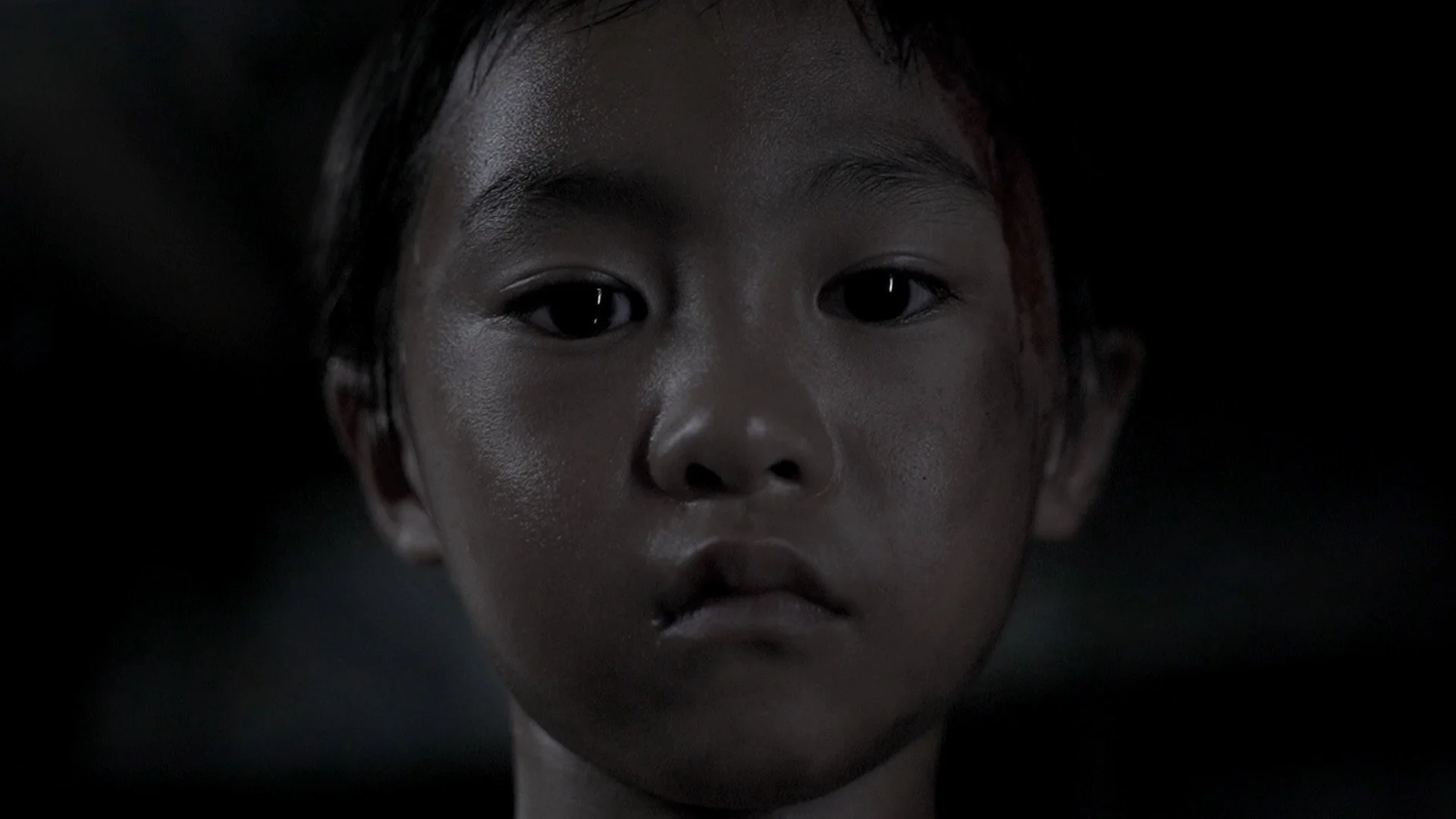
His gaze is empty and full. It's the gaze of someone who doesn't yet know how to understand but wants to learn. Curious, self-questioning. And, at the same time, absent. The boy disappears, dissolving among the people. A ghost among ghosts.
Naked and raw and poetic, Shadow of Fire possesses an elegance (even within its economization) at the service of an agonized context: a woman who pays to be able to prostitute herself; deranged men seeking refuge; deranged men chasing a gunshot; a boy who channels into himself the violence – simply by watching it – of the hyper-conditioned reflex of those who should act as reference figures. These figures are the adults. But war brings everyone to be like children penetrated by an incomprehensible nightmare. As in the orphan's harrowing, feverish nights, sleeping at the mercy of laments. They are pleas for help, a warning. The testimony for every boy and every girl who has learned, from adults, trauma for which they are blameless. Trauma that has imprinted itself, transmitted from generation to generation.... and still today remains unconsciously underlying, perhaps repressed by that mask of shyness which, to the Japanese, we Westerners attribute.
FINE
END
完
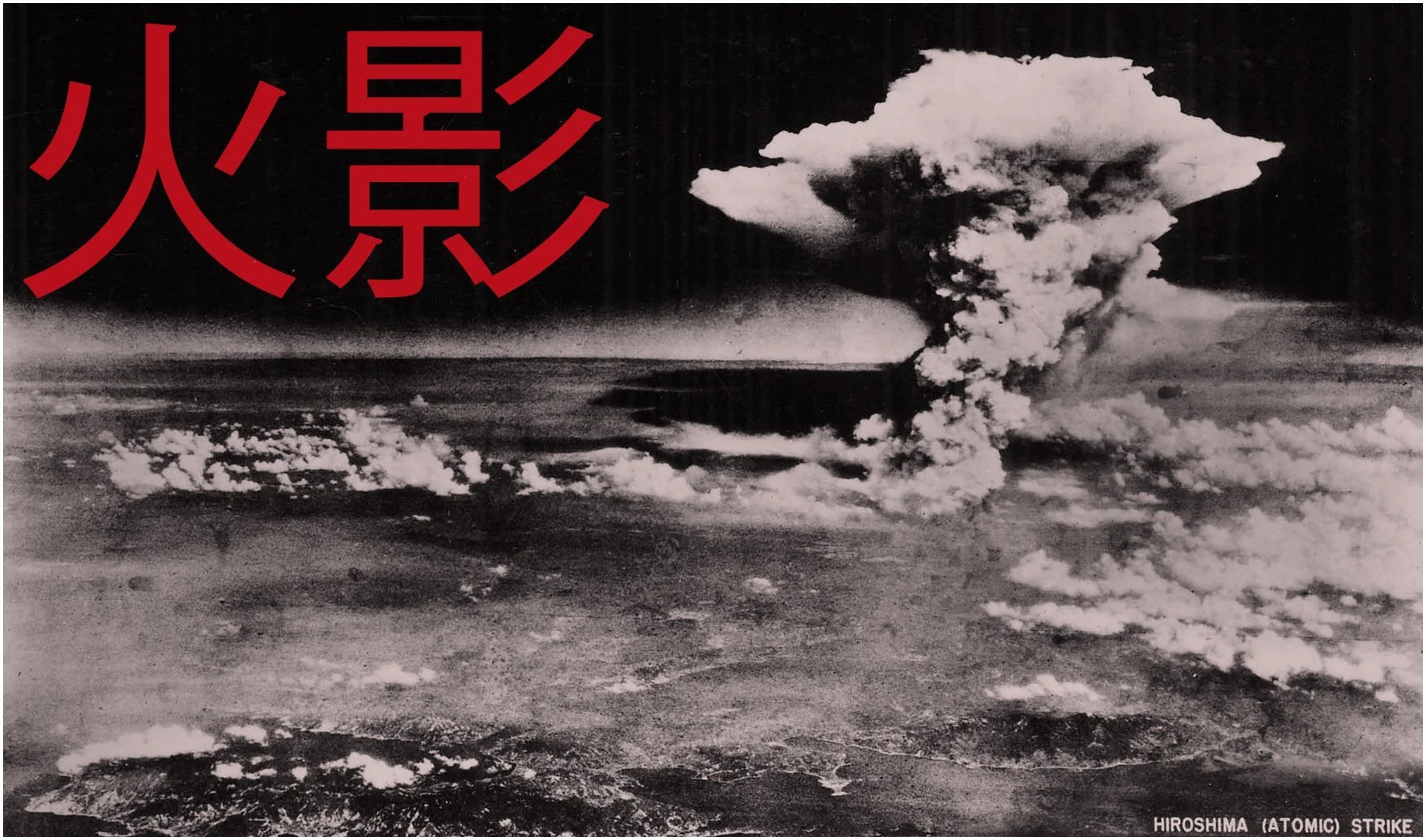
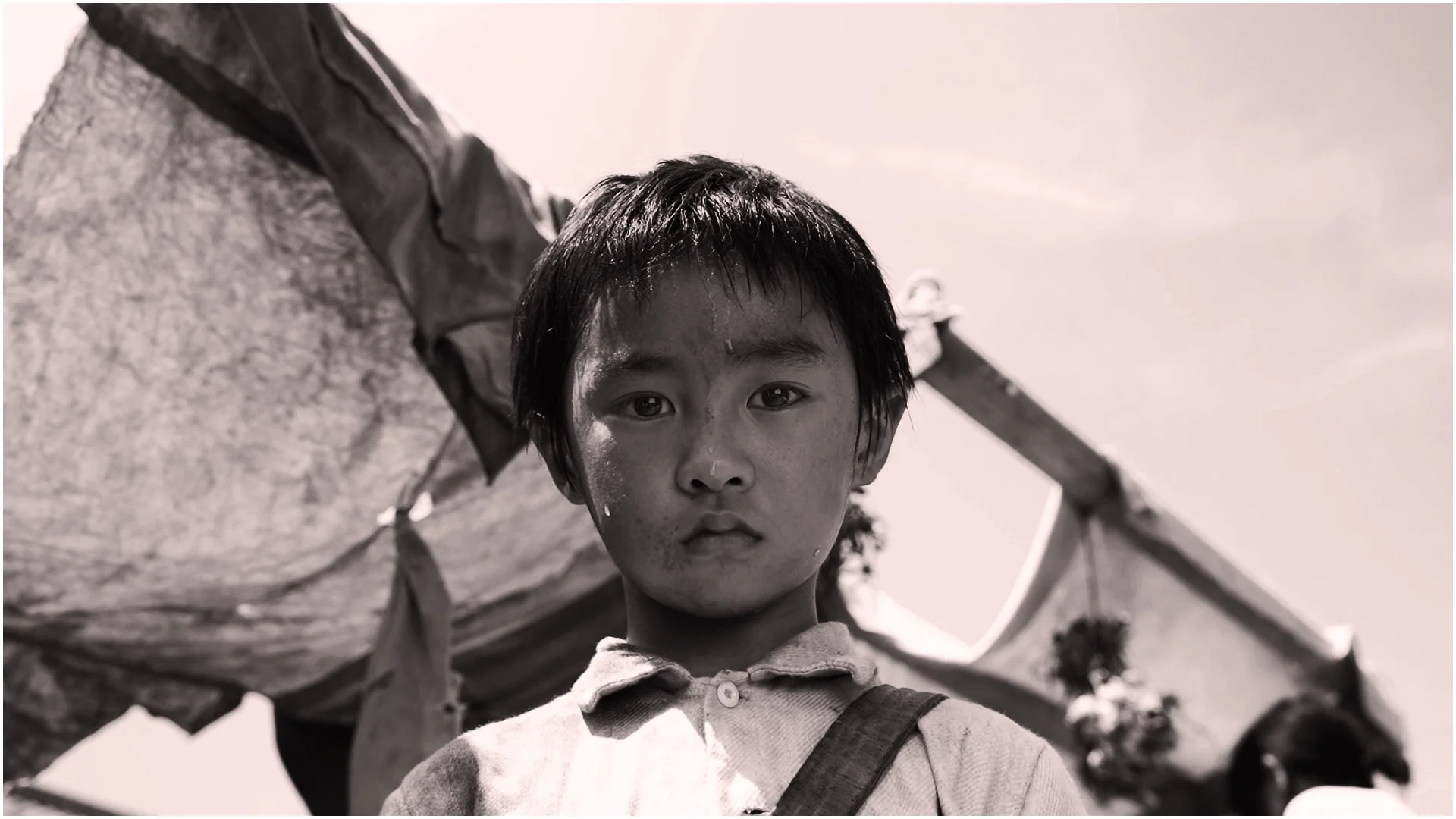
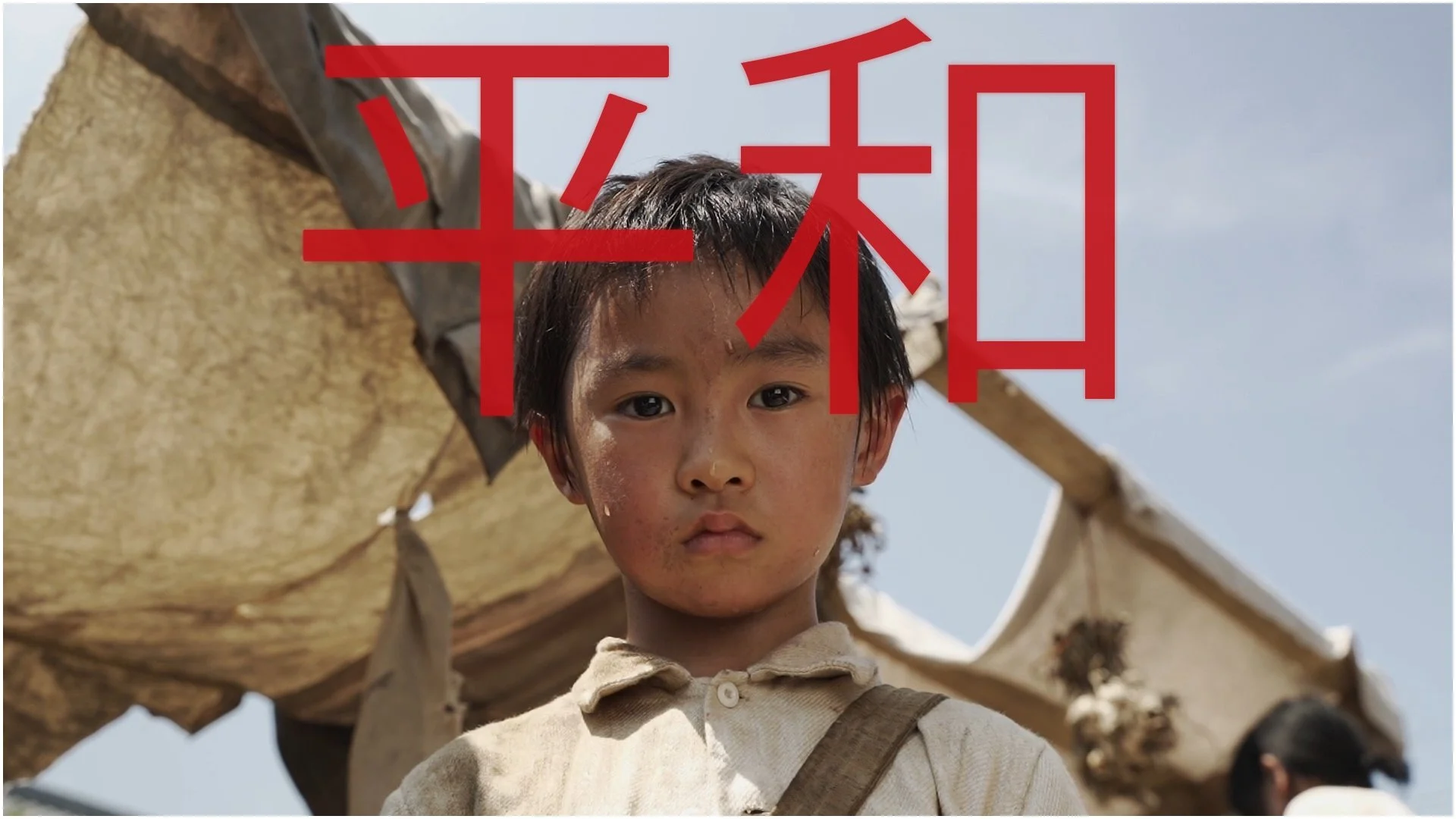
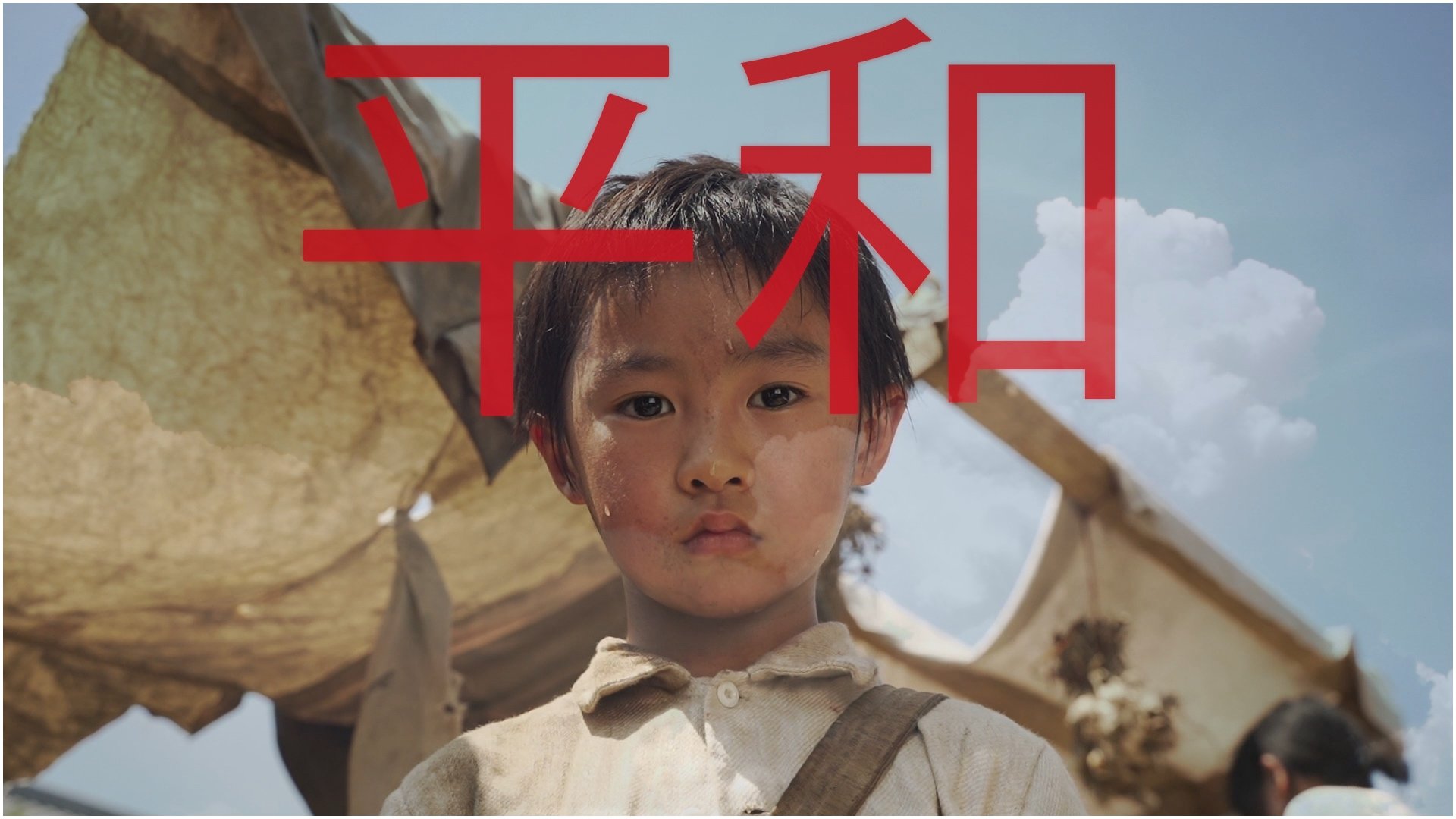

Shadow of Fire (known as Hokage in Japanese)
Release Year: 2023
Director: Shinya Tsukamoto
Country: Japan
Runtime: 95 minutes
Main Cast: Shuri, Oga Tsukao, Hiroki Kono, Mirai Moriyama
Words by Enea Boccazzi
What to read next