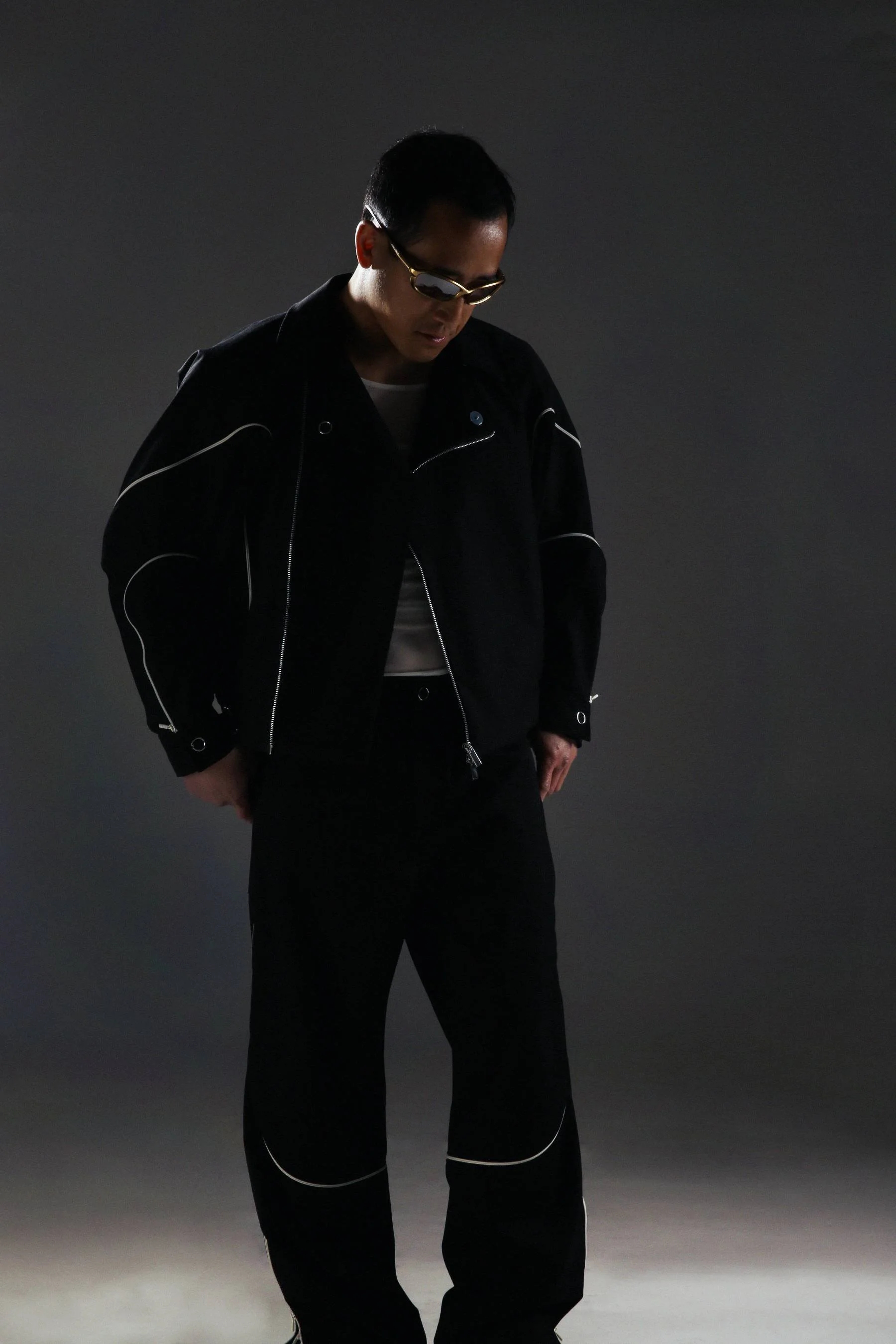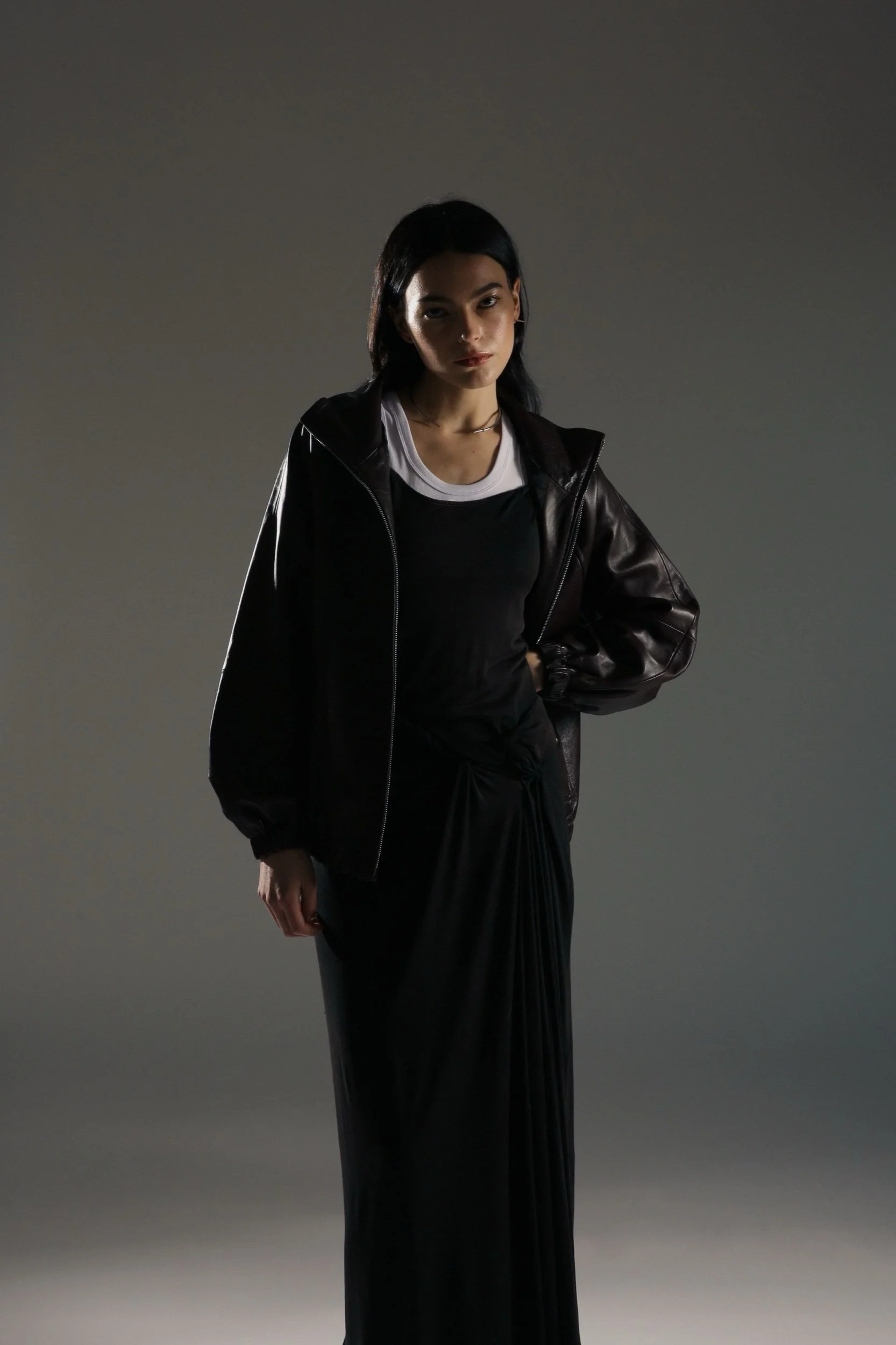
Two Dots
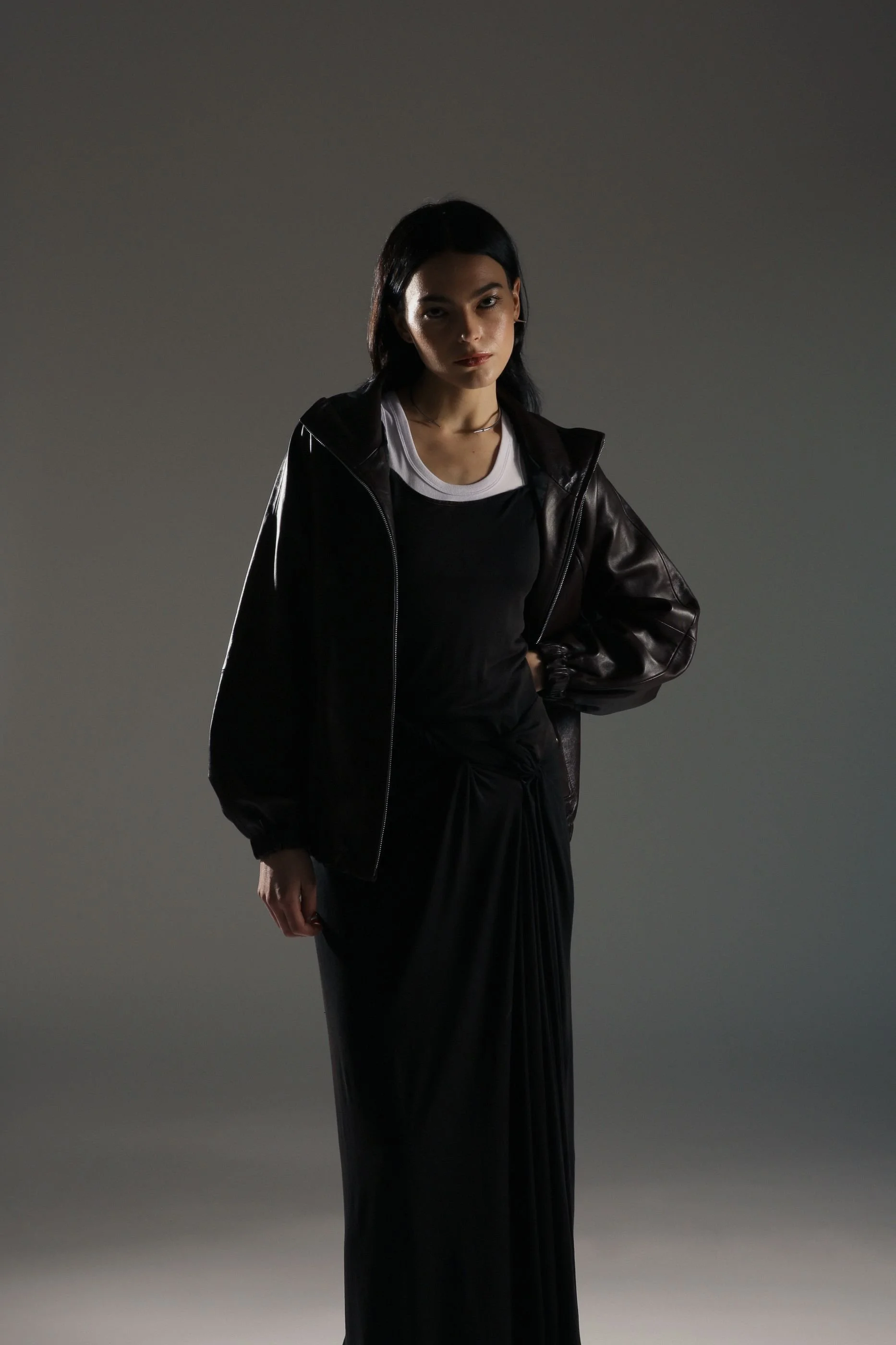
There is a version of Two Dots that never left Annecy. Small alpine town, no real scene, a group of friends who played music because there was nothing else to do. That version of her still exists somewhere in the work, even if the sound that came after has very little to do with mountain quiet. She arrived in Paris at 18 and the rave found her the way it finds everyone who was already looking for it without knowing the name. She taught herself production in a bedroom. She mixed in key before anyone asked her to. She built a sonic identity that feels like it predates her public presence by years, because it does.
Two Dots started as a visual thing, two painted dots under the eyes, a detail that stuck. The dots are mostly gone now but the idea behind them remained: something personal that became a signal. Her sets do the same. Hard and industrial, then suddenly interior, almost confessional. That shift does not come from technique alone. It comes from someone who learned to hear music as a vocalist before she learned to play it for rooms. The UK bass and breaks influence is not a studied decision. She came to Bristol at 16 and drum and bass simply claimed her. It lives in the transitions, the low end, the way her sets breathe between intensity. You hear it when you know what you are listening for.
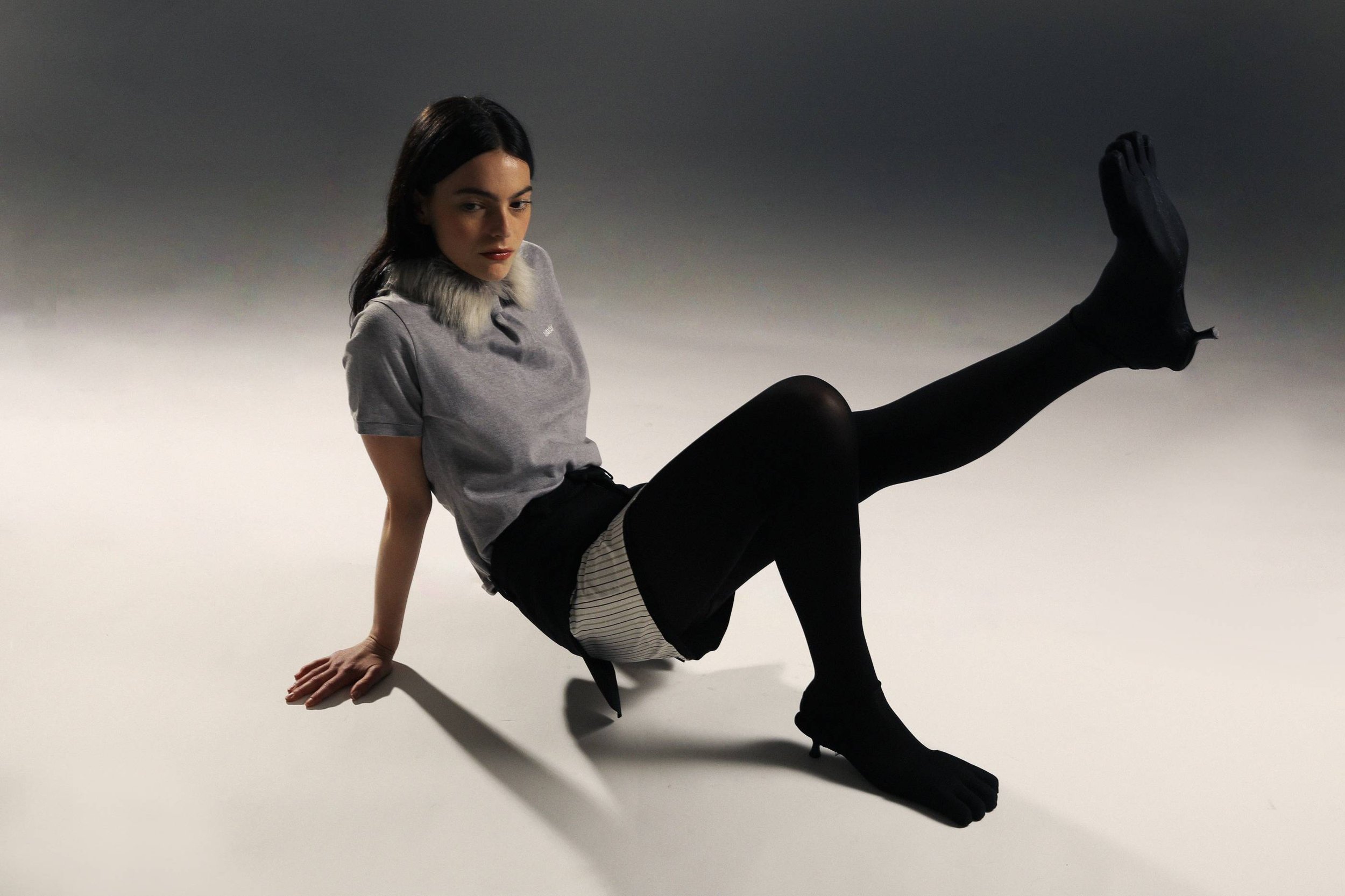
The name "Two Dots" is deceptively minimal for someone making such physically overwhelming music. Where does it come from, and what does it mean to you now versus when you chose it?
The name Two Dots came from something very simple. When I was younger, I used to draw two dots under my eyes with makeup. It wasn’t something I overthought, but people started associating me with that look and it became part of my identity.
Over time, it moved beyond the aesthetic. It became more about a feeling, an energy. Even now, even if I don’t wear them anymore, it’s still a part of me. It’s not really about the dots anymore, it’s about what they represent.
You were a singer before you were a DJ, and you taught yourself production as a bedroom artist RA. That's a very different relationship with music than someone who came up through DJ culture. Do you think that past life as a vocalist still lives somewhere in how you build a set, even without a single word being sung?
It’s all connected. I’ve been making music for a long time, even before I discovered techno. I started with guitar and singing, and that really shaped how I hear and feel music. Today it still influences everything I do. I mix in key, I pay a lot of attention to how melodies interact, how tracks respond to each other. It’s a very instinctive process, but it comes from years of training my ear. I’m not using my voice in my records right now, but it’s something I want to come back to. I’m already working on it, so maybe soon.
You grew up in Annecy, a beautiful, quiet alpine town that couldn't be further from a Berlin warehouse or a London basement rave. What was the moment you realised that the music you needed simply didn't exist in the world around you?
Growing up in Annecy, there wasn’t much of a scene, so my friends and I always found ways to make it work. Most of my friends were musicians, so we spent a lot of time just playing music together. There were no proper techno clubs, but there was one place where we would go at 16 or 17 to listen to house. It was the closest thing we had at the time.
I was already into electronic music, but also into rap and rock, so I was always searching for something more, something I couldn’t really find there. When I moved to Paris at 18, everything shifted. That’s when I discovered the rave scene, the energy, the whole world I had been drawn to. It just felt natural, like I had finally found the environment I was meant to be in.
Looking back, I don’t think the music was missing, I just hadn’t found the right place for it yet.
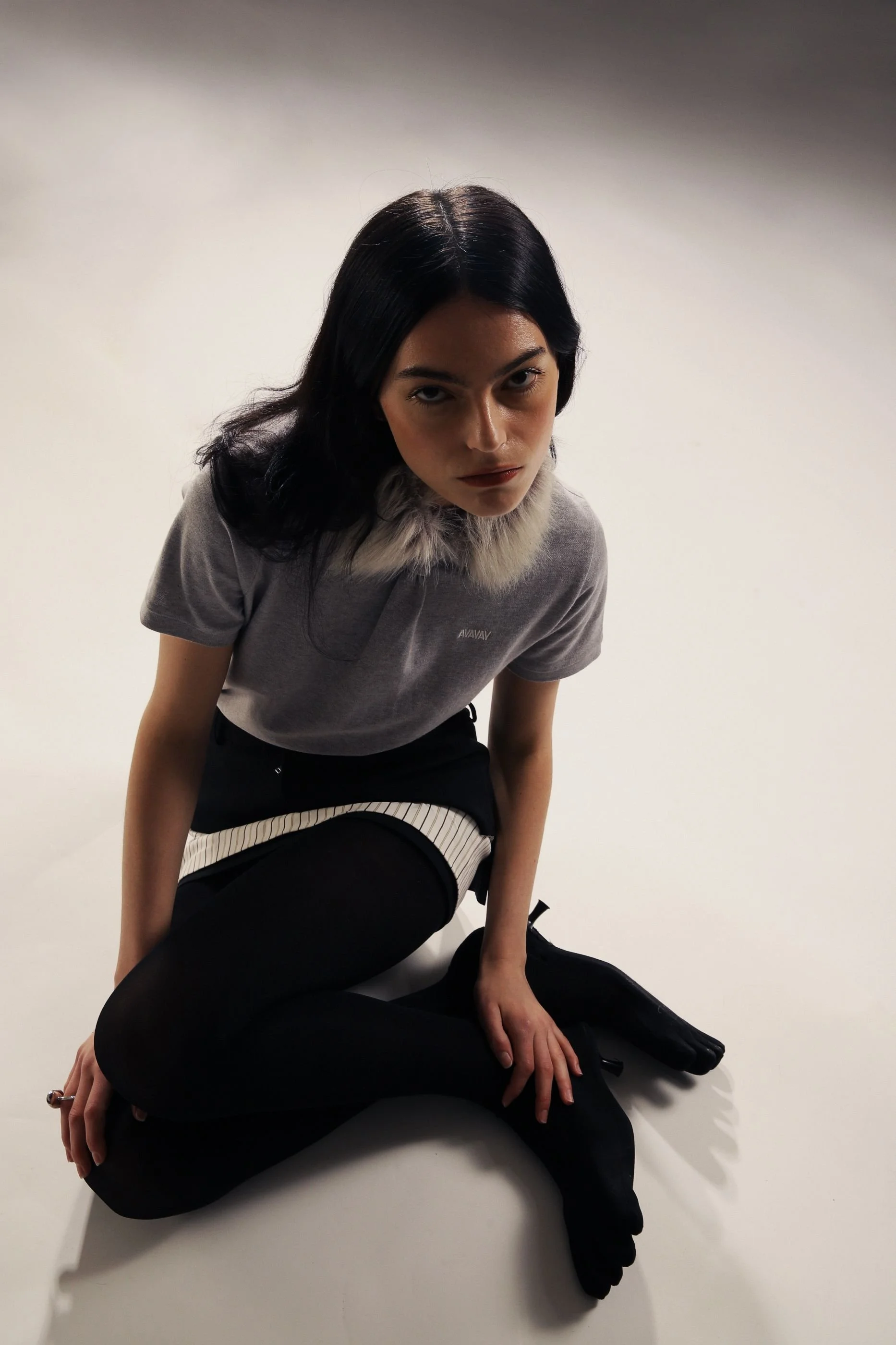
Paris has a very specific electronic music mythology, Daft Punk, Ed Banger, the Rex Club. When you're building something in that city, do you feel that weight, or have you mostly tuned it out?
I do not feel the weight of it, honestly. Every city has its personality and its legacy of great people, great musicians, great artists who came before. But rather than feeling burdened by that, I feel like we all have something new to contribute to that bigger story. It excites me more than anything to be part of it. We are the new generation. We are the ones making the rules now.
UK bass and breaks found you, or did you find them? For a French artist, that's a deliberate left turn away from the obvious reference points. What pulled you toward that sound specifically?
It found me, of course. I was 16 or 17 when I first came to Bristol, and I had no idea drum and bass even existed. I didn’t know people could make music like that. I started going to parties and fell in love with it immediately. That experience really shaped me. To this day I listen to a lot of bass music, UK garage, drum and bass.
I always try to bring that energy into my sets. It was one of the first forms of electronic music that truly connected with me, outside of the more obvious references. It’s a part of me now, and it naturally finds its way into my production too, through breaks, transitions, little details. It’s something that never really left.
You're still relatively early in your public presence, but your sound already has a very defined personality. A lot of artists spend years chasing that. Did it arrive quickly, or has there been a version of you that sounded completely different?
What I do now feels very natural to me. It’s not something I had to construct, it’s something I’ve been growing into for years. I’ve always followed my instincts, so the sound I have today is just a reflection of what I genuinely connect to.
I’m still evolving of course, always trying to go deeper, to express things more precisely, but the core has never really changed.There hasn’t been a completely different version of me. It’s always been about translating emotion into sound. I just follow what feels real to me!
The dancefloor is a very physical, almost confrontational place when you're playing the kind of music you play. What does it feel like from behind the decks when a room gives itself over completely and what does it feel like when it doesn't?
When I step behind the decks, there’s an immediate rush, this wave of energy coming straight from the crowd. It’s something you can’t really understand unless you’ve experienced it. It goes beyond the music, it’s about the people. Of course, not every night feels like that. Sometimes the room isn’t fully there yet, and you have to build that connection. It’s part of the process.
But when it works, something shifts. The room opens up, and you enter this space where everything feels aligned. It’s very emotional, almost physical. What I find interesting is that I’m chasing that same feeling even when I’m alone. I try to recreate that intensity in my room, playing and recording as if there was a crowd in front of me. But nothing compares to a full room. When that connection is there, you’re not just playing, you become part of something bigger than yourself.
Do you feel being a woman in underground club spaces and being taken seriously as a technician rather than as an image. Has that been something you've had to actively push against, or has your experience been different?
I think the music industry has always had a tendency to put women in boxes, but I do feel like that’s changing. We have more of a voice now, and we’re creating our own space. What matters most to me is being judged by my music, my identity, my tracks, not just as a female DJ. It’s something all women in this industry navigate, constantly having to prove that the focus should be on the craft.
There has definitely been a lot of sexualization, especially in the past, where the attention wasn’t really on the music. For me, it’s just about being fully myself and being seen for what I actually do. And I do feel that shift happening now. We’re not just an image anymore, we have a voice, and that changes everything. And I think that shift is happening because audiences are becoming more aware of that too.
“Annecy gave her silence. Paris gave her noise.”
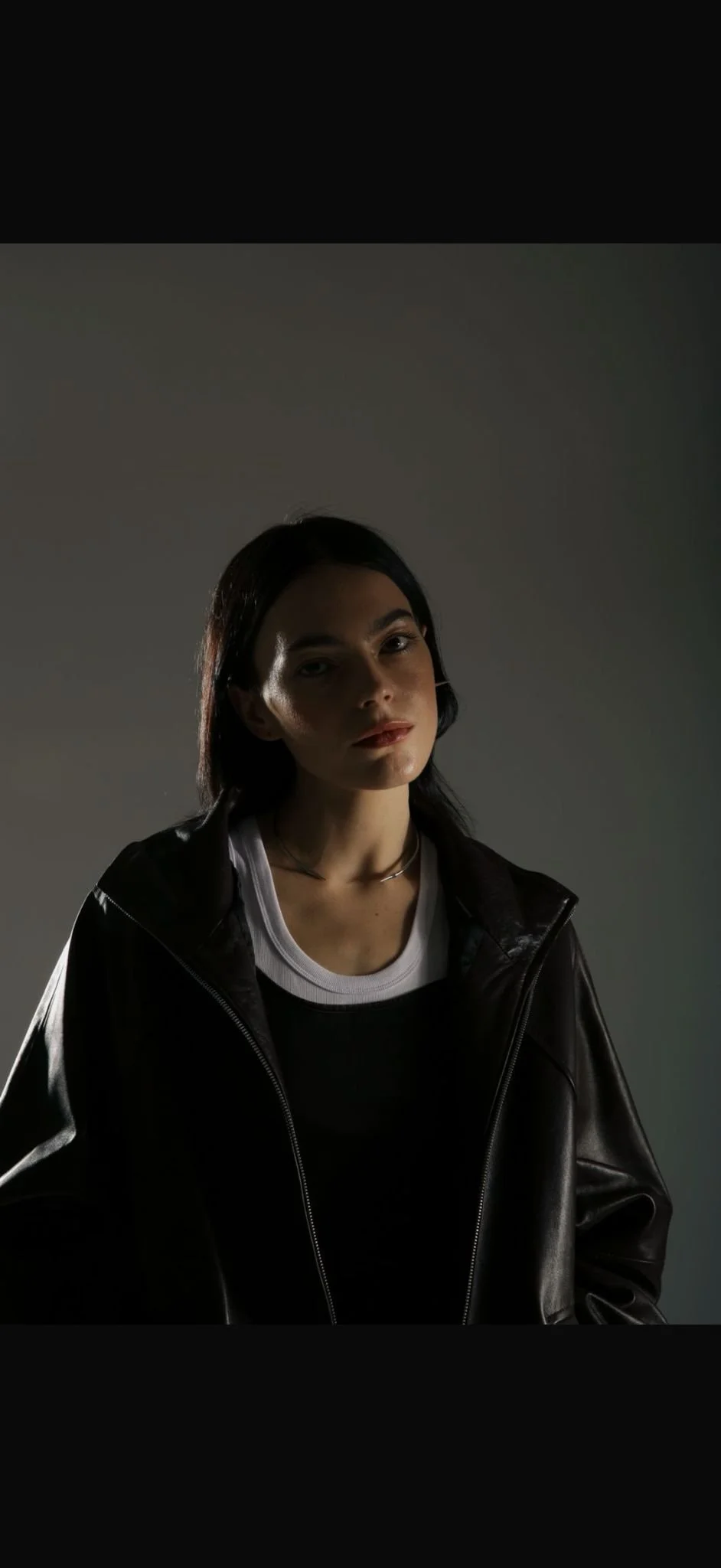
Your sets are described as moving between hard, industrial landscapes and moments of pure introspection. Where does that emotional range come from in your own life and is there a non-musical reference point, something from art, film, literature, or even a specific place, that you return to when you need to find that feeling again?
I find inspiration mostly in people, the ones I meet, the conversations I have, the connections I build. But also in films, especially soundtracks, and in literature. There’s something about going back to my hometown that always resets me. That place shaped me as a musician, and I can still feel that energy when I return.
More than anything, I draw from real life. Moments, emotions, things that stay with you without really knowing why. It’s very instinctive. And then there’s the introspective side, looking back at everything you’ve been through and letting that translate into sound.
I think that’s where that contrast comes from, from living things intensely, and then turning them into something everybody can feel. At the end of the day, everything I do starts from something real, something pure and sometimes even from daydreams.
You played the Dure Vie x Dekadance night at OXI in Berlin alongside Florian Picasso. How did you two actually meet, and what made you want to keep building together? Was it the music first, or the person?
We share the same agency, but we actually first connected on social media before meeting in person. Then we crossed paths at a warehouse and immediately got along. From the start, we had a lot in common. We talked about music, but also about the broader vision behind what we do.
There’s definitely been a mutual exchange, we’ve both influenced each other in different ways, and that’s what made it interesting to keep building together. But honestly, it started with the person before the music. We became friends first, and everything else grew naturally from that. For me, it’s always about the human connection first.
Florian has spoken a lot about his own artistic reinvention, stripping back years of commercial work to get to something honest. Did being around that process influence you, or do you come from a completely different starting point?
I think change is essential. As an artist, you’re constantly evolving, and there’s something very powerful in allowing yourself to shift and grow. I wasn’t there during that transition, but I think it’s always interesting to see how artists can step away from something and come back to something more honest. We all have our own version of that in different ways. For me, it’s not about completely reinventing myself, it’s about staying connected to what feels real and letting that evolve naturally over time.
Photography: DONALD GJOKA
Styling: DAVIDE ANDREATTA & ALICIA DE POLI
Hair & Makeup: CINZIA TRIFILETTI
Styling assistants: PAULA MARULLO & FLORENCIA ECHAZÚ
Photography assistant: ALESSIA PITTACCIO
Special Thanks: @forma.eterna @cejlon
Interview by Donald Gjoka
What to read next