Florian Picasso
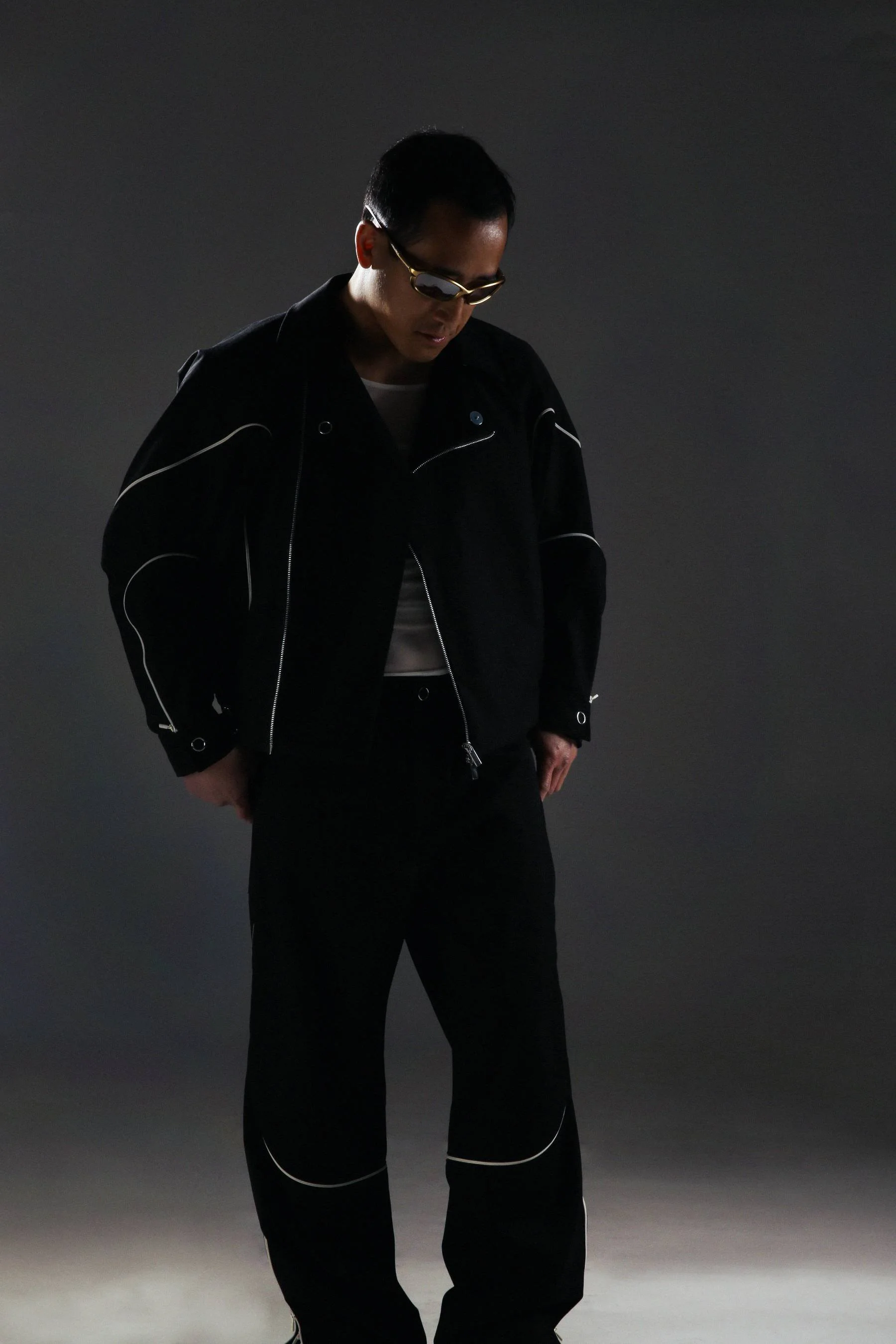
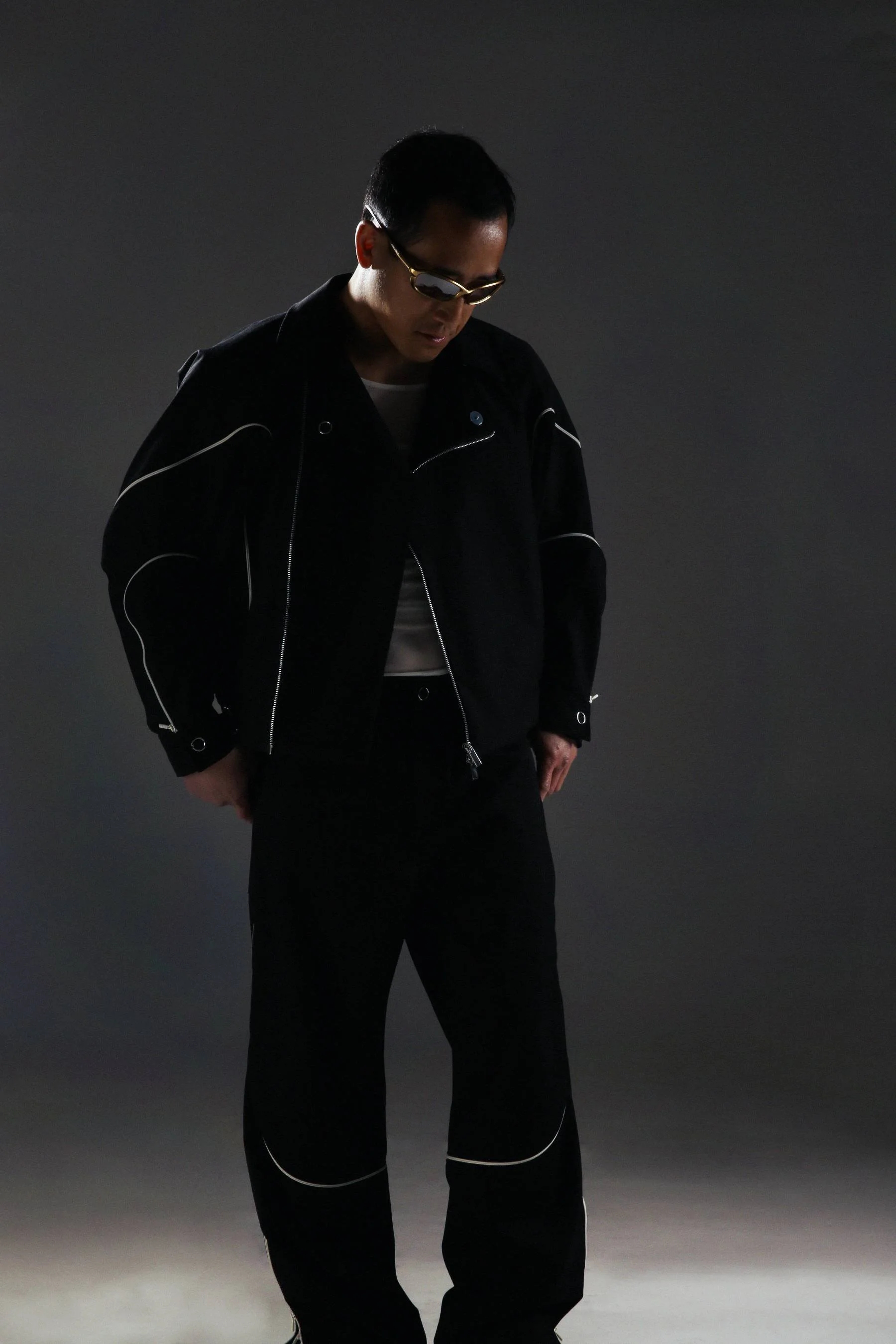
At 13 he was behind the decks. At 16 he was playing clubs. By his mid-twenties he had signed to three of the biggest labels in dance music. Florian Picasso builds scenes, labels, and sounds entirely on his own terms. A decade of big rooms, major labels, and music made for other people's approval. Then a label of his own, a creative platform, and a sound no one asked for but him.
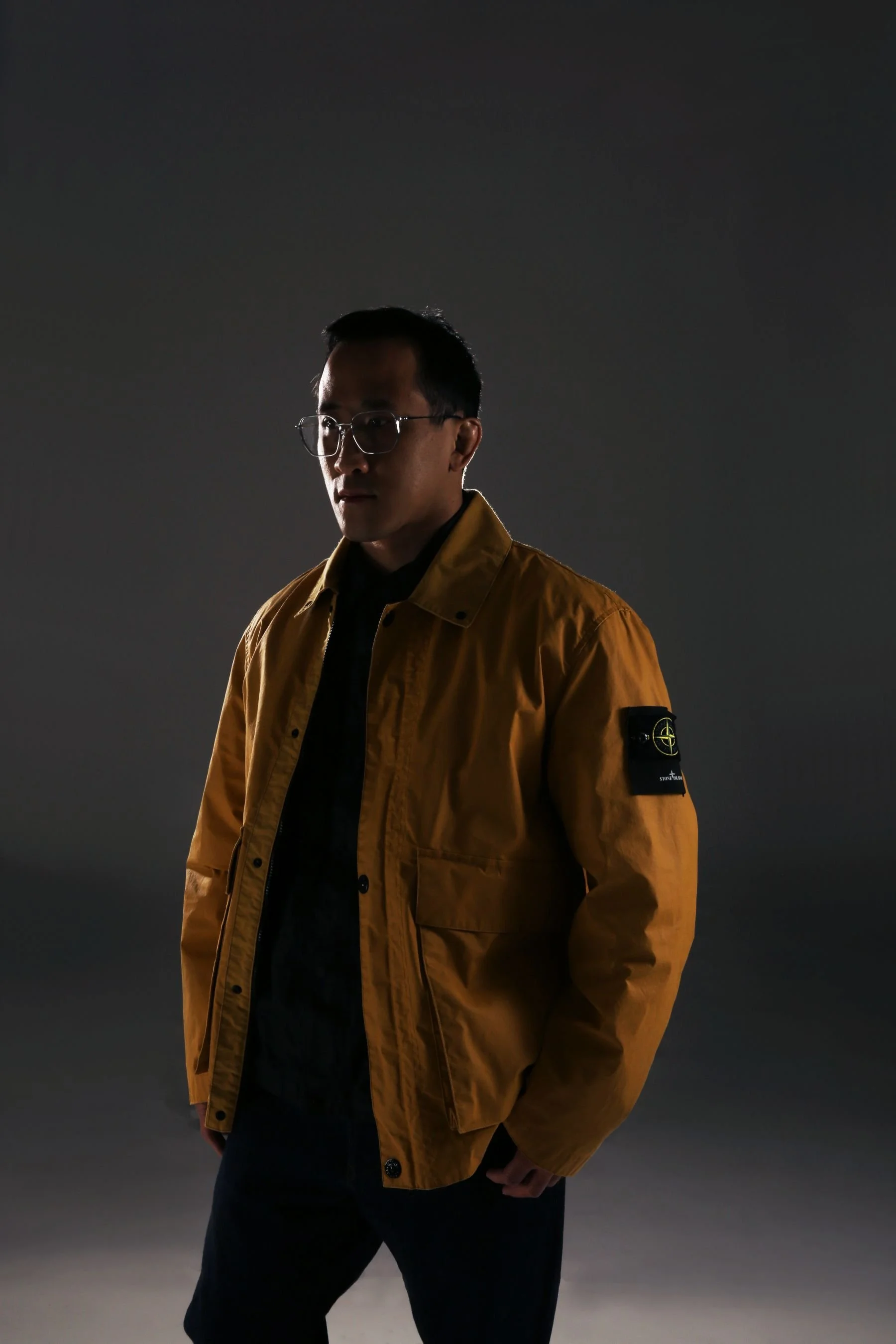
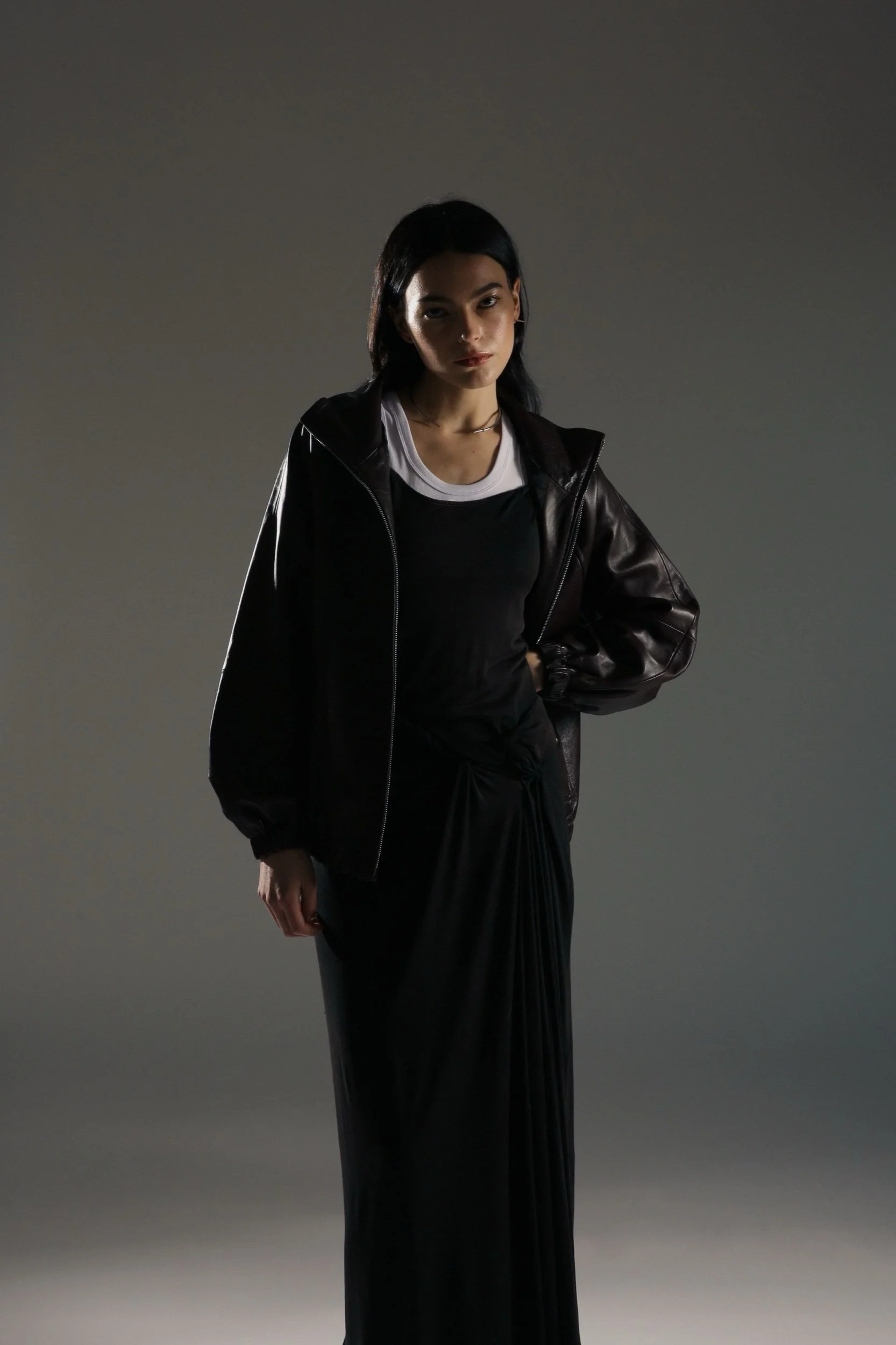
total look STONE ISLAND glasses EYEPETIZER
Your SoundCloud bio reads: "2025 marks my sonic parole. Everything before that was EDM-induced confusion." That's a brutal self-assessment. What does it actually feel like to look back at a decade of your own work and call it confusion?
I was just trying to be funny when I came up with that line. What you have to take away from it is that it was all in good fun, just something playful I wanted to throw out there. I was definitely not confused while making the music. But moving from one genre to another can sometimes feel disorienting: questioning whether you're making the right choices, why you're making them, and what it really takes to commit to those decisions. So when I talk about confusion, I mean that small window in between, that moment where you're figuring out the how and the when. Looking back at the decade that followed, though, I think that uncertainty is just part of music.
Music moves in cycles. And this new direction is the next chapter I wanted to write. It feels good, genuinely good, because I'm not a snob who's going to turn around and say everything I did before was out of touch or completely worthless. I had a great time doing what I did. But I felt like it was time for something else.
You started Djing at 13 and were performing in big clubs by 16 essentially, you grew up inside the industry. Do you think that kind of early immersion protects you artistically, or does it actually make it harder to find your own voice later?
I started very early in this industry, and there are real benefits to that. I've gained a lot of insights along the way. But the thing is, my music evolved alongside my personality, and both shaped who I am today. Being in this industry so young can also be a little disorienting, because you're not a fully formed adult yet. You end up making decisions based on trying to stay relevant, peer pressure, following trends. When you're 16, you're still a teenager trying to fit in.
Looking back, I wish I had taken more time to find myself first, and then find my musical identity. I feel like my musical identity was shaped too much by what other people thought, by whether I would be appreciated and welcomed into the scene. It was less of a personal statement. Today, I've been able to do the opposite. The maturity I have now means I do things for myself, because they matter to me, not for others. Even though the music I make now is still community driven, it comes from a much more honest place. It's all about maturity, growing up, and making the right choices at the right time.
You grew up between Paris, Cannes, and Switzerland, and your background is French-Vietnamese. In electronic music, a scene that often presents itself as borderless, do you think that multiplicity actually shows up in your work, or is it mostly invisible?
On a deeper level, I think that journey really shows in my work. My work is about evolving, about learning, about self-discovery. When I first started DJing, it was honestly for the wrong reasons. I was insecure, I wanted to fit in, to be the cool guy. I was also adopted, and I faced real challenges dealing with racism and feeling like an outcast.
Learning through music, and learning to embrace my differences, helped me enormously, both in music production and in understanding what I actually like. And I think you can hear it, because my style is pretty versatile. I don't settle for one genre, I'm always all over the place. I think that comes directly from that experience, to be honest.
You launched DKD Records in 2025 and also built Dekadance as a creative movement, two parallel projects at once. Are those two different sides of you, or the same idea wearing different outfits?
Dekadance and DKD Records really come from the same place. They’re both extensions of a creative vision I’ve been building together with Captnnn. What started as a platform to bring people together quickly evolved into something more structured, where we could host events, support emerging artists, and release music in a way that felt true to us.
Over the past year, it naturally grew into a space where community and creativity meet. We’ve been able to spotlight new talent, curate experiences, and shape a certain energy around the project. That was always the intention, to create something that feels collaborative and forward-thinking rather than just another party series.
This year, I’m focusing more on my next personal project, so the pace will shift a bit. But Dekadance is still very much alive. It’s just about finding the right balance between my own work and continuing to build this platform in a way that feels meaningful.
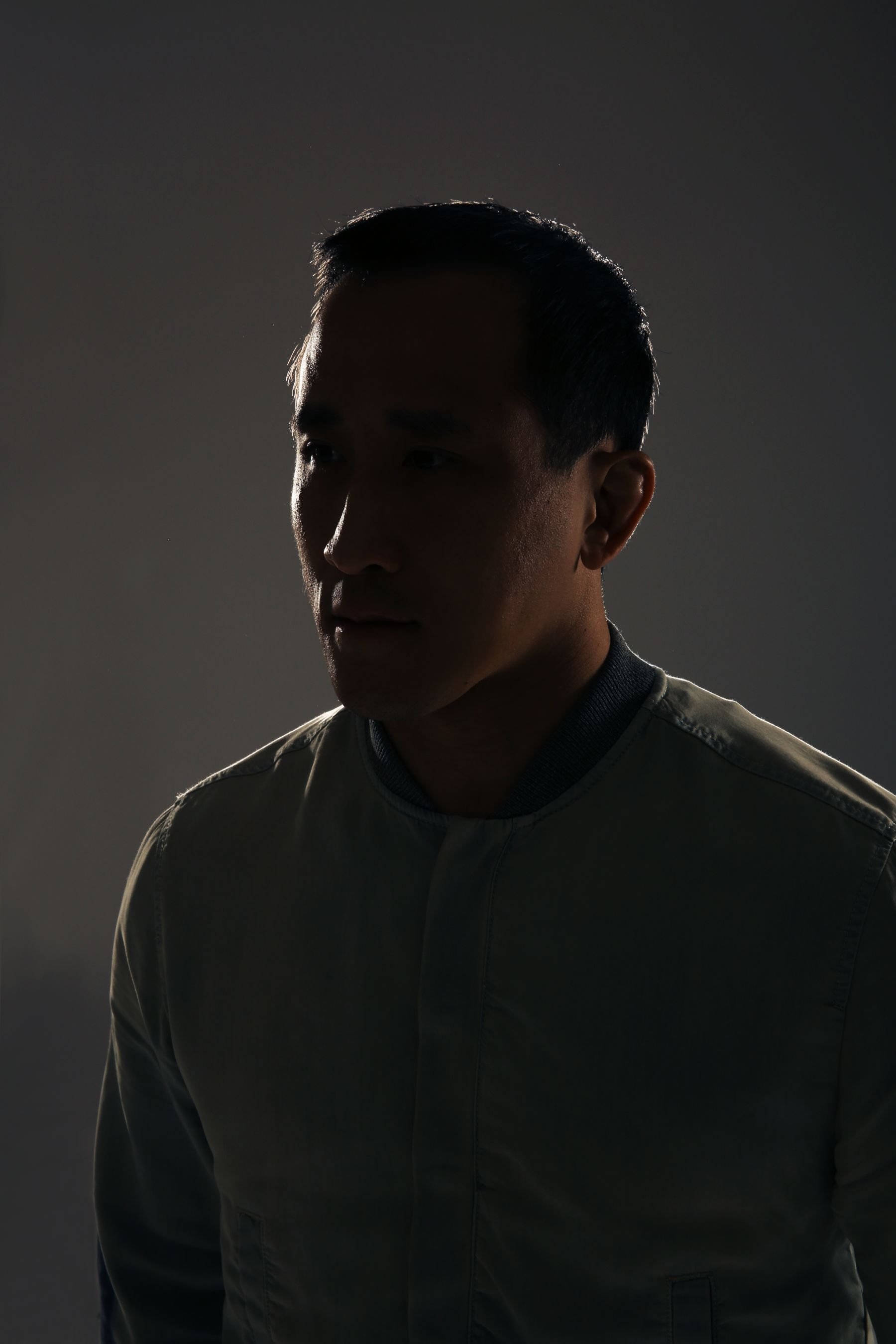
total look DIESEL
In August 2020, you performed a 90-minute set live from Pablo Picasso's atelier at Villa La Californie with a Vietnamese painter creating live art behind you. Is it the mix between art and music something you want to keep carrying?
That was one of the projects I did in 2020 during COVID. It was a lot of fun, especially because we were trying to blend two different art forms. It was with Cyril Kongo, one of the pioneering graffiti artists in France. He has done a collection with Karl Lagerfeld for Chanel, and also worked with Richard Mille on watchmaking. I don't know, it just felt like it clicked. It clicked because we were both telling a story through our art forms. And that's something I really want to keep exploring. I actually have an idea in the works, still a work in progress, but I would love to collaborate with a chef and find a way to combine gastronomy and music.
What does that actually look like in the studio, what does a session feel like when it's going right?
Honestly, it doesn’t always feel great, and I think that’s important to say. Some sessions just don’t click, and you can feel it quite quickly. There’s no real tension, no surprise, everything feels a bit forced. But that contrast is what makes the good ones so special.
When a session is going right, there’s a kind of momentum that takes over. You stop overthinking, ideas bounce naturally, and everyone in the room is reacting to each other in real time. It becomes less about “making a track” and more about chasing a feeling.
You've said the industry has shifted toward metrics and financial success over community. But you're also someone who came up through Armada, Spinnin', and Protocol, the biggest commercial machines in dance music. Were you part of that system at some point? How do you sit with that?
I signed deals with major labels, and when you become part of that machine, you lose control over your creativity and start looking at everything through the lens of performance metrics. At the end of the day, it's a business, but there are ways to run it without killing creativity. With a lot of bigger, more mainstream labels, it comes down purely to numbers. And when you put performance above art, you lose the creative spark.
Personally, I would be prouder to have a record I genuinely love that does well organically than to have something pushed by a label that doesn't really reflect my vision. But yes, I was part of that cycle, and it also comes down to the way we consume music today. I have nothing against commercial or mainstream music, but for me those are two very different things. Commercial means a track was made with the specific purpose of selling as much as possible. Mainstream is something else entirely. When you look at Daft Punk or Justice, they never walked into the studio with the goal of making hits. They had magic, they had the luck factor, and their creativity was channeled in the right way. Those are artists. You cannot force an artist to go and make hits. It just happens. And I think that's the beauty of it. That's the way it should be.
Biggest influence in music at your early stage?
It's a bit of everything, really. Growing up, I was trying to find my place, so I was listening to a lot of different things, from metal to hip hop to dance music. It's a whole mix and I honestly couldn't pin it down to one thing. What I can say is that I started out as a hip hop DJ, scratching records, fully immersed in that culture. Then it gradually shifted toward dance music, because I became fascinated by the possibilities with sound. I started buying vinyl, Groove Armada,
Daft Punk. I'm French, so I had to mention Daft Punk. But more than any specific genre or artist, it was really the different periods of my life that shaped my music. Daft Punk have been a massive influence on electronic music across so many generations, which makes them a pretty special reference point. But yeah, it's life experience more than anything else that really left a mark.
How did the evolution of technology affect you in the process of music?
Technology has helped enormously, and at this point it's kind of crazy what you can do. We're not even talking full AI, but you already have AI mastering, AI voices. I work with AI quite a bit, not when it comes to the creative side, but for practical things like nailing a vocal or fine-tuning specific elements. And then there are the plugins. The jump from when I first started making music to now, over the span of about ten years, is incredible. That said, I still use classic tools. The Nicky Romero kick plugin, I still use it. The Sausage Fattener from Dada Life, still use it. And I'm not sure if it counts as technology in the traditional sense, but Splice was definitely a game changer. I don't rely on it as much personally, but for younger producers it opened up a whole new world.
In my opinion, new technology is really about finding better solutions in less time and improving your process. I don't see it as a limitation or a threat. It's a good collaboration between what you already do and what you can push further. At the end of the day, it's just a tool. There are so many options available now, which is honestly a good thing.
How did you actually first cross paths with Two Dots, and what made you want to keep building together? Was it the music first, or the person?
We’re part of the same agency, and we actually met for the first time on the same lineup. But even before that, my management had mentioned her to me, so I looked into what she was doing. It’s hard to explain, but I had this immediate feeling, like some kind of intuition. Sometimes you come across certain people and it just makes sense, even before you properly meet.
When we did meet, it clicked very naturally, both musically and personally. I remember telling the management early on that I thought she was going to do big things. And then, eight months later, she’s playing major shows and developing her sound in a really strong way. It just confirmed that initial instinct.
What made me want to keep building together was mainly her as a person. Of course the music matters, but personality is what creates something long-term. I wanted to bring her into the Dekadance world, give her a platform, and support that evolution.
I think in this scene, people connect to more than just the tracks, they connect to the energy, the identity, the intention behind what you do. It becomes something more human. You start to recognize faces, there’s a sense of community, and that relationship with the crowd grows over time.
So for me, it’s really about that balance. The music is always at the center, but who you are and how you carry yourself is just as important in building something real.
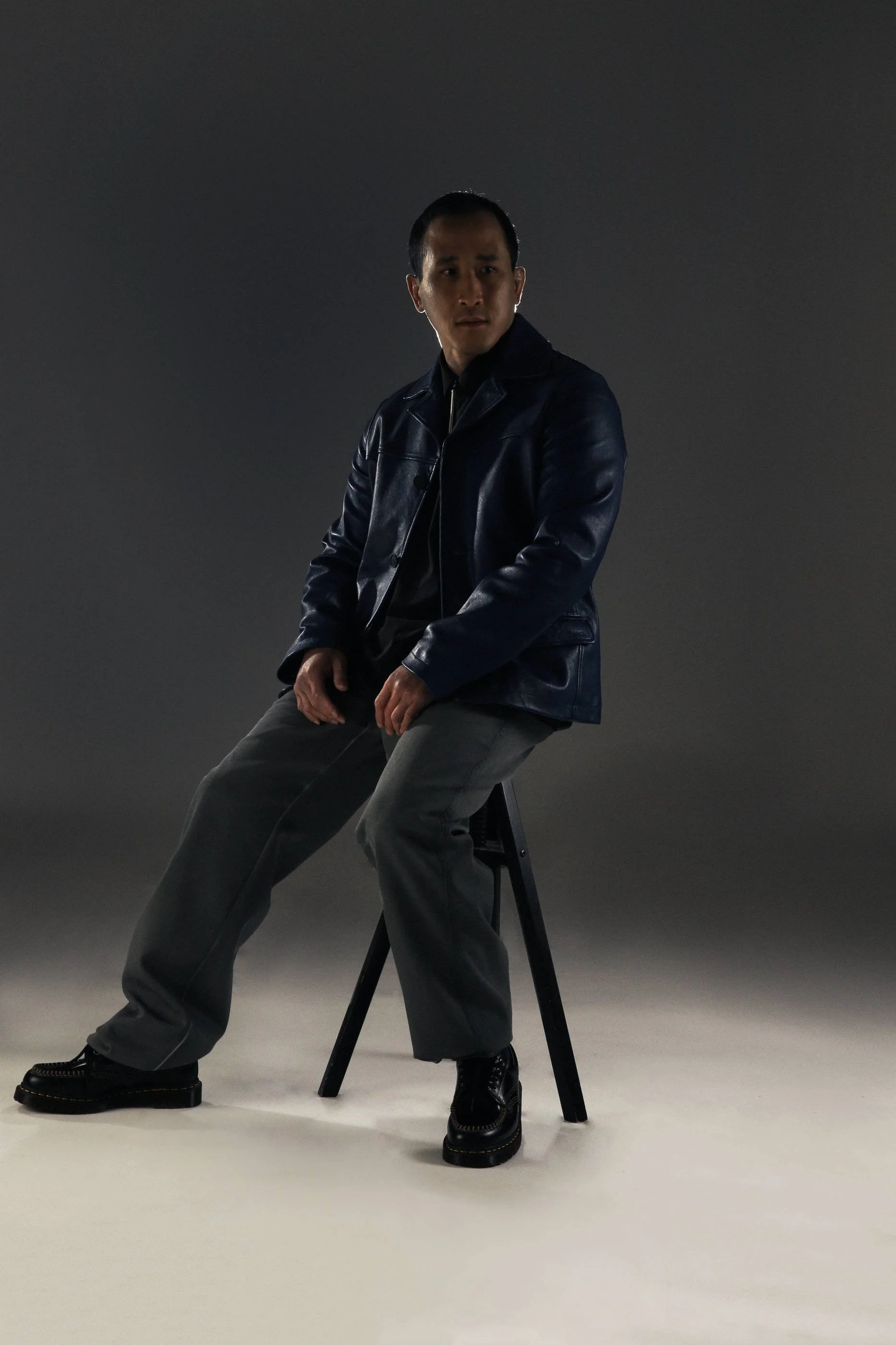
total look SUNNEI shoes DR. MARTENS
Photography: DONALD GJOKA
Styling: DAVIDE ANDREATTA & ALICIA DE POLI
Hair and Makeup: CINZIA TRIFILETTI
Styling assistants: PAULA MARULLO & FLORENCIA ECHAZÚ
Photography assistant: ALESSIA PITTACCIO
Special Thanks: @forma.eterna @cejlon
Interview by Donald Gjoka
What to read next