Vittorio Valigi
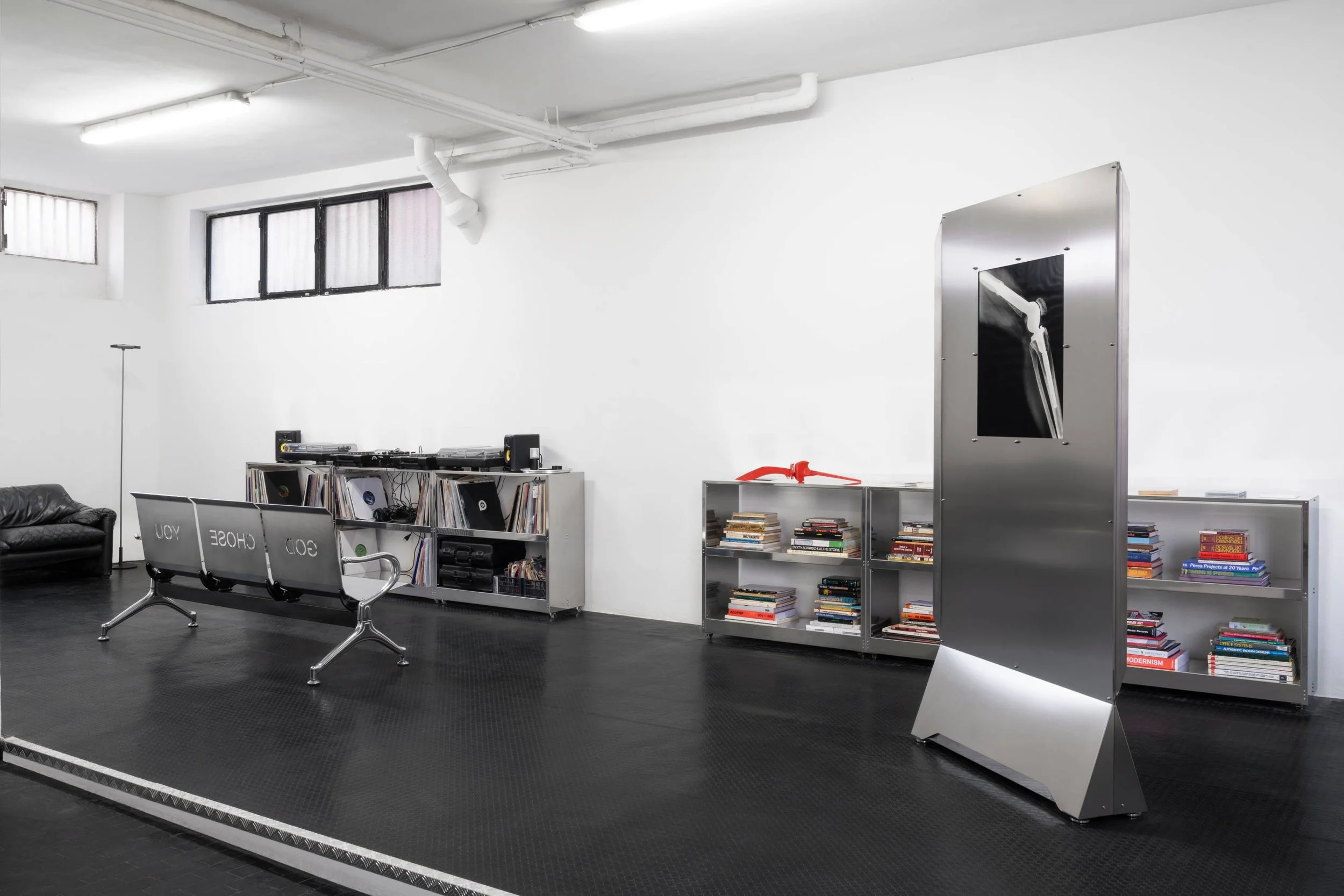
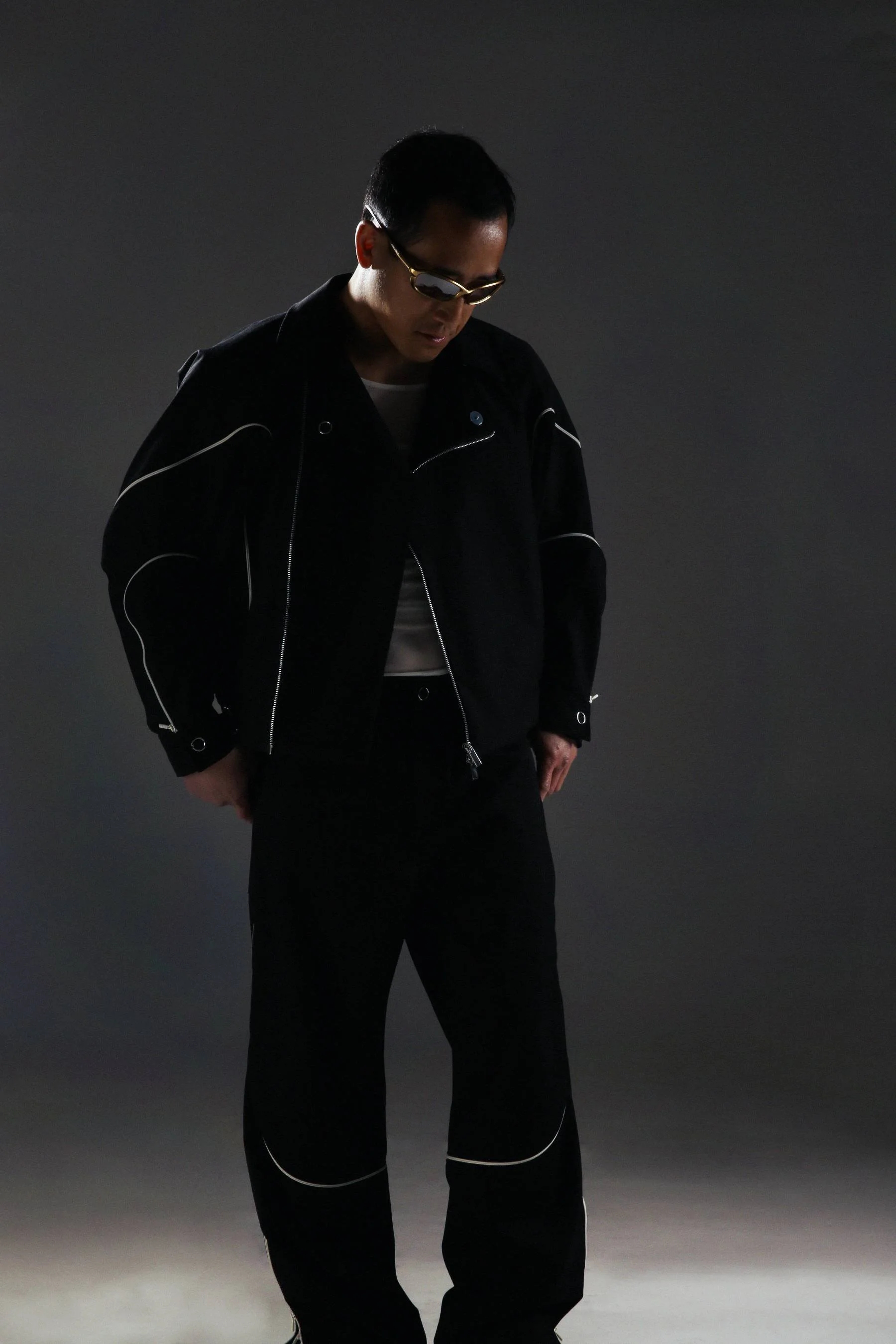
There is a particular kind of knowledge that only comes from losing something irreplaceable. Vittorio Valigi, creative director of H4X and artist, has spent a decade converting that knowledge into form. His exhibition does not ask for sympathy. It asks for attention.
The work draws from a specific and personal source: a surgery, a prosthesis, the strange ongoing negotiation between a human body and a foreign object installed within it. What Valigi has done, rather than reduce this experience into testimony or catharsis, is examine it with the cool precision of someone who understands that the most intimate material is often the most structurally useful.
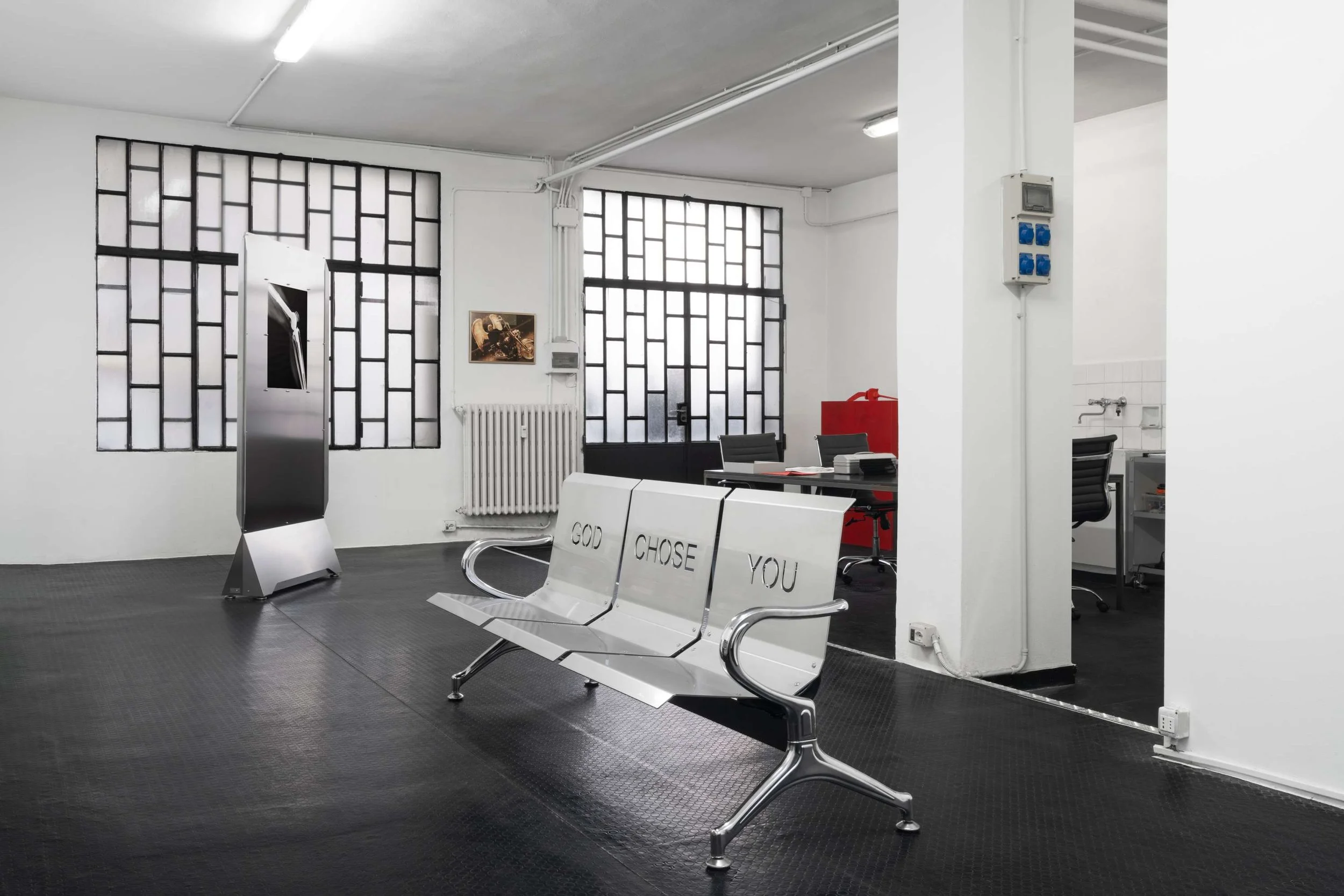
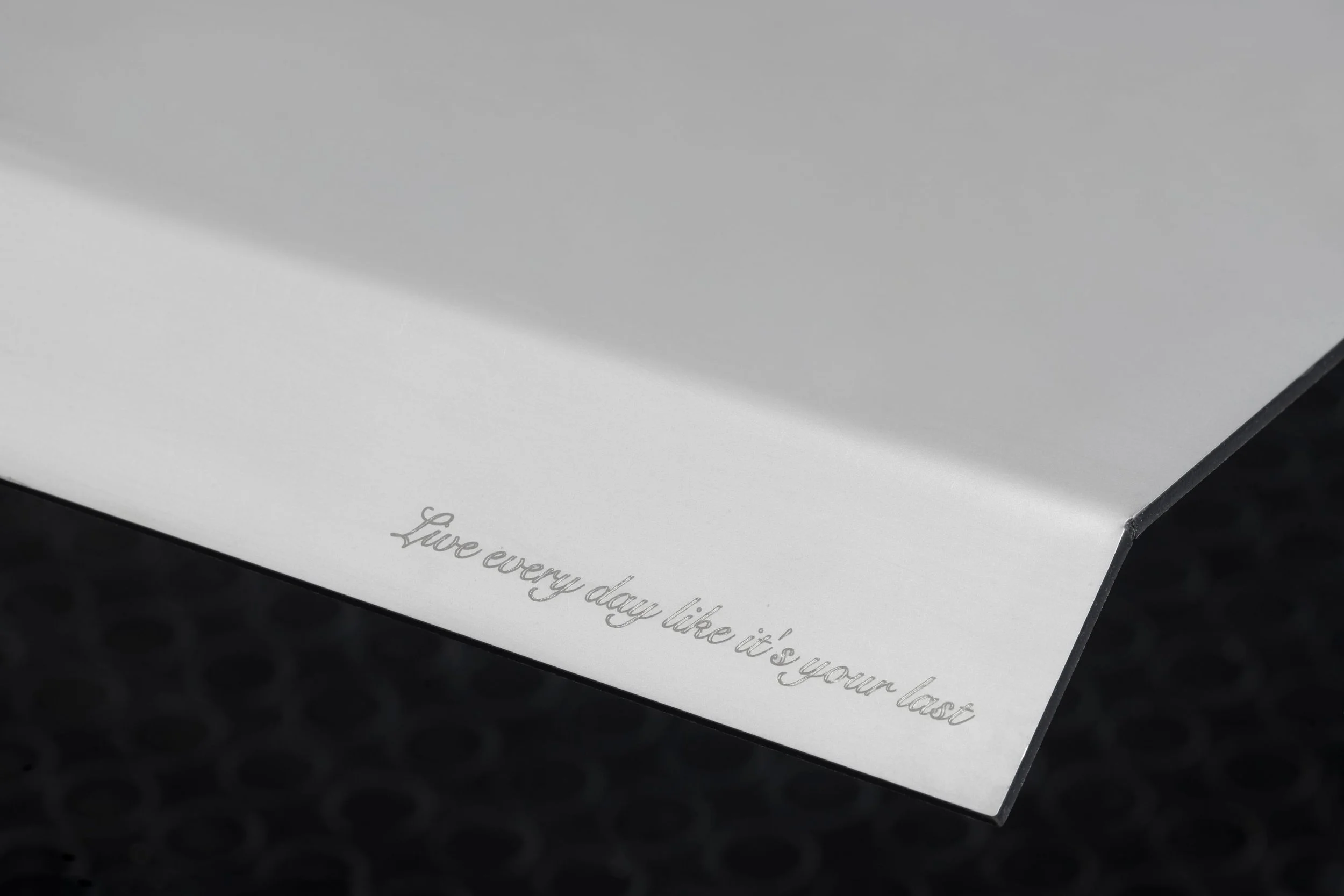
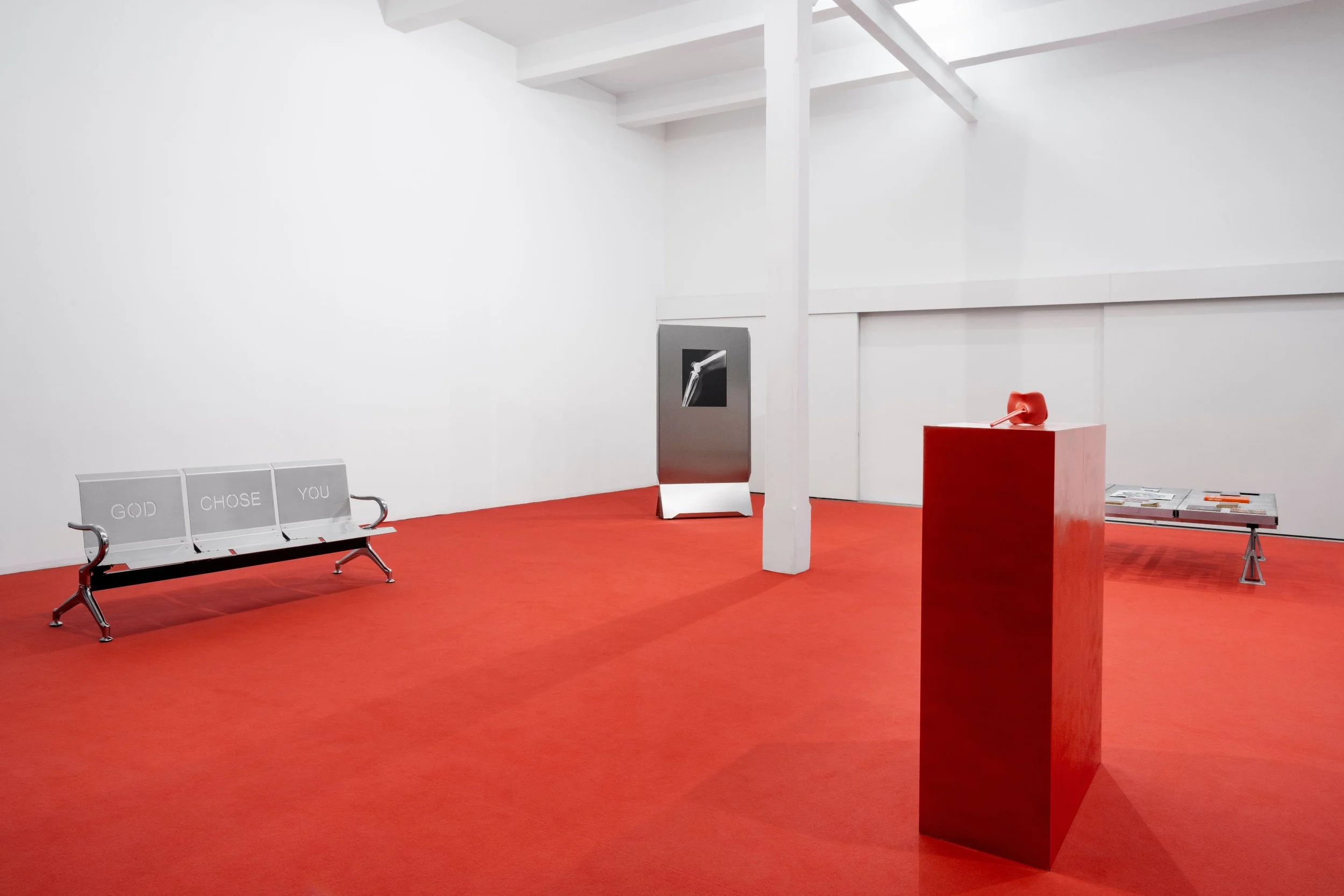
Five installations, four collaborators, five different visual and conceptual registers. Yet the thread running through the work is consistent: an insistence on looking at difficult things without softening them, without reaching for false resolution. "GOD CHOSE YOU," the phrase delivered by a medical psychotherapist and rendered here with graphical authority, says everything about the human compulsion to assign meaning where meaning has no obligation to exist. The words become both monument and critique simultaneously.
What makes Valigi's practice interesting beyond its autobiographical content is the quality of the thinking behind the aesthetic. He reads poetry to reverse-engineer visual logic. He studies sci-fi and body horror cinema not for atmosphere, but for the structural permission they grant to represent transformation without sentimentality. The influences, from Tsukamoto to Cronenberg to Argento, are not decorative references. They are working tools.
The question he returns to, philosophically and physically, is one of belonging. At what point does the implant stop being a foreign object and begin being a self? He offers no clean answer. He offers something better: a body of work that holds the question open with extraordinary intelligence and keeps looking directly at what most people would prefer not to see.
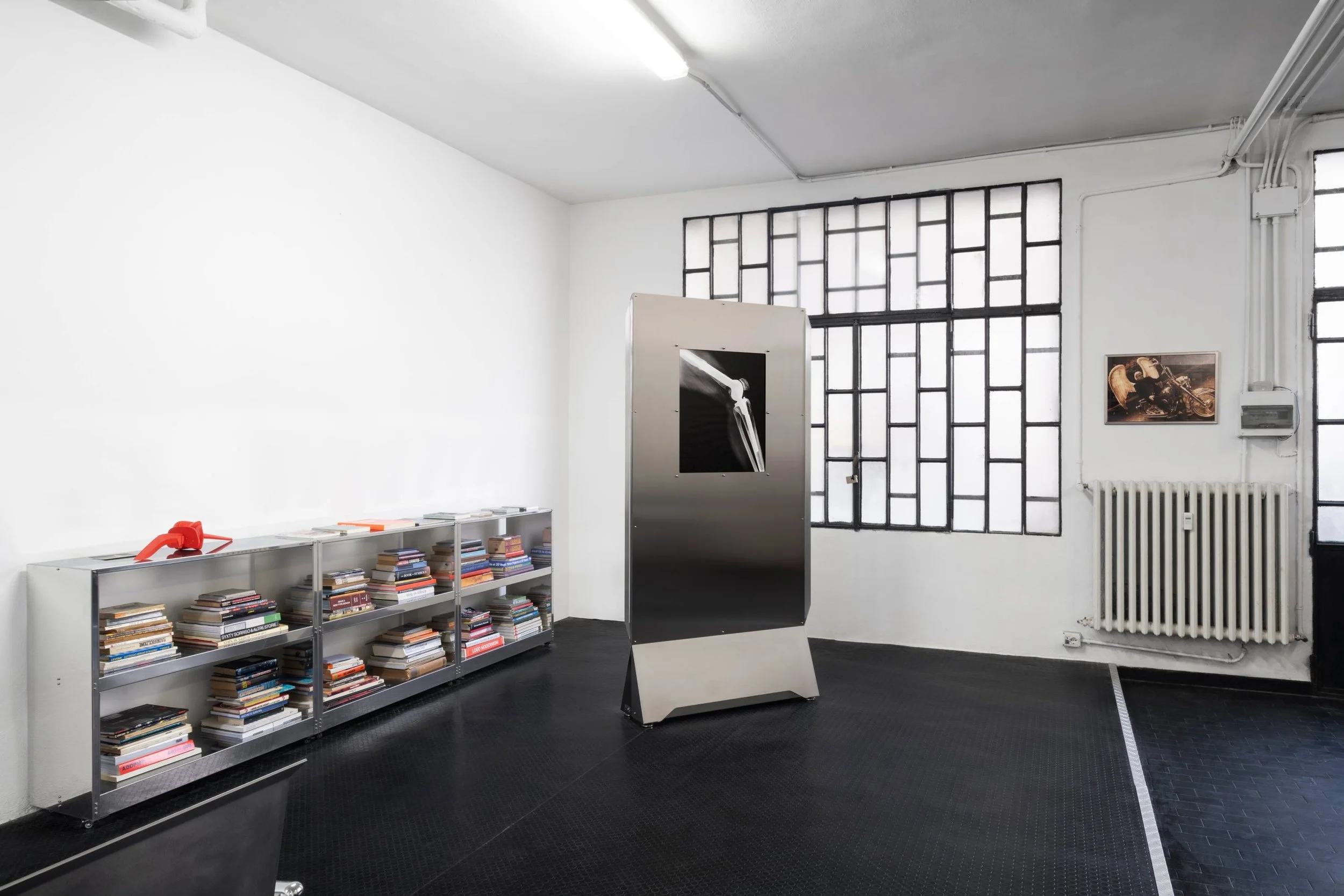
Beauty and Terror The exhibition is described as "an utterly intimate display of beauty and terror." Can you walk me through a specific moment in the past decade where you experienced both these emotions simultaneously in relation to your prosthesis?
There is no specific moment I want to clearly define. It’s more like an accumulation of small moments, piled up. If I have to put it plainly, the prosthesis is a constant physical reminder. Sometimes it behaves, sometimes it stings and makes itself known like a finger pressing into flesh. It isn’t cruel, but it isn’t kind either, it’s just there, and in the middle of my ordinary days, while I’m doing ordinary things, it reminds me that “ordinary” isn’t exactly the right word. For ten years I’ve been living in this kind of system glitch: beauty and terror intertwined, memories that comfort you, only to suddenly turn sharp. It’s not constant tragedy but coexistence. You get used to anything, even the things you never wanted to learn to live with. The trauma is over and the prosthesis is a testament to a temporary closed chapter, one that comes with the privilege of a bunch of different points of view on existence. A feeling that stays, like a scar beneath your clothes.
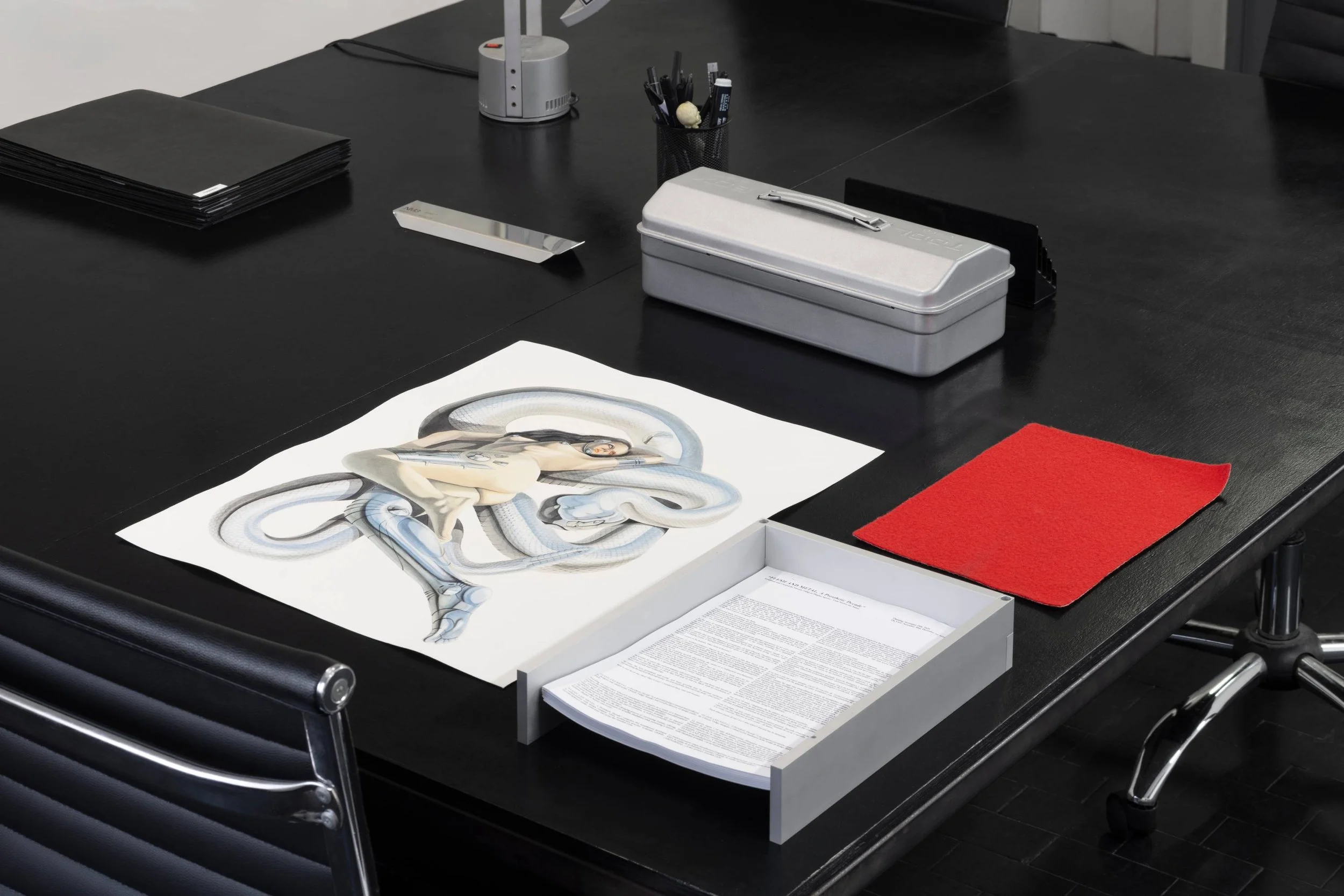
“FLESHWELDING”, Vittorio Valigi + Armature Globale, 2024, ph: Lorenzo Capelli
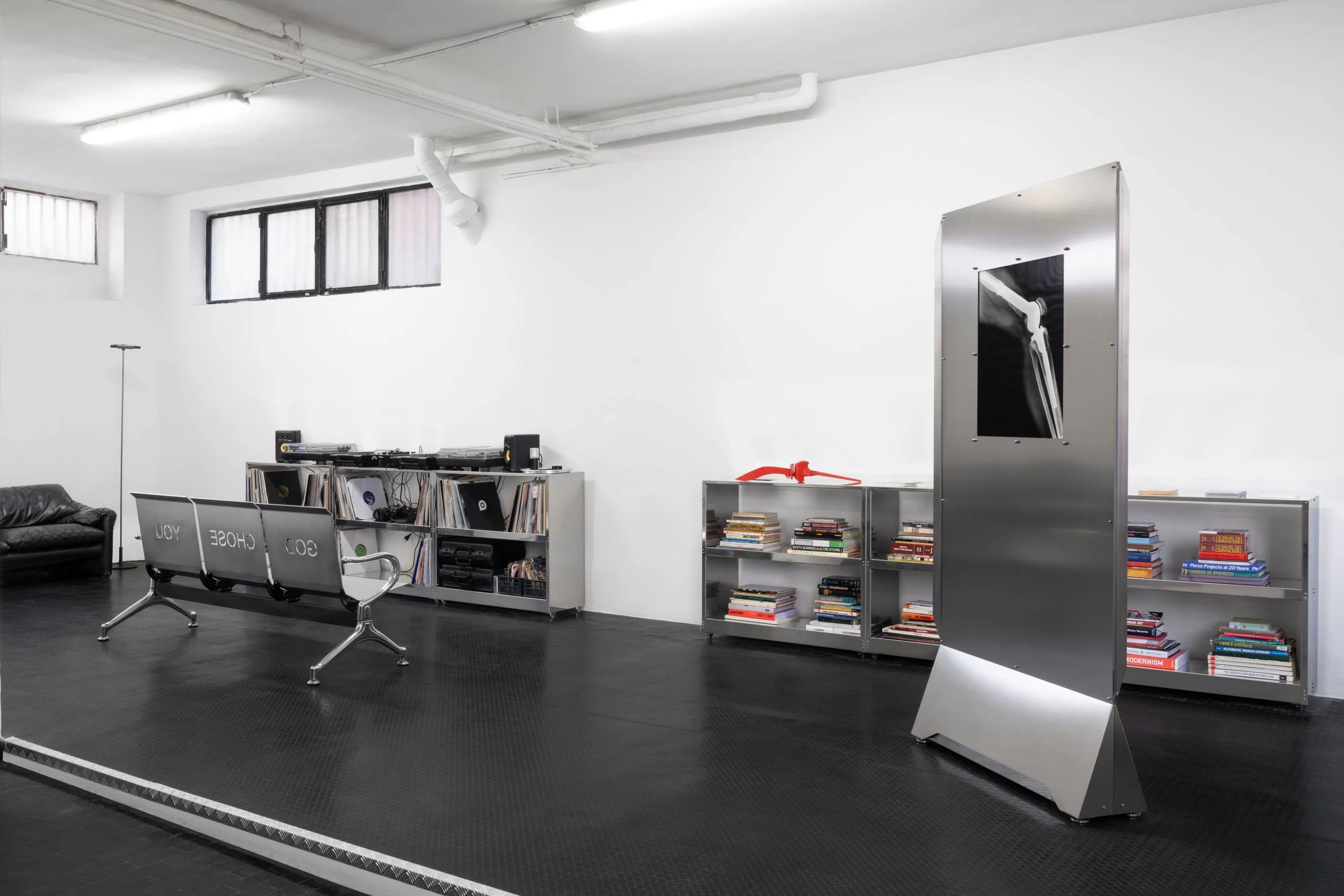
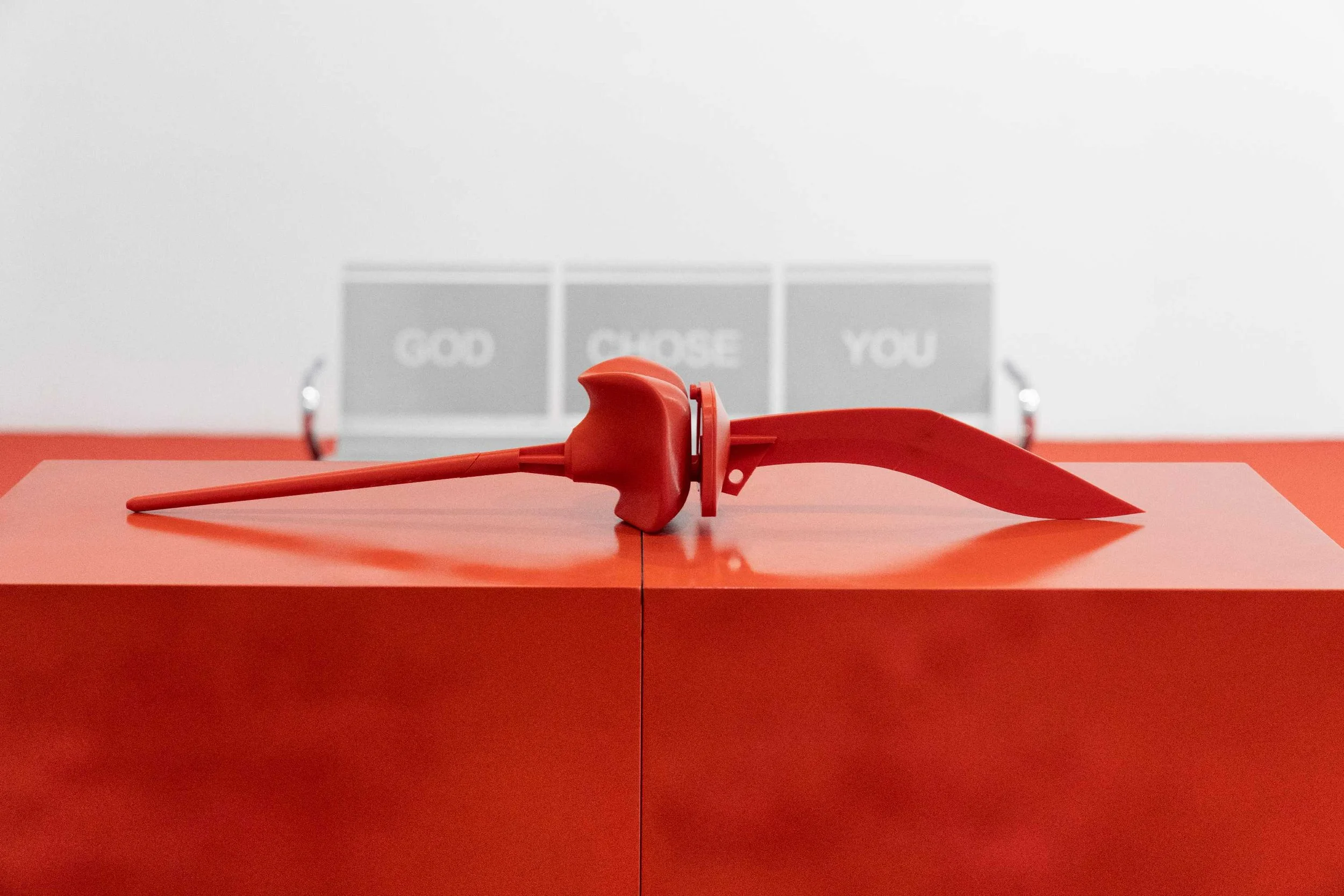
The installation "GOD CHOSE YOU" with Swedish Girls immortalizes those words from the medical psychotherapist. What made you decide to give those insensitive words such prominence in the exhibition? Is there power in reclaiming them?
I’ve always had a soft spot for beliefs. Not so much for faith itself, but for that almost beautifully stubborn mechanism that pushes us to make sense of things, even when there is no sense to be made. Faced with questions that are too big, we start to build answers. Often, we find nothing that truly convinces us, yet we keep investigating. So many question marks thrown into the abyss. To justify, explain, outline, define: verbs and actions that seem reassuring most of the times, but can turn into cages. “God Chose You” with Swedish Girls, comes from this. It’s a critique of that almost violent instinct and urge to make something positive out of what at the moment seems not positive at all. A negative event must somehow carry a higher meaning; it must have been “chosen.” At the same time, the three words, graphically, in my view, almost perfect (one word of 3 letters, one of 5, and again 3 letters, all three with a central O, and the O in Chose perfectly at the center of the whole phrase) become solemn, authoritative, and, paradoxically, they look down on you, imposing what I never wanted imposed on me. I often think of that woman who tried to instill this grand justification in me, completely unaware that she inspired an installation like this one.
You mention waking up knowing that somewhere down the hall, your severed bones still existed, "wrong." Did you ever find out what happened to them? Do you think about that piece of you that was "undressed of muscles and tendons"?
Waking up from a long surgery is like resurfacing from your own consciousness. Morphine leaves you with a blunted sensation, a mental state where thoughts simply float. You are a castaway, and the waves keep hitting you relentlessly. Then the descent into reality begins. You return to the body you know, or think you possess, and realize that something has been taken, that the body is just a collection of very fragile and volatile parts that can stop belonging to you at any time. Sometimes I wonder what those compromised bones looked like, and I like to picture them in a grotesque, cartoonish way, like the classic, iconic dog-bone shape from a slightly horror-tinged 90s–00s animated short film. I do not know where my bones are now, maybe in a numbered container, maybe under the cold, clinical light of an aluminum-coded laboratory microscope, but wherever they are, I truly hope they helped researchers understand more about rare bone diseases. Speaking of which, I want to emphasize the importance of donating to charity to support research in the fight against cancer.
“GOD CHOSE YOU”, Vittorio Valigi + Swedish Girls, 2024, ph: Lorenzo Capelli
As the creative director of H4X, your visual work and other clients has a distinct aesthetic identity. What is your main inspiration and process of your approach to design, communication, and visual storytelling?
My desire, or my prerogative, is to create something strong, identifiable, and direct in the most direct way possible. Something that clearly carries the values I choose to communicate. It feels as though I move with a small personal manifesto guiding my creative current. I don’t follow a pre-fixed narrative or a rigid creative process. I have my own rules, but they are more centered on the act of containing the giant maelstrom of thoughts in order to cut away the unnecessary. Like sculpting, the subject is already there: you just have to carve out what doesn’t belong. Even what seems useless somehow becomes functional, essential to the final outcome. It is always the result of a daily practice of inspiration: never averting the eyes in any situation. Anything can enter the process. Anything can become inspiration. Even after years of working in this field, I am still learning not to think linearly, not to divide ideas into mental compartments. Lately, I have been reading a lot of poetry. It allows me to see the visual through words, walking backward, reversing the image-driven research that we, as visually driven designers, are usually expected to follow.
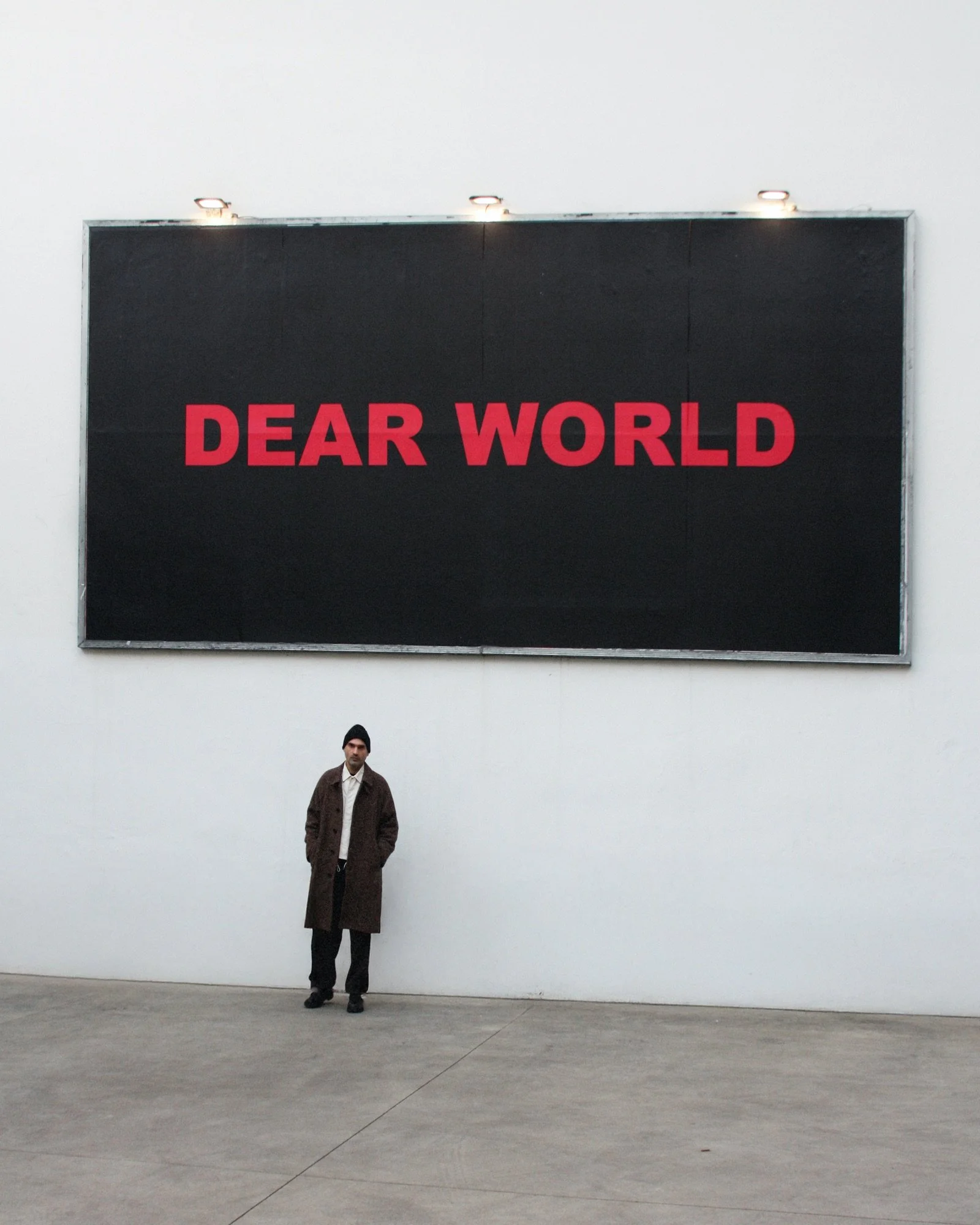
“FLESH AND METAL, A Prosthetic Decade”, Vittorio Valigi, Spazio Display, 2024, installation view, ph: Lorenzo Capelli
You describe yourself as part of a "rudimental neo-humanity." As someone who designs identities and communications, how do you think society's visual and verbal language needs to evolve to properly represent this growing population of human-machine hybrids?
In the exhibition text written with Giulia Giudici, I define myself as "rudimental neo- humanity" romantically and playfully, with a high percentage of irony, to evoke the worlds and imagery inspired by J.G. Ballard, William Gibson, or Philip K. Dick, just to name a few of my favorite and well-known sci-fi authors. Medicine, in my case, has made tremendous progress and is constantly evolving, and it will only continue to improve over the years. Looking to the future in more general terms, I often imagine a very apocalyptic vision of human-machine connection. As a pessimist, I sometimes feel that the further we advance, the less beautiful, expected, and obvious it might become for certain aspects of techno-progress. I believe it will be possible to create new visual and verbal languages, maybe also a specific new alphabet with new graphic signs, but at the same time we must preserve what we already have to prevent a downward curve in cultural evolution, also in communication. Technology is an incredible tool, but the mind must always remain in control, even in hybrid processes involving humans and machines. Beauty and Terror, again, somehow!
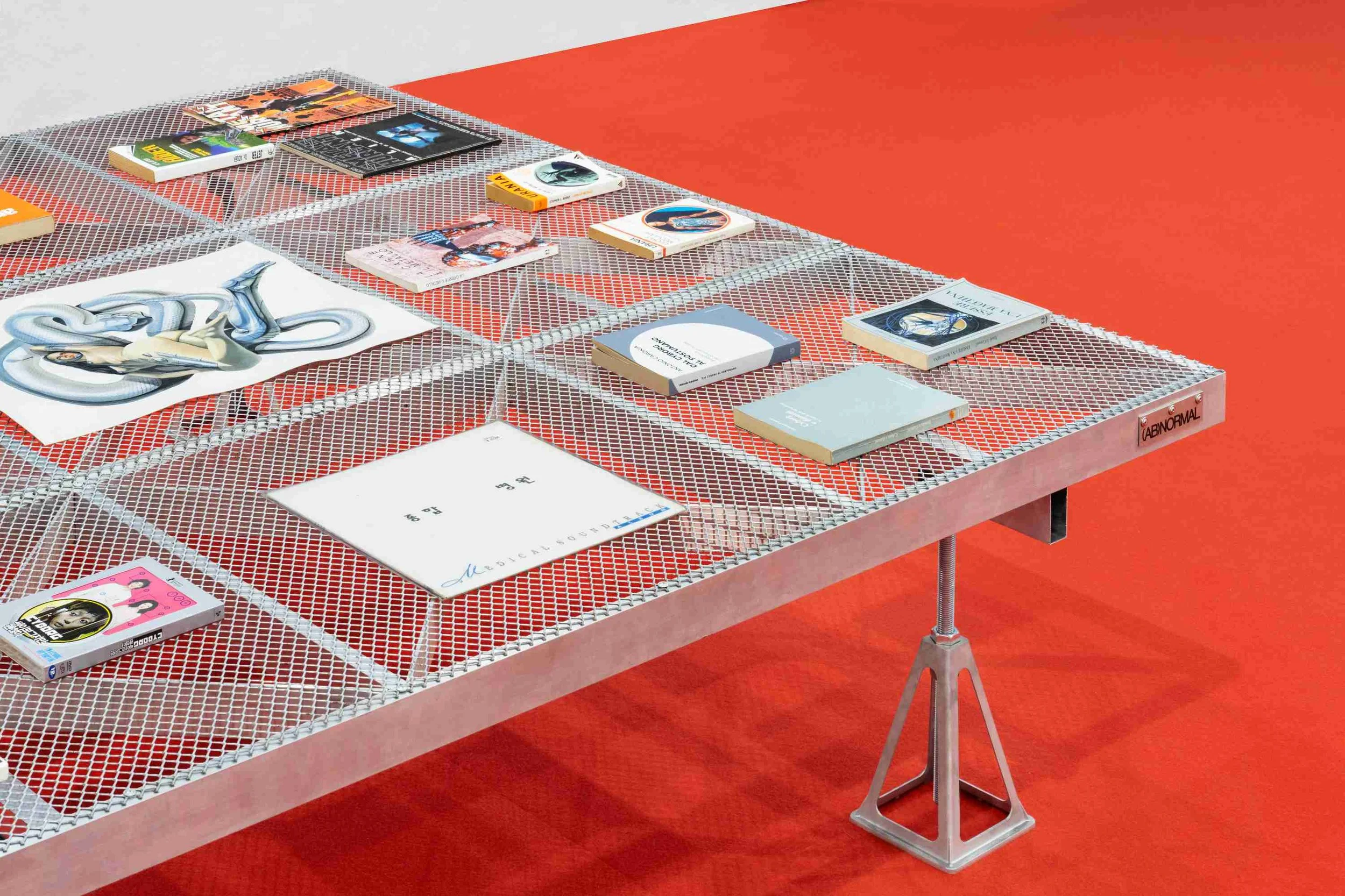
“RESEARCH TABLE”, Vittorio Valigi + (AB)NORMAL, 2024, ph: Lorenzo Capelli
You worked with NM3, Armature Globale, (AB)NORMAL, and Swedish Girls on the five installations. How did collaborating with other designers and artists help you process and articulate something so deeply personal? Did they see things in your story that you couldn't see yourself?
It was a very rewarding experience with all of them because everyone was extremely attentive and open to discussion, listening to what at first was just an idea sketched and printed on a paper presentation or in a PDF, with terrible mock-ups of what I was thinking of doing. The exchange was very fluid during the conceptual phase, and I can say the same for the entire project development of each collaborative artwork. It is wonderful to work with different points of view because I learned a lot from every approach, and putting something so personal into play and into conversation was a great mental exercise for me. Yet it was received in the best possible way by everyone involved, and I will be eternally grateful for that. A year later, I still want to thank those who decide to share this path of exchange and genuine dialogue with me, both on a professional and, especially, a human level, for a project that tells the story of ten years of a part of my life.
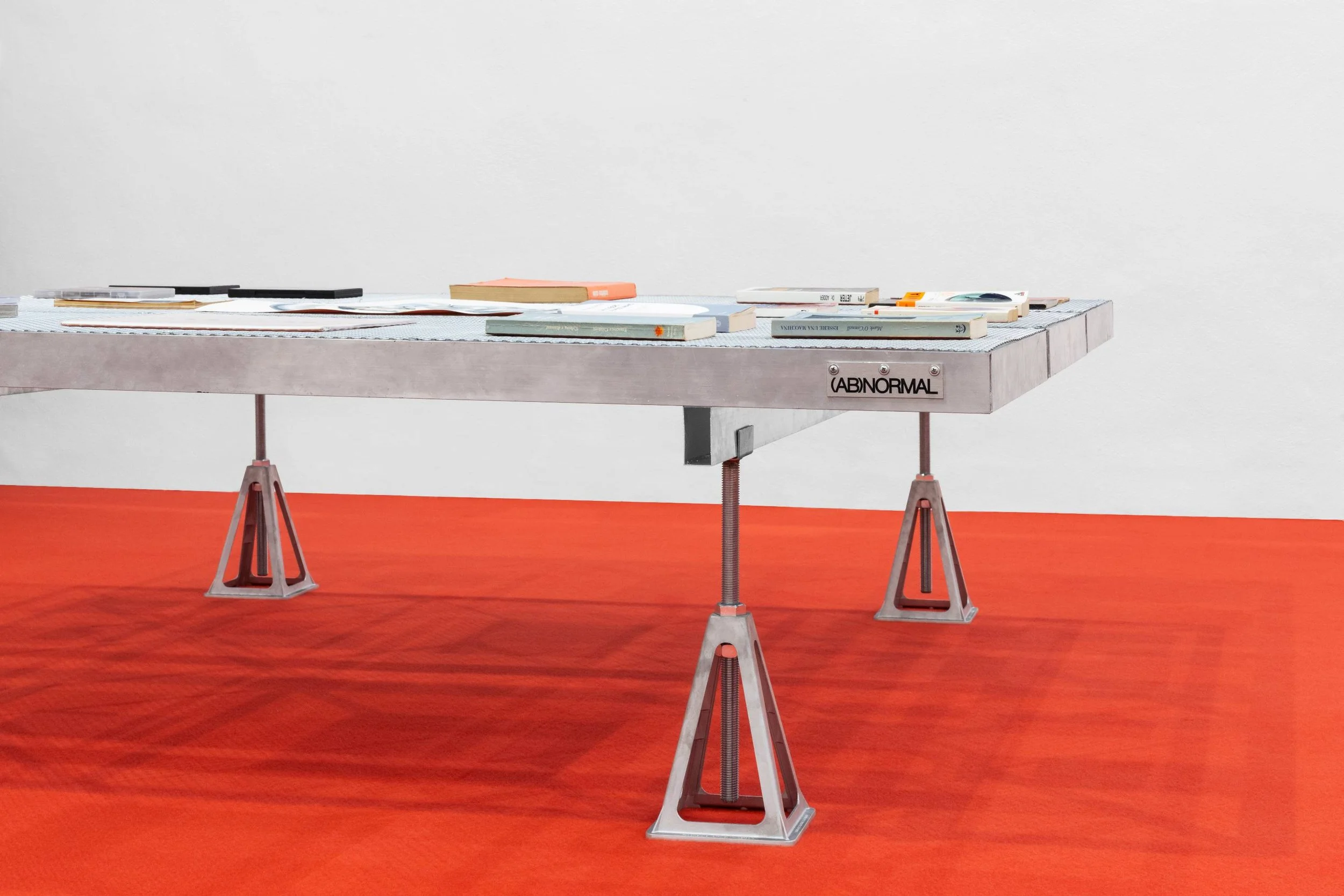
“RESEARCH TABLE”, Vittorio Valigi + (AB)NORMAL, 2024, ph: Lorenzo Capelli
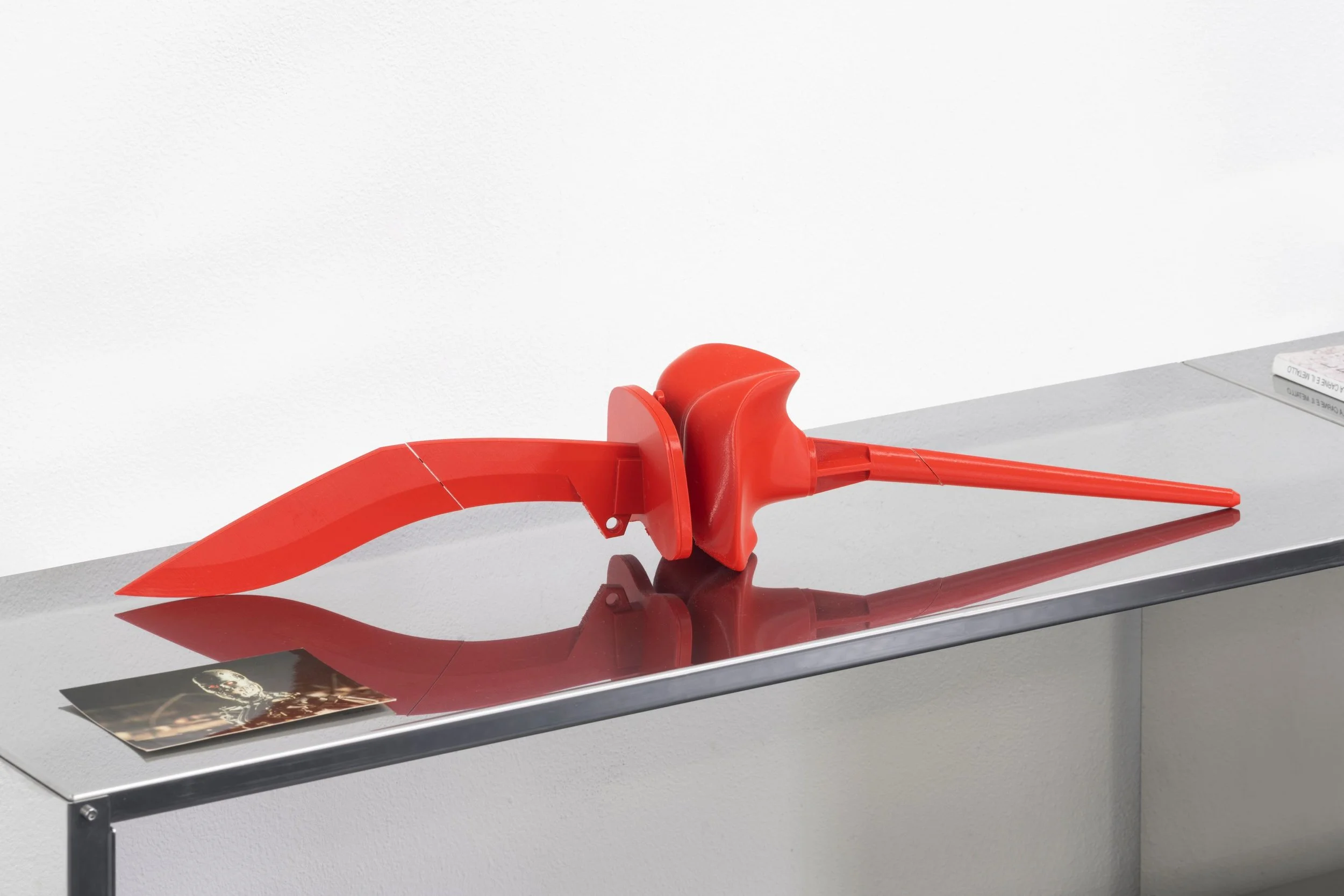
The RESEARCH TABLE with (AB)NORMAL installation presents objects and books, from sci-fi about cyborgs to daily use items, accumulated over the years. What's one object on that table that would surprise people, and what does it represent about your journey?
At the center of the table lies the original drawing, developed specifically for the exhibition using an acrylic technique by Matrioscar, and also the subject of the complimentary gift poster. The aesthetic universe it conveys, and the technique utilized, refers to the world of Heavy Metal, an iconic magazine where dark fantasy, science fiction, and erotica collide. A zone of excess, mutation, and desire. Unlike the tightly controlled American comic books of the time, Heavy Metal moved freely, embracing explicit nudity, sexual situations, and graphic violence. Originally a licensed translation of the French science-fantasy publication Métal Hurlant, copies of the magazine were also displayed on the table alongside the drawing. It symbolizes the will to be bold and to embrace, in the least dramatic way, something that was inherently dramatic.
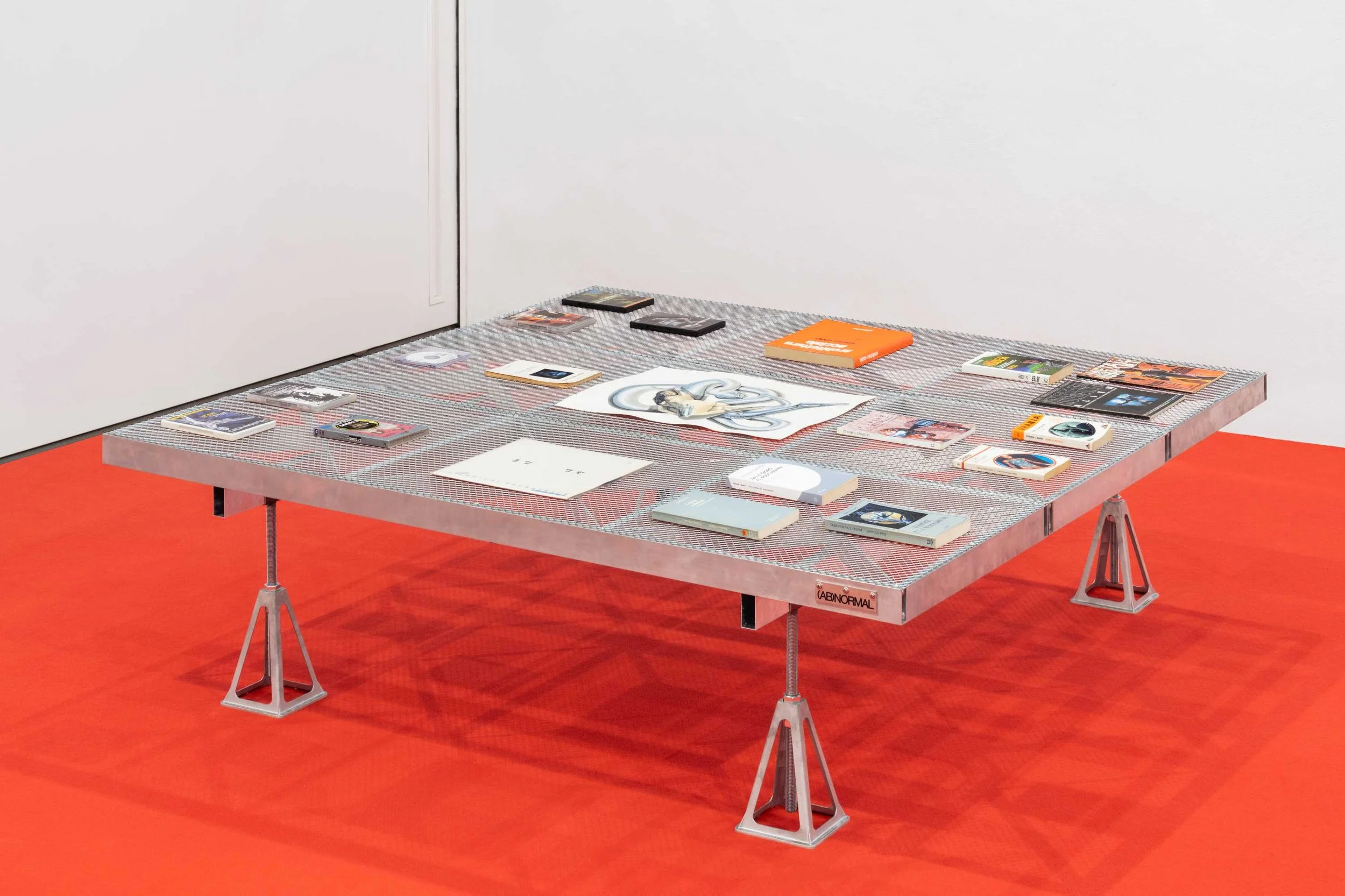
“RESEARCH TABLE”, Vittorio Valigi + (AB)NORMAL, 2024, ph: Lorenzo Capelli
Which movies have been most inspiring and influential in shaping the work you do now at H4X? How did they inform your visual language and approach to design and storytelling?
I was deeply shaped by Tetsuo: The Iron Man Trilogy by Shin'ya Tsukamoto, and lately one of my favorite films is Titane by Julia Ducournau. More than individual works, film directors such as Takashi Miike, Olivier Assayas, David Cronenberg, and Dario Argento have shaped the architecture of my creative language. I’m especially drawn to science fiction and horror because the fantastic element allows reality to be distorted and intensified, creating space to explore themes that realism often cannot contain or fully describe. The monster, the outsider, the aberrant body sometimes operate as engines of transformation, recoding difference as power. From these directors, beyond aesthetics and photographic or graphic treatment, I’ve learned the imperative to push my vision further, to construct a self-consistent universe with its own internal logic and meaning, and to remain aligned with my personal vision despite unproductive, non-critical, or superficial judgment.
“FLESHWELDING”, Vittorio Valigi + Armature Globale, 2024, ph: Lorenzo Capelli
Your work at H4X and this exhibition demonstrate a powerful visual language. Have you considered translating this aesthetic and these deeply personal narratives into canvas paintings? What would shift or expand if you moved from installation and graphic design into traditional painting
The dichotomy of my profession, the need to follow a free, individual path as a creative, separate from what I produce as a studio for clients, feels particularly intense right now. I try to keep the two spheres distinct, allowing them to collide occasionally, but without one absorbing the other. Lately, exhibition included, my work has been heavy on planning and strategic approach, and I felt the urge to translate my language through an immediate act, a gesture that, using tools like charcoal or brush, could be raw, direct, and instinctive, far from the perfection of calculated forms. I am experimenting with techniques and approaches new to me, such as oils, in order to codify my vision through ancient tools using new methods.
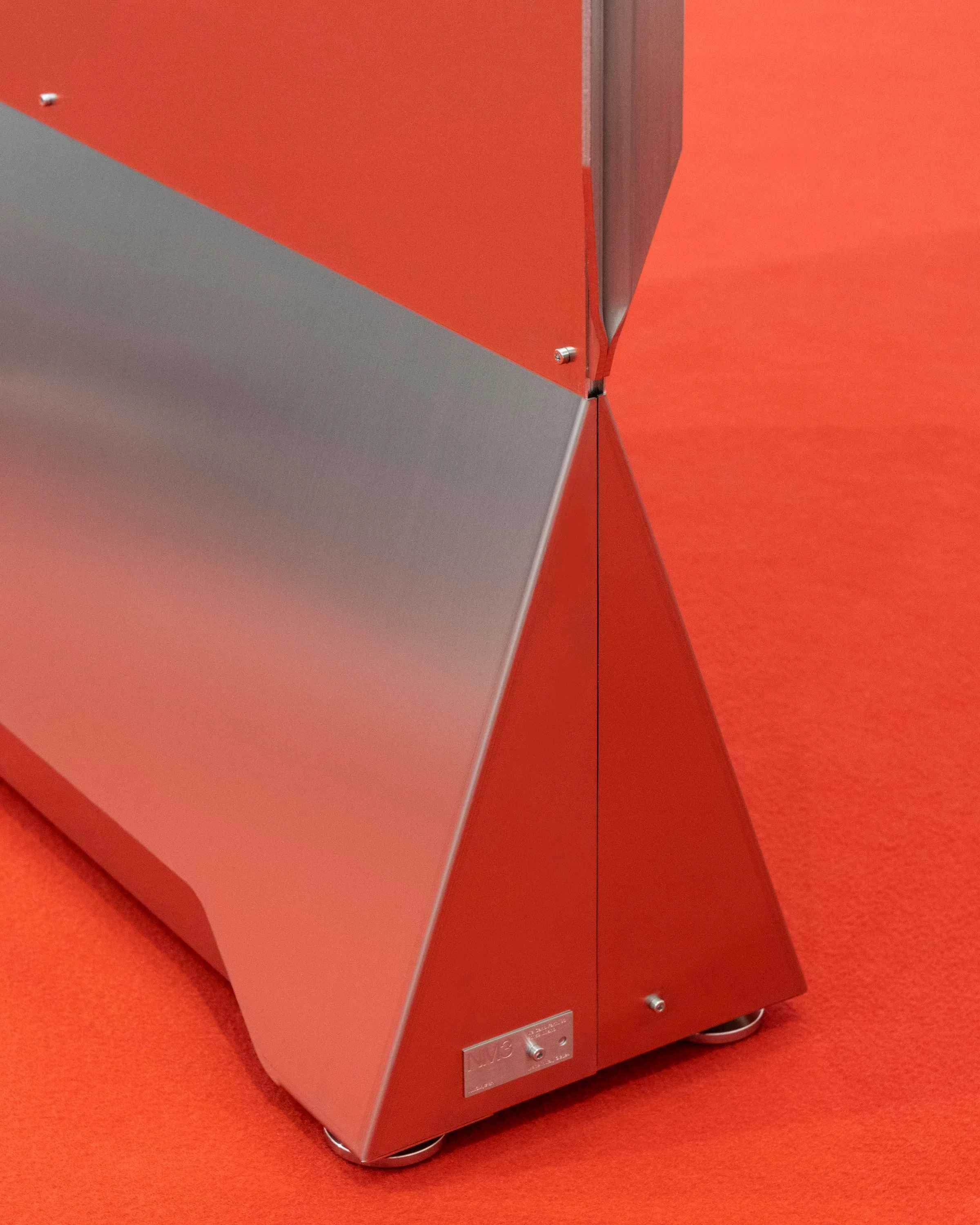
“X-TRUTH”, Vittorio Valigi + NM3, 2024, ph: Lorenzo Capelli
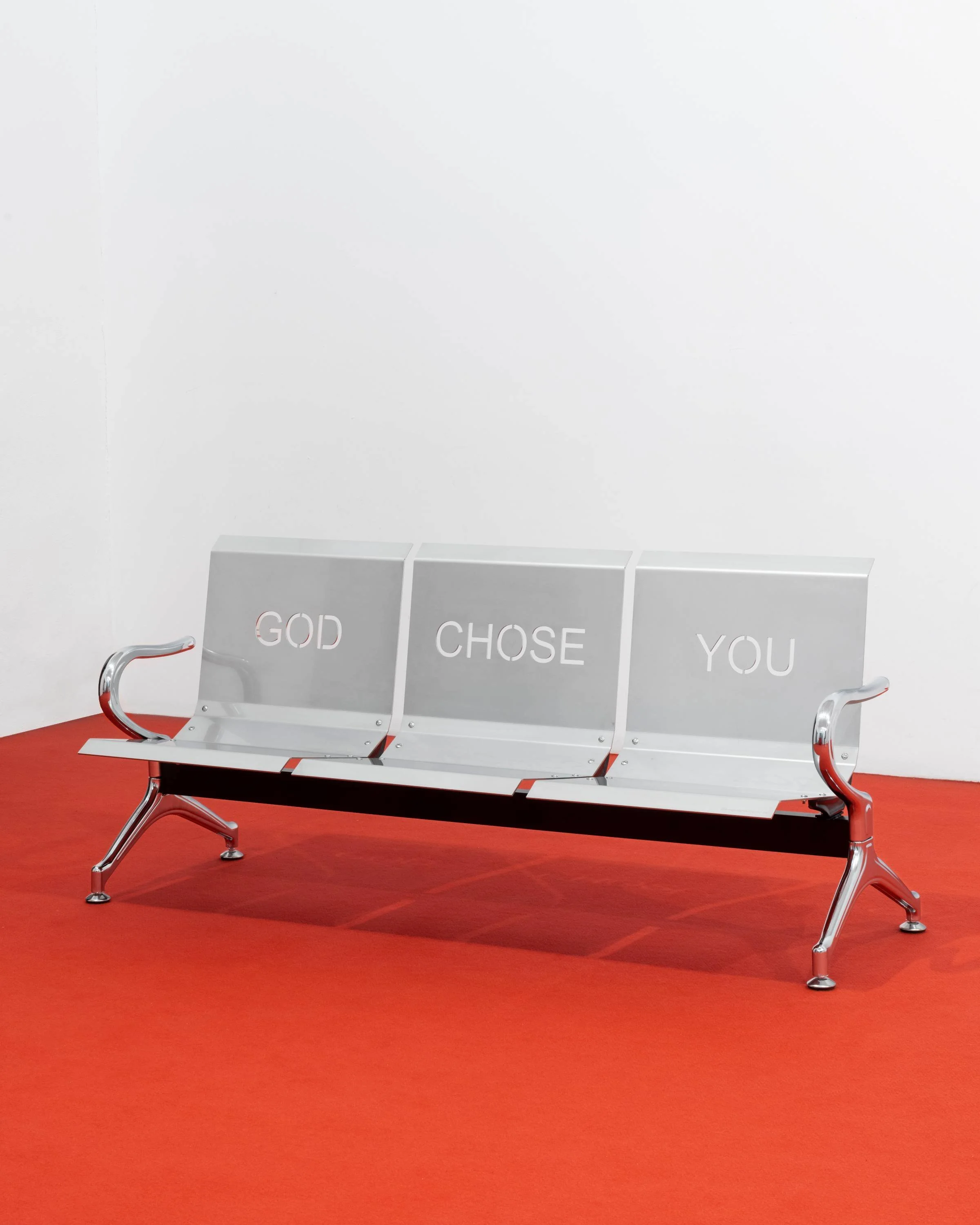
“GOD CHOSE YOU”, Vittorio Valigi + Swedish Girls, 2024, ph: Lorenzo Capelli
Interview by Donald Gjoka
What to read next