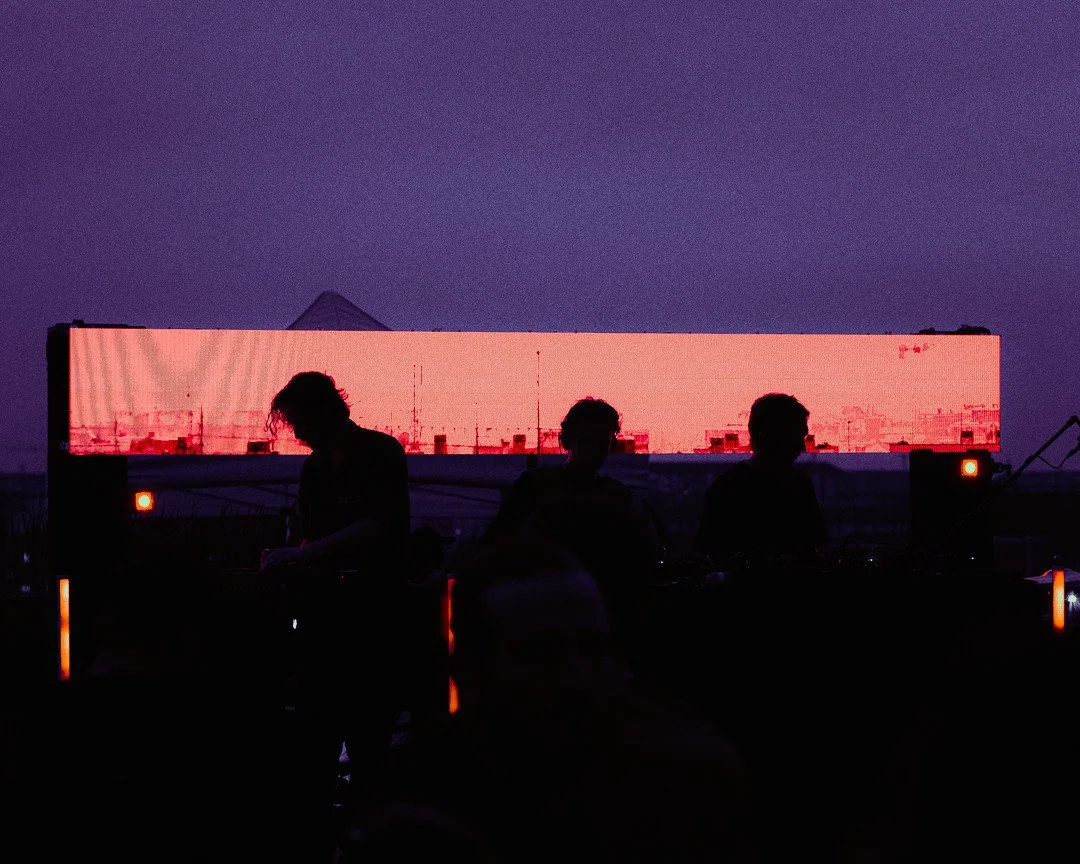
URBAPHONIA Festival 2026
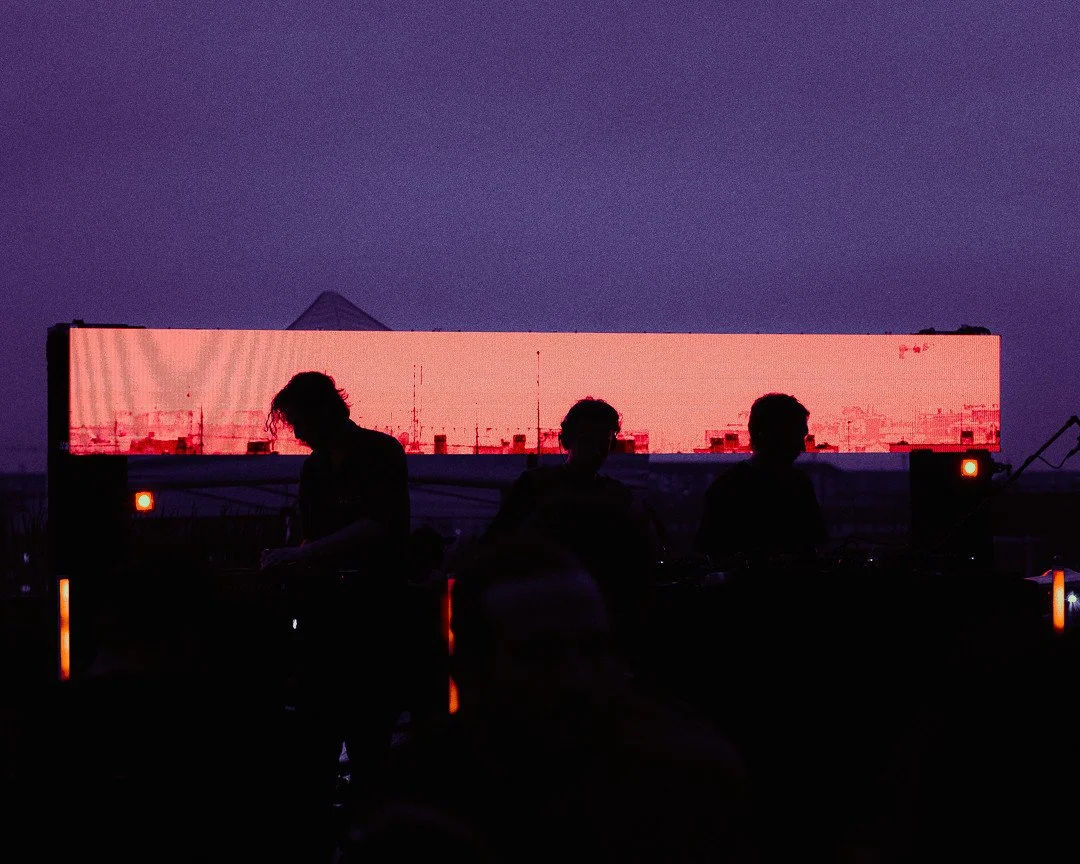
Only few days remain until the return of URBAPHONIA, the festival curated by the Turin-based collective Recall. For its second edition, the event significantly scales up: on May 23rd and 24th, 2026, the iconic Pista 500 at Pinacoteca Agnelli will transform into a vibrant ecosystem of music, talks, and visual experimentation.
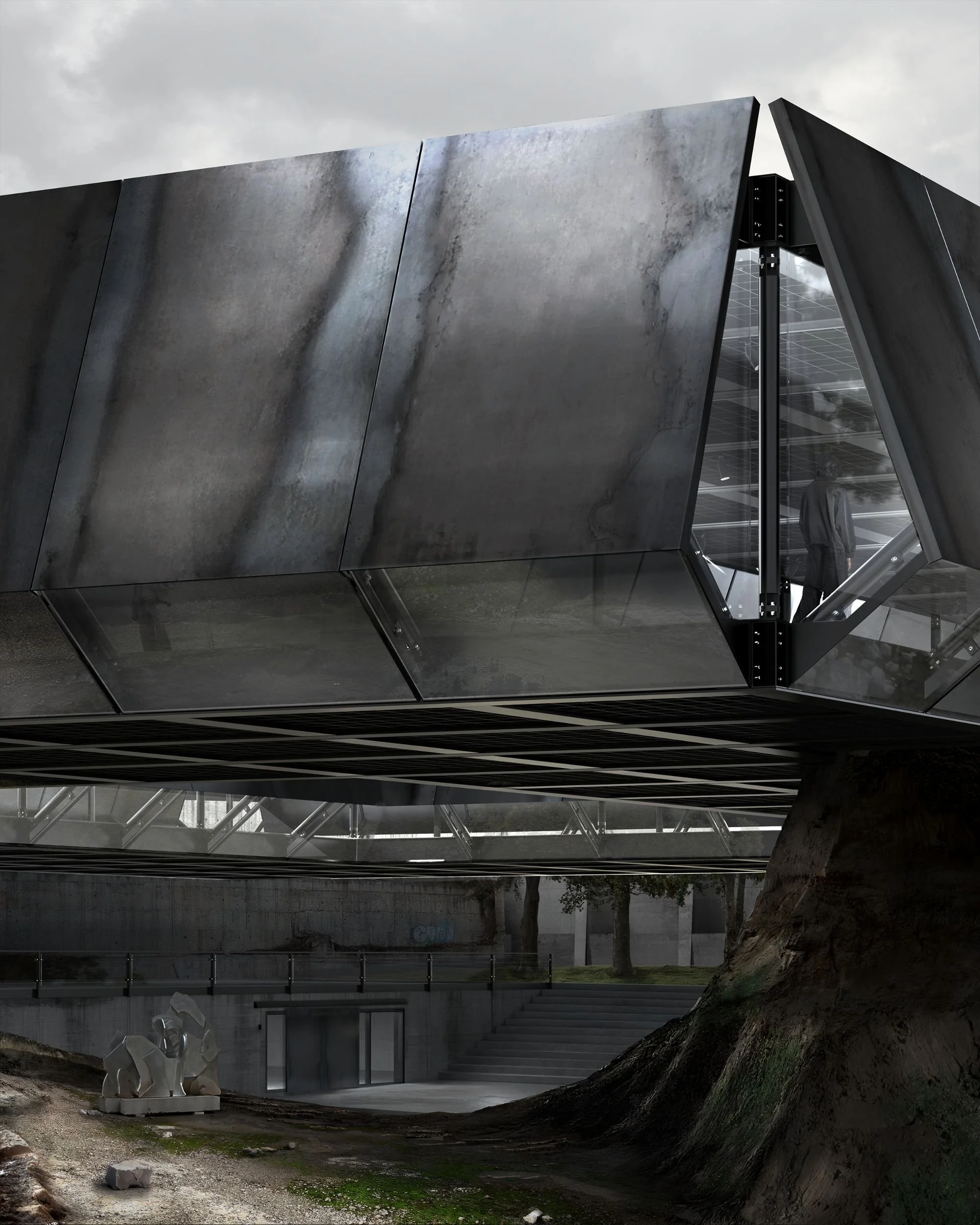
URBAPHONIA is not just a music festival; it is a multidisciplinary laboratory designed to activate urban space through sound. The festival operates as an immersive journey across the rooftop of the Lingotto, where the historic FIAT test track becomes a stage for contemporary culture. The program is structured to be fully inclusive, offering free admission to ensure the widest possible participation.
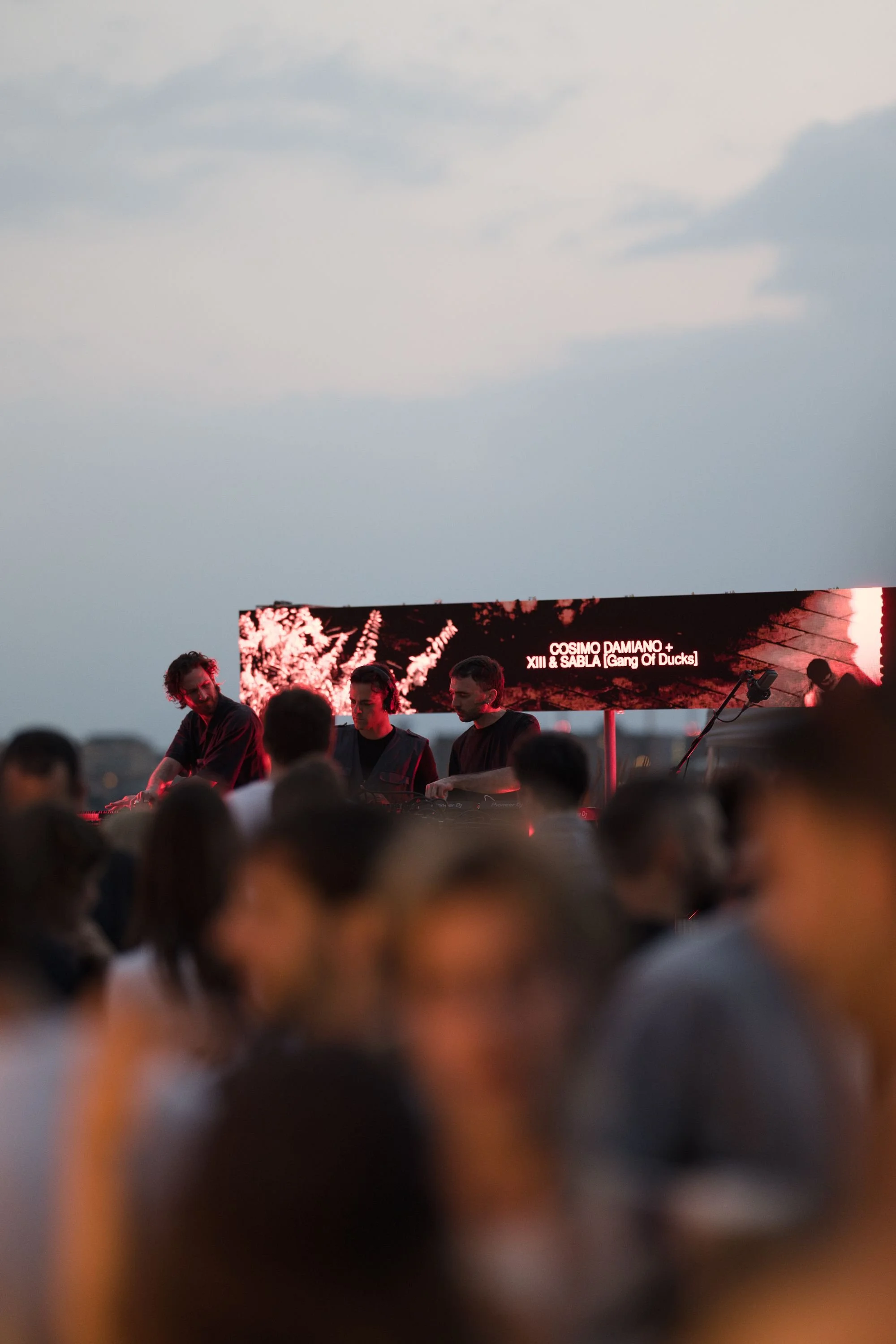
The experience is divided into several interconnected areas: two main stages hosting a lineup that blends international avant-garde artists with local collectives, a dedicated talk area for reflection on urban themes, and social spaces for interaction. Under the concept "THE CITY GENERATES SOUND. SOUND GENERATES THE CITY," URBAPHONIA explores how acoustic vibrations can redefine our relationship with the architectural environment and the community.
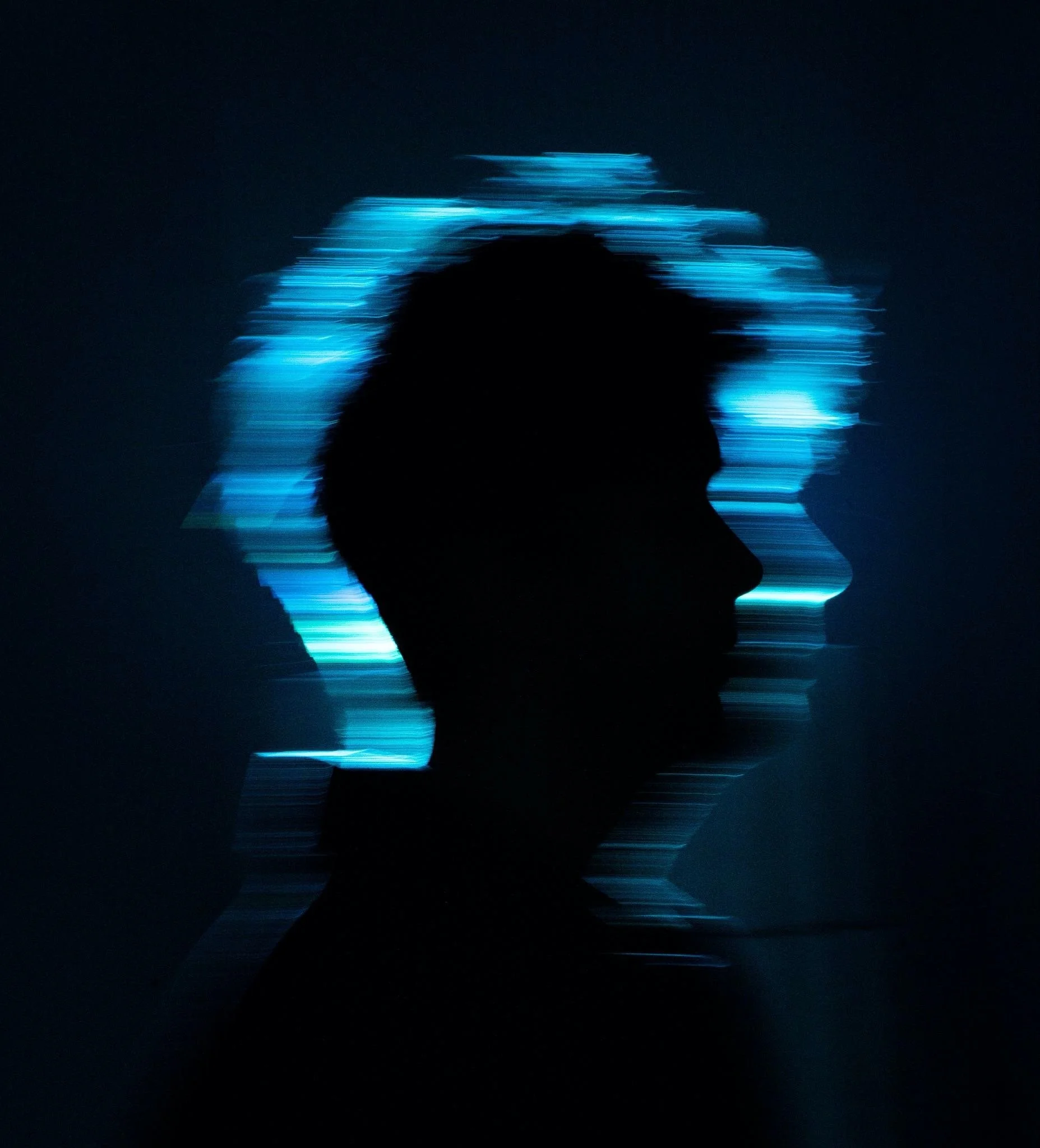
In this context, sound becomes a structural element. To understand how these two worlds, architecture and music, converge, we sat down with Elvio Seta, the artist behind the Neuf Voix project. As a key figure in this year's lineup, Elvio discussed his vision of sound as a physical matter and his role in shaping the festival's unique perceptual atmosphere.
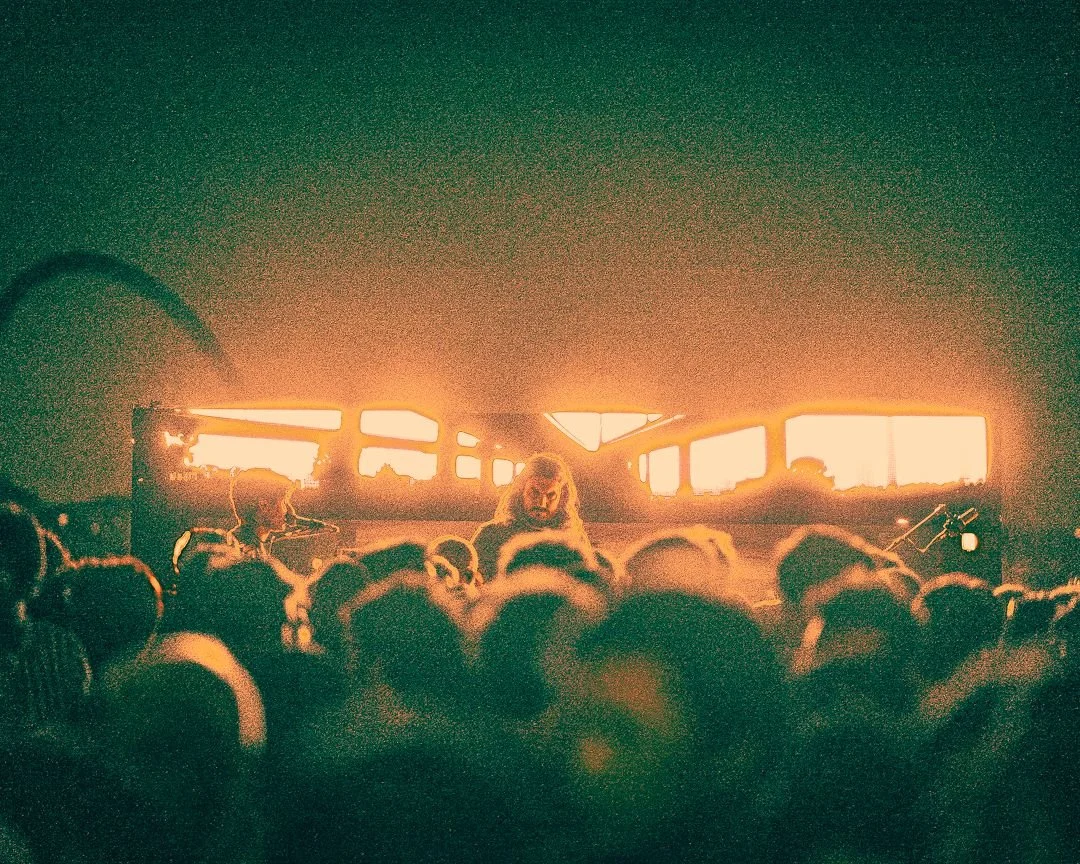
How was the Neuf Voix project born and at what point did you feel the need to give it a precise shape?
The Neuf Voix project was initially born as compositional research, but even before that as a personal need to find a musical language in which I could fully recognize myself. Since I was a child I have had a very strong relationship with classical music and with an almost contemplative dimension of listening: I was fascinated by the ability of music to create mental images, emotional tensions and real interior spaces. Over time, however, I began to feel the need to push myself beyond the traditional musical form, not to reject it, but to understand what was “beyond” composition intended in the classical sense. I was increasingly interested in sound as living matter: timbre, noise, density, resonances, the way in which certain frequencies could transform the physical perception of a space or generate an almost bodily sensation. In fact, the first works were born from a strong interest in the twentieth-century avant-gardes, cultured electronic music and the possibility of developing a language that was no longer based only on melody or harmony, but on the sound matter itself. From a very young age I was deeply struck by the work of composers like Karlheinz Stockhausen and by all that school that redefined the relationship between composition, space and perception.
More than an aesthetic influence, for me it was almost a change of perspective: understanding that sound could be treated as a physical element, and that a composition could involve movement, distance, architecture and time. Initially, therefore, Neuf Voix took shape mainly through sound collages, musique concrète, electronics, drones, manipulated recordings and non-linear structures. It was a very instinctive and personal research, almost an attempt to build soundscapes rather than simple tracks. The spatialization part arrives later, almost as a natural consequence of that research. At a certain point, about six years ago, I began to perceive the limit of traditional stereo diffusion compared to music that in my mind already existed in a three-dimensional form. From there, the need arose to possess a personal system to be able to work and propose multichannel compositions live. To complete this vision, however, I chose not to simply focus on having more points of diffusion compared to a normal audio system, but to develop a true acousmatic system that would become an integral part of the composition itself: the Acousmonium ODAE. It was the step that transformed Neuf Voix from a purely musical project into a broader practice, where composition, space, sound architecture and the physical construction of speakers become a single language.
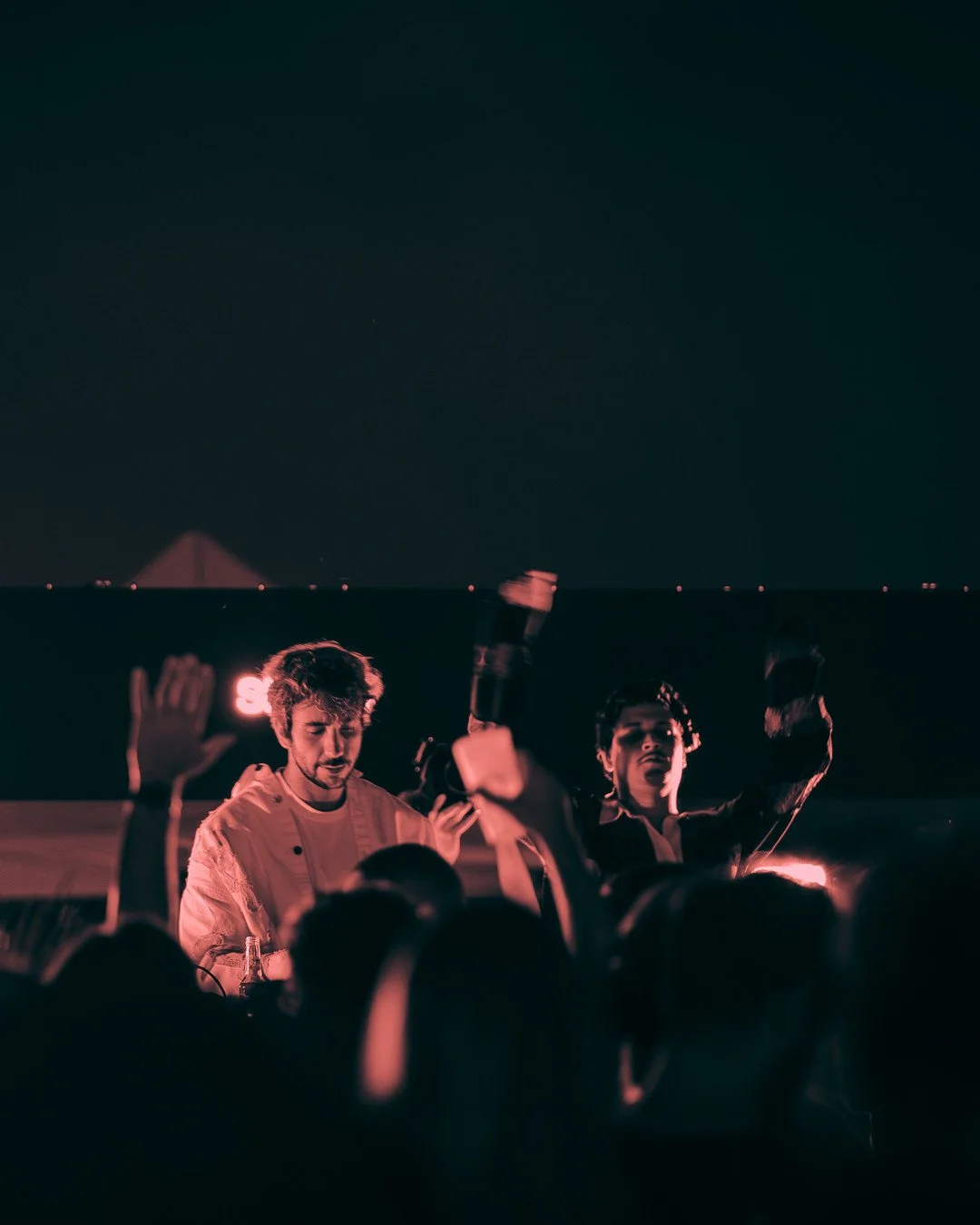
What was the path that led you to musical production and sound research?
My path initially stems from a strong bond with classical music and traditional composition. From a very young age I was fascinated by the ability of music to build mental images, emotional tensions and very deep perceptual architectures. Over time, however, I began to become more and more interested in those composers who had taken music towards more radical and experimental territories, especially in the field of cultured electronic music of the twentieth century. From there, an intense study path began related to electronic composition, analog synthesis, subtractive synthesis, sound manipulation and electroacoustic production. I also attended the conservatory, but my interest was increasingly focused on experimental aspects and contemporary sound research.
Over the years I have followed various specialization courses and masters dedicated to electronic music and techniques for the production and treatment of sound, deepening both the theoretical and technical parts. A very important step was then the study of sound spatialization at IRCAM, which allowed me to further deepen the relationship between composition, space and acoustic perception. It is there that many intuitions that I had already developed artistically began to find a more precise technical structure as well. Parallel to my studies, I have always carried out a very free personal research, trying to build a language that combined acousmatic composition, the physicality of sound and the architecture of space. Even today I consider musical production not only as the creation of tracks, but as a practice of continuous research on the way in which sound can transform the emotional and physical perception of an environment.
How would you describe your approach to composition and to building a live set?
My approach to composition is very mental and imaginative. I often have the feeling that the music already exists somewhere inside me even before it is actually composed. I almost never start from a theoretical structure or technical reasoning: in my head sound settings, densities, movements and very precise acoustic landscapes appear, almost as if I were receiving fragments of a place or a dimension that already exists. Sometimes I perceive the atmosphere of a composition even before the sounds themselves. I can imagine a distant sound mass, a continuous tension made of drones and overlapping frequencies, or a physical sensation that is difficult to explain in words but extremely clear in my mind.
My work consists in succeeding in translating those inner images into something real and audible. For this reason I consider composition almost as a process of translation between perception and sound. Technique is fundamental, but it comes later: first there is always a very precise emotional and perceptual vision. Even the construction of the live set follows the same logic. I never think of the performance as a simple execution of tracks, but as the creation of an immersive and constantly evolving experience. I am interested in the audience having the sensation of entering a living sound environment, rather than frontally attending a concert in the traditional sense of the term. With Neuf Voix, the live set therefore becomes a perceptual space to be built and modeled differently each time, in relation to the architecture of the place, the acoustics and the arrangement of the audience itself.
Where do you usually start when working on a new track or a performance?
I always try to imagine the "sonic world" of the track even before the track itself. I am interested in understanding what kind of space it will have to evoke, what perception it will have to generate and how it will have to evolve over time. From there I slowly start to build the sound material: frequencies, manipulated recordings, electronic synthesis, timbral masses or more concrete and noise-related elements. Even when I work on a performance, the starting point is often linked to the space and the perception of the audience. Every environment has its own acoustic identity and its own visual tension, so I always try to understand how sound can dialogue with that specific architecture. For this reason my live sets change a lot from place to place: I am not interested in replicating a fixed form, but in continuously adapting the composition to the environment that hosts it.
What role do instruments, hardware and the physical dimension of sound play in your creative process?
For me, instruments and hardware play an absolutely central role, because they represent the bridge between what I imagine mentally and the concrete possibility of transforming it into real sound. Much of my work is in fact born from very precise sound visions: settings, densities, movements, timbres and acoustic landscapes that I already perceive clearly in my mind even before starting to compose. All the study path I have faced over the years, from electronic composition to forms of analog and digital synthesis, up to sound manipulation and spatialization, has served me precisely for this: to acquire the necessary technical tools to be able to translate those inner images in the most faithful way possible. For me, technique is never an end in itself, but it is what allows the imagination to become concrete sound matter. For this reason I am also very demanding in the choice of machines and instruments I work with. Every synthesizer, every processor, every diffusion system has its own character, its own timbral response and even its own way of "guiding" you during composition.
The workflow is also fundamental: some machines allow a more immediate and physical relationship with sound, others instead lead towards more controlled or abstract processes. All this deeply influences the final result. I am also very interested in the real behavior of sound in matter and in space: the saturation of a circuit, the physical pressure of certain frequencies, the response of a speaker or the resonance of an environment. For this reason, over time my research has also extended to the physical construction of listening and diffusion systems. With the Acousmonium ODAE the diffusion system stops being something external to the music and becomes itself an integral part of the composition. Every speaker has different characteristics and allows sound to be treated almost like a matter to be directed in space. The physical dimension of sound for me is fundamental: I want the listener not to live the music only on an emotional or mental level, but to also perceive it physically, immersed within a living and constantly transforming sound environment.
What will you present at Urbaphonia and how are you thinking about this event?
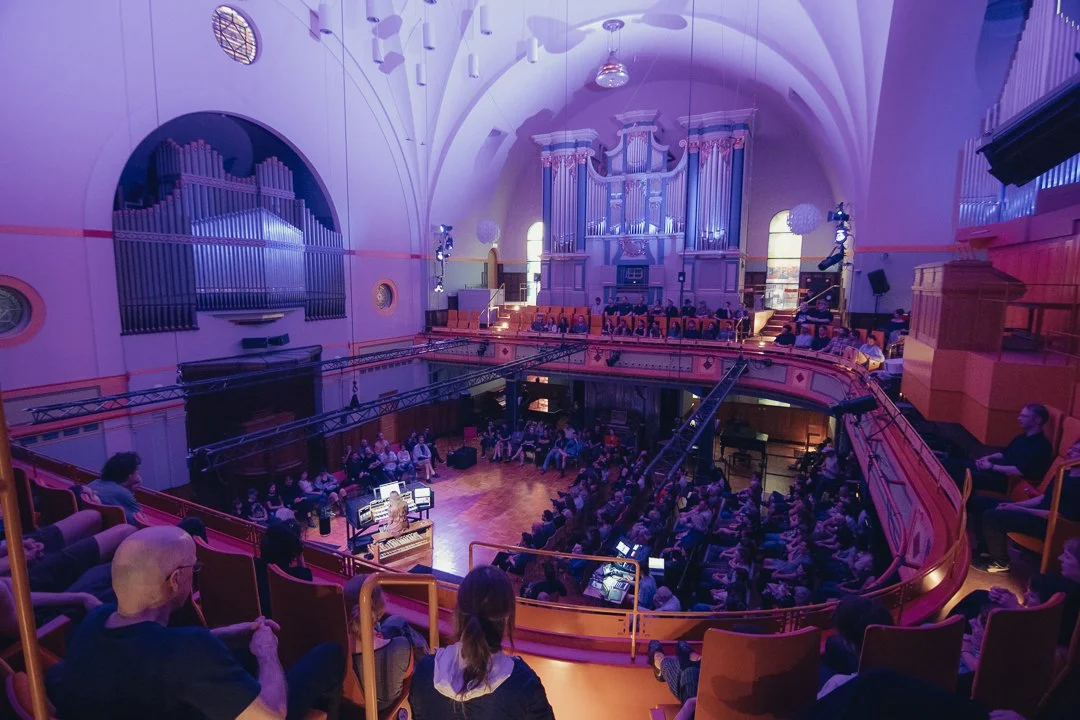
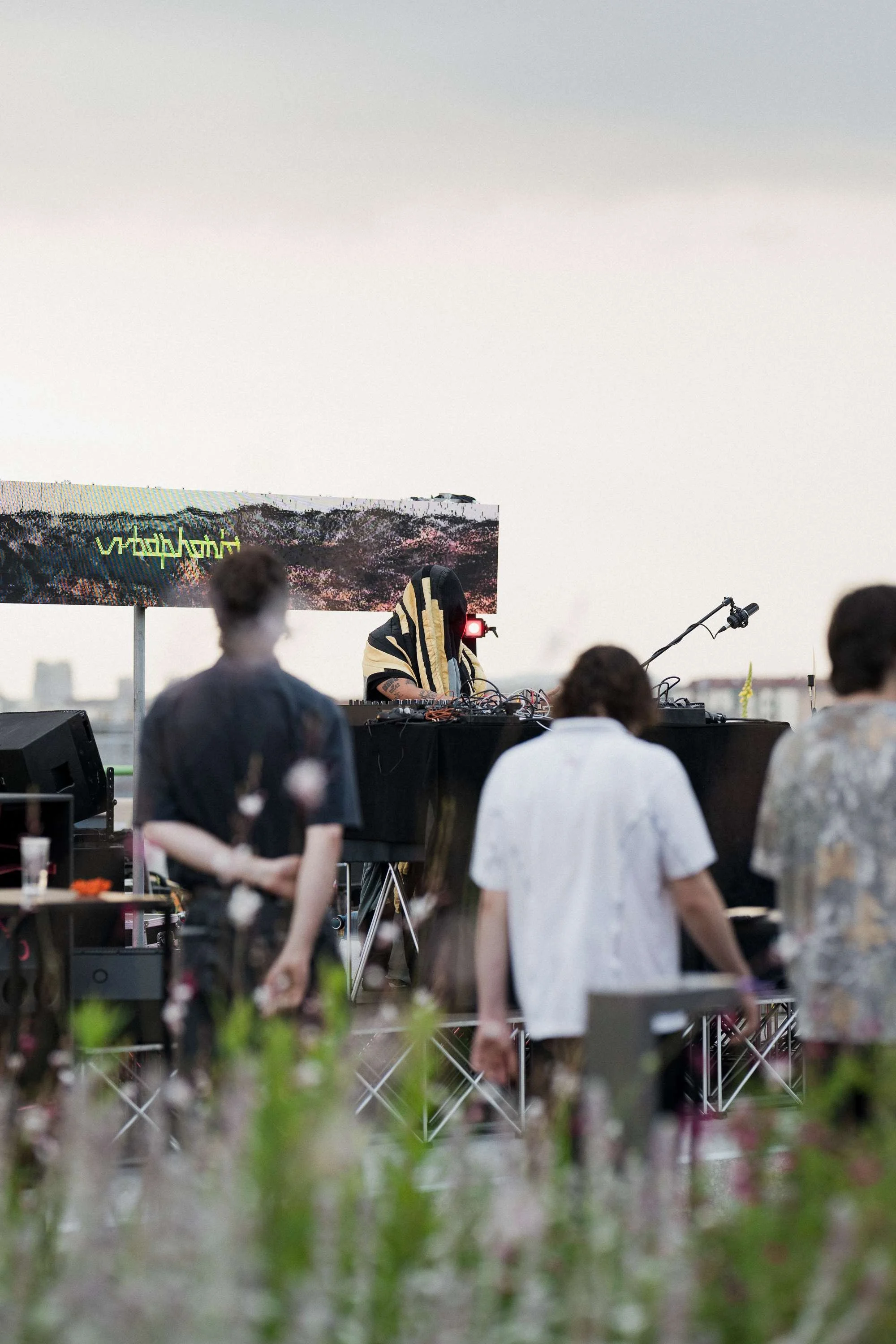
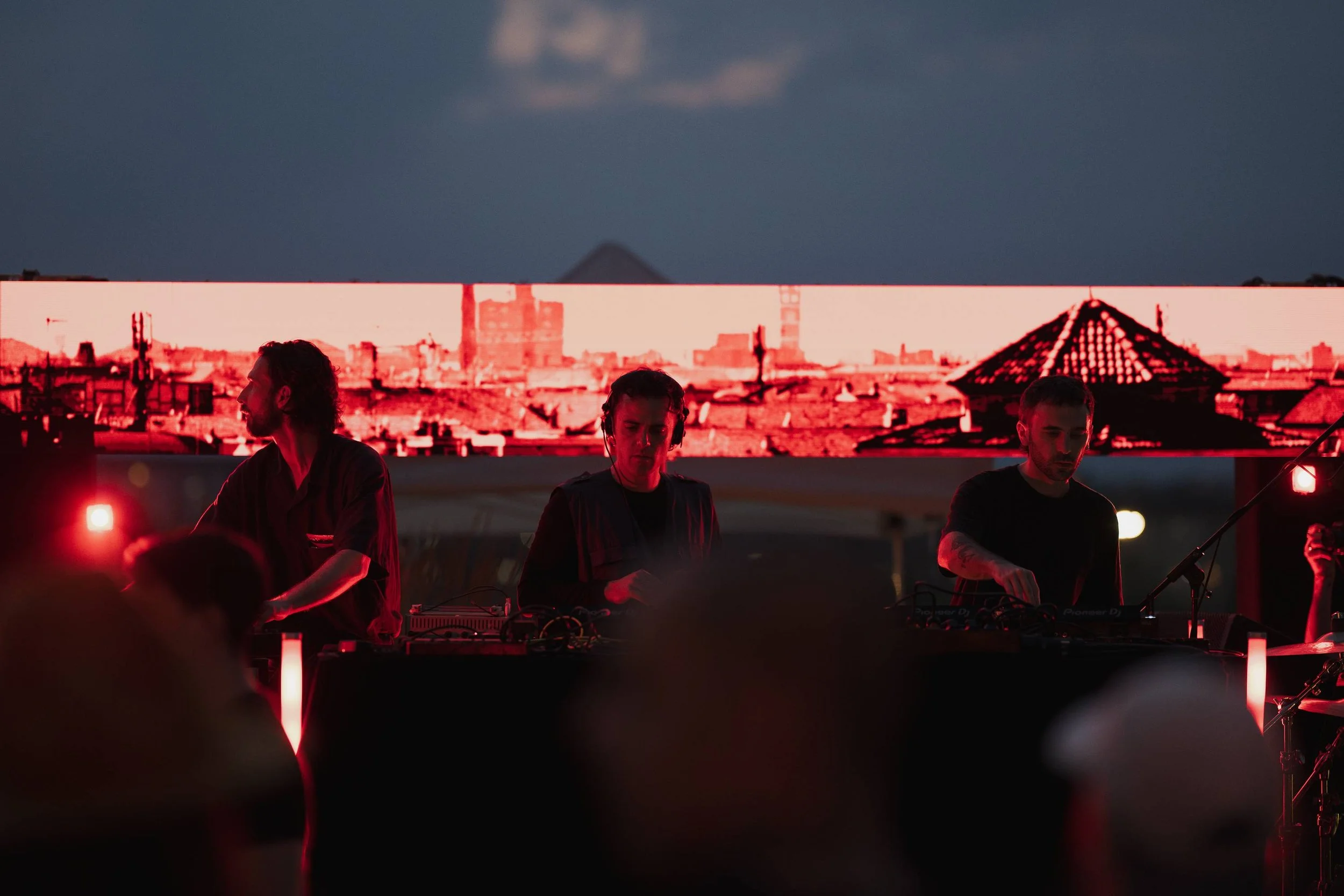
At Urbaphonia I will not present a live set in the traditional sense of the term, but rather a sort of sound portal designed to accompany the audience inside the atmosphere and perceptual identity of the festival. The idea is to create a continuous sound presence, composed of my compositions and electronic settings, which are not perceived simply as "background music", but as an immersive space capable of gradually modifying the perception of the viewer as they pass through the festival. Together with the organizers, we thought of deepening the concept of threshold: the moment in which you enter a place and have the sensation of temporarily leaving a daily dimension to access a different experience. In this case the sound becomes precisely a tool of perceptual transition, almost a ritual element that symbolically accompanies the audience into the sound world of Urbaphonia. More than attending a frontal performance, the idea is therefore to let visitors experience a diffused and continuous sound presence, capable of dialoguing with the environment and with the flow of people itself within the festival.
In what way does the context of Urbaphonia, linked to the city and urban space, dialogue with your work?
I have always been interested in the way in which sound can transform the perception of an urban or architectural environment. Cities are never silent: they have their own acoustic identity made of resonances, distances, stratifications, continuous noises, sudden empties and sound tensions. In a certain sense I consider urban space already as an involuntary and permanent composition. In my work I often try to intervene precisely on this perception, creating sound environments that modify the way a place is experienced emotionally and physically. Also the choice to work a lot on spatialization comes from this interest: not thinking of sound as something separate from the environment, but as an element that can really inhabit a space and dialogue with it. In a festival like Urbaphonia I find very interesting precisely this possibility of creating an interaction between sound composition, architecture and human presence. The audience does not limit itself to listening to something, but physically crosses an environment transformed by sound, gradually entering a different perceptual dimension compared to the daily one.
Are there projects, collaborations or sonic directions that you would like to develop after this experience?
Yes, in reality I have already been working for some time on a new album that should see the light by the end of the year and which will represent a rather important evolution of the Neuf Voix path. It will be a work that will contain many surprises compared to what I have achieved so far, both from a compositional point of view and from that linked to spatialization and the construction of the listening experience. In recent years my research has expanded a lot, and I feel that this new project will succeed in synthesizing more completely all the elements that are part of my language: electronic composition, physical dimension of sound, multichannel diffusion and the relationship between music and architecture of space.
Interview by Ritamorena Zotti
What to read next