Enzo e Barbara
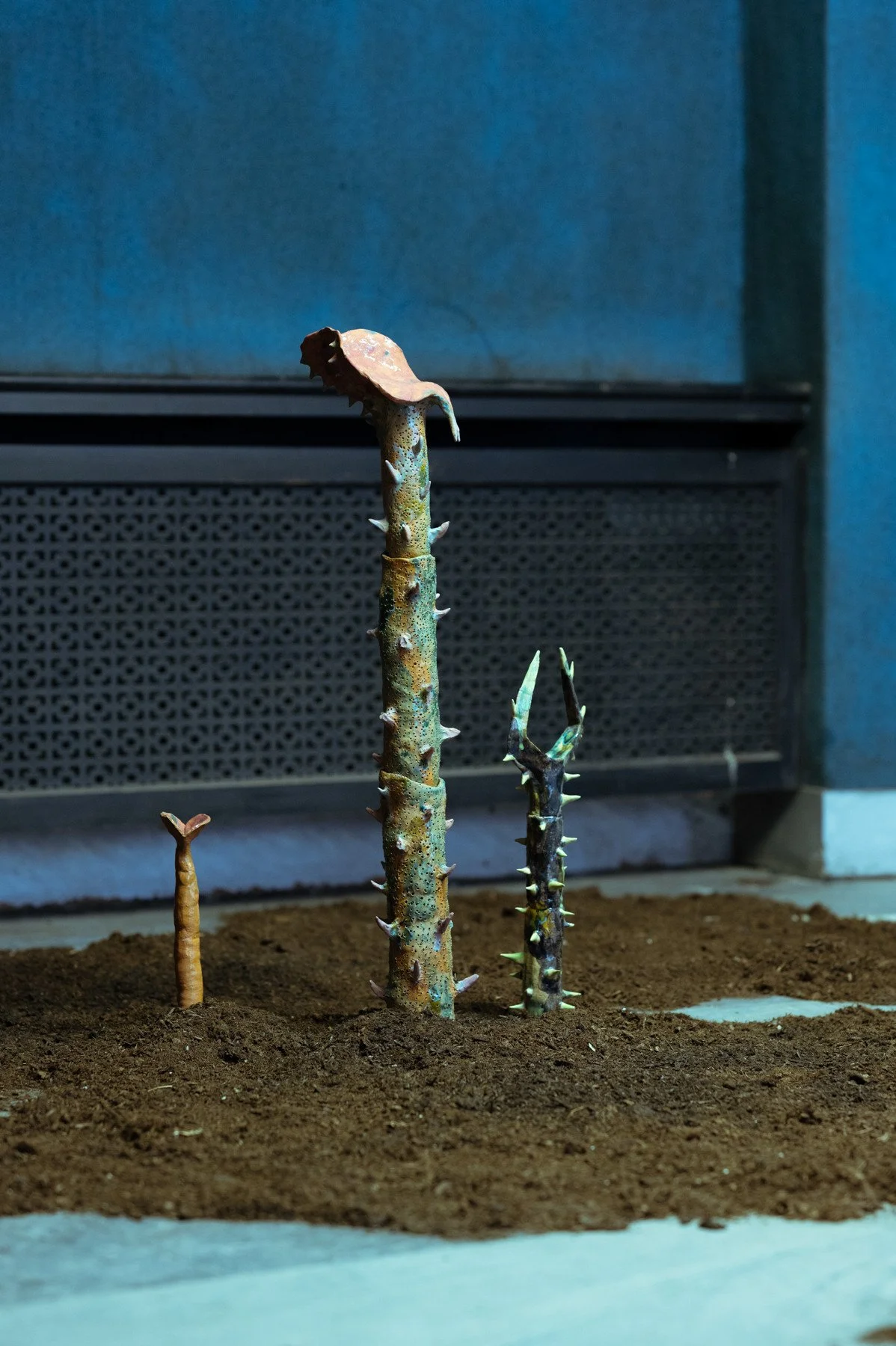
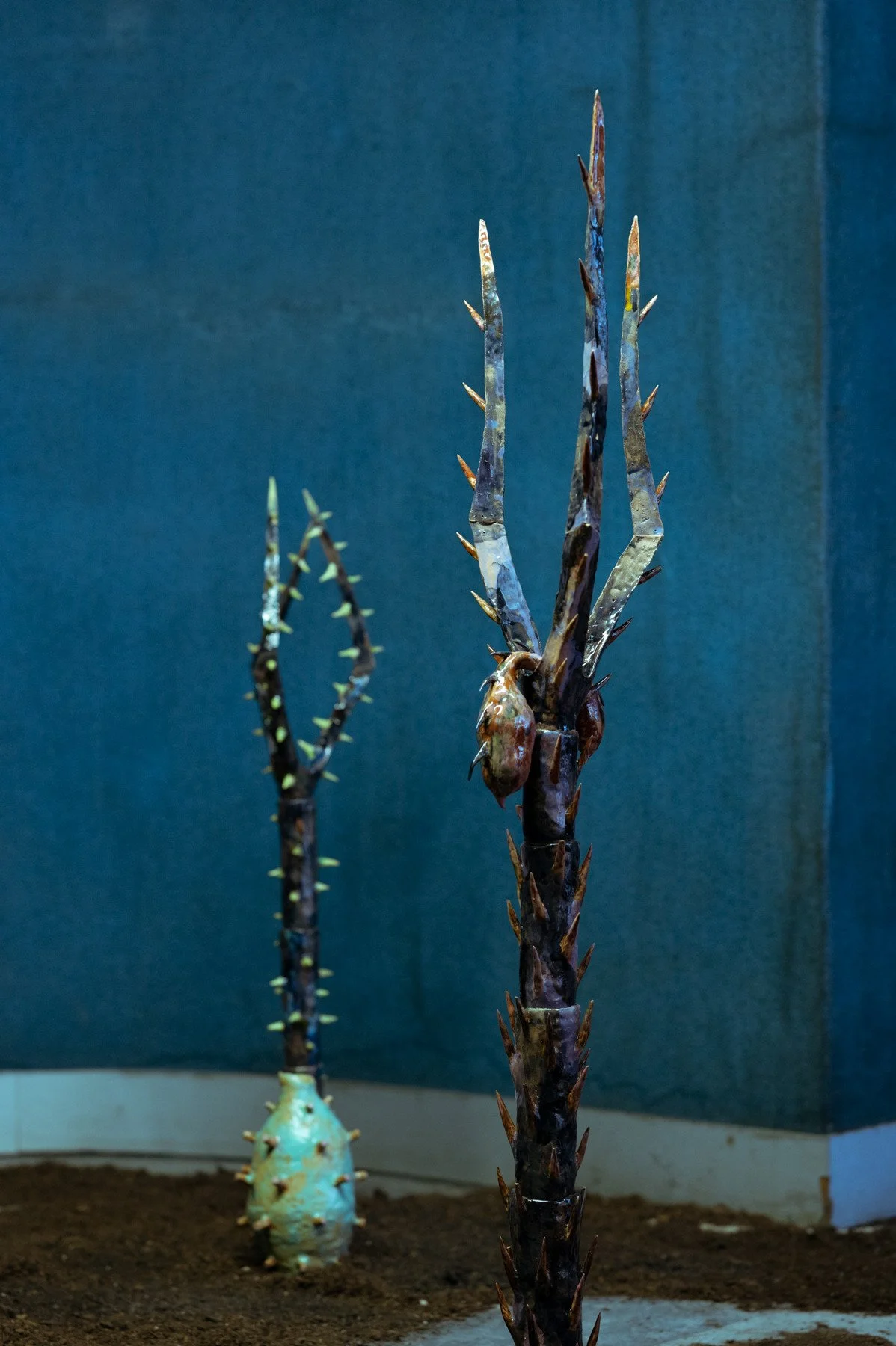
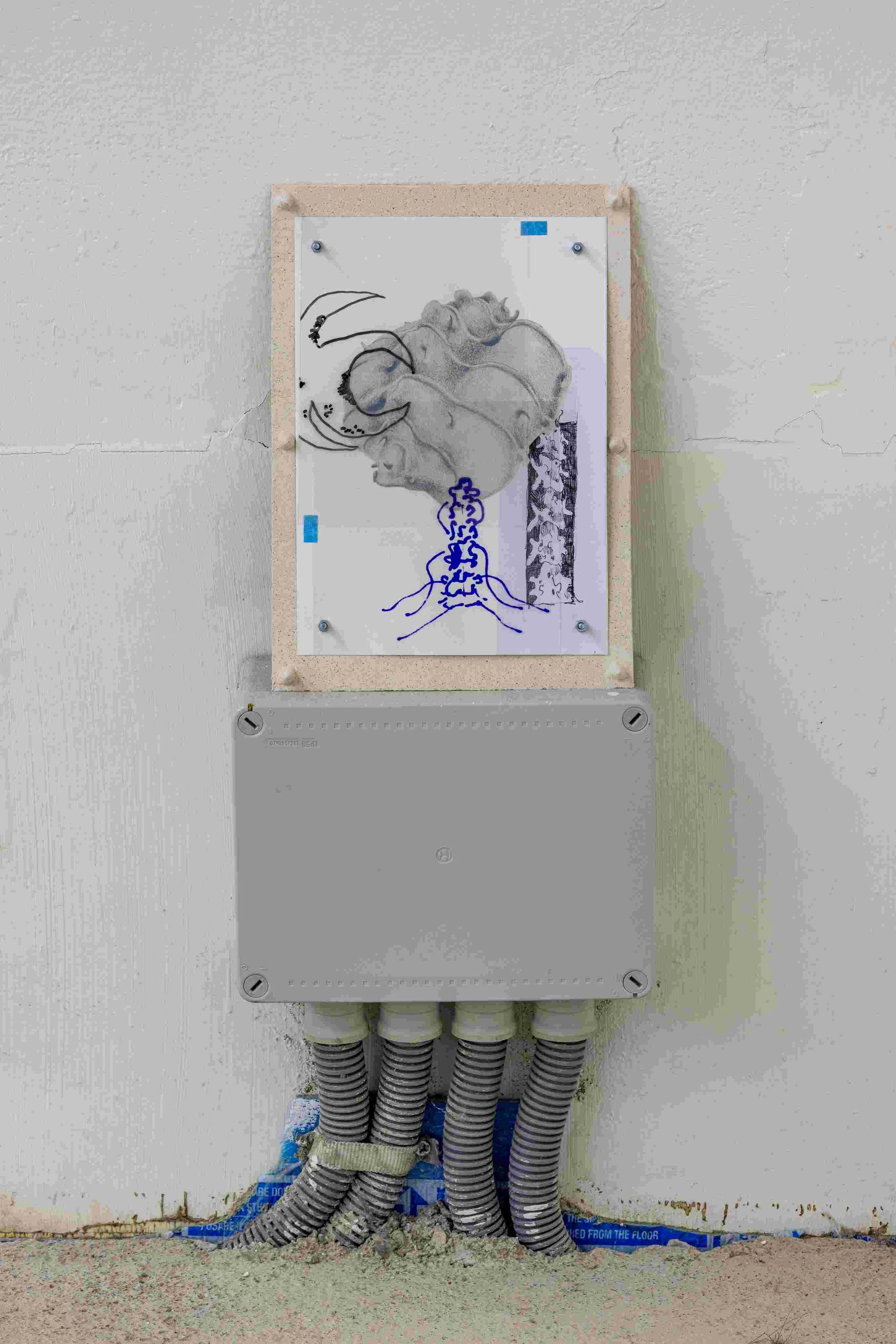
They often work by analyzing real conditions: compromised soils, contaminated aquifers, purification systems, biological adaptation phenomena, and infrastructural water infiltrations from which they select materials to work with, such as water, soil, metals, ceramics, bioplastics, and others, which become tools for investigating processes that usually remain invisible.
Human presence is simultaneously present and absent, perhaps acting as an eternal polluter; its activities—agriculture and industry—are certainly implicit. The human figure serves as a point of departure without return, a negation that simultaneously opens the possibility of viewing the world from a different perspective. Their journey began in 2022, after both graduated from the Accademia di Belle Arti in Venice, with Riccardo focusing on Painting and Greta on Sculpture. They soon realized they shared a common objective related to communication—both on a human level and a subterranean one—and desired to direct their practice towards installations. They understood that collaboration could yield fruitful results, and indeed it has. Their project Veleno Veneto emerged from a previous work completed in studio in 2022 titled Umanissimo, which analyzes five macro-categories that define the human experience, one of which was agriculture. This exploration led them to confront agricultural practices in their region, Veneto. Faced with the severe contamination of waters from PFAS (per- and polyfluoroalkyl substances), they recognized the astonishing scale of ecological damage and felt compelled to address the issue through their art.
Their latest research is a series called Depuratori, a project focusing on water purification, its management, and new purifying methods involving microorganisms. These themes are highly complex and require technical-scientific support to be not only exhibited but also analyzed correctly.
For this reason, they intend to create an interdisciplinary team and a collaborative network to tackle these issues, resulting in increasingly complex artworks, some of which may even function practically in the future. The scientific dimension is thus an integral part of their method. They collaborate with researchers and departments, including the Department of Mycology at the University of Genoa and DESAM in Venice, which study environmental remediation practices through fungal strains or analyze persistent water contaminants.
In our conversation, we explore the phases of their modular and participatory practice, which is continuously evolving and engaged in a dialogue that questions our perceptions of the relationship between humans and their environment:
Hello Riccardo and Greta, welcome to COEVAL. Could you explain the inspiration behind forming your artistic duo, Enzo e Barbara, and how this shared identity reflects your collaborative and interdisciplinary approach to research in the arts? Are there any moments from your childhood that have impacted your creative research?
Thank you for the invitation. The main motivation behind the creation of Enzo e Barbara was the desire to move beyond our individual practices, which we felt had certain limitations. We believed that working together could help us overcome specific formal rigidities and address more broadly some contemporary complexities that we perceive as urgent.
Once the duo was established, we immediately realized that the process was more generative and stimulating: each of us complemented the other through different skills and knowledge. This continuous learning process, project after project, led us to consider openness toward other professional and artistic figures as fundamental. The shared identity of the duo reflects precisely this attitude: a collaborative device in constant expansion, capable of integrating diverse languages and forms of knowledge.
We do not believe there were specific epiphanies in our childhoods that pushed us toward creative work. However, personally (Riccardo), I was always somewhat affected by how primary school teachers imposed writing over drawing—the training and codification of signs that had previously been free and expressive. I consider that a particularly significant moment. For me (Greta), on the other hand, playful and manual activities such as drawing and modeling were always my favorites, and they later influenced my choice of studies. I also think that during a period of conflict with my father, the fact that he did not support my choices—believing they would lead to precariousness and wanting me to study chemistry—had an impact on me.
Your work examines the complex relationships between human development—technological, industrial, and infrastructural—and natural ecosystems. Can you describe specific examples of how these interactions influence the materials and processes you utilize in your projects?
When designing a project, we analyze the installation both conceptually and graphically. At the moment of choosing materials, all the information we have gathered influences the medium through which the work is realized. We believe that everything has its own way of being expressed, including the medium itself.
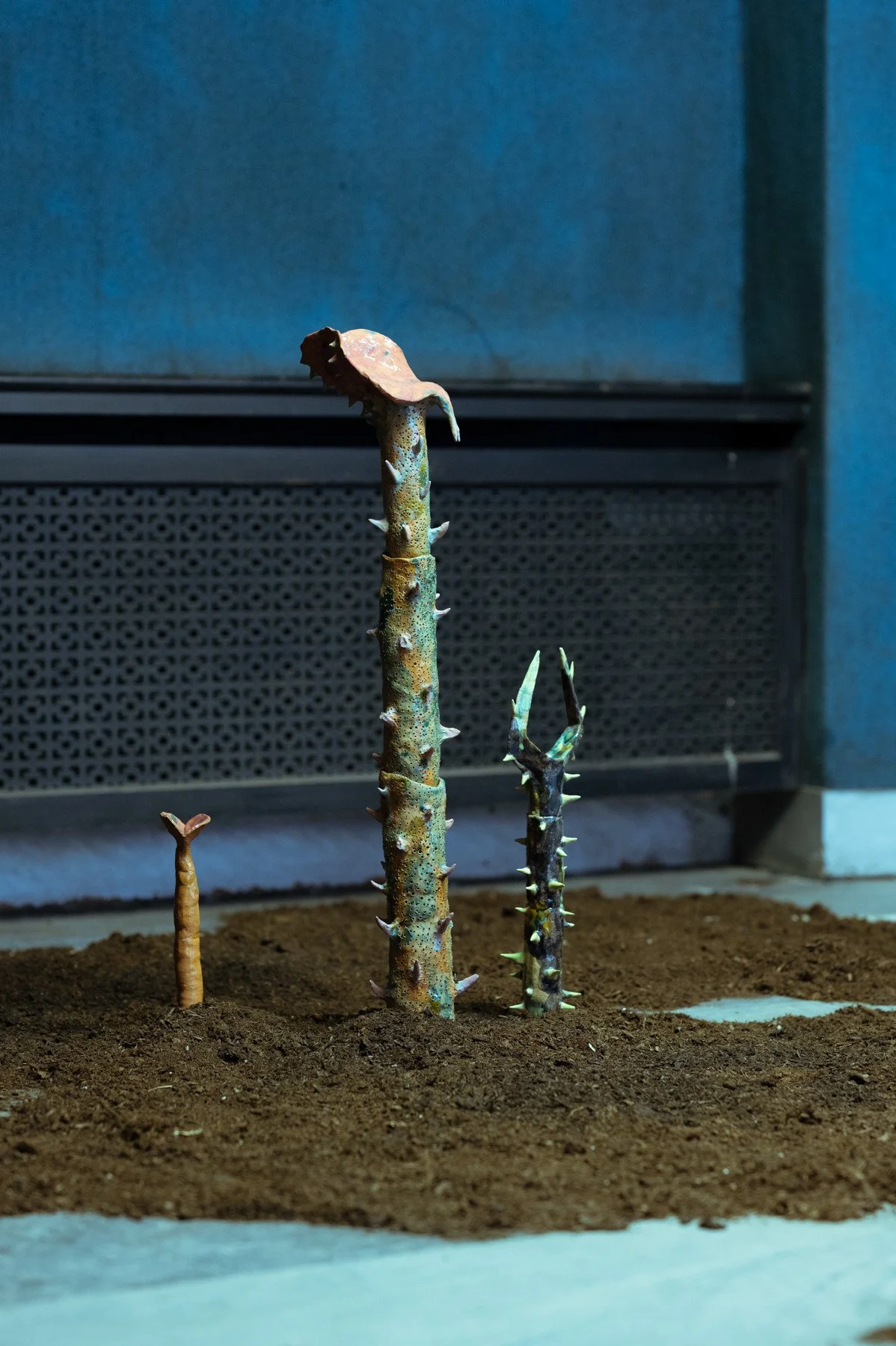
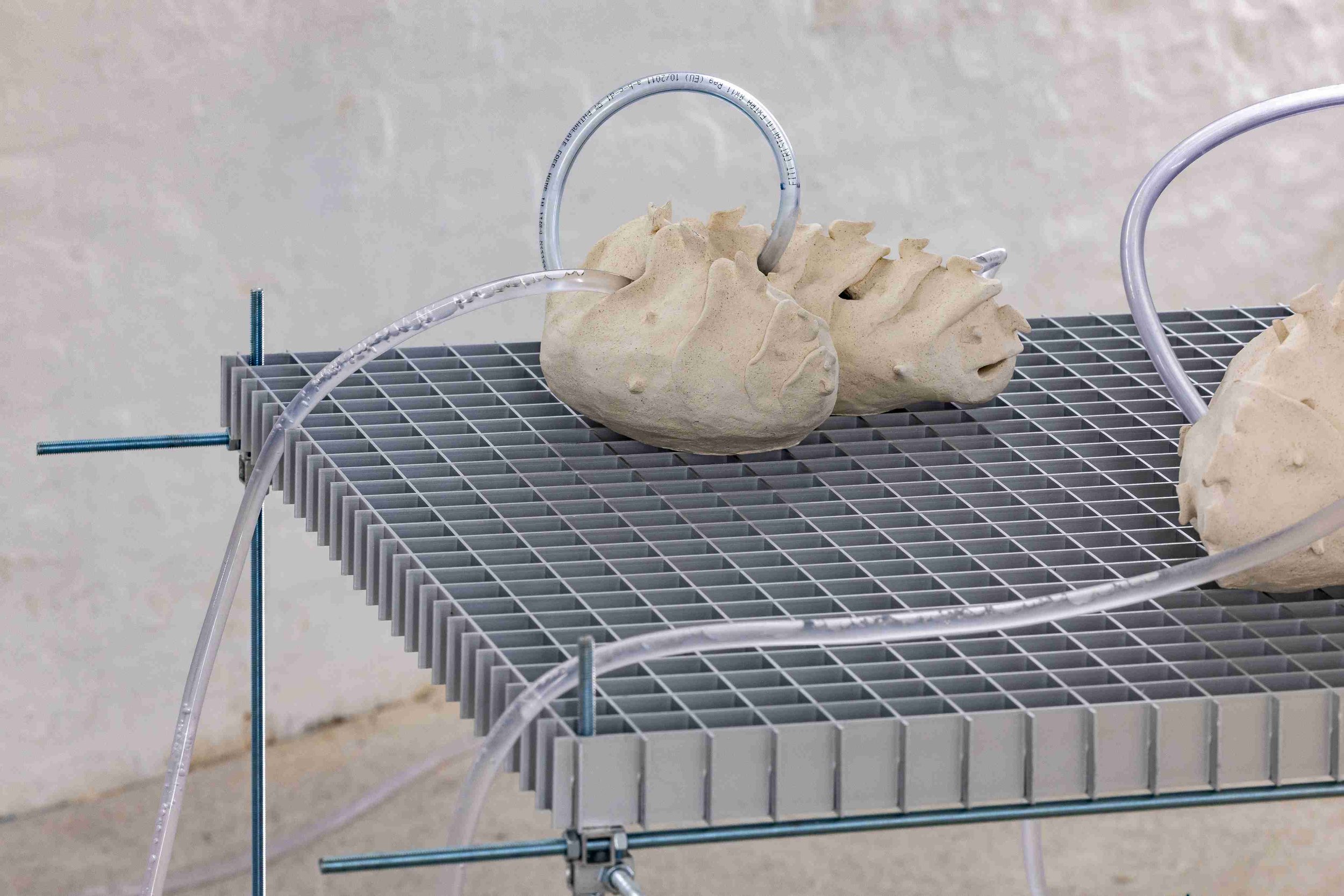
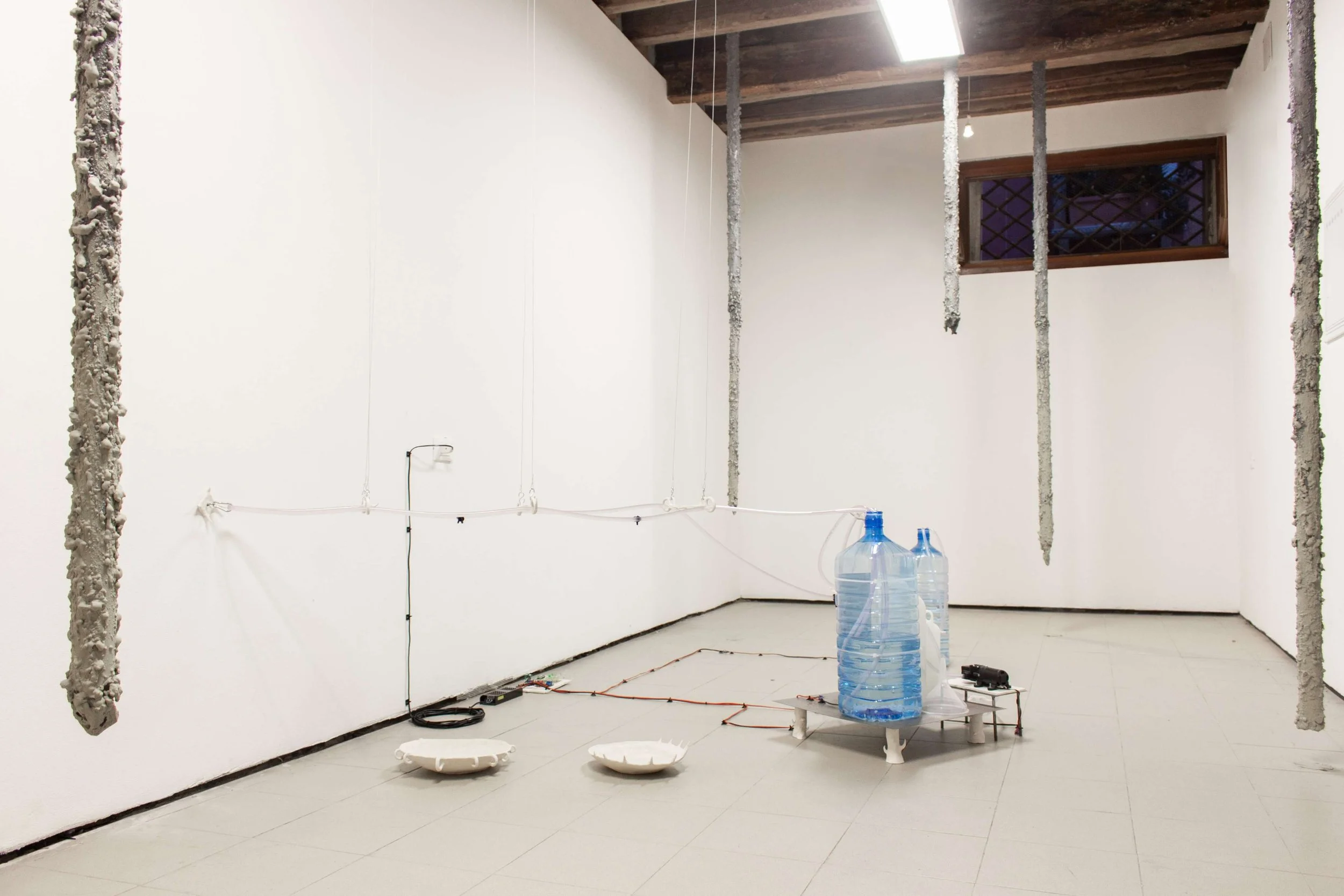
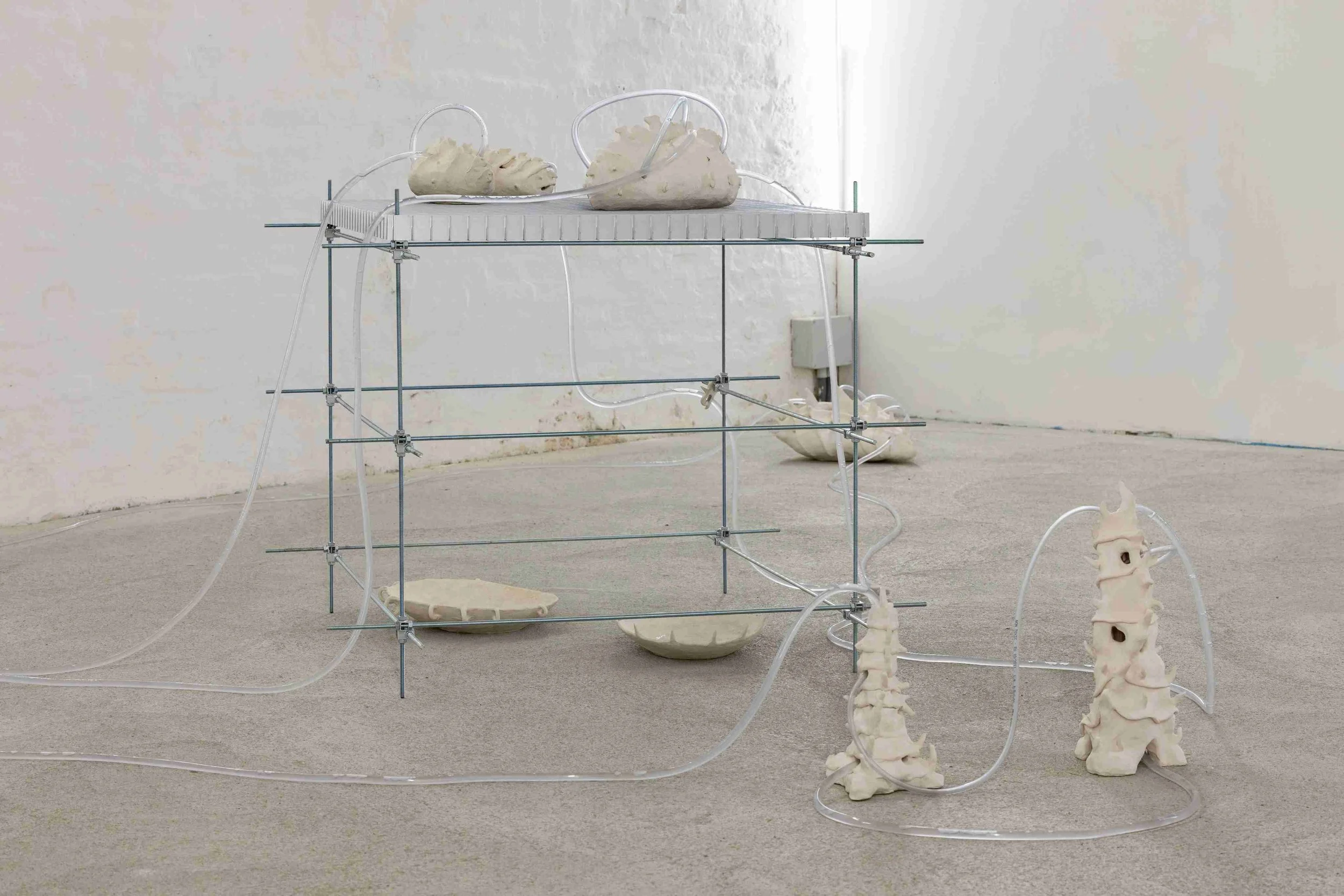
In the case of Veleno Veneto (Parsec Bologna, 2023), our investigation began with the Miteni chemical site in Trissino, in the province of Vicenza, an area with a strong ceramic tradition. This element instinctively led us to consider ceramics, which ultimately proved to be the perfect material for the work we needed to create.
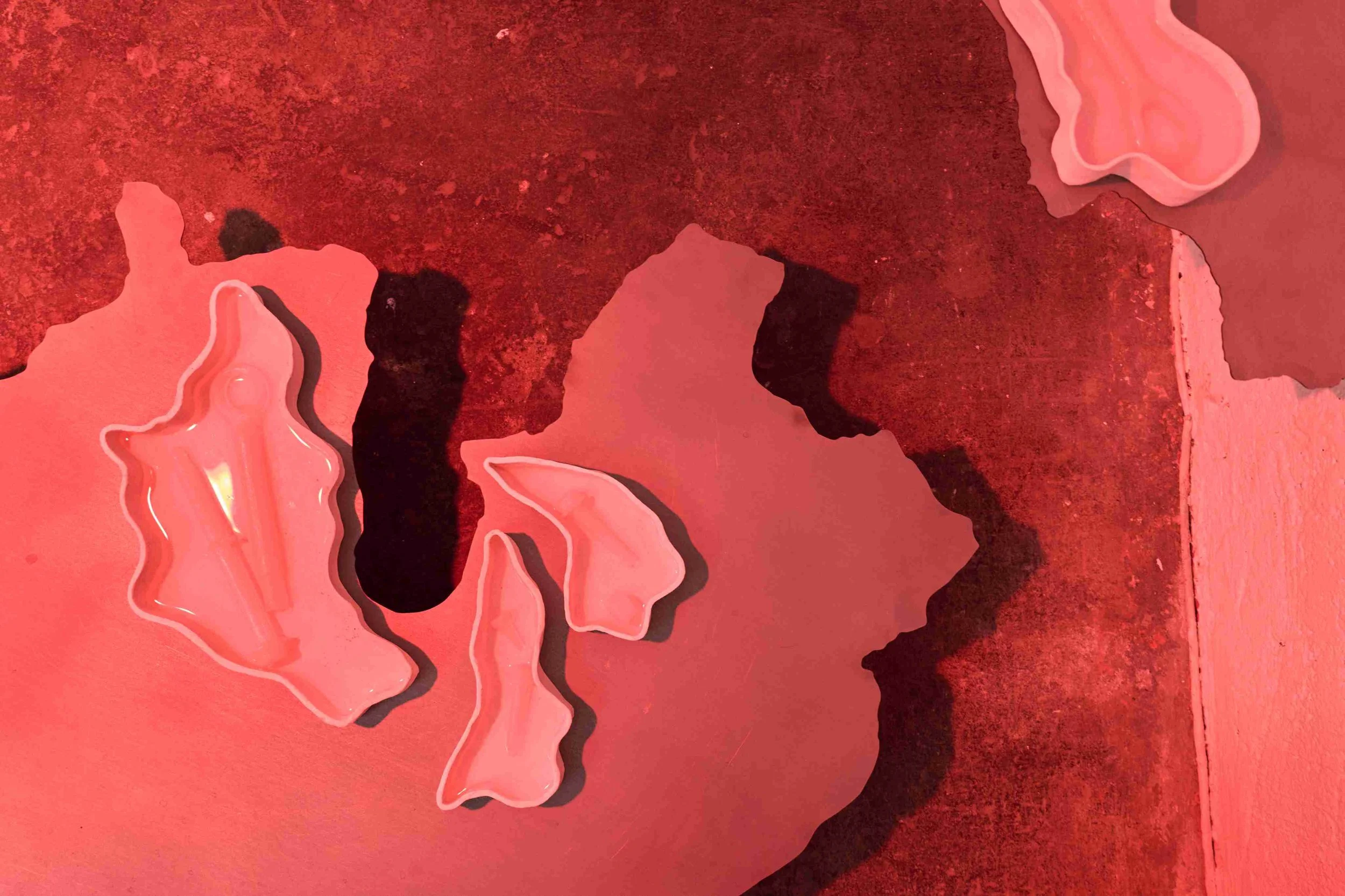
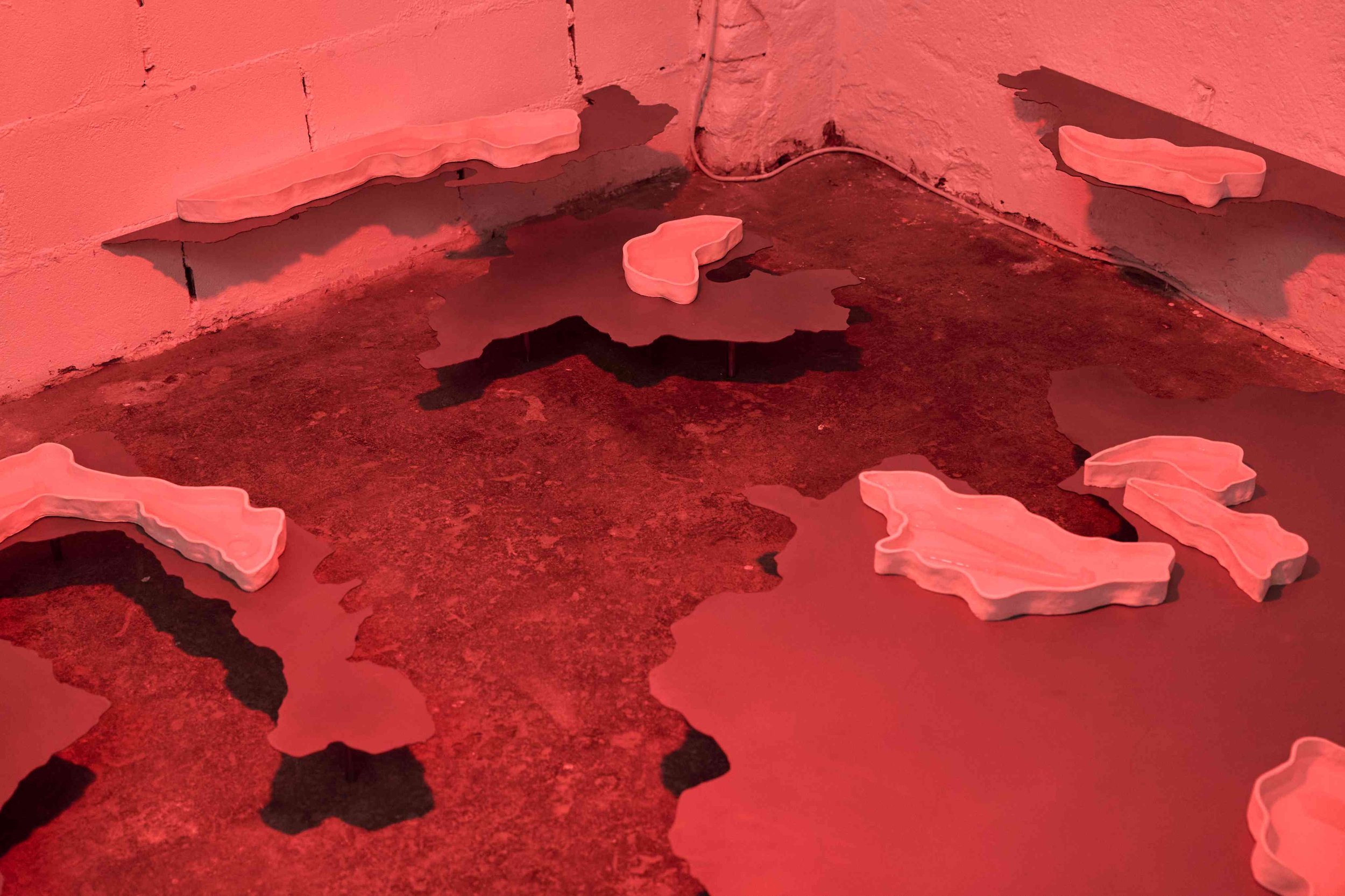
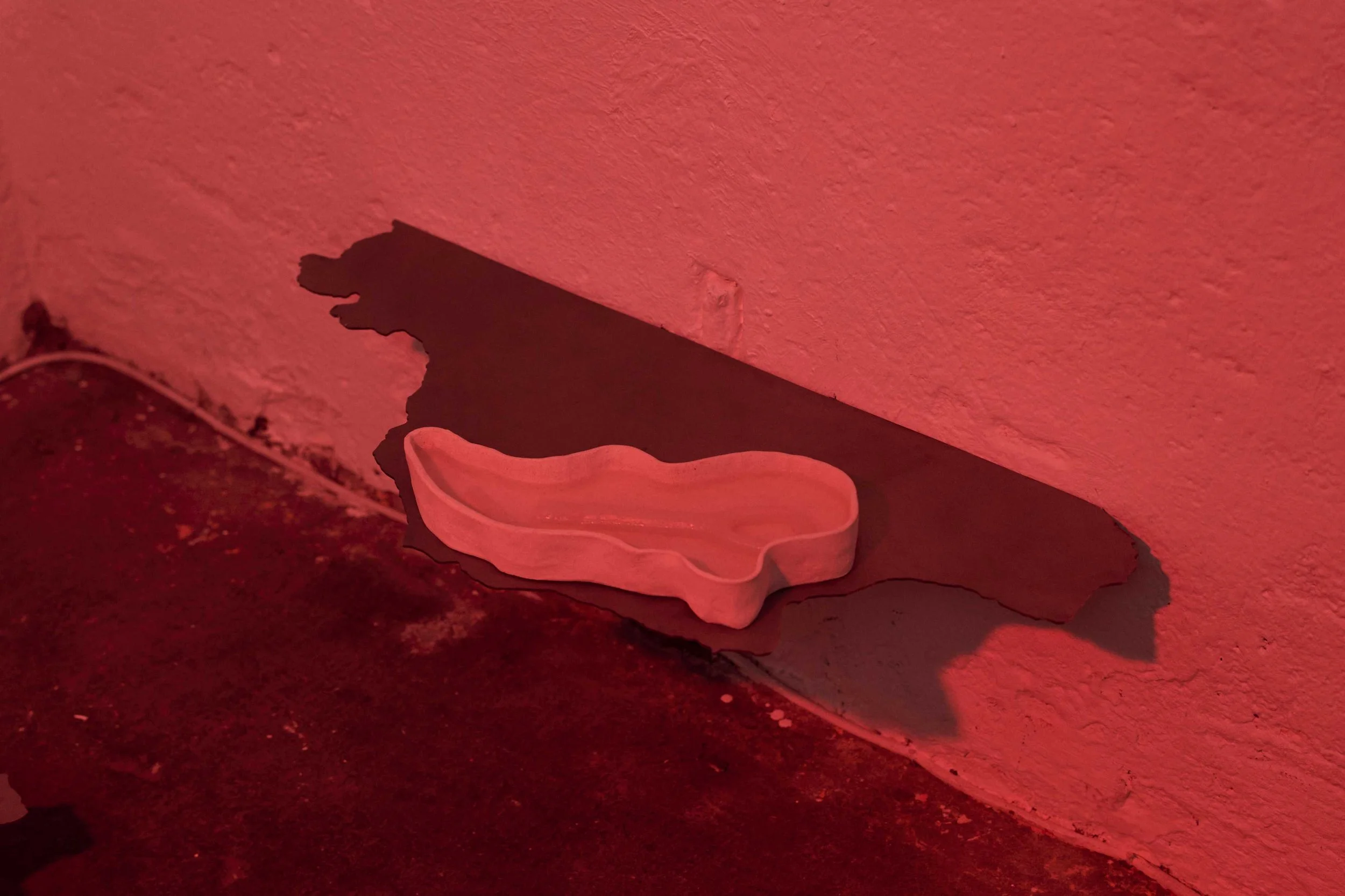
In March 2024, we inaugurated Unobis, an independent space we co-founded with other artists, featuring a group exhibition. Our reflection began with an analysis of our workspace, and we were particularly drawn to its high level of humidity. We created positive casts in bioplastic of objects collected in the space, using water and agar agar. The water was gathered from the environment through a dehumidifier, leading to the work La Stanza Rossa. In this case, the collected water was already a given material, albeit in a different and seemingly invisible form. Listening to and observing the space were fundamental in determining how to collect and use it.
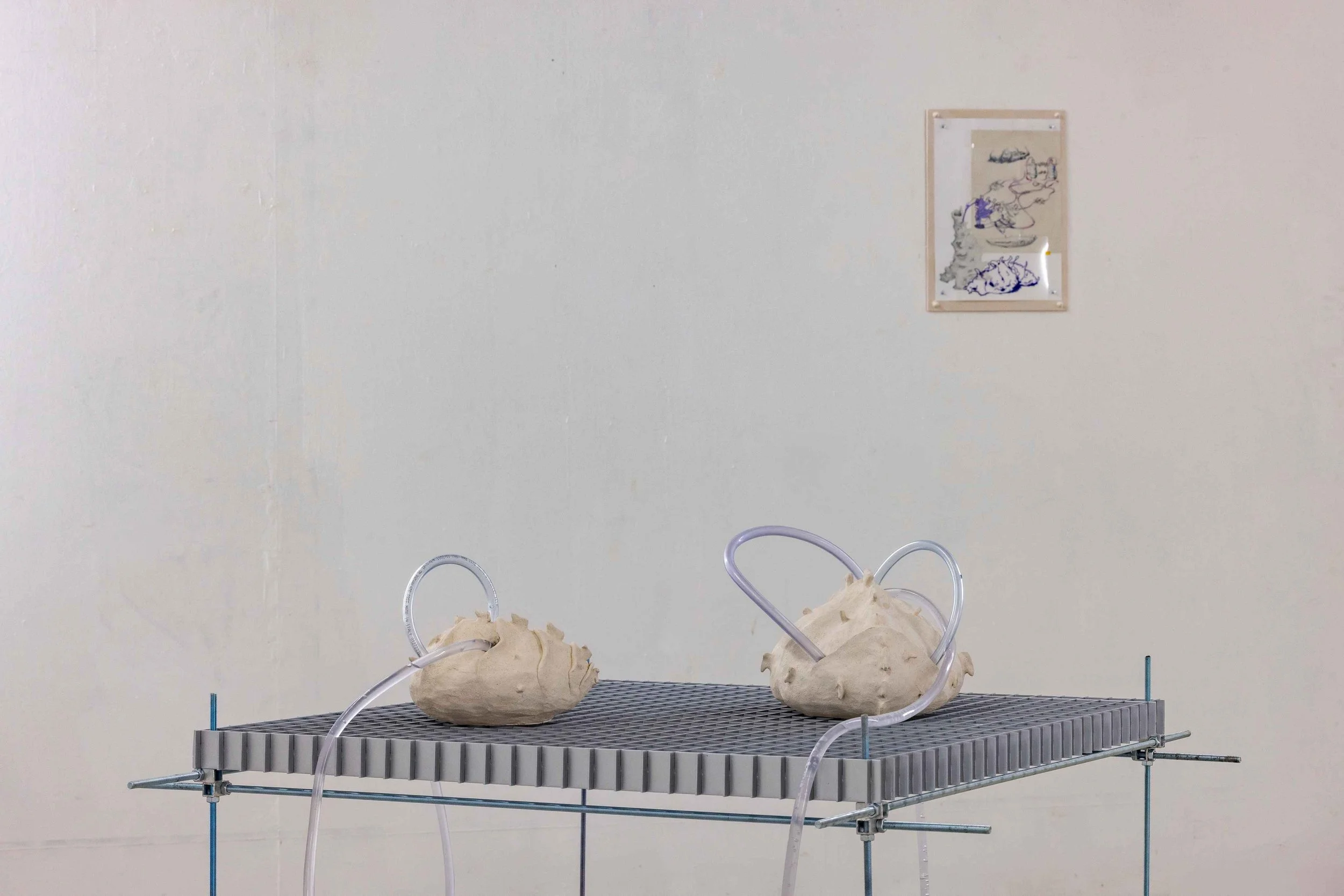
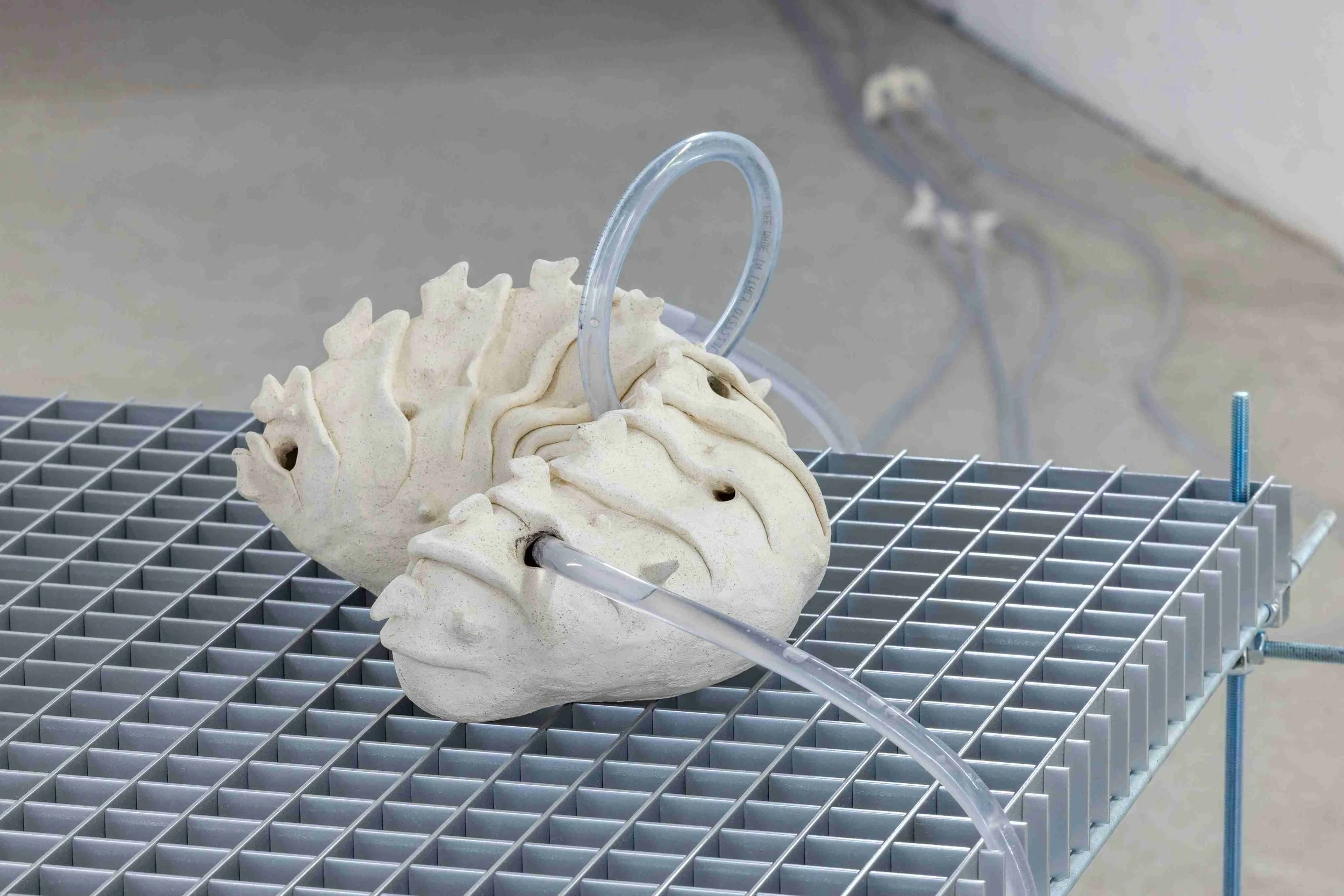
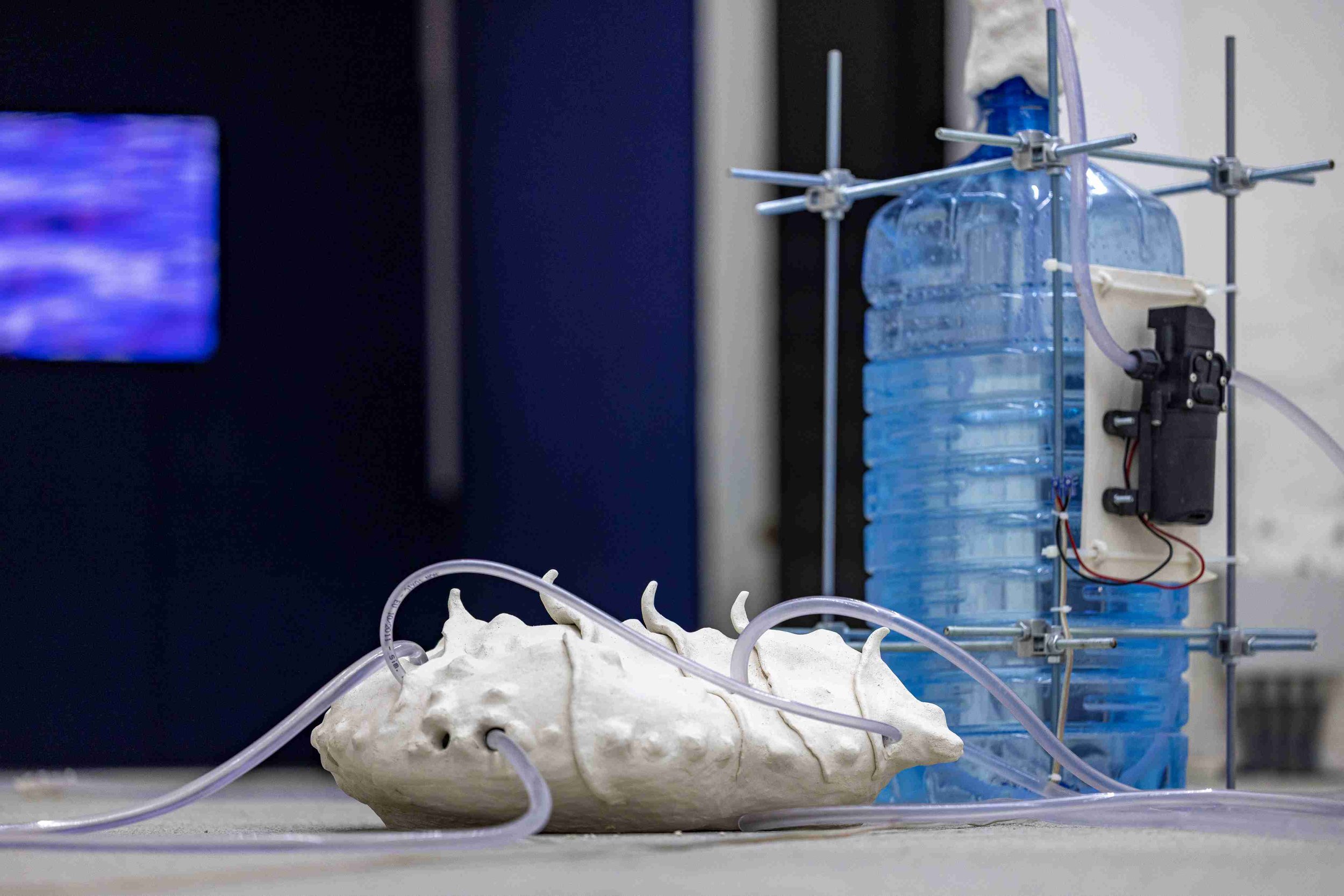
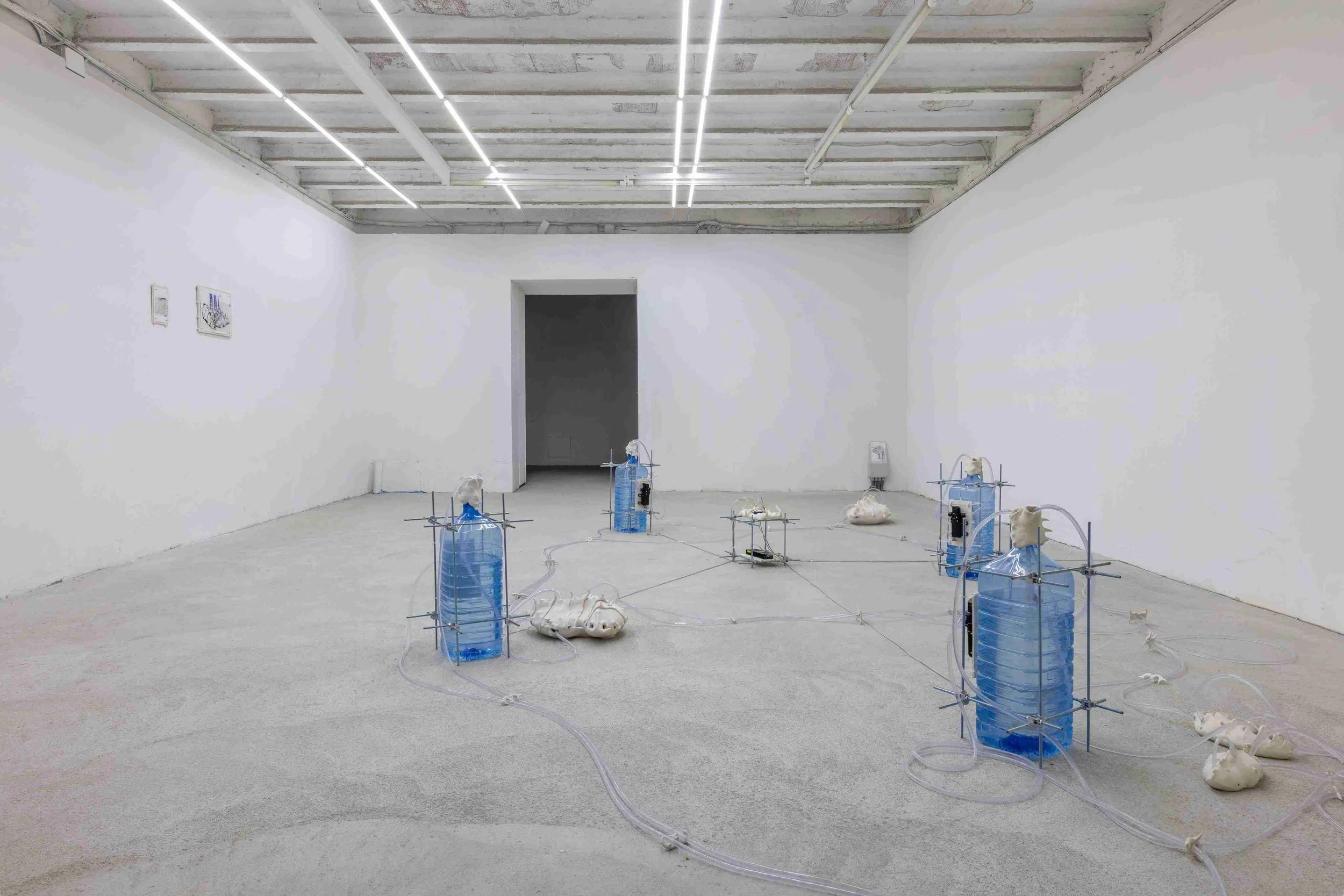
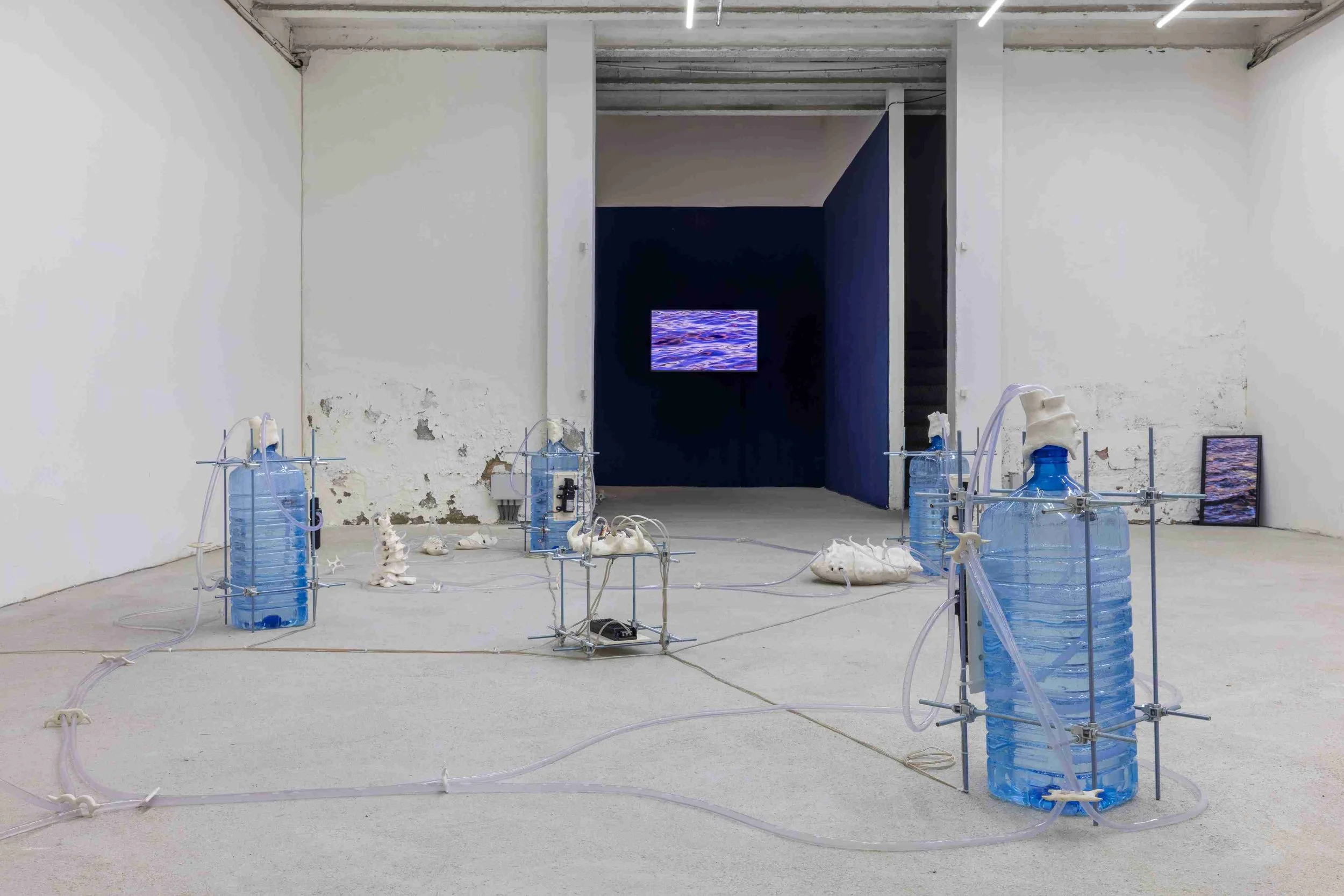
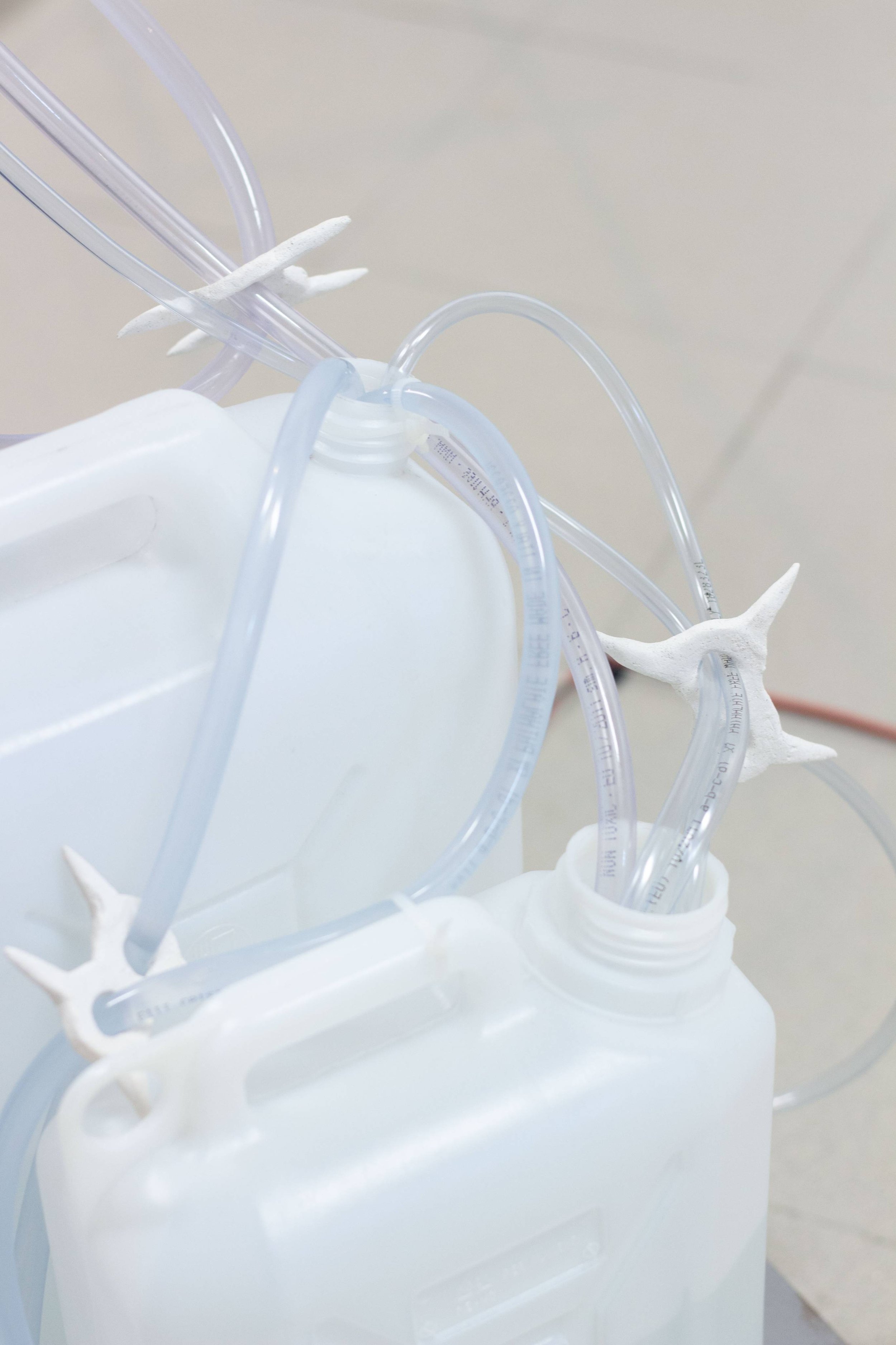
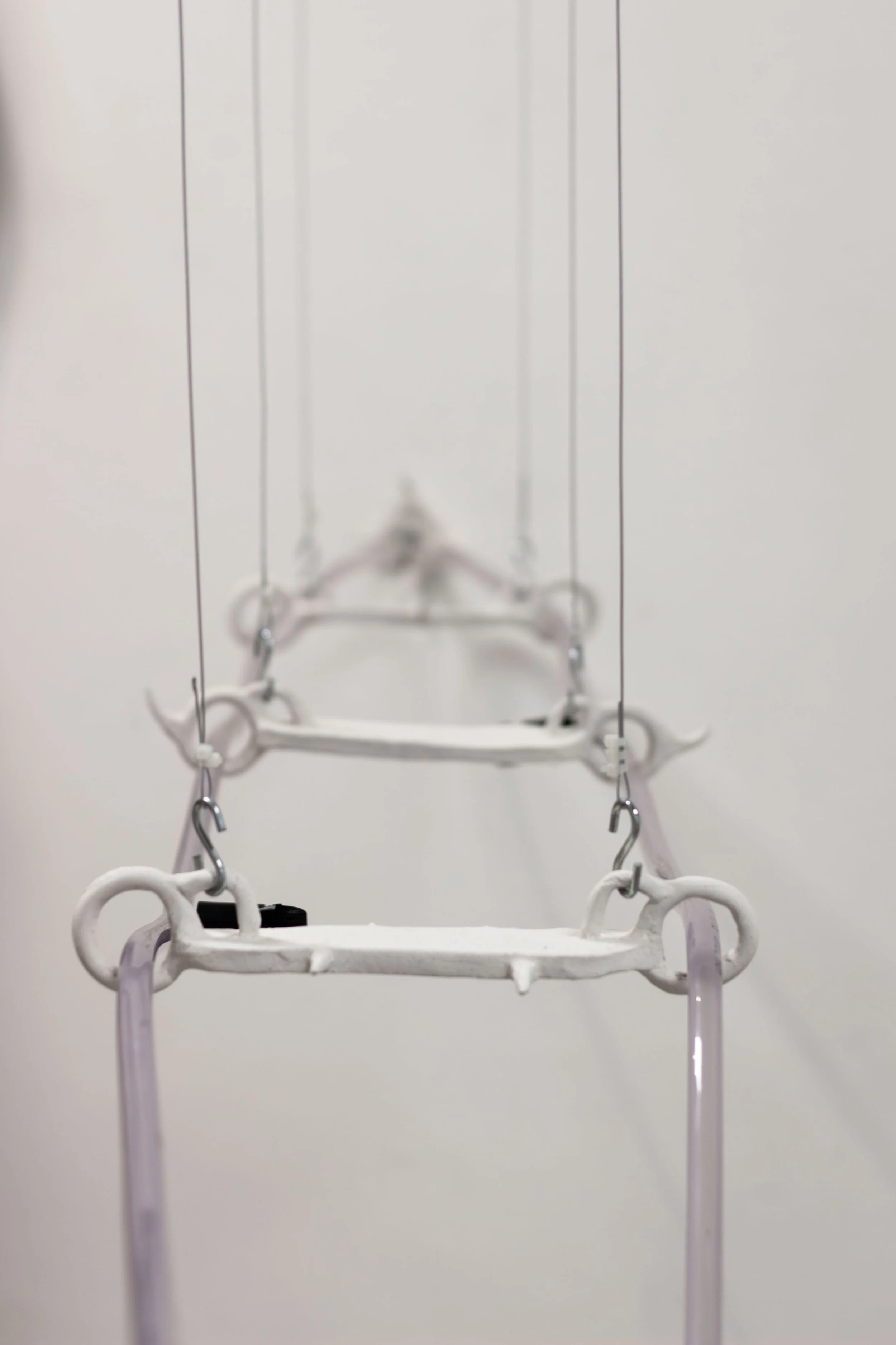
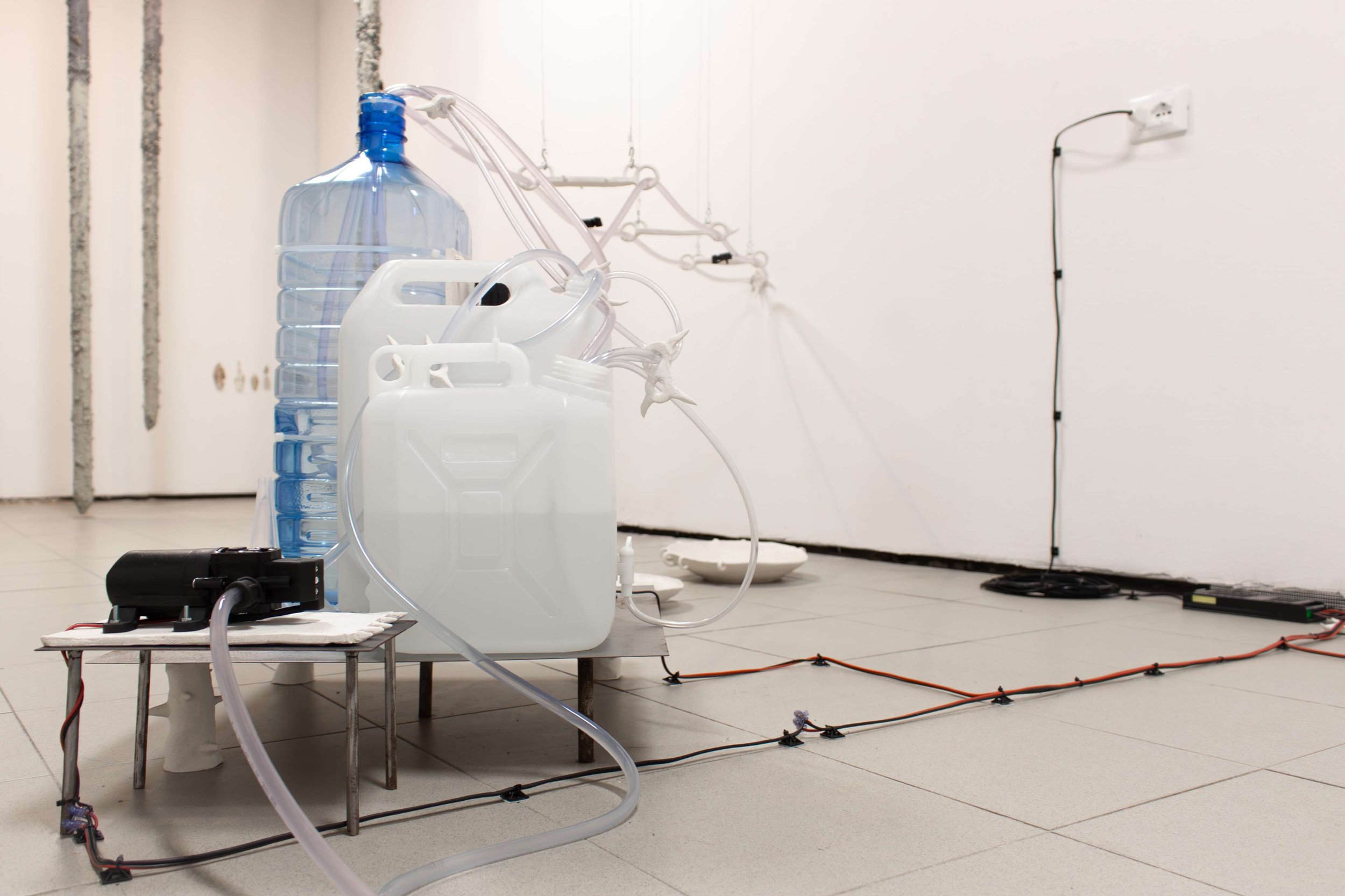
For Depuratore 1 (Terzospazio, Venice, 2024), we wanted to address water pollution more directly and less descriptively than in Veleno Veneto. We focused on water management and purification systems, inevitably integrating pumps, containers, and Arduino to create a water flow. This marked the beginning of our direct collaboration with Marco Selmin, who assisted us from the outset. The realization of the purifiers is possible thanks to the integration of his programming expertise.
In your series titled "Depuratori," you explore water purification and management through innovative methods involving microorganisms. What motivated you to focus on this theme, and how do these methods contribute to your artistic inquiry?
As mentioned above, while working on Depuratore 1, we focused on purification machinery, its functional limits, and the management and disposal of filters. Many purification systems cannot completely eliminate certain pollutants present in water, such as perfluoroalkyl substances (PFAS), which can be detected in nanograms.
During the research phase of the second model (Depuratore 2), we were reading Entangled Life by Merlin Sheldrake, which explains how fungi can play an important role in environmental remediation. We felt it was essential to connect this to our work as a proposal for possible futures. Once we understood this, we contacted several Italian universities conducting research on mycoremediation, which helped us better understand how these methods function.
You emphasize the importance of technical-scientific support in your projects. How do you collaborate with researchers and academic institutions, such as the Department of Mycology at the University of Genoa, and what specific roles do they play in enriching your artistic practice?
From the beginning, Professor Mirca Zotti from DISTAV (Department of Earth, Environmental and Life Sciences, University of Genoa) made herself available for discussions and was open to explaining the importance of fungi in ecosystems and their potential applications in environmental remediation. For us, art is a sensitive medium, and our intention is to communicate the potential of environmental research. Two aspects that limit this type of research are funding and practical application in natural contexts. In laboratory conditions, where everything is sterilized and free of contamination, it is not possible to be certain that discoveries will function outside the lab and on a large scale.
To date, the figures we have collaborated with play an extremely important role in our research, mainly in terms of scientific consultancy, environmental investigation, and their valuable contributions to talks and workshops. For example, Simone di Piazza (DISTAV researcher) gave a talk in Gorizia introducing mycology and mycoremediation. Paolo Criscione (DESAM) and Alessio Rovere (Department of Environmental Sciences, Ca' Foscari University) participated in a round table we organized at Galleria Michela Rizzo in Venice, together with cultural and artistic professionals such as Ife Collective, Niccolò Moronato, Paolo Rosso, and Fabio Cavallari.
By creating a collaborative network and interdisciplinary team, you aim to tackle complex environmental issues. Can you elaborate on how you envision this collaboration enhancing the complexity and functionality of your future artworks?
For us, this is the central point. Our works are currently representative and include various activations, but our main objective is to eventually create more complex installations capable of practically implementing the research we are exploring. For example, integrating microorganisms such as fungi, bacteria, or plants (phytoremediation). The possibilities are as numerous as biodiversity on Earth.
At present, we are specifically in contact with the faculty of mycology, but our aim is to expand these connections to deepen and structure our research, exploring fields such as automation, biocompatible materials, advanced control systems, sensors, and sound design. Our ambition is to emphasize not only the installation itself but, above all, the creation process, which involves encounters and dialogue with people. We hope this will emerge from an increasingly broad network of professional and artistic collaborations.
The openness and shared nature of your process seem integral to your projects. How do you incorporate moments of engagement, such as workshops and public activities, into your exhibitions, and what impact do you hope this participation has on your audience?
Moments of sharing have become fundamental for conveying our intentions. We try to organize them in the same spaces where our installations are exhibited, as we consider them an implementation of the work itself, almost like catalysts. For us, they are both an exercise in thinking differently and an opportunity to foster empathy around the themes we address, making them more accessible. They also allow us to understand the audience’s response and level of awareness and to nourish ourselves through new, generative relationships. Our primary hope is to awaken and resonate a sense of awareness regarding our environmental and social global context. For each of us, this means remembering daily that we exist within an ecosystem composed of living and non-living diversities. Water is central to our research because it is a symbol that can resonate with everyone and encompasses an almost inexhaustible range of related themes. We hope that collective awareness will emerge, especially since the current geopolitical context increasingly suggests the need to dismantle our emotional languages of reciprocity and invent new ones.
Your work often explores themes of transformation, adaptation, and vulnerability. How do you express these concepts in your installations, and what messages do you hope to convey about the relationship between humans and their environments?
Fragility is a fundamental element of every evolutionary process. Every crisis and every difficulty inevitably produces transformation. This capacity for adaptation belongs to every living being, although in different forms. We often question whether human beings are modifying or even losing this attitude, replacing it with an idea of control and domination. In our installations, we aim to make visible this critical point: vulnerability as a generative condition, despite the illusion that technological and scientific progress can neutralize all risks. Today, much faith is placed in science as a set of possibilities that might save us from future catastrophes, but the system that produced these crises is rarely questioned.
Our work attempts to shift the focus by presenting the environmental crisis as a phenomenon that reveals an already compromised network of relationships. Nature is often perceived as the threatened subject; yet much data suggests that the emerging fragilities primarily concern human beings and their inability to recognize themselves as part of a broader system.
Our attention to biological transformation processes and to systems of purification, filtration, and adaptation is structural. We are interested in showing how bodies (both human and non-human) respond to contextual changes and how these transformations can be read as signals or symptoms. At the same time, we acknowledge our scientific limitations, which serve as a starting point for building relationships, activating collaborations, and working in networks. If we speak of evolution, then the artistic process must also evolve and become hybridized.
You specifically focus on environmental issues within the Veneto region, particularly regarding soil pollution. Can you discuss how the ecological challenges in this area influence your artistic exploration and the narratives you create?
We begin from the Veneto region because we are both from Padua and share an inclination to investigate what is directly around us. When we became aware of the environmental disaster in the Vicenza area, we felt the need to make it the starting point of our research. There are obviously many similar examples worldwide. Our initial idea is to study the local in order to better analyze the global, and vice versa. We name our birthplace because it is our initial field of action, but from there we have committed ourselves, with the means available to us, to expand the boundaries of our research.
The notion of human presence being both present and absent in your work is intriguing. How do you reflect this duality in your artistic practice, and what commentary do you seek to make about humanity's role in environmental degradation?
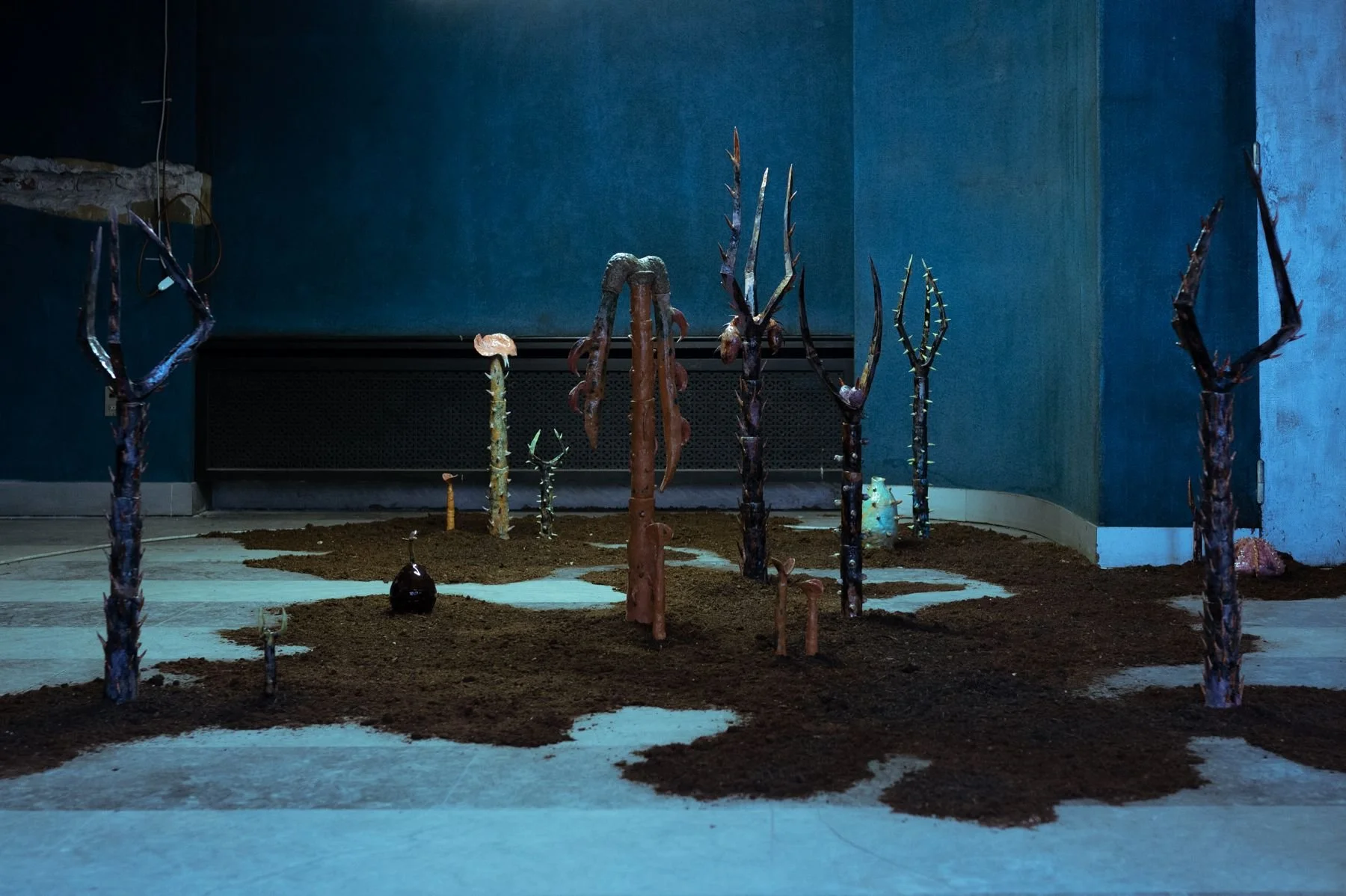
Our vision is both cynical and hopeful. We recognize the critical issues, but we remain convinced that alternative ways of living and inhabiting the world exist. The human figure in our work can be understood as the agent of the dynamics we study, yet at the same time, it is the figure that undergoes these changes. This imbalance between hyper-productive/capitalist tendencies and a condition of crisis is one of the elements we most seek to incorporate into our works. In many projects, the human condition emerges in its contradictory and insecure aspects, shaped by the present time. Our reworking often destabilizes the temporal reference, so one may encounter installations that speak of human effects in environments where humans are no longer present or whose presence is unknown. Humanity does not disappear entirely but returns as a specter of the past, present only as a potential survivor within a hostile context. In this imaginary, rudimentary arrangements, laboratory realities, genetic mutations, adaptations of other intelligences, and interspecies collaboration become the most relevant references.
In your view, what role does art play in shaping public awareness and discourse around environmental issues, and why do you believe it is essential for artists to engage deeply with topics such as pollution and ecological transformation?
Art is a sensitive medium and, even if only in a small way, can resonate with people’s awareness. We are also aware of the limitations of the art world and of the reception of artworks, which is why it is essential to extend practice beyond the strictly material dimension. It is important to discuss these issues to maintain attention on what is the most significant and characteristic problem of our time.
This is an era of paradoxes that are visibly transforming human essence. Artists have always sought to express needs intrinsic to themselves. If new environmental awareness is deeply interconnected with individuals, then there is an increased urgency to address these topics—even when not speaking explicitly about the environment.
How do you see your artistic practice influencing not just the perception of environmental challenges, but also inspiring collective action or behavioral change in individuals and communities regarding their relationship with the natural world?
We do not believe that our practice can significantly influence communities, and we do not claim such ambition. However, we hope that our shared way of working can generate further forms of sharing. At the same time, we feel a responsibility to do our part by addressing and communicating urgent issues, contributing (within our means) to a broader process of awareness and reflection.
Looking ahead, what are some future directions or explorations you envision for Enzo e Barbara, and how do you see your work evolving as you continue to address and engage with critical environmental themes?
We do not have a clear image of how our work will take shape in the future. In the near term, we intend to explore sound and biomaterials, both for independent works and as integrations within the Depuratori series. We hope to find people, institutions, residencies, grants, and other opportunities that will allow us to continue the research and sharing component of our practice, especially regarding practical and technical implementation. At the same time, we do not want to narrow our focus, given the vastness of water as a theme. We would like to broaden our perspectives toward unfamiliar media and explore different modes of making, integrating performance, activations, artistic residencies, and pathways that enable truly collective work.
A note to your future self:
“Add an extra place at the table.”
Interview by Mira W.
What to read next