Noémie Ninot
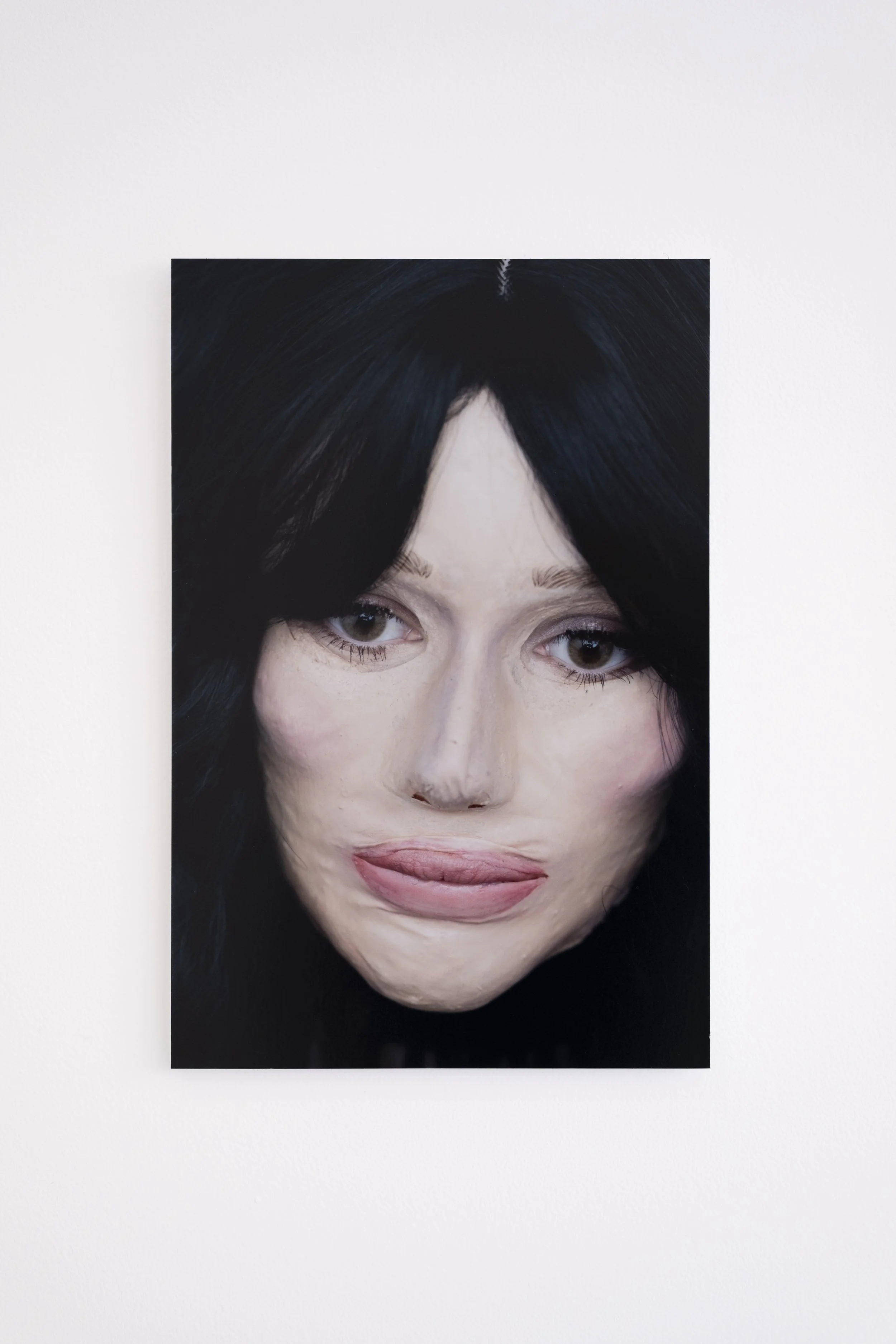
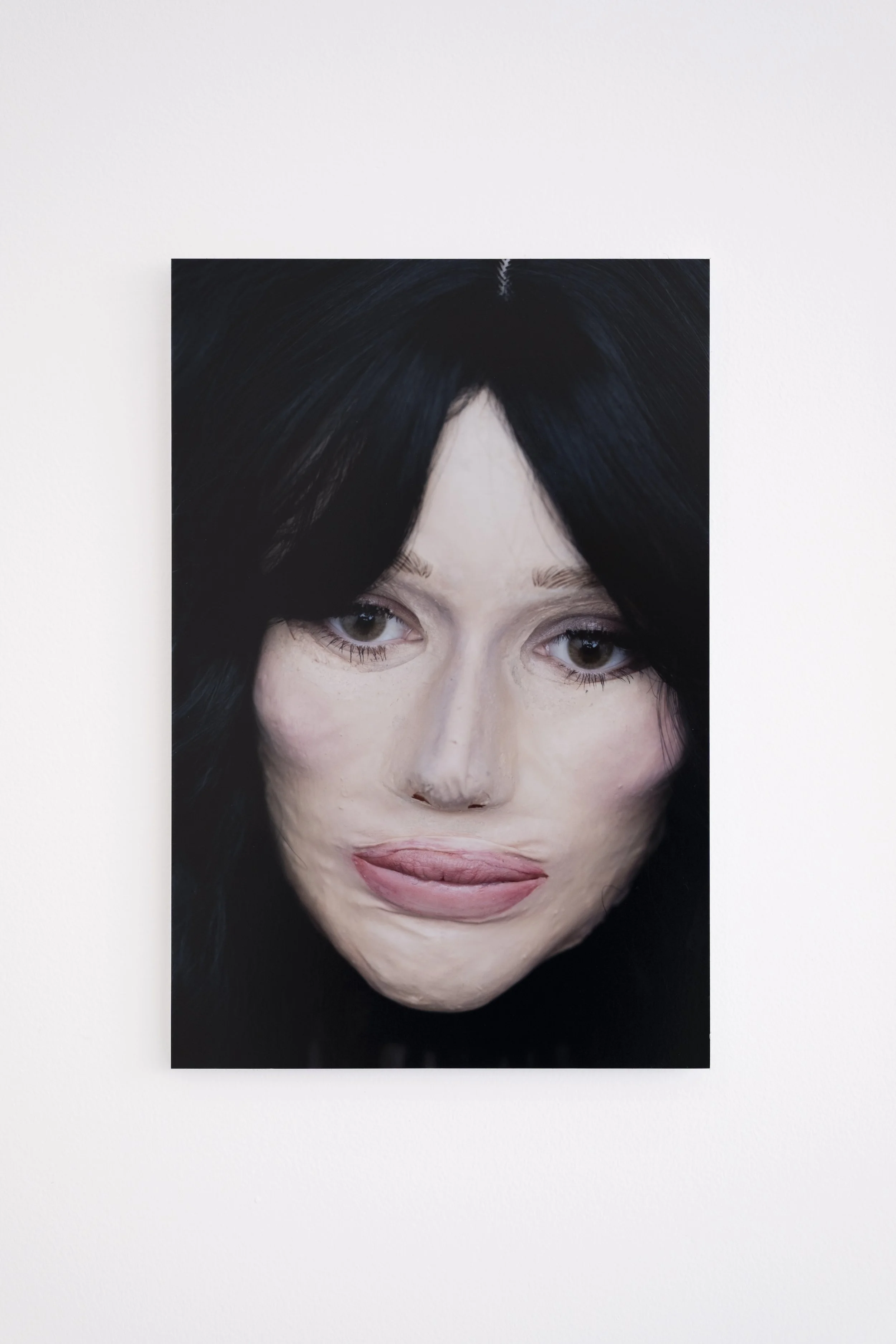
In this interview, Noémie Ninot reflects on the research and conceptual framework behind a body of work investigating the construction of femininity through patriarchal beauty standards. The exhibition Poupée de Peau on view at Alo Galerie until May 30, originates from a survey conducted on dating apps, where over 300 men described their vision of the “ideal woman”. The project reveals the repetitive and standardized nature of contemporary aesthetic expectations. Through latex self-portraits, doll-like faces, and installations that oscillate between attraction and discomfort, the work explores the tension between artifice, identity, and the internalization of the gaze. Drawing on themes of consumerism and social conditioning, the artist examines how ideals of femininity are absorbed through culture, media, and everyday life, questioning the boundaries between imposed norms and perceived free choice.
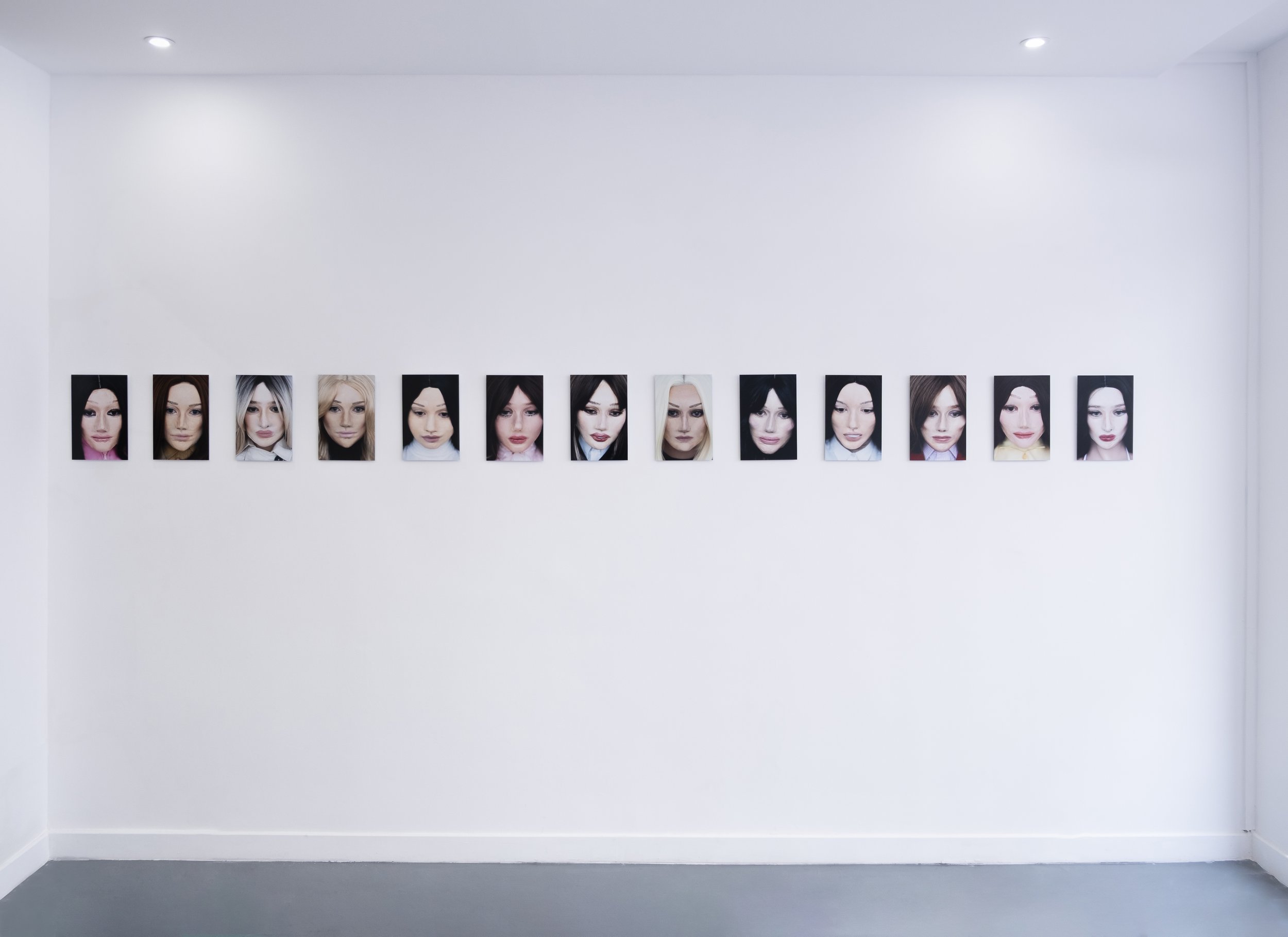
The exhibition revolves around Inventaire I (visage), which emerged from research conducted through various dating apps, and you collected responses from a wide range of men to the question: “What are the physical criteria for the ideal woman?”. How did you structure this research, and how long did it take to carry out? Do you believe that the context of dating apps, where interaction is mediated and less exposed, encourages greater spontaneity, leading men to express themselves without filters, and often in a disturbing manner, regarding expectations rooted in a patriarchal culture?
I conducted the survey during 1 months collecting over 300 replies. I incorporated every reply in an Excel table organized in distinct categories (eyes, mouth, facial features, nose, hair type, hair color, hair length, smile, teeth, body type, etc). This was a survey where most of the men answered honestly to a question I asked directly, which creates a different dynamic than simply sharing unsolicited opinions. While some responses were disturbing, I was also struck by how repetitive and similar many of the criteria were.

Today, as evidenced both by the study on the standards of the ‘ideal woman’ and by the competitive environment portrayed in the media and on social media, conforming to certain aesthetic ideals seems almost inevitable. Do you think this is an internalized form of adaptation to imposed norms, often justified as a free choice, when in fact it is not?
Yes, I do think many of these standards become internalized over time. Femininity is absorbed through repetition, imitation, generational trauma, and social transmission. We learn it by observing the people who raise us, through school, media, advertising, and cultural norms. The question of “free choice” feels especially relevant today with social media, where online trends constantly promote different lifestyles, beauty standards, and products. It creates the illusion of endless possibilities and individuality, while often reinforcing the same expectations in more subtle ways. It is both confusing and deeply tied to consumerism and capitalism.

The use of latex in your series of self-portraits and the embodiment of dolls with fixed stares create both a sort of attraction and repulsion. What role does making the viewer feel uncomfortable play for you? Is it a side effect or a specific aim?
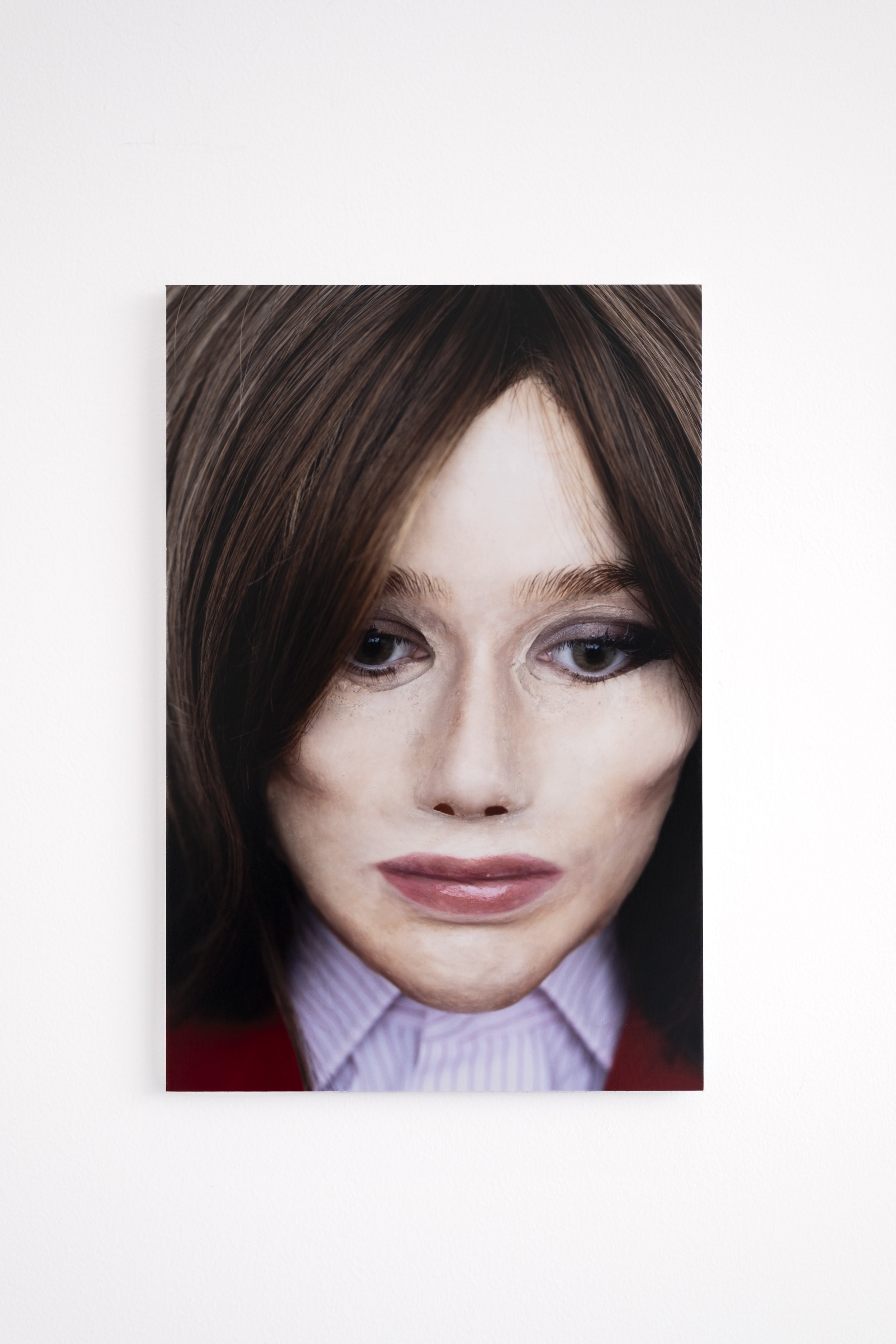
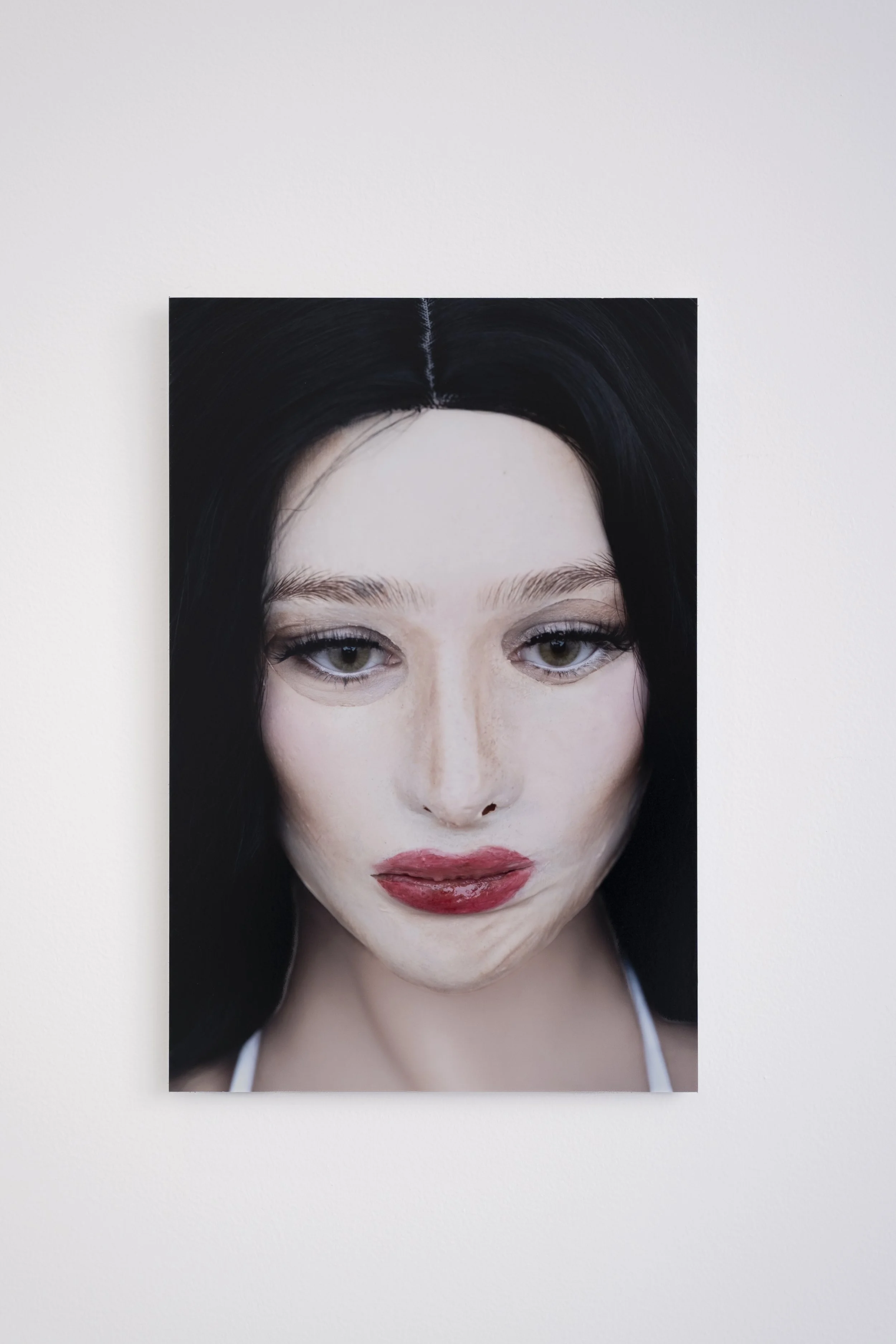
Artifice plays a central role in my practice. Makeup and artificial elements are not used here to beautify the portrait, but rather against themselves, to reveal their own mechanisms. The discomfort probably comes from this displacement, from something familiar becoming unsettling. My intention is not specifically to make the viewer uncomfortable, but to explore the impossibility of fully responding to these ideals. The face is always trying, and always failing.
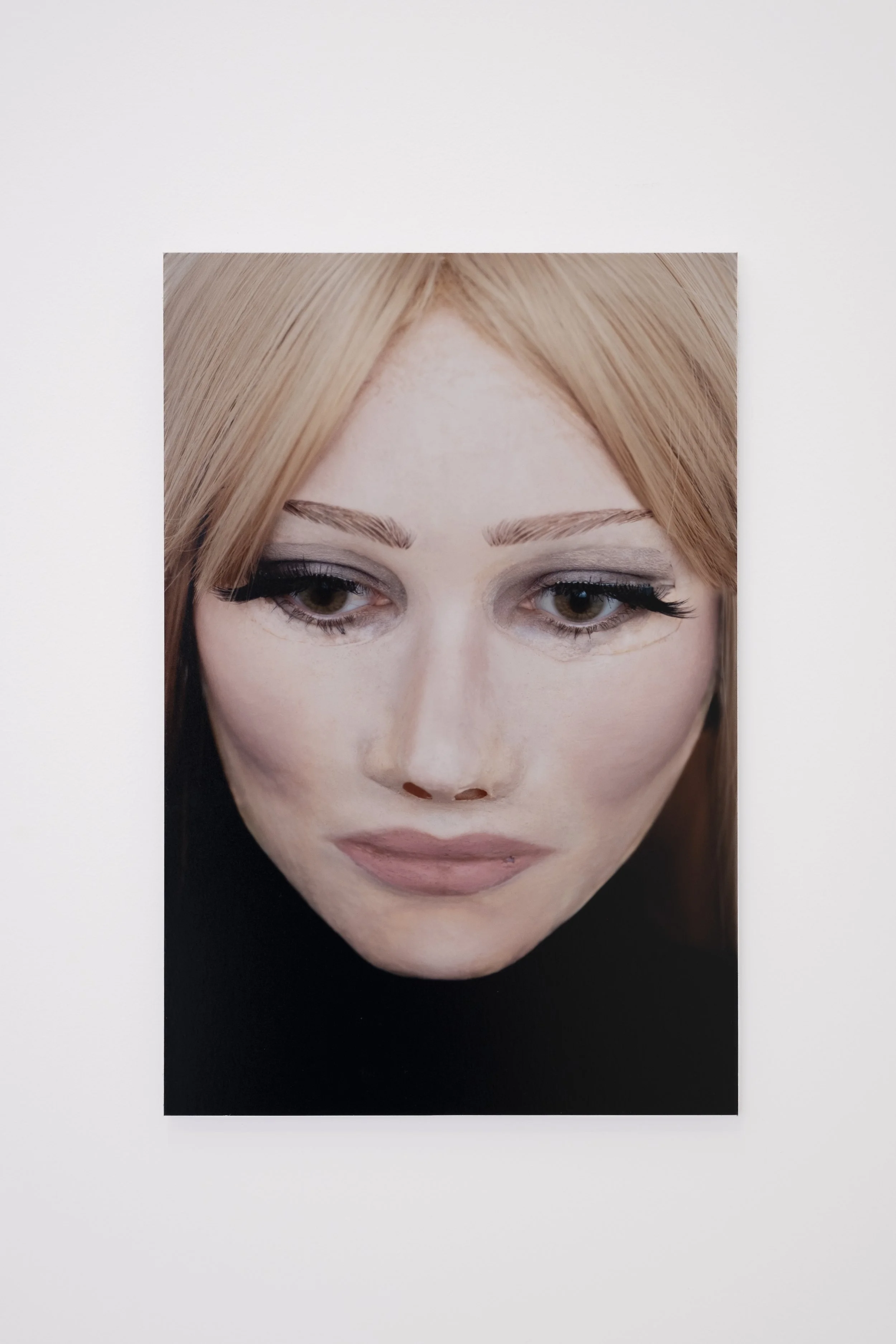
“The face is always trying, and always failing.”
As a woman and an artist, what emotions did you experience while embodying in your self-portraits those aesthetic ideals desired and imposed by men, and even strangers? And what is the idea behind the codification and repetition in an almost obsessive way of these doll faces?
Photographing these self-portraits created a very strange experience. I started recognizing the faces I was creating in women I would pass in the street while doing everyday things like grocery shopping. The wigs, the makeup, the expressions; it began to feel as though I was them, or they were me, as if the artifice was blending into reality. I stayed in that state for one or two weeks afterward. The repetition in the portraits comes directly from the repetitiveness of the answers I collected. Each face is a variation within the same structure, trying to show how standardized and recurring these ideals can be.
In the central work of the exhibition, Berceau II, the body is simultaneously exposed and trapped: do you believe that control over the female body today is imposed more through the gaze of others or through an internalisation of that very gaze, leading women to self-regulate?
It is both. One of the texts that expresses this double gaze most accurately is in the chapter two of Ways of Seeing by John Berger. Berger explains how women internalize both the surveyor and the surveyed: a woman is continually accompanied by her own image of herself, while also carrying the gaze of others, especially the male gaze. In that sense, she becomes split in two, simultaneously observing herself and being observed.

The disposition of the artworks on exhibition creates an almost closed circularity, ranging from the origin (childhood, imposed norms) to the adult construction of femininity. This is a structure that repeats and feeds upon itself, but in what way, in your view, can this circle be sabotaged?
It can, but you have to be radical. For me there is no real in-between when it comes to systems of social conditioning and imposed norms. You are either completely out of the circle or inside it. Being on the edge can only be temporary.

“Femininity is absorbed through repetition, imitation, generational trauma, and social transmission.
”
Photography © Bellise Perrin
Courtesy of Alo Galerie
Interview by Aurora Piedigrossi
What to read next