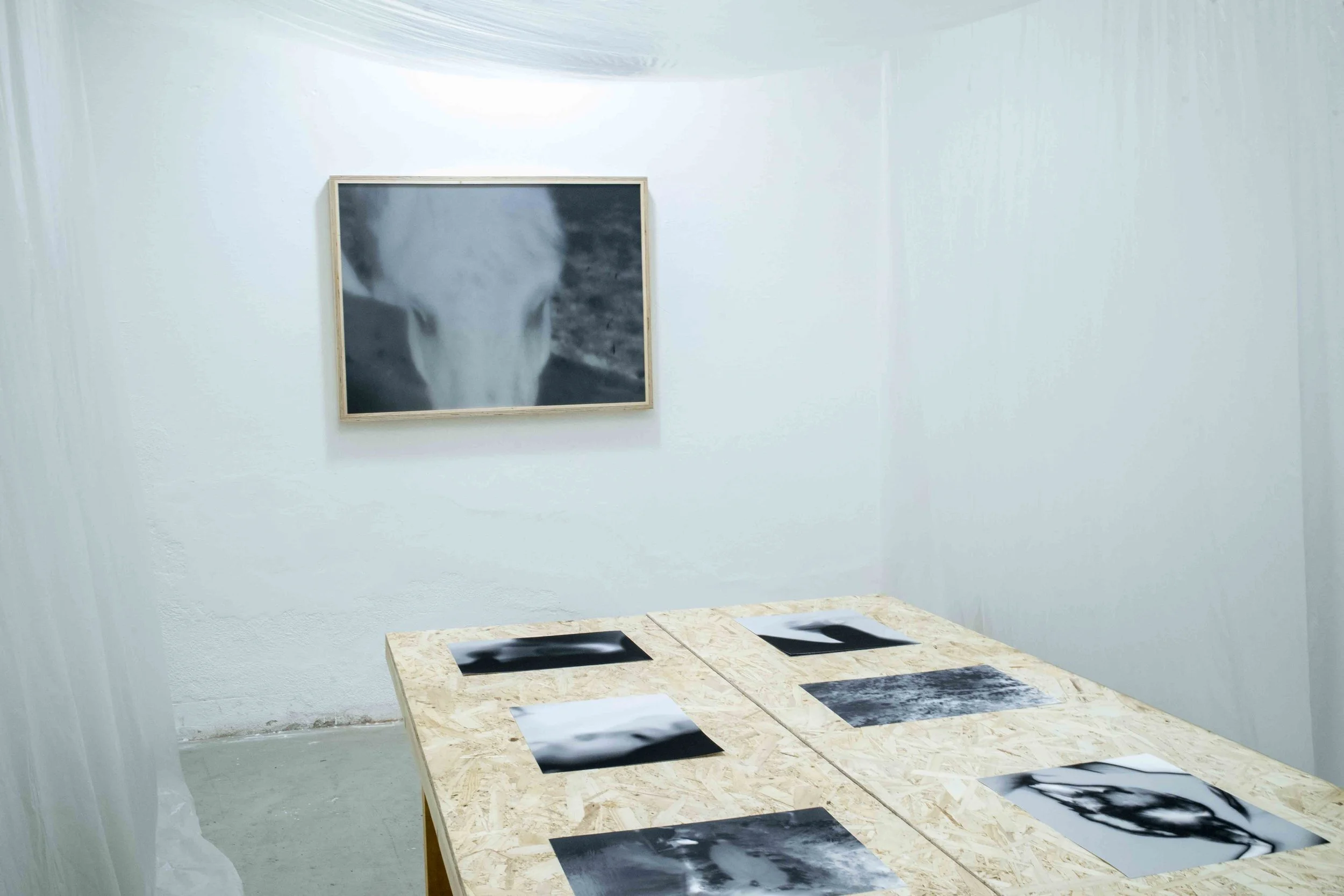
A Place in the Sun by Genti Korini at the Albanian Pavilion's Biennale

Genti Korini finds his inspiration in the radical poetry and obscure magazines of the early 20th century. His research led to the discovery of a St. Petersburg group that published the magazine Bloodless Murder. This collective engaged in a sophisticated parody of colonial tropes through their "Albanian Issue". They targeted a specific writer whose travelogues depicted Albania through a racist and harsh lens. In response, they created "Yanko, King of Albania," a piece of absurd theater that ridiculed the civilized versus native dichotomy. He uses this historical material to investigate how others see Albania and how Albanians view themselves.

What primary intellectual catalyst or discovery compelled you to initiate this particular body of work?
This project started with the discovery of a book by Sezgin Boynik, which was a researcher's study on the early Russian avant-garde of the 20th century. In it, I found an obscure, hidden magazine published between 1913 and 1916, made by a group of Dada-futurist radical poets. The magazine was called Bloodless Murder. Even the name is very intriguing. Simultaneously, these poets were in contact with the Dada group at Cafe Voltaire, so there were these waves of new things moving across Europe. One issue of the magazine was called the Albanian Issue, and of course I got intrigued. I wondered what this avant-garde hidden magazine was that had an issue dedicated to Albania.
Upon further investigation, how did your understanding of the "Albanian Issue" evolve beyond its surface-level title?
Digging further, I realized it was not really about Albania in a conventional sense. I liked very much this idea that Albania was used as a marker of something far away, unknown, obscure, or incomprehensible. The issue focused on a colleague of these poets who had traveled to the Balkans and written a travelogue about Albania that was very colonialistic, racist, and harsh about what he found there. The group decided to do a parody of him. You have to imagine those years, such as the cafes of intellectuals and poets, where everyone was fighting over what comes next and each group was trying to be the most radical. This group was the coolest in St. Petersburg. Their Albanian Issue was practically dedicated to dismantling the racist, orientalist view of this writer. And that is where I discovered the play: Yanko, King of Albania.

How does the "absurd theater" of Yanko, King of Albania, address the colonial tropes and imperial fantasies of that era?
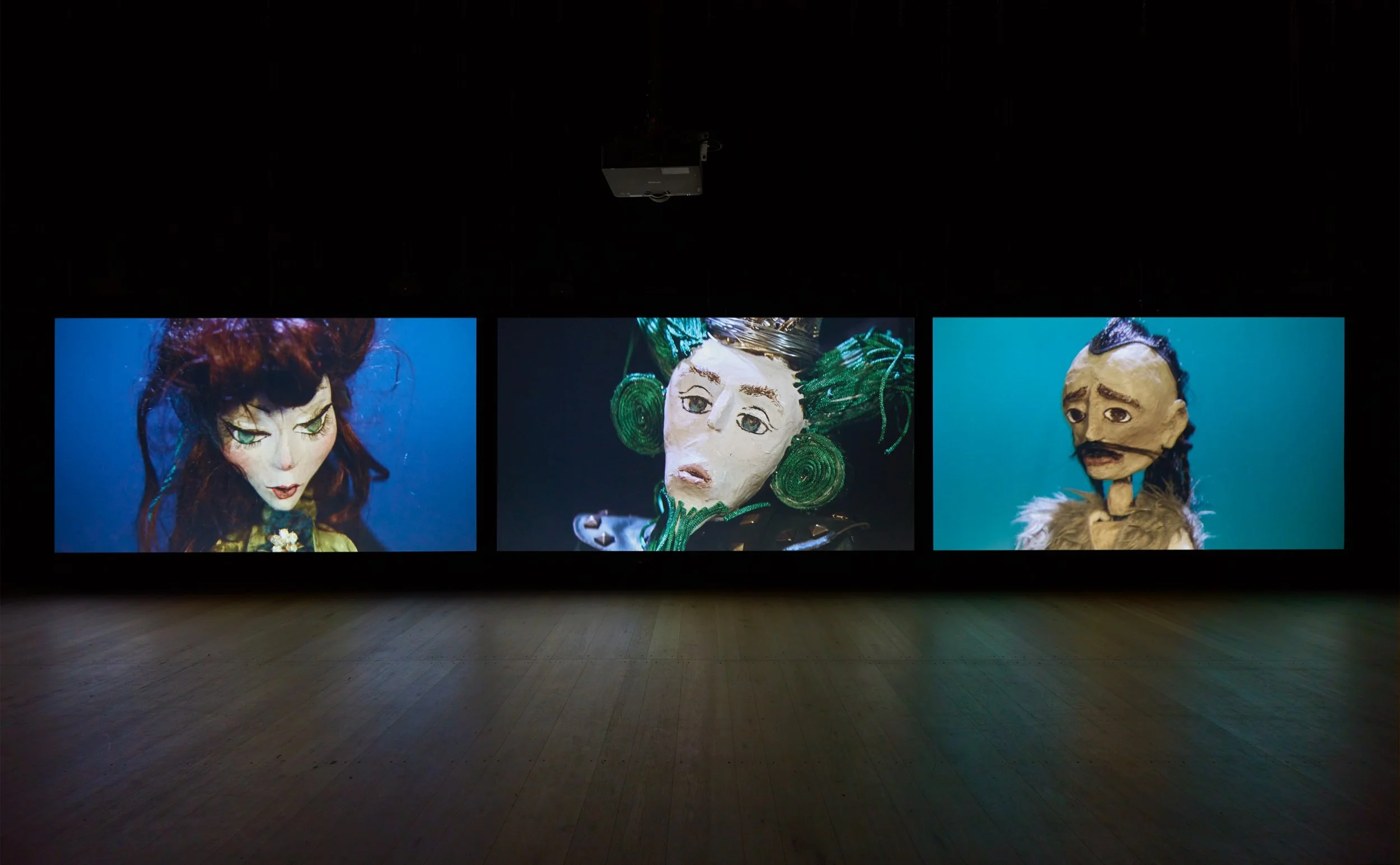
They declared this journalist the king of Albania. It is totally absurd theater, playing with ideas of imperial dreams, civilization versus natives, and the typical colonial tropes of the early 20th century. It sat on my mind for some time.
What other significant discovery served as a linguistic or structural connection to this research?
Then I went further and found a language that is very important to the work, which was invented by the same group who published the magazine. It is called Zaum. It is a language that goes beyond meaning, that transcends the structures of semantics and semiotics. And they used that language to write this absurd theater of Yanko, King of Albania. That was the moment I said: this is material to work on.
How have you utilized this linguistic framework to explore the themes of identity and the "impossibility" of describing the other?
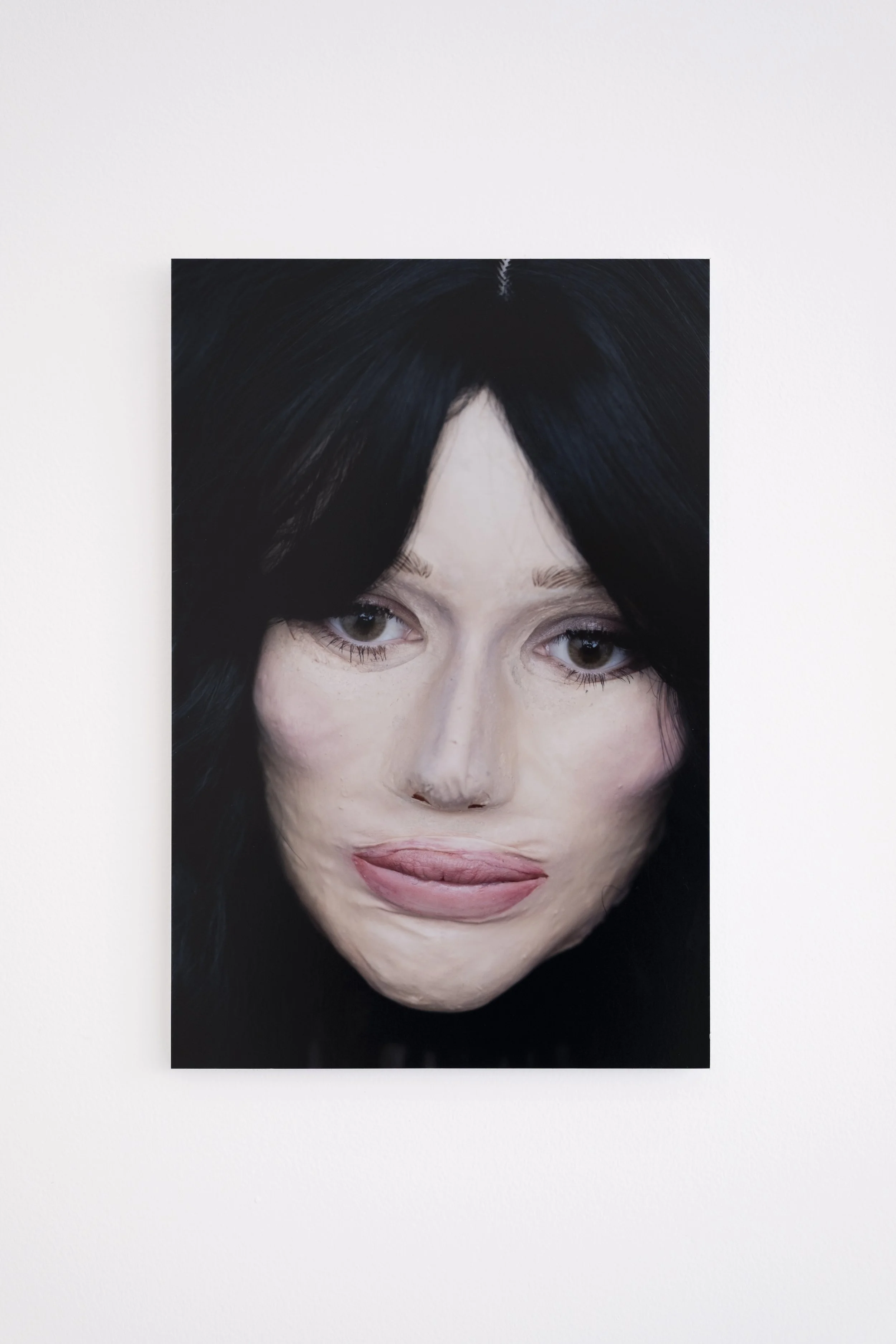
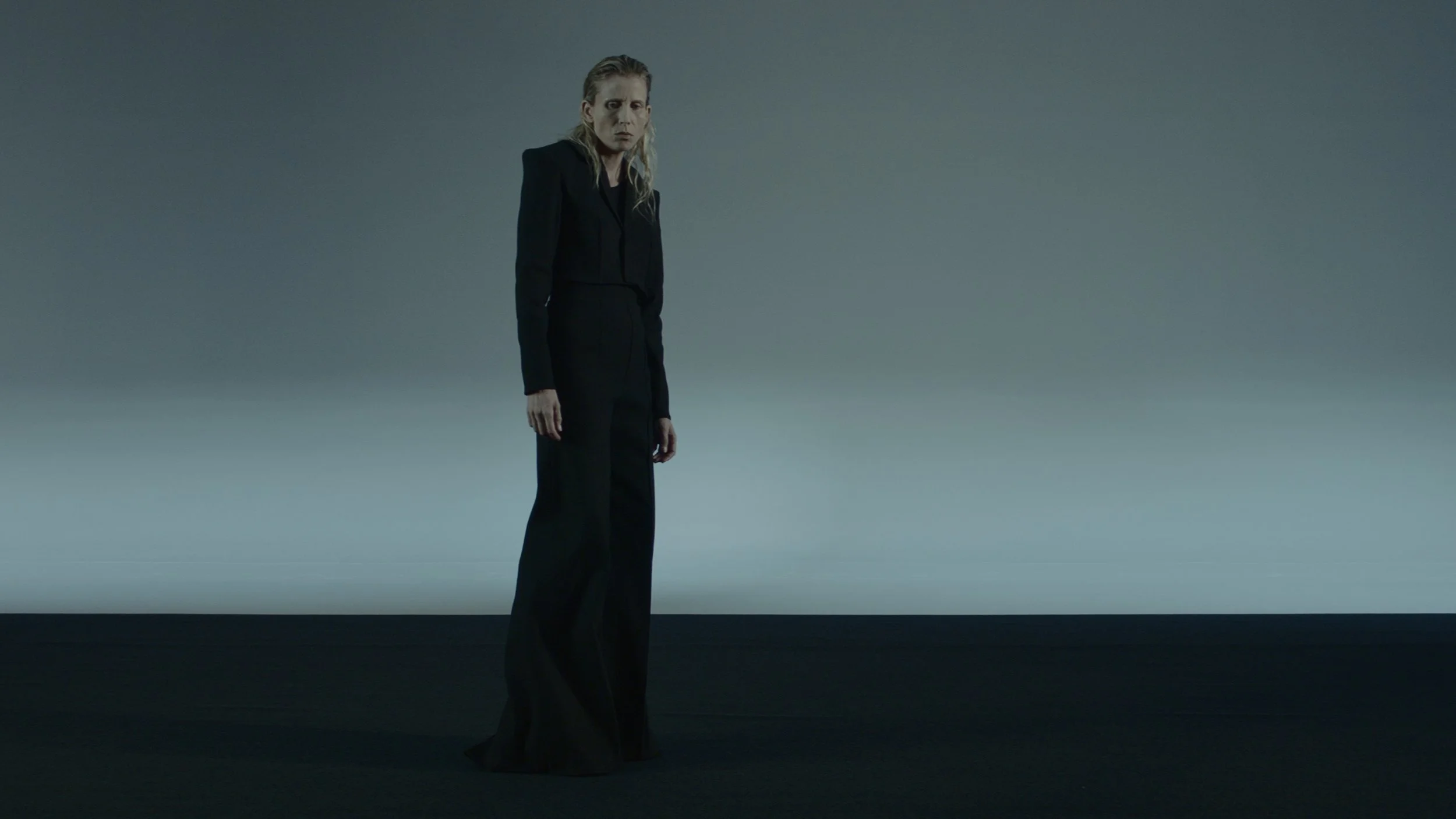
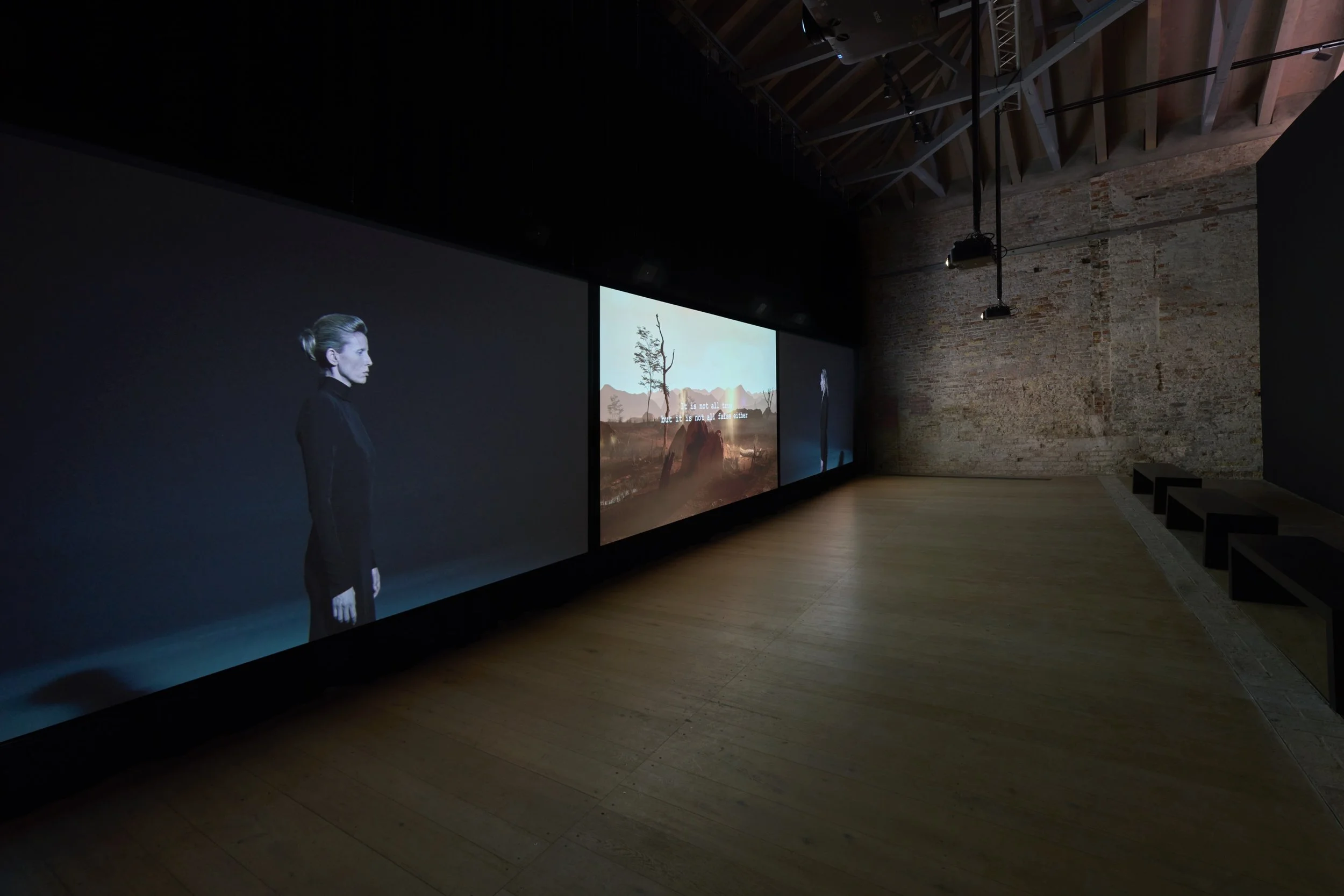
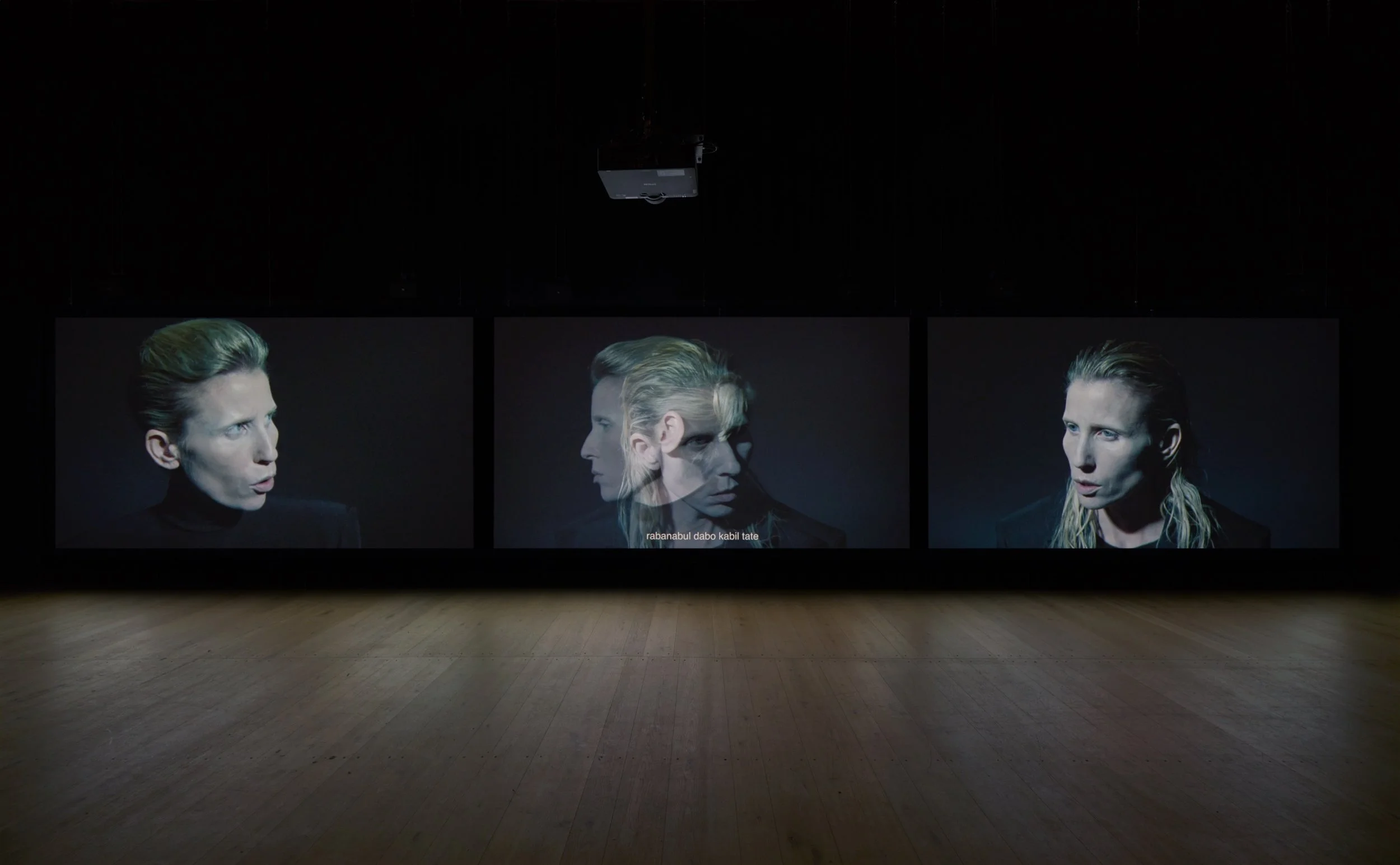
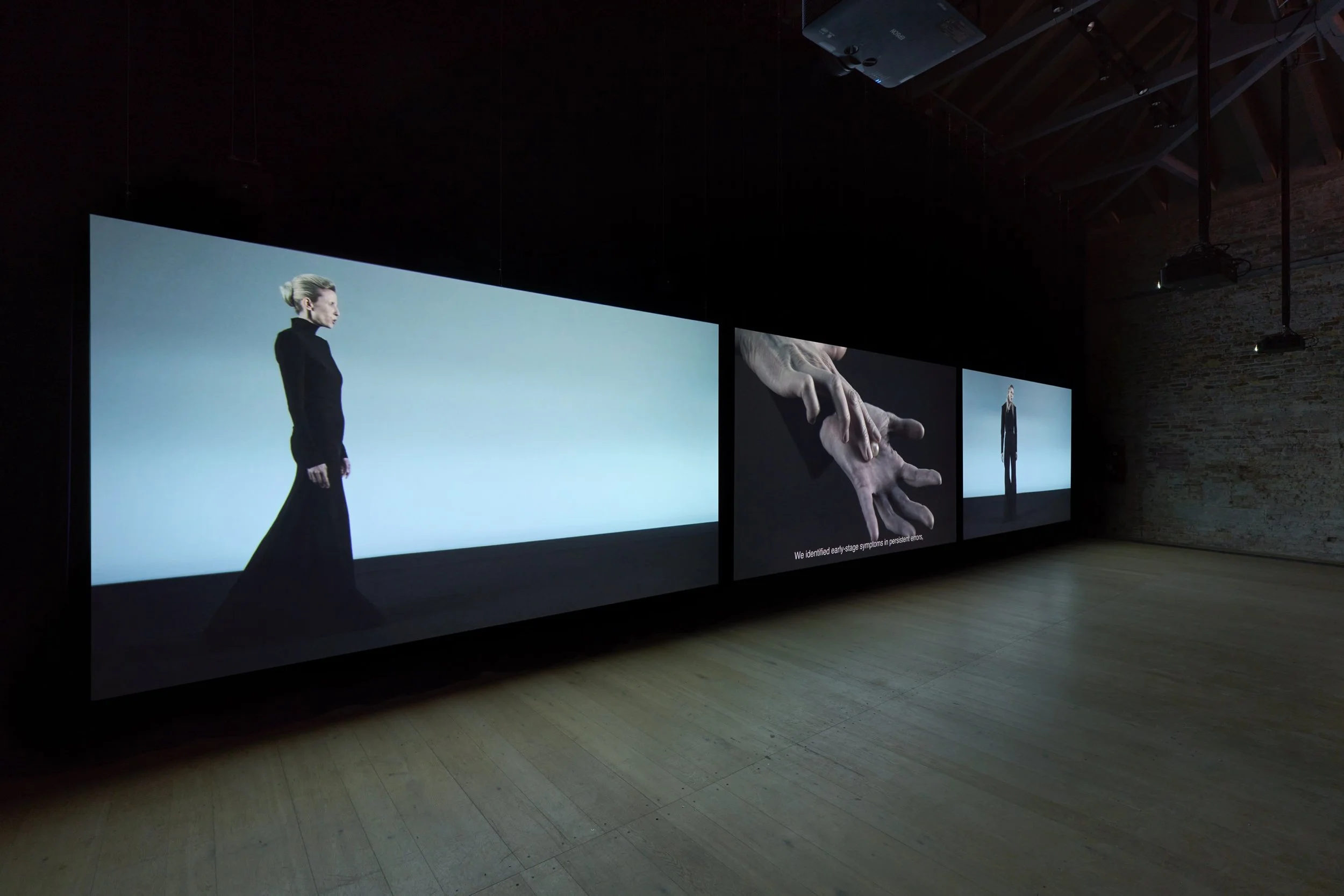
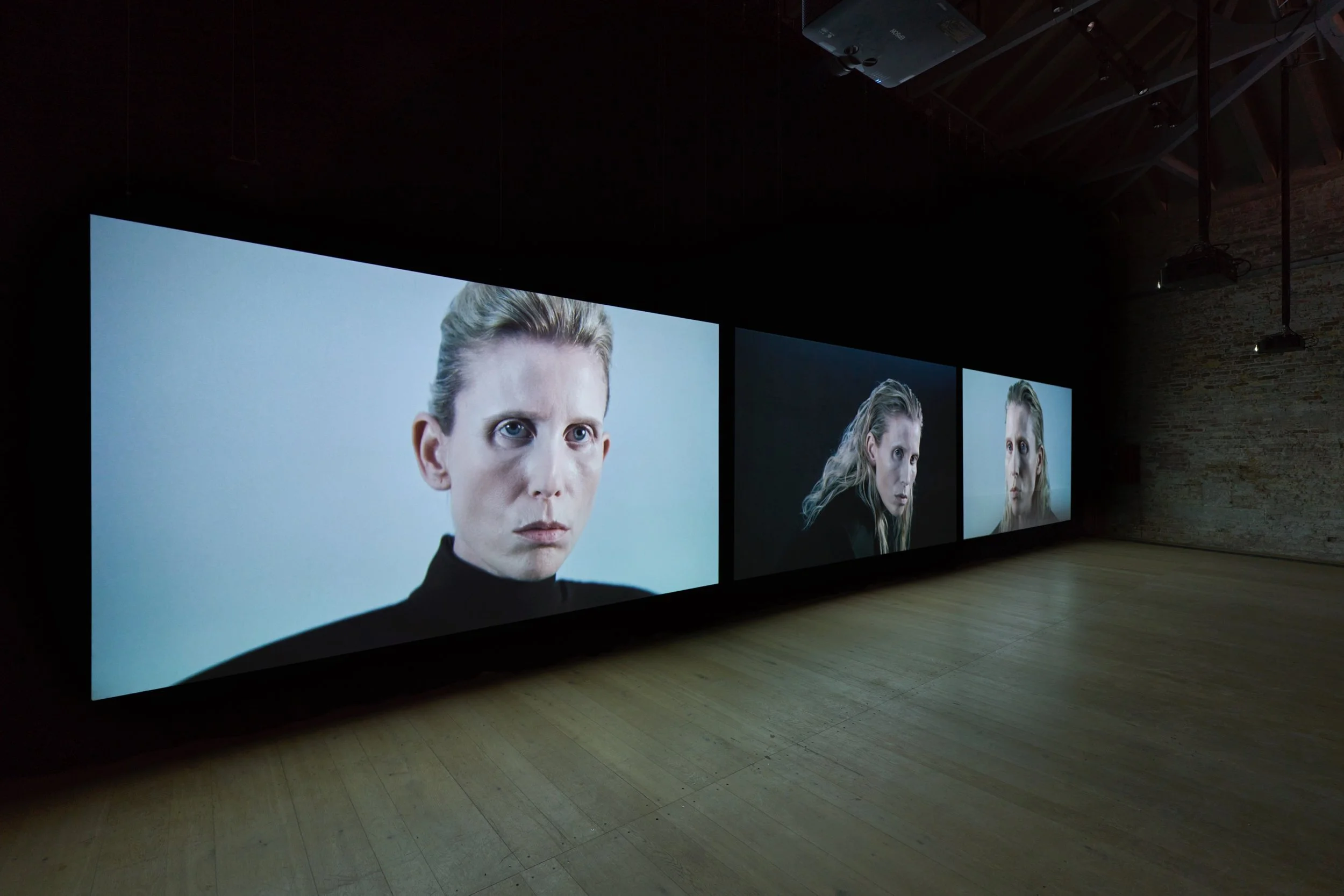
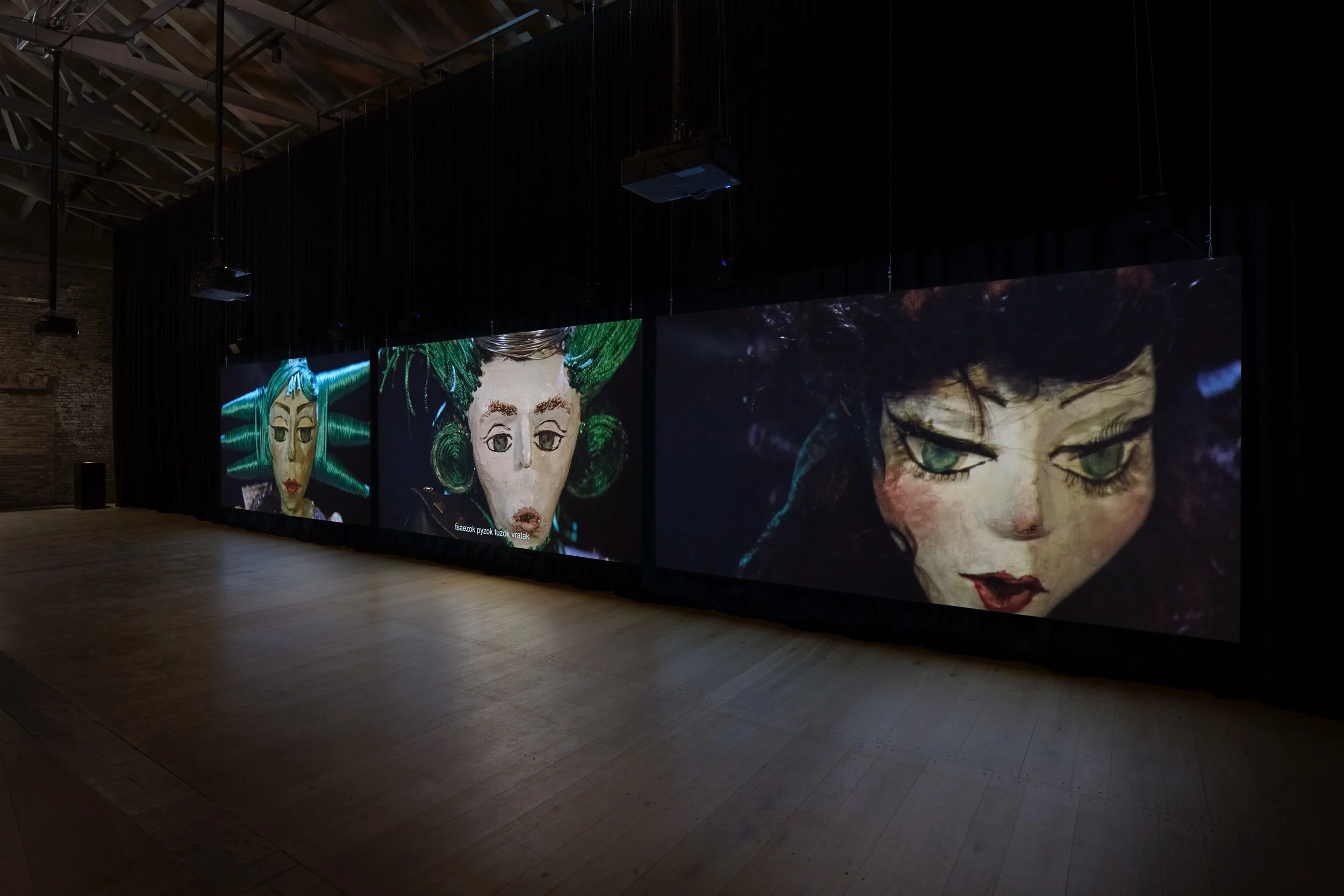
I decided to do my own take on it, which is my own theater. The whole work is built around two characters played by the same person, like alter egos. They try to build a conversation about an unknown, incomprehensible place. In a way, I reflect on the impossibility of language to describe minor cultures, or to describe the other, without falling into an orientalist or exoticizing gaze. The work uses language as a structure to reflect on the narratives and storytellings we construct. What is Albania? What is our identity, or their identity, if we can even separate it from us? It is impossible to fix it in a single narrative. So the work is like a rehearsal: it tries to articulate, but always fails. It starts with language, then breaks into sounds, into incomprehensible dialogues, into dreamy, mystical, surrealistic moments, and then it dissolves down to a language that goes beyond sense.


Could you elaborate on the multidisciplinary aspects of the project, specifically the integration of puppet theater and digital world-building?
That is why I use theater, specifically puppet theater. We also built a world together with a computer gaming artist. Much like in a gaming world, you build worlds. What is this place in the sun? What is this fantasy? The work is about the fantasy of this space, not the place itself. Being from Albania myself, I still wanted to examine the structures through which identity is built, such as how we see ourselves and how others see us. The sun, for instance: people say "I come to Albania because it is sunny". Weather gets used as a kind of capital for identity, which is typical for places boxed into the global south or the idea of the other. We suffer both from being exoticized by others and from exoticizing ourselves. The work goes back and forth between those ideas.
What artistic considerations led you to cast your lead actress and pursue production within the Polish experimental theater tradition?
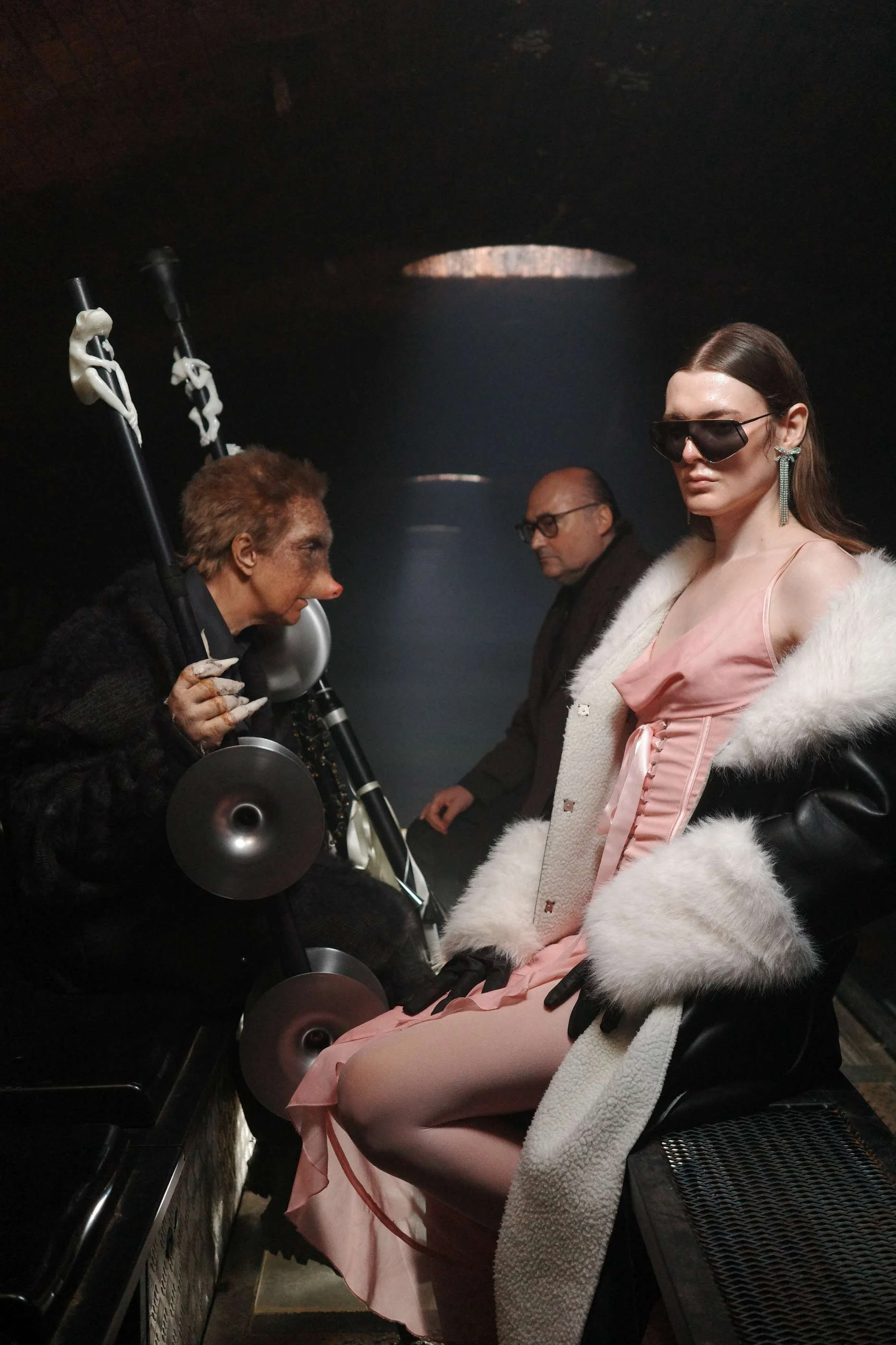
That is another particularity of the project. I wanted to work with a non-Western collaborator. I studied in Romania. Most Albanian artists study in Italy, France, or Germany, but I went the Eastern European route. I know that scene, and they have a strong tradition of theater, avant-garde, and experimental work. My idea was to collaborate from that starting point. So with the curator Małgorzata Ludwisiak, we developed the conversation. We clicked. And then I said, I want to do part of the production in Poland because Poland has an extraordinary tradition of avant-garde and experimental theater, and I wanted that to be part of the work. So I went to Warsaw, met some theater people, and they introduced me to Sonia. It had been in my mind, and then the rest was just logistics. It was that encounter. And I have to say, her presence and the puppet sequence speak very well together; they feel genuinely connected somehow.
How did you navigate the inherent risks of combining disparate elements like 3D animation, puppets, and ritualistic folkloric imagery?
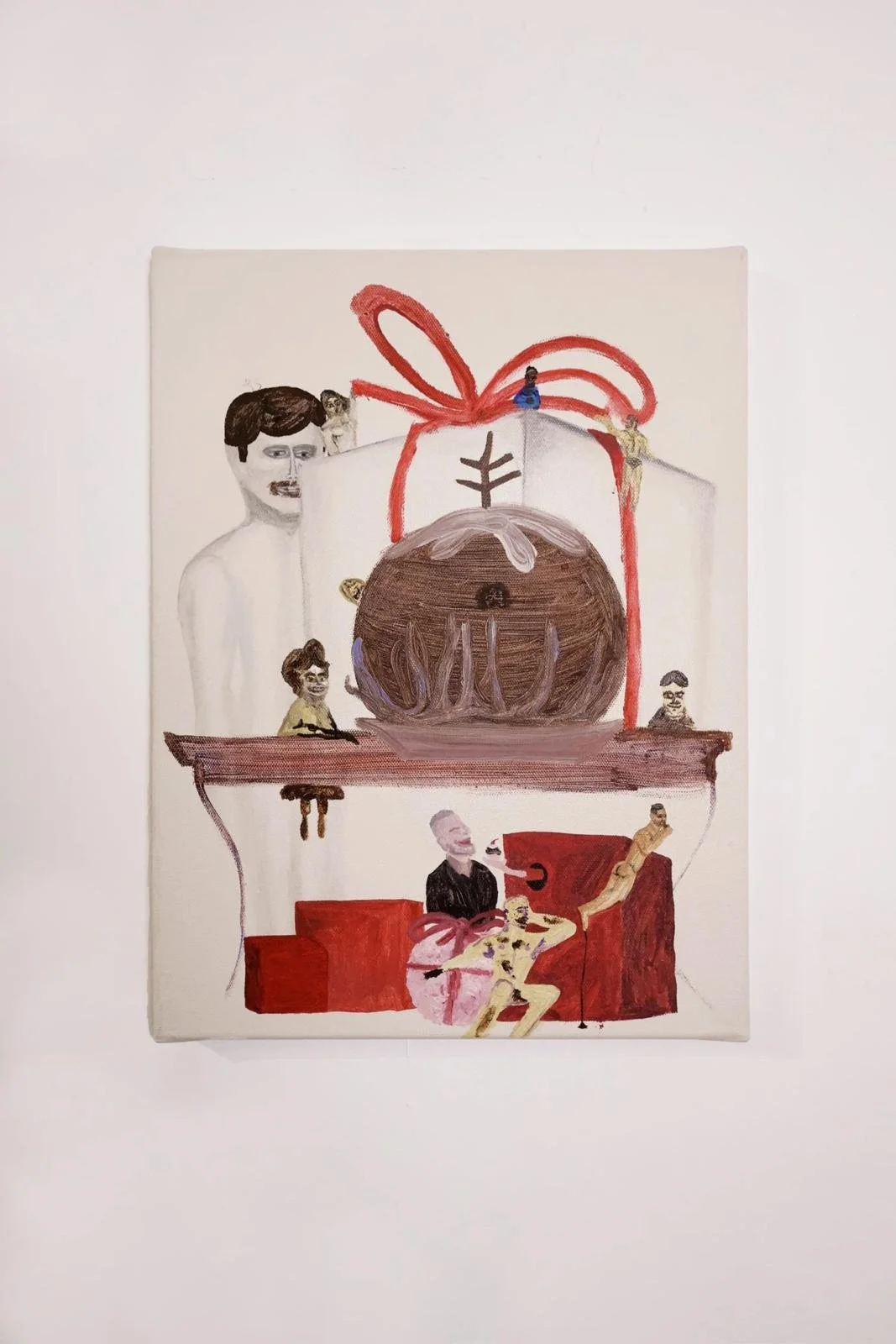
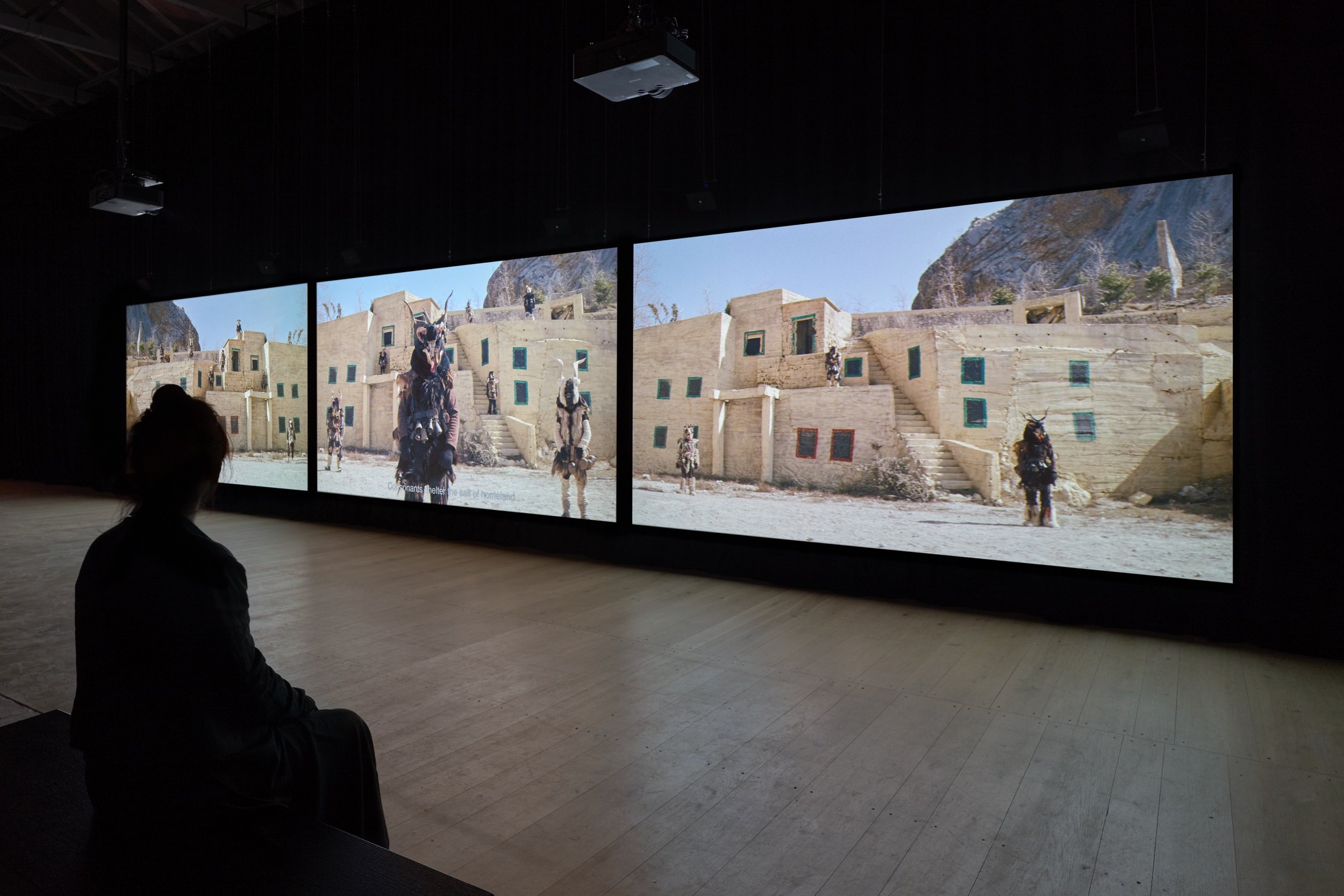
For me, there was always a risk in the work of putting too many things together. It is theater, 3D animation, puppets, surrealistic scenes, and shoots in Albania with masked people. These involve ritualistic, folkloric alter egos, or exotic beings, running in parallel with the main conversation. The risk was that it might feel like too many elements. But the theater part, Sonia and the script we built together, works like glue that holds everything in place. It was risky for me, and I am very happy it worked out. The puppets came from this idea of parody around power: Yanko, King of Albania. We still have issues with power relations today, with the fantasy that one man will fix the country or that we need a king to take charge. The puppet theater plays that out: you have the natives and the bourgeois figures in conversation, the folkloric ones and the "civilized" others. And at the end of the puppet theater, everyone is dead, including the king. I said: why not? Let us make it tragic, specifically tragic in a satirical sense.
What was the final revelation regarding the auditory realization of the 110-year-old Zaum script?
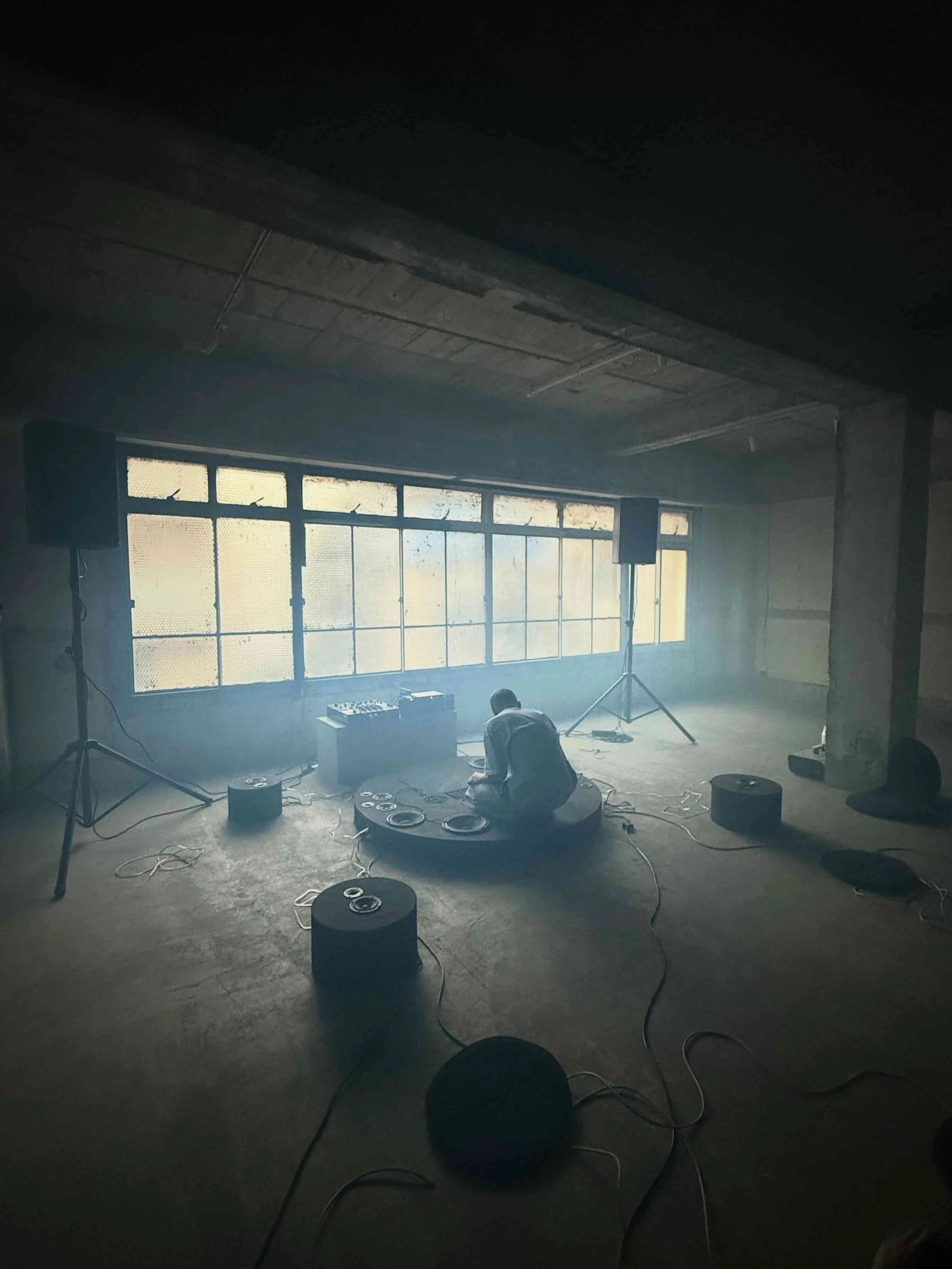
The work is also rooted in a script written 110 years ago. And one of the most interesting elements is the sound of the Zaum language. It existed for a very short period, which was three to five years of experimentation, and nobody had ever actually heard how it sounds. Even me, I was very perplexed. You read it and it looks like gibberish. But we do not know how it sounds. The fact that it actually sounds good is like a revelation. They knew this idea of a metaphorical, transrational language would work. So when you hear the actress Sonia speaking it, you make a connection to something beyond language.
Commissioner: @mtks.gov.al
Curator: Małgorzata Ludwisiak
@teatriikukullave
Produced by:
@kube_studios
PAVILION
Production Director: Ina Lisi @ina.lisi
Pavilion Design & Technical Direction: Erfort Kuke & Martin Bejleri @eri_kuke @martinox
Visual Identity: Genti Korini & Brisi Ymeraj @brisilday
VIDEO
Written and Directed by: Genti Korini @gentikorini
Image: Erfort Kuke @eri_kuke
Producer: Ina Lisi @ina.lisi
Cast: Sonia Roszczuk @smashthecontrol , Arapët e Polenës
Edited by: Erfort Kuke & Romeo Lilo
Original Score: Tobias Koch @tbiasmaria
CGI Designer: Rustan Söderling
Costume Designer: Monika Kaleta @monikaleta
Puppet Maker: Klajdi Ymeri @klajd_ymeri
Make-up Artist: Joanna Chudyk
Production Manager Warsaw: Anna Skała
Costume Assistant: Malwina Sinderopulu
Sound Operator: Endri Pine @endripine
Technical Team: Arenc Kasharaj (AC) @arenc.kasharaj , Marta Rzewuska (Gaffer), Astrit Sula (Grip), Emil Okruciński, Paweł Buźniak, Marcin Mieszkowski
Puppet Theatre: Melsi Qirici @melsiqirici, Jorida Marsi, Renato Aliçkolli, Gildian Dashi, Julian Llukani
Pavilion Installation: We Exhibit
Communications: Send/Receive
Main Partner: @americanbankofinvestments
With the generous support of:
@bashkiatirane
@manefoundation
The Śmiechowski Family Foundation
@jecza_gallery
Interview by Donald Gjoka
What to read next