A Conversation with Alexis Perron-Corriveau from Paloceras
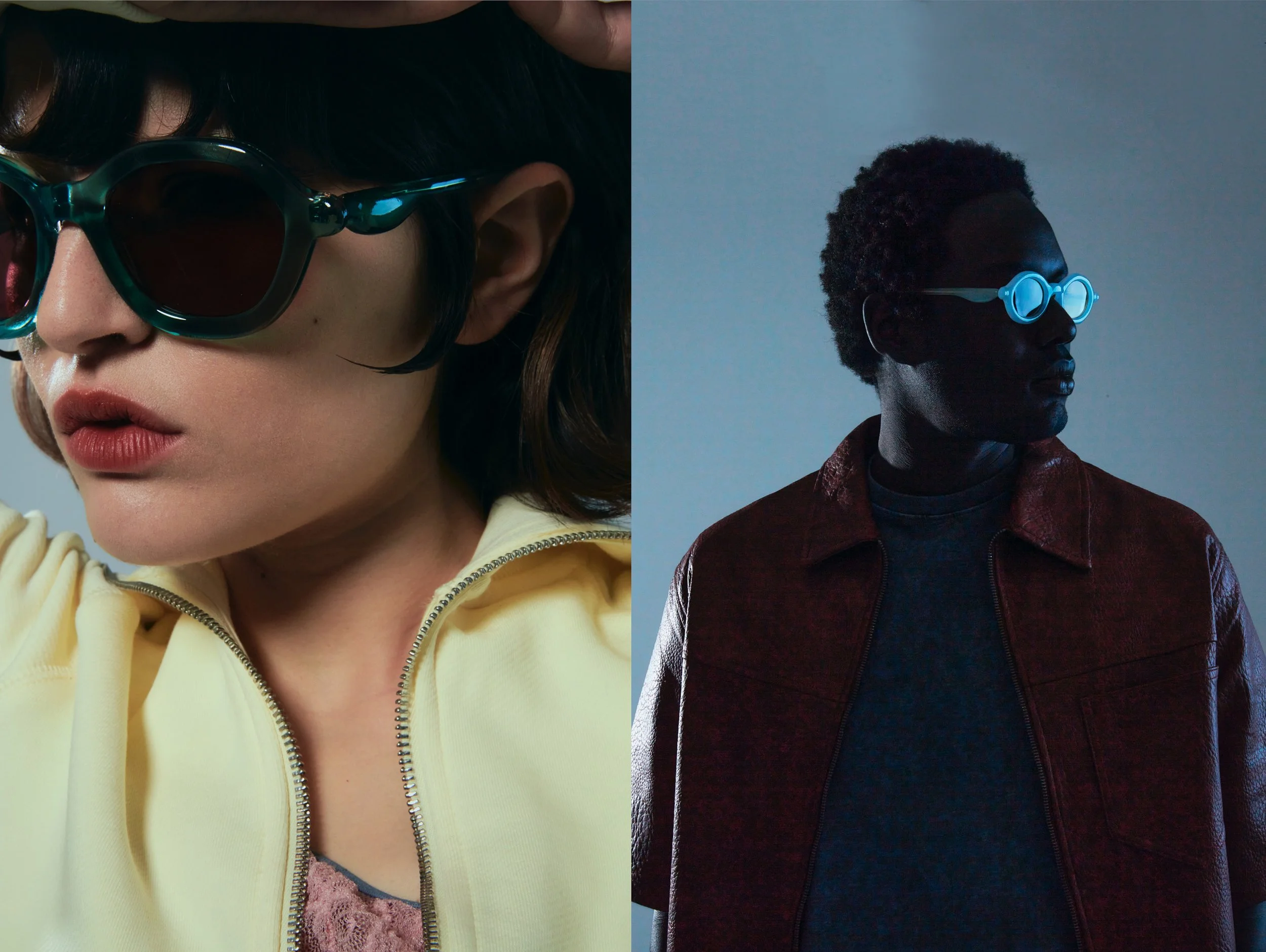
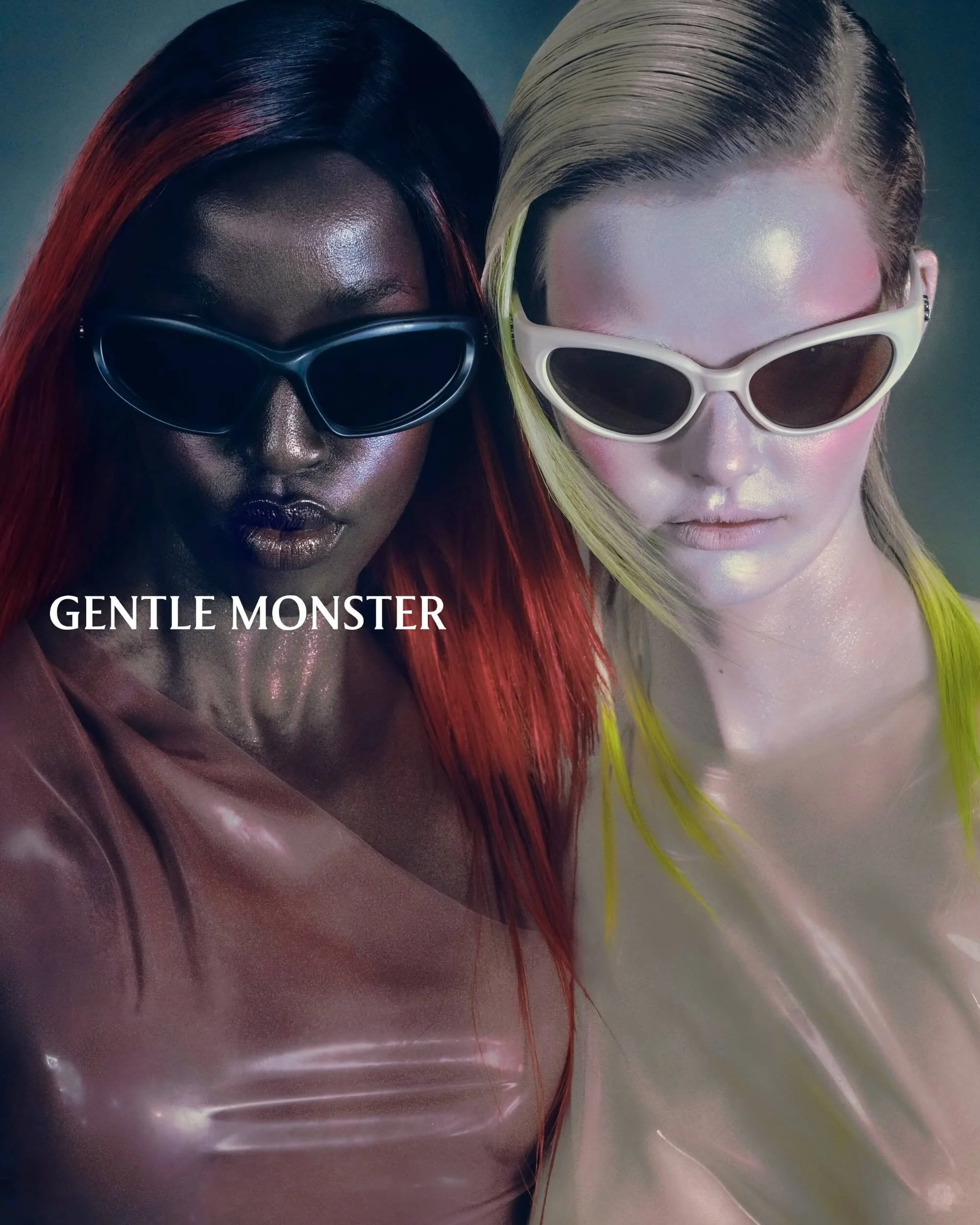
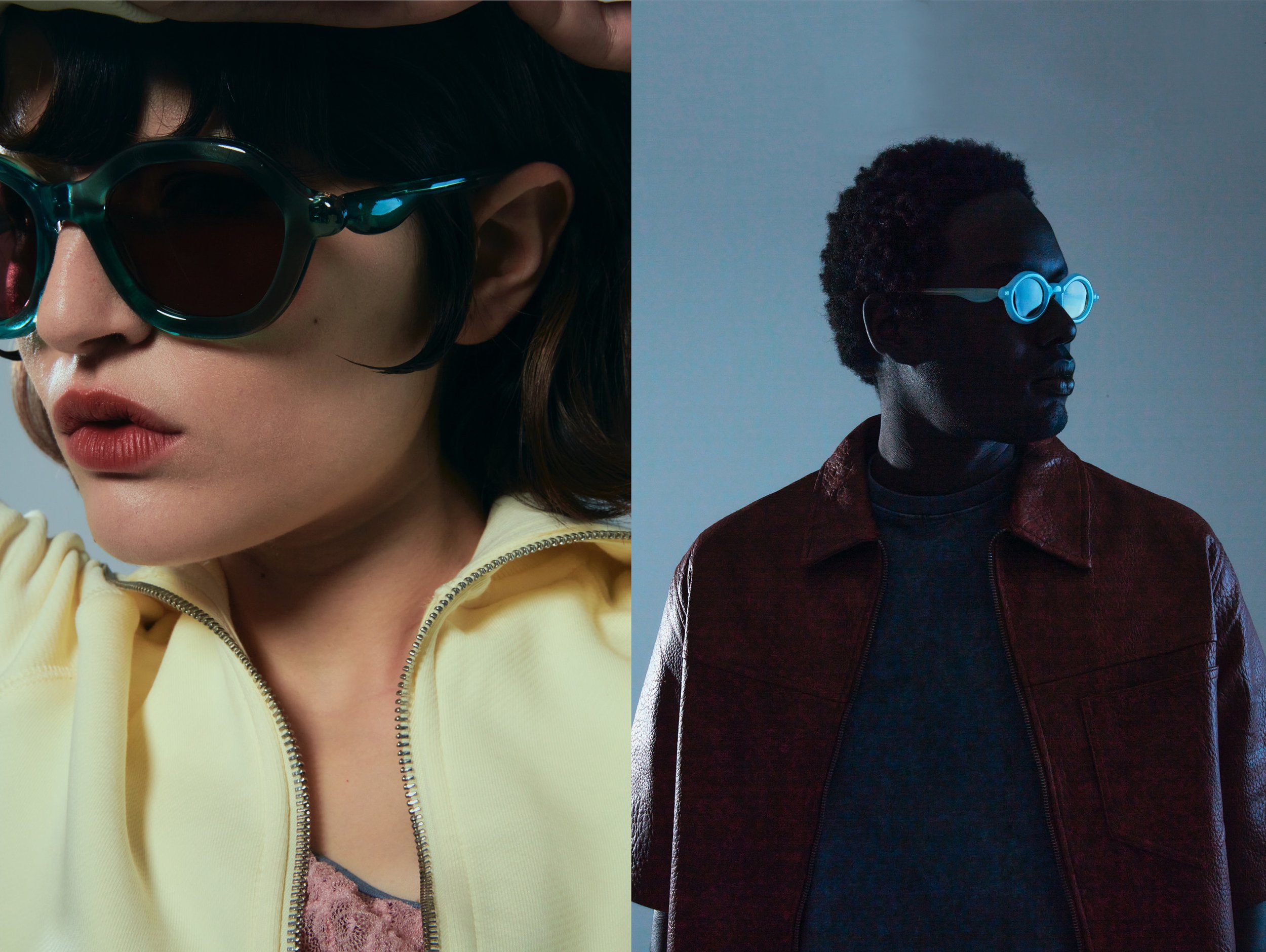
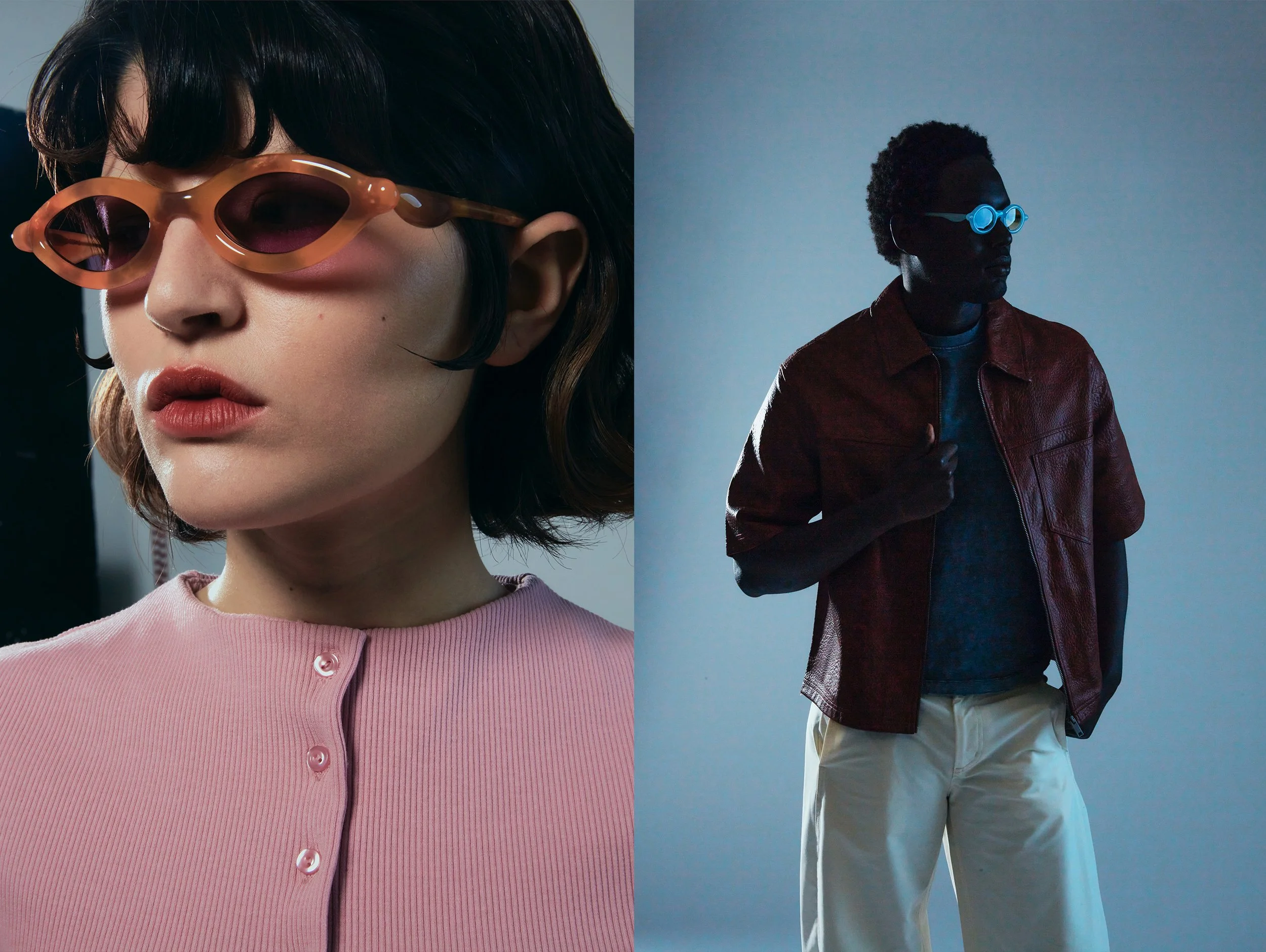
There’s a certain distance in the way Paloceras approaches eyewear; not as image, trend, or statement, but as something slower and more autonomous. The frames feel more discovered rather than designed, shaped through repetition, material tension and small shifts in proportion that almost escape notice at first.
Their products have always moved between precision and instability with sculptural forms softened by wear, objects that seem slightly detached from time while remaining deeply physical in the way they catch light, hold weight or sit on the face.
Nouvelle Fiction Sun continues this direction with a quieter kind of intensity. Where Pebble expanded outward, these forms feel more restrained, pulled inward and held closer to the surface. The conversation investigates this progressive shift from a certain exaggeration to control and resistance and, in particular, how an object begins to develop its own presence.
When did this collection stop being an idea and start feeling real to you?
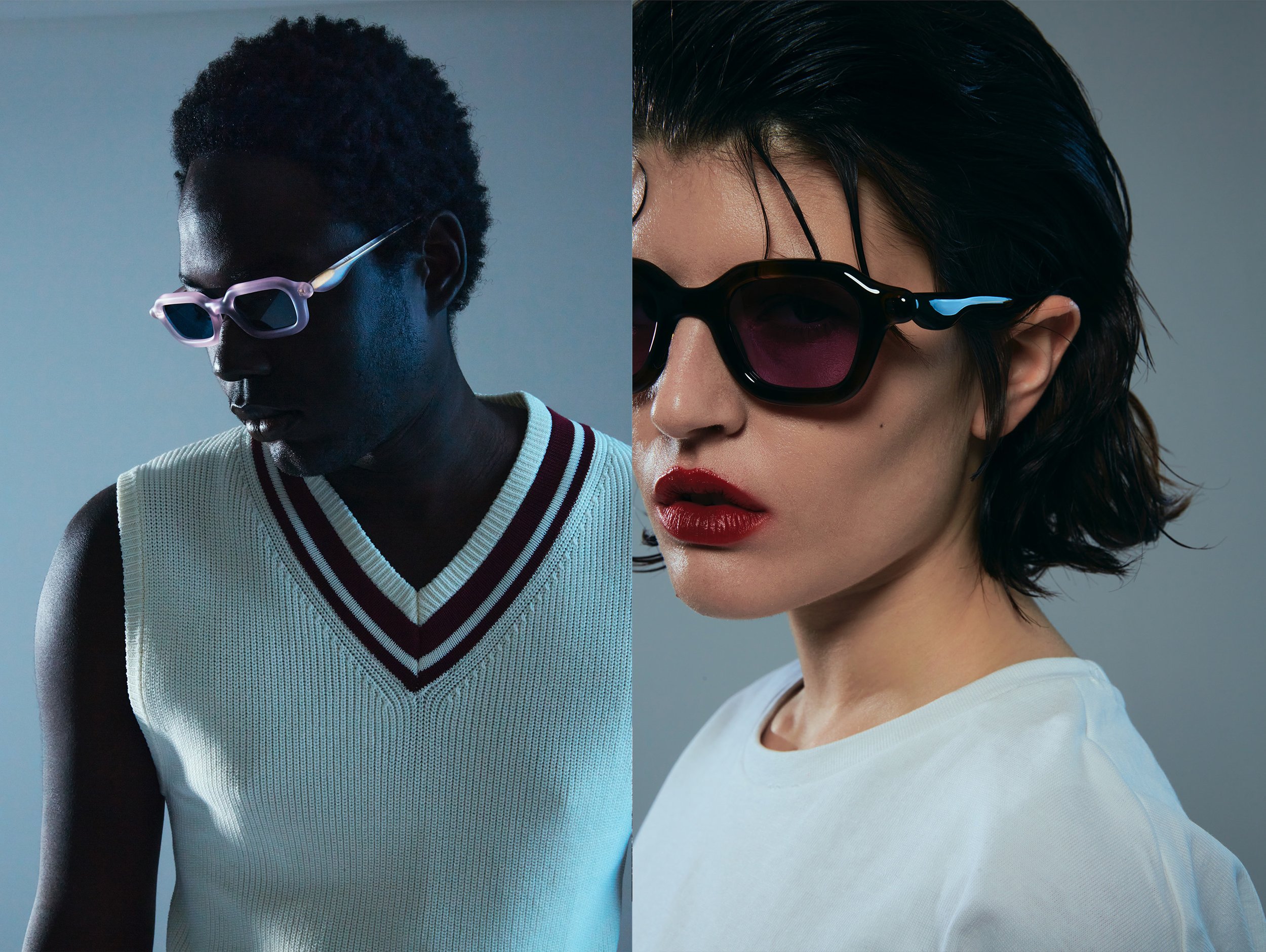
Probably when we held the first real sample. Before that, it’s just digital speculation, swatches and assumptions. Once the acetate sets and you see how it actually catches light, the idea either holds or falls apart. With Nouvelle Fiction Sun, it held almost instantly.
Looking back at Pebble, what did you feel needed to change even if people responded well to it?
Pebble pushed outward, almost inflating past itself, testing how far the material could go. It had that energy. Iit needed to break through a space that felt flat.
With Nouvelle Fiction, we kept the same language but brought it inward. Still inflated, just more controlled. What was external became a quieter tension – less about taking space, more about what remains when you take just enough away.
Do you design with a person in mind, or do you prefer when the object finds its own wearer?
I approach eyewear as an object first, not who it’s for. I’d rather be surprised. If I can already picture it on someone, it’s too obvious, and we’re not about that. The best moments are when someone unexpected puts it on and it just works.
You often mention “impossible shapes.” How close did you get to something that simply wouldn’t exist
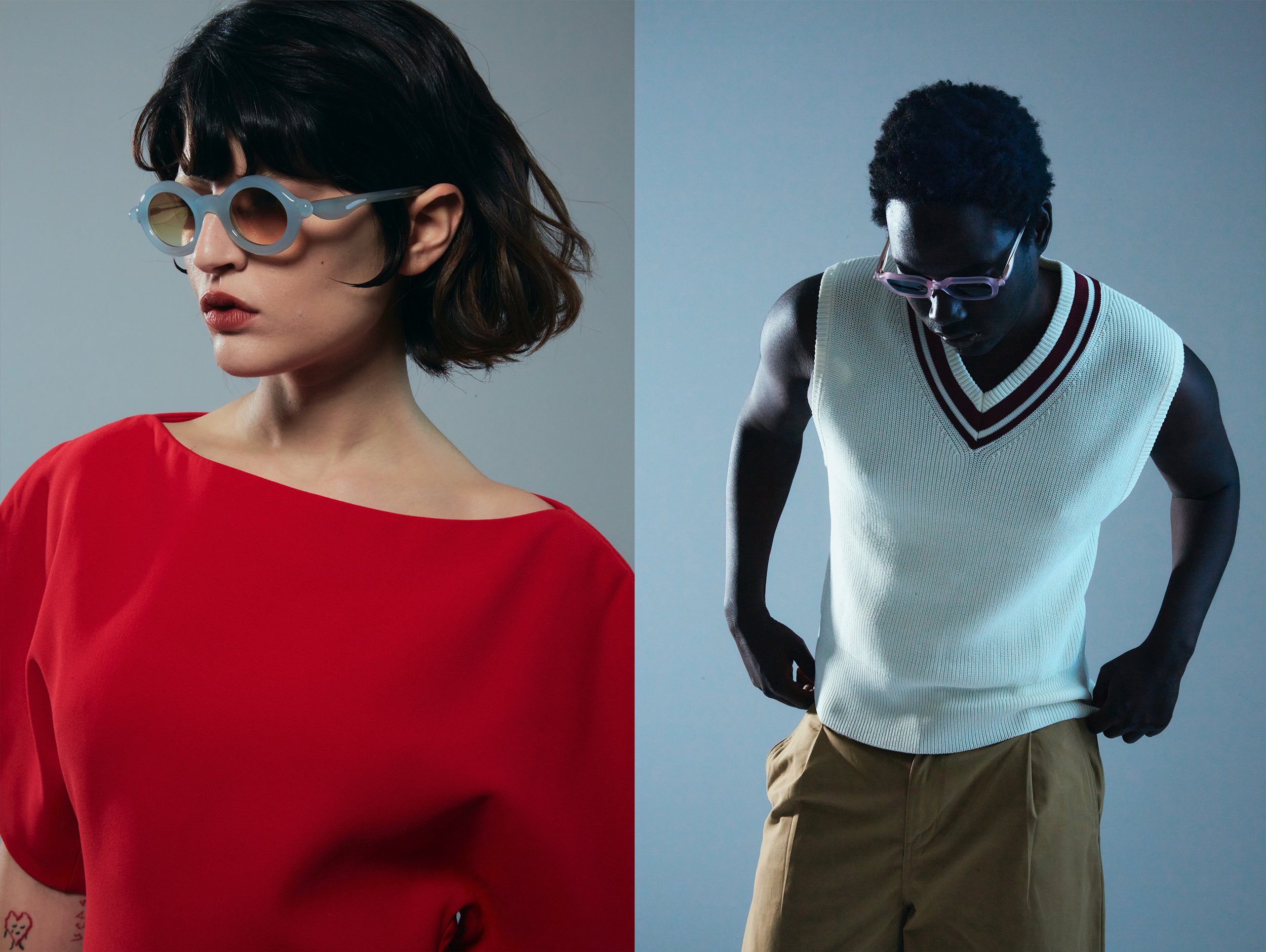
There were moments where the geometry just didn’t want to exist in acetate; too thin in one area, too thick in another. The mould would take it, but the material wouldn’t agree. But we pushed through, because it had to exist.
As the brand grows, what’s becoming harder to protect?
The slowness. The focus. The ability to sit with something a bit longer.
Once things start working, there’s pressure to move faster. Trying to hold that space, to keep the creative channel open and not let the transmission drown in noise, I think that’s the challenge.
What part of the process still feels essential to you – making, seeing, or being seen?
Making, easily. The rest is mostly external.
The moment something vague becomes real – that’s it. Taking a strange idea, shaping it, bringing it into the world, then watching how it lives in someone else’s reality.
There’s a tension in your work between control and unpredictability: how much do you actually leave open to chance?
A lot, especially at the beginning; it starts quite open, then the object finds its own path and begins to take shape. I try to leave space around it, room for things to happen, for discoveries, sometimes mistakes, sometimes pushing something too far just to see where it breaks.
Control comes later, if we can even call it that. It’s more about deciding what stays than deciding everything, more about recognising when something unexpected is worth keeping.
Your frames sit somewhere between product and object. Do you ever think about them outside of fashion – almost as something collectible or archival?
Absolutely. For me, eyewear is an object first. I ask different questions when designing it: how does it feel in the hand, how does it catch light, how does it hold weight…trying to let it exist before its function. Fashion isn’t the main driver here, it’s more like a current the object will eventually pass through, but the form has to stand on its own, almost outside of it.
Then comes the adjustment, shaping it into something wearable, because after all, it remains eyewear; fit and balance enter the conversation, it can’t stay purely sculptural, it has to live on the body, and sit there naturally.
Starting from product leads to solving, starting from object leads to discovery; a duality that matters. I see them as collectible objects, almost like artifacts of perception, something that can exist on its own, even before it becomes fashion, or chooses a face...
If someone finds a pair of your sunglasses ten years from now, what do you hope they recognise in them
That it wasn’t trying to follow anything, it came from a very specific place and stayed there. Maybe a bit strange, slightly out of time, pushing against material and norms. A kind of artefact from a dream that had to exist.
A conversation with Alexis Perron-Corriveau, Designer Director of Paloceras.
Photography DONALD GJOKA
Styling DAVIDE ANDREATTA
Make-up CATERINA CAMERA
Hair ELIZABETH FOGEL
Models MARTINA SAPONARO, IBRA MBAYE
Styling Assistant ALICIA DE POLI
What to read next