Art Biennale Venice 2026: In Minor Keys, at Full Volume
At the 61st Venice Biennale, the pavilions that stayed with me ask for time and physical presence. A personal walk through the Giardini, from Austria to Finland.
I arrived at the Giardini ready to look at art. Several pavilions gave me a role instead.
The 61st International Art Exhibition, In Minor Keys, follows the vision of the late Koyo Kouoh and favours listening and slower attention. This edition opened under pressure: the prize jury resigned days before the preview, and the Golden Lions gave way to a public vote. Inside the national pavilions, though, the strongest impression I took home was physical. The works I remember best treat the visitor’s body as part of the piece.
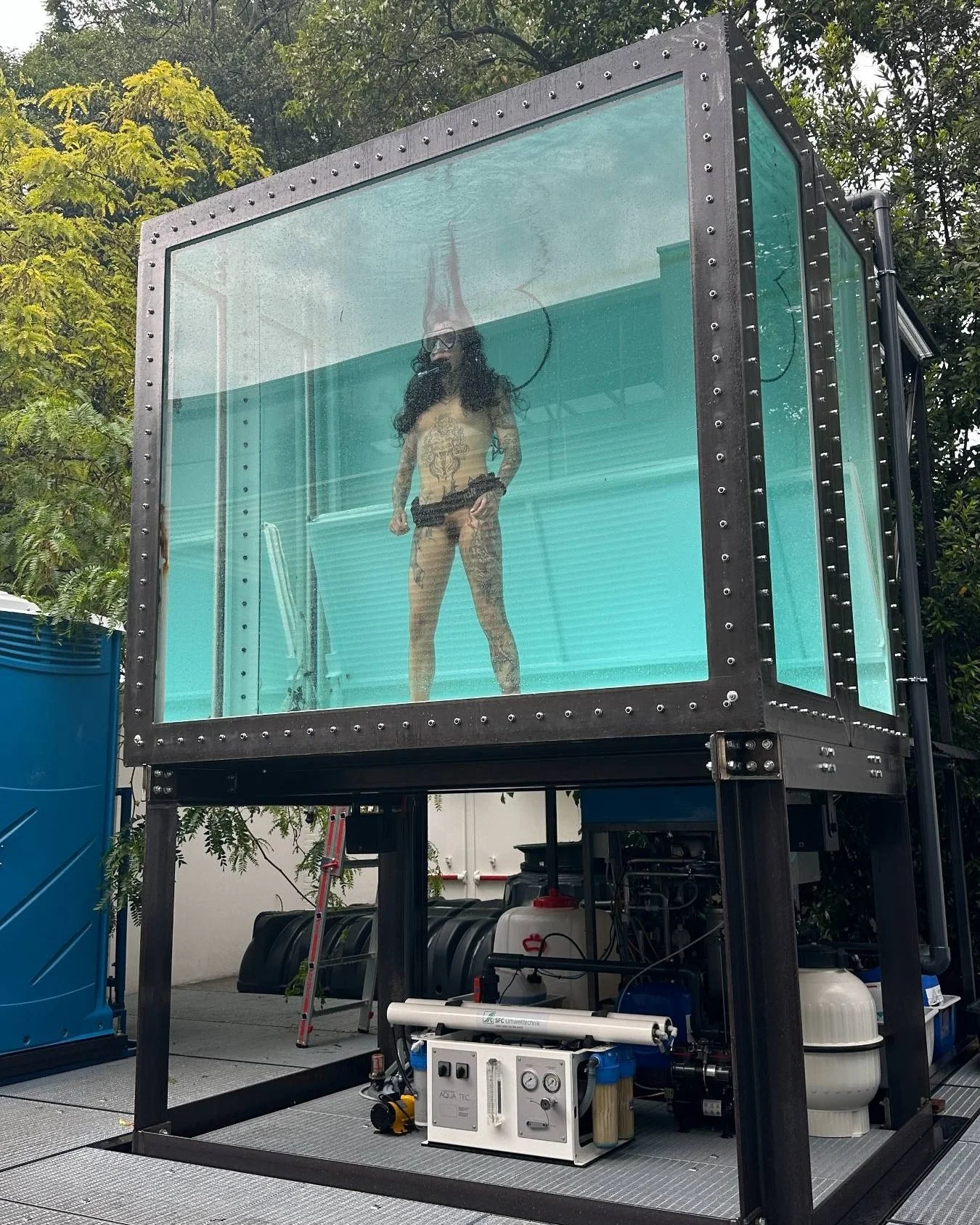
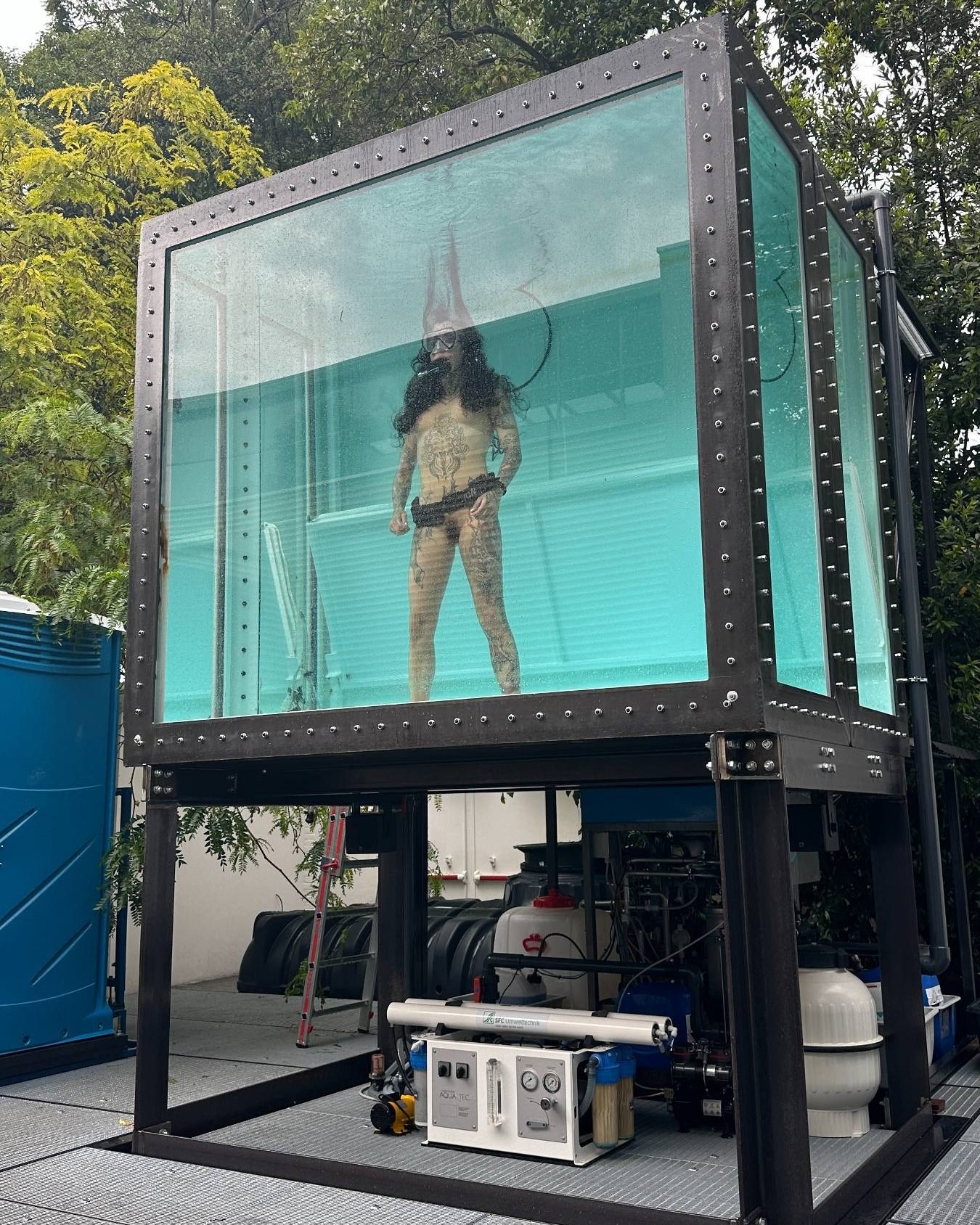
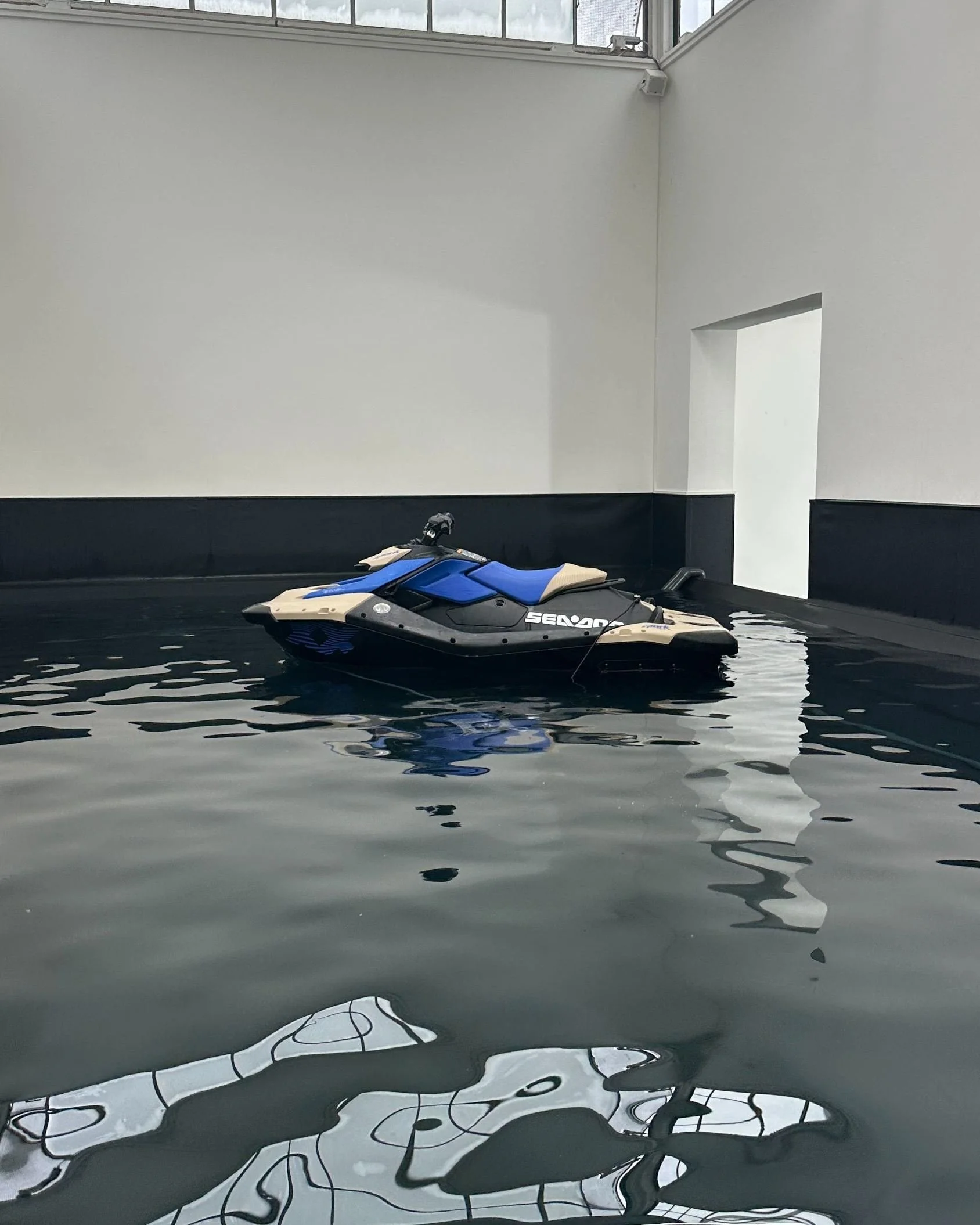
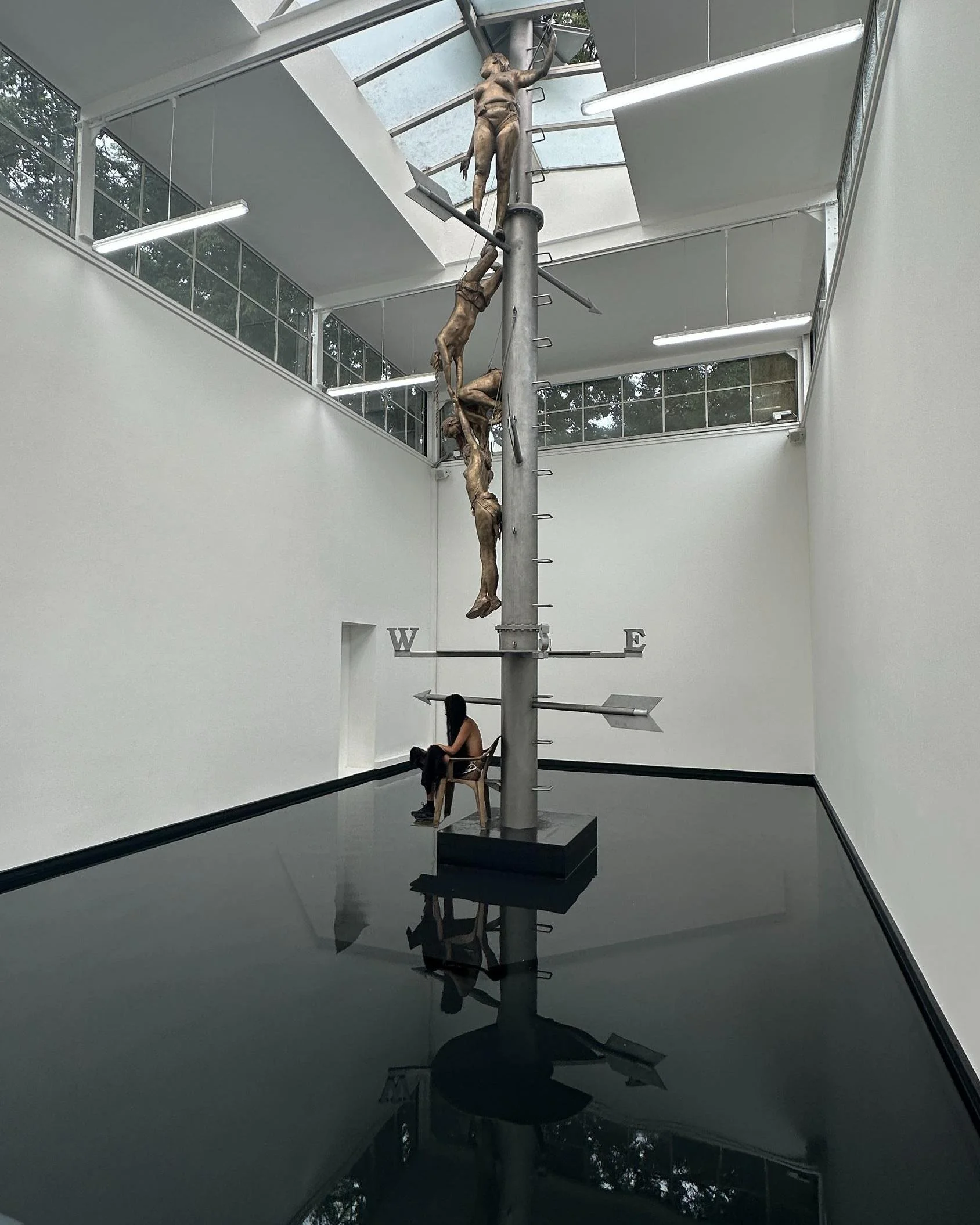
Florentina Holzinger has flooded the Austrian Pavilion. Curated by Nora-Swantje Almes, SEAWORLD VENICE is conceived as an underwater theme park, a sewage treatment plant and a sacred building at once, a machine inhabited by performers every day until 22 November. A jet ski circles the flooded room at full speed. Further actions, the Études, take place across the city and its lagoon. I stood at the edge of the water longer than I had planned. The noise fills the building, and the performers work through it with the calm of people on a shift. Venice and its rising water are the real subject, and the pavilion makes you feel that in your ears and on your skin before you read a single line of text.
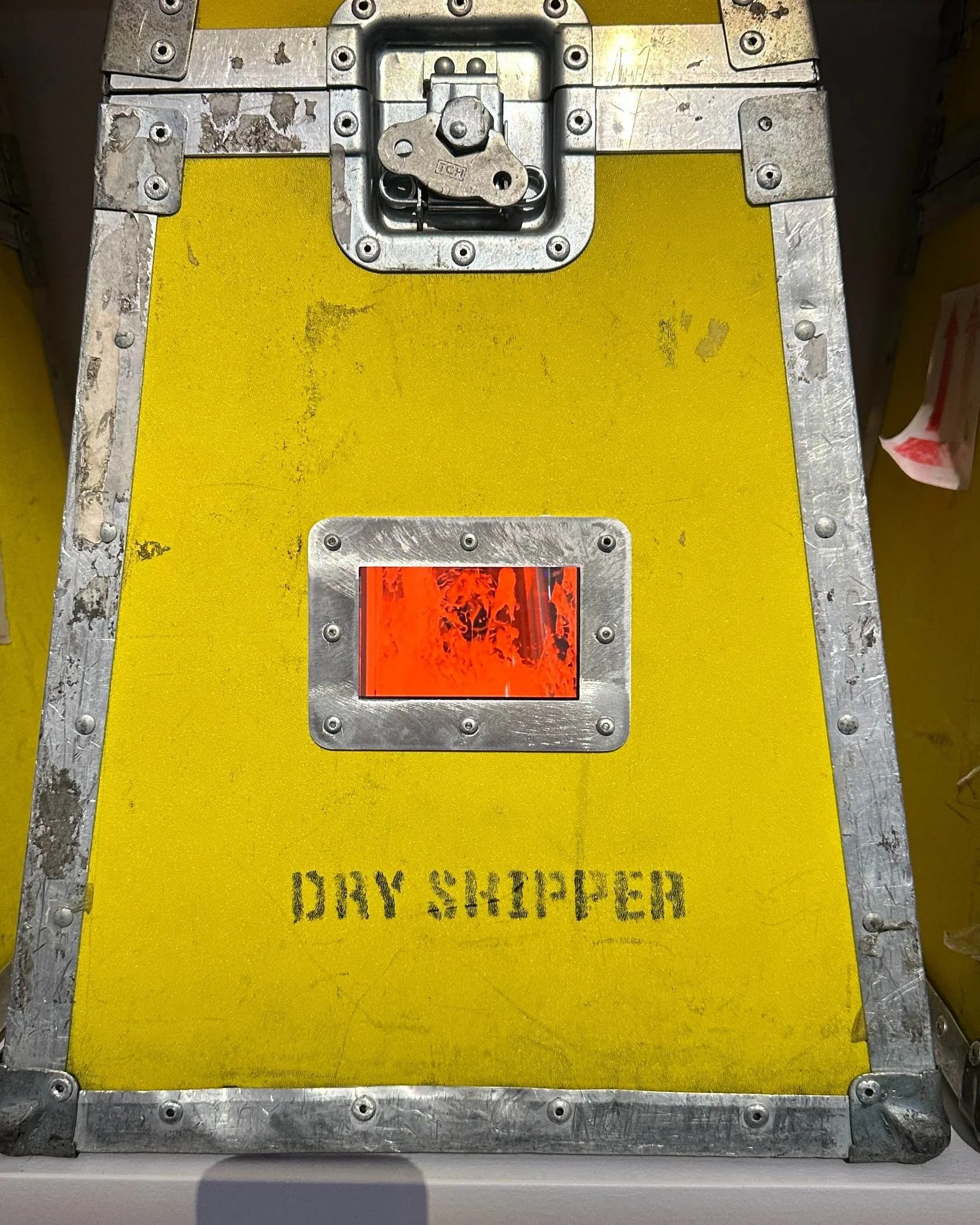
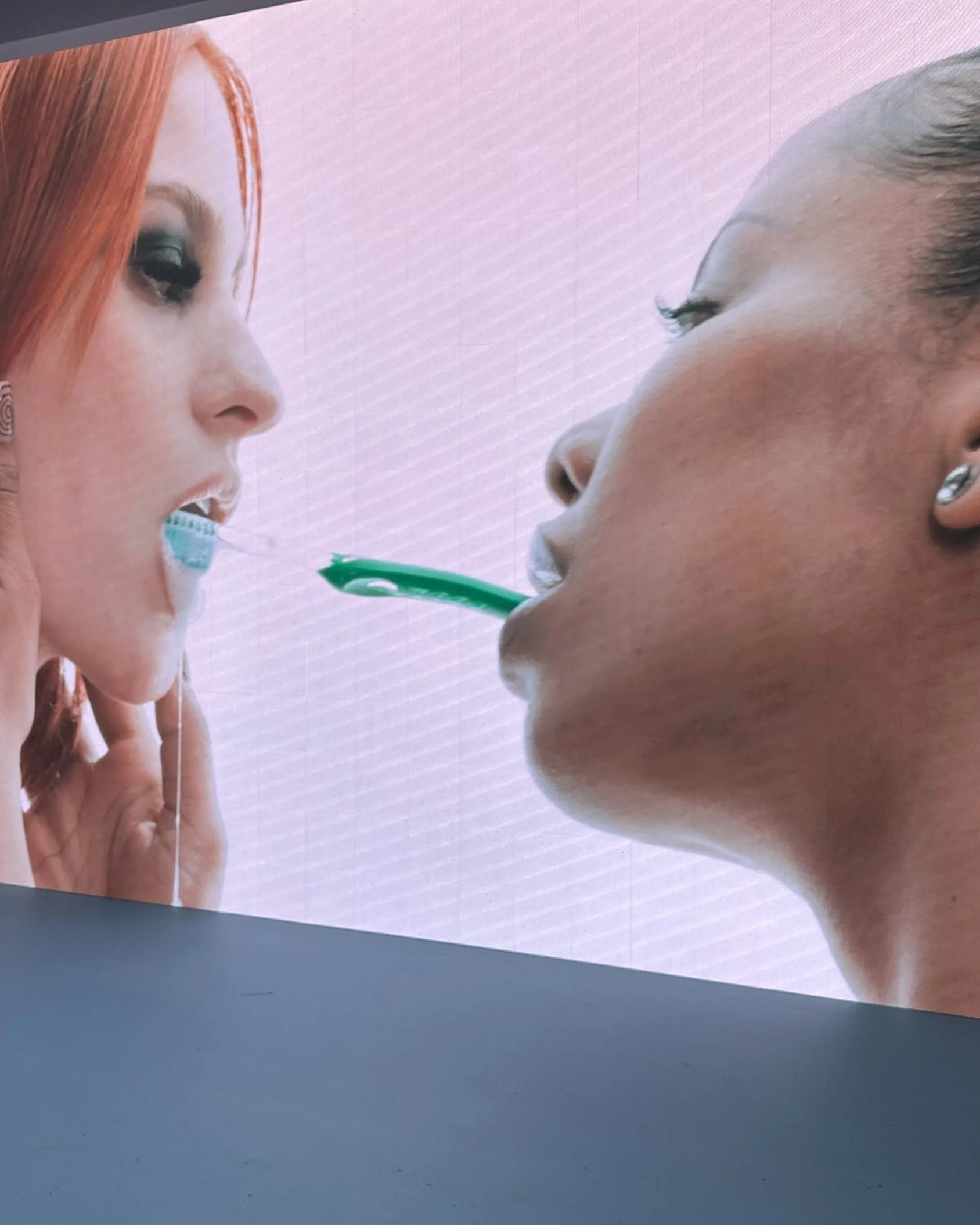
A few steps away, Maja Malou Lyse, born in 1993 and the youngest artist ever to represent Denmark, presents Things to Come with curator Chus Martínez. The project links fertility science, science fiction and the pornographic image, with adult film performers on screen and a synthetic environment designed by Common Accounts. Here the performance belongs partly to the audience. I watched people decide how long to stay in front of the screens, and how to stand while others watched them watching. Lyse asks what images do to bodies, and the room answers in real time through its visitors.
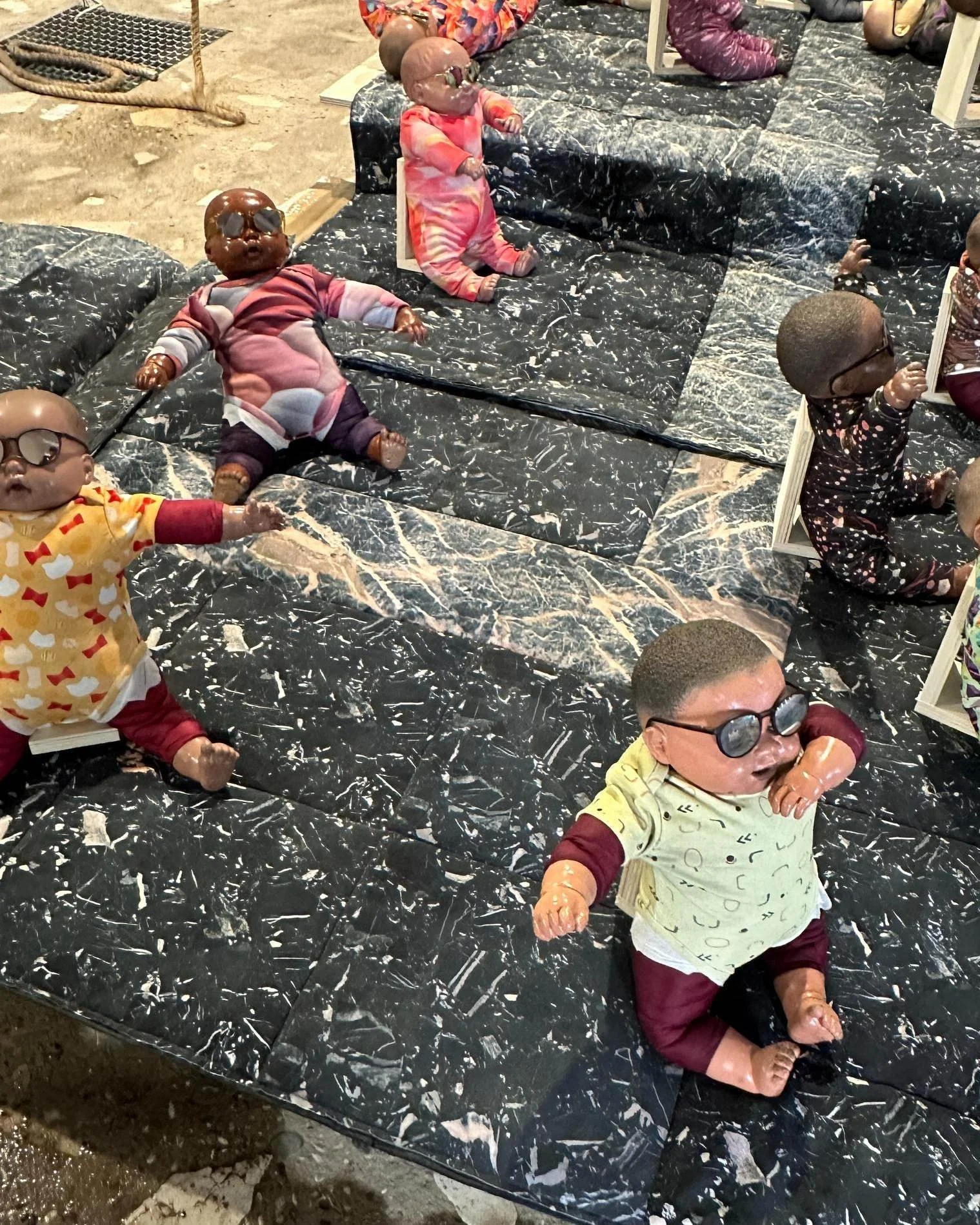
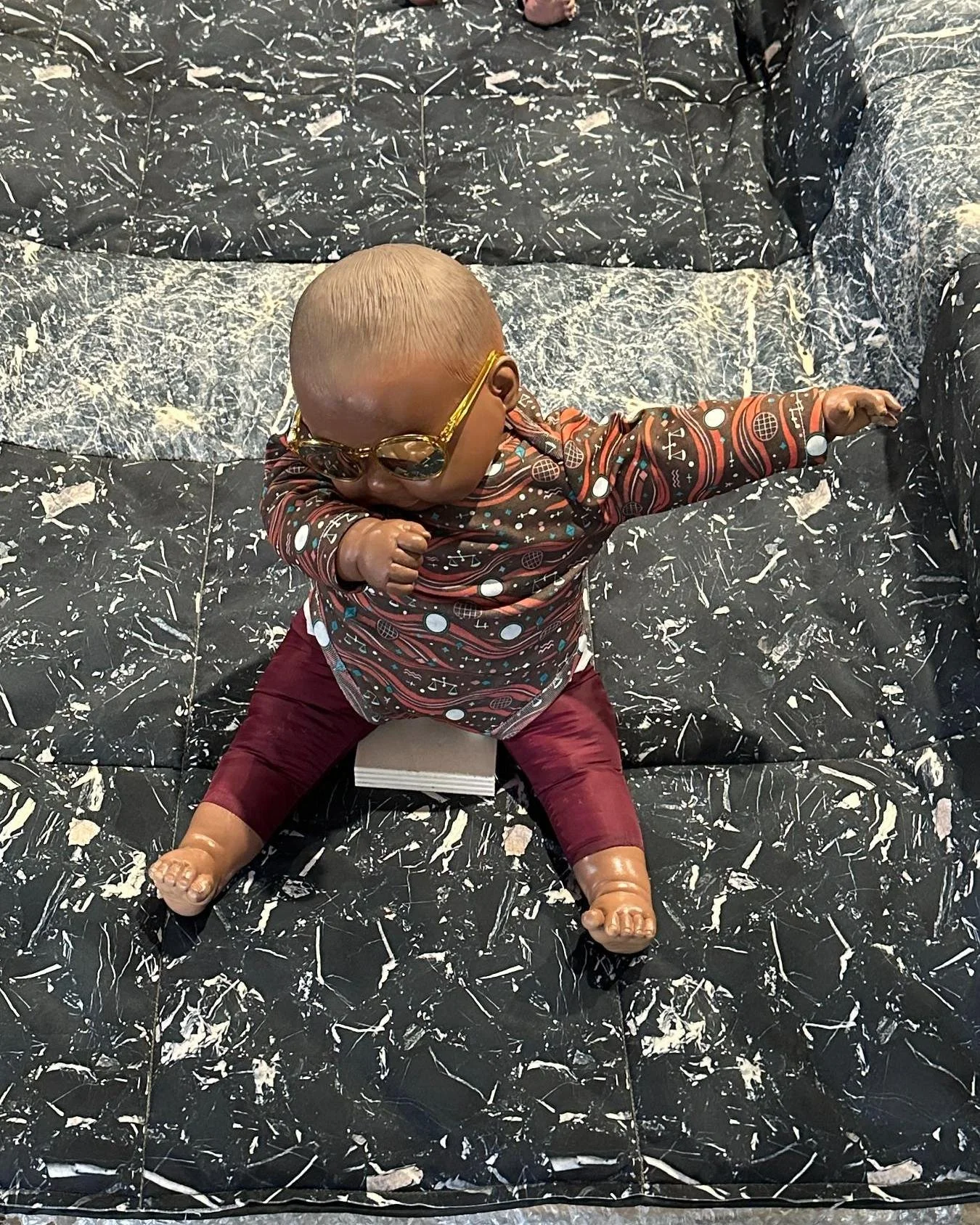
Japan marks the 70th anniversary of its pavilion with a quieter proposal. In Grass Babies, Moon Babies by Ei Arakawa-Nash, each visitor picks up one of 200 baby dolls under the pilotis of Takamasa Yoshizaka’s building and walks with it through the garden and the interior, where a sound piece features the voices of the artist’s own twins. Near the exit you change the doll’s diaper, and a QR code returns a poem tied to that baby’s birthday. Holding a doll changes the way you walk. I slowed down, and I caught strangers smiling at each other across the room. Arakawa-Nash, who works from his experience as a queer parent, turns care into choreography that anyone can perform.
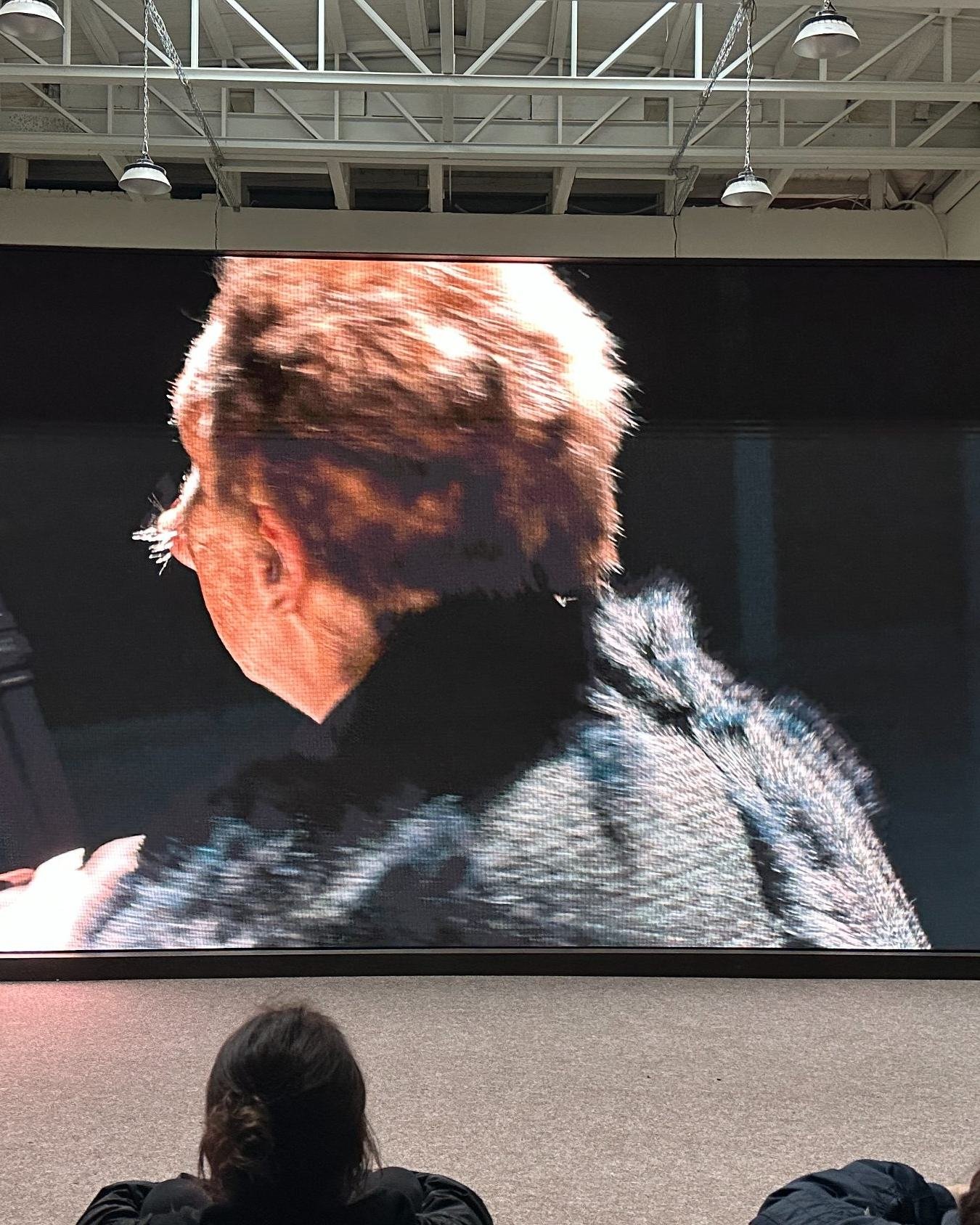
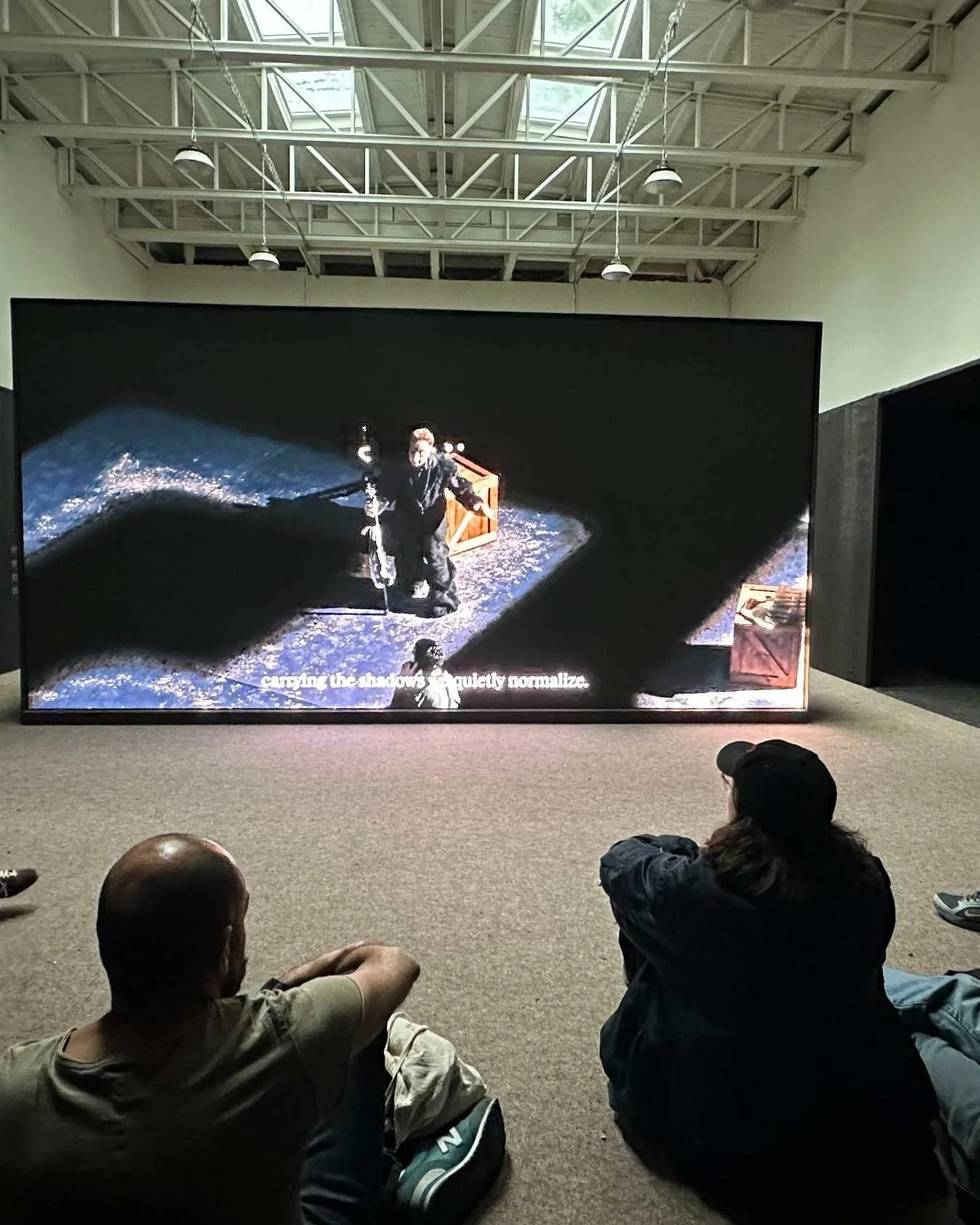
The Czech and Slovak Pavilion makes performance itself the subject. For the building’s centenary, the two countries share it again after twenty years with The Silence of the Mole, by Jakub Jansa and the duo Selmeci Kocka Jusko, curated by Peter Sit. At its centre is Mr. M., an exhausted actor who has spent his life playing the mole, a character made for children, and who now arrives in Venice as a politically neutral envoy for two nations. Jansa’s film and the duo’s sculptures form a single environment. After Holzinger’s stunts, I found this the most melancholic room of the day: a performer who has given his body and voice to a role for so long that they belong to everyone. It asks what representing a country costs the person inside the costume.
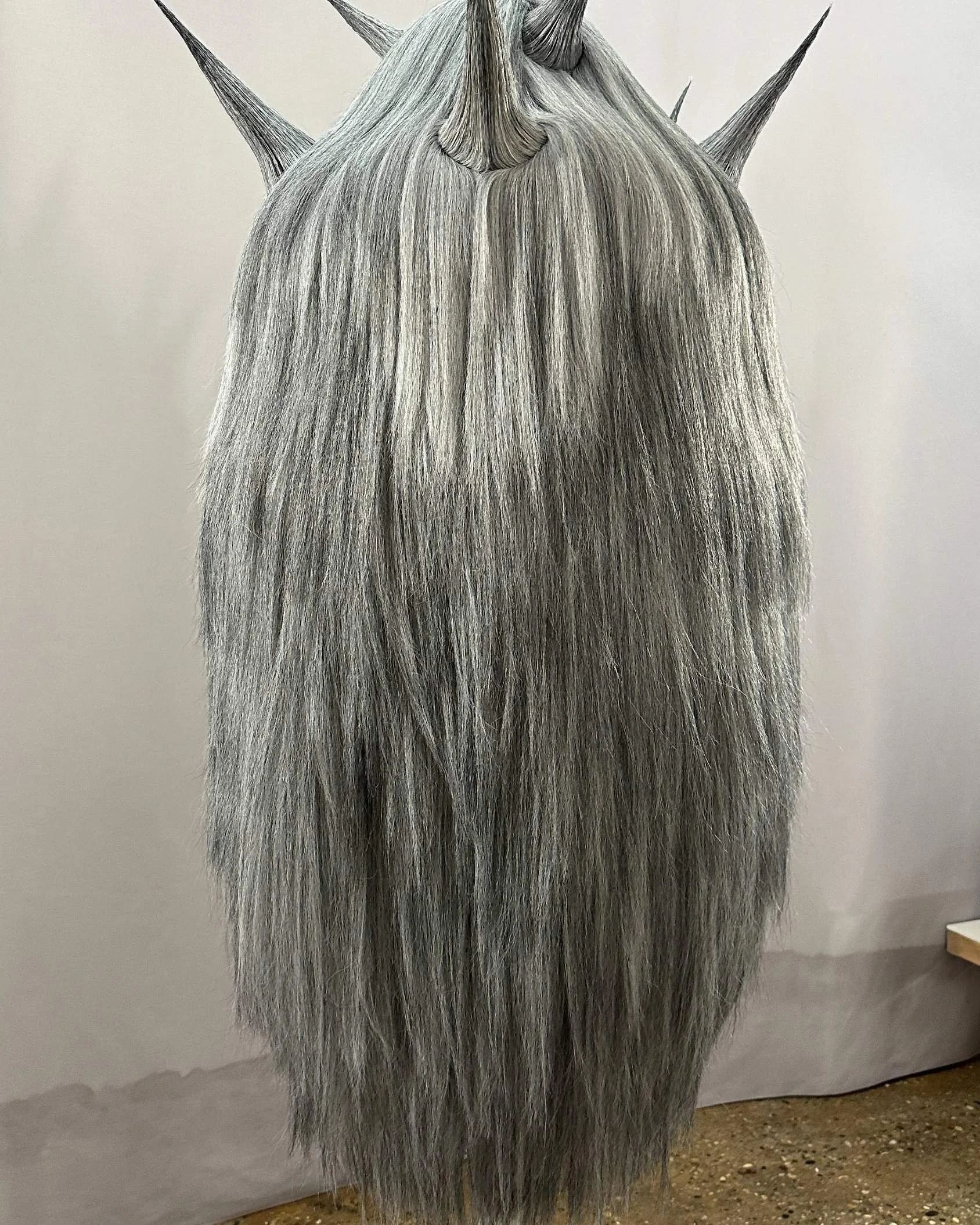
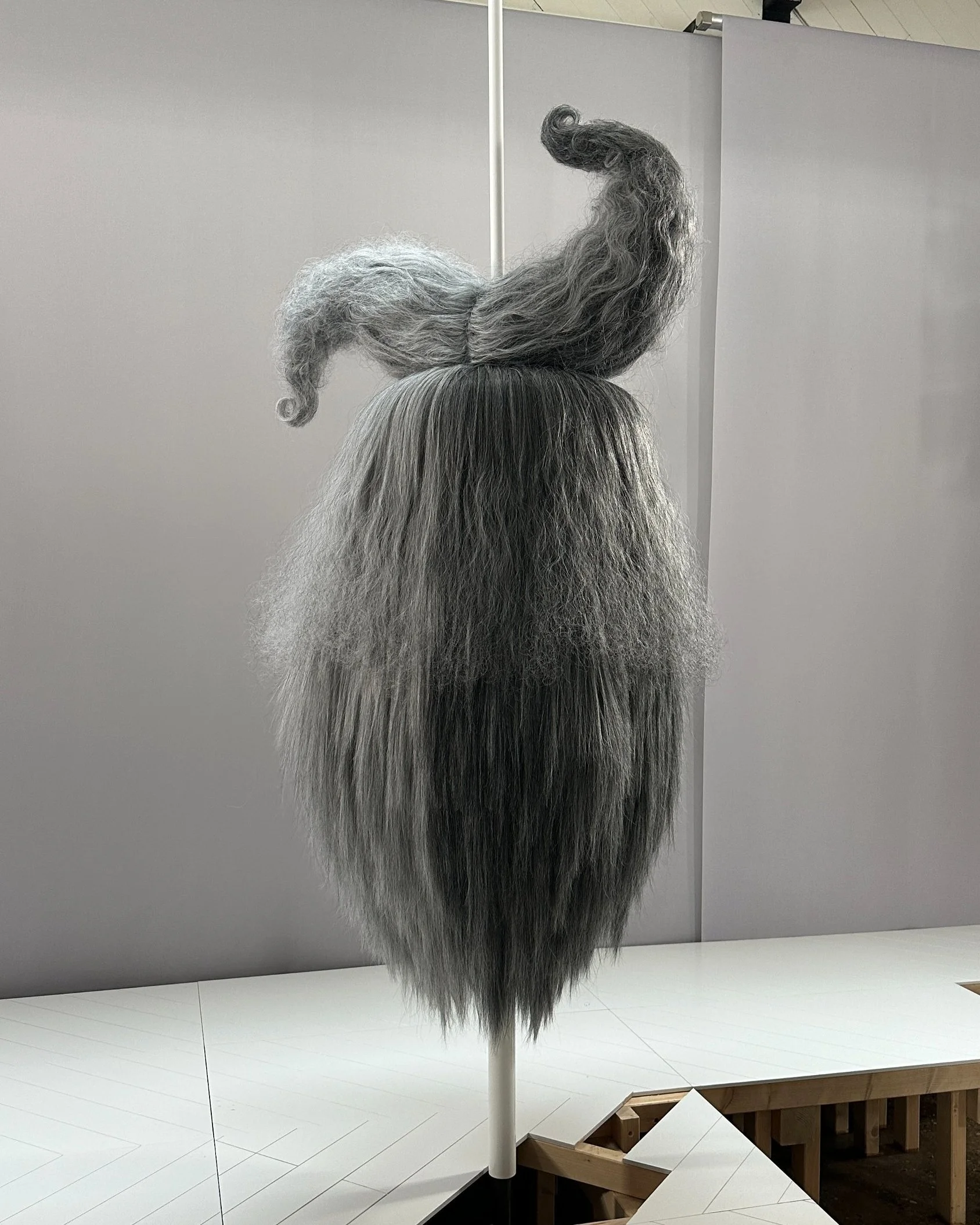
Across the gardens, the Aalto Pavilion of Finland, also seventy this year, hands the stage to the weather. In Jenna Sutela’s Aeolian Suite, curated by Stefanie Hessler, the five Venetian winds become protagonists: Tramontana, two Boras, Scirocco and Garbin sing the weather through a soundscape, inside a scenography by Celeste Burlina inspired by the travelling theatre of commedia dell’arte. Alvar and Elissa Aalto first conceived the wooden building as a mobile structure, and the show honours that lightness. Here my part was simply to listen. After a day of noise, standing still while the wind sang felt like the performance I needed.
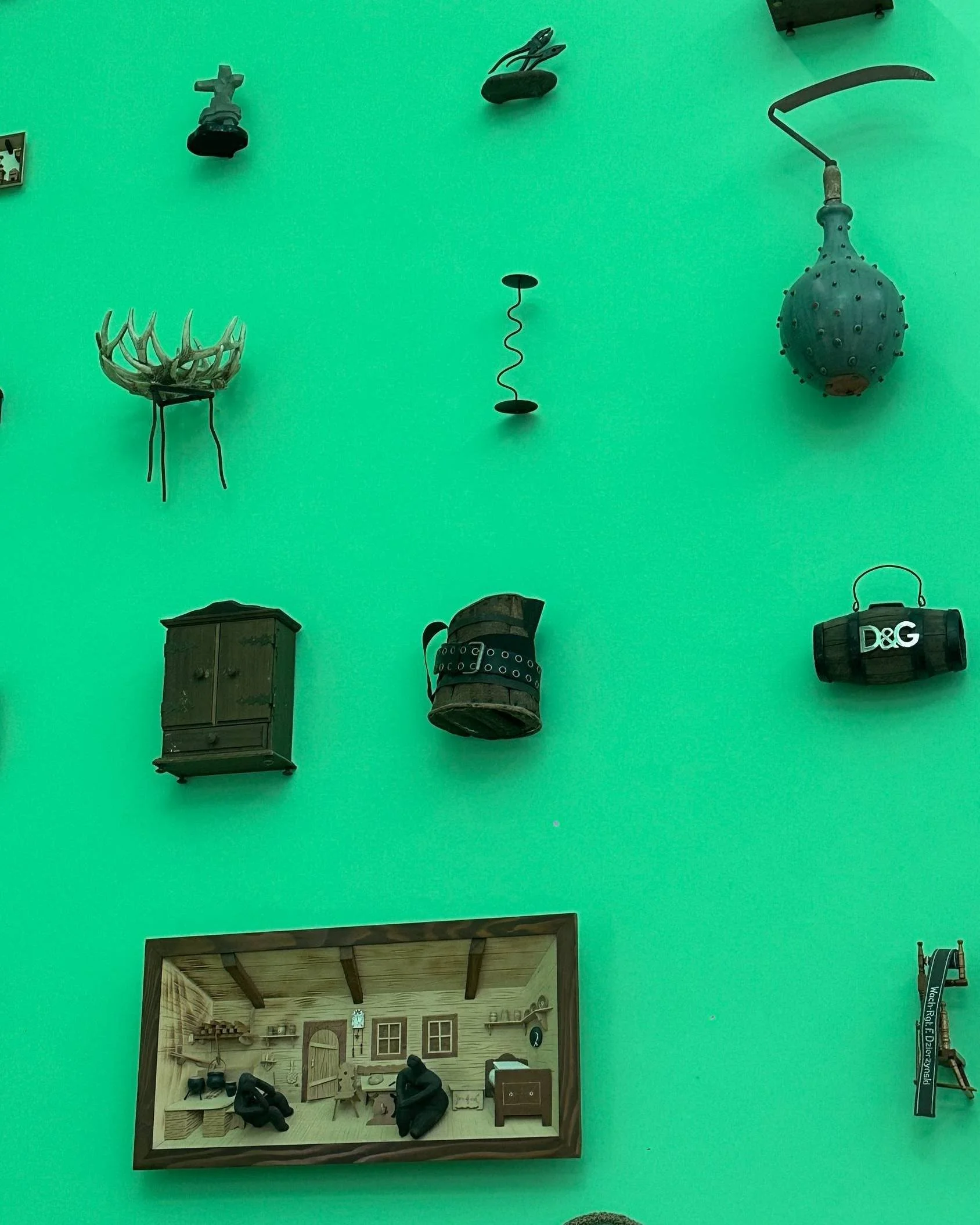
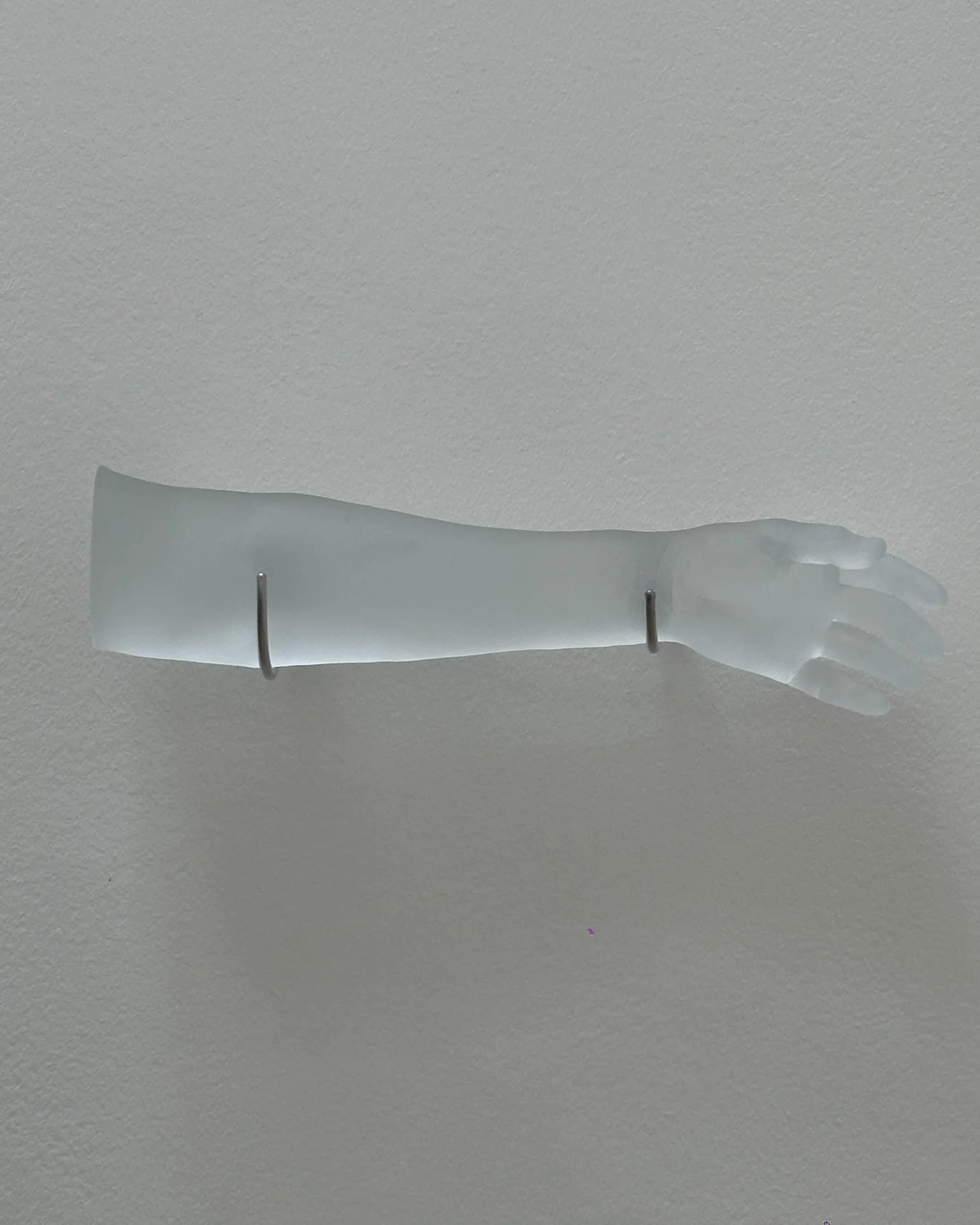
The rest of the Biennale offers many other tempos. Belgium, with Miet Warlop, shares Austria’s appetite for endurance. Great Britain presents Lubaina Himid, Canada Abbas Akhavan, France Yto Barrada, the United States Alma Allen, each with a more classical relationship between object and viewer. With around one hundred national participations spread across the city, any route is partial, and mine followed the pavilions where something was happening live.
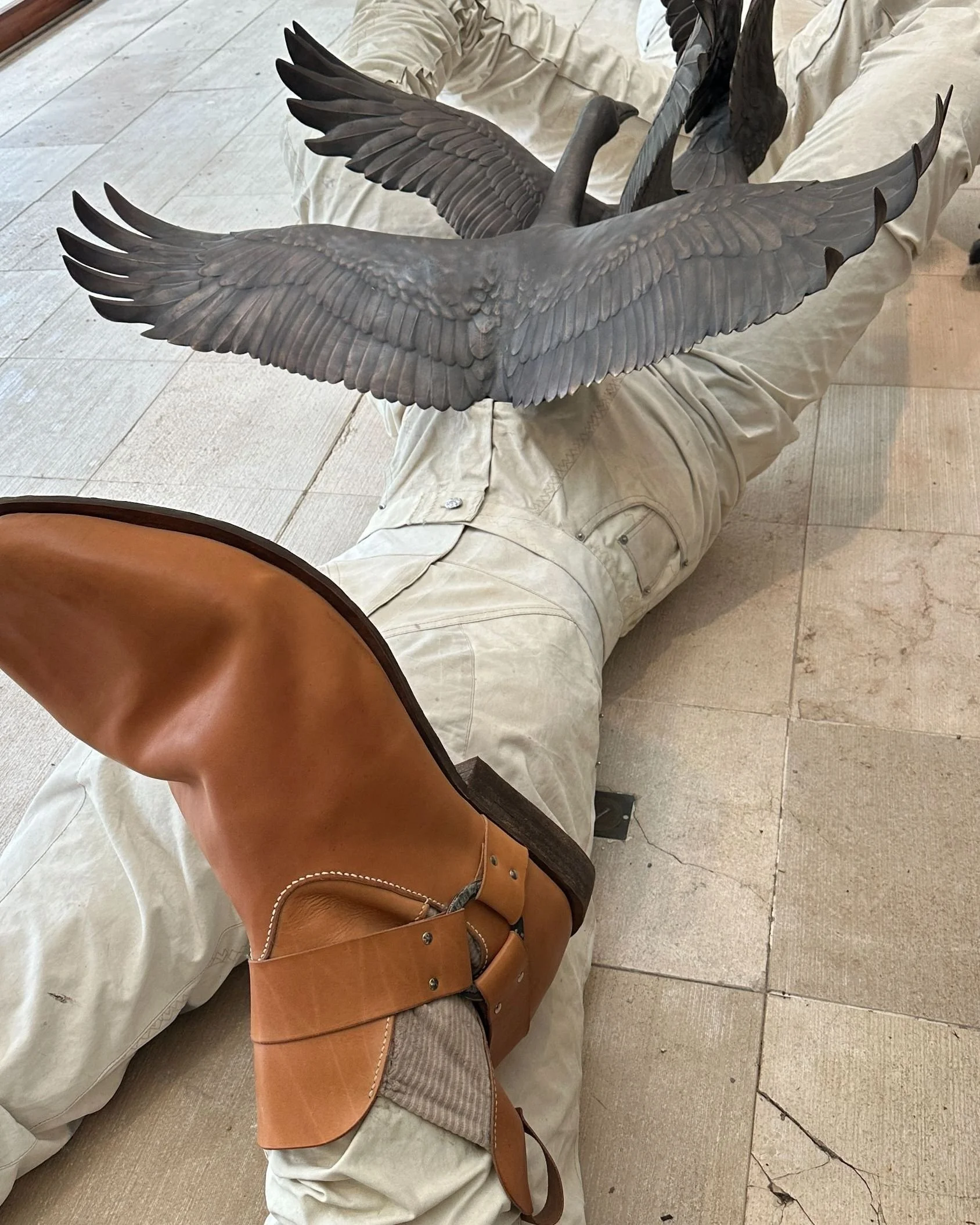
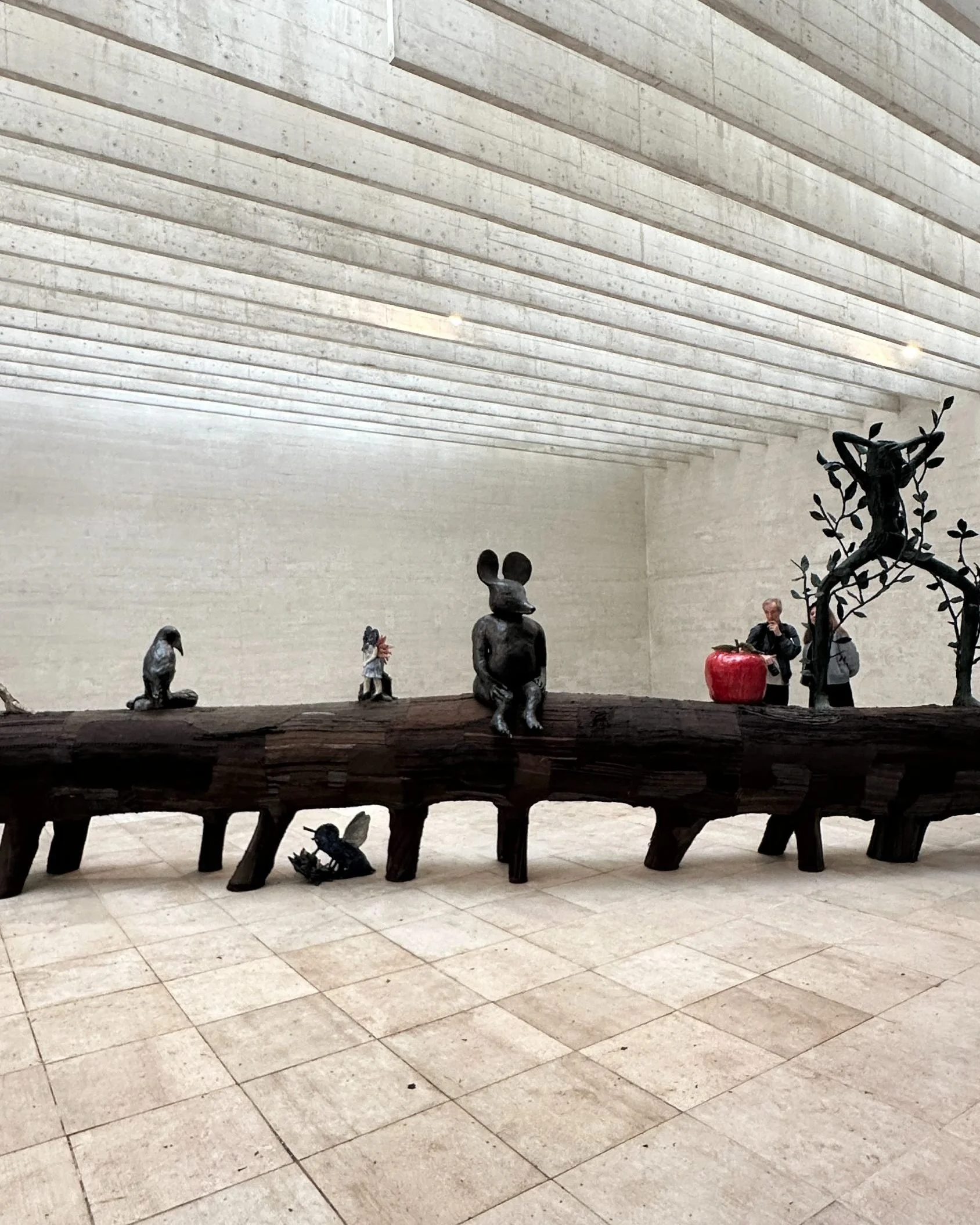
Leaving, I kept thinking about scale. Holzinger floods a building, Arakawa-Nash hands over a doll, Sutela lets the wind sing, and all three gestures reach the same place: the visitor completes the work. Whether these are the strongest pavilions in Venice this year is a question I leave open. What stays with me is physical: wet air, a held breath in front of a screen, a small weight in my arms.
Biennale
Photos and words by Donald Gjoka
@donaldgjoka
What to read next