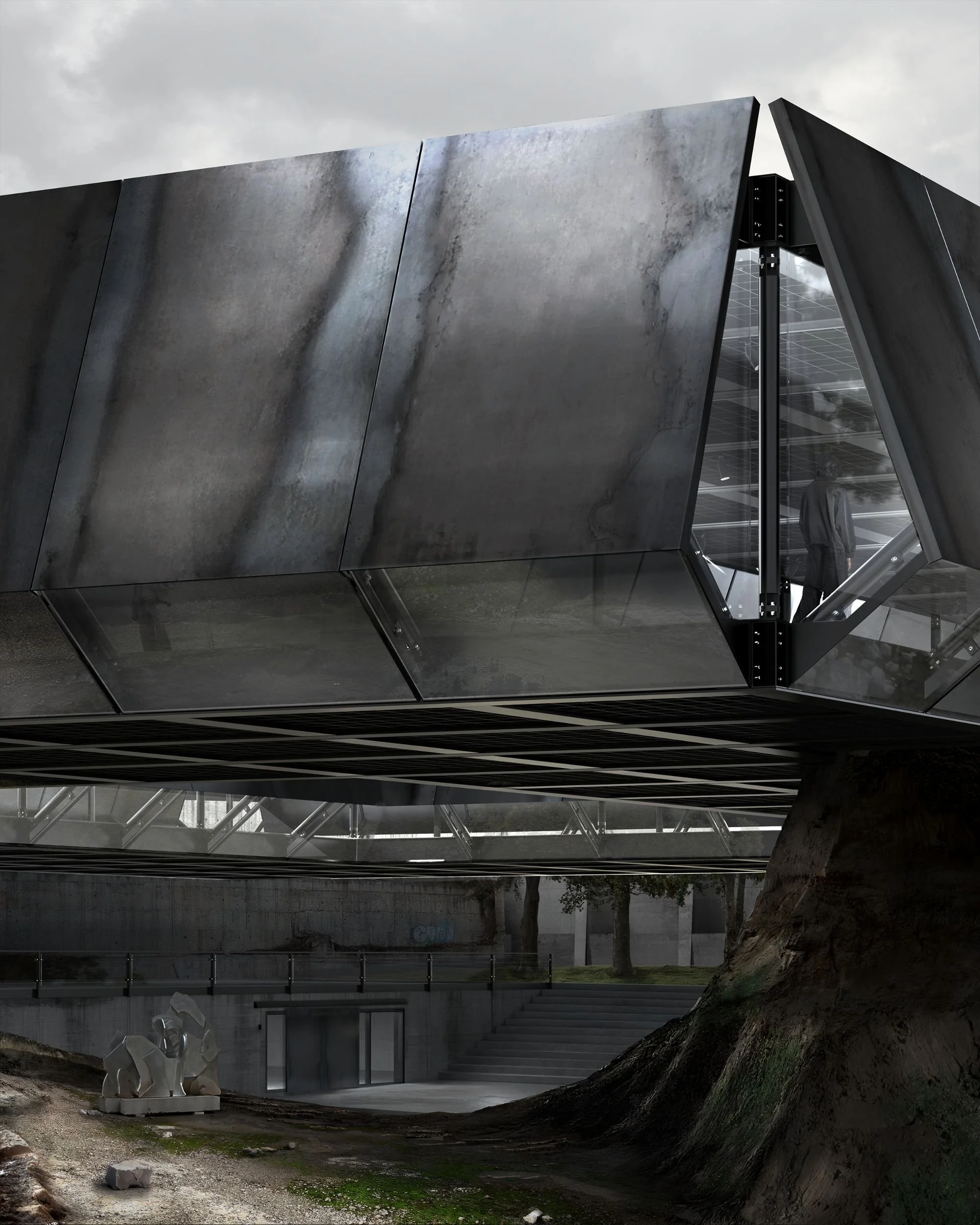
Daryan Knoblauch
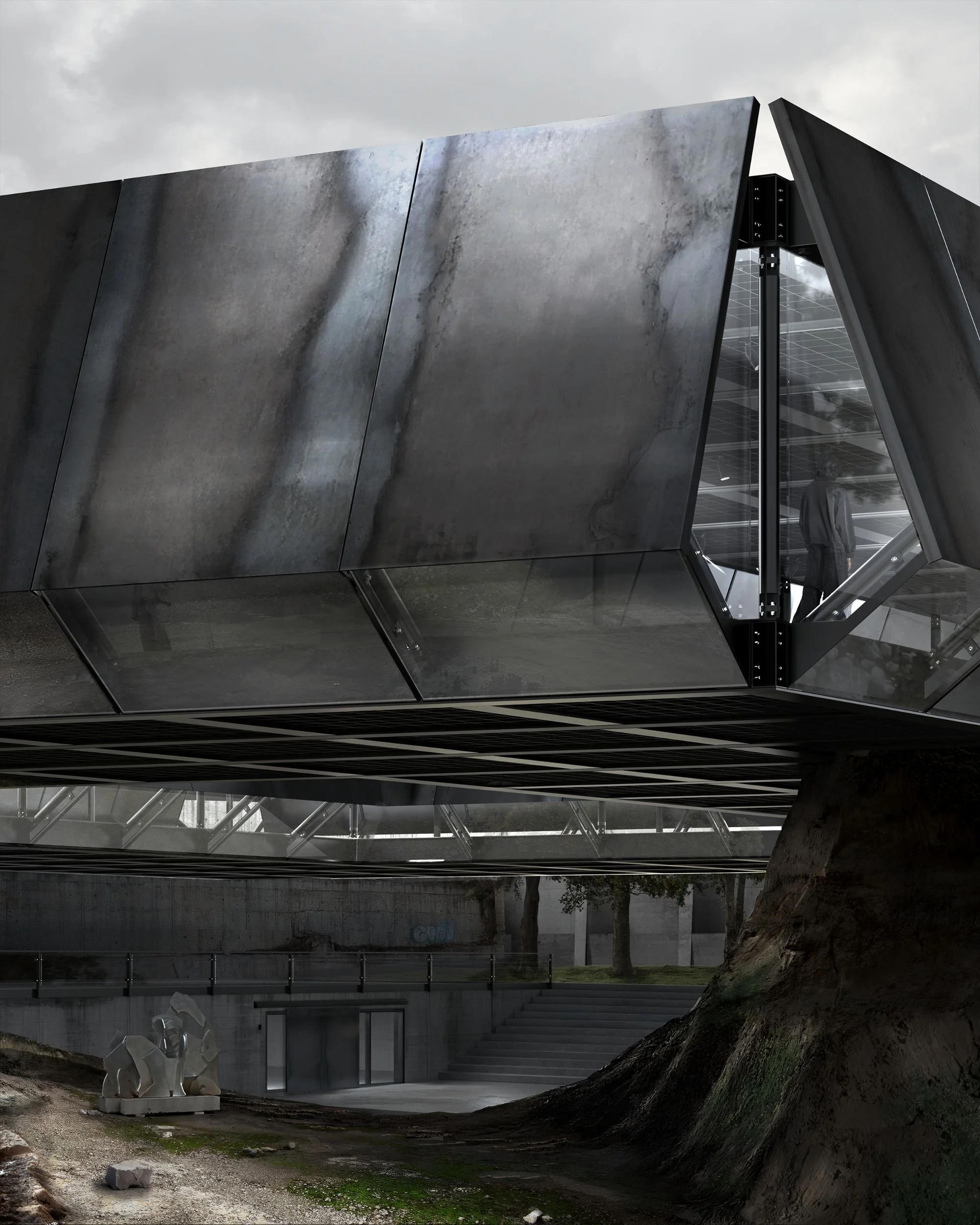
Daryan Knoblauch’s architectural projects are not designed to last, as much as they are designed to live in a way that responds to climate, culture, and to the pace at which both constantly shift.
Ultimately, the foundations we’ve found ourselves standing on today are unstable, and each structure leans into this, finding energy in uncertainty, evolution, and progression. In other words, rather than eschewing instability, Daryan and his eponymous architecturepractice seem more intent on absorbing it, and constructing a blueprint where collaborative and temporary works are not positioned as departures from “classical” structures, but as direct engagements with how identity, technology, consumption and the environment are increasingly contributing to the building of present spatial conditions.
Recent projects continue to expand on this MO from the ground up, including OOO-Systems, Prosthetics, Devices, a publication-based work operating across architecture, infrastructure, technology, climate, and artistic expression.
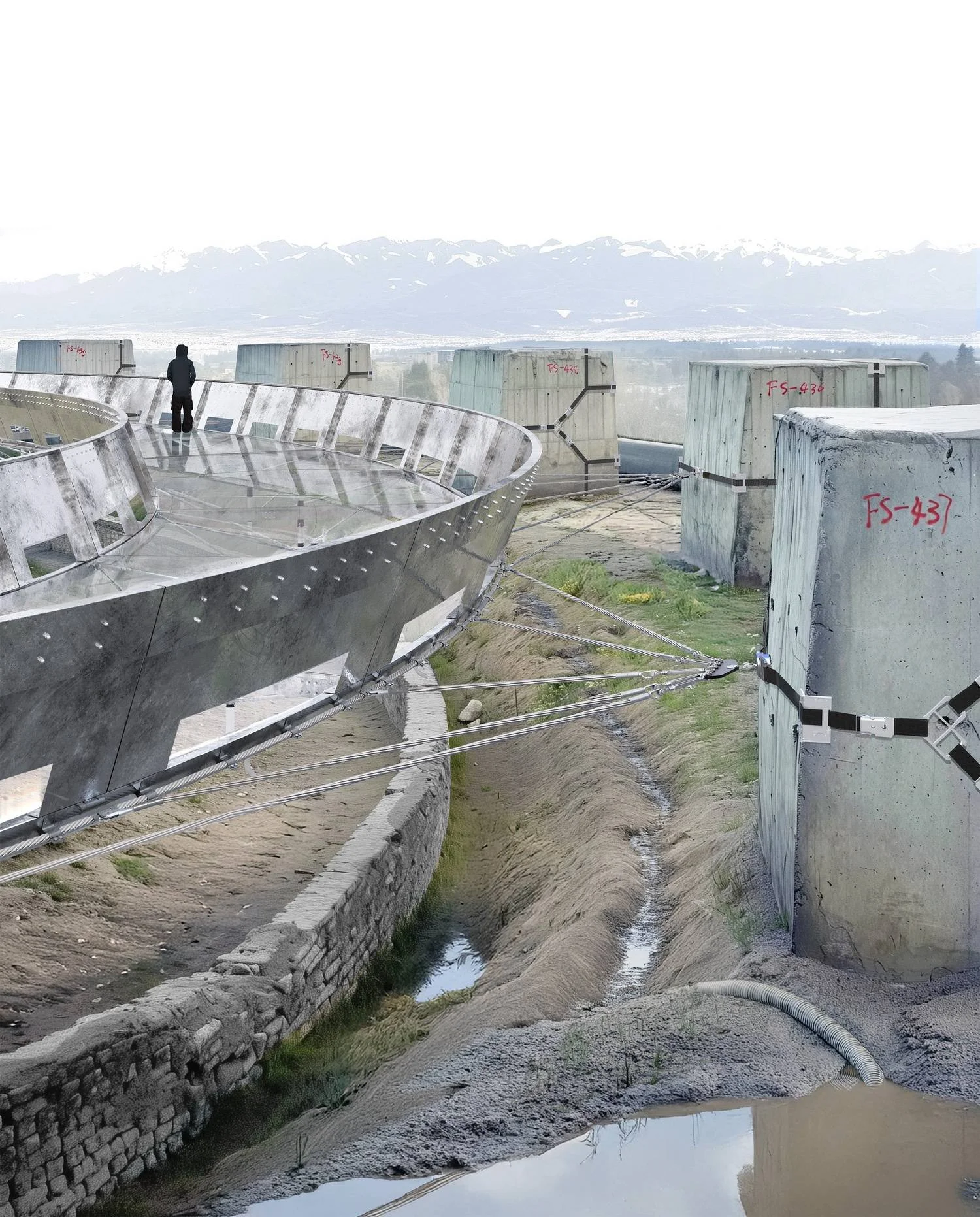
“Every material already contains behaviors, tolerances, and forms of resistance before architecture intervenes. Steel expands, bruises, reflects, and carries load. Membranes sag, tense, filter light, and register climate. Concrete absorbs time differently than aluminum or fabric.”
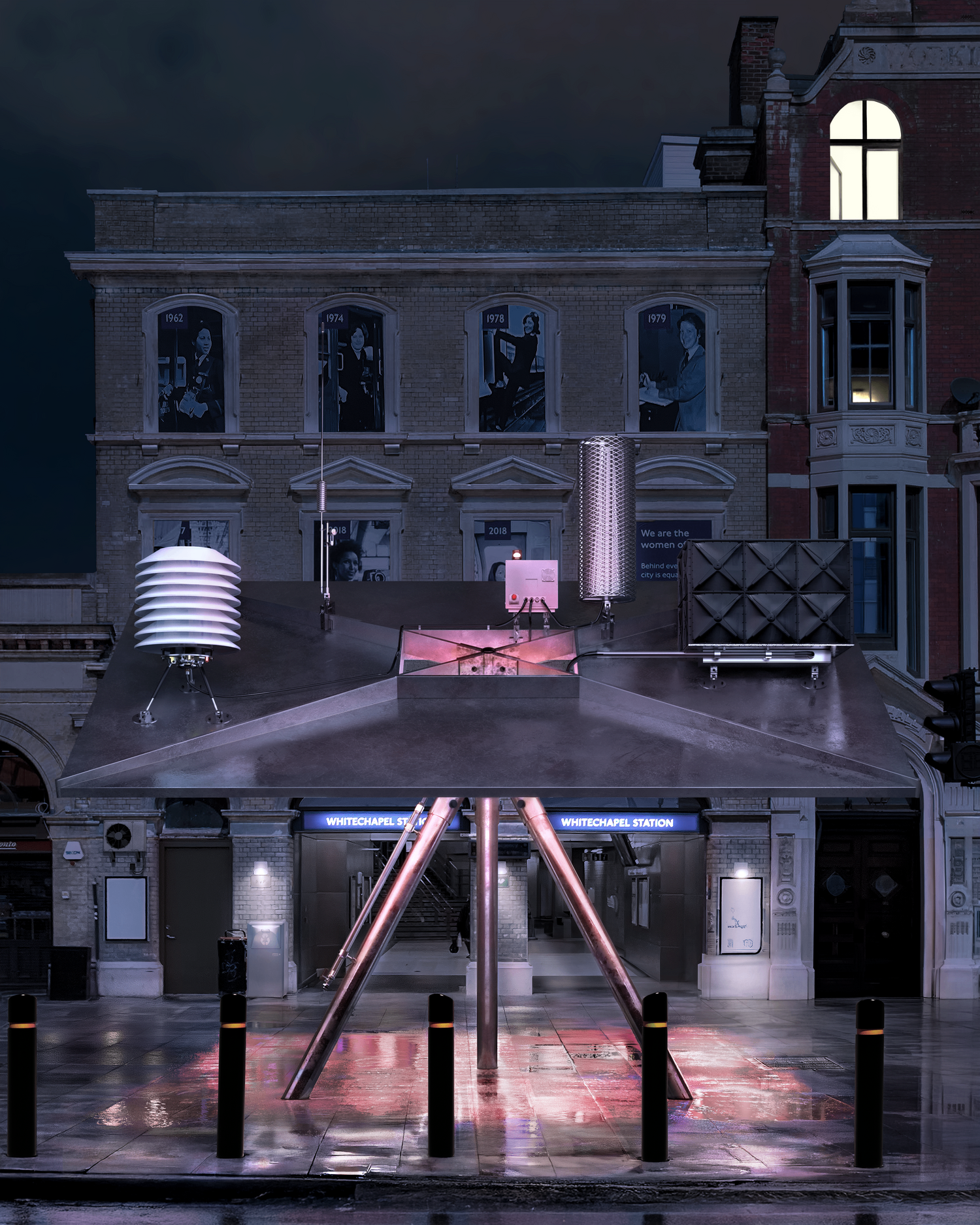
In an age increasingly antagonistic to stability, how do you define what continues to qualify as architecture?
Architecture no longer derives authority from typology or permanence, but from its ability to construct and reveal systems of relation under unstable cultural, environmental, and technological pressures. Stability has become a historical exception rather than a defining premise. From this perspective, what qualifies as architecture is not the object itself, but the field it organizes: a temporary but precise arrangement of forces—material, social, infrastructural, atmospheric, that can be read and experienced as spatial order. The building, the installation, or the fragment only matters insofar as it makes these conditions intelligible.
The architectural project becomes less about producing resolution and more about maintaining productive instability, conditions that remain open but never arbitrary. In that sense, architecture is not defined by what it is, but by what it allows to be seen, tested, and inhabited within the complexity of the present.
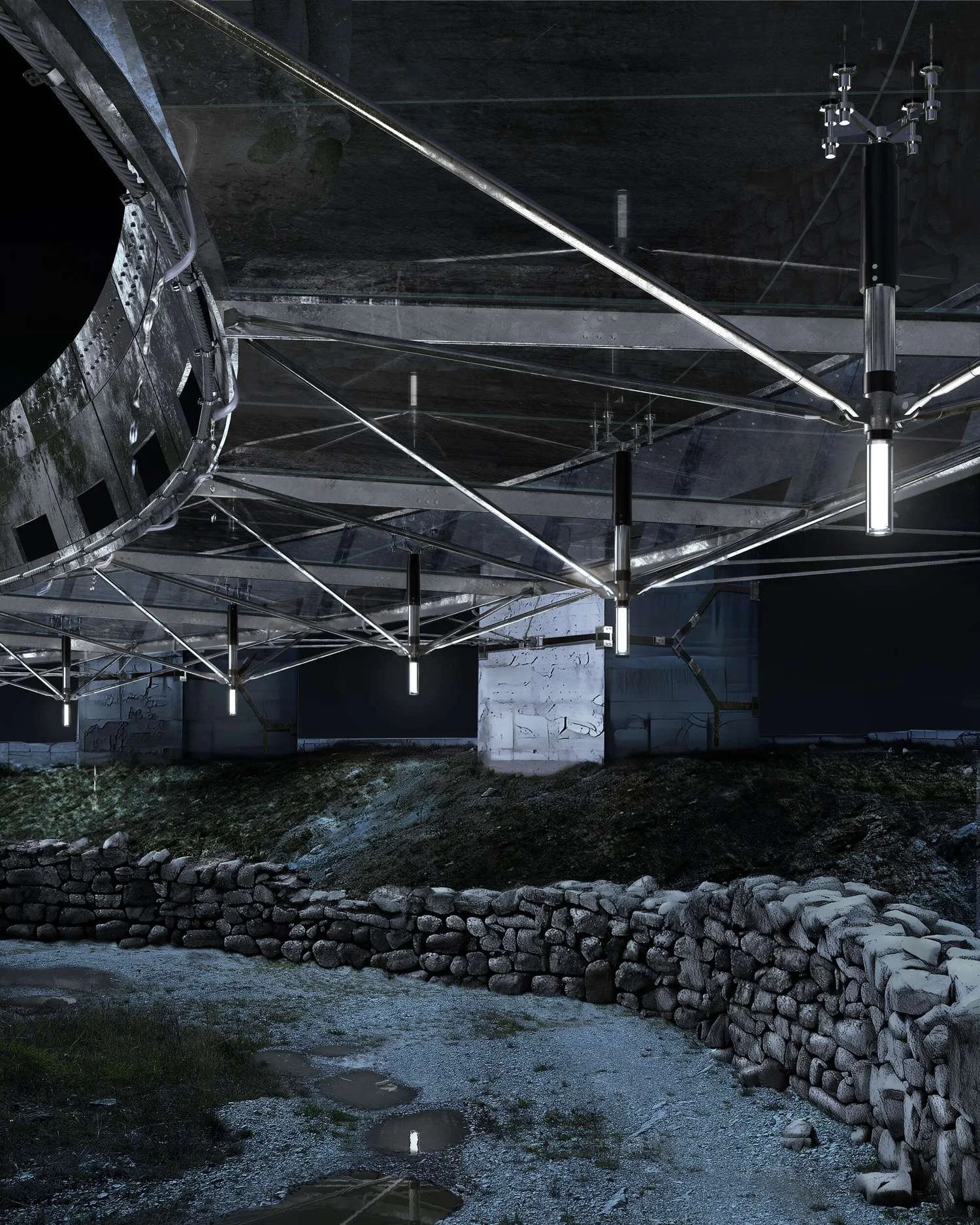
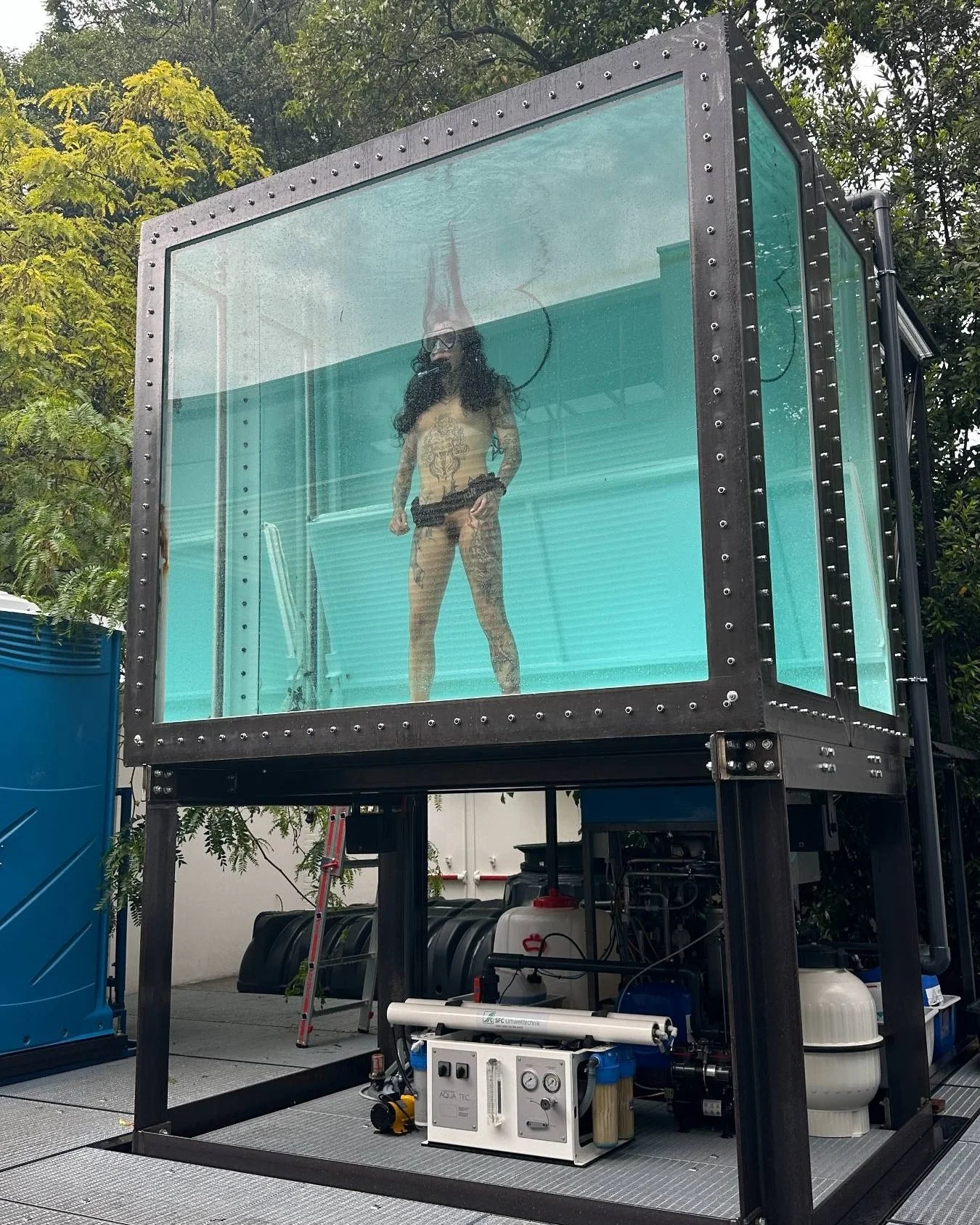
Your work moves fluently between urgent matters of the current day, encompassing collaborations with avant-garde clients like Candela Capitán, Mowalola, and Rombaut, to pavilions foregrounding environmental themes that highlight air, light, and water. Is this an intentional distancing on your part from architecture’s historical fixation on form, or an attempt to reform it through performance?
What interests me is not abandoning form, but exposing its loss of autonomy.
Architecture can no longer pretend to operate outside the conditions that continuously deform it: media saturation, environmental instability, accelerated consumption, technological mediation, and shifting patterns of collective behavior. In that sense, performance is not an aesthetic strategy layered onto architecture; it is the contemporary reality from which architecture now emerges.
Our collaboration with a selected group of clients who are reforming the cultural landscape allows us to expand our own position as architects. Their medium of choice enables a faster commentary on the status quo through provocation, cynicism, and experimentation.
You frequently design structures that appear transitional, adaptable, or intentional rather than monumental. When you take a moment to reflect on this MO, do you begin to see it as a criticism of architectural authorship or as a response to the cultural fatigue of symbolism?
I would argue almost the opposite: the contemporary architectural condition suffers less from excessive authorship than from a profound crisis of confidence. Architecture has become so preoccupied with consensus, optimization, and institutional reassurance that it often avoids making decisive spatial statements altogether. In many cases, what appears today as monumentality is actually insecurity disguised as permanence.
Our work tries to challenge this by dissolving fixed categories of scale and duration. I’m interested in achieving forms of monumentality through systems associated with speed, lightness, assembly, and logistical efficiency—conditions historically considered incompatible with grandeur. The question becomes how something rapidly deployed or seemingly transitional can still possess spatial authority without relying on historical weight or symbolic excess.
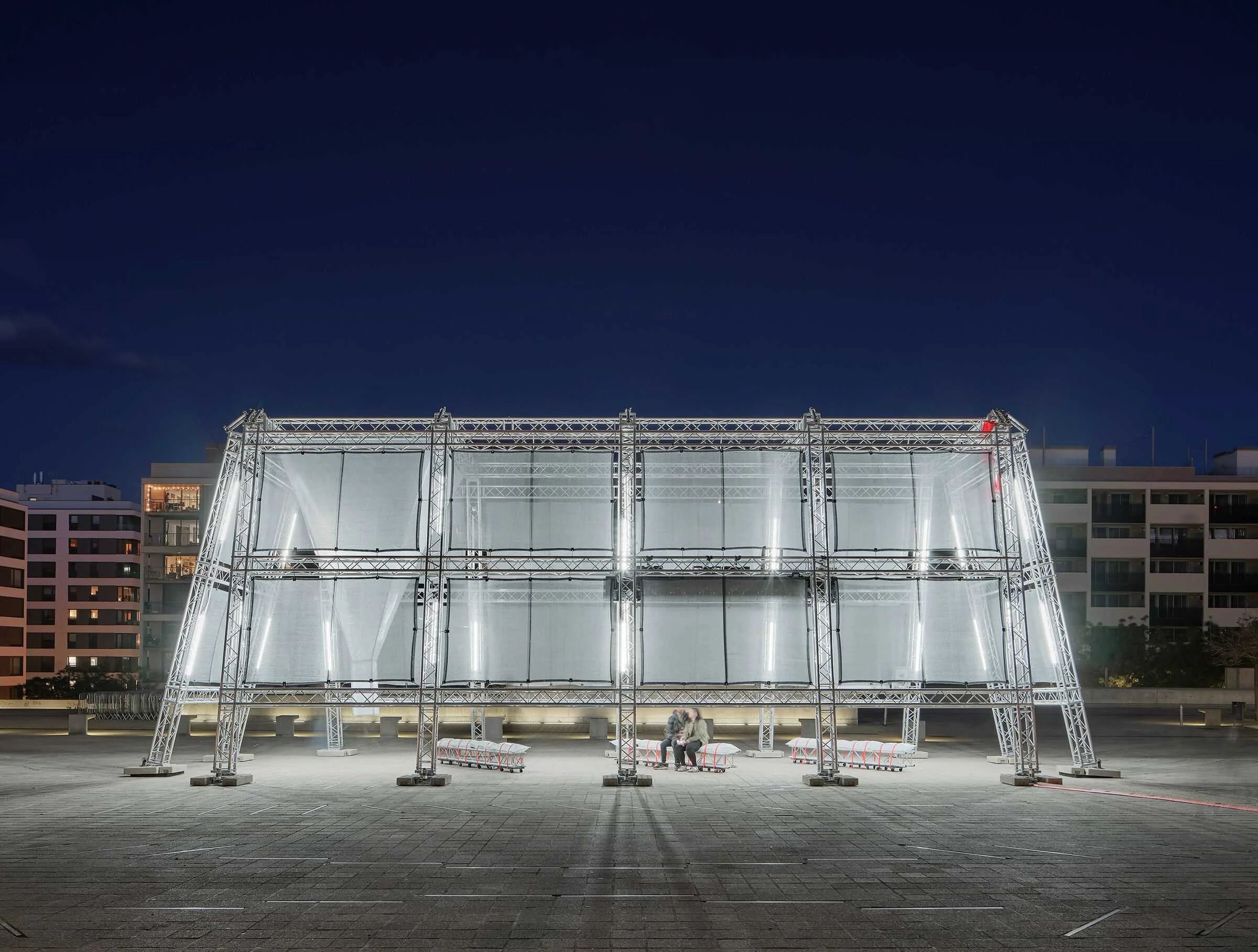
Your projects often inhabit public or semi-public spaces, yet avoid overt, or performative symbolism. How do you negotiate the political commentary architecture so often grapples with, while not being consumed by doctrinal gestures or explicit dialogues?
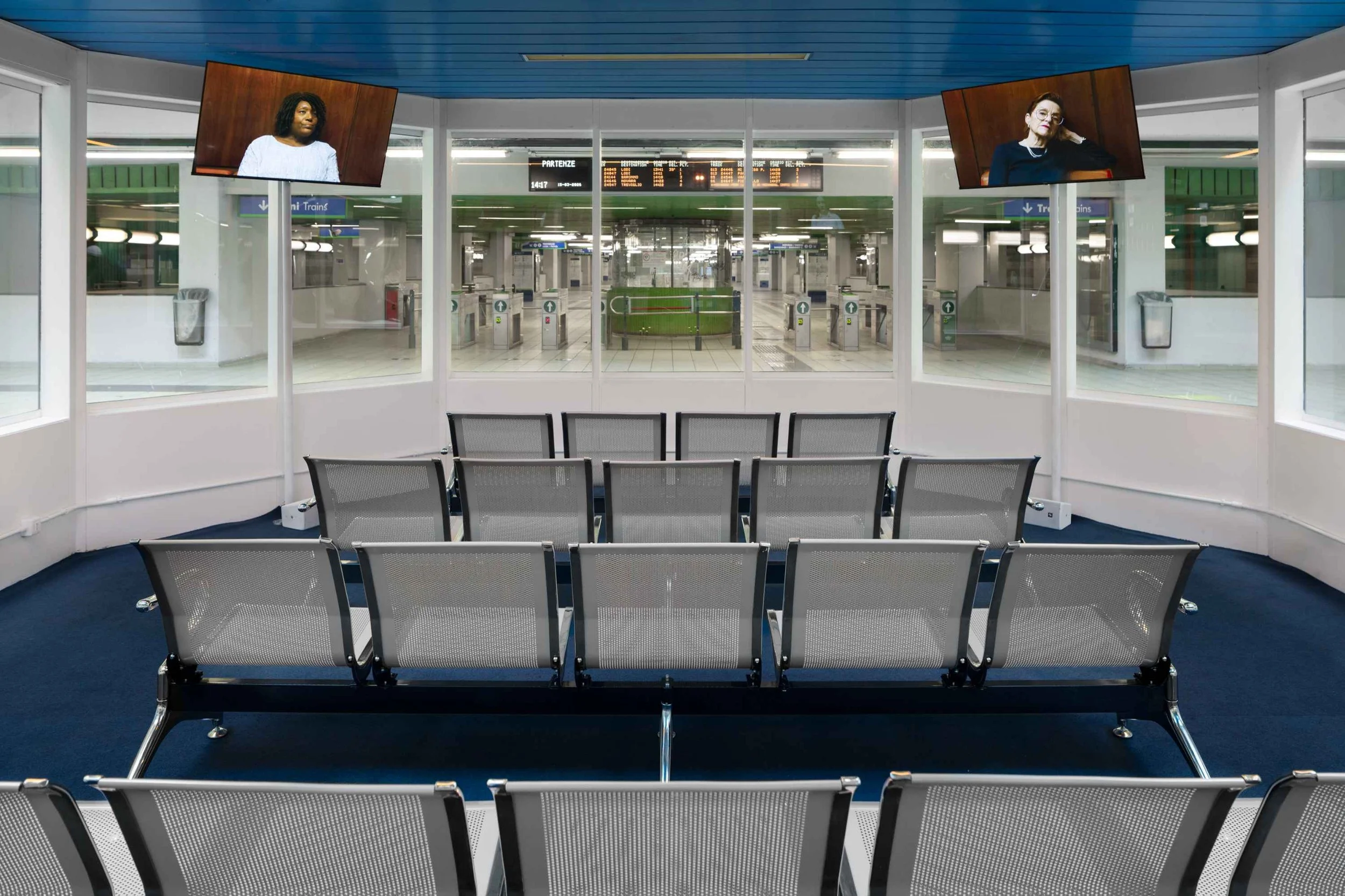
What interests me is constructing spatial conditions where political realities become physically perceptible without requiring symbolic narration. Density, exposure, surveillance, isolation, exhaustion, exclusivity, collectivity, access—these are not abstract themes but material and atmospheric conditions that can be organized architecturally.
Publicness itself is central here. Not publicness as civic image-making, but as friction: the coexistence of incompatible uses, identities, temporalities, and desires within a shared spatial framework. Architecture should not resolve those tensions into simplified moral clarity. It should intensify awareness of them.
In that sense, the work avoids extroverted symbolism because symbolic certainty today often conceals political simplification. I’m more interested in architecture operating as an instrument that reveals contemporary conditions rather than prescribing how they should be interpreted.
Materiality in your practice feels less about aesthetics and more about behavior. How do you approach materials as functional components rather than passive surfaces?
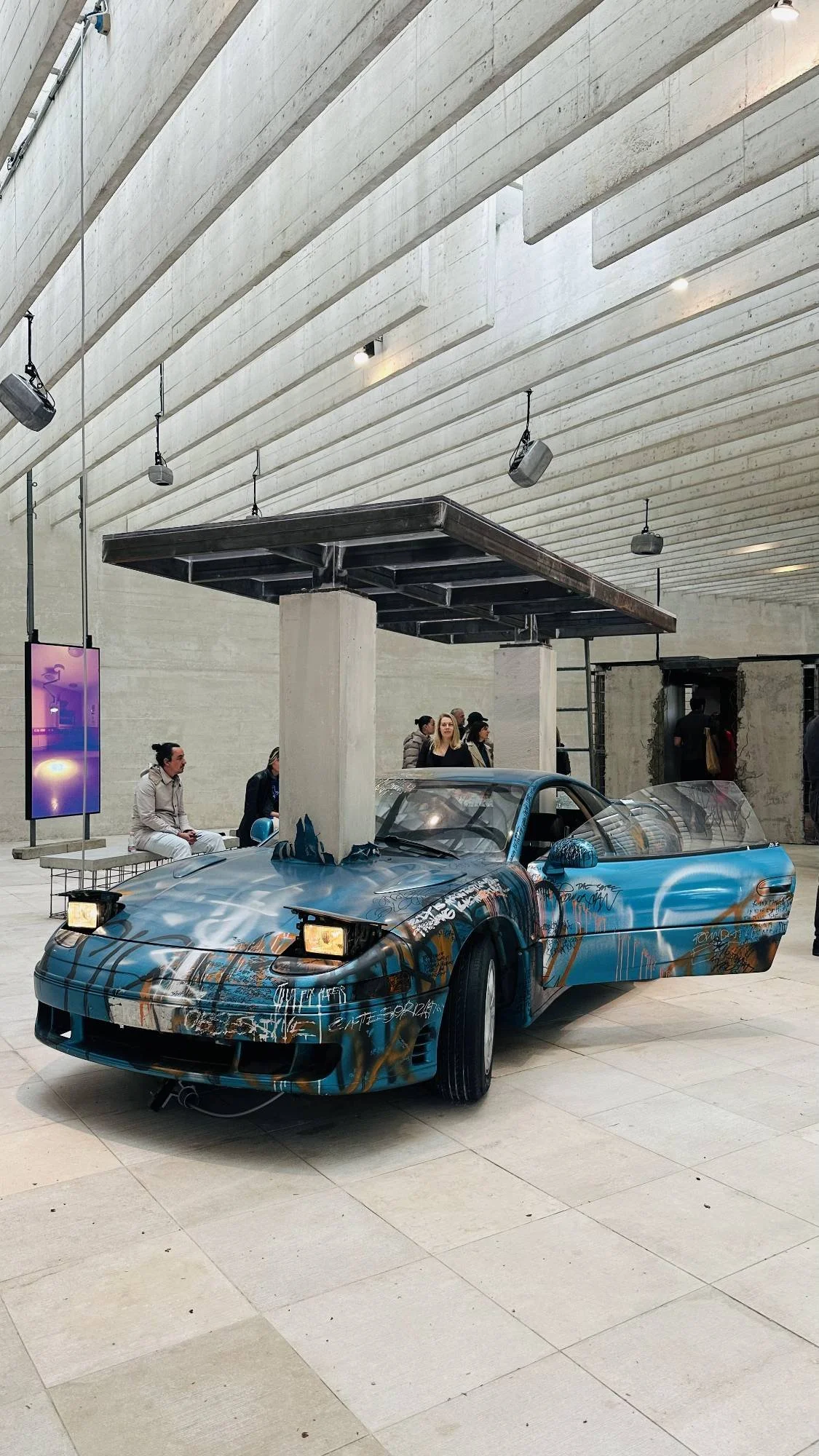
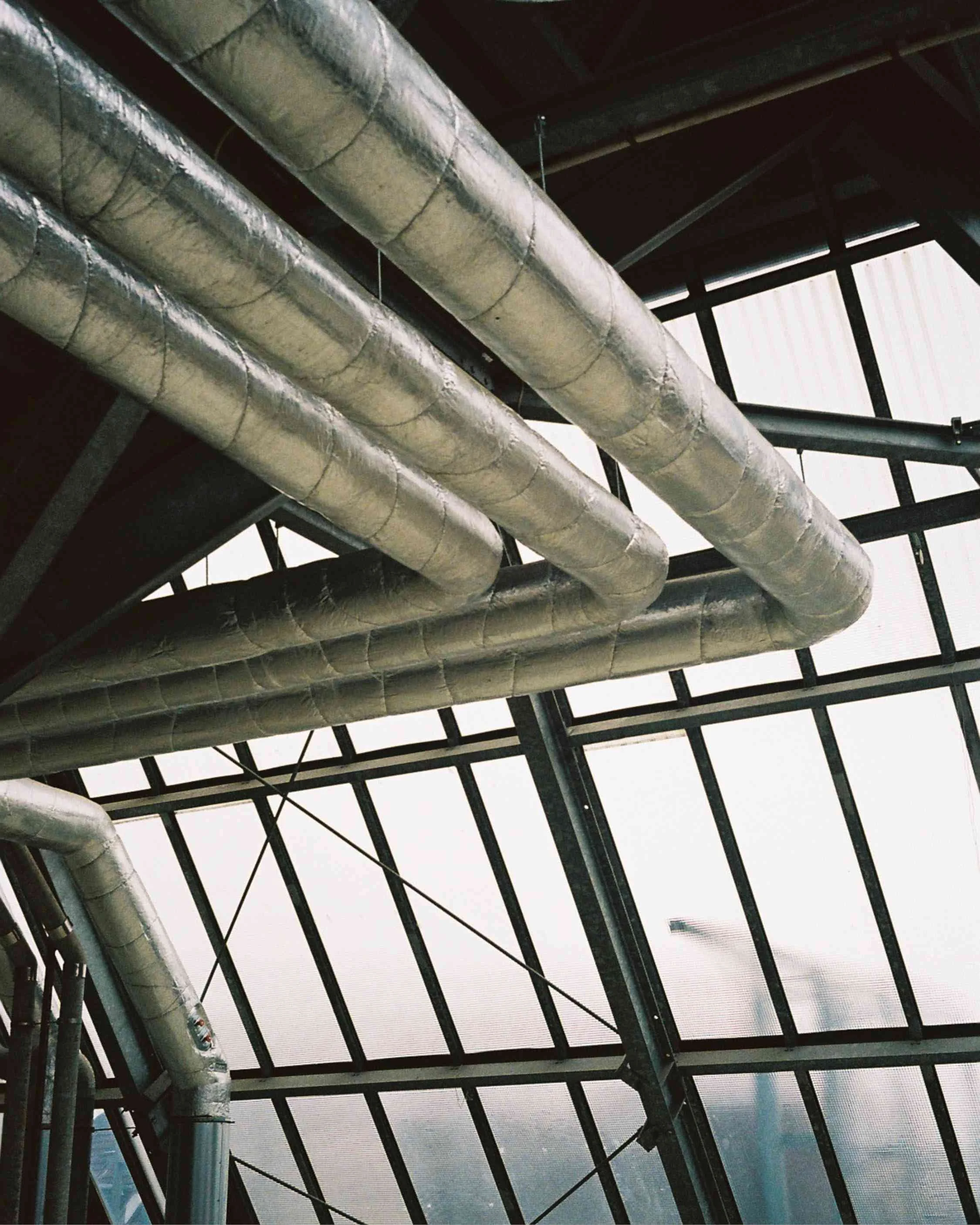
Every material already contains behaviors, tolerances, and forms of resistance before architecture intervenes. Steel expands, bruises, reflects, and carries load. Membranes sag, tense, filter light, and register climate. Concrete absorbs time differently than aluminum or fabric. These are not secondary effects added after design decisions; they are the project’s intelligence from the beginning.
What interests me is the moment where material performance begins organizing perception and bodily awareness simultaneously. A reflective surface can destabilize orientation, a translucent membrane can dissolve enclosure, a structural element can become atmospheric infrastructure. Material therefore operates less as finish and more as a mediator between force, environment, and occupation.
The aesthetic consequence emerges precisely through this operational clarity. Beauty, for me, is not applied coherence but the visible evidence of systems negotiating reality without concealment.
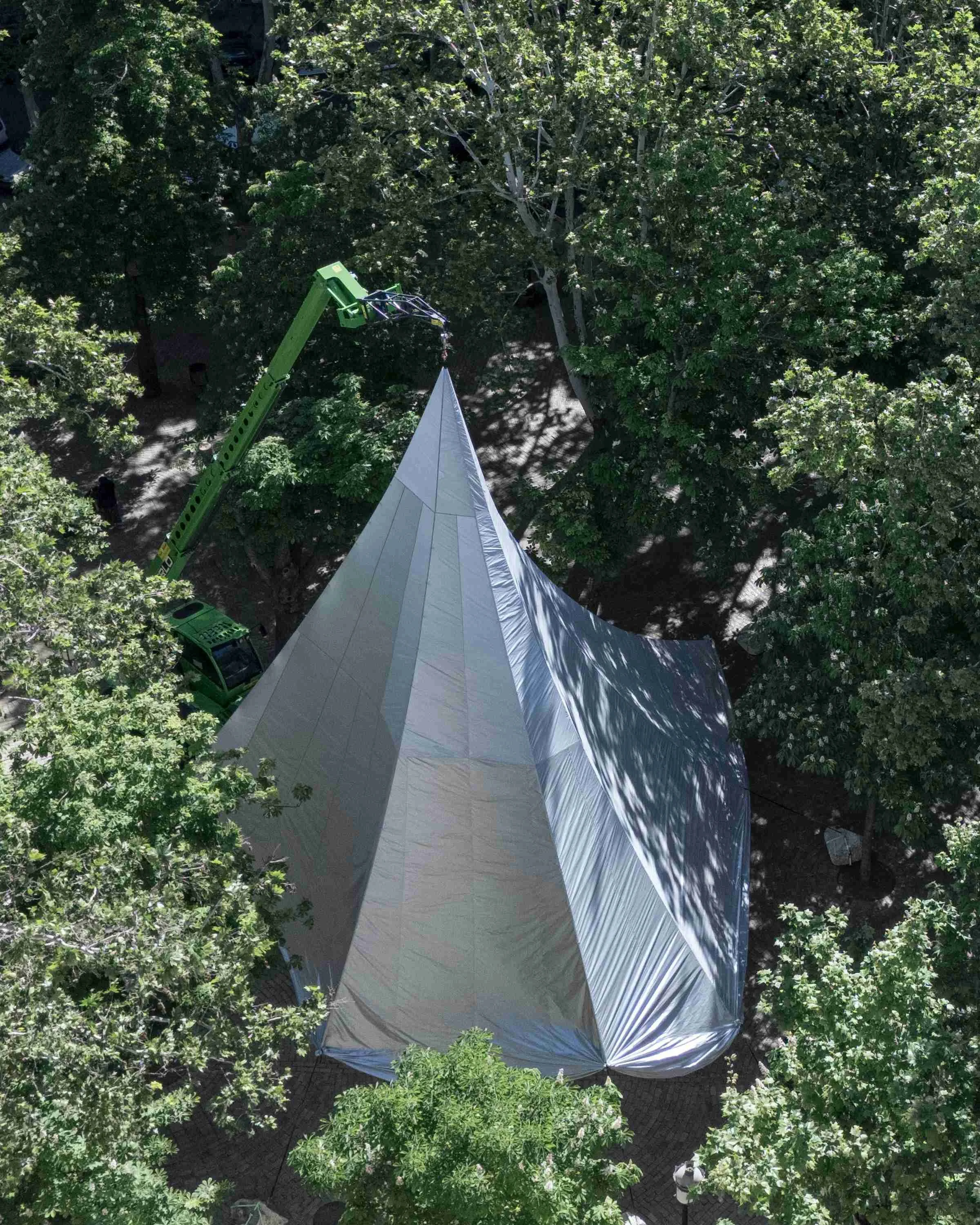
“What qualifies as architecture is not the object itself, but the field it organizes: a temporary but precise arrangement of forces; material, social, infrastructural, atmospheric, that can be read and experienced as spatial order”
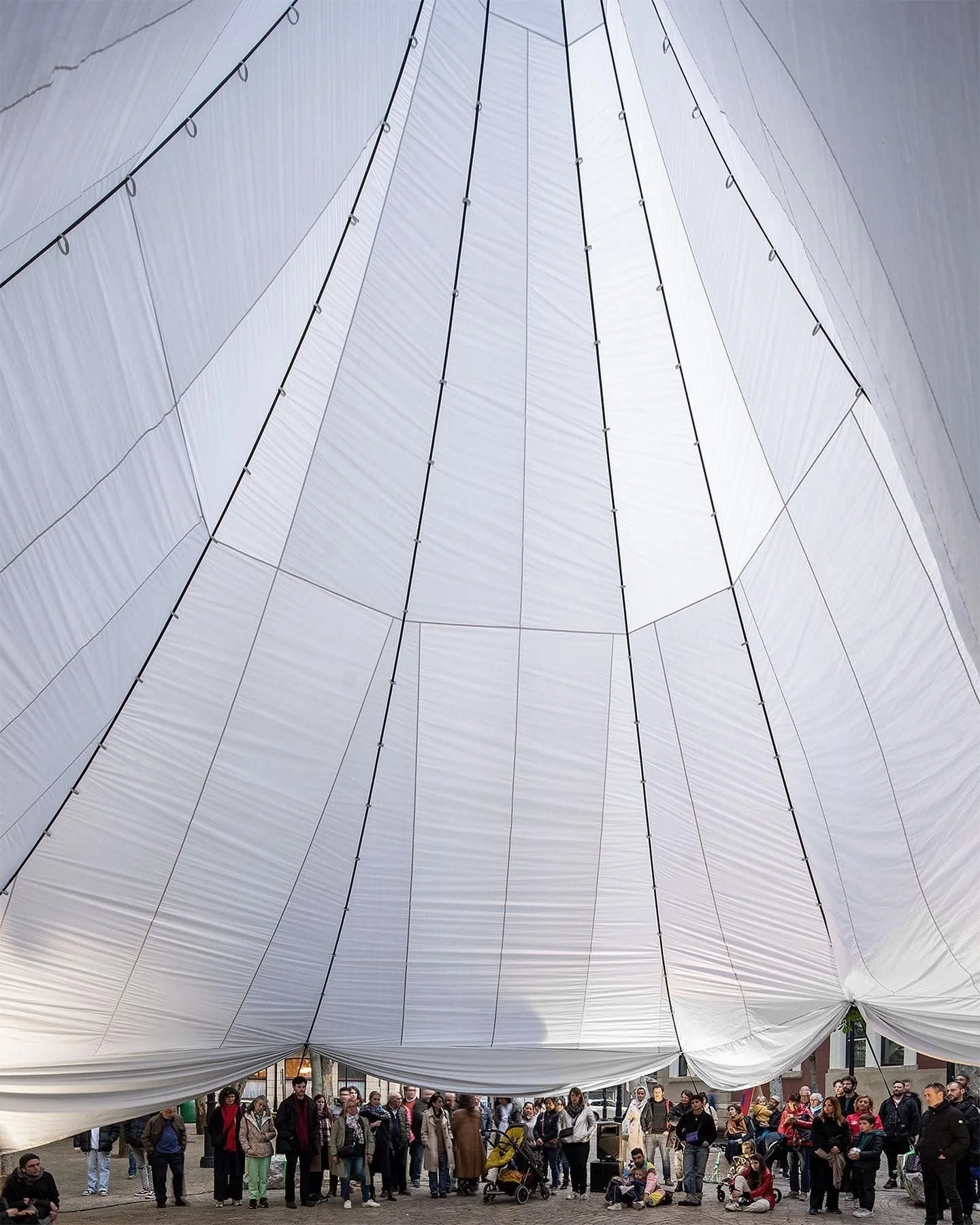
There is a recurring focus on the body within the spaces you’ve erected, particularly how it gathers, circulates, lingers, and becomes exposed. How do you understand architecture as a choreographic practice, and where do you draw the line between spatial design and scenography?
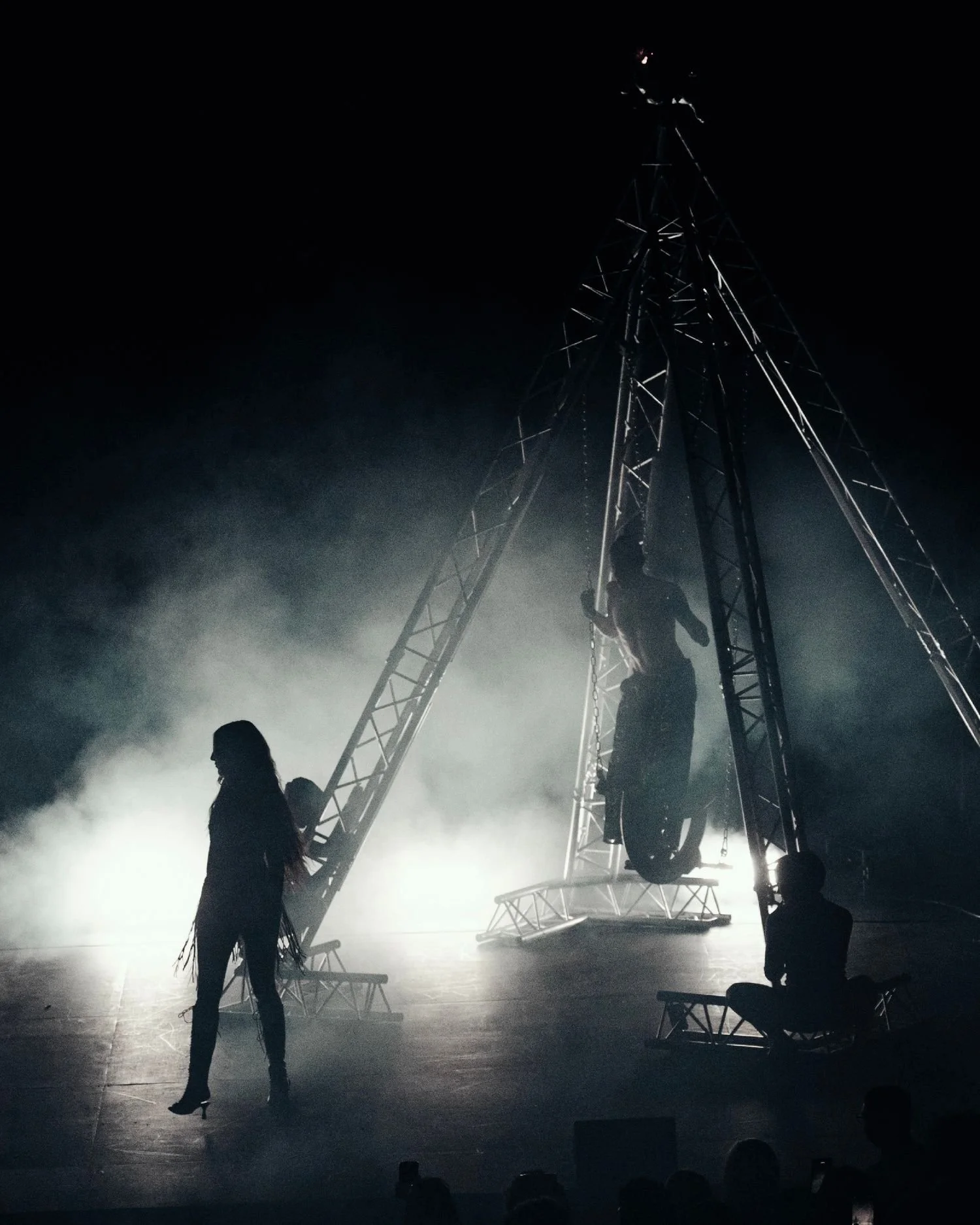
Architecture has always been choreographic because every spatial decision inevitably scripts bodily behavior. Circulation, compression, exposure, rhythm, acoustics, thresholds, lighting, thermal shifts—these are all mechanisms through which architecture directs movement and perception, whether consciously acknowledged or not. What interests me is making those relationships explicit rather than hiding them beneath neutralized spatial conventions.
I’m interested in how architecture can heighten self-awareness: how proximity produces tension, how scale alters perception, how light exposes collective presence, how exhaustion or intimacy become spatially legible. In that sense, choreography is not theatrical ornamentation but an organizational structure through which space becomes socially and politically operative.
The distinction from scenography lies in consequence and duration. Scenography often supports an external narrative and can remain purely representational. Architecture, even in temporary conditions, must negotiate actual forces: structure, climate, occupation, logistics, regulation, fatigue, maintenance, and time. It cannot rely solely on illusion.
What we try to construct are environments where atmosphere and performance emerge directly from material and spatial logic rather than being applied as spectacle afterward.
Your projects also seem to exist at the intersection of architectural research and built reality. How do you maintain a strict conceptual focus when confronted with budgets, regulations, and institutional programs that tend to subdue experimentation?
I am striving for projects that, in their formal appearance and construction logic, claim and question at the same time. This dualism generates a field of tension in which all projects are positioned.
Constraints are not external interruptions to architecture; they are the medium through which it becomes legible. The real risk is not limitation, but dispersion: the tendency for ideas to dissolve under the pressure of too many possible compromises.
We treat constraint as a filtering system. Everything non-essential is removed until only the structural logic of the project remains. What survives that process is usually more precise, not less experimental. Regulation defines the boundary conditions; architecture begins exactly at that limit, not before it.
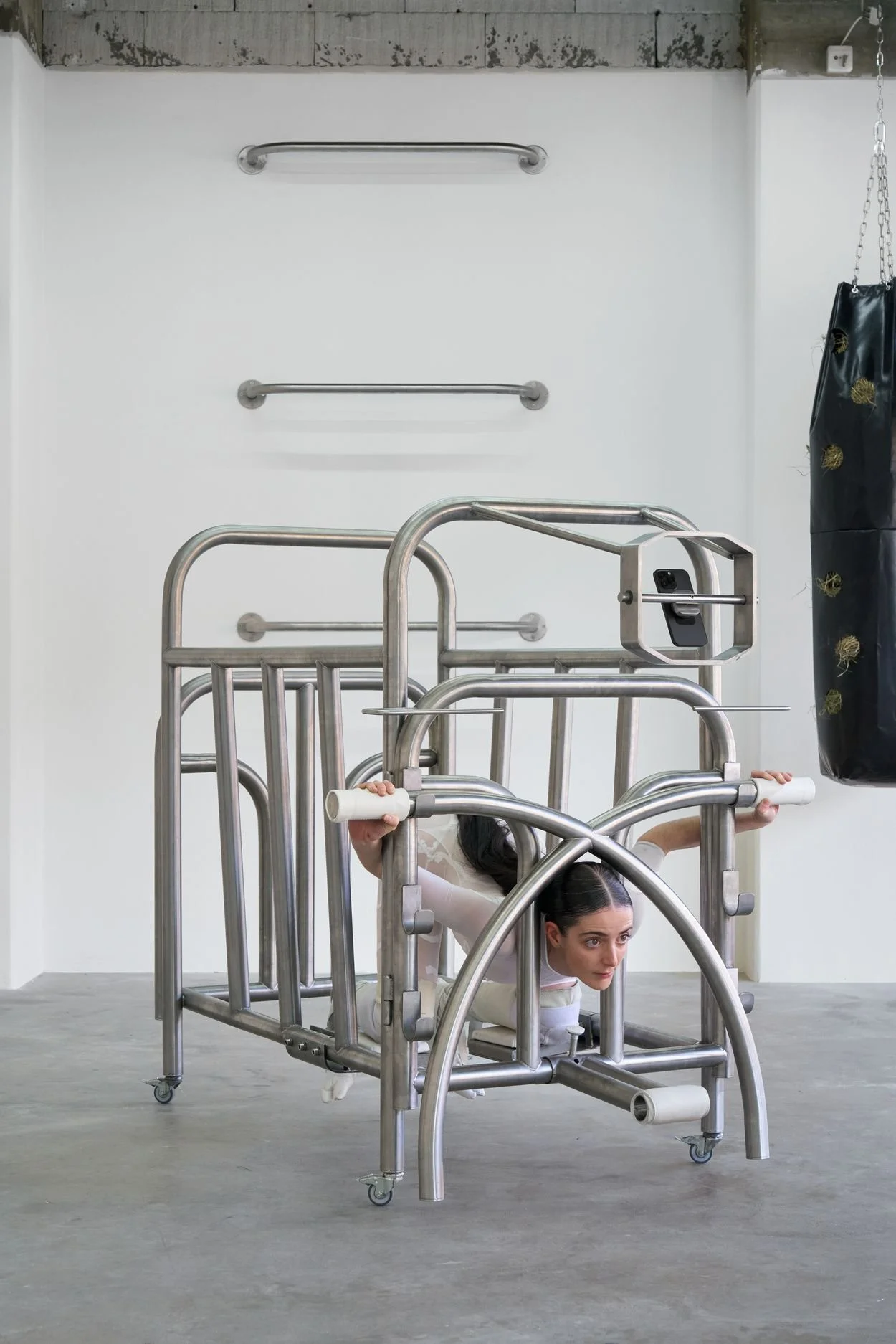
In a cultural age overcome by climate urgency and technological mediation, do you believe architecture should focus on environmental versatility over aesthetic symmetry, or can the two still exist in unison?
The opposition between environmental versatility and aesthetic symmetry is largely inherited from a period that treated form as autonomous from systems. That separation no longer holds. Climate urgency and technological mediation have collapsed the idea that architecture can operate as pure composition without consequence.
At the same time, many contemporary practices survive by reducing themselves to a single narrative line—flood, heat, overcrowding—where complexity is flattened into an easily legible fear. That reduction produces moral clarity, but at the cost of architectural intelligence.
Versatility does not replace form, just as symmetry does not guarantee relevance. Symmetry can still exist, but only as a temporary stabilization of dynamic forces rather than an imposed ideal. What matters is whether architecture can remain operational under changing conditions while preserving spatial precision—without collapsing either into aesthetic nostalgia or simplified crisis rhetoric.
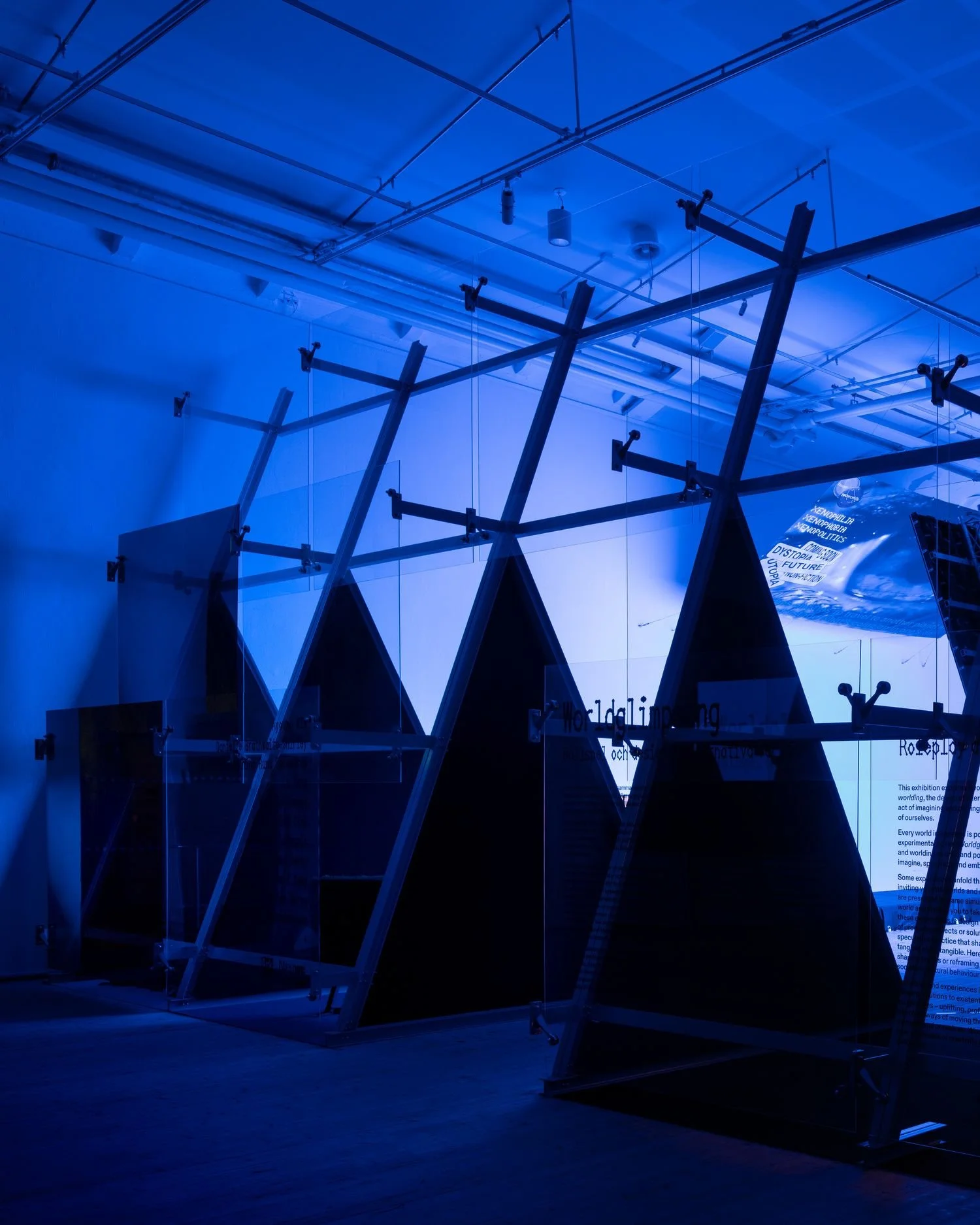
Looking forward, do you see your practice placing a larger focus on system-building, or orienting itself toward more site-tailored, materially established interventions? What do you believe this choice illustrates about architecture’s cultural function today?
Architecture in how I practice it operates as a mirror of the sociocultural dynamics that define the present.
The question of system-building versus site-specific intervention is, in that sense, a false binary. What we are dealing with is not a shift between scales, but a continuous translation between conditions. Work developed in highly constrained, temporal environments is never preserved as an autonomous category; it is extracted for its underlying logic—how materials behave under pressure, how programs destabilize form, how atmospheres become structural.
Once this intelligence is understood, it ceases to exist as a “temporary” mode and instead dissolves into methodology. It is then reinserted into longer-lasting architectural conditions, not as form, but as operational grammar.
So the trajectory is neither toward pure systems nor isolated interventions, but toward a practice that continuously metabolizes one into the other. This reflects a broader cultural condition in which architecture’s role is no longer to produce resolution or permanence, but to construct frameworks capable of absorbing complexity without reducing it.
Interview by Sabrina R.
What to read next