Ed Aked
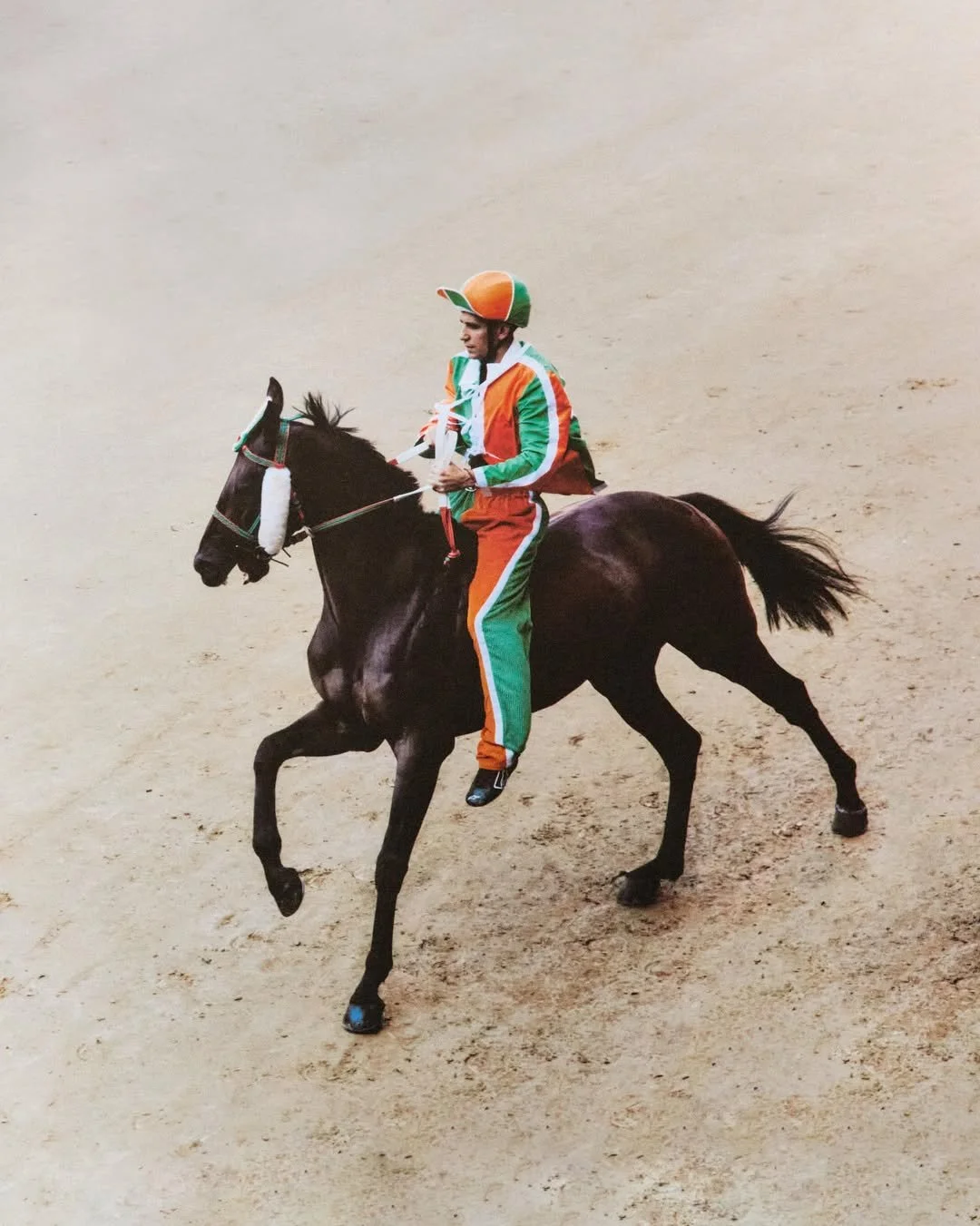
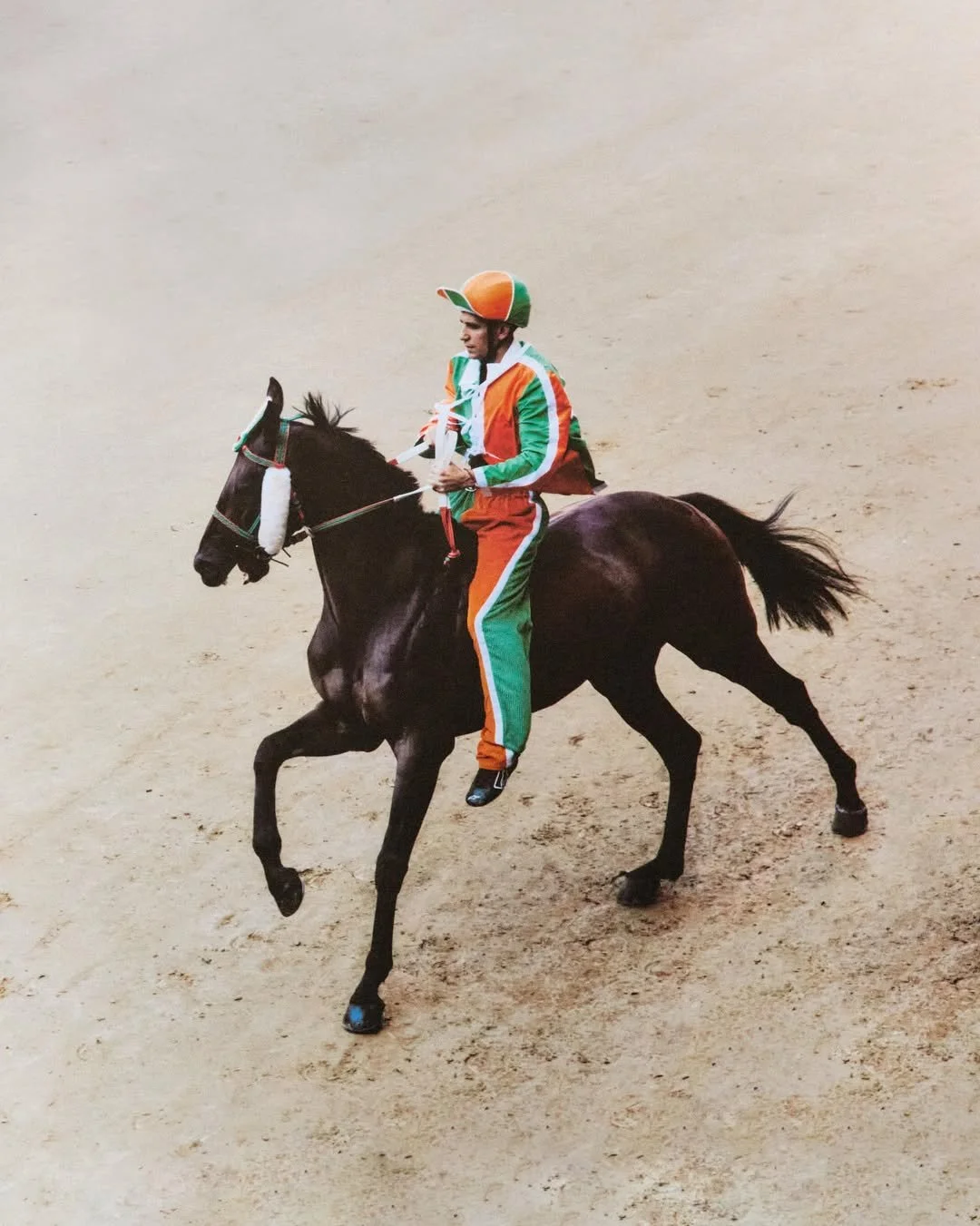
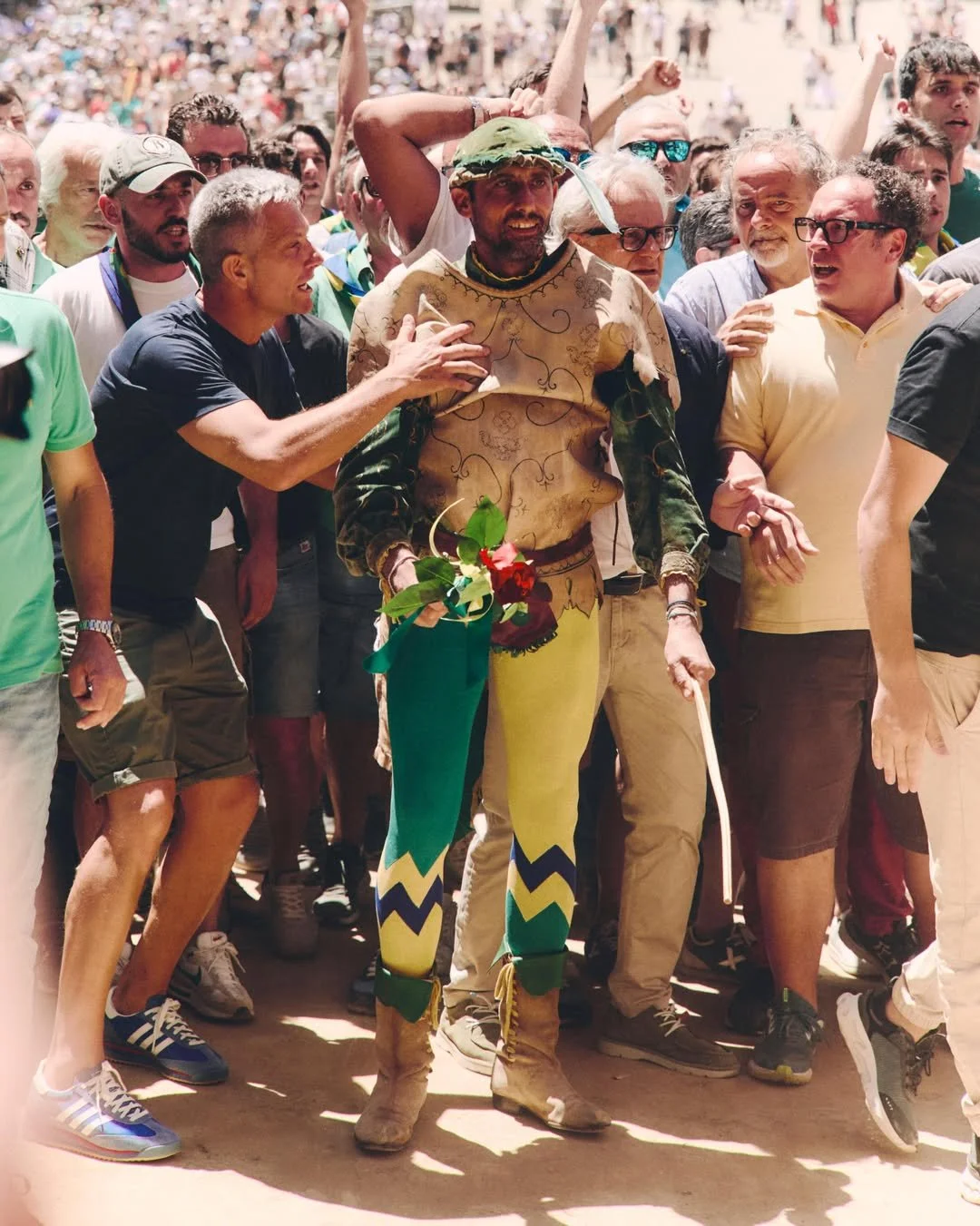
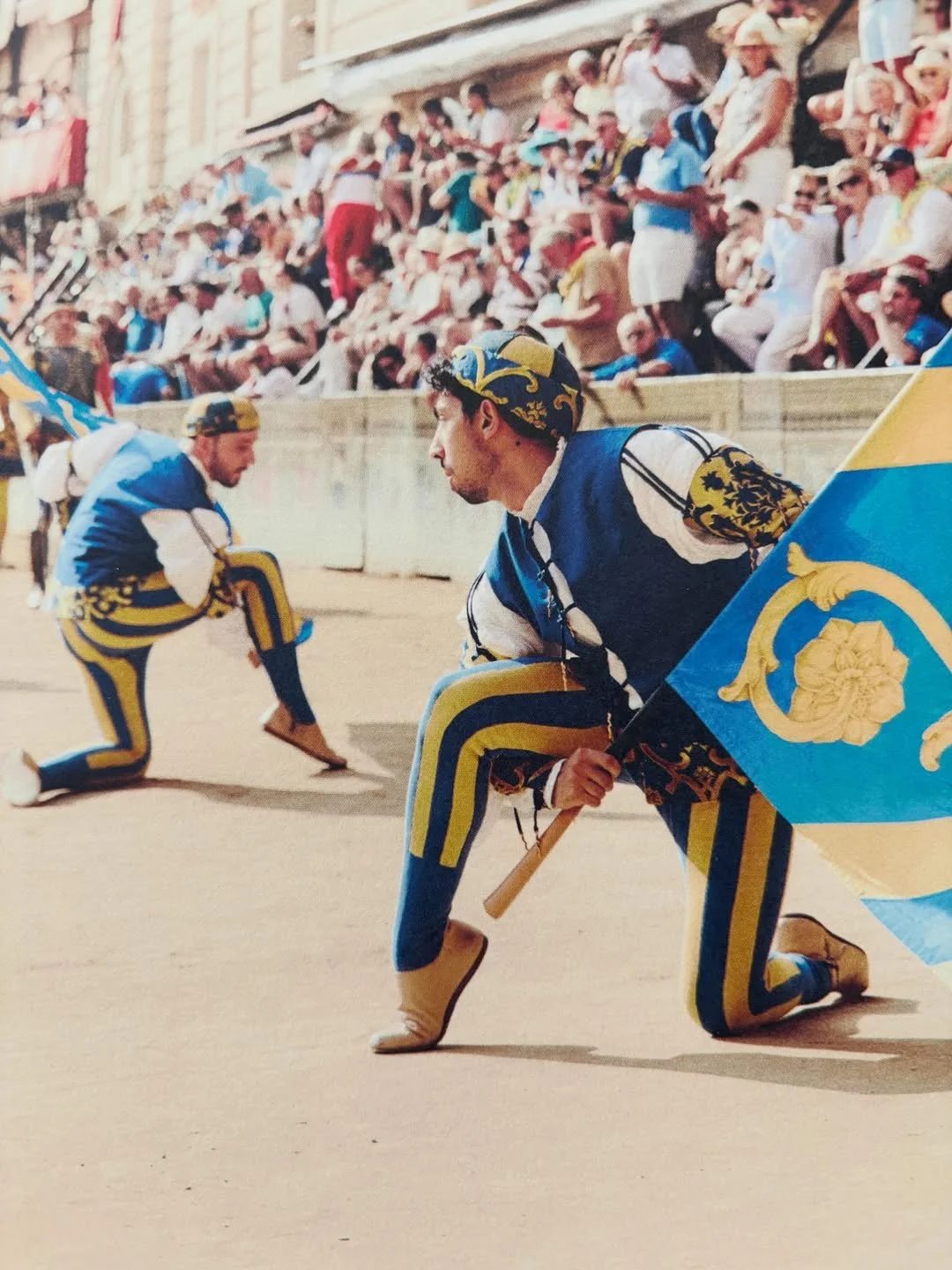
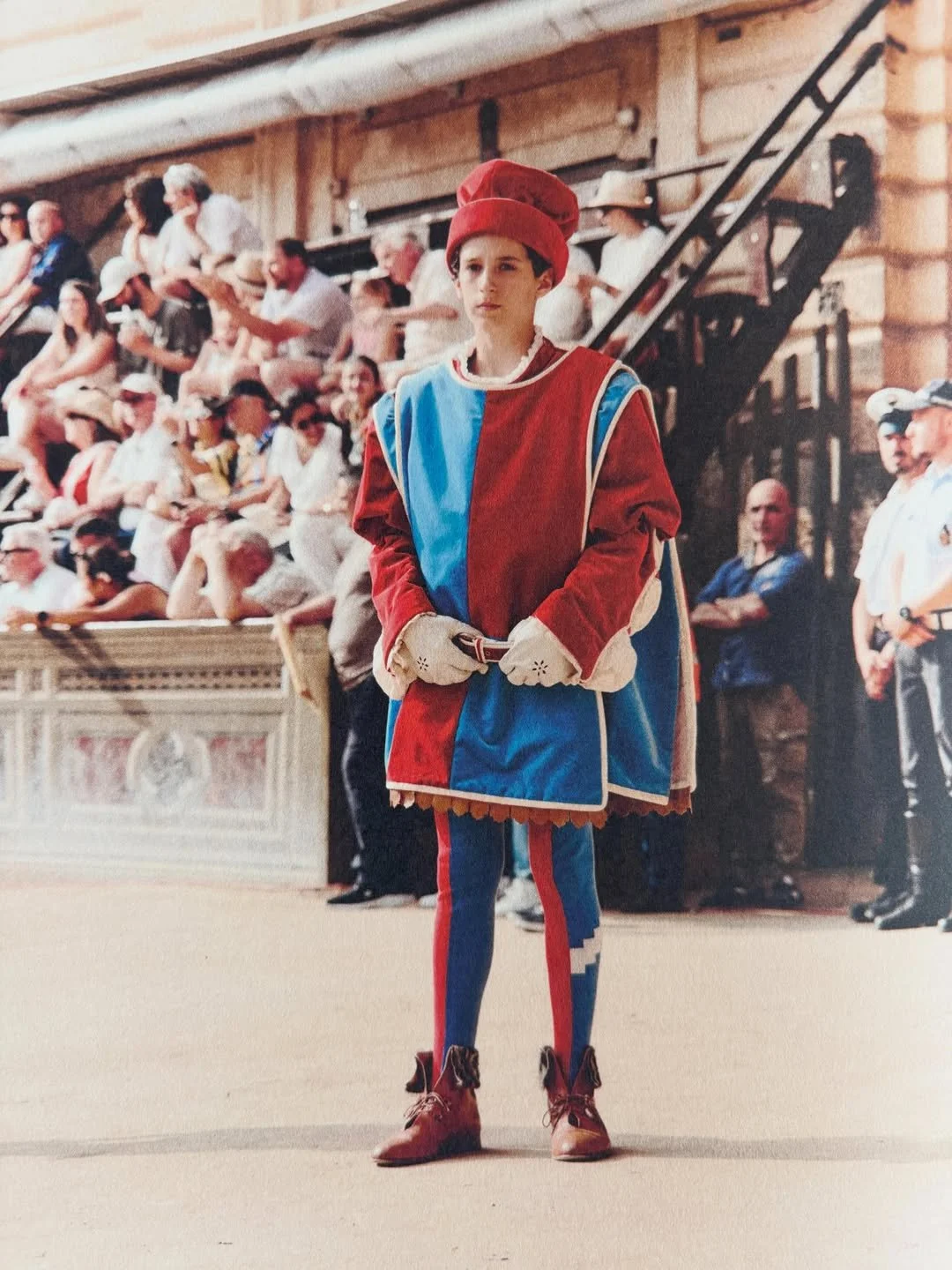
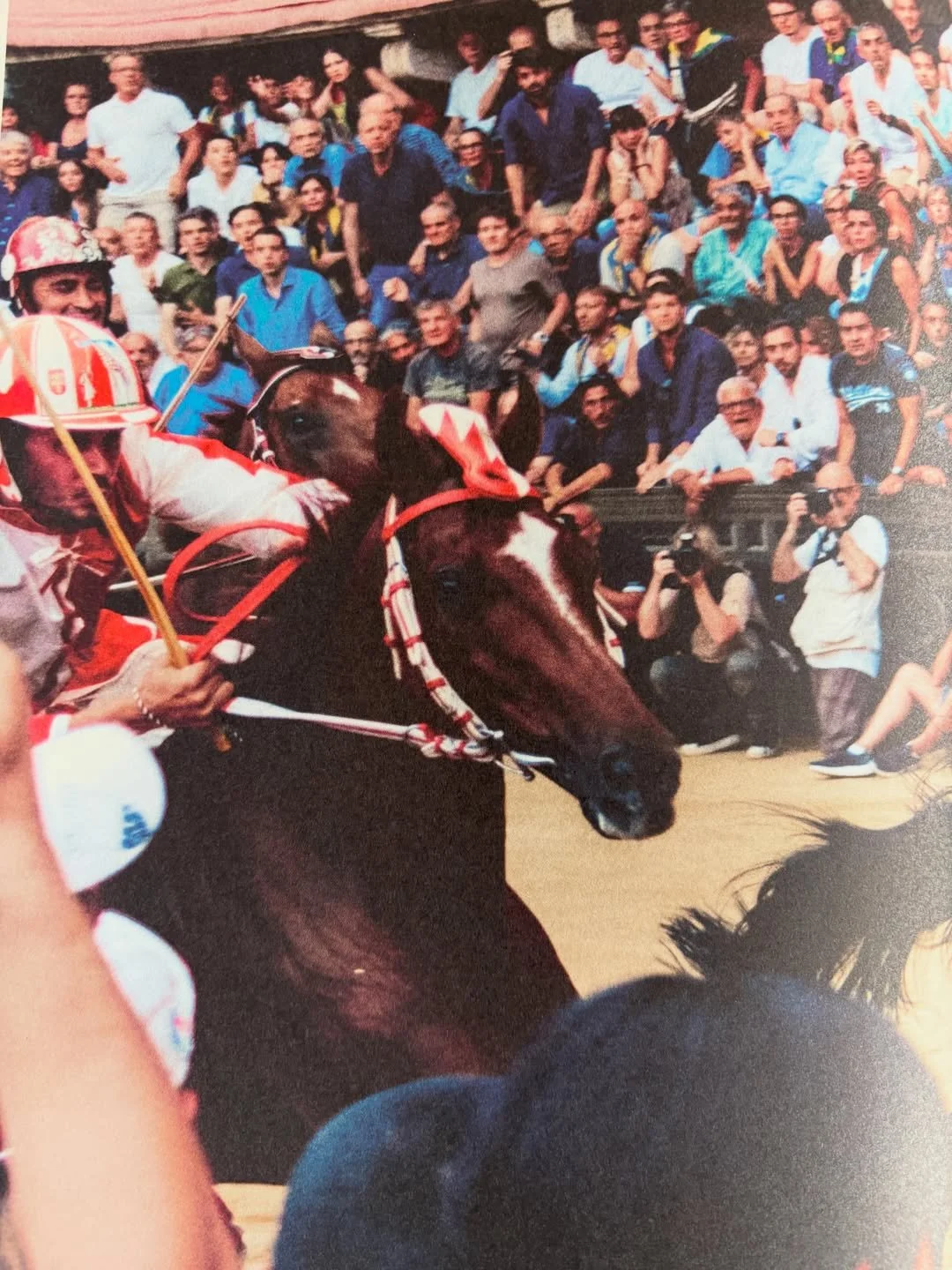
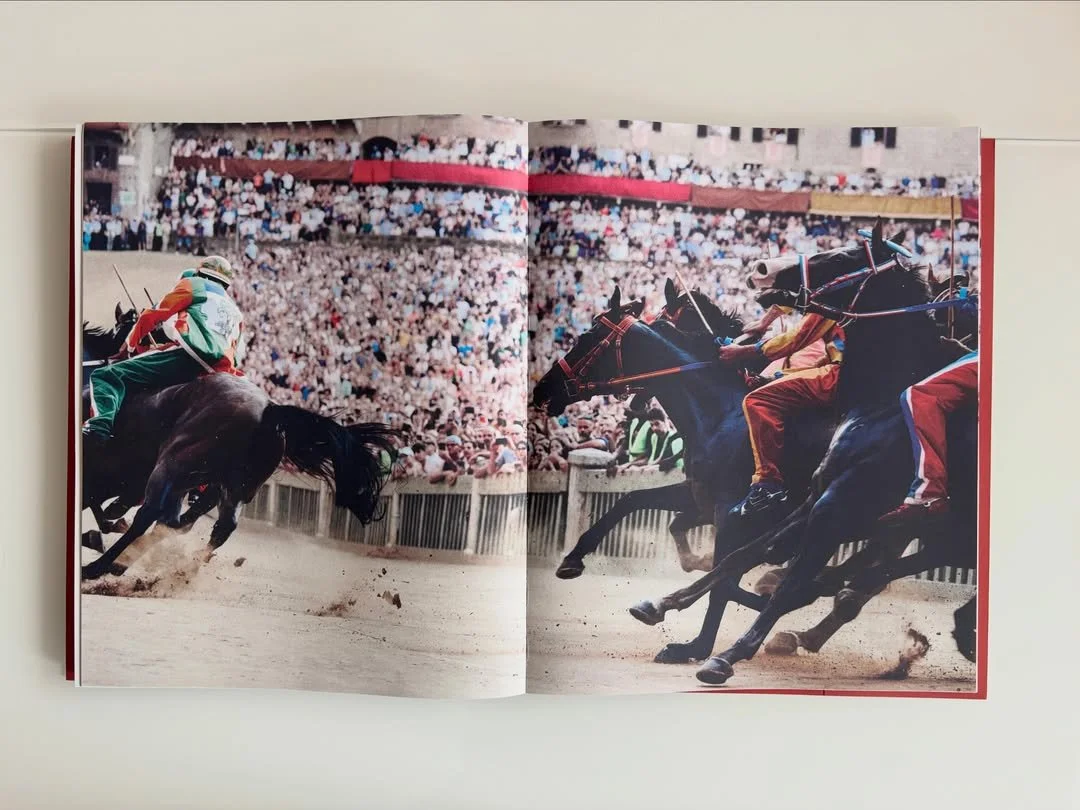
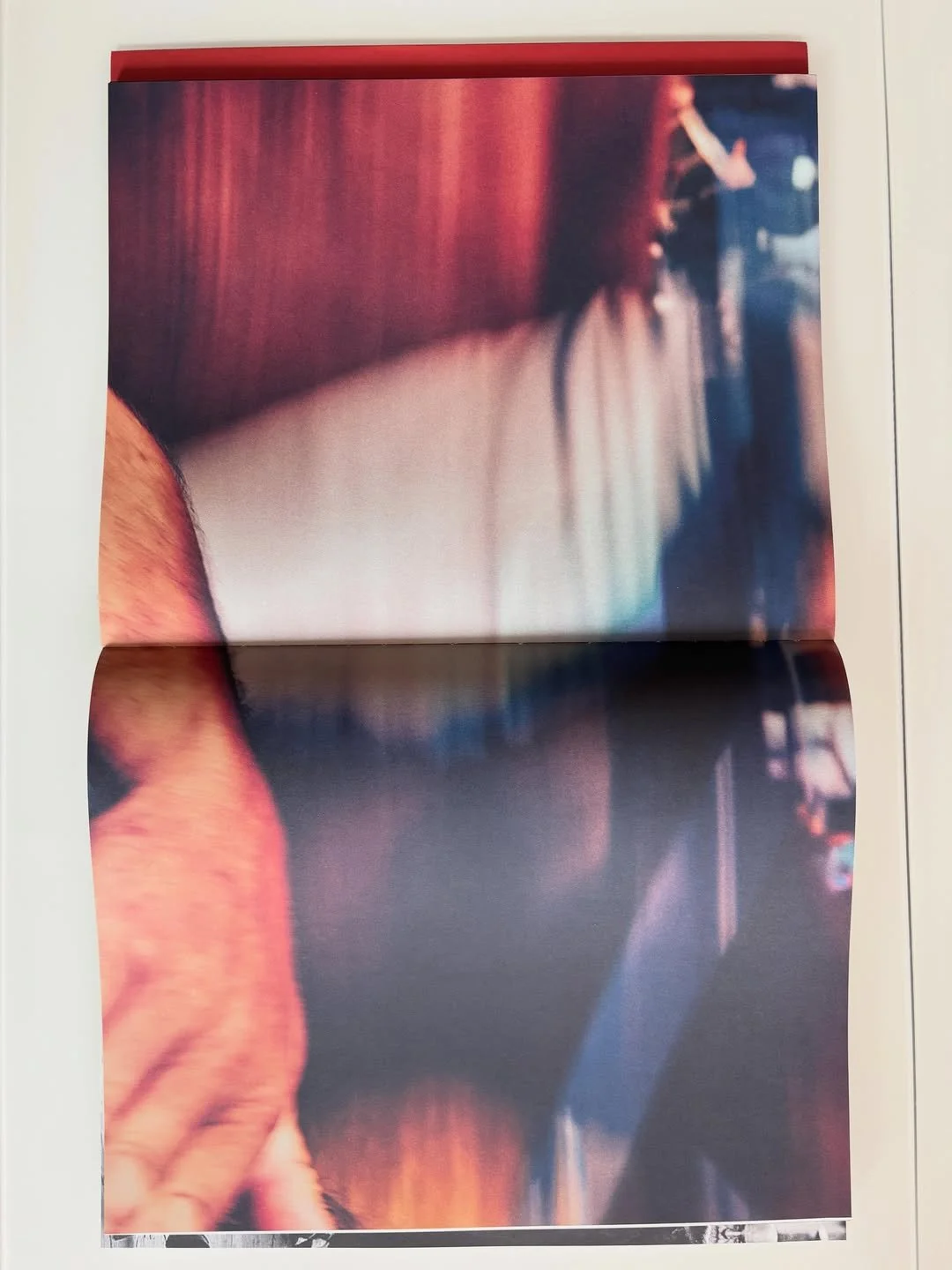
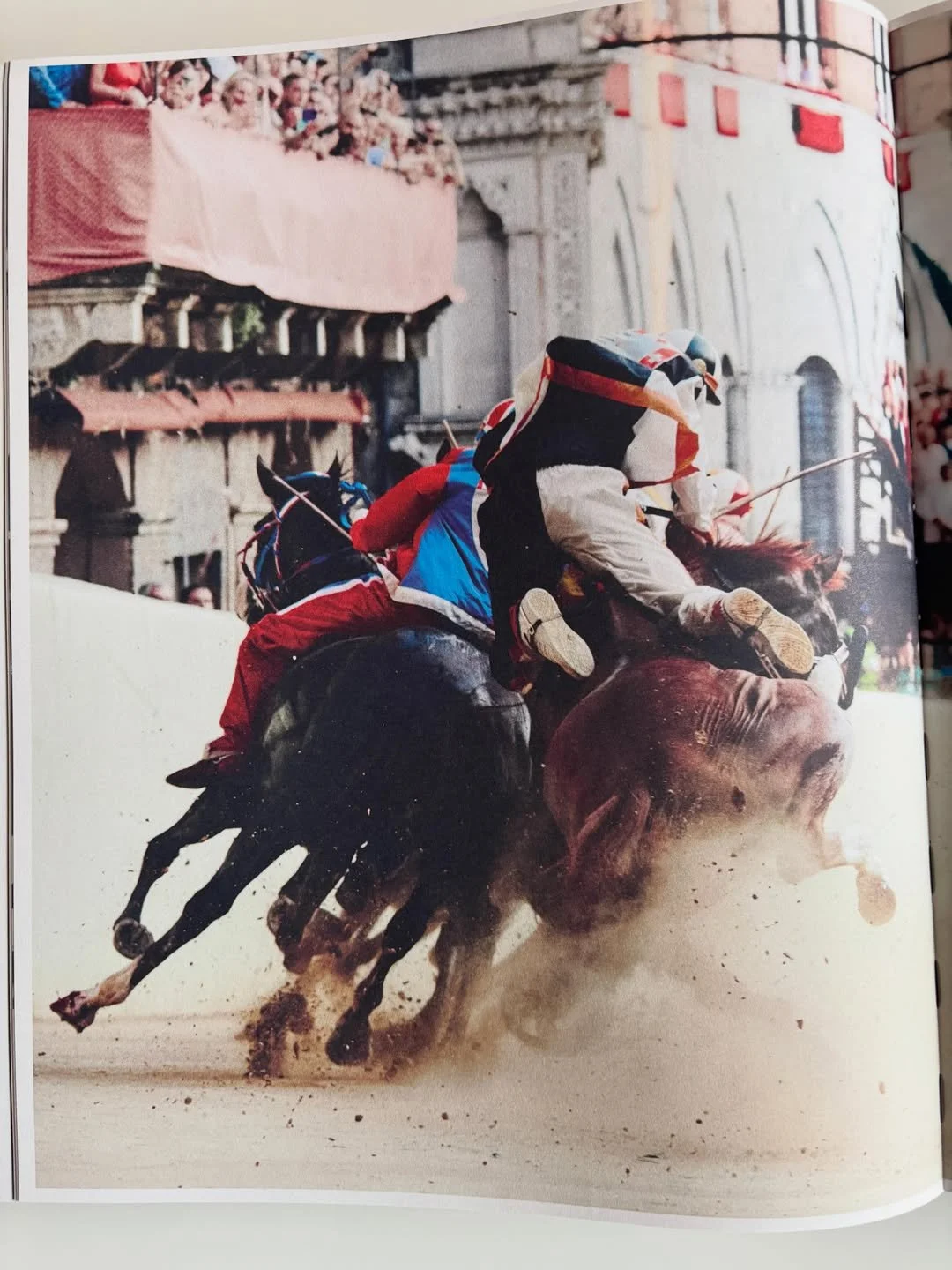
In I RAGAZZI, British photographer Ed Aked turns his lens toward the Palio di Siena, one of Italy's most enduring and emotionally charged traditions. Ed examines the social rituals, tensions, and performances of masculinity that surround it. He immersed himself in the life of the contrade, observing how generations of men inhabit the same symbolic space, balancing aggression and tenderness, rivalry and solidarity. As an outsider photographing a deeply rooted local tradition, he’s acutely aware of the risks of exoticising his subject. His approach is grounded in research, participation, and a desire to embrace complexity instead of reinforcing stereotypes. The resulting photobook explores the seductive power of belonging while acknowledging the ambiguities and contradictions embedded within collective identity. In this conversation, Aked reflects on the meaning of the title "I RAGAZZI," the challenges of representing the Palio for an international audience, and how ritual, community, and masculinity continue to shape contemporary life.
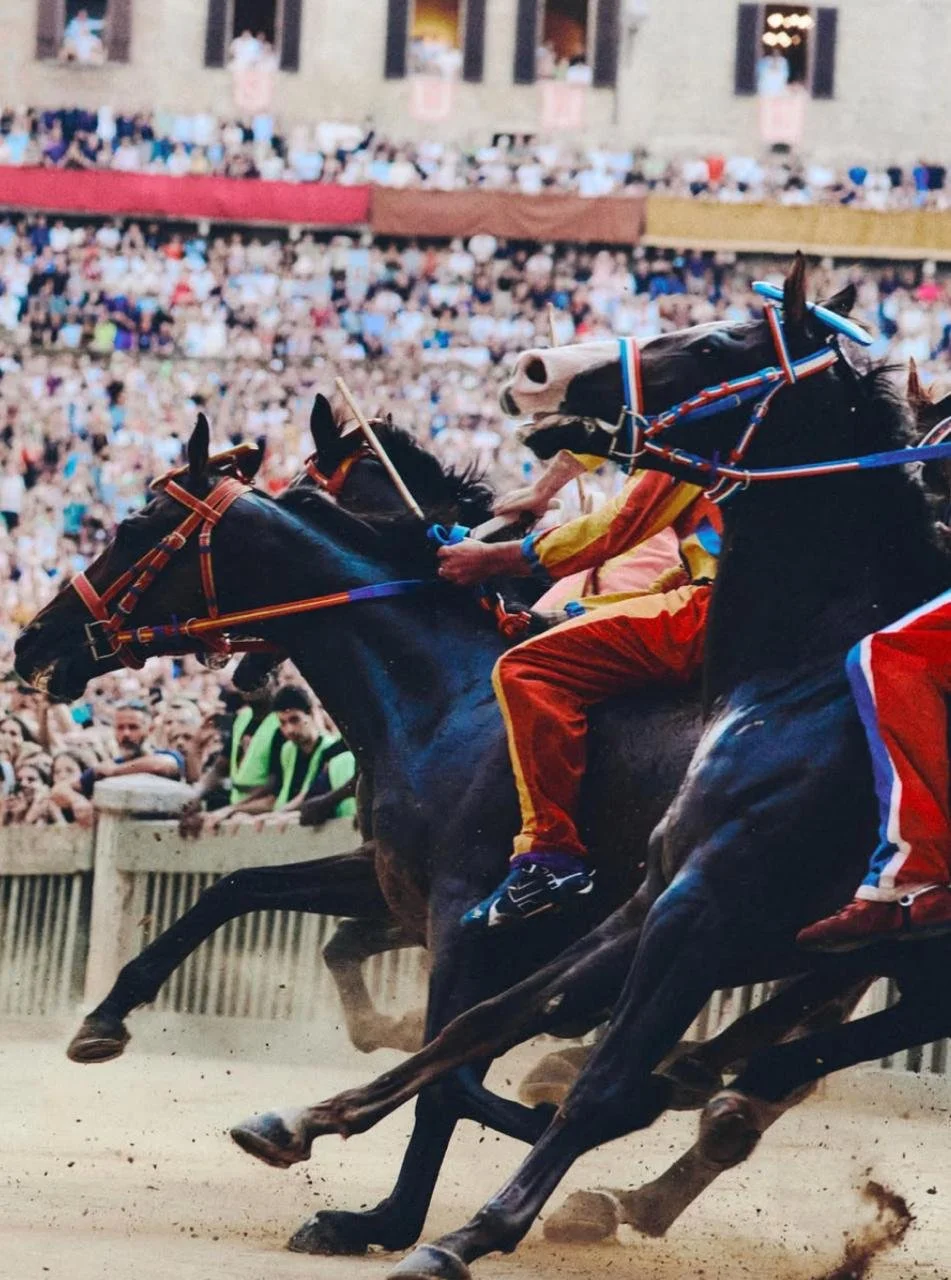
How did you come up with this project, and what does the title I RAGAZZI mean to you?
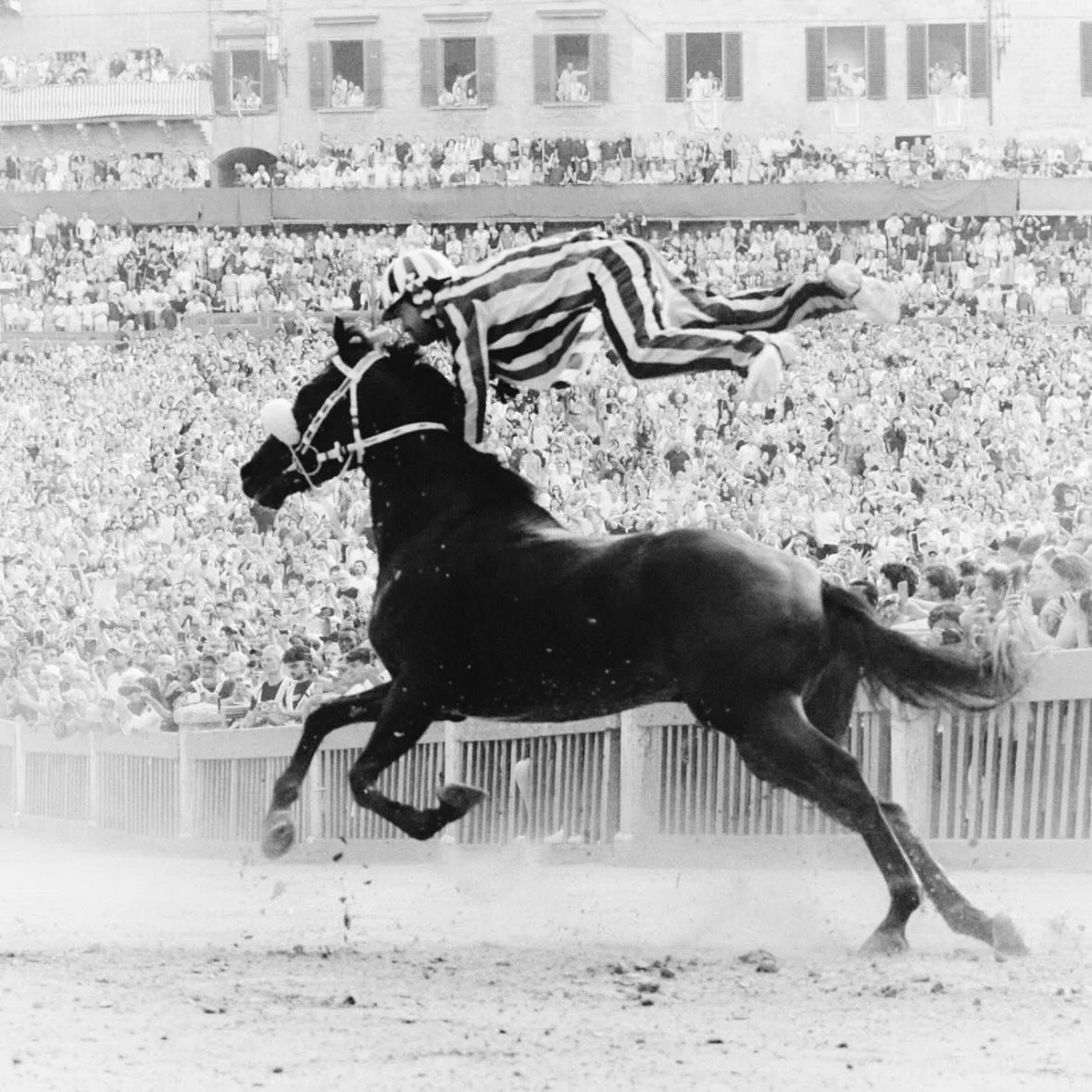
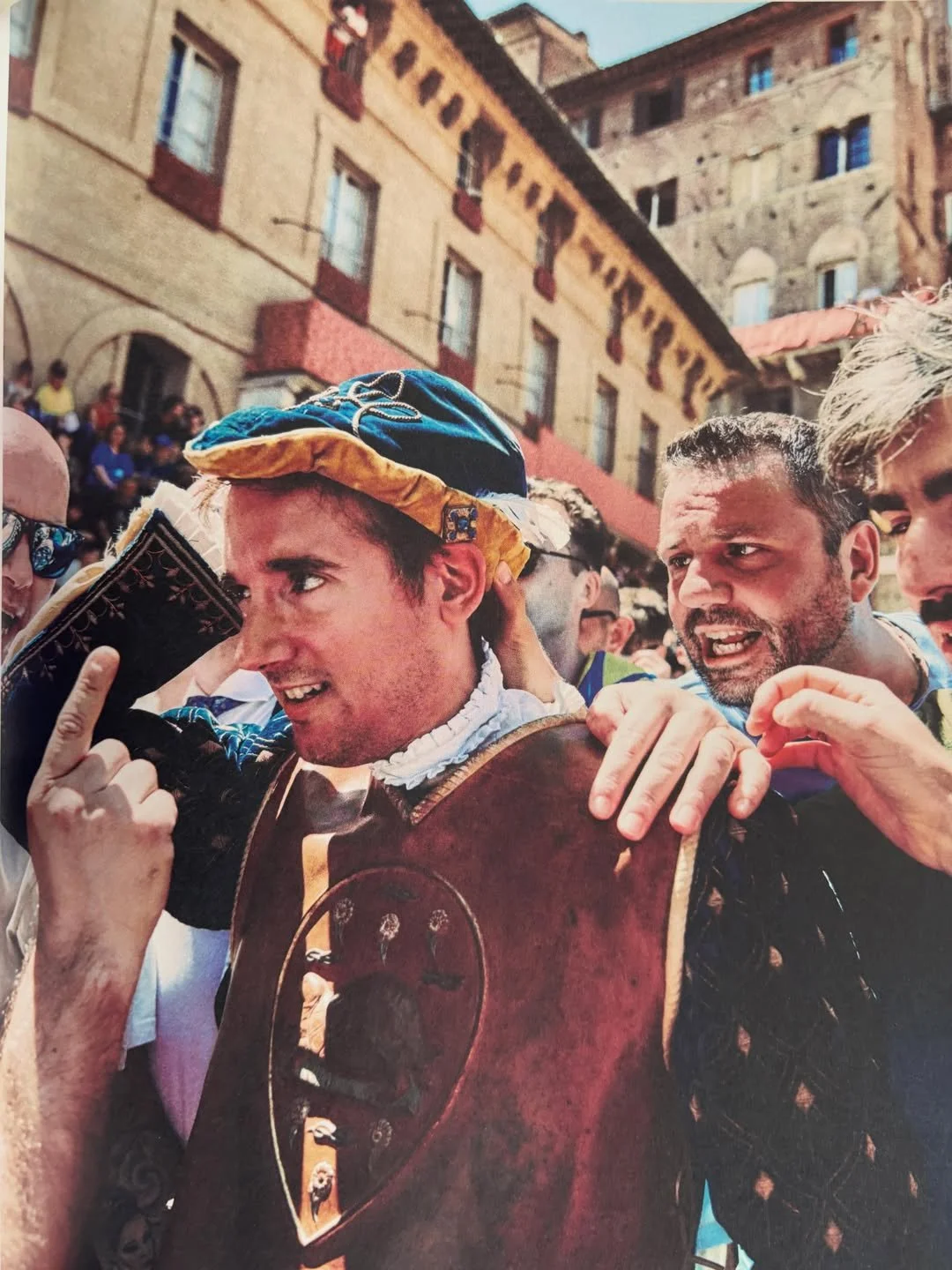
I wanted something that reflected the many faces of masculinity visible at Palio. Even though my knowledge of the Italian language is still pretty basic, I’ve been aware for a while of the multitude of meanings attached to the word ´ragazzi.’ While it doesn’t even always only apply to the male sex, it is commonly used to refer to boys or men. I liked that it can refer to different groups, and that gives this word its power and personality. It’s very important for me to get across the dualities in humanity and to recognise them even if they can be contradictory. I see young boys, grown adults and old men existing in the same space and performing similar roles. And I wanted to reflect both the aggressive sides of masculinity and the sensitive sides simultaneously. The term ragazzi can have intrinsic negative connotations but it can also be a term of deep affection. This felt extremely fitting. I think everyone who has experienced Palio or anyone reading the book can draw their own unique conclusions as to who ´I Ragazzi’ are, and for me that is mission accomplished.
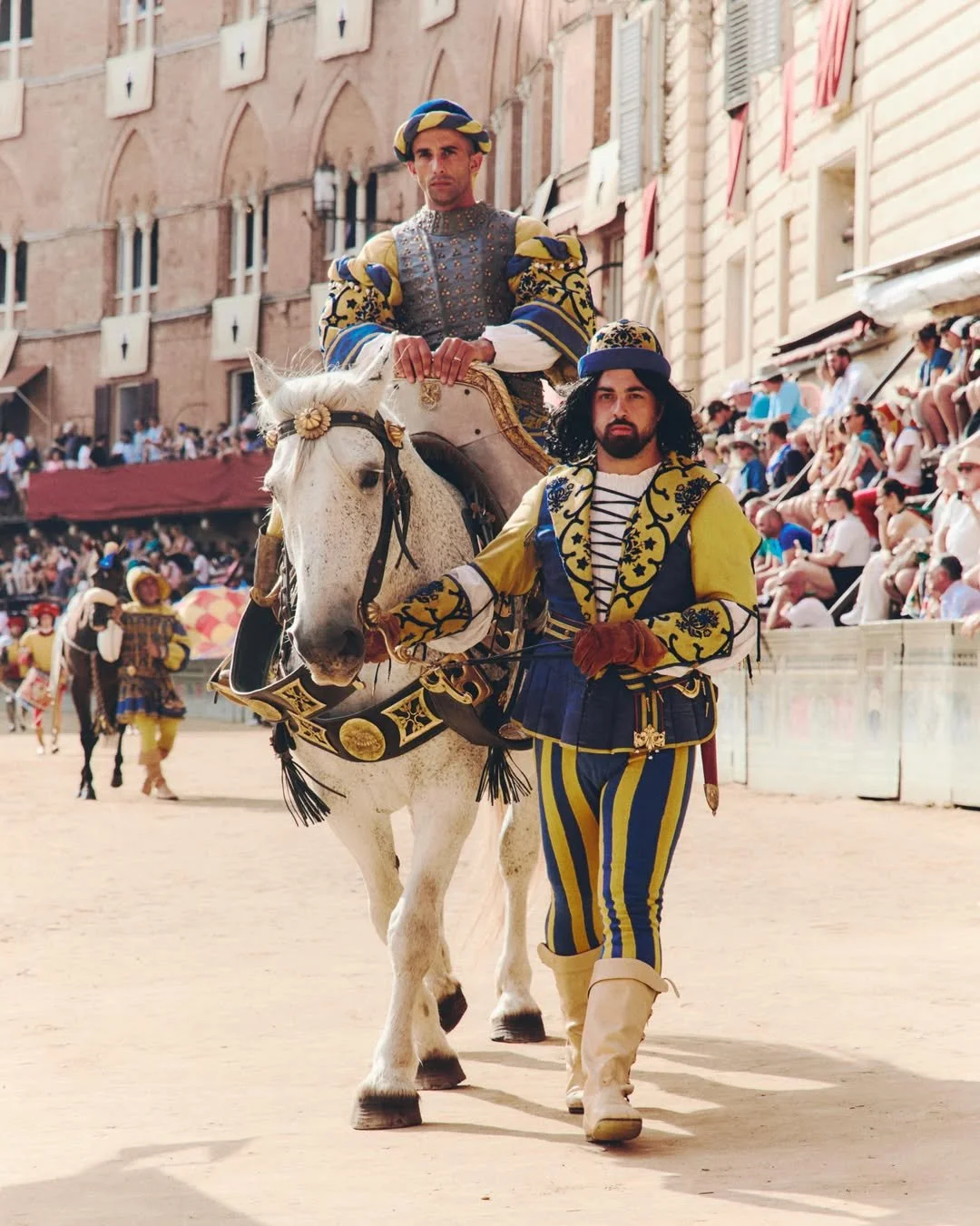
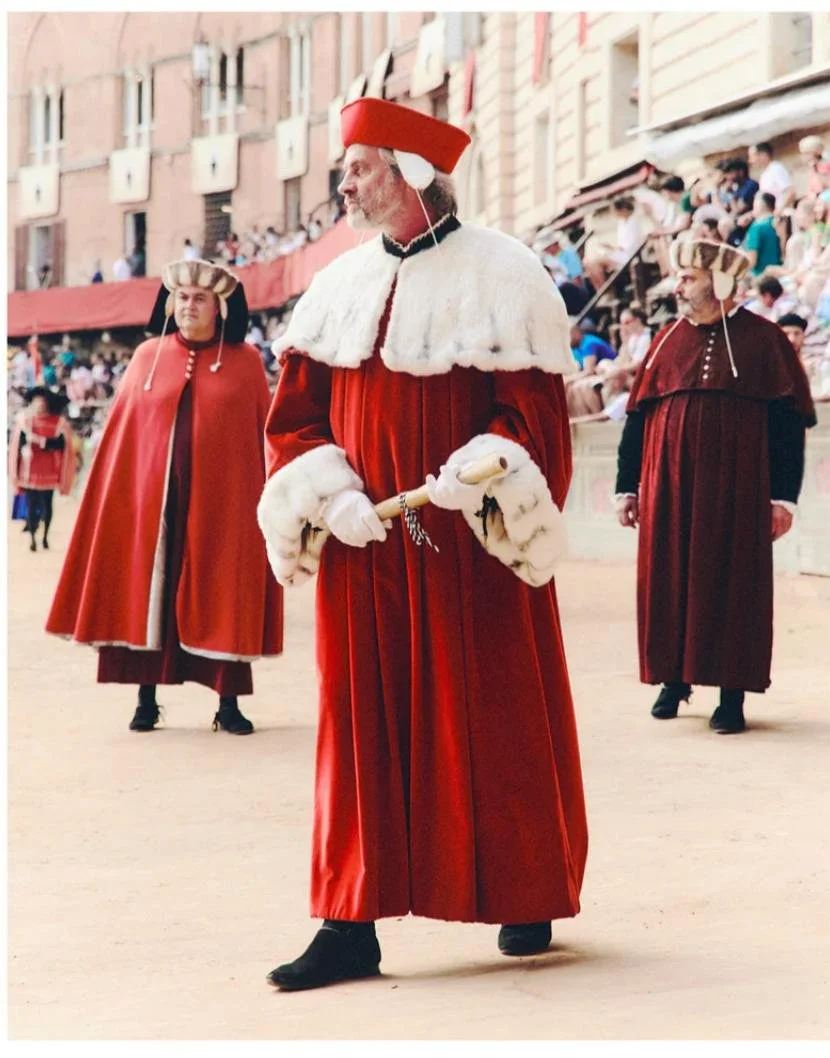
As a British photographer and therefore an outsider to the tradition of the Palio di Siena, how do you address the risk of turning a complex ritual into an exotic or folkloric spectacle for an international audience?
I think about this all the time and I love the question. I think you have to confront it head on…let’s face it, there will always be an element of exoticism in celebrating anything that’s not attached to your own backstory. However, crucially it’s about respect and doing your research. If you take the time to learn about something in depth, involve yourself with it and become a part of it, you will want to tell the whole story, rather than whatever fits some narrative you might be looking for. I have a few Italian friends who could help guide me in the right directions and introduce me to some people but, especially for someone who doesn’t speak much Italian, I found that it’s incredibly important not to be apologetic. So long as you believe in the mission yourself, and you trust yourself to do it right, then people will feel that.
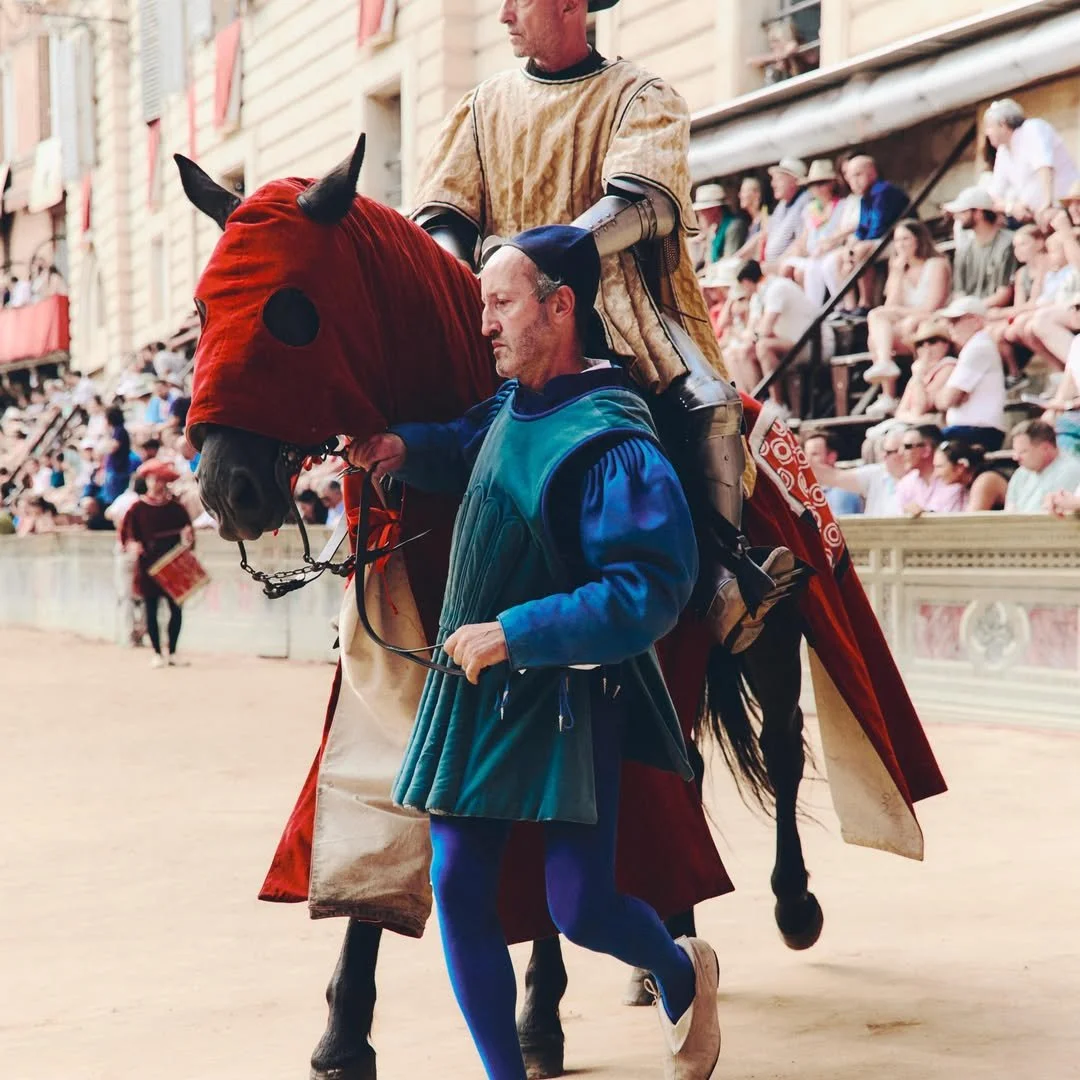
Looking at your images of the Palio di Siena, I had the feeling that the Palio generates a very powerful and deeply seductive sense of belonging. But precisely because that seduction concerns something that can also be criticised or called into question, it struck me as almost ambiguous, even risky. Was that a tension you wanted to convey in your work?
Yes. Absolutely. And yes, Siena is a bit off the wall. There is a tension in the air in Palio season, a rivalry with a slight whiff of violence that very rarely ever crystallises into anything.I think it makes people feel alive, and I’m not just talking about the men. And equally at the same time, it also feels like a very safe place. I think the crime rate is really low there (possibly because people have a way to channel their deviant energy?) So yes, I was always trying to capture that tension and that edge, which I think is real.
““I wanted to reflect both the aggressive sides of masculinity and the sensitive sides simultaneously.””
How did you perceive the reaction of your project from the contrade?
I haven’t been back to Siena yet and most of the locals there haven’t seen anything! The books I’ve sent to those who helped me are mostly still en route. I can’t wait. The ideas that I discuss in the book are nothing new to people living in Siena, but I feel like this style of photography might be.
In your view, does the Palio produce masculinity or merely portray it?
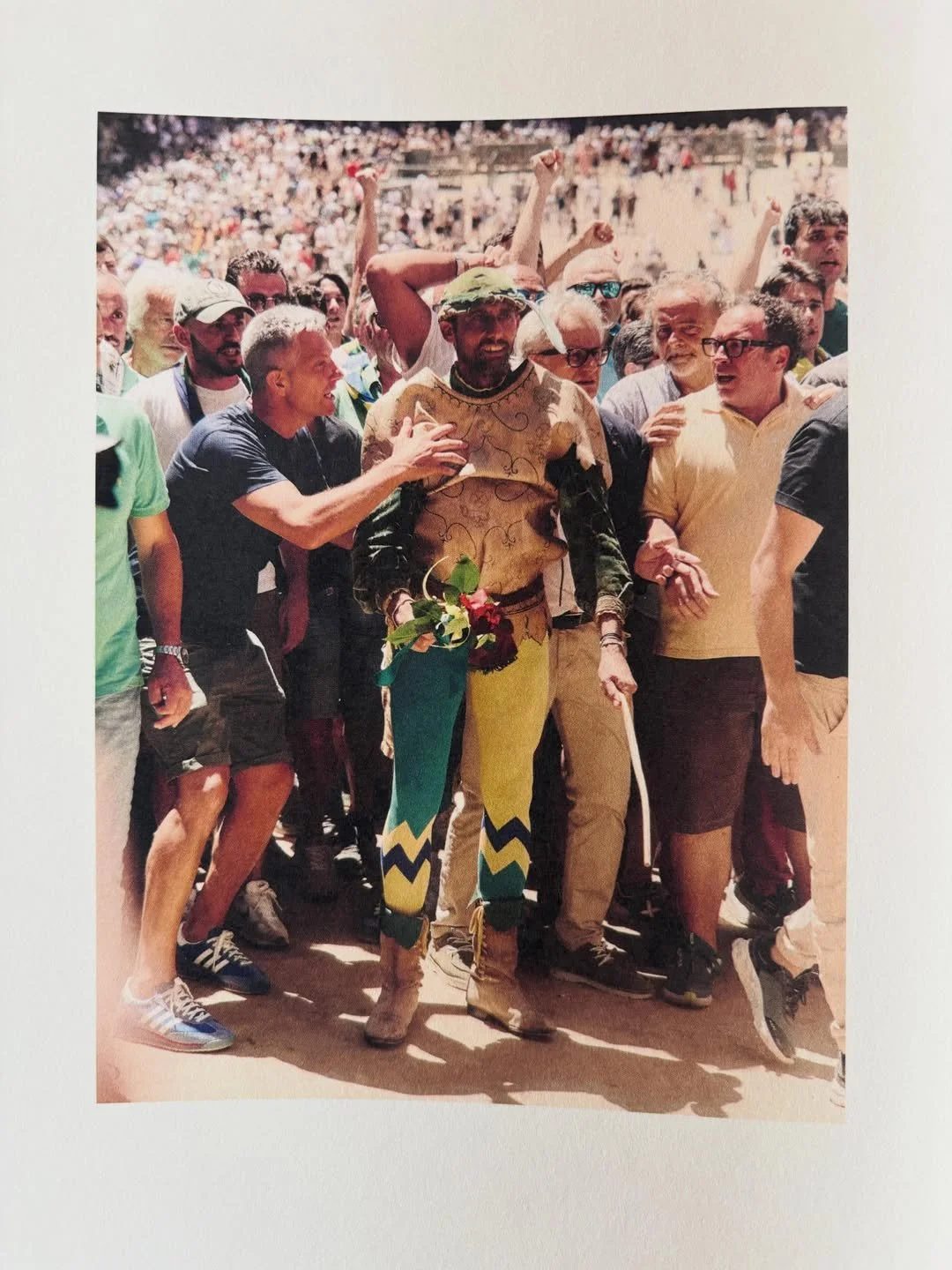
Wording is important here: everyone has a different idea of what masculinity means. I believe that masculinity is a biological constant of being human. What we actually see as masculinity depends on how people express it: in what way does someone feel masculine, and how do they show it. In Siena, it seems to me that the expression of masculinity is a very precise behavioural mixture, following well defined rules. It’s impossible to know how much each Sienese man may feel pressured to follow these guidelines - I imagine they probably don’t know themselves! It’s my guess that the ritual and structure of this framework of maleness provides such a level of comfort, solidarity and joy to the navigation of a man’s life, that one is naturally drawn to being involved.
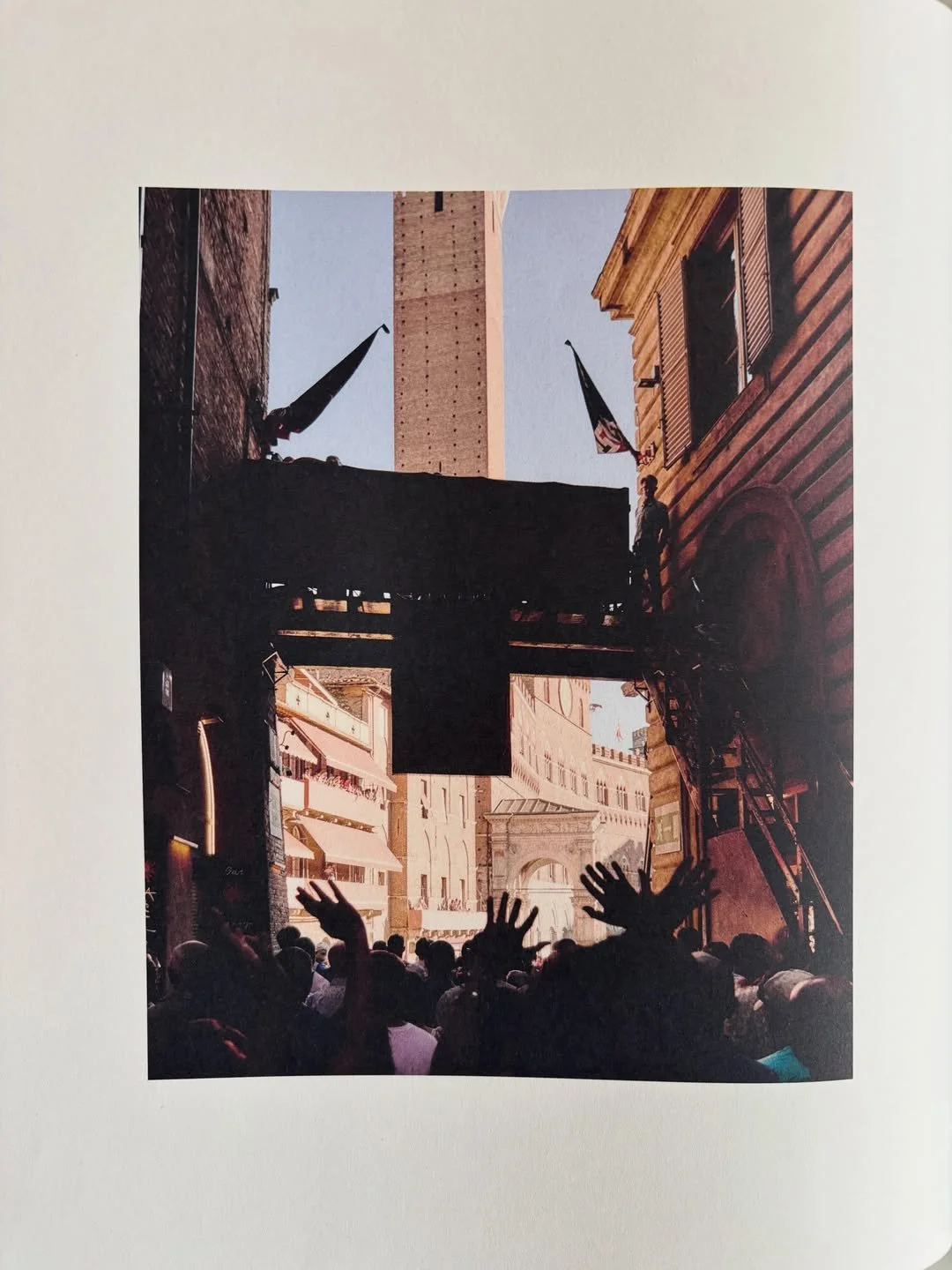
““There is a tension in the air in Palio season, a rivalry with a slight whiff of violence that very rarely ever crystallises into anything.” ”
Were you interested in documenting a community or in questioning the emotional and symbolic costs that such a strong community can produce?
It was only while I was there and documenting everything, that I truly understood how fundamental the contrada community is to people’s lives. I must say there are still aspects of this that I am learning and I wouldn’t feel comfortable telling you what the costs might be of being part of those communities.
What I do see is that most young people who have finished school or university only seem to be living in town during Palio, as Siena doesn’t offer as much opportunity for that age group as the big cities. Especially in the modern era, I have the impression you can reallychoose just how much you want to be involved in your contrada. It definitely feels like the benefits outweigh any negatives though!
Do you think that today we need community and rituals more, or do we need to question certain forms of belonging?
More community. More rituals! Yes, we should always question our behaviour. But I definitely believe that a closer community and support network facilitates that. I guess you’re asking because - with all due respect and affection - Siena displays some characteristics of a cult. True story! But I think there is a huge gap between that end of the spectrum and the other end where I think many of us now exist, living very individualistic lives, not really knowing our neighbours too well and often not belonging to any larger purpose. I think many young-ish Western city-dwellers (like myself) could benefit from a bit more of that.
After this project, does the Palio seem to you more like a celebration of collective life or a demonstration of its darker sides? Is there a photograph in the book that, for you, embodies all this ambivalence?
I think it’s both, and that’s kind of the point. This is what makes it such a powerful thing to experience.
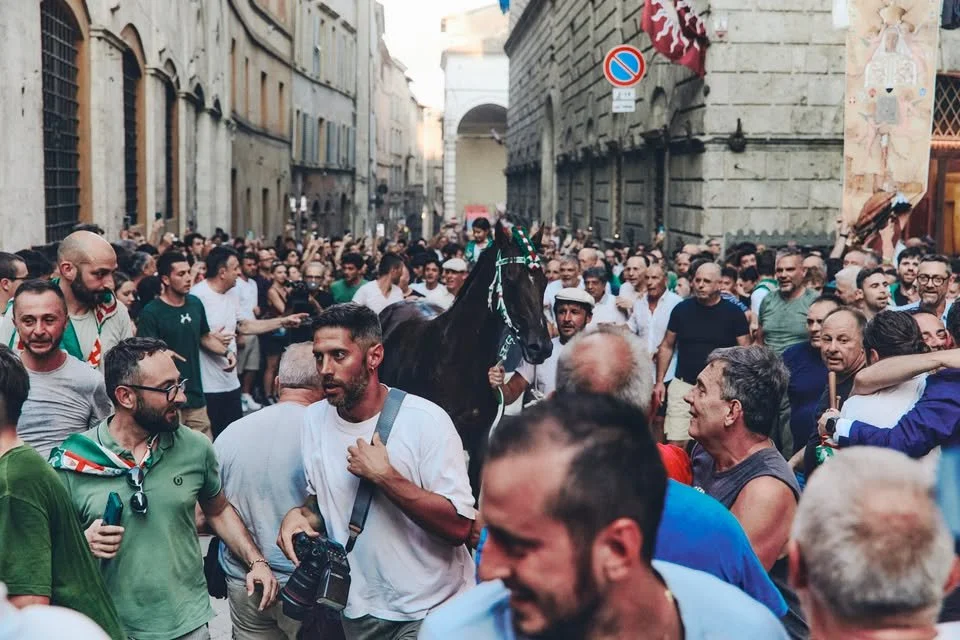
I wish there was one that one image that told the whole story, although I guess that might defeat the point of the book. One of the last images in the book, you have the victorious Oca contrada pacing down the dark street together. People look like they’ve lost their minds… a collective ecstasy with these sweaty guys all looking like they’ve been to a rave and the whole time you’ve got this horse right in the middle of the crowd. He’s blending in - with the same bewildered expression - so well that you can almost miss him. He must be thinking you know, ‘che ca**o?’ Haha. It’s beautiful and it’s weird and it’s a bit dark and it still gives me a feeling of being back there.
Courtesy of Oddity Paris
Interview by Aurora Piedigrossi
What to read next