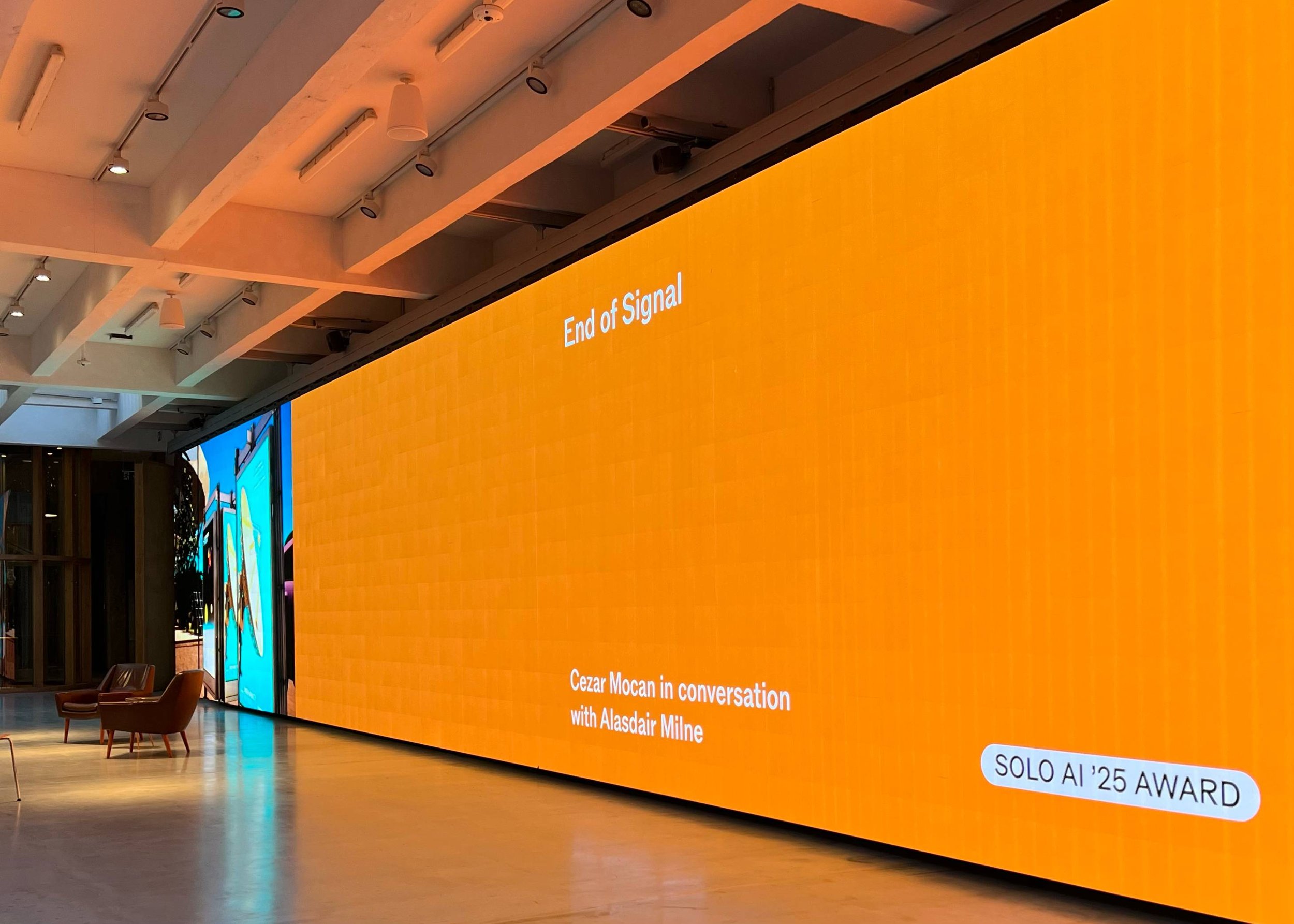
Cezar Mocan exhibition at SOLO CSV
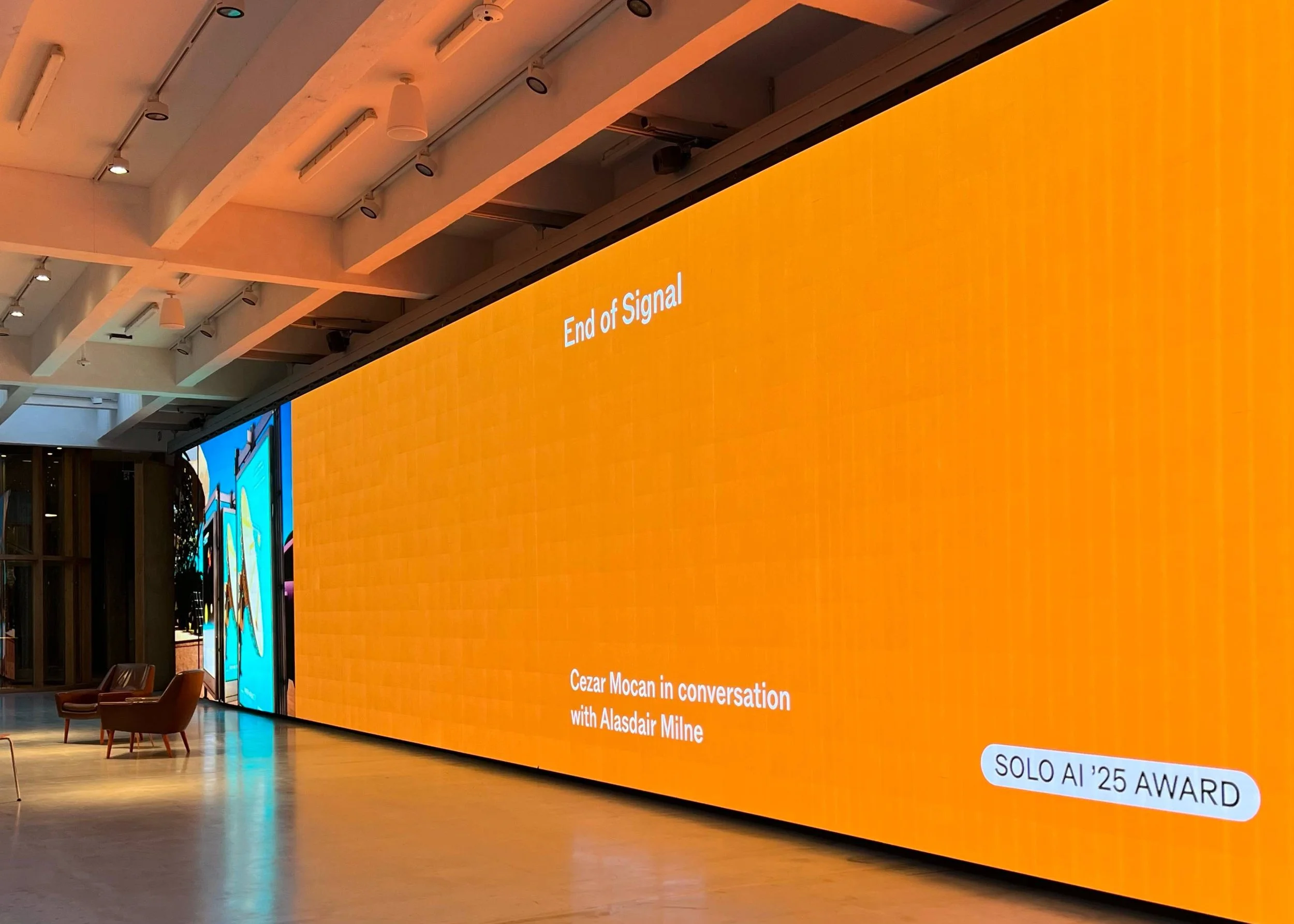
HOW CAN WE, HUMANS AND MACHINES, DEAL WITH UNCERTAINTY?
At SOLO CSV in Madrid, a new exhibition space has inaugurated: Basement, with works by Cezar Mocan, artist and programmer winner of SOLO AI ‘25 Award, on the limits of data technologies.
Madrid has a particular light, it is almost night but the sun is still shining, giving the subtle feeling that time could be floating, suspended, in such a city. By entering the SOLO sites, the outside world feels far away and you immediately understand that what you’re about to live is a breathtaking and one-of-a-kind experience.
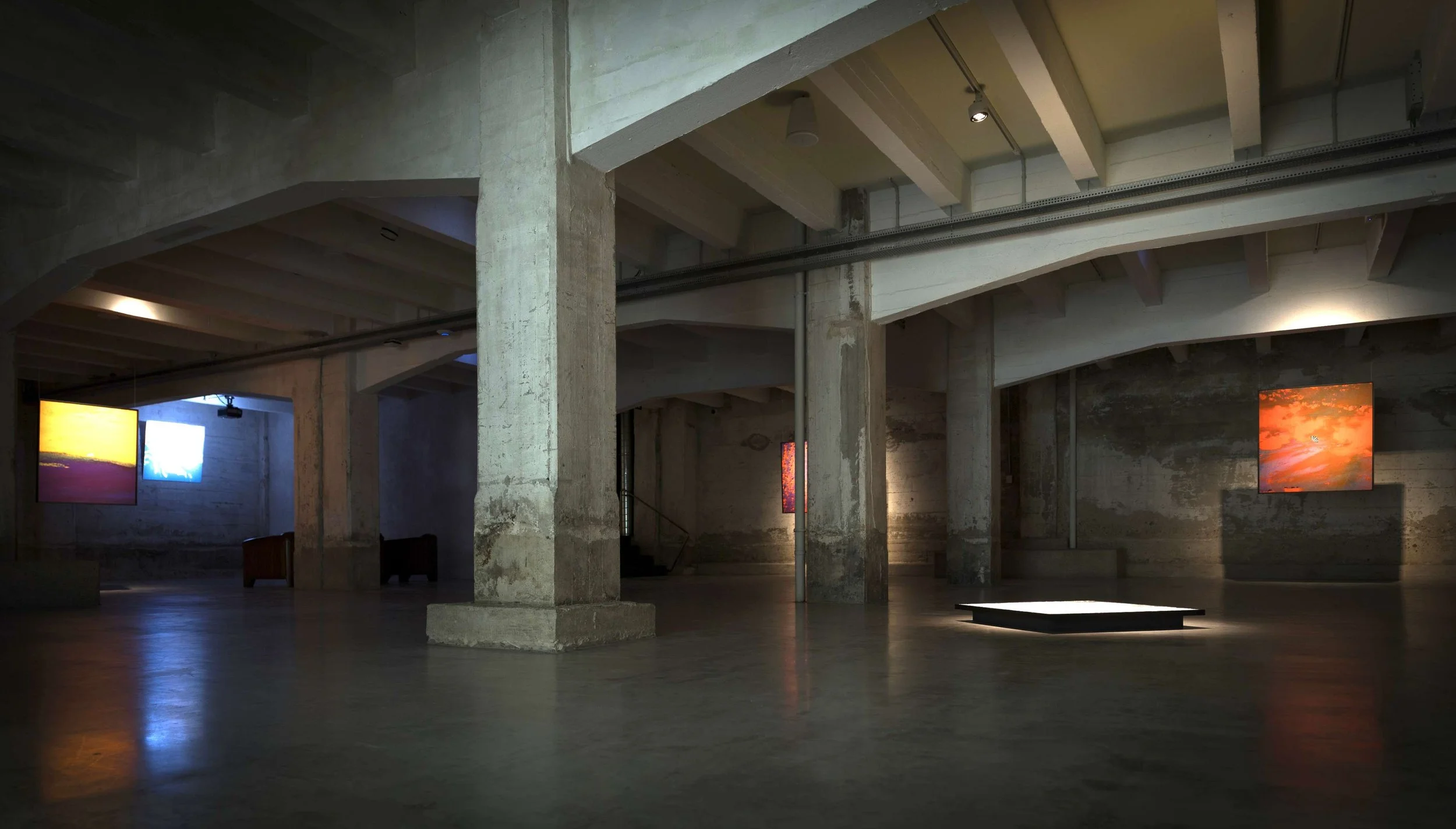
Inside the SOLO CSV building, a 4500 m² contemporary art centre designed by the renowned architect Juan Herreros, a new exhibition space is now open to the public: Basement, a 400 m² underground gallery, with Cezar Mocan’s solo show “End of Signal”, where the artist operates an unexpected shift of perspectives: without putting distinction between human beings and machines as individuals, technological devices observe nature and process it while sharing a philosophical reasoning. The question is: how can we, humans and machines, deal with uncertainty?
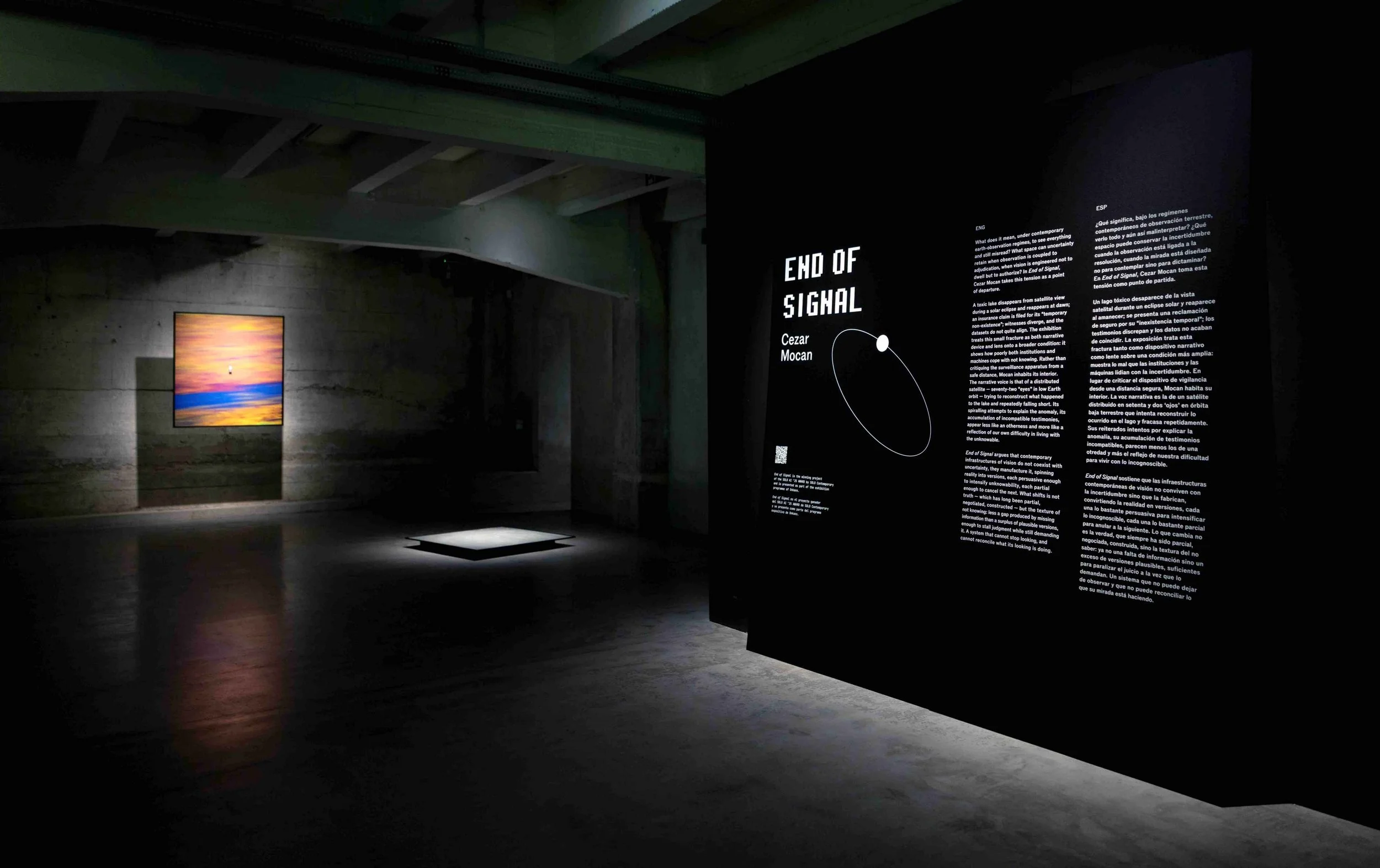
«Satellites are, like us, unreliable narrators» says Cezar Mocan (1993, Romania, based in Lisbon).
As winner of the third edition of SOLO AI Award, international prize for contemporary art practices at the intersection with artificial intelligence, Mocan develops a very interesting research, discussing and undermining the core topics at the essence of technologies: efficiency, precision, infallibility.
But his journey is not cynical, yet poetical, slightly nostalgic, speaking about inconsistent infrastructures and cartographical anomalies.
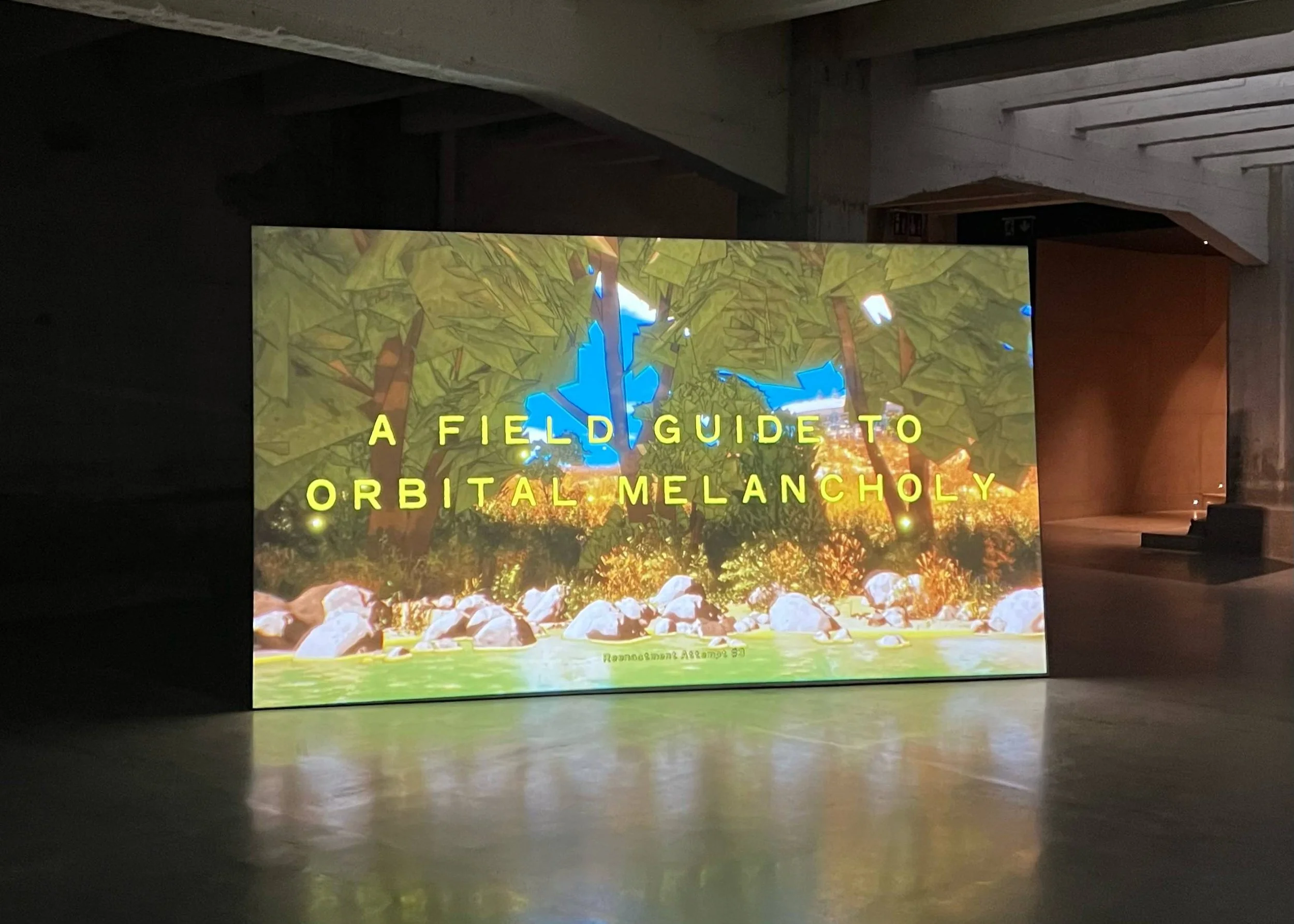
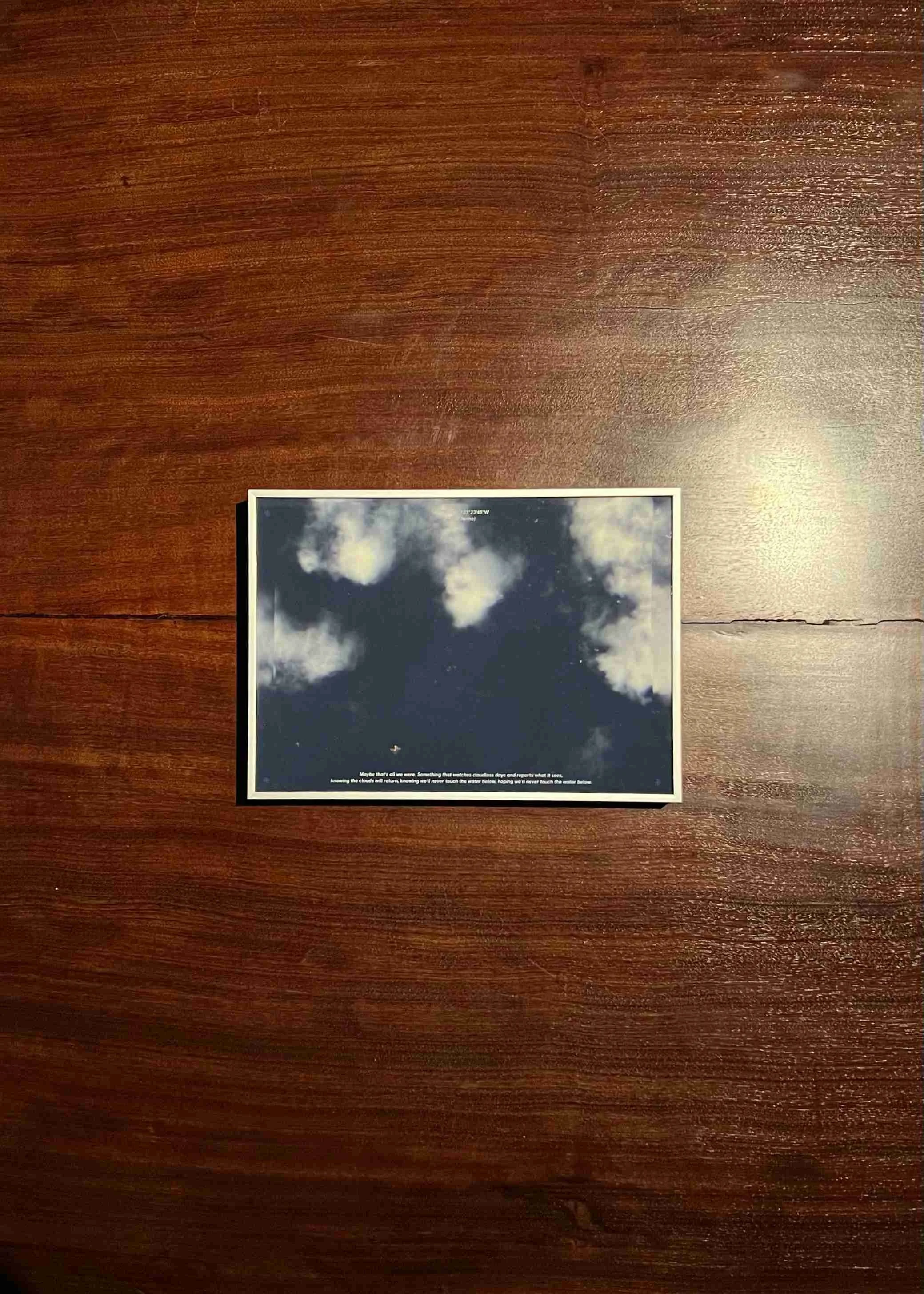
With the generative video “A field guide to orbital melancholy”, Mocan narrates a possible future where in 2046 a lake suddenly disappears from satellite maps, reappearing right after. It is not clear what has happened. In the video, satellites try to depict the facts and find a possible conclusion. The simulation is continuously run and recombines every time, generating, after analysis and discussions by the satellites, a conclusion that is only local, different every time, leading to a complete inconsistency.
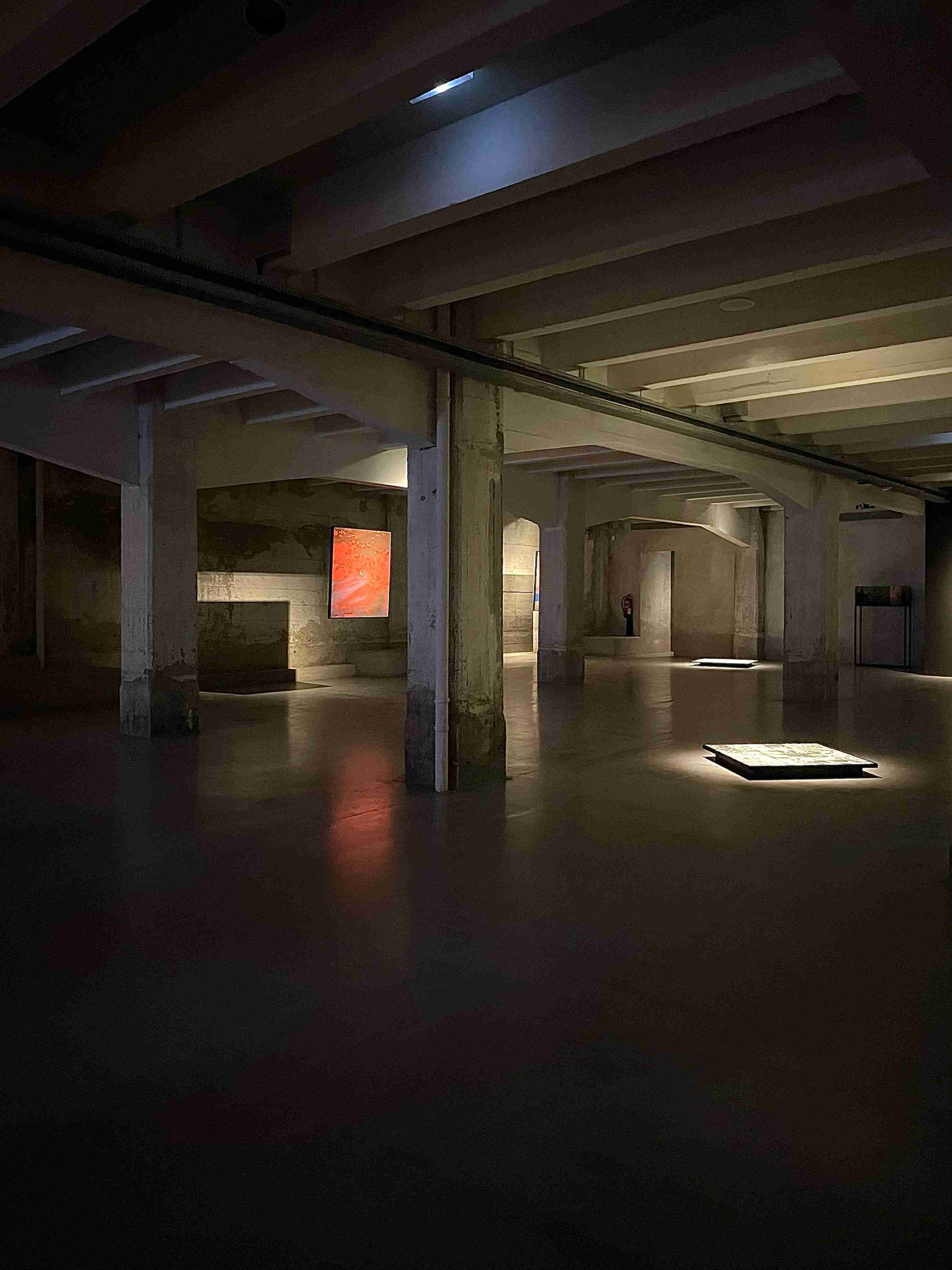
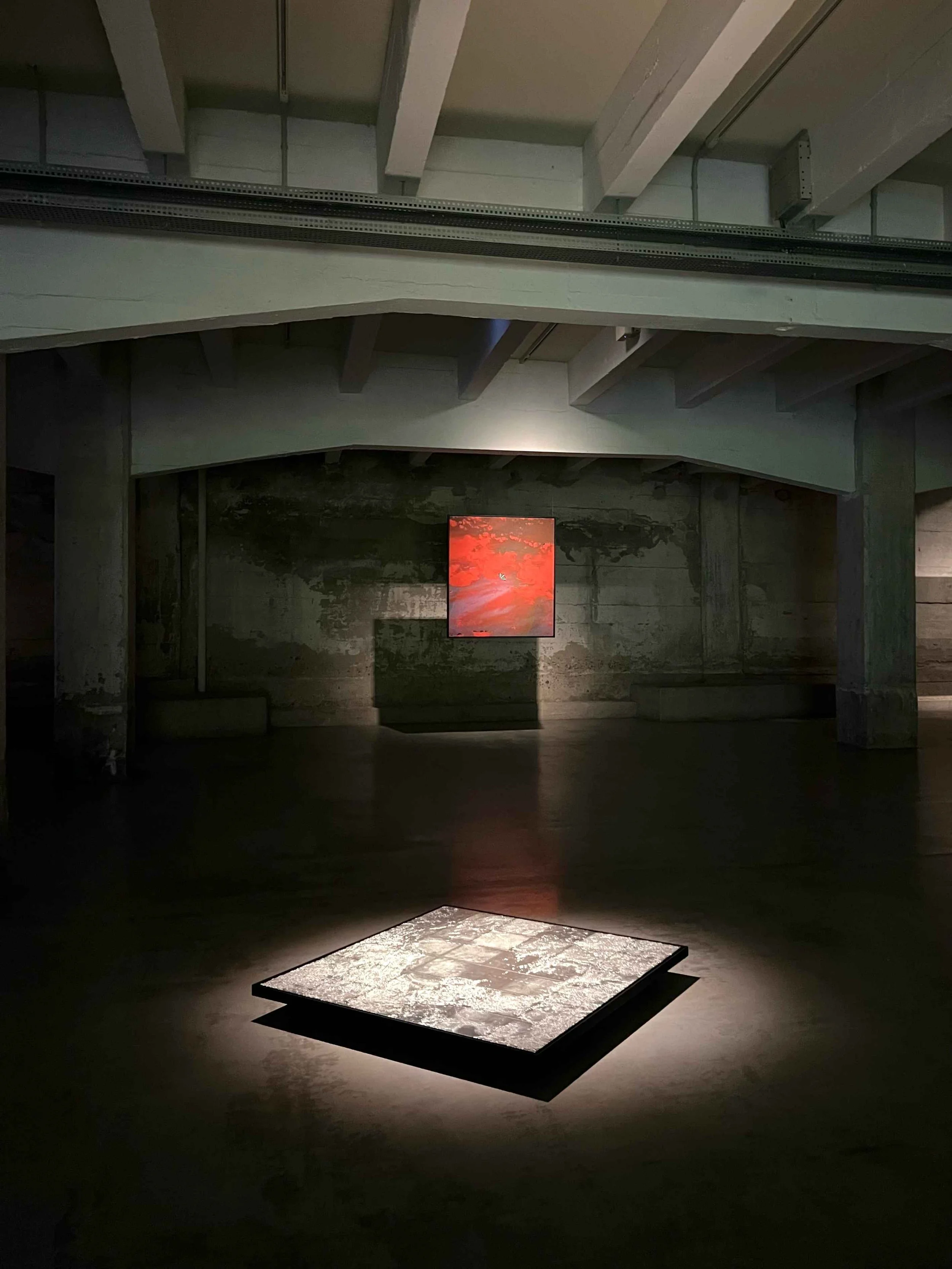
The exhibition is built as a journey, orbitals symbolizing different steps in the life of a satellite; while the video is the operative and active life, in a series of sculptural works in aluminum called “Known Surfaces”, Mocan reveals the very first alphabet of such individuals. The metal reliefs are a selection of calibration sites, namely stable geographical areas such as dry lakebeds or desert grids, used to calibrate satellites thanks to their unchangeable features in time: these regions become technological tools, losing their nature of nature.
The exhibition “End of Signal” will be on view, free of charge, until October, at SOLO CSV, Cuesta de San Vicente 36, Madrid.
The SOLO headquarters are visitable upon registration on the website:
SOLO CSV
SOLO is an international arts initiative dedicated to fostering, supporting and sharing the art of today. It is founded by Spanish entrepreneurs Ana Gervás and David Cantolla, building a collection of more than 1300 contemporary works, alongside a network of spaces and numerous programs supporting artistic creation through exhibitions, residencies, awards, publications and more. The focus is to explore the relationships between art, science, technology and society, supporting artists whose practices are innovative and experimental in nature.
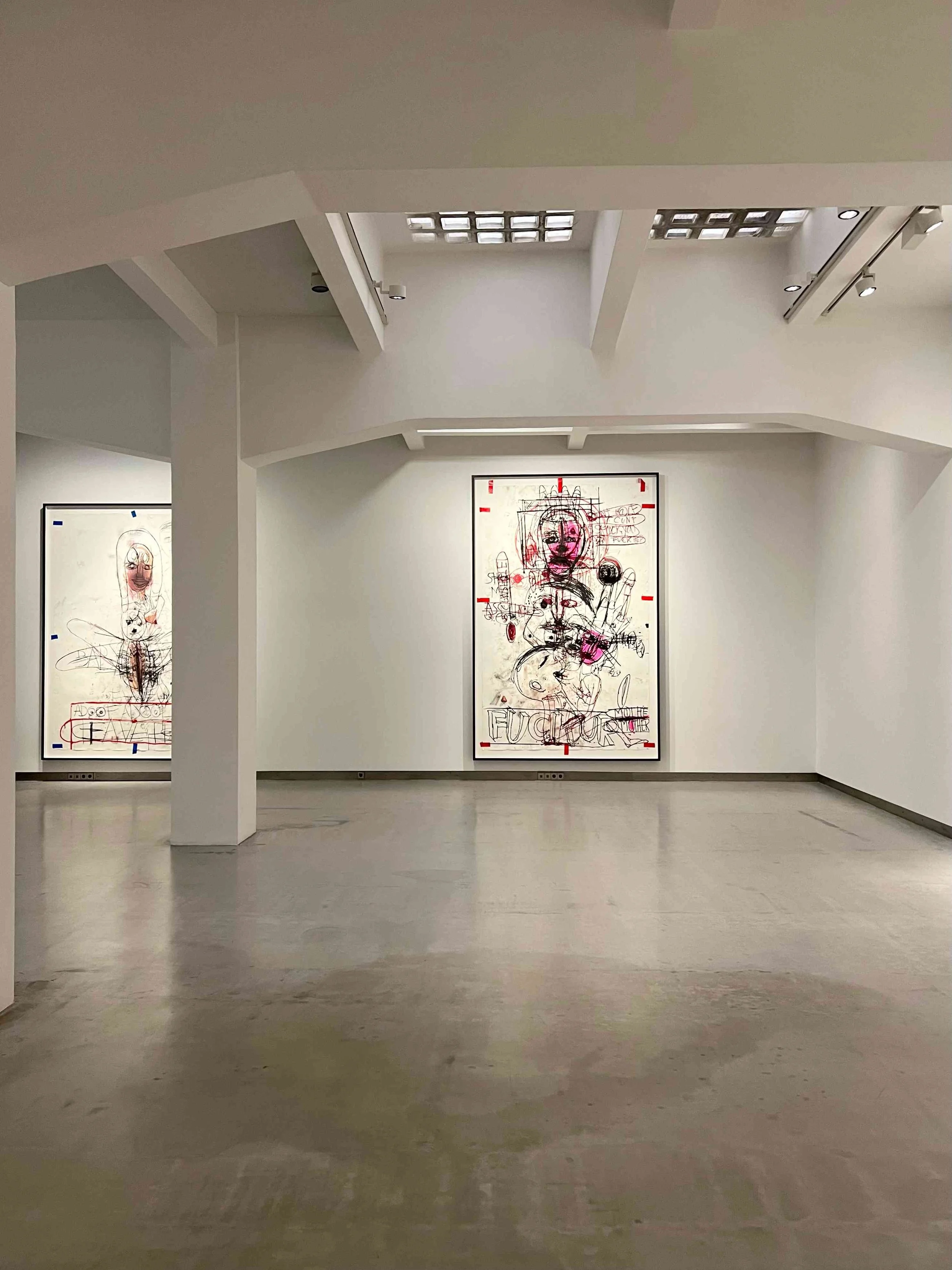
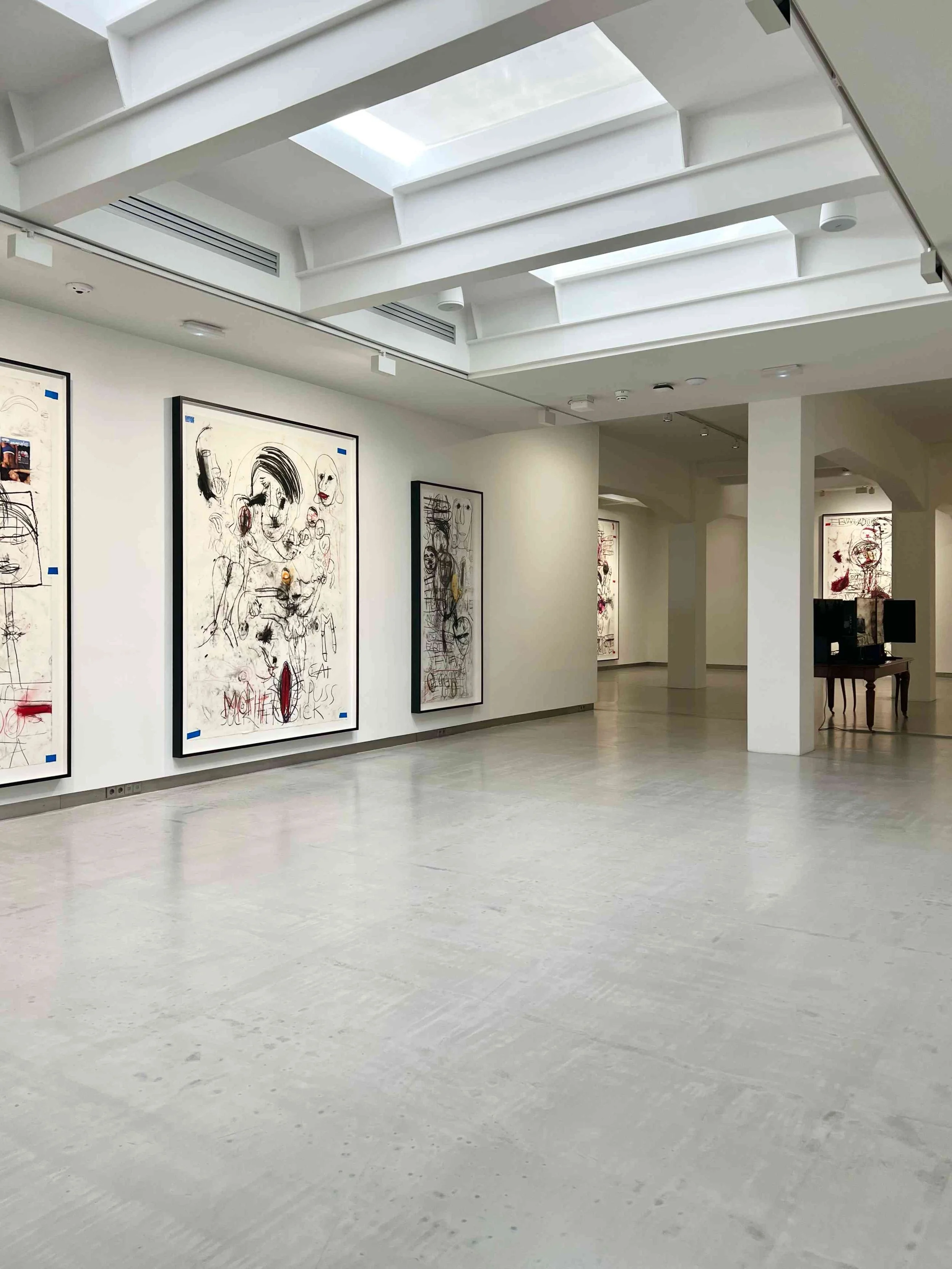
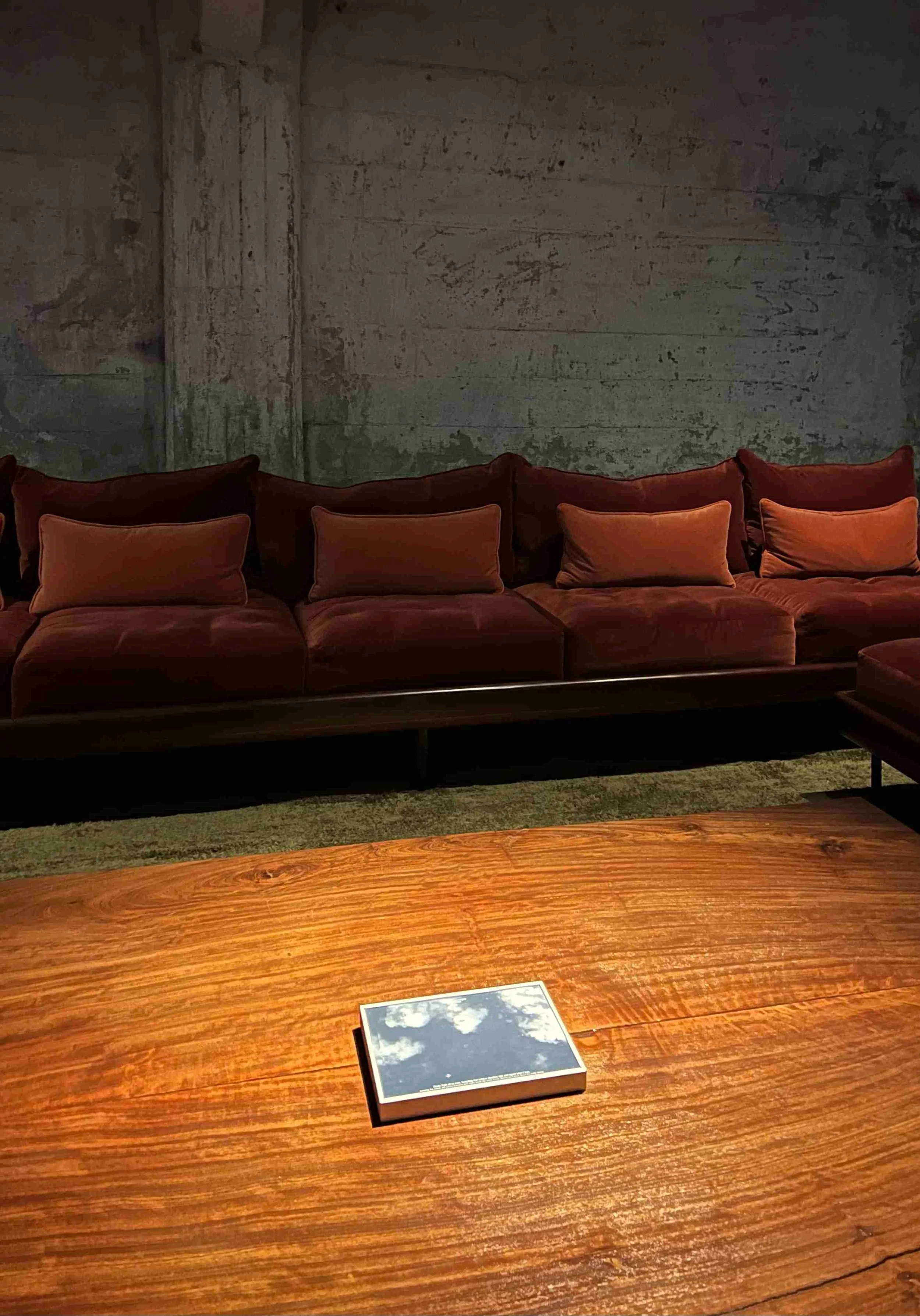
SOLO CSV building (Cuesta de San Vicente 36 Madrid), Madrid’s headquarters, alongside a rotating presentation of works from the art collection, is dedicated to exhibitions and art initiatives that are gradually being revealed: literally a space of spaces. Designed by architect Juan Herreros and his studio, it occupies the former Rivadeneyra printing works, an area of 4500 square meters, including the most recent Basement.
The first project, Bowman Hal Gallery, opened in June 2025 and is currently displaying the exhibition “Paul McCarthy, A&E, Adolf/Adam & Eva/Eve, Drawing Sessions 2020-2022 with Lilith Stangenberg”, visible until July 11, 2026.
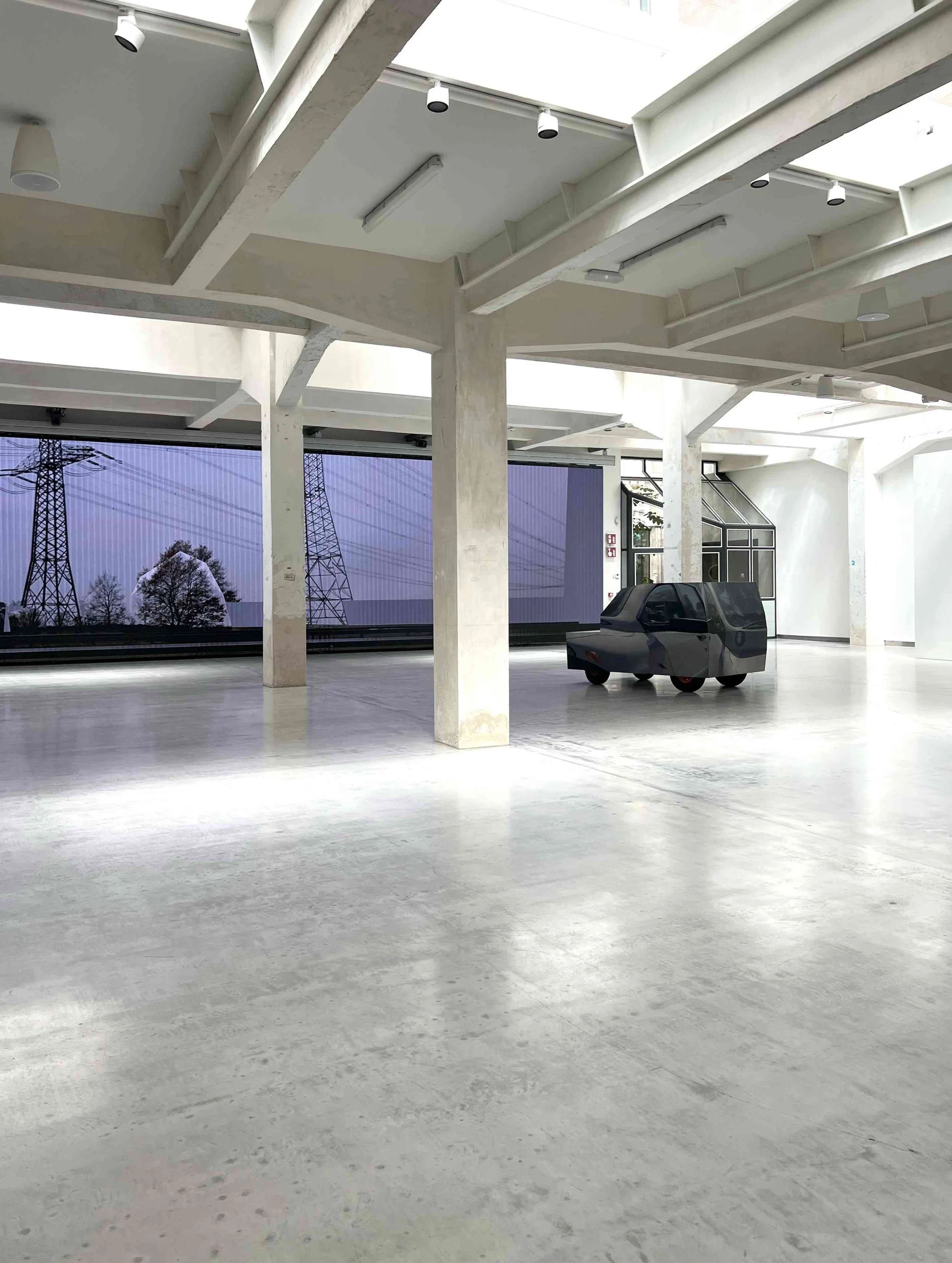
Another project, Onkaos exhibition by Nikita Diakur “Autobahn”, until July 18, displays a live video simulation of vehicles on a highway, operating autonomously and unpredictably, occasionally interacting with a 3d drivable version of the simulated vehicles.
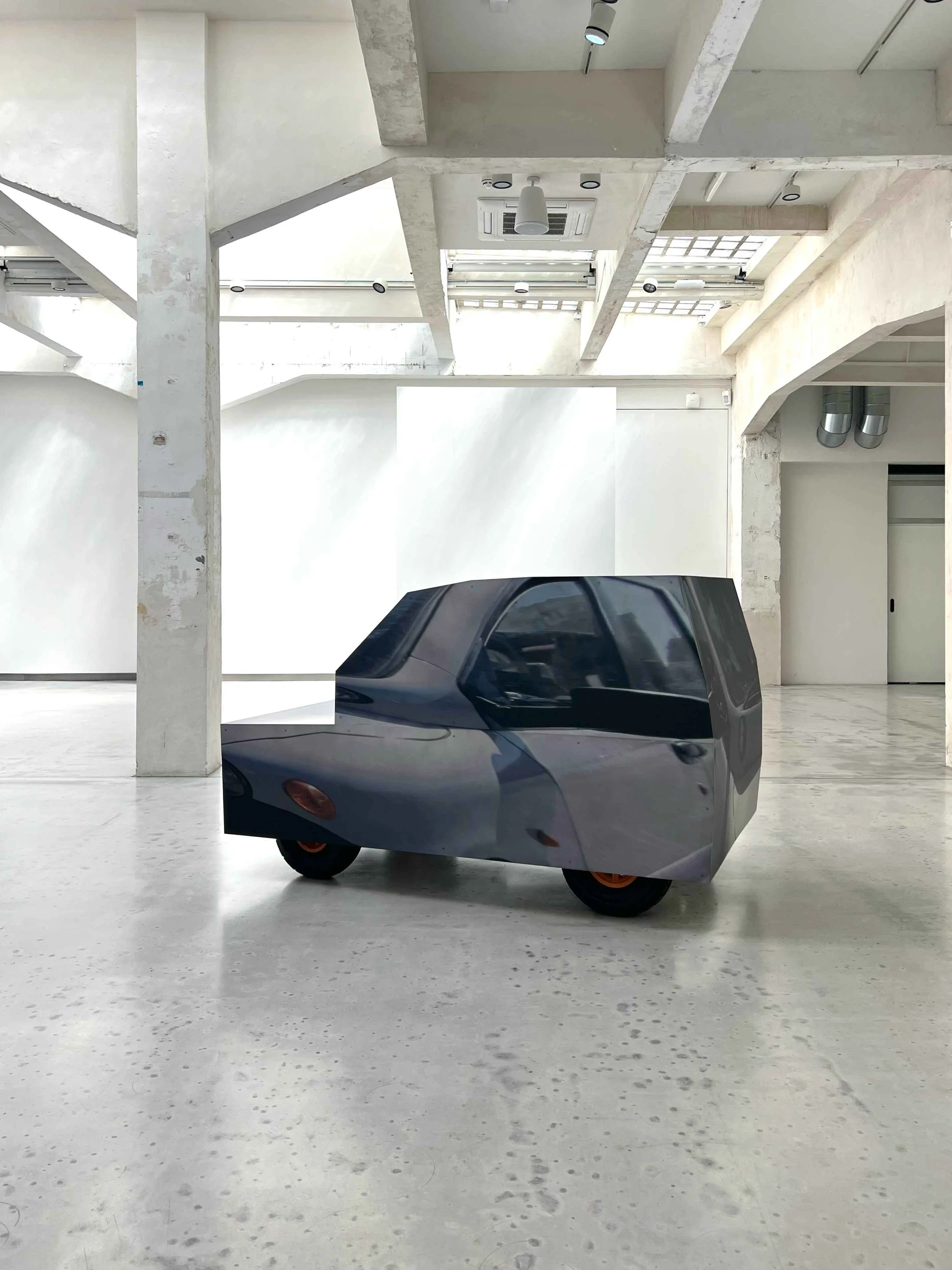
SOLO INDEPENDENCIA
SOLO INDEPENDENCIA is the collection’s main headquarter. Located in Plaza de la Independencia in Madrid and designed by Juan Herreros, it received the COAM Architecture Award in 2018.
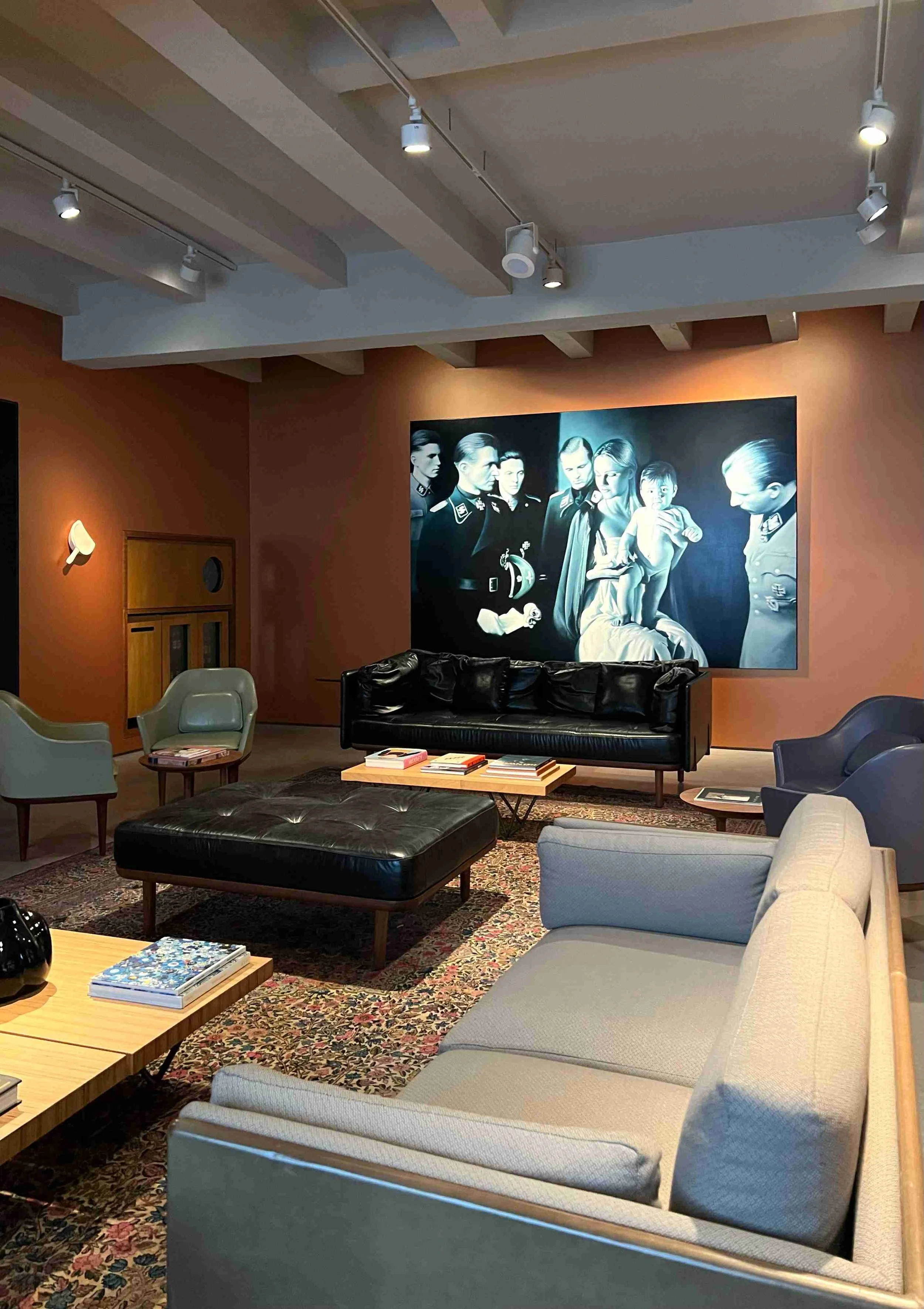
Alternating different ambiences, it displays a major retrospective by Gottfried Helnwein, “Helnwein: mundos invertidos” opened in March 2026, more precisely the artist’s first major retrospective in Spain. The works are utterly powerful, a journey through four decades of practice and more than ten European collection works brought together: a must see.
The centre, together with SOLO CSV, is complemented by other spaces including SOLO Castanedo in Cantabria and a future venue in Lisbon.
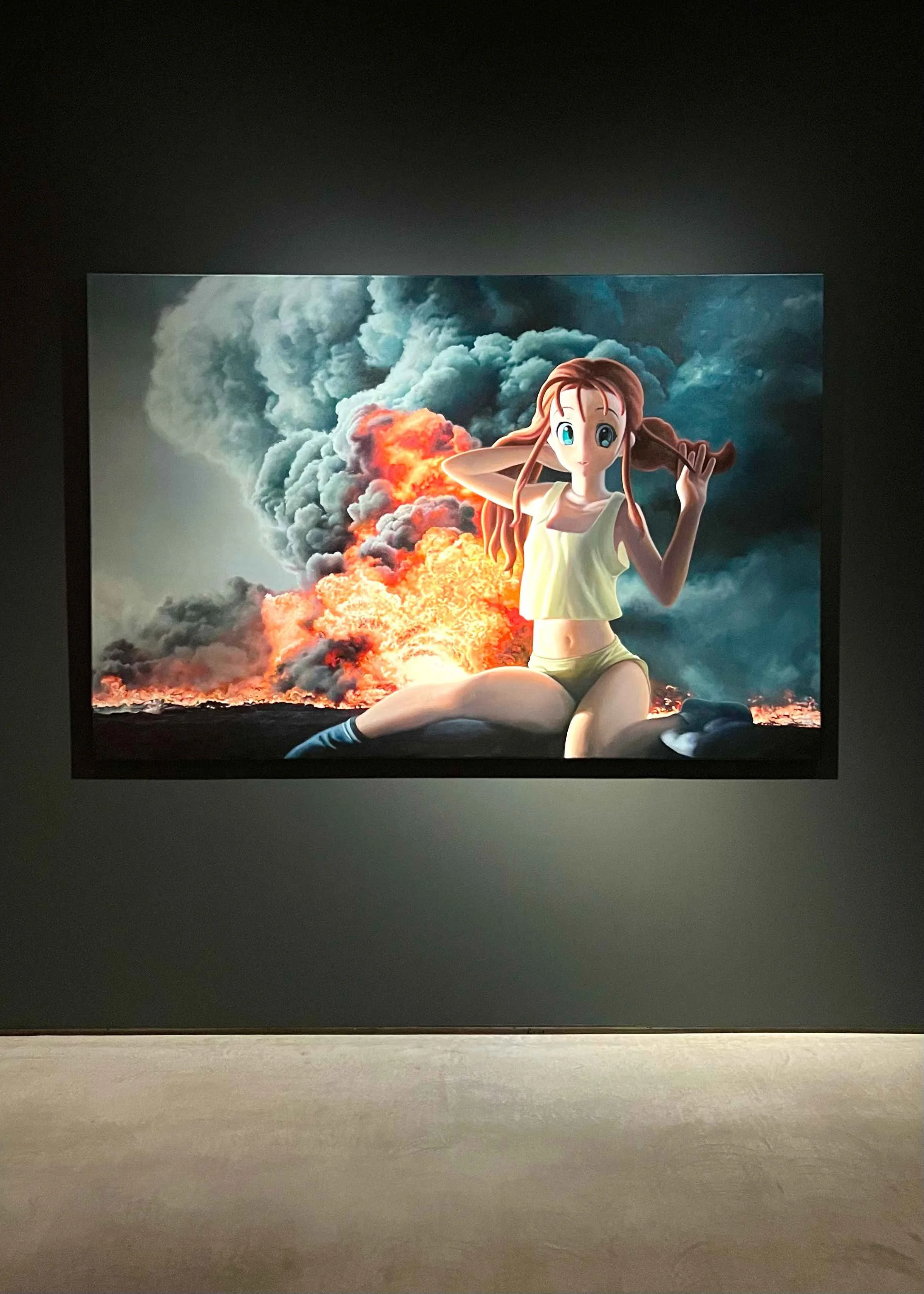
SOLO AI AWARD
An international open call launched by SOLO to support artistic production at the intersection of contemporary creativity and artificial intelligence. Endowed with €10000 towards the production of new works, aimed at artists and creators worldwide critically investigating the impact of emerging technologies on the understanding of reality.
In its 2025 edition, the call invited reflections on foundation models, multimodal architectures and generative AI systems, focusing on the ontological and epistemological transformations brought about by these technologies.
The winner, Cezar Mocan, was selected by an international jury comprising Pita Arreola, Rachel Falconer, Alex Estorick, Peter Bauman and Elena Carbajal.
Cezar Mocan is an artist and programmer based in Lisbon whose practice explores the relationships between technology, landscape and the contemporary imagination. He holds a degree in Computer Science from Yale University and an MA in New Media Art from New York University, where he also served as a research fellow and adjunct professor.
His works is at the intersection of media archaeology, art history and emerging technologies, with focus on power structures that mediate our relationship with technological systems. His work has been exhibited internationally at institutions and venues including Onassis ONX Studio (New York), Panke Gallery (Berlin), Office Impart (Berlin), Artemis Gallery (Lisbon), Inter/Access (Toronto), the Athens Digital Arts Festival, Romanian Design Week and The Wrong Biennale. In 2021, he received the Lumen Prize in Art and Technology for his project Arcadia Inc.
Words by Clarissa Despota
What to read next