(Future) Paradise Gardens: growing the present after twenty years of Biennale Gherdëina in Val Gardena
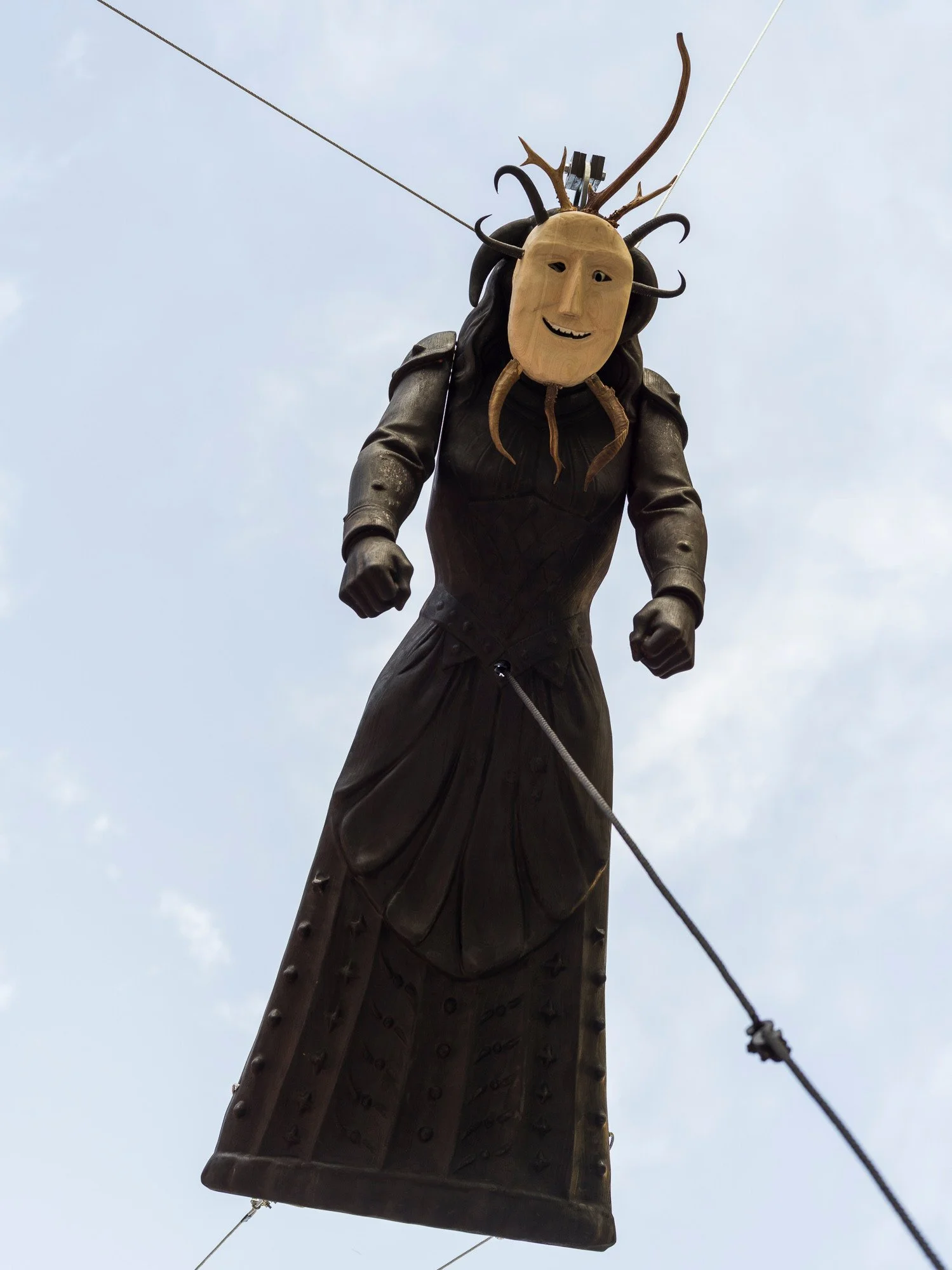
Sandra Knecht, Sirocco, 2026. Commissioned by Biennale Gherdëina 10. With the support of the Swiss Arts Council Pro Helvetia and Kulturförderung Baselland. Thanks to Chemun de Urtijëi, Atelier 3DW, Hubert Ploner, Telfholz, F.lli Ciechi. Credits: Tiberio Sorvillo.
There's something obstinate about the idea of a garden high in the mountains. The Dolomites don't invite cultivation. Yet it's here, among vertical cliffs and coniferous forests, that the Gherdëina Biennale has chosen to plant something for ten years.
The Dolomites, with their vertical walls and conifer forests, aren't exactly the place you'd associate with cultivation, with the patient tending of a vegetable plot, with controlled abundance. And yet it's precisely in this tension between the wild grandeur of alpine nature and the human gesture of sowing, protecting, growing, that the tenth edition of the Biennale Gherdëina, (Future) Paradise Gardens, takes root, running in Val Gardena from May 31 to September 13, 2026, while celebrates its 10th anniversary.
Founded in 2008 by current director Doris Ghetta, since 2019 the Biennale has been organized by Zënza Sëida (from the Ladin for "without borders"), a nonprofit cultural association chaired by Eduard Demetz and dedicated to promoting culture as a fundamental resource for social wellbeing. In 2008, when Manifesta 7 arrived in this region, Doris Ghetta had a vision to create a parallel Biennale here in the summer mountains, one that could connect contemporary art with the life, the village, and the people of Val Gardena. She founded a gallery in Ortisei, Doris Ghetta Gallery, which we visit with works by painter Pietro Moretti and Alessandro Twombly currently on show. It’s the curator Samuel Leuenberger who welcomes us and guides us through two days of exploring the Biennale and the valley itself, which hosts artists' projects across several locations, all of them natural and extraordinary.
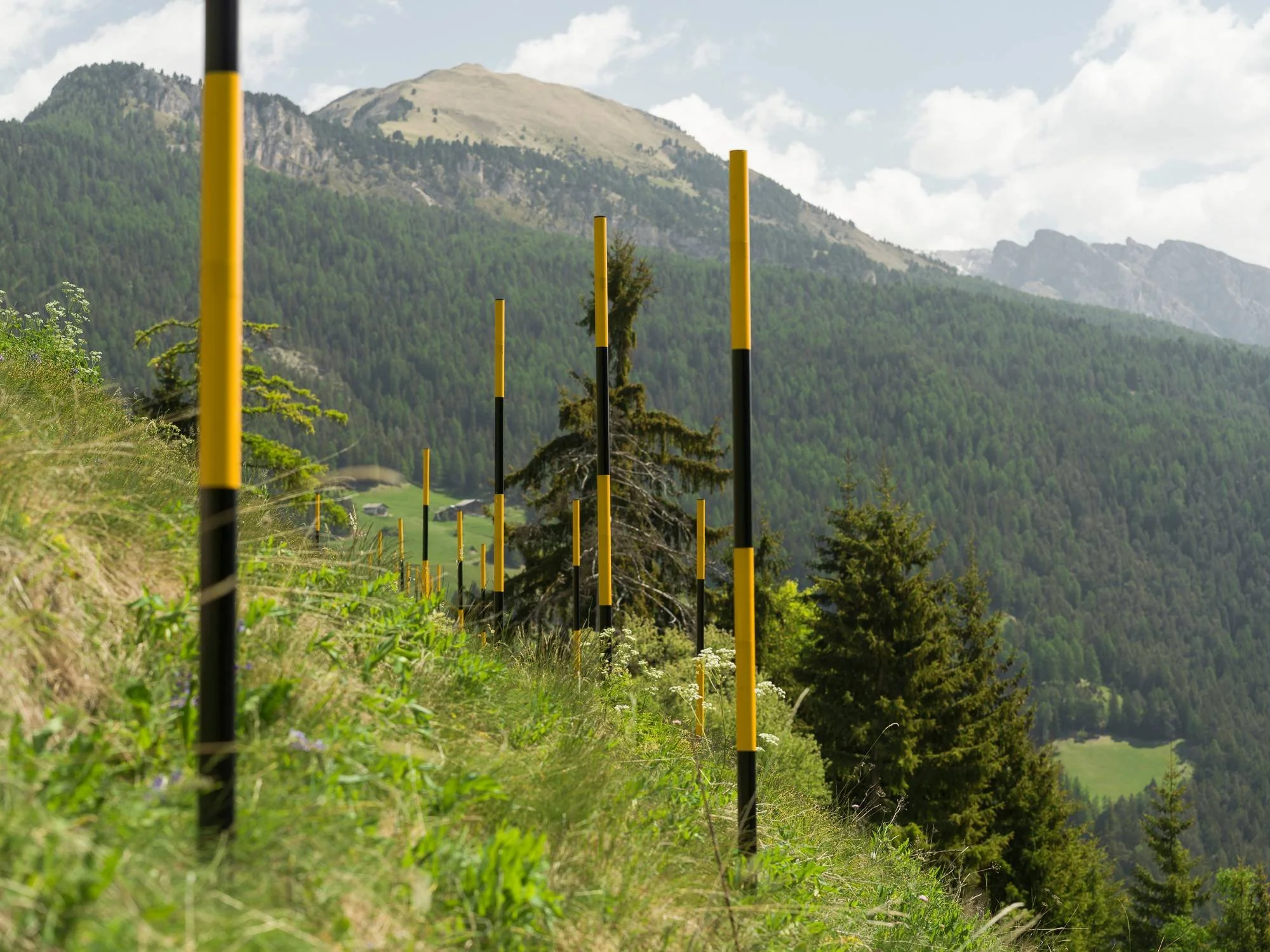
Bas Sets + Eliane Le Roux, Degrees of Elevation, 2026. Commissioned by Biennale Gherdëina 10. With the support of Nuovi Mecenati - Fondazione franco-italiana di sostegno allacreazione contemporanea. Credits: Tiberio Sorvillo
““The Dolomites offer a fascinating context, rich in natural beauty, artisan traditions and timeless mountain stories: an ideal setting to explore the concept of (Future) Paradise Gardens. In this environment, gardens can provide nourishment for both body and spirit, lending themselves as places of refuge, possibility and renewal, for everyone.””
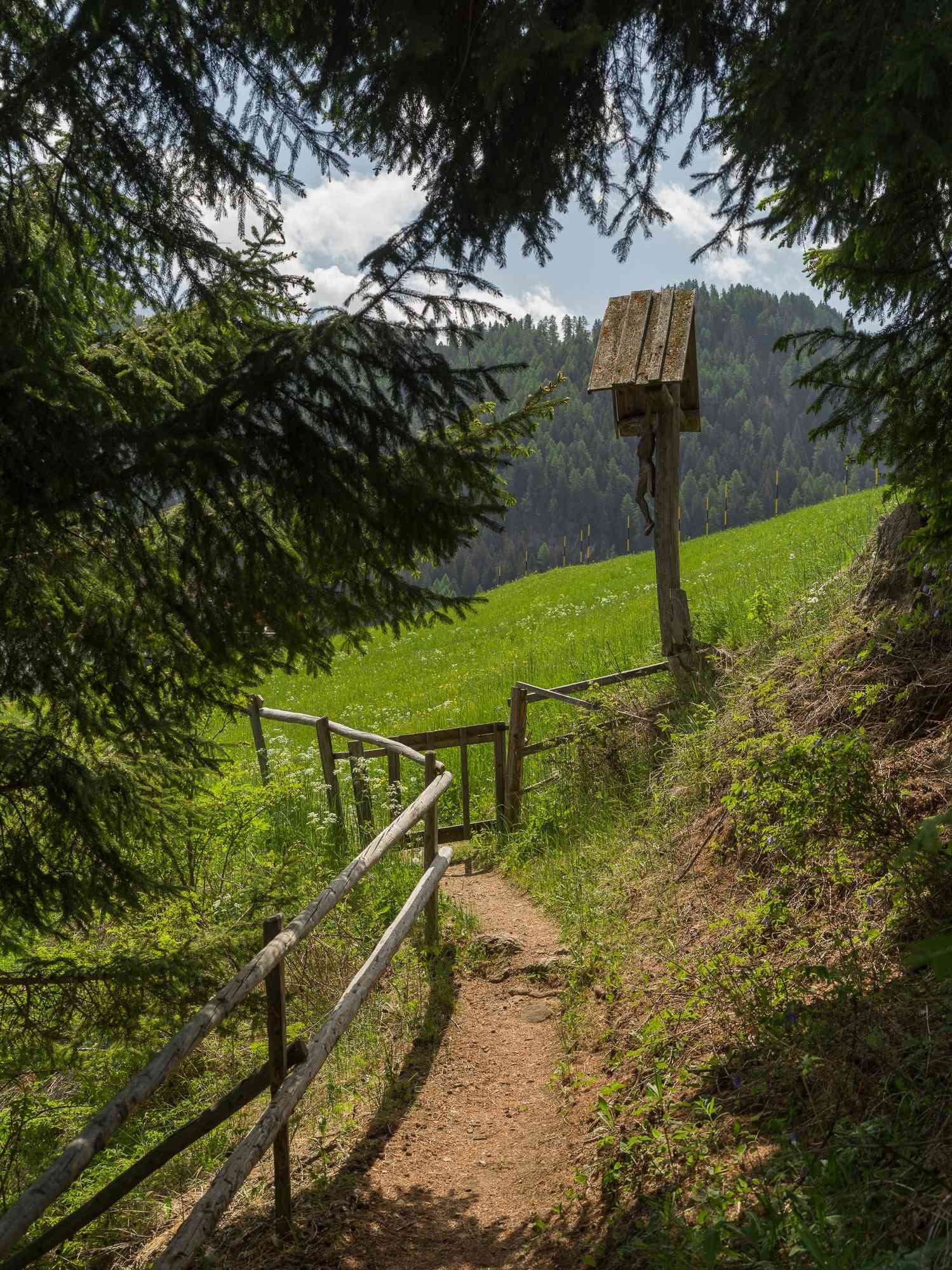
Tomorrow's Paradise, today: the current edition of Biennale Gherdëina
Between Ortisei and other locations in Val Gardena, edition after edition, the Biennale has expanded its horizons, engaging surrounding communities and evolving into an internationally significant artistic project, while remaining deeply rooted in its own territory and continuing with pride to champion artists from Val Gardena and South Tyrol. Rooted in the cultural landscape of Ladinia, it draws inspiration from the region's unique interweaving of languages, traditions, nature and history. Since its first edition in 2008, the Biennale has evolved from a local initiative into an internationally recognized platform, while maintaining a strong bond with its own origins and putting contemporary perspectives into dialogue with local craftsmanship and alpine environments.
To mark this anniversary, a special volume titled BG1–10. Biennale Gherdëina Anniversary is published, tracing the history of the Biennale.
The title chosen by curator Samuel Leuenberger is (Future) Paradise Gardens, and it carries layers of meaning worth unpacking. The word "paradise" comes from the Old Persian pairidaeza, which referred to a walled garden, a space protected from the instability of the outside world, symbolically divided into four parts reflecting the elements and the cardinal directions. Today, says Leuenberger, we can no longer talk about paradise gardens with innocence: as glaciers retreat and forests give way, the very idea of a protected eden becomes loaded with political and ecological contradictions.
After the 2024 Biennale Gherdëina 9, curated by Lorenzo Giusti with associate curator Marta Papini and titled "The Parliament of Marmots", the helm this edition passes to Leuenberger. Founder and director of SALTS, a nonprofit exhibition space across Birsfelden and Bennwil in Switzerland, Samuel Leuenberger has made interdisciplinary exchange and dialogue with emerging artists the core of his practice. He recently curated the Messeplatz project for Art Basel and is currently at work on the third and final edition of the Globus Public Art project with Fondation Beyeler. Between 2016 and 2023 he held a sector curatorship at Art Basel.
He opens the conversation with an introduction to the Biennale:
"I'm from Switzerland and live near Basel, so not far from these parts at all. It's a natural spectacle that brings scale, agility, beauty and also limitation back into focus. Maybe that's exactly why a Biennale, up in the mountains, feels so important right now. Spectacle and human control converge with geology, plants and time. Just a couple of years ago, after spending my whole life in the city, I moved into a house in the countryside surrounded by a large garden, half an hour from Santa Paz in Switzerland. You constantly have to learn new rhythms: the seasons, the soil, the climate, the volatility of any plan you make. And through that process I started to understand that a garden isn't really about dominating nature, it's about entering into a relationship with an ecosystem that was already there."
Constantin Thun, sound installation. Credits: Tiberio Sorvillo
The 4 chapters and the new names
An open call was put out for artists from the region, drawing around 250 applications, from which six were selected. Separately, Biennale Gherdëina 10 curator Leuenberger, following a research trip to Vilnius and Kaunas in January 2025, handpicked three Lithuanian artists who will take part in the Biennale.
The exhibition articulates itself through thematic chapters, Commoning, Divine Love and Growth, Violent Garden, Queer Ecology, Botanical, Gardens as Spaces for Reflection and Poetry, threading through different locations across the valley like galleries, abandoned hotels, old agricultural depots, mountain paths, plots of private land. Not a show to be followed in sequence, but a landscape to move through and inhabit.
Among the new projects forming part of Biennale Gherdëina 10 is Dormancy by Italian artist Jacopo Belloni, announced among the winners of the 14th Italian Council (2025), which will enter the permanent collection of GAMeC – Galleria d'Arte Moderna e Contemporanea di Bergamo. Also new is a significant collaboration between Kaunas Biennial and Biennale Gherdëina, a partnership that cements their shared commitment to artistic and cultural exchange.
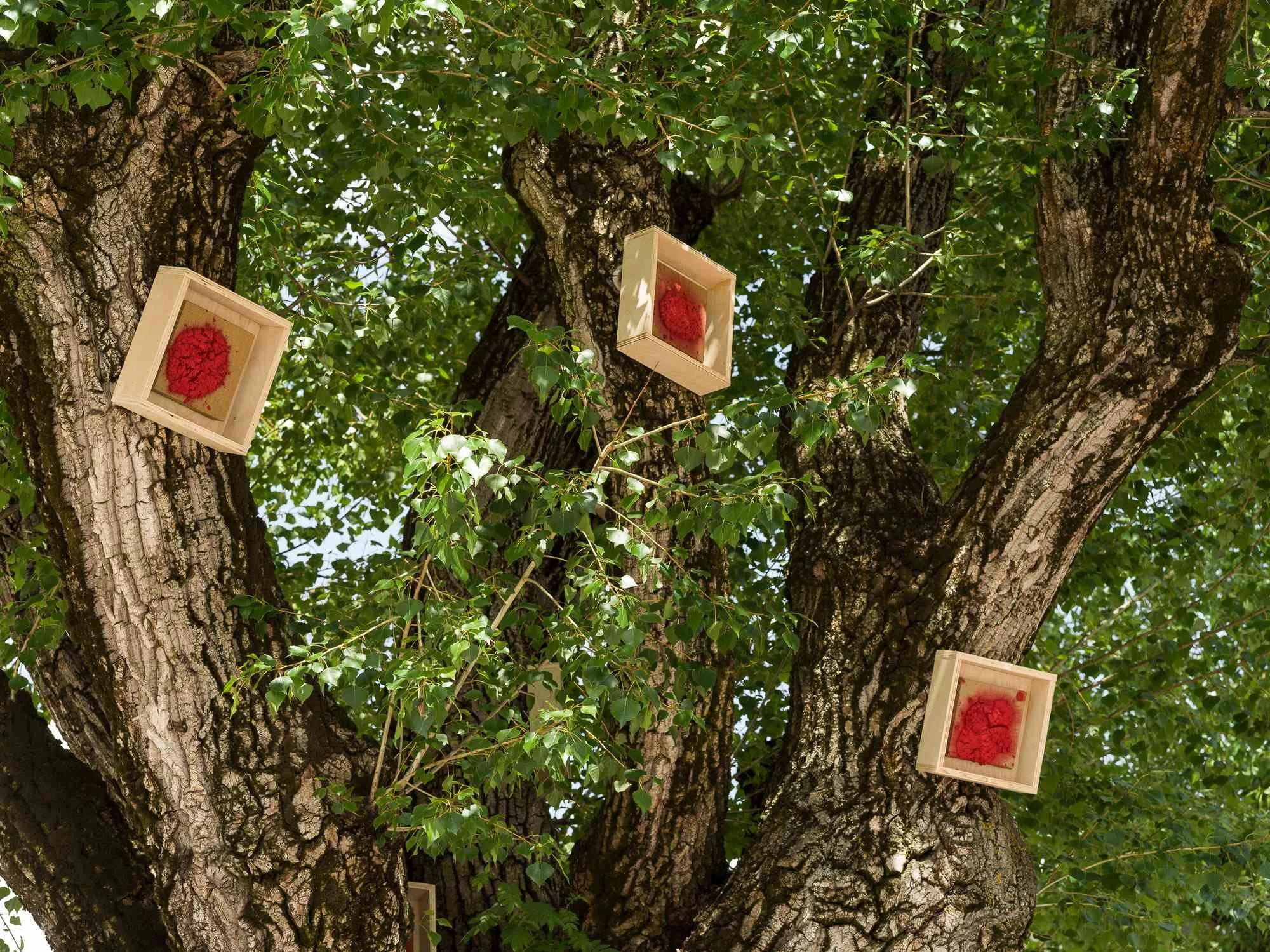
Judith Neunhäuserer, Mushroom clouds over ourgarden, 2026. With the support of StiftungKunstfonds, Beauftragten der Bundesregierung für Kulturund Medien, VG Bild-KunstThanks to the Prugger Family, Piz, Janek, Paola Govoni, Kirsten Zeitz, Neringa Vasiliauskaite, Matteo Pizzolante. Credits: Tiberio Sorvillo
Bosco Sodi, Untitled, 2025. Commissioned by Biennale Gherdëina 10. Thanks to Chemun de Urtijëi, Galleria Cardi, Milano. Credits: Tiberio Sorvillo
Moving through the vallery discovering the artists' works
The works are spread across Val Gardena, throught galleries, abandoned hotels, old agricultural depots, mountain trails, empty shops, disused railway tunnels. To visit the works means searching for them between Ortisei and the valley, and each place carries within it a story that the artists chose to listen to before intervening.
In the center of Ortisei, Sandra Knecht (Zurich, 1968) installs in the pedestrian center a wooden figure of over two meters, mounted high between two buildings and activatable by the public by pulling a rope. In response, the arms rise like wings and the face slides open, revealing hidden layers beneath the mask, suspended between the innocent and the threatening. Knecht draws on Alpine folklore, like the legend of Dolasilla and the Kingdom of Fanes, the Perchten masks, interweaving rituals, mythology and local craftsmanship in a public work.
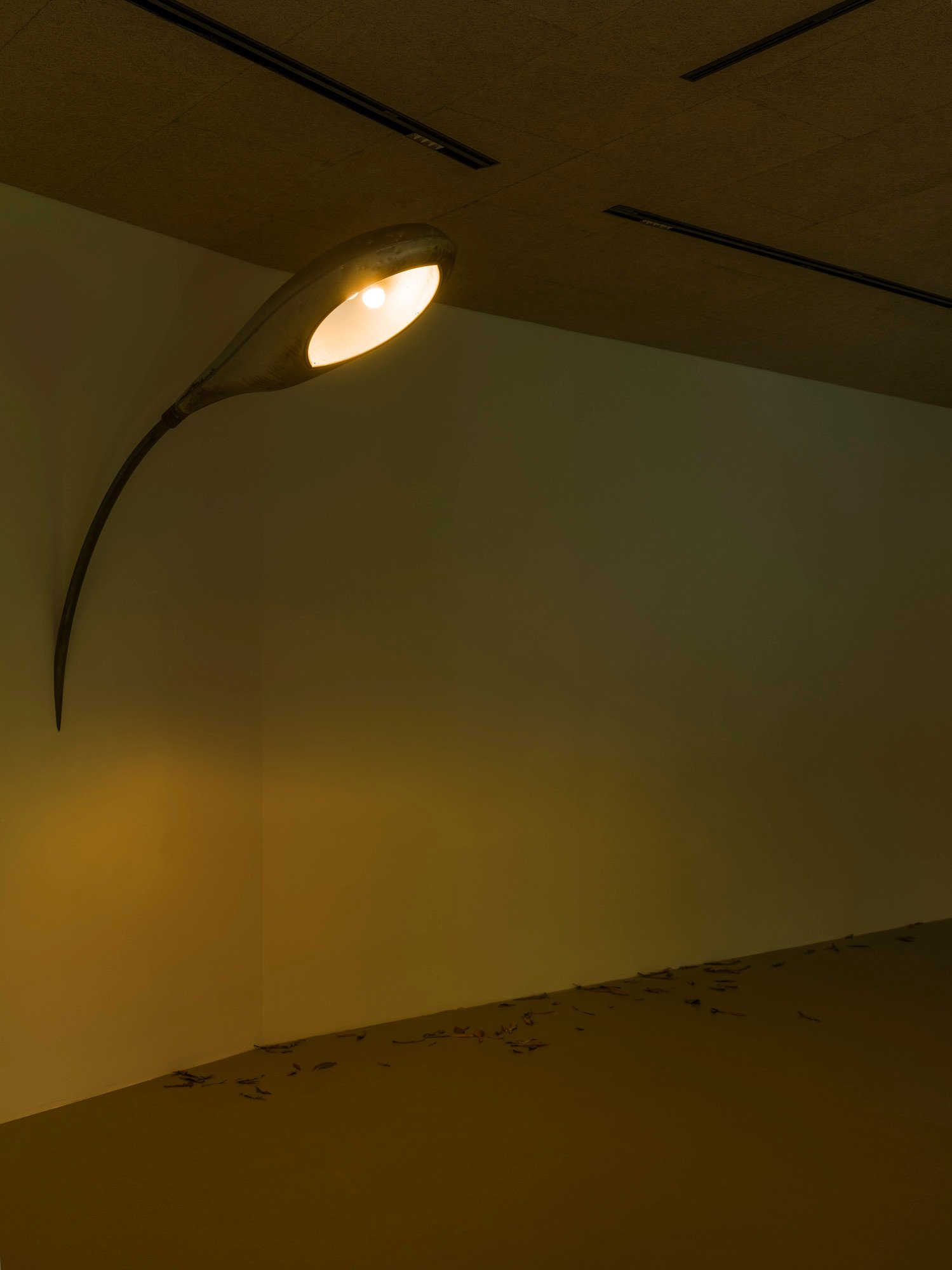
Álvaro Urbano, Zwischenzeit, 2025. Courtesy of Philipp Solf, with the support of Acción Cultural Española (AC/E). Thanks to Cherd Lüdde Gallery, Berlin. Credits: Tiberio Sorvillo
At Sala Trenker, some of the exhibition's most formally diverse works are concentrated. Yuyan Wang (Qingdao, 1989) presents Green Grey Black Brown (2024), a video installation that immerses the viewer in a continuous flow of oil and plastic, constructed from archival footage of Chinese industrial plants. Álvaro Urbano (Madrid, 1983) brings Zwischenzeitinstead, a historic East German streetlamp surrounded by a pile of leaves, each one sculpted in metal and hand-painted across different seasons. A still image that contains flowing time.
Leonardo Bürgi Tenorio (Basel, 1994) works on the colonial past of the Wardian Case, a type of nineteenth-century terrarium used to transport plants between continents, as an object of biological extraction and a surface onto which to project narratives of romanticized ecology. Italian artist Giulia Cenci completes the group with a vertical aluminum form that rises like a deformed flower, blending bones, branches and mechanical fragments into a structure that seems to grow and collapse at the same time.
Another video work is Ground Truthing (2026) by Alice Bucknell (London, 1993), presented in the basement of Hotel Adler, which investigates how remote sensing technologies (satellites and GPS) are redrawing our perception of the climatic future.
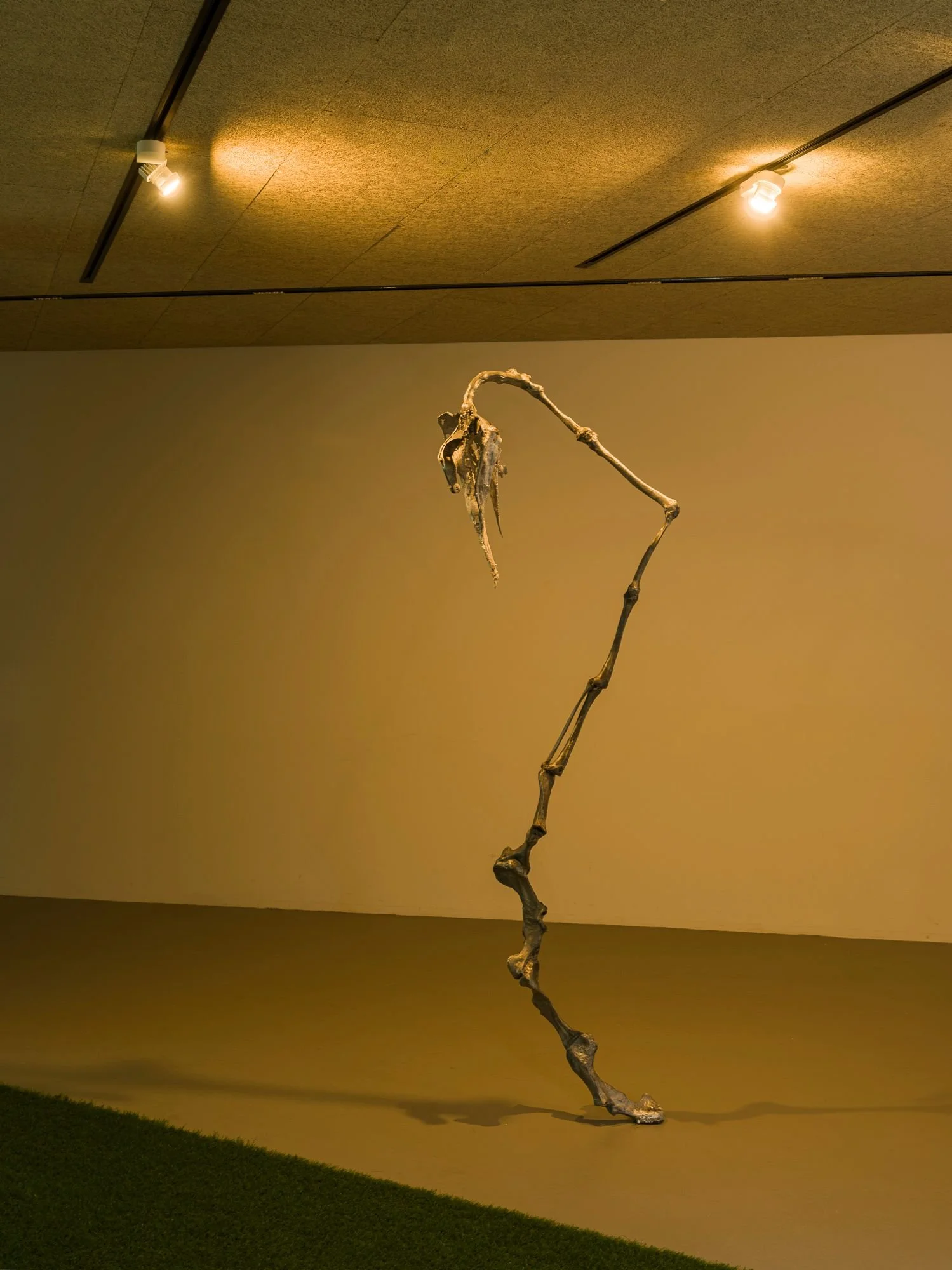
Giulia Cenci, dead flower, 2026. Commissioned by Biennale Gherdëina 10. Credits: Tiberio Sorvillo.
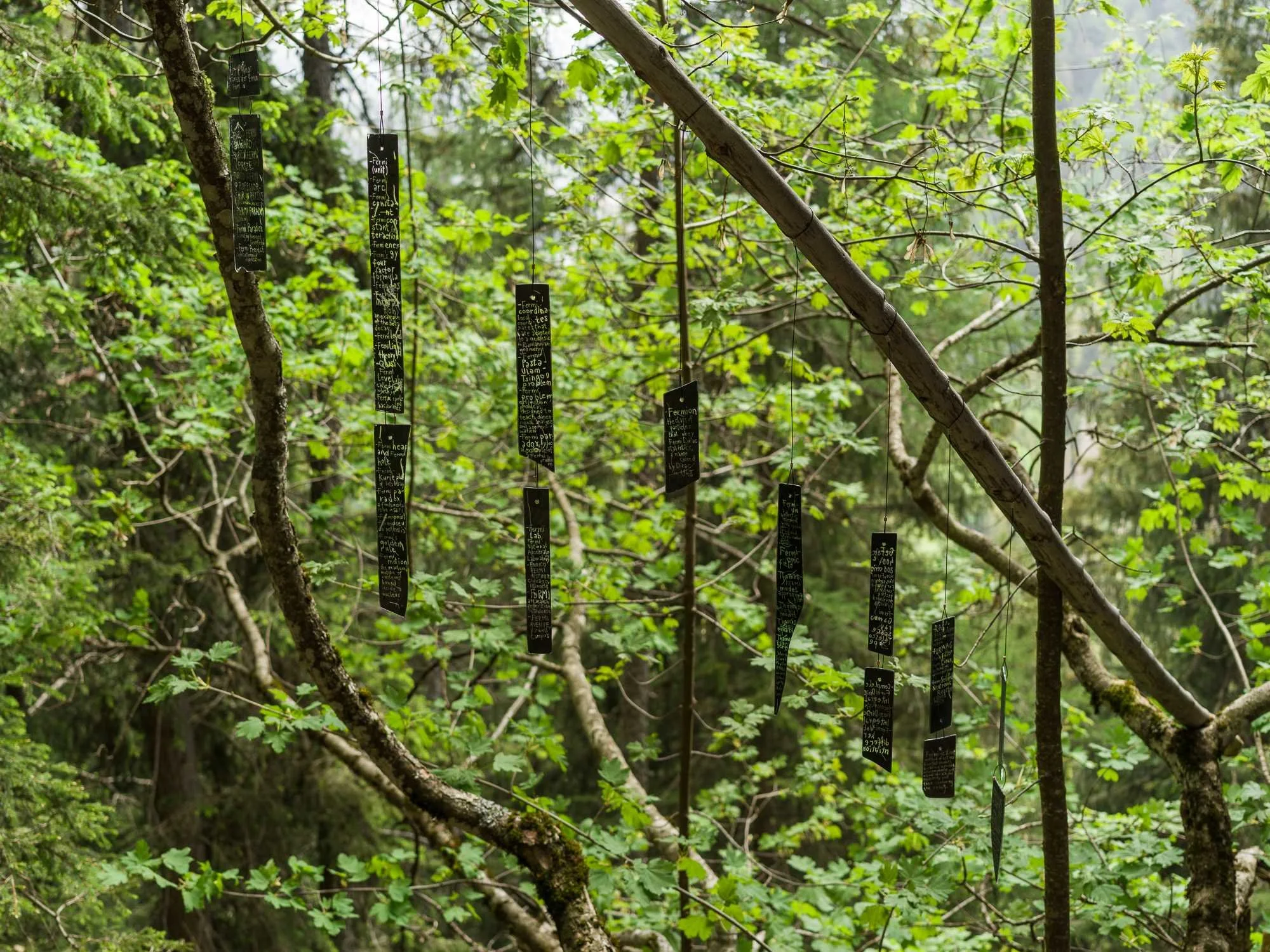
Walking as far as the Alpe di Siusi, Bas Smets and Eliane Le Roux have planted three hundred poles in the meadow. At first glance they resemble the standard markers used in winter to measure snow depth. But each one is dated, and marks the altitude at which snow was last recorded. Not far away, along the path to Pilat, Judith Neunhäuserer (Brunico, 1990) unwinds over two hundred suspended glass elements that interweave the story of Laura and Enrico Fermi (who spent the summer of 1962 in Val Gardena) with the ethical questions of nuclear science, in an installation where personal narrative and scientific discourse merge.
In Hotel Ladinia, closed since 1998, Lydia Ourahmane (Algeria, 1992) provisionally reopens the old bar. The public is invited to bring their own drinks and sit at chess tables created for the occasion. In the same hotel, the four new paintings by Evelyn Taocheng Wang (Chengdu, 1981) from the series Princess and the Frog, in which traditional Chinese calligraphy and painting cross-contaminate with Western art history. And the Polish-Lithuanian duo Dorota Gawęda and Eglė Kulbokaitė install Dead Ringer, a work that combines aluminum objects found at CERN, wood treated with soap, and a sound composition in which lullabies, laments and love songs overlap cyclically.
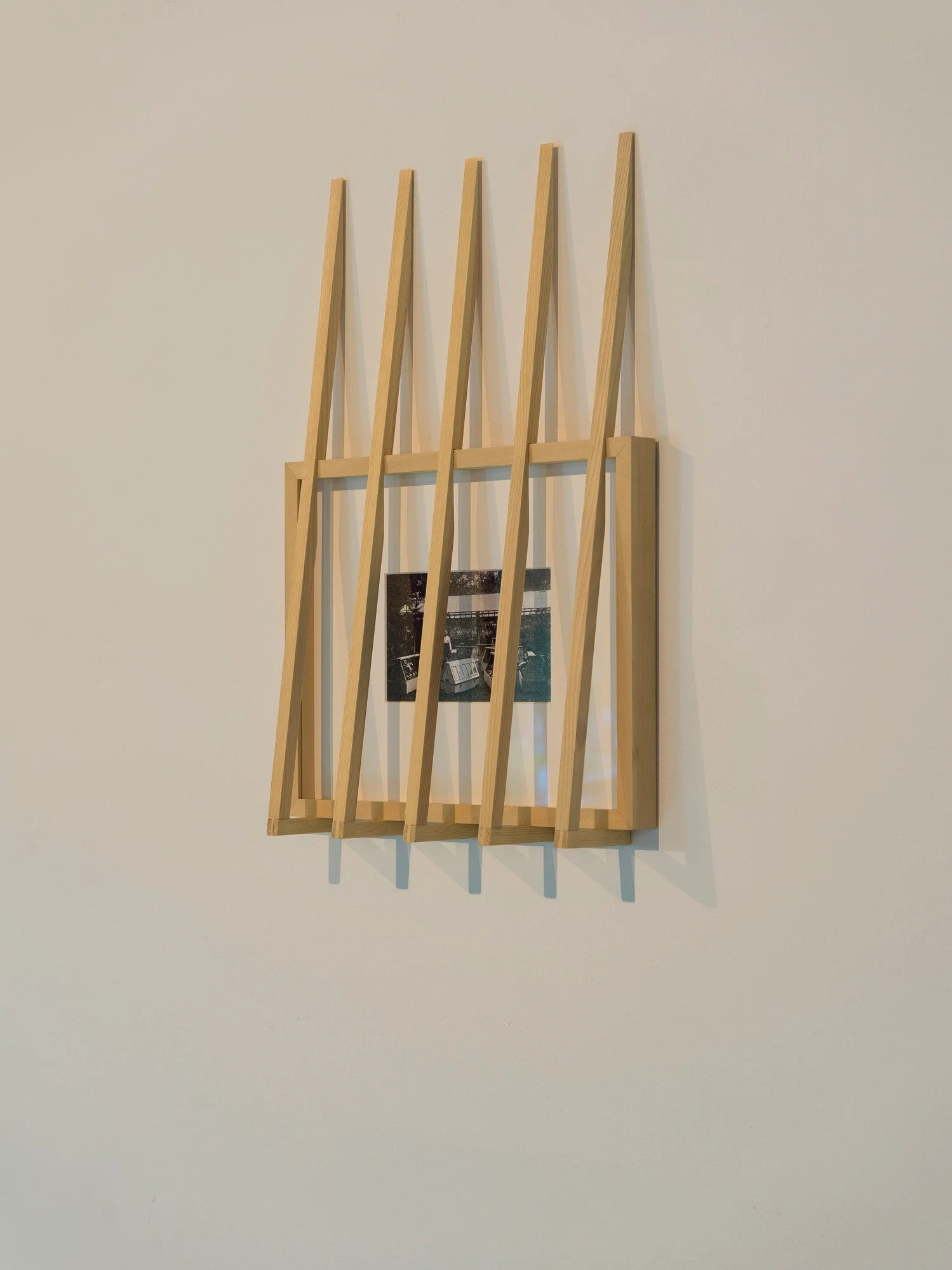
Leonardo Bürgi Tenorio, homescapes, 2025, landscape no. 1,2025. All works courtesy of the Artist, with the support of the Swiss Arts Council Pro Helvetia. Thanks to Lino Bally, Ines Goldbach. Credits: Tiberio Sorvillo.
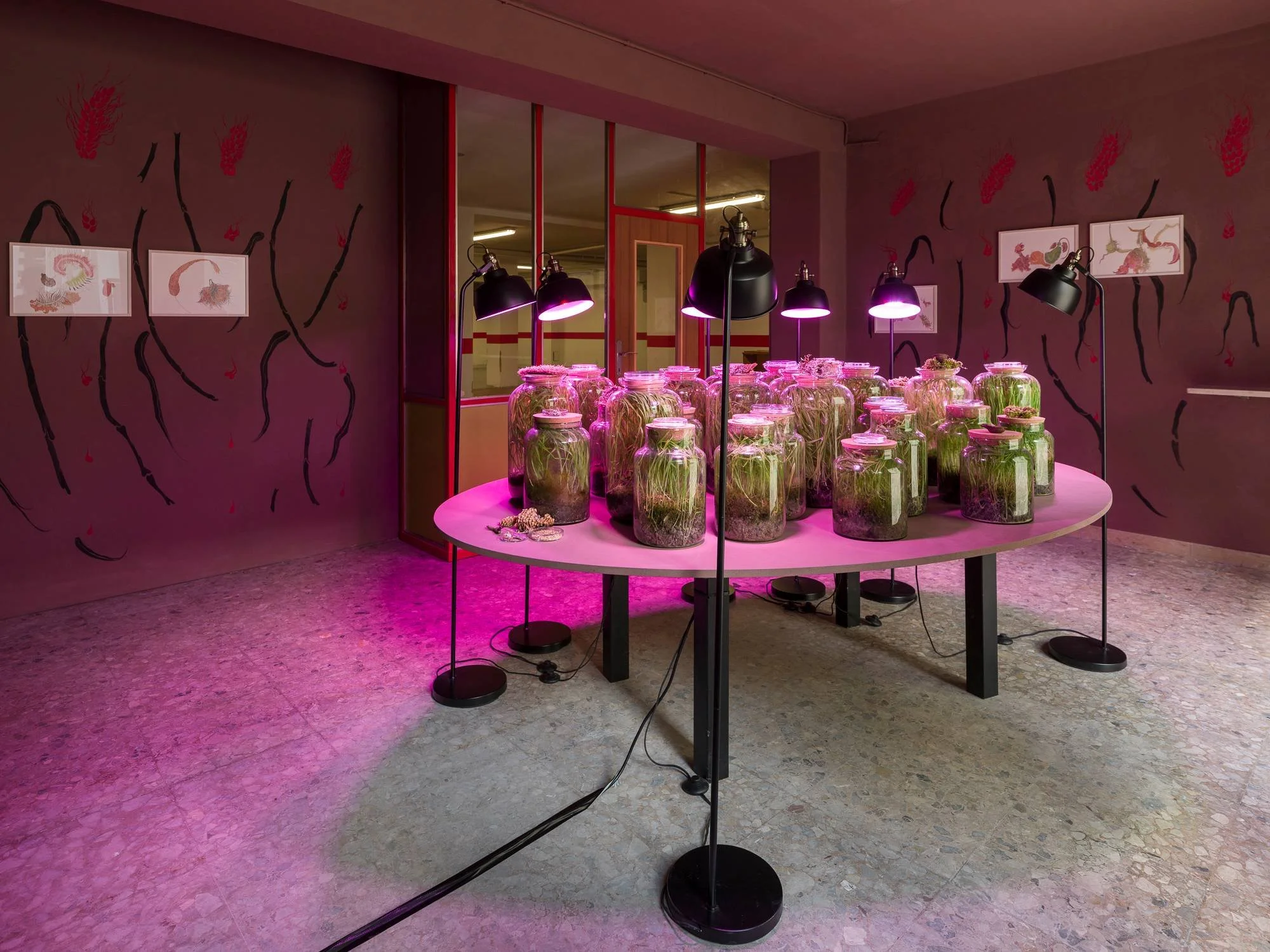
In an empty shop in the center of Ortisei, Gabriela Oberkofler, from Bolzano, creates a laboratory-infirmary for plants inspired by the legend of the valley's "last field," which tells of the loss of natural resources as the loss of living cultural spaces. Also working on the theme of disappearance is Ana Prvački's Bee Memorial, four marble sculptures reproducing beehives at 1:1 scale, a silent monument to bees, today increasingly threatened.
At Museums Gherdëina, Andrius Arutiunian (Vilnius, 1991) sets up The Black Banquet, a table adorned with iconographies of the afterlife, where bitumen (residue of geological time) smothers the sculpture and funerary motifs etched into it are processed by an algorithm to produce new iconographies. Augustas Serapinas, from Vilnius, brings to the exhibition a barn originally from the Alpe di Siusi, dismantled beam by beam, numbered and reassembled.
On one of the last remaining privately owned plots of land in Ortisei, Chanelle Adams (Montclair, 1992) physically excavates the soil, working in dialogue with geological research on the Dolomites as the remains of ancient marine life.
In a disused railway tunnel, the japanese artist Masatoshi Noguchi draws a sundial on the vaulted ceiling, one that will never be able to function because the sun will never reach that space.
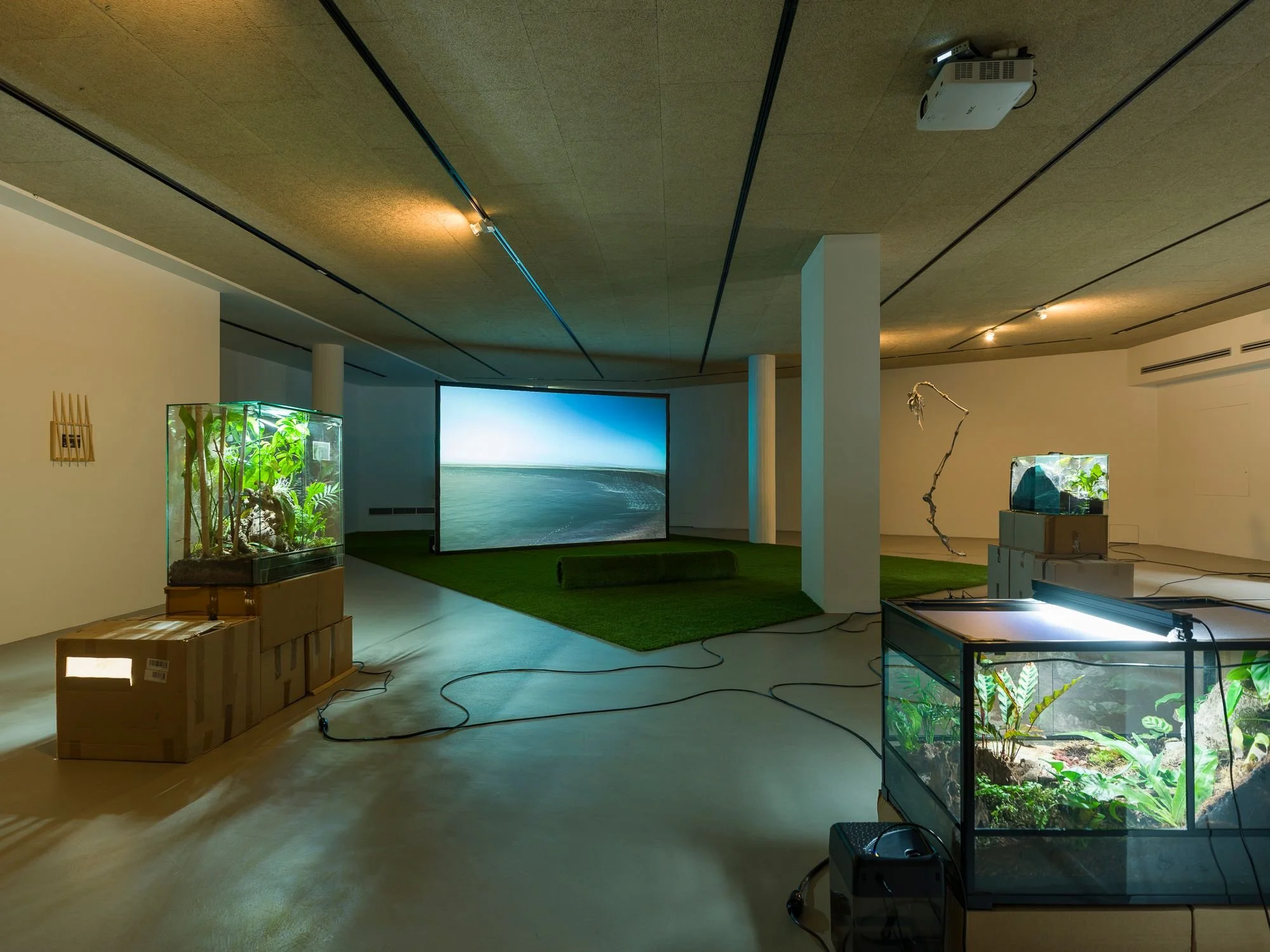
Exhibirion view Biennale Gherdëina 10, Sala Trenker, Ortisei, 2026. Credits: Tiberio Sorvillo.
Among the contributions of artists from the territory, Jacopo Belloni (Ancona, 1992) presents Dormancy in the former school of Santa Cristina, two sculptural cycles around the concept of suspension. The Sleepers gathers native seeds from Val Gardena, collected with local communities, into forms of translucent glass that evoke everyday containers (bags, backpacks) transformed into time capsules. Nenie introduces copper stills that slowly extract essences from alpine plants, releasing drops of fragrance into the air. The work, winner of the Italian Council 2025 and destined for the permanent collection of GAMeC in Bergamo, is a quiet funeral rite that mourns disappearance without renouncing renewal.
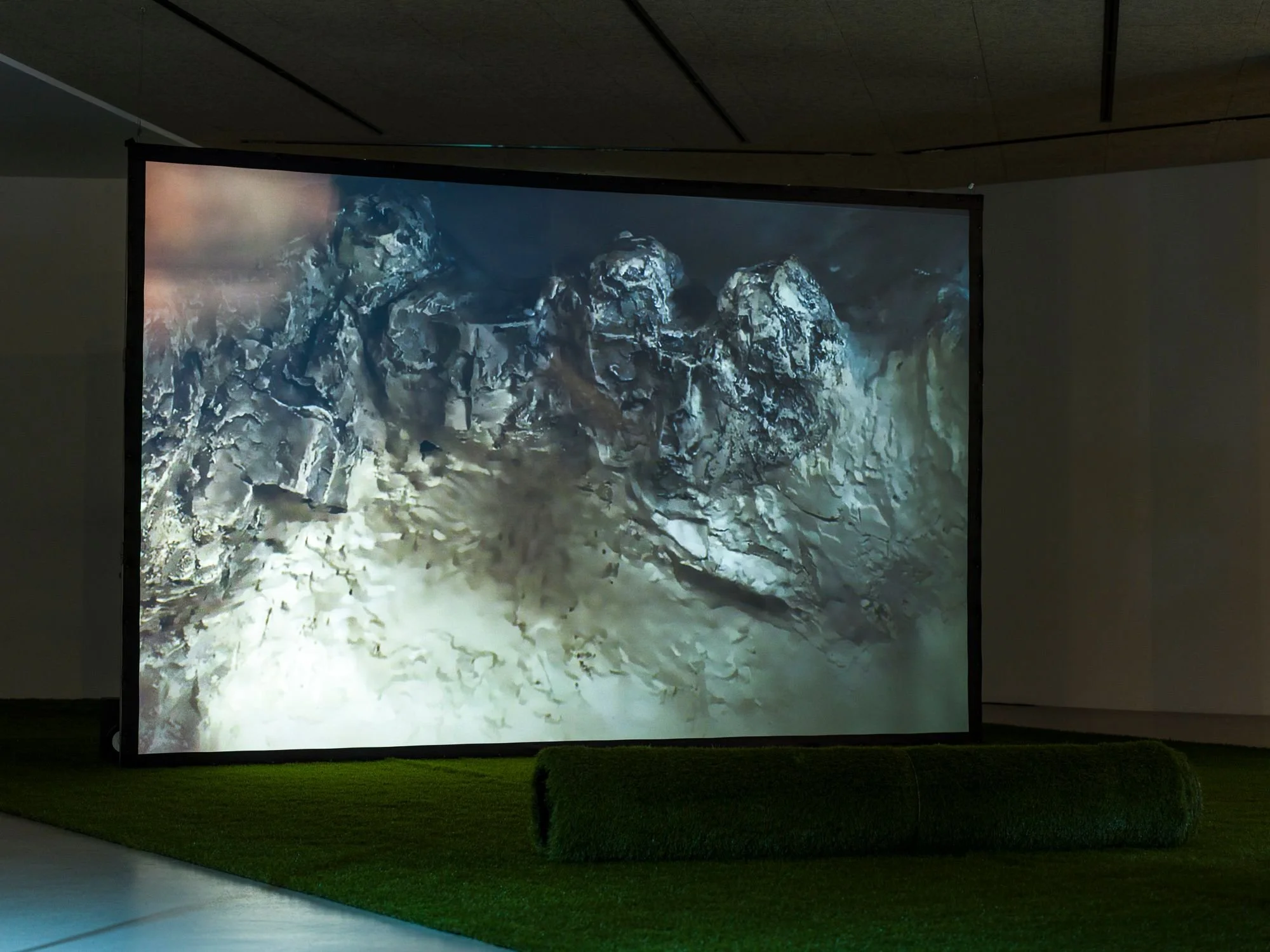
Yuyan Wang, Green Grey Black Brown, 2024. With the support of Nuovi Mecenati - Fondazione franco-italiana di sostegno allacreazione contemporanea. Credits: Tiberio Sorvillo.
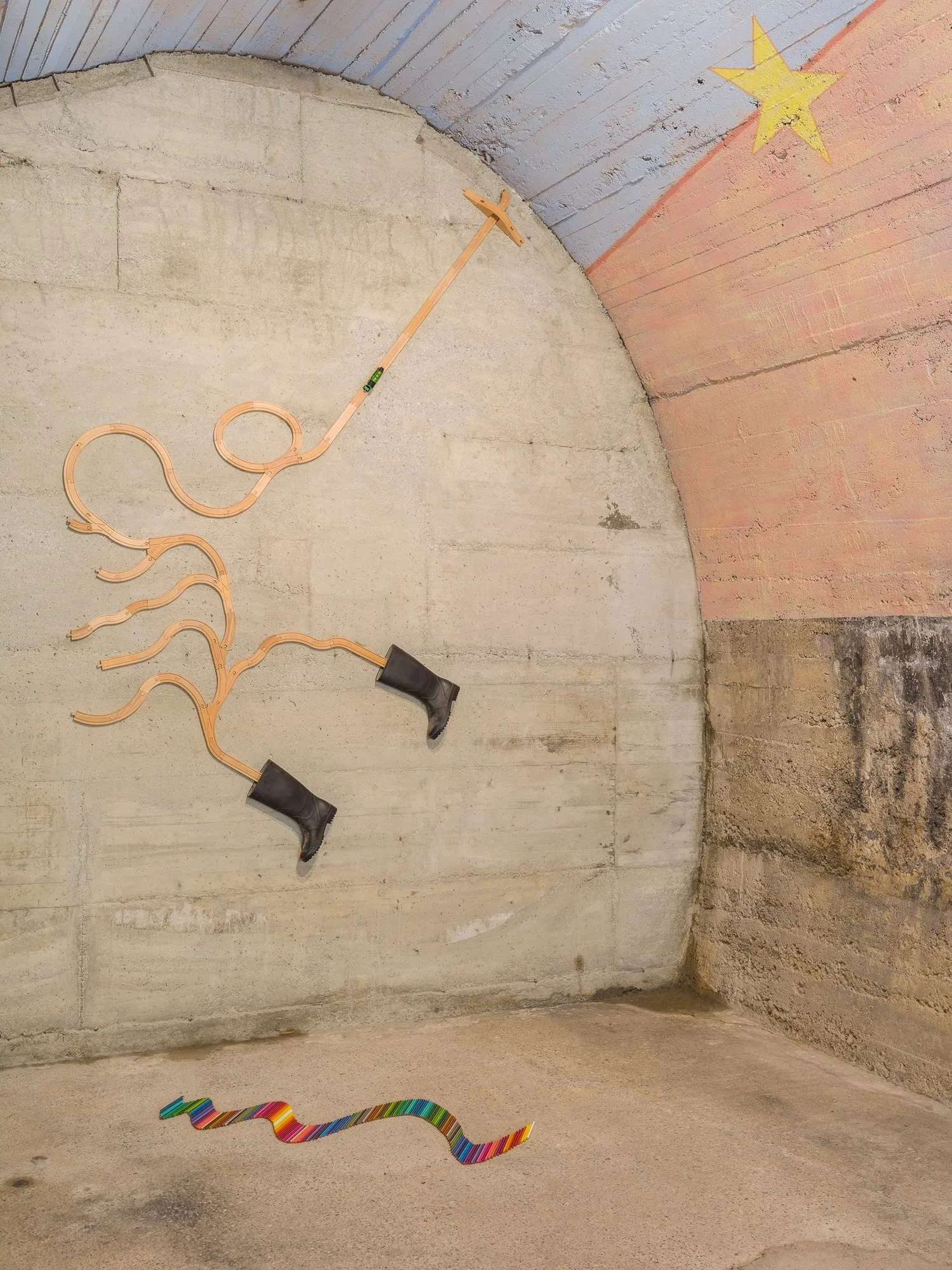
Masatoshi Noguchi, exhibition view: Winter Time; Star Time, 2026, Under Different Suns, 2026, 12 and the Sun, 2026, Big Dipper, 2026, Frederick, 2026. All works commissioned by Biennale Gherdëina 10. Thanks to Fabrizio Senoner, Keim Colors, Decor, die Malermeister, Heinz Lardschneider. Credits: Tiberio Sorvillo.
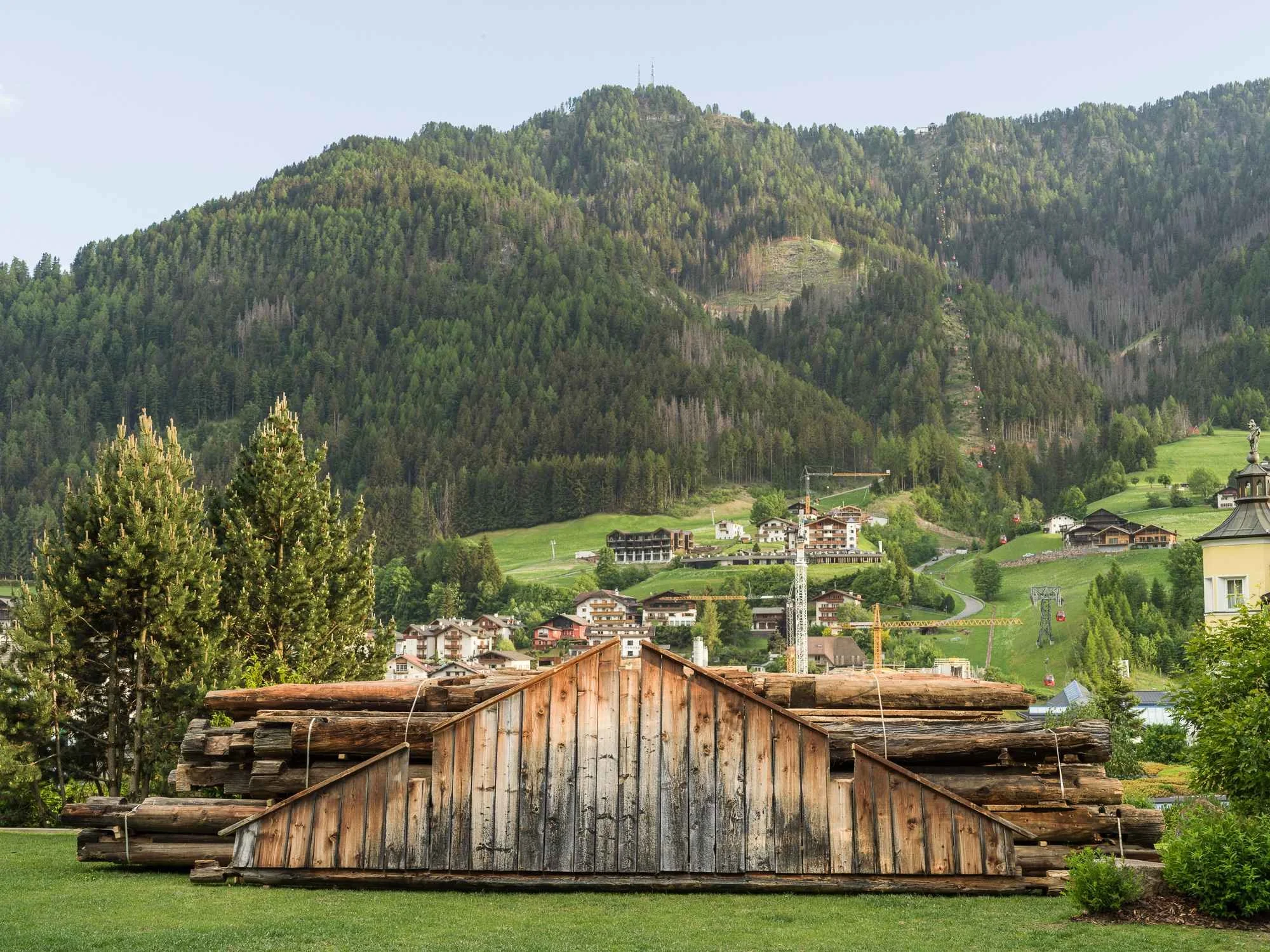
Augustas Serapinas, Barn from Saltria, 2026. Commissioned by Biennale Gherdëina 10. With the support of Lithuanian Culture Institute and the Embassy of Lithuania in Italy. Thanks to Chemun de Urtijëi, Monica and Hugo Moroder, Walter Wanker, Albert Lagede. Credits: Tiberio Sorvillo.
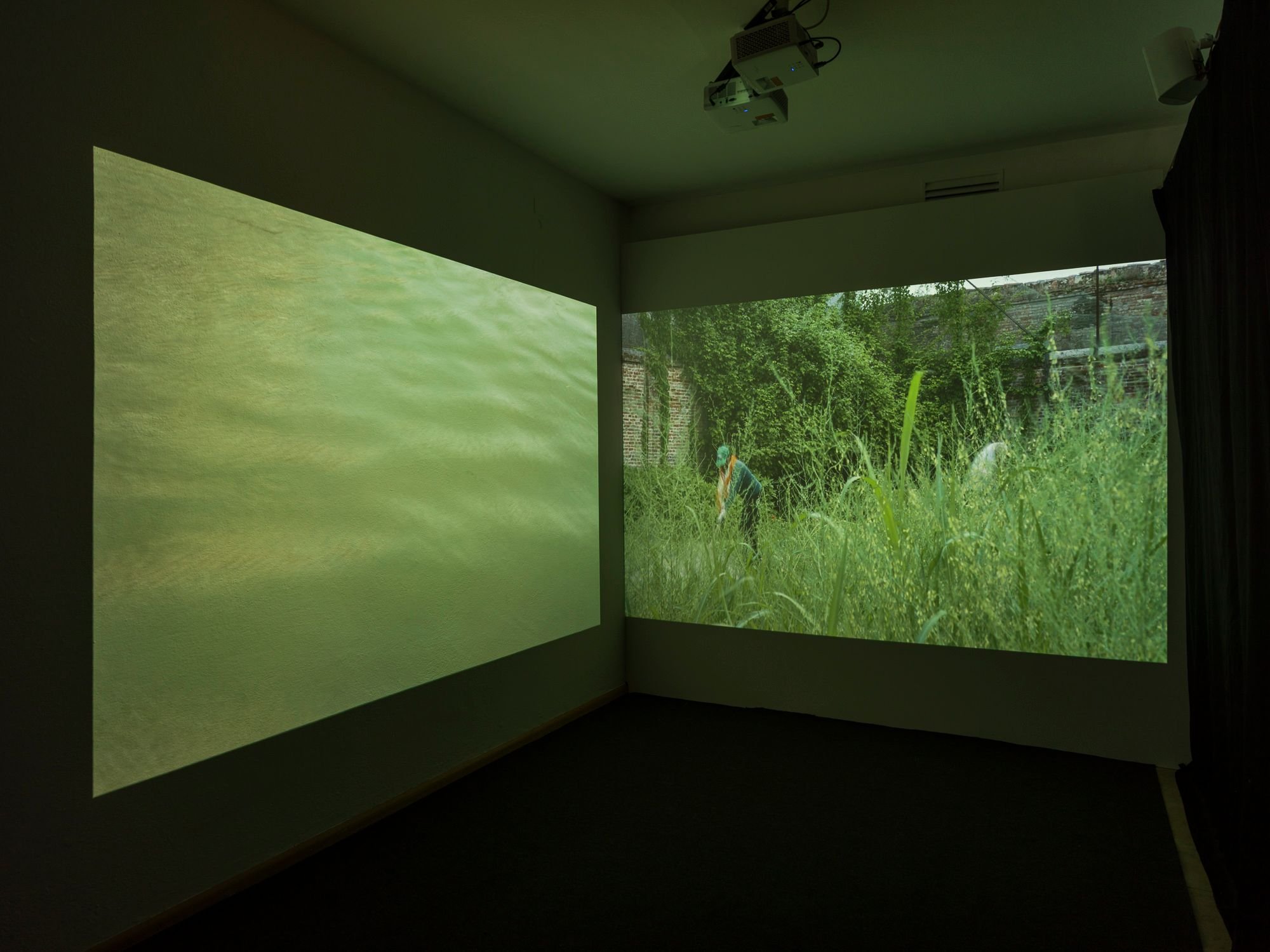
Walter Niedermayr & Marina Ballo Charmet, CASANZA, 2022. Thanks to Union di Ladinsde Gherdëina, Museum Gherdëina, Südtirol Böden. Credits: Tiberio Sorvillo.
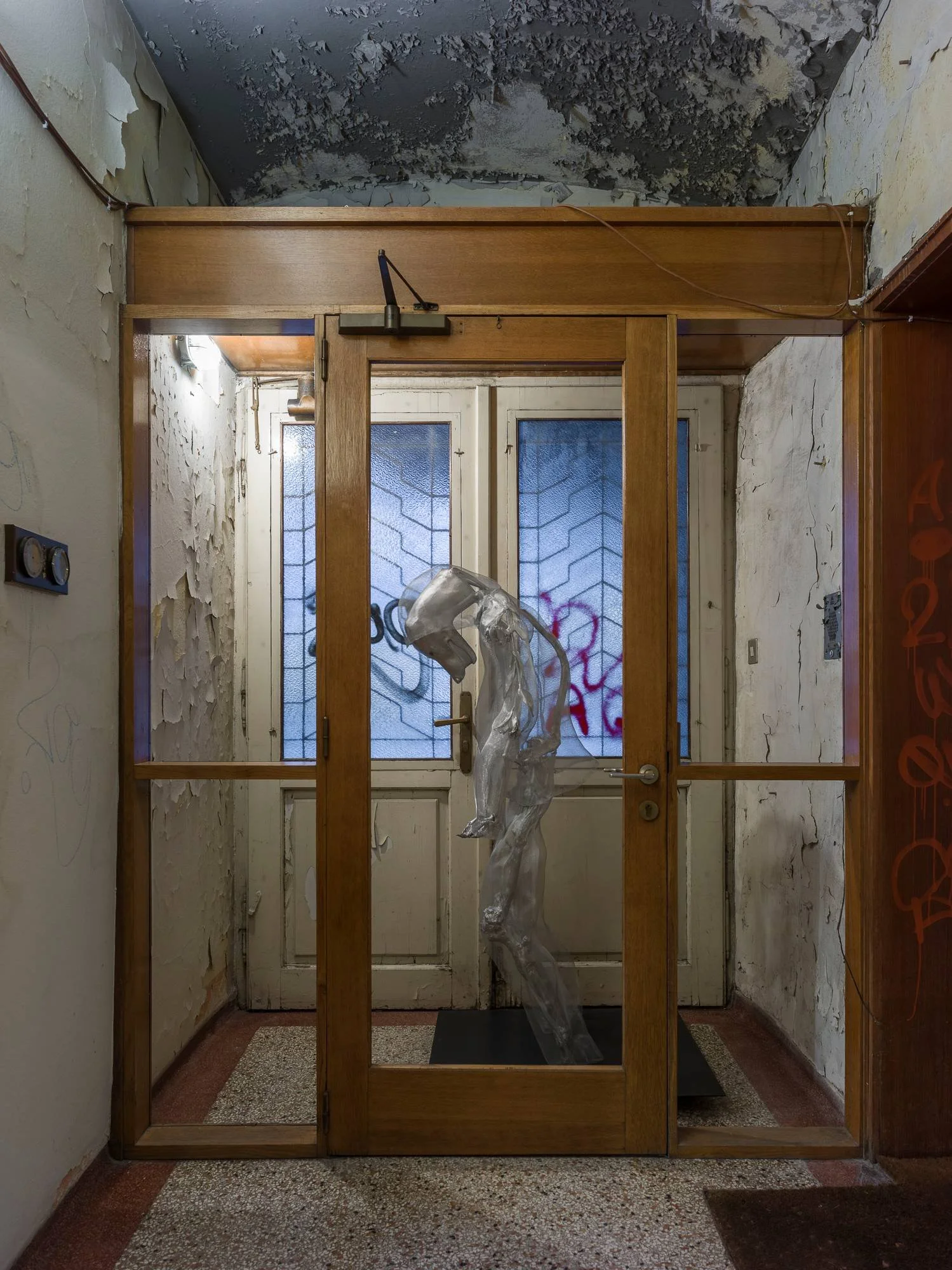
Giulia Cenci, the hollow men #3, 2025. Courtesy of the Artist, Fondazione Palazzo Strozzi and Massimo de Carlo, Milan. Thanks to the Krapf Family, Ernesto De Varda. Credits: Tiberio Sorvillo.
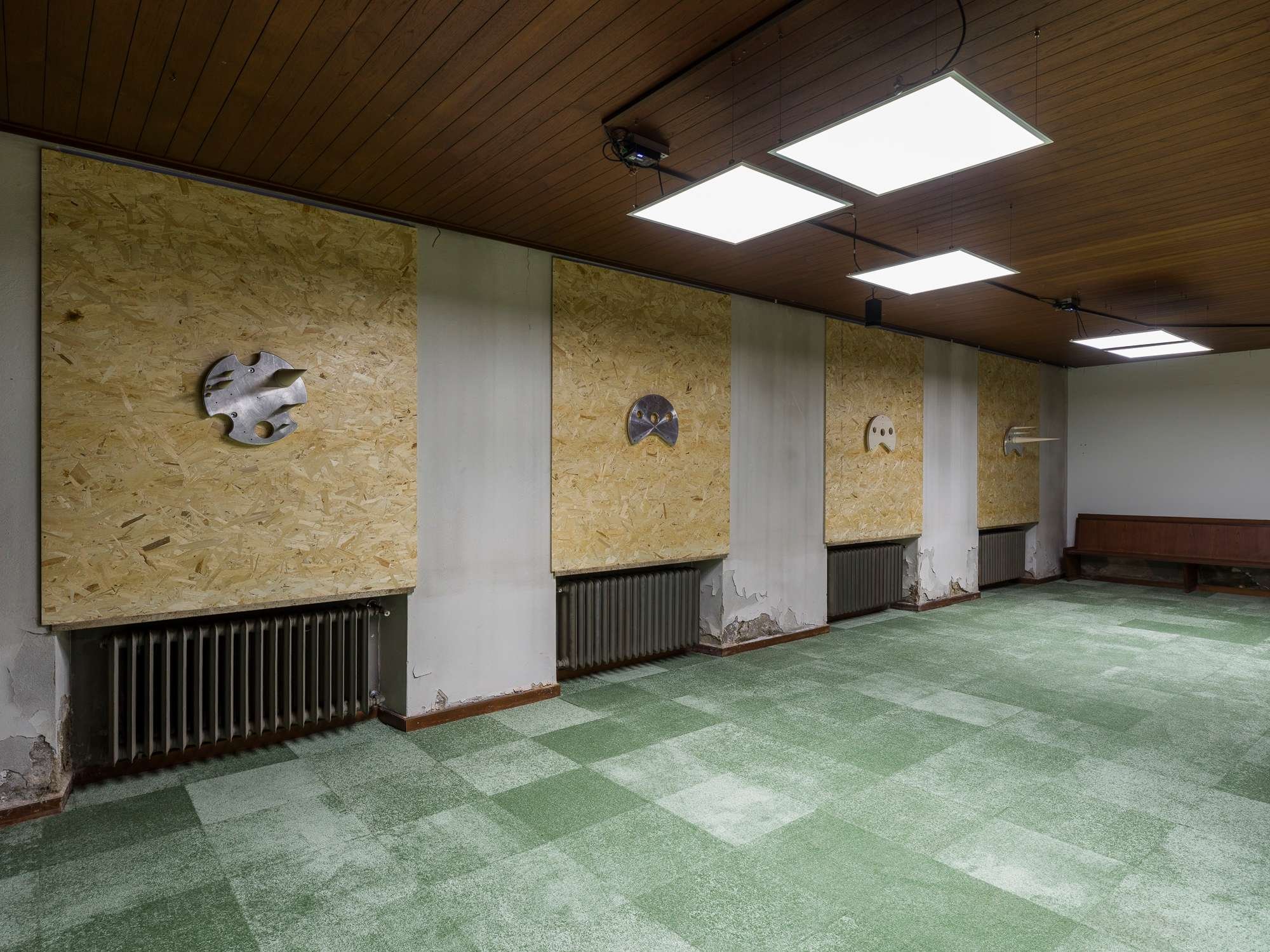
Dorota Gawęda & Eglė Kulbokaitė, exhibition view: Dead Ringer I-VI, 2023. Courtesy of the Artists. With the support of Lithuanian Culture Institute and the Embassy of Lithuania in Italy. With the support of the Swiss Arts Council Pro Helvetia.
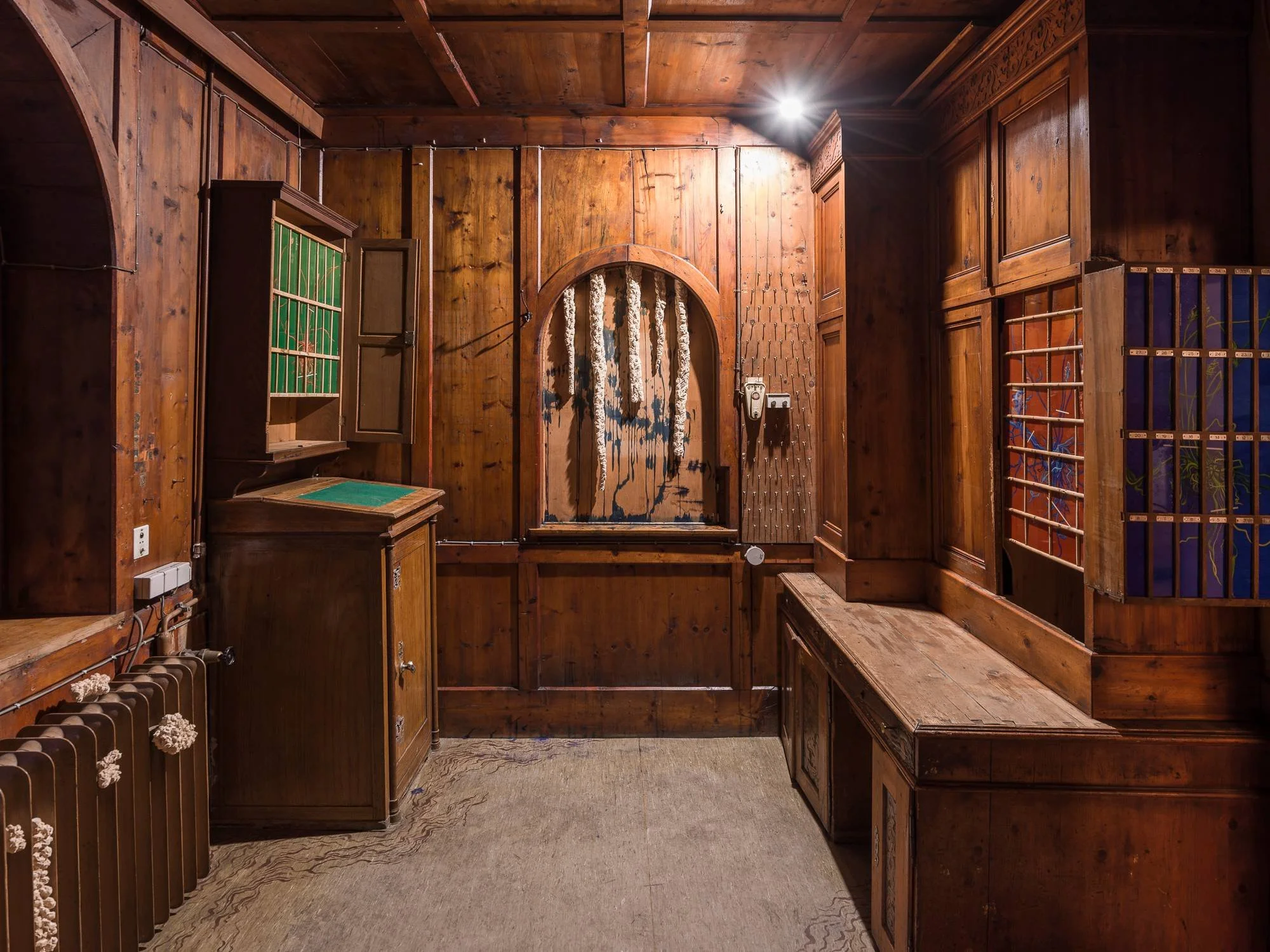
Gregor Prugger & Leonora Prugger, Adaptation as Form, 2026. Commissioned by Biennale Gherdëina 10. Thanks to the Krapf Family, Ernesto De Varda. Credits: Tiberio Sorvillo.
Words by Matilde Crucitti
What to read next