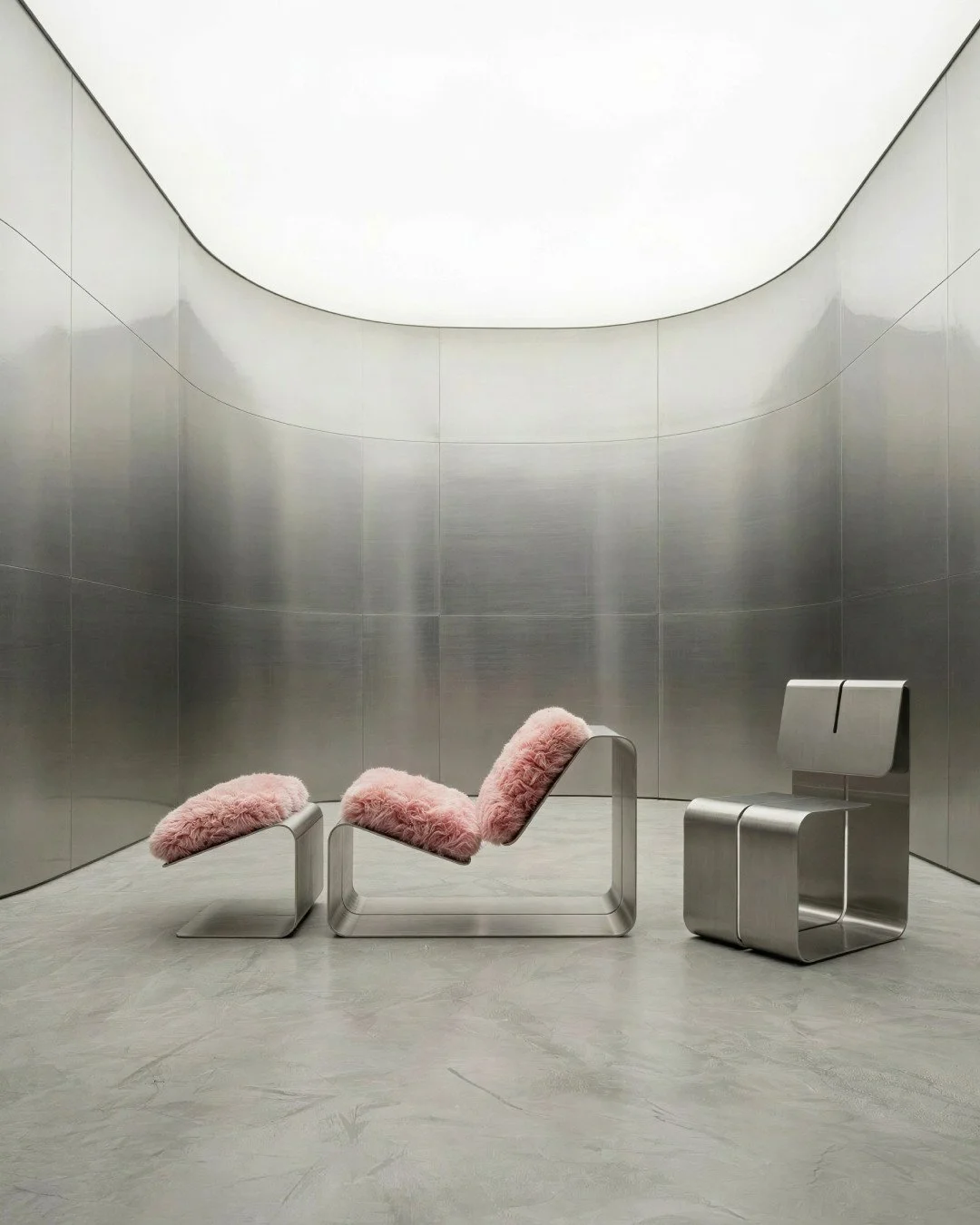
Vincent Laine
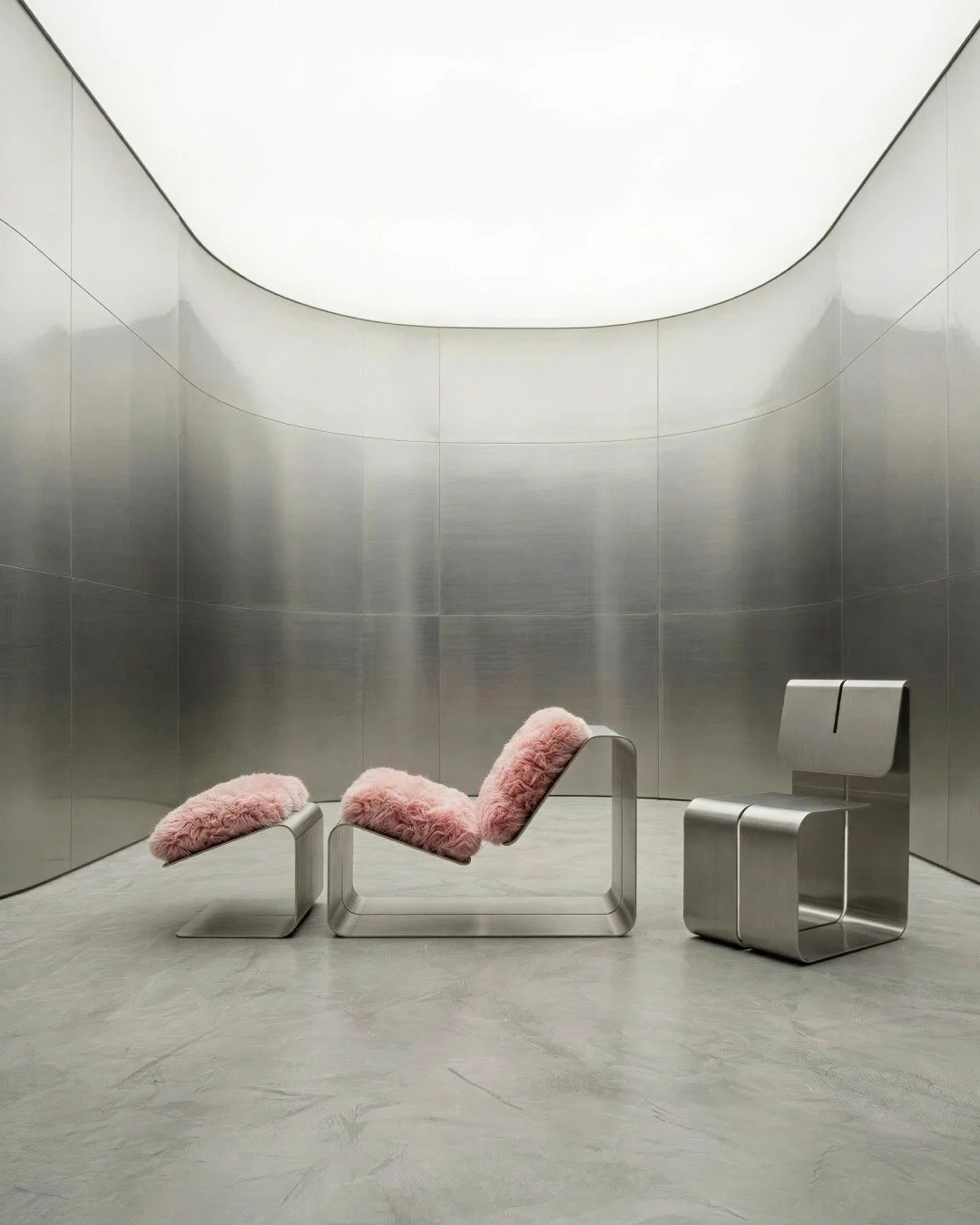
Vincent Laine practises design as the disciplined cultivation of inner intelligence, a process of attuning oneself to what is necessary before intellect arrives to legitimate it. Whether engineering precision into Leica optics, establishing a morphology of durability for Db luggage, or realising sculptural furniture in dialogue with physics and material memory, Laine treats intuition not as an escape from rational constraint but as prerequisite wisdom that all constraints ultimately serve. His now-defining philosophy, "form and function follow emotion", inverts the conventional design hierarchy: emotion becomes the first principle from which all rigorous decisions descend.
In conversation, Vincent articulates the stakes with remarkable clarity. This is not the sentimental notion that feelings should guide design but something more architectural: the truth that without emotional logic as a compass, every compromise becomes a capitulation. When designing the Leica Q and Q2, he wanted the camera to feel like an instrument—one you could grow and evolve your craft with, the way a musician inhabits a Les Paul or a synth player masters a Moog. For luggage, he designed for confidence, knowing that your belongings represent you visually and affect how you feel functionally. This philosophy extends across every category: the object must embody an intention so clear that any deviation from it becomes immediately legible as compromise.
At the core of his work is a pursuit of objects that feel inevitable yet unfamiliar, pieces that quietly suggest a future we have not fully arrived at yet but somehow already recognise. They succeed not through novelty but through a kind of necessity that seems to predate their own existence.
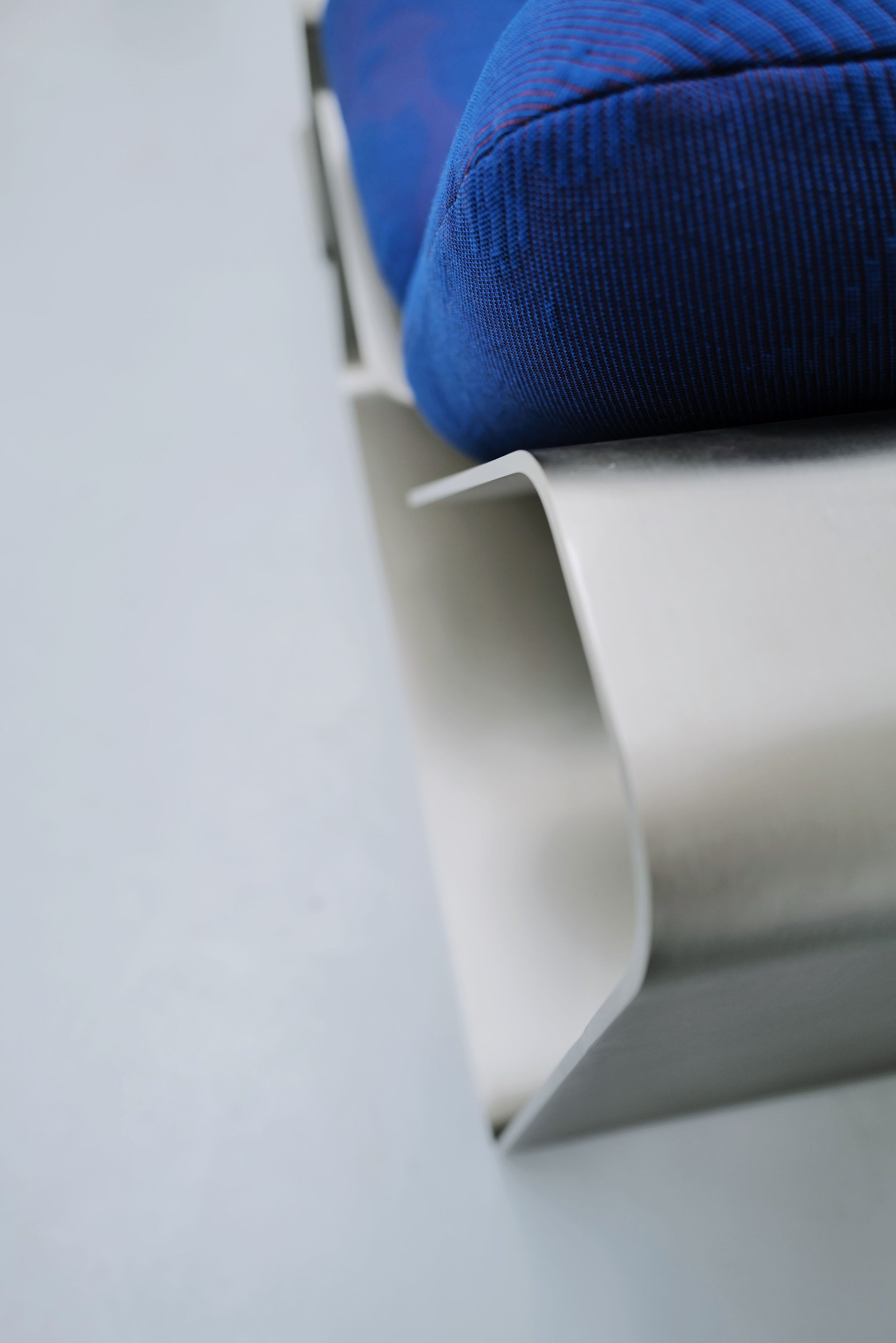
You’ve said, "Form and function follow emotion.” Can you describe a moment when you felt a design was right before you could explain why and how you translated that feeling into decisions?
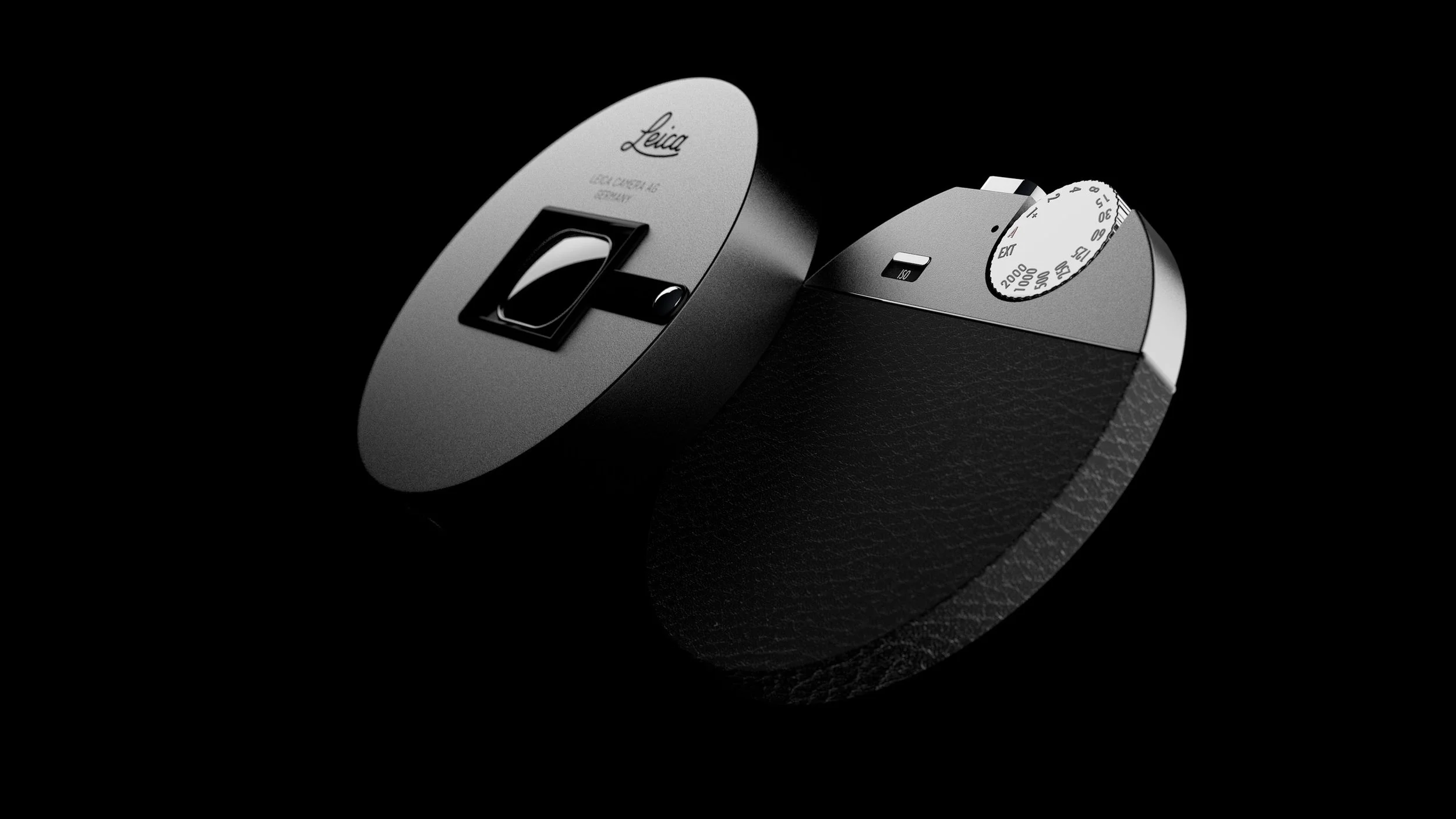
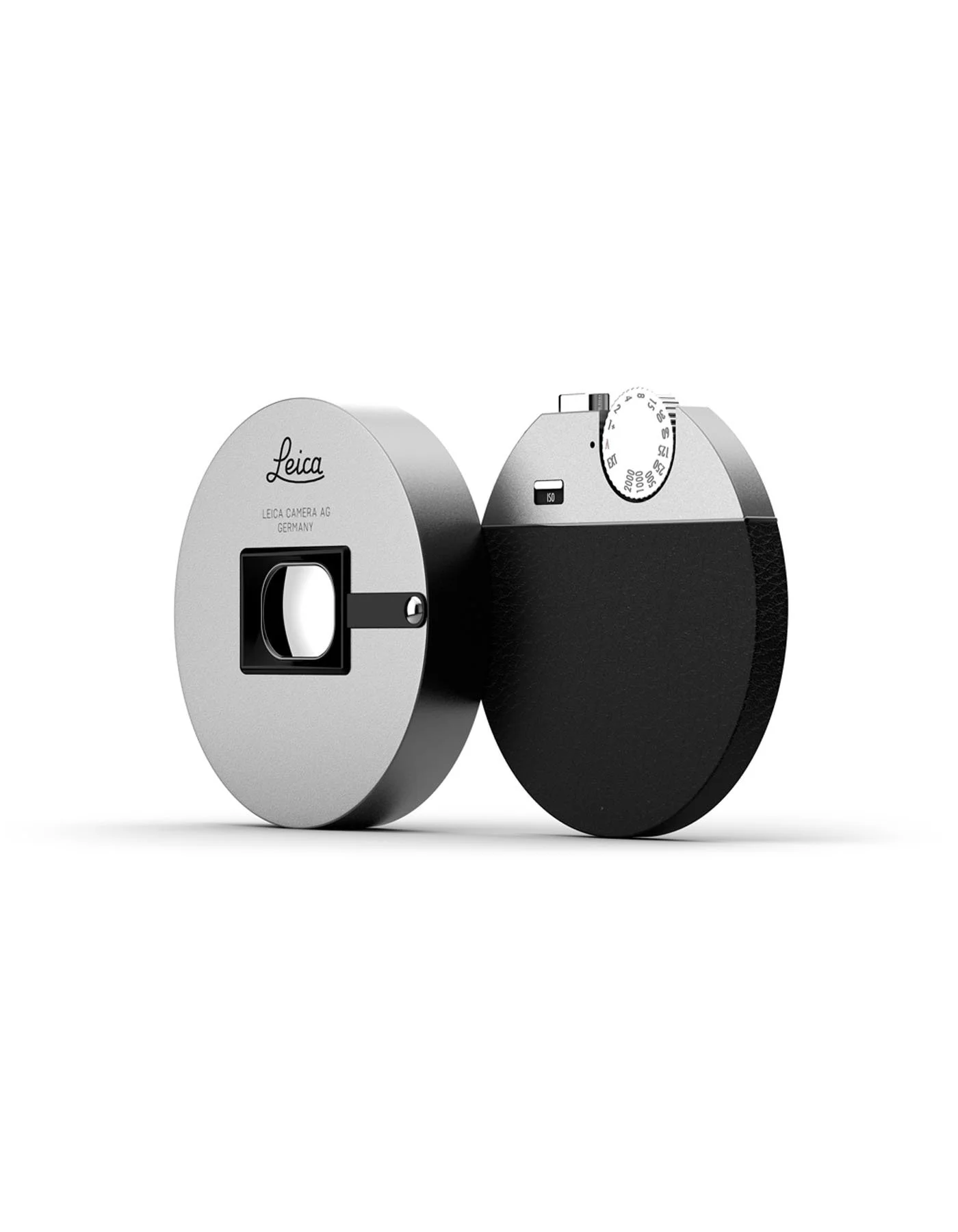
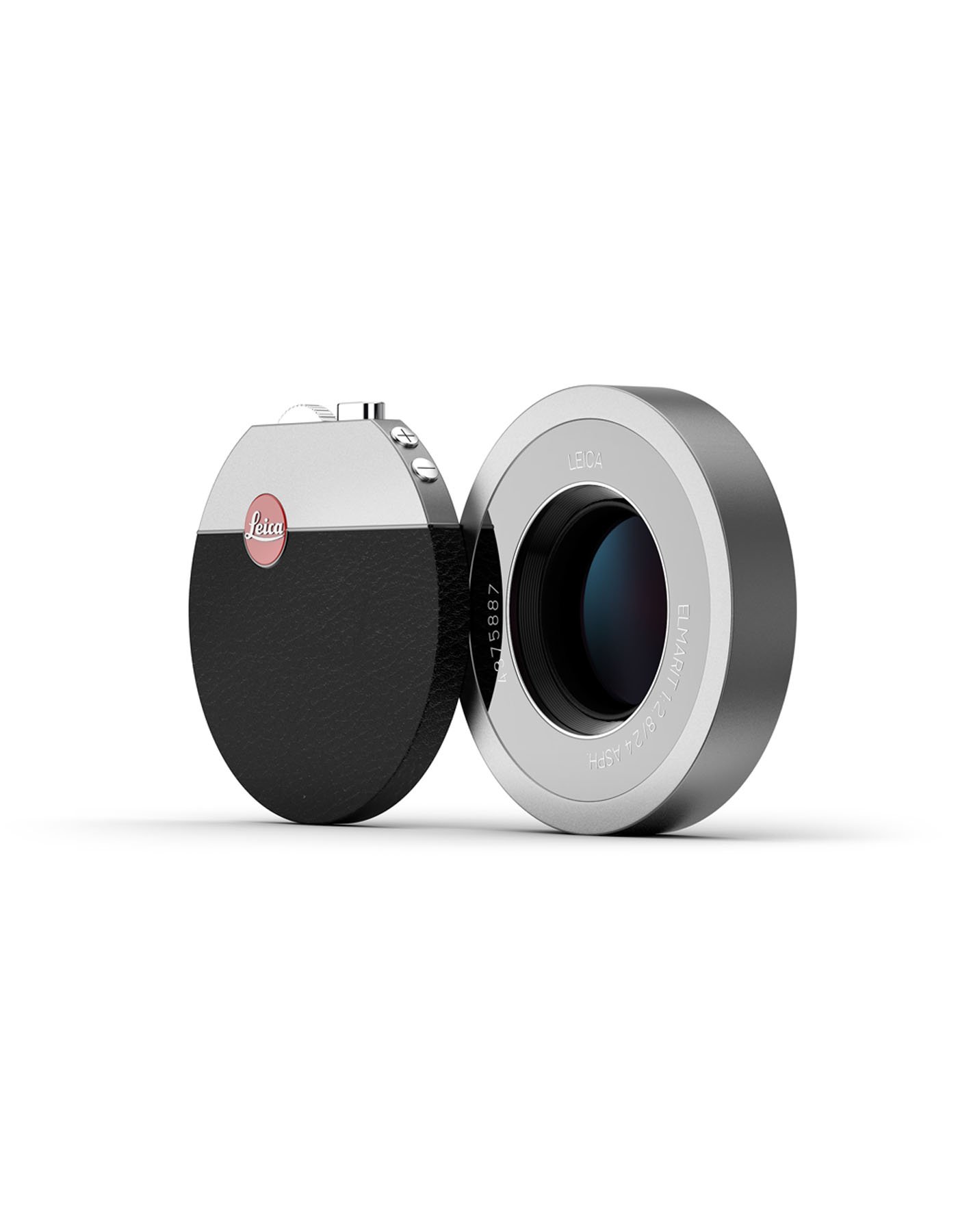
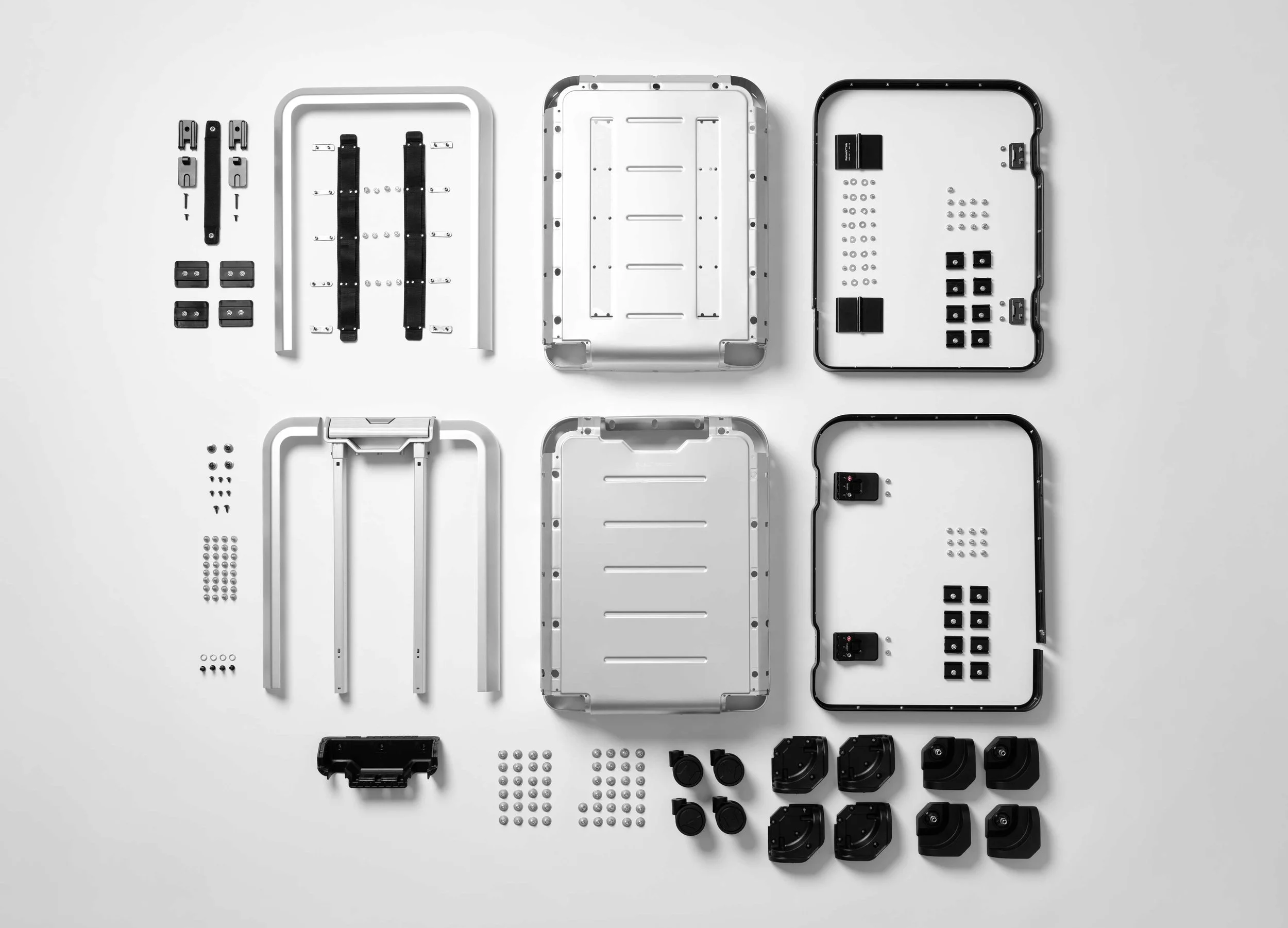
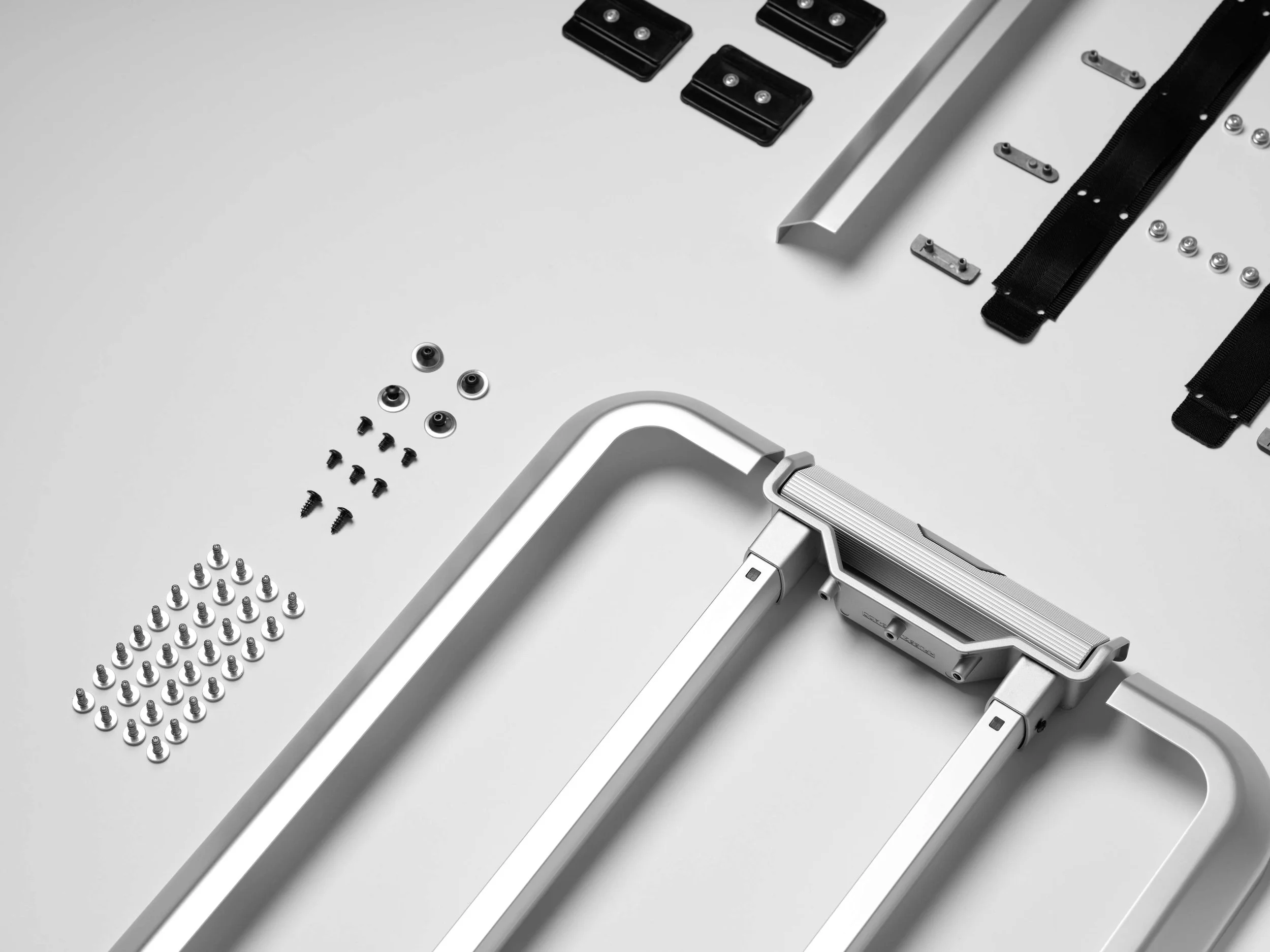
My form, function, and emotion: It’s an approach which ultimately allows me to move between categories and disciplines. A kind of shortcut or cheat code that allows me to create a brief or a sense of truth, which I can come back to when the curveballs keep coming, and the process gets more diffuse. By that I mean that every project I have worked on, whether it has been cameras for Leica or Hasselblad, aluminium luggage for DB, or my personal work in furniture, there will always be a delta between the idea and the final product. This delta can be small or big, but generally it’s about trading and some form of compromise. By anchoring the product to an emotion, I can easily assess whether a compromise jeopardises the product's true intention. For instance, when designing the Leica Q and Q2, I wanted the camera to feel like an instrument, one that you could grow and evolve your craft with. In the same ways as any great instrument, from a Les Paul to a Moog synth. For luggage, I designed for confidence. Because when you are out and about, on your pursuit, the luggage represents you visually and affects how you feel functionally, and it needs to give you a tailwind of confidence. In luggage, I reinvented the way you access your belongings with the push of two buttons to eliminate security-check anxiety (and privacy), but I also brought my experience in terms of premium precision from Leica and Hasselblad and added that to luggage, where all components are designed from scratch to match each other perfectly and leave minimal gaps and steps. Something you can just feel and hear, and it is not just one thing, but the sum of all things combined.
What did your environment growing up teach you about taste before you even knew you wanted to be a designer?
I was lucky to grow up around creative people. As a kid, I would watch my grandfather (Karl Laine) when he was designing and working in his atelier. He was a jewellery designer but extended his craft into furniture and tableware and sketched ideas all the way to automotive. Everyone in my closest circle growing up was a painter, carpenter, or tailor, and this influenced me to believe that creative fields were there for you, not just to be explored but to find meaning in. I still remember a call I had with my grandfather, and he asked me what field I would go into. I said I didn’t know, and he told me not to worry and that the work would find me eventually. Taste is a part of intuition, and I believe it is best not to try to control it. But how my upbringing has affected my taste is probably that I have been around objects, processes and materials as a kid, which has allowed me to spend time thinking about what I like and don't like, which also evolves, and the evolution of our own perspective of the world. Objects, form and material speak to me constantly if I keep my eyes open. I have always modelled things in my head, altered them, or added layers to existing objects, which has given me an intense curiosity combined with the spirit of my family from a young age – I have simply believed that ideas are to be realised, and that will be your story.
Reaching out to Leica Camera early in your career took conviction. What belief about yourself did you have then that you think many young designers still lack?
I made a fake Leica concept called the X3 over which Leica almost sued me (this story is in the book “100 Leica Stories”). What gave me the spark to make this concept was being anchored in both frustration and curiosity. Frustration from not finding a camera that spoke to me in terms of form factor but also usability interface (human VS machine), where most cameras really failed to intuitively “make images” as opposed to “take images”. Curiosity gave me the licence to have a different point of view on the product category by allowing me to take advantage of the fact that I have never designed a camera, and that is the superpower. For me, the magic is in the first time you design something; the questions that in most rooms are considered “stupid” are where the actual magic happens. When you become an expert is when you most likely start a sequence of repetition in your work. This is the moment you have to realise when to let go and understand that dreams change and life moves on.
Was there a point where things almost didn’t work out where, if one decision had gone differently, your path could have collapsed?
This question can be answered through micro and macro. Just recently, working on experimental furniture with features and use of material combinations that have not been done before, I have been in situations where the prototypes arrive at exhibitions where I will discover whether the piece actually works or not. With the world as my audience. With other projects like aluminium luggage, where we created a completely new structure and architecture for aluminium luggage assembly working with moulds and tooling, of course, you don't take for granted that it is 100% going to work until you receive the first sample. But it is about finding people and companies who see the process the same way as you and who are, together, willing to take the risk and then do everything in your power to make it. Looking at my career and external view on my path, I think from the outside it might have looked more risky in the shifts, dropping out of university to work for Leica. Going from Hasselblad to work on premium luggage. Going from being a CD at a company that just received an investment from LVMH luxury ventures to starting your own practice, etc., etc. But for me personally, it has made sense and felt right. I have tremendous respect for being in touch with intuition.
Working with both Leica Camera and Hasselblad, what did you learn about when to respect legacy—and when to quietly challenge it?
To work for brands with such a rich history as Leica and Hasselblad is phenomenal. Especially when starting in your career, because it allows you to dwell in history books, prototypes and stories that form this sacred brand space in your head, and this becomes one of the main pillars to place your work on. With great respect, of course. My contribution to Leica in this regard was to design the Q in a way that it speaks to a new generation of customers through its contemporary interpretation of the iconic. Which, over time, becomes a design language that has been extended into other products as well. Additionally, I have created graphics for both “100 Years of Leica Photography” and “50 Years on the Moon” for Hasselblad, which are quite impressive milestones for a brand to have. Yet what really stuck with me always was, how would it feel to initiate a product or company that will be celebrated in 100 years from now or be the first on Mars? And I guess this is a question which ignites a part of my pursuit today. That said, I have and will always have great respect for the brands I have worked for and the knowledge and passion they have displayed, let alone what is possible.
When you start designing, what do you trust more: your instinct or the constraints, and has that balance changed over time?
No matter what product category you look at today, there is a vast majority of sameness. This is usually due to the fact that certain parameters are compounds of signal and noise. When you figure out what truly is signal and what is just noise that you can ignore through the lens of your brand (VERY IMPORTANT), you can actually start formulating what parameters you can pull to an extreme to create something that carves out its own lane among competition. Usually, the propositions sound a bit naive or even stupid at first but end up working because you have a unique vantage point or insight. Like, for instance, a fixed-lens camera with a full-frame sensor -> but if you know that this constraint is actually a visual style in their photography, you can go all in on this. Today, it is a great success for Leica. Same with luggage, custom-designed, durable and, therefore, a bit heavier luggage is at a premium price point for entrepreneurs, brand builders and creatives who see the world as their studio. Also found its place on the market as one of the main categories for DB Journey.
When you find your reason, the advantage will be a unique perspective, and if you dare to go all-in, there is a good chance that you will contribute in an impactful way. But yes, in the beginning, it might just be a hunch or intuition. The biggest threshold is to stress test it and see if it holds true. Again, coming back to teams and people. This is where the people around and the culture of how ideas are treated in that particular group play a huge role. Because a lot of great ideas die as soon as they are mentioned.
Minimalism is often associated with your work. Do you see it as a philosophy, a style, or sometimes even a limitation?
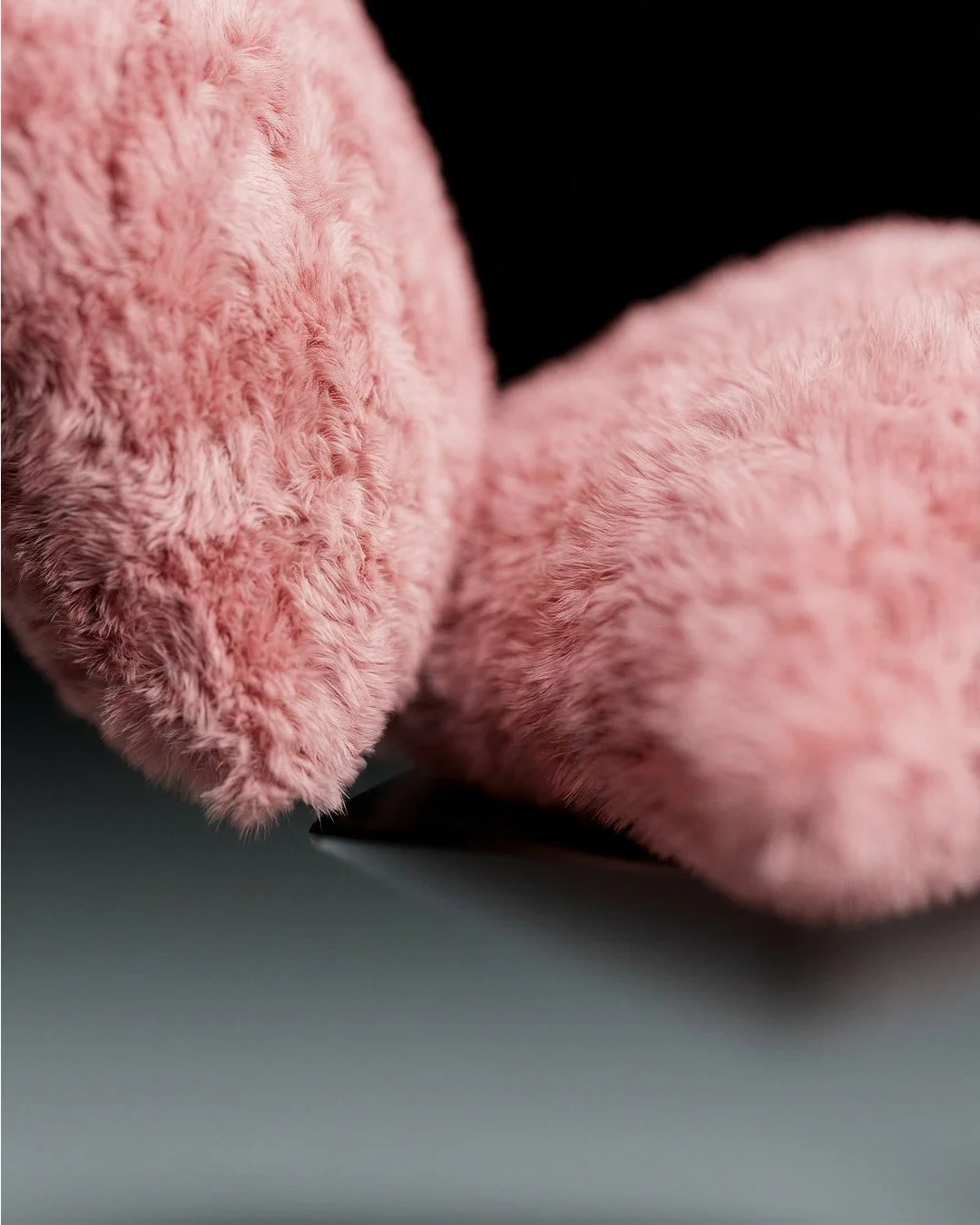
There is an important line between the work that you do for a brand and the work for yourself. When I work for a brand, I measure my creative ability by how well I am able to embody that particular brand’s values and expression. In contrast to my personal work, I switch to the values and expression of my personal brand. There are moments where these two can overlap, but I have a rule to never use a brand project for self-expression. That said, minimalism has been an attribute in the brands I have worked for, which has certainly shaped my perception of my personal work; it is not the ultimate goal for me personally. I chase meaning. Minimalism can, for example, be a tool to achieve contrast by being juxtaposed with something that destabilises the expression. If minimalism serves the intention, I am happy to use it as an articulation through form and material. But it is by no means a prerequisite to validate the importance or relevance of the work
Tell me about a decision where you knowingly sacrificed technical perfection for emotional impact. Did you hesitate—or was it obvious?
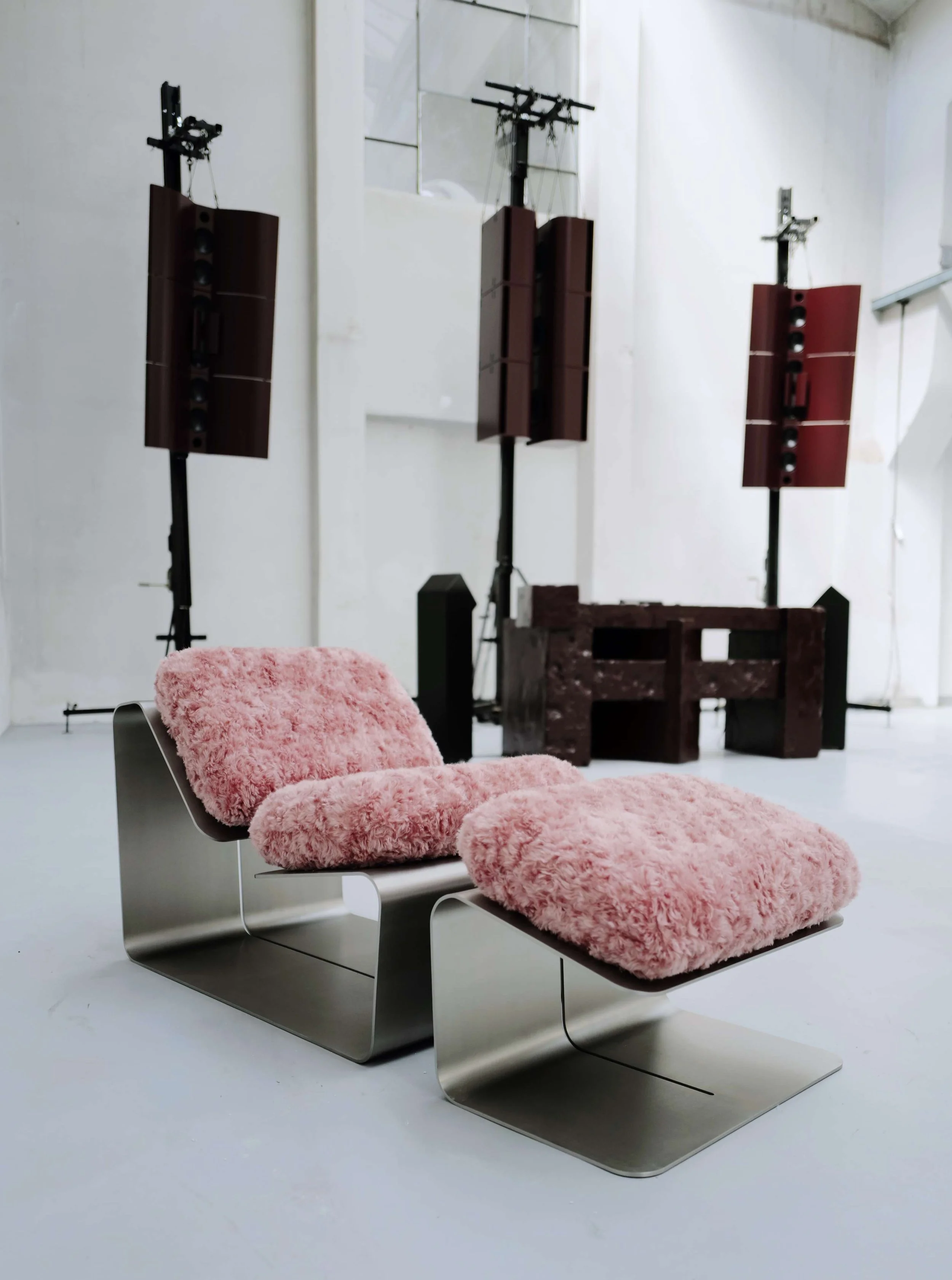
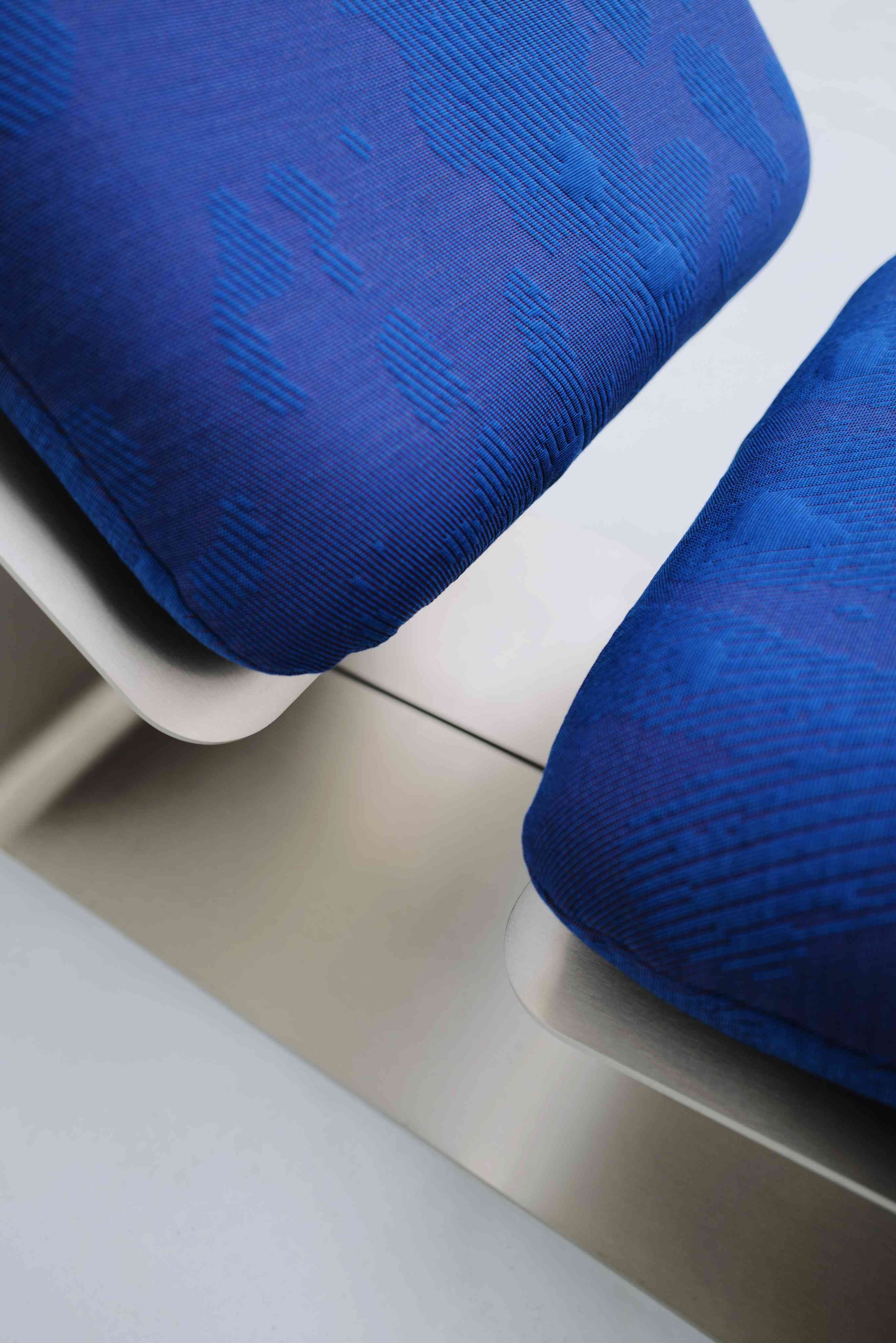
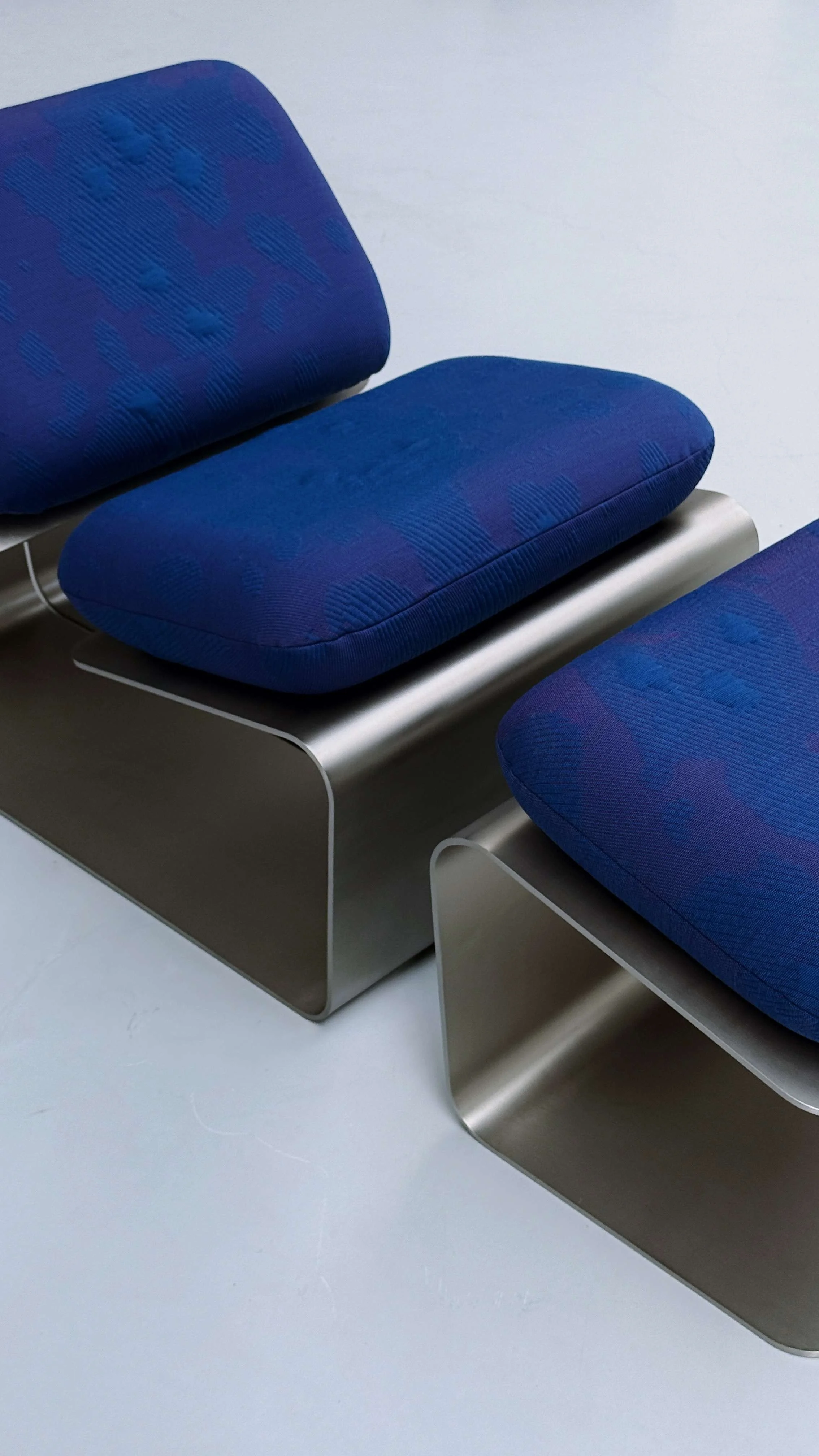
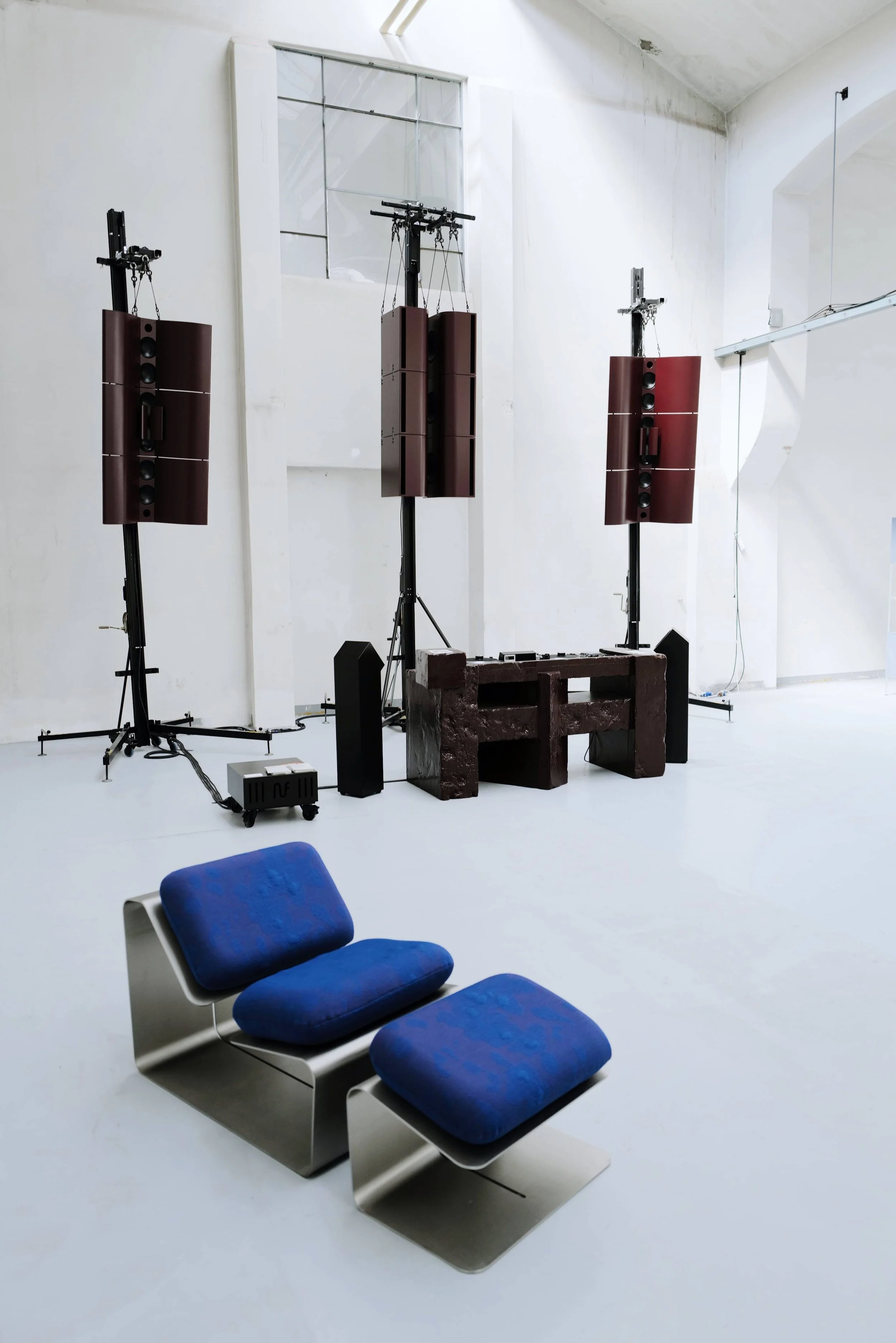
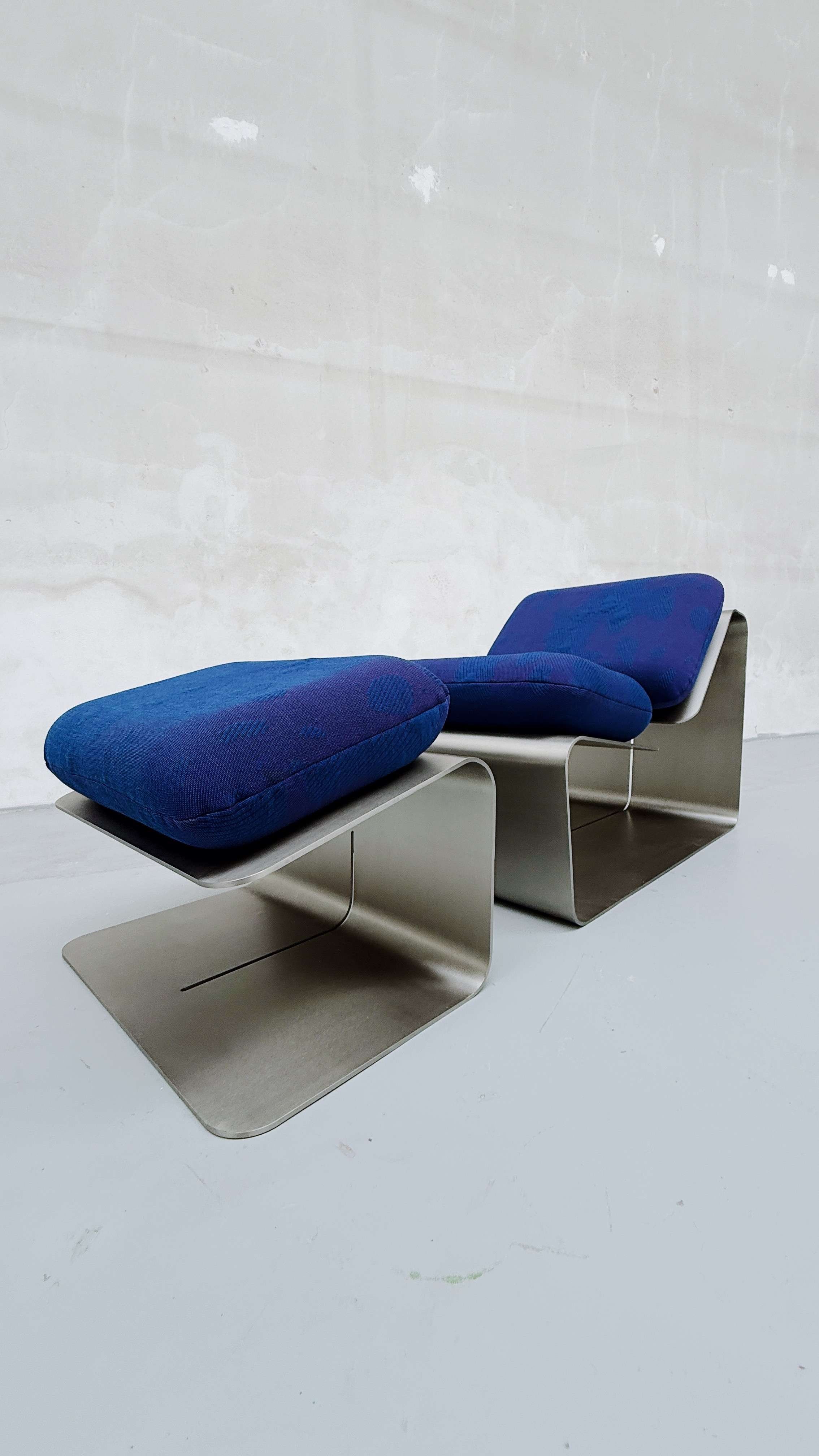
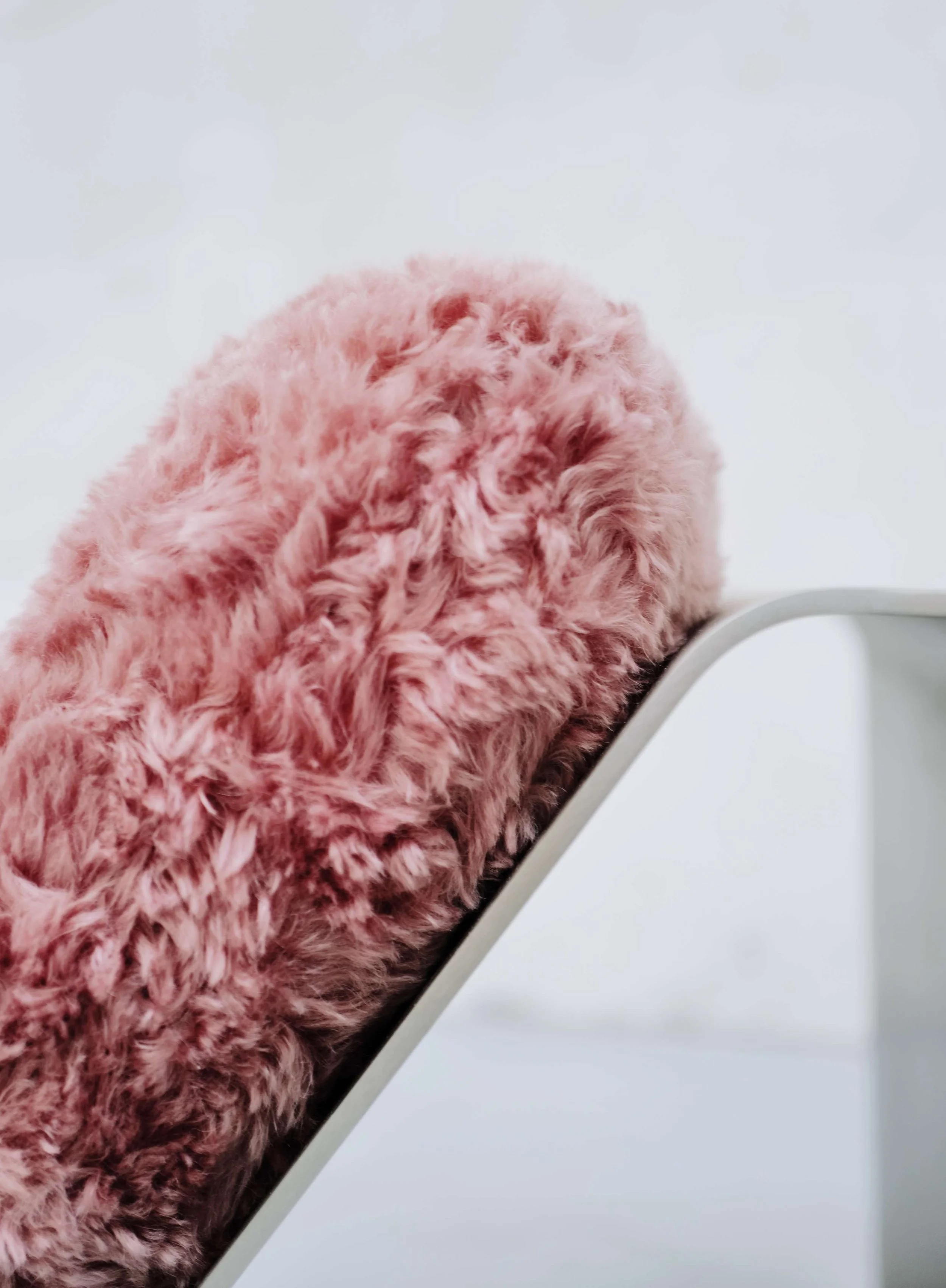
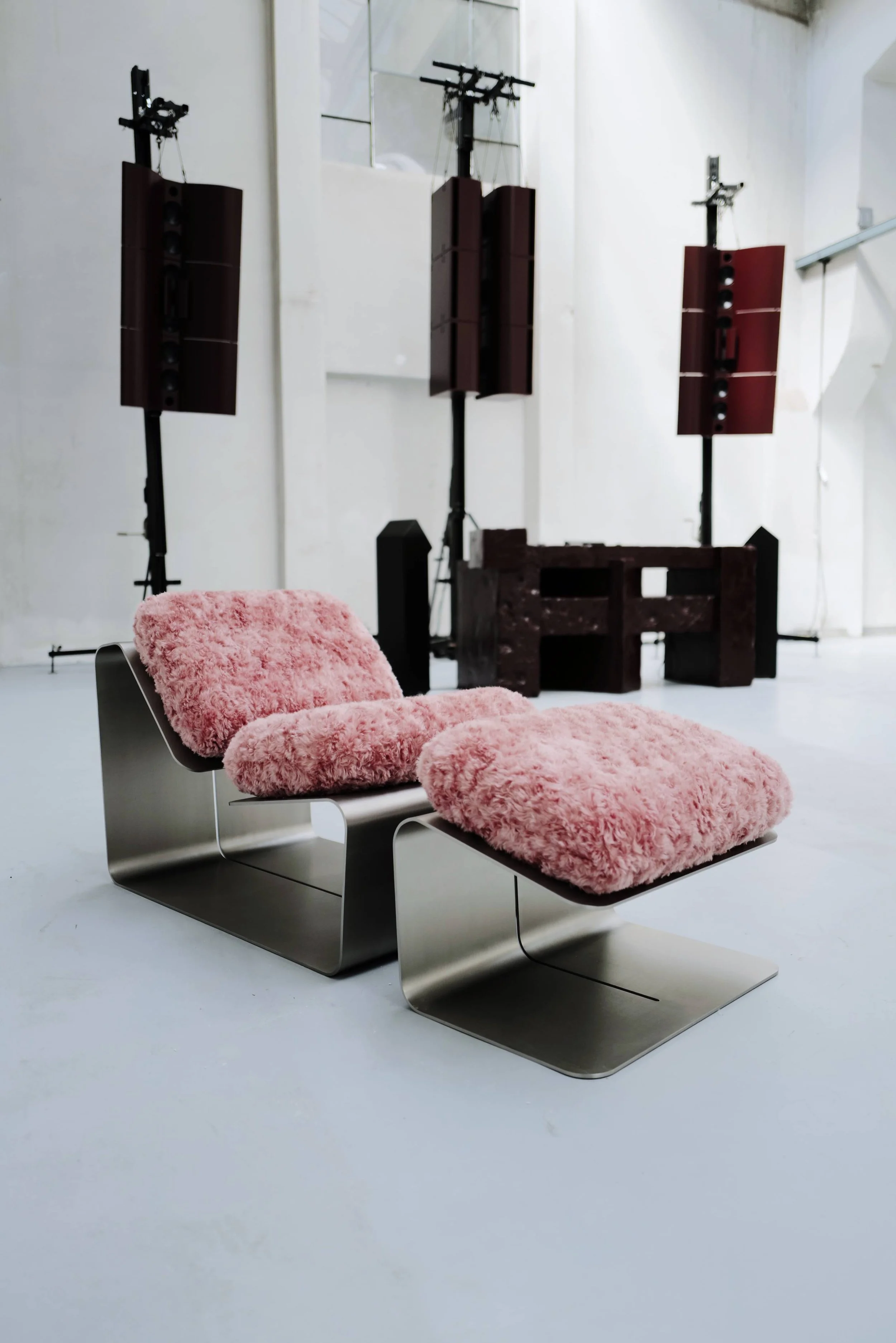
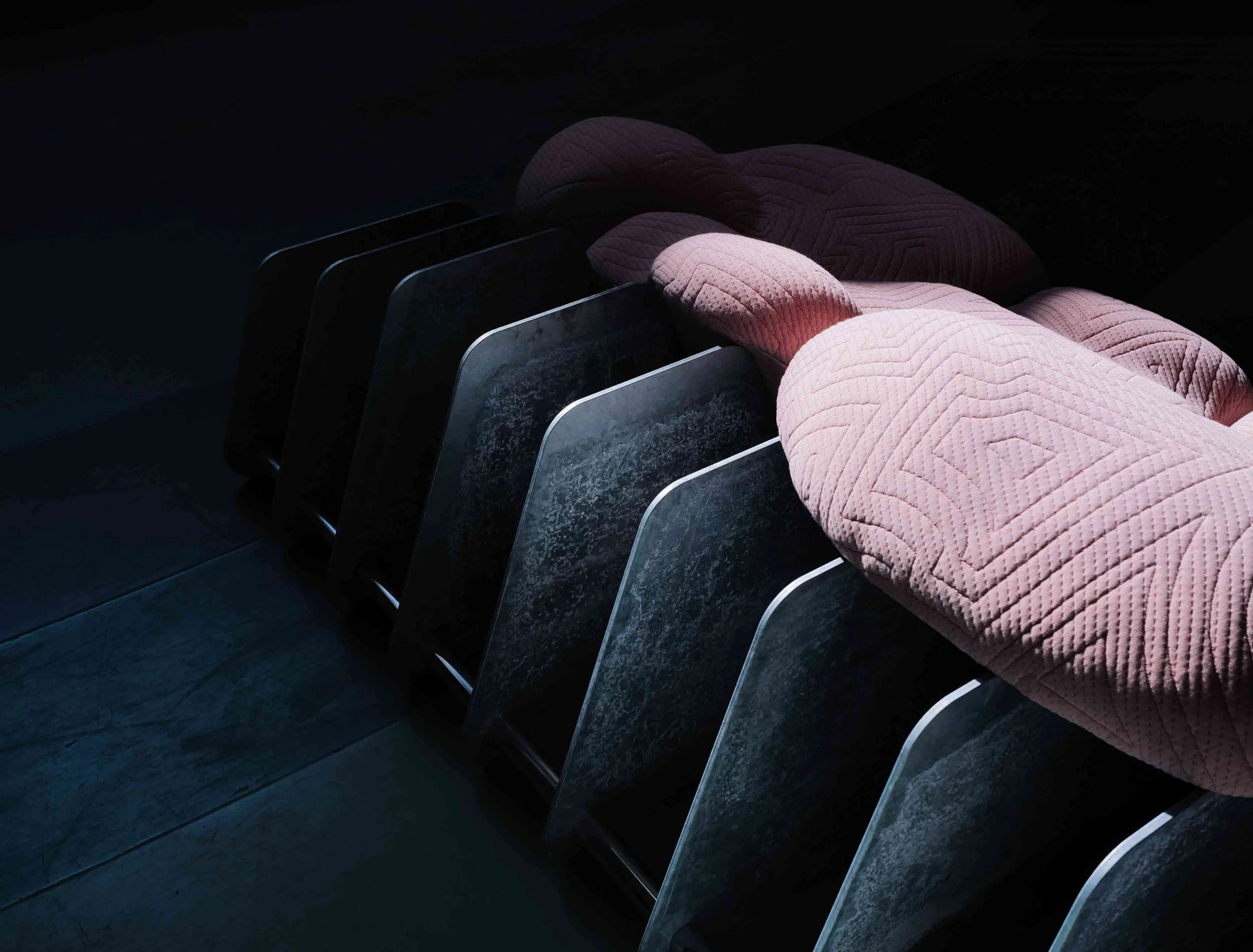
In one of my most recent pieces, Unlikely Connection, where the sculptural seating is about bringing together opposing forces into a composition of coexistence, the steel is galvanised and has been outside for the better part of 12 months, where the surface of the steel has accumulated something called “white rust", which, as a result, looks rough and, to some degree, uninviting. But when juxtaposed with an atmospheric, fluid, soft and generous upholstery, the imperfection is perceived as intentional through the contrast. This is just one example, but it is something I have been focusing heavily on in my practice lately. Because opposites find harmony, and new dimensions emerge from this simple idea of proximity. A universal law that applies to everything from particles to planets.
You move across very different product categories. What is the one constant that tells you, 'This is mine'?
In my personal work (not brand projects), I find it intriguing to think that we are currently living through our own artistic and creative era in the same way we now look back at past movements, periods, and generations of creators. The present eventually becomes history, yet while living inside it, that perspective can be difficult to recognise. In my work, I often explore the idea of shifting the time marker forward into a distant present. Conceptually, it is a way of introducing a subtle sense of optimism through objects and experiences. I refer to this mental space as the "far-fetched near future". By optimism, I do not mean utopia or the idea of a flawless future. It is more about creating objects that feel as if they originate from a time ahead of us. Their existence quietly suggests that we made it there and that this could be part of what the future looks and feels like.
When you redesigned something like the Ramverk Pro, what made you look at something as accepted as a zipper and say, “This is the wrong solution”?
This comes back to one of my earlier points about signal and noise, filtered through the values of the brand. By understanding the positioning of Db in the luggage market and that the bet was to focus on durability, it gave me a clear perspective on what truly mattered, and having a zipper on luggage is actually not a great idea because of the strain and force that it will have to handle in transit. The zipper is, therefore, one of the most common components to break, and as a result of the zippers generally being stitched into the shells, the product will become useless and/or hard to repair. Ultimately, creating a lot of waste. But unless the positioning and understanding of what attributes truly mattered for DB, deciding this would have been hard. Which is why all of my projects start from the brand values and positioning.
Outside of design, what has changed the way you see people? And how has that shifted the way you design for them?
Yes, I design for people, but I tend to avoid creating anything I would not personally want to use or live with myself. I prefer keeping projects close to my own experience, usually beginning from either genuine curiosity or genuine frustration. Designing purely for others can absolutely be meaningful depending on the context, but I find that my work becomes stronger when there is a personal connection to the subject. At Leica, for example, the work felt deeply personal while also being rewarding in another way. My creative process ended at the exact point where someone else’s creative process began through photography. I always found that relationship fascinating, almost like a continuous loop of creativity passing from one person to another. At the same time, I think designing products today comes with a responsibility. Consumerism cannot be separated from the role of being a designer. To me, the goal is not creating more objects, but creating fewer and better ones with enough quality, meaning, and longevity to justify their existence. That idea has taken different forms across categories. With Leica, it was about designing products that could be passed down across generations. At DB, it became about durability, repairability, and long-term trust. Within my furniture work through Laine, it often moves closer to collectable or one-off pieces that carry more cultural value than purely commercial intent.
If someone uses a product you designed and feels nothing, where do you think the failure happened: in the object, in the process, or in the intention?
I do not see feelings or reactions as absolute. We are all moving through different experiences, perspectives, and stages in life. There are many objects or categories I felt indifferent toward ten years ago that I now genuinely appreciate and find fascinating. Taste evolves, and with it, our ability to understand and connect with different forms of expression. What interests me more is creating work that evokes a reaction. I would rather make something people strongly love or strongly dislike than something that leaves no impression at all. Indifference is probably the most difficult outcome for any creative work. At the same time, there is always a risk within creative practice of becoming too internal or overly intellectualised, where an idea begins making sense only to yourself. If pushed too far, work can lose its intuitive connection and start feeling self-contained rather than necessary to share with the world. I see that as part of the process. Many projects pass through phases where they exist primarily as personal investigations or abstract thoughts. A large part of the work then becomes distillation, refining the idea until the essence communicates beyond my own perspective and resonates more universally before it is presented publicly.
When asked about indifference, the fear that someone might use a designed object and feel nothing, Laine offers a philosophy of risk rather than certainty. He would sooner create something people strongly love or strongly dislike than something that leaves no impression. Indifference, to him, represents the greatest creative failure: work so internal, so intellectualised, that it loses its intuitive connection to necessity. There is always the danger of becoming too abstract, of making sense only to yourself. But this awareness is itself part of the discipline.
Interview by Jagrati Mahaver
What to read next