Best way to celebrate Midsummer: Solstice Festival 2026
Midsummer in Scandinavia has always been more ritual than holiday. Cultures across the Nordic region have marked the solstice for centuries with bonfires lit at the water's edge, flower crowns worn into dusk, and the quiet understanding that a sun which never sets demands something from you: attention, presence, a willingness to stay. Solstice Festival inherits this logic and extends it northward into Finnish Lapland, where the tradition stops being metaphor and becomes landscape.
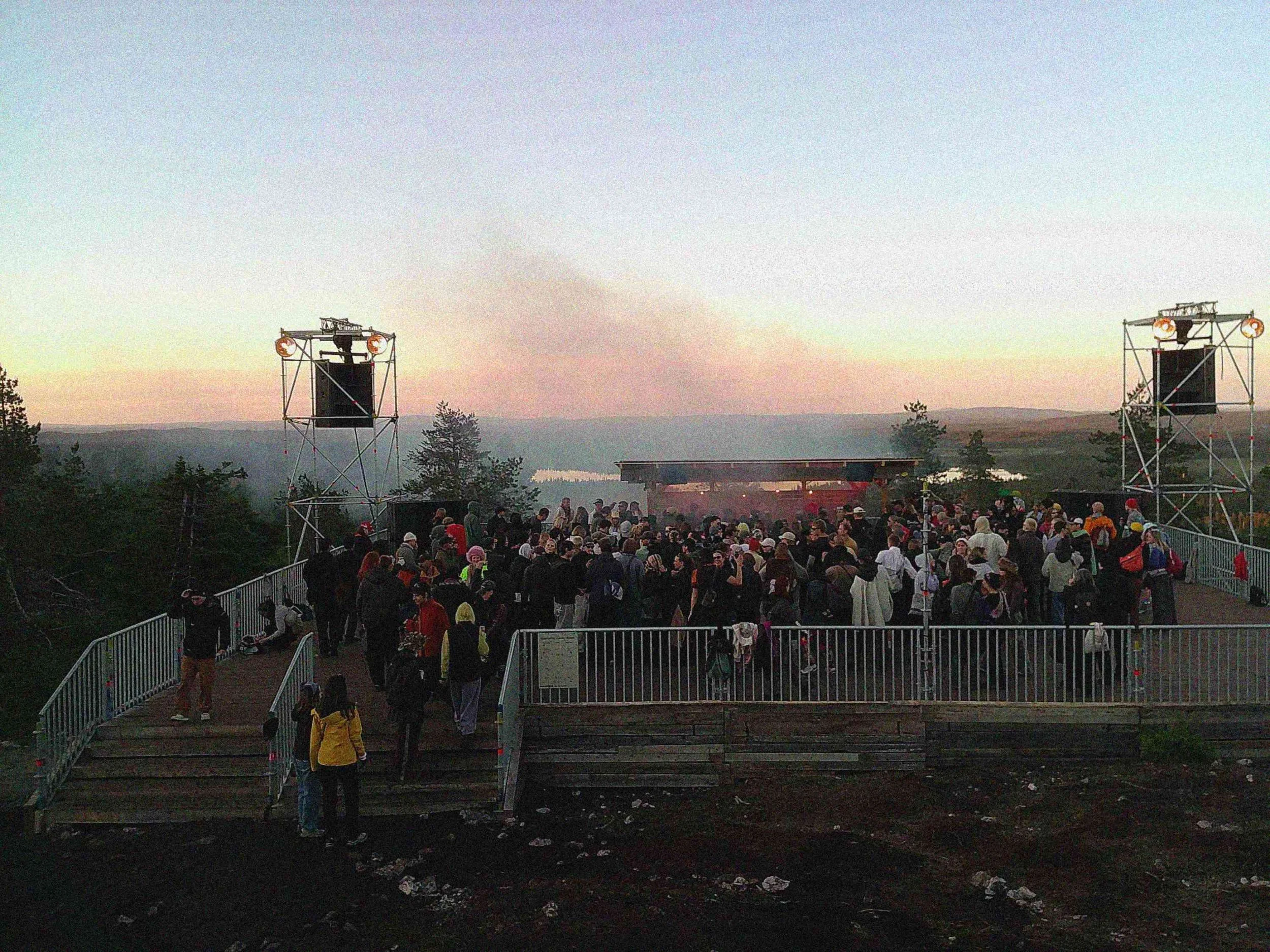
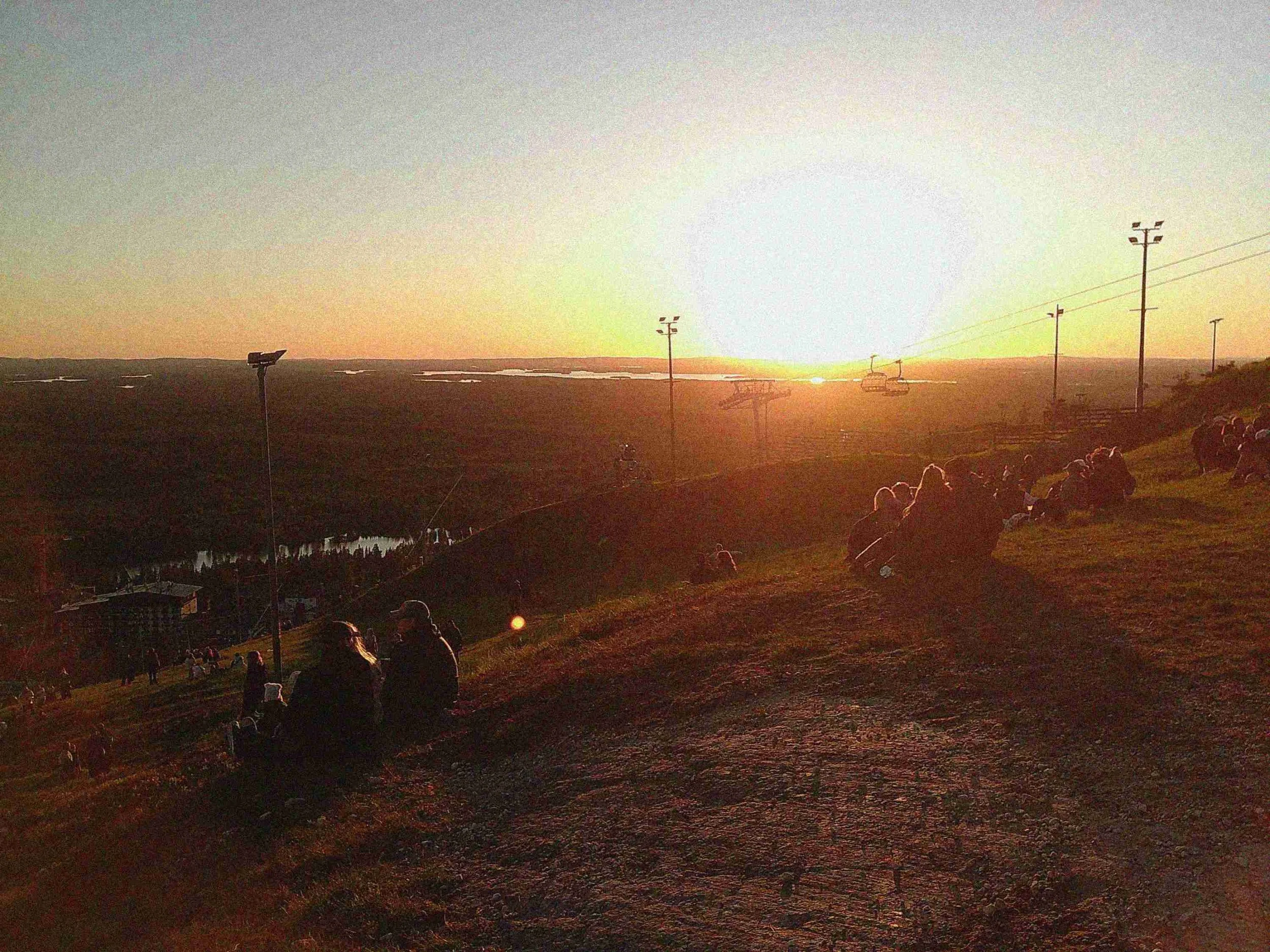
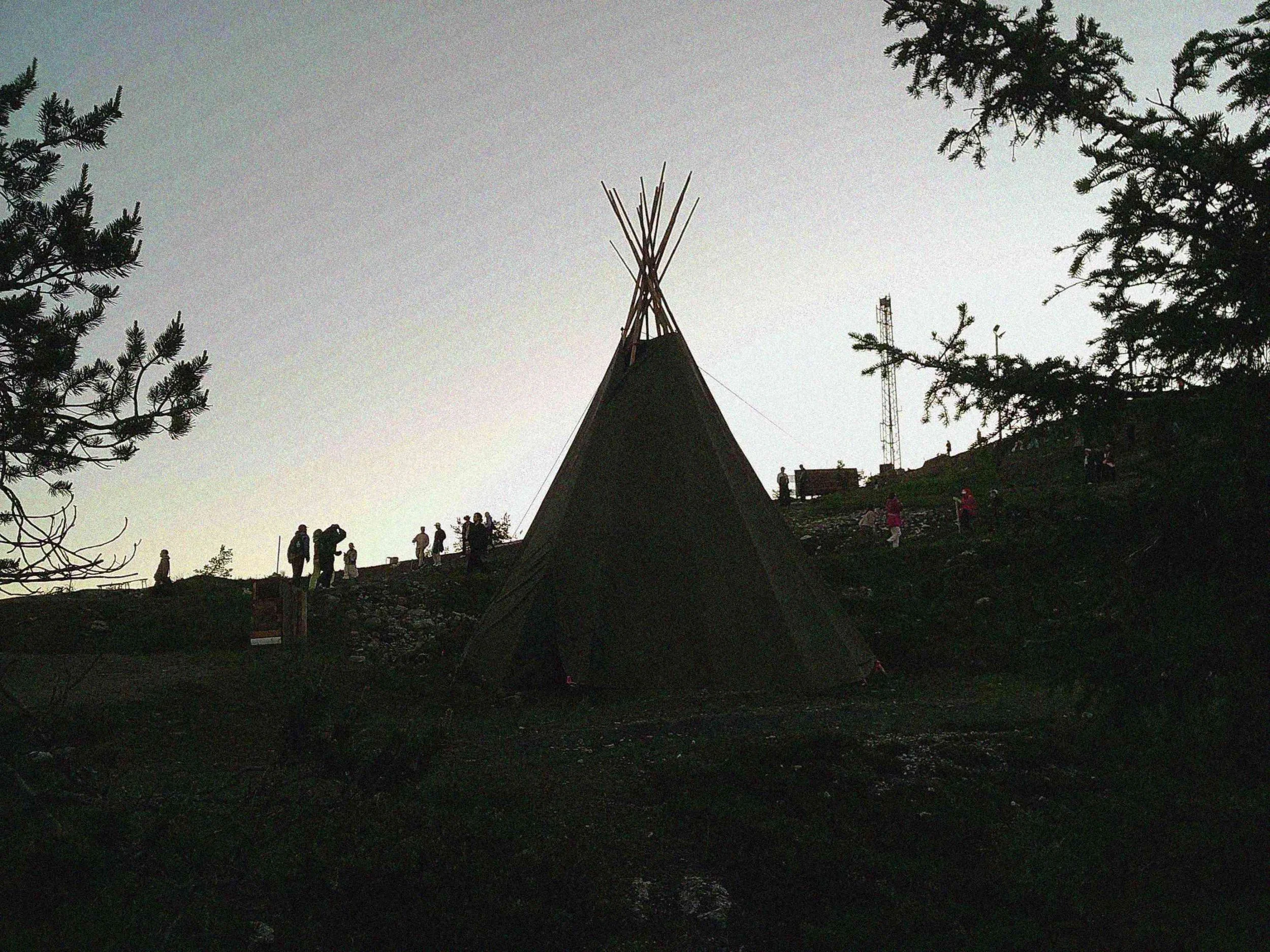
Ruka, Kuusamo. As far north as a festival has any right to be. An arctic fell climbs half a kilometer above the treeline. Reindeer cross the road on their own schedule. The sun positions itself somewhere between afternoon and nothing, holds there, and does not move. This is not a backdrop. It is a condition.
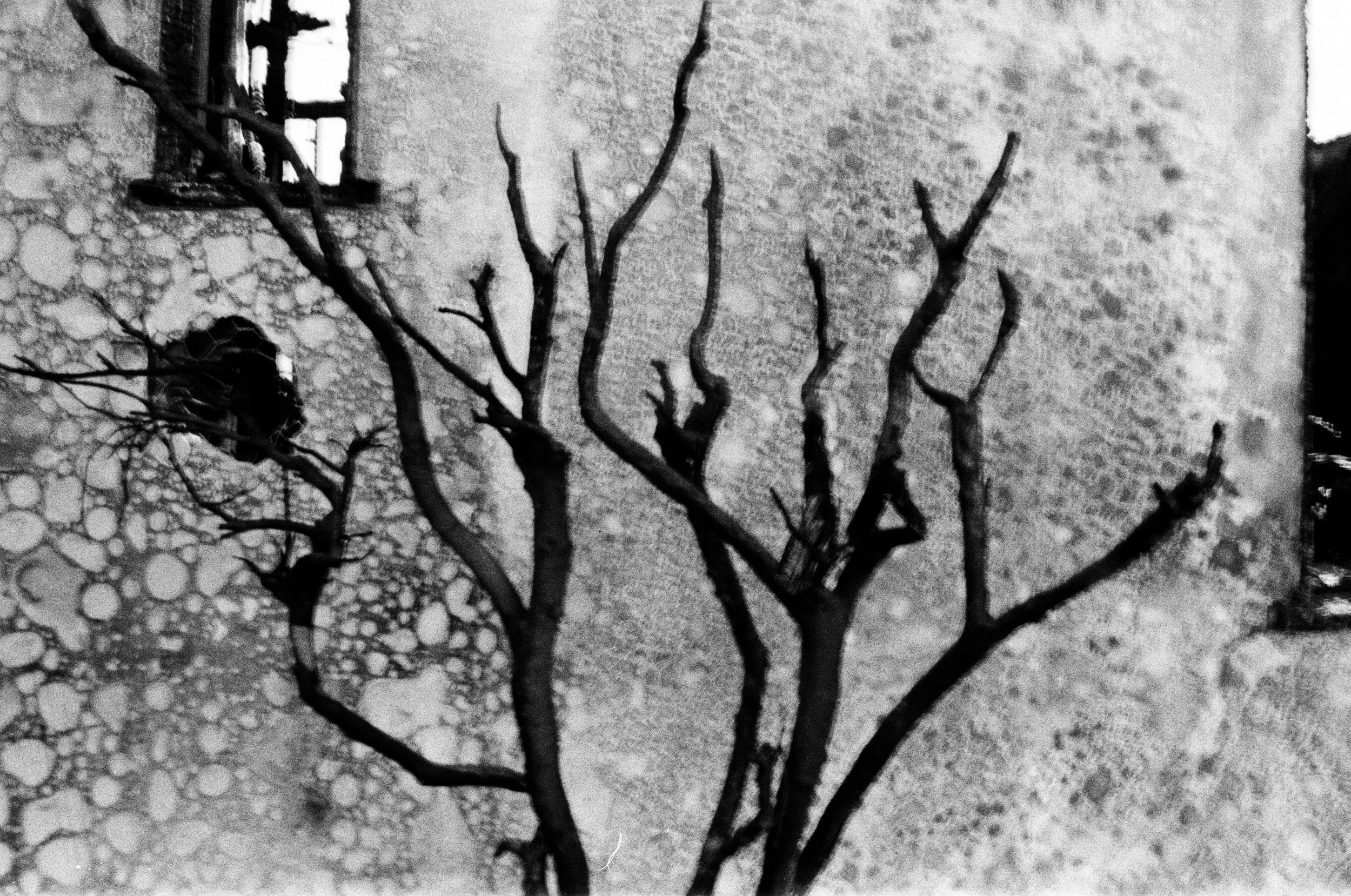
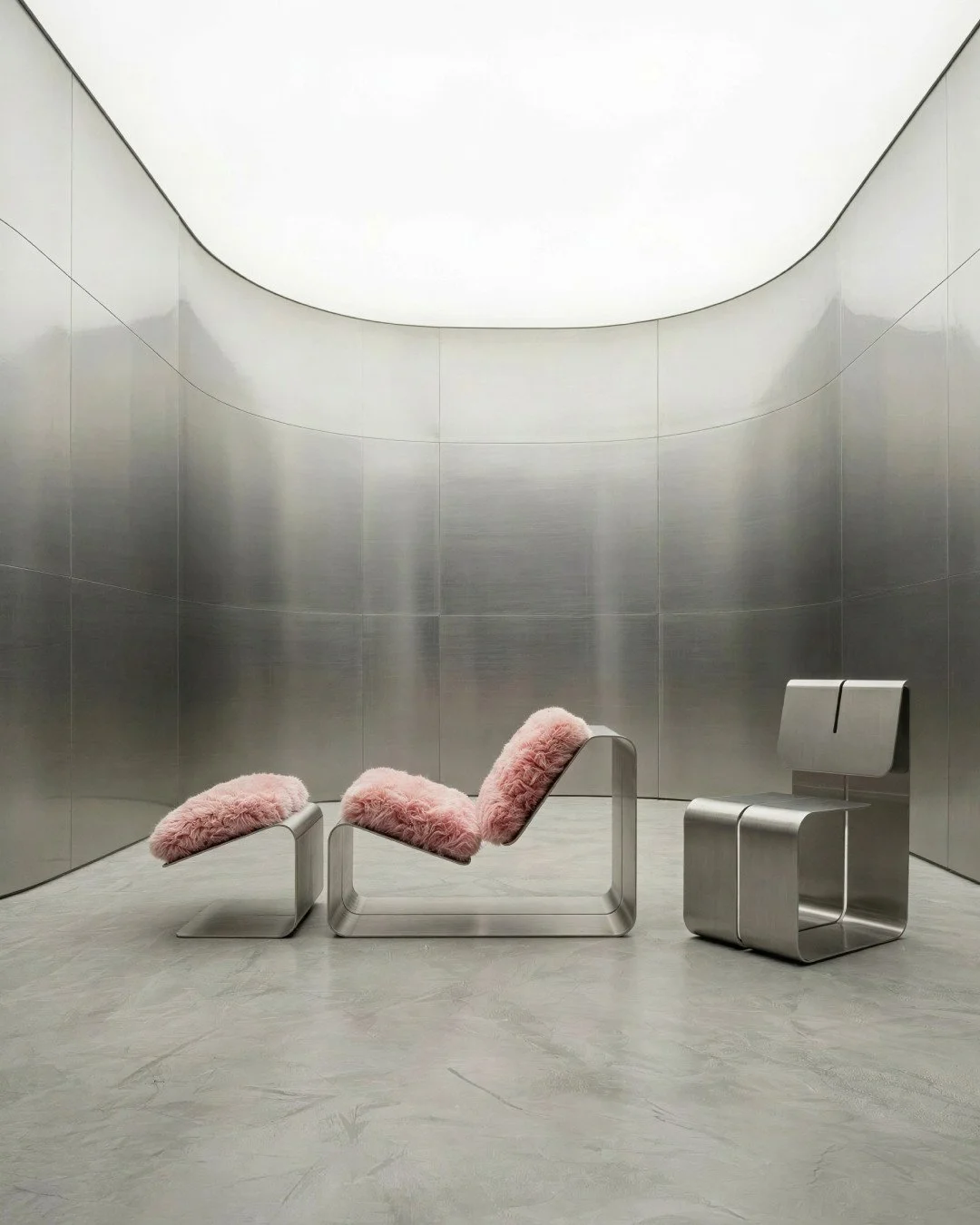
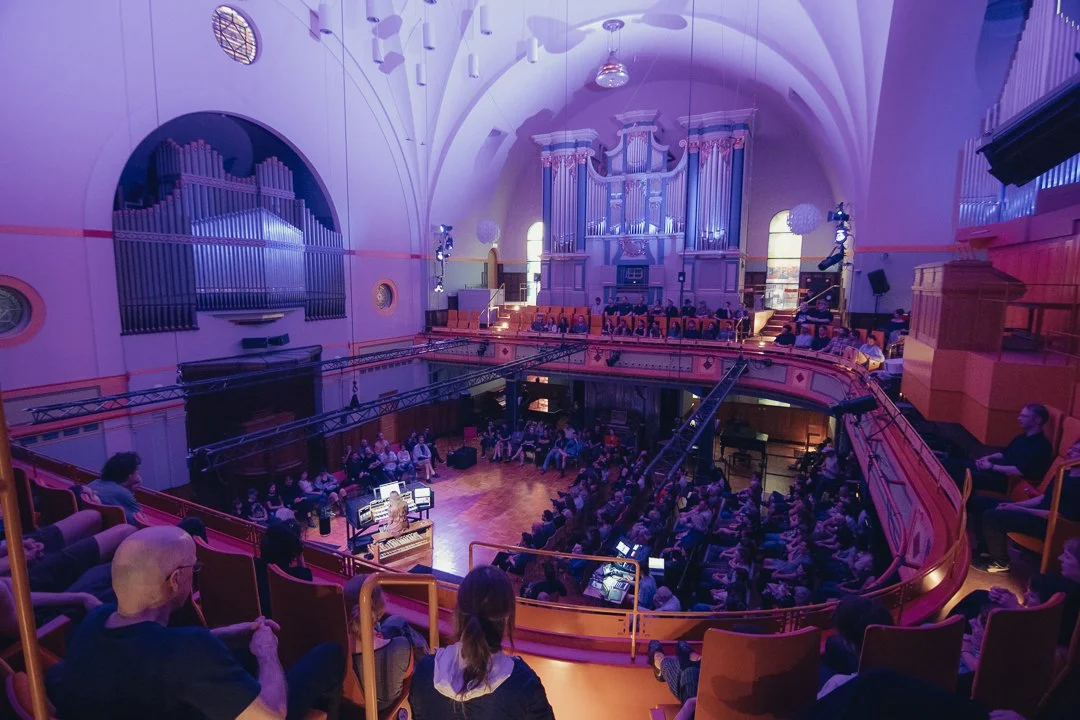
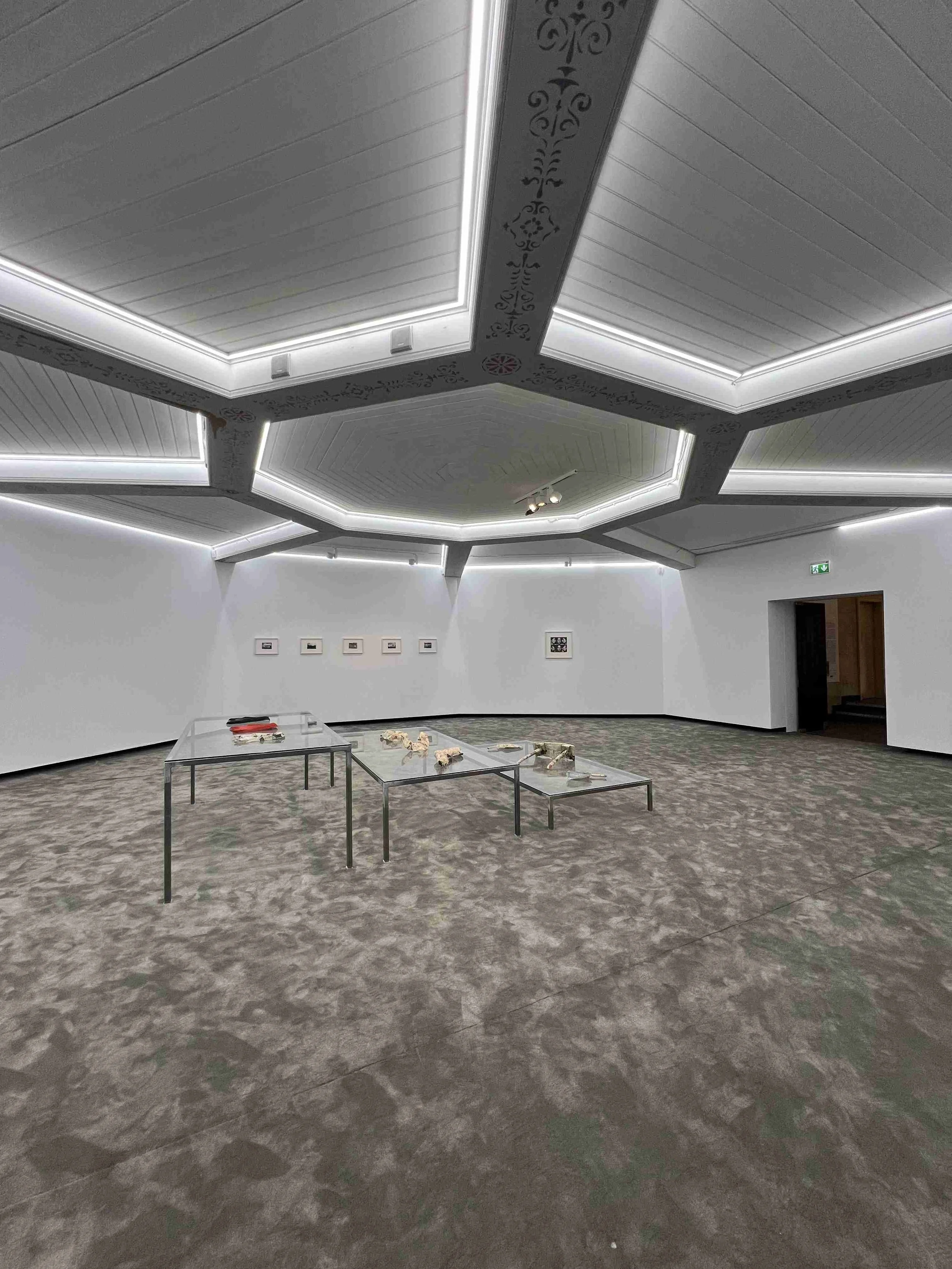
The 2026 edition carried Transformation as its guiding idea, a theme that the setting had already decided before any artist arrived. Midsummer at this latitude is itself a shifting state: the air has temperature without heat, the light has direction without shadow, the crowd has energy that the usual markers of time cannot organize. The open call artists selected this year worked directly inside these tensions. Suinner, Trabelsi, Holfeld, Helmi Nieminen and Rusto Myllylahti with Connection Point, Onni Aho and Pei-Chi Lee with Reivi-Nalle, Aki Markkanen's Neverender, and Tuulikki each found a different frequency in the spaces between sets: stillness, temperature, presence, the particular weight of standing outside at what should be midnight and finding the sky entirely unconvincing about it.
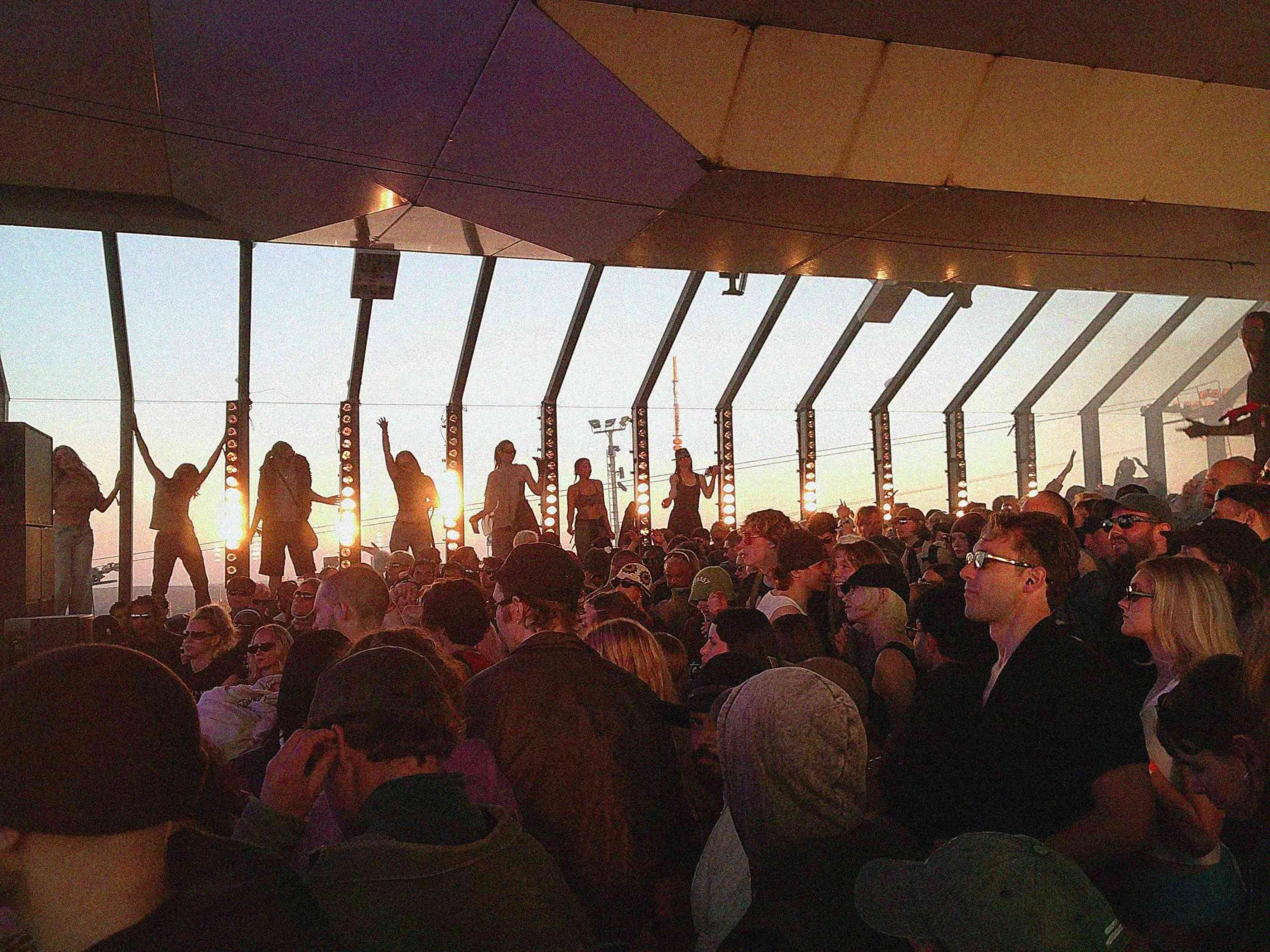
Music at Solstice has never been about headliners as hierarchy. The stages have a conversation and the programming reflects it. Mad Professor, Skee Mask, Vladimir Ivkovic, DJ Masda, OK Williams, Denzel & Joni DJ, Ilpo Väisänen, Mono Junk, Jori Hulkkonen: local and international voices reading the same room, a room that happened to be open sky over an arctic fell. The energy across every set exceeded what a playlist description could suggest. Something about the geography makes performance literal: when there is nowhere else to be, you are entirely where you are.
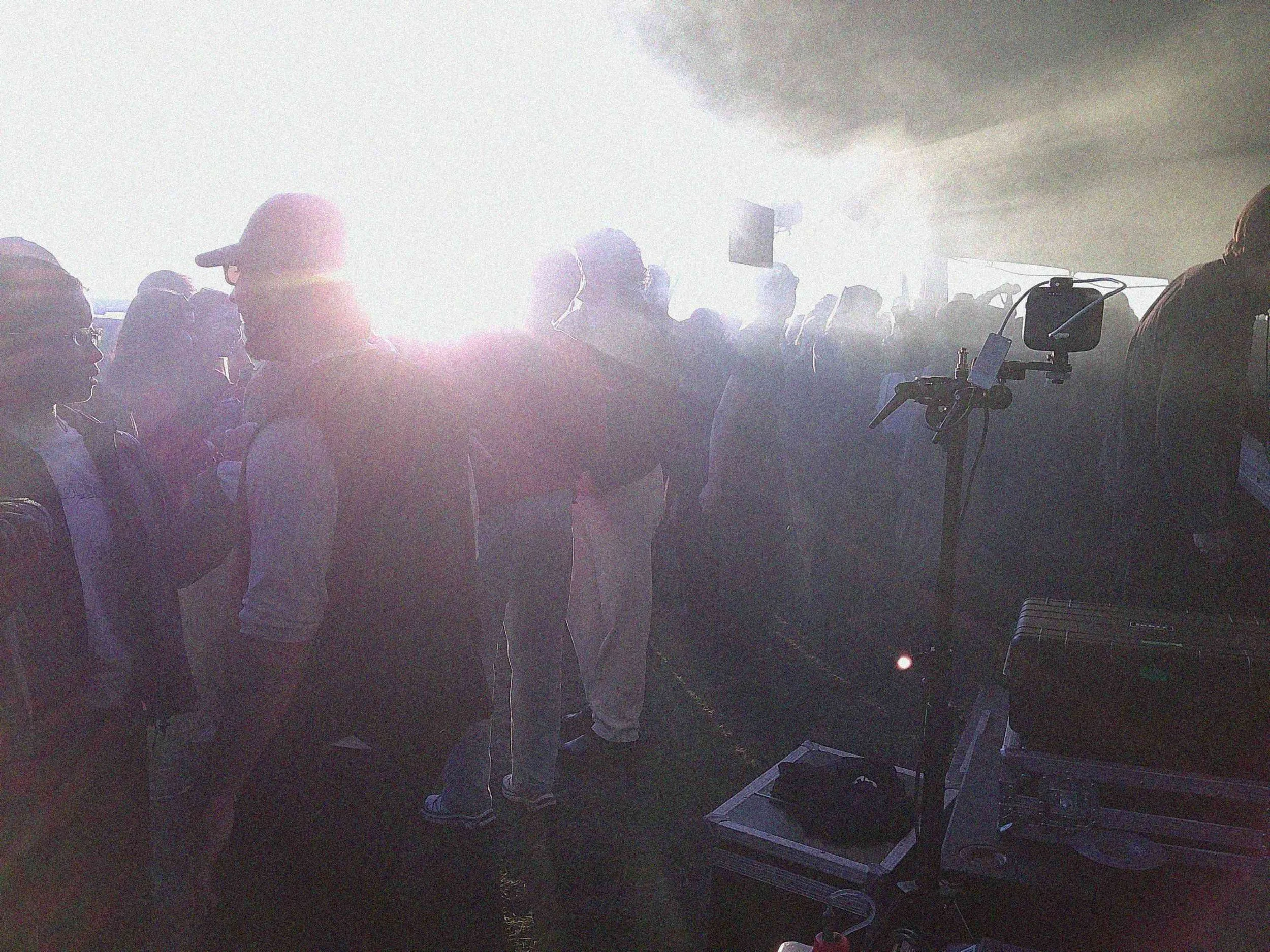
There are four of you running the festival. Does each person have a specific role, or is it more fluid than that?
The core group are all founders, and we also run Post Bar in Helsinki together. We plan everything together and its very fluid in that sense, but we also have naturally formed roles to clarify our process and ownership. We have been figuring out how to do this for about ten years now, starting from just throwing parties for fun and organically growing from there. I handle the artistic direction, and the programming, and a little bit of everything, including what kind of content comes out. Denzel supports me with the programming but also leads marketing, social media, and our general tone of voice. Justus is head of production and design, and is a very integral part of making everything actually happen in a physical form. Daniel helps him with that and also runs the finances, keeping the operation moving and steady. We have an amazing producer, and a bunch of real MVP’s in the core team of 12 people. The process with all is collaborative. With all the volunteers it comes to almost 200 people in total to make this festival happen. It is a big community.
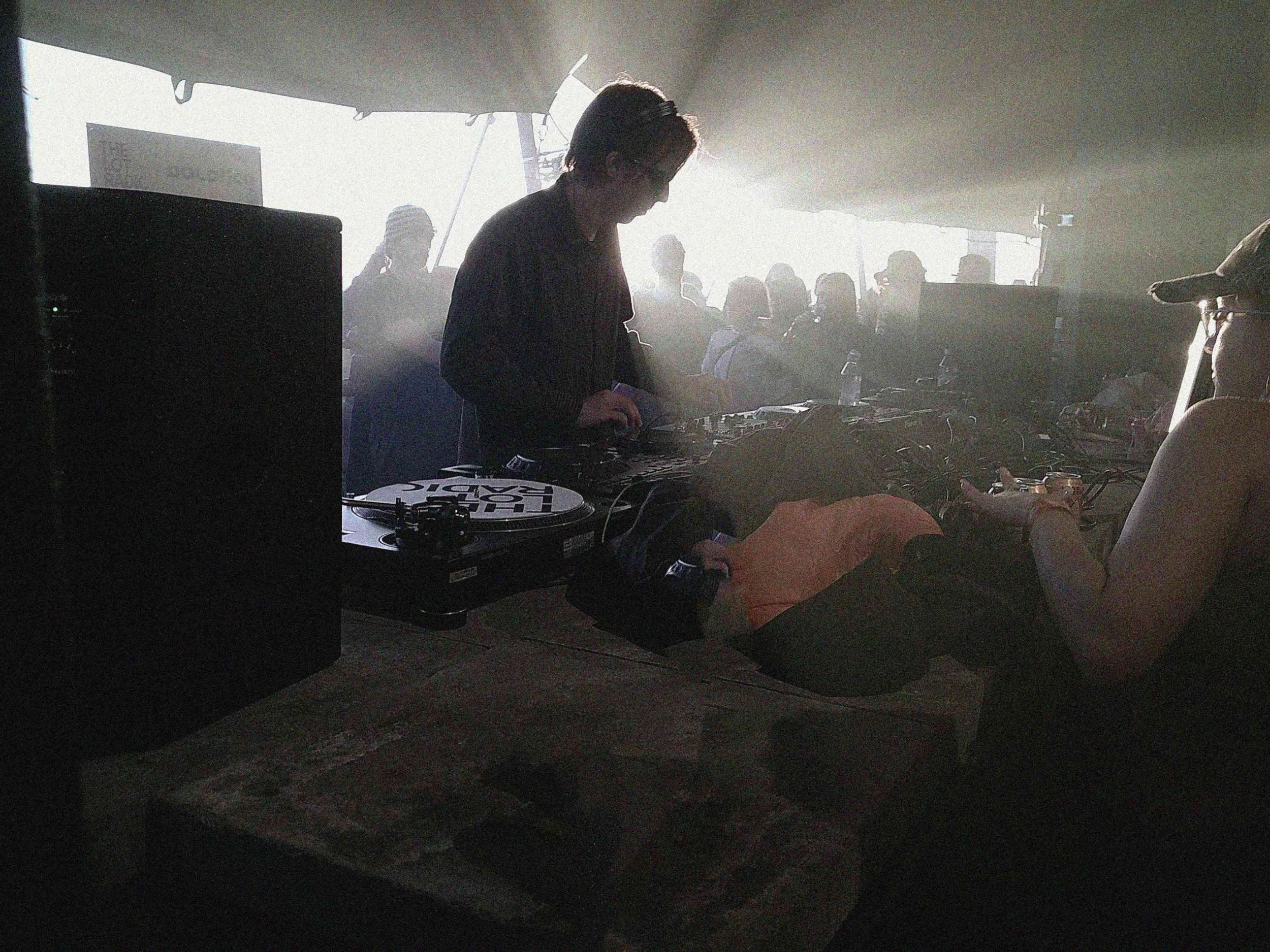
I imagine a big part of this community also comes from Post Bar in Helsinki. How central is that to what this festival is?
Yeah, the Post Bar family is the very core of this festival. It is at the bottom of everything and it creates the soul here. So many people come back every year and have built a long relationship with the festival. It is amazing to see the same faces return. Of course it is getting more international, with people coming from all over the world, but many of those come through a mutual friend or an artist, or they’ve met us when we were playing somewhere else. You really get this communal, family feeling here.
This is the sixth edition, and I understand around 50% of attendees come from outside Finland. What do you think draws people from so far?
A big part is that people have to travel far, and it is genuinely a journey. It takes an effort to get here, and that plays a big role in the mindset people arrive with. You are already part of a community before you even get here, because you are all here for the same reason. It is a filter, but it also creates a very special vibe. Everyone really wants to be here. People take care of the atmosphere, give their best on the dance floor, and there is a lot of gratitude in the air.
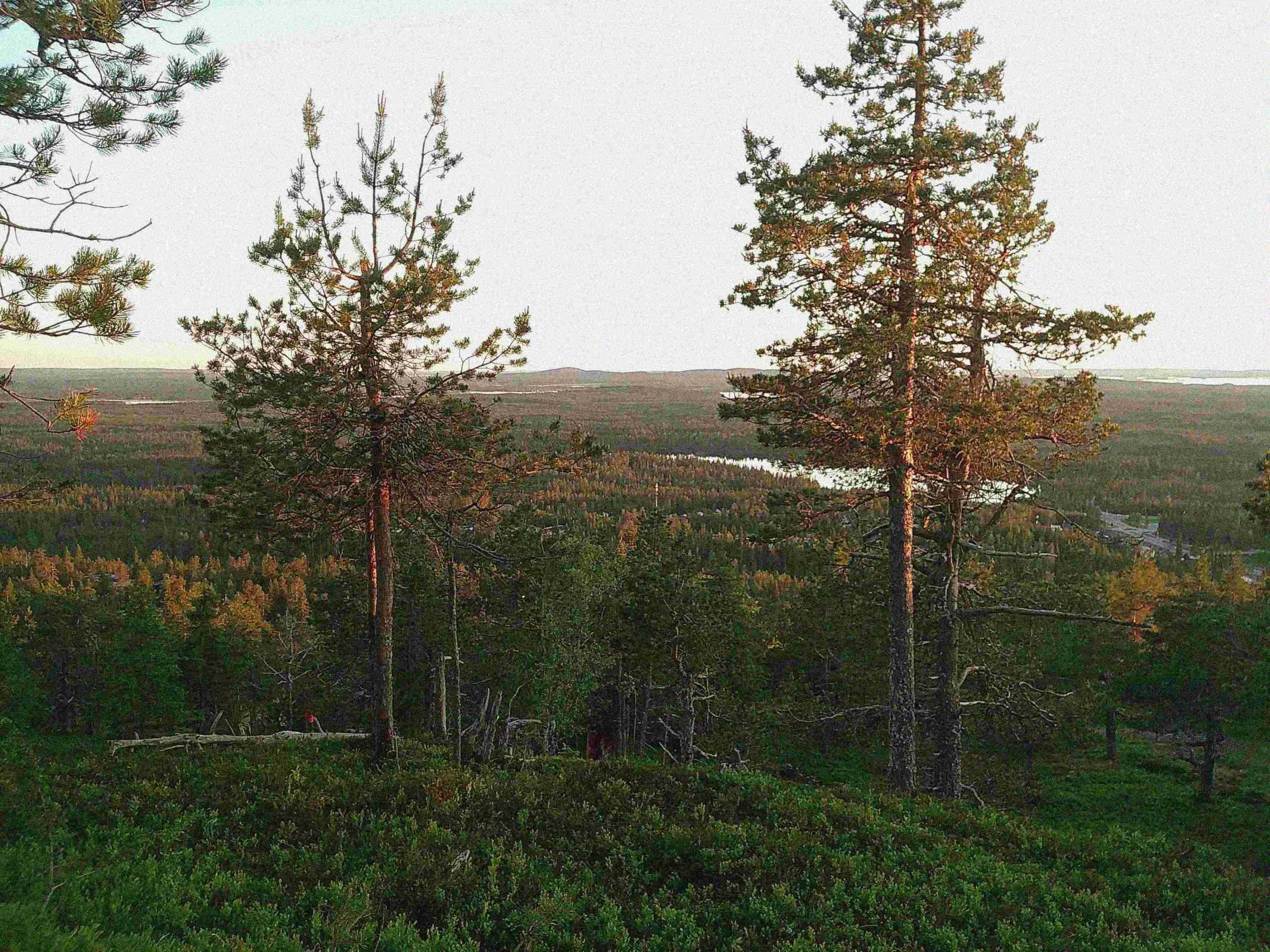
You mentioned the midsummer tradition specifically. How important is that to the identity of the festival?
Midsummer goes way back in Finland as a tradition of being with friends, with family, in nature. Going to a summer cabin. In the first years, the biggest challenge was getting even our friends here, because they already had their summer cabin traditions. But now we have created a modern midsummer tradition that combines being in a cabin with your chosen family, being in nature, and adding the musical dimension to it. People coming from outside start to understand the Finnish culture behind it, and in a way they are subconsciously getting attached to this tradition.
The setting itself is extraordinary. What does it mean to you to host a festival in a landscape like this?
I am not a big festival person, honestly. At so many festivals, wherever you look there is a wall or a fence. But here, wherever you look you can see as far as the eye can. It creates a sense of ease. It is vast, there is space to roam, and you get this very particular landscape experience. And then there is the fact that the sun does not go down. It adds a layer that is very rare. Time stands still and you cannot quite grasp what is happening. It creates this unreal feeling with the light, and that loosens people up. It is so unreal that you feel completely free.
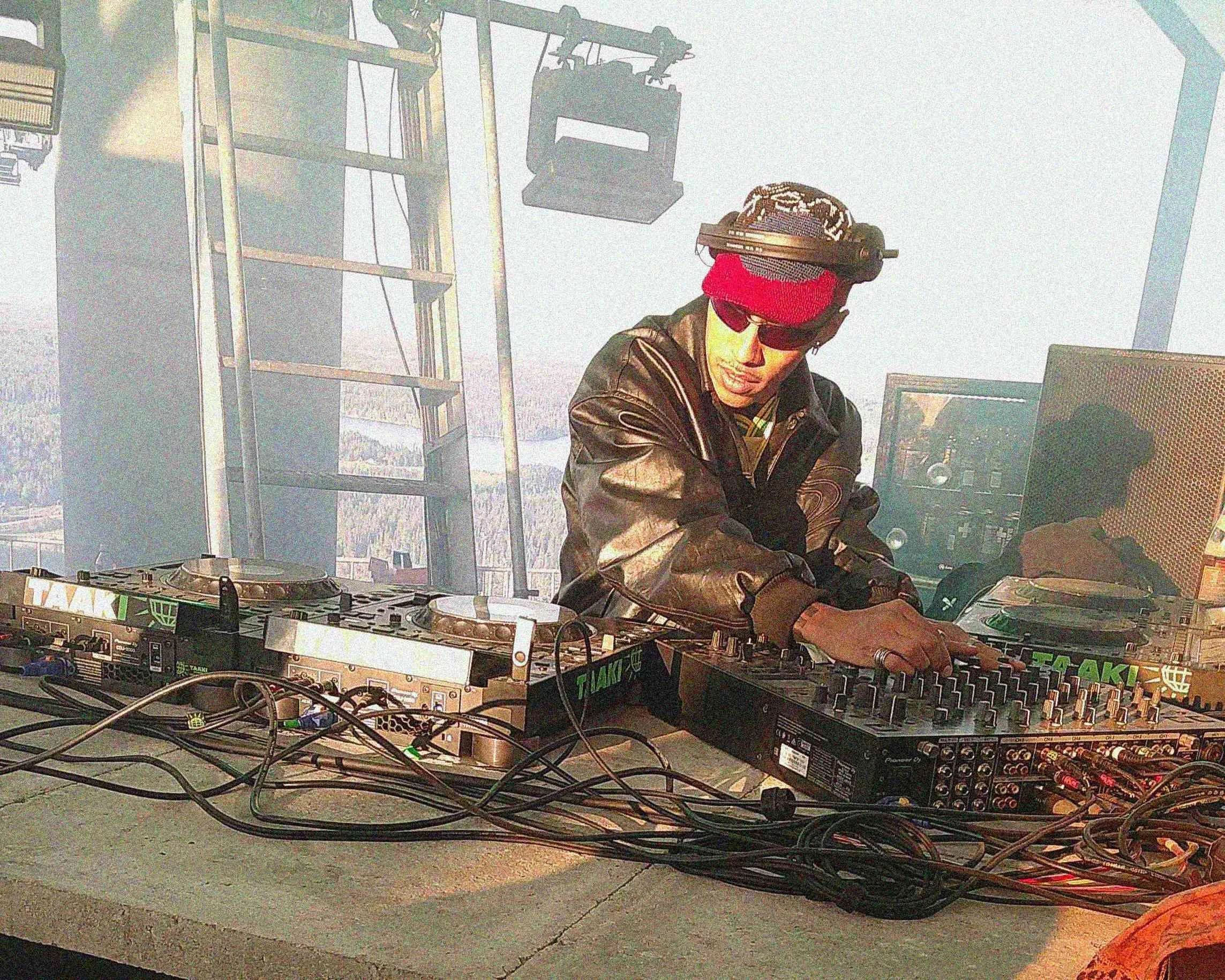
Talk me through the stages. Each one seems to have a very distinct character.
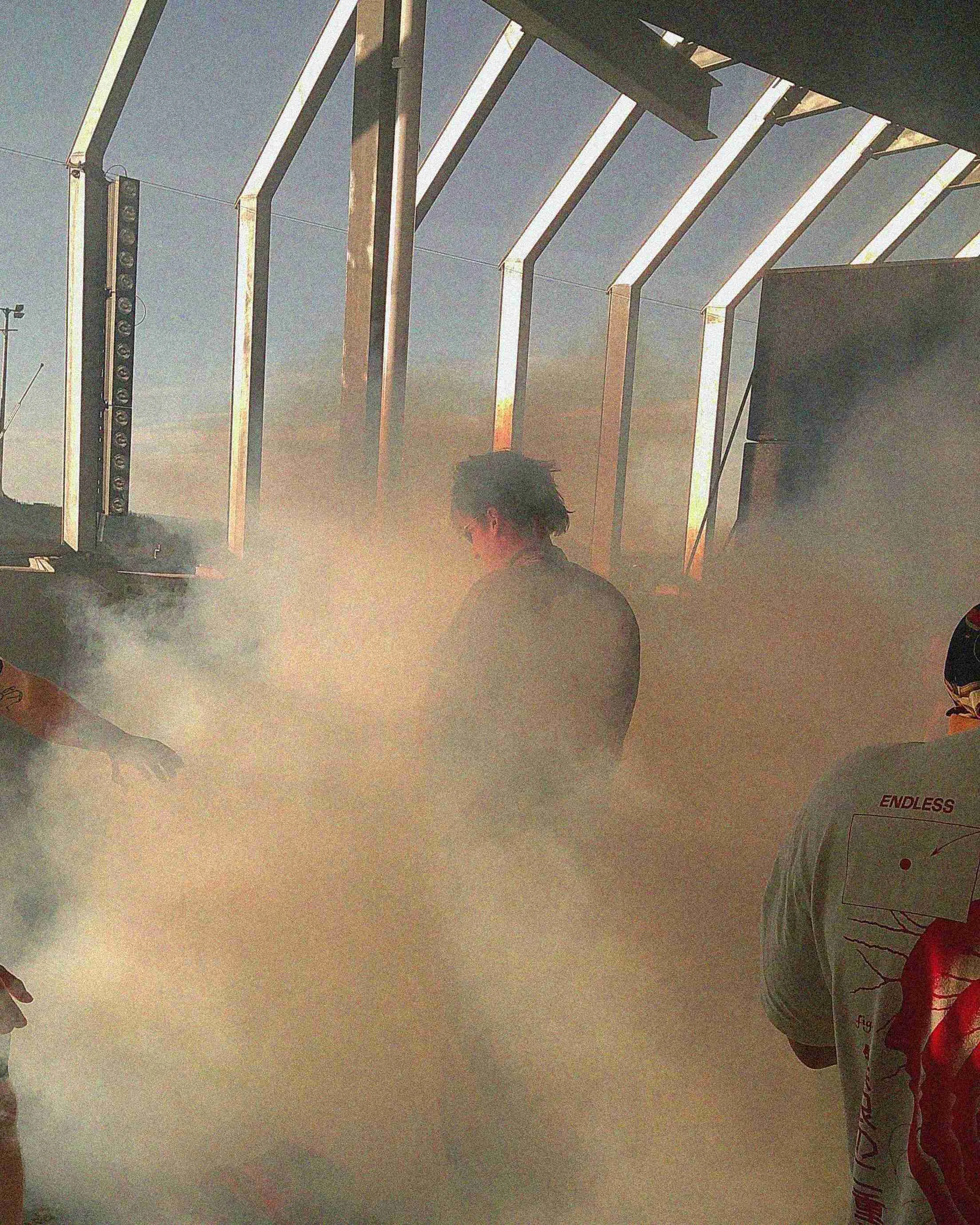
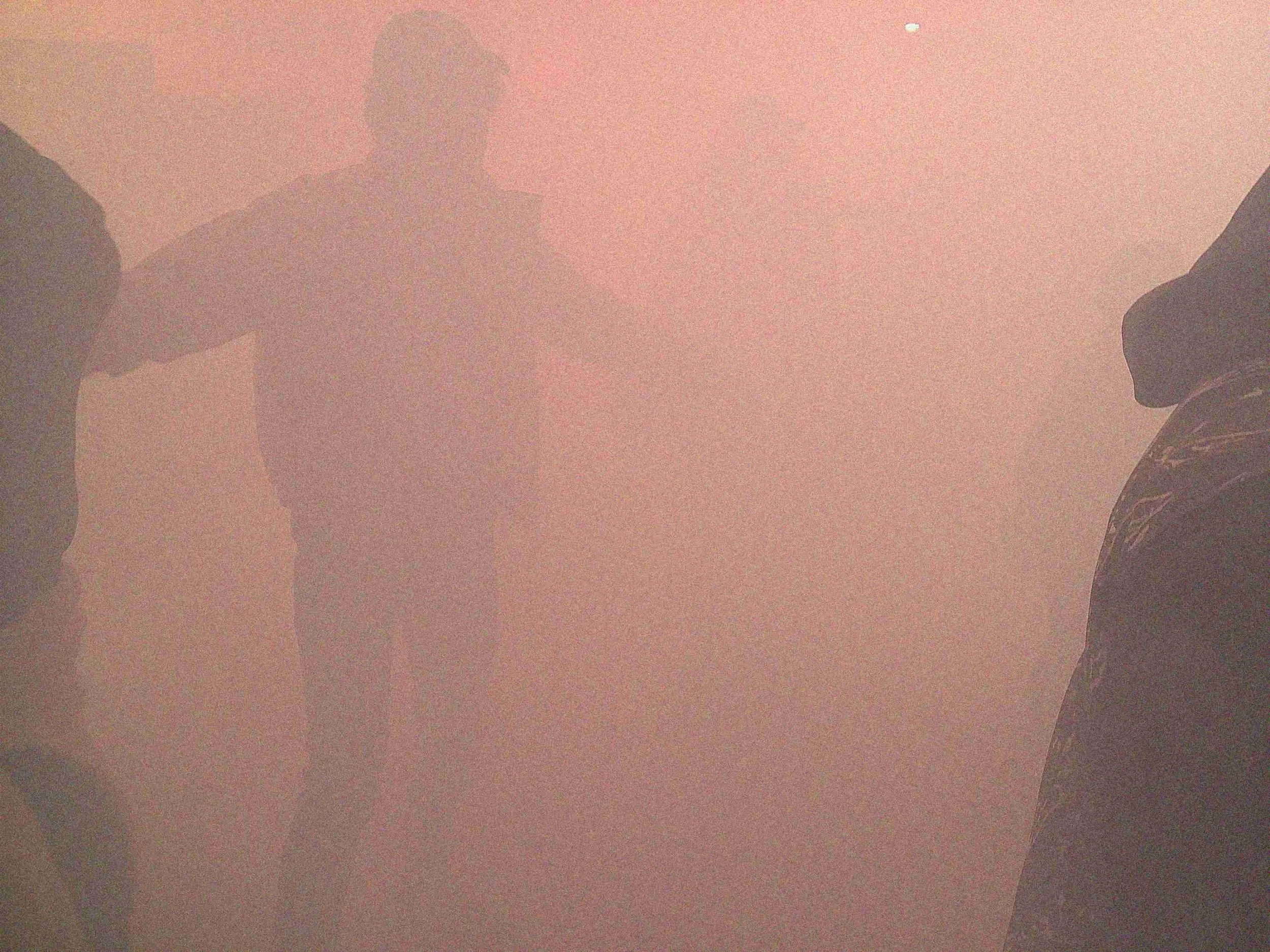
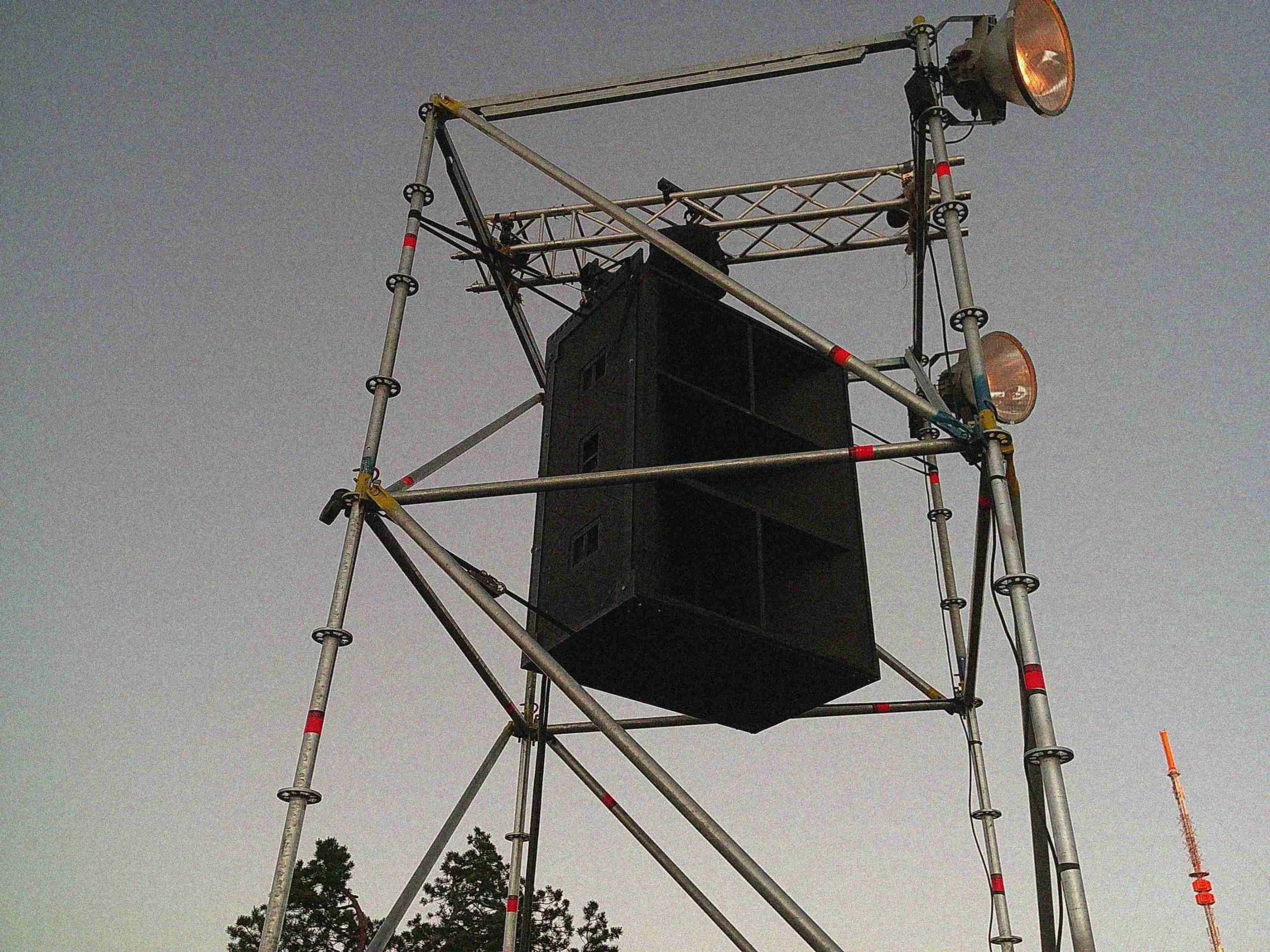
They really do. The Peak Stage at the ski lift station is about high energy, about going off. Techno, ravey stuff that fits that intensity. The Valley Stage is in the middle of nature and it can go psychedelic, weird, wherever it wants to go. We had Mad Professor, then DJ Storm after, but also very psychedelic and groovy programming with DJ Masda and DJ Koolt. You can really bend the journey on that stage. Then there is Kello Tent for experimental live shows, a place to get lost in ambient, dub, downtempo, performances, bands. And the newest addition is The Hut with NYC based The Lot Radio. It is a plateau spot with a tent where it feels hazy and intimate, you lose the landscape for a moment, and then you step outside and it hits you. We programemd it be pretty eclectic, rowdy, weird, good party stuff in various forms.
Mad Professor yesterday was a real highlight. How did that booking come about?
It was his first time playing the festival and it was a real dream come true booking for me. Friday on the valley stage especially needs something dubby to build the vibe and ground people before things go harder. It was perfect with the sunshine.
Art has a strong presence here too. Can you tell me about the programme and what role it plays?
It has been part of the festival since the first year. We run an open call for the art with a different theme each year, commissioning site-specific installations that enhance the vibe, play with the light, and create different ways of reading the landscape. The Helsinki art scene is really booming right now, and everyone working in music is best friends with people working in the arts. It is the same community. We want to showcase that through the art programme and put genuine effort into it.
Looking ahead, what are your intentions for the festival going forward?
I am very happy with this edition. There are no major changes on the horizon. We want to keep it very real, keep it focused, and just keep raising the quality. There are already so many ideas for the programming next year. The goal is to keep it interesting and keep it special.
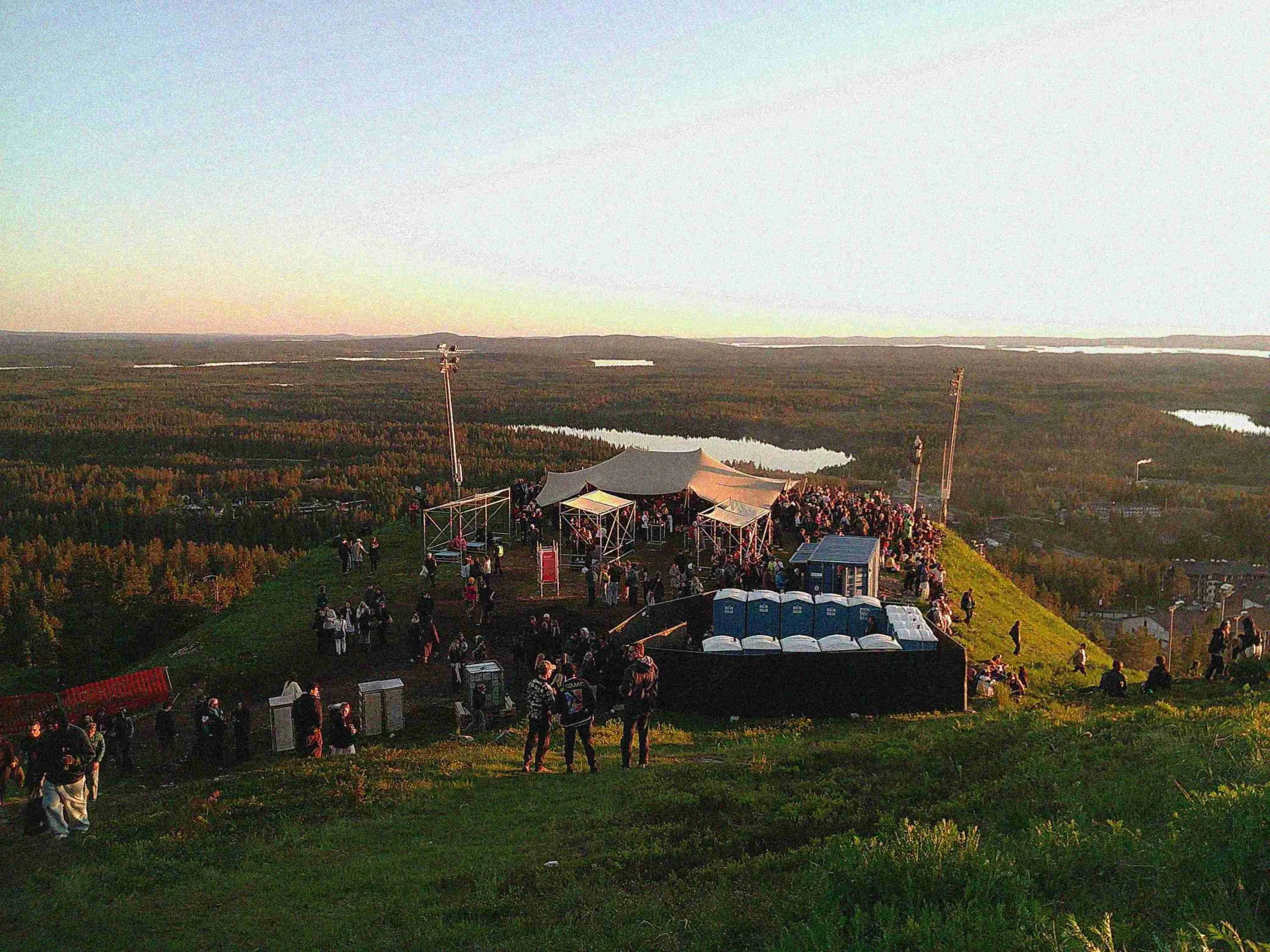
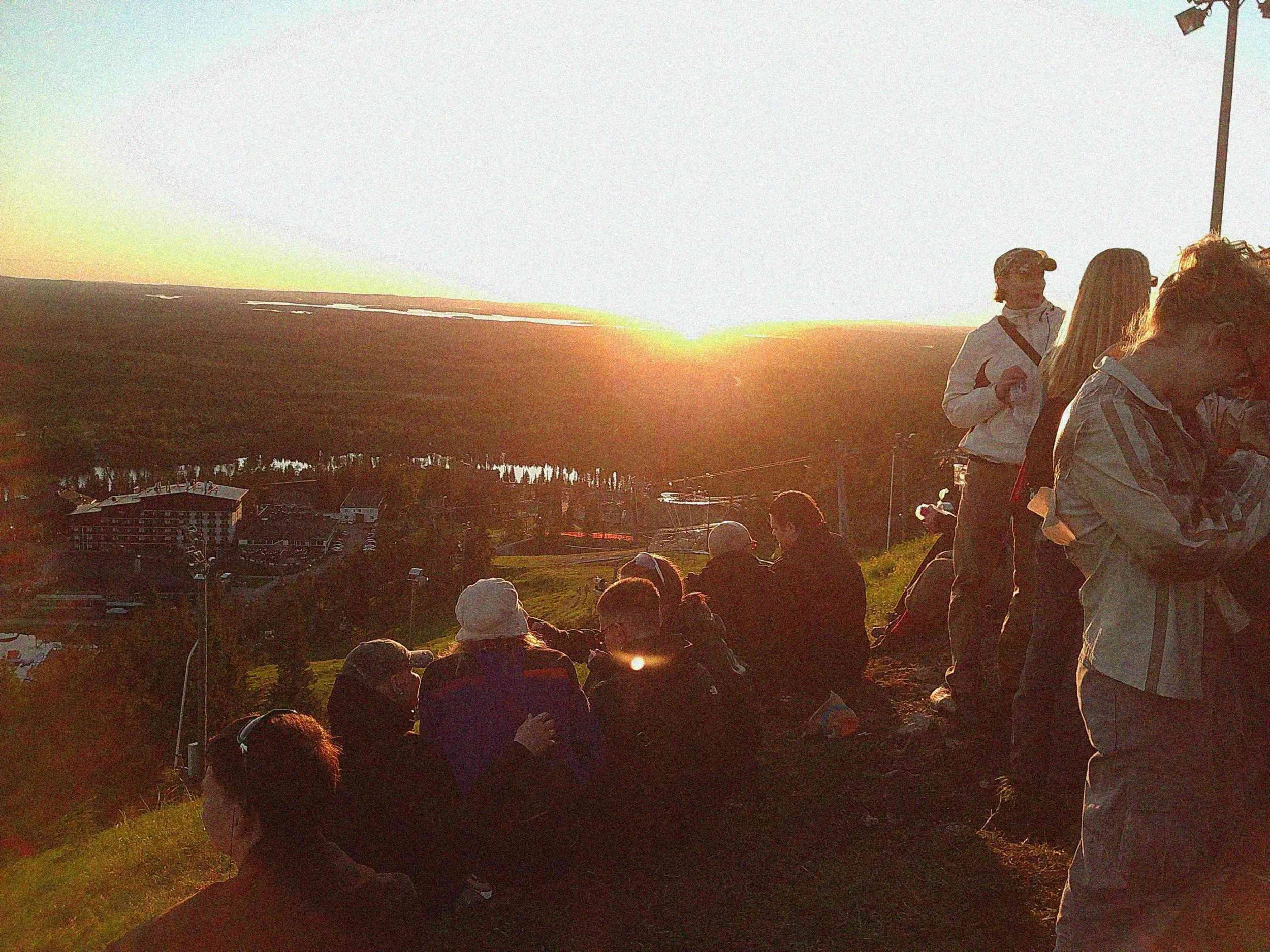
Photo reportage and interview by Donald Gjoka
What to read next