'Dal sonno' by Nicola Maria Patitucci
Have you ever woken up and wondered where you are and why you’re naked? This opening line, borrowed from Headache, introduces Nicola Maria Patitucci’s focus. Born in Catania and based in Milan, the artist has developed a photographic practice that investigates the links between memory and consciousness through a poetic and elegant visual lens.
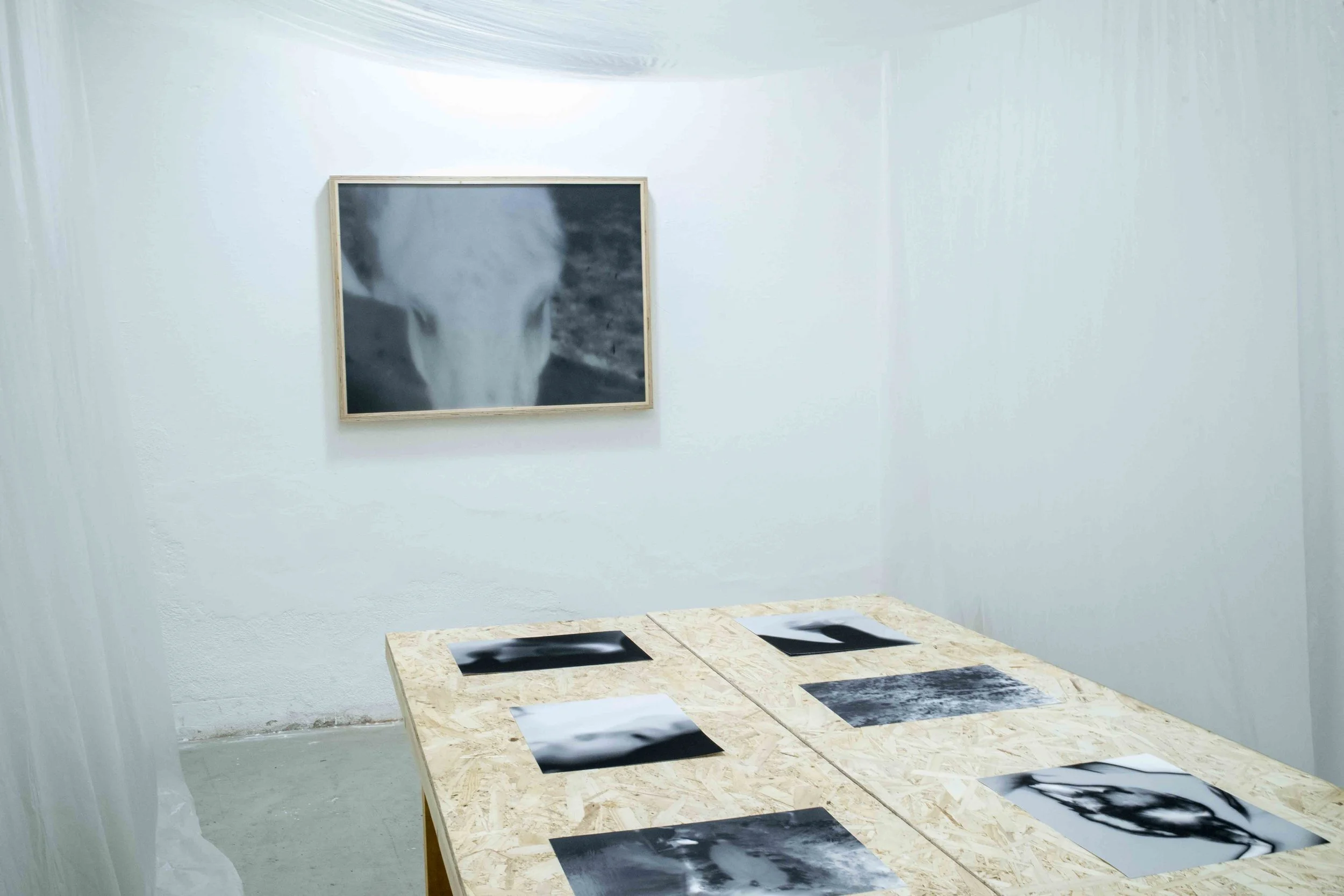
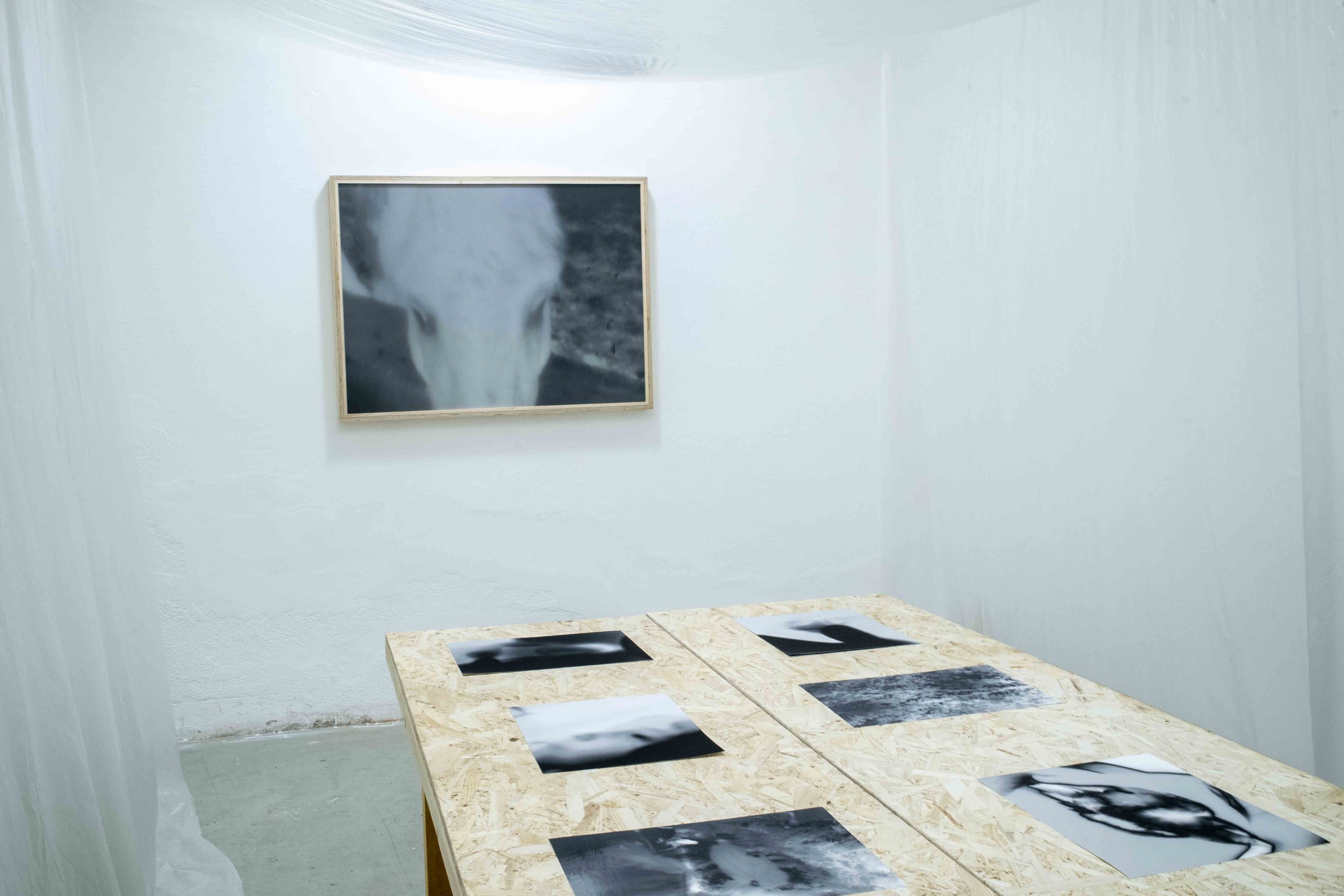
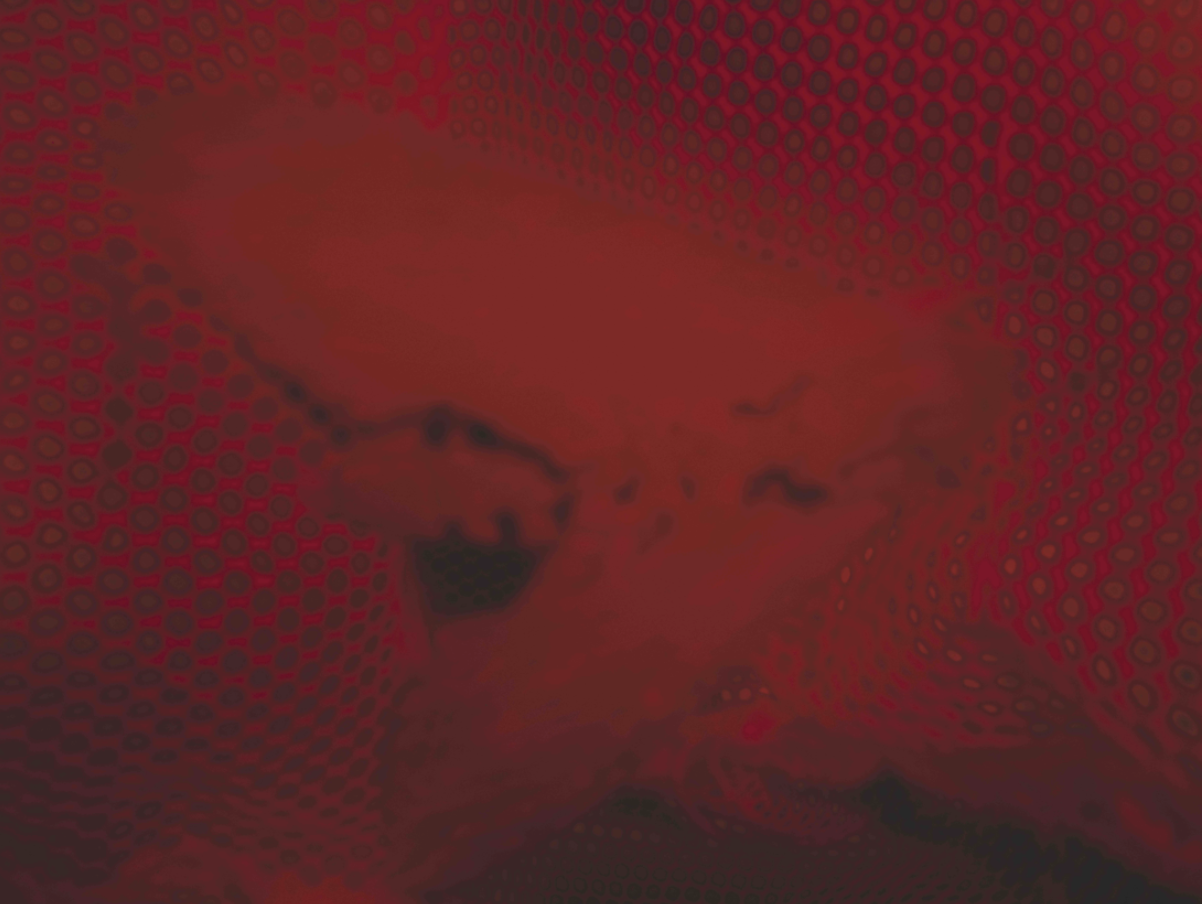
The exhibition Dal sonno is the direct output of this research. Patitucci reflects on a perception subject to constant shifts and changes, immersed in a large number of visual stimuli that influence reality. The realm of sleep is understood as a liminal space, a crucible in which desires ferment and merge with the unconscious. This intimate, warm and unsettling journey leads the viewer towards an internal shadow zone where imagination, desires, emotions and experiences coalesce and influence one another. The photographic act renounces any pretence of documenting reality; it dismantles it only to reassemble it according to ambiguous codes suggested and claimed by the self. His images result from this active mix of influences.
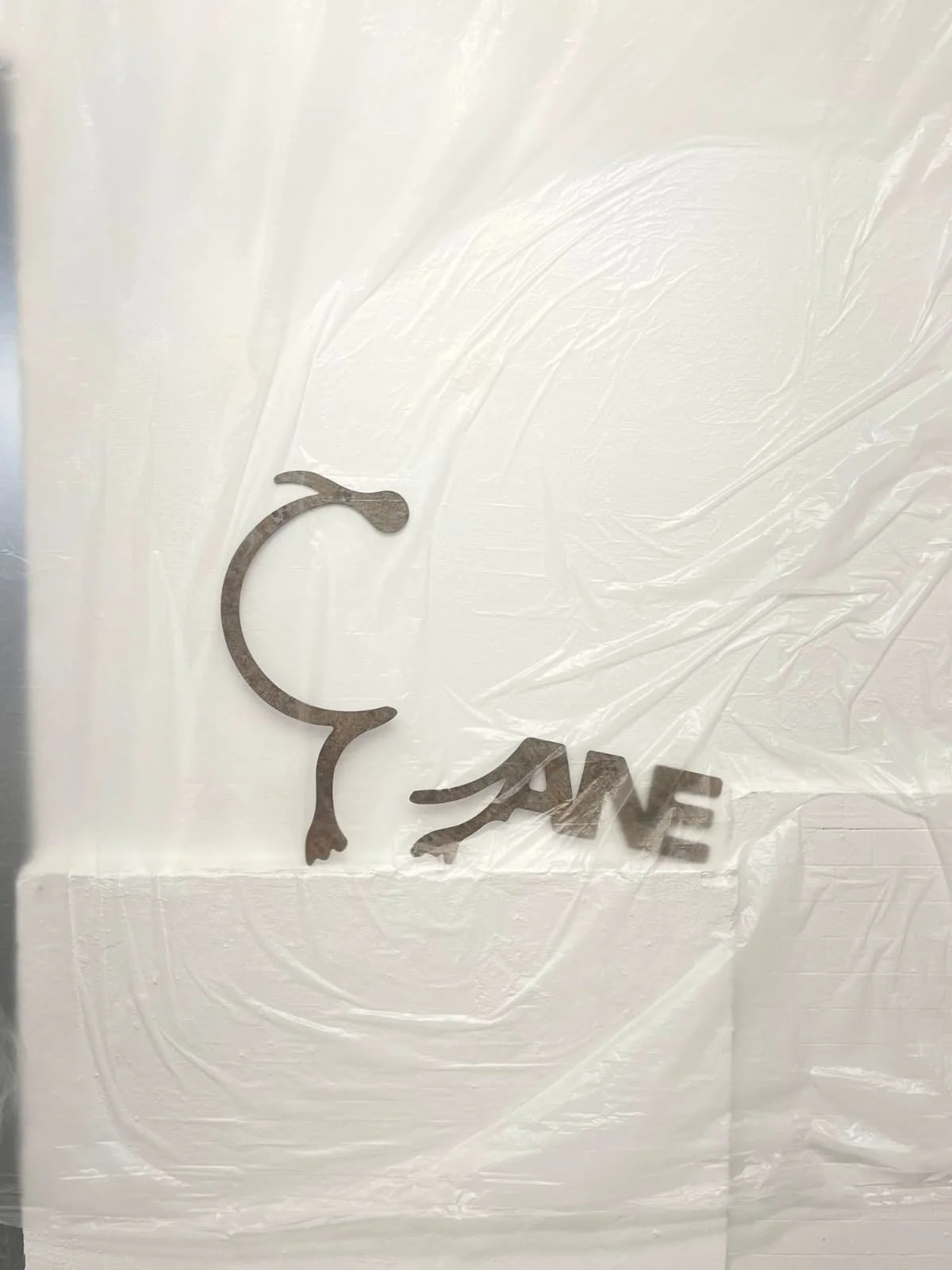
The exhibition is hosted by Cane Studio, a dynamic Milanese organisation that promotes the local cultural scene from the grassroots up. This independent space serves as a hub for interdisciplinary exchange, energising the local area through a programme of experimental music, performances and visual arts.
In your practice, there seems to be a strong emphasis on the value of losing oneself and surrendering to impulses that elude consciousness. How do you manage to reconcile this need for irrational drift with the formal rigour required by the construction of the work?
I’m not sure that drift and rigour really do interact. Perhaps they follow one another. First something happens, then I try to understand what has occurred.
Rigour, therefore, comes afterwards. I don’t think I’ve ever taken a photograph whilst already thinking about its subsequent life, how it would be printed, exhibited or related to other images. At the moment the shutter clicks, everything is much more concrete, even mundane. There’s something in front of me, there’s a camera, and at a certain point, I take the shot. The gesture may seem instinctive, but I don’t perceive it as a lapse. It is rather a form of immediate, almost physiological attention. The body recognises something before the mind can formulate it.
Sleep comes later.
It comes when the image has already been separated from the event and I encounter it again during selection or development. In the meantime, time has passed. Sometimes a short while, sometimes years. And it is precisely within this distance that things I cannot quite put into words begin to creep in. Memory alters what happened, desire grows vague alongside what I think I saw, other images settle on top of the first. The photograph remains the same, at least in material terms, whilst I am no longer the same.
It is at that point that the image truly begins to become ambiguous. Not because it loses its connection to reality, but because that connection is no longer sufficient to explain it. The photograph continues to say: this thing once was. I, looking at it, begin instead to wonder what it has become. The whole body of work exists between these two statements.
We could speak of dreamlike reworking, involuntary memory, the unconscious. We could bring entire libraries into the picture. But I suspect that, as soon as we give these things a name, part of them ceases to function. The question of naming interests me only to a limited extent. What happens is much more immediate, physiological. I recognise it even before I fully understand it.
Rigour enters the work when this sensation must become something concrete. The print, the dimensions, the material, the frame and the position in space do not serve to explain the image, but to establish the conditions under which it can be encountered…
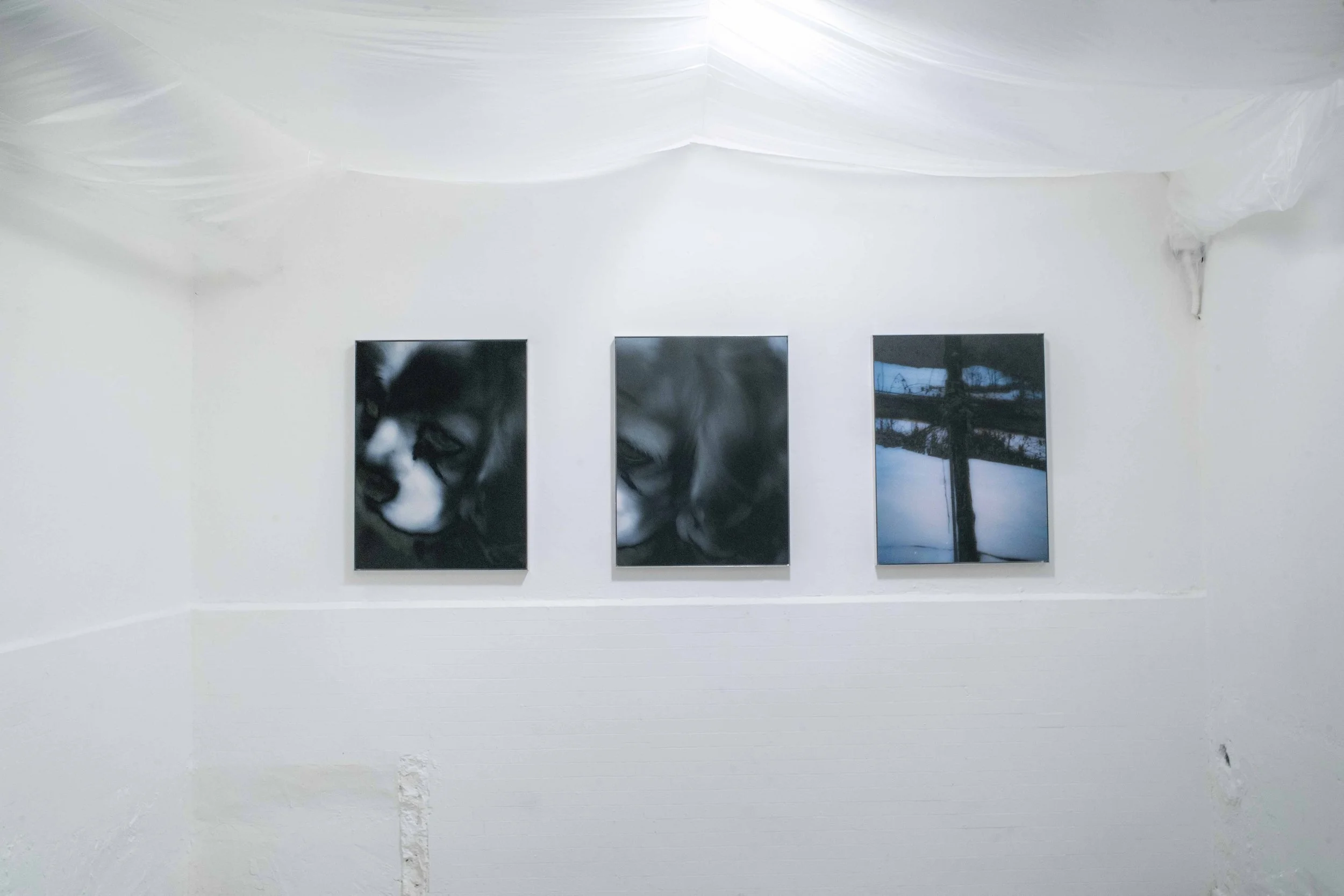
Does this unpredictability of the unconscious represent, for you, a form of artistic resistance to a contemporary world obsessed with evidence and numerical data at all costs?
These two worlds are certainly linked, and I believe they have been in dialogue for much longer than any of us can imagine. For this reason, I’m not sure I would describe the unconscious as a realm completely opposed to data, evidence or objective representation. It seems to me, rather, that the two coexist and constantly influence one another.
An image, for example, can appear as something extremely concrete. It is there, right in front of us, and almost seems to tell us that a certain thing happened exactly in that way. But then the image comes into contact with the viewer and, at that point, begins to shift. It encounters memories, associations, desires, and other images that may, on the face of it, have nothing to do with the one before us. It is dismantled and reassembled within a sort of individual psychogeography – an inner geography that each of us carries within us and which is constantly changing in response to the stimuli we receive.
In this sense, I think transparency is an illusion. In some ways, it is a reassuring illusion, because it leads us to believe that everything can be revealed, organised and ultimately understood. At the same time, however, I find it extremely unsettling. There is something problematic about the claim that everything can become visible, legible and provable, as if simply showing something were enough to exhaust its meaning.
Perhaps the freedom of the unconscious lies precisely in continually eluding this promise.
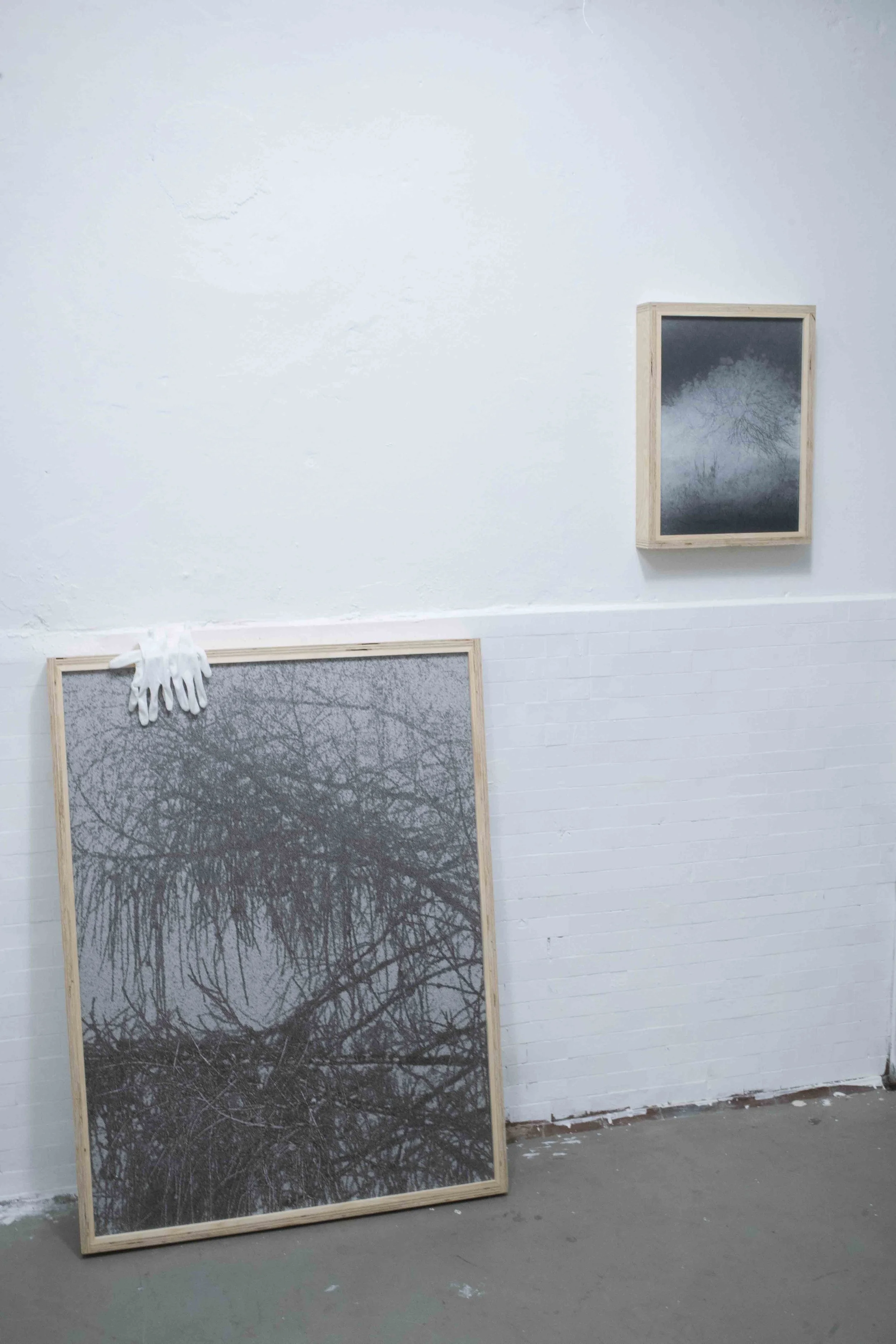
““When something slips out of control, I try instead not to correct it immediately...I try to work out whether that deviation is giving it a form.” ”
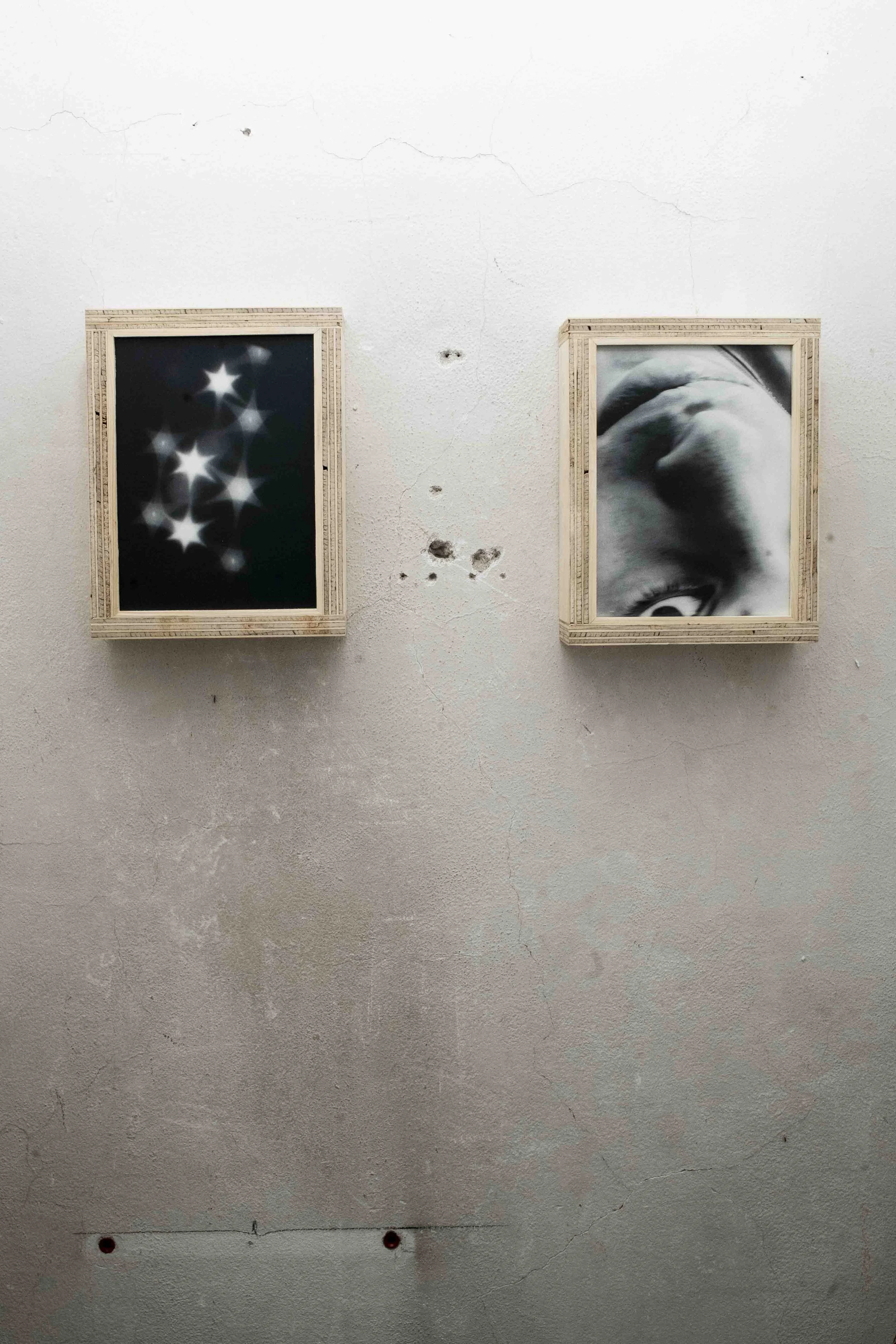
There is a stark contrast between the physical event, which unfolds within a linear timeline and occurs only once, and the nature of the inner image, which continues to repeat itself and proliferate over time. How is this temporal friction reflected in the structure of your works, and what sort of connection are you seeking to establish with the viewer’s memory?
Let’s be clear: the first memory I engage with is my own.
The images I use often come from moments that are very far apart in time. Some lay dormant for years before I was able to recognise them as part of my work. Perhaps, at the moment I took them, I did not yet have the tools to understand them, or quite simply I had no need to do so. They were just there.
Then, at a certain point, they return.
When an image returns, however, it is never exactly the same. The event it depicts has already come to an end, whilst I, in the meantime, have changed. Everything surrounding that image has changed too. Other photographs have appeared, other memories, other ways of looking. This is probably why, in my work, images from very different periods can find themselves side by side and begin, almost of their own accord, to converse with one another.
The ‘time’ of the work, therefore, does not coincide with that of the shot. The shot happens once, whilst the image continues to ‘happen’ again every time it is looked at, chosen, printed or placed alongside another. In this process, it is transformed and, in some way, also alters the memory from which it originates.
By showing my work to other people, of course, I am sending out stimuli. But I have no idea what really happens in the dialogue between the work and the viewer’s perception.
Perhaps that is as it should be. I don’t think I want to establish a predetermined or pre-directed connection with the viewer. I can create a situation, establish a sense of closeness, and generate a certain atmosphere in the space. Then the image enters someone else’s memory and begins a life that no longer belongs entirely to me.
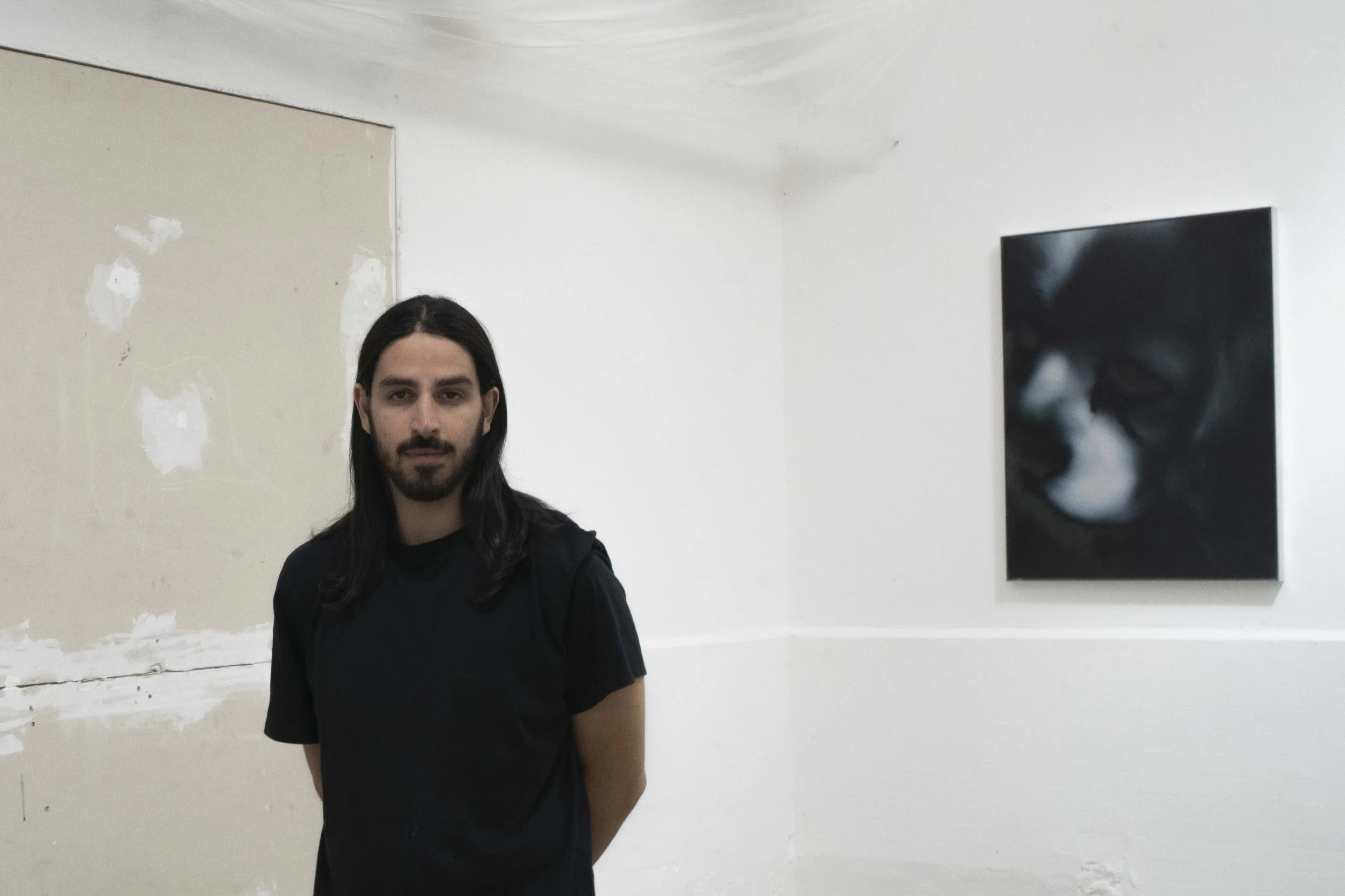
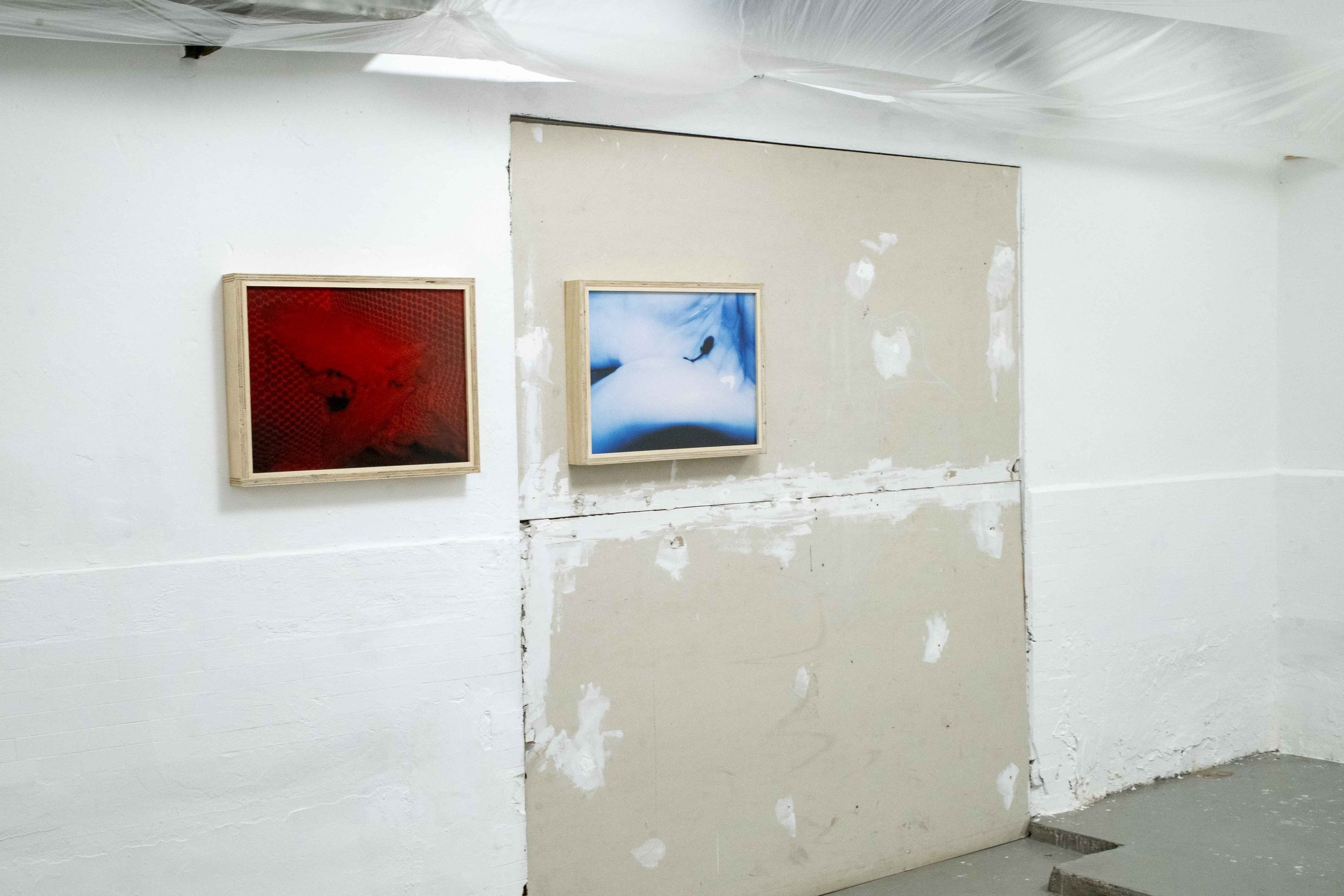
The choice of materials for the frames falls on wood, an organic, changeable and imperfect element. What relationship is established between the hallucinatory nature of the photographic content and the material that encloses it?
Birch plywood is the result of a rather complex technical and industrial process. It is cut, laminated, glued, pressed and then mass-produced. It certainly cannot be associated with unspoilt nature.
Birch plywood is a real all-rounder.
It is a relatively inexpensive, widely available and highly industrialised material. Precisely for this reason, especially in the more affordable grades, certain defects are tolerated. A crack, a knot, a misaligned layer or a repaired section do not necessarily prevent the panel from being sold. The material enters the distribution chain regardless. Nobody really feels the need to conceal everything.
I chose it precisely for this reason.
Something extremely vivid, yet also very contemporary, emerges from those imperfections. Not nature in its supposed purity, but rather the conflictual, and often unspoken, relationship between nature and technology. Between the machine and the tree, between the camera and the person, between dream and reality. The material continues to carry within it what it once was, even after being industrially transformed into something else.
In this sense, I think it enters into a dialogue with the photographs. Images, too, undergo technical mediation, and yet something still manages to escape the control of the device.
It’s a bit like the spinning top in Inception suddenly stopping when it encounters that one crack too many.
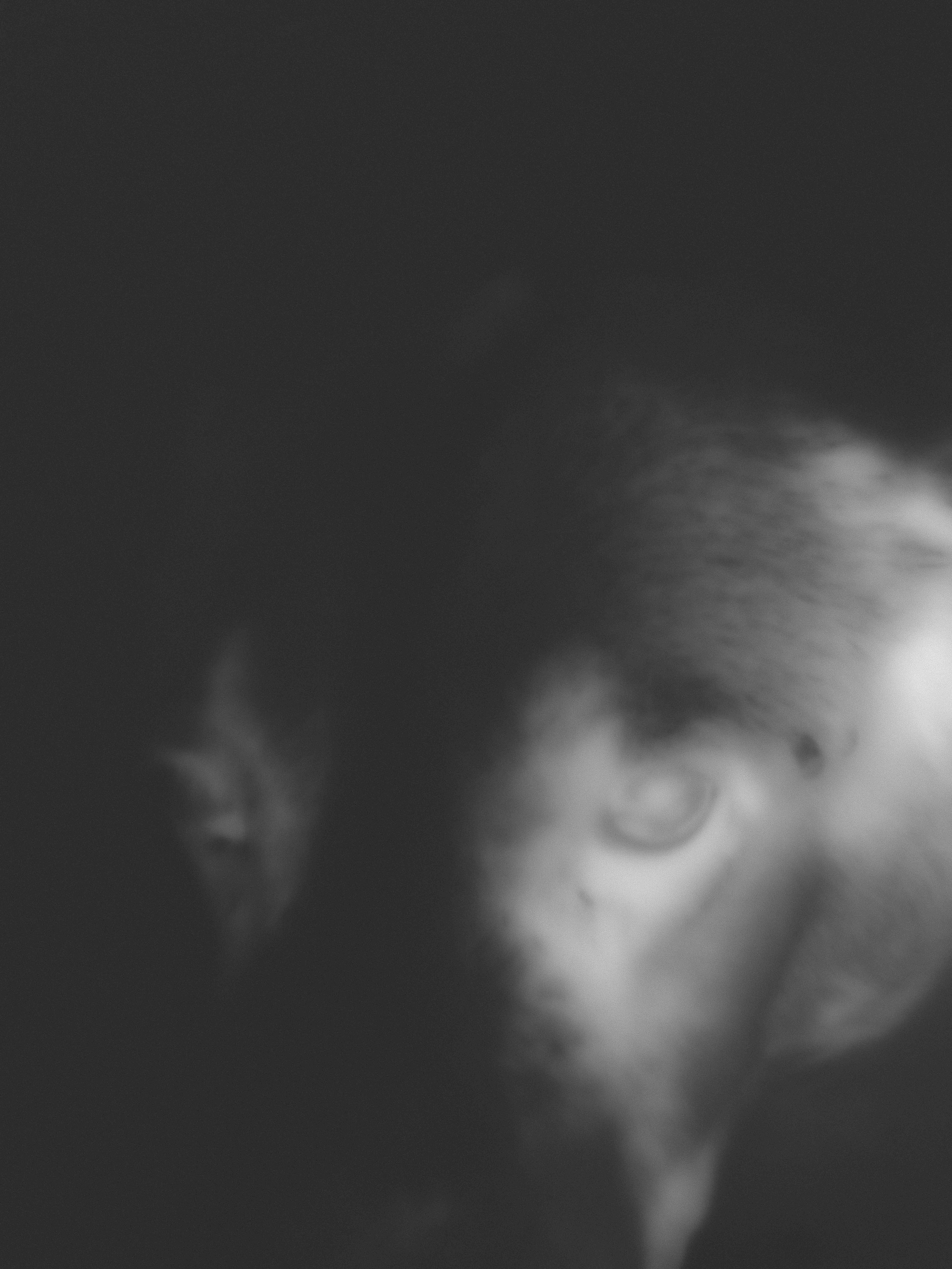
“ “Memory alters what happened; desire grows vague alongside what I think I saw; other images settle on top of the first.” ”
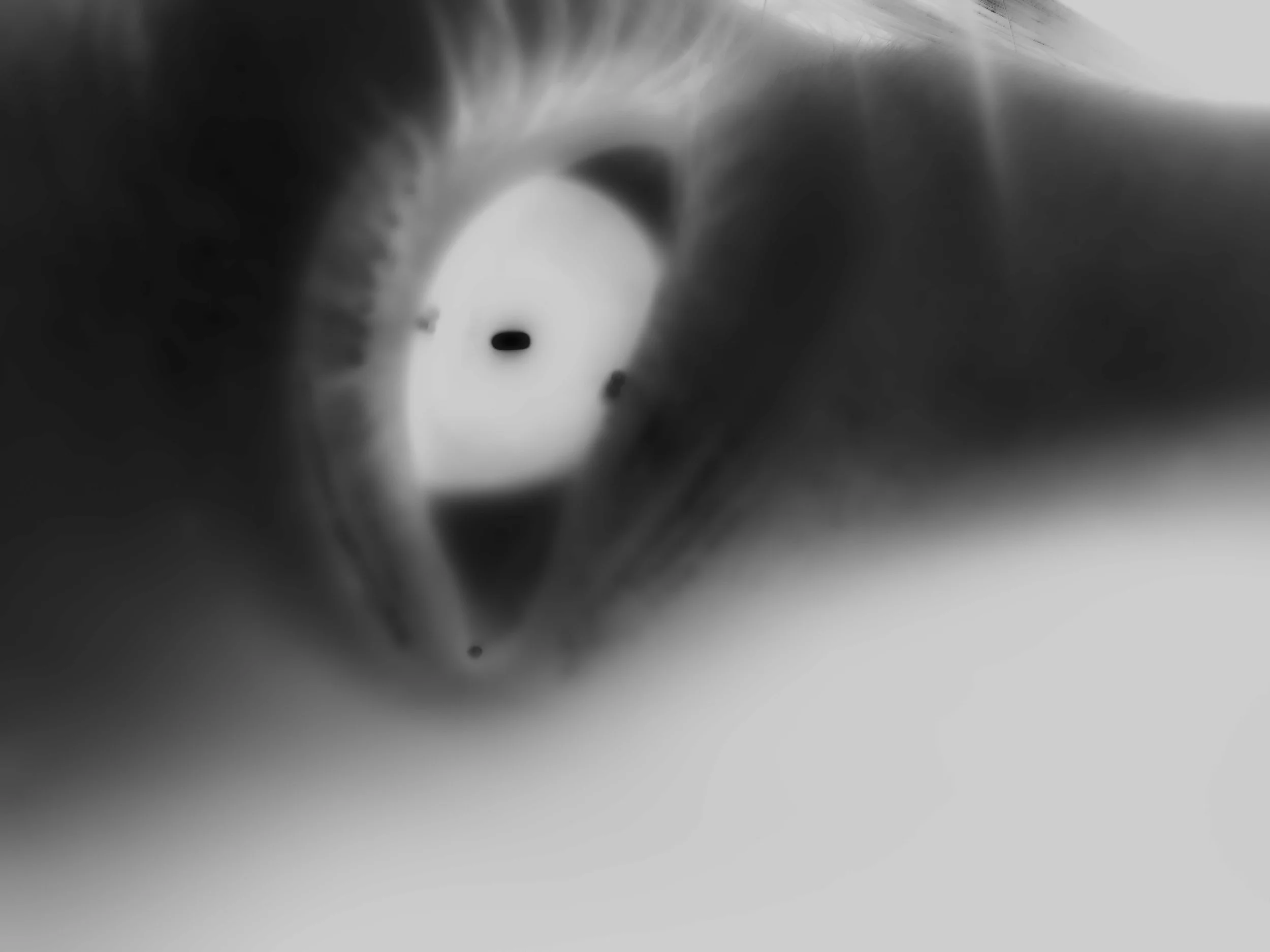
The creative process that leads you to the final product is part of an experiential logic that is not predetermined. What, then, is the place occupied by what is conventionally understood as an ‘error’?
The word ‘error’ is probably misleading in itself, because it presupposes that there is a correct form of the image and that we know it in advance. An error is something that deviates from a norm, from a specific expectation.
Perhaps an error is not a quality of the image, but the name we give to its disobedience. To define something as an error, we must already know, in advance, what it ought to have been: we must possess the idea of the correct photograph, sharp, well-exposed, technically composed. Only then can we accuse an image of having failed. But it is precisely here that the word begins to fall short. When I take a photograph, I do not yet know that ‘correct’ form. If I did, I would not be searching for an image; I would simply be checking that the camera knows how to obey. My practice can only appear as a deviation if it is measured against a photograph that has already been decided upon. But a deviation is not necessarily a mistake.
If it were, we would simply be looking at flawed photographs. It seems to me that something different is happening. I would prefer to speak of chance, of the unexpected, of technical limitations. These are moments when the device ceases to behave exactly as we expect and reveals a possibility that, until then, we had not considered. The camera is not a transparent instrument. It has a body, its shortcomings, its own form of blindness. And sometimes it is precisely within that blindness that the image begins to appear.
I do not deliberately seek out the accident. To seek it out would mean immediately turning it into a style, even training the unexpected to repeat itself in exactly the same way every time. It would be a sort of professional error, an error that has already been well-trained. When something slips out of control, I try instead not to correct it immediately, not to behave as if the image’s primary responsibility were to match my intentions. I try to work out whether that deviation is destroying it or whether it is giving it a form that I, on my own, would not have been able to foresee.
Lévi-Strauss’s ‘bricoleur’ comes to mind, someone who creates, uncovers and investigates by weaving together intuition, creativity and a certain form of survival, making use of whatever is at their disposal. I think there’s something similar in my case. I’ve never given too much thought to what the best or most correct way to take a photograph might be. I’ve focused more on the intention, the need to take a photograph, using whatever happened to be to hand at that moment.
I am completely open to any photographic medium, provided it lends itself to a spontaneously arising intuition. Every tool introduces a different limitation and, therefore, a different possibility for transformation. Perhaps what interests me is precisely the point where human intention and the limitations of the camera meet. The image is born there, in that small zone of instability where neither of the two possesses complete control any longer.
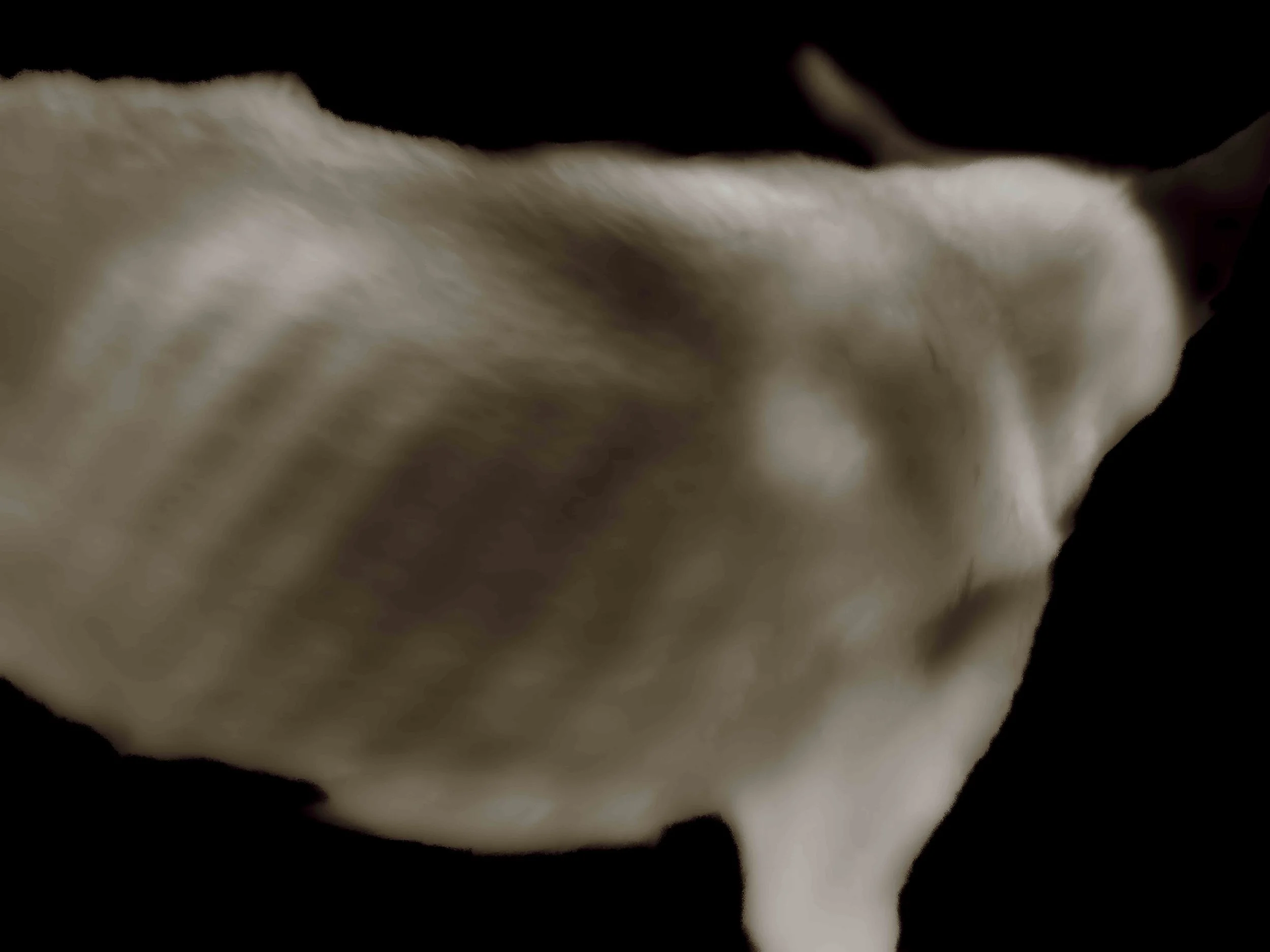
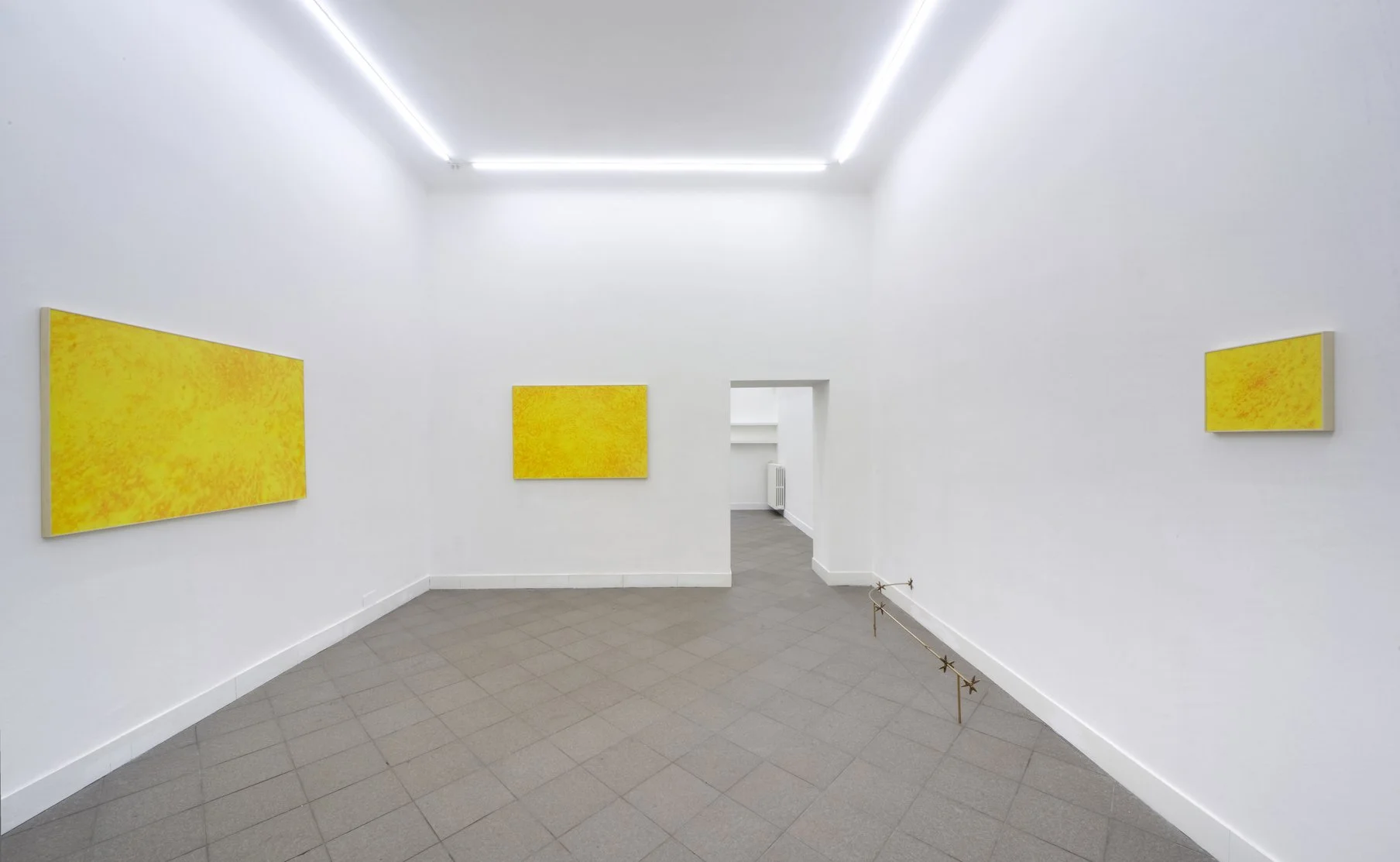
The raw aesthetic of your installation matches organically with the identity of an independent space like Cane Studio. How does the choice of such a textural and raw spatial design reflect your poetic and methodological approach? Could you imagine your works being exhibited within a traditional institutional ‘white cube’ as well?
At Cane, I almost feel at home. For me, it’s a bit like exhibiting in my own living room… if only I had a living room in my own home, hahaha.
To be clear, I would be more than open to exhibiting in a white cube. I don’t believe that an independent space is necessarily more authentic than an institutional one, nor do I think my work necessarily requires weathered walls or informal settings. The situation here, however, is different.
The installation was conceived from the outset in relation to the space, its dimensions and also its technical limitations. We didn’t design an abstract exhibition and then fit it into Cane. We observed the venue, trying to understand how the works might inhabit it. In this sense, the project has taken on something of a site-specific quality, although perhaps the term might seem a bit of an overstatement.
The ‘white cube’, at least in theory, tends to remove the context. It creates a space that appears neutral, in which the artwork is meant to appear isolated, autonomous and almost timeless. Cane, on the other hand, makes no attempt to hide the fact that it is a physical space. The walls, the entrances, the proportions and the imperfections remain visible. And this presence inevitably alters the way in which the images are perceived.
I am interested in testing the idea that a truly neutral space actually exists. Every place produces a stance, a distance and a particular form of attention. Even the white cube is a language, only it has often learnt to present itself as if it were not.
At Cane, this presence falls away almost immediately. The space remains visible, and the works must constantly negotiate with it. Their arrangement, materials, dimensions and distances have emerged from this negotiation. I believe my work engages well with the space precisely through its informality, which does not, however, imply a lack of precision. Rather, it is a precision constructed within a real situation, without seeking to erase its frictions.
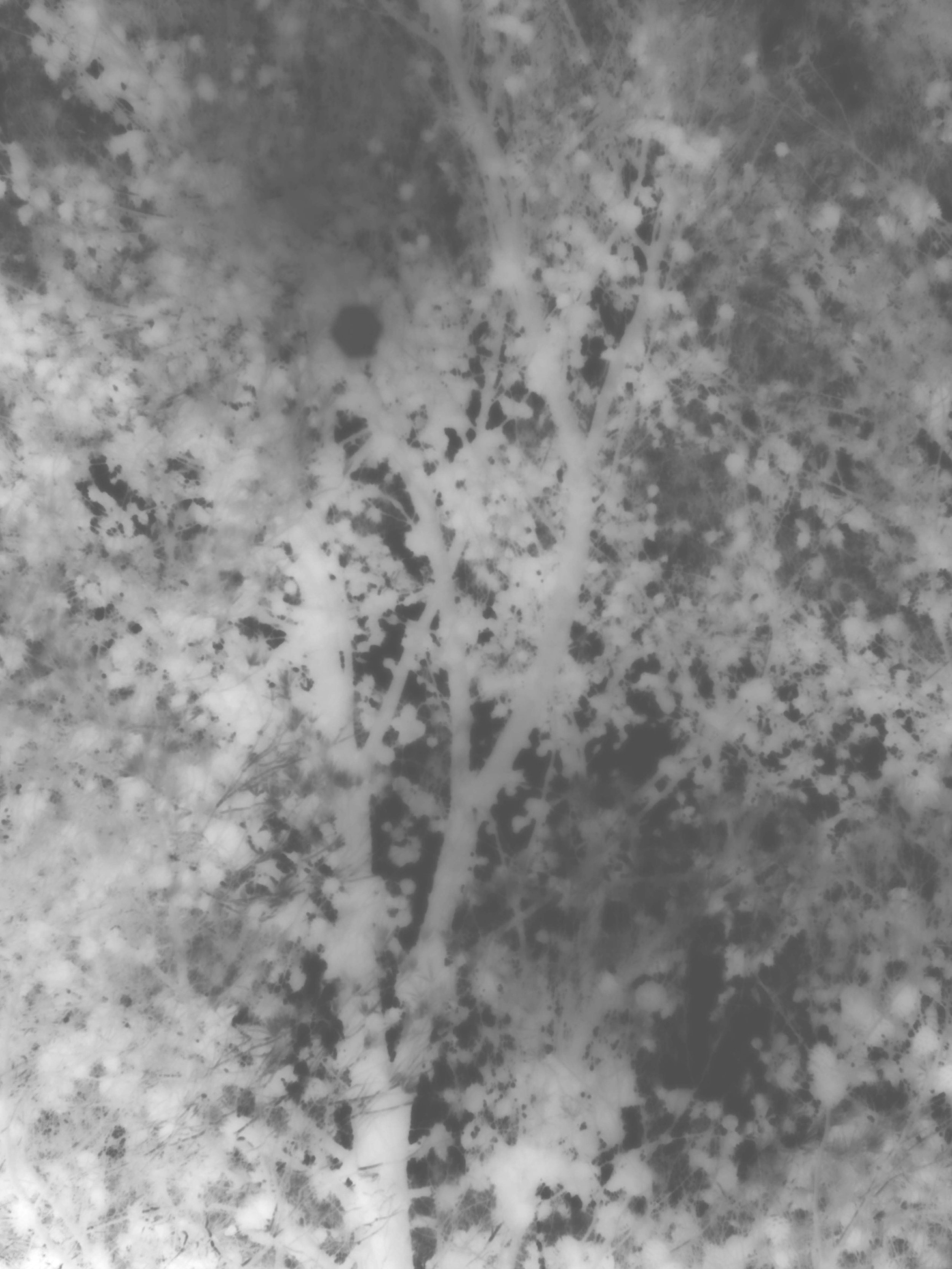
Interview by Marco G. S. Mambelli
What to read next