Francesco Pacelli
In this conversation, Francesco explains the movement along the threshold that both separates and connects the terrestrial and cosmic dimensions. He talks about a journey that invites us to ride above the hic et nunc and enter a wider space of relationships. Among nebulae, optical devices, stars and scenarios that cancel out physical space, Francesco constructs inner and solar landscapes, imaginative places where experience precedes imagine and ambiguity becomes a form of knowledge.
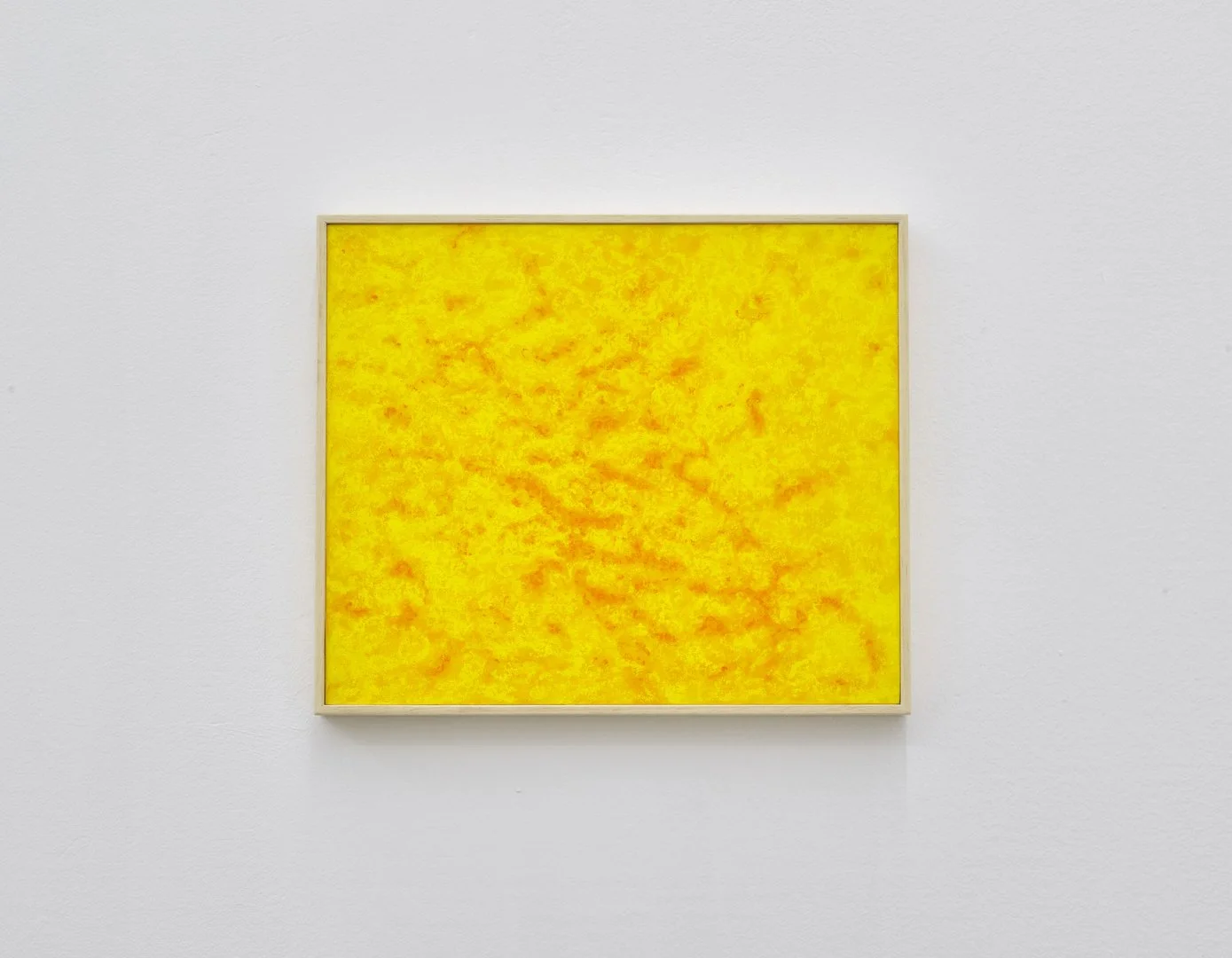
What is the meaning behind the series Inesorabile (a few billion years isn't actually that much) that opens the exhibition?
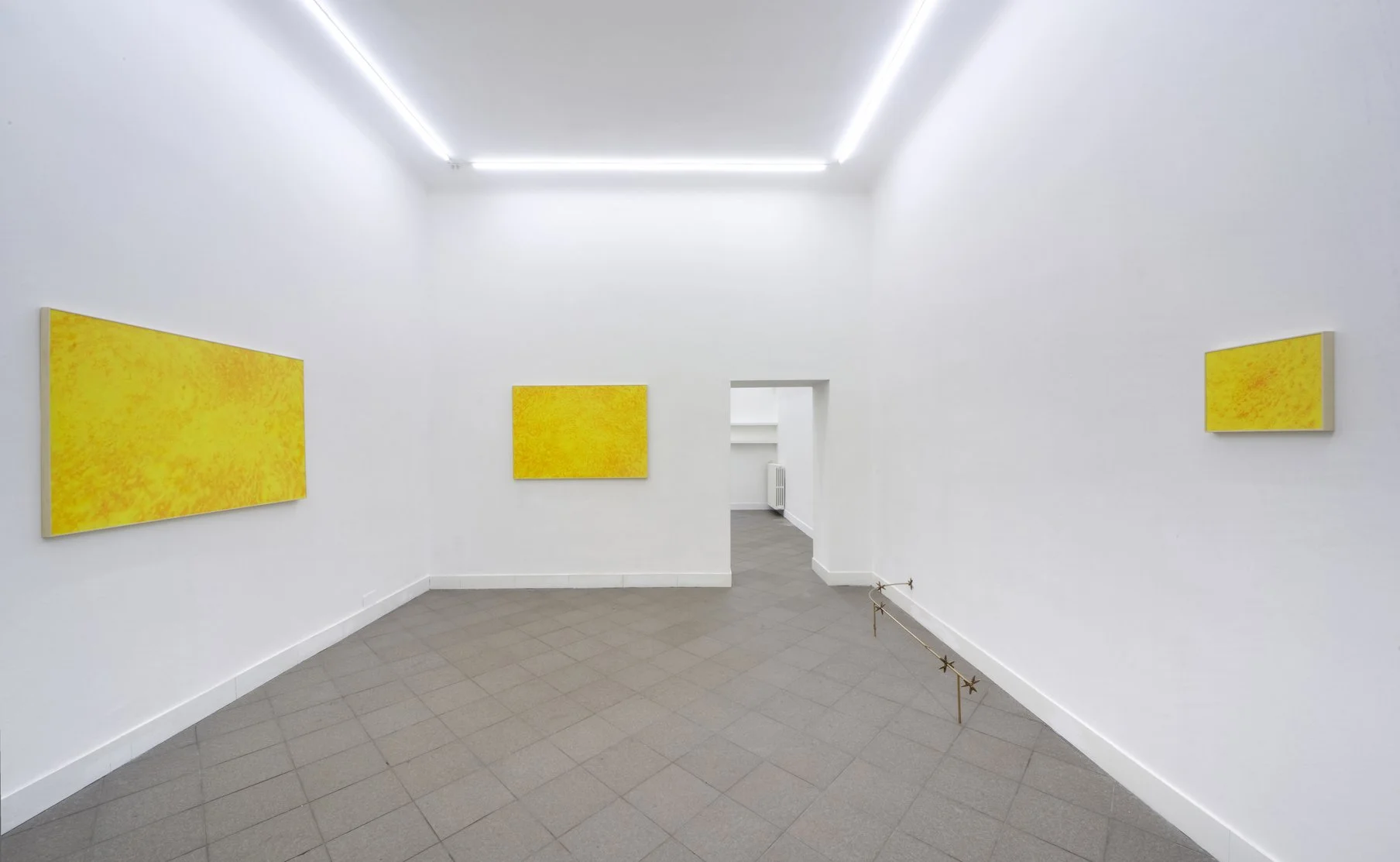
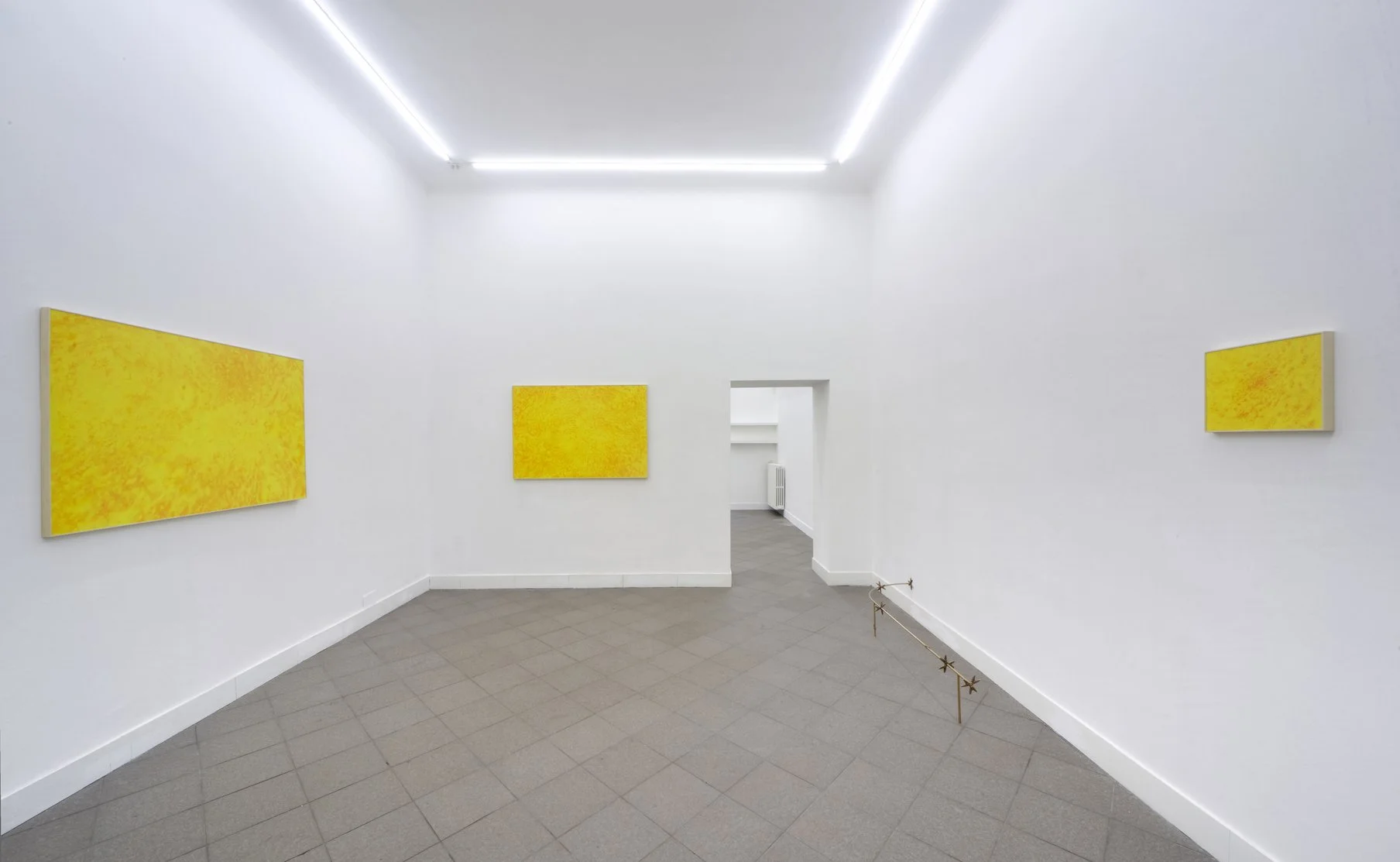
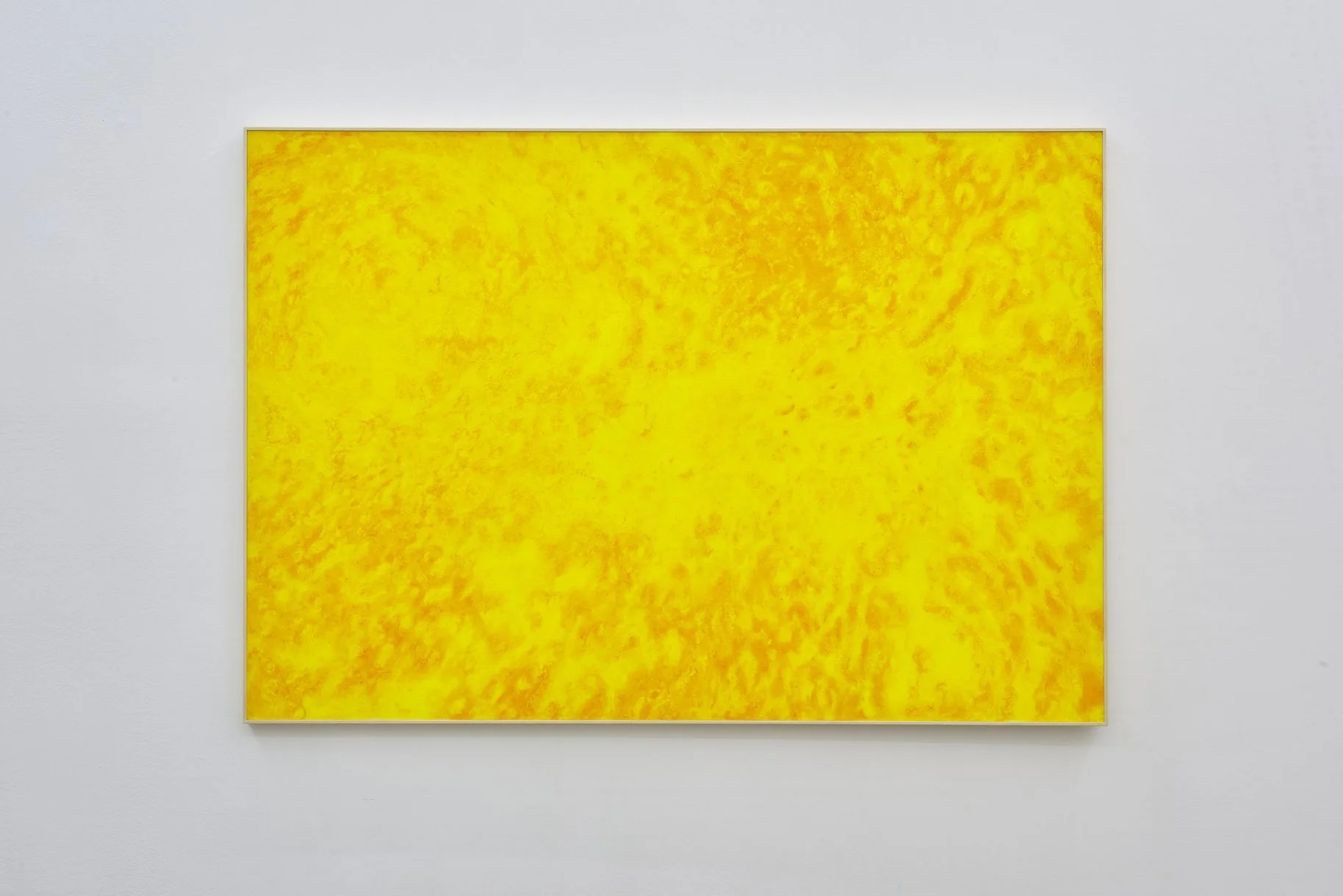
The invitation is to detach from the terrestrial dimension by embarking on a cosmic journey. It is a “room of relationships” in which the sun is understood as a symbol of finitude. As a star, it embodies a principle of beginning and a moment of ending. We depend on this finiteness and are connected to this dimension of limitation. The colour yellow also evokes this cycle of birth and death, of beginning and end. Just as the cosmos has tried to bring order to its immensity, the solar portraits become landscapes of intimacy, transferring solar landscapes into an abstract and sidereal dimension. They speak of the finiteness of the sun, since the life of a star reminds us that even the sun has a limit and its own end, and they invite us to reflect on how to face this limit.
““How should we relate to the end?””
In your work, then, the sun and the cosmos are not only symbols of life, but also of finitude. How do you feel today, as an artist and as an individual, about the idea that even the things we depend on have limits?
The time scale referred to is so vast that it cannot be easily embraced by the human mind. However, the relationship with the idea of a limit raises an ontological question. How should we relate to the end? I think there are two ways, both valid. It is possible to accept this condition passively, simply accepting the inevitability of the passing of events. Alternatively, the ecosystem in which we are immersed could become increasingly aware of this fate and attempt a form of response, an act of biological resistance, to try to circumvent this condition. An escape beyond the solar system? A biological evolution of species capable of withstanding extreme upheavals? Speculation on these issues is potentially endless, despite the absolute impossibility of predicting the future.
What about the site-specific installation Lassù, a milioni di kilometri, risiede l’immaginifico?
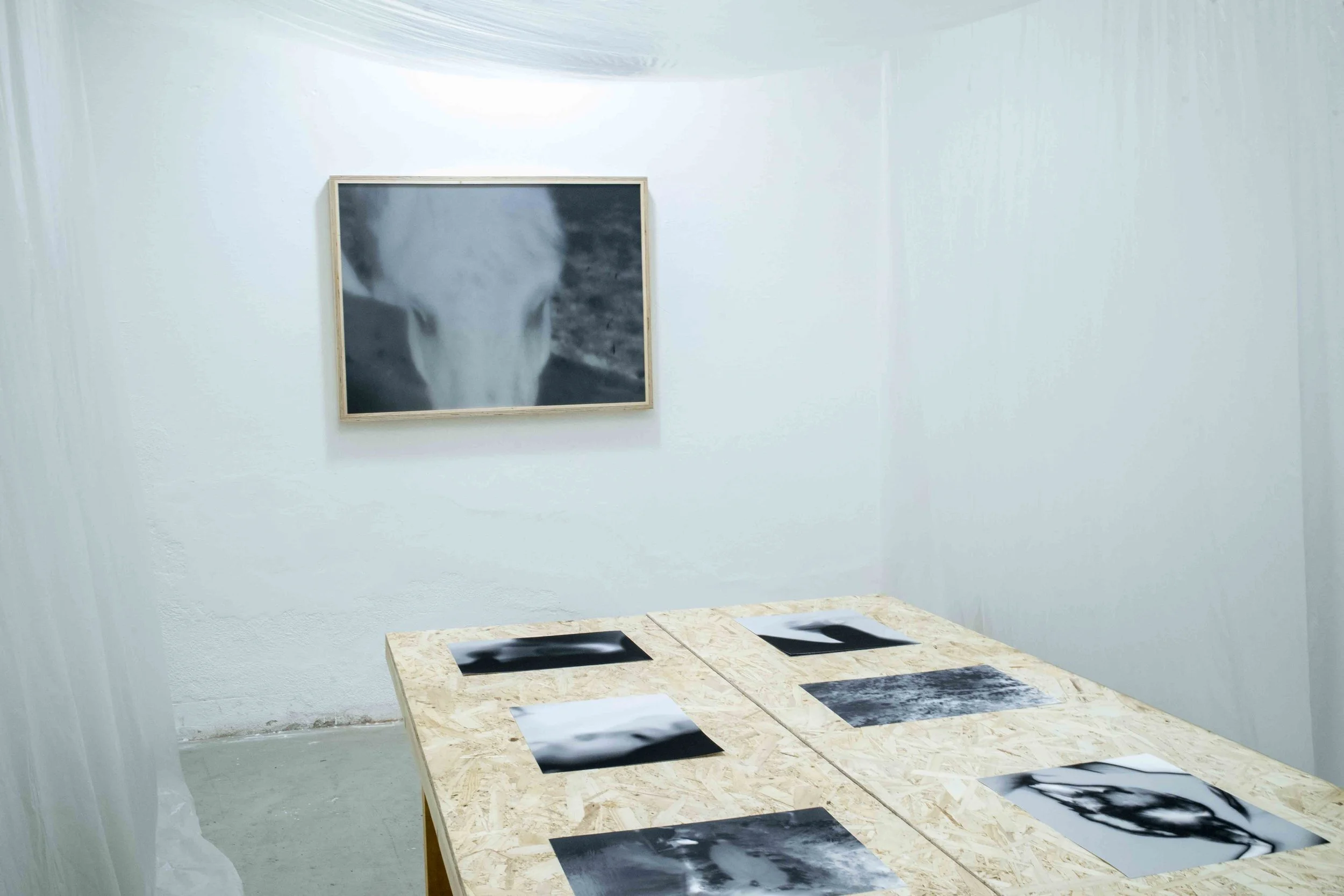
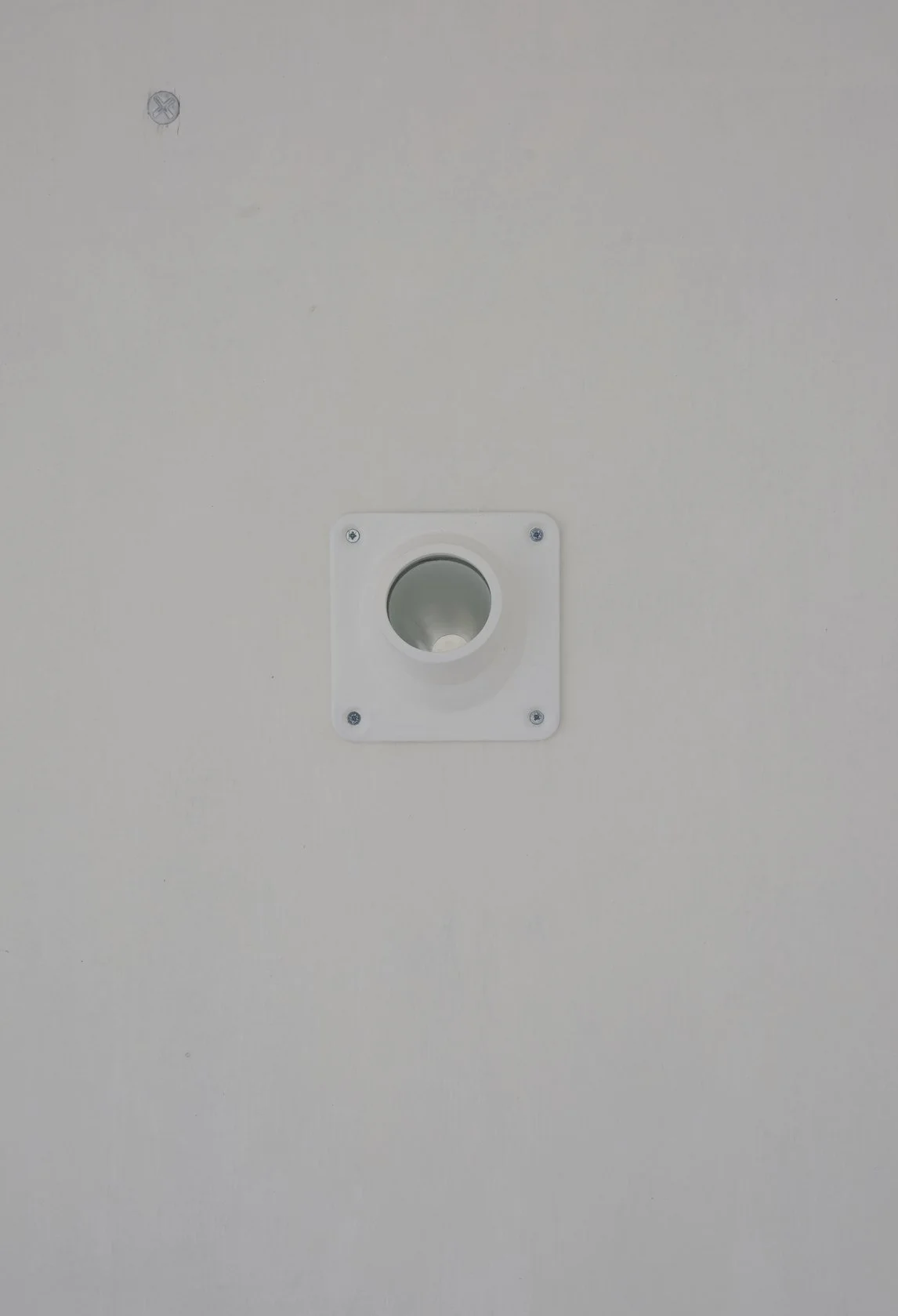
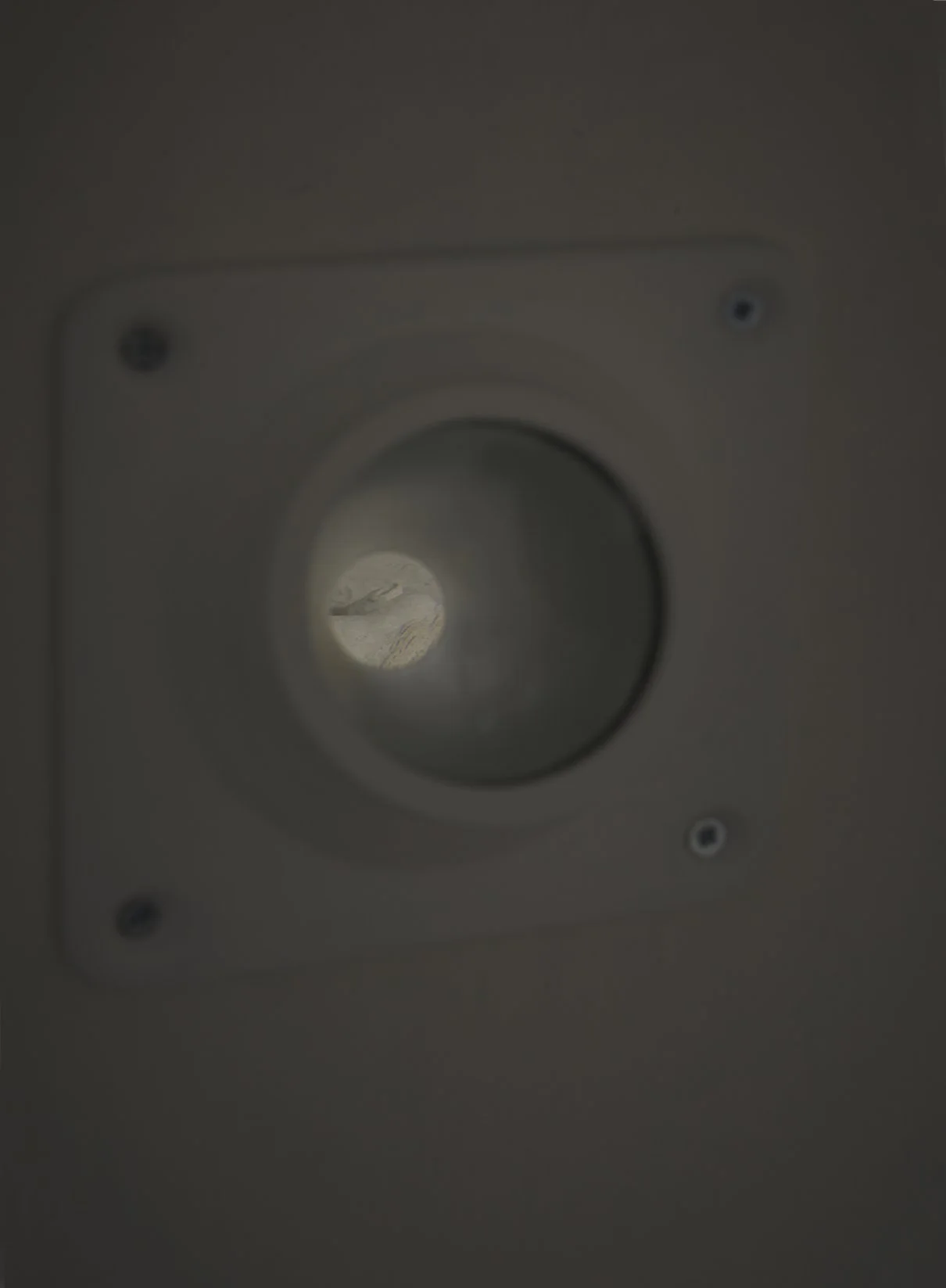
The optical device of the installation creates a scenario that cancels out physical space and projects the inner dimension of the imagination. The chimera is an anthropomorphic being that alludes to the birth of the constellations. It lies on its back, resting, without a material dimension. It is up to the imagination to project itself into another space.
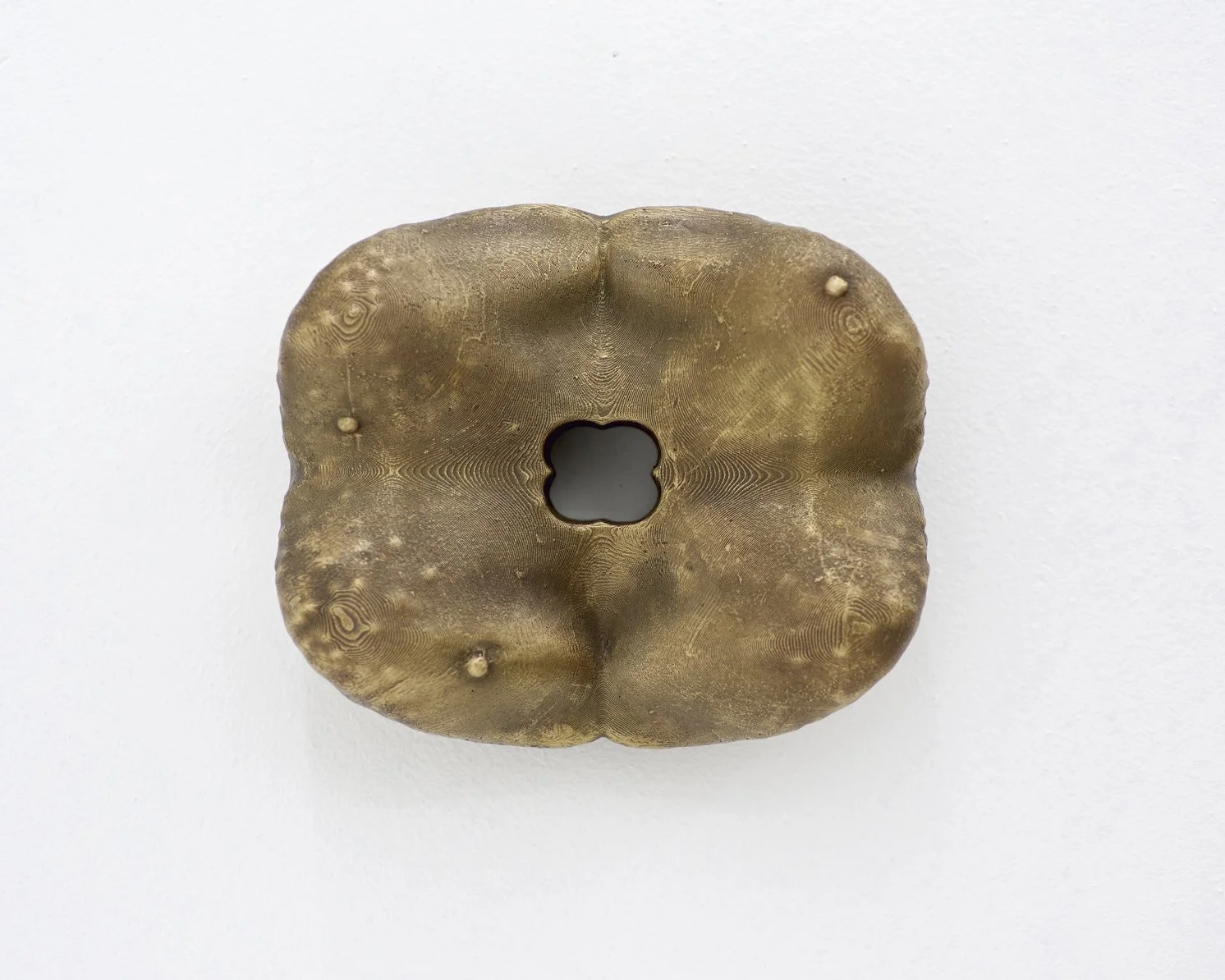
Many of your works seem to exist in an ambiguous zone, before the image is fully defined: nebulae, chimera-like figures, optical devices that cancel out physical space and open up an inner dimension. How important is it for you to leave the work in this state of suspension, more linked to experience and imagination than to representation?
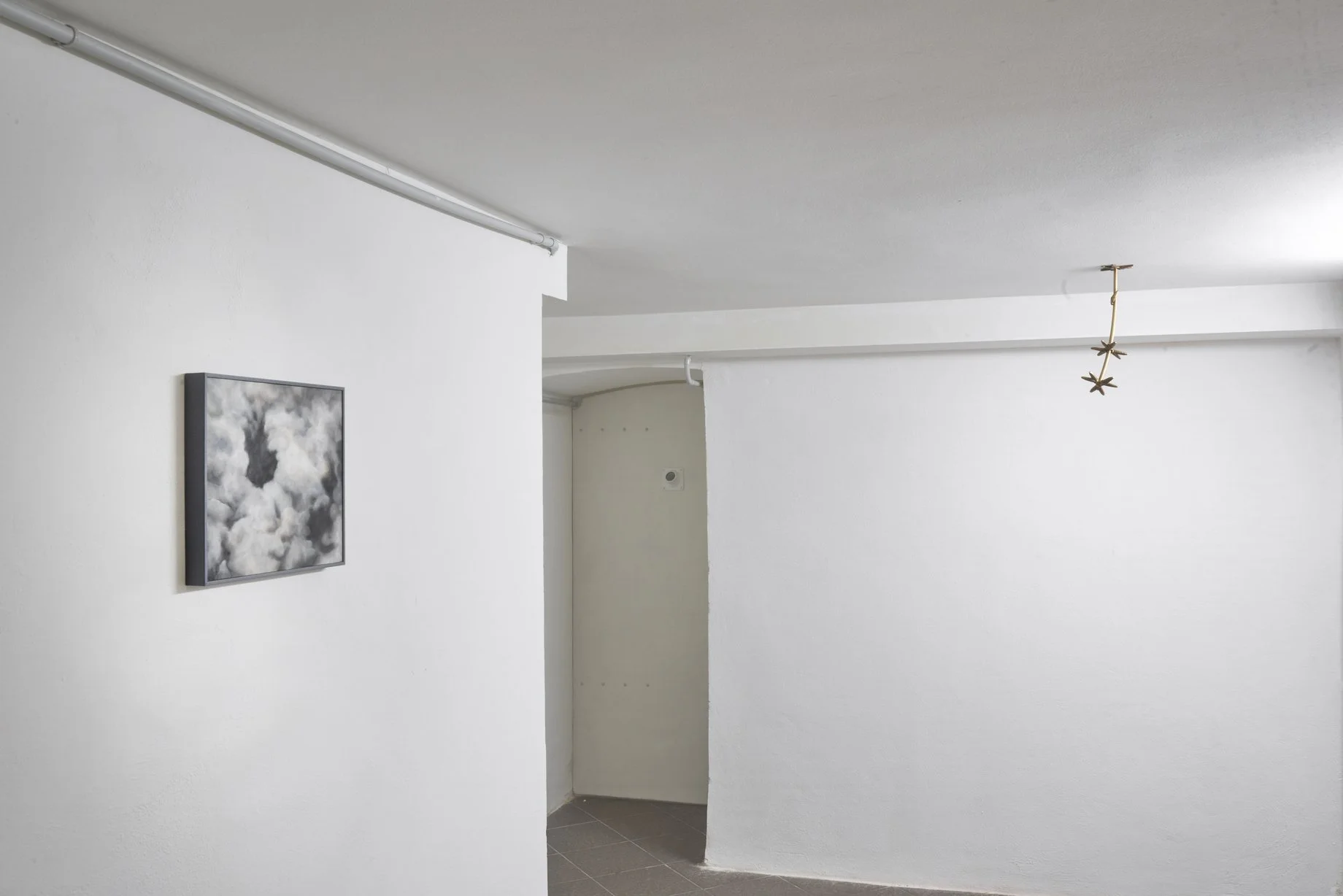
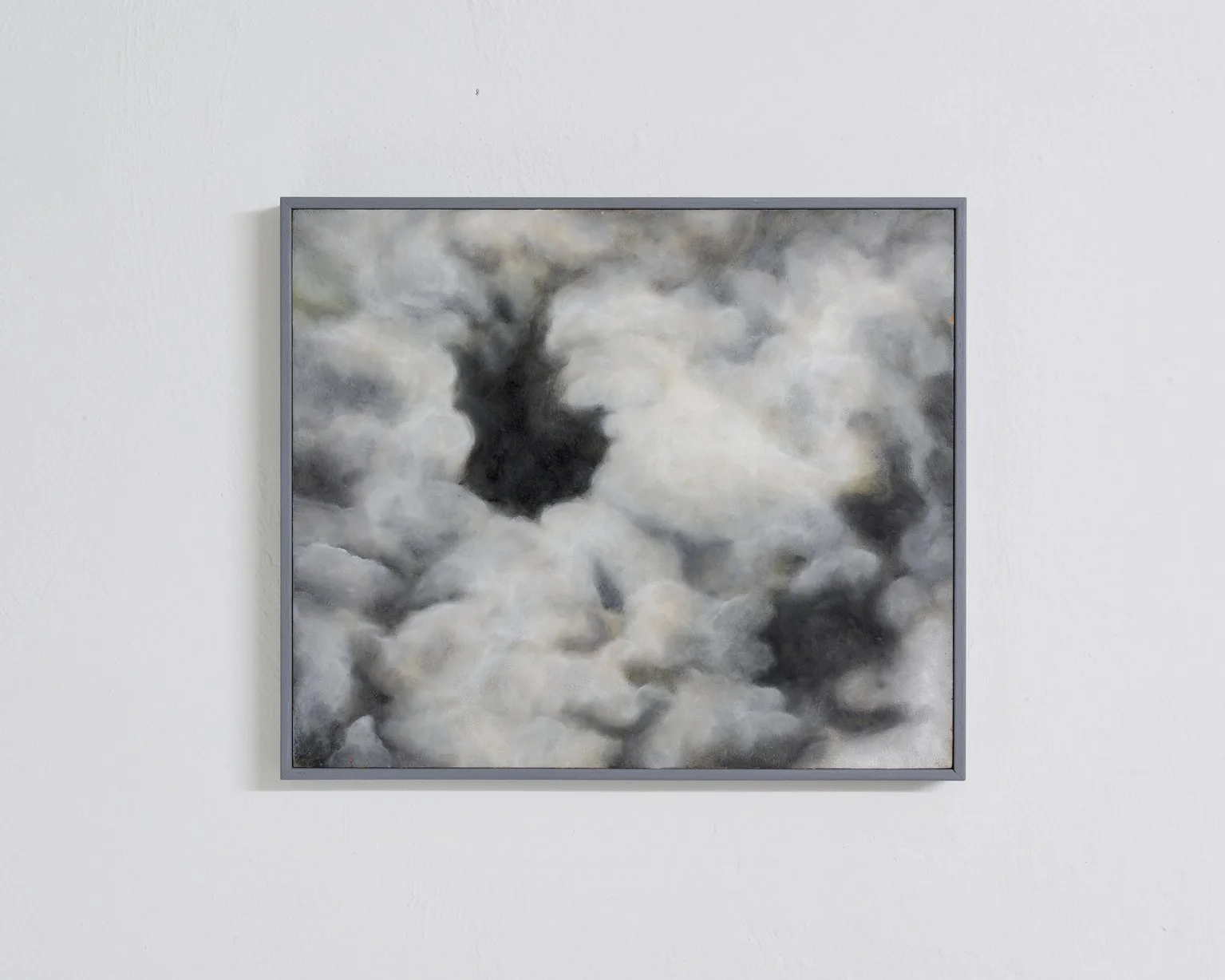
An enigmatic and ambiguous image removes the space of certainty and security. I think of my works as vague and foggy landscapes. Frames of forms in a transitional and ineffable state, which pause a moment before the actual possibility of being captured by the eye and becoming an image. This effort required of the viewer activates vision, opening up many interpretative possibilities. The work, crystallised in this formal blur, becomes a mirror of all the possible inner worlds that confront it, allowing subjective experiences linked to memory, intimacy and personal experience to emerge more strongly. I am fascinated by the idea of non-imposition, as much as by the activation of variable mental scenarios that are free from a single, static interpretation. A form of mobile ambiguity capable of generating plausibility rather than truth.
““This effort required of the viewer activates vision, opening up many interpretative possibilities.””
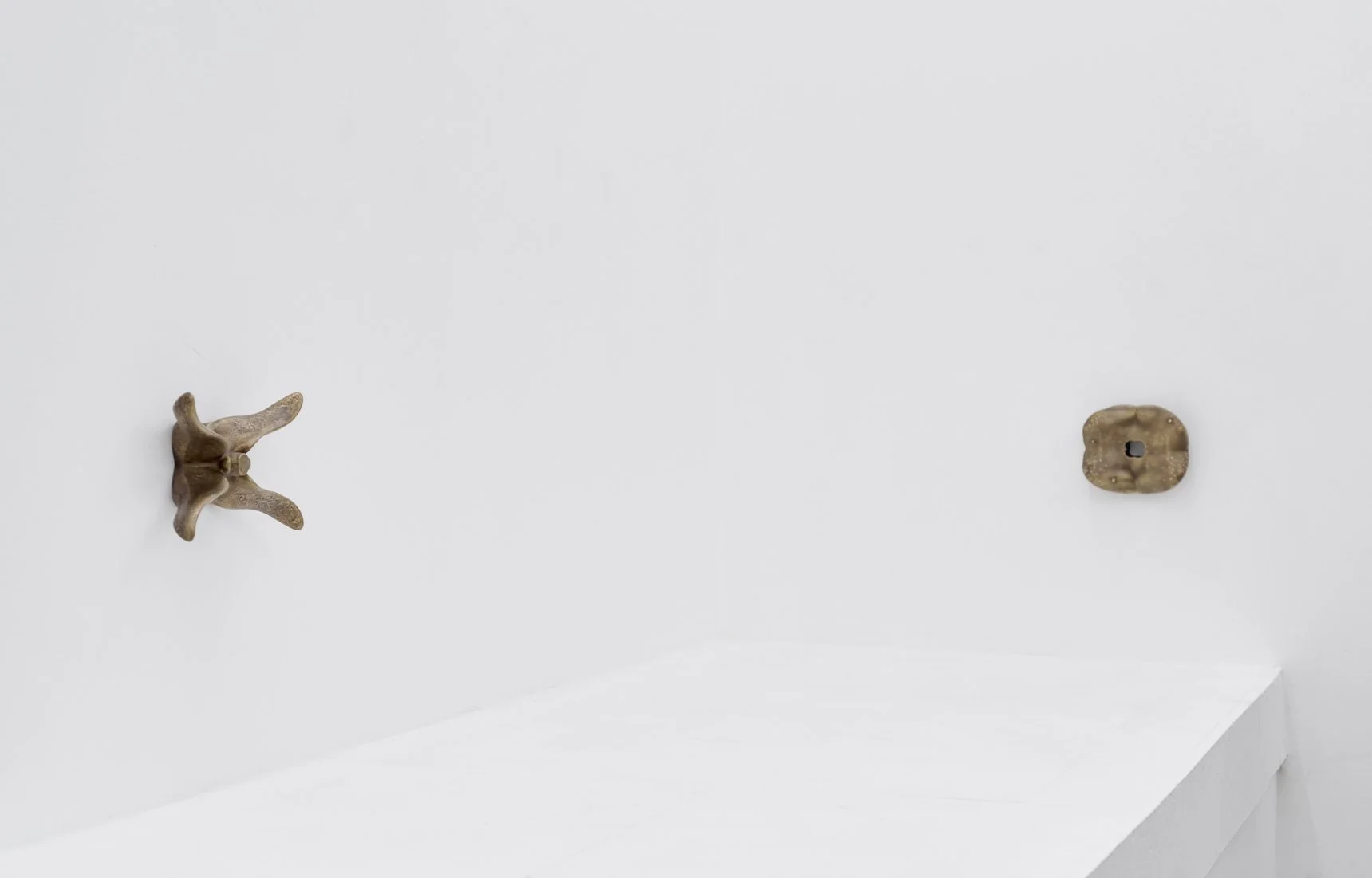
What do the two series of bronze sculptures, Some things need an impulse to move and Tra la fine e l’inizio il nulla stelliforme, represent?
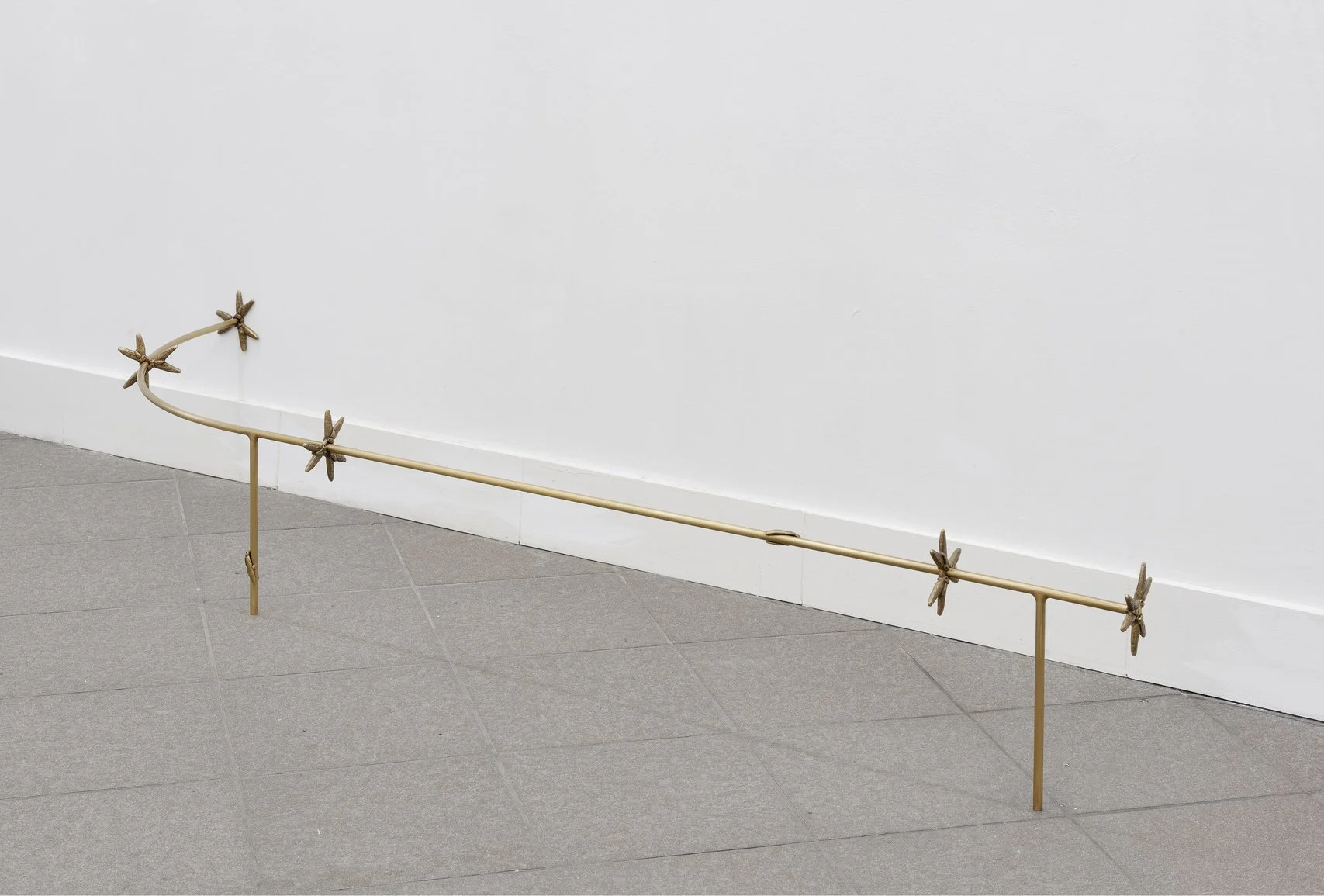
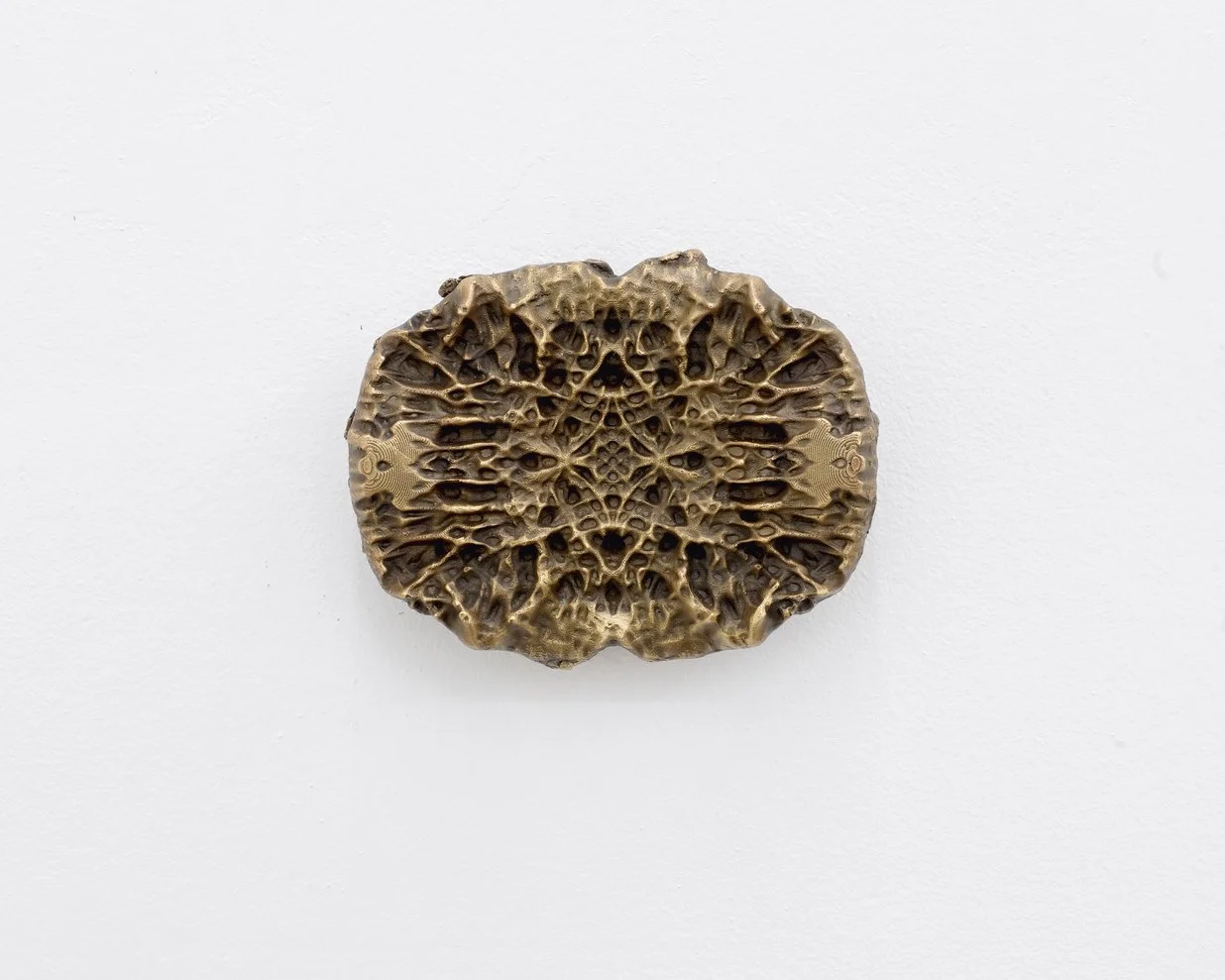
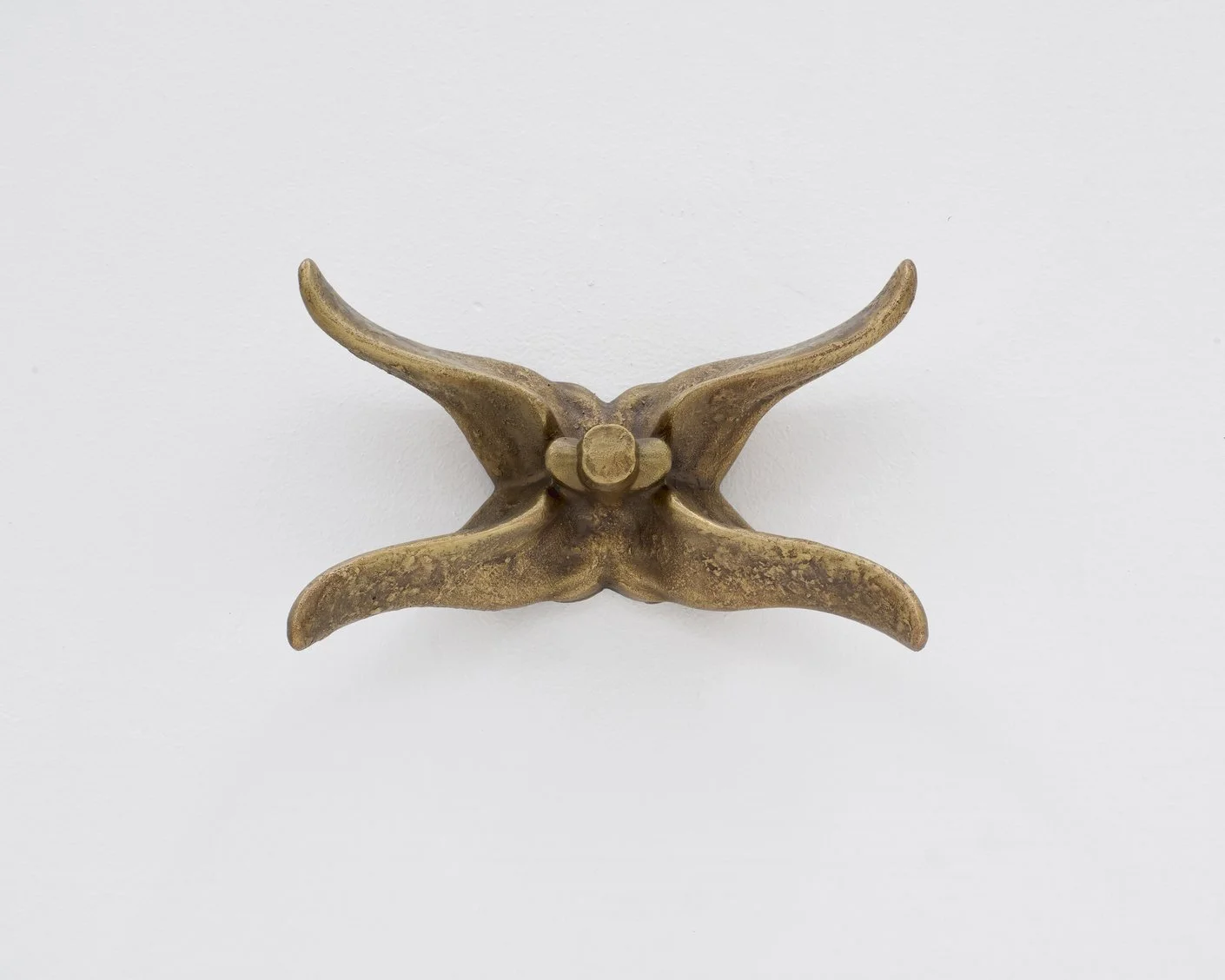
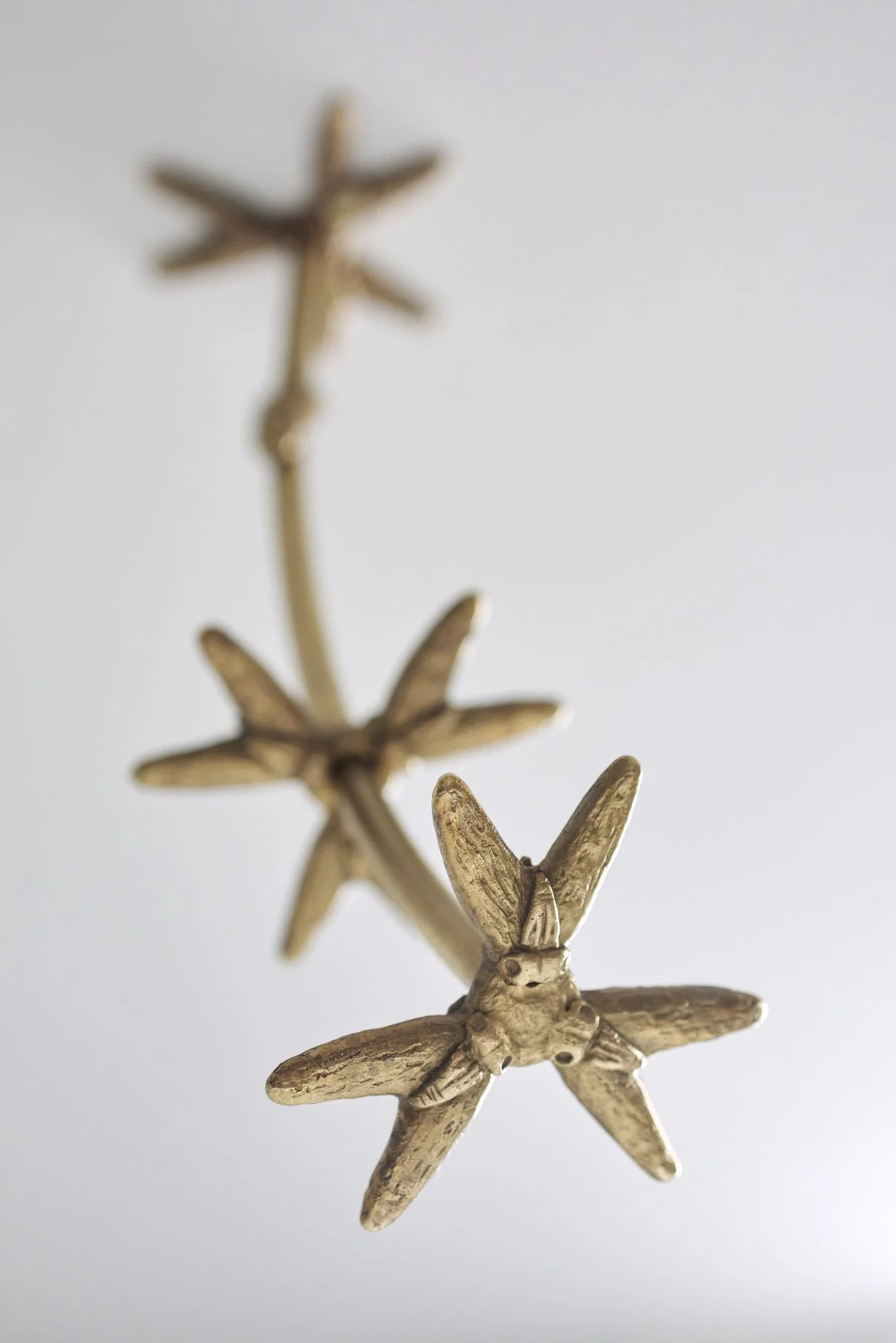
The bronzes embody the ambiguity of the image, while elements such as flies evoke death that generates life and vice versa. Their slight asymmetry reflects the way nature moves: we ourselves are asymmetrical. This dimension of ambiguity is not only visual, but conceptual. It precedes the construction of the image, placing experience before the explicitness of the image.
The use of bronze and slightly asymmetrical shapes recalls the way nature works, between cyclicality, birth and transformation. How does the material become a means for you to talk about spirituality, death and regeneration, without ever fixing a definitive image?
Due to its physical, mechanical and aesthetic properties, bronze is one of the few materials discovered by humans that can allude to gold, the stainless and eternal metal par excellence. The drive to reproduce it artificially speaks to the desire to perfect matter, a typical thought in the alchemical tradition, but also to the desire for exploration and invention. The search for a utopian and distant dimension, almost impossible to reach, becomes a symbol of an inner journey linked to the perfection of the self, of one's own possibilities and limitations. The reference to a historical moment in which astrology and astronomy were placed on an equal footing relates to a contemporary world in which it is increasingly rare to investigate a deep connection with the spirit, with the dimension of intuition, with magic. I believe that seeking a point of dialogue between the world of scientific rationality and the sphere of the invisible can open up broad and unexpected scenarios of knowledge. It is no coincidence that today, important neuroscience institutes are coming into contact with the meditative practice of Buddhist monks to research the exploratory possibilities of the human brain. In this sense, I believe that trying to understand the formal mechanisms of nature through artistic practice in order to reinterpret them without conceptually distorting them can allow us to explore being in a lateral way, according to all the possible and fluctuating subjectivities that the collective experience of reality is able to offer.
““I am fascinated by the idea of non-imposition, as much as by the activation of variable mental scenarios that are free from a single, static interpretation. A form of mobile ambiguity capable of generating plausibility rather than truth.””
For your exhibition, one room of the gallery has been completely sealed off by a wooden board that blocks all incoming light and access, leaving only an optical device through which the interior can be viewed. I find this constructed ambience interesting in relation to the interconnection made between the European enlightenment and colonialism, by Franz Fanon amongst others, where the Europeans were said to «(en)light» the other continents. Following this thread, the darkness can be seen as a protest towards colonial hegemony per se. With questions of de- and recolonization as central markers in the contemporary debate, I’m curious to hear your thoughts on the potential of darkness as an expanded form.
I am certainly not the first to say this, but I imagine reality as a continuous balancing of opposing forces: cold and heat, above and below, light and darkness, good and evil. These ancestral and intangible energies—complementary and necessary to one another—have always oscillated and shifted like sound waves, defining and shaping all entities. Within this framework, darkness represents a space that is at once physical and spiritual, a site for inner reflection and exploratory inquiry. After all, light reveals, while darkness conceals. Perhaps it is precisely this latter condition that offers greater opportunities for research and discovery, if approached with the right disposition of mind. This process, which carries an emotional dimension tied to the self and to individual and collective memory, can also assume a political dimension. I believe that art can be a very powerful tool for investigating the shadows of the past and the present, above all by offering alternative visions and imagining new possible horizons.
Interview by AURORA PIEDIGROSSI
What to read next