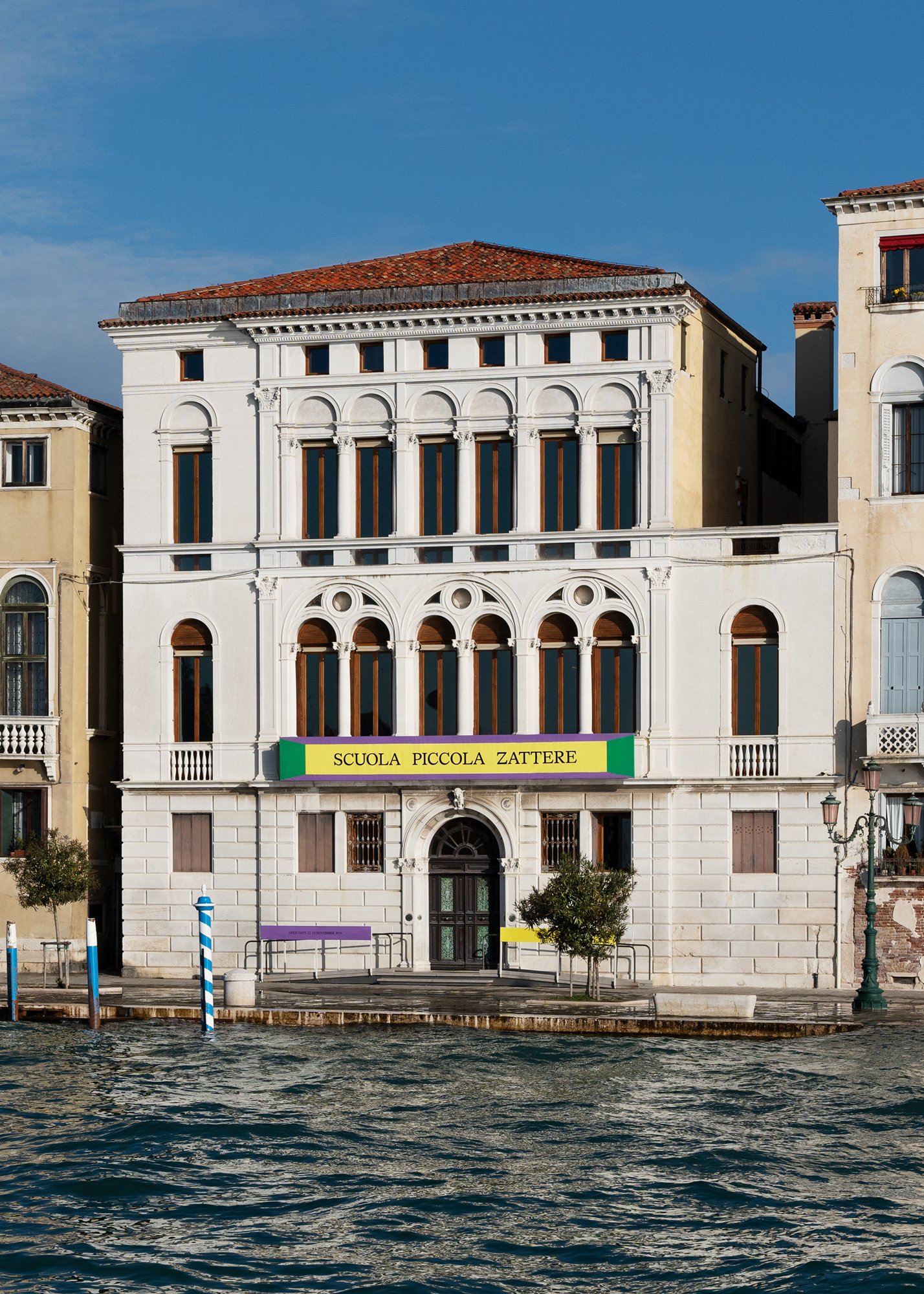
Scuola Piccola Zattere
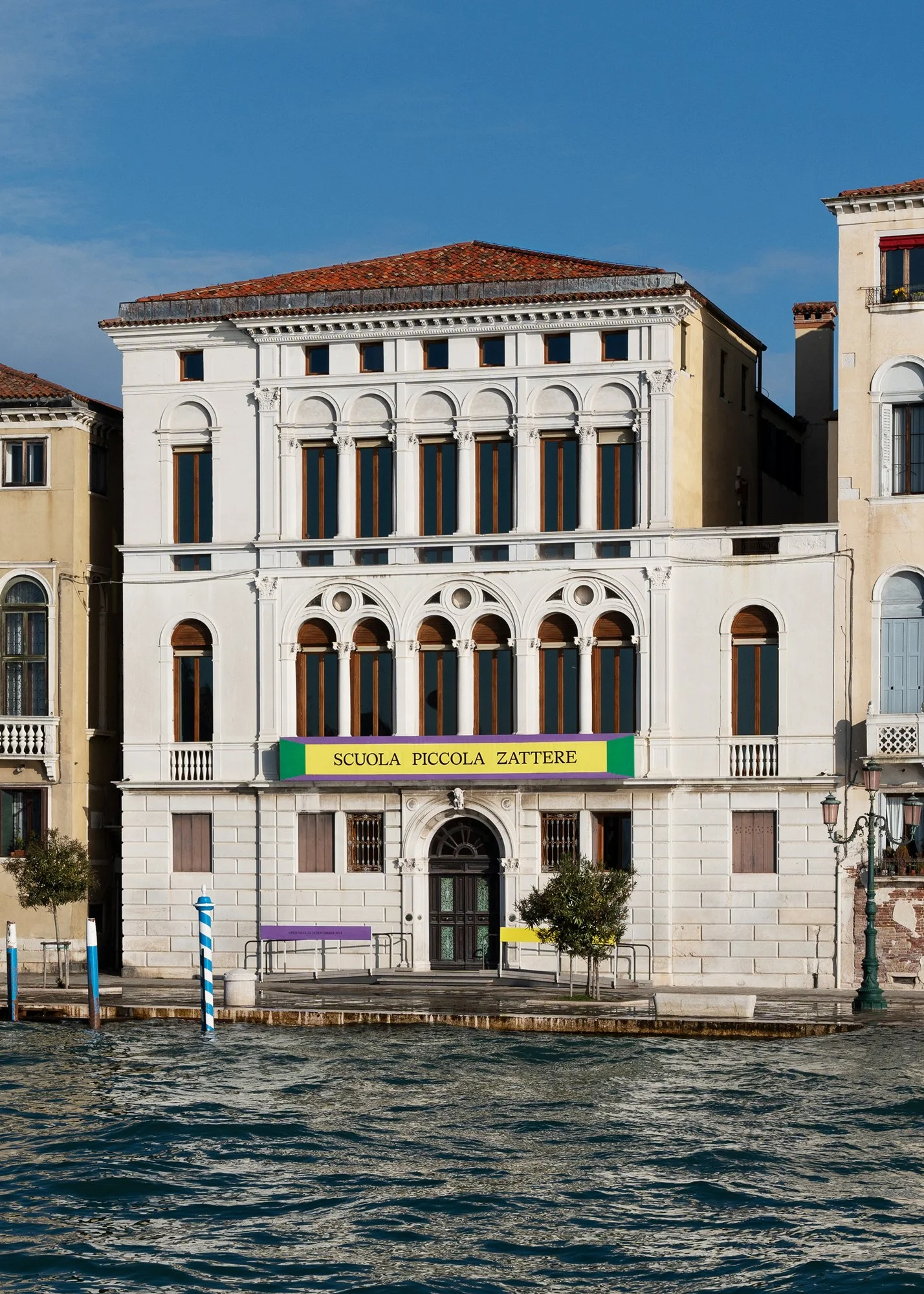
Scuola Piccole Zattere, a fresh hub for contemporary art
Venice as a backdrop. Scuola Piccola Zattere is a new cultural institution, a non-profit space dedicated to research and continuing education within the expanded field of contemporary arts. It is open to the practices of international cultural practitioners, with a particular focus on artistic communities active in the city of Venice and beyond. Founded in November 2024 and gaining visibility during the Biennale, Scuola Piccola Zattere is a project of the Foundation for the Development of Contemporary Art Victoria, an Italian organisation established in 2014. Its founder is Victoria Mikhelson, who supports the activities as the sole funder. The venue occupies a nineteenth-century palace on the Zattere, which until 2022 hosted the Russian V-A-C Foundation, an organisation that ceased to exist in its previous form following the outbreak of the conflict between Russia and Ukraine. In 2017, the Foundation entered into a cooperation agreement centred on exchange and dialogue between Russian contemporary art and the international scene. That agreement was definitively terminated in 2022 following the beginning of the conflict between Russia and Ukraine, which led to tragic events in Ukraine. Today, SPZ states that it firmly condemns all forms of war.

The decision to adopt the name “school” for the new institution refers primarily to a social, horizontal process of exchange and reciprocity. The term “school” has been retained as a reference to the lay confraternities active from the Middle Ages until the end of the Republic, known as scuole piccole, a specific model of civic organisation devoted to educational practices in the arts and practical professions. The school aims to offer the resident community of students, graduates, researchers, and cultural workers from different fields opportunities to develop their research paths within a context of collective dialogue, through public programmes, training and mentorship opportunities, research grants, and access to its spaces for the realisation of self-managed projects. A brief note: during the 2024 opening, it was immediately clarified that the funding behind the opening of Scuola Piccola has no connection whatsoever with the activities of Leonid Mikhelson, and that the foundation is independent from political positions.Scuola Piccola Zattere, a fresh hub for contemporary art
Venice as a backdrop. Scuola Piccola Zattere is a new cultural institution, a non-profit space dedicated to research and continuing education within the expanded field of contemporary arts. It is open to the practices of international cultural practitioners, with a particular focus on artistic communities active in the city of Venice and beyond. Founded in November 2024 and gaining visibility during the Biennale, Scuola Piccola Zattere is a project of the Foundation for the Development of Contemporary Art Victoria, an Italian organisation established in 2014. Its founder is Victoria Mikhelson, who supports the activities as the sole funder. The venue occupies a nineteenth-century palace on the Zattere, which until 2022 hosted the Russian V-A-C Foundation, an organisation that ceased to exist in its previous form following the outbreak of the conflict between Russia and Ukraine. In 2017, the Foundation entered into a cooperation agreement centred on exchange and dialogue between Russian contemporary art and the international scene. That agreement was definitively terminated in 2022 following the beginning of the conflict between Russia and Ukraine, which led to tragic events in Ukraine. Today, SPZ states that it firmly condemns all forms of war.
The decision to adopt the name “school” for the new institution refers primarily to a social, horizontal process of exchange and reciprocity. The term “school” has been retained as a reference to the lay confraternities active from the Middle Ages until the end of the Republic, known as scuole piccole, a specific model of civic organisation devoted to educational practices in the arts and practical professions. The school aims to offer the resident community of students, graduates, researchers, and cultural workers from different fields opportunities to develop their research paths within a context of collective dialogue, through public programmes, training and mentorship opportunities, research grants, and access to its spaces for the realisation of self-managed projects. A brief note: during the 2024 opening, it was immediately clarified that the funding behind the opening of Scuola Piccola has no connection whatsoever with the activities of Leonid Mikhelson, and that the foundation is independent from political positions.
Fellowships, projects and research programmes
In terms of its offer, the school hosts four artists each year, working in different creative fields, for funded residencies lasting three months, including mentorship activities and workshops.
The fellowship programme, awarded through an open call, selects four international or national participants over the course of the year, while four fellowships are reserved for participants based in Venice. With a duration of three or five months, the programme provides workspaces and research grants to early-career artists, curators, and writers from international, national, or local backgrounds. Each year, SPZ establishes a thematic framework that guides its exhibition and research programmes, developed from November 2024 to November 2025. The first season of the research programme, entitled One Year Score, sets out to examine forms of aggregation, conflict, and negotiation that define the dynamics of social life through exhibitions, residencies, workshops, conferences, and performative events. The current thematic framework, running from November 2025 to November 2026 and entitled Dance Around the Rule, invites consideration of the notion of the “rule” as a generative tool that establishes forms of relation and interaction.

The exhibition R.S.V.P. Résonnez, S’il Vous Plaît
Guided by Victoria Mikhelson, founder, and Irene Calderoni, Artistic Director of the School and curator of the exhibition together with Margherita Falqui, and accompanied by the press office BarbatiBertolissi, we visit R.S.V.P. Résonnez, S’il Vous Plaît on the occasion of its opening. The exhibition enters into dialogue with the thematic programme One Year Score.
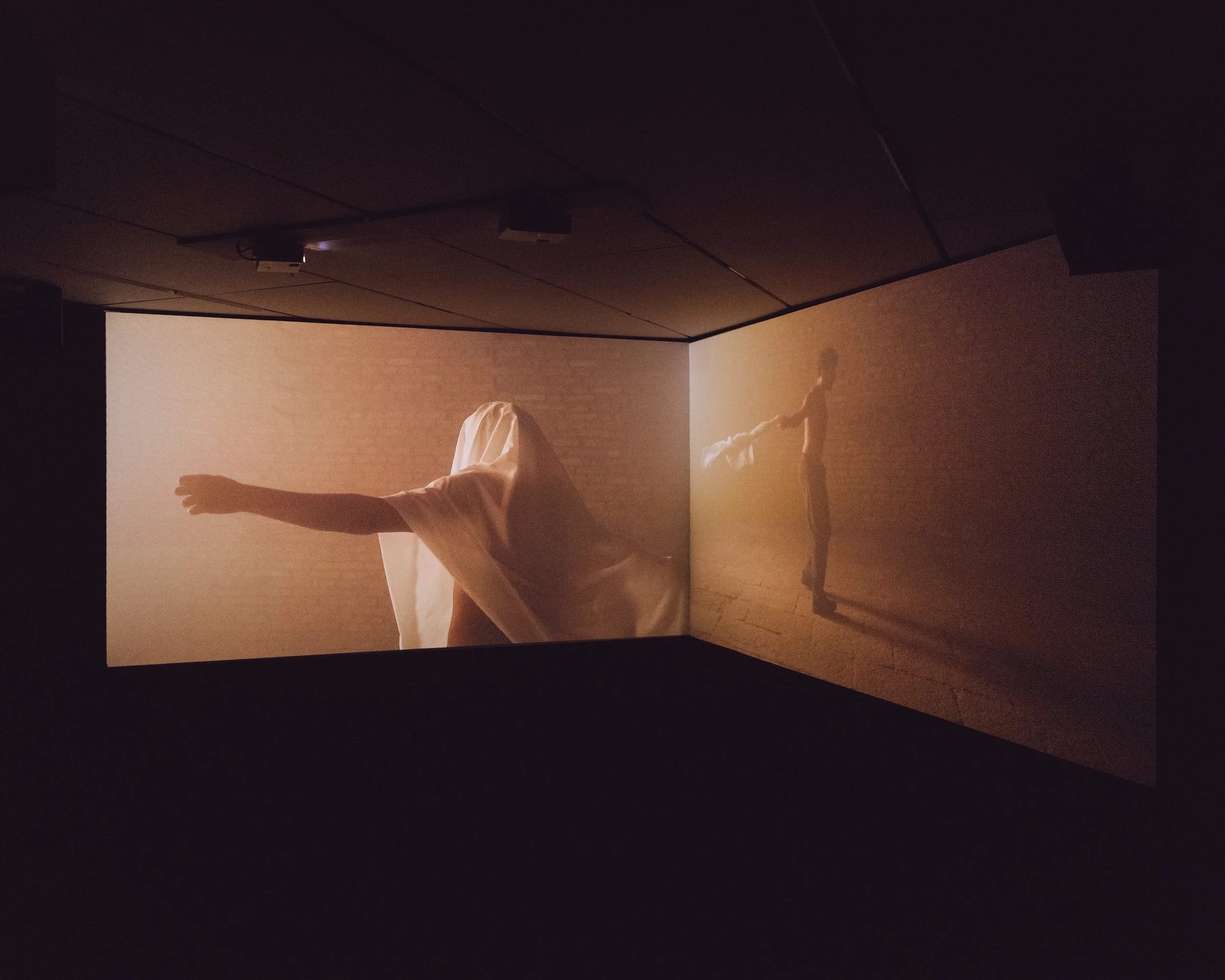
The exhibition brings together works and projects by Aliaskar Abarkas, Nabil Aniss, Diana Anselmo, and the collective Osservatorio Sant’Anna (formed by Maria Eugenia Frizzele and the duo Lemonot), all participants in the residency and fellowship programmes promoted by the institution.
Resources, Score, Valuaction, Performance: R.S.V.P.
The exhibition title refers to the RSVP Cycles theory developed by Lawrence and Anna Halprin, landscape architect and choreographer and dancer, whose individual artistic paths were generated through constant reciprocity. They developed the Cycles theory as a creative model describing artistic creation as a continuous process: one element influences another, contributes to it, and leads it toward change. The circular structure suggested by the title recalls the overarching theme of the year, the “Score”, understood as a score that implies ongoing exchange and an attitude of listening. “I see scores as a way to communicate these processes through time and space to other people in other places and moments, and as a vehicle that allows many people to enter together into the act of creation, enabling participation, feedback, and communication,” writes Lawrence Halprin. Résonnez, S’il Vous Plaît, structured across several levels of the School, brings together works and projects by Aliaskar Abarkas, Nabil Aniss, Diana Anselmo, and the collective Osservatorio Sant’Anna, formed by Maria Eugenia Frizzele and the duo Lemonot.
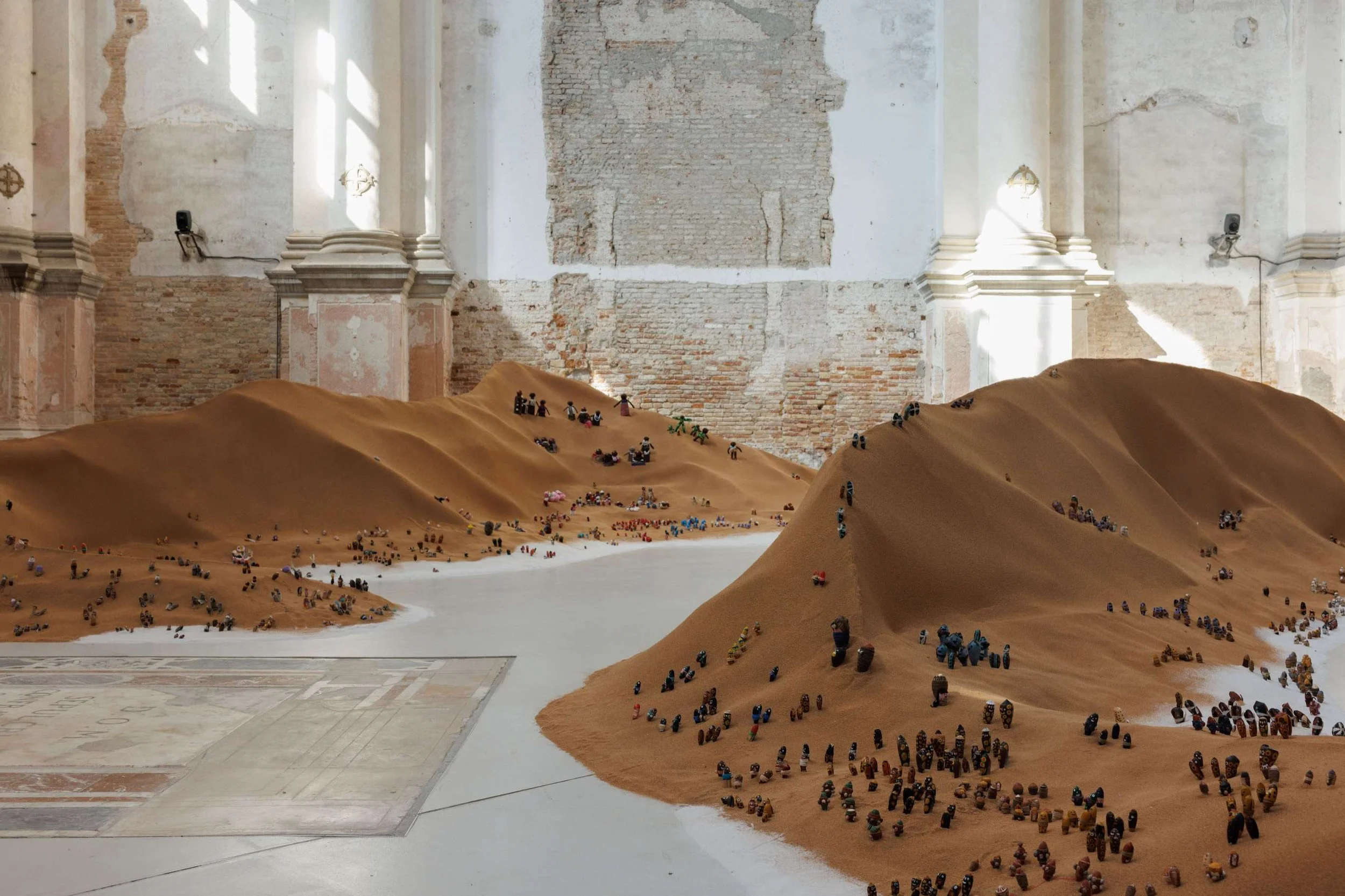
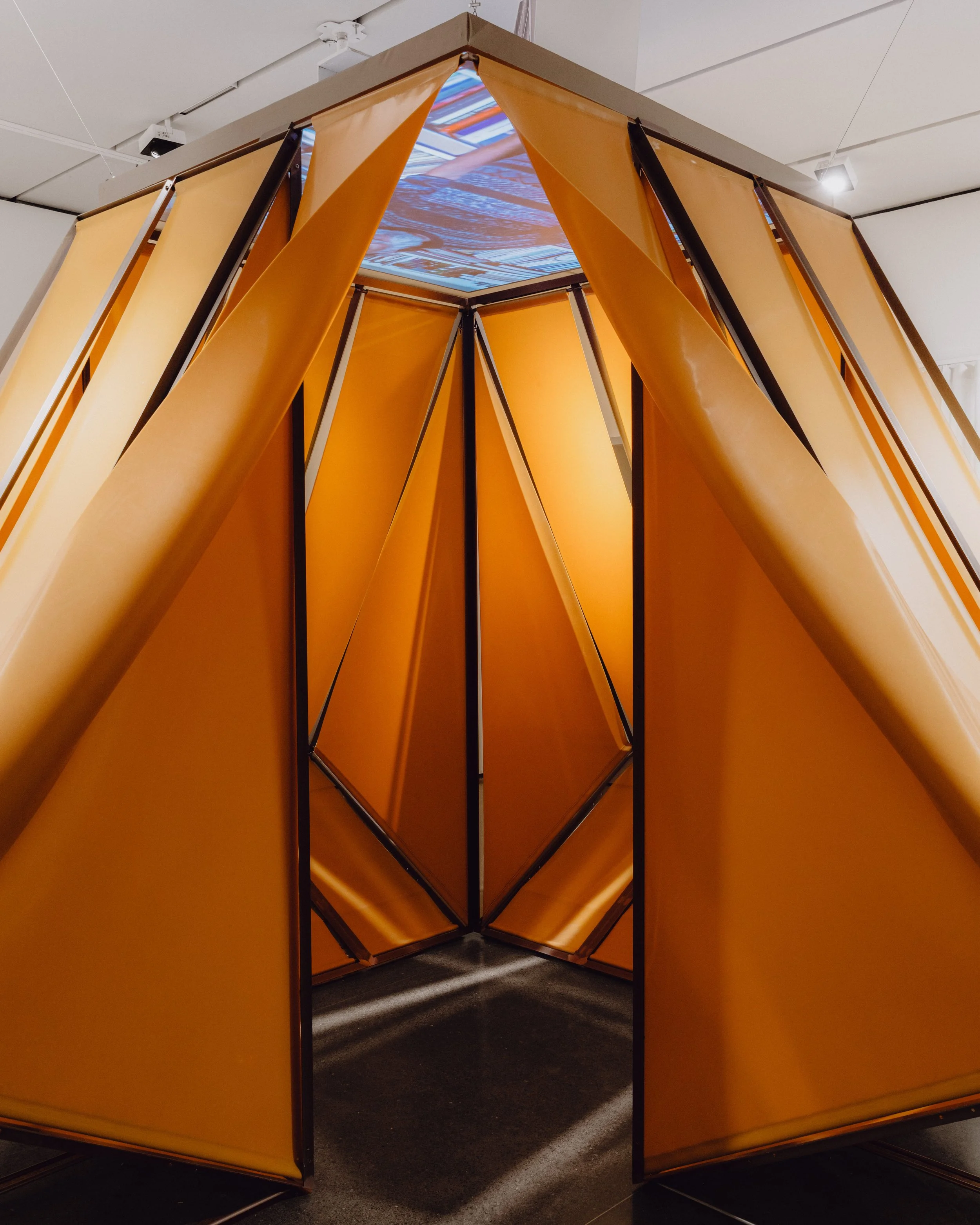
Architecture and Civic Imagination: The OSA Project – Osservatorio Sant’Anna, which takes the abandoned military infirmary of Sant’Anna in Venice as its temporary centre, originated from a shared initiative by Maria Eugenia Frizzele (Venice, 1996), a Venice-based curator, and Lemonot, a London-based architecture and spatial practices studio founded by Sabrina Morreale (Rome, 1990) and Lorenzo Perri (Florence, 1989). The exhibition presents an open archive of initiatives and practices developed in the Sant’Anna space throughout 2025: participatory projects that elaborate collective spaces, including hypothetical ones, assembly-style round tables, and sound performances, all grounded in architectural work conceived in relation to the collective, with potential changes aimed at shared use and togetherness.
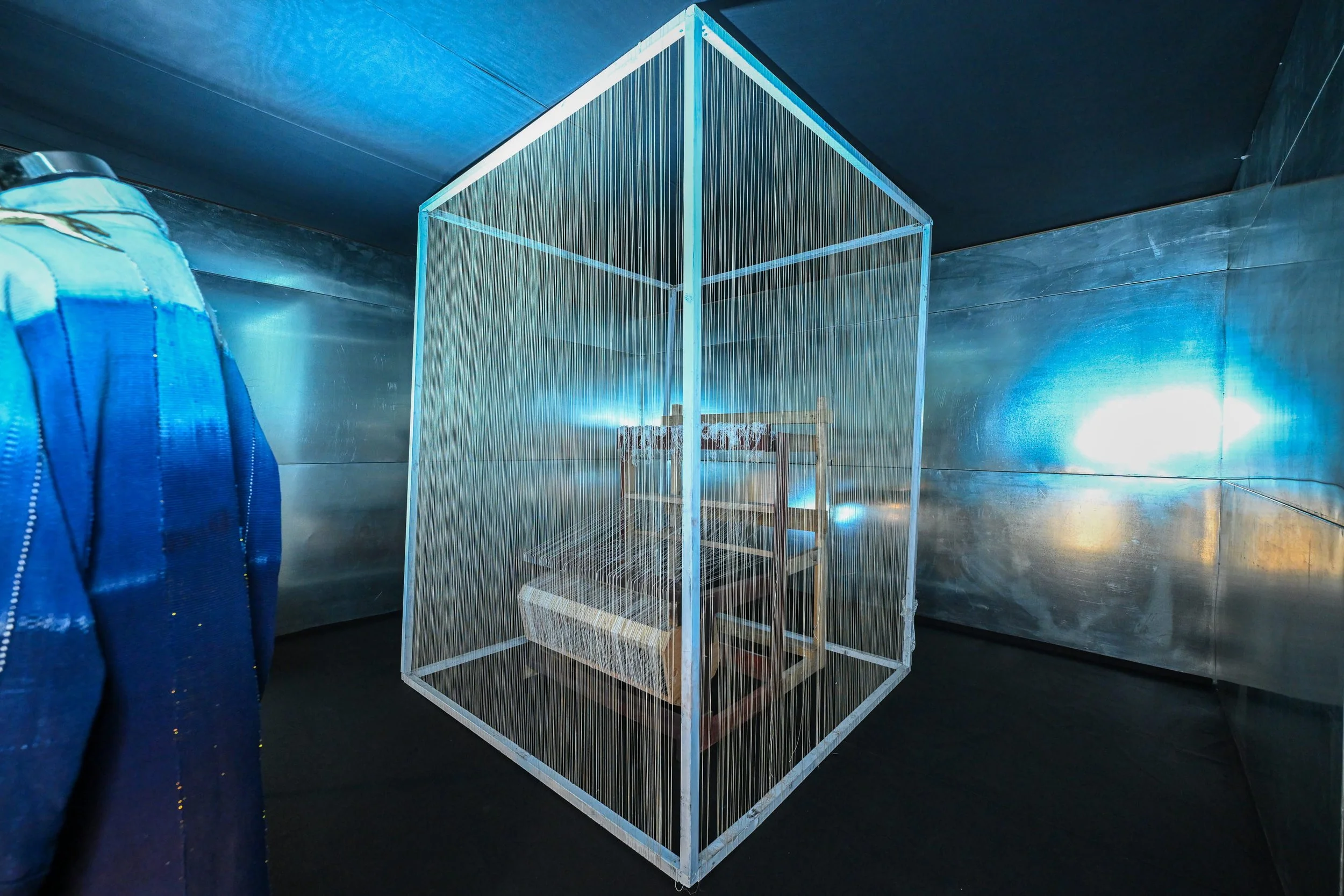
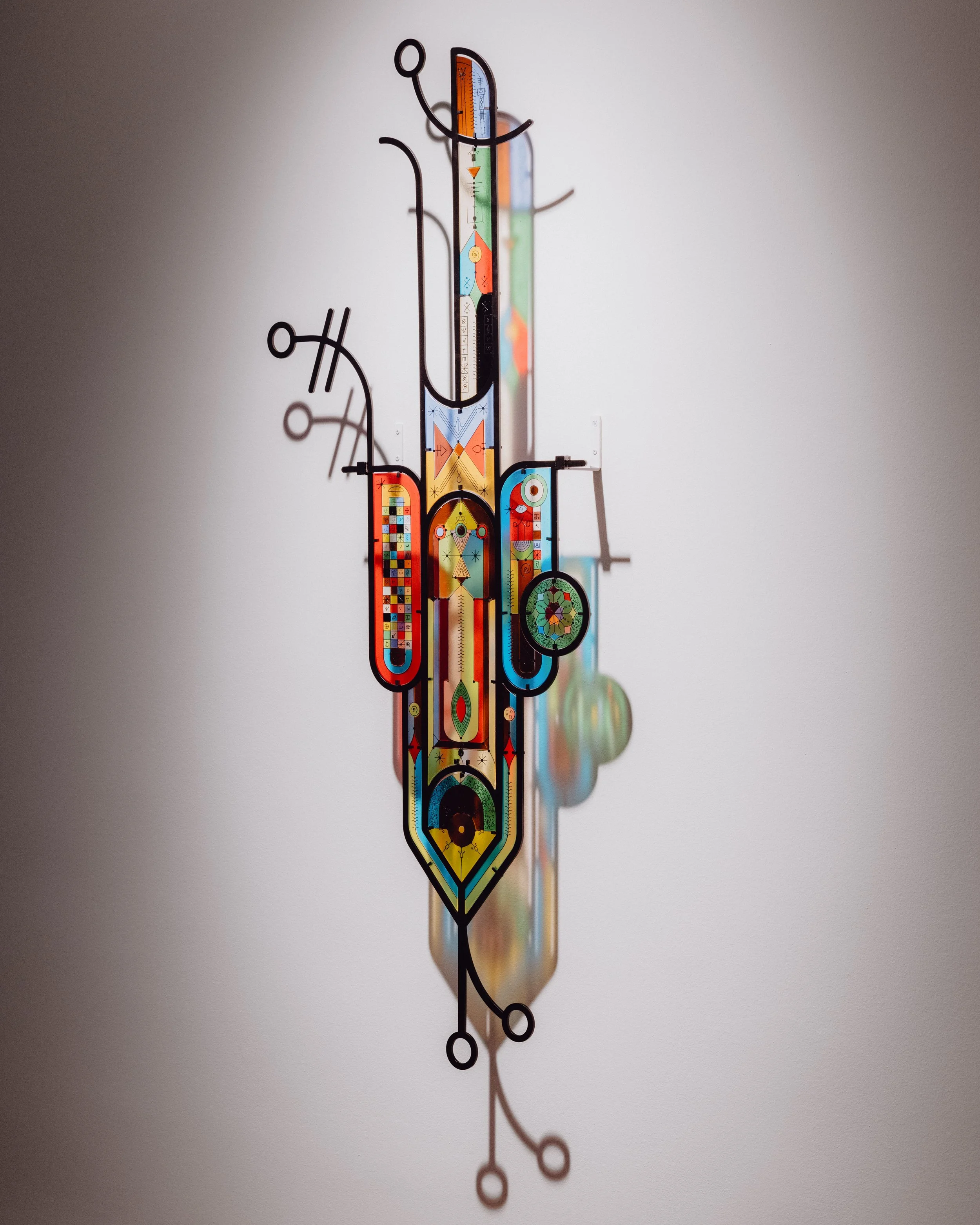
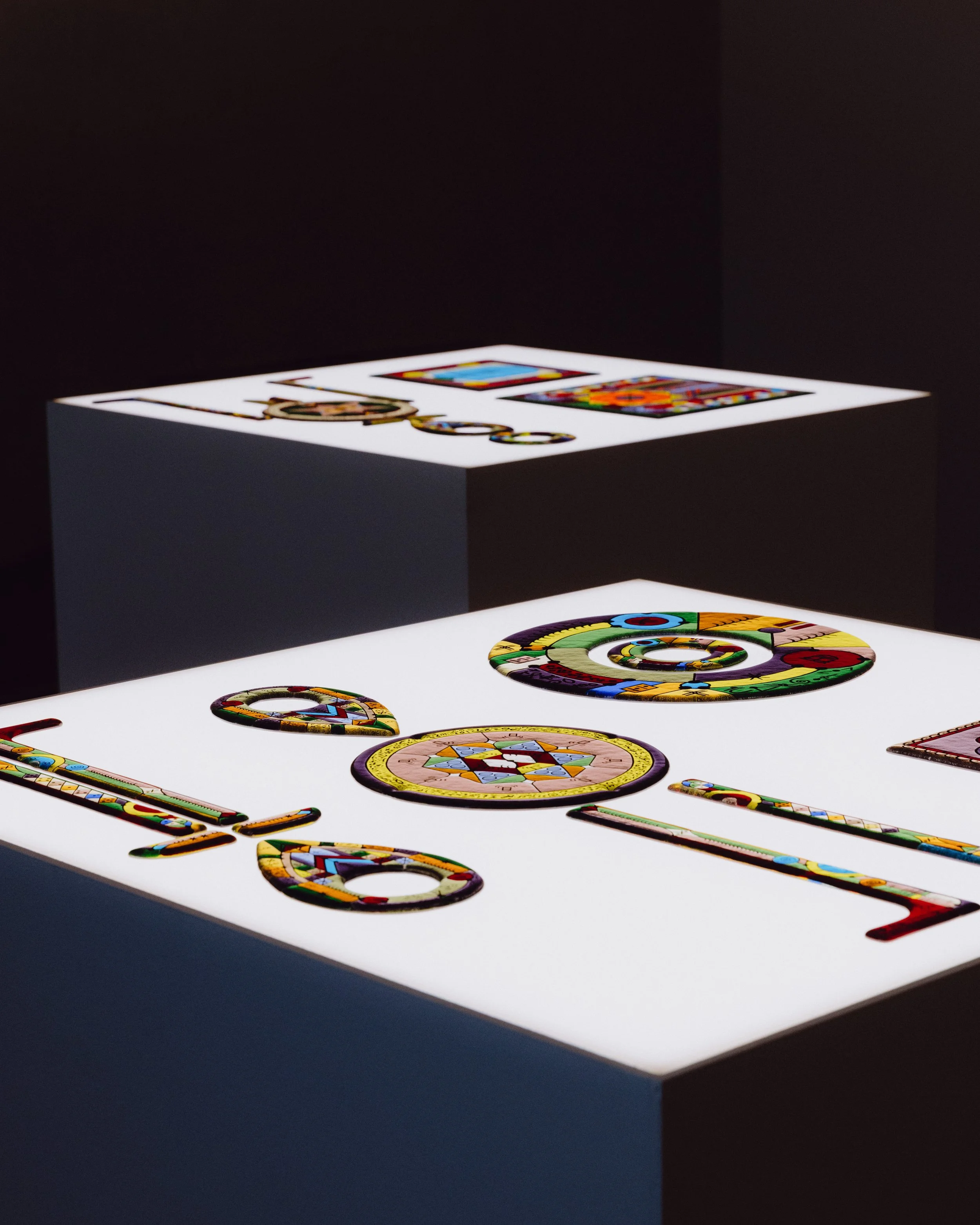
Aliaskar Abarkas, an Iranian artist based in London, presents a sound installation inspired by the work of the renowned Venetian composer Antonio Vivaldi, alongside an ensemble of stained-glass works that reinterpret the musical score. A Moroccan artist working with moving images, Nabil Aniss brings together documentary cinema, poetry, found archival materials, and footage shot by the artist. In the video Where Architecture Ends, he addresses the symbolic and political potential of the Zaouia, which in the religious traditions of specific diasporic communities in Morocco functions as a space for spiritual and ritual retreat, particularly for socially marginalised individuals and groups. The research of Diana Anselmo is equally notable, articulated from the perspective of a Deaf and signing artist. Her work draws on minor archives, counter-histories, and situated forms of knowledge to reconstruct the history of sound recording and reproduction devices, such as the microphone, the telephone, and the gramophone, and the attempt to “cure” deafness, understood as a condition to be eliminated from the hearing world. These themes are further developed in her most recent theatrical work, the lecture-performance Pas Moi, presented at Scuola Piccola Zattere.
ABC Zattere: the gastronomic project
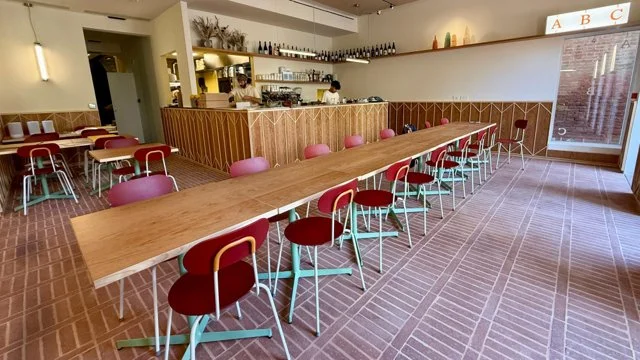
It is impossible not to stop for lunch at the beautiful ABC – Arte, Bar e Cucina Zattere restaurant, located within the same building, where art and gastronomy come together in a creative environment beneath the pergola of the Venetian courtyard.
The space has been redesigned by the Milan-based collective Fosbury Architecture, which offers a contemporary reinterpretation of the wooden panelling of historic Venetian cafés, the paving typical of public spaces, and elements recovered from previous restoration projects. The architectural intervention is completed by a selection of furnishings emblematic of Italian design, including the Mariolina chair by Enzo Mari for Magis, a new selection of plants in the courtyard, and the visual identity by Giga Design Studio.
The kitchen is overseen by two chefs, Jack Martin, a gastronomist and documentary filmmaker of Welsh origin, and Nathan Cal Danby, a British chef, designer, and curator of the culinary format. The gastronomic concept focuses on contemporary Venetian culture, with a seasonal approach centred on local producers. Functioning both as a bar and as an evening restaurant, the menu presents a mix of cultures that shifts month by month, with informal dishes and a wine list largely drawn from Veneto wineries, alongside cocktails and soft drinks.
Words by MATILDE CRUCITTI
What to read next