ORUN: Memory, Structure, Transmission
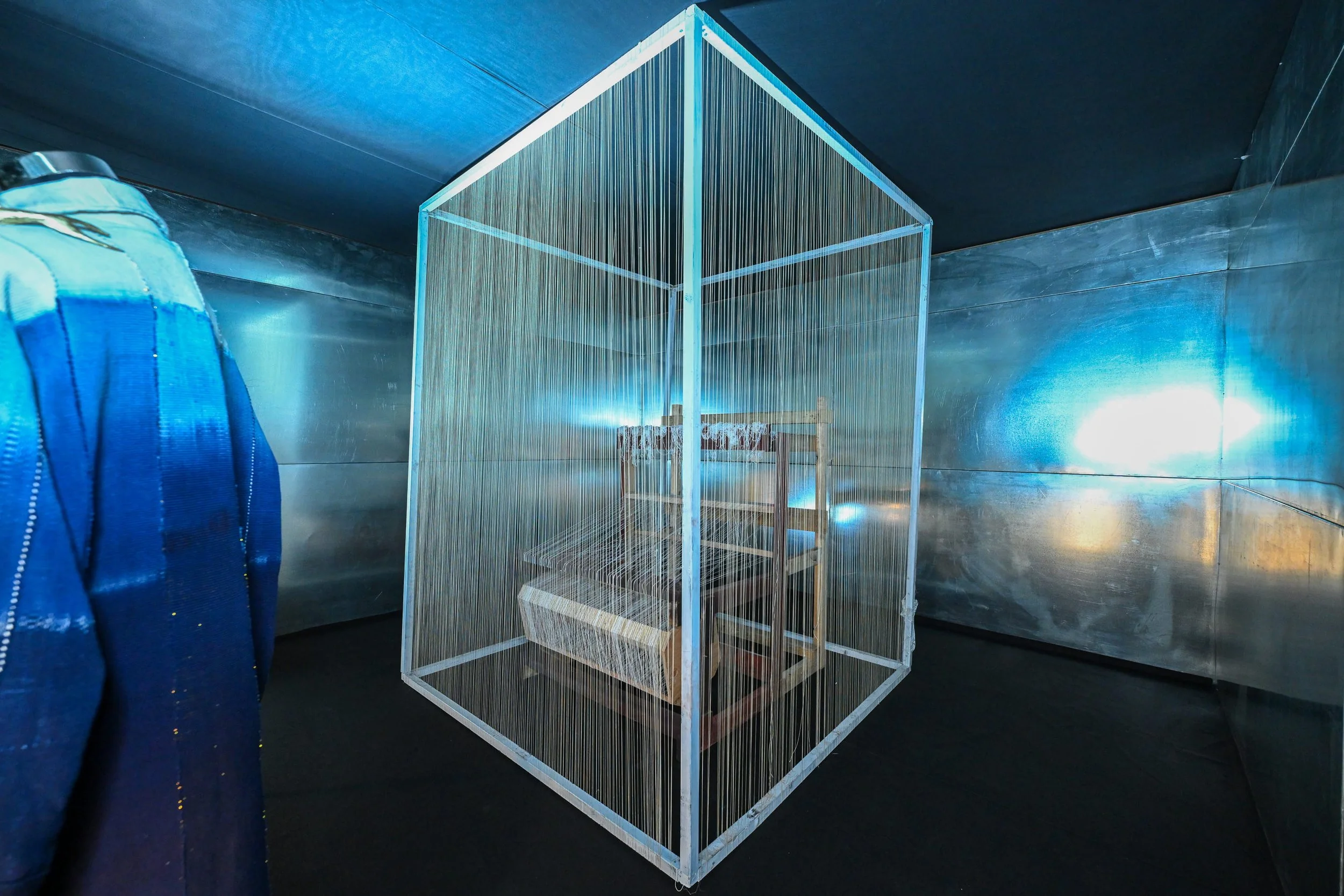
OLOOH CONCEPT
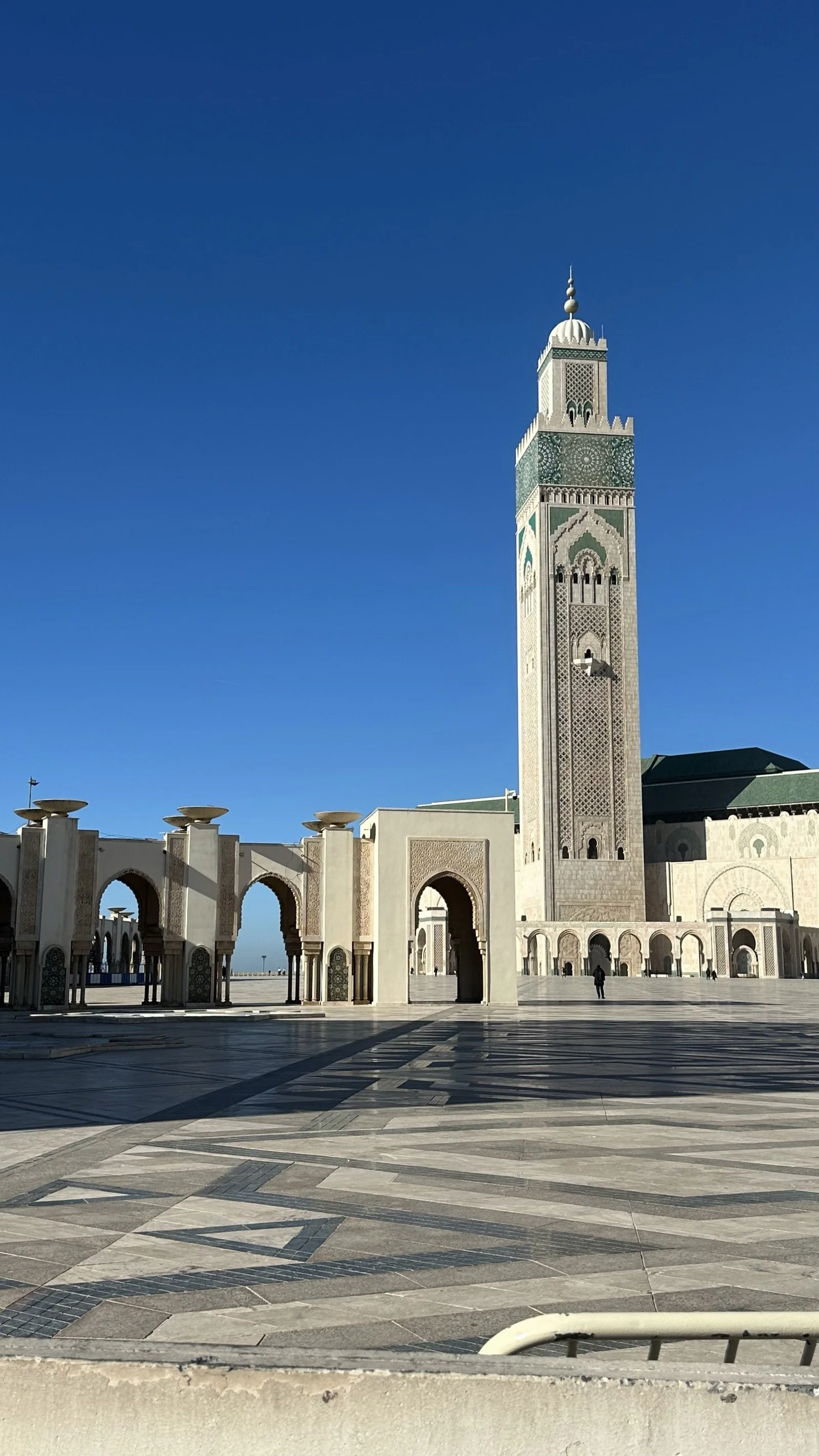
Under clear blue Casablanca skies, we were hosted by the pan African organisation Orun, for a day packed with Moroccan gallery tours; a beautiful traditional Moroccan lunch and a viewing of Africa's largest Mosque. The highlight, however, was meeting Orun’s showcase of their designers and artists. Orun’s methods follow a Sovereign Code based on three foundational pillars: Memory, Structure, Transmission.
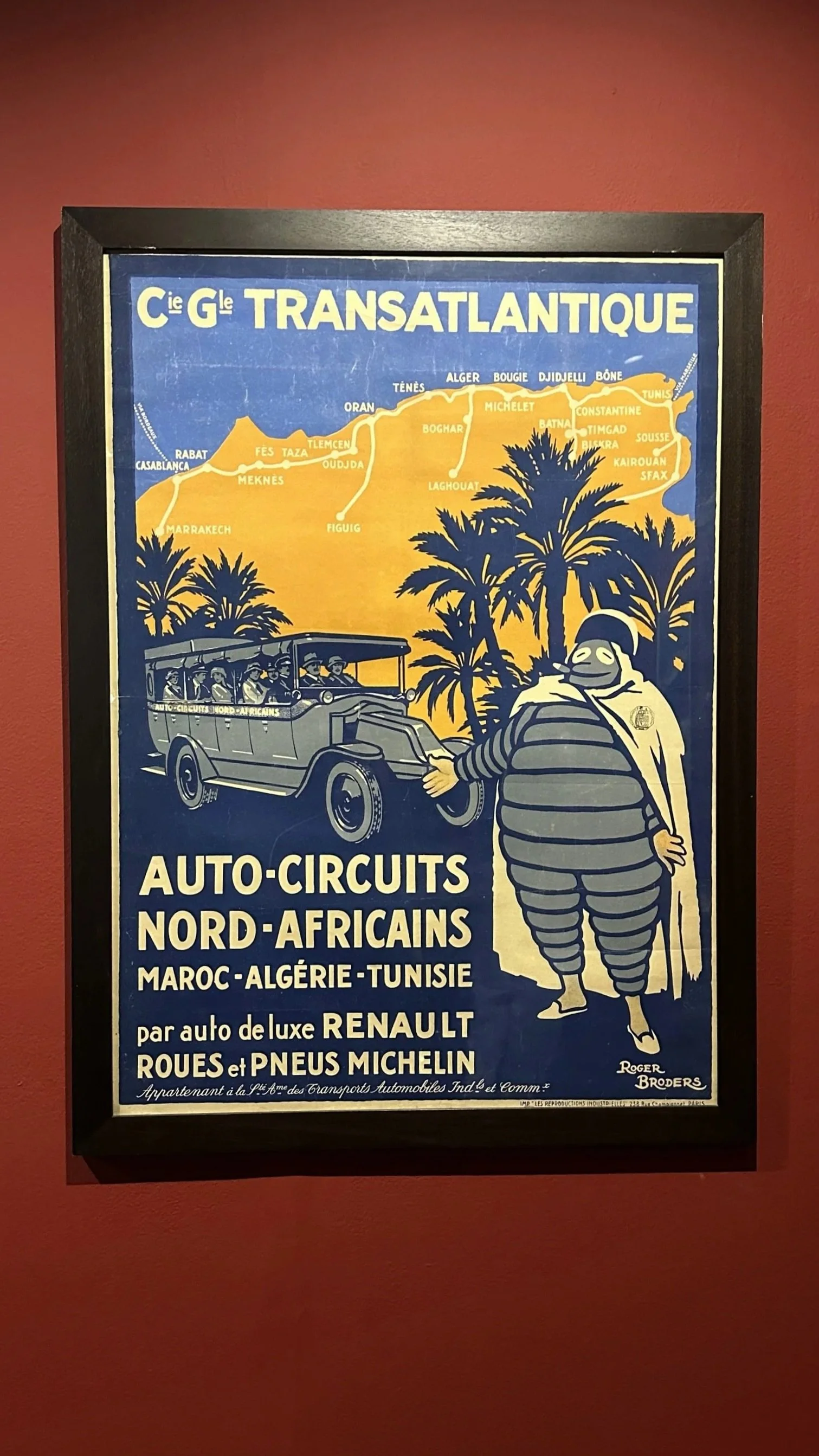
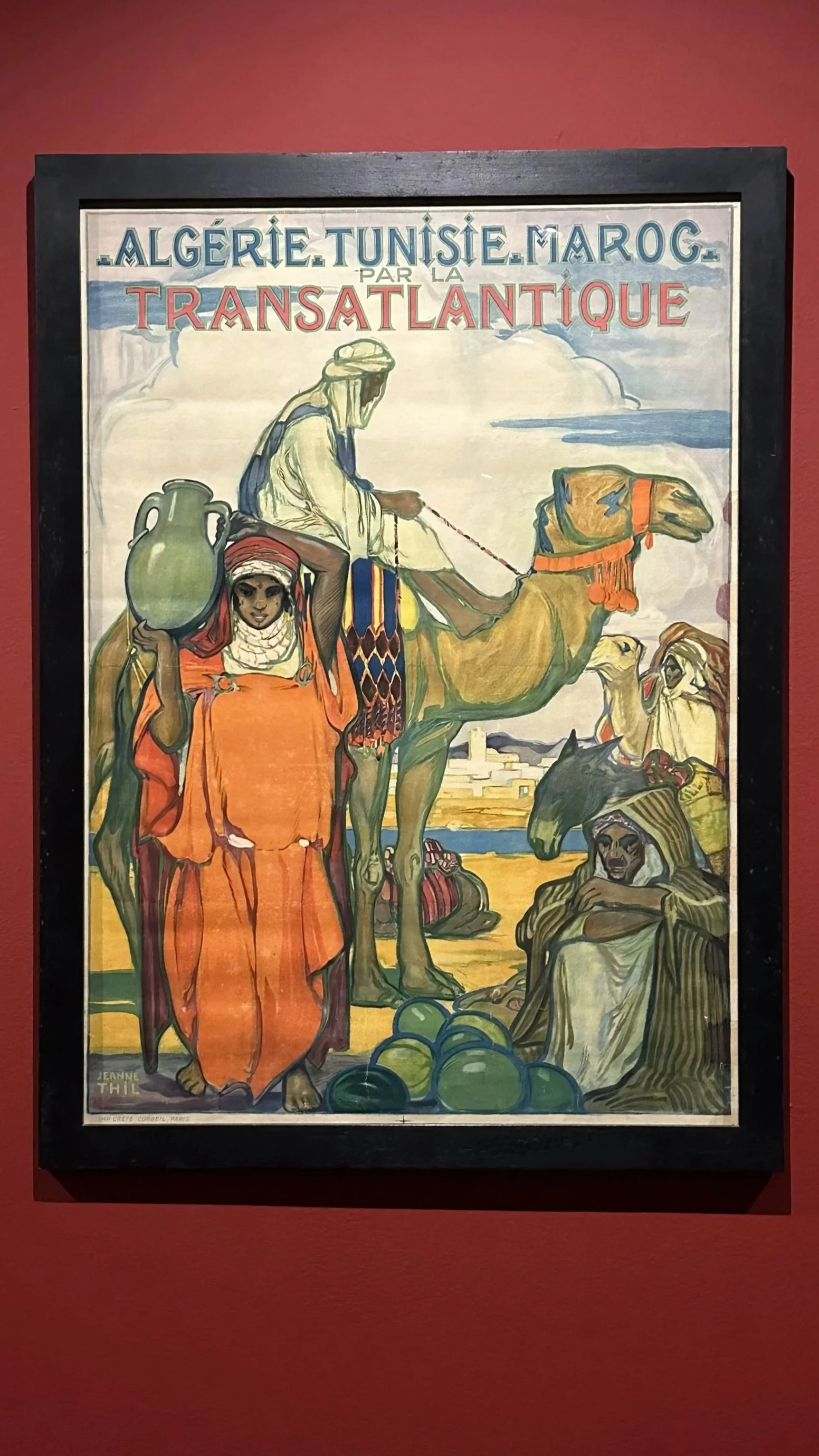
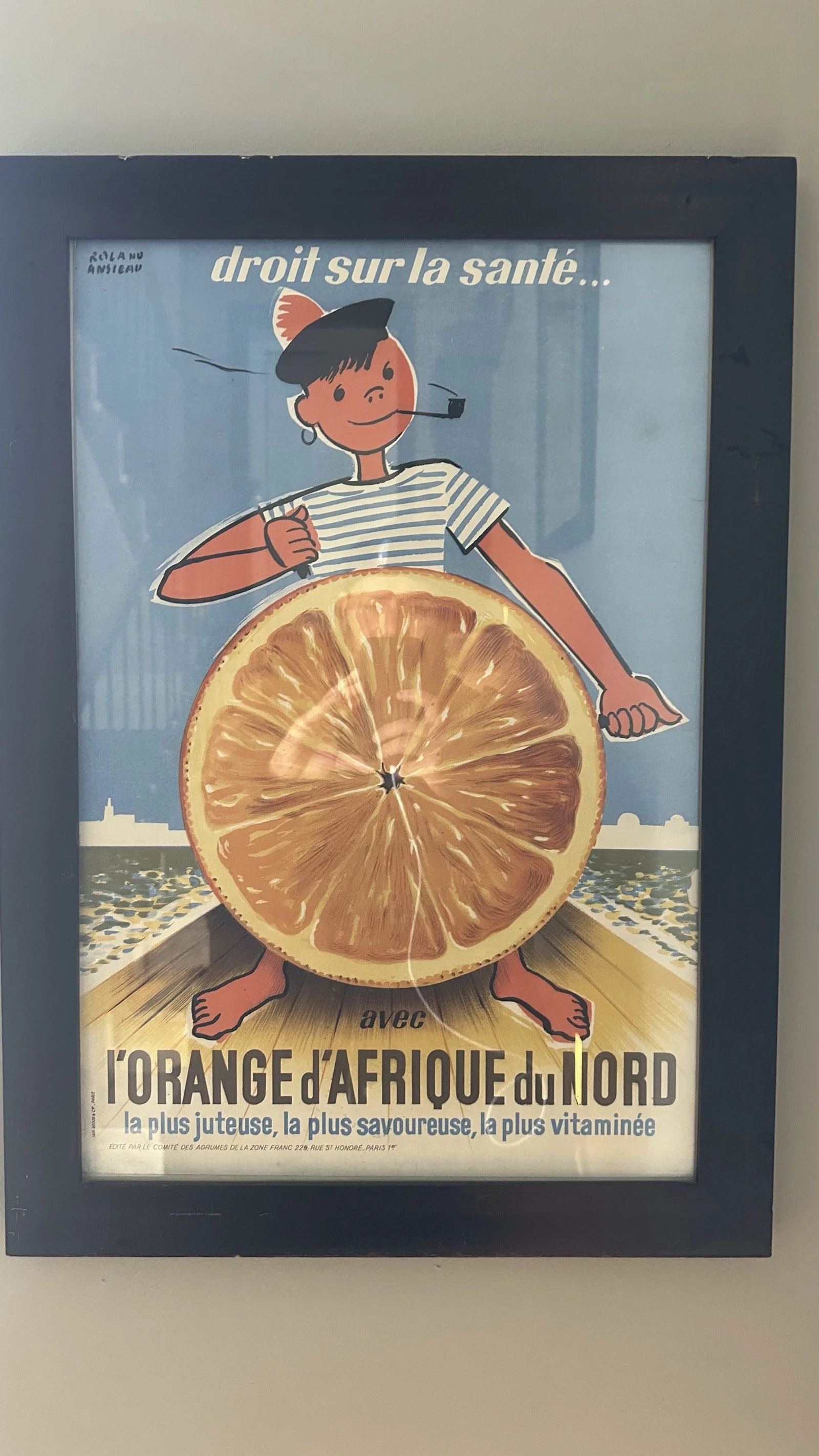
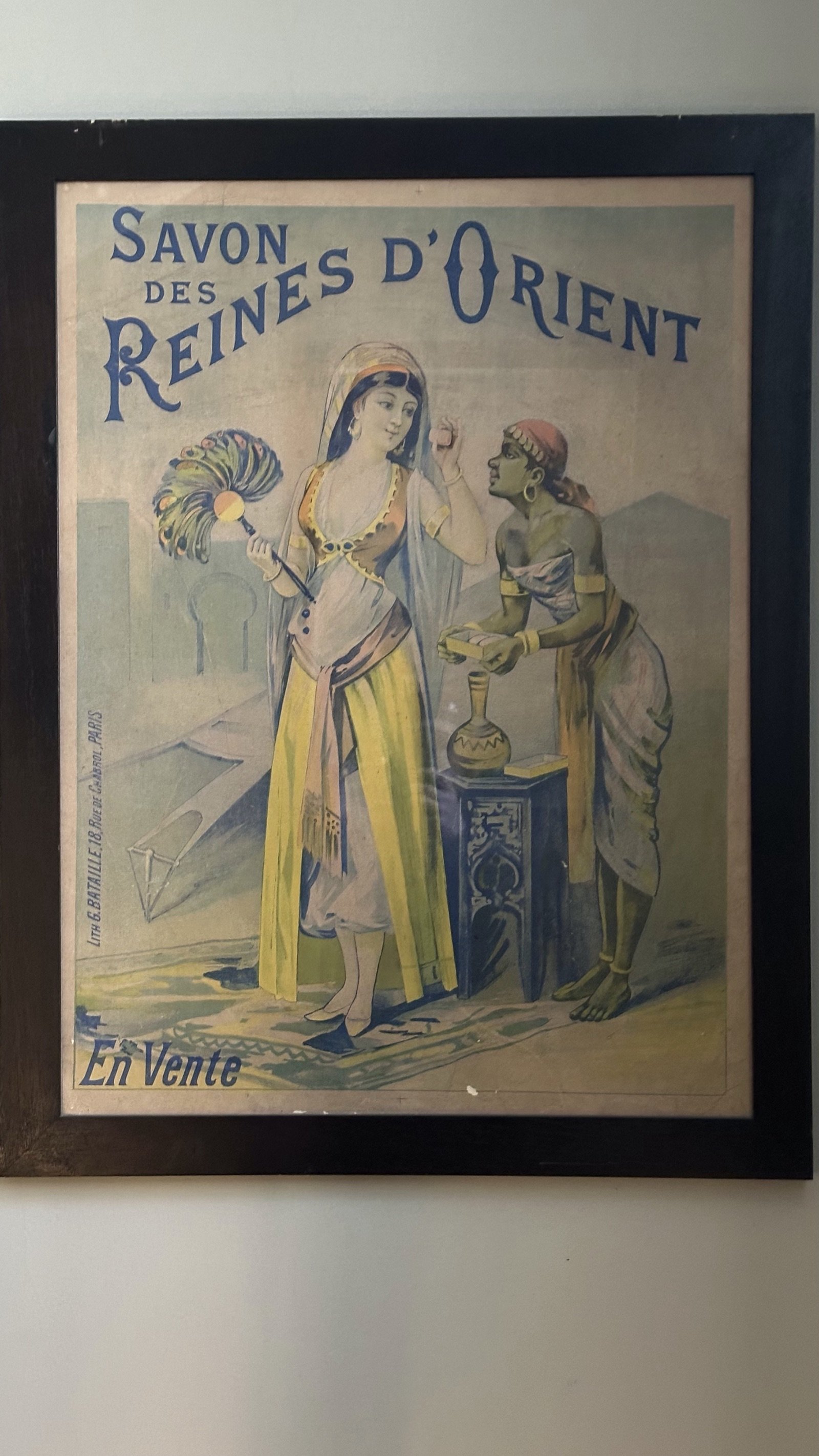
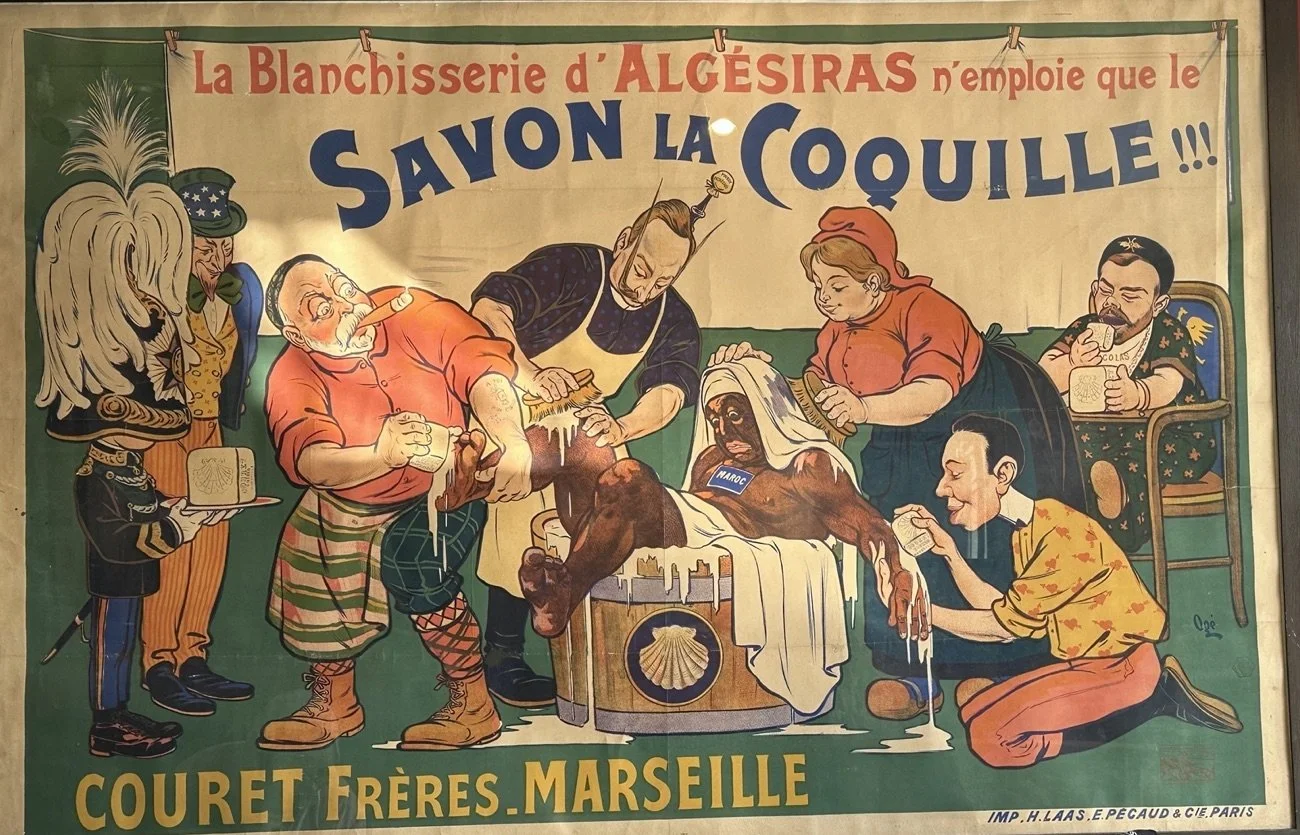
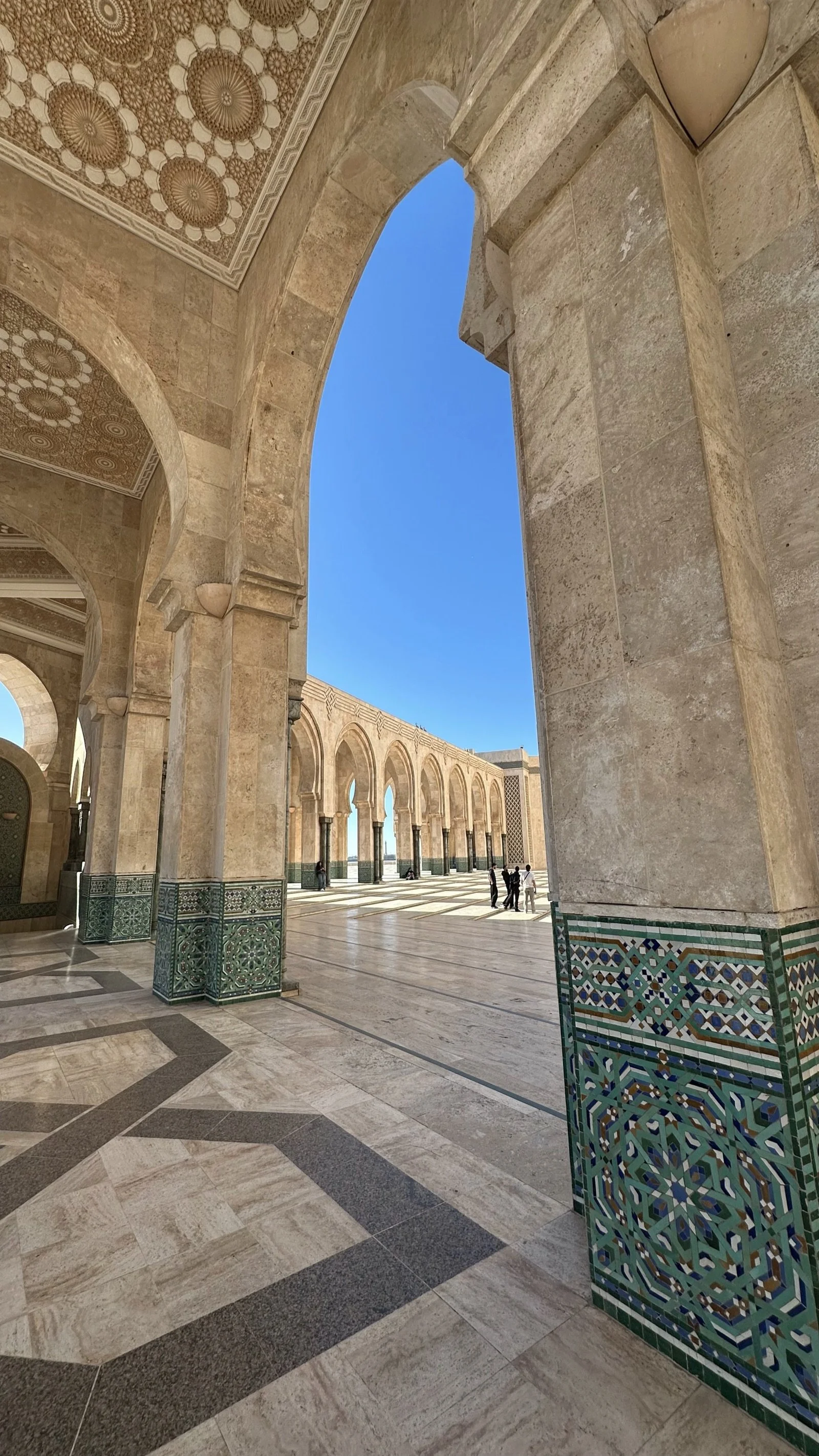
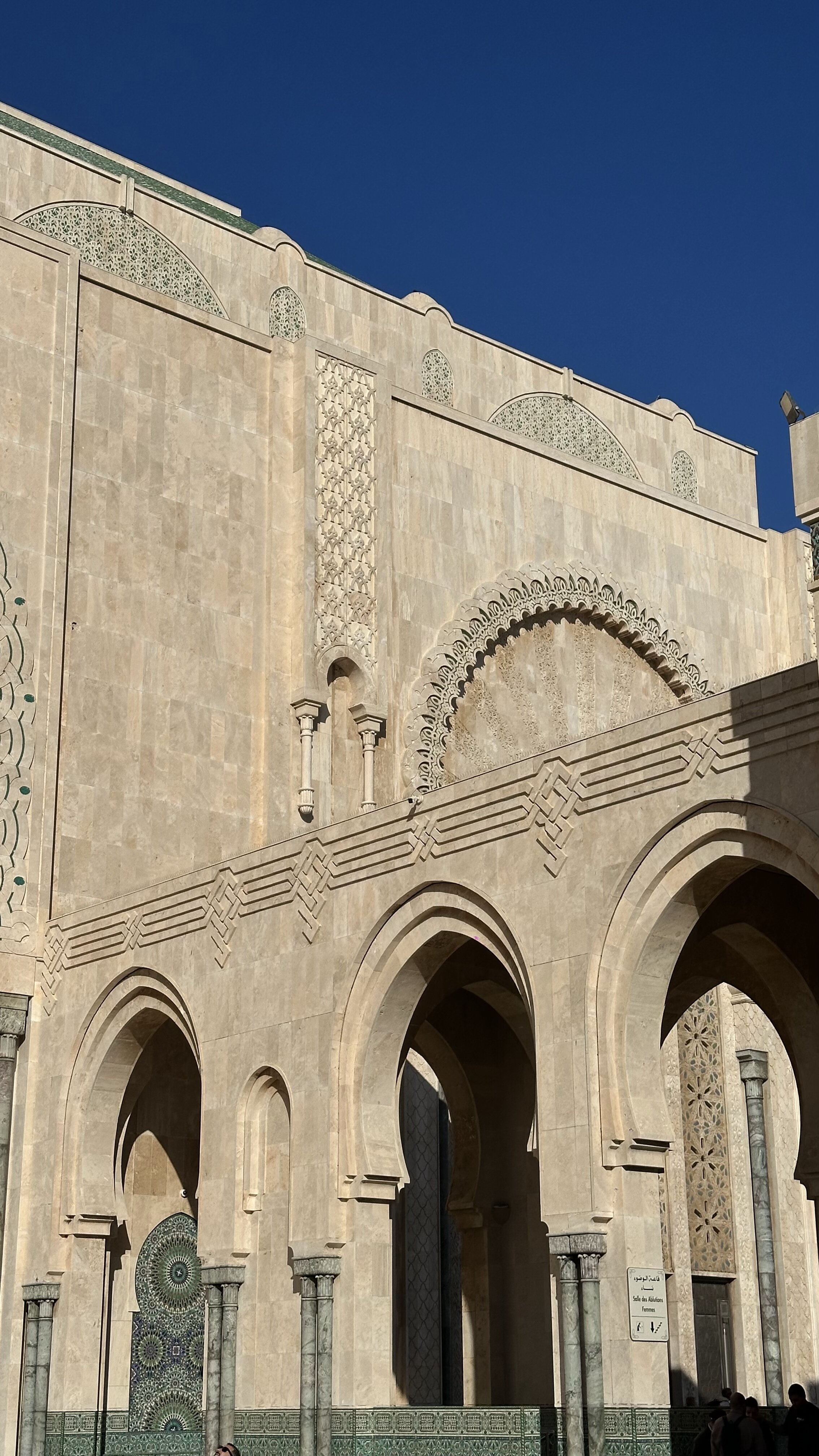
In the heart of Casablanca, amongst the gardens of The Sacre Coeur Cathedral, we met their selected creatives speaking to their heritage, with sustainability and narrative at the core of their work.
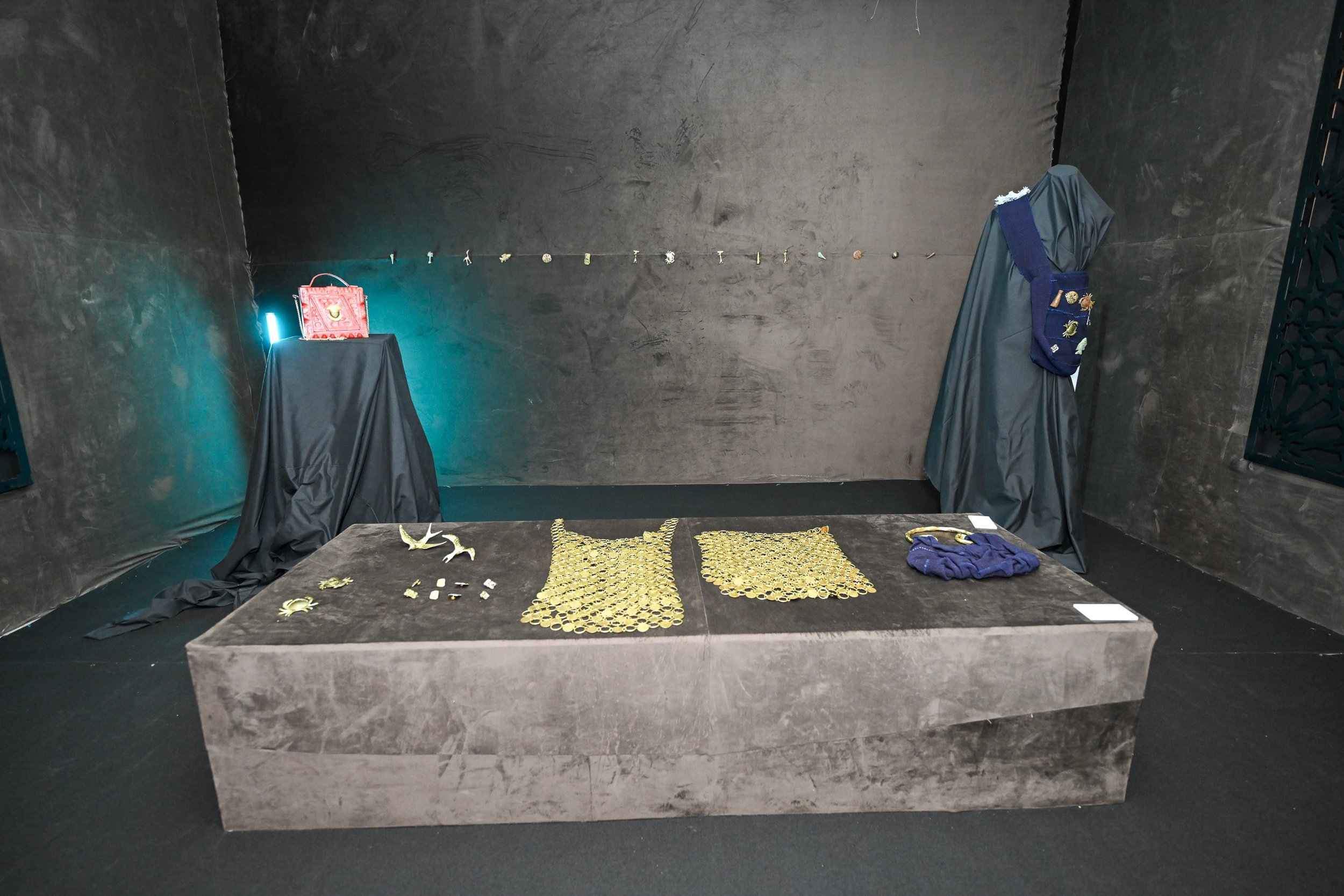
OLOOH CONCEPT & ROMZY
During a rendez-vous under the skies of Casablanca, a new romance flourished between the pan African orgainsation Orun, and us here at COEVAL Magazine.
Orun is dedicated to transforming local economies by elevating African talents and craftsmanship, with the aim of elevating and adding structure to the African creative industry.
To drive sustainable development, Orun’s philosophy is simply defined by their sacred sovereign code, structured around three pillars: Memory, Structure, Transmission.
Orun translates craft with narrative into long-lasting cultural and economic assets that can strategically generate local income.
As their first program, Orun introduced us to their designers. Carefully selected as “impact builders”, the work of these designers speak to their heritage.

COULEUR INDIGO, ROMZY, IMI & KIMI
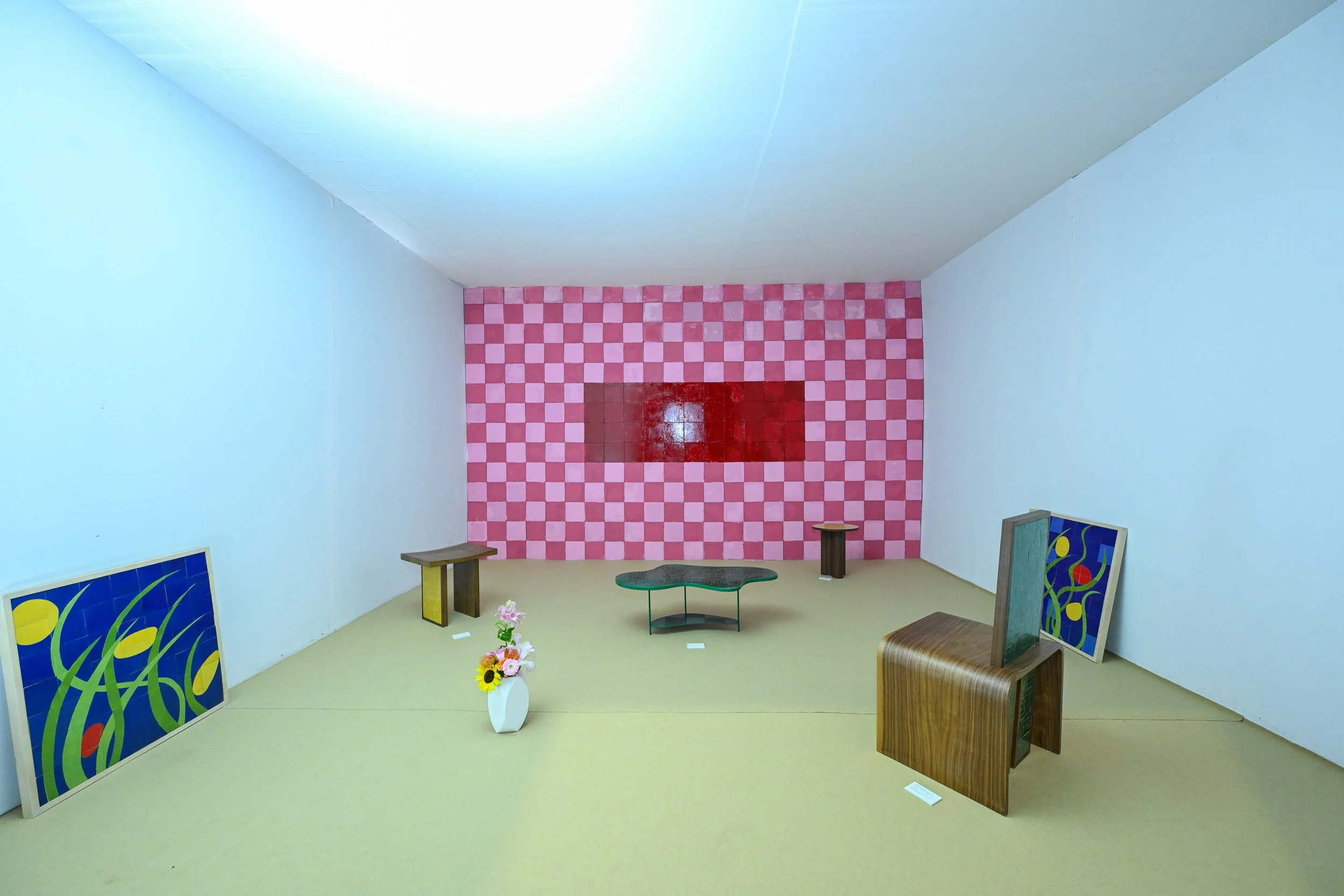
FEN PROJECT
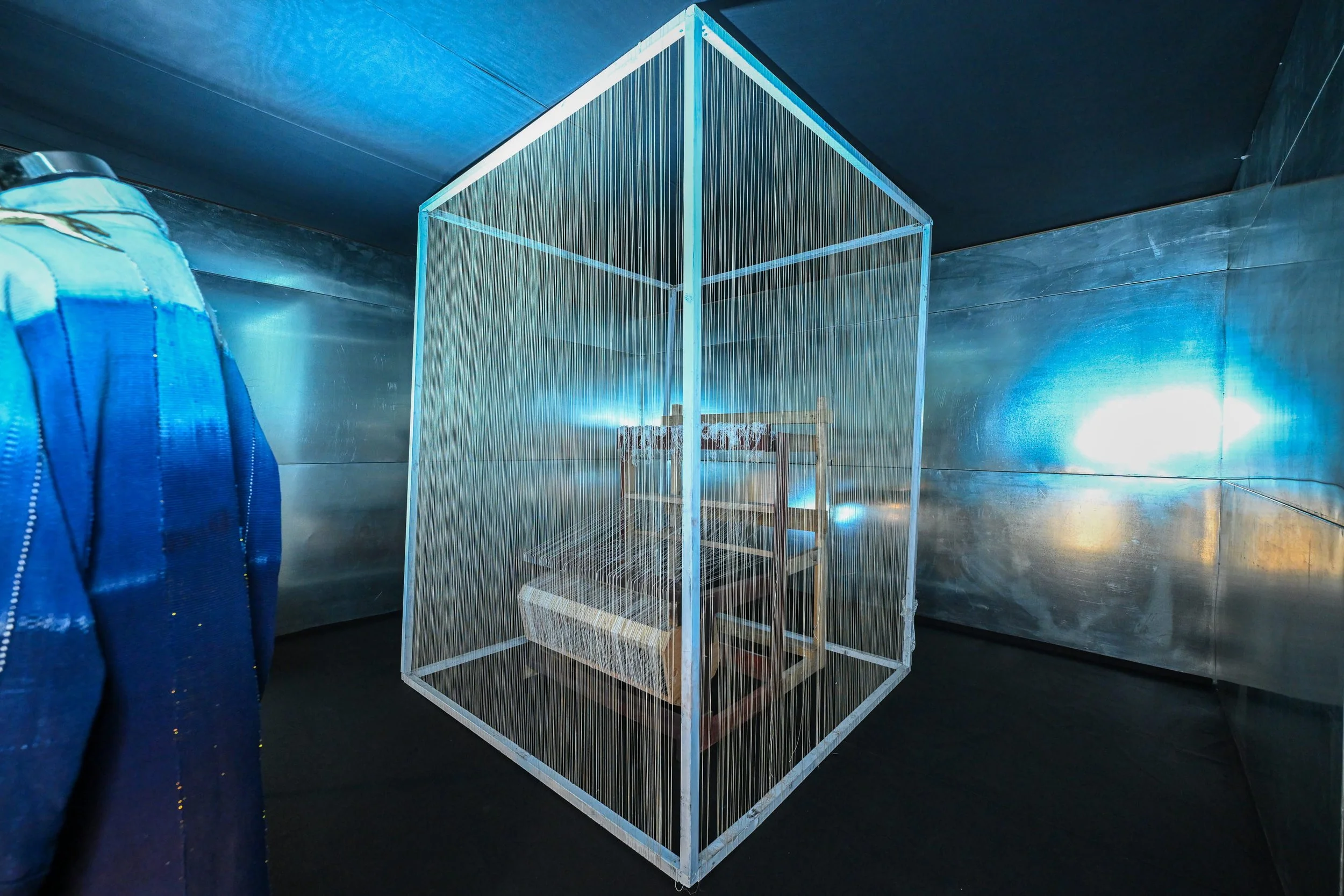
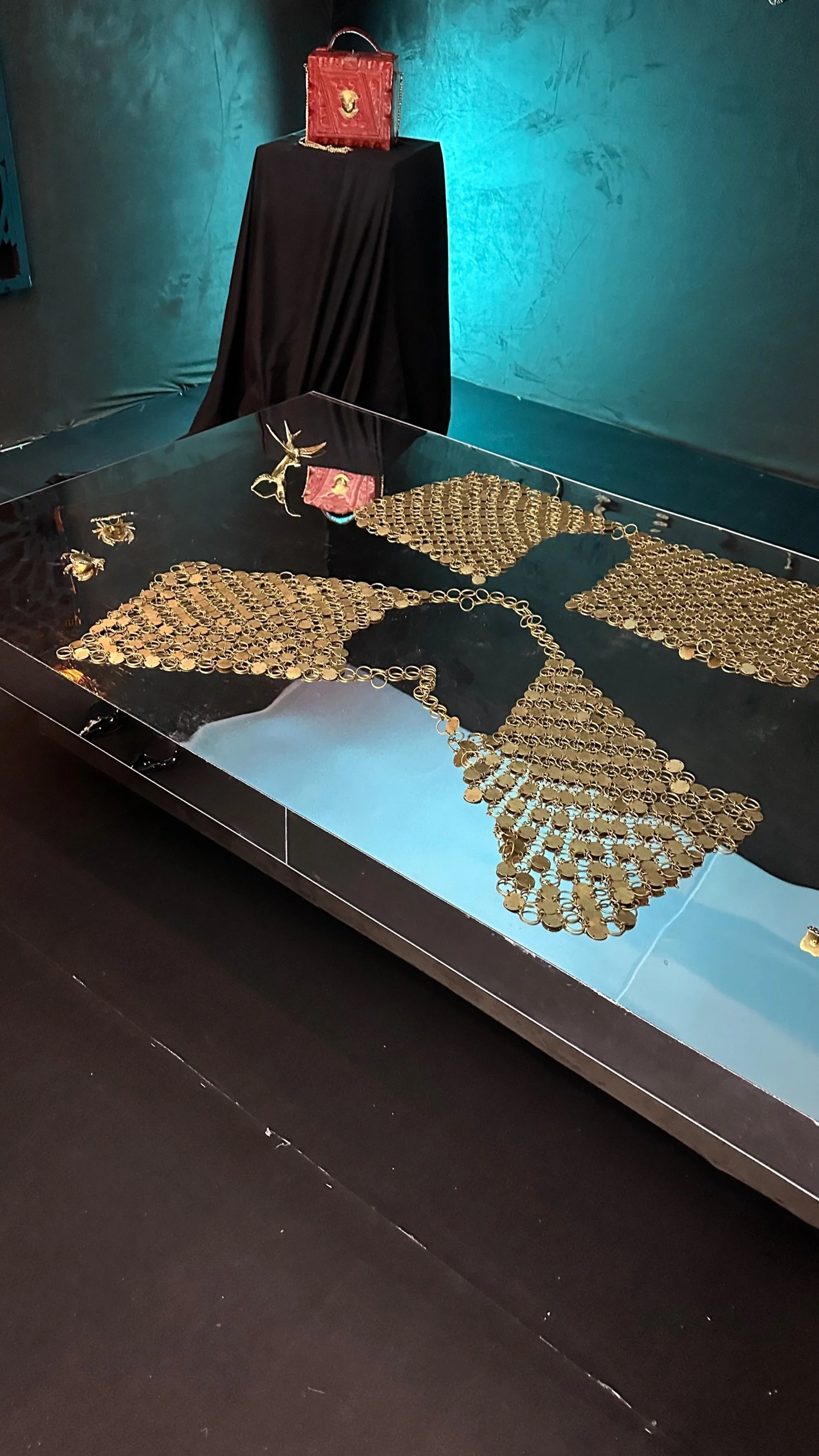
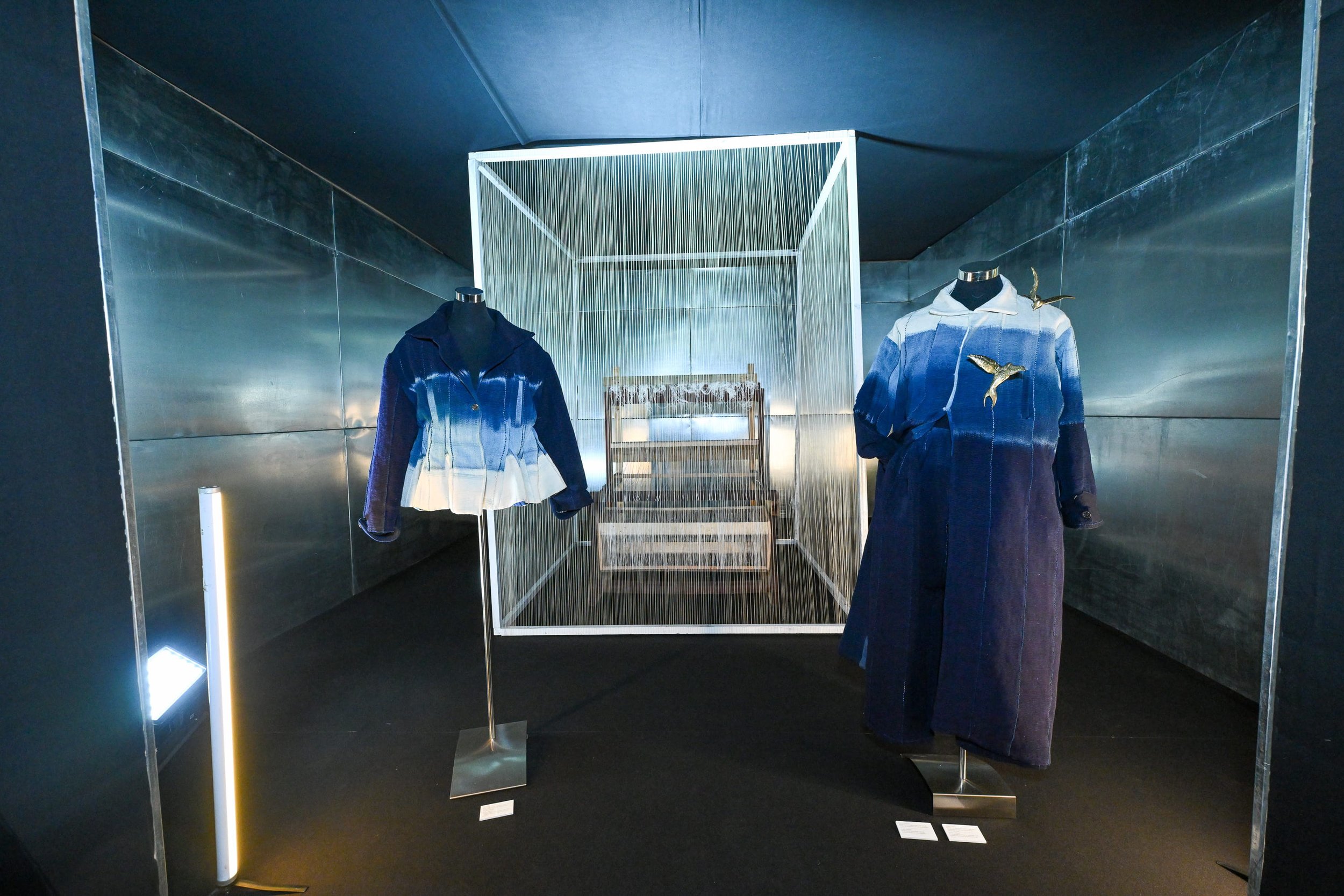
I sat down with Kader Diaby, the founder and creative director of OLOOH, from Cote d’Ivoire. OLOOH imagines and creates designs that reflect a Cote d’Ivoire without colonisation. How would craftsmanship look today if the French had not colonised Cote d’Ivoire? OLOOH answers this question. OLOOH uses only organic fabrics and traditional production methods. The showcase look was created by weaving cotton and traditional dying to create a cropped, cuffed and coloured coat, coloured with an array of blues. To match, OLOOH created a longer coat with the same methods, embellished with a brass bird whispering into the wearer’s ear from their shoulder, and another perched by a left breast pocket. The brass technique used for the application of the birds was one repurposed by OLOOH, traditionally used to create statuettes. The coat buttons were built using the same techniques.
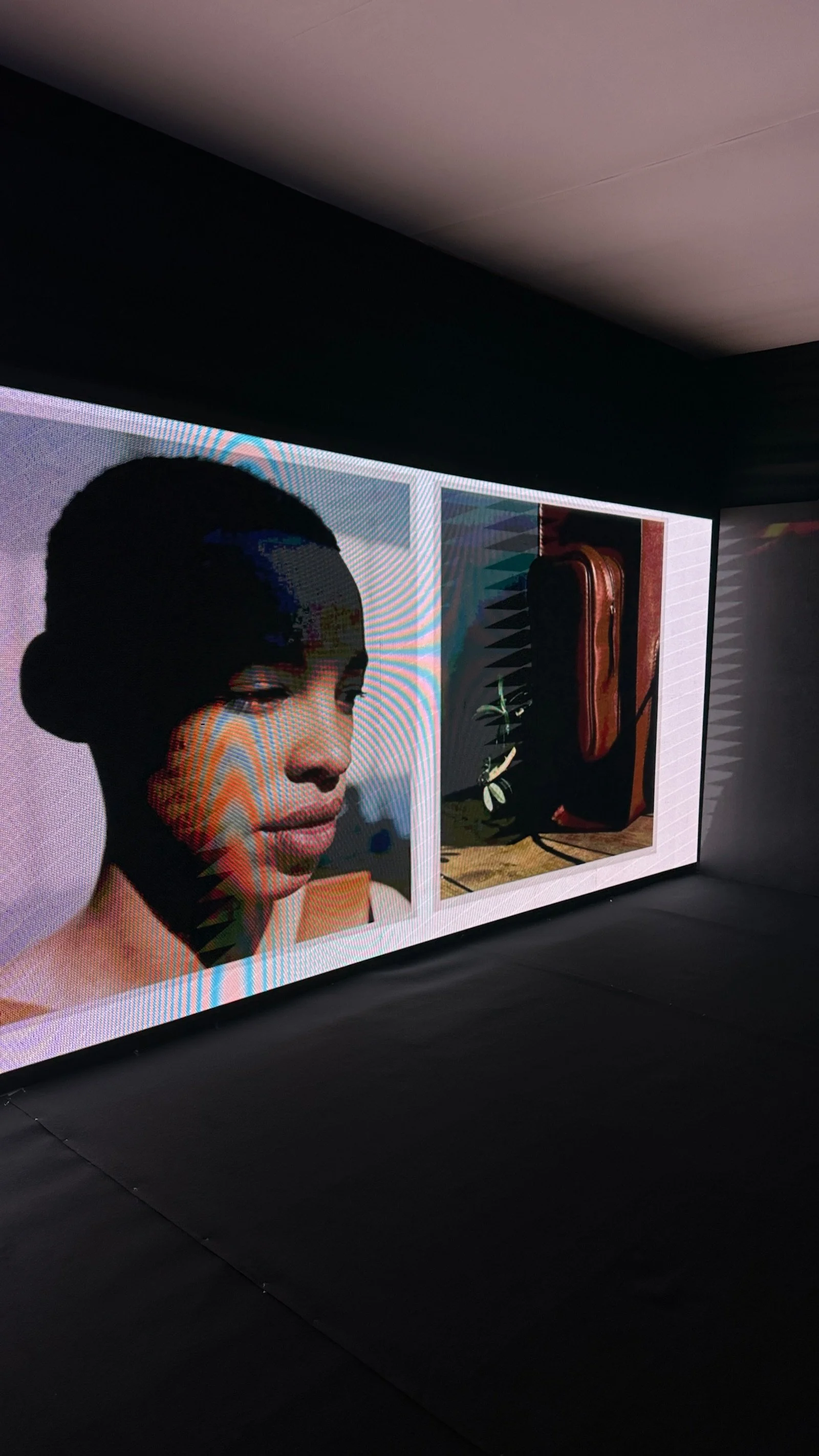
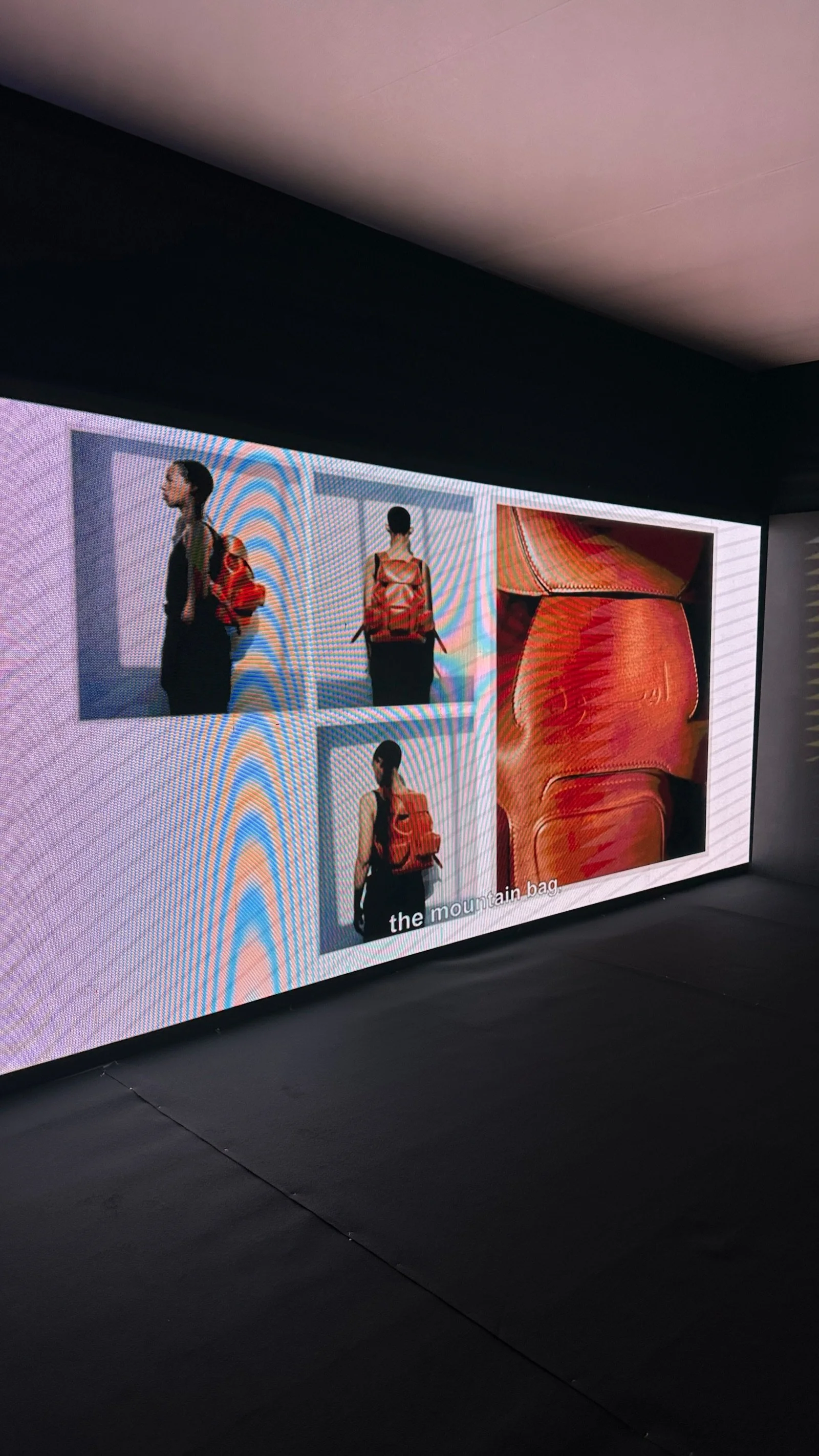
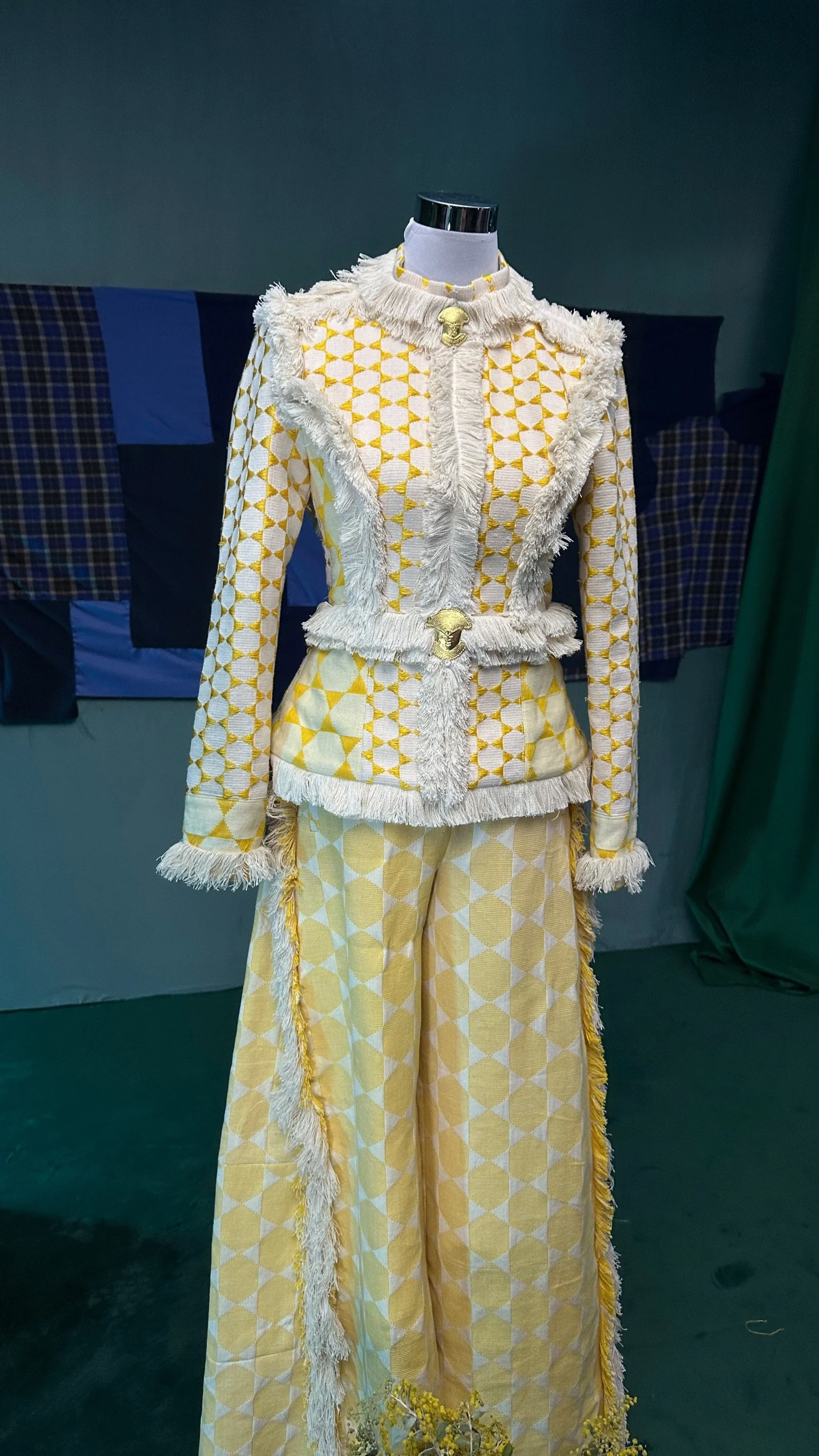
Also showcasing was Romeo Moukagny, from Gabon and Senegal, and his creative partner Yeane Vanie, from Senegal. Together, they creative direct their label ROMZY. ROMZY creates gender fluid fashion dedicated to positively impacting their society.
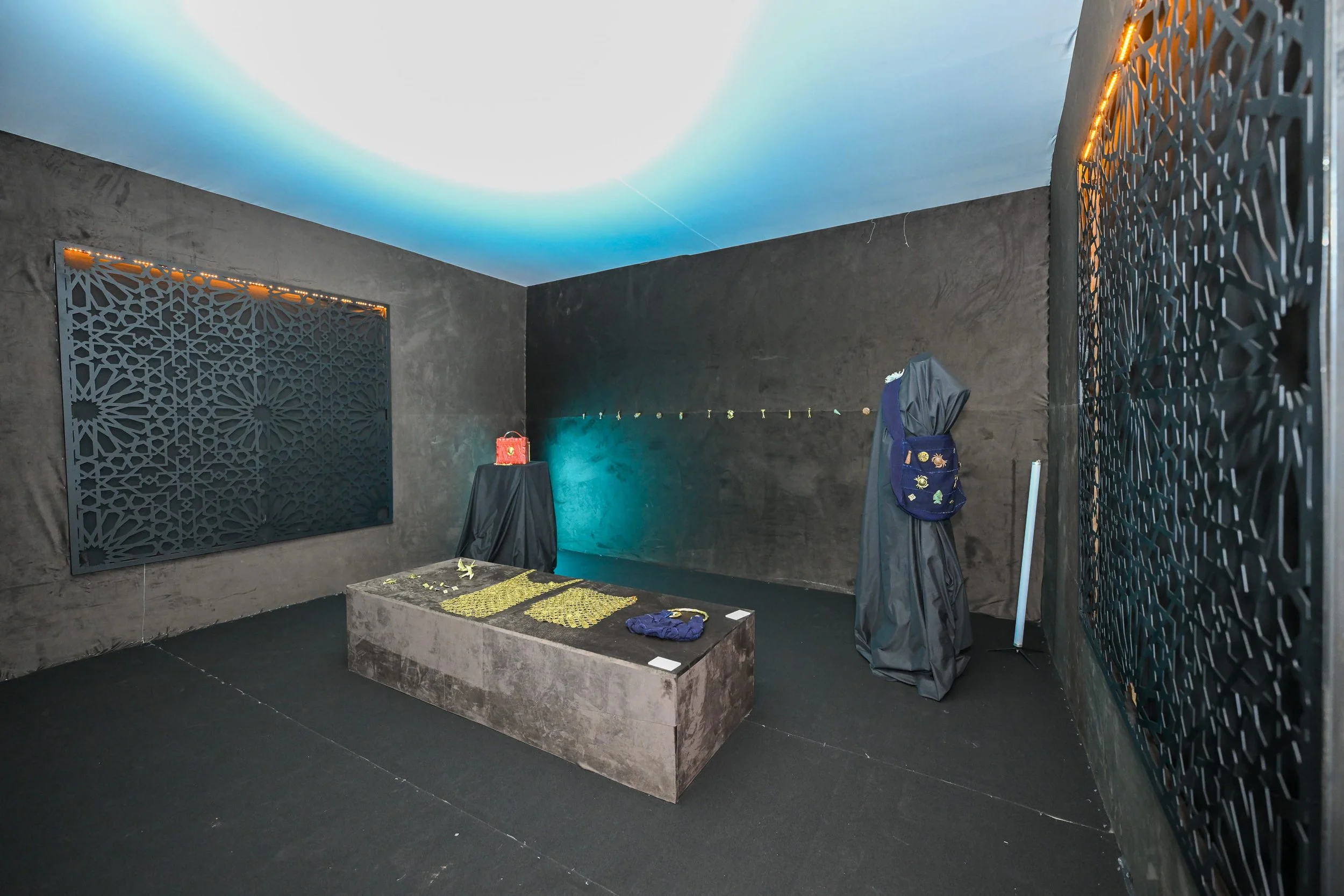
OLOOH CONCEPT & ROMZY
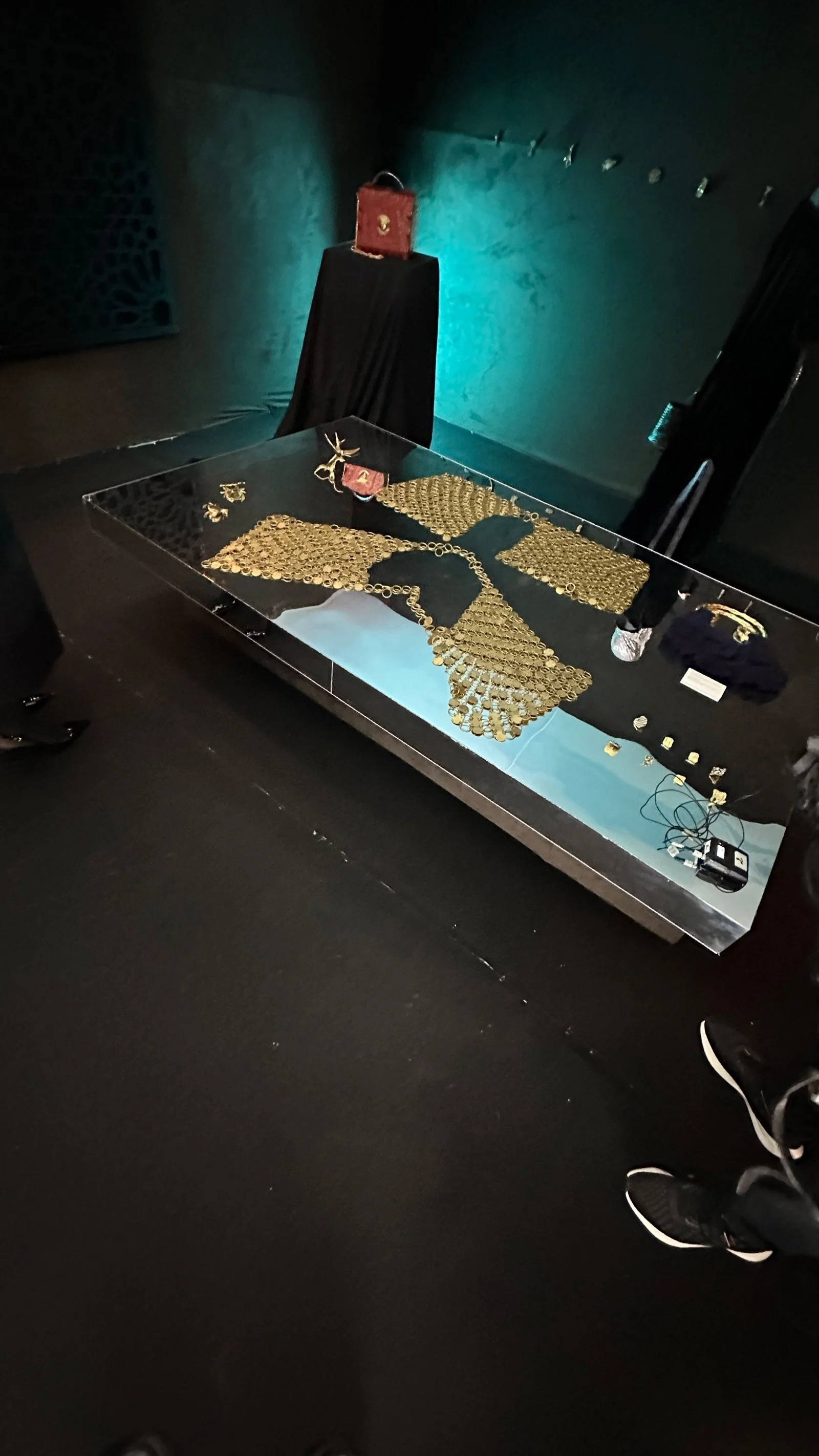
YOSHITA 1967
“Orun in Casablanca represented for us an earth of rare depth, carrying a weight of meaning and history.”
IMI & KIMI, ROMZY & JOHANNA BRAMBLE
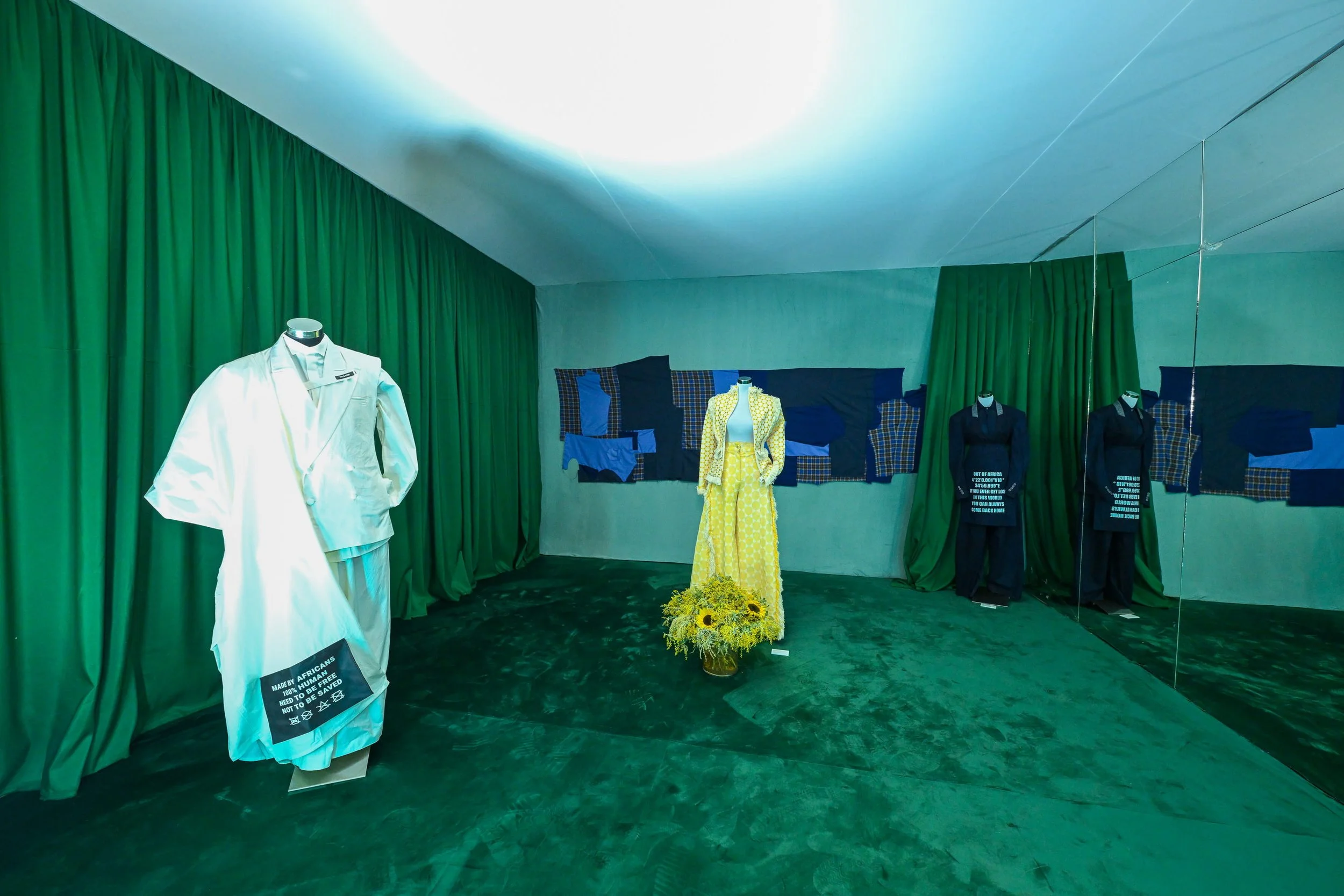
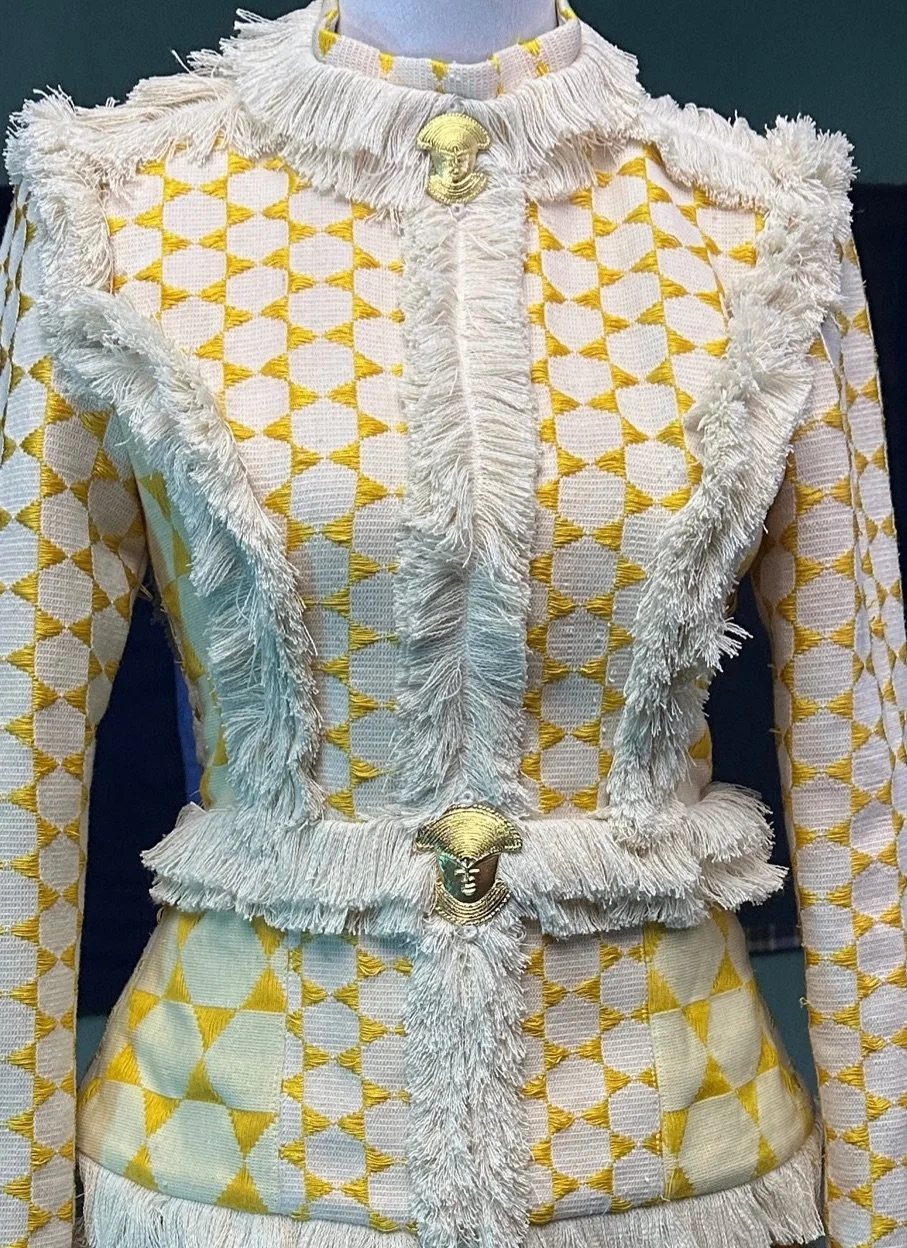
On this night, they displayed a wattle yellow tailored suit created with traditional Manjak weaving and metal casting: a crop belted jacket with white fringing to finish, and bell leg trousers, with white and yellow fringing. Both pieces were detailed with a yellow and white hexagonal print. ROMZY began by repurposing fabric originally used for fast fashion. Now, they work more closely with African fabrics to support their local economies. As Romeo put it, “you have not just the beauty of the pieces, not just the story of the creator, but also the story of the culture [that it derived from]... we don’t make just pieces, we make stories”.
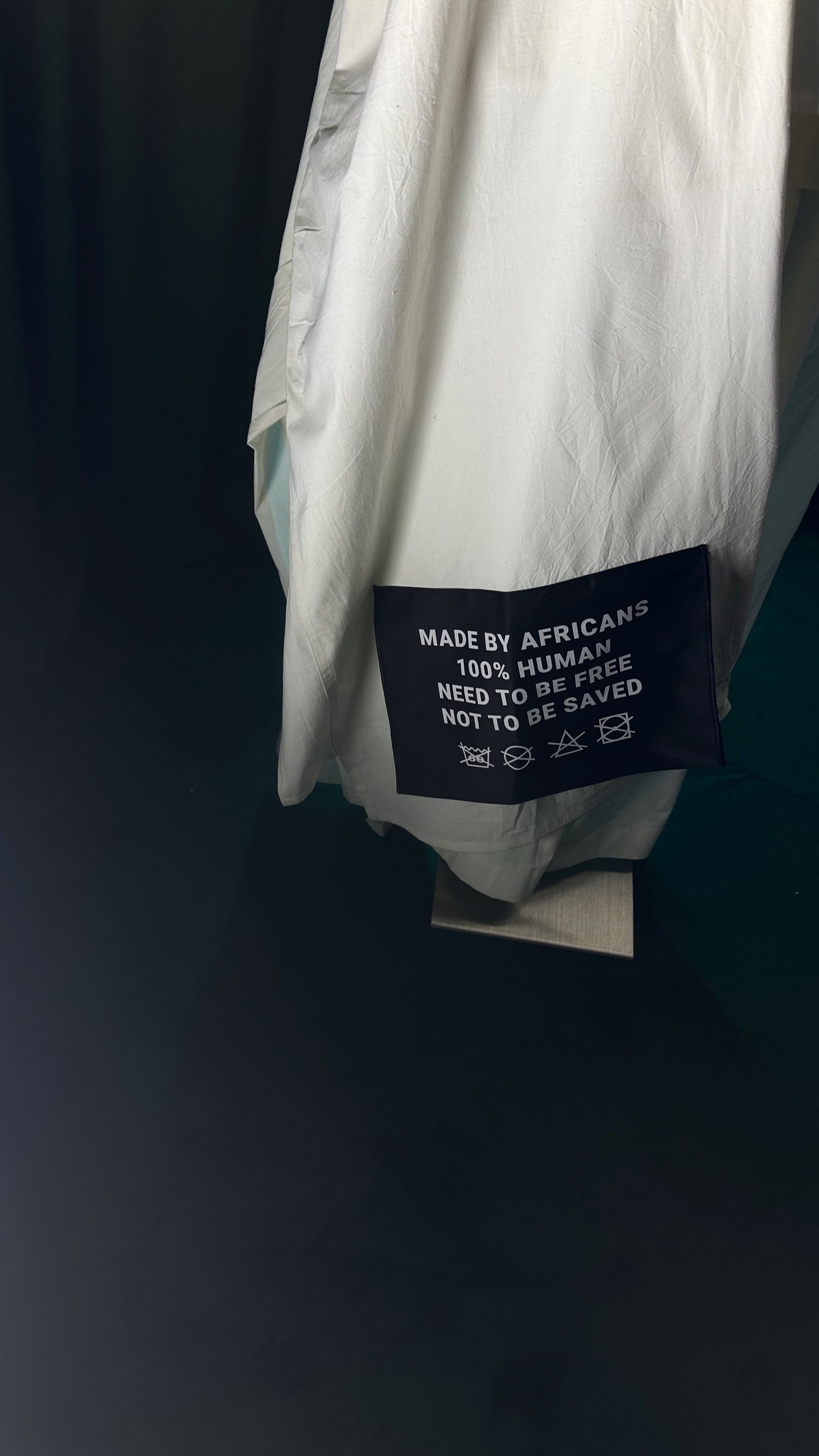
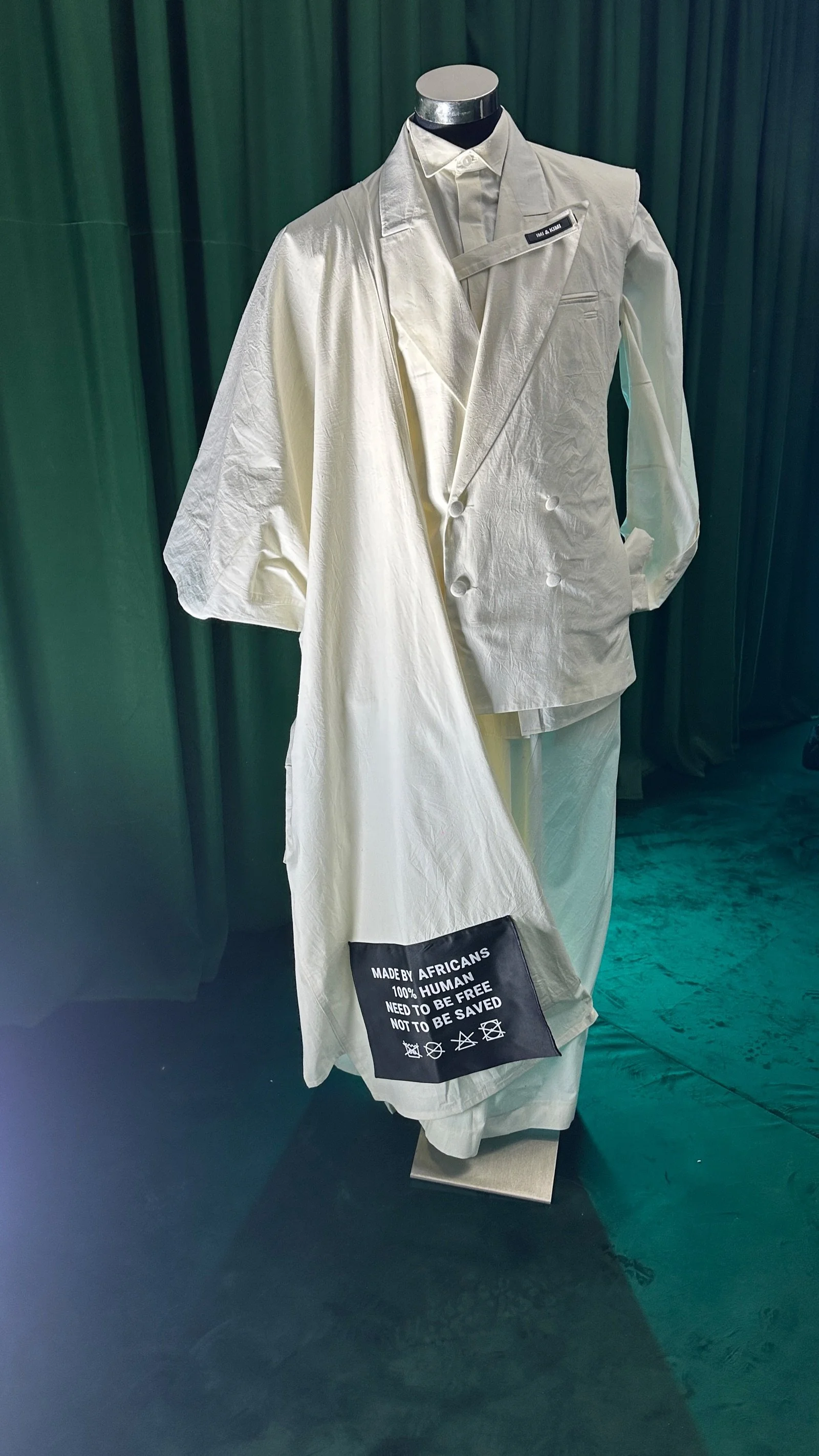
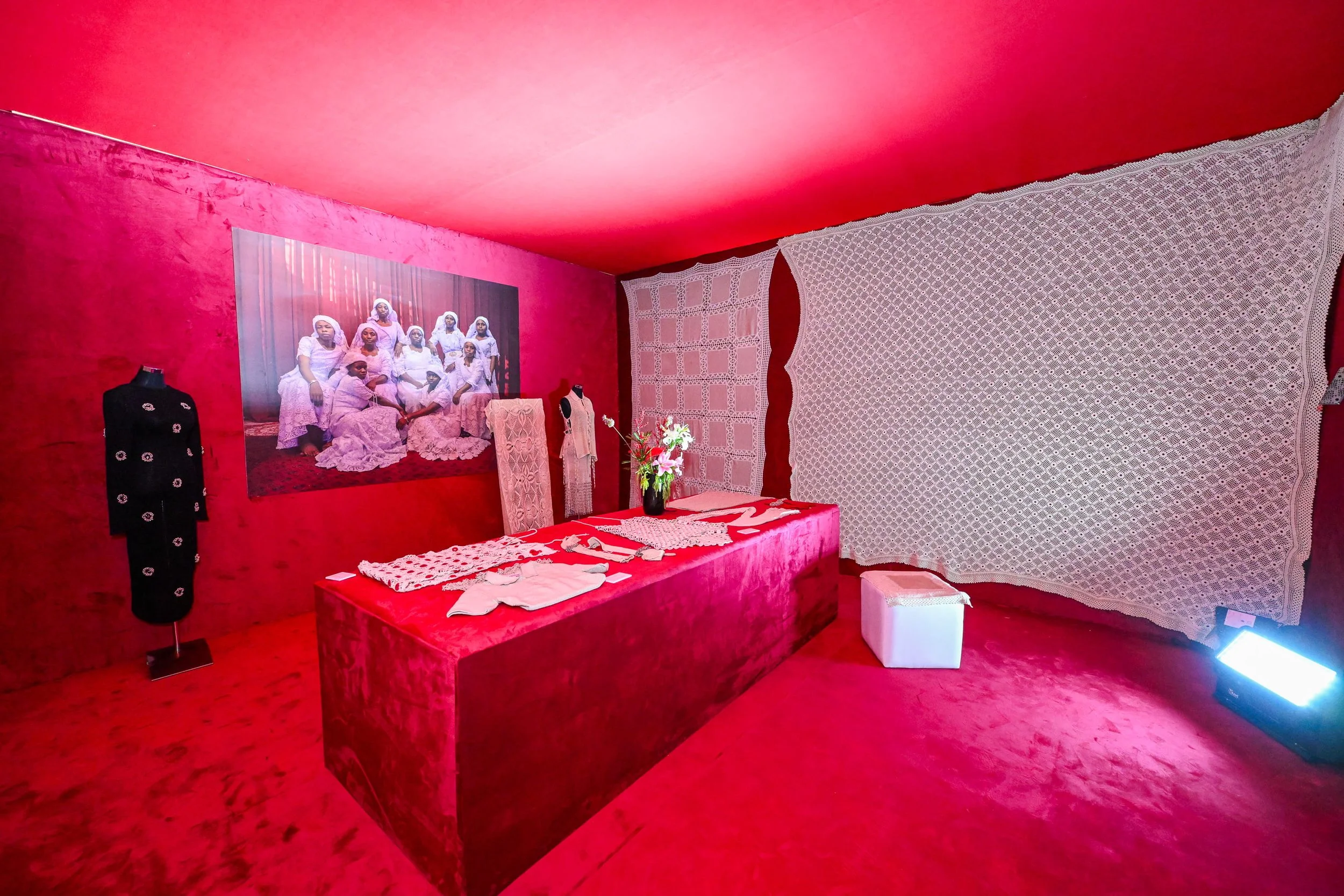
Also on display were works by designers IMI & KIMI, JIA MINI Kenya, ASWAD, Sincere Dignified Goods, Yoshita 1967, Couleur Indigo and Johanna Bramble, as well as artists Maia Tellit Hawad, Edwige Gada and Kamil Hajji.
As the immersive dinner came to a close, the sun rose on a new day, flights home took off and we felt the harsh cold snap of the European winter once again, we were left to ponder on what’s next for Orun.
Well, Orun can answer this with their five year plan.
They are creating an open pan-African dynamic that will generate international collaborations every year with Orun hubs in ten different countries. They plan on training fifty master artists per year; to certify one thousand artisans under the Orun Standard, and train one hundred designers. With this, they hope to create five thousand skilled jobs to average a thirty percent income increase for their partner artisans. They will also continue to prioritise local production with seventy percent of production carried on the African continent.
OLOOH CONCEPT
With our own roots here, at COEVAL, in independent creatives, this speaks to our hearts. We are excited to watch Orun’s agenda unfold!
Words by KATE KIDNEY BISHOP
What to read next