Franka Marlene Foth (FMKF)
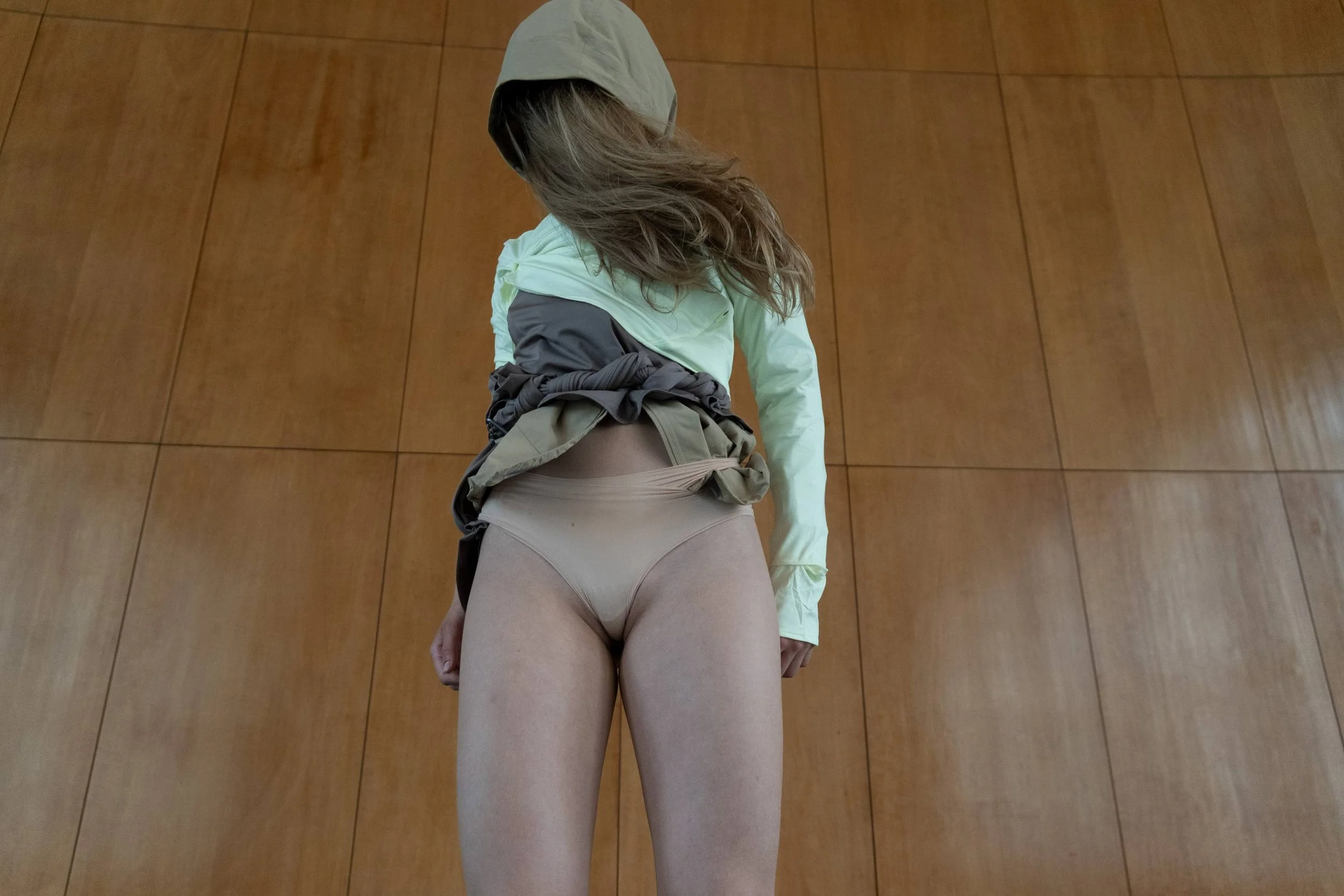
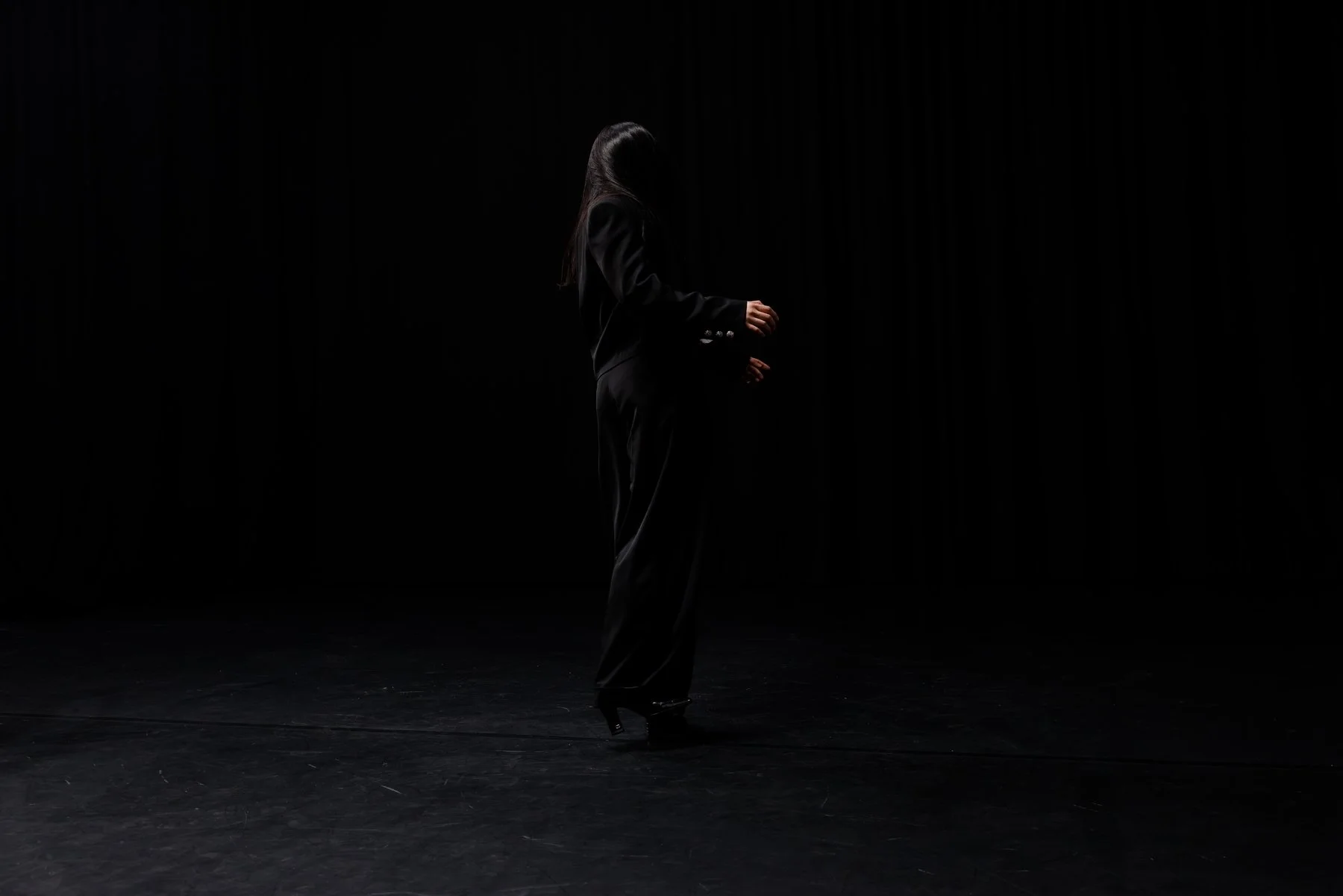
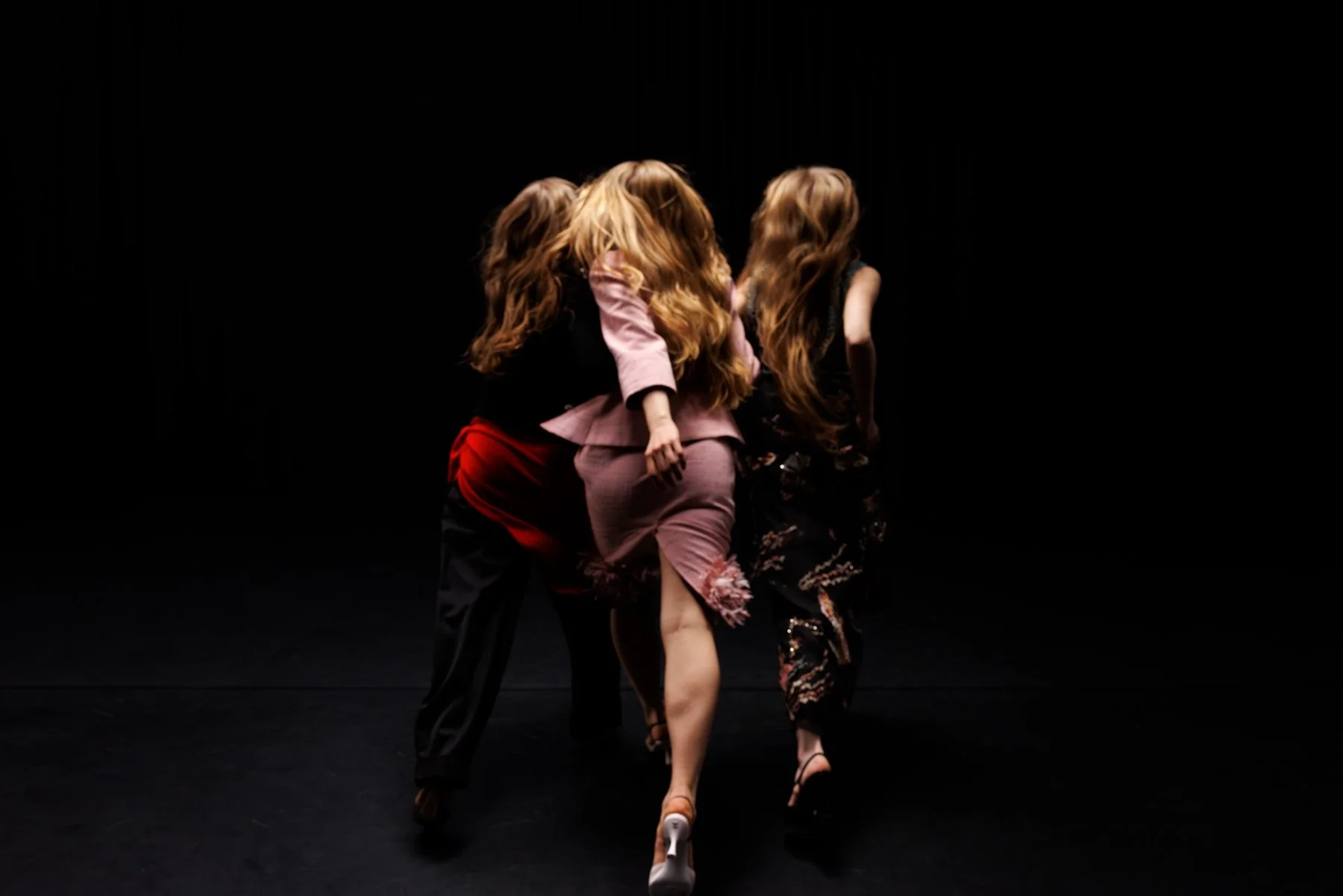
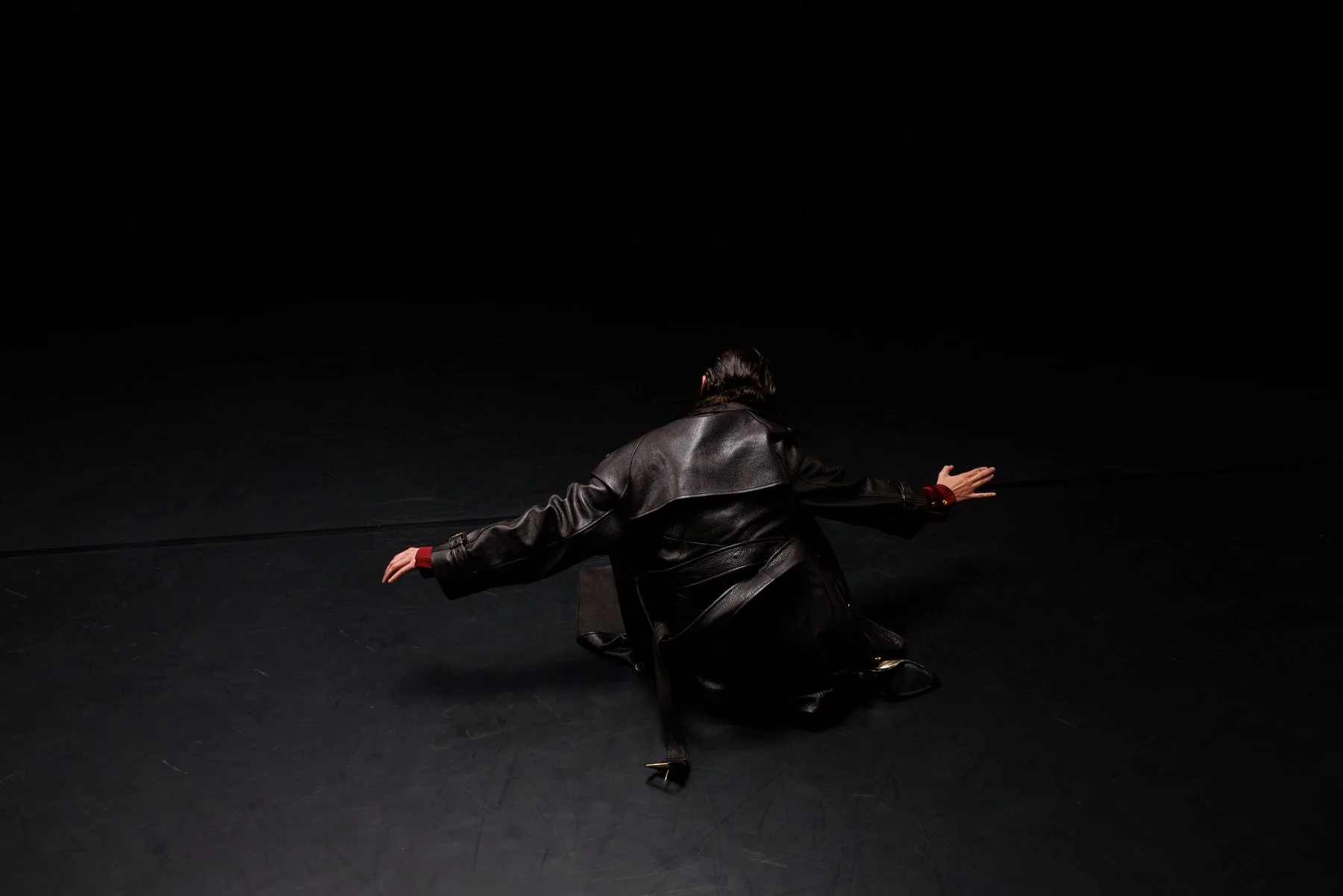
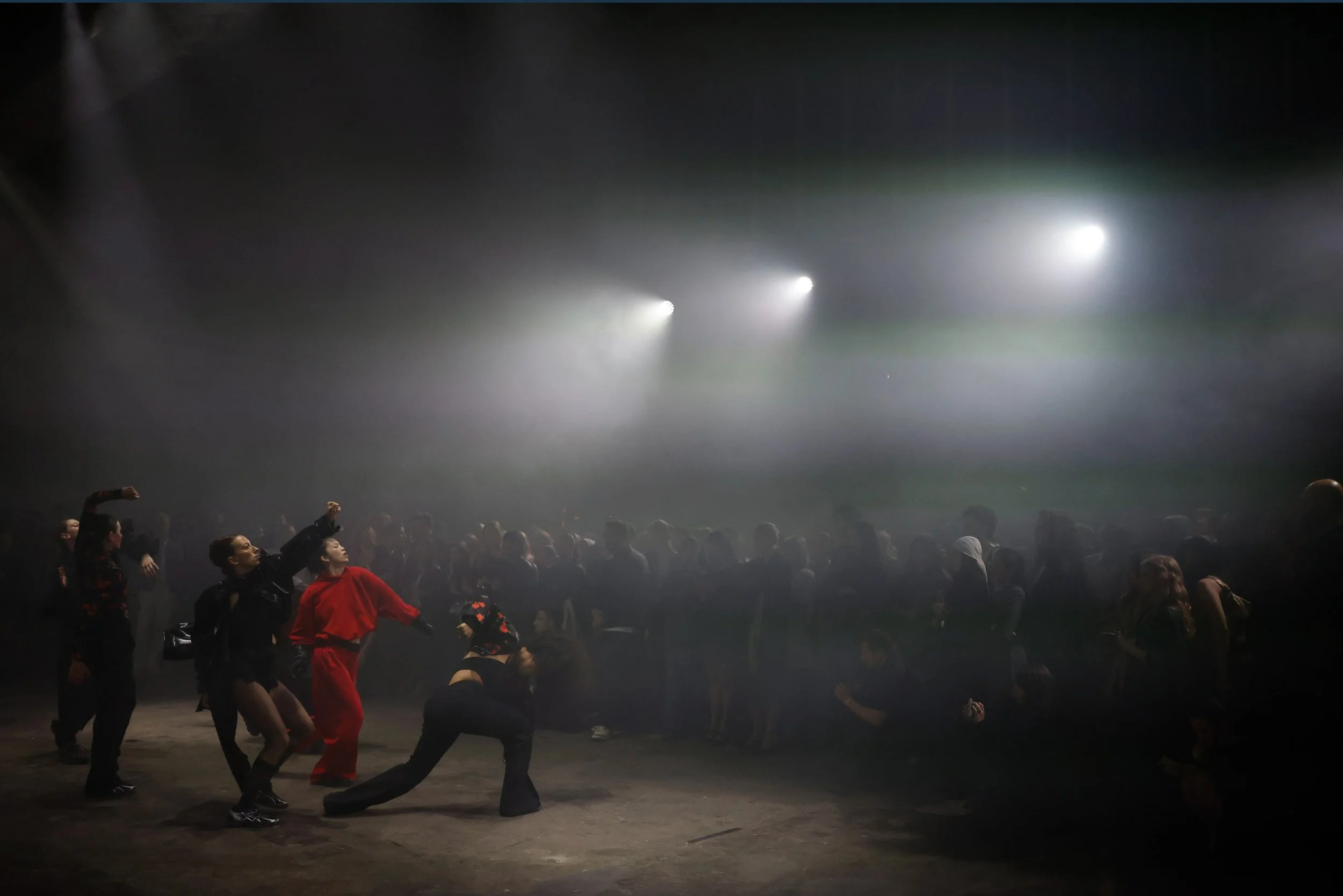
Franka Marlene Foth starts with music. She listens first, body at rest, and choreographs afterwards, searching for the physical language that returns her to what she felt. Born in Berlin, she works as a choreographer and artistic director across live performance and film, and leads FMKF, the artist collective she founded around a core group of dancers and collaborators. The collective stands for artistic exchange and, in its own words, dancing for the sake of it.
Her path runs through very different rooms. Ecdysis, a short film from 2019 with dancer Amalie Stitz, took the shedding of skin as its subject. 030 premiered during quarantine, far from a live audience. The Netflix series The Empress placed her choreography inside a large period production, and most recently CHANEL invited her to stage her dancers in its Métiers d’art collection. Along the way she taught herself photography and editing, and she co-composes scores for her own pieces.
In June 2026 FMKF released its first album, FMKF Archives 2021-2025, thirteen tracks credited to Oleg Solovey and Foth and drawn from the scores of the collective’s performance works. A tour of one of the pieces is in preparation, with new scores and live music in development, while a new installation opens the scenographic side of her practice and her passion for interior design.
For COEVAL, Foth speaks about choosing honesty over signature, about the dialogue between frame and score, and about what an artist leaves behind to keep growing.
You have described your main tool as bodies, not choreography on paper. When does an idea first arrive in your body instead of your head?
I do not really separate the two and I can’t really say where ideas come from, they continuously take shape and pop up through experiences and emotional influences. One of my main sources of inspiration is music, it creates visual worlds and emotions that I translate into my work. Listening to music without dancing. Listening purely, without thinking and how I might be conditioned in terms of movement, at least in the first stage. I process that and then I use whatever I felt and choreograph after the feeling, searching for the physical language that brings me back to that initial feeling.
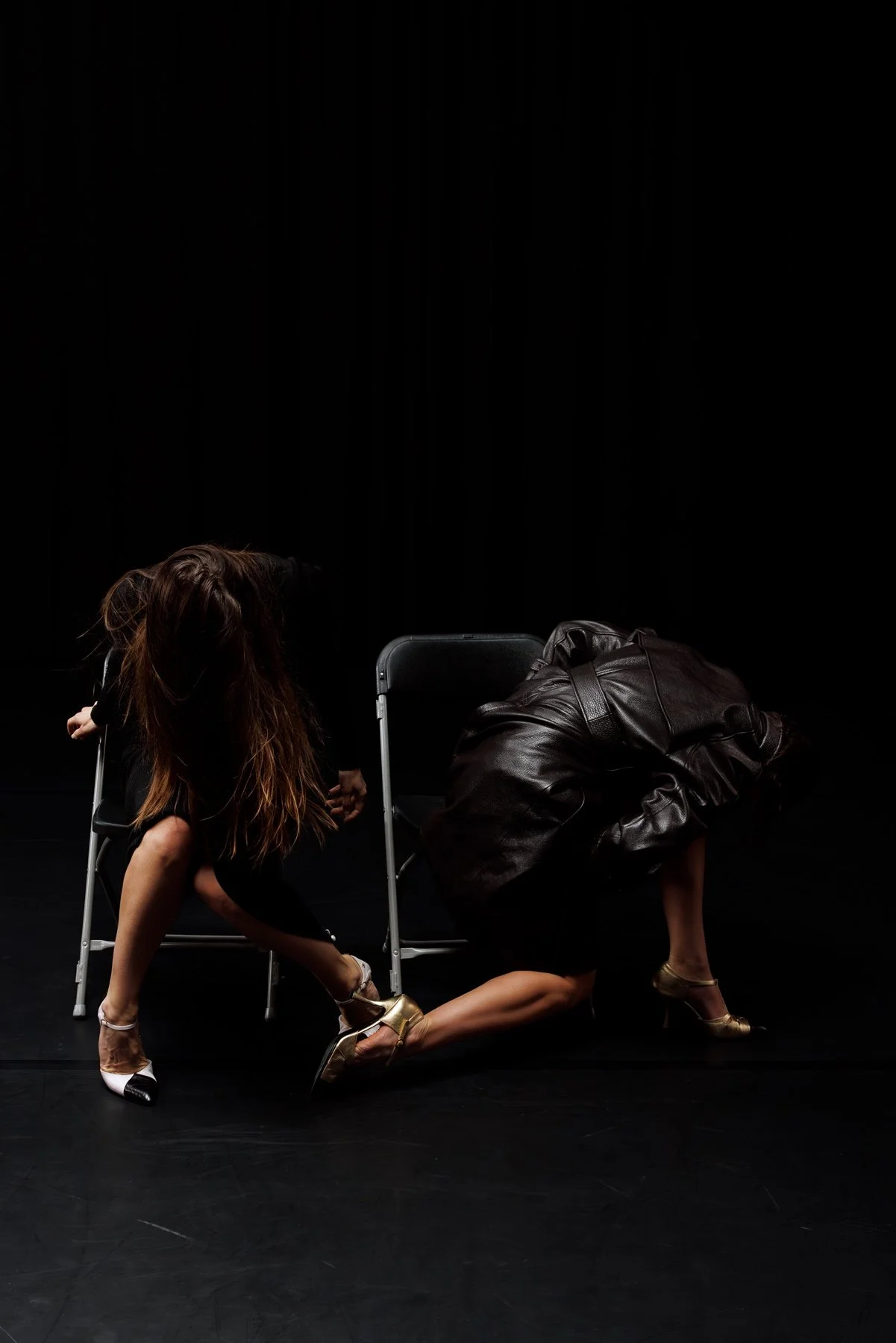
Music is the reason you dance. Has a piece of music ever refused to give you a movement back?
The desire to dance is always there, I just need the right music. And yes, of course, if it doesn’t feel right, I really don’t want to move to it. I am very sensitive to music, when the wrong sound is present, I feel the need to leave the scene.
Your images have a strong cinematic quality, and sound is often the starting point. When you build a scene, which comes first for you, the frame or the score, and how does one change the other?
The music has to marry the scene and enhance it. Most of the time, the frame and the score develop in parallel throughout my creative process, constantly informing one another. I am inspired by music and sound scores all the time, and they immediately shape what I envision, so it really depends on the project and where the first impulse comes from. A piece of music can verify a scene, its pace, its atmosphere, the choreography, the way I imagine the light. It can tell me very quickly whether something feels right or not. At the same time, it can take a long time to compose and find the exact score that truly belongs to a scene. In my work, image and sound have a very direct connection. Sound is so important to the feel of a setting, it can completely change a scene, enhance it and set its tone.
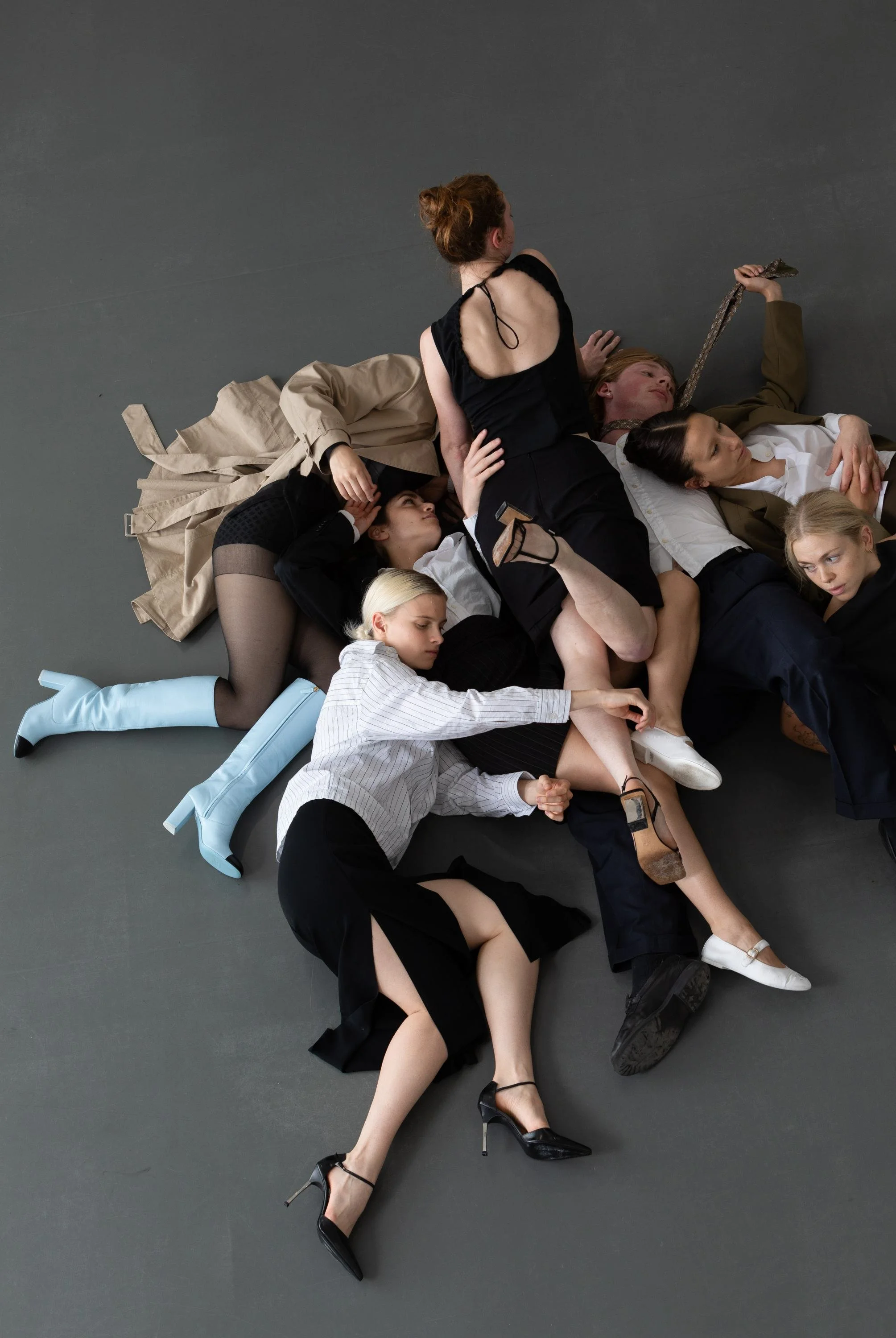
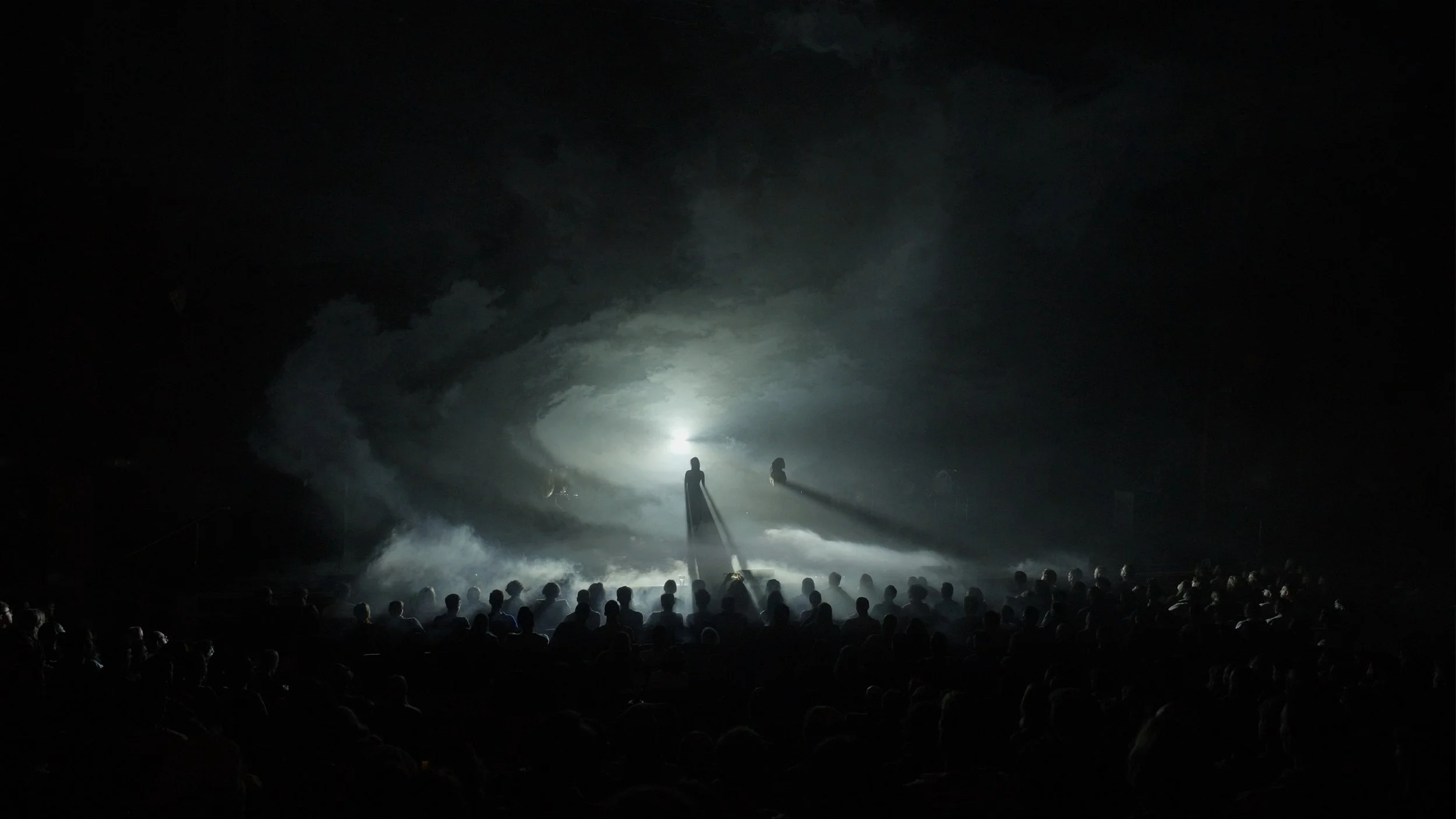
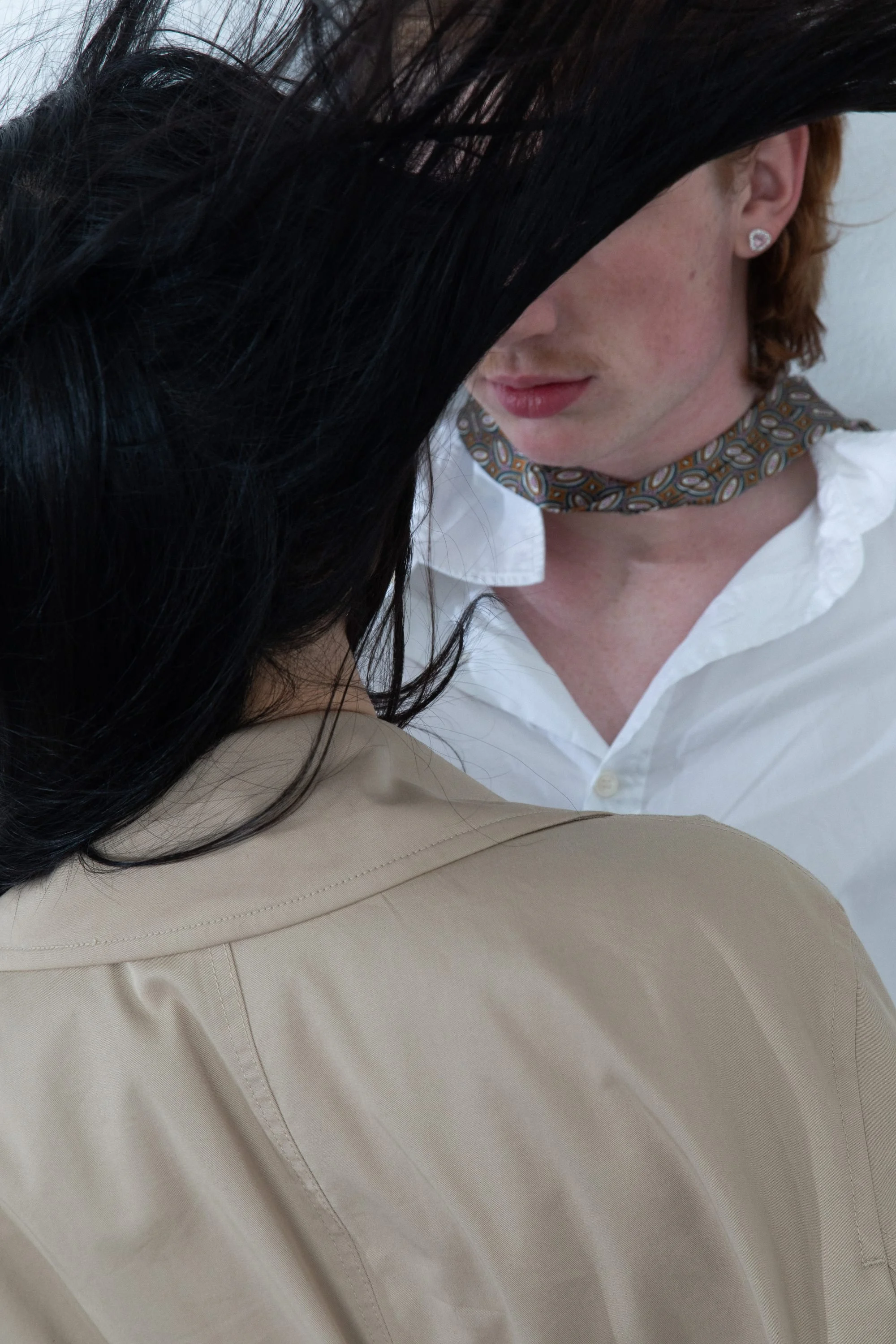
030 premiered during quarantine, when dance was cut off from its usual audience. What did isolation teach you about choreography that a live stage never could?
It taught me patience until I could return to the stage. Nothing compares to live performance, it is the best feeling. The energy of sharing a work with a live audience is something that simply cannot be replaced.
FMKF spans stage, film, fashion, and music. Which of these mediums resists you the most?
None of these resist me. They are all connected. My practice exists between different contexts, interweaving artistic and commercial worlds that are distinct but never entirely separate. Ideas, methods, and aesthetics can move from one environment into another. The exciting part is the combination, the dialogue, and the process of bringing these different components together. Because I am genuinely interested in the mediums I work with, I have taught myself many of these disciplines along the way. This curiosity also led me to photography, which became another way for me to express my visual storytelling. I often find myself moving between roles, editing, filming, or co-composing scores, depending on what the work requires. My driving force has always been to understand each craft as deeply as possible. The more I understand each medium, the more naturally they can come together. I love working across different fields and enjoy connecting different areas of knowledge, combining them to create something new.
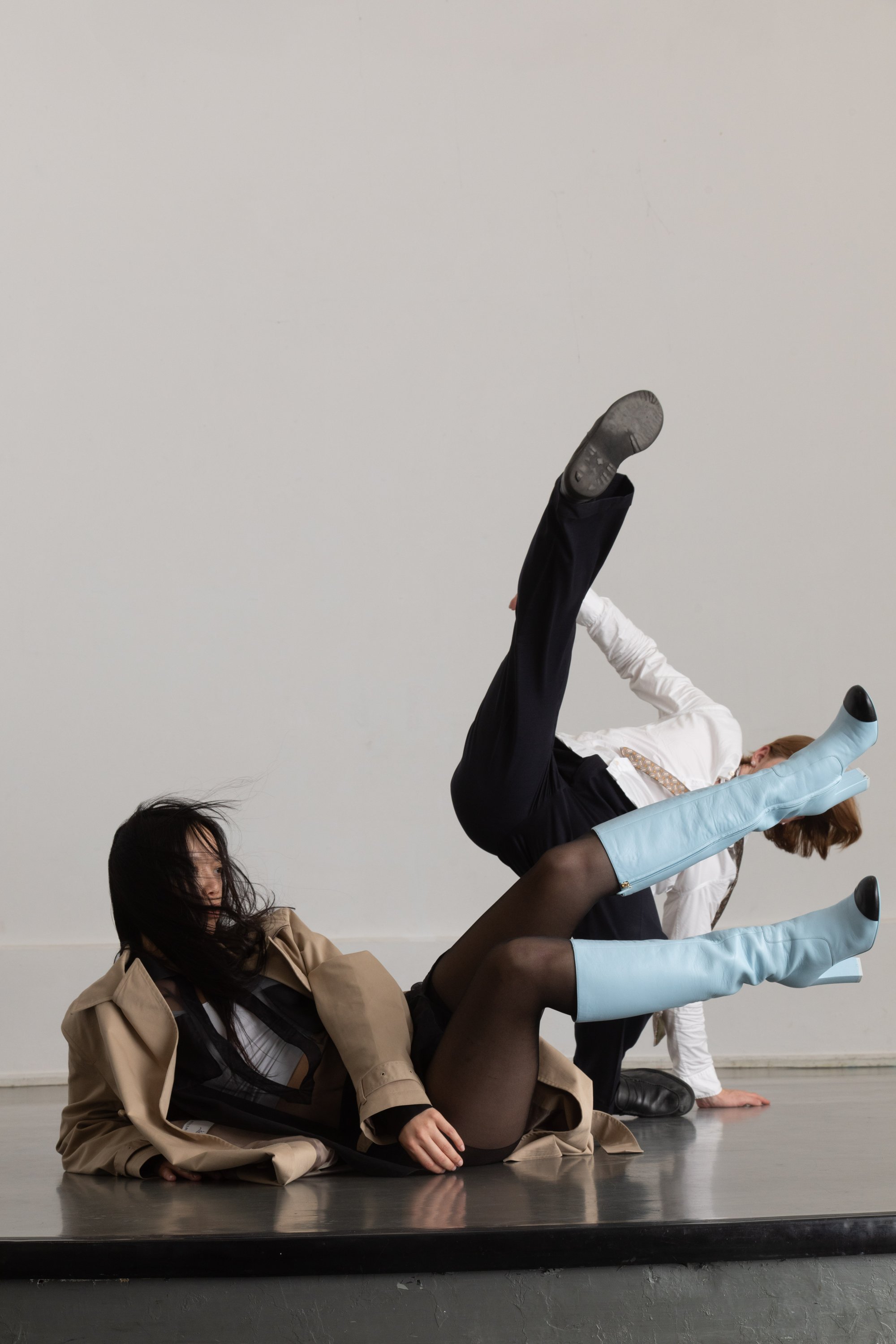
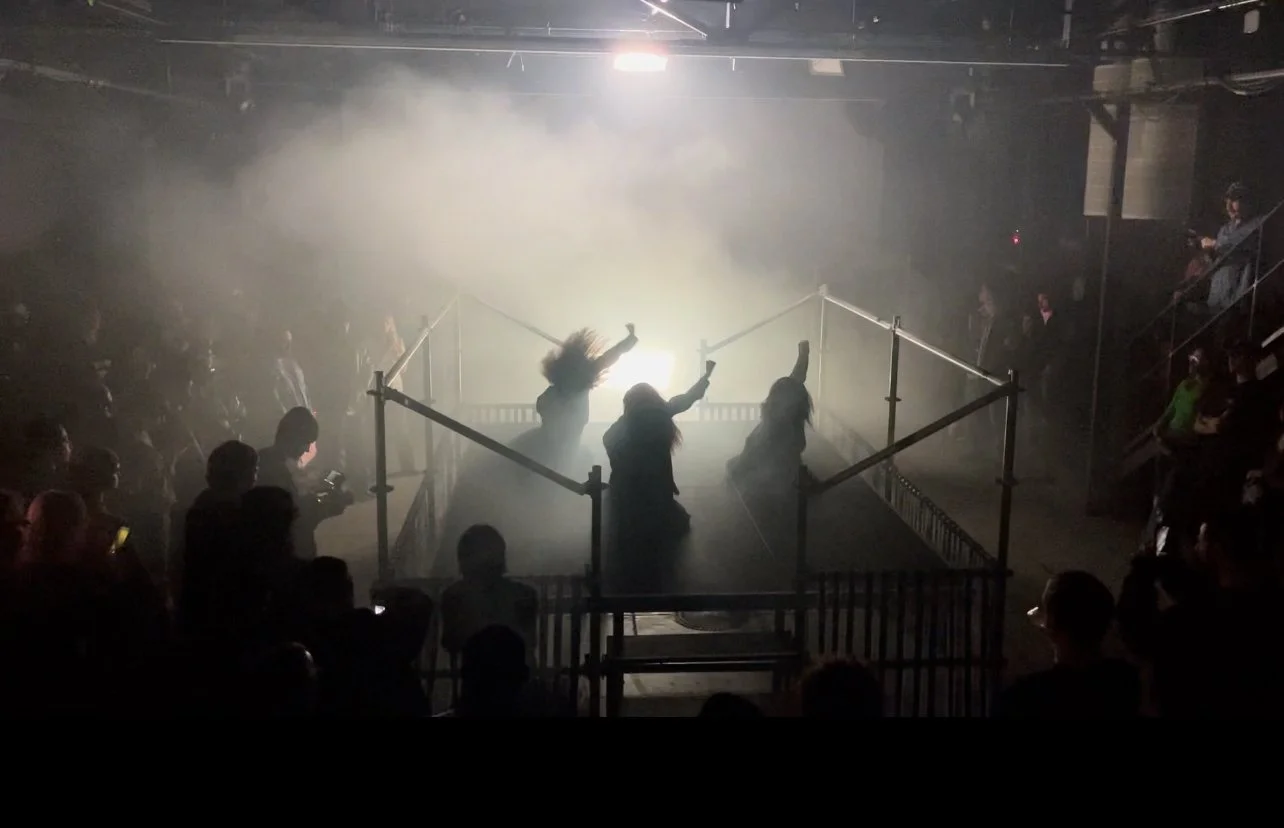
Your work for fashion brands exists inside a system built on speed. How do you protect the slowness that choreography actually needs?
By protecting the process, even if the schedule is fast. For my own artistic projects, I always make sure to create the time and space needed for ideas and processes to develop and unfold. At the same time, I am used to working quickly and under pressure. I can be very efficient in those situations, and sometimes the most exciting ideas emerge through speed, spontaneity, and improvisation, when there is no time to overthink or overwork something.
Your recent collaboration with CHANEL placed your choreography inside one of the most codified houses in fashion. What did you bring into that room, and what did you take away from it?
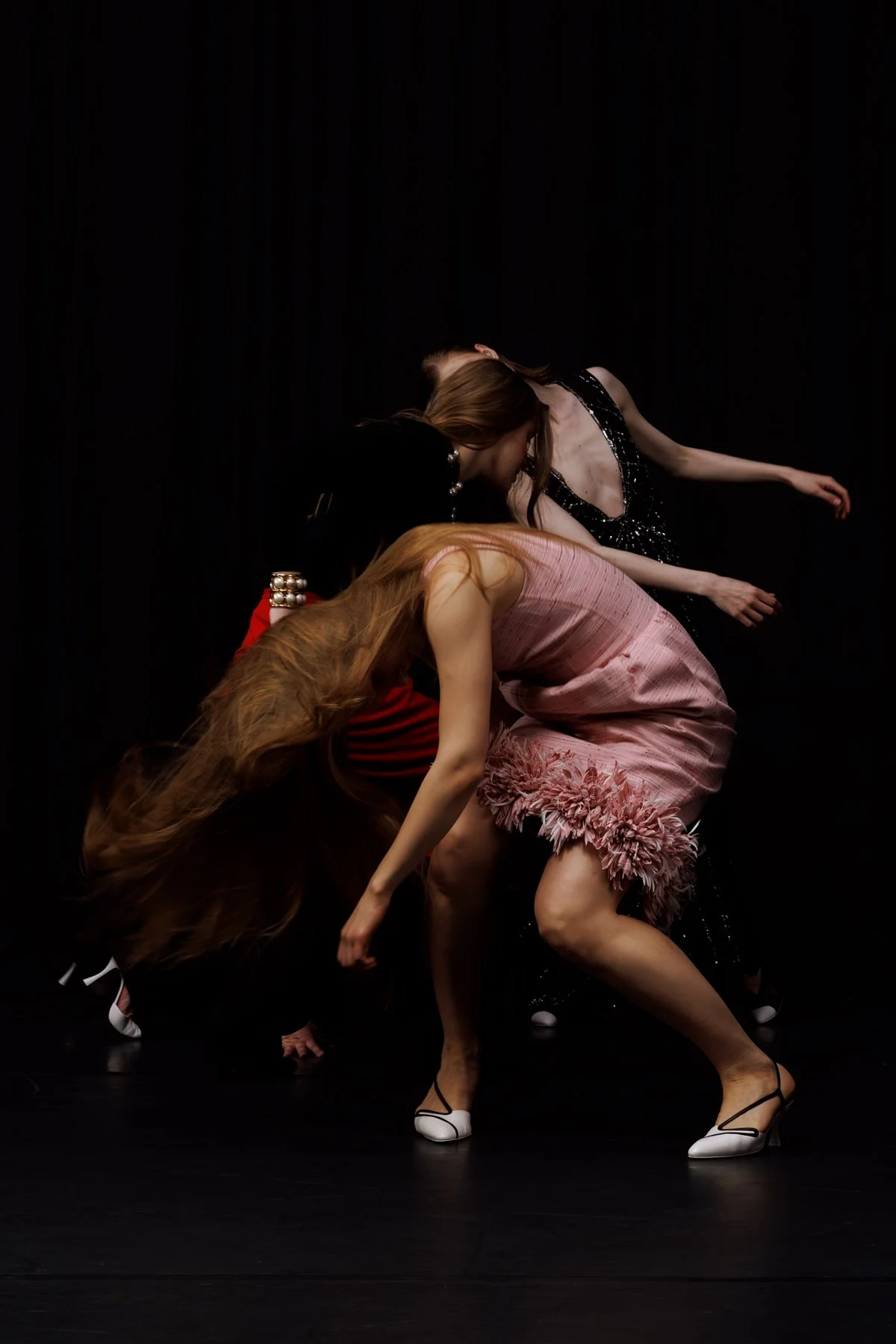
It was incredible to have the opportunity to bring my own aesthetic and vision to life with such an iconic house. Seeing my dancers dressed in the CHANEL Métiers d’art 2026 collection, and experiencing how the colours, silhouettes, and textures became part of the choreography, was very special. There was something immensely exciting about directing this work and bringing my own visual language into dialogue with a house that has such a distinct identity and history, while still being given the freedom to make the work feel entirely my own.
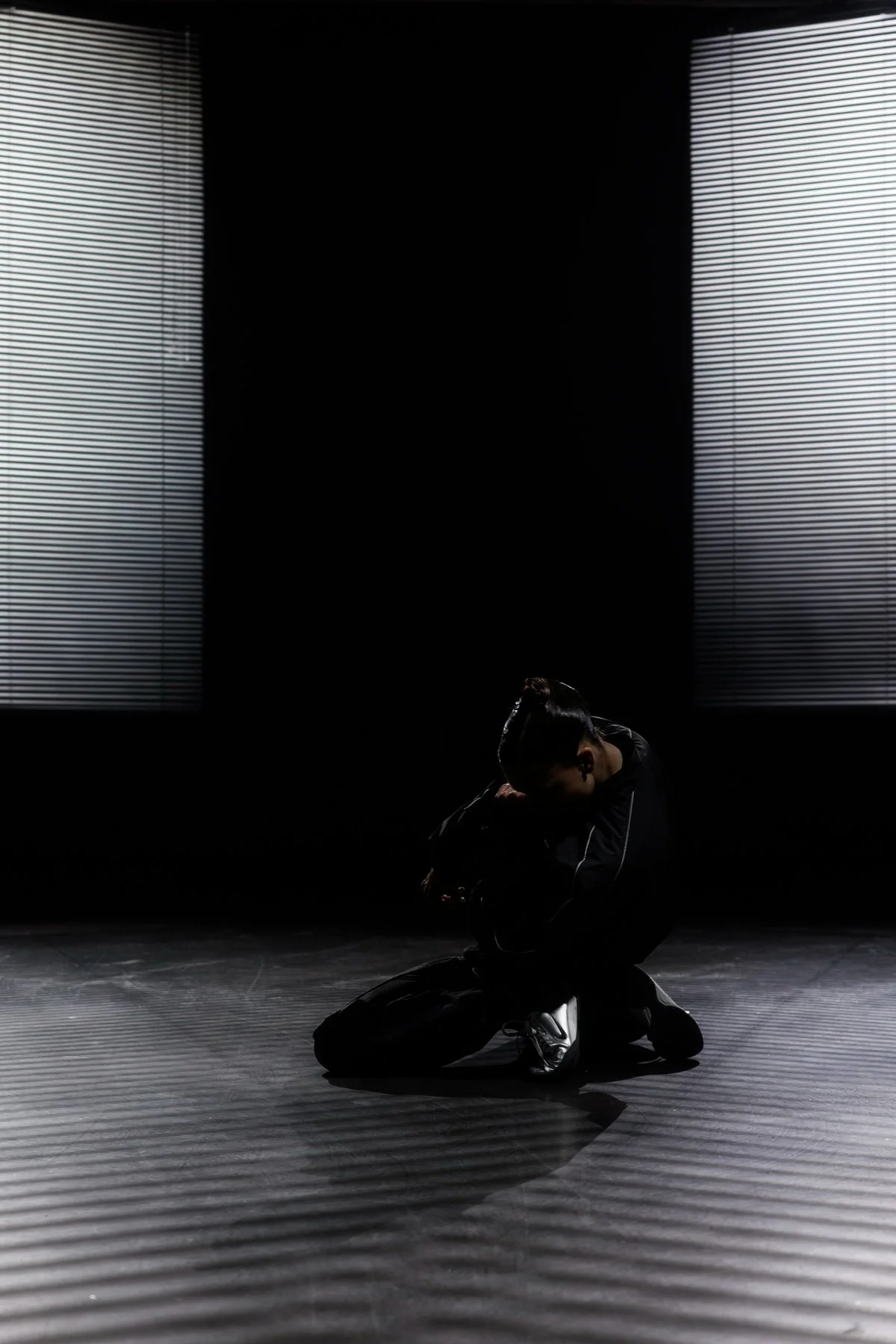
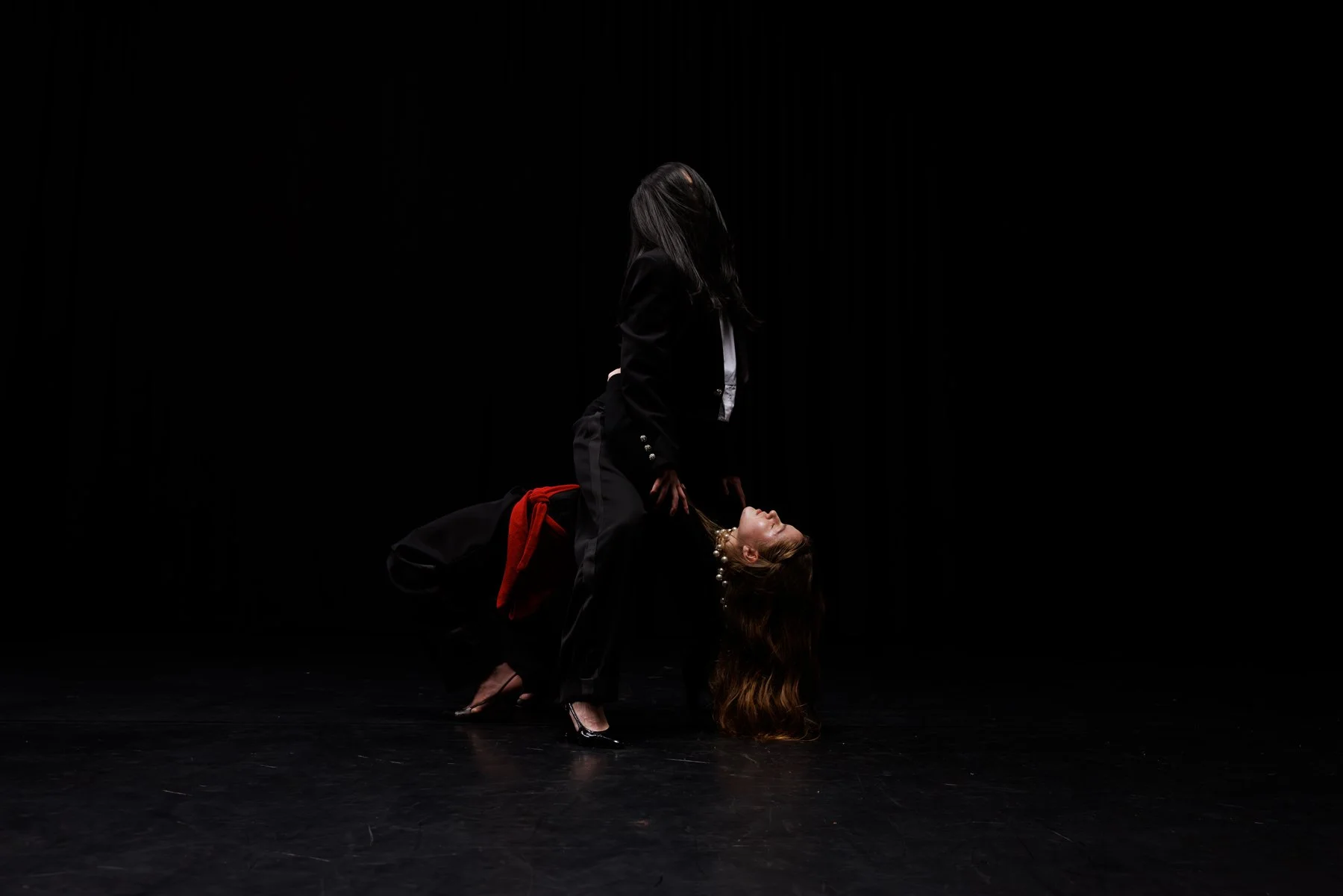
On The Empress, you choreographed within someone else’s story and someone else’s camera. How do you keep your own signature visible inside a production that big?
I don’t think about signature. I think about honesty. But I am fortunate to be invited because of my own signature and the aesthetic I bring to a project. When I create within someone else’s vision, and especially in film, the script provides the images and narrative that I then translate choreographically. The director trusts my expertise and that trust is an essential part of the collaboration.
When it comes to film, whose movement on screen has shaped how you choreograph? A specific director, actor, or scene that changed how you see the body.
My inspirations often come from films with a surreal approach, dreamlike images and unclear, poetic, abstract narratives. They are usually not films about dance at all. The choreography I create comes instinctively from myself and my own rhythm. I don’t analyze the body too much, it is a very physical process. Whatever inspires me, I translate into choreography. Claire Denis has stayed with me. The body in her films carries memory without explaining it. That’s something I like to come back to.
Ecdysis draws on the shedding of skin. What have you had to shed as an artist to keep growing?
I constantly have to free myself and shed in order to move forward and reinvent myself. That means continuously questioning what I think I know, abandoning certain approaches, and allowing myself to change direction. It can mean giving up ideas I was attached to, ways of working that no longer serve me, or parts of my identity that I have outgrown.
But all of that is also what makes the process of being an artist so exciting.
You are working on an installation that introduces the scenographic side of your practice and your passion for interior design. When you design a space instead of a movement, what stays the same in the way you think?
I already think in images and often build entire rooms in my imagination, so the way of thinking stays quite similar. Working with scenography and interiors allows me to extend that vision and amplify the feeling I want to transmit. I have always had a strong need to design things myself, which is why interiors and the composition of a space have become such an important part of my practice. The space and the performer work in dialogue with one another. Whether I am creating a scene, choreography, or an environment, I am ultimately trying to construct a world and a specific atmosphere.
You founded FMKF as a collective, choosing to build something bigger than a single name. What convinced you that was the right structure?
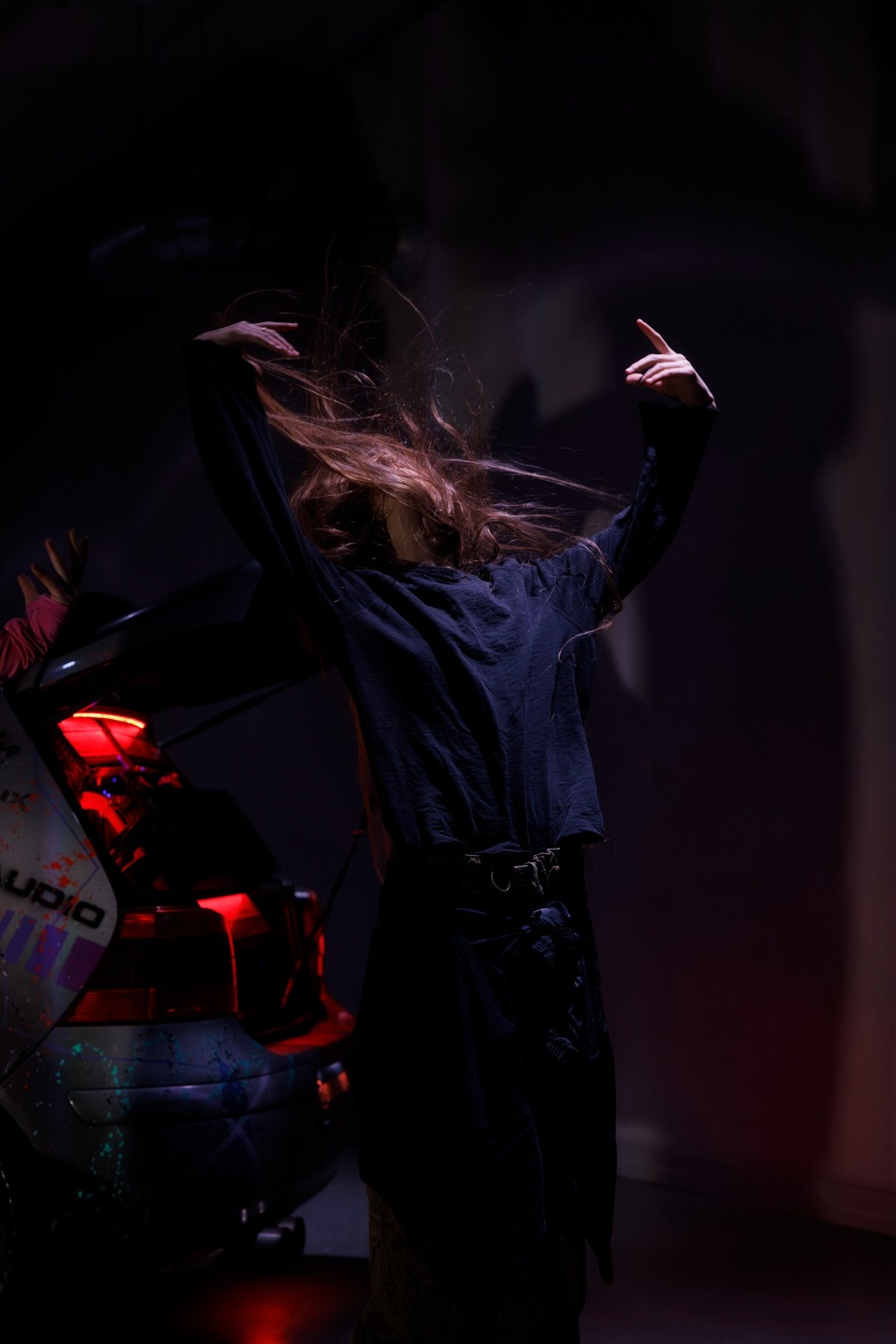
My work has always grown through exchange. I founded FMKF as a collective to expand my artistic affinities and visions, while giving a stronger structure and identity to the core group of artists and collaborators I had been developing with over time. We share a common mindset, a strong work ethic, and a commitment to pushing artistic boundaries. The collective model reflects the way I create, through collaboration, different dynamics and a shared artistic language.
Berlin shaped you as an artist. What would you lose if you left it?
My work has become increasingly international, so I am constantly working abroad, absorbing new influences and perspectives. Berlin is my home, but I have never wanted my creative world to be limited to one place. I don’t really know what I would lose by leaving, because I would have to experience it first.
Looking at the collective’s next year, what has FMKF outgrown, and what comes after it?
I always feel that I have outgrown past projects, and I am constantly striving towards new goals. We have just released our first album, FMKF Archives 2021-2025, featuring scores created for our performance works over the past years.
At the moment, we are planning the tour of one of our pieces and developing new scores and live music. There is always something happening, and I can’t wait to bring these new works to the stage.
Interview by Donald Gjoka
What to read next