OPERA FESTIVAL 2026
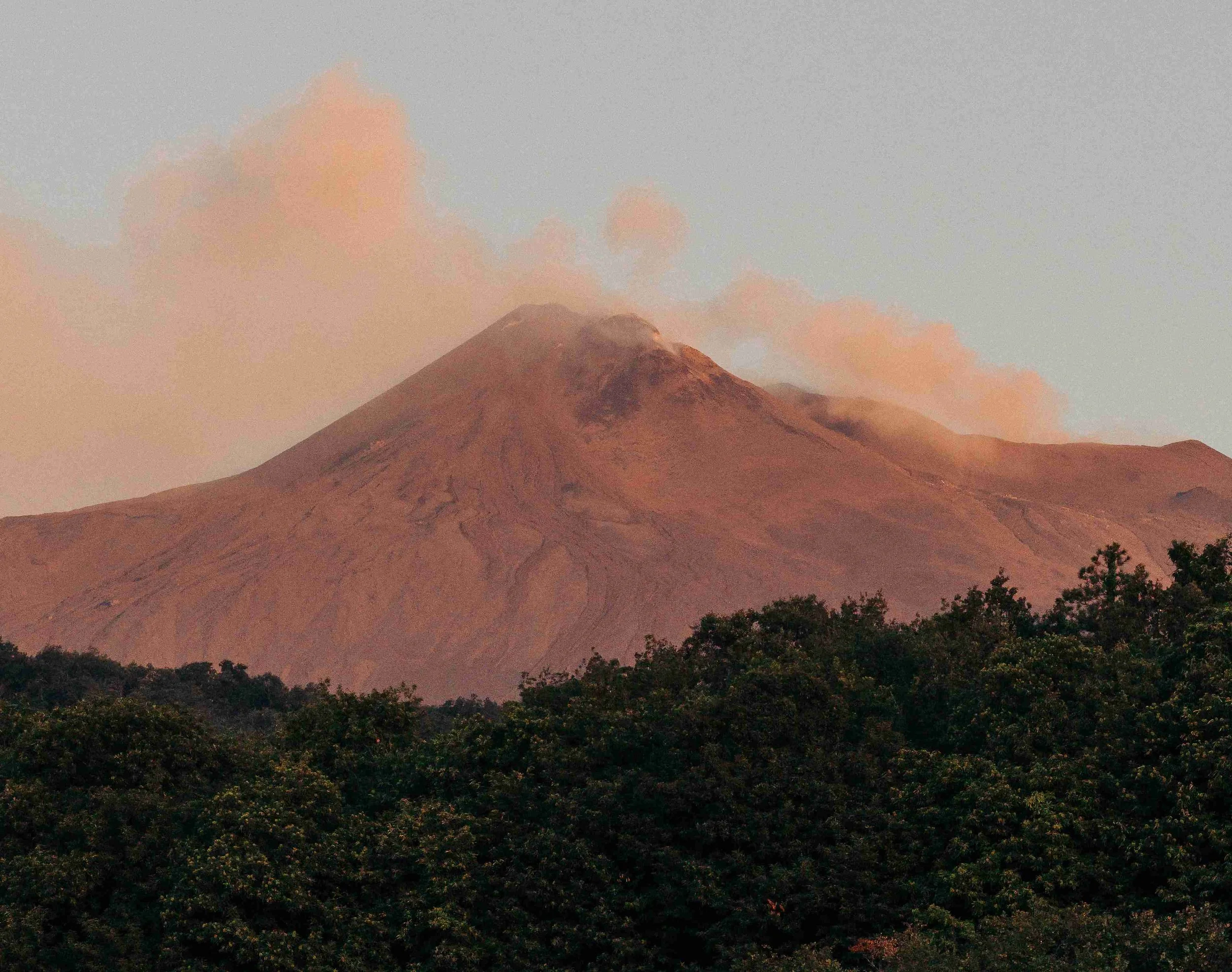
Opera Festival closed its sixth edition on 23 August 2026, after four days at the foot of Etna. What began in 2021 as a multimedia electronic music festival in a small Sicilian village now functions as one of the reference points for cultural production on the island, a place where international programming and local knowledge meet on equal footing.
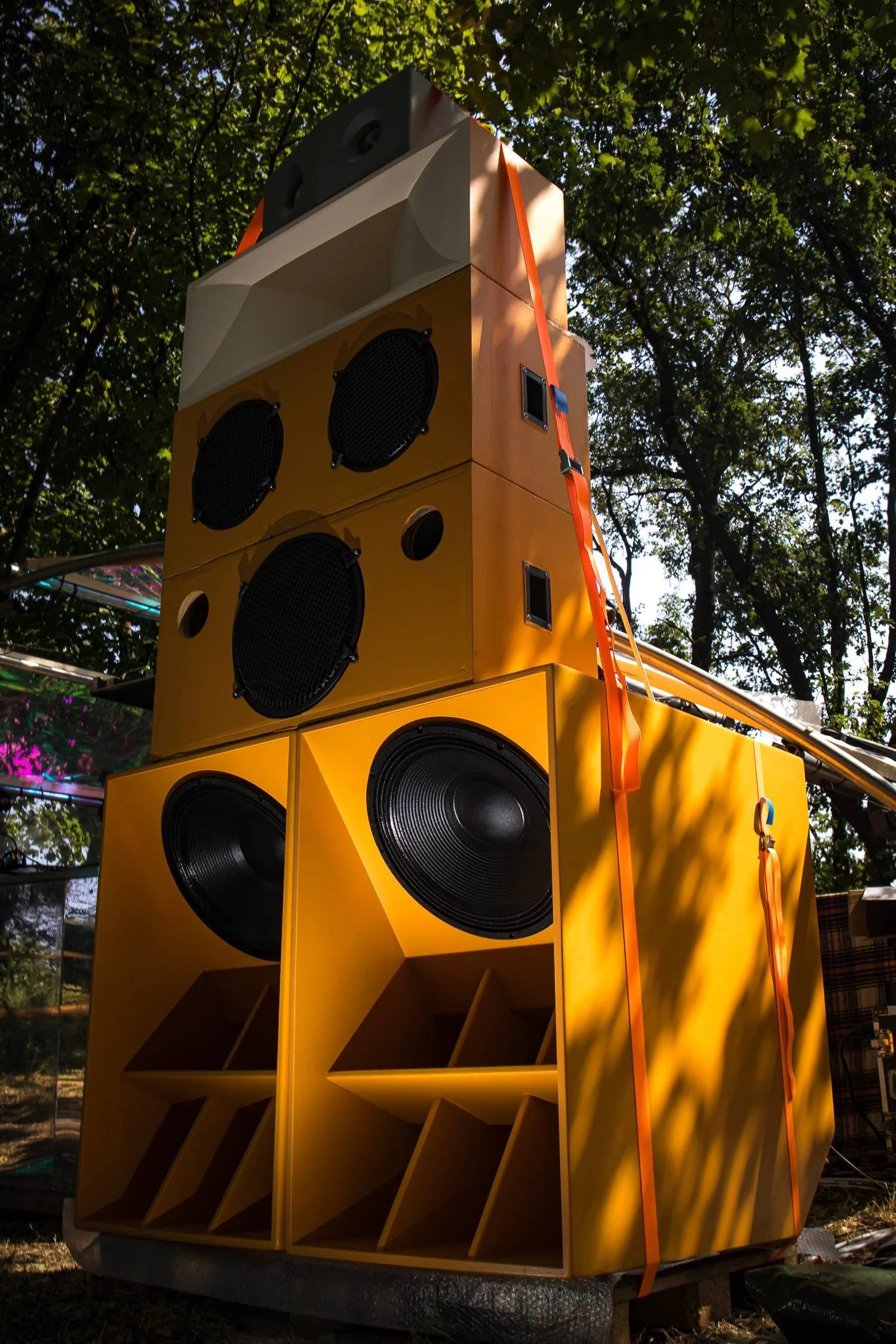
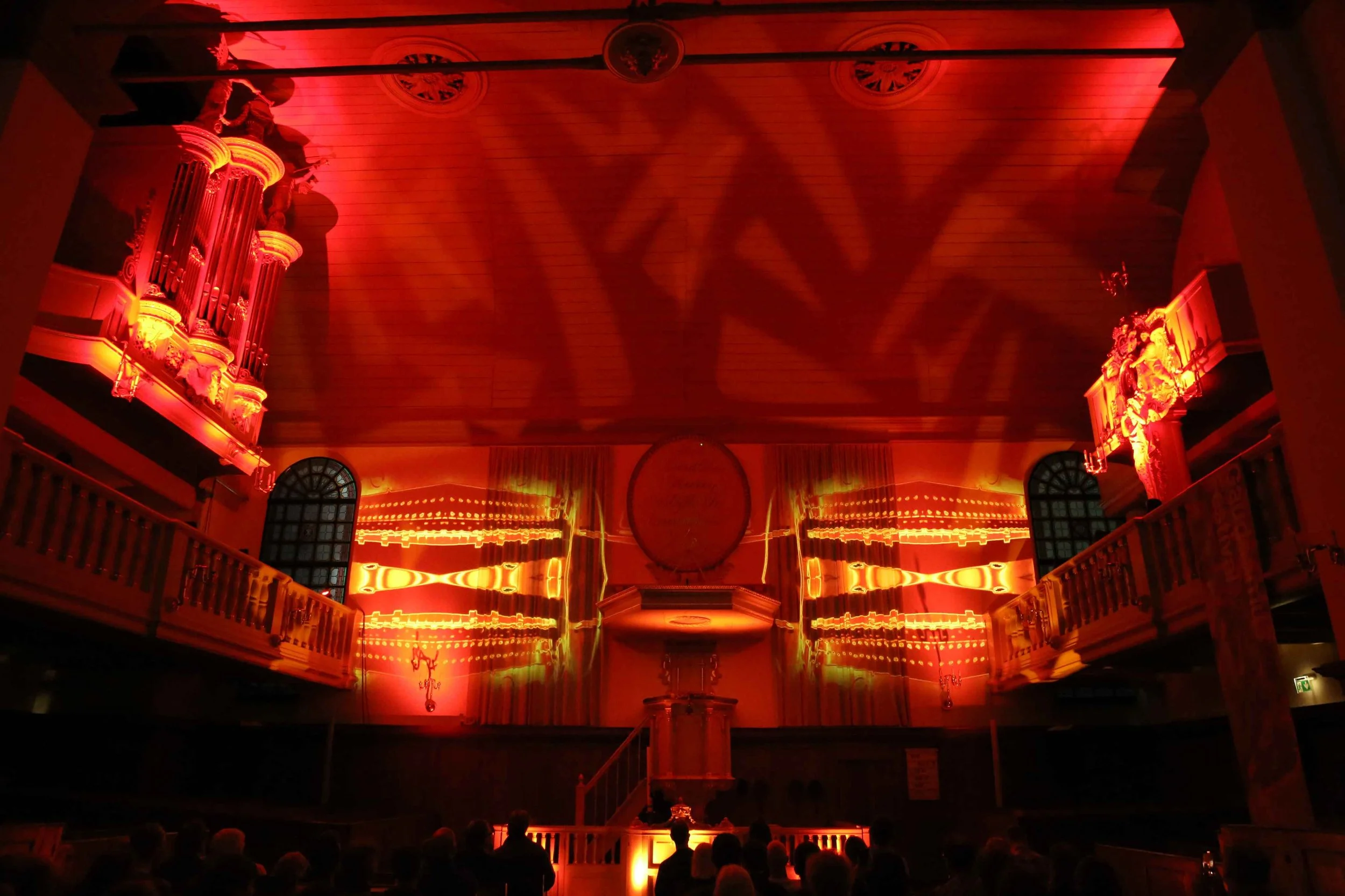
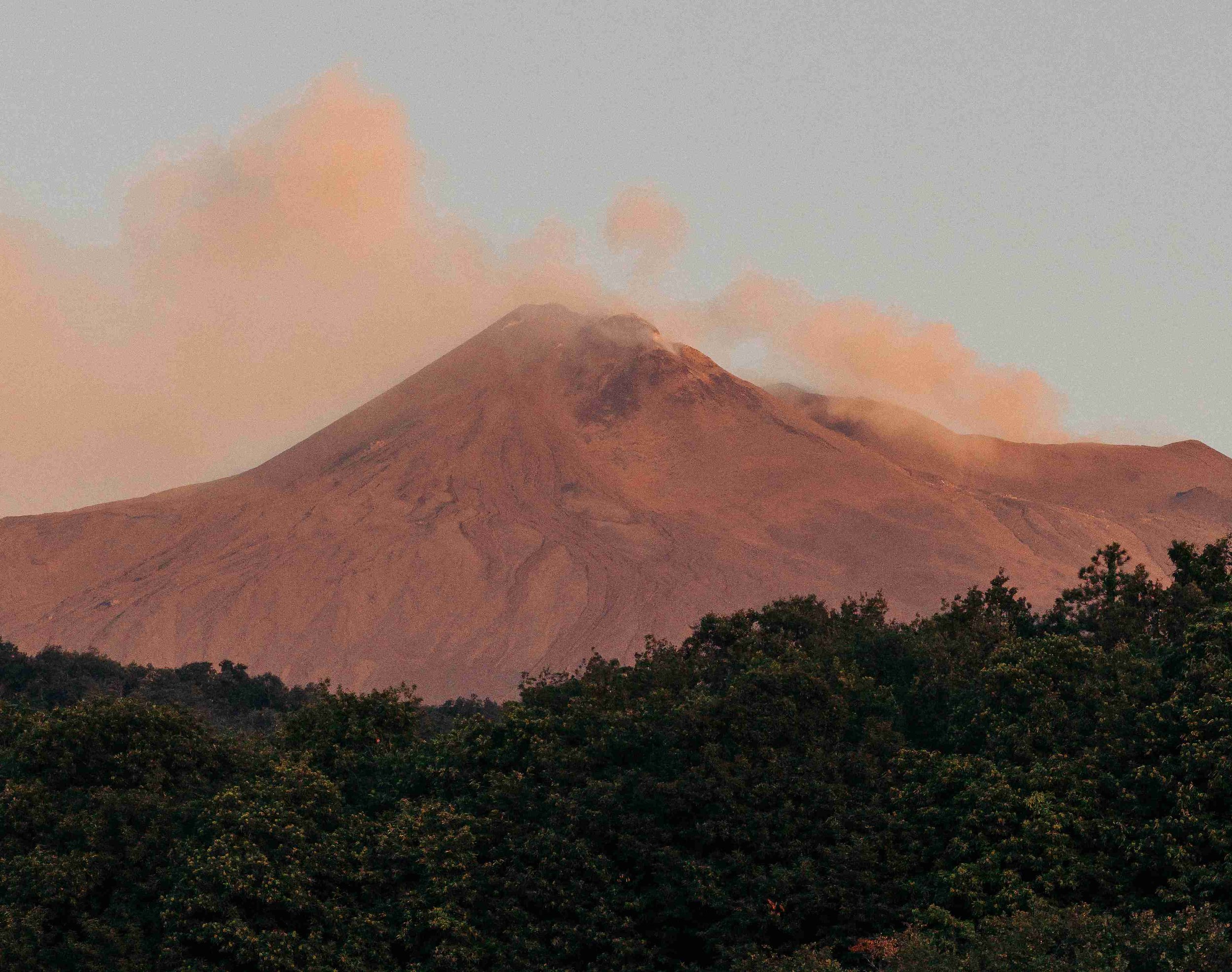
The 2026 edition marked a shift in method. For five years each edition carried a claim, a phrase that framed the programme and gathered the visual work around it. This year the direction set that device aside and let the festival speak with the language it had already built. Surfaces. Layers. Overlaps. ran underneath the communication as a visual suggestion, drawn from the volcanic ground itself: lava, earth, ash, memory, traces that pile up over time. Opera has grown by the same logic. Each artist, sound and encounter leaves a level behind, and the levels stay readable.
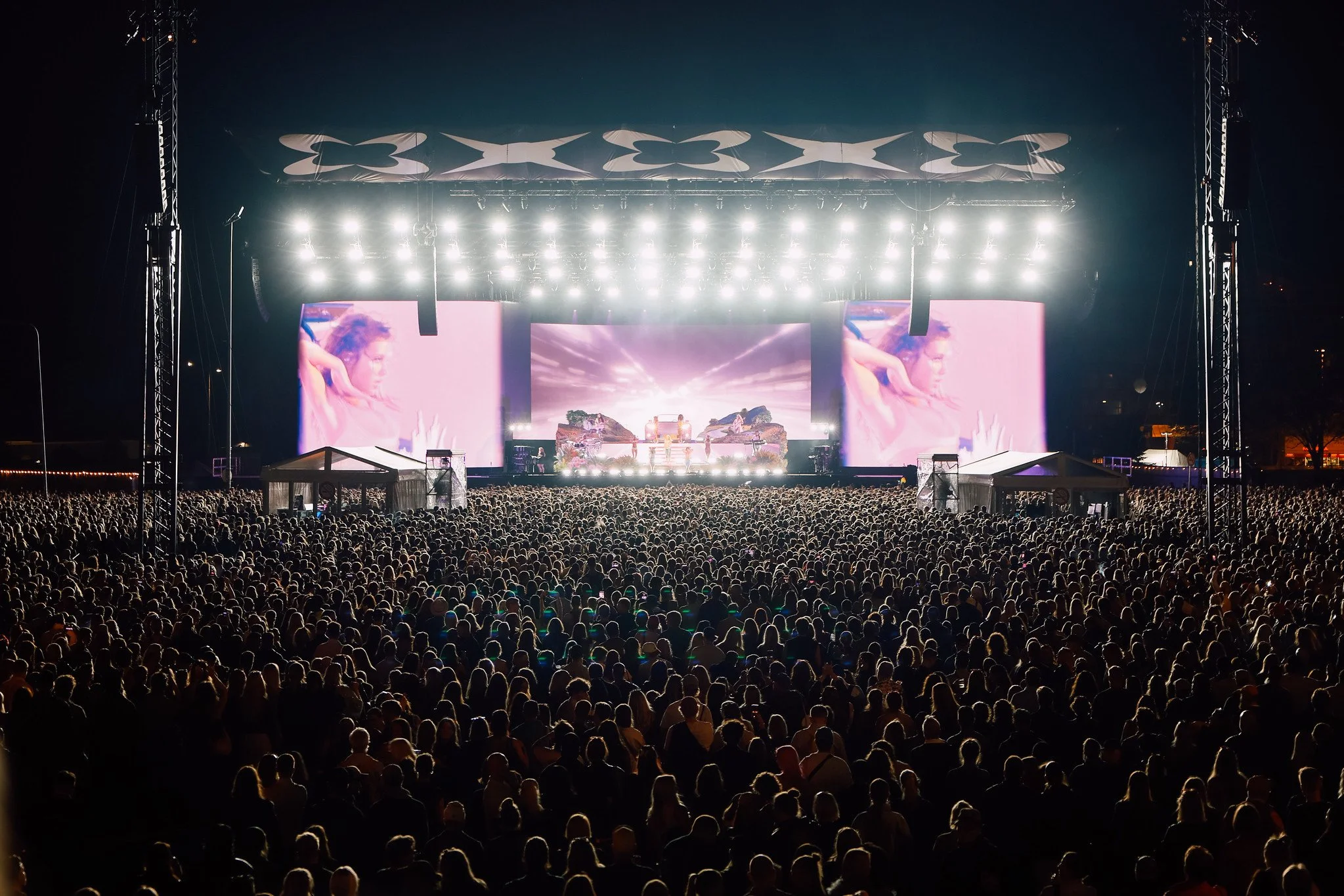
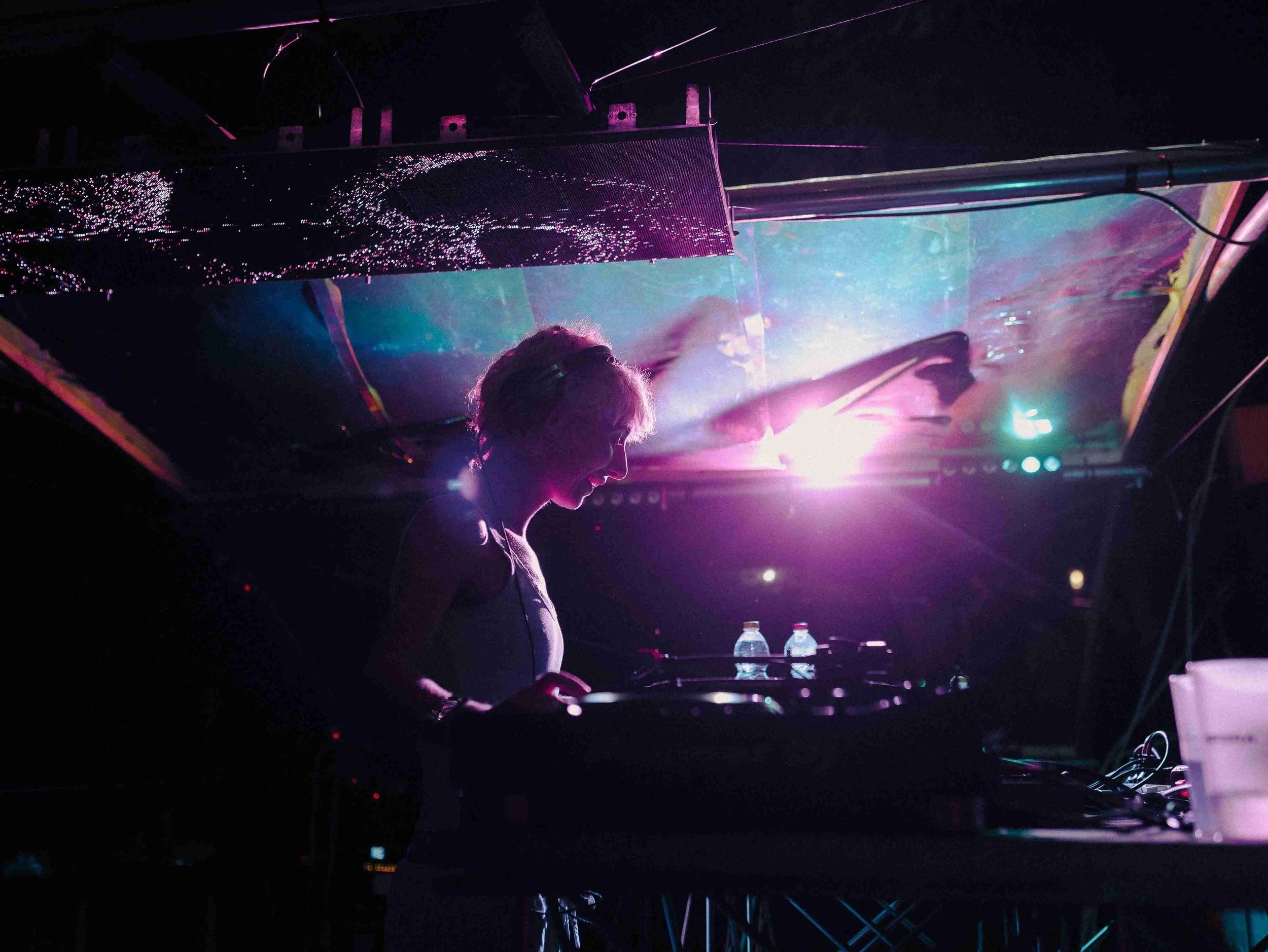
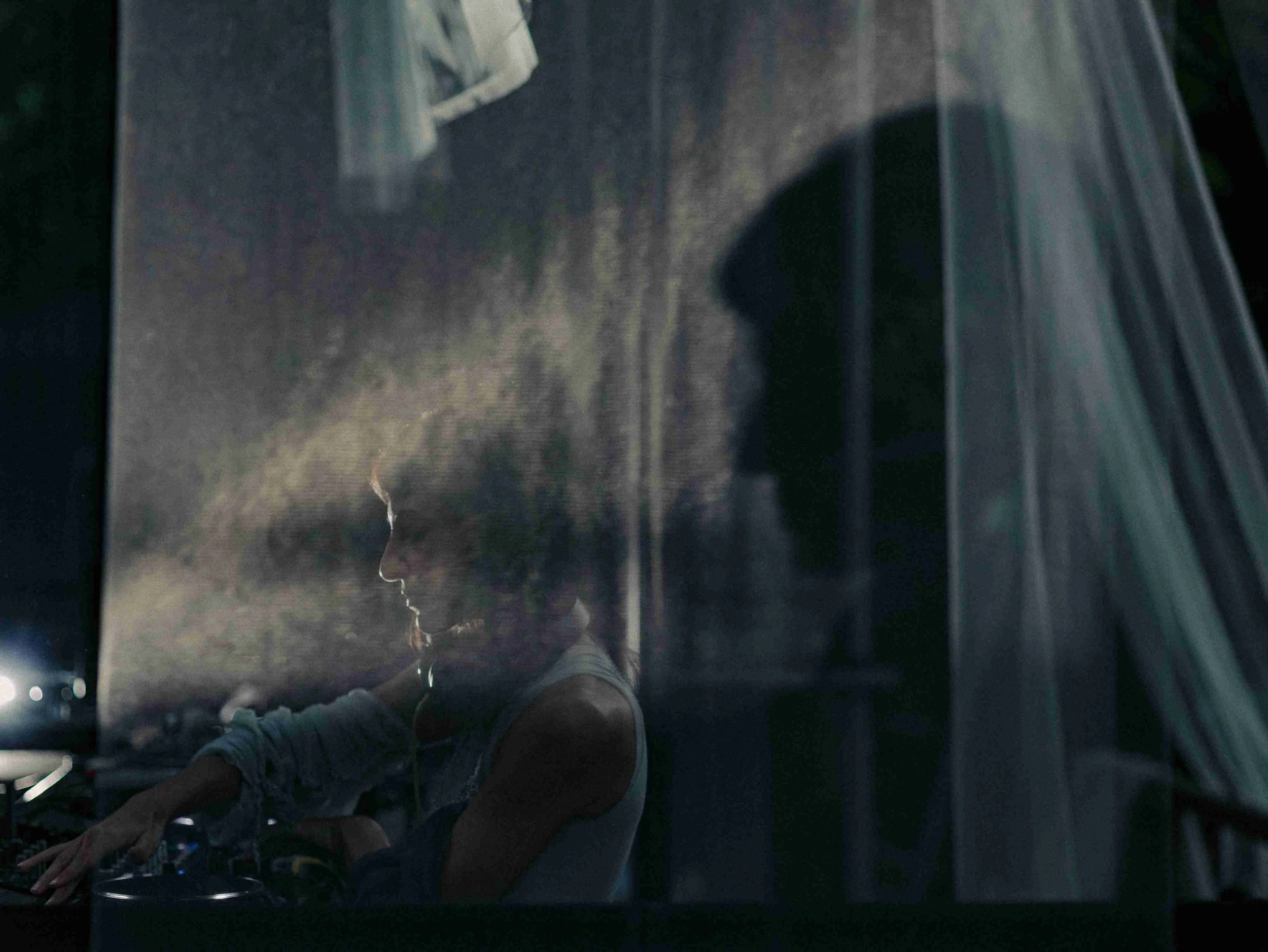
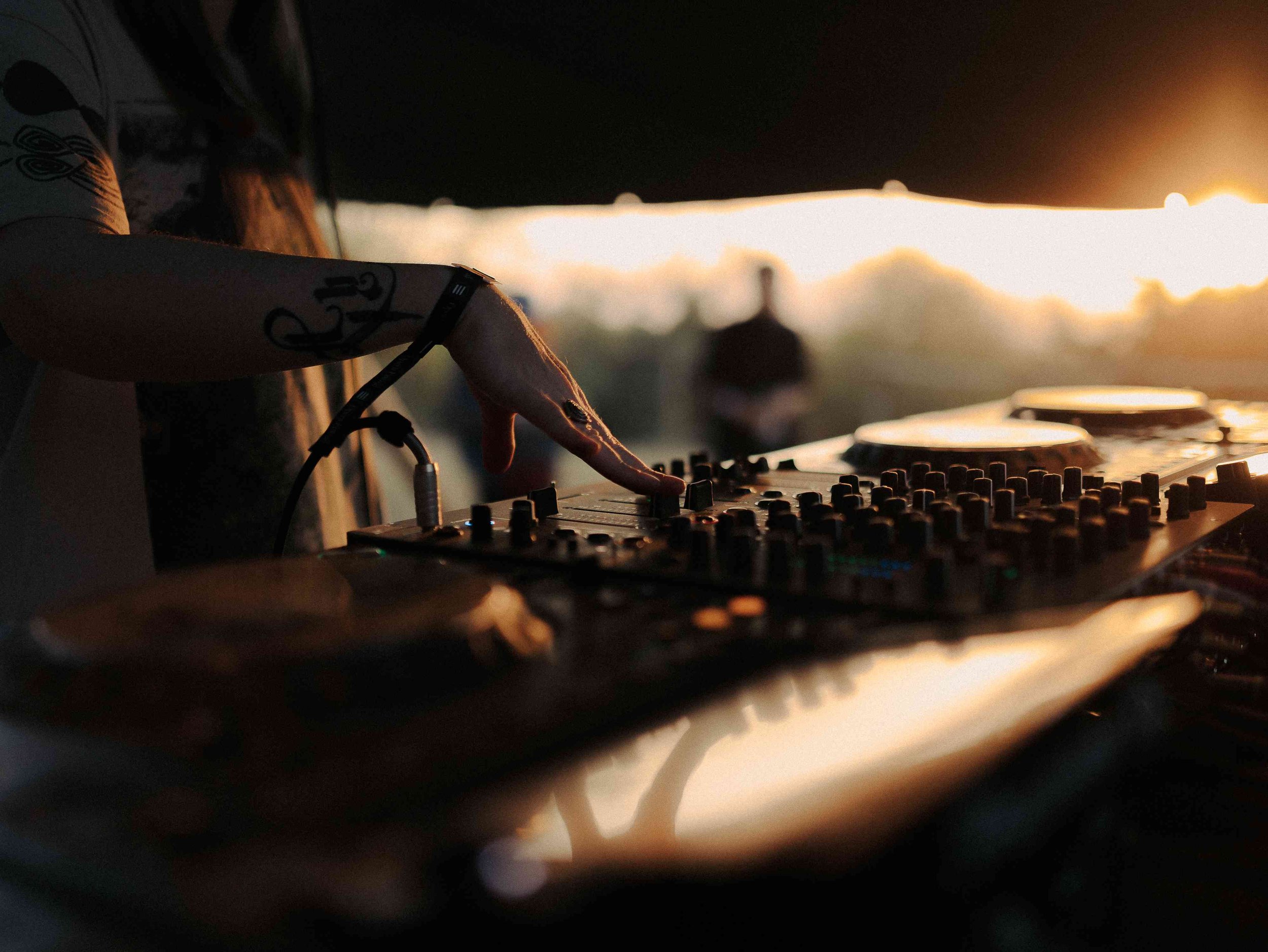
That accumulation shaped a programme in which club culture and experimentation shared the same nights. Al Wootton, Loidis b2b Richard Akingbehin, Cousin, Sybil, Sepehr, La Bek, Mama Snake, Martha, Fake Moss, Spekki Webu, 1Morning, Akua, Caim, Emily Jeanne, Kamyar Keramati, Kia, Softi and Super Venus performed alongside many others. Mohammad Reza Mortazavi brought his percussive research to the mountain, and Bluemarina opened the edition with Gospel delle sirene. Etna Morning, the live set played into sunrise, returned with Radio Hito.
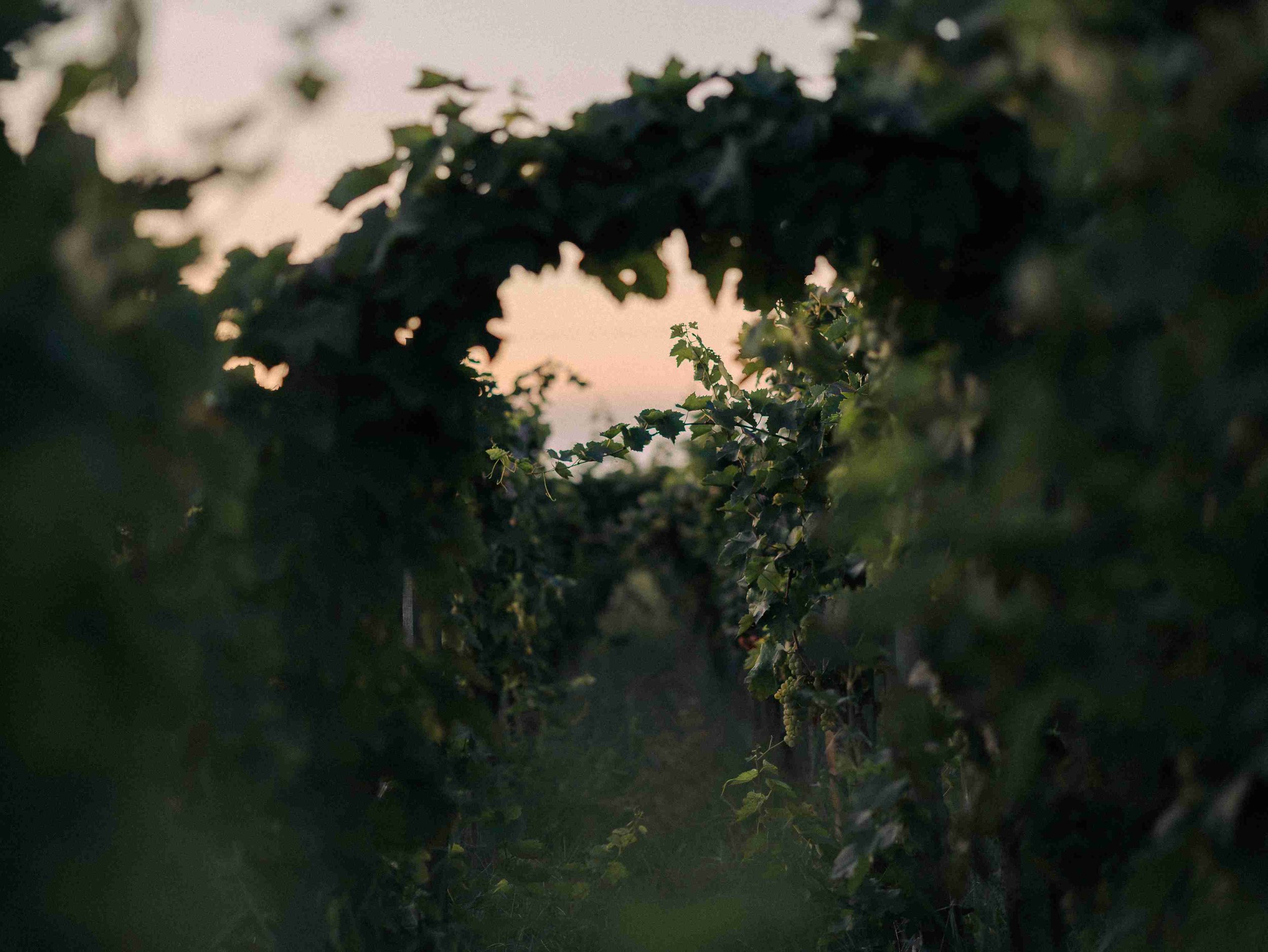
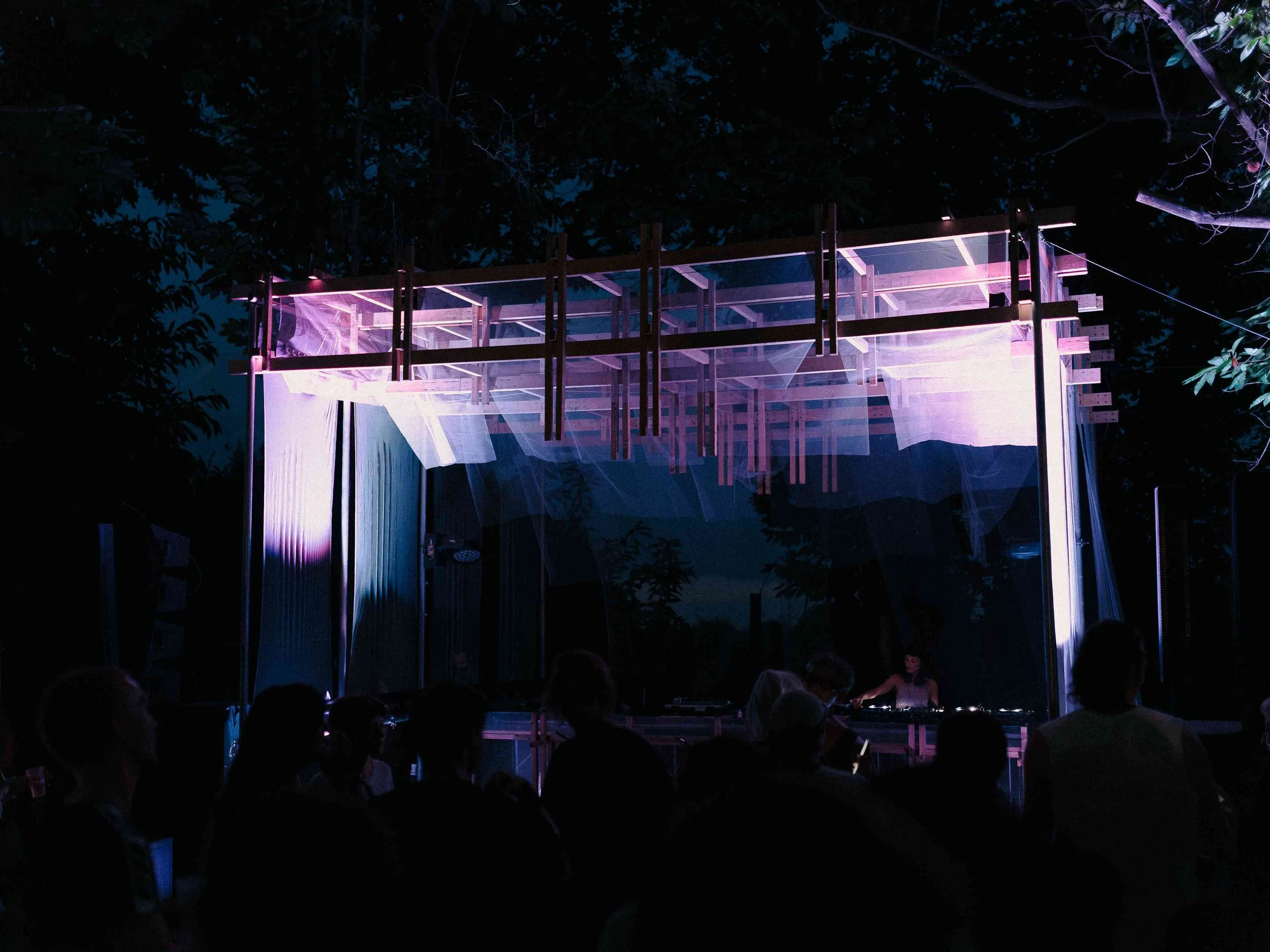
The most significant structural news came from the Ballroom, the wooded venue rehabilitated by the festival after the 2023 fires. Alongside the main stage, the chill zone and the terraced eco camping, the 2026 edition introduced the Crudo Stage: a compact room built for a different quality of attention, powered by a handmade sound system from Crudo Sound, a label founded at the foot of Etna in pursuit of a clean and powerful sound. The stage stands as the clearest sign of what Opera has become. The festival invites artists and projects, and it also builds cultural infrastructure of its own, adding to what the island has to work with.
The same instinct runs through the Claim Stage, the free-entry venue in the centre of Milo. Set slightly apart from the music, the space gives the festival room for talks, book presentations and a pop up bookshop stocked by Cesura Publish, Départ pour l'image, Nero Edition, Agenzia X, Iconografie, zic zic and others. This year the cultural programme had the support of media partner Scomodo. Marinella Fiume and Chiara Nott traced the histories and imaginations of women left at the margins of Sicilian memory; Esmeralda Moretti and Beatrice Puglisi examined the pressure that digital platforms place on information and democratic life.
Fare INNESTI took the connection with Milo further. Conceived by Studio Fare, creative partner since the first edition, the exhibition project began with a survey of the village's historic businesses and paired seven artists and illustrators with seven shopkeepers. Hand-painted signs, packaging, windows, lettering and worn everyday objects supplied the raw material. These forms grew far from any conscious design code and settled over decades into a language everyone in Milo reads instantly. The artists translated them, then sent the work back out as gadgets distributed during the festival, returning the research to the counters and streets that produced it.
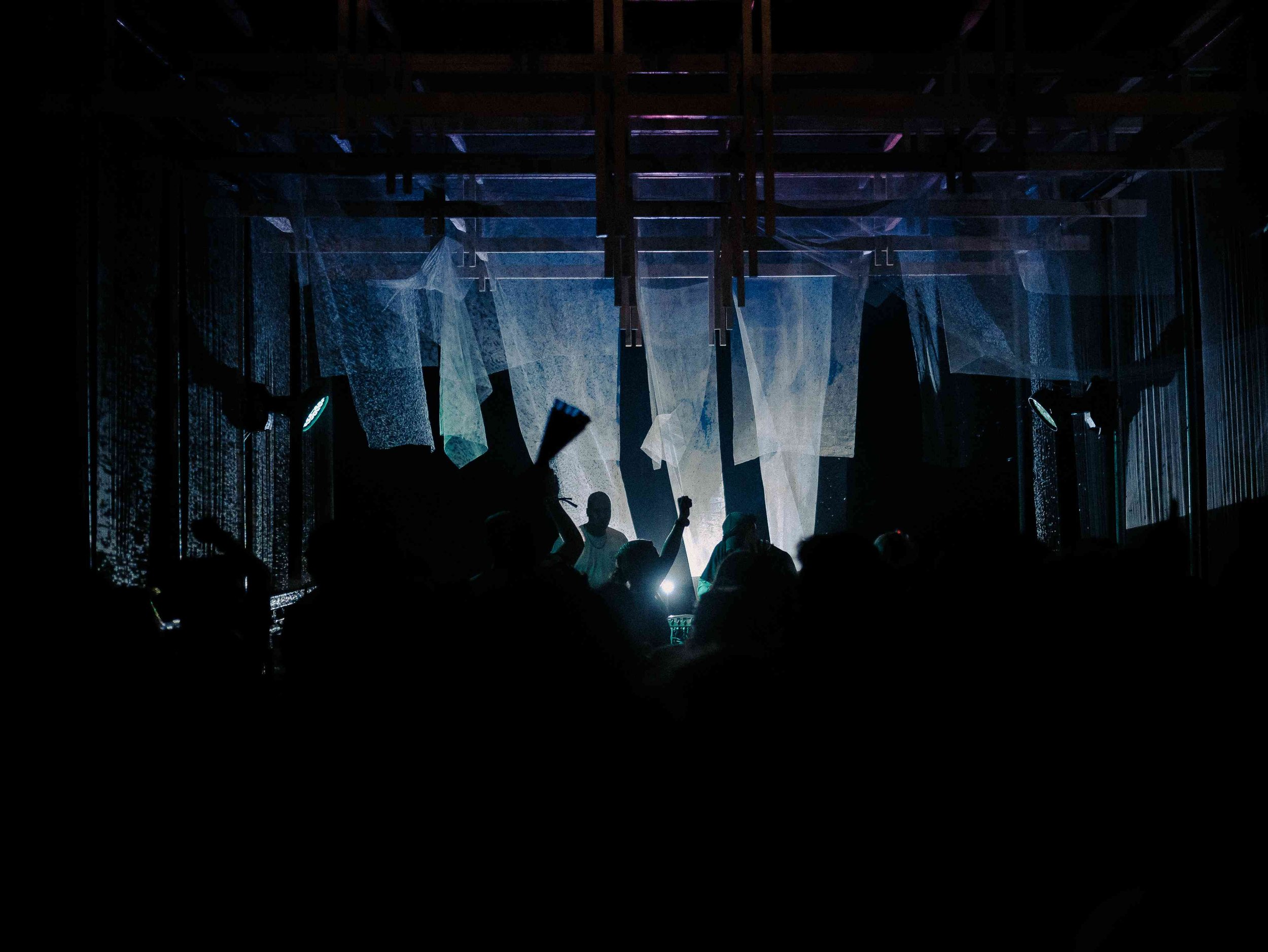
Behind all of it stood the volcano. In the weeks before the festival, sustained eruptive activity and heavy ash emissions caused repeated restrictions, cancellations and delays across Sicilian airports, raising legitimate concern about the international audience reaching Milo at all. From 20 to 23 August, Etna gave Opera one of the calmest windows of the season. The edition ran smoothly and welcomed more than six thousand people, an increase on the year before.
That outcome describes the pact the festival has made with its own landscape. Etna remains a living presence with a will of its own, and Opera has spent six years learning to work alongside it, leaving its energy intact.
Photography by Domenico Lanaia, Tea Pavia, Lorenzo Di Napoli.
Words by Donald Gjoka
What to read next