COEVAL at Flow Festival 2026
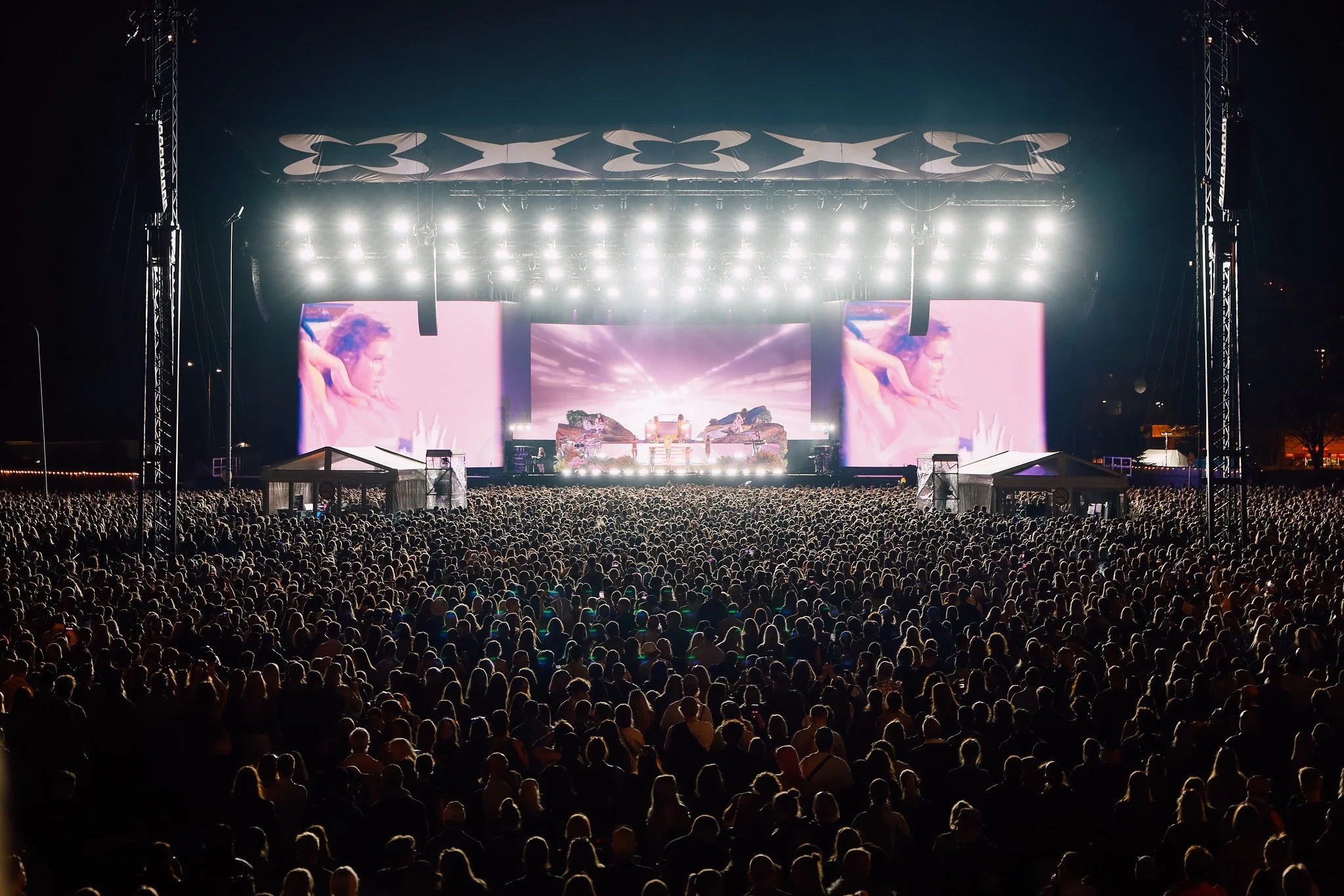
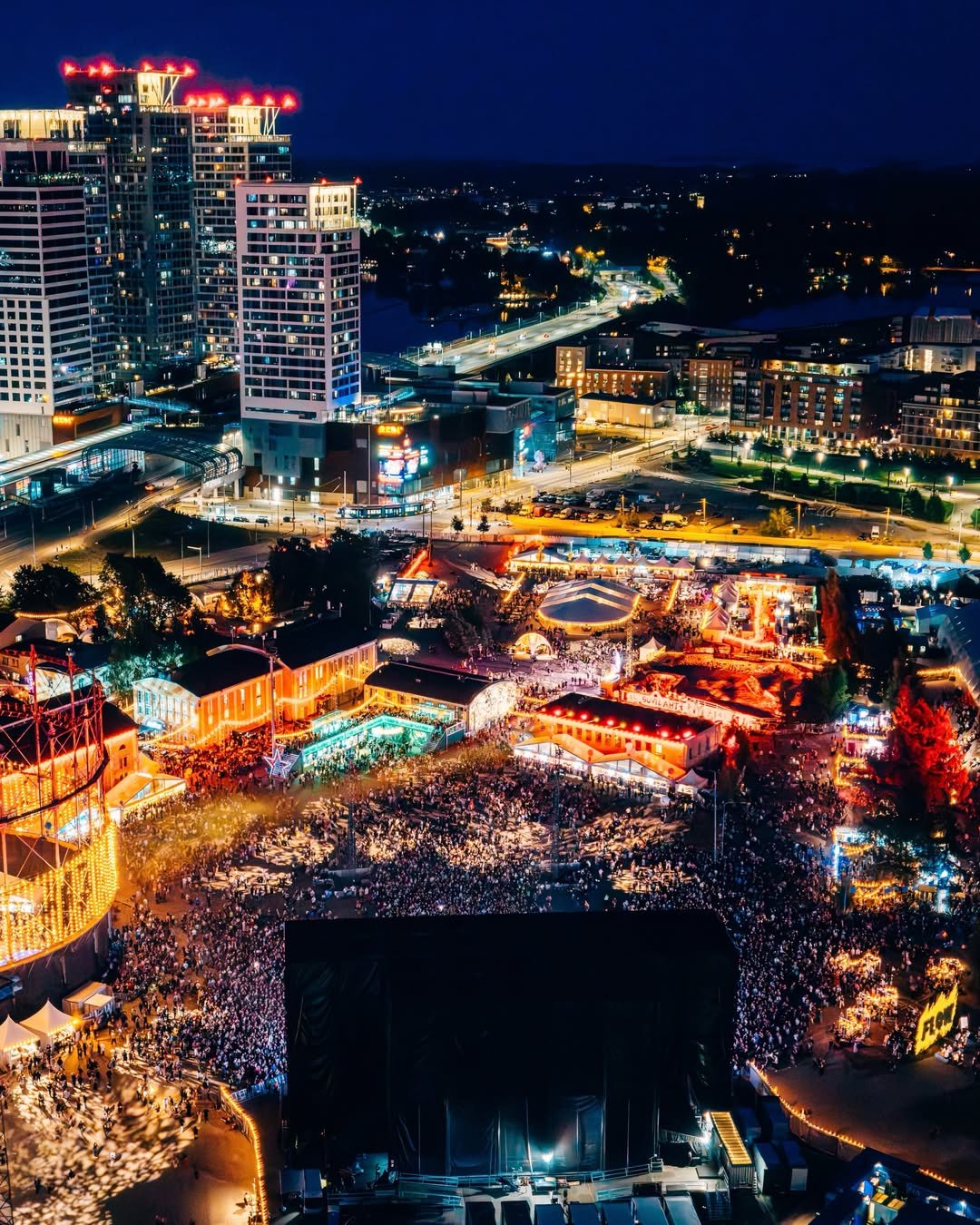
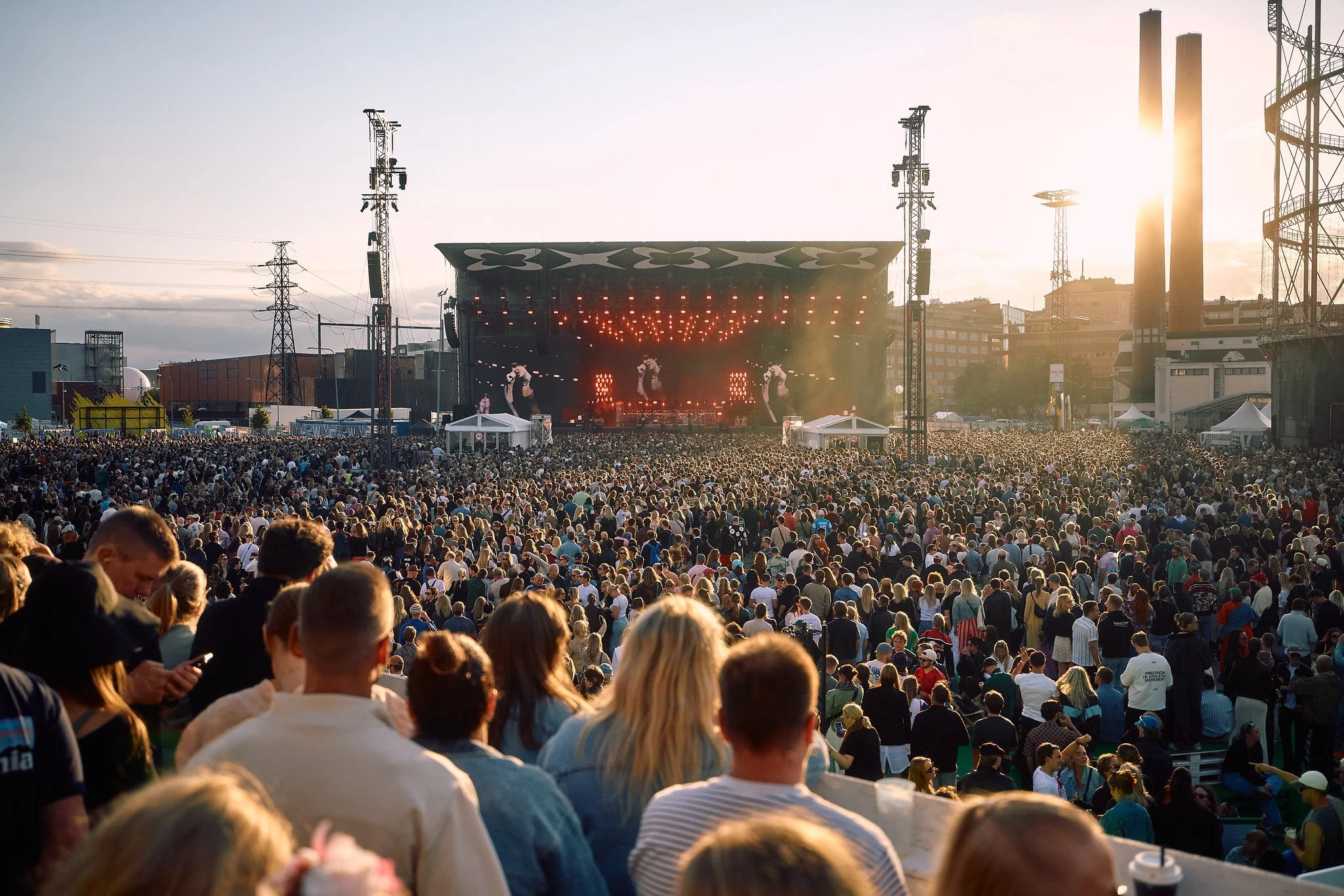
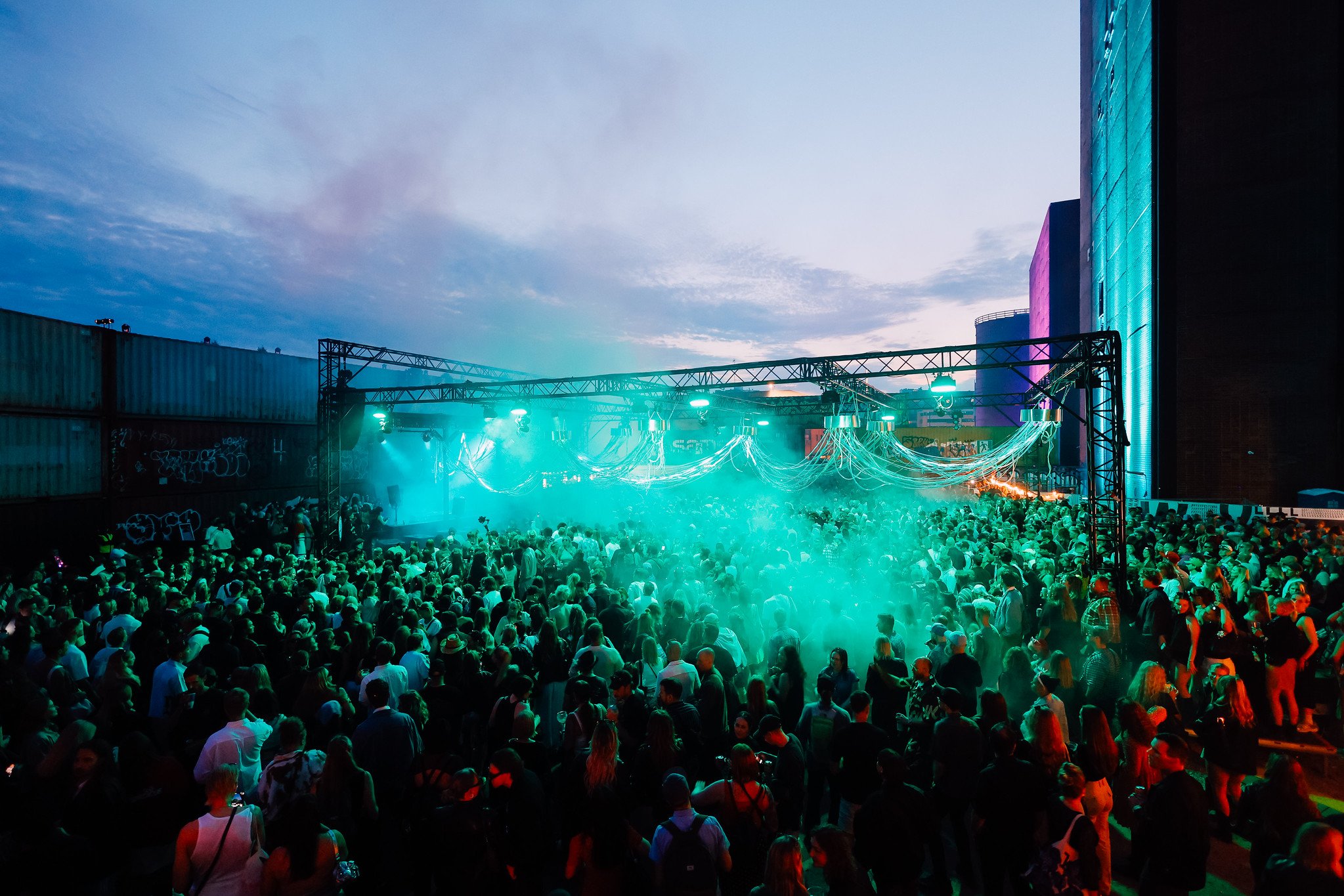
Flow marked its 21st edition this August on the fields of a Helsinki power plant that went dark in 2023, and the scale of the place does something to the music. Ten venues, each with a character of its own, set far enough apart that the walk becomes part of the day. Three of them run on electronic music alone: Front Yard for the upbeat hours, Backyard for the mellow ones, X Garden handed to a different collective every day.
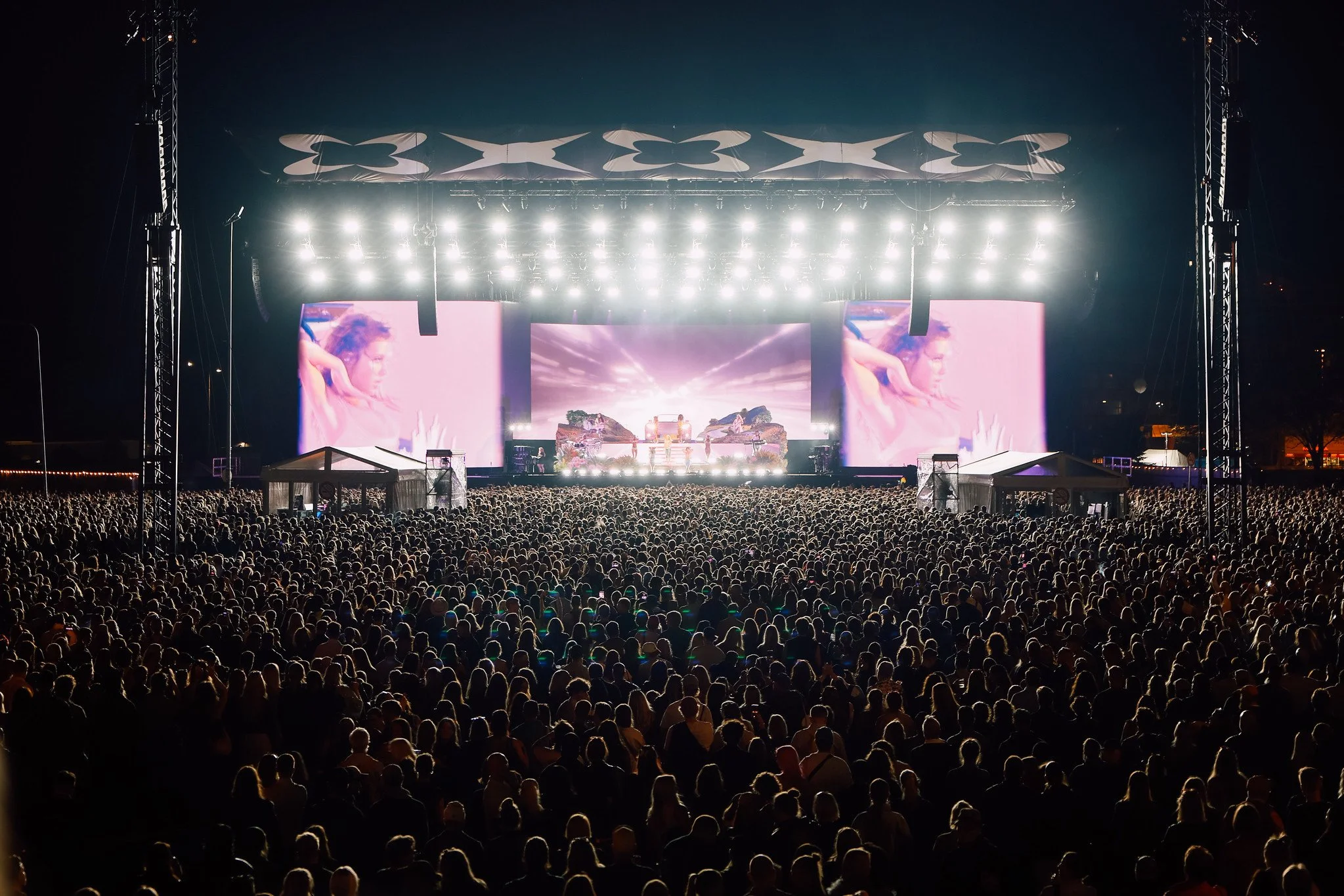
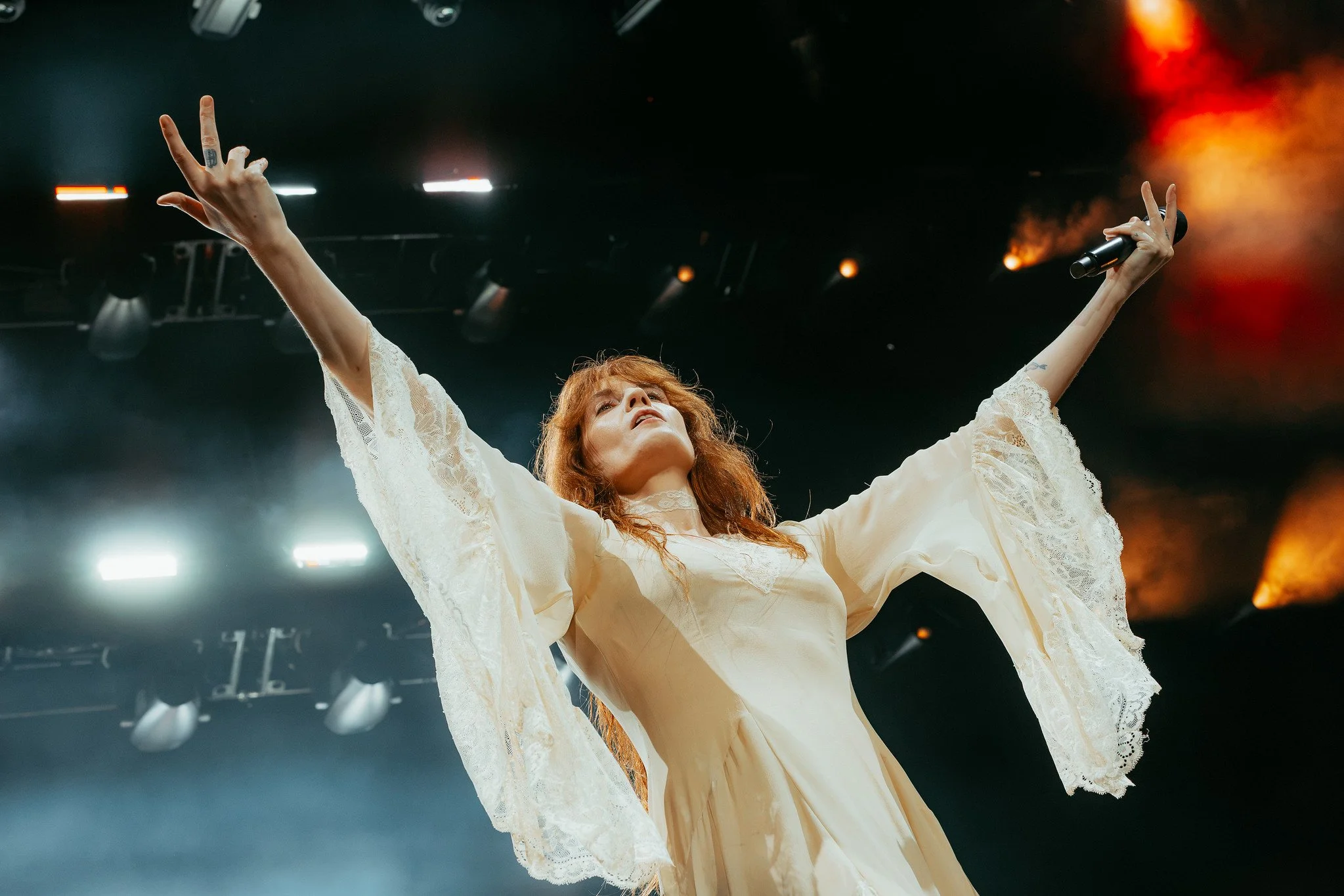
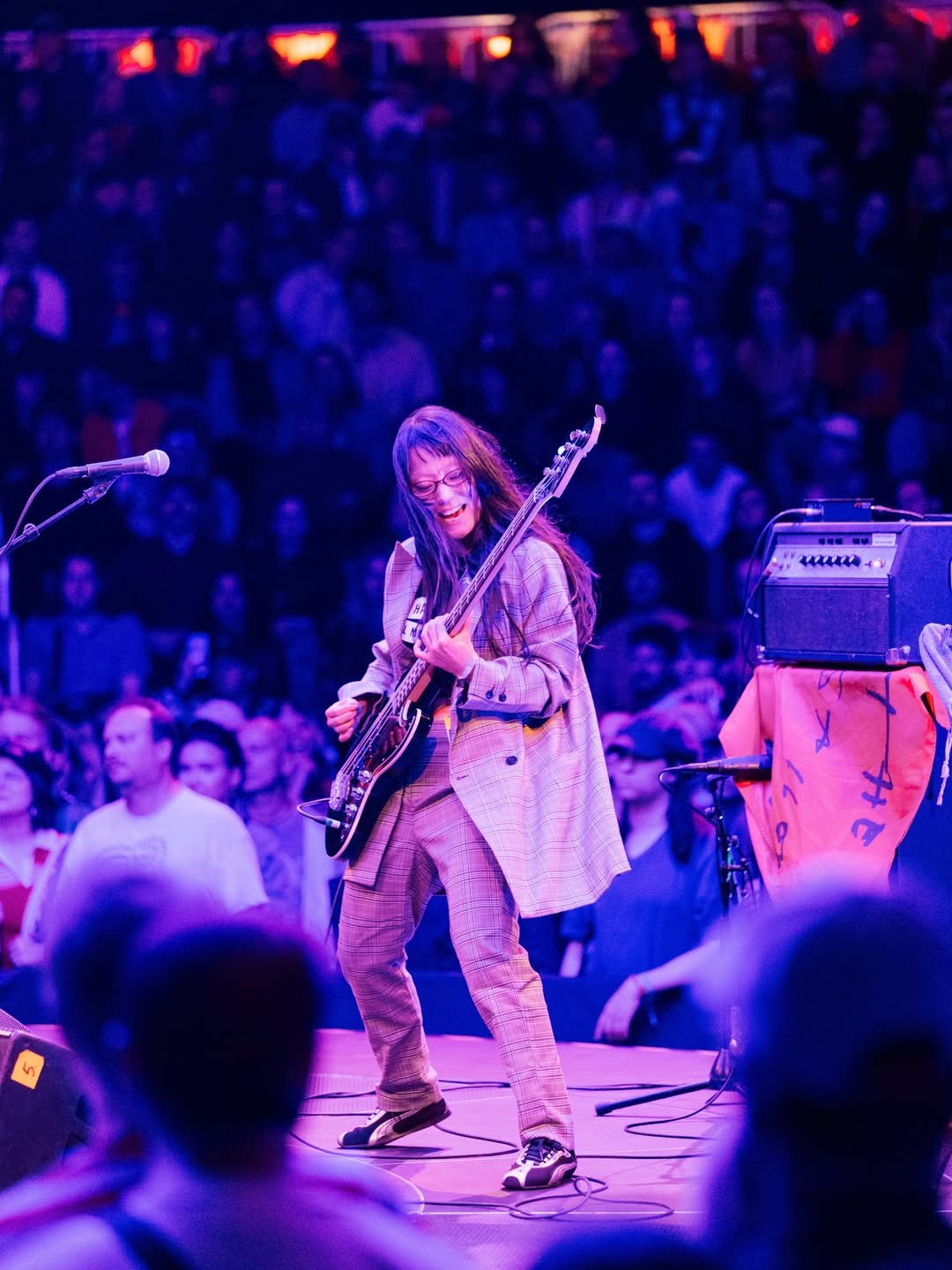
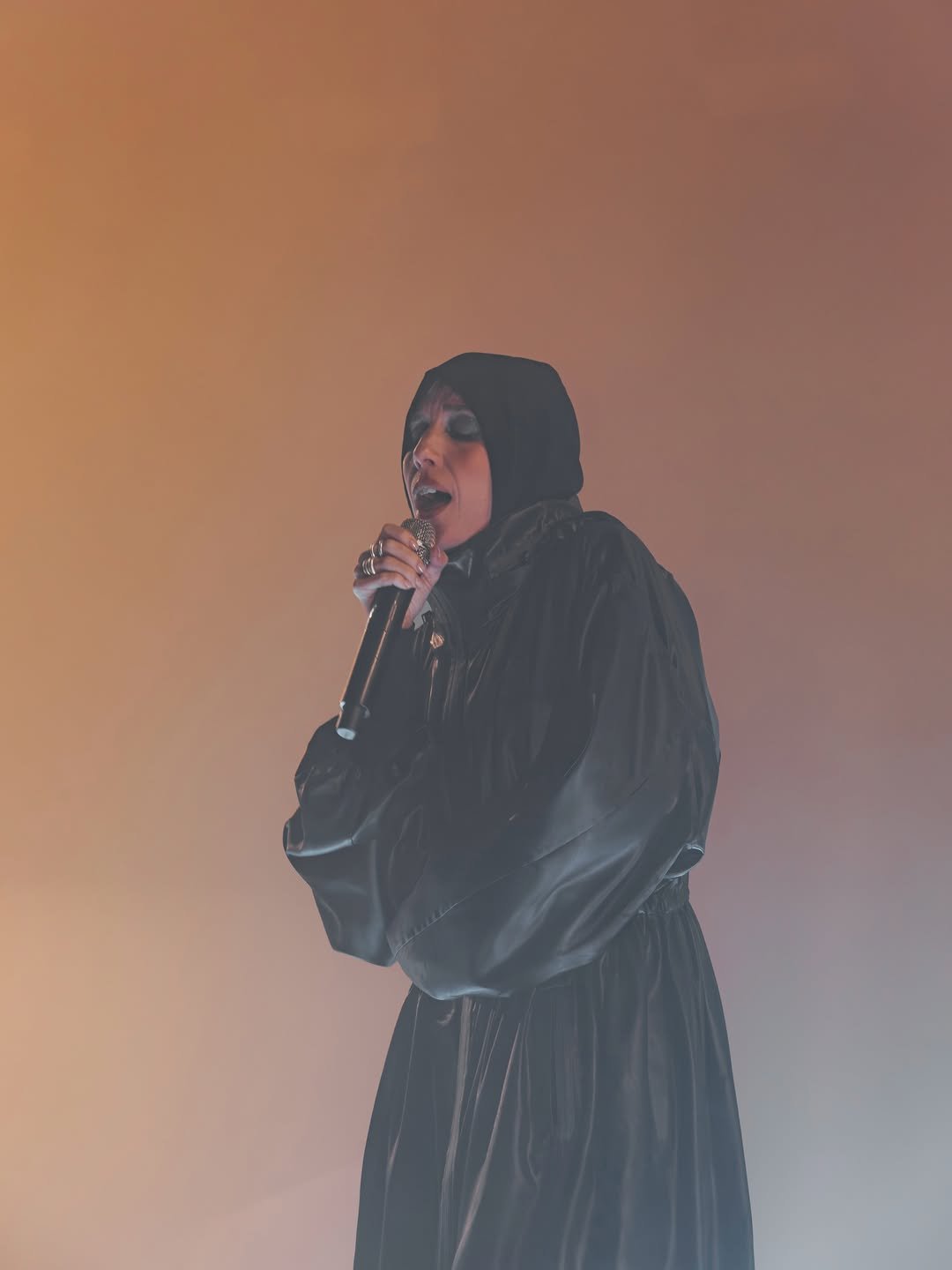
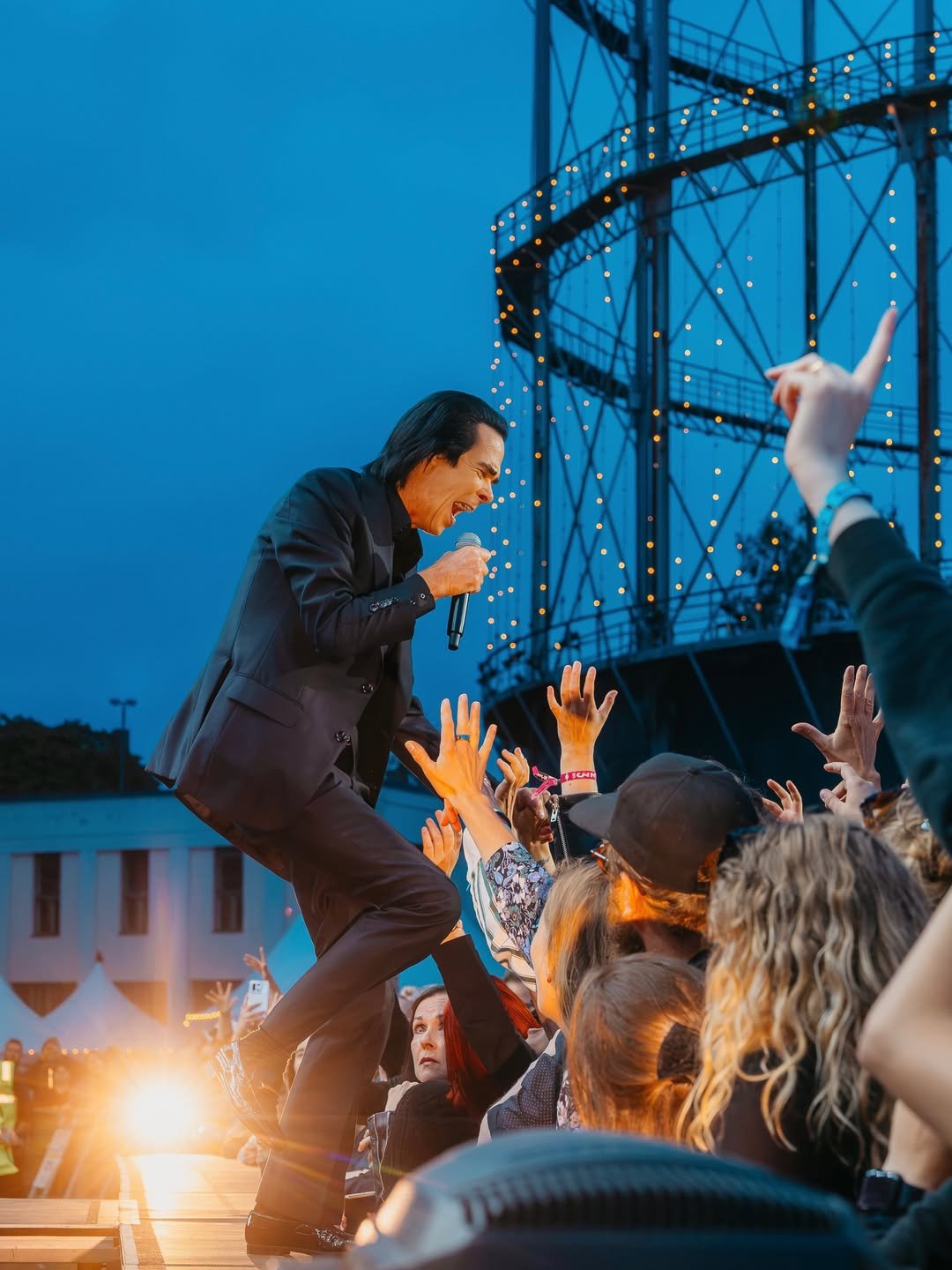
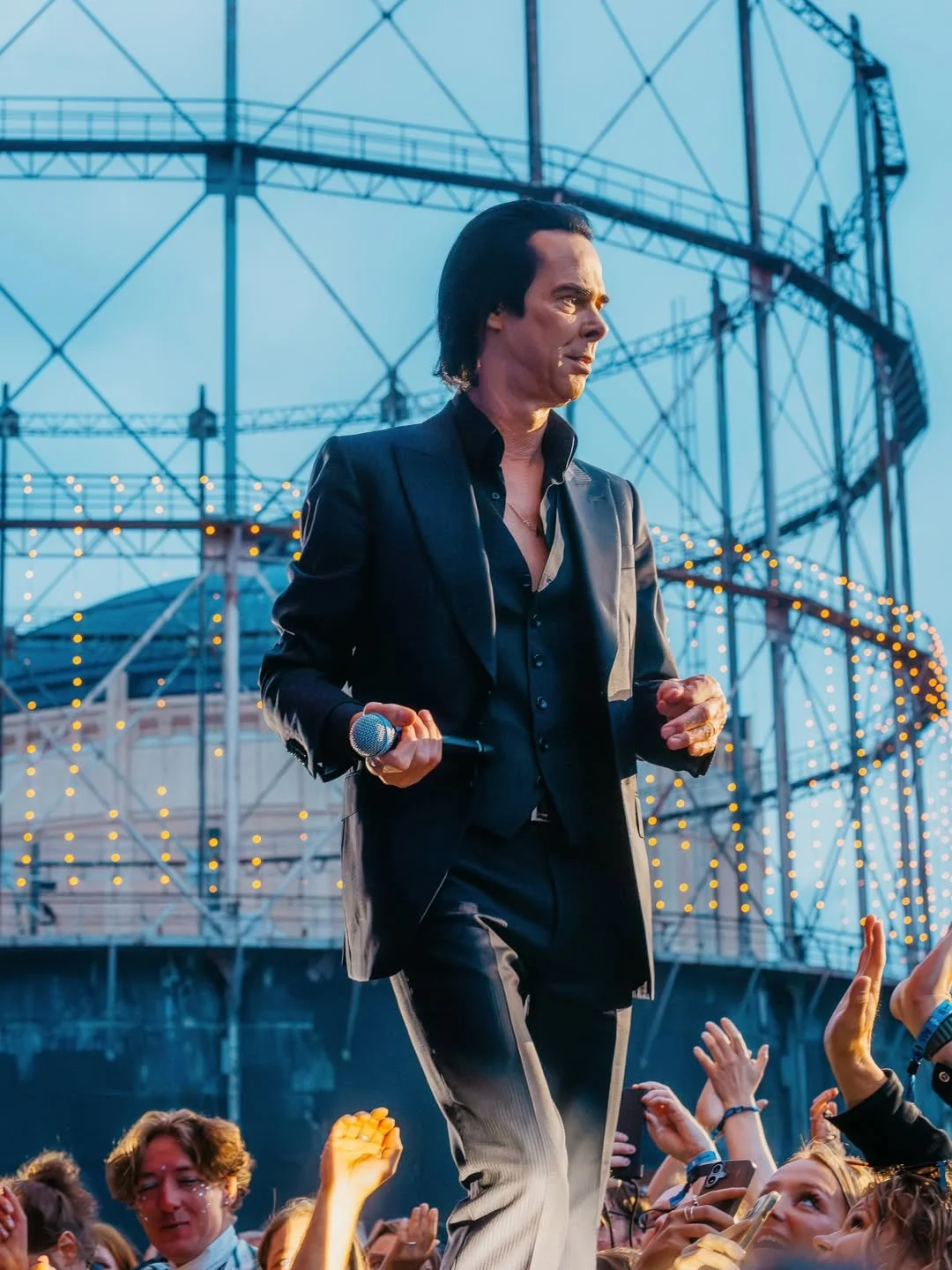
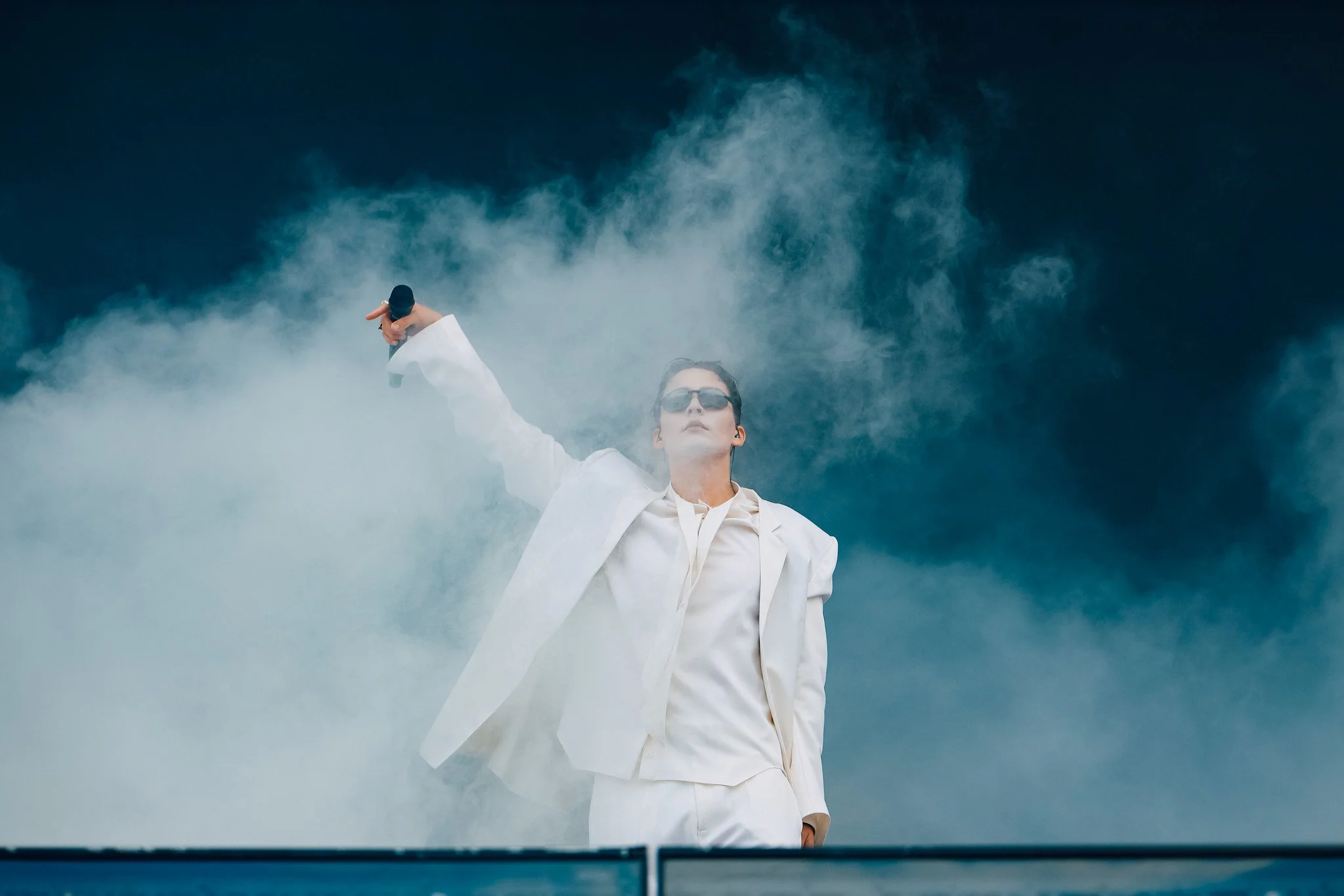
The sound is the argument. Florence + The Machine sang across the main field with a voice that pinned the whole crowd in place, arms up, hypnotised. Nick Cave and the Bad Seeds took the same field with the ease of a man who has been doing this for forty years and still entertains every last person out there. Oklou made the quietest hour of the weekend the most memorable one, sound and light designed together. Habibi Funk sent the Backyard straight to Beirut. Disclosure ran hot, DJ Gigola ran hotter, and Lykke Li came back with everything intact. Ana Frango Elétrico played with a precision that looked easy.
Then there is the food. Forty-five handpicked restaurants, Michelin kitchens next to pizza counters, every menu built on vegetables, fish and seafood since 2022. Quality runs through the whole site, drinks included.
Flow began in 2004. How many editions does that make?
The first one was in 2004, so 22 years. This is the 21st edition, because two of those years were lost to Covid.
One of the first things I noticed this year is how many women are on the lineup. It reads as a deliberate choice. Where does it come from?
If you look at the audience and the artist lineup together, it makes sense. Eighty percent of our audience comes from Helsinki, so we are really urban. The average age is 32, and 60 percent of our attendees are female, so slightly more women than men. Right at the heart of Flow has always been the ambition to present a wide range of art and a wide range of music. Electronic music is really important for us. We have three venues that play only electronic music, and nobody else in Finland has a program that wide. Part of the whole artistic plan is to present different genres and also different kinds of artists: artists from different countries, different cultures, different ages, different sexes. We really want to create the world we want to live in. Equality and solidarity are core values for Flow.
How does that translate into the booking process itself?
We think a lot about what kind of music and what kind of people we present on each stage. Tuomas, Toni and Paavo, who are the programmers and bookers, think about it very carefully. We cannot have only white men playing the main stage. We need women on stage, different ages, international and local, a good mix.
The food is the other thing that struck me. There is no red meat or poultry anywhere on site, which is rare at a festival this size. When did that shift happen?
Food is part of sustainability, and sustainability is one of the core values of Flow. The world is heating faster than ever, so we feel we need to do something to cut emissions as much as we can. Our audience is urban and very aware. In 2022 we cut poultry and red meat out completely. The audience was more surprised that we had served poultry and red meat before Covid at all. They were asking, did you even have that before? So it was a natural change for them.
And how does that work with the restaurants themselves?
We have 45 different restaurants around the area. The rule is that they cannot sell red meat or poultry. All the fish and seafood needs to be local, they can have only one dish containing fish or seafood, and they need at least one dish that is fully vegan. We handpick the restaurants, so it is a big production. We build good connections and good collaborations with them. We call them each year and ask, do you want to come to Flow? We go and eat in their restaurants and try to convince them to join. There are lots of Michelin star restaurants here, really nice bistros, and also burgers and pizzas. Like the program on the stages, we want a wide range of food around the area.
The site is another surprise. It is a former coal power plant.
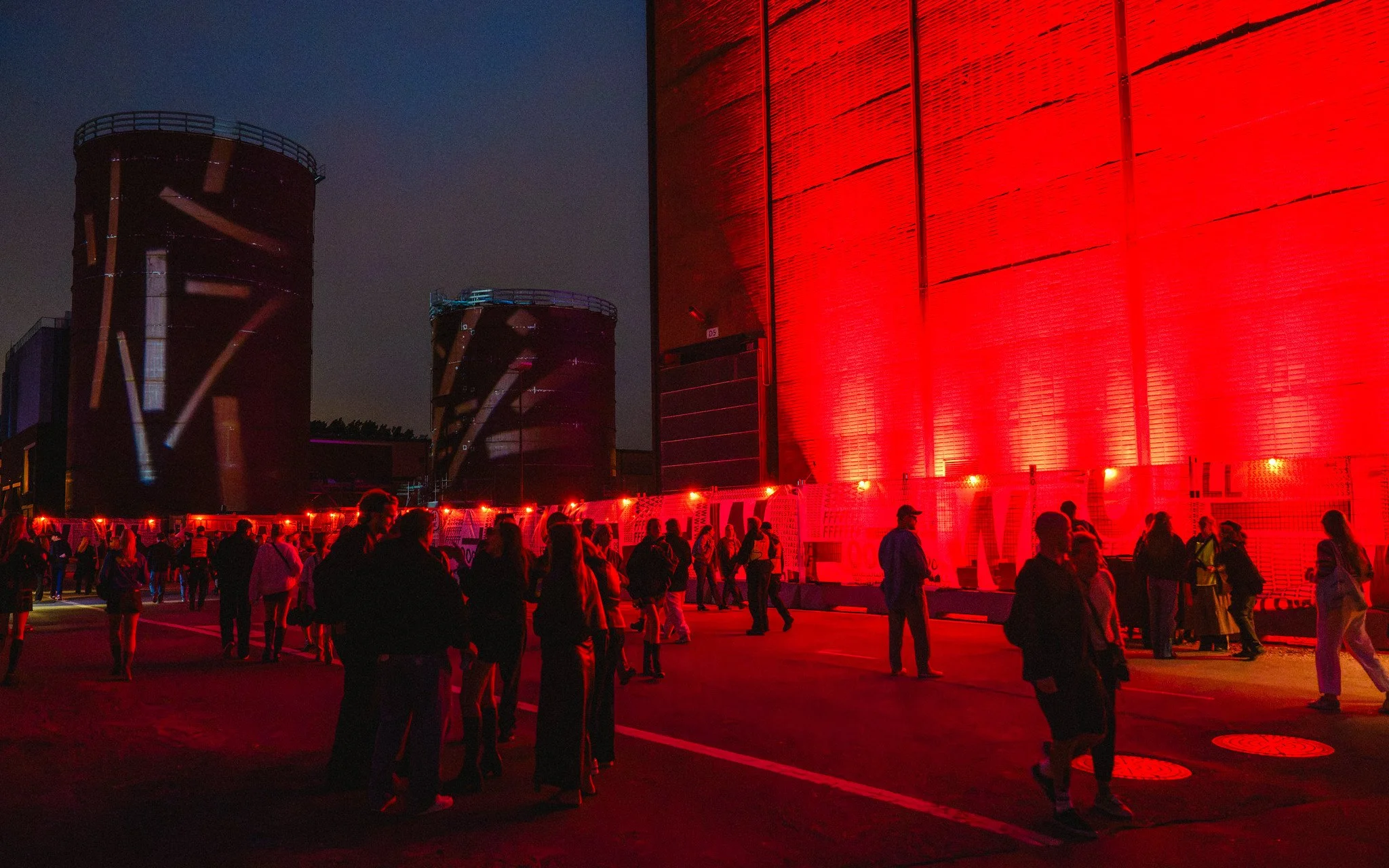
Yes, this used to be a power plant. They shut it down in 2023. The city owns it now, and they have moved all the machines out, so the structure is an empty shell inside. We really hope that one day a year we will get inside, because it is very cool in there. For now these fields are open to the public, open to everyone who lives in Helsinki, and that is why we were able to rent these areas.
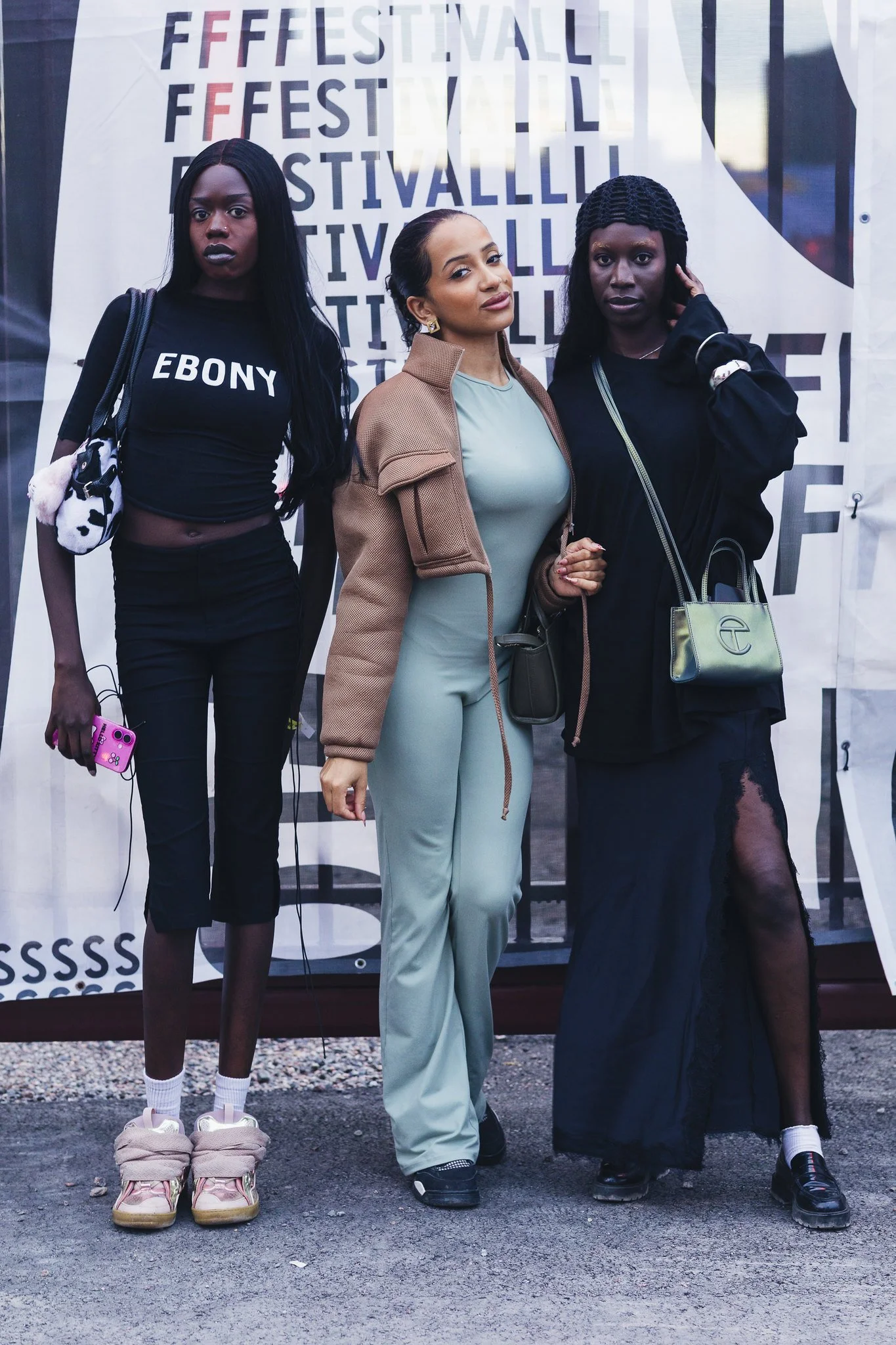
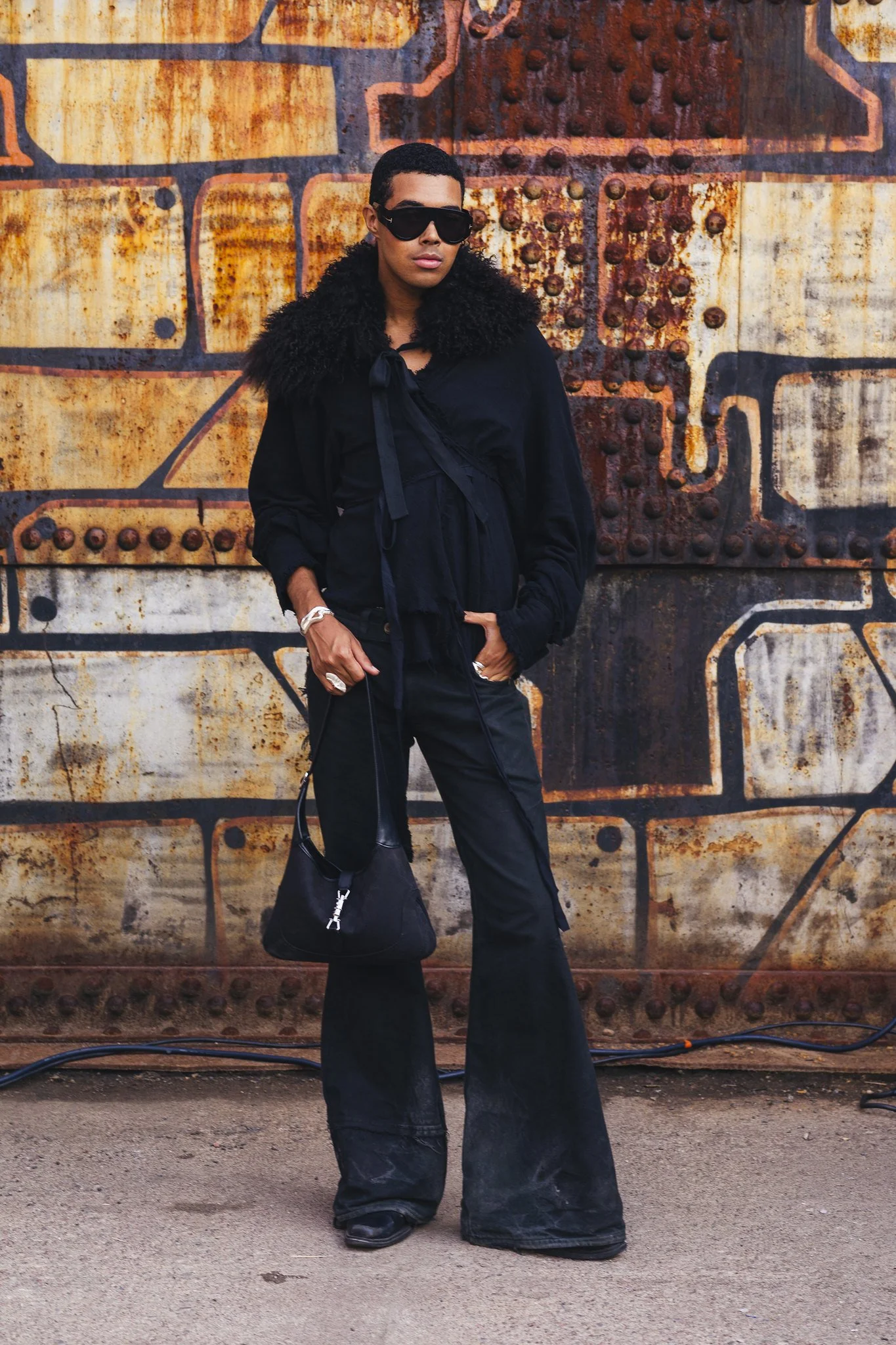
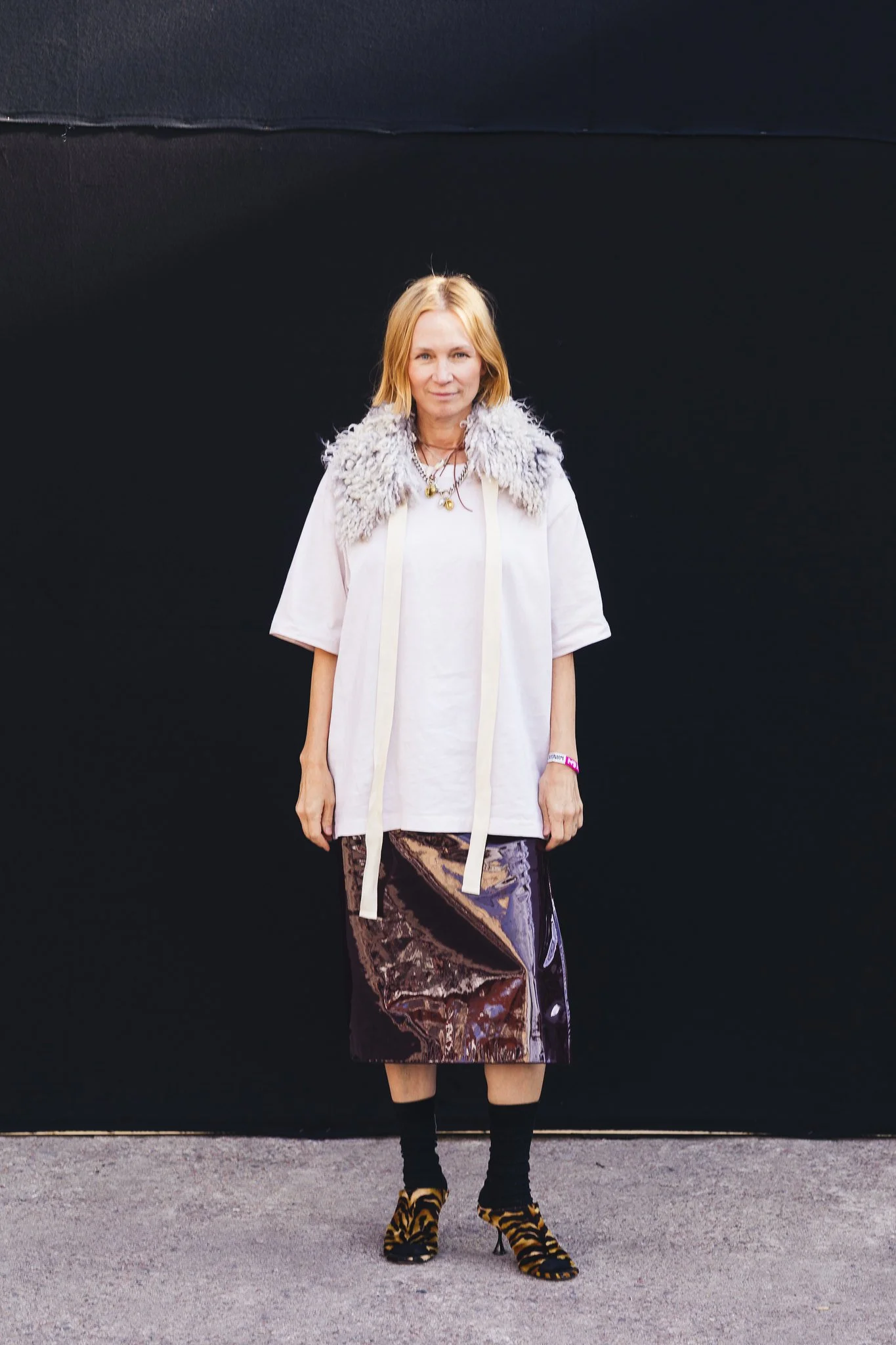
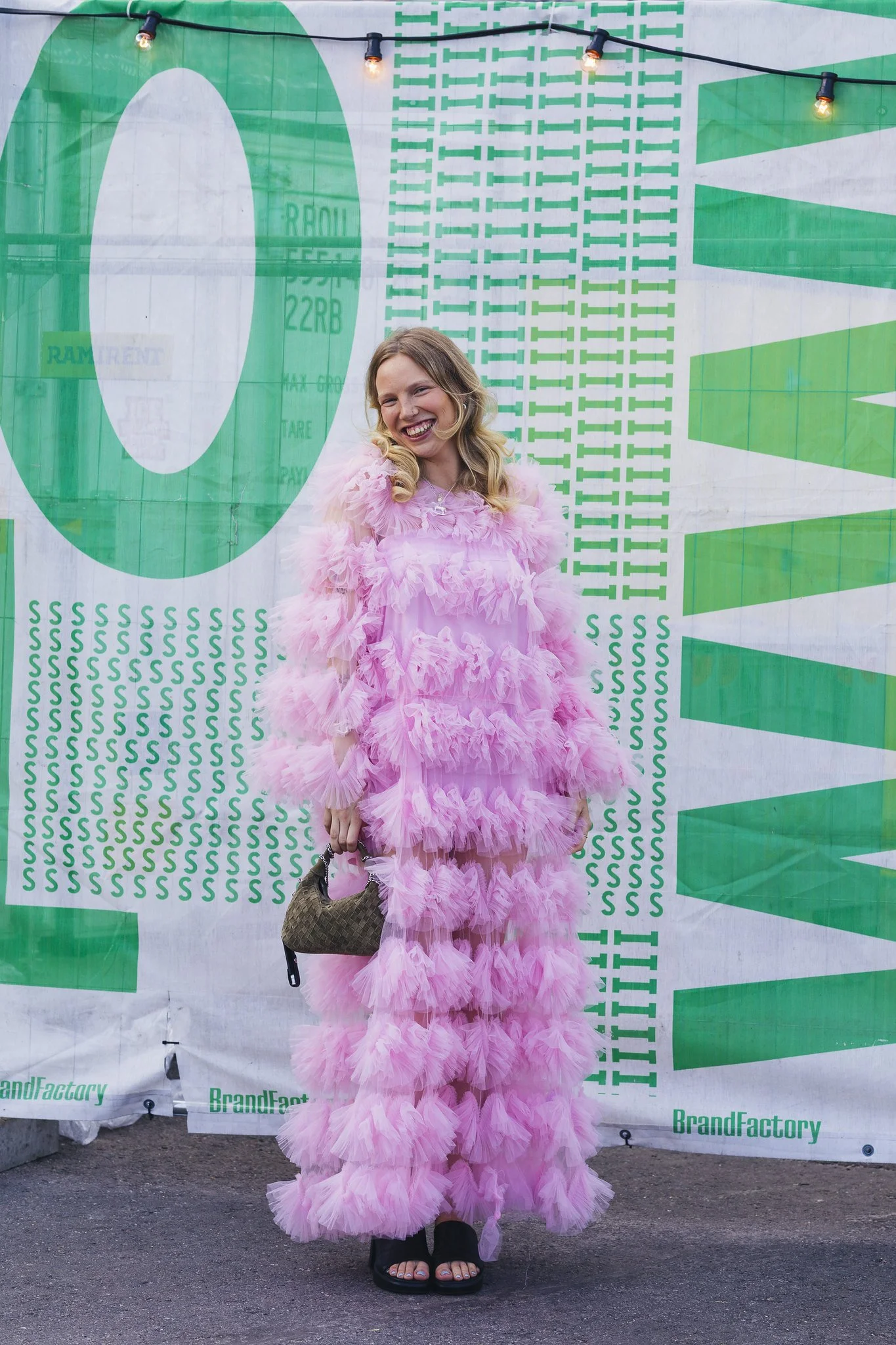
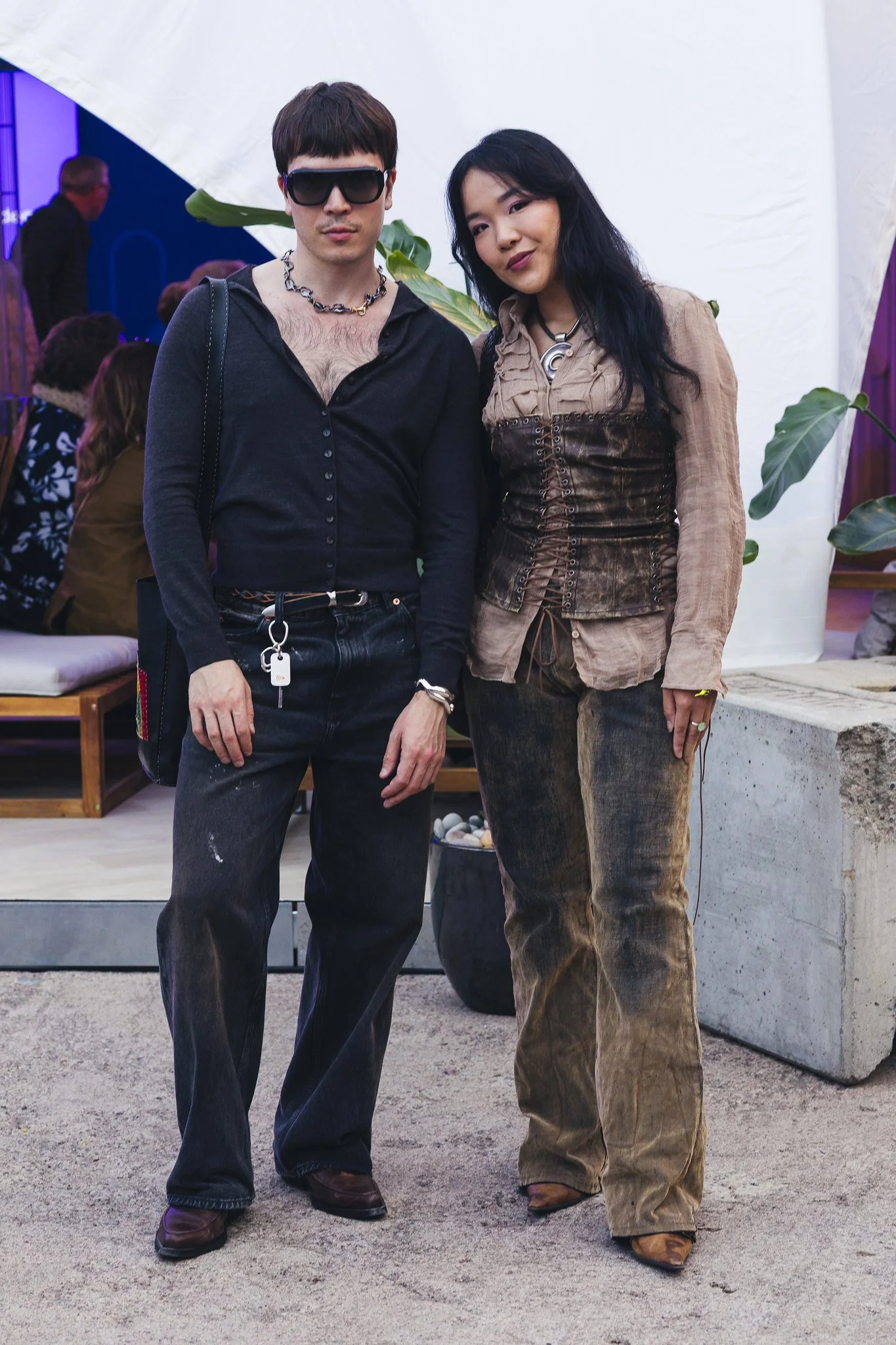
Each stage has its own identity. How do you decide what goes where?
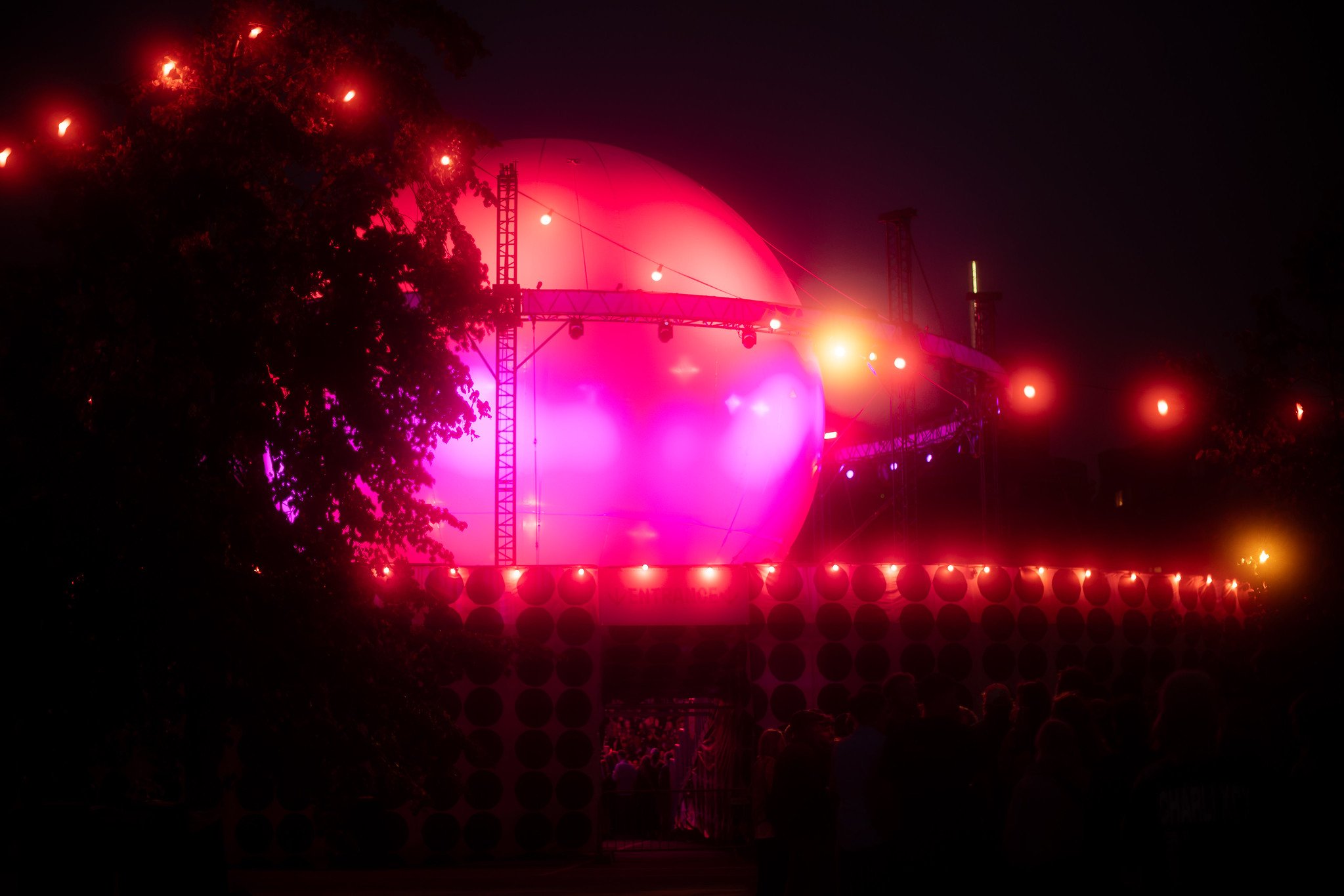
We have ten venues, and curating them is at the core of Flow. It works the same way as the food program: we think about what kind of music fits a certain venue, so that the venue and the music go hand in hand. We avoid taking any stage and simply putting artists on it. We think about how the setting supports the music and the artists.
Which ones are built around electronic music?
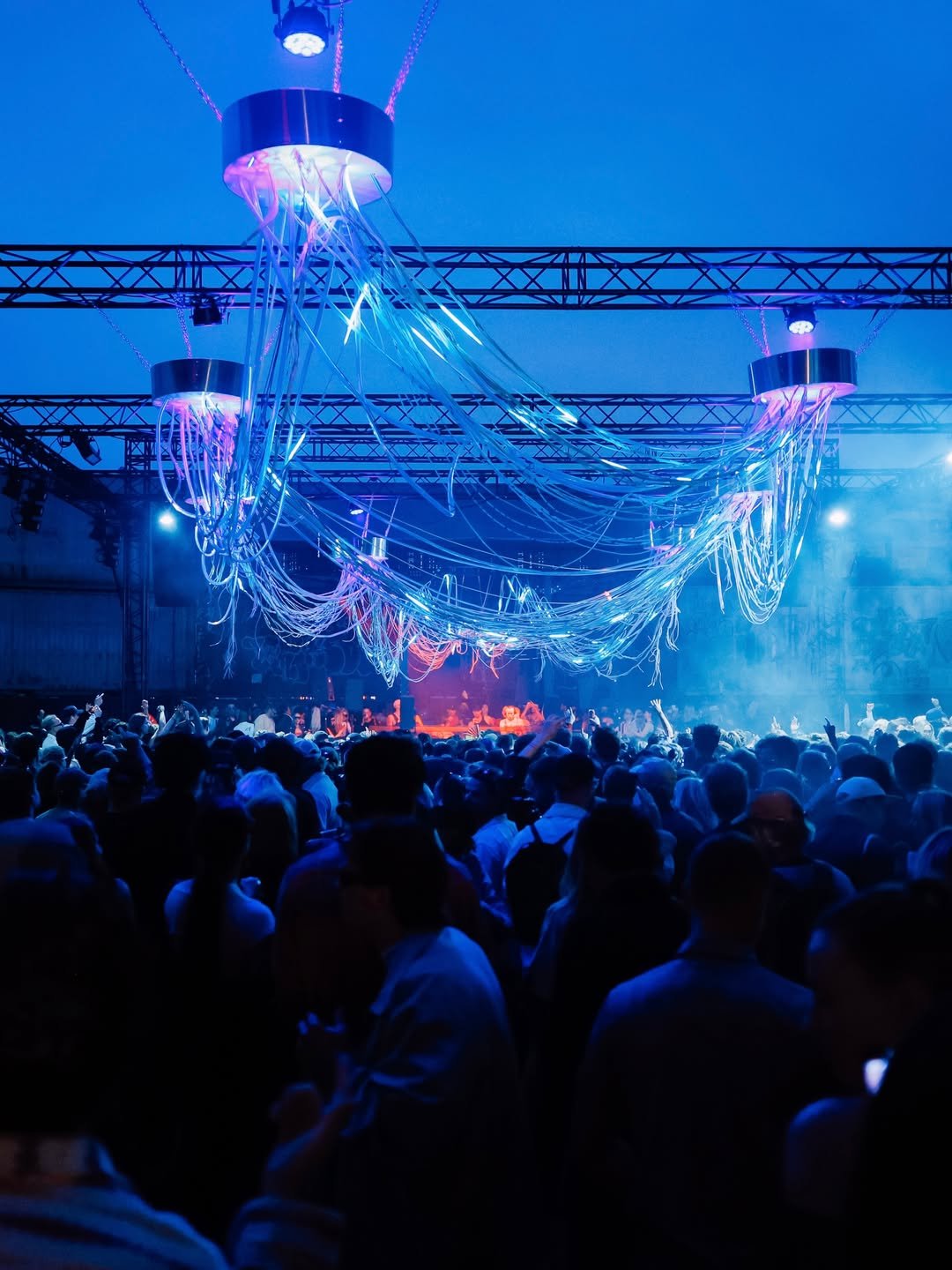
Three of them are fully electronic: Front Yard, Backyard and X Garden. Each one has a different angle. Backyard is more mellow and easygoing, Front Yard is more upbeat, and at X Garden a different collective books the DJs every day, so the setting changes daily, which makes it really unique.
And the remaining venues, how did each of them come to be part of Flow?
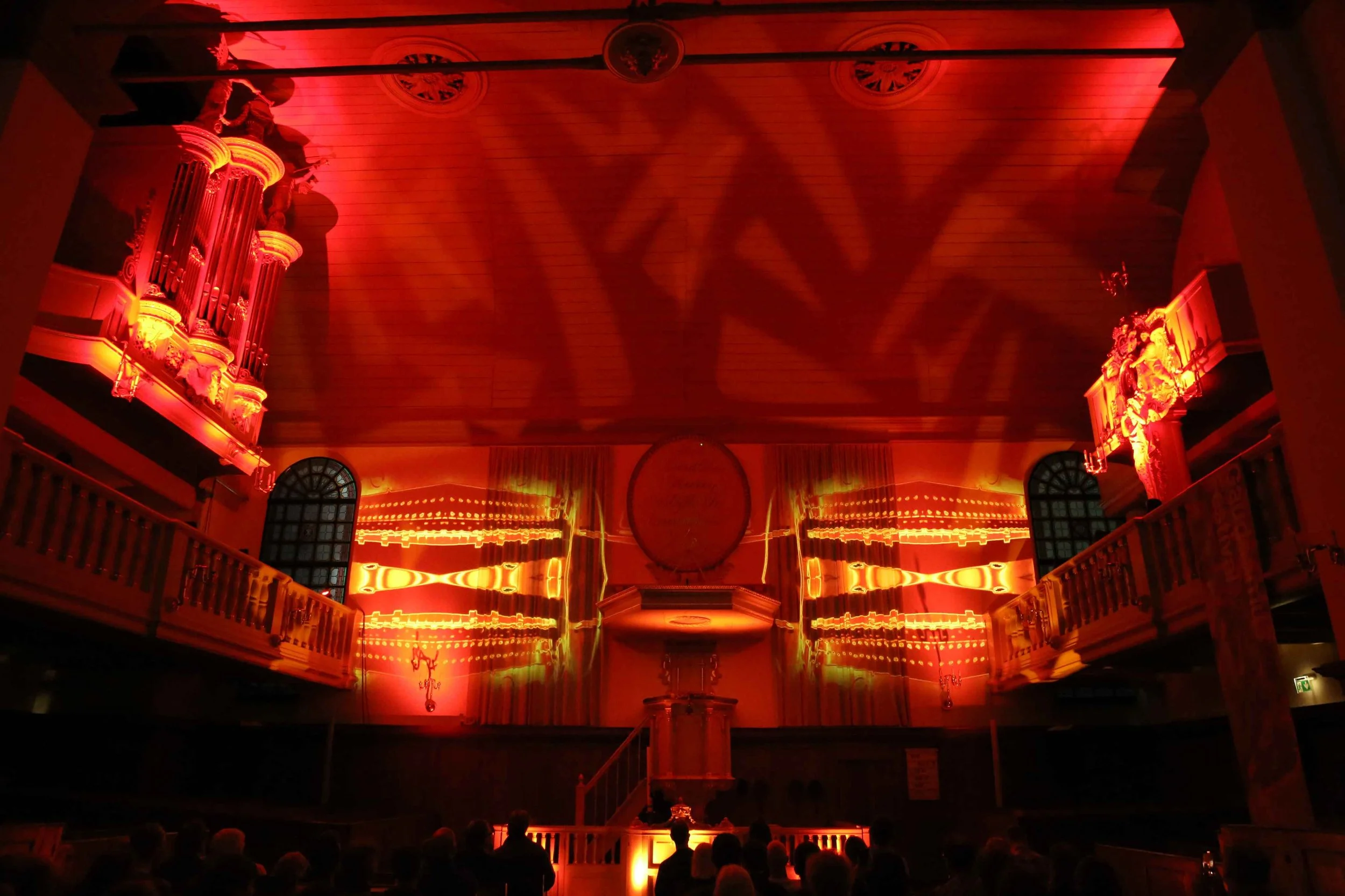
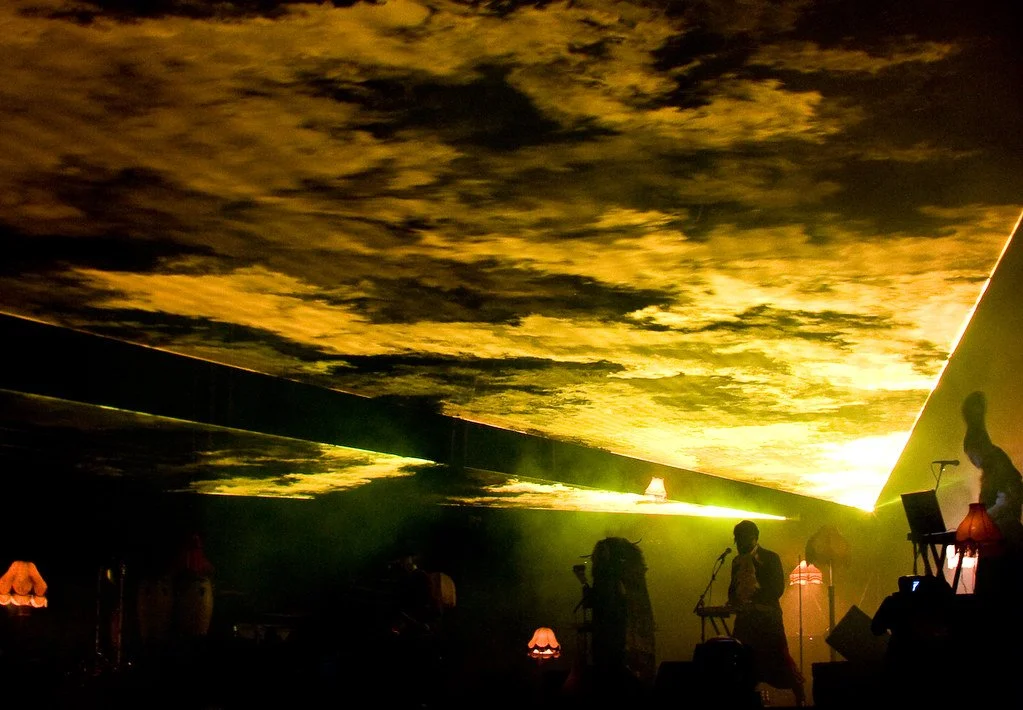
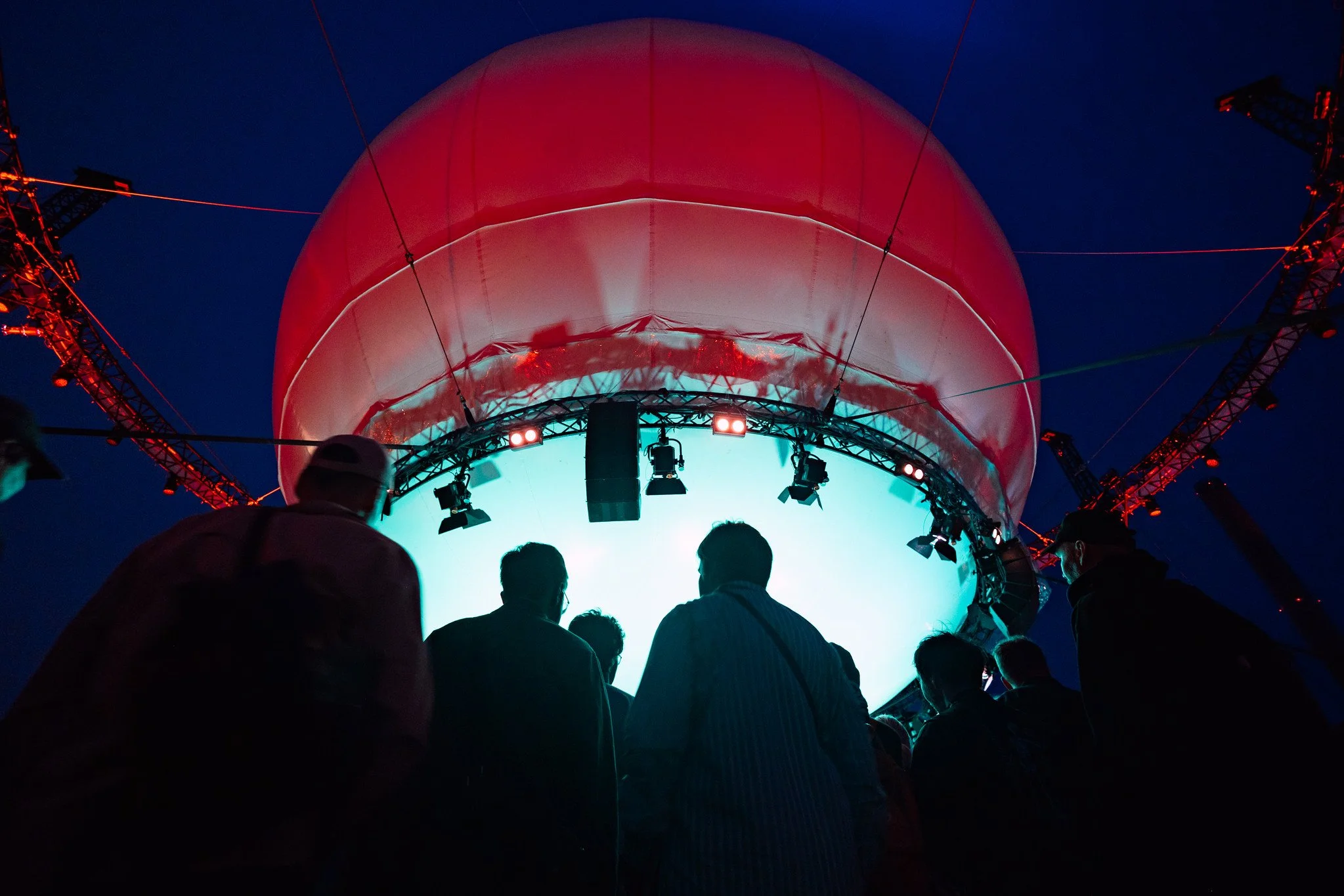
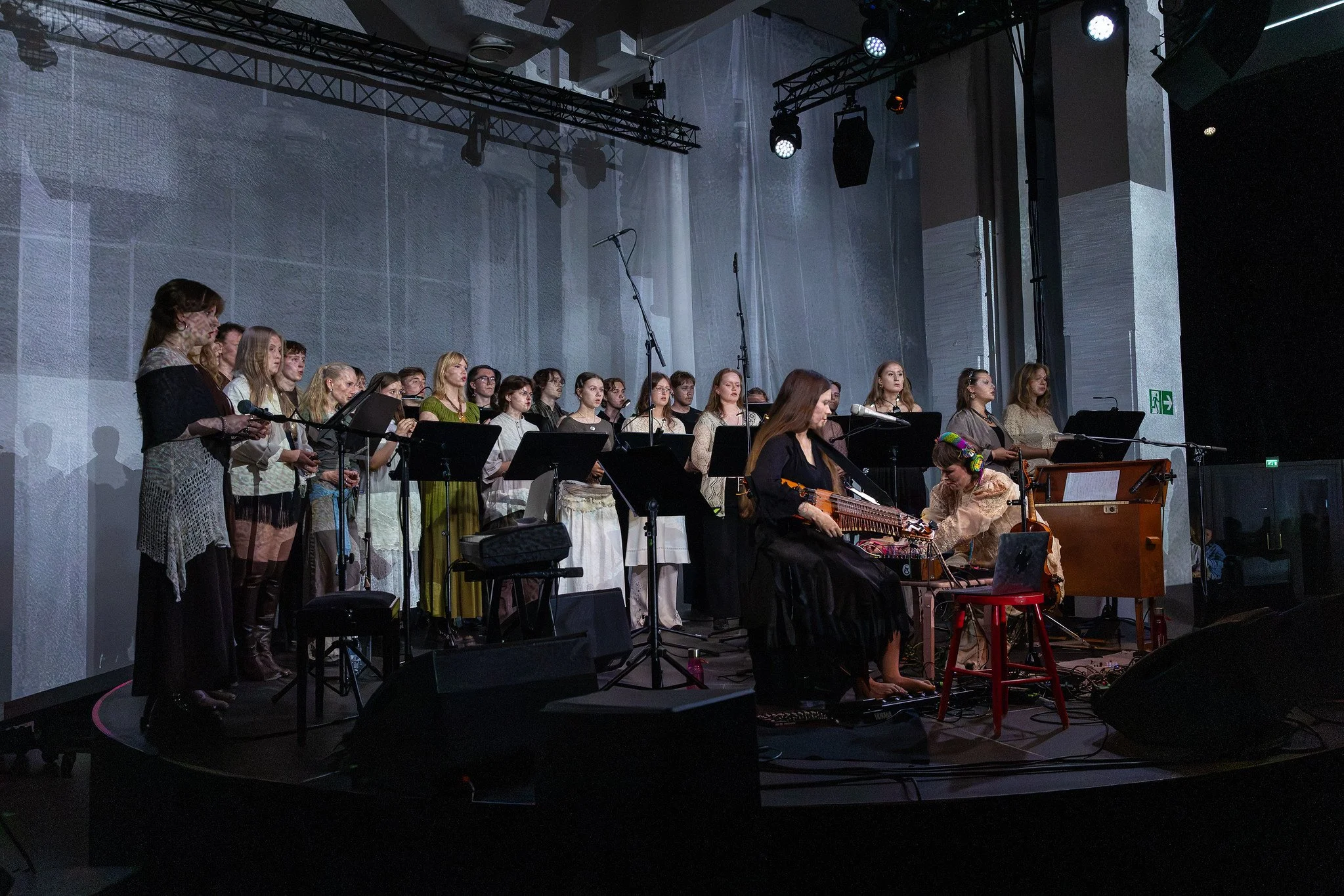
There is the party venue, Lanson Bar, a good collaboration we have done for years. It is an ongoing party on the upper yard, a nice way to bring people in their twenties together with a really high quality champagne brand. Then the main stage, and the Balloon, which was designed for us through an architecture competition in 2012. The Balloon itself is ours, and we rent the auditorium and the technical side. The Balloon is my favorite. And then Other Sound, which is classical, avant garde, quiet music, and the Talks program. Those are good add-ons that complete the program.
The Talks program adds a cultural layer next to the music. Yesterday the Google panel showed another way of making music with AI tools, and today with Rovio the focus was gaming and design. Are those names picked as carefully as the music?
Yes. The Talks program has a history of being produced together with partners. It is a good collaboration with different brands, and it lets us think about which topics we want to give space to, what feels topical at the moment, and then who is the partner that would fit perfectly for that. It is a good add-on to the Flow program.
Do you see the Talks growing into a bigger strand of the festival, or is the current scale the right one for them?
We are quite pleased with how it is, and of course we want to keep it topical. I keep that card open, but our focus has been on the music program. It is a good way to start the days, and so far that is the role it plays.
There is already a family day on Sunday.
Yes, we have Family Sunday. Everyone with a wristband, everyone who has bought a ticket to Flow, can bring their children under 12. They can arrive until 5 pm and they leave by 6 pm, so it covers the beginning of the day. There is program all over the place. The partners run lots of workshops for the kids, there are mascots around the area, coffee, ice cream, candy, so many things to do. Sunday is always my favorite day, seeing the kids arrive and all the families enjoying the festival together.
Looking further ahead, what would you like to add?
I hope we will be able to stay here. We are here one year at a time, so I really hope the city lets us stay, because we love this place. And I would love to present something for a younger audience. Flow is 18 and over, so I would love to bring in an extra day for teenagers, a separate day that gives them the festival and the culture around it, because they are the future Flow attendees. They are the ones who will be here once they turn 18. Maybe not the whole festival area, maybe part of it, but a full day for them.
Interview with Katariina Uusitupa, CEO of Flow
Photography @kostyakondrukhov, @saaraautere, @samulipentti, @petriaphoto, @riikkavaahtera, @toviagency
Words and Interview by Donald Gjoka
What to read next