Palazzi D'Oriente, TPT: The Perfect Tool
Luca Bolognesi started on the decks at sixteen, long before Palazzi D'Oriente became a name in Italian production. Raised north of Varese, near Lake Maggiore, he spent his teenage years throwing small free parties by the water, powered by the inverter from his father's caravan. That same inverter fed the speakers in a Turin park for the release party of TPT: The Perfect Tool, his first DJ album, out on 11 September.
The record gathers voices met along the way: RXK Nephew, first reached online and joined on one track by Ben Vince on sax and Kibo on the second verse, childhood friend Massimo Pericolo, Deriansky, Rebecca Salvadori, and Cooly G, trying her voice in Italian. His previous album, Sheltering Water, drew on the folklore of Lake Maggiore. TPT trades the woods for the city, a wilder habitat where the beast now wears clothes. We spoke with him about soundsystem culture, testing dubplates on the floor, FromSoftware and the track he would pick for a first listen.
TPT: The Perfect Tool is your first DJ album. At what moment did you know this record had to be built for the dancefloor?
My musical practice started on the decks. I've been a DJ since I was sixteen, and I was performing in a DJ duo called La Gloria with Fight Pausa, my old-time friend and 72-HOUR POST FIGHT bandmate.
For a long time I saw myself as a DJ more than a musician. Life took a different turn, but in my heart I was waiting for the right moment to dedicate a release, and myself, to the dancefloor again.
In the last two years I've collected some collaborations with vocalists that naturally shifted toward more organized and danceable arrangements. I think RUBBER MONETA and PASTORE TEDESCO A MILANO were the turning point from which I started to have a solid idea of the release.
Rave culture and soundsystem tradition are the two roots of the record. Which nights, crews or rooms shaped your idea of both?
In Italy we are lucky enough to have some really good soundsystem crews. I had the pleasure to meet and perform with Bassi Gradassi and Bass Unity, which are super good systems. Another crew and night whose spirit and music curation I really love is Normcore. I've recently met Vestalia, who's another really nice soundsystem crew. I'm looking forward to going to a Local Service night in Milan soon too; I've never had the chance to go there yet.
Nothing noticeable came from the area where I grew up (north of Varese), whose raving scene is quite small and very focused on Tekno, not exactly the kind of groove I vibe with. But since we were kids we had a lot of good times setting up little free parties by Lake Maggiore with an inverter my dad used for his caravan, the same one I used here in Turin to power the speakers in a park for the free party I had to celebrate the release party of TPT.
Every collaboration on the album grew from a real encounter. Can you tell us about the first meeting with RXK Nephew, and how a producer from Lake Maggiore and a rapper from the US ended up in the same room?
Obviously through the internet: everyone is at one degree of separation from everyone. And since I've lived most of my life in a small town, I've always taken advantage of this fact and of remote sessions.
I linked up with Neph in 2021 after he released Slitherman Activated. I discovered him with that album and I immediately became a fan of him and Color Plus (one of the producers of that record).
We chatted briefly. Being Italian is something everyone from the US gets gassed and curious about. Even if the image that non-Italians have of Italians is more connected with the Italo-American clique rather than the real average Italian, you'd be surprised if you knew how many times people have asked me about my grandpa's bowling shirts. Unfortunately I don't have any haha.
In late 2024 I was hosting Ben Vince, who was touring in Italy. I showed him a demo. He was up to record some sax lines and then said: “Whoah, on this track it would be amazing to have RXK Nephew on it.” And I said: “That actually might be possible.”
So I sent the demo to Neph, who was hyped by the idea of doing this IT-US-UK collaboration. The only problem was that he initially thought that Ben or I would rap with him on the track too, so he left the second verse empty for us ahah.
That was unexpected but gave us the assist to ask Kibo to jump on the track too.
Massimo Pericolo has been part of your story since Sabbie d'oro. How has your work together grown from that gold record to this album?
The workflow between me and Massimo Pericolo remained the same, actually. I see myself more as an artist than a producer, so beat placement is something I don't do often. Since we are childhood friends, we spend a lot of time outside the studio. We talk a lot and we often share music we like or demos we are working on, and sometimes one of my demos reaches him and he starts to write on a beat of mine. Sabbie d'Oro was born that way, and so was PAGAMI!, which started as a freestyle and a dubplate for my DJ sets.
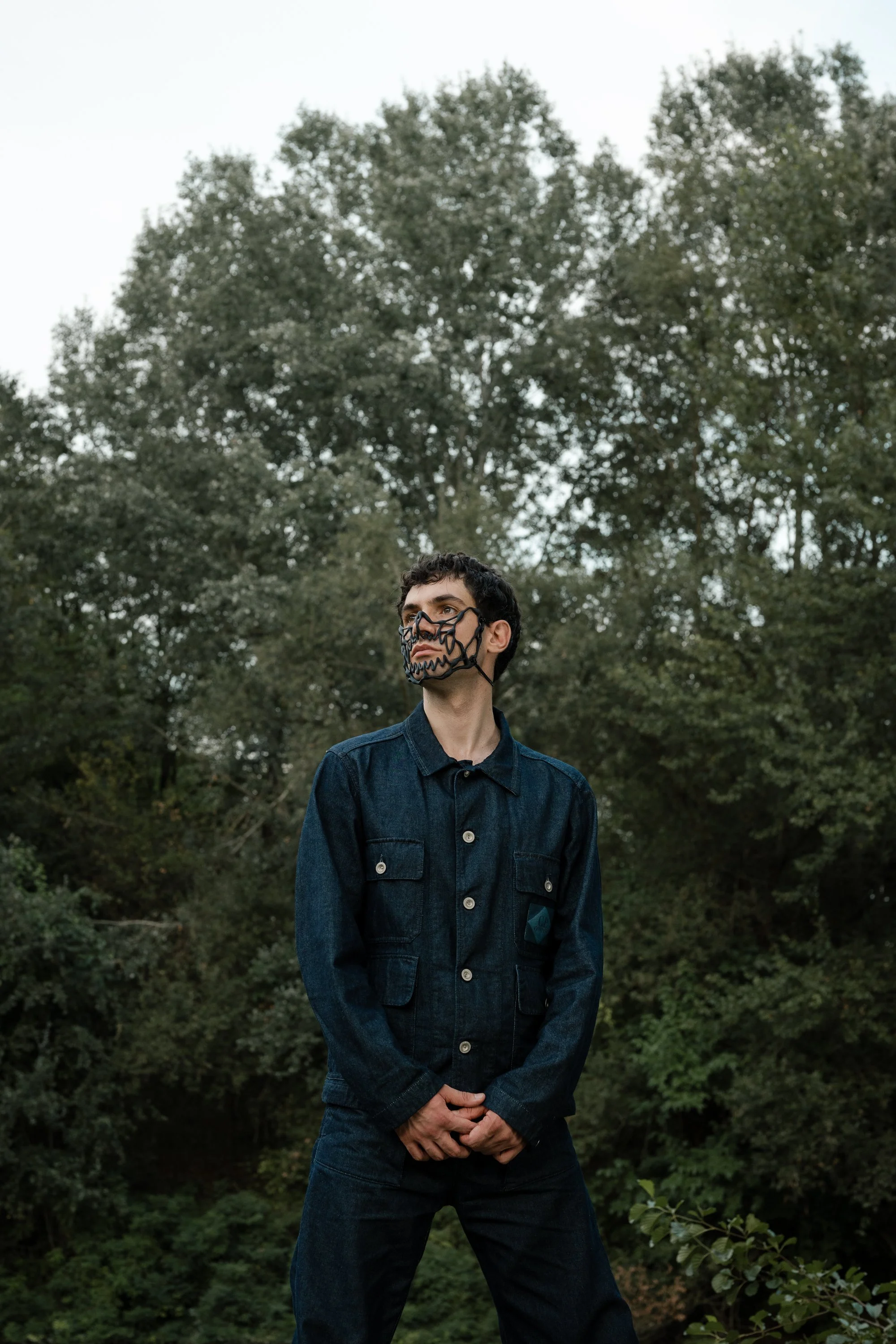
Kibo, Deriansky and Rebecca Salvadori each bring their own language. Which track pulled you furthest from your usual instincts?
I think GUD FAM, the track I made with Cooly G, is the most different from my actual instincts.
I started working on that track with another vocalist with a more cunty/reggaeton attitude, but we haven't found a way to record it properly. In the meantime I was talking with Cooly, who is a long-time presence in my works, and she was telling me that she'd love to try to sing in Italian on one of my tracks. So we started this super funny exchange of voice notes to find a way to make her sound like Mina (joking ahah). But yeah, in the end we ended up with this soft and romantic tune which was far from my initial references. It turned into one of my favorite tracks of the album tho.
How does a track get tested before it is finished? Do you play early versions in your sets and watch the floor?
I love playing demos and VIP edits in my set. Some instrumentals of the records in this album were used as dubplates in the year before the release. It is funny both to test new ideas and to see the reaction of people when they find those unreleased tracks in an album.
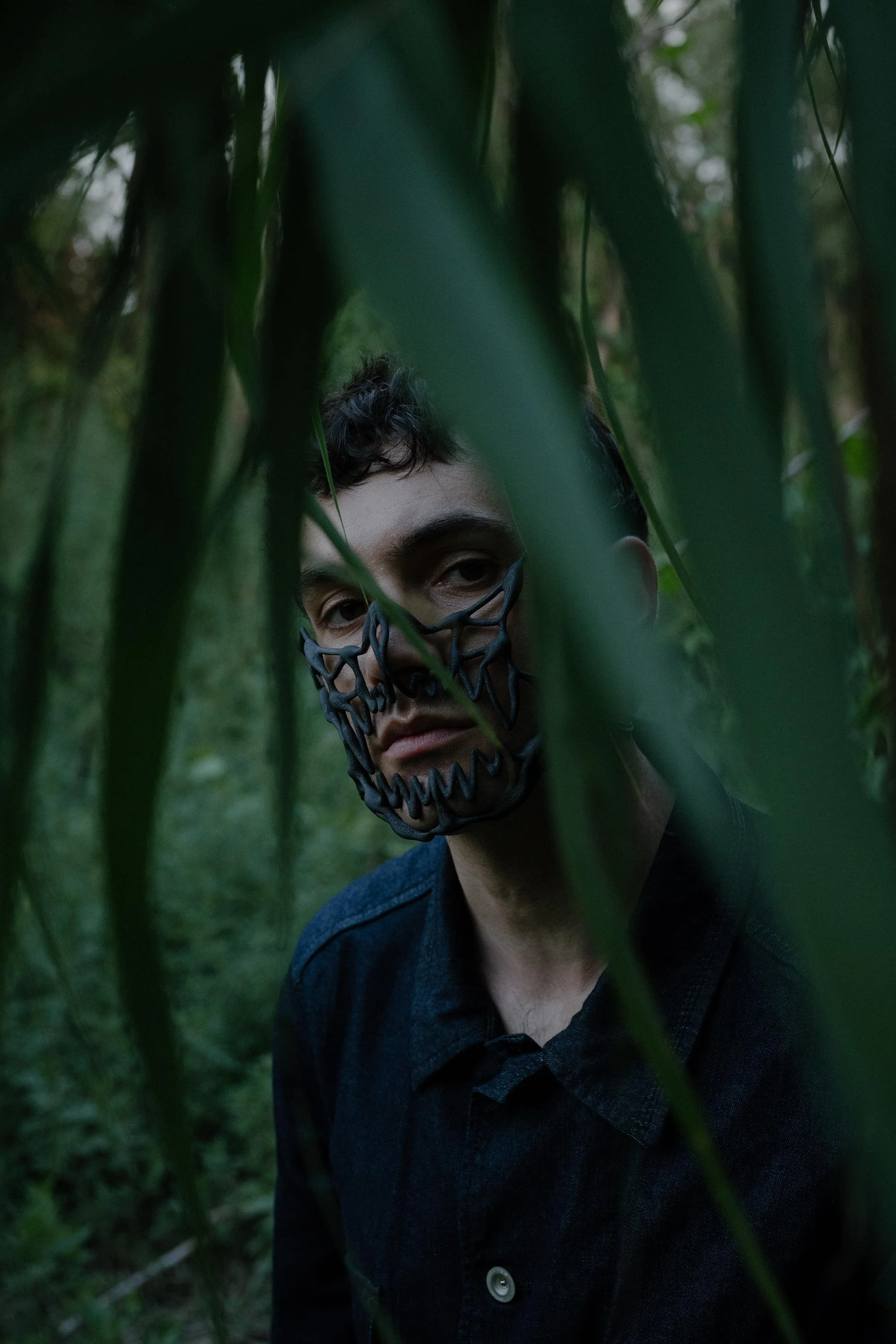
The project now has a darker, more ritual aesthetic, full of animal symbols and raw textures. Did this shift start in the sound or in the images?
I think that Palazzi D'Oriente aesthetics always had a somewhat ritualistic vibe.
Sheltering Water, my previous album, was heavily influenced by the folklore and the myths of Lake Maggiore and in some ways even about how nature turns people into animals when they lose the usual references of behaviour that society proposes to us.
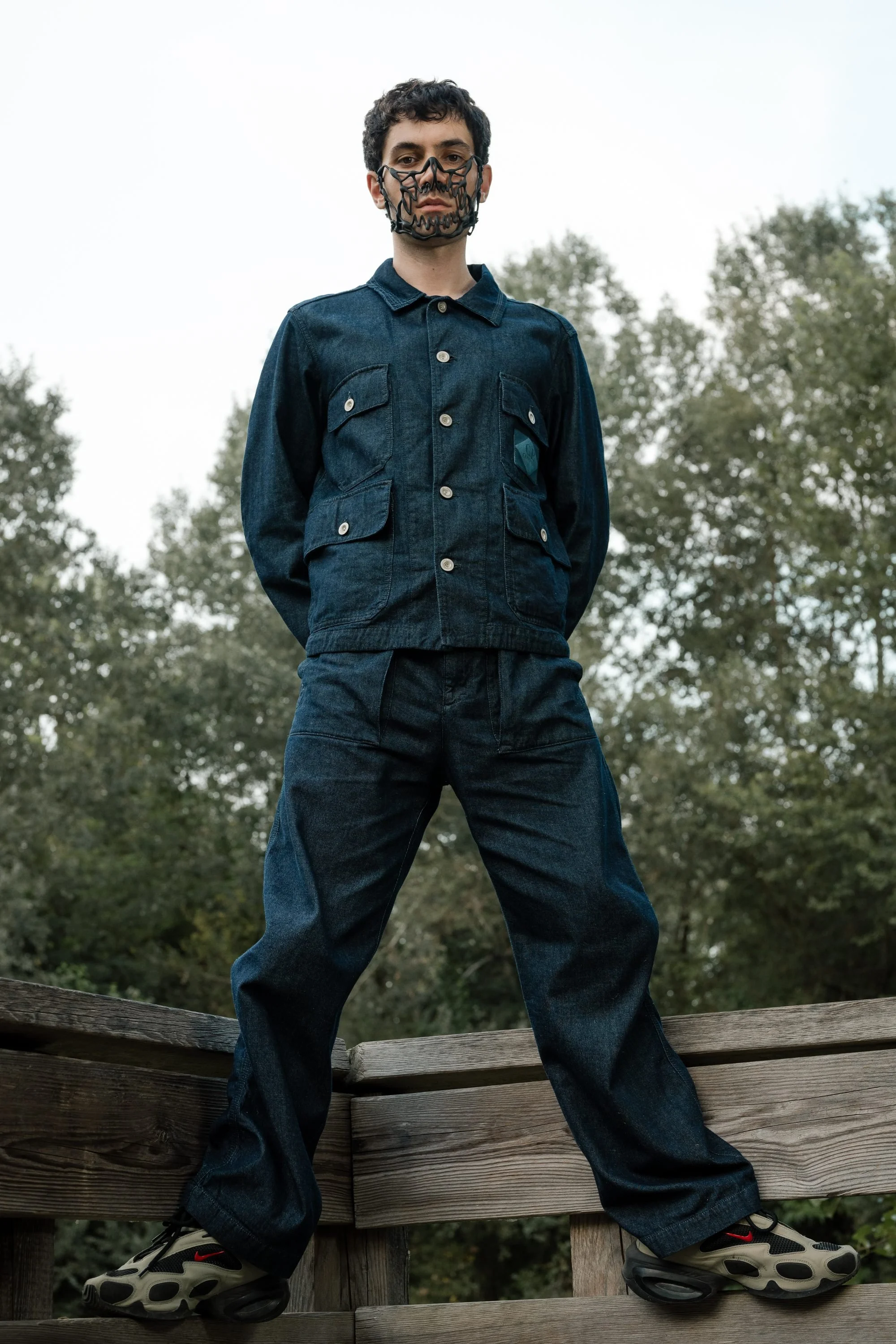
In TPT the nature disappeared, and it was substituted by something even wilder: the city. The man turned fully into a beast, and now the beast wears clothes.
I think in my case sound and image start together. I produce my music on a computer and the monitor is a picture itself. I think even Ableton and VST GUI are an influence, I use my eyes a lot when I process sound.
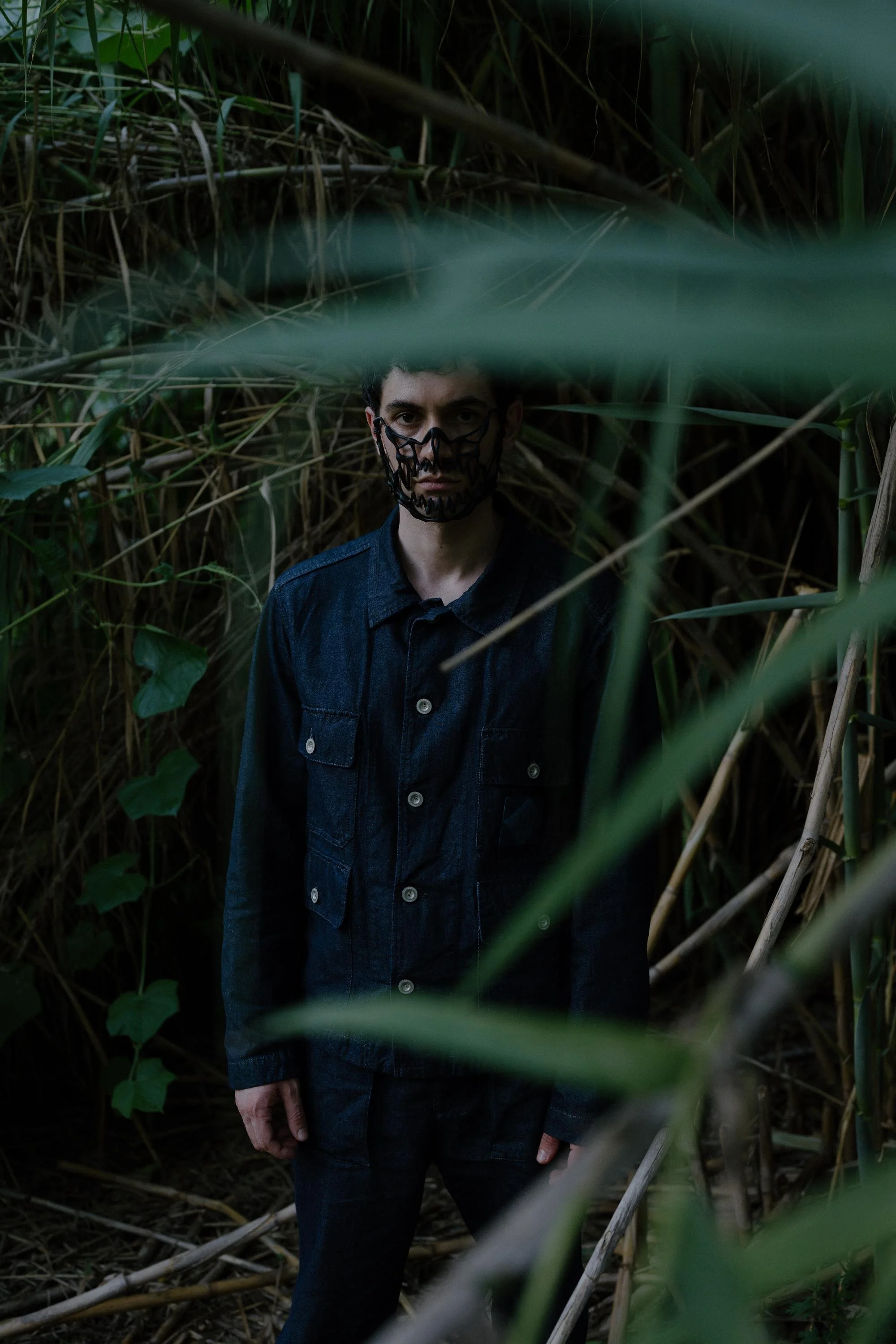
What comes next for TPT: a live show, tour dates, more videos from the same universe?
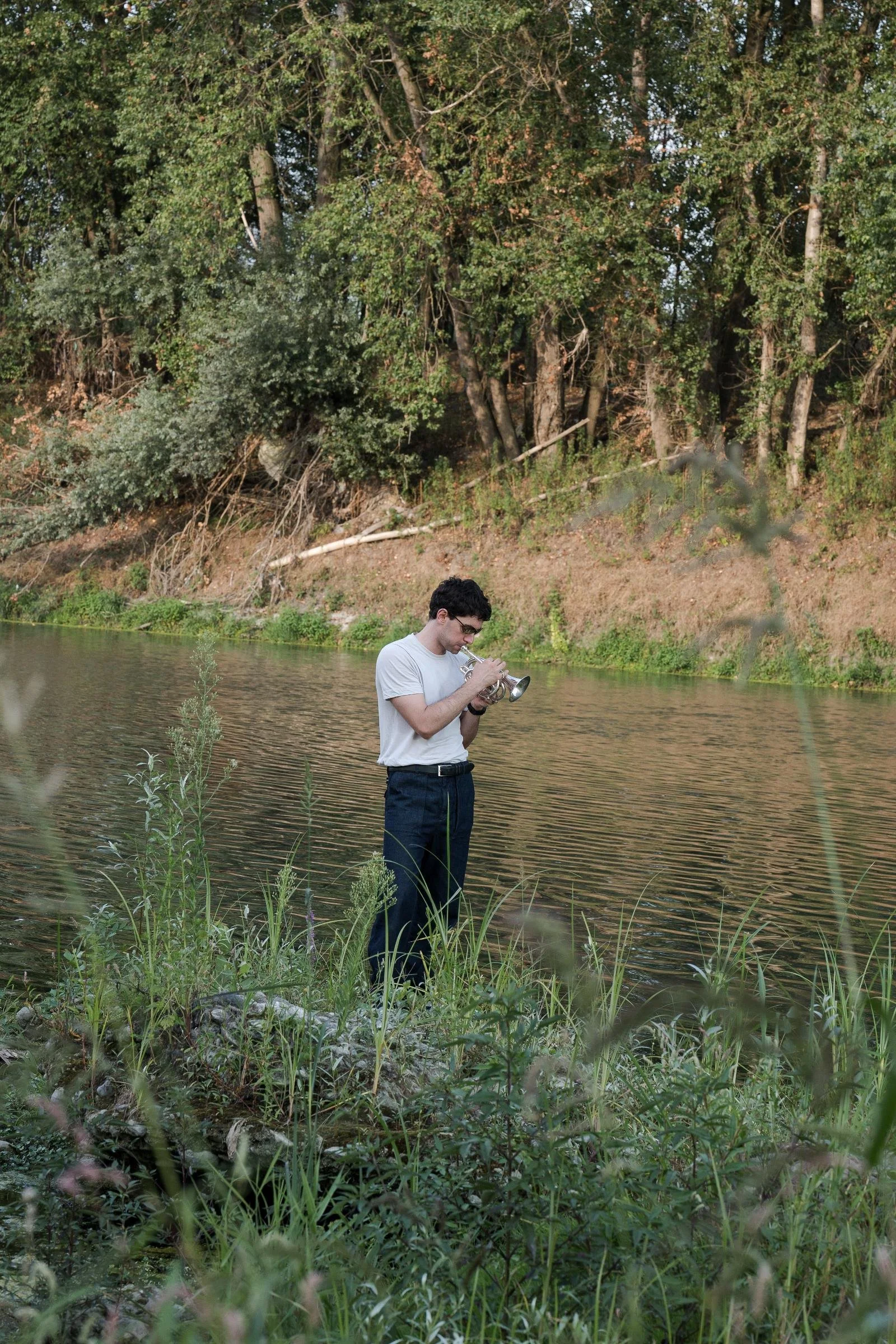
I think TPT set the ground for a faster-paced schedule of releases. I'd like to tour with my project as a DJ and release more tracks soon to present my current vision of bass music. I love live performances as well, so I'm experimenting with the use of a pocket trumpet and a sampler while I'm mixing.
On the 31st of October I'll be in Parma for a set at Hardcoccole, and on the 13th of November I'll be back in Turin for a spin-off event of Jazz is Dead! Festival.
The Circumstances and Christian Kondic are also working on more visual material, it'll be out soon :)
Video games play a big part in the imagery. Which games stayed with you, and what do you take from them?
I'm a Square Enix boy, but before moving to Turin I was sharing a house with a friend who is a FromSoftware enthusiast, so I played almost every game from that house. Bloodborne was definitely my favourite and it was a massive reference for us while we were working on the visual direction of the album.
But the game that stayed with me more lately is Nier: Replicant. The music, the storytelling and the weird use of 2D and gameplay flips made it so unique. I think music and character design are what I take the most inspiration from videogames.
Someone hears the album for the first time on a big soundsystem. Which track would you want them to hear first, and why?
CRIMEWAVE!
I love to play halfstep DnB in my set, and I'm so glad to be able to drop a banger that heavy from my discography. Big up Weightaused for the production on this one with me xx
Palazzi D'Oriente
Photos by Stefano Mattea
Words by Donald Gjoka
What to read next