Pegassi

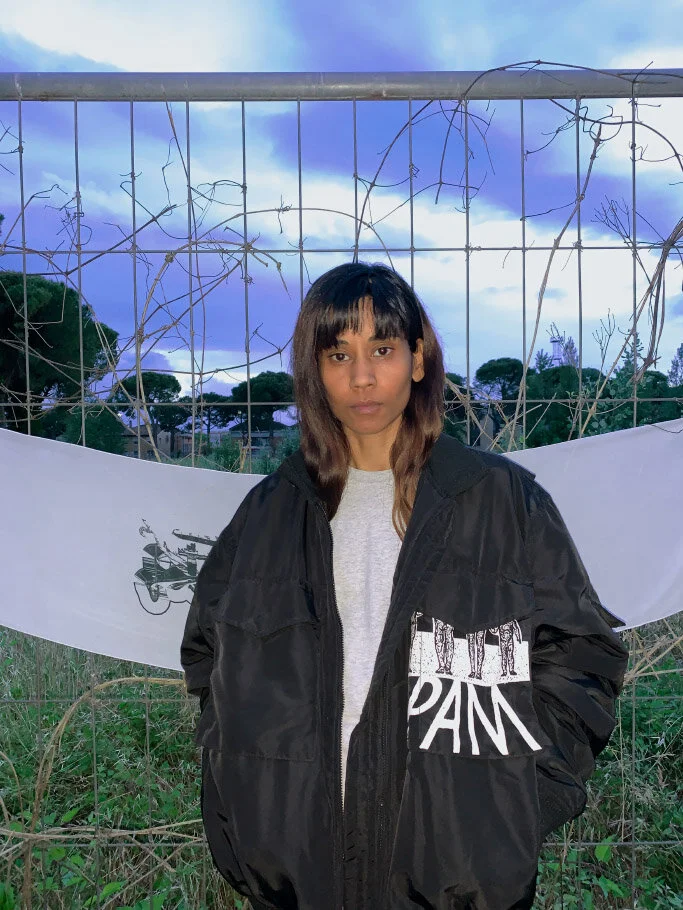
Sam Huybrecht grew up in Belgium with his parents' trance CDs playing in the house and his brother's rap records running alongside them. As Pegassi he places trance, techno, eurodance and house on a single timeline, marked by a cowbell that a fan handed him at a gig. 'Ascension' spent two years in his sets before he committed it to a release, and the EP around it carries 'Circles', a track he wrote and sang himself. He runs Sweet Nothing as a label and a party, with sold-out shows across the year and an eight-hour set at Hemkade during ADE. Away from the stage he lives in the countryside and keeps quiet hours. We spoke with him about reading a room and the home he wants Sweet Nothing to become for other producers.
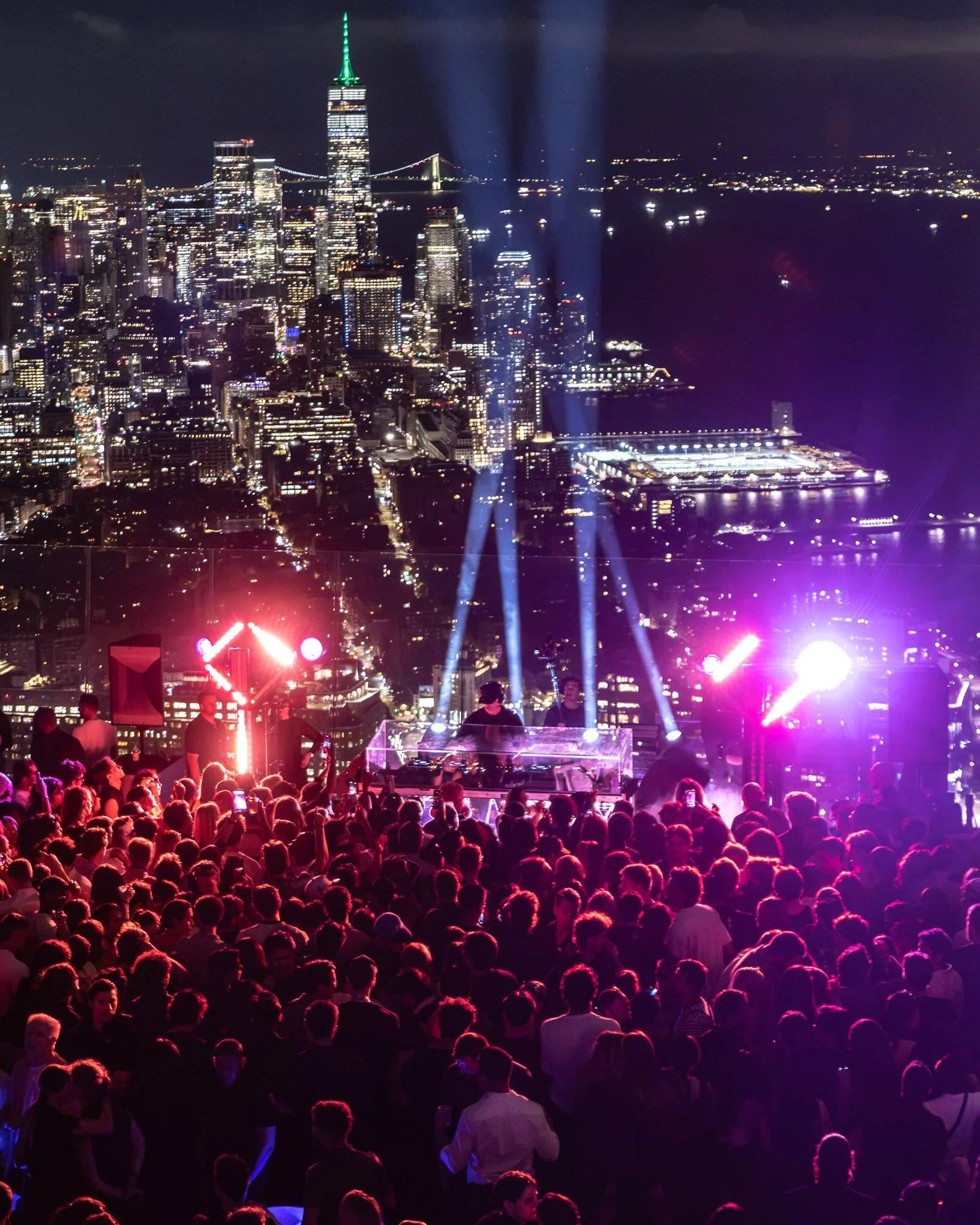
'Ascension' lived in your sets for two years before you put it out. What kept you from releasing it earlier, and what changed this summer?
It just wasn't the right moment yet. The track felt right in a set but releasing something is different, it becomes permanent, it stops being yours in the same way. I kept playing it and watching how people reacted, and at some point the reaction was so consistent that it felt wrong to keep it only for the room. The EP gave me the right context to finally commit to it.
The robotic vocal on 'Ascension' pulls against the garage-leaning hi-hats. Where did that combination start?
I had the groove first and I was looking for something on top that felt mechanical rather than human, something that created a bit of friction with what was underneath. I liked the tension between the two, the way they pulled in different directions but still held together. I wasn't analysing it while I was making it. It just felt right and I followed it
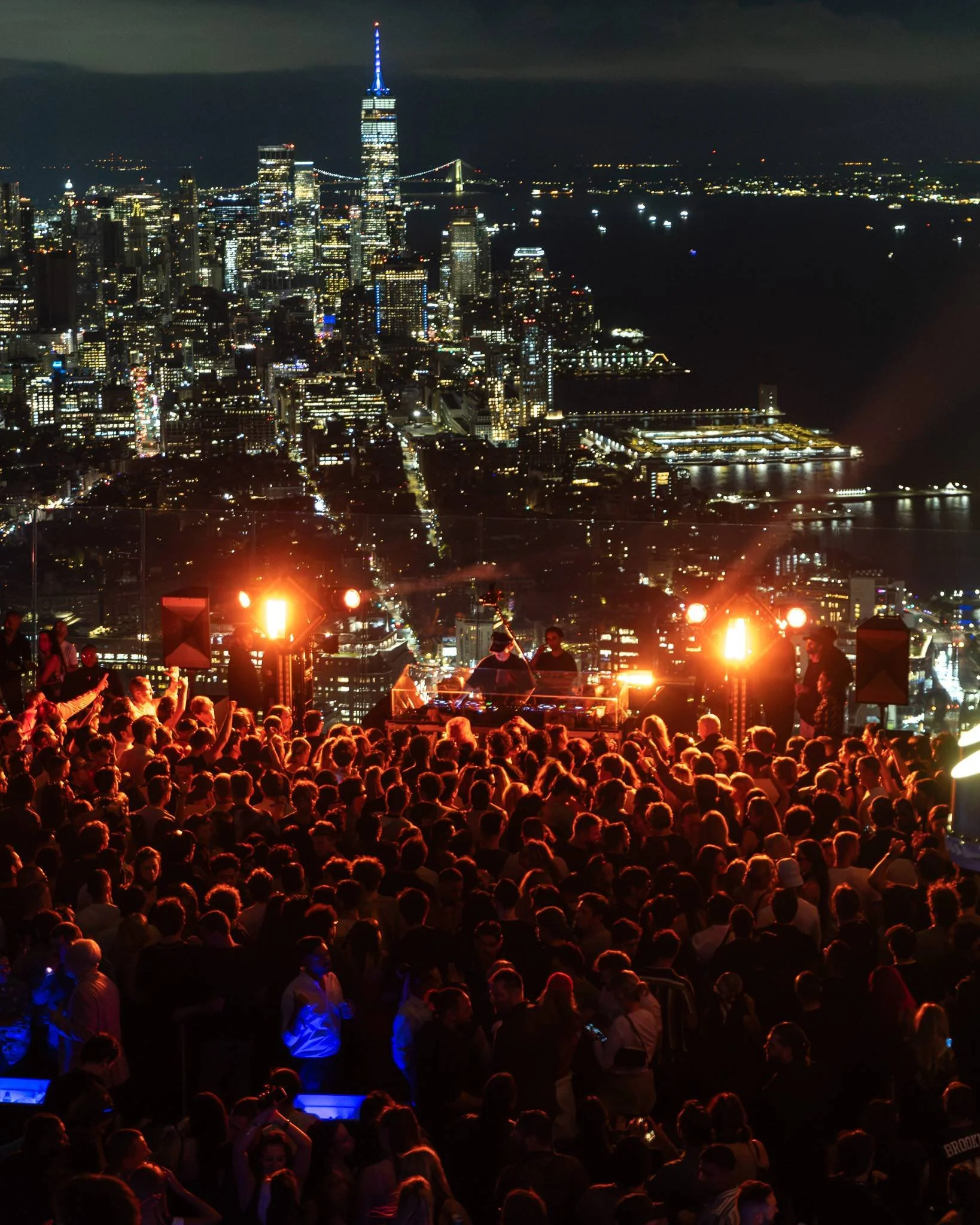
You have said the crowd reaction told you the track was ready. What are you actually reading in a room when you test something unreleased?
It's the moment the energy shifts, when people stop talking to whoever they're with and start paying attention to what's happening on the floor. You can feel it before you see it. With 'Ascension' that kept happening in different rooms, with different crowds, at different points in the night. When something works across all of those variables, you stop second-guessing it.
The cowbell has become a signature people now expect. Is there a point where a signature starts to feel like an obligation?
I think about that. I got my first cowbell at a gig, a fan gave it to me as a gift, so it started as something I just liked using, it was spontaneous and almost accidental. It was very interesting to see how at some point it became a thing people recognised and looked for. I don't want to force it where it doesn't belong, but I also don't want to drop it just to prove I'm not obligated to it. If it fits the track, it goes in.
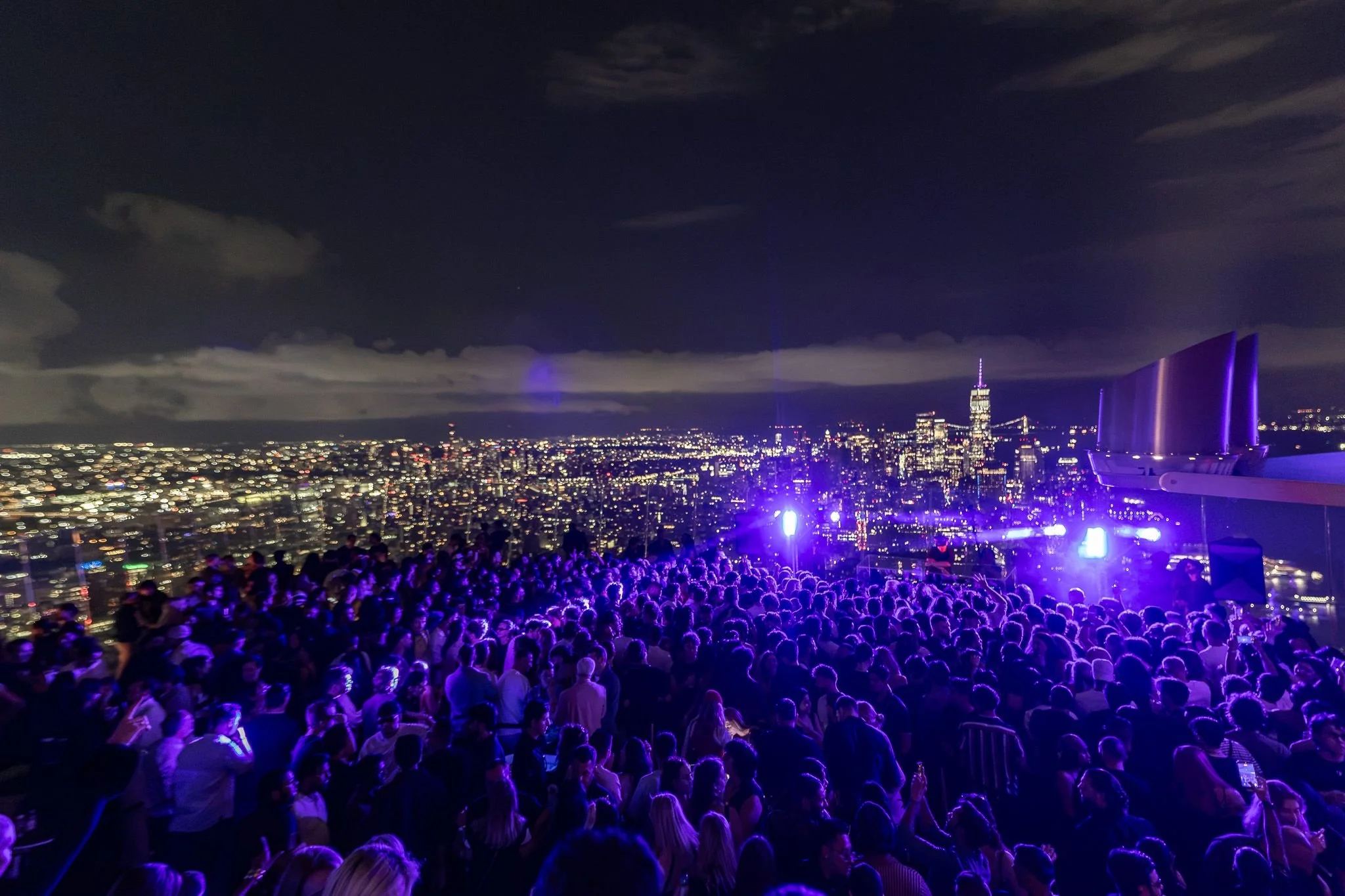
Sweet Nothing works as a label and as a party. Which of the two came first in your head, and which one is harder to run?
The label came first, I needed somewhere to put out my own music on my own terms without having to ask anyone for permission. The events came later, as a way to build something around it and give the label a physical presence. The parties are more of a challenge in some ways because there are so many moving parts and a lot of it is genuinely out of your control, but I am always happy to see how they go as many of my shows this year are sold out. With the music, at least the only person you have to answer to is yourself.
Trance, techno, eurodance and house sat in separate rooms for a long time. Your generation put them on the same timeline. What made that possible now?
The internet collapsed the distance between those sounds. Growing up, everything was available at once, there was no reason to stay in one room. My parents had trance CDs playing in the house. My brother listened more to rap and hip-hop at the same time, and eventually all of that ended up in the same place when I started producing. It wasn't a conscious decision to mix things together. It just happened because those were the sounds I grew up around, and they all felt equally mine.
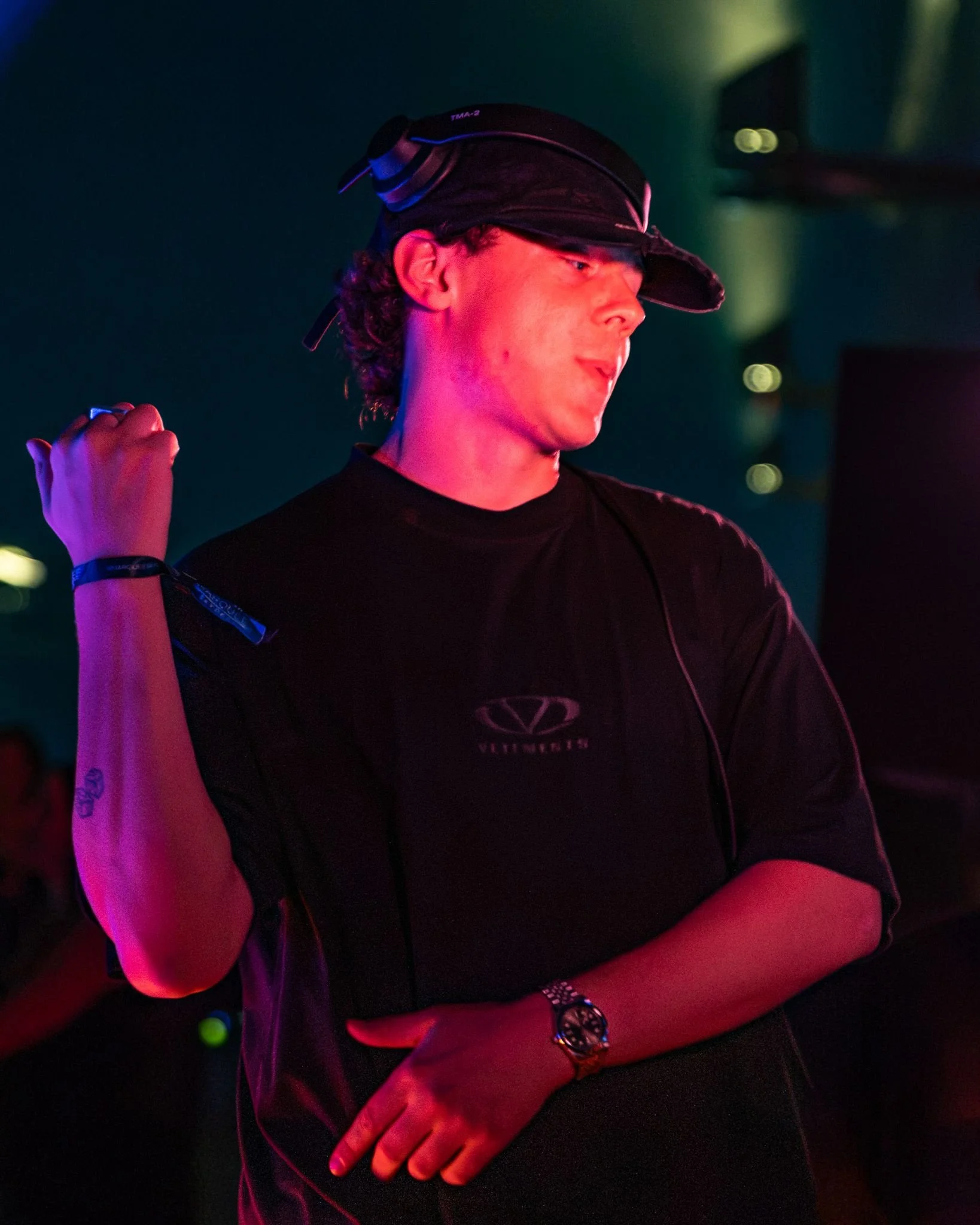
Eight hours at Hemkade during ADE. How do you build a set that long without leaning on the obvious peaks?
You have to think of it as a journey rather than a series of moments. If you go for the big peaks too early you have nowhere left to go, and the crowd can feel that. I like to take time getting there, let the room settle into something, build slowly, earn the energy before you spend it. Eight hours actually gives you the freedom to do that properly and I really like to be able to show different sides of my sound. With shorter sets you sometimes feel pressure to make everything count immediately. With that much time, you can breathe.
Belgium has a long history with rave, from new beat onwards. Does that lineage register in what you make, or is it just where you happen to be from?
In high school we had to watch the infamous documentary ‘The Sound Of Belgium’, and I was very intrigued by how impactful these sounds could be, so safe to say I am influenced by the rich history of music in Belgium and Europe as a whole.
Pegassi is the alter ego of Sam Huybrecht. What stays with Sam and never gets on stage?
My ‘introvert’ side is something that not a lot of people experience, when I'm not on stage I like quiet moments. This translates well in me living on the countryside rather than in a big city. On stage it is time to lock-in, and I give that all my energy.
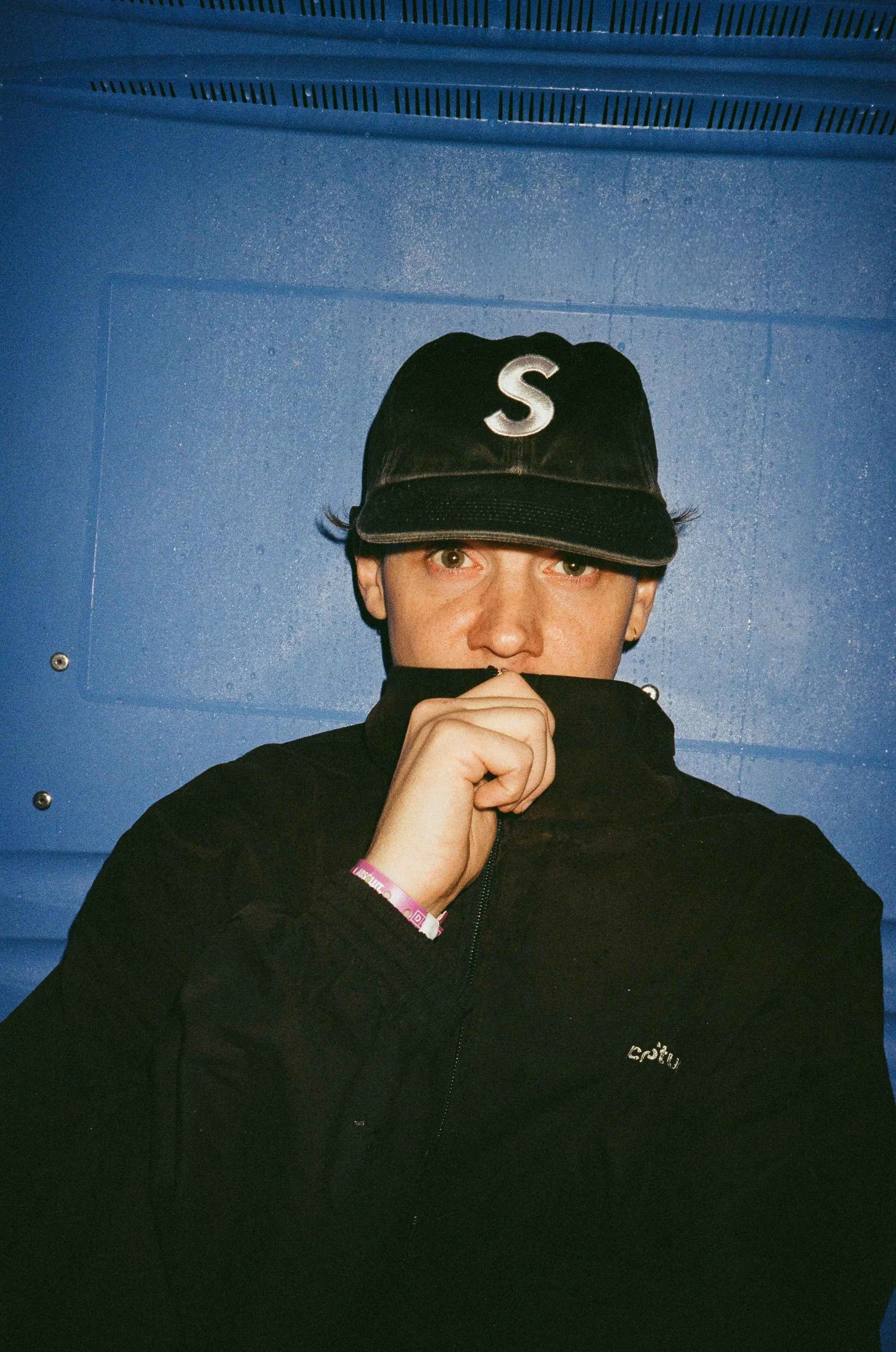
The EP spans different sides of your sound. What will surprise people who only know the singles?
'Circles' will probably catch people off guard. It's the most personal thing I've released, I wrote and recorded the vocals myself, which I've only done once before. It sits somewhere completely different to the rest of the EP, and I think people who know me mainly from the dancefloor tracks might not expect that side of it. It's another side of my sound I've wanted to explore for a long time: rawer and more personal, while still carrying the energy I want people to experience when I play it live.
After New York and the EP, what is the thing you want to build next that has nothing to do with touring?
Sweet Nothing as a real home for other artists. I want to work on my own production and deliver new music but I also want to give upcoming producers a proper platform, not just somewhere to release music but a place where they can actually develop, take risks and find their sound with some support behind them. I've been building it slowly and intentionally, and I want it to become something that exists well beyond my own releases.
Interview by Donald Gjoka
What to read next