Semibreve Festival 2026
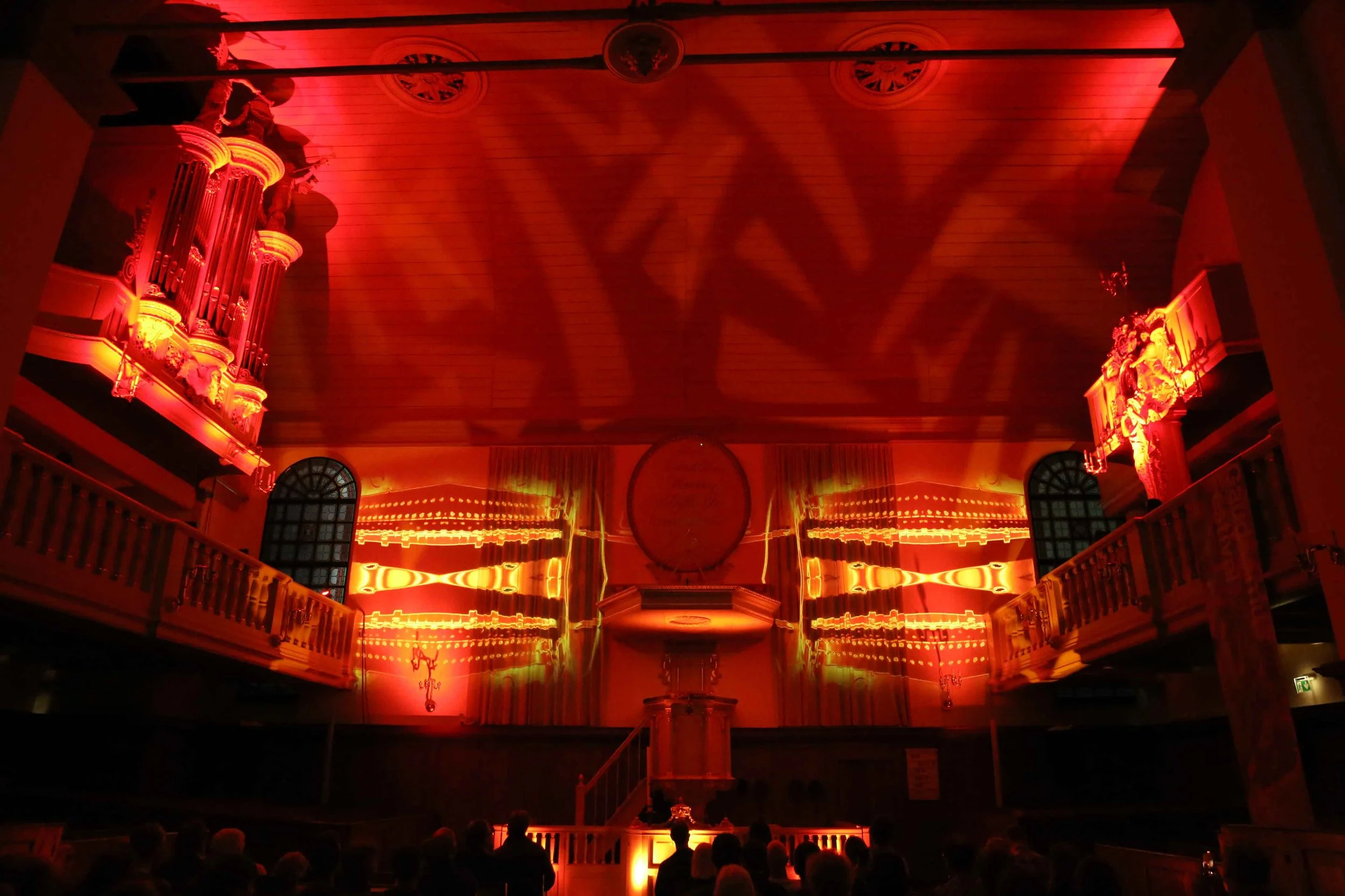
Is it possible to play a semibreve on the triangle? This is the question that springs to mind whilst watching two-time Grammy Award winning composer Sam Slater open Semibreve festival by playing Alvin Lucier’s ‘Silver Streetcar for the Orchestra’ - it’s a fifteen-minute piece of just triangle, nothing else. Reportedly, at a 1988 performance of this piece, a member of the audience broke out a fire exit door to escape, but here in the Basílica dos Congregados (whose construction began in the 1700s), the eerie overtones and hypnotical movement of Slater’s hand moving around the instrument make for an almost religious experience – certainly providing a baptism into the eclectic offerings of the Church that is Semibreve Festival.
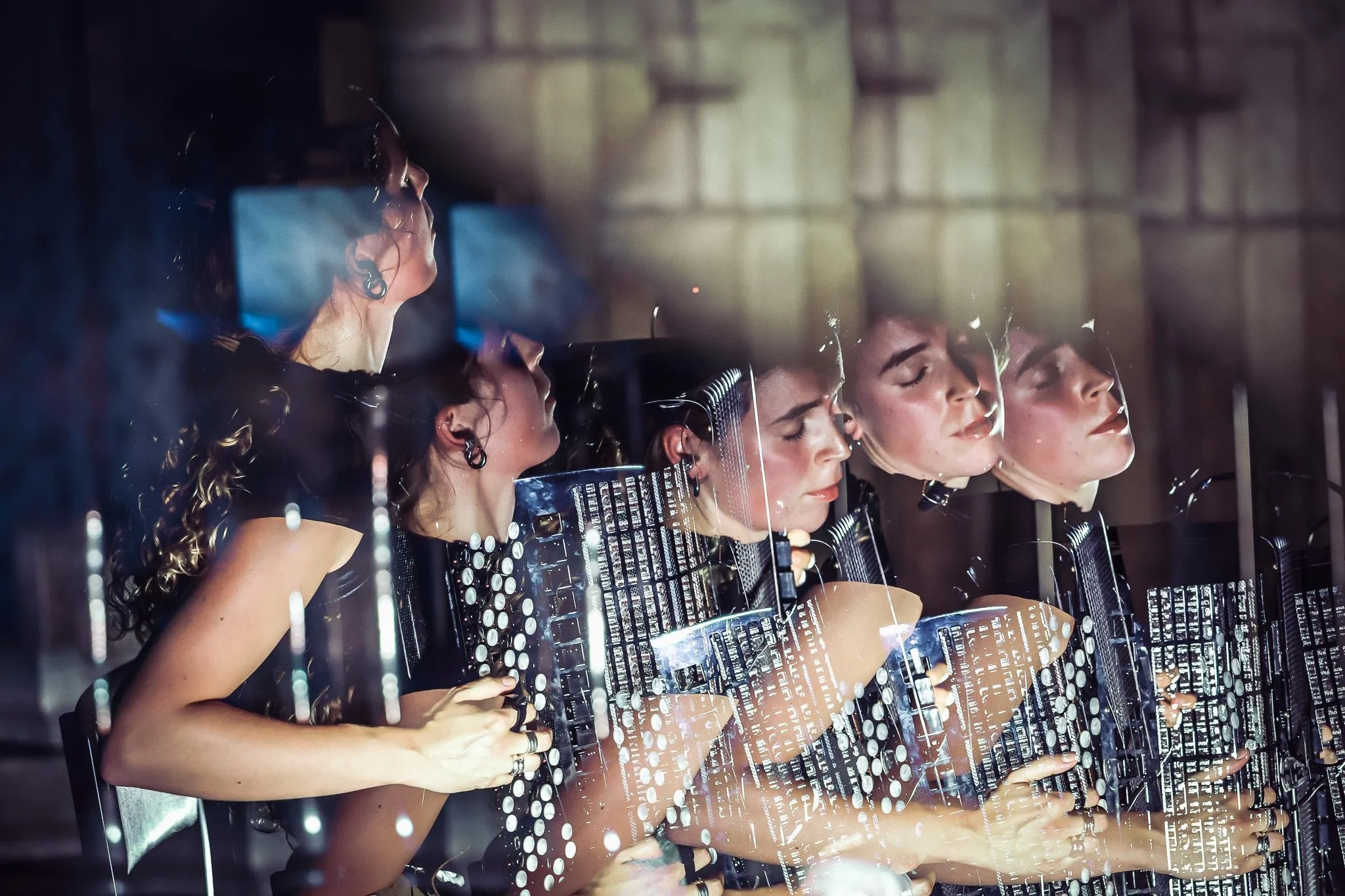
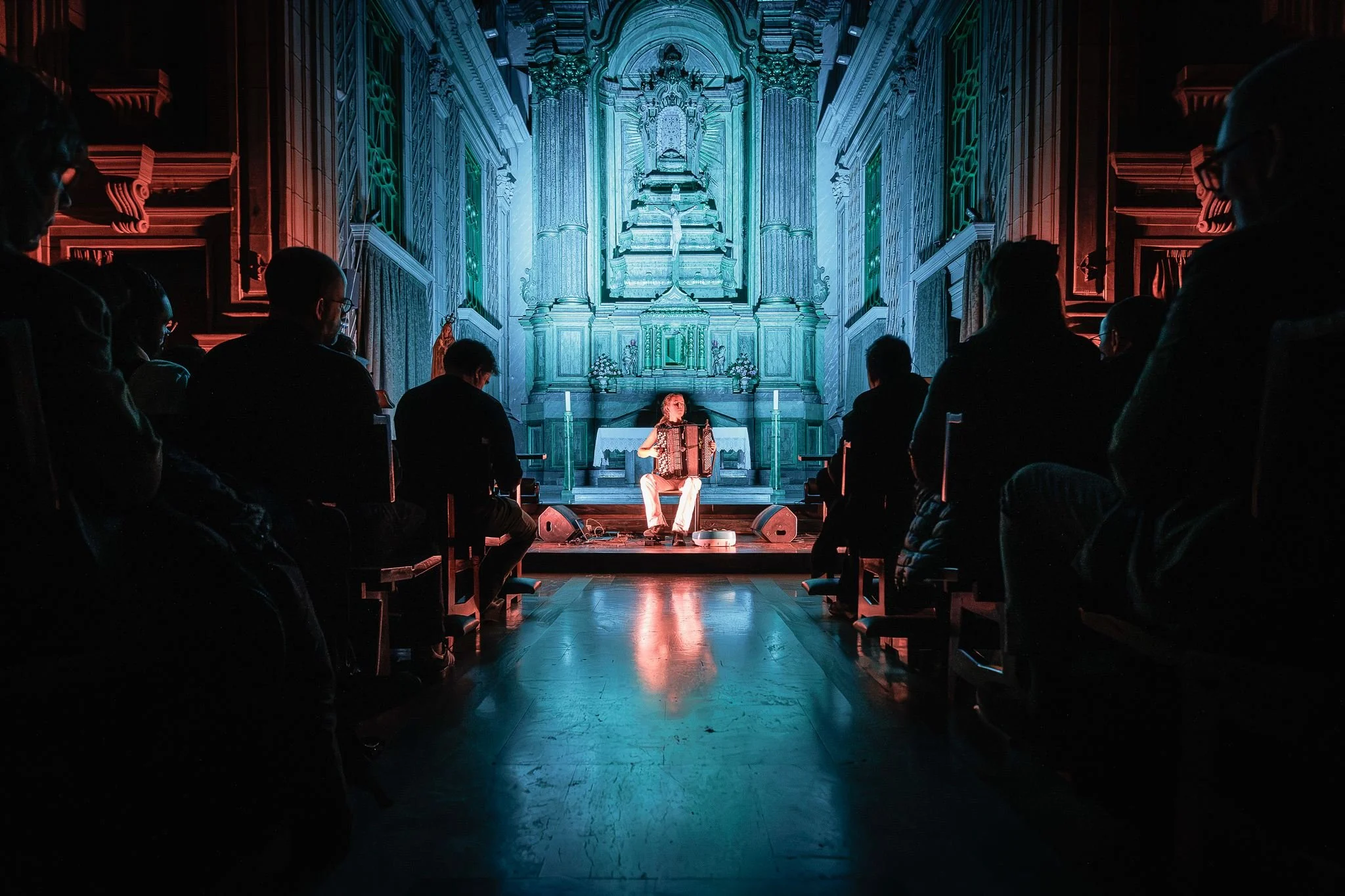
Slater’s triangle sets off Braga’s experimental music programme in a somewhat hallucinogenic, completely fascinating style. It also precedes Belgian accordionist and experimentalist Suzan Peeters performing her debut album Cassotto. Hearing the accordion hauntingly wheeze like a set of smoker’s lungs, with Peeters masterfully controlling the sound gives the blue-lit Cathedral a blacker, more Gothic feel as Peeters plays. It’s totally captivating, and the utilisation of field recordings, her own voice, a synth attached to the accordion and a vibrating plate to judder her voice is nothing short of brilliant, after which the audience rises to its feet to give a fully deserved standing ovation.
During Peeters’ performance – all day, in fact - you could distantly hear the shouts of new students across this university city, which beyond adding a dab of additional ambiance, reminded you a bit of where you actually were. Other festivals might take you to a grassy field or derelict factory, Semibreve took over the whole of Braga, considered to be the oldest city in Portugal thanks to its Roman roots which trace back to 15BC.
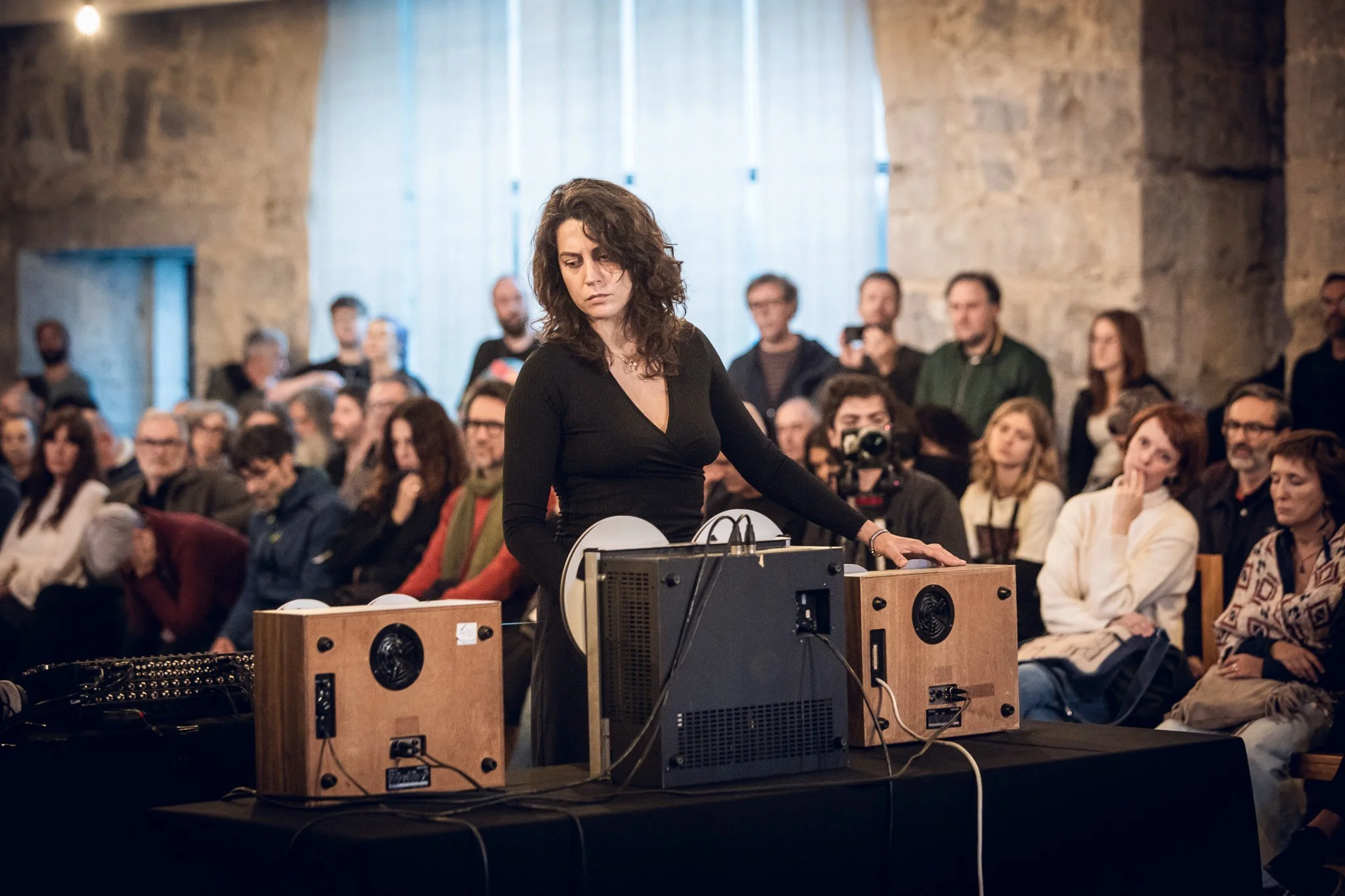
It was remarkable to see performances of such futuristic and avant-garde music in such venerable old venues. For example, Marta Salogni brought her a,drift performance (curated by Semibreve, Berlin Atonal and Unsound festivals) to the Capela Imaculada da Nossa Senhora da Conceição – Seminário Menor, a spectacular babushka-doll-esque set of chapels built in the 1940s. What began as a subtle belly-rumbling drone through her layering of tapes, provided ample space for the audience to take in the surrounding architecture, or alternatively shut their eyes. Over 30 dangling light bulbs overlooked Salogni and her four reel-to-reel tape machines, as she grazed the tape machines with her hand and twiddled with her oscillator, her performance inducing a true peace of mind. Covering your eyes brought no imagery to your eyelids, and no thought to mind, only left you lathered in an overriding mental quiet.
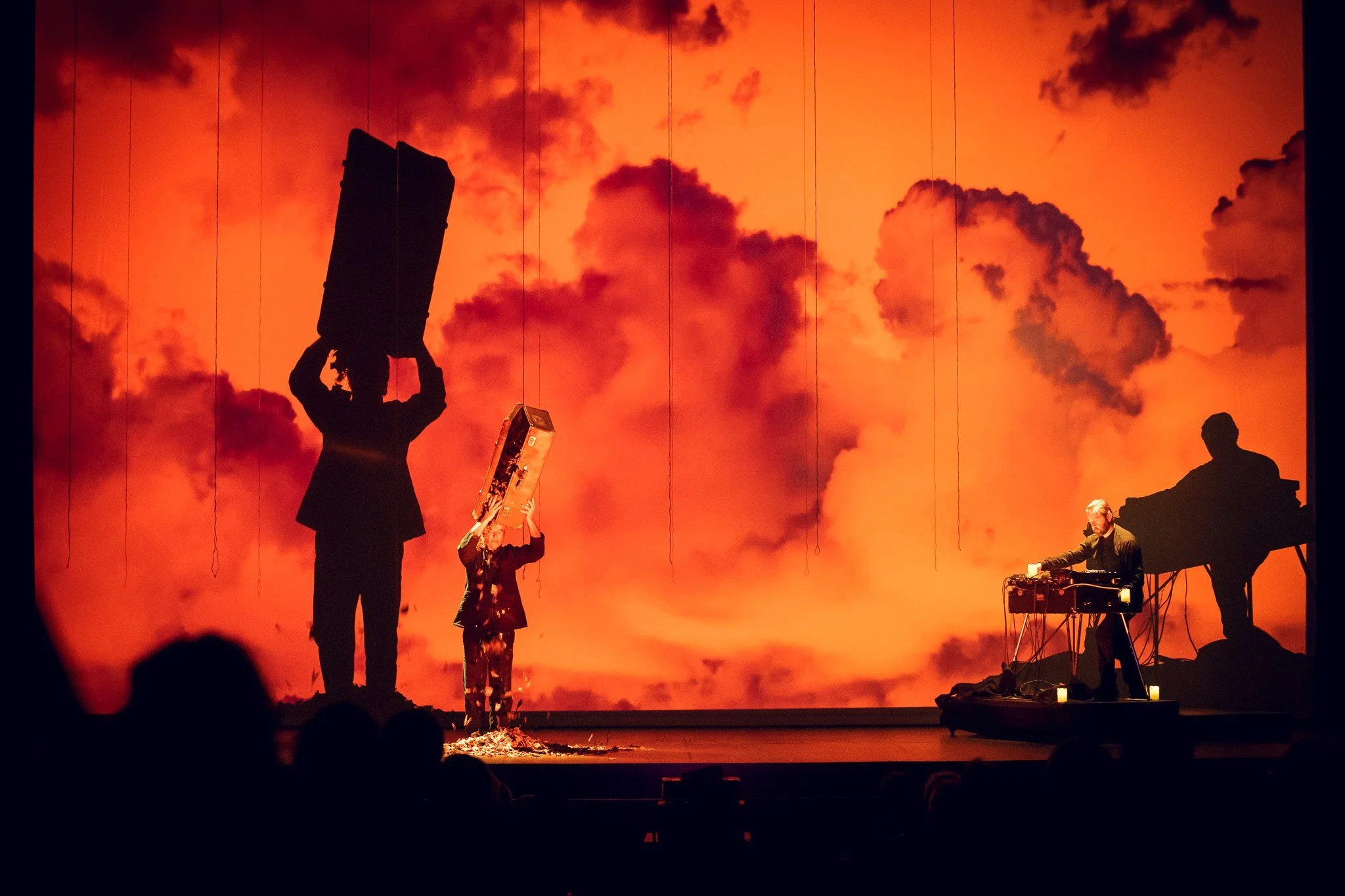
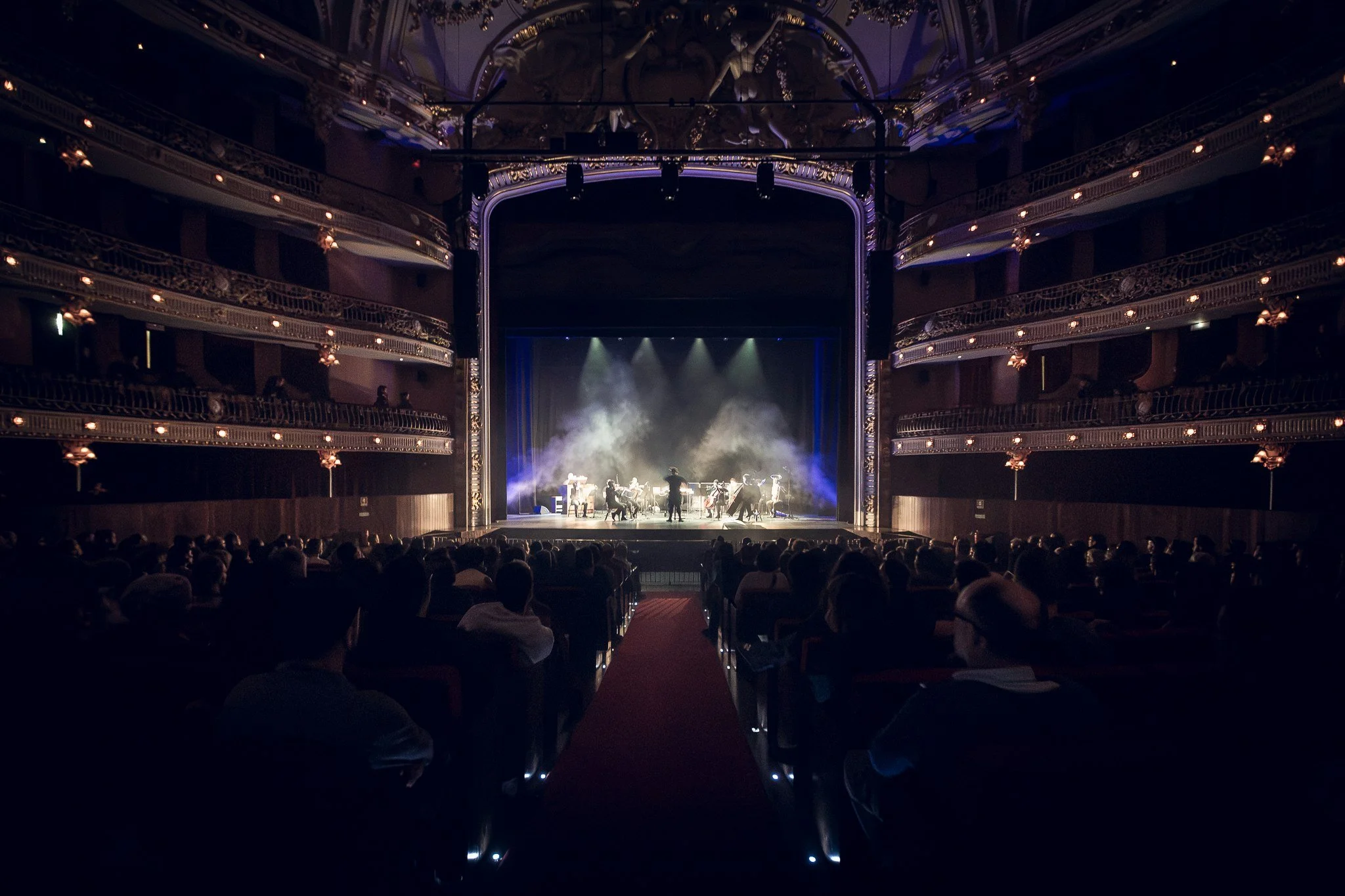
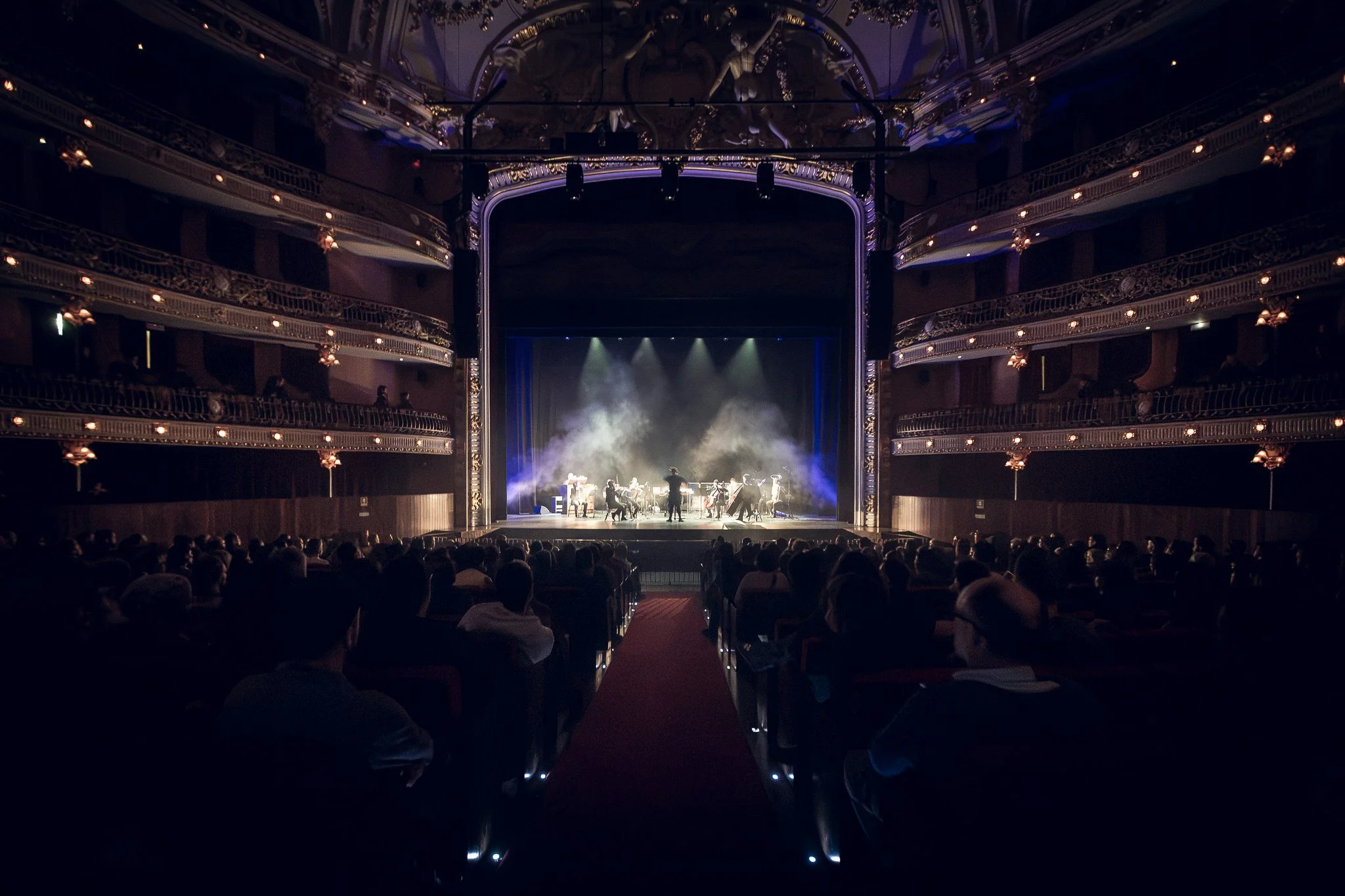
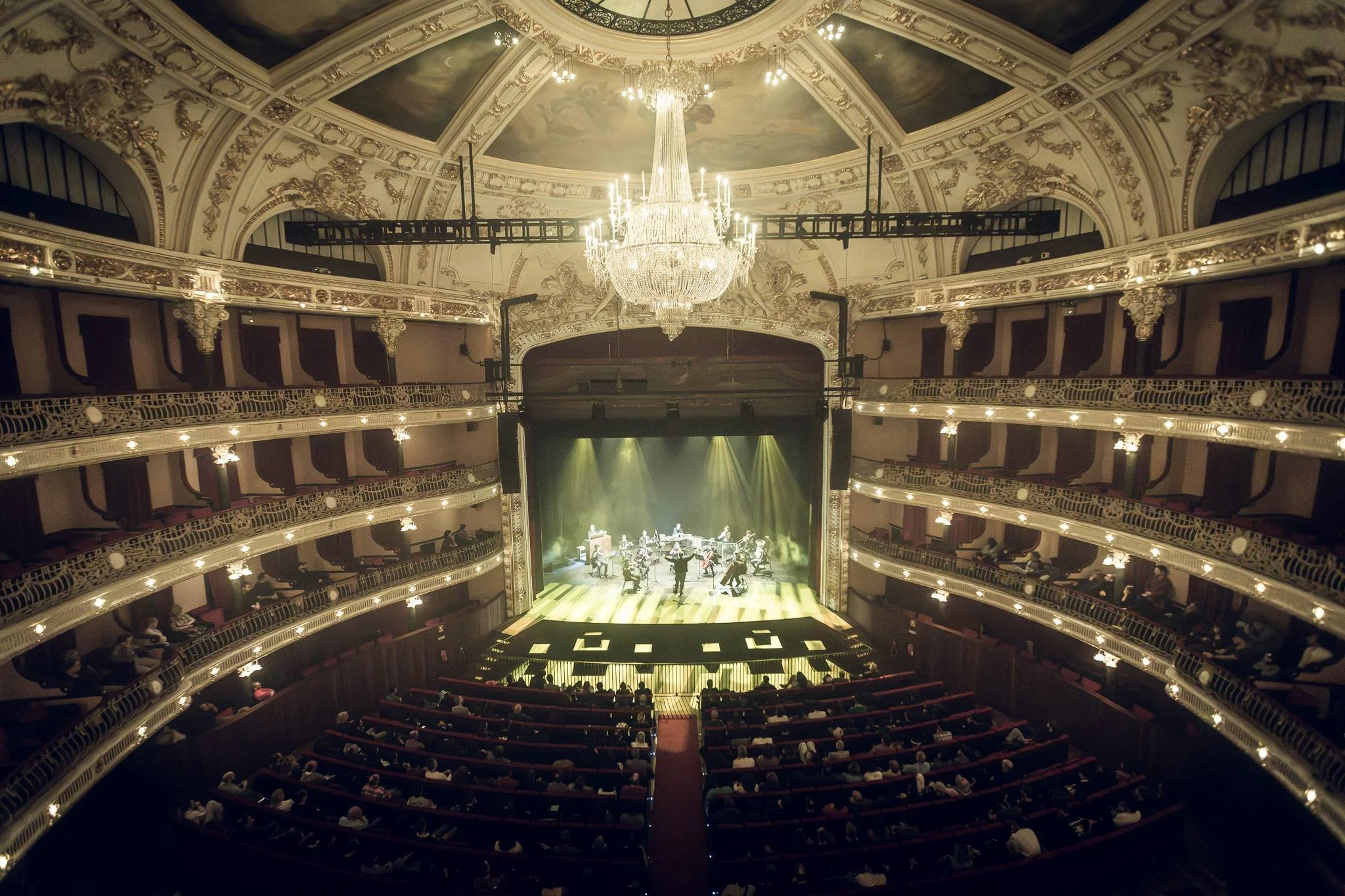
The pilgrimage to the stunning venue Salogni played in felt like a special treat, but another breathtaking location that felt like the epicentre of the festival was the Theatro Circo, a 20th century revivalist theatre. Across Friday to Sunday, the grandiose chandelier of the main auditorium oversaw performances ranging from the enticing yet absurd theatrics of Gustaf Broms and Malcolm Pardon’s collaboration Flesh and Bones to the quiet delicacy of the fabled Nuno Canavarro and Bruno Miguel Pinto’s /Radiant Rift. The dichotomy of these two performances on the same evening was a bold move, but it paid off entirely. To see a wonderful gentle performance by Pinto and his band :PAPERCUTZ followed by a dialogue between Pardon and whatever strange object Broms had on his head at any given time (including but not limited to, a house, a cage and an animal skull) was truly a warm Pastel De Nata adjacent treat.
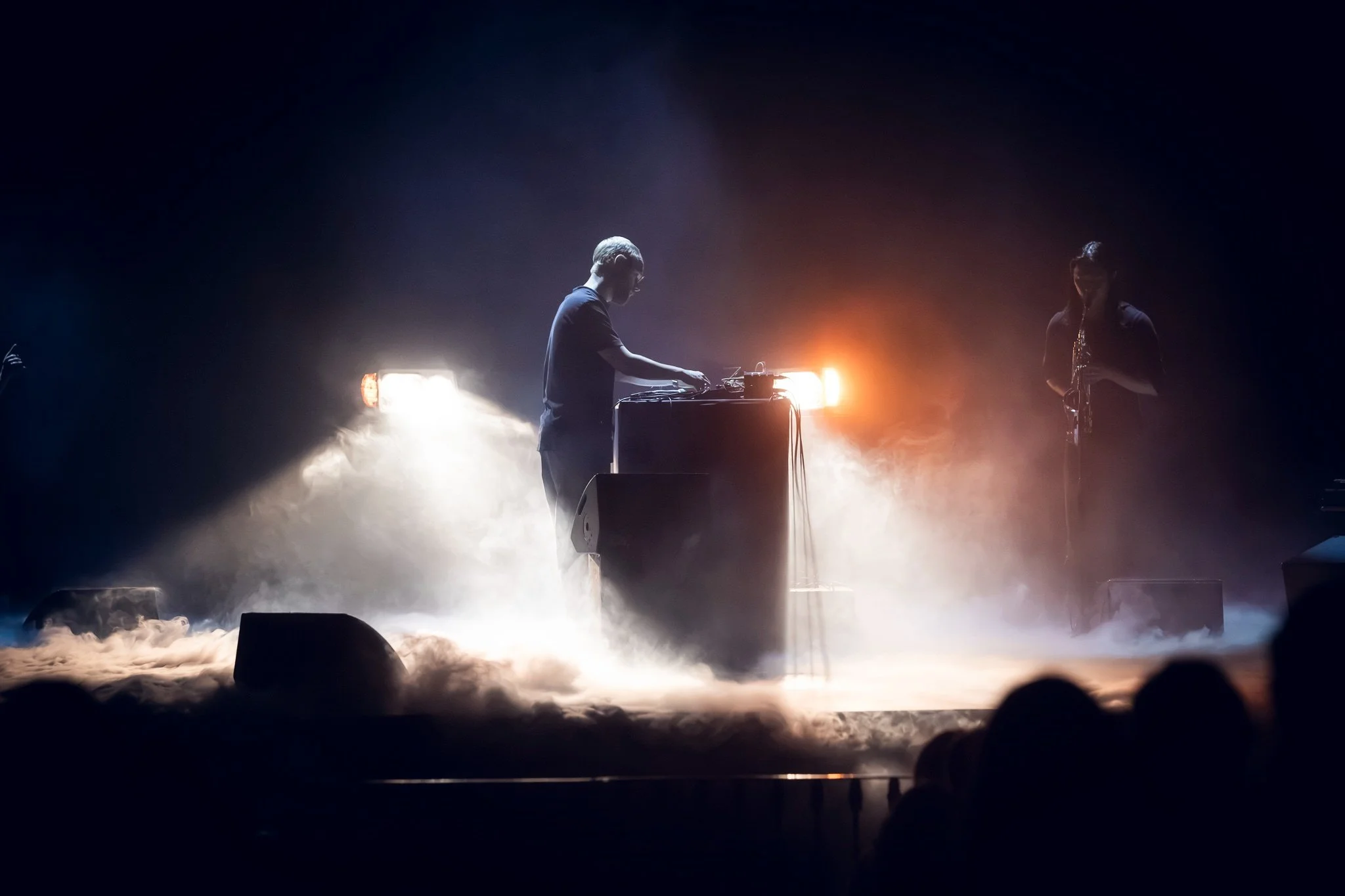
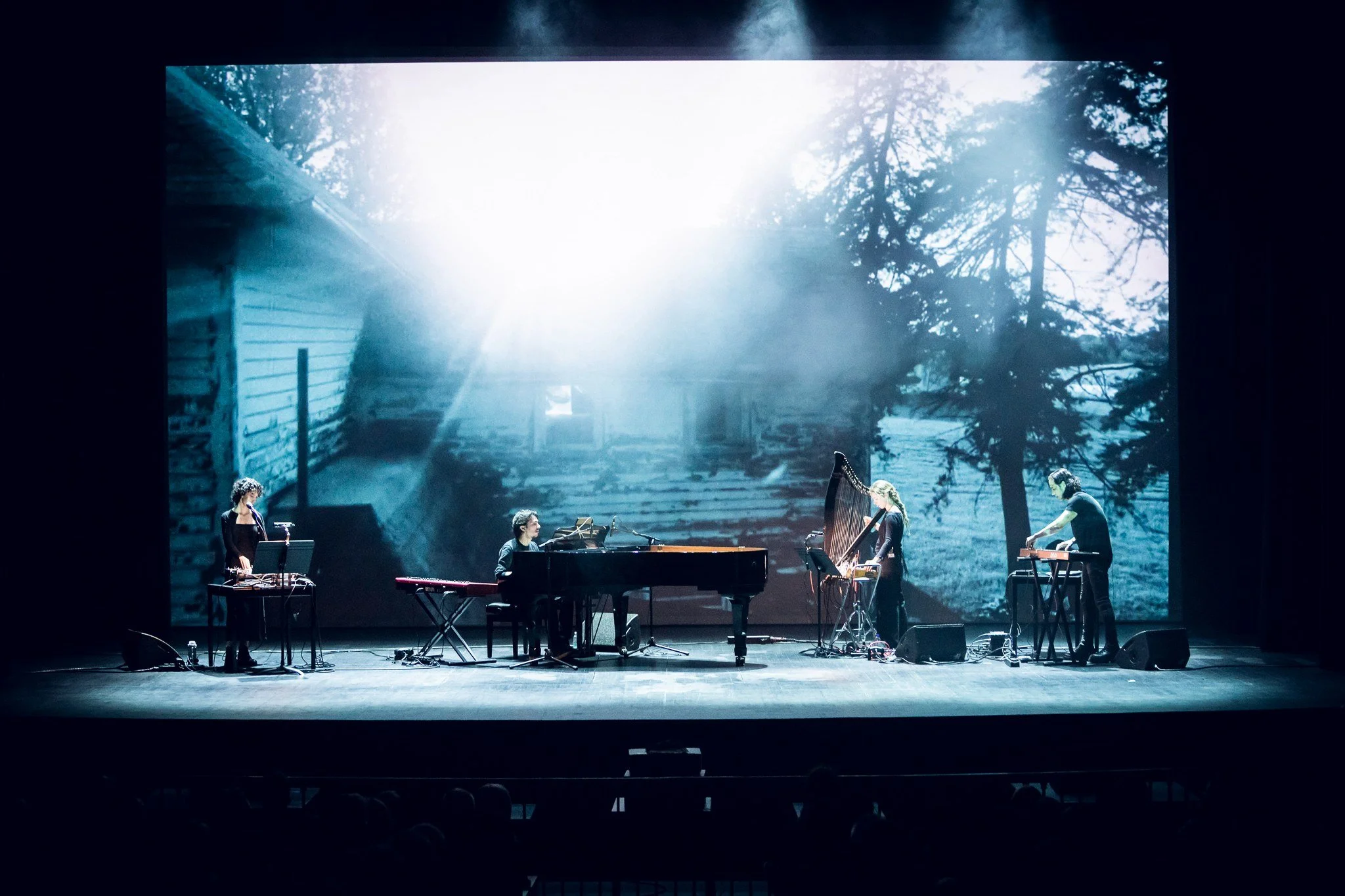
With both of these performances, the fluidity and dominion of collaboration emerged as a pertinent theme throughout the weekend. In a different performance from his opening one, Sam Slater was joined on stage by Cavid Dhen on saxophone, Ricardo Jacinto on cello and Ece Canli on vocal duty for a performance of his exhilarating 2026 album Lunng. Strapped in like a seatbelt by Lukas Fiegelfeld’s visuals, the energy darting between musicians felt like traversing through JG Ballard’s Concrete Island, as a symphony of industrial brutalism played on the overpass above. This was a definite highlight of the festival. Similarly, for the festival’s closing performance, Fennesz and Oscar Jockel presented Saffron on Grey, a moving battle of electronic textures and orchestral elegance courtesy of the Sinfonietta de Braga. It was a final declaration of the beauty of synergy in an experimental space, allowing personalities to come out on stage and become palpable to the crowd.
Prior to the performance of Saffron on Grey, Qasim Naqvi and Steven Wendt presented Howlround, which was a display of pure wizardry. It appeared to play on the childhood nostalgia of playing with finger puppets in front of a torch, but in actual fact Wendt was painting with light on stage by flashing torches and colours onto his own projections, creating a constantly evolving video loop. Naqvi’s luscious synth work aligning with the visuals made the performance totally hypnotic, and provoked a degree of vulnerability in the way you let down your guard staring into Wendt’s compelling flickers and patterns.
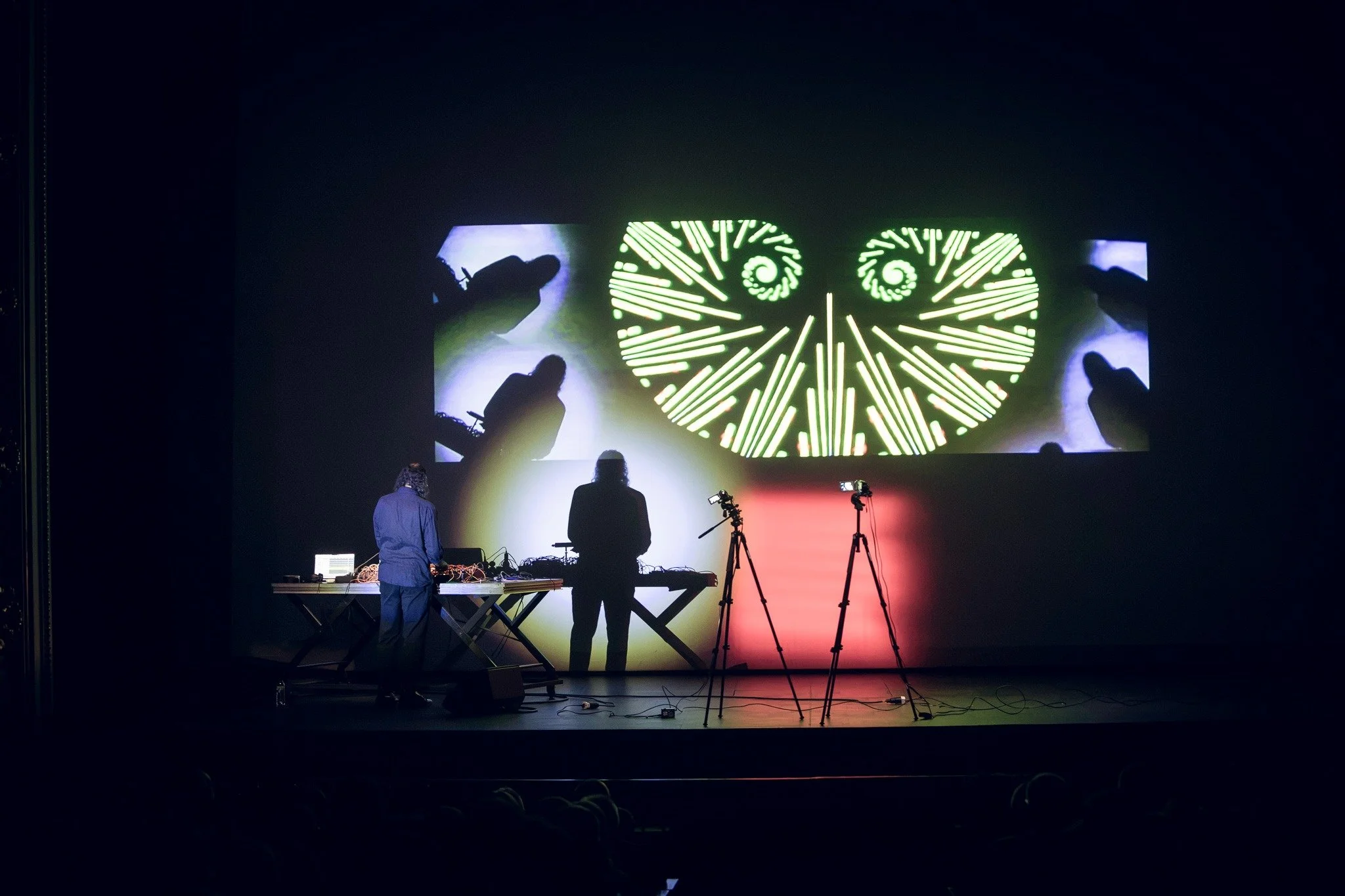
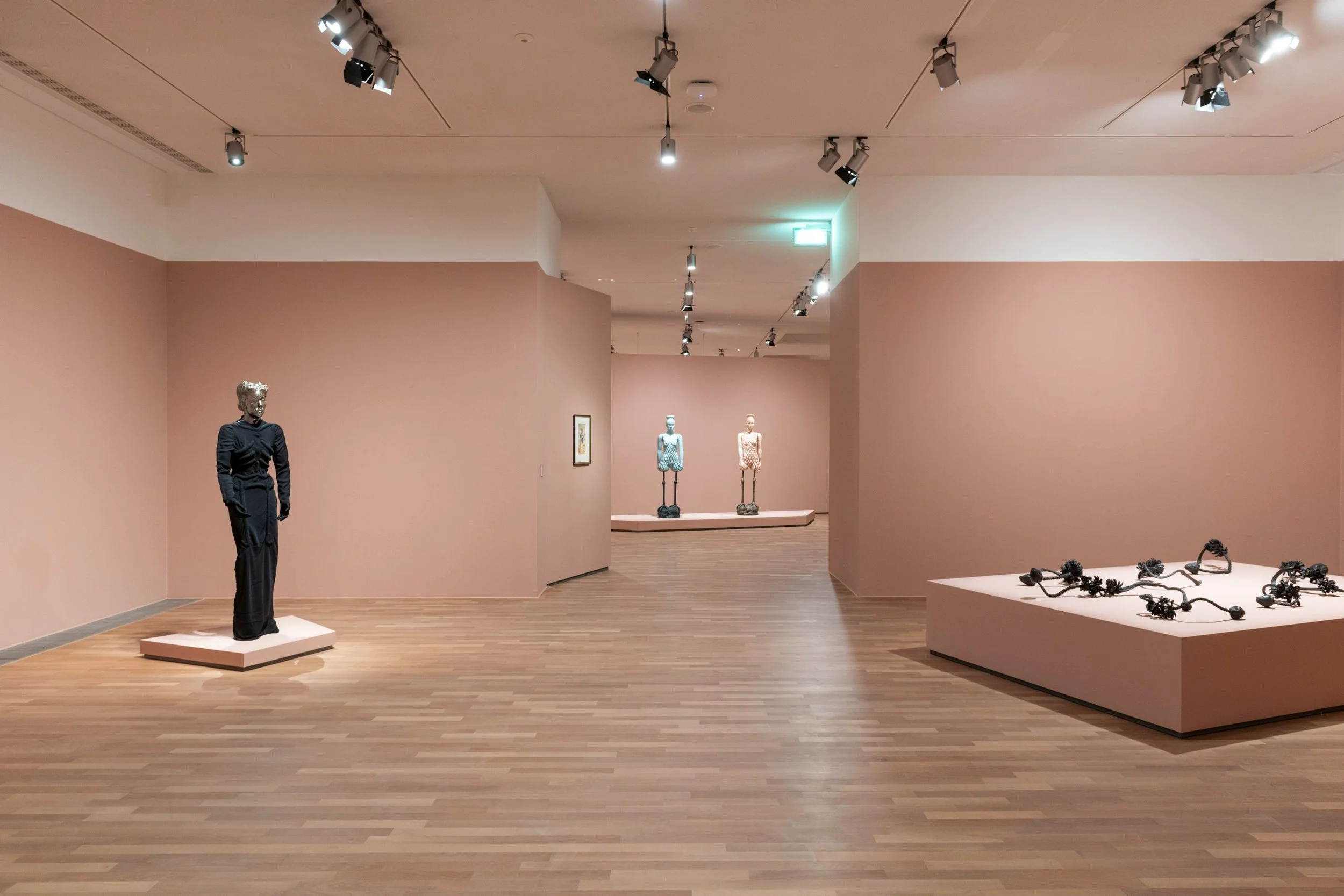
It’s worth stressing just how important and impressive the visual art spectrum of Semibreve was, the focus not just being on the music. The scary surveillance simulations in Matthew Biederman’s Situational Compliance installation in Braga’s Muzeu made for a sobering experience after being immersed in so much uplifting, exquisite music elsewhere, but with the ongoing Portuguese protests against a dreadful housing crisis, it felt very important to engage with. For this performance, Biederman set up an altar of cables, screens and speakers which instructed you to follow ‘Simon Says’ tasks, as it scanned you to assess your status as a threat or a friend. You might end up on your knees with your hands up, but you would definitely see the terrifying statistics about the scale of surveillance in particular countries around the world. In the UK there are more than most, between four to six million CCTV cameras, or roughly one camera for every fifteen people.
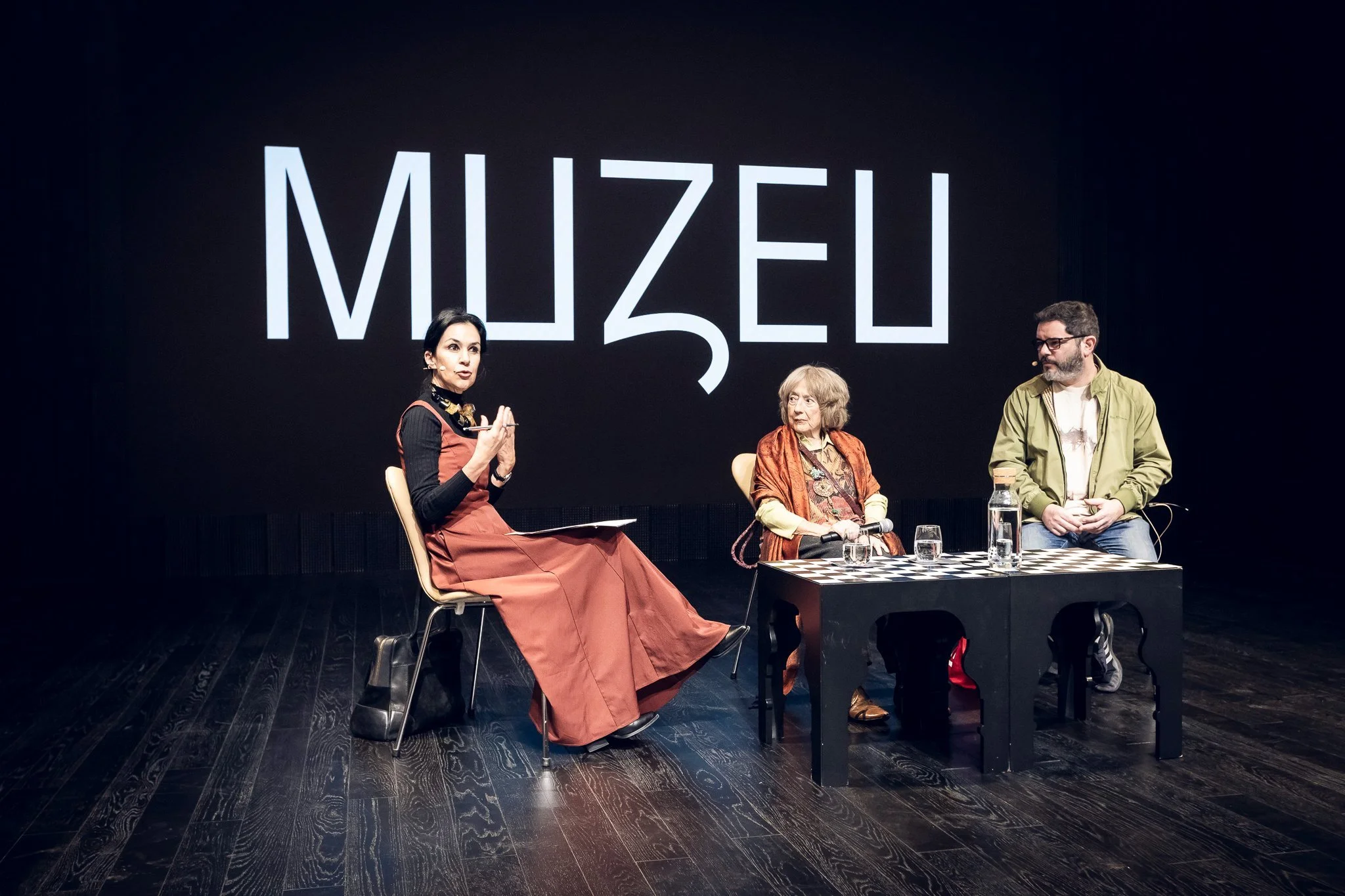
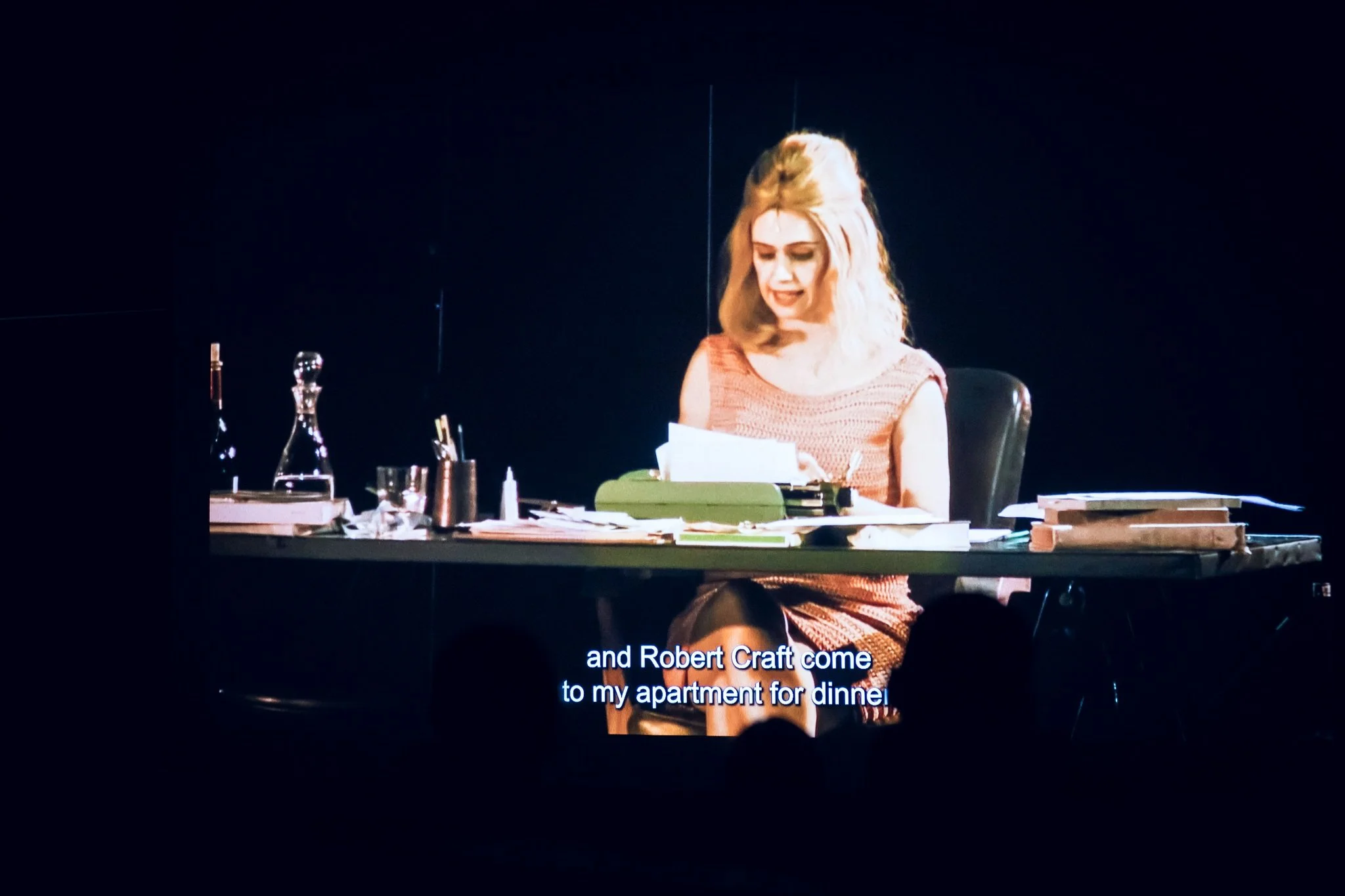
But within its walls, the wonderful Muzeu also offered less daunting messages and works. Besides the glorious art on display, there were also screenings of films taking place here across the weekend. Berlin based, Brazilian born documentary maker Dácio Pinheiro brought his film Universo Circular to the museum for its Portuguese premiere. It’s a dream-like telling of legendary Brazilian composer and pianist Jocy de Oliveira’s life through a collage of archive footage and charming recent interviews. What’s more, 90-year-old Oliveira and her husband, who’s 96, both flew from Brazil for the premiere including post-screening Q&A, making you truly feel like you truly were in the presence of a lifetime of greatness, one that Pinheiro had captured powerfully on screen.
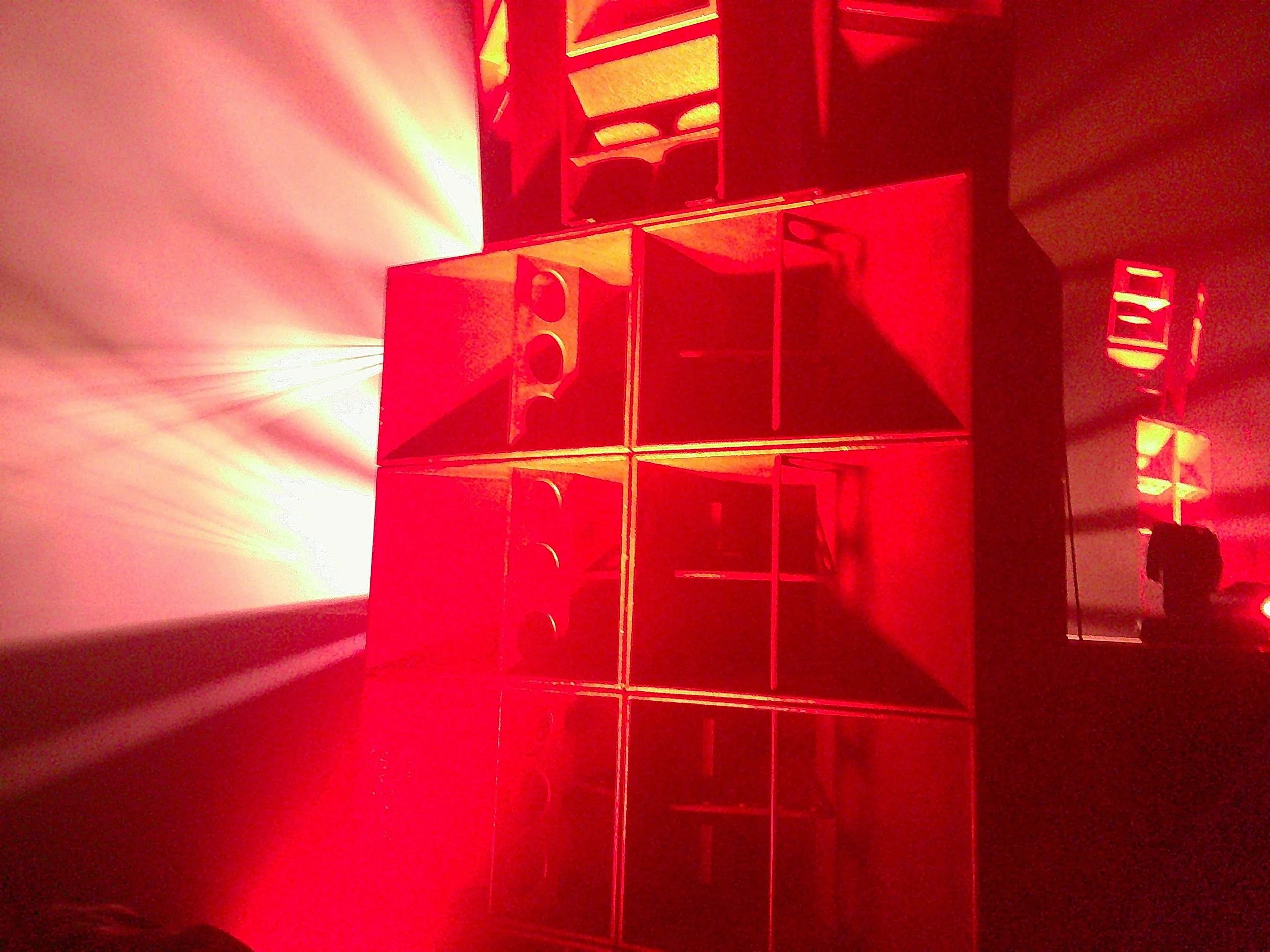
The visual art programme spread beyond the Muzeu, and into another venue called gnration, which had more installations exploring memory, the power of data, intimacy and intelligence. However, gnration didn’t just host art for the weekend, it was also the venue that led the crowd into the late night thanks courtesy of different events in its two rooms. On the Friday, Peder Mannerfelt played a eclectic set in the sala multiusos room, spinning tracks from Lanark Artefax to Suicide for over an hour and a half of non-stop foot shuffling as he jumped from BPM to BPM. Upstairs hosted the ominous Blackbox, which served as a dark haven for live electronic acts closer to the club music spectrum than was seen in Theatro Circo. Who better to close this room than TYGAPAW, the New York based producer and DJ who delivered a flawless audiovisual live set, that felt Jeff Millsian in manner. What felt like a relatively bass-absent first few minutes made the inevitable drop into the heart of the intensity when it came all the more worth it, with their flickering projections working as a perfect complementary visual aid. It was effortlessly slick for how many wires and machines you could see on the stage, but it was also a physical release to see so many audience members letting loose at what was mainly a sit-down festival. This felt like a huge cathartic release of euphoria.
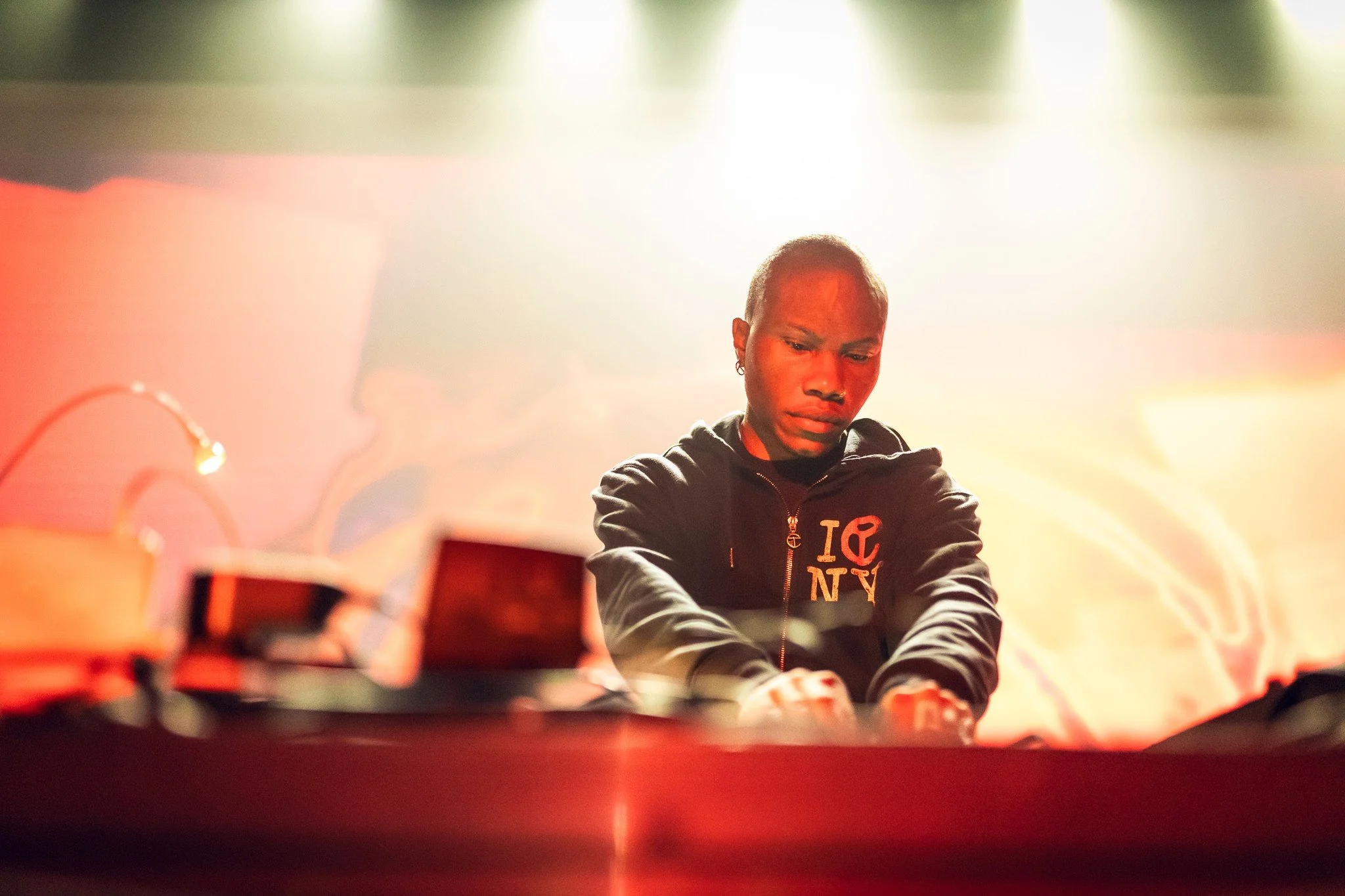
Which is a testament to the festival’s entire programming. Like TYGAPAW’s start, you had to sit with it – be comfortable to delay gratification, but reap greater rewards because of it. And that was pretty much what the overarching theme of the festival felt like for their 16th edition. In a world of instant access to information and answers through AI or immediate dopamine rushes from doomscrolling Instagram reels, Semibreve was a much needed breath of fresh air: a space get to know and come to terms with music, art or film, that wasn’t necessarily initially accessible. Instead, the programme provided challenges, asked questions required and provided all who attended with lasting memories to take away with them.
ALL IMAGES COURTESY OF Adriano Ferreira Borges / Semibreve
Words by Finn CH
What to read next